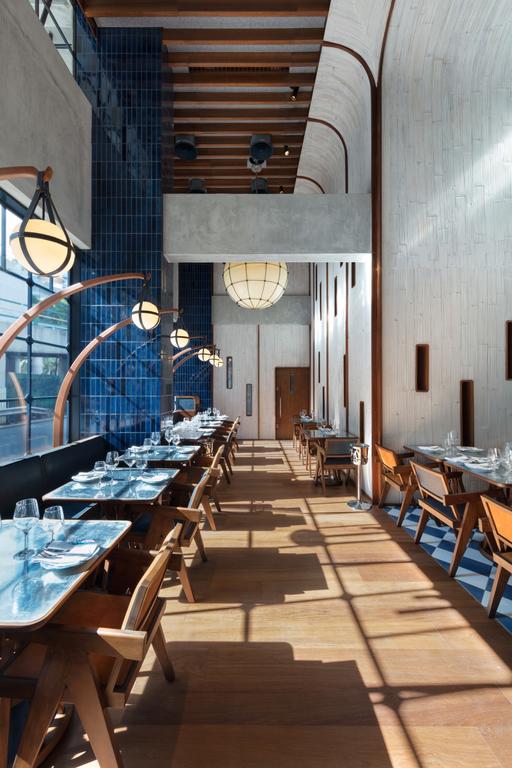
The Fleming, Hong Kong, China
Art Deco curves, maritime nostalgia and a sharply executed homage to the Star Ferry
Why DNA Hotels Loves It
● A complete design concept inspired by Hong Kong’s iconic Star Ferry, translated into architecture, materials, lighting and graphic detail rather than superficial theming.
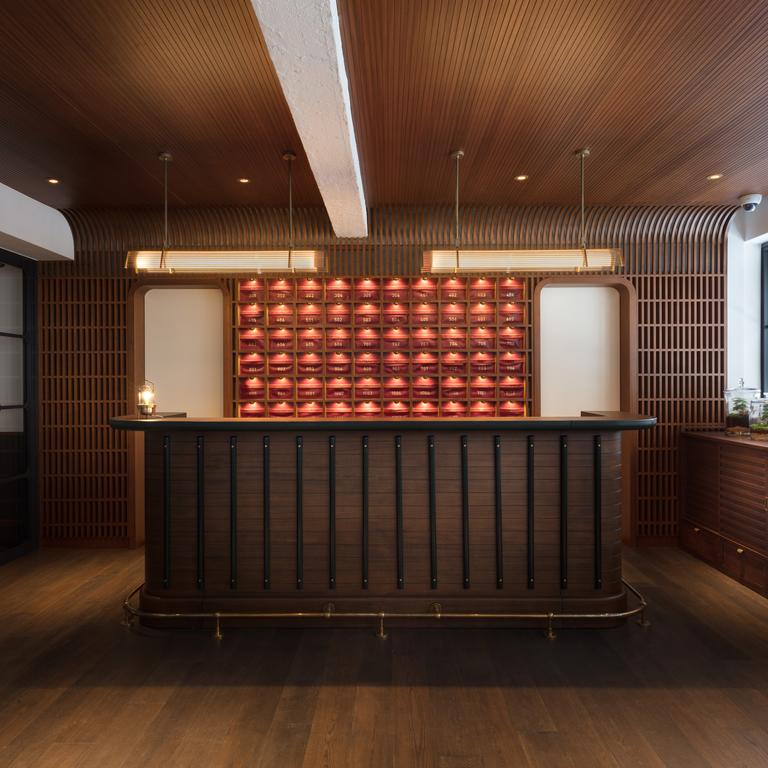
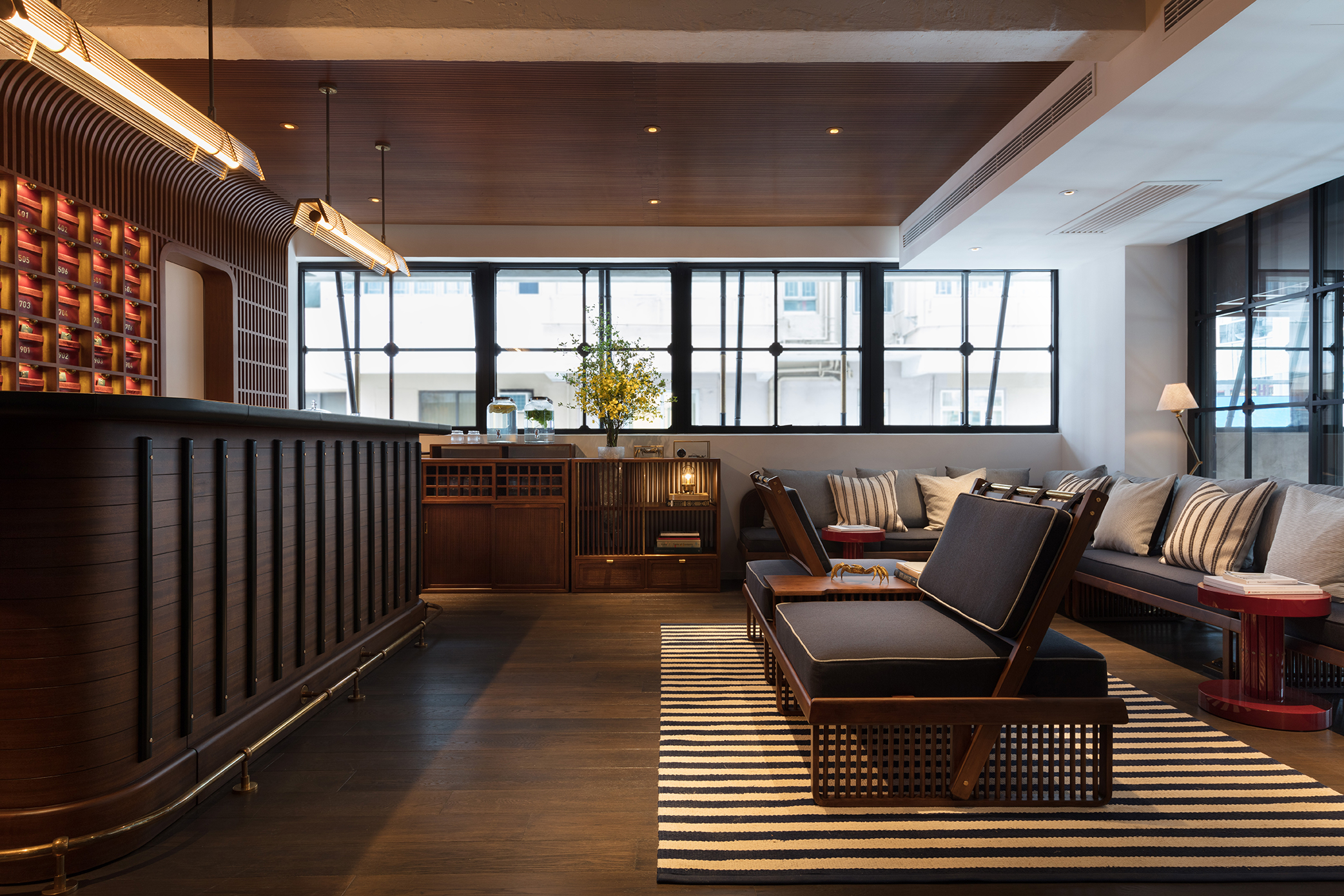
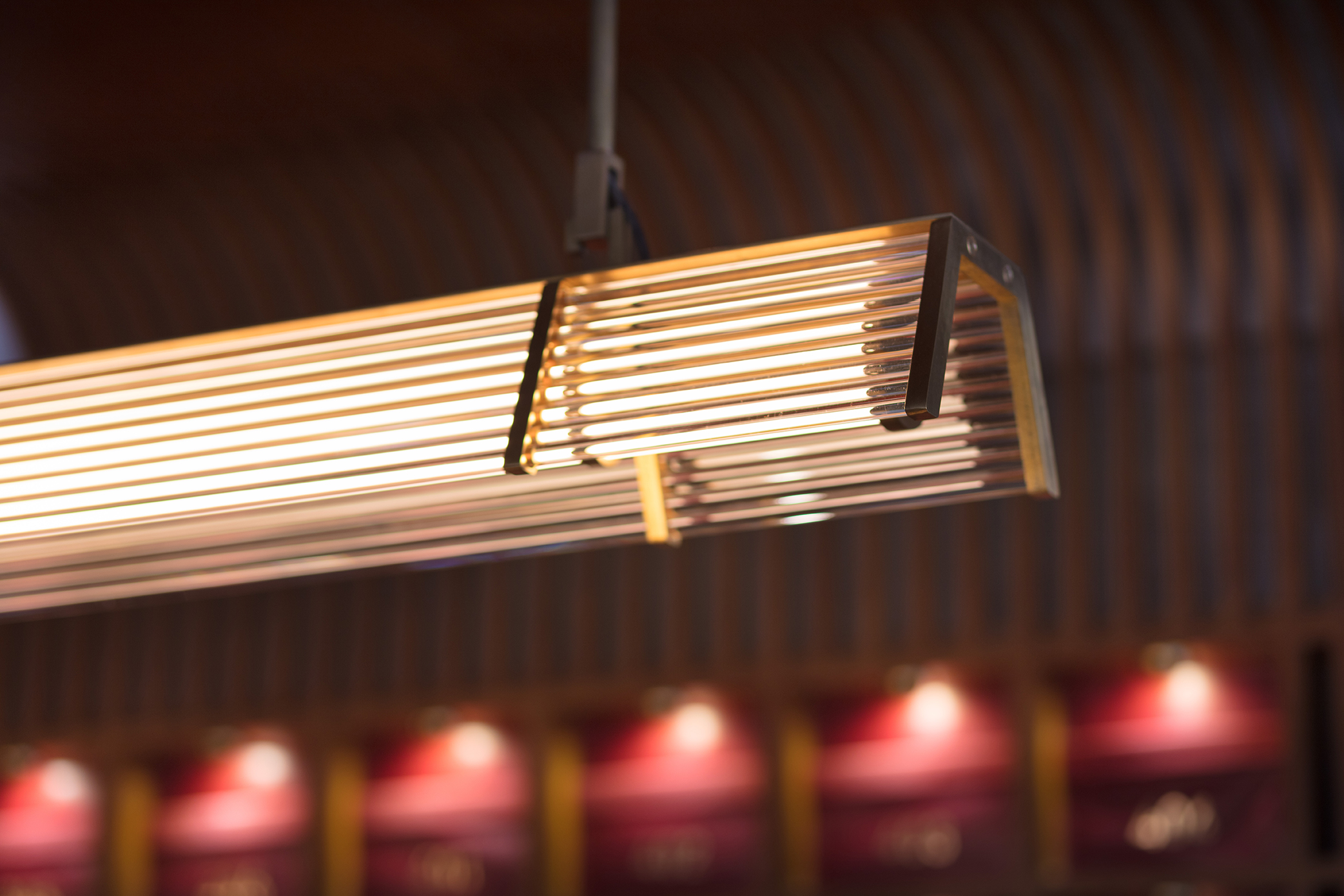
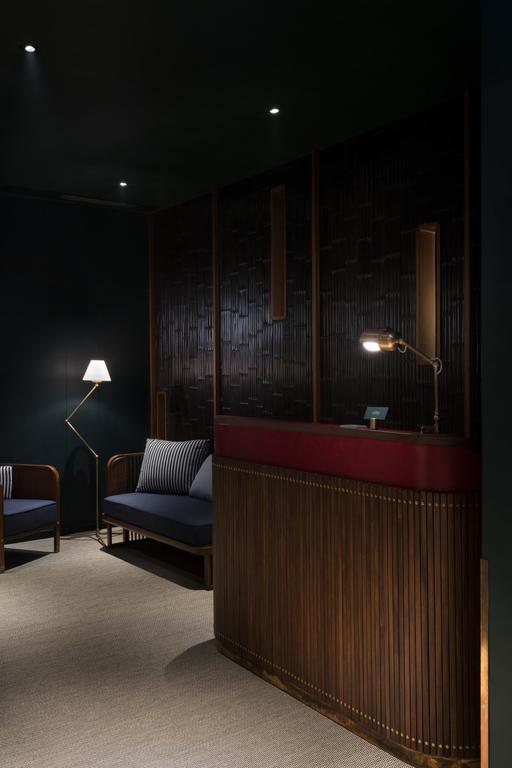
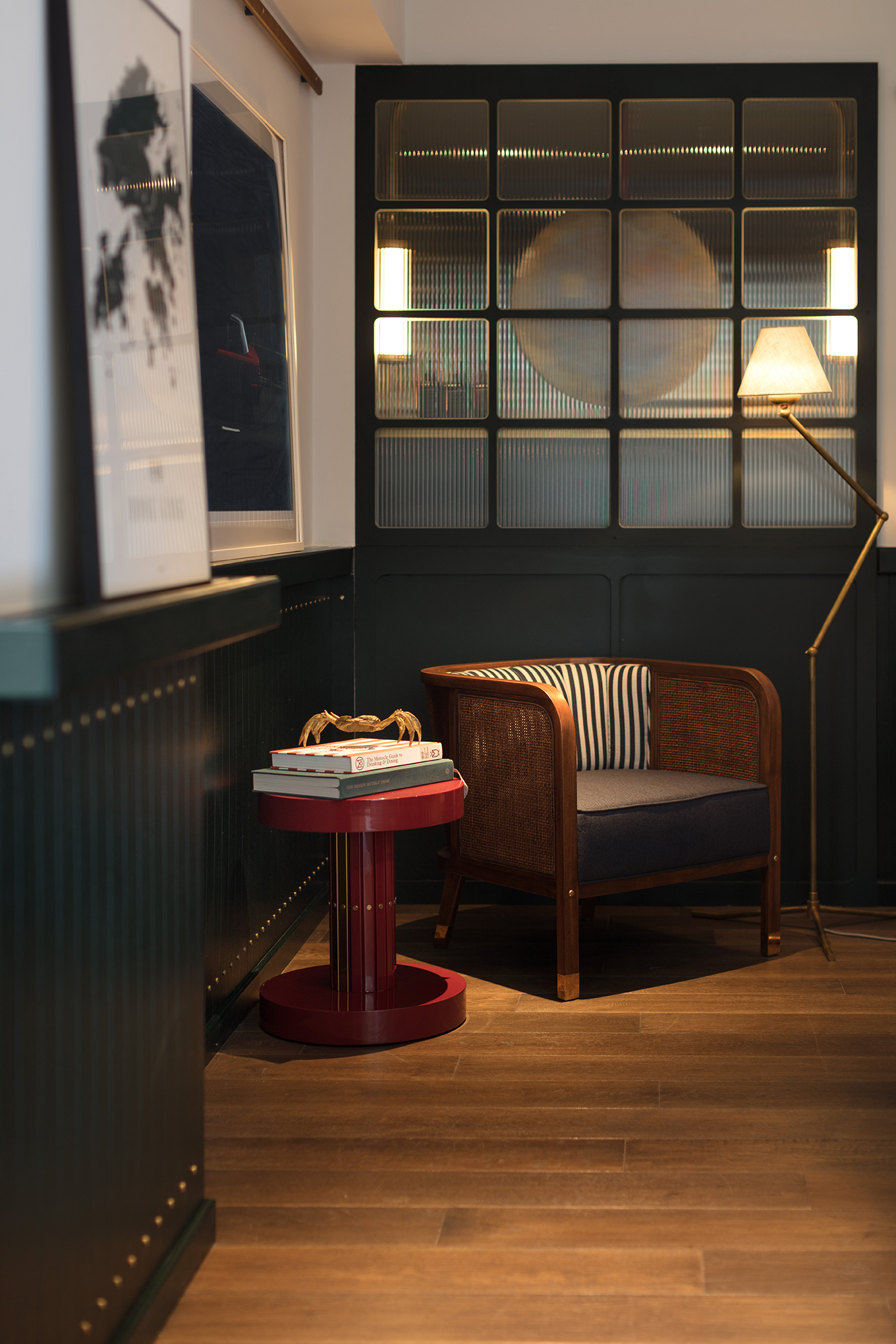
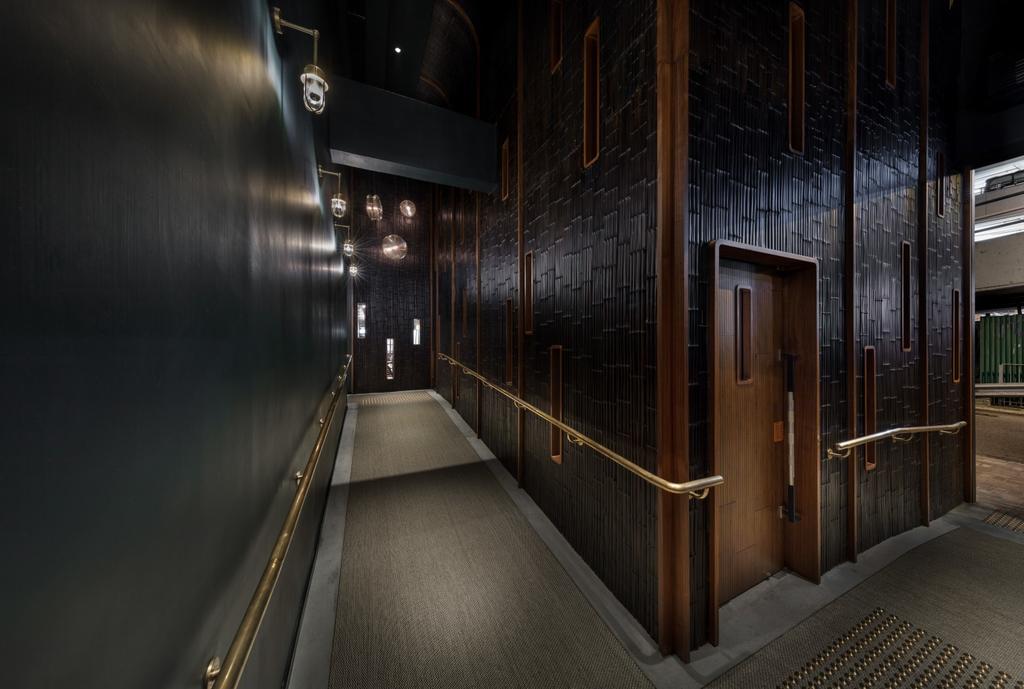
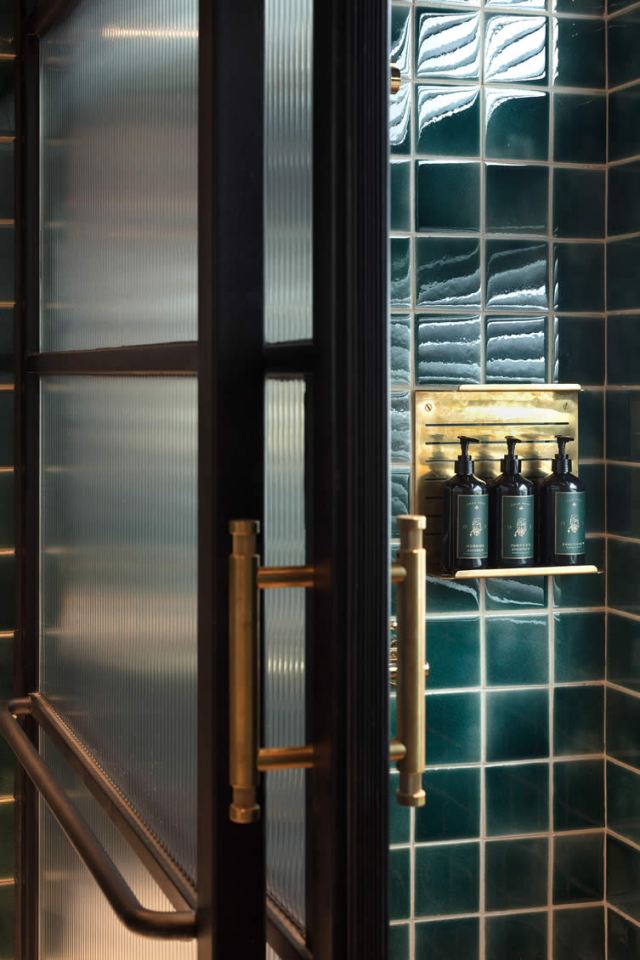
● Streamline Moderne curves, lacquered timber, brushed brass and deep harbour colours give the hotel a strong identity rooted in the city’s waterfront history.
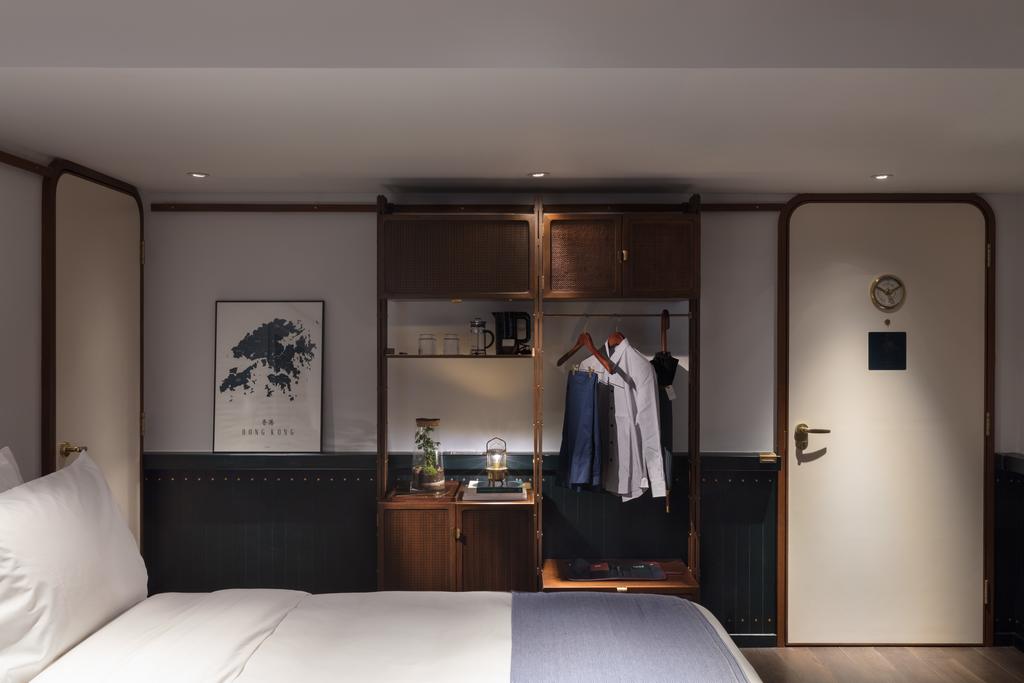
● Compact rooms are handled with unusual precision, proving that conceptual design can work even within Hong Kong’s spatial constraints.
A Ferry Becomes a Design Language
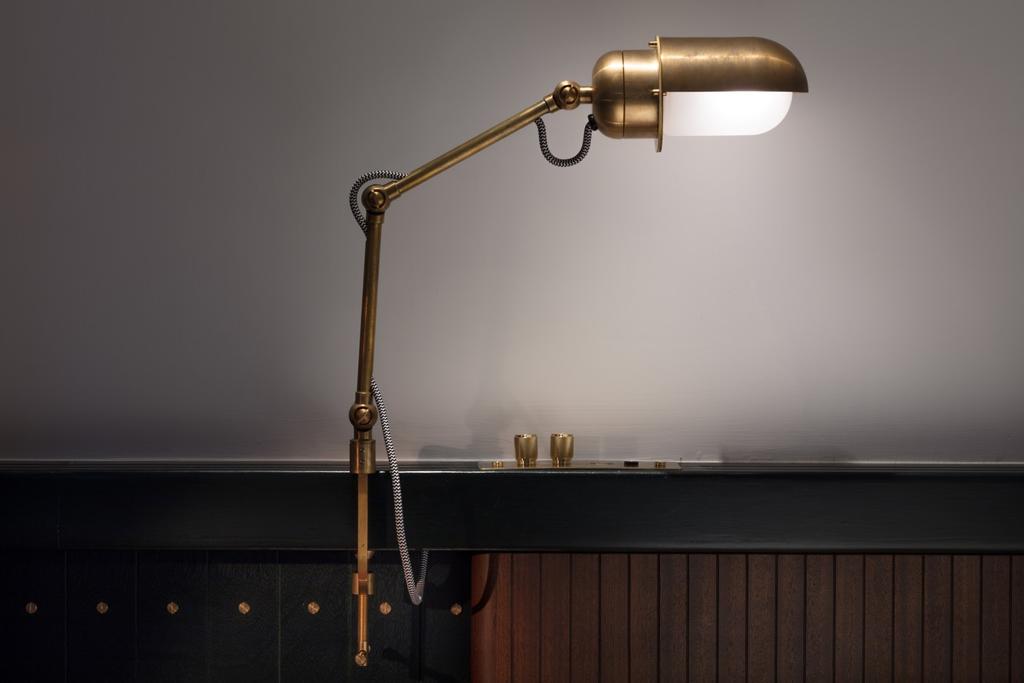
The Fleming begins with something almost defiantly ordinary. The Star Ferry. Rather than treating Hong Kong’s harbour heritage as decorative nostalgia, the hotel turns one of the city’s most familiar forms of transport into a complete architectural vocabulary. The result is not nautical in the obvious sense. There are no ropes, anchors or costume references. Instead, the design works through proportion, material and detail. Rounded corners recall Streamline Moderne ships and ferry terminals. Dark timber surfaces suggest lacquered decks. Brass hardware feels engineered rather than ornamental. Graphic lines echo railings, gangways and navigational equipment. It is a concept with discipline.
Harbour Colours, Industrial Precision
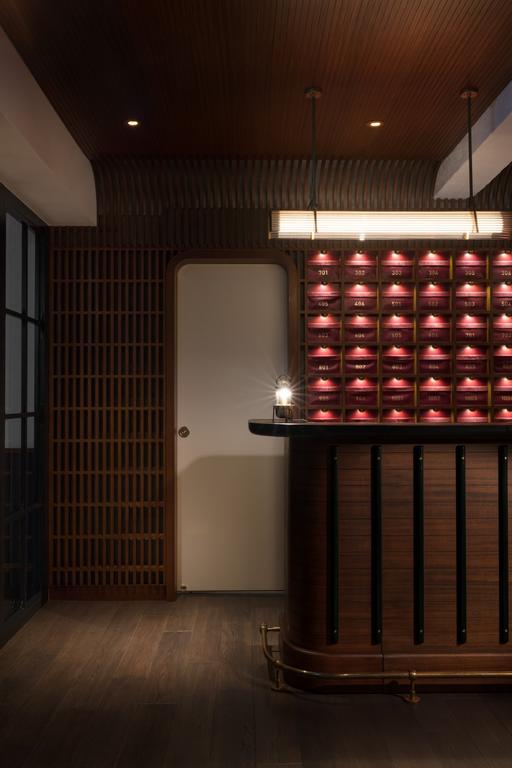
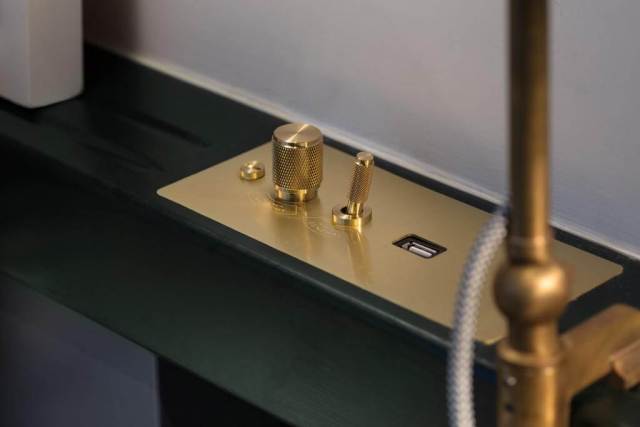
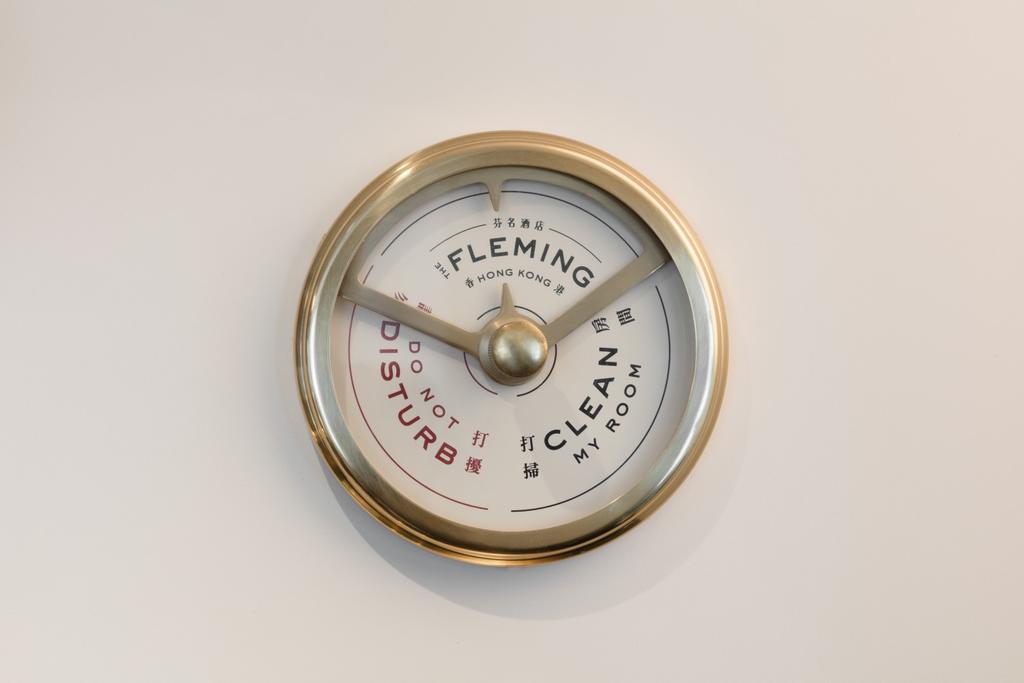
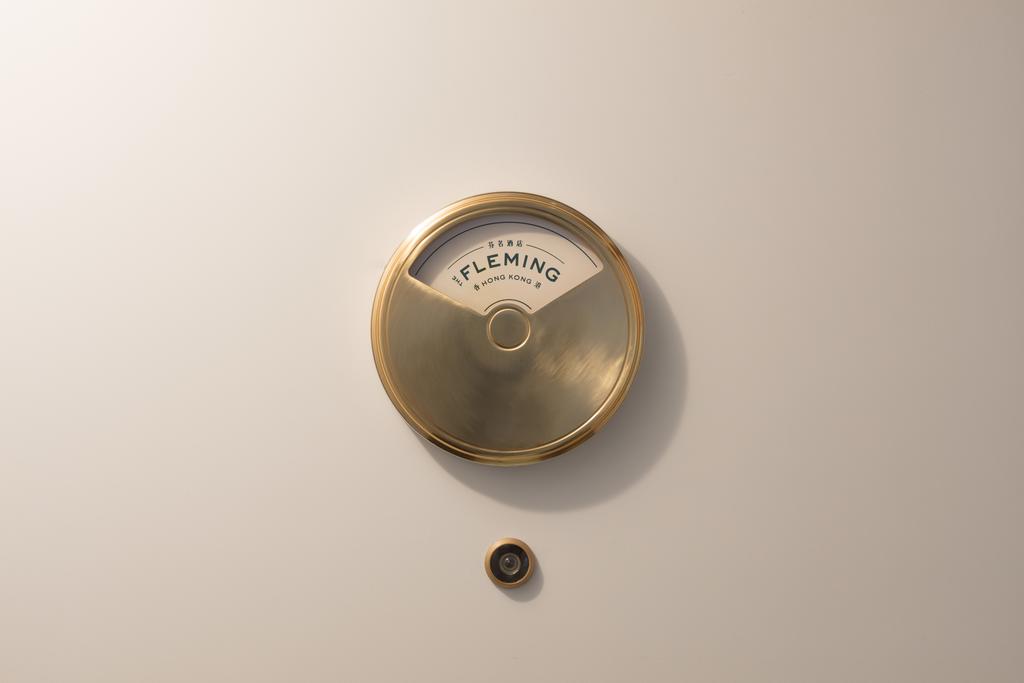
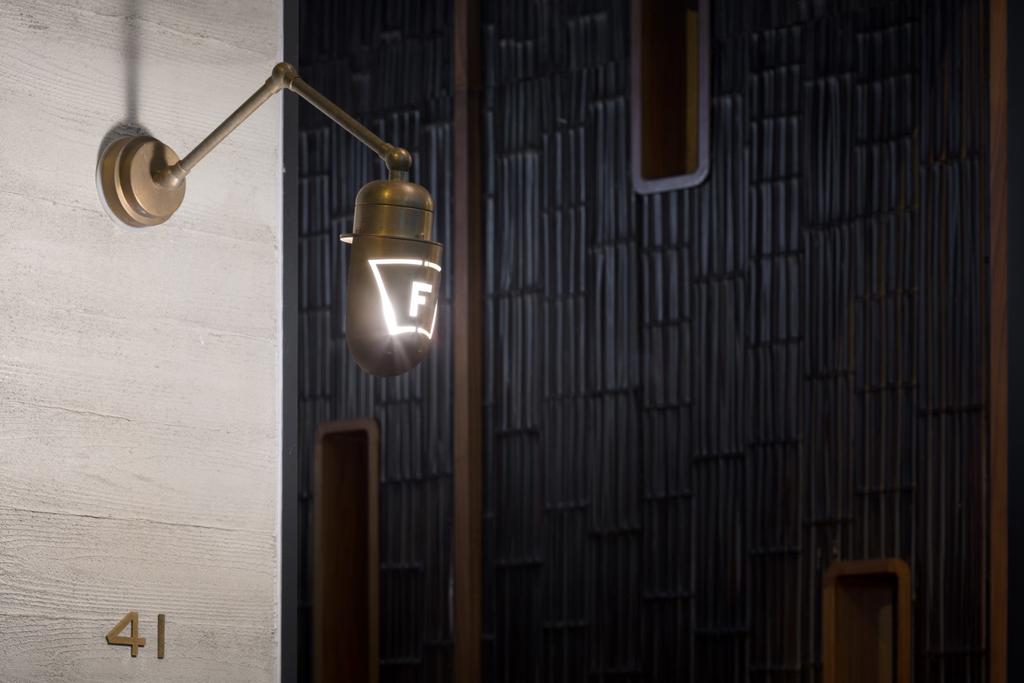
The palette draws directly from Hong Kong’s maritime environment. Bottle greens. Deep navy. Warm timber. Cream. Oxidised-metal tones. Nothing feels glossy or overworked. Brass is brushed. Wood retains warmth. Industrial elements are balanced by softer surfaces and low lighting. Even the smaller details contribute to the narrative: signage shaped by maritime graphics, switchgear and controls with an almost analogue tactility, and details that recall telegraphs, dials and marine hardware. The hotel remembers Hong Kong without becoming nostalgic about it.
Rooms Conceived as Cabins
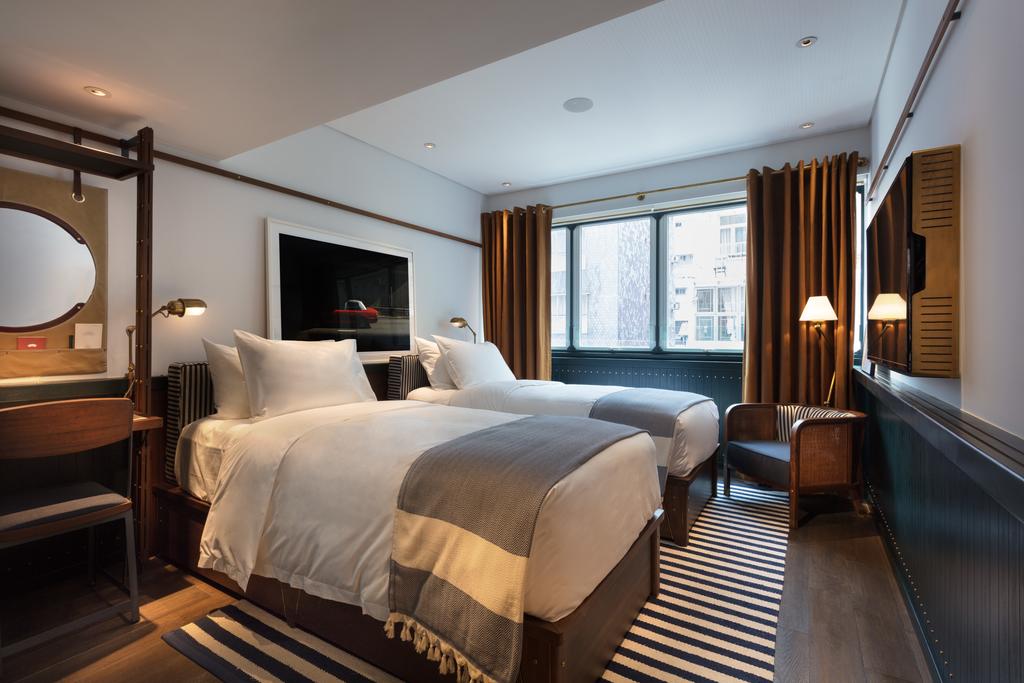
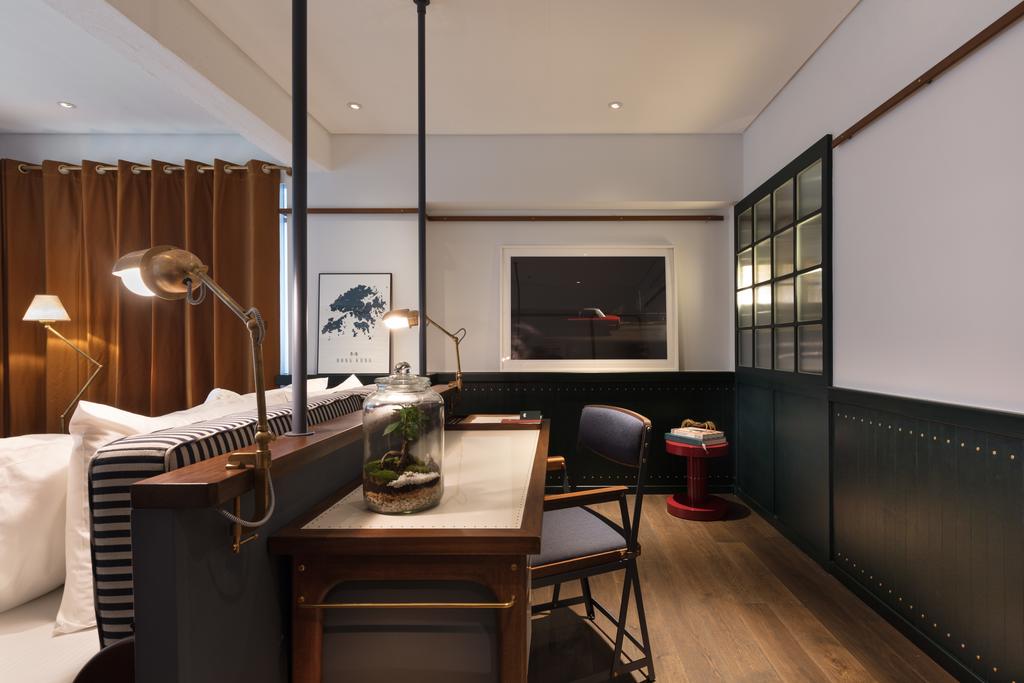
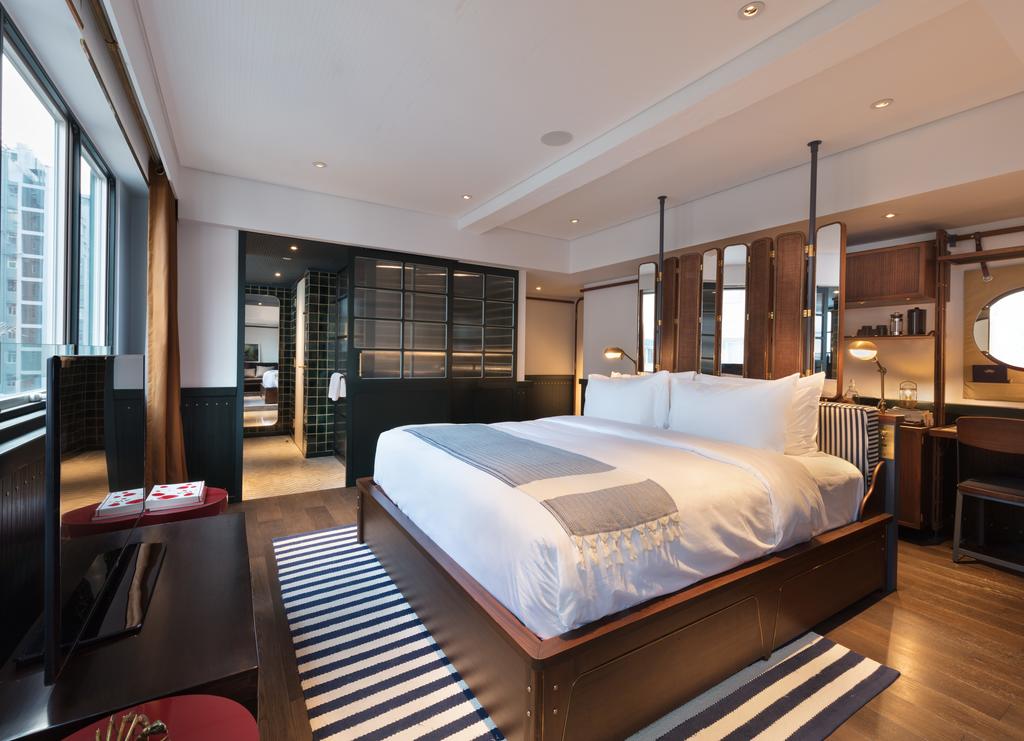
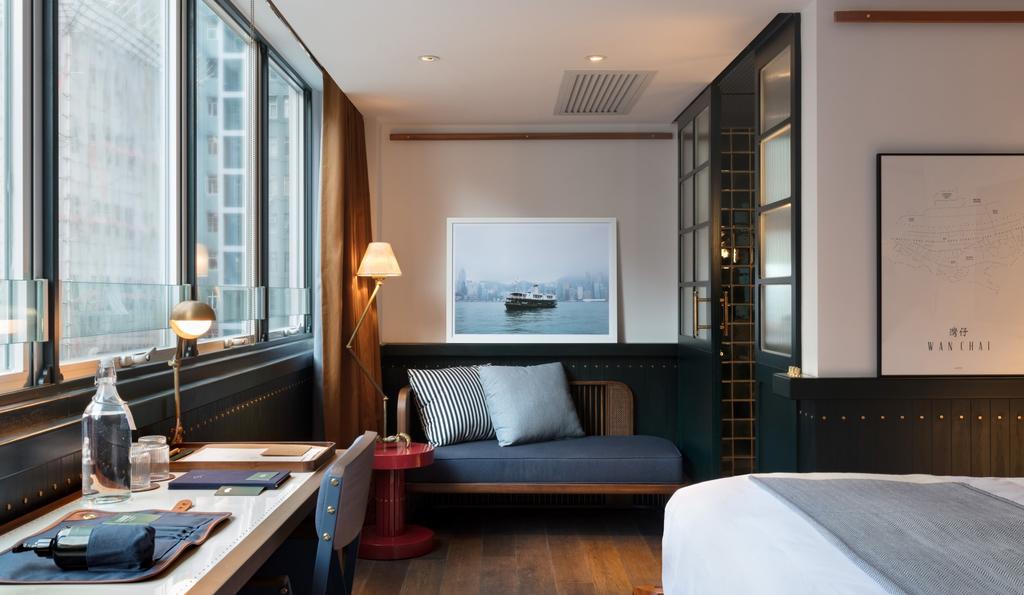
Guest rooms continue the same language at a smaller scale. Their proportions are compact, but the design is carefully controlled. Rounded edges soften the geometry, while green wall panelling, linear detailing and restrained lighting bring a sense of order. The maritime references remain abstract rather than literal. There is an efficiency to the rooms that feels appropriate for Hong Kong: everything has a function, everything has a place. Contemporary technology and walk-in rain showers are integrated without disrupting the visual rhythm. The result is closer to a beautifully designed cabin than a conventional city hotel room. Small, but never careless.
Wan Chai Through a Maritime Lens
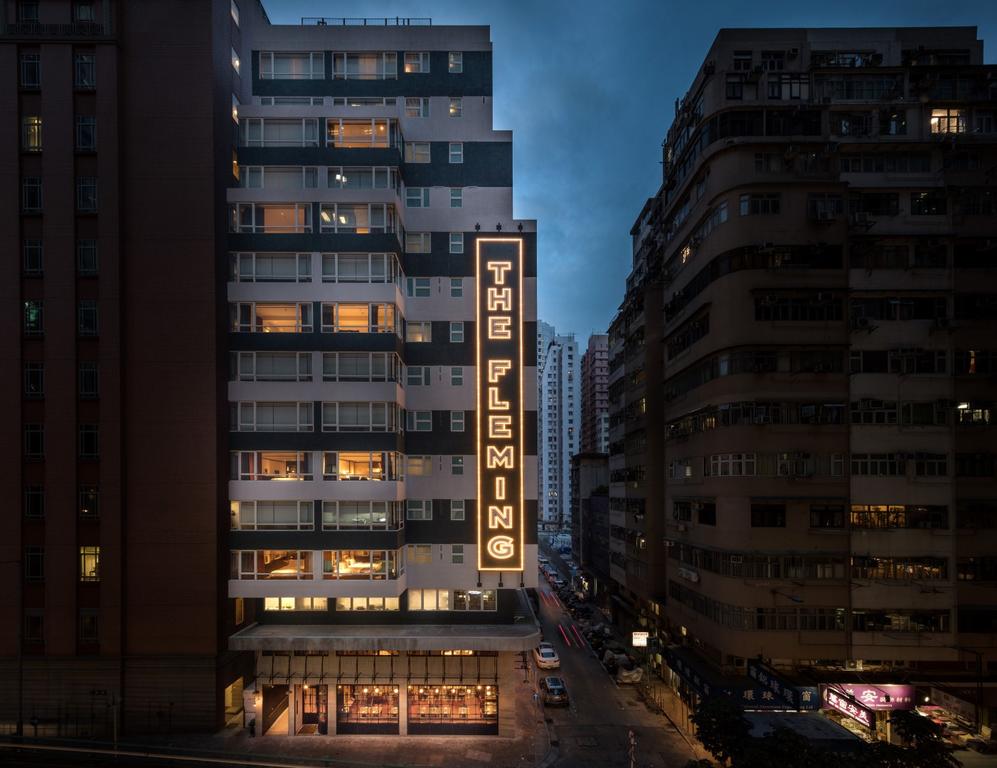
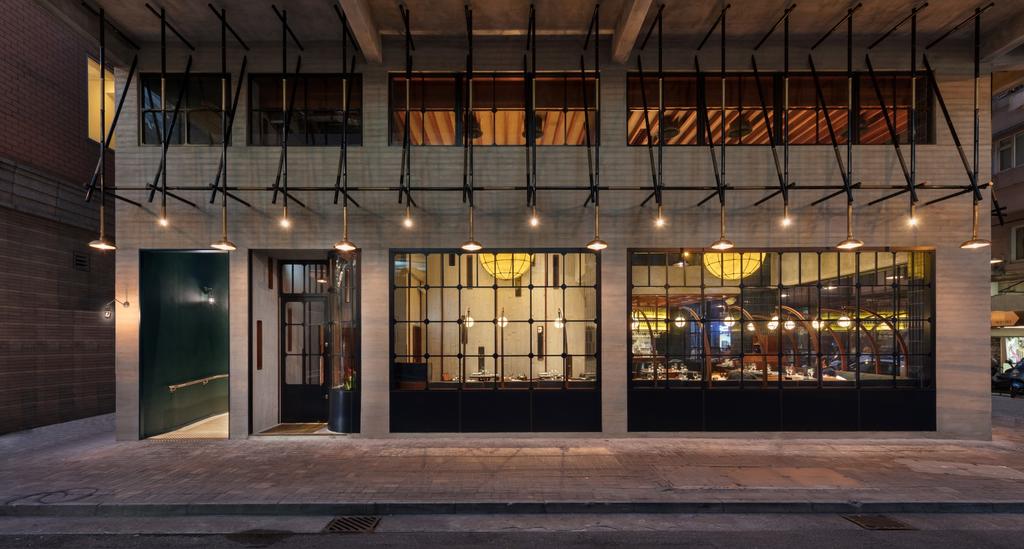
The Fleming sits in Wan Chai, a district where Hong Kong’s many layers remain visible at once. Old shopfronts, office towers, restaurants, bars, markets and harbour infrastructure all overlap within a relatively compact urban fabric. That context matters. The hotel does not attempt to create a sealed-off luxury world. Its design instead reflects the city outside: commercial, maritime, cosmopolitan and slightly industrial. Architecture becomes a way of interpreting place.
Osteria Marzia and the Pleasure of Contrast
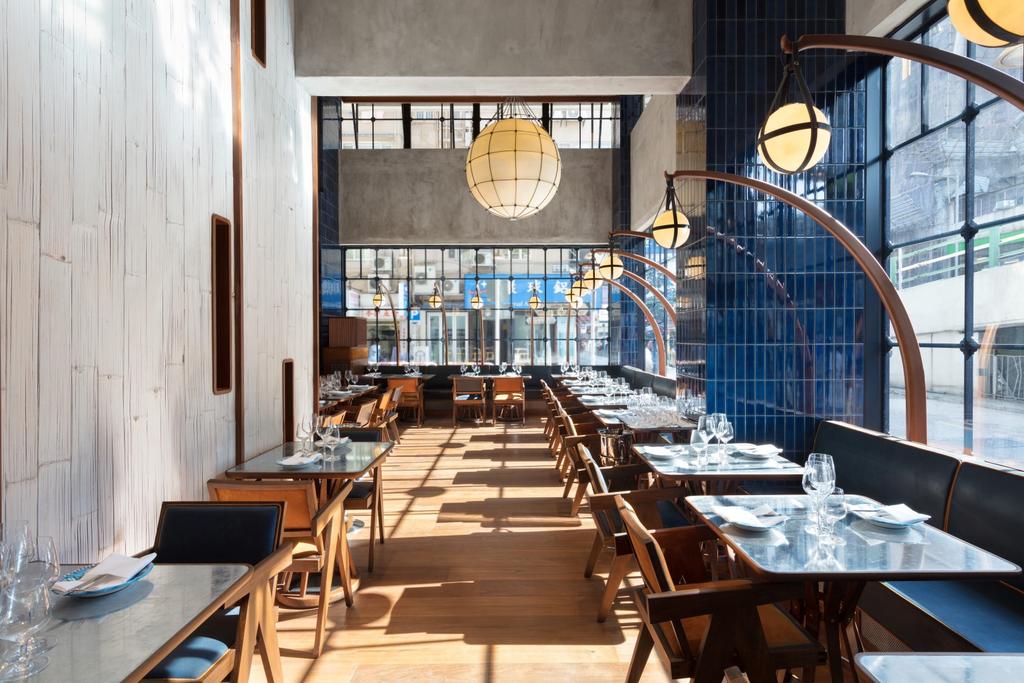
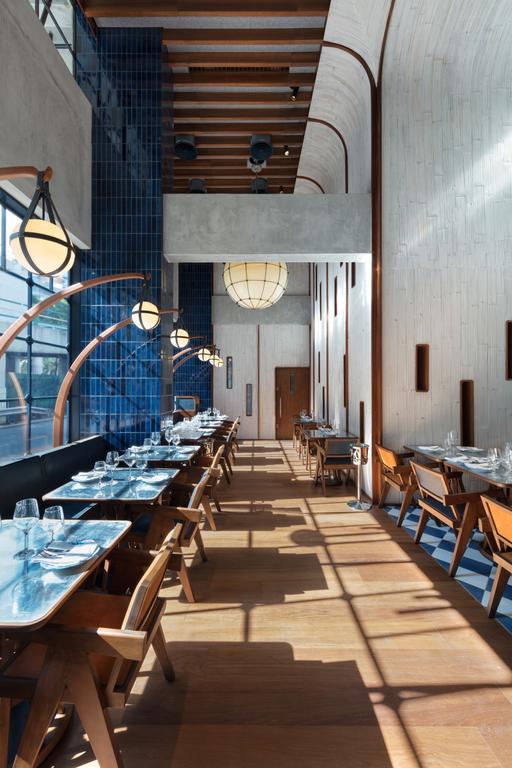
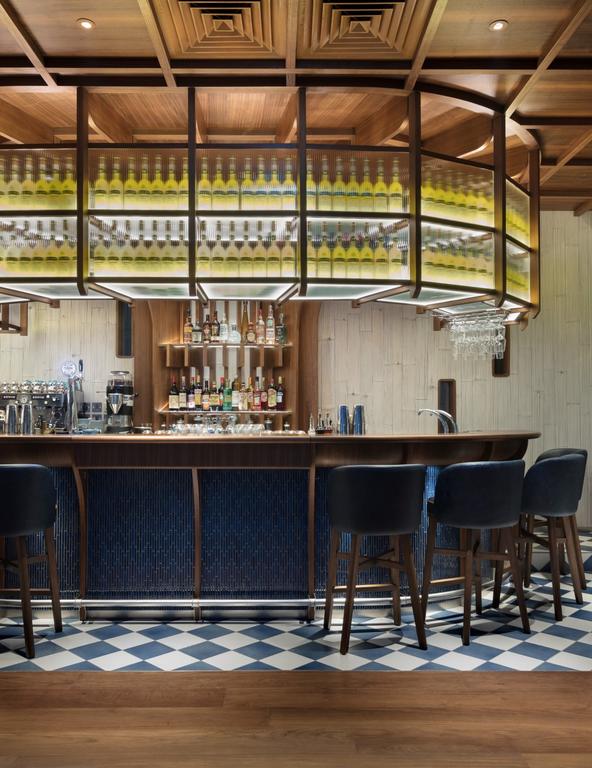
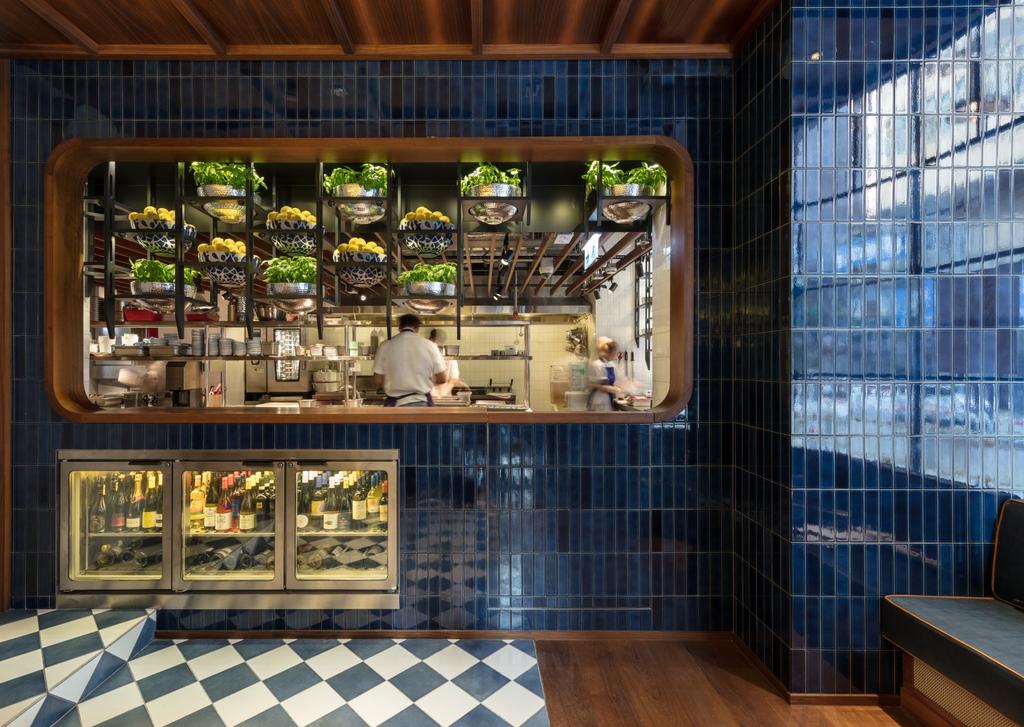
The hotel’s restaurant, Osteria Marzia, takes a different geographical direction. Rather than extending the Hong Kong narrative into the food, it looks towards the Italian coast, with seafood, crudo, pasta and Mediterranean flavours creating a lighter counterpoint to the darker, more atmospheric hotel interiors. That contrast works. The restaurant feels less like an extension of the lobby and more like another chapter in the same travel story: harbour culture interpreted through movement, exchange and maritime imagination. Hospitality becomes a journey between ports.
Why It Works
The Fleming succeeds because its concept is coherent without becoming literal. The Star Ferry is not used as branding. It becomes architecture. Curves, timber, brass, colour, lighting and graphic details work together to create a hotel that feels unmistakably connected to Hong Kong, while still functioning as a contemporary boutique property. In a city filled with anonymous luxury towers and efficient business hotels, The Fleming chooses memory instead. And gives it form.