Hotel Guaraní, Asunción, Paraguay
A landmark of Latin American modernism where 1960s optimism still shapes the skyline of Paraguay’s capital
Why DNA Hotels Loves It
● One of Asunción’s defining modernist landmarks, opened in 1961 and designed by Brazilian architects Adolpho Rubio Morales, Rubens Carneiro Vianna, and Ricardo Sievers.
● The extraordinary original lobby, where marble, mosaics, sculptural forms, and monumental proportions preserve the glamour and confidence of its mid-century beginnings.
● A hotel worth experiencing for the architecture itself—even where later renovations have diluted some of the original design.
Modernism Comes to Asunción
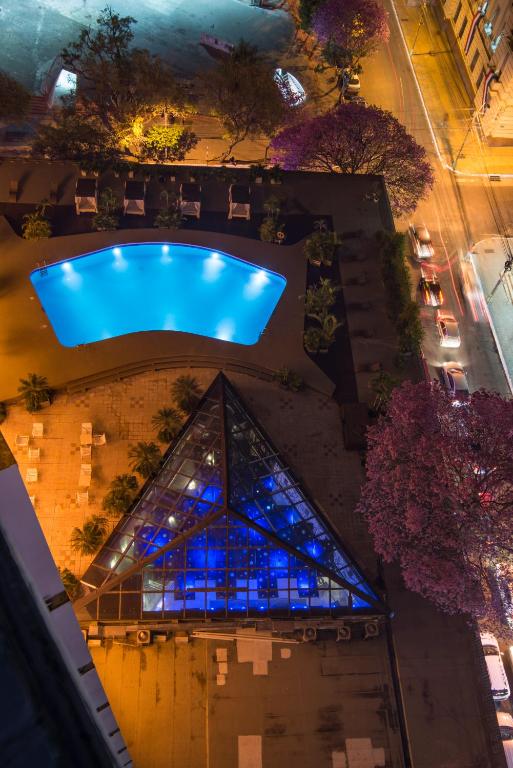
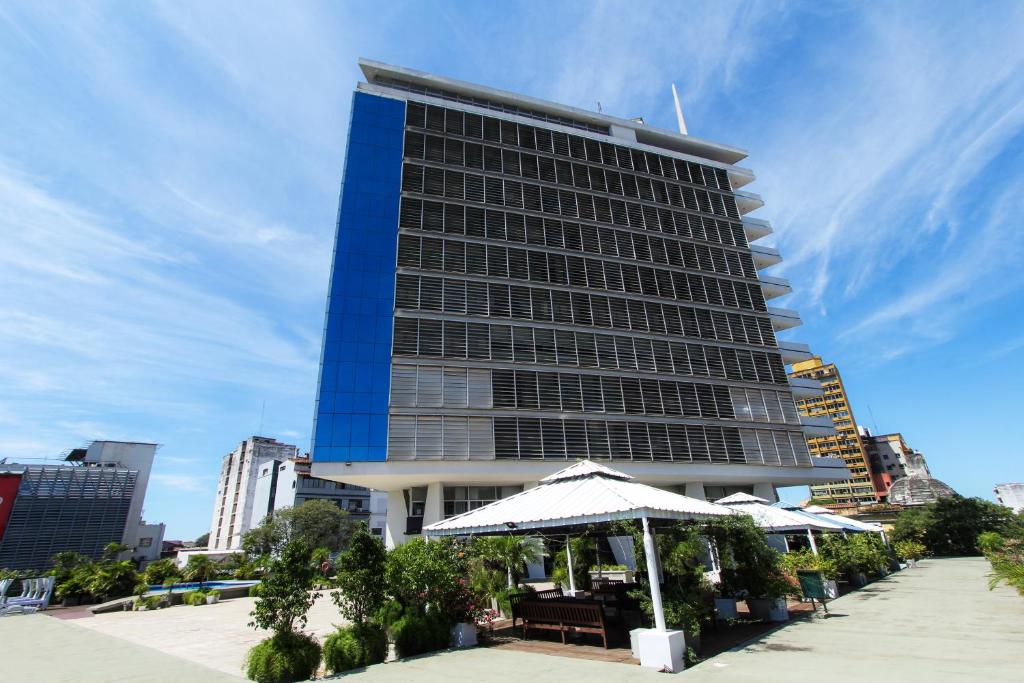
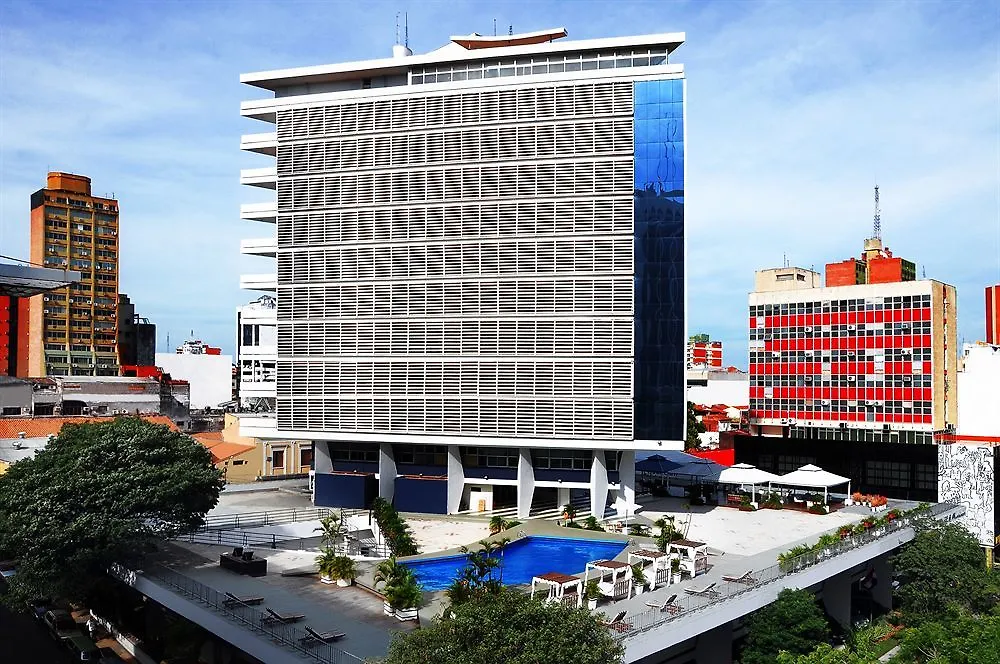
There are hotels you choose for immaculate interiors. And there are hotels you choose because the building matters. Hotel Guaraní belongs firmly to the second category. Rising above Plaza de la Democracia in central Asunción, its distinctive triangular tower has been part of the Paraguayan capital’s skyline since 1961. Designed by Brazilian architects Adolpho Rubio Morales, Rubens Carneiro Vianna, and Ricardo Sievers, the hotel arrived at a moment when modern architecture across Latin America represented progress, confidence, and an almost intoxicating belief in the future. More than six decades later, that ambition remains visible.
The Lobby Is the Reason to Come
Walk through the entrance and Hotel Guaraní suddenly makes complete sense. The lobby is magnificent. Marble surfaces, original mosaics, sculptural architectural elements, soaring volumes, and carefully controlled light create a space with the cinematic glamour of another era. This is not retro styling created for Instagram. It is the real thing. There is something particularly compelling about experiencing a room that has witnessed more than sixty years of Paraguayan history while still communicating the optimism of the period in which it was created. Sit down. Look around. Stay awhile.
A Modernist Icon, Imperfectly Preserved
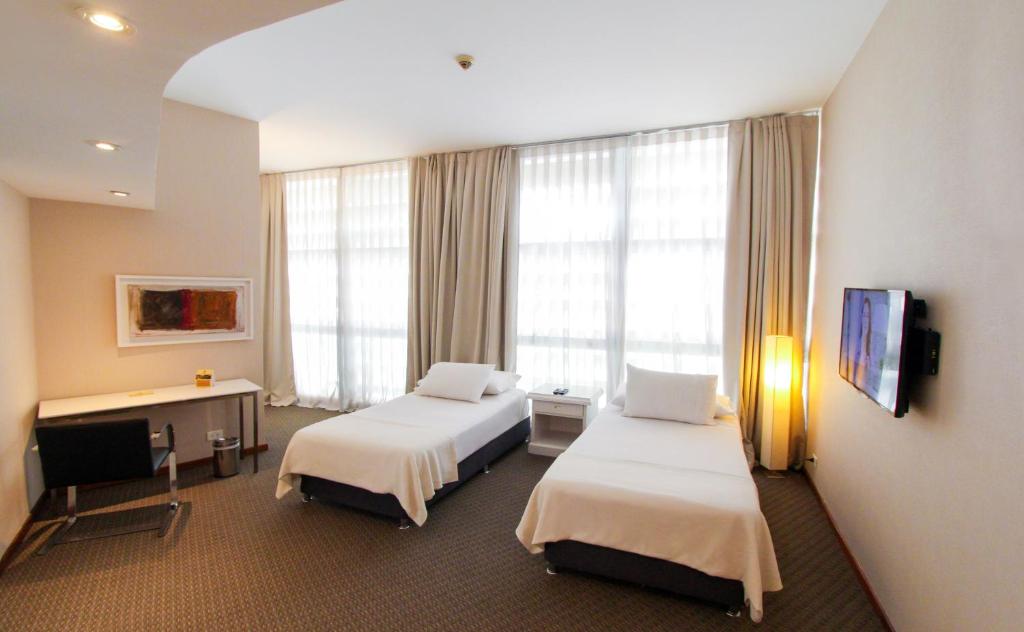
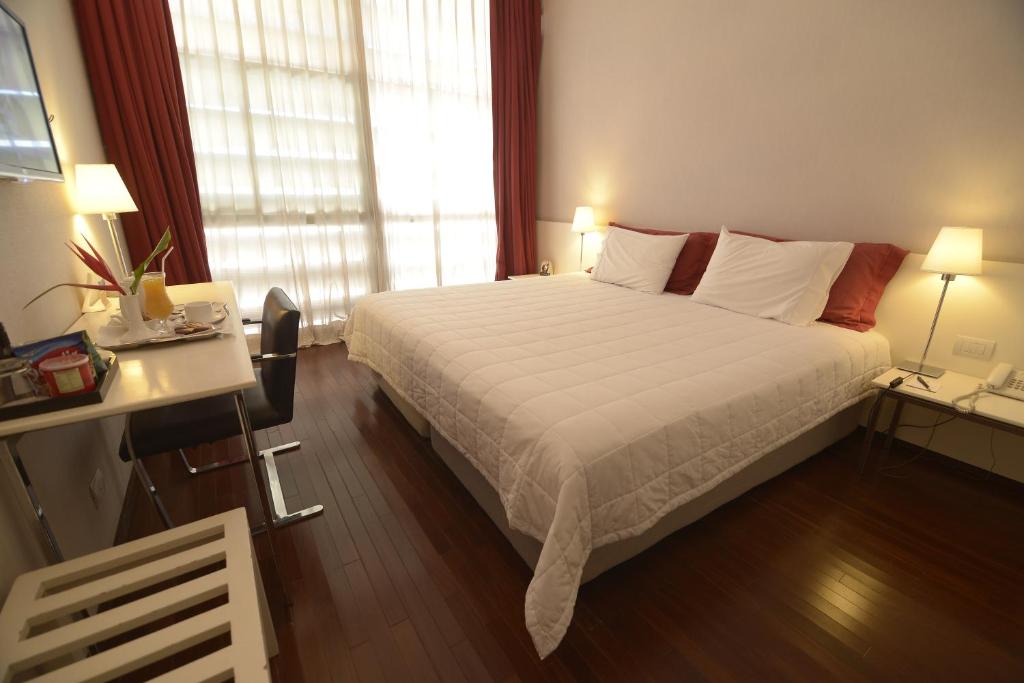
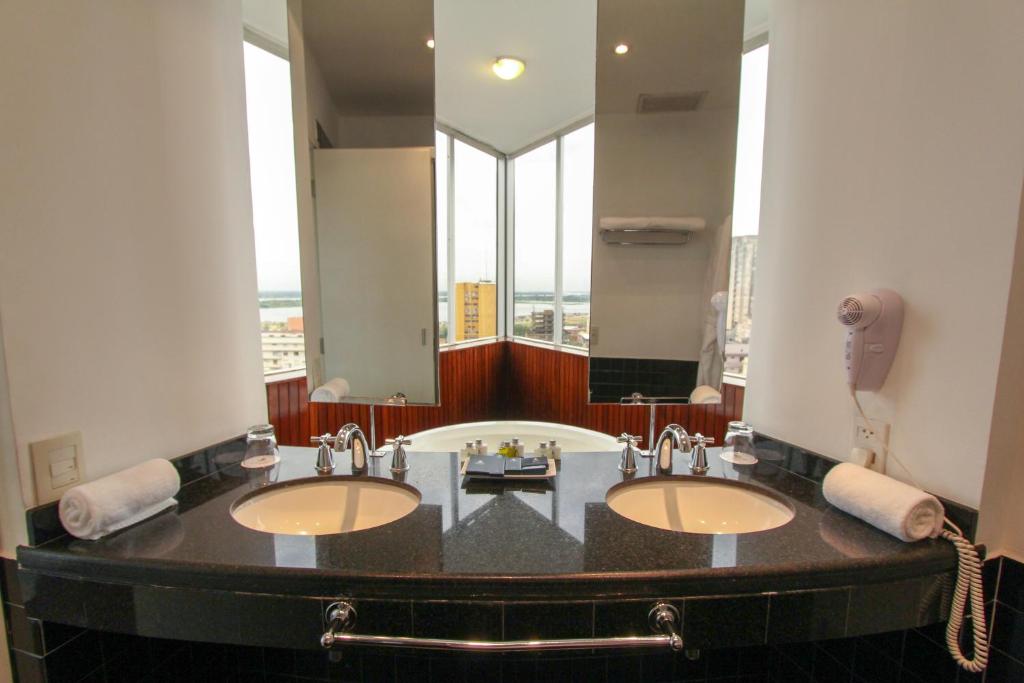
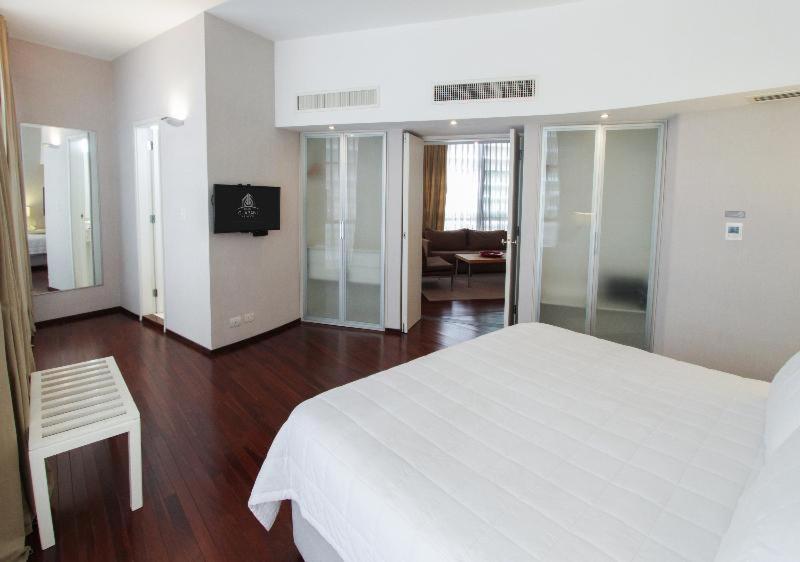
Not everything has survived untouched. Successive renovations have adapted Hotel Guaraní to the expectations of a contemporary city hotel, and the guestrooms lack some of the architectural intensity of the public spaces. For DNA Hotels, that is part of the story rather than something to disguise. Look beyond the updated interiors and the original building continues to assert itself: the triangular plan, curving corridors, geometric façade, proportions, and views from the upper floors all reveal the intelligence of the original architecture. Hotel Guaraní is fascinating precisely because you can read its different lives.
Architecture as Witness
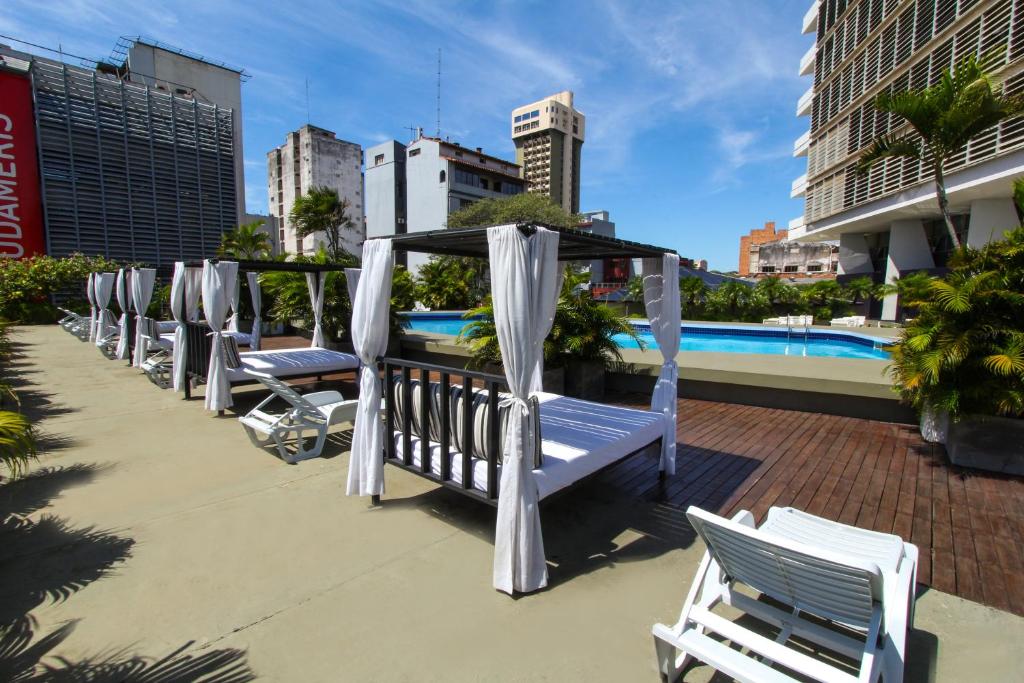
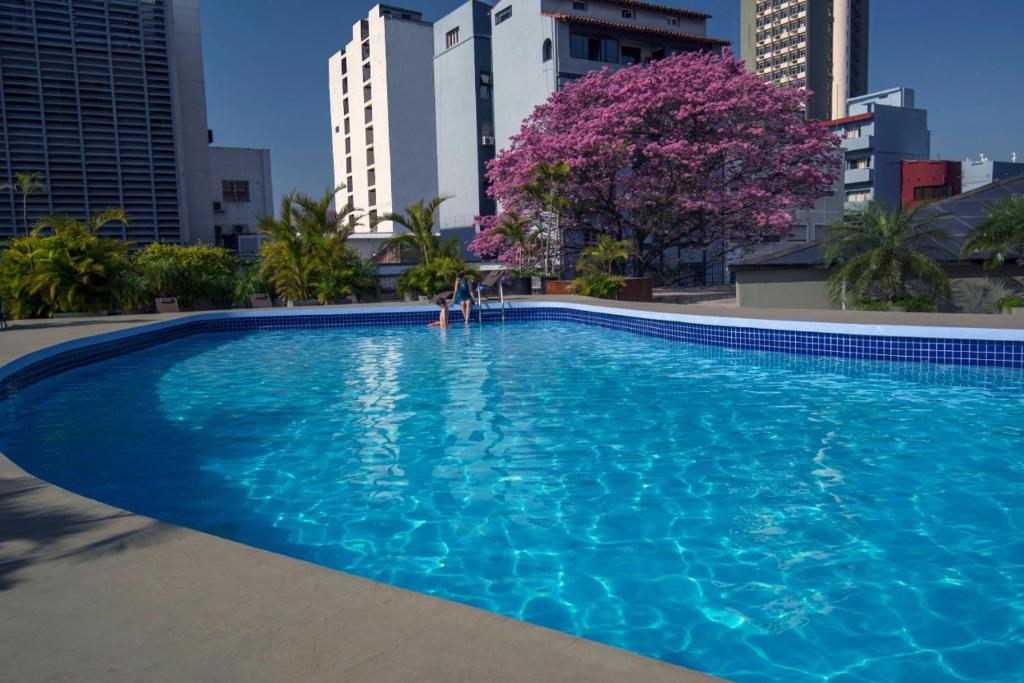
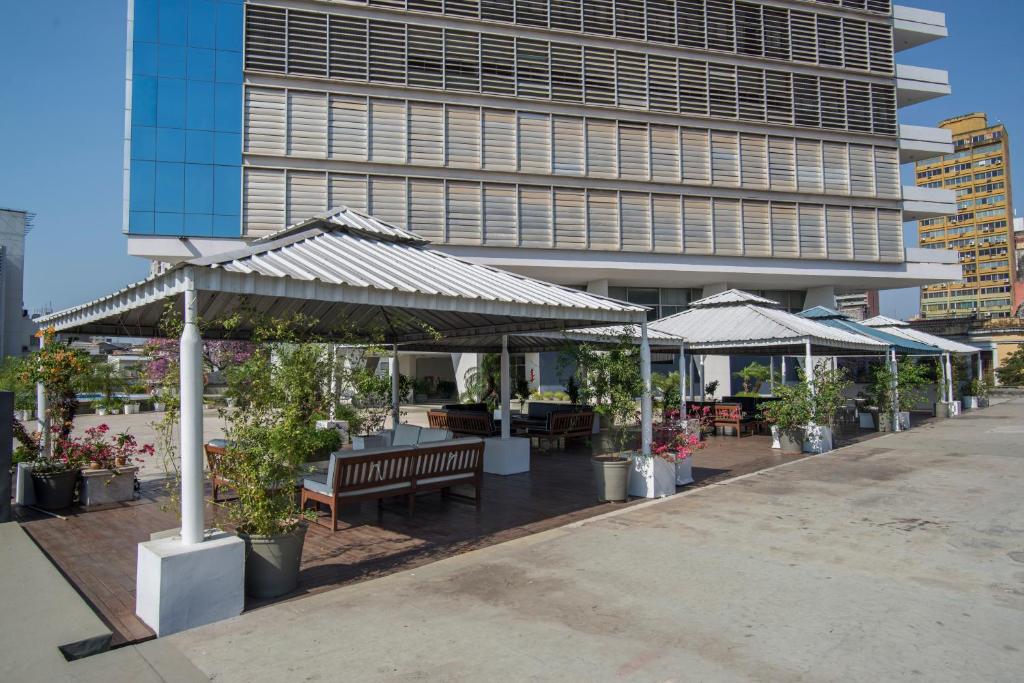
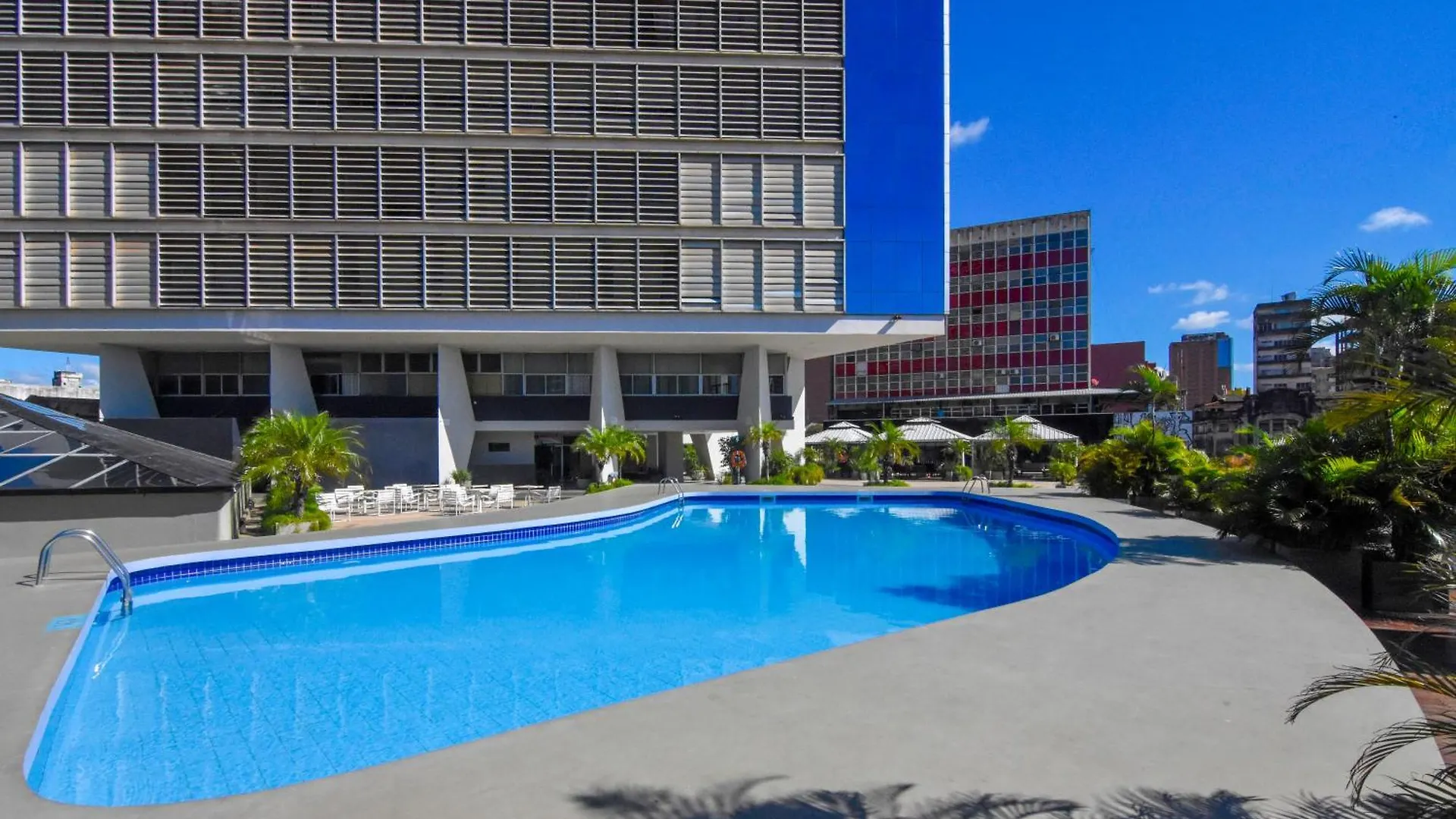
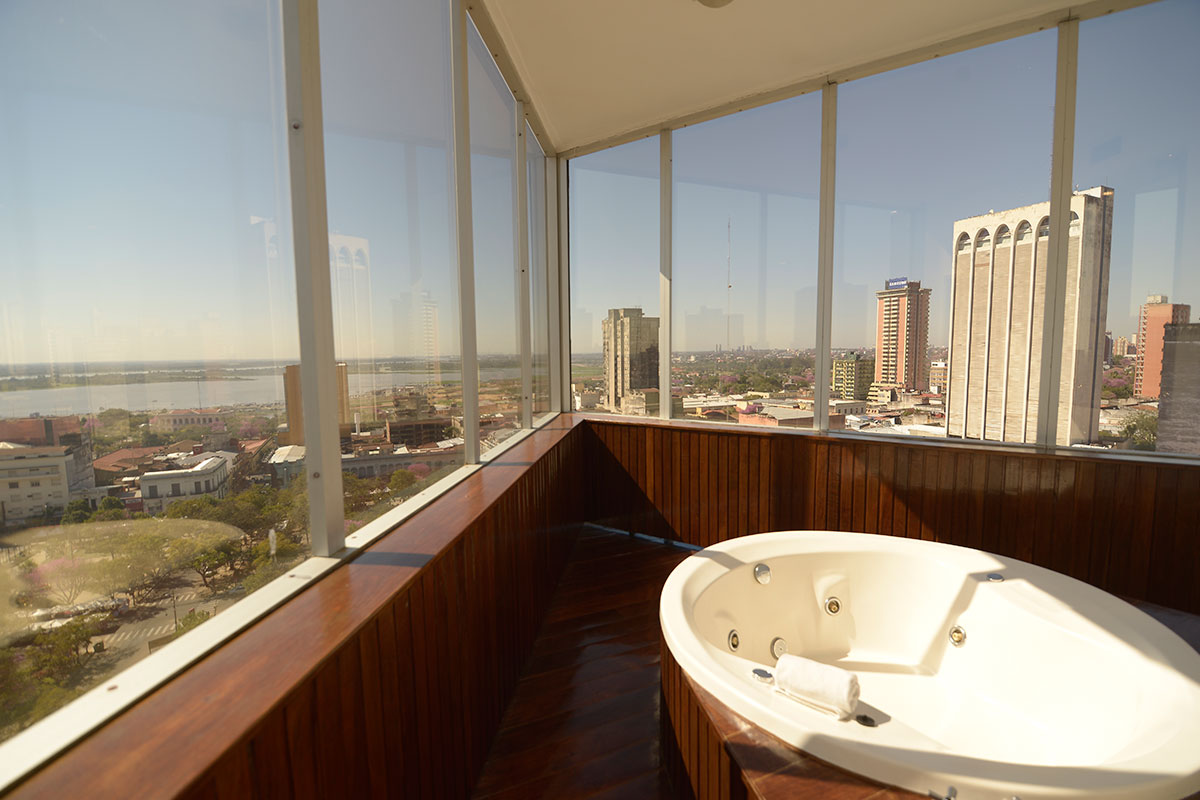
Few hotels in Asunción have been so closely woven into the changing identity of the city. Hotel Guaraní has watched governments, fashions, cultural movements, and generations of travellers come and go. Its theatre has helped maintain its role as a cultural venue, while the elevated pool terrace provides another reminder that this was conceived as much more than somewhere to spend the night. From here, Asunción stretches out below. Colonial remnants, modern towers, dense streets, and subtropical greenery overlap in a city that, like the hotel itself, reveals its history in layers.
The Beauty of the Original
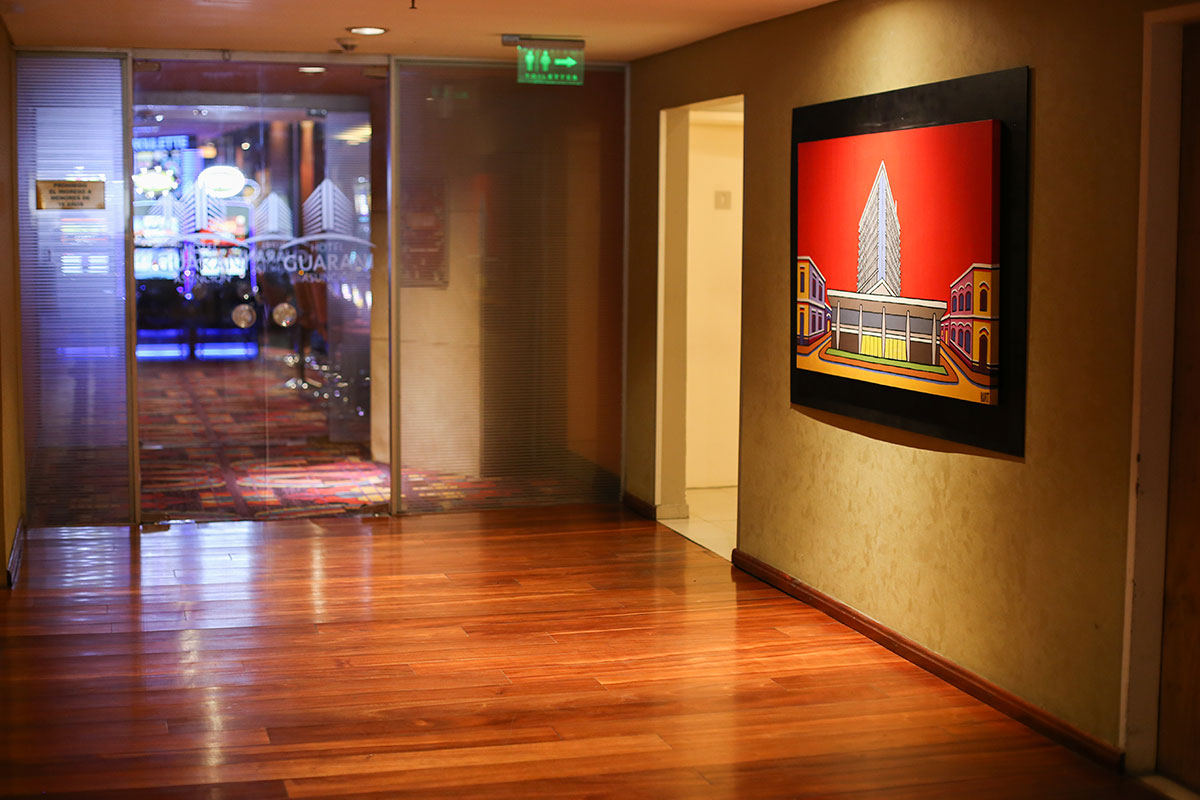
Hotel Guaraní makes an important argument for preservation. Its most powerful spaces demonstrate how much personality hospitality architecture once dared to have. The geometry, artwork, materials, and scale were conceived as an integrated architectural statement rather than a collection of decorative trends. Some of that clarity has inevitably disappeared. Enough remains to understand just how remarkable the original vision was. And enough remains to wish that one day even more of it might return.
Why It Works
Hotel Guaraní is not on DNA Hotels because every room is a perfectly preserved mid-century fantasy. It is here because the architecture matters. The extraordinary lobby, triangular modernist form, cultural history, and commanding presence over central Asunción make it a genuine piece of Paraguayan design heritage. Stay with your eyes open and you are checking into more than a hotel—you are spending the night inside an important chapter of Latin American modernism.