Gasthof Hirschen, Schwarzenberg, Austria
270 Years of Bregenzerwald History, Reimagined for a New Generation
Why DNA Hotels Loves It
● A family-run inn dating back to 1755, where centuries-old timber rooms, antiques, and accumulated patina coexist naturally with contemporary Vorarlberg design.
● The historic Gasthof and more pared-back Wälderhaus offer two interpretations of the same Bregenzerwald story—one rooted in heritage, the other in modern craftsmanship.
● A beautifully restrained new bathhouse and spa adds another layer without turning this deeply atmospheric village inn into a conventional luxury resort.
A House with 270 Years of Stories
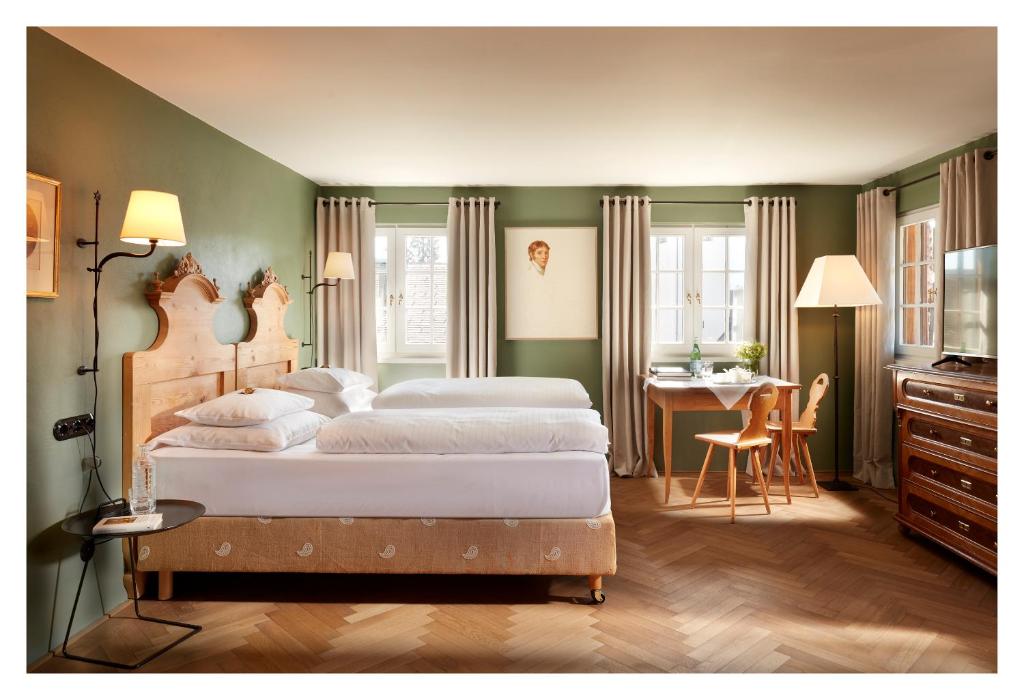
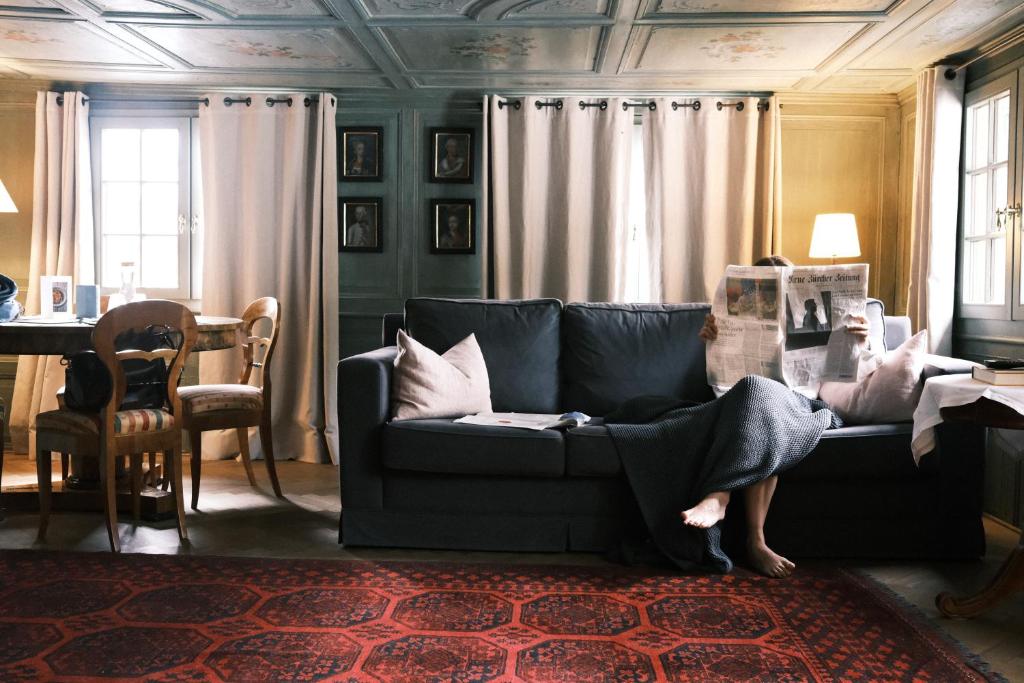
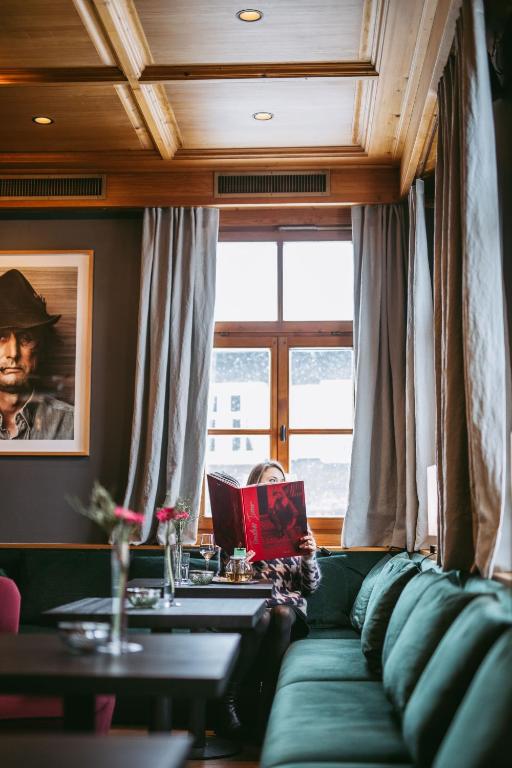
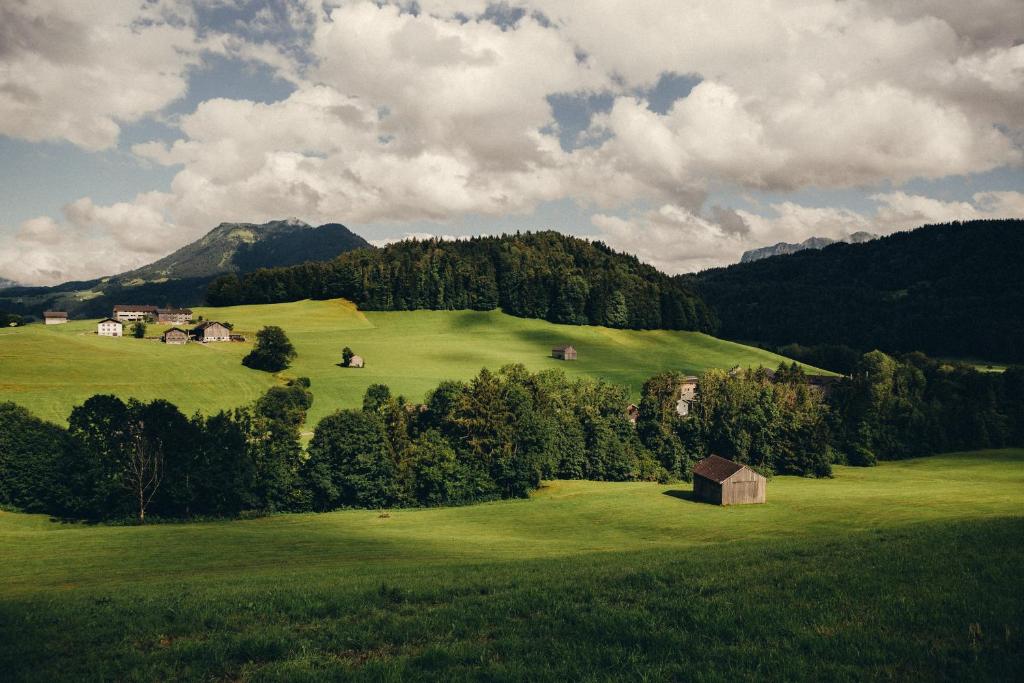
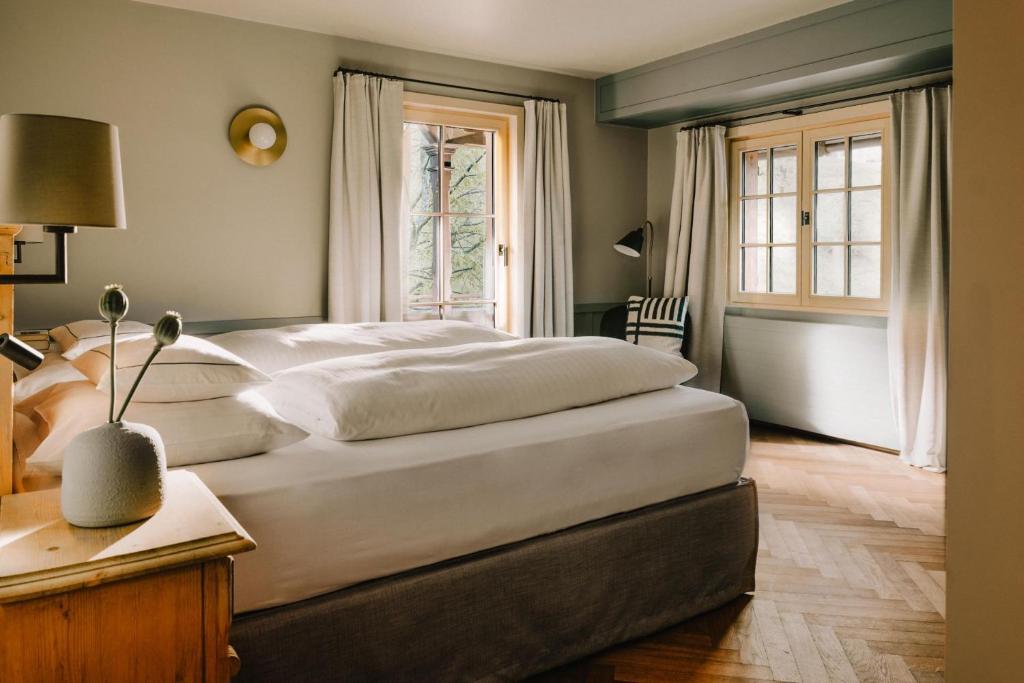
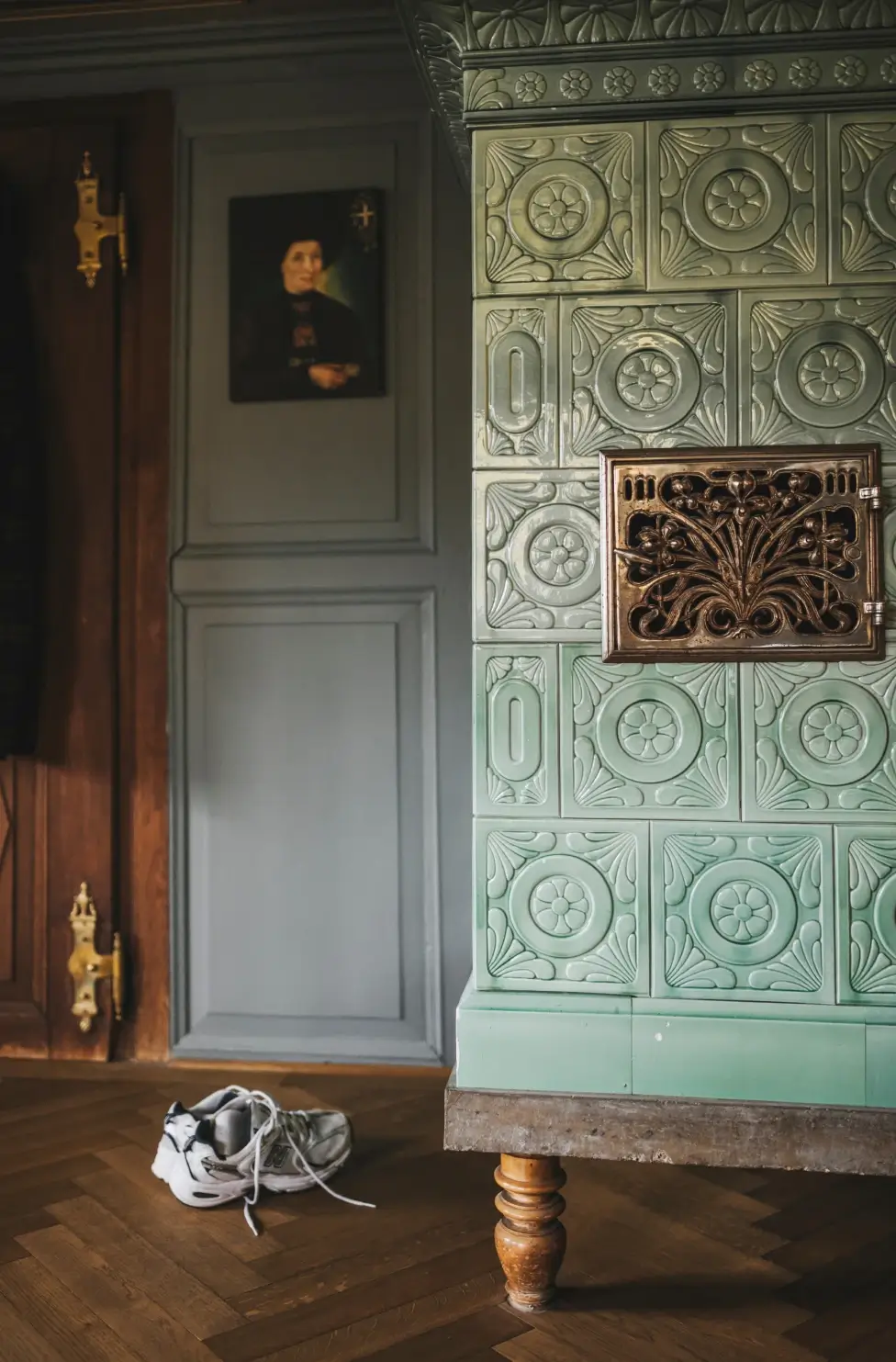
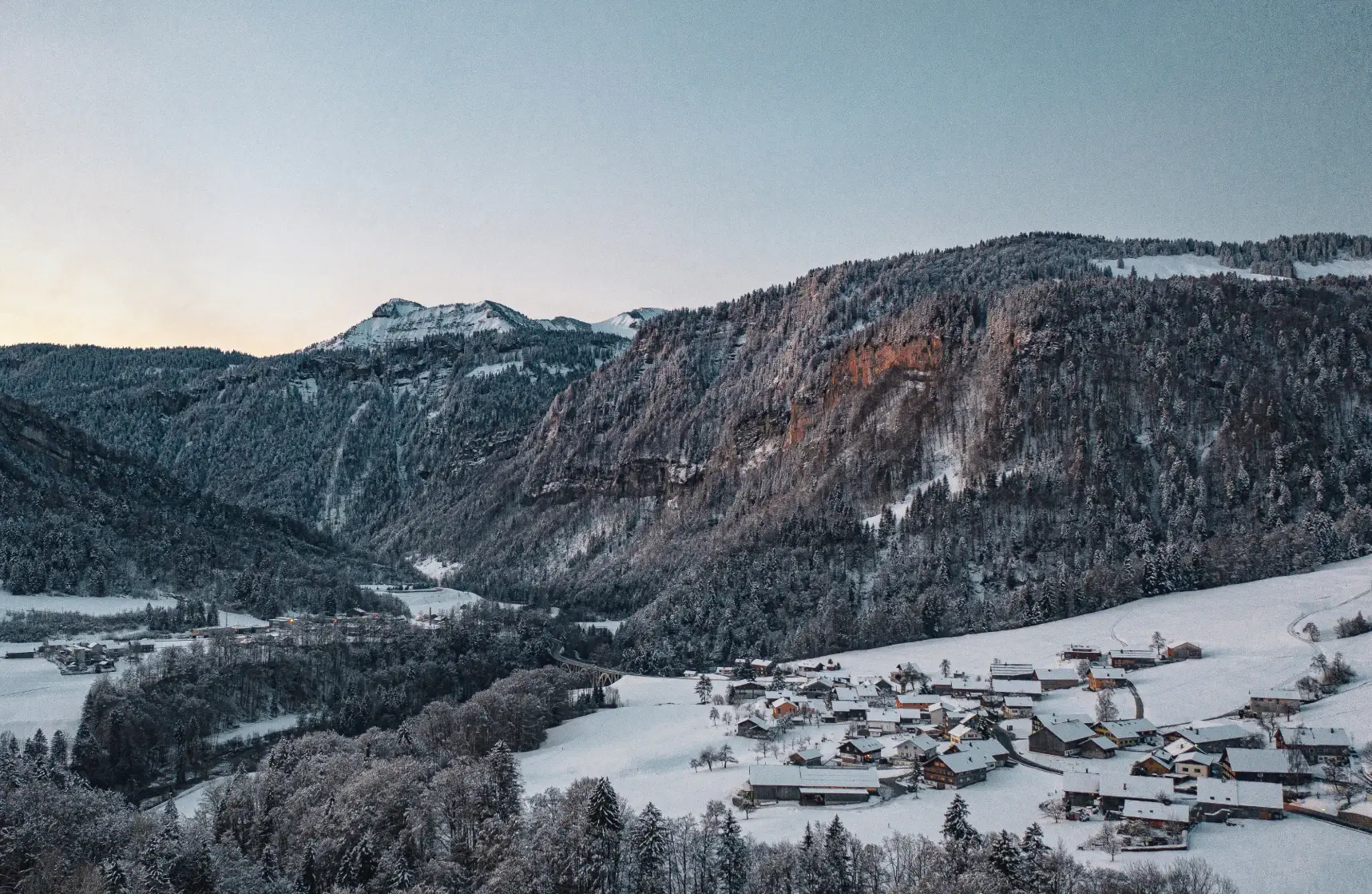
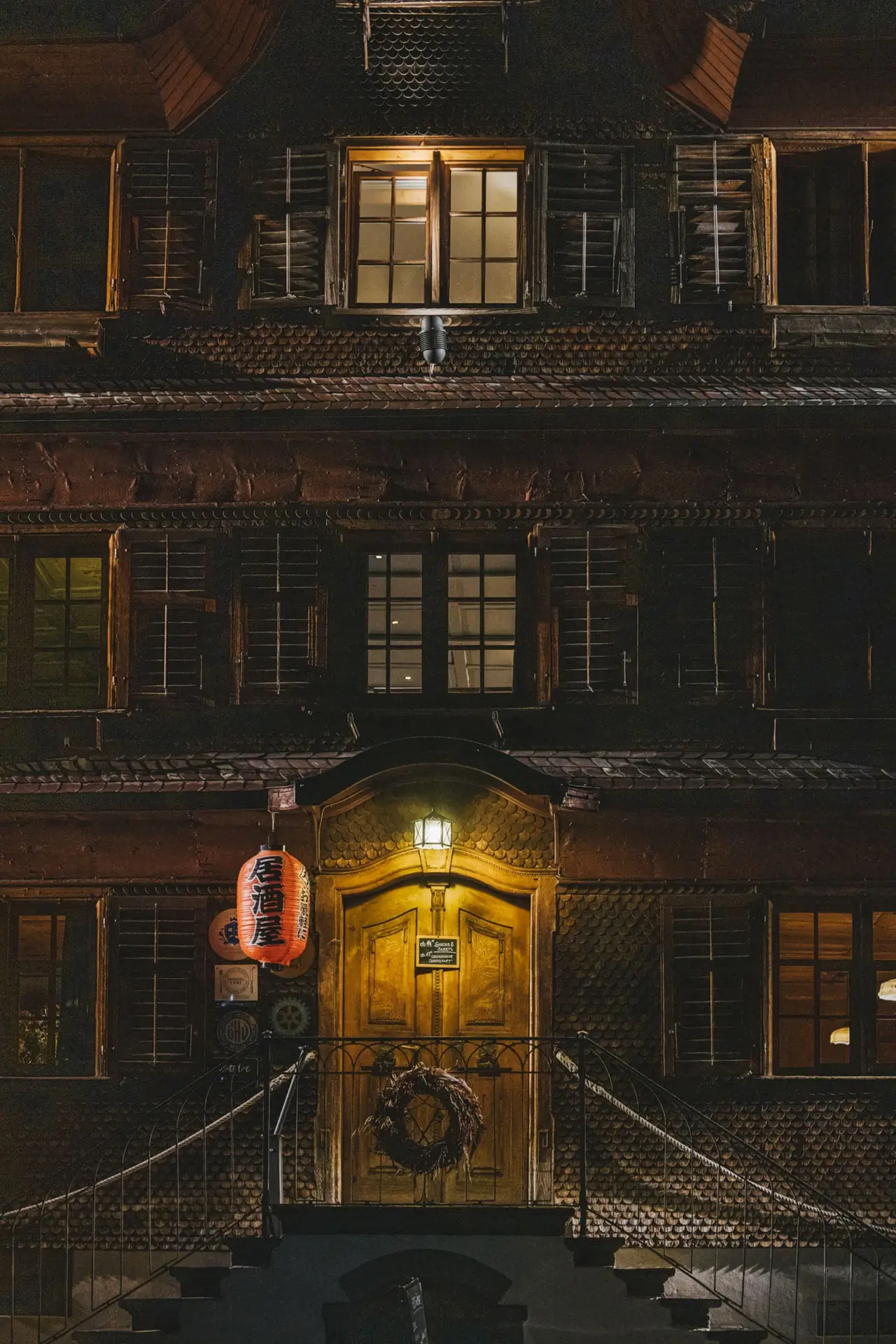
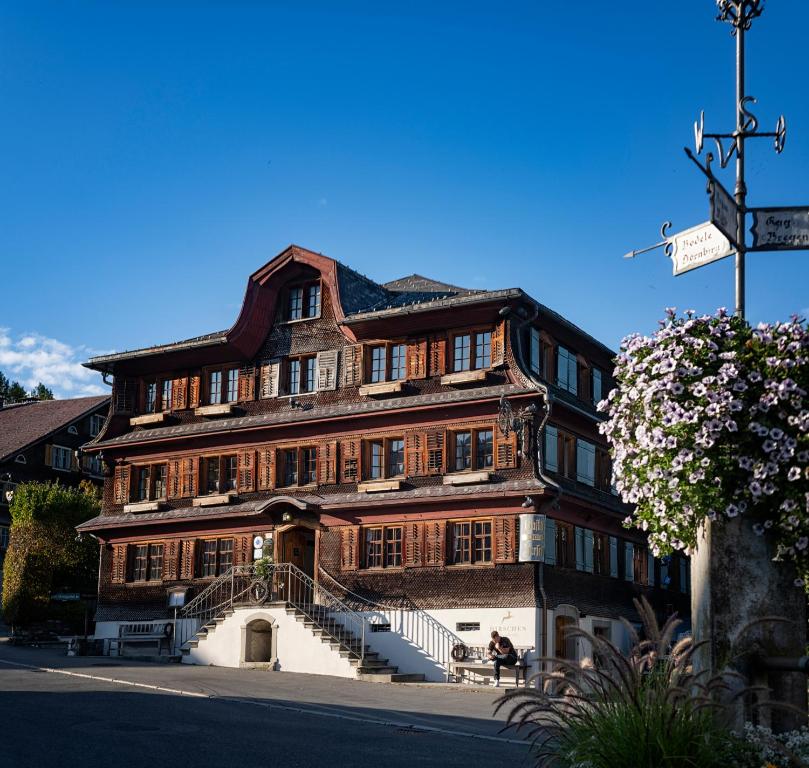
Some historic hotels preserve their past so carefully that they stop feeling alive. Gasthof Hirschen has managed something much harder. Standing in the extraordinarily pretty village of Schwarzenberg since 1755, this Bregenzerwald inn has accumulated generations of stories, furniture, paintings, timber, and memories—and still functions as a living house rather than a museum of Alpine hospitality. Today, Pia and Peter Fetz continue that family story. Walk through the old Gasthof and history is everywhere: wood-panelled parlours, worn staircases, antique furniture, candlelight, collected objects, and the unmistakable patina that no interior designer can manufacture. Crucially, nobody has tried to polish it away.
Old Hirschen, New Wälderhaus
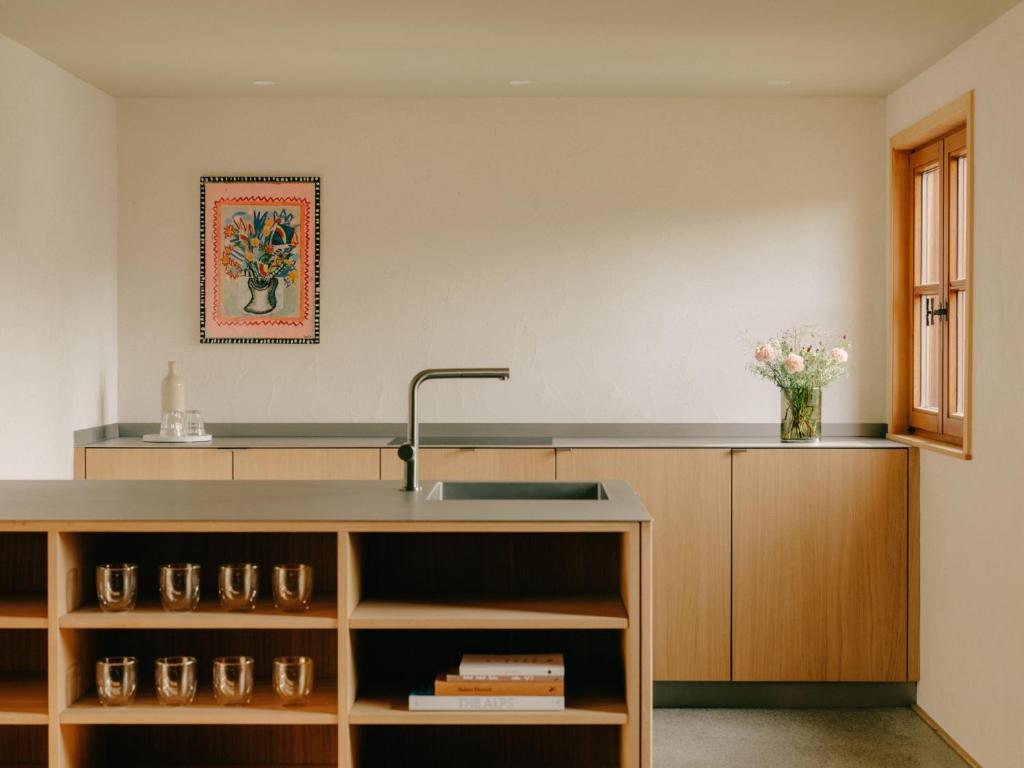
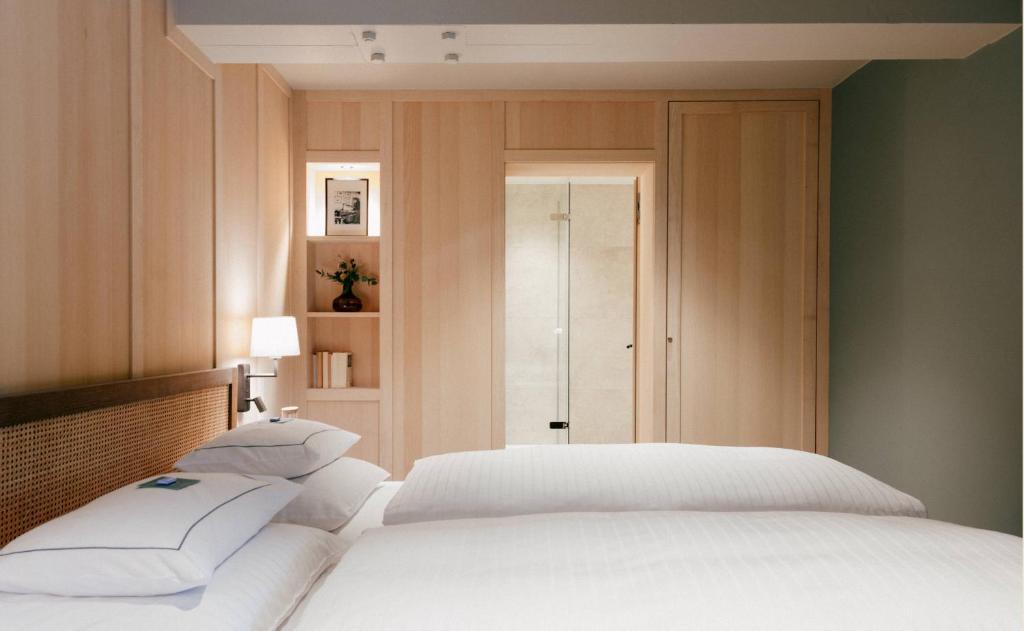
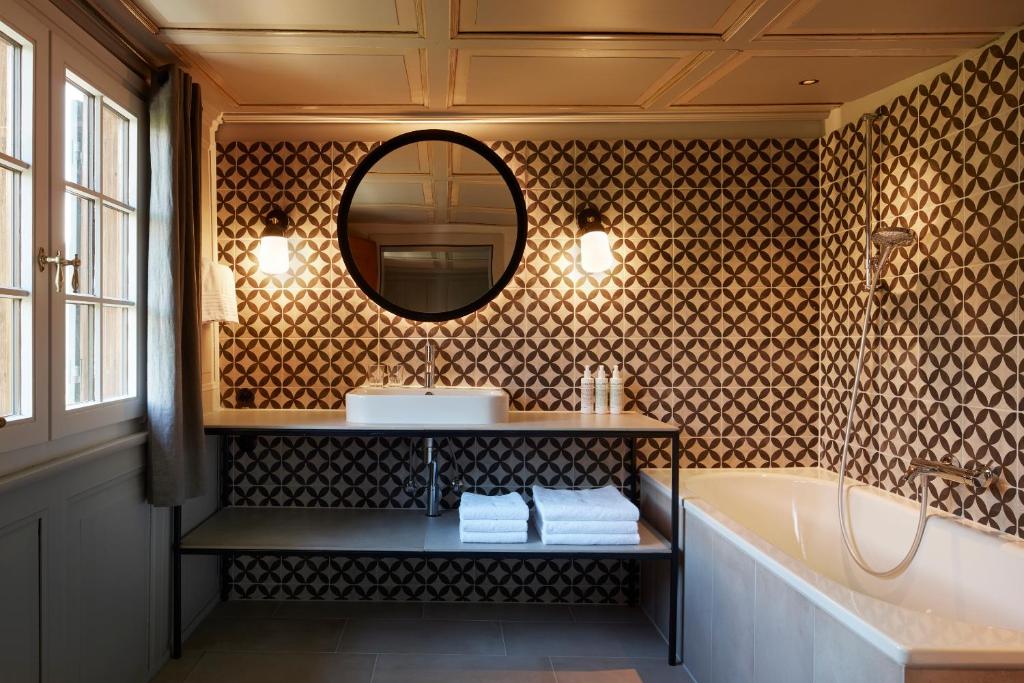
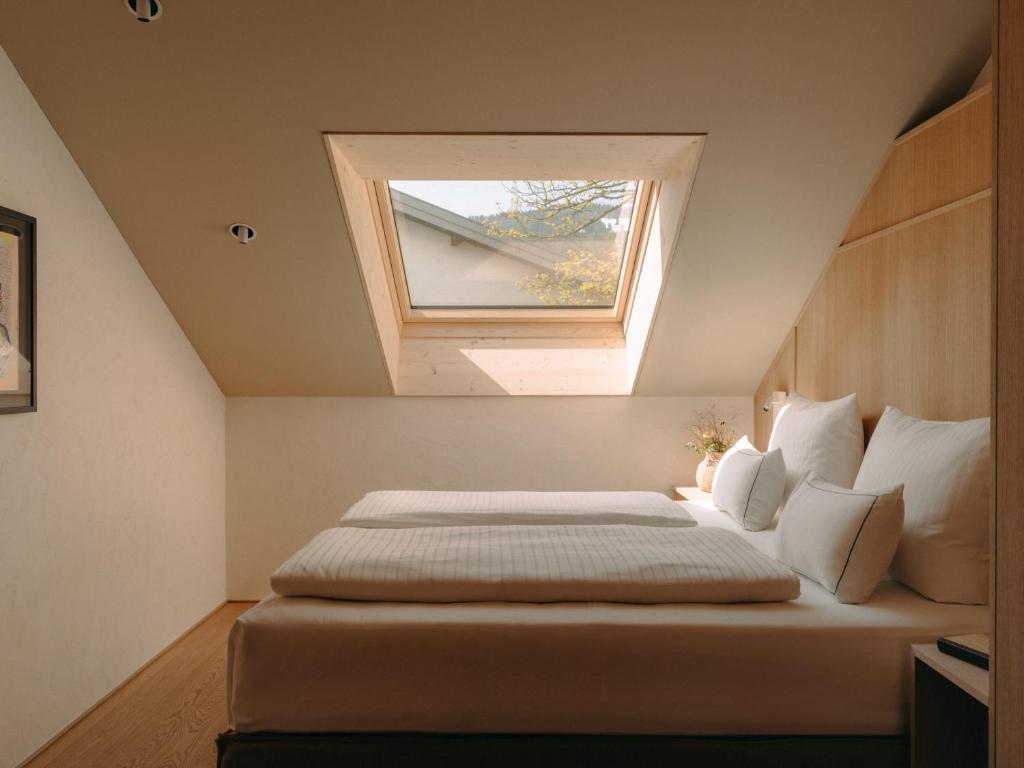
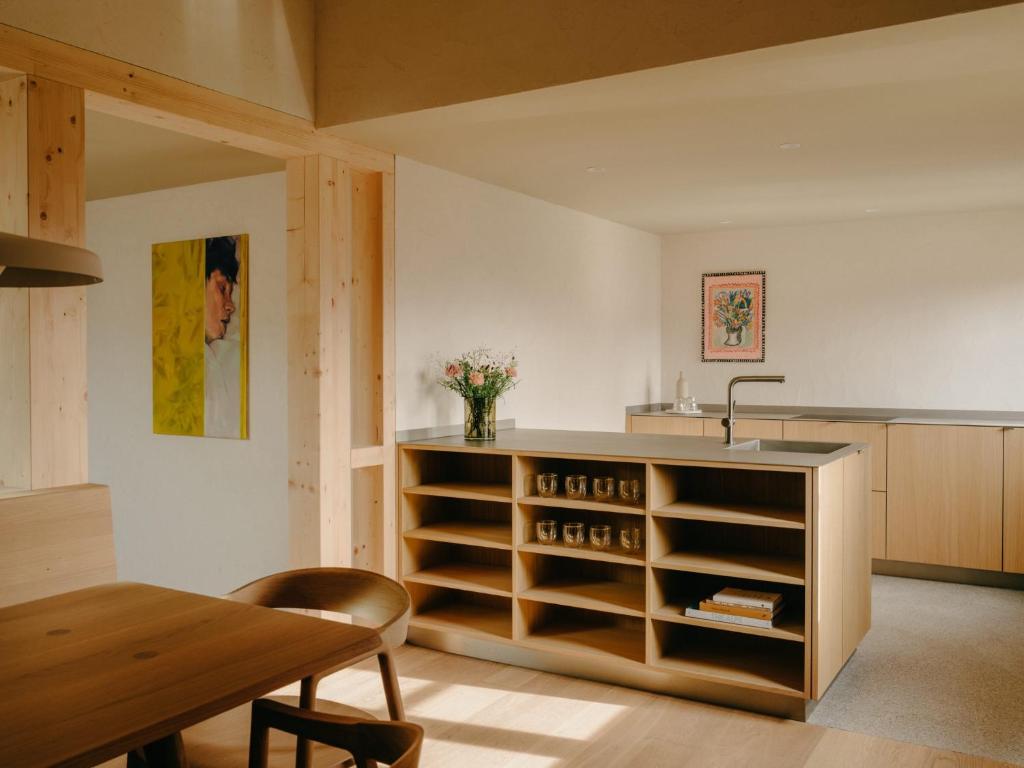
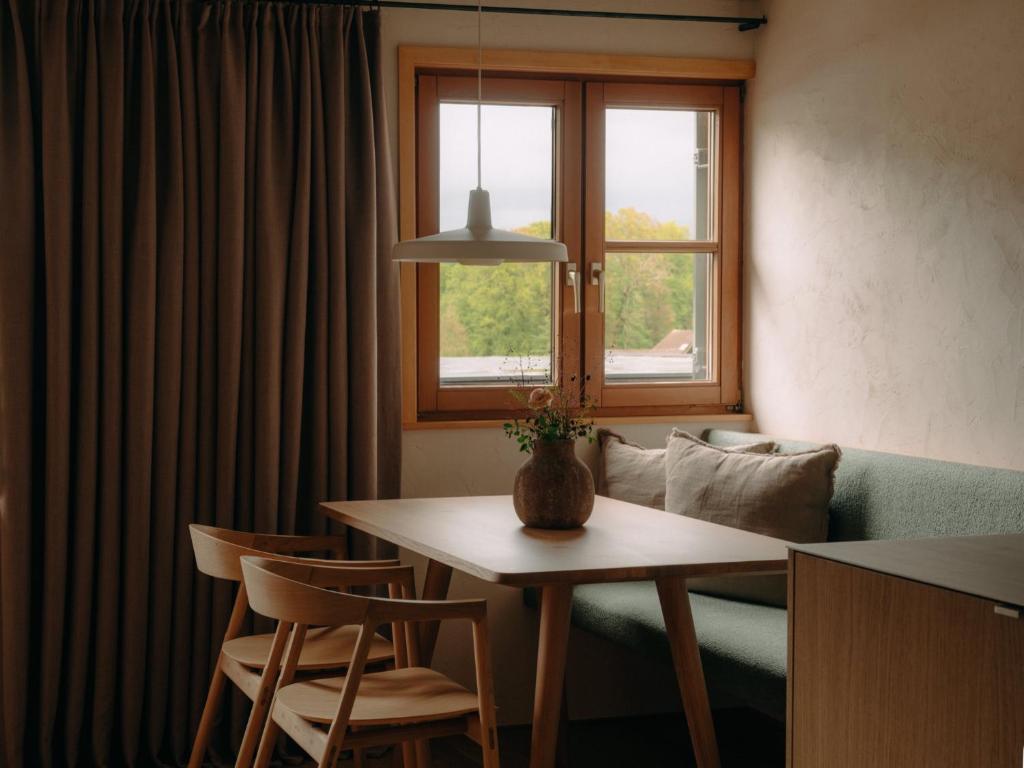
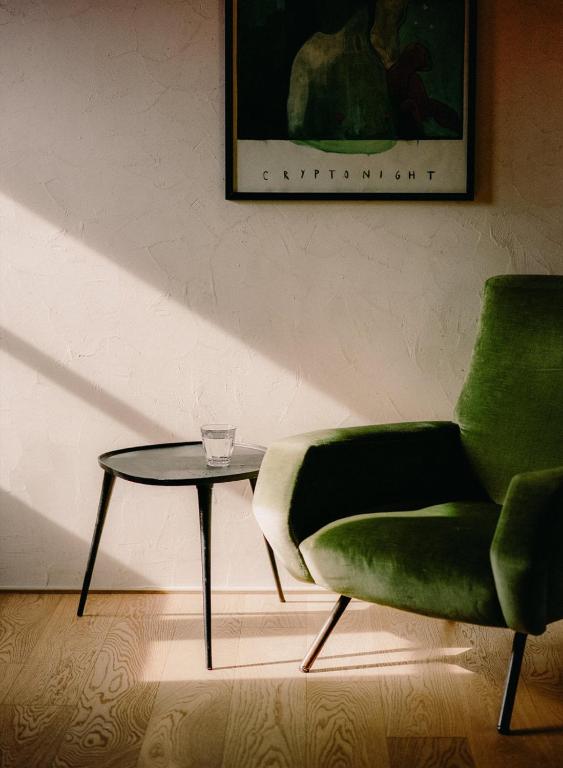
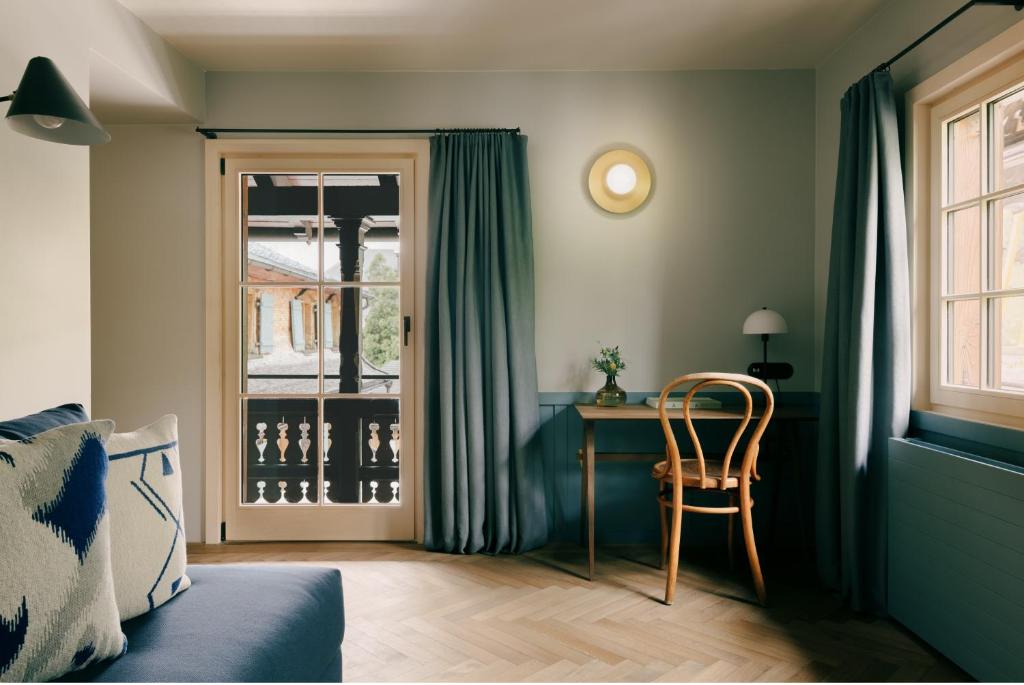
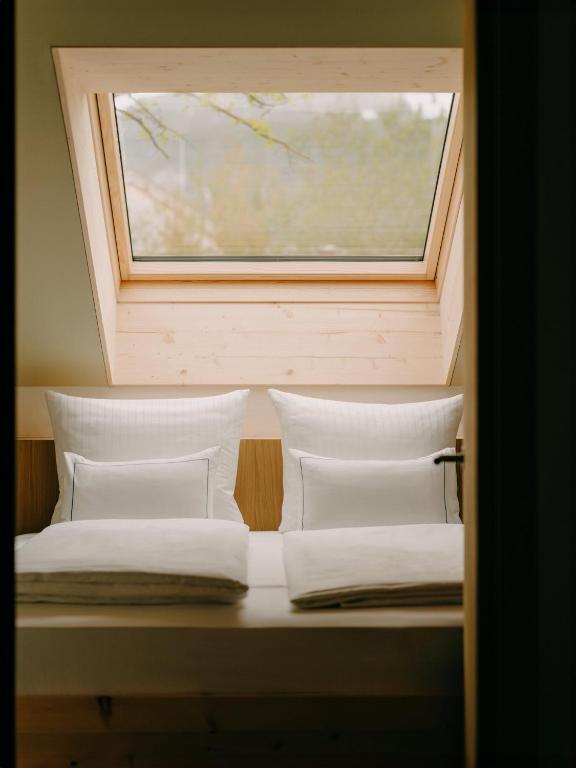
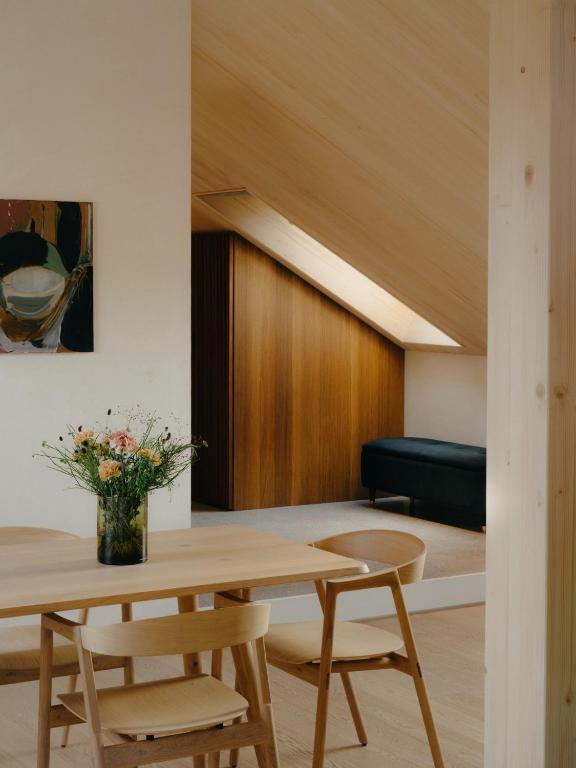
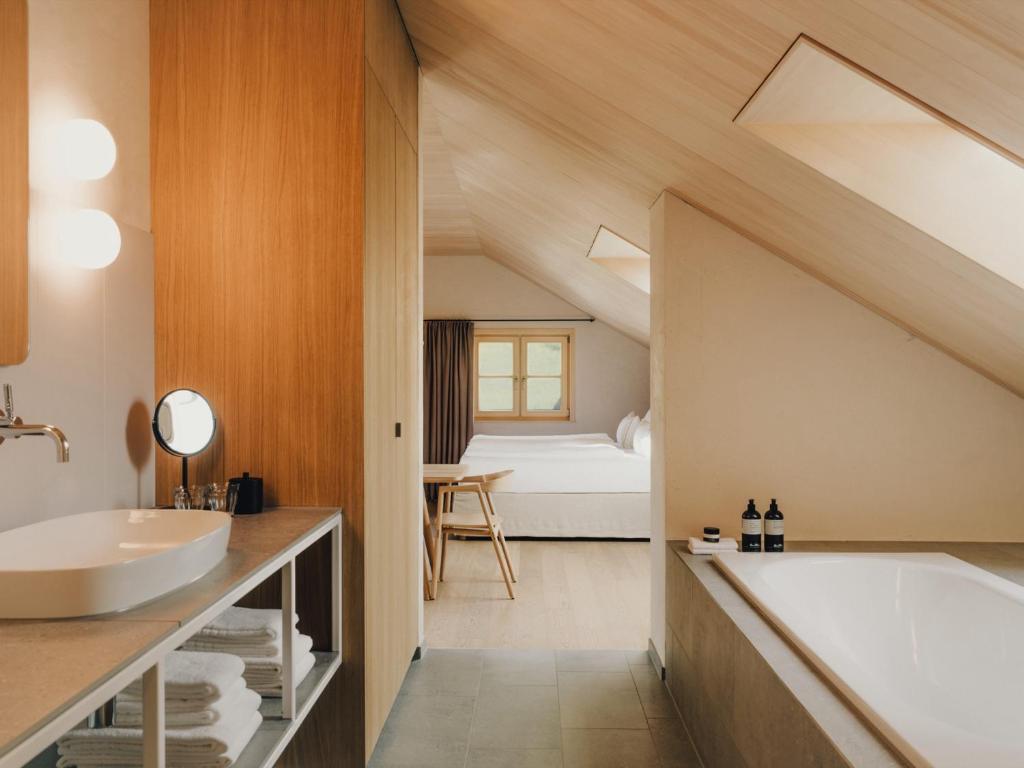
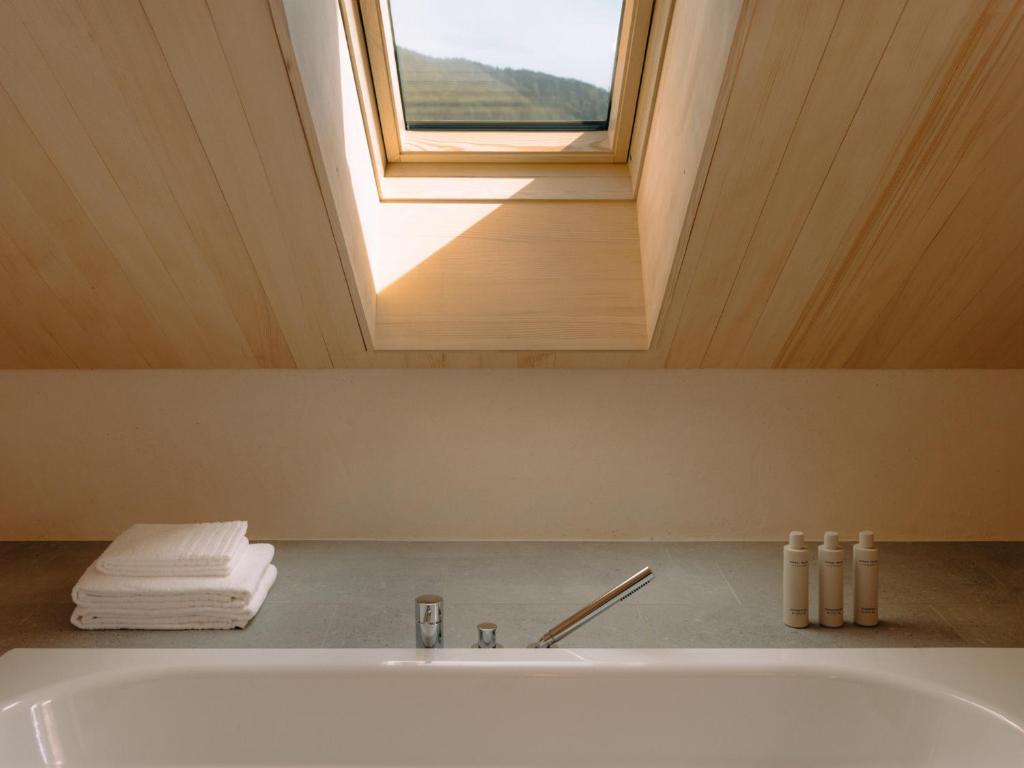
The hotel unfolds across two different architectural worlds. The original Gasthof is the romantic one: dark timber, intimate rooms, historic details, old paintings, and spaces that seem to have absorbed centuries of conversations. The Wälderhaus speaks a quieter contemporary language. Here, timber becomes cleaner, lines become simpler, and natural materials are used with the restraint for which modern Vorarlberg architecture has become internationally admired. Together, the two buildings make the Hirschen more interesting than either could be alone. Across 26 rooms and suites, old furniture can meet contemporary lighting, handcrafted textiles soften pared-back interiors, and individual layouts preserve the feeling that you’re staying in a house that evolved over time.
The Bregenzerwald Knows How to Build
That relationship between old and new makes particular sense here. The Bregenzerwald has developed one of Europe’s most fascinating architectural cultures, built around an unusually close relationship between architects, craftspeople, timber construction, and local tradition. At Hirschen, craftsmanship isn’t a design theme. It’s simply part of how things have always been done. Wood, textiles, ceramics, furniture, and objects carry the hands of their makers, giving even the contemporary spaces a warmth that more polished luxury hotels often struggle to achieve.
A Bathhouse for the 21st Century
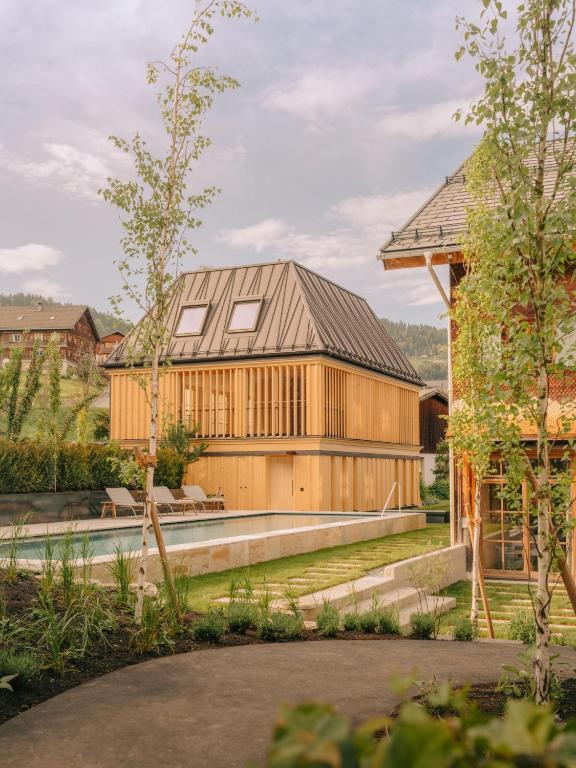
The most significant recent addition is the new bathhouse and spa, completed in 2024 with Studio Nona Architects. It could easily have upset the balance. Instead, its timber, stone, natural light, and restrained architecture extend the Hirschen’s world without trying to compete with the historic house. There are saunas, treatment spaces, yoga and fitness areas, quiet places to retreat, and a heated outdoor pool open throughout the year. But the mountains and gardens remain more important than the wellness checklist. It feels like a contemporary bathhouse belonging to an old Alpine inn—not a spa resort attached to one.
Dinner by Candlelight
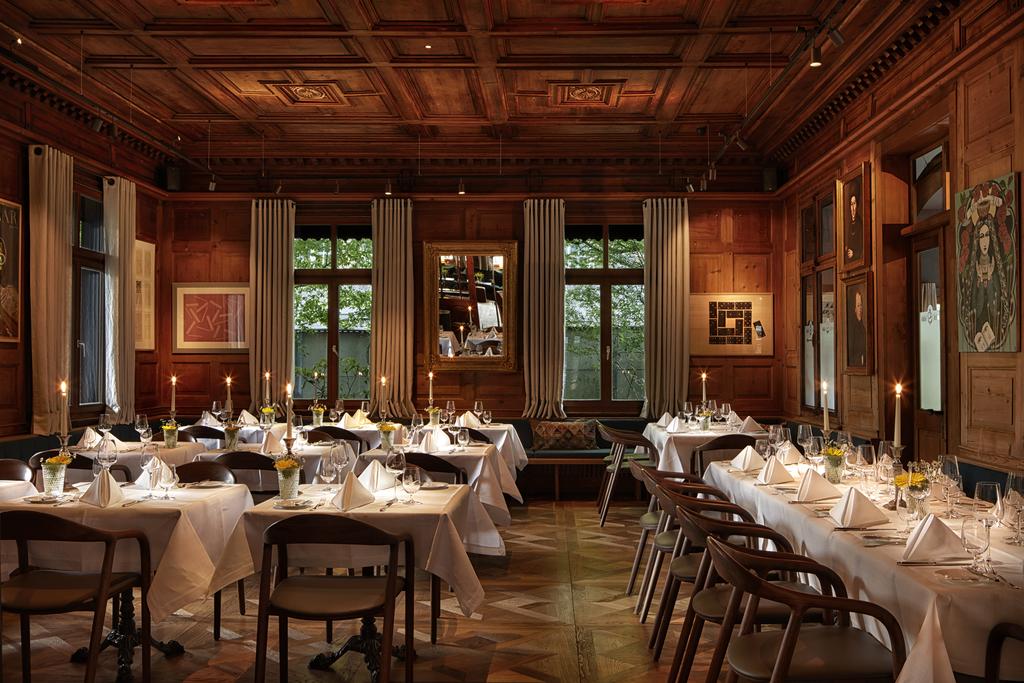
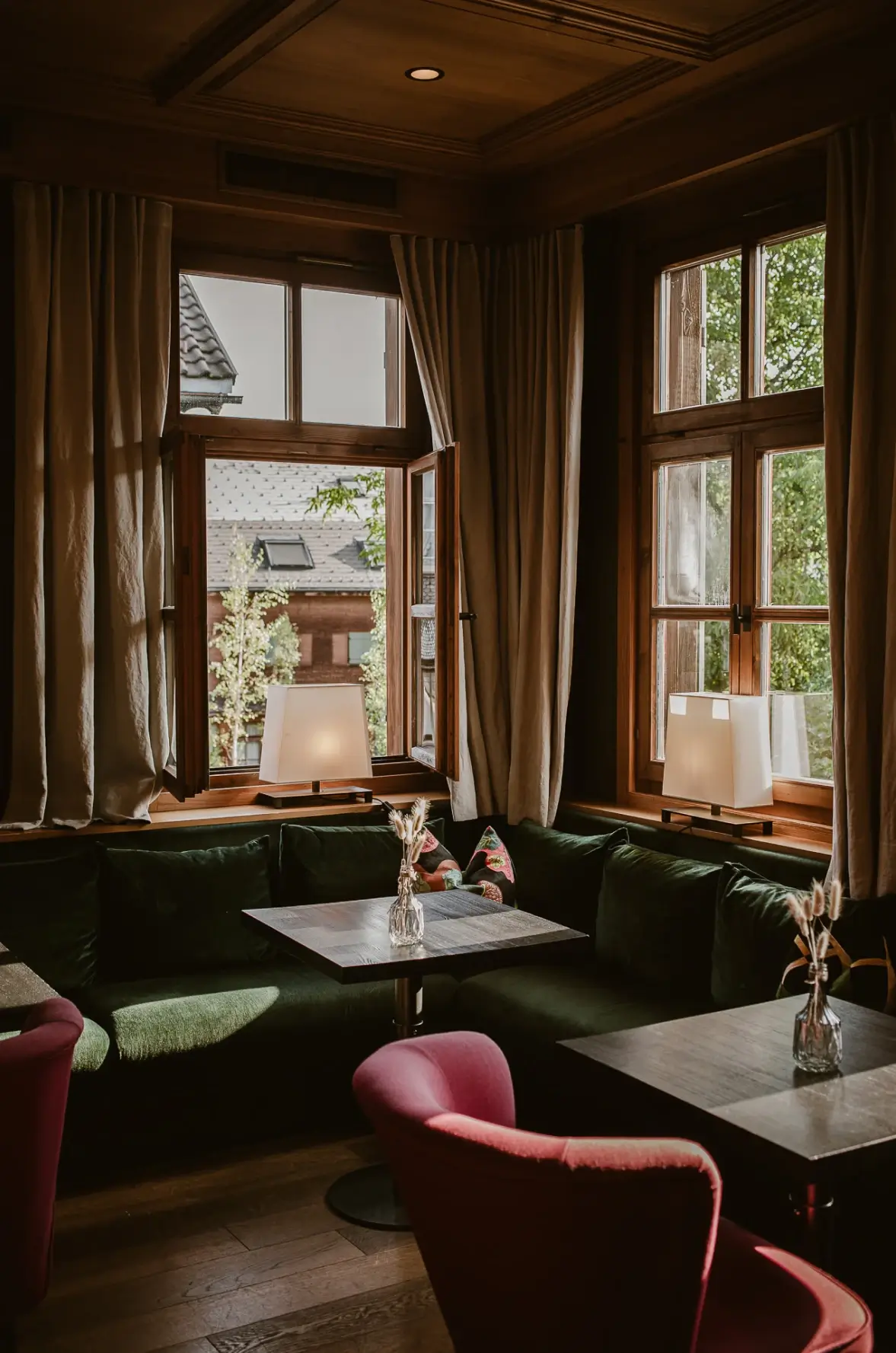
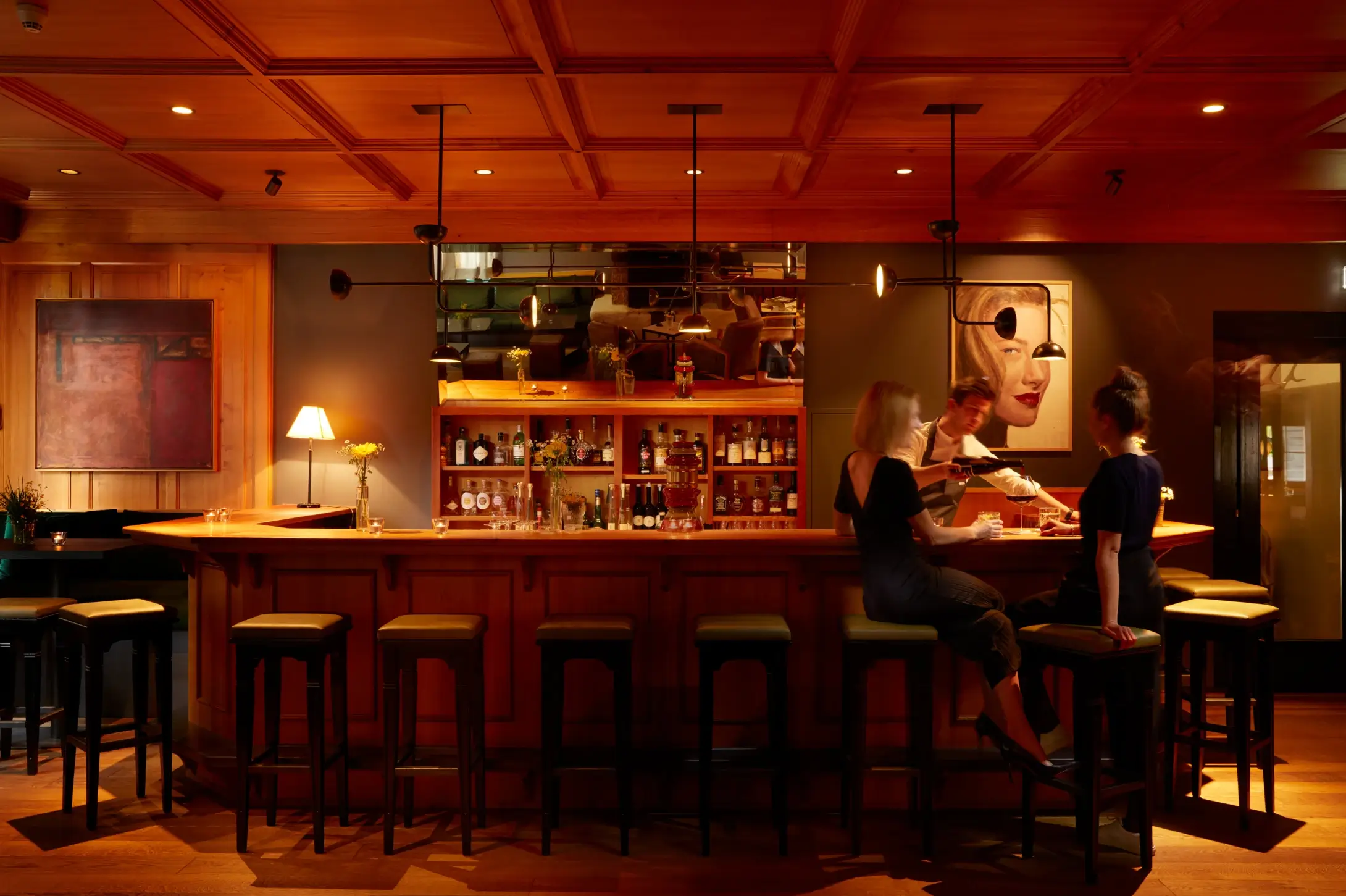
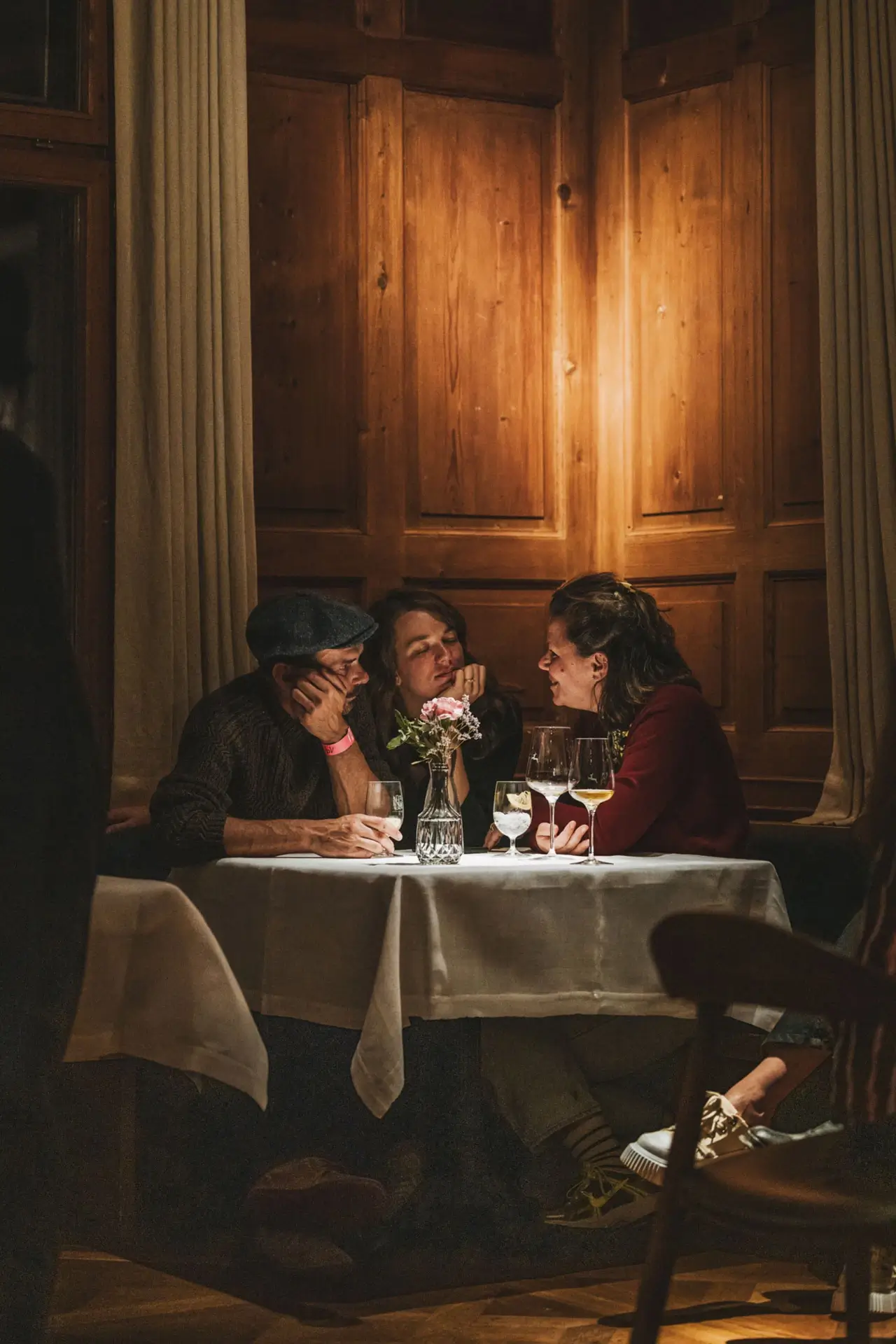
Food has been part of the Hirschen’s identity for generations, and the kitchen continues that tradition under chef Jonathan Burger. The Bregenzerwald provides the vocabulary: regional cheeses, Alpine herbs, seasonal vegetables, freshwater fish, game, and produce sourced close to home. The cooking brings contemporary refinement without disconnecting those ingredients from where they come from. And then there are the rooms in which you eat. Historic wood panelling, old furniture, paintings, candlelight, and generations of patina create the kind of atmosphere that a newly opened restaurant could spend a fortune attempting to reproduce. Here, it came free with the centuries.
More Than Decoration
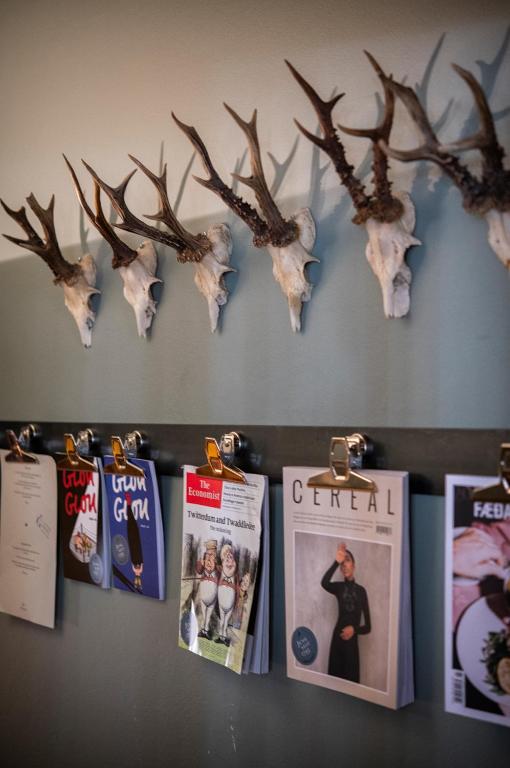
Art and objects appear throughout the Hirschen, but rarely with the studied precision of a hotel art collection. They feel accumulated rather than installed. Paintings, ceramics, furniture, and antiques form part of the memory of the house, while newer interventions continue the conversation rather than resetting it. That layering is important. The Hirschen isn’t compelling because everything matches. It’s compelling because it doesn’t.
Why It Works
Gasthof Hirschen understands that heritage is most powerful when it remains useful. The old parlours still fill with people, contemporary architecture has been allowed to join rather than imitate the past, and the new bathhouse adds comfort without overwhelming 270 years of character. Add thoughtful regional cooking, serious Bregenzerwald craftsmanship, and the beauty of Schwarzenberg outside the door, and you have something much richer than another Alpine design hotel. Hirschen doesn’t recreate an idea of old Austria. It simply allows an exceptionally good piece of it to keep evolving.