Hotelito at MUSA – Loma Bonita, Guerrero, Mexico
A 13-room Pacific hideaway where Tropical Modernism, surf culture and regenerative living meet between jungle and sea.
Why DNA Hotels Loves It
● Just 13 rooms on a remote stretch of Mexico’s Pacific coast, conceived as the intimate hospitality heart of MUSA — the Modern Utopian Society of Adventurers.
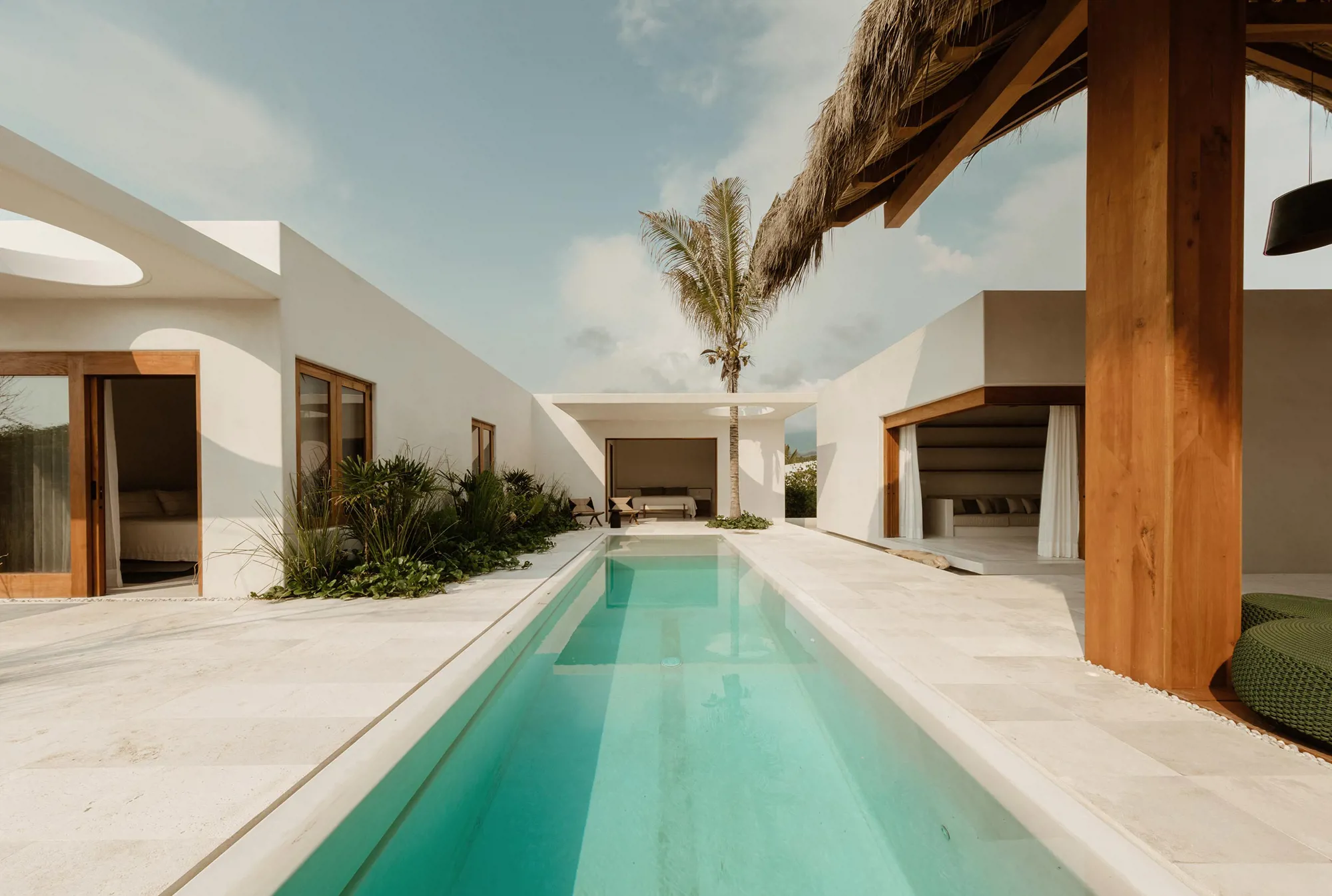
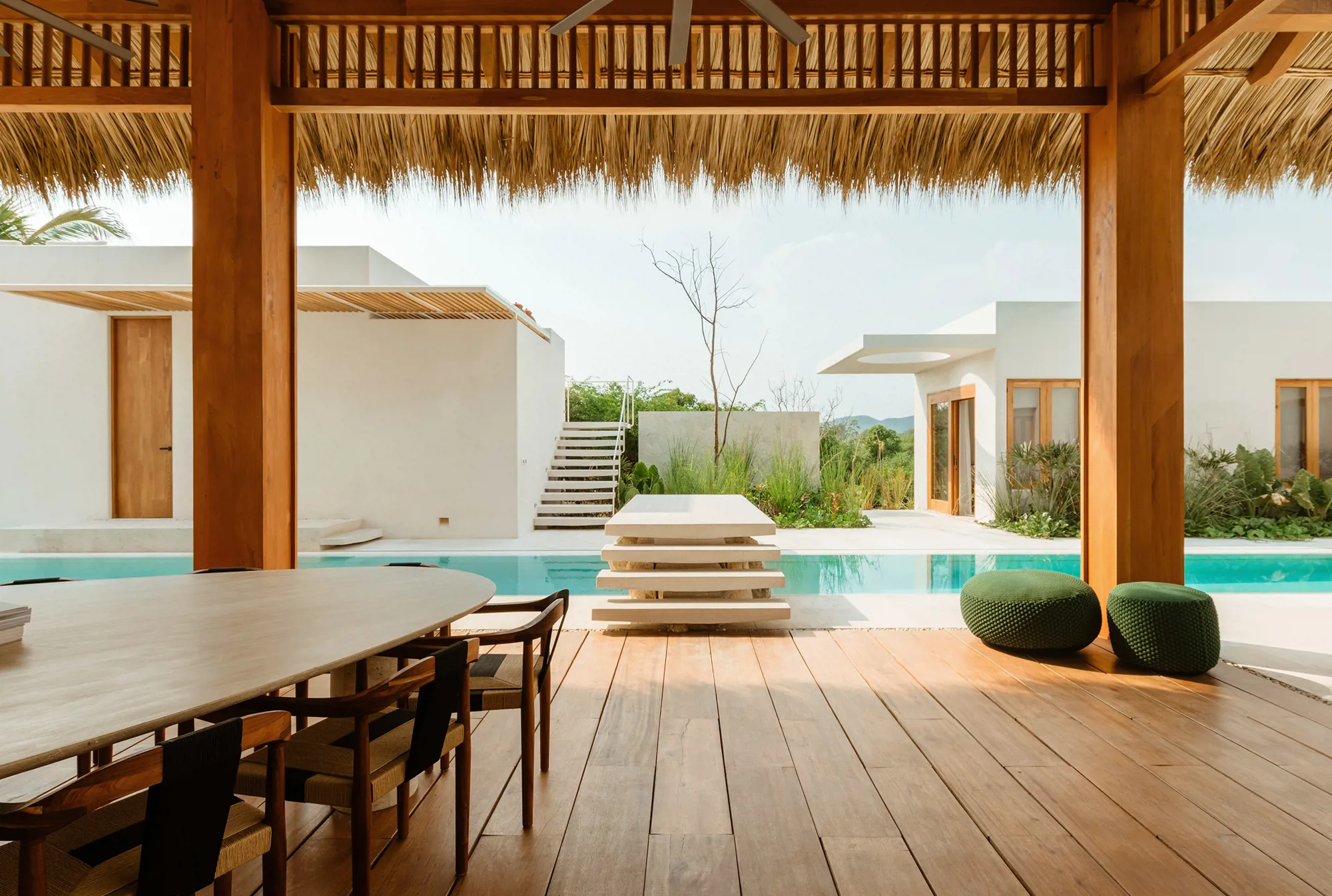
● Co-founder Andrés Saavedra designed both the architecture and interiors, combining polished concrete, Parota wood, handmade terrazzo and Mexican craftsmanship in a distinctly Tropical Modernist language.
● This is more than stylish beach living: solar power, permaculture, natural cooling, local fishing and farm-to-table dining are integrated into how the place actually works.
A Modern Utopia on the Pacific
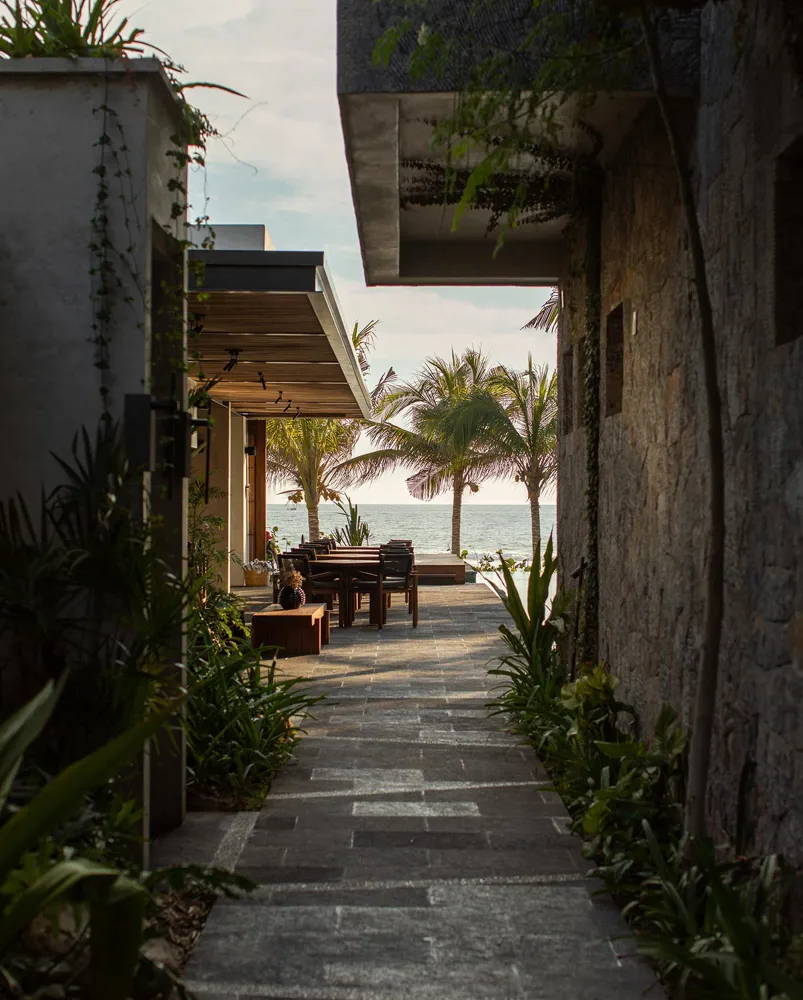
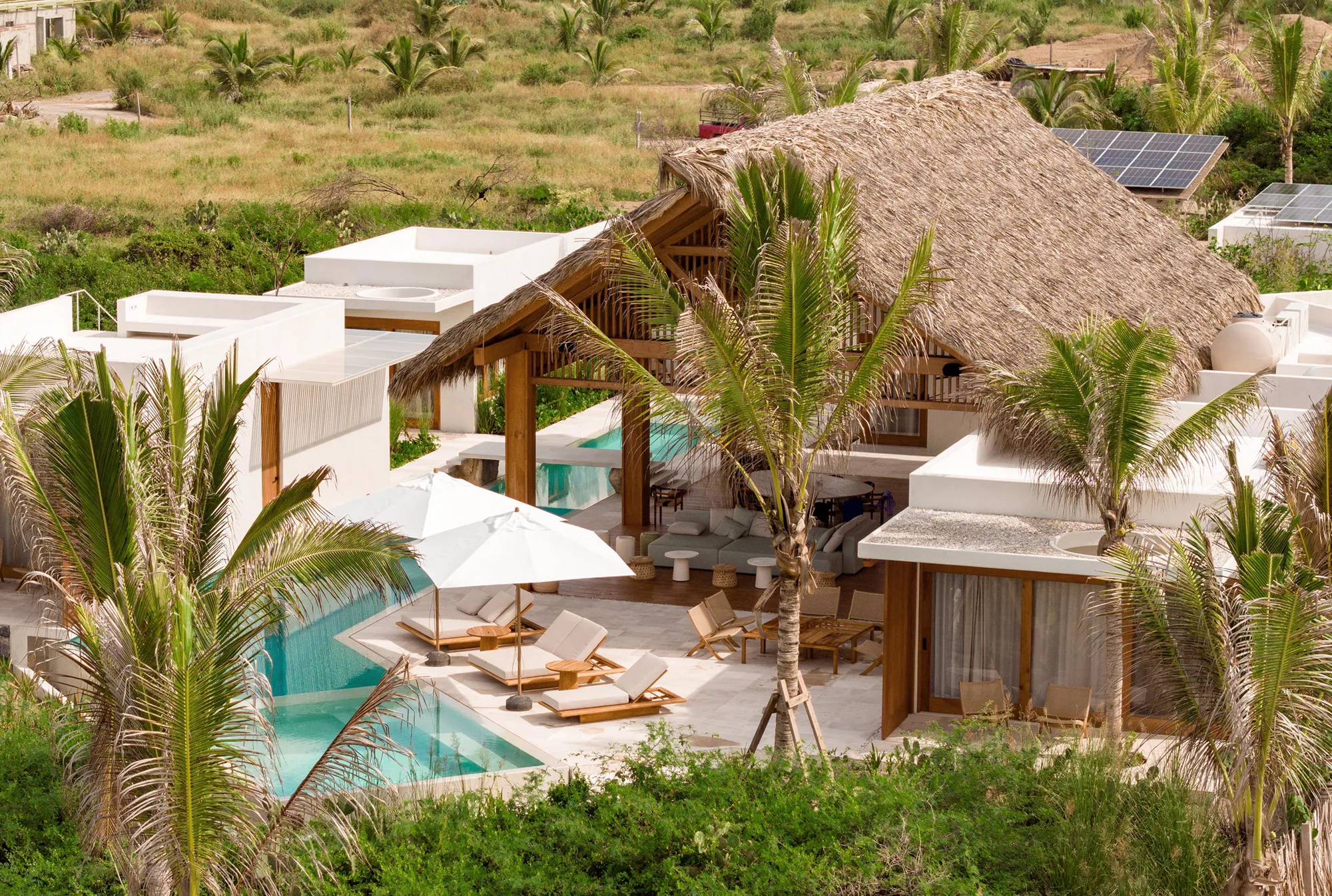
Some hotels are designed to escape their surroundings. Hotelito at MUSA exists because of them. On a wild stretch of the Guerrero coast, between the Sierra Madre and the Pacific Ocean, the 13-room Hotelito forms part of a much larger experiment called MUSA — Modern Utopian Society of Adventurers. Its founders imagined something more ambitious than a resort: a growing community centred around design, art, surfing, food, regeneration and a closer relationship with the land. Hotelito is its smallest expression — and perhaps its most convincing. There are no manicured resort gardens separating you from Mexico here. Jungle rises behind the buildings, the Pacific stretches uninterrupted in front, and the architecture sits quietly between them.
Tropical Modernism, Mexican Edition
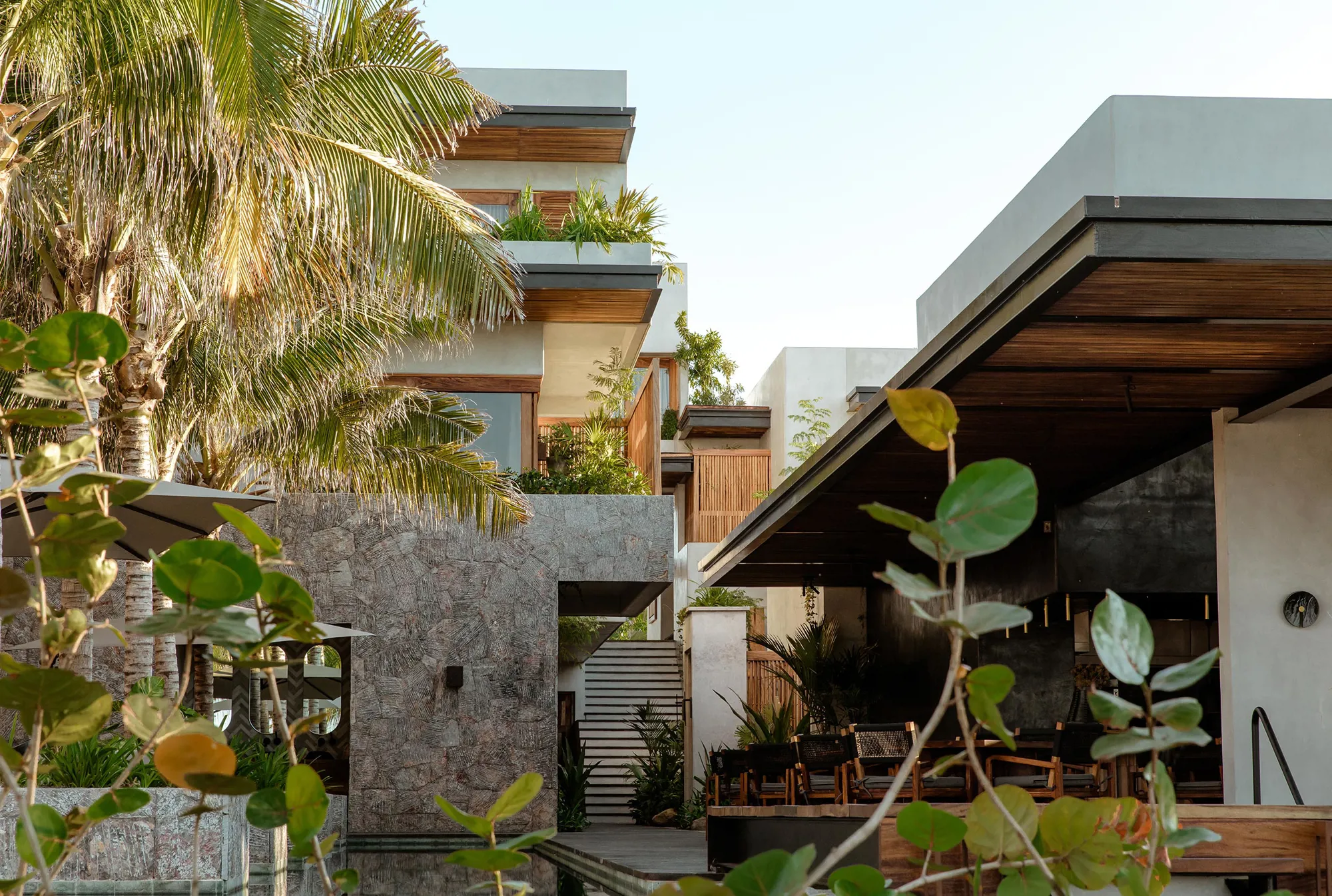
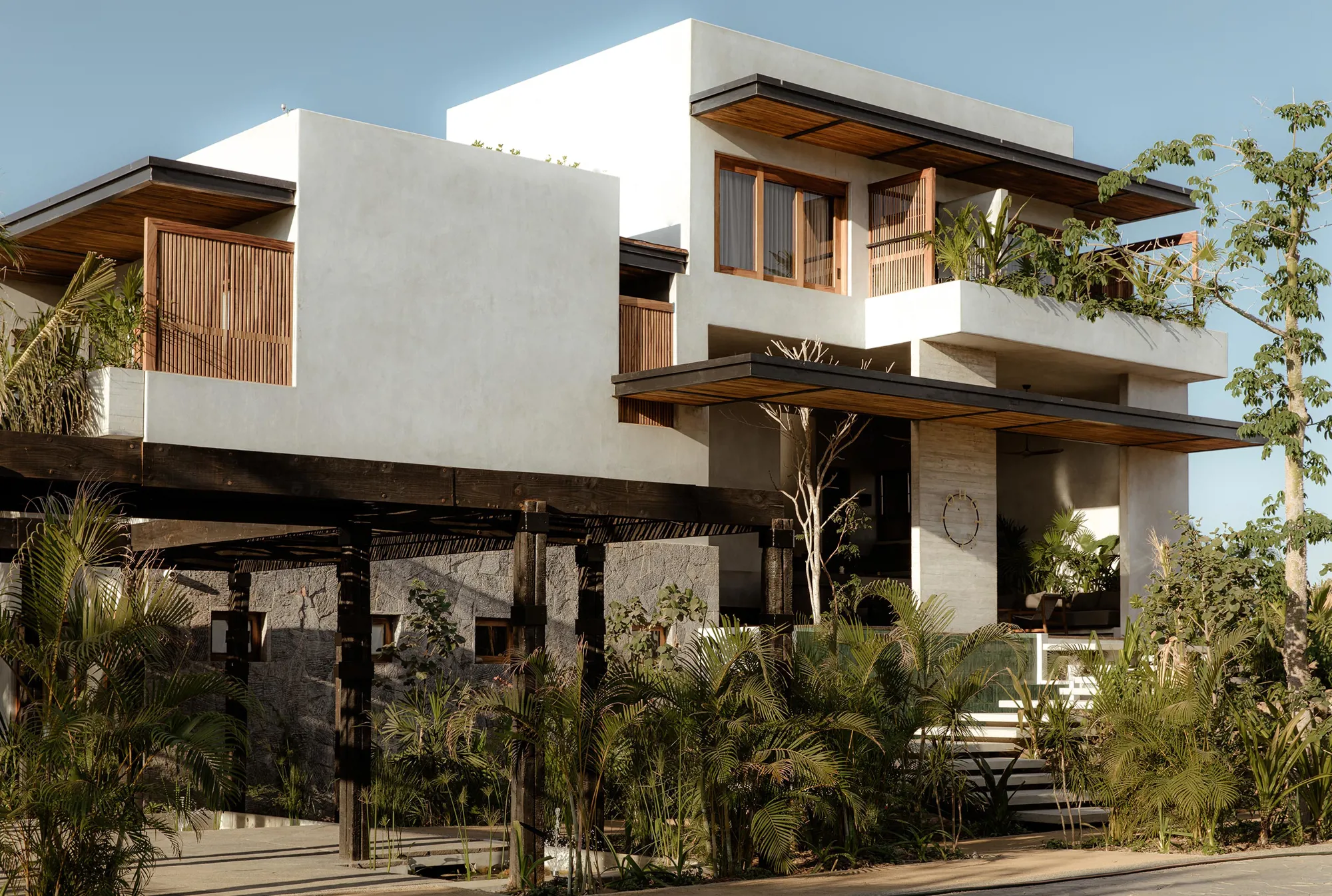
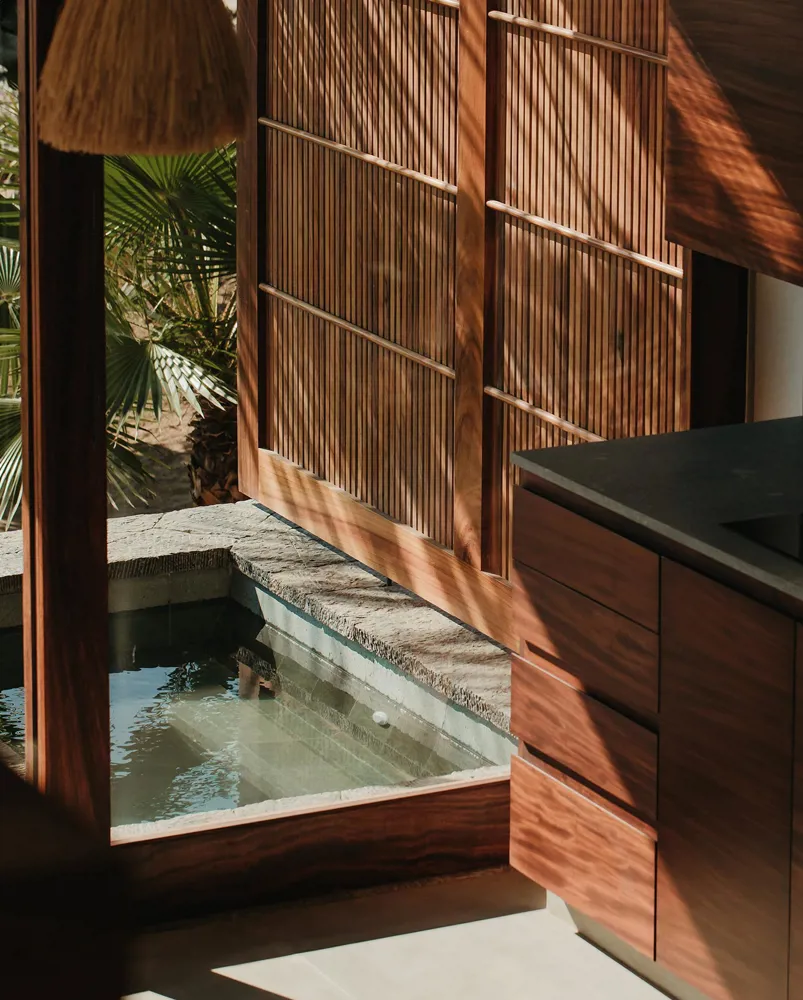
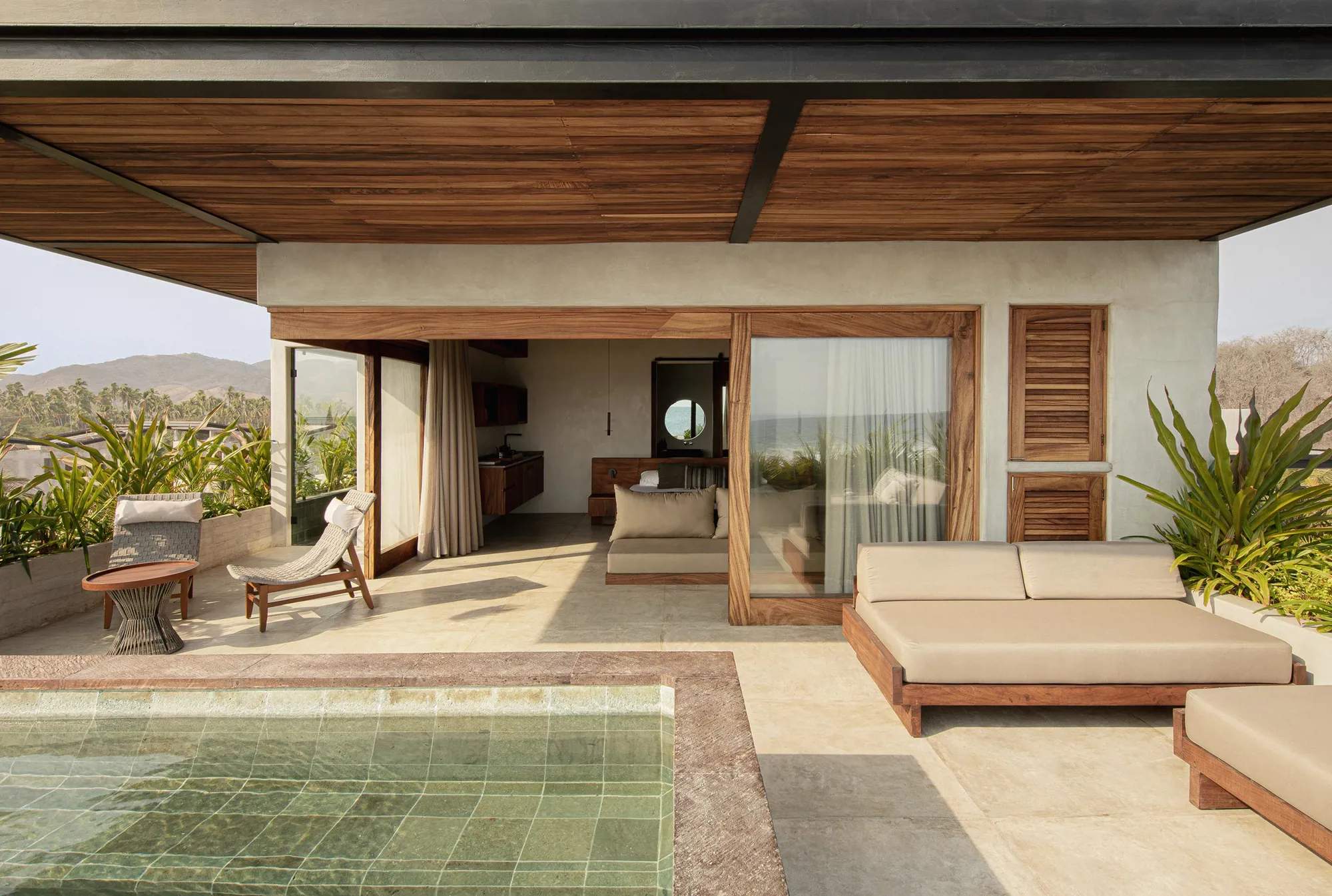
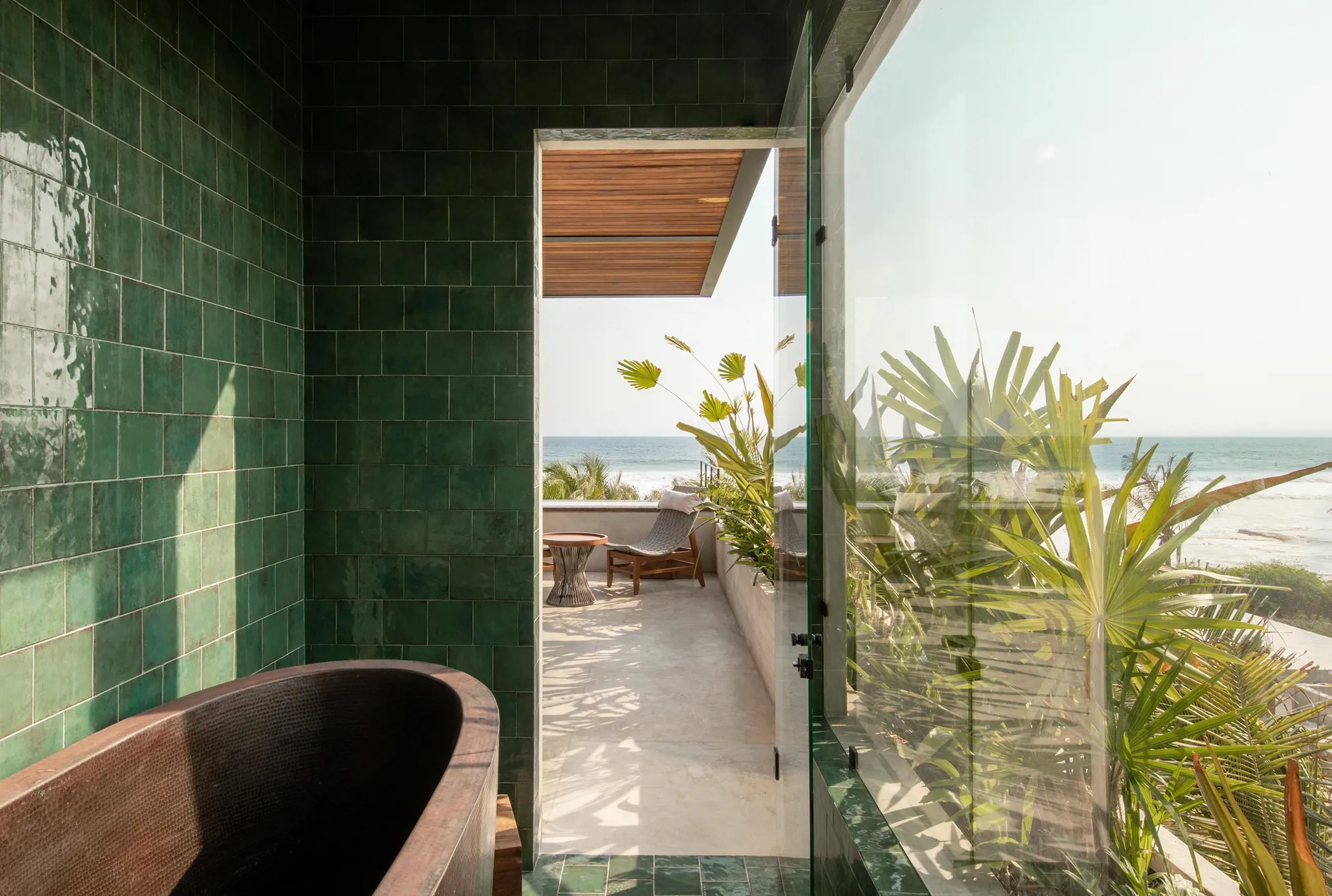
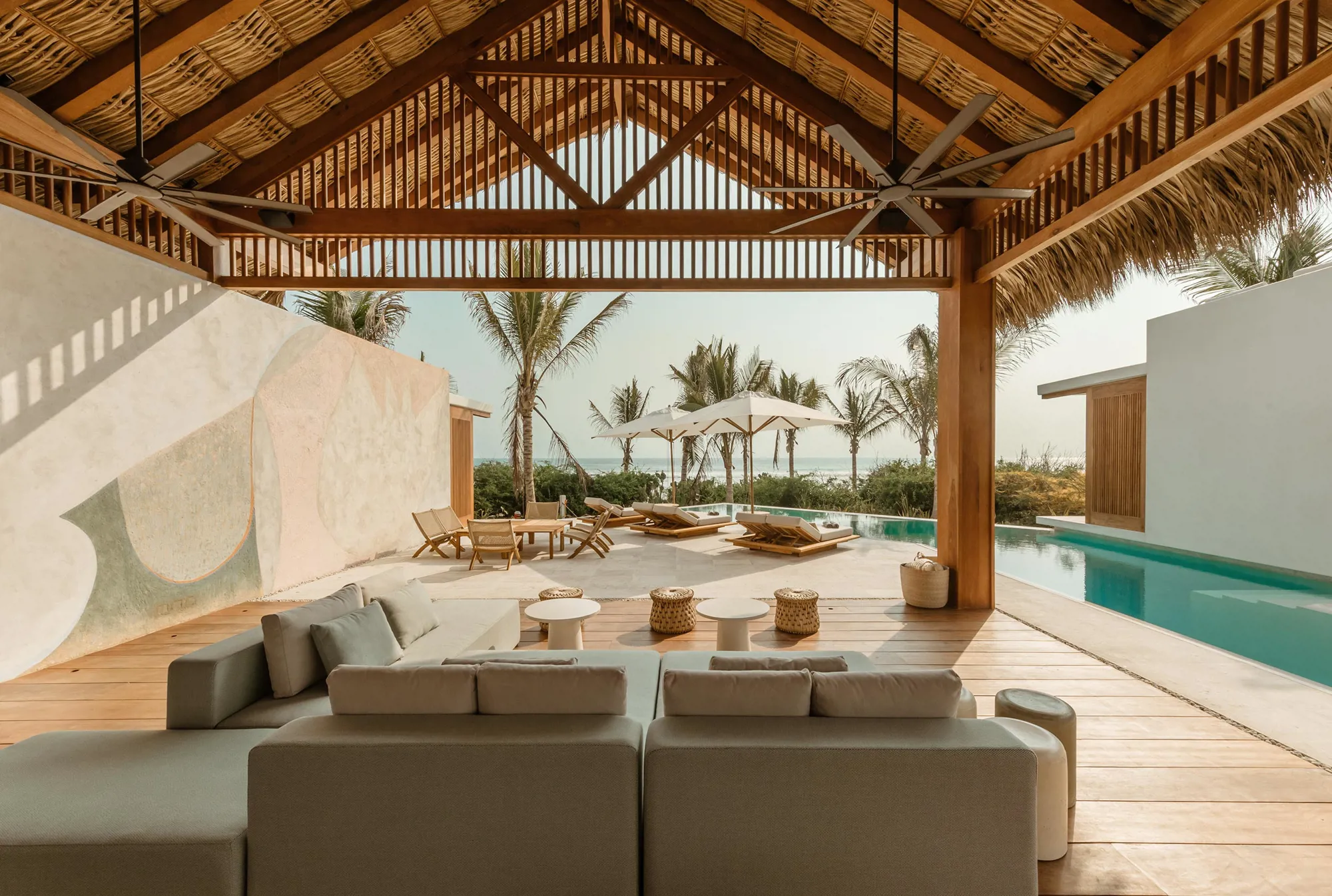
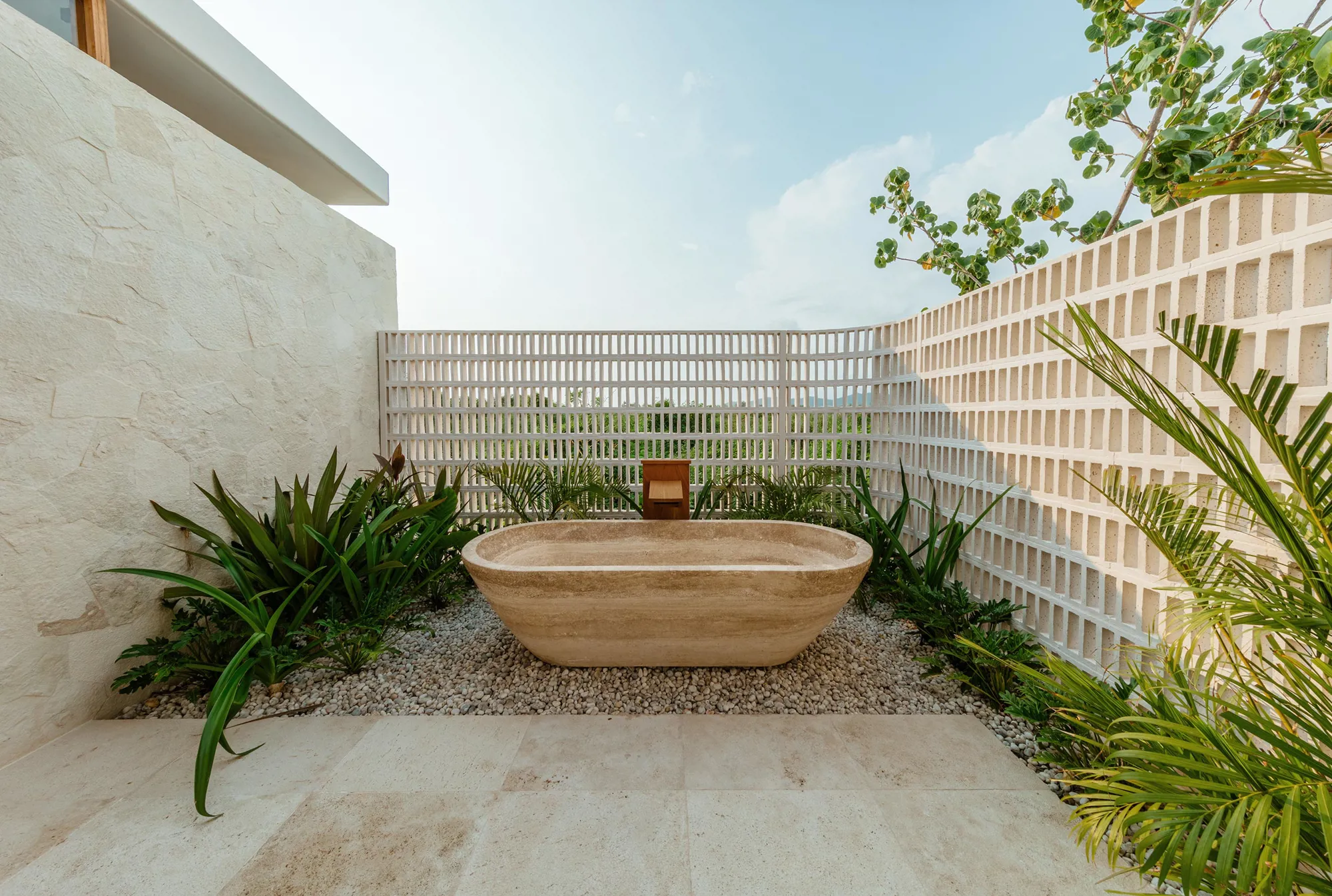
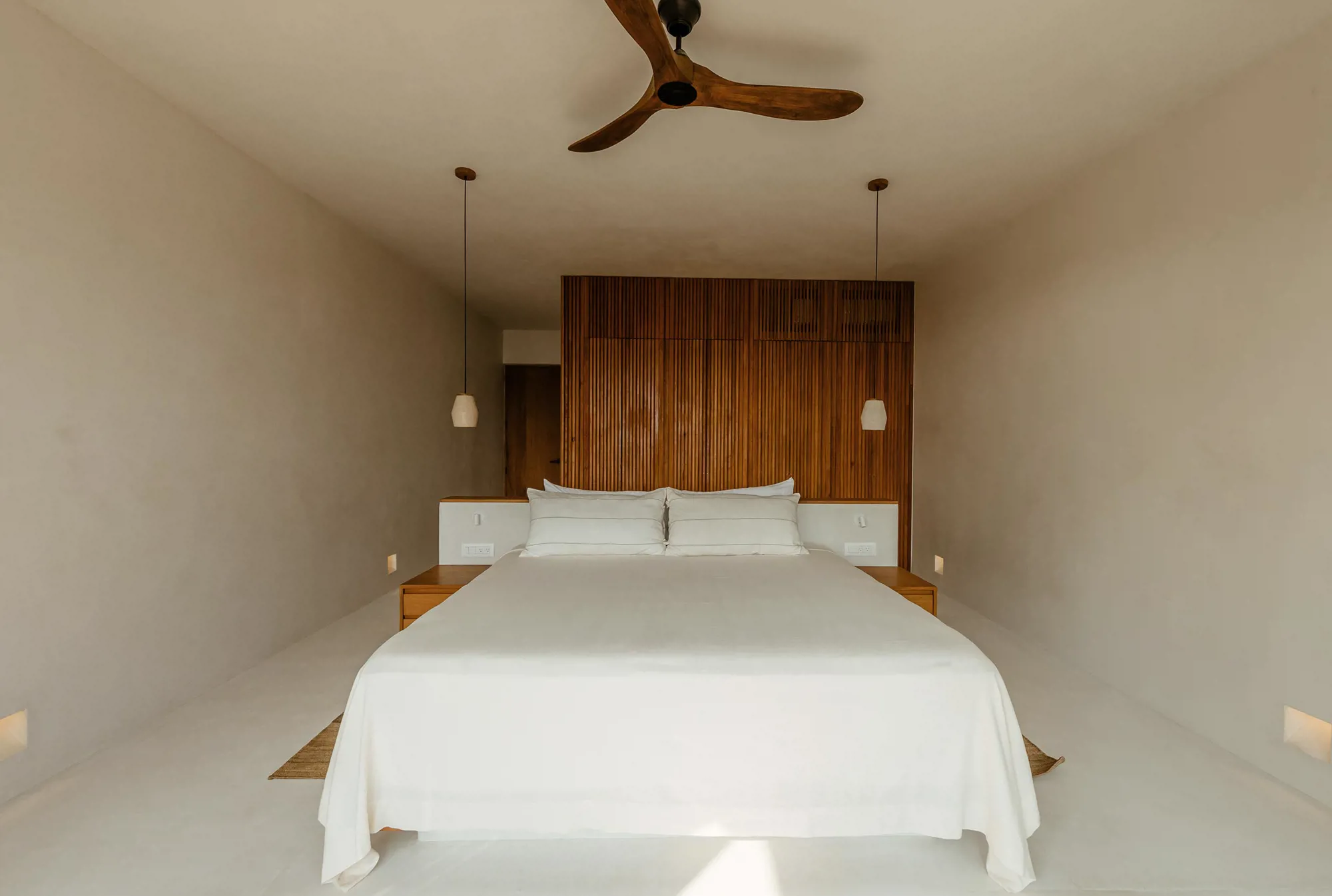
MUSA co-founder and architect Andrés Saavedra designed Hotelito from the inside out for this particular climate. The language is described as Tropical Modernism, but there is nothing nostalgic about it. Clean geometric forms and polished concrete are softened by Parota wood, granite, handmade black terrazzo tiles, woven textiles and pieces produced by Mexican artisans. The effect is deliberately raw rather than polished. Open-air bathrooms and living spaces catch the breeze. Cross-ventilation reduces dependence on mechanical cooling, while planted rooftop gardens help protect interiors from the tropical heat. Even the windows become part of the architecture, framing the landscape almost cinematically. This is minimalism with sand between its toes.
Thirteen Rooms Facing Something Bigger
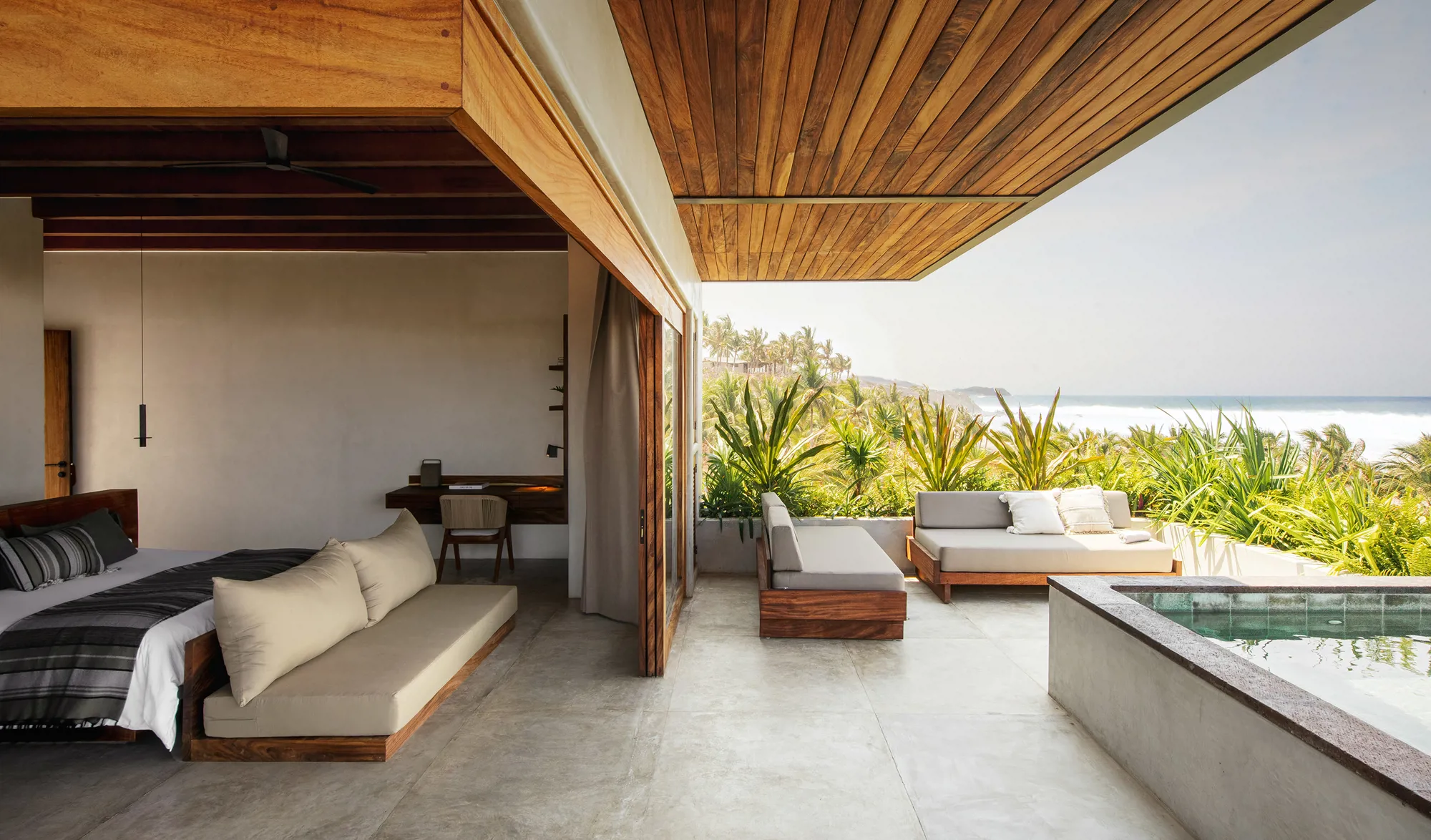
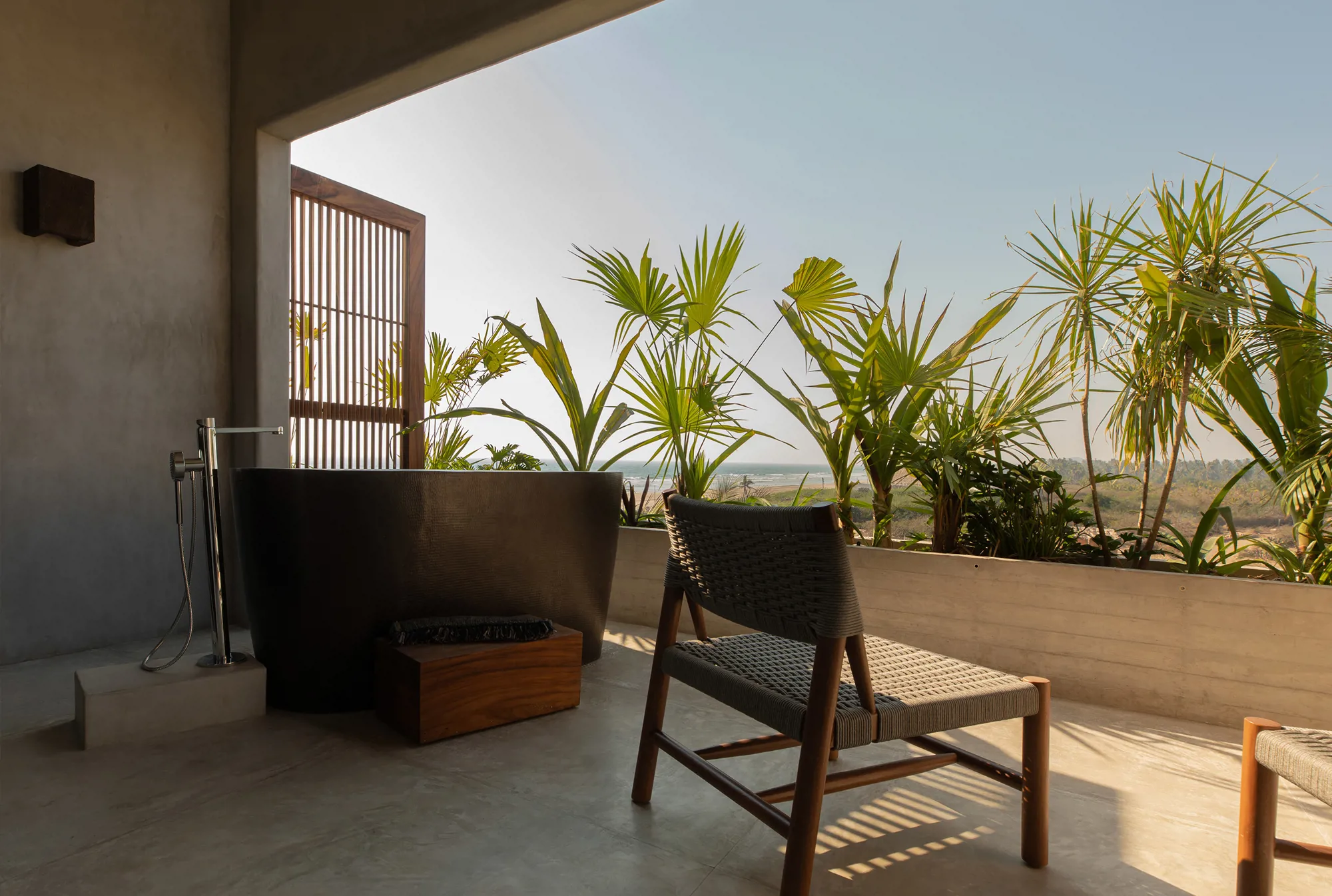
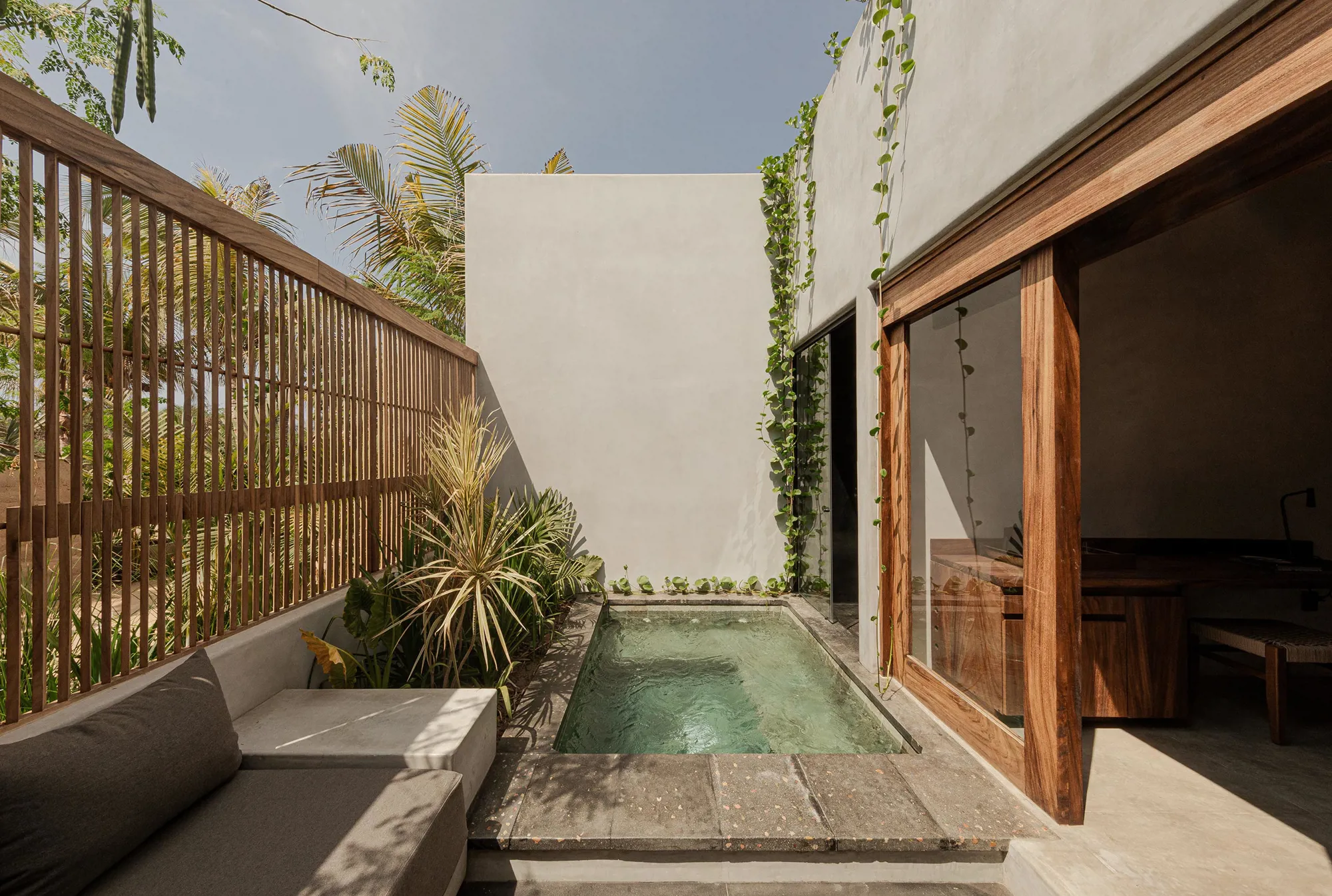
With only 13 rooms, Hotelito feels closer to a collection of private surf retreats than a conventional resort. Interiors remain intentionally sparse so that attention keeps returning to the landscape. Floor-to-ceiling openings connect rooms with private terraces, plunge pools and outdoor rainfall showers; most look directly towards the Pacific, while others turn towards the jungle. The materials repeat throughout — concrete, stone, timber and handcrafted surfaces — accompanied by original works from Mexican artists and locally made furniture. The Penthouse Suite pushes the idea furthest, with a terrace positioned for panoramic sunset views. But space isn’t really the luxury here. The horizon is.
Designed Around the Climate
Hotelito’s environmental thinking is most persuasive where it disappears into the architecture. The property is solar powered. Saltwater pools reduce reliance on conventional pool systems. Open-air spaces and cross-breezes provide natural ventilation, while rooftop planting helps cool the buildings. Rather than importing a lush resort landscape, the wider MUSA project works with the existing coastal ecosystem and its agricultural potential. At its heart is a circular permaculture farm, intended to grow as much of the produce used by the kitchens as possible. Guests can wander through palm groves and gardens, seeing ingredients before they arrive on the plate. Regeneration here isn’t presented as a separate hotel programme. It is part of the infrastructure.
From Garden and Pacific to Plate
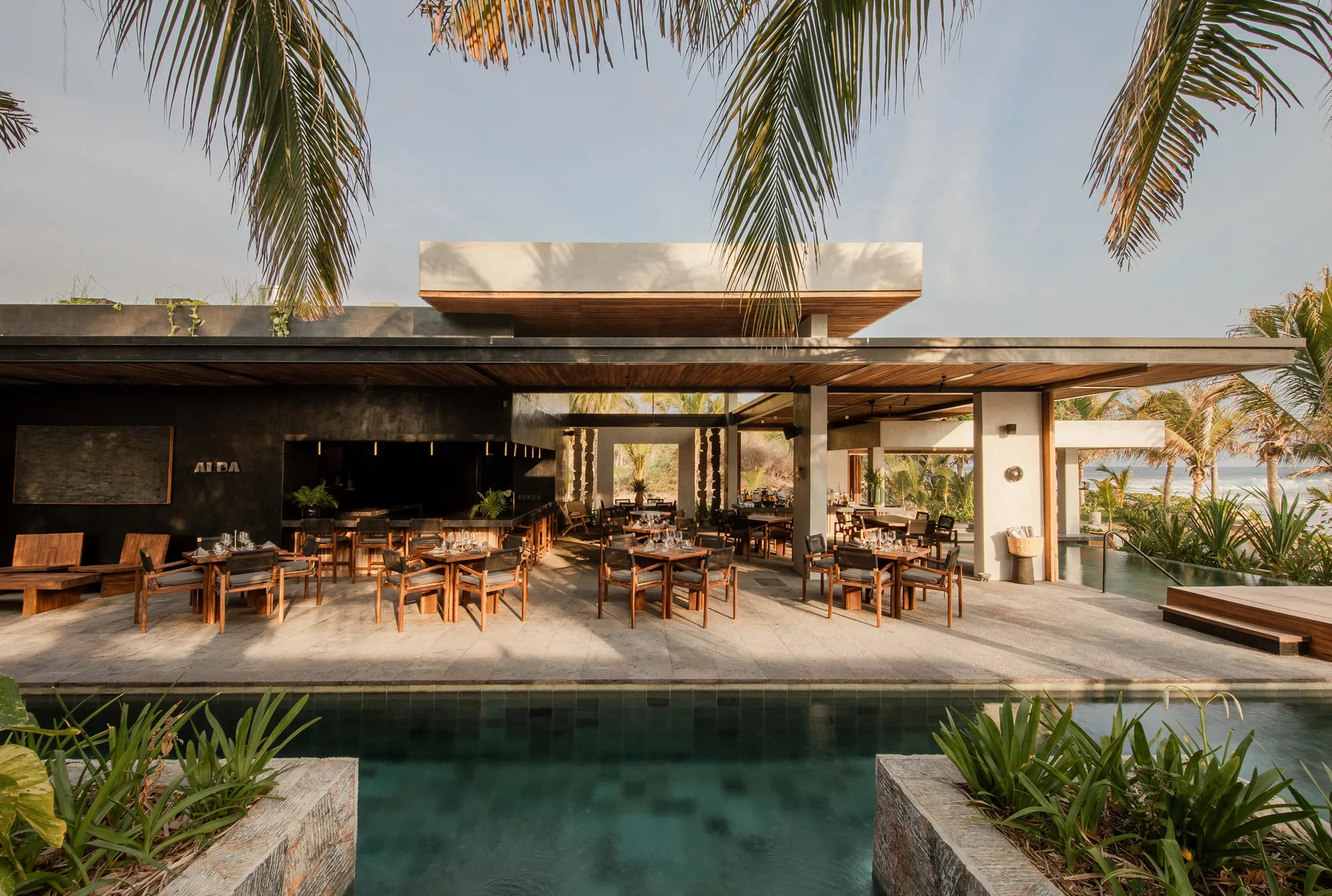
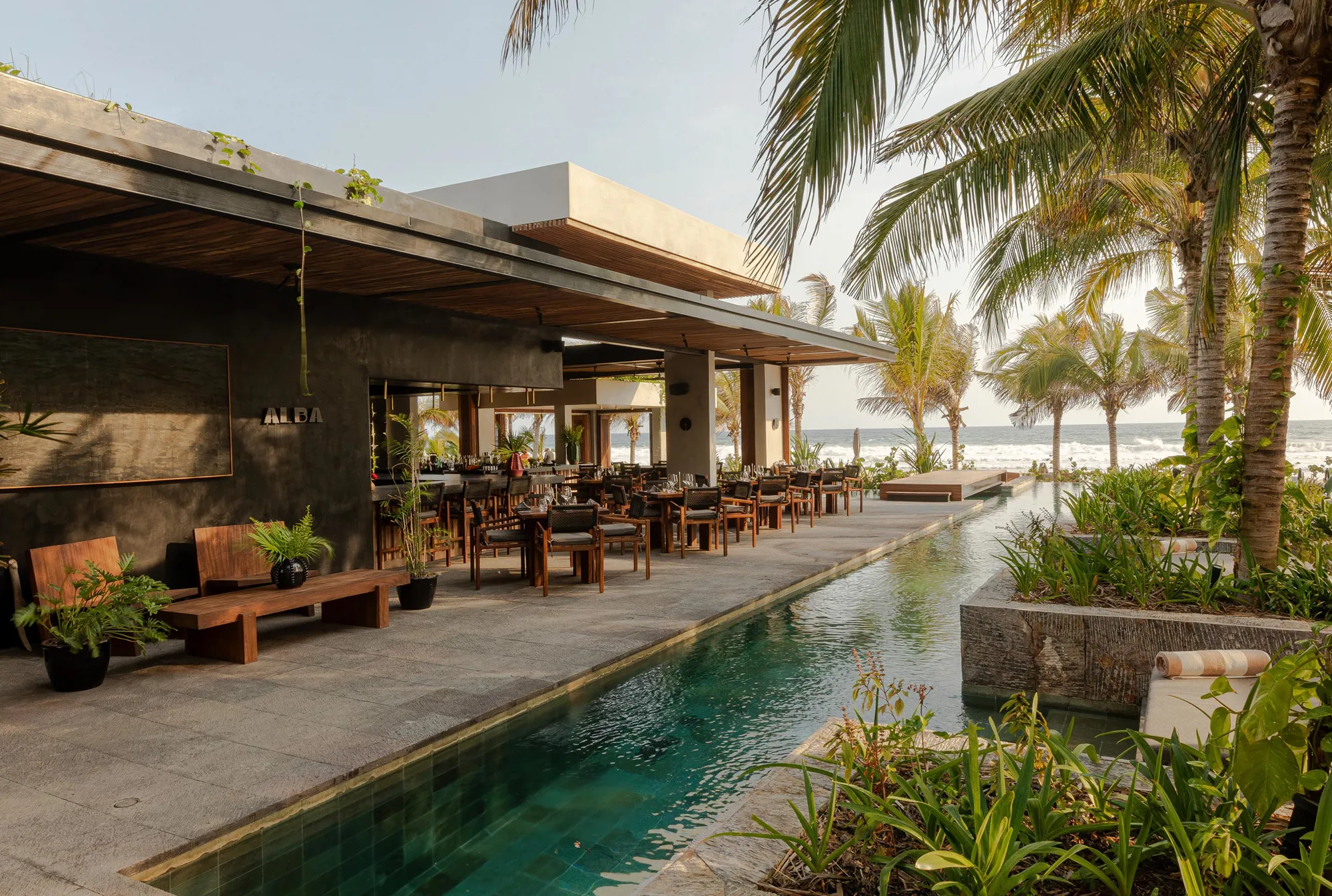
That philosophy becomes particularly tangible at Alba. The restaurant draws from the farms, ranches and waters surrounding MUSA, with produce harvested from its own gardens whenever possible. A rotating chef-in-residence programme introduces changing culinary perspectives while keeping the ingredients firmly connected to Guerrero. Dinner unfolds outdoors, with the landscape providing most of the theatre. Down by the water, Club de Playa is considerably less ceremonial: cocktails, snacks and seafood beside the surf. Local fishermen supply much of what appears on the menu, and guests can head onto the water themselves on guided fishing trips. Whatever you catch can return with you and become dinner that evening. Farm-to-table becomes ocean-to-table too.
Surfing Without the Surf-Resort Cliché
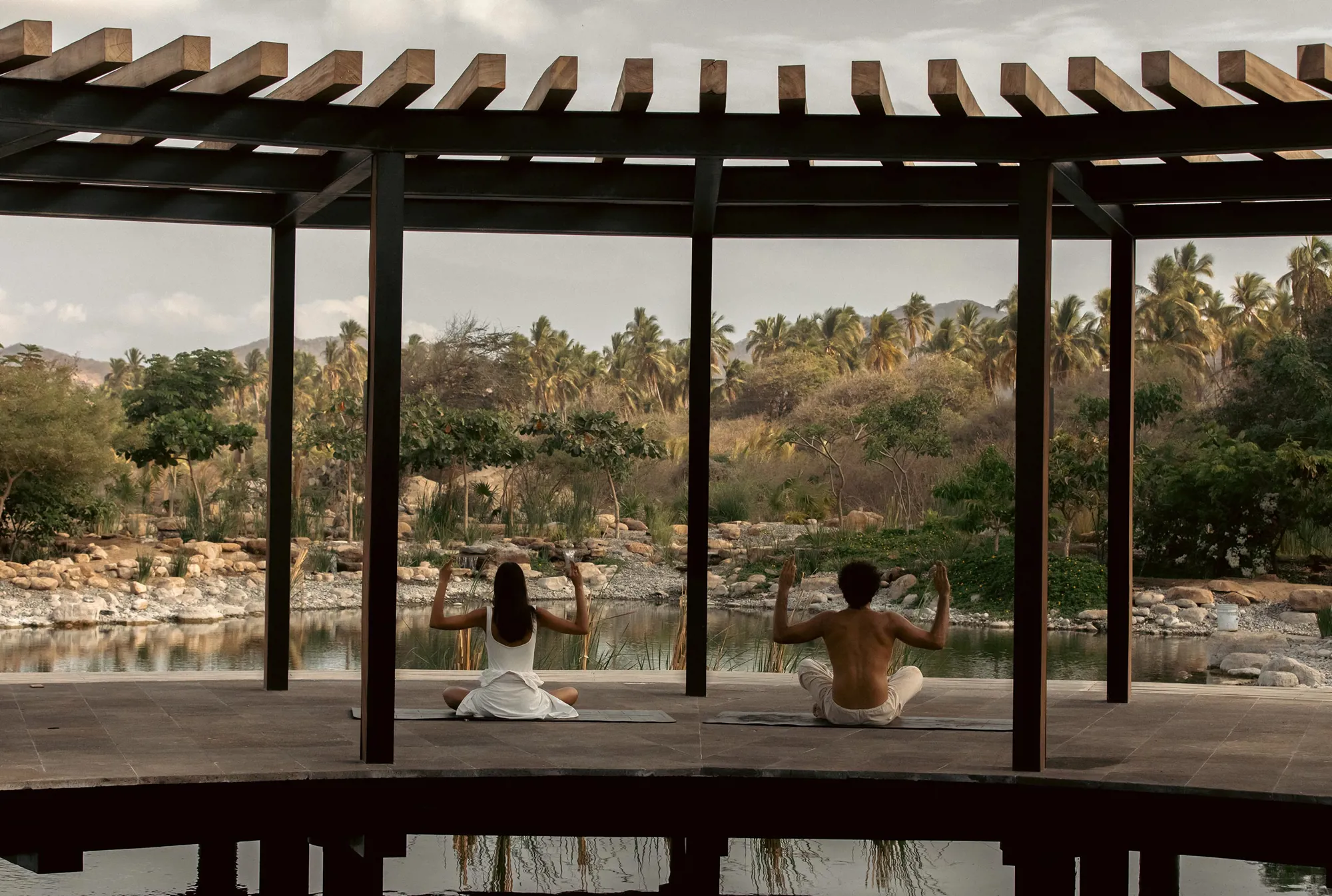
This is serious surf territory, but Hotelito doesn’t plaster that identity across every wall. Instead, surfing simply belongs to the rhythm of the place. There is an on-site surf school, the beach is immediately accessible, and the wider coastline offers the kind of uncrowded Pacific breaks that make the remoteness worthwhile. Back at MUSA, an infinity pool, open-air gym, yoga, spa treatments, art programmes and music spaces provide reasons to stay out of the water. There is even a naturally purified freshwater swimming lake. The distinction is important: this isn’t a surf camp that discovered design. It’s a design-led retreat that happens to have some extraordinary waves outside.
A Hotel Inside a Community
Hotelito makes most sense when understood as only one piece of MUSA. The wider project brings together hospitality, residences, agriculture, creative spaces and cultural programming, with talks, workshops, art pop-ups and music forming part of life on the property. That changes the atmosphere. Instead of building an isolated luxury enclave and then inventing experiences to entertain its guests, MUSA is attempting to create an ecosystem in which visitors temporarily participate. The ambition is unquestionably utopian — the clue is in the name. But at Hotelito’s scale, the idea feels remarkably grounded.
Luxury With Less Stuff
Perhaps the most interesting thing about Hotelito is what it leaves out. There is little interest in conventional resort grandeur. Luxury isn’t expressed through marble lobbies, manicured lawns or endless facilities. It comes from having a private pool facing the Pacific, showering outdoors, eating something grown metres from the kitchen and watching the sun disappear into an almost empty horizon. Architecture provides the framework rather than the spectacle. Hotelito at MUSA shows what contemporary Mexican hospitality can look like when design, climate, food and ecology are considered together from the beginning. Thirteen rooms. Jungle behind you. Pacific in front. Sometimes a utopia doesn’t need to be very complicated.