Immerso Hotel – Ericeira, Portugal
Surf culture, Portuguese craft and Atlantic cuisine come together in a secluded valley overlooking the ocean.
Why DNA Hotels Loves It
● Ericeira’s first five-star hotel translates the relaxed spirit of Europe’s first World Surfing Reserve into sophisticated contemporary hospitality without turning surf culture into a theme.
● A distinctly Portuguese design story brings together architecture by Tiago Silva Dias, interiors with Bárbara Neto and Alexandra Almeida d’Eça, local makers and site-specific art, all designed to keep attention on the landscape.
● Food is integral rather than incidental: Atlantic seafood, an organic kitchen garden and cooking over fire connect Immerso directly to the coast and countryside around it.
Luxury With a Soul
Less than an hour north of Lisbon, Ericeira has long attracted people for its waves rather than its hotels. Immerso changed that. The 37-room retreat sits outside town in Santo Isidoro, folded into a green valley with the Atlantic on the horizon and some of Portugal’s most celebrated surf breaks close by. Instead of competing with that setting, the architecture deliberately recedes into it. It reflects co-founder Gonçalo Menezes’ refreshingly uncomplicated definition of luxury: not ostentation, but attention, connection and the feeling of being genuinely looked after. The name says much about the intention. Immerso is about immersion — in landscape, food, surf, Portuguese creativity and, perhaps most importantly, time.
Architecture That Frames the Landscape
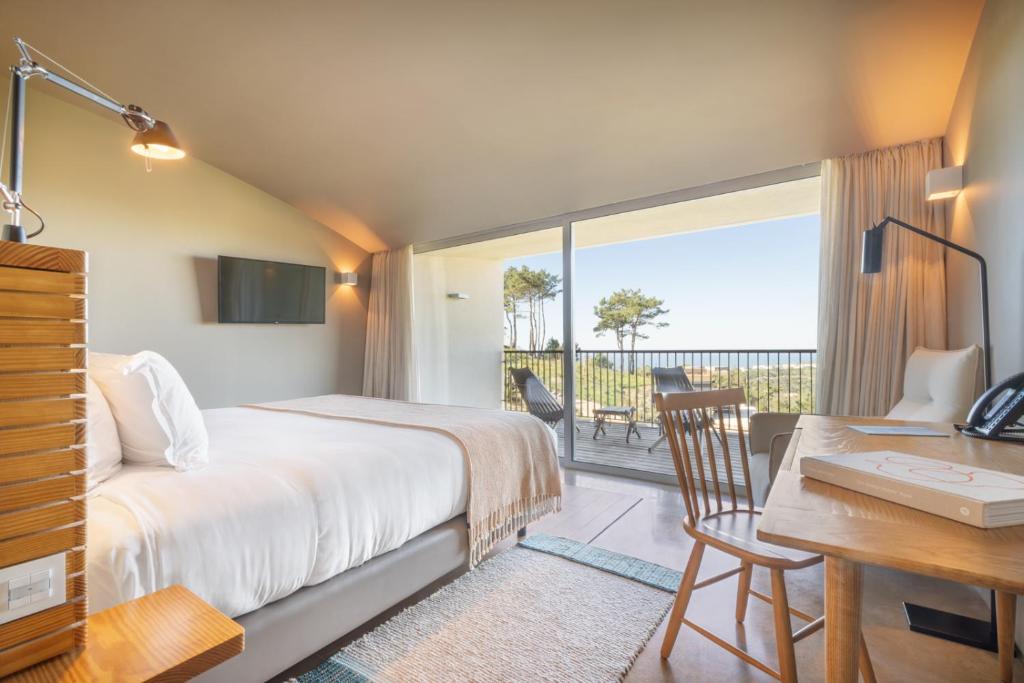
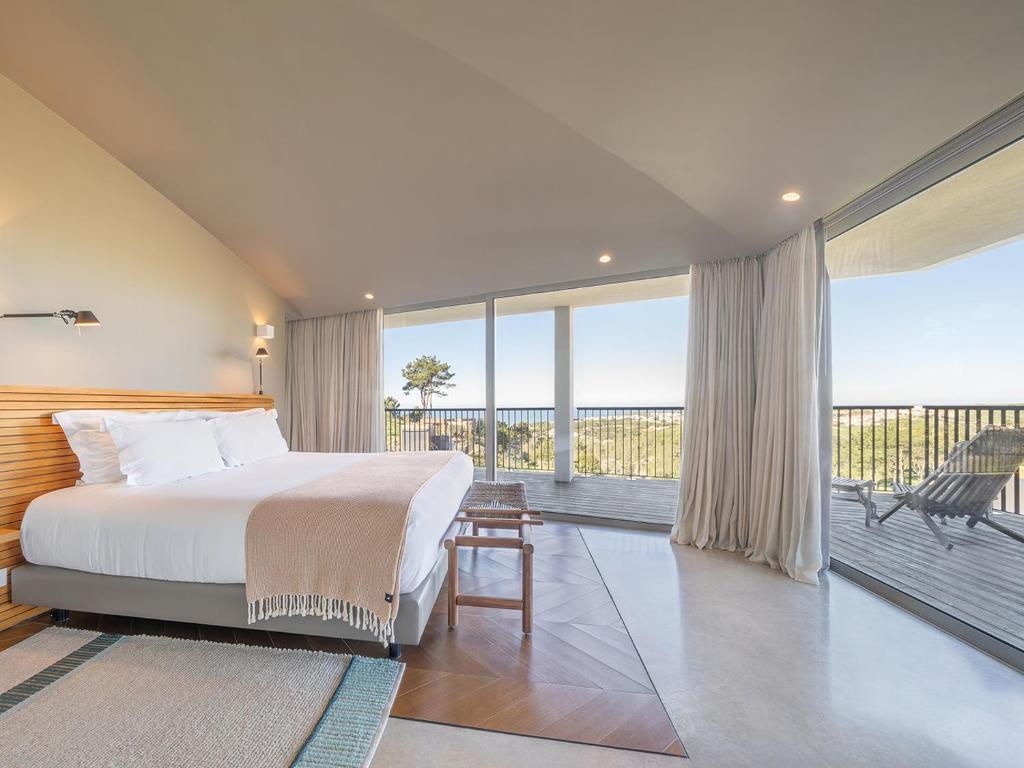
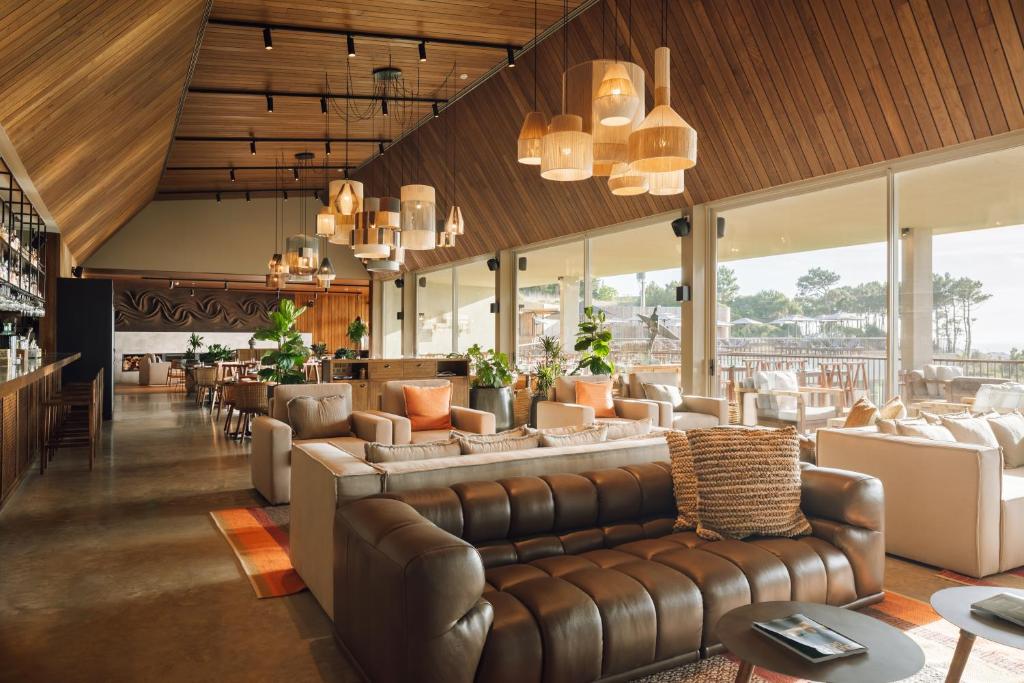
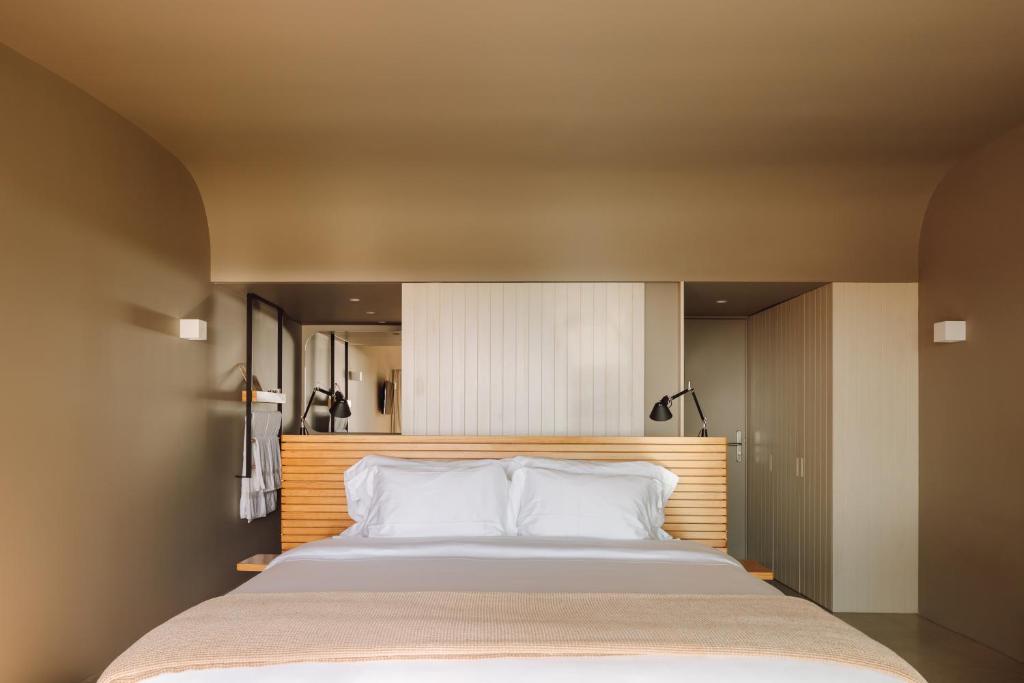
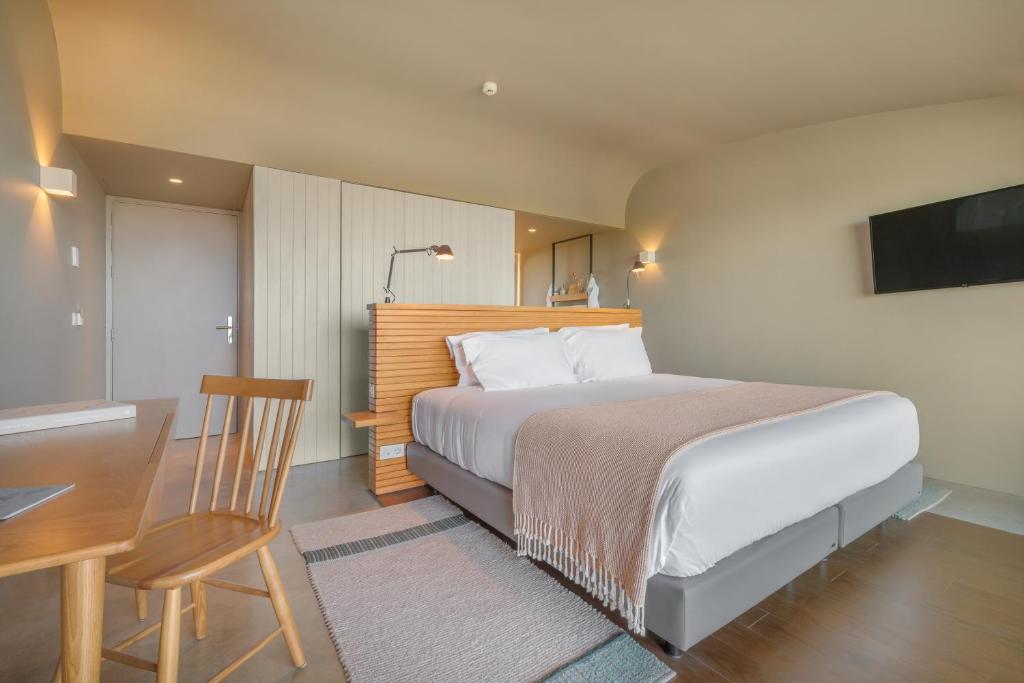
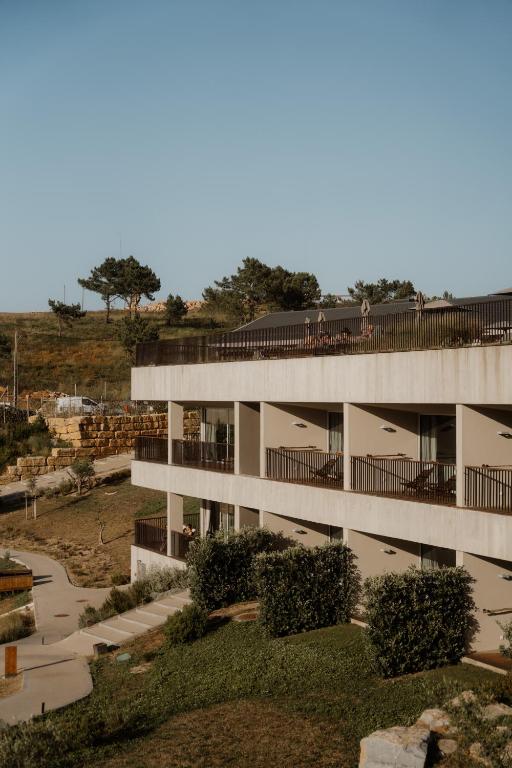
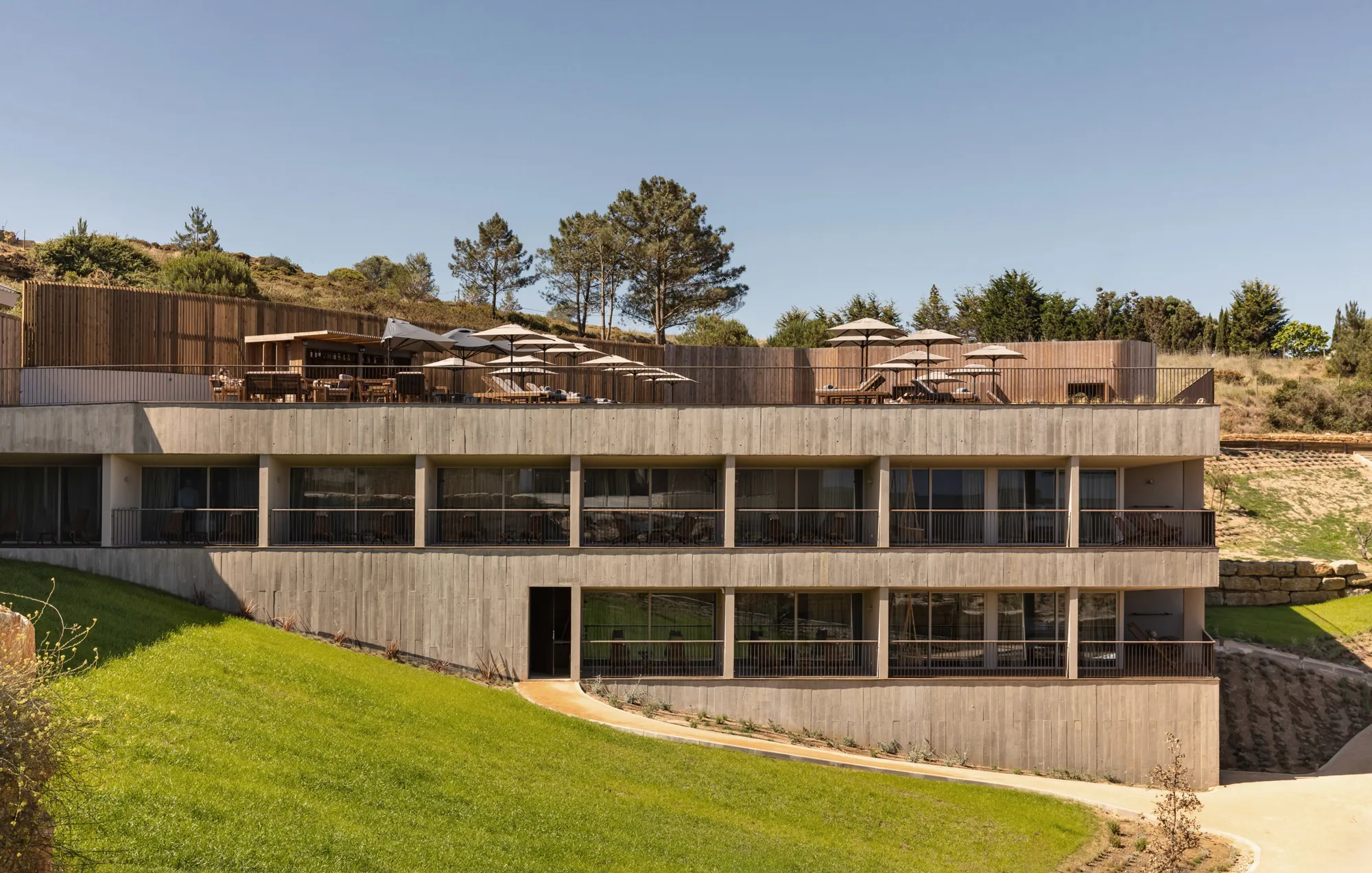
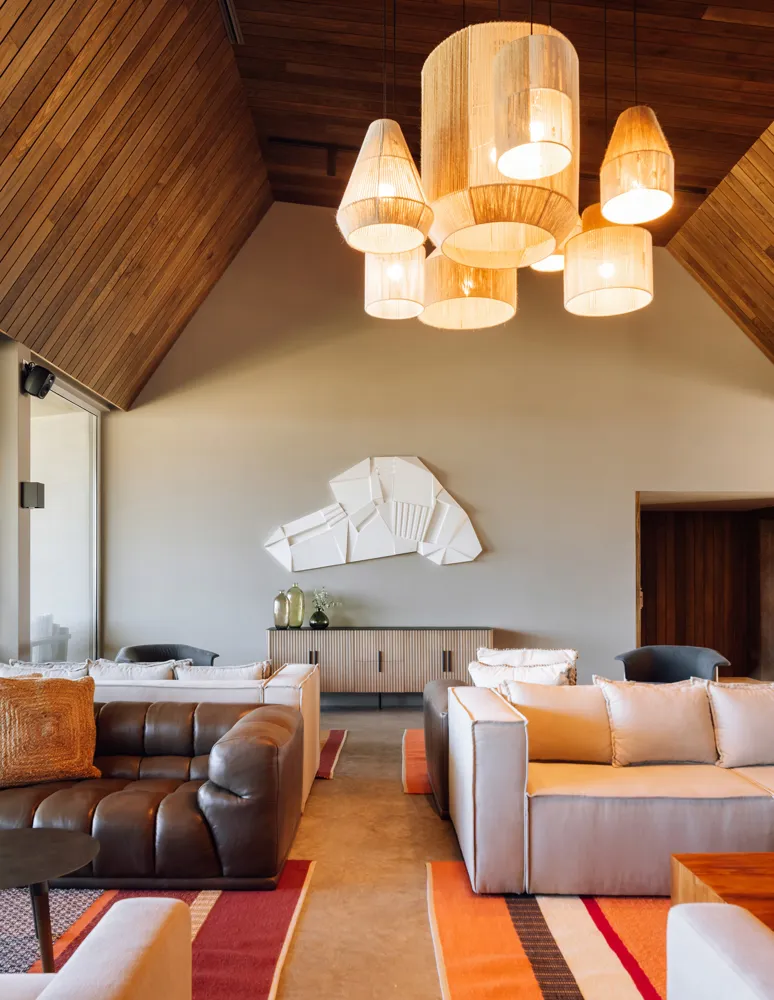
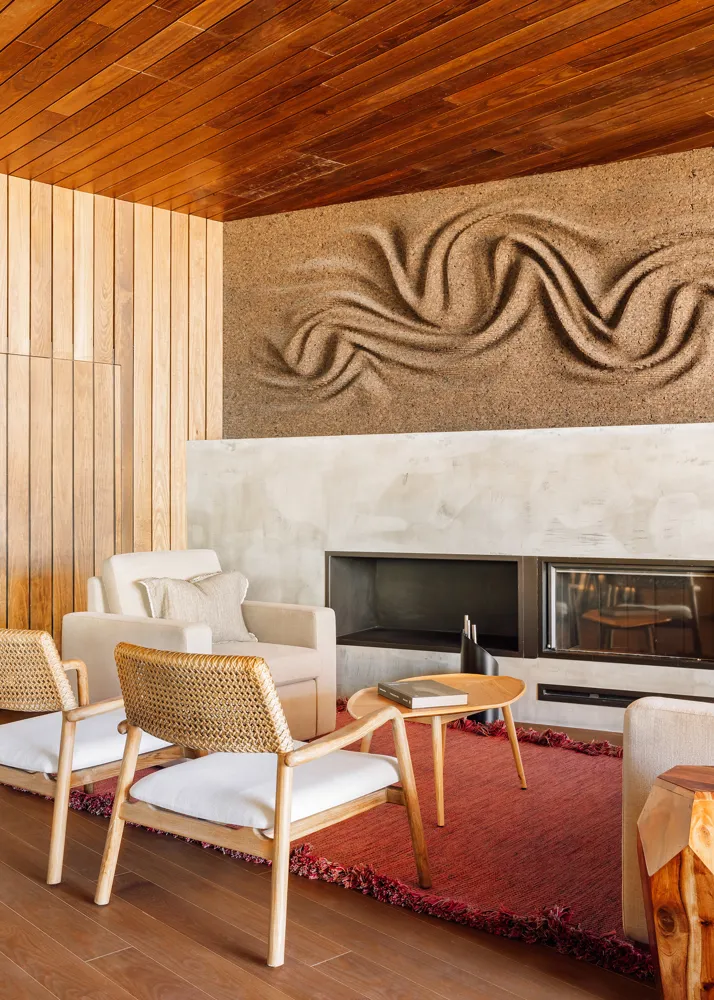
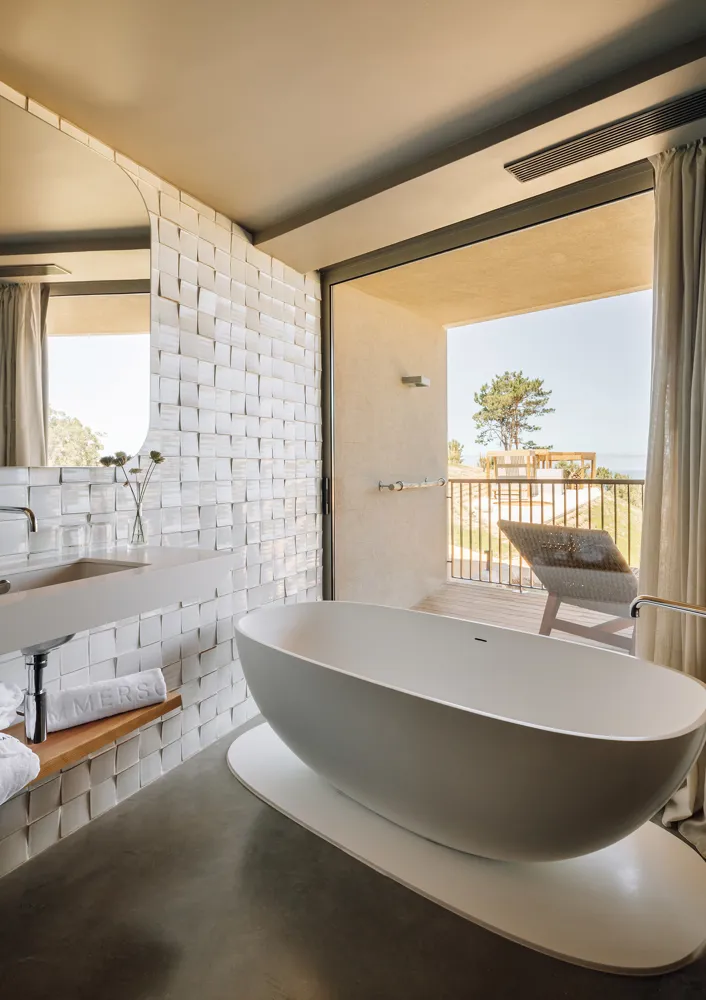
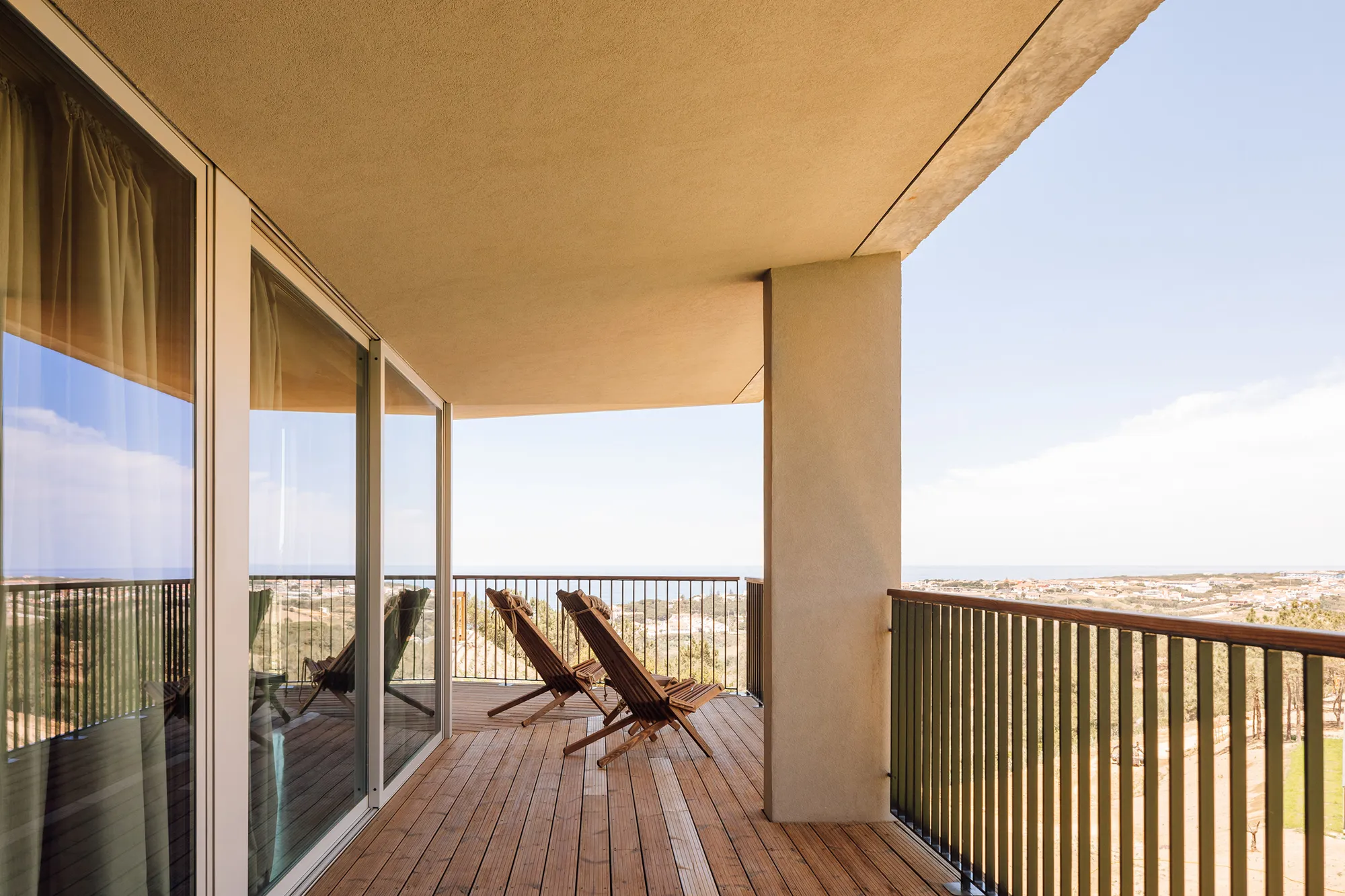
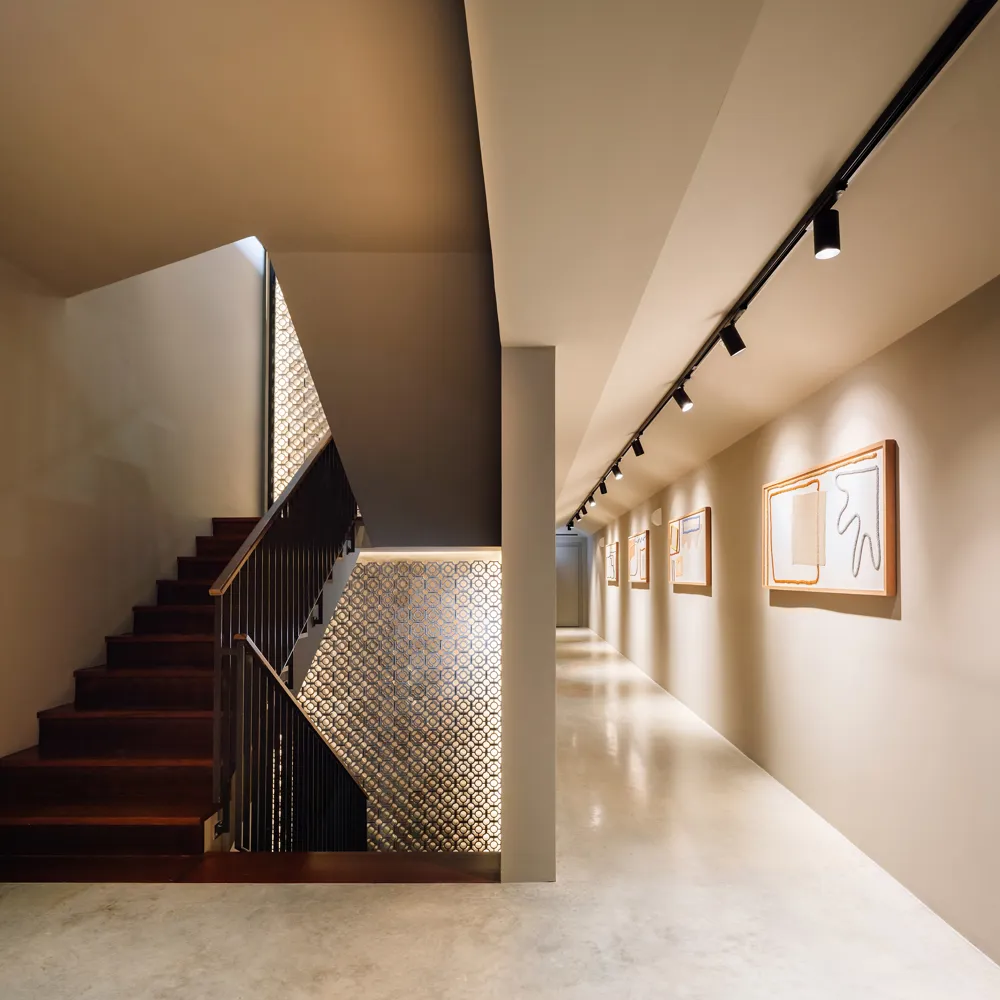
The hotel unfolds through four contemporary volumes rather than presenting itself as one imposing resort building. Architect Tiago Silva Dias, working on the interiors alongside Alexandra Almeida d’Eça and Bárbara Neto of LemonVariance, uses concrete, wood, iron, cork, rope and tactile textiles in colours drawn from rock, earth and Atlantic sand. There is restraint here, but not the anonymous beige minimalism that has become shorthand for contemporary luxury. Vaulted ceilings subtly recall waves. Generous terraces extend rooms outdoors. And the distinctive windows almost resemble the viewfinders of a camera, deliberately framing pieces of valley, sky and sea. The landscape becomes the decoration.
Portuguese Design, Art and Craft
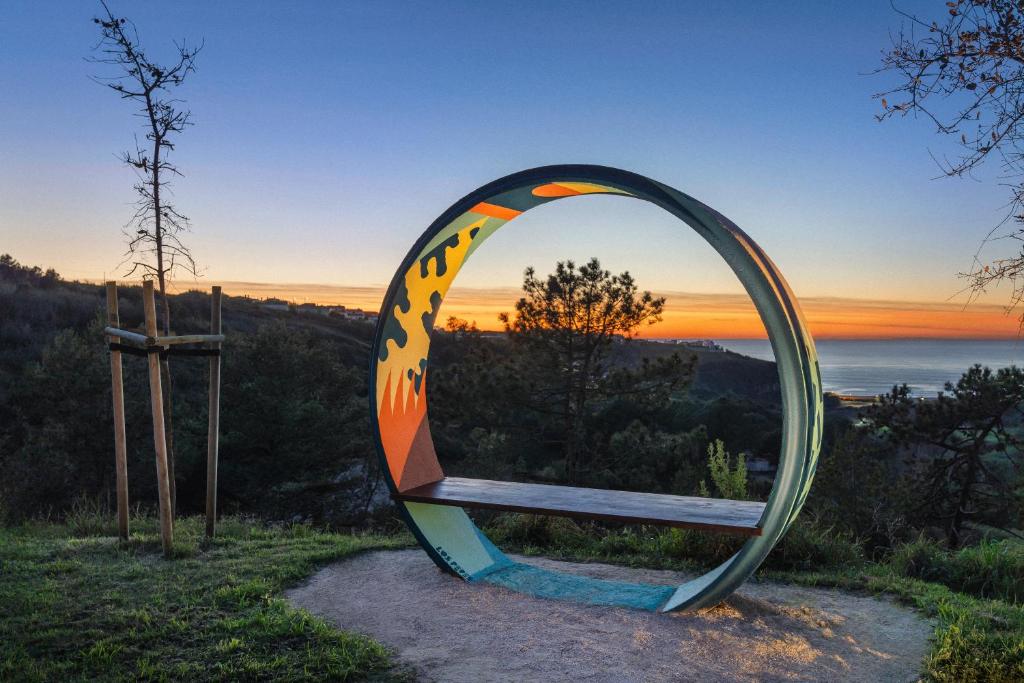
Look closer and Immerso becomes much more layered. Contemporary Portuguese artists and craftspeople appear throughout the hotel: sculptural work, handmade rugs, mirrors, tapestries and bespoke furniture give the interiors an identity firmly rooted in the country’s contemporary creative scene. There are panels by Iva Viana, mirrors by Anna Westerlund, textile work and rugs made using organic materials, while outside the collection spills into the landscape with installations including Paulo Reis’ giant hedgehog-like Uniouriço. Even scent and sound were considered part of the design. Portuguese perfumer Lourenço Lucena developed the hotel’s olfactory identity, while sound designer Elvis Veiguinha created its soundscape. Immerso isn’t simply decorated with Portuguese objects. Portugal is embedded in the sensory experience of the hotel.
A Garden Leading to the Atlantic
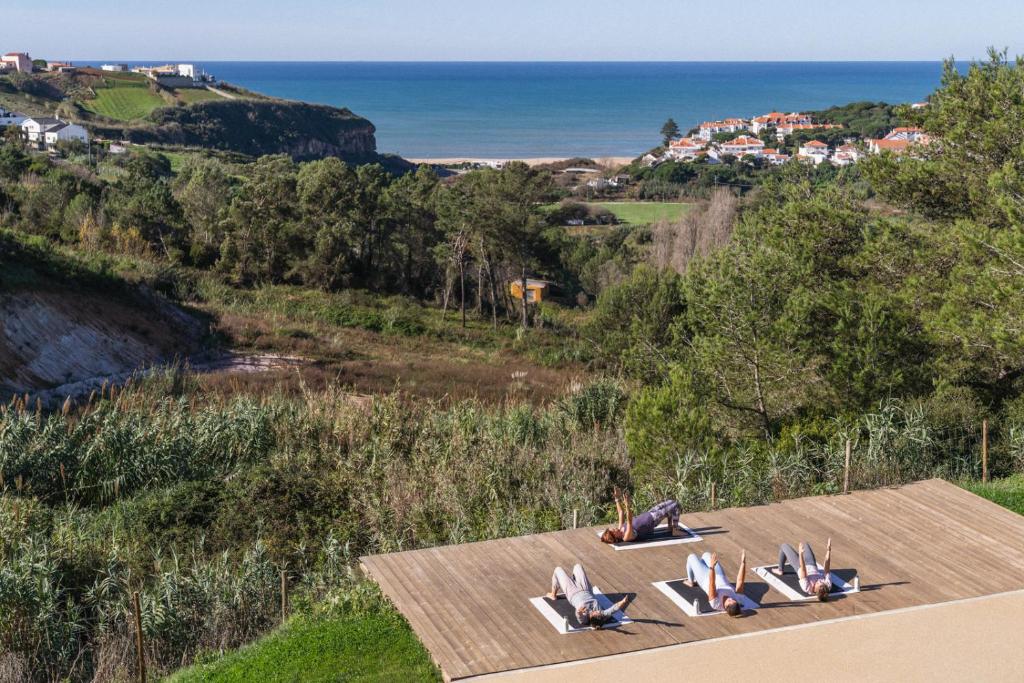
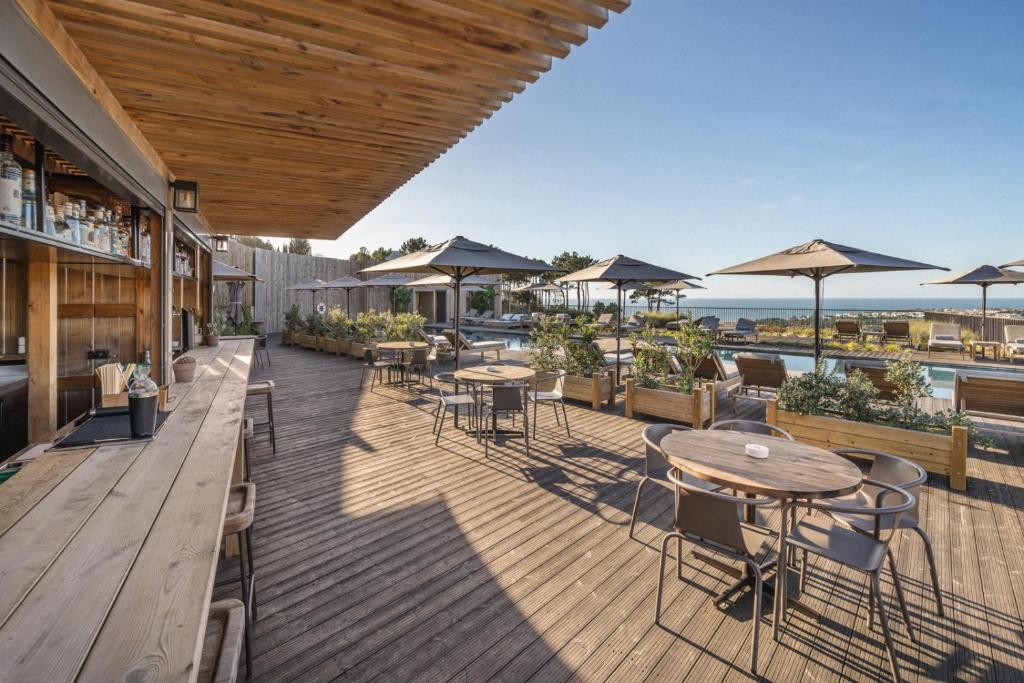
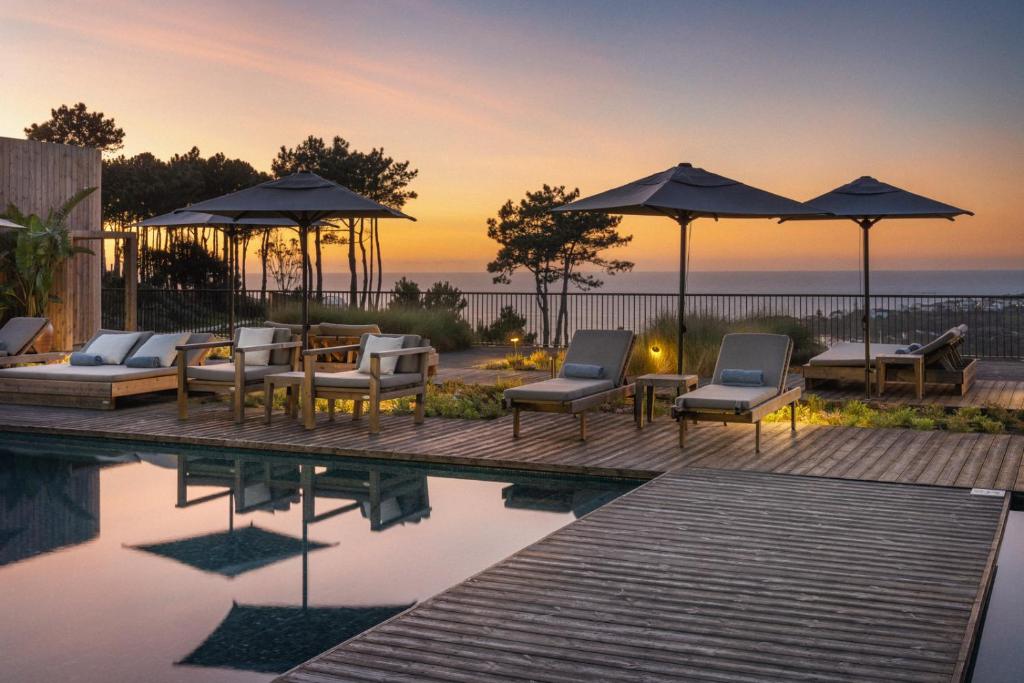
Landscape architect Margarida Quelhas treats the grounds as another room. Paths meander through meadow-like planting towards viewpoints and artworks. There is a yoga deck facing the sea, an outdoor firepit, pools overlooking the valley and an organic kitchen garden growing vegetables, fruit and herbs for the restaurants. Beyond it all lies the reason Ericeira became internationally famous. In 2011, the coastline became Europe’s first World Surfing Reserve, protecting a remarkable concentration of waves and coastal ecosystems. Immerso doesn’t require you to surf, but it would almost be perverse not to engage with the ocean somehow. There are twelve beaches nearby, bikes for exploring and surfing through the hotel’s collaboration with the Tiago Pires Surf School.
The Atlantic on the Plate
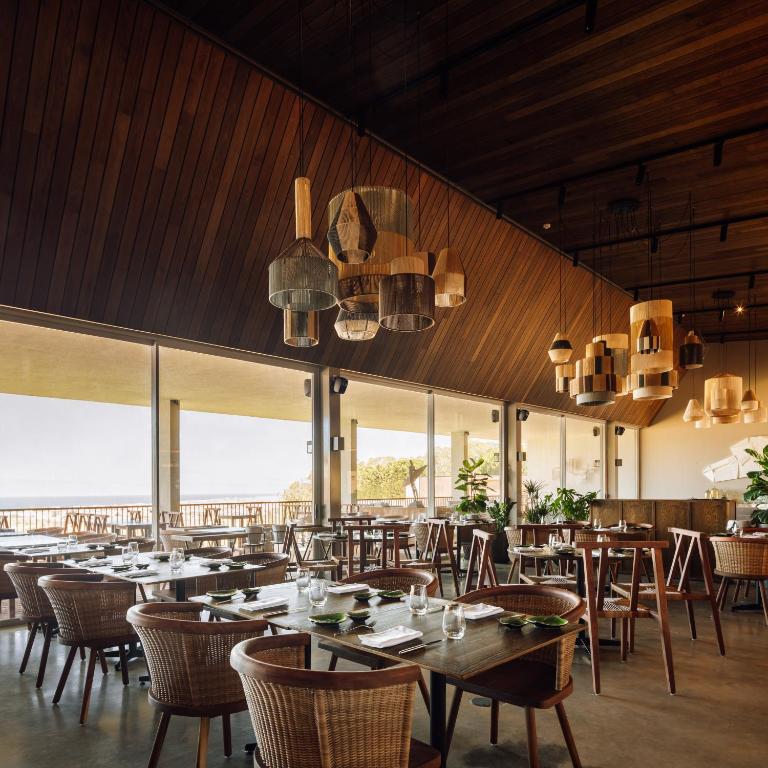
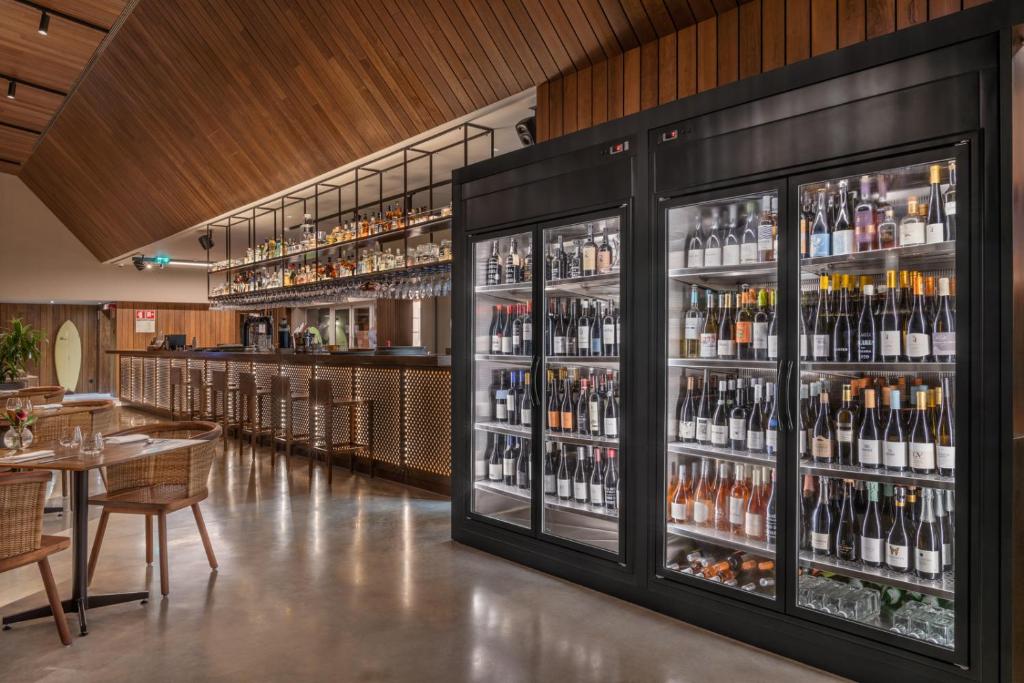
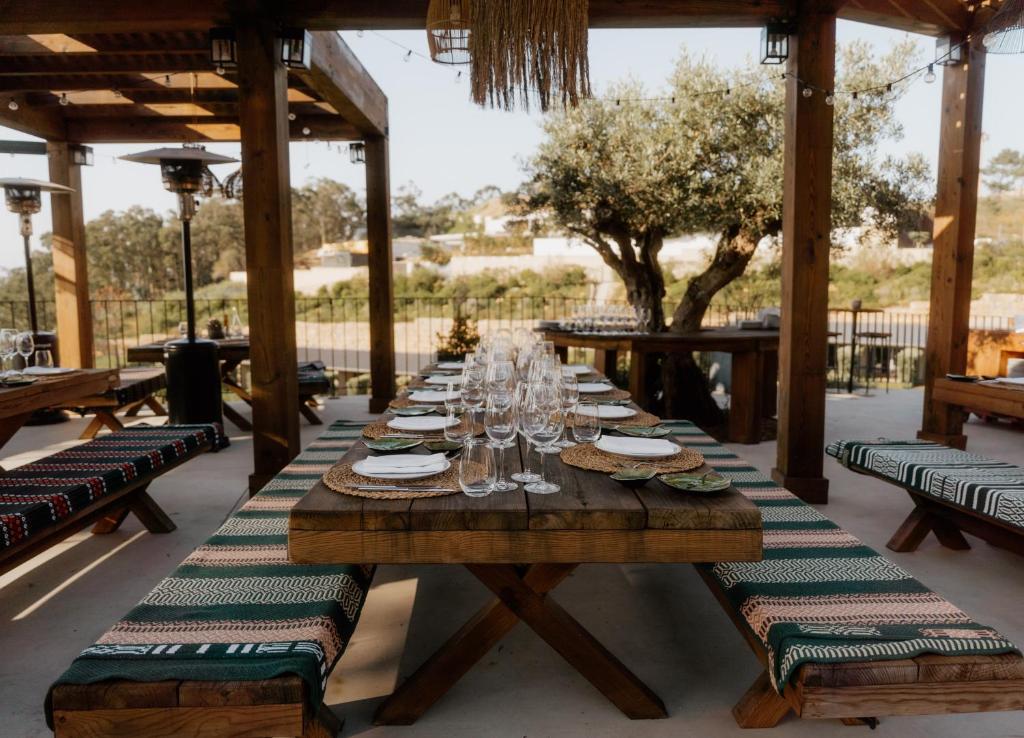
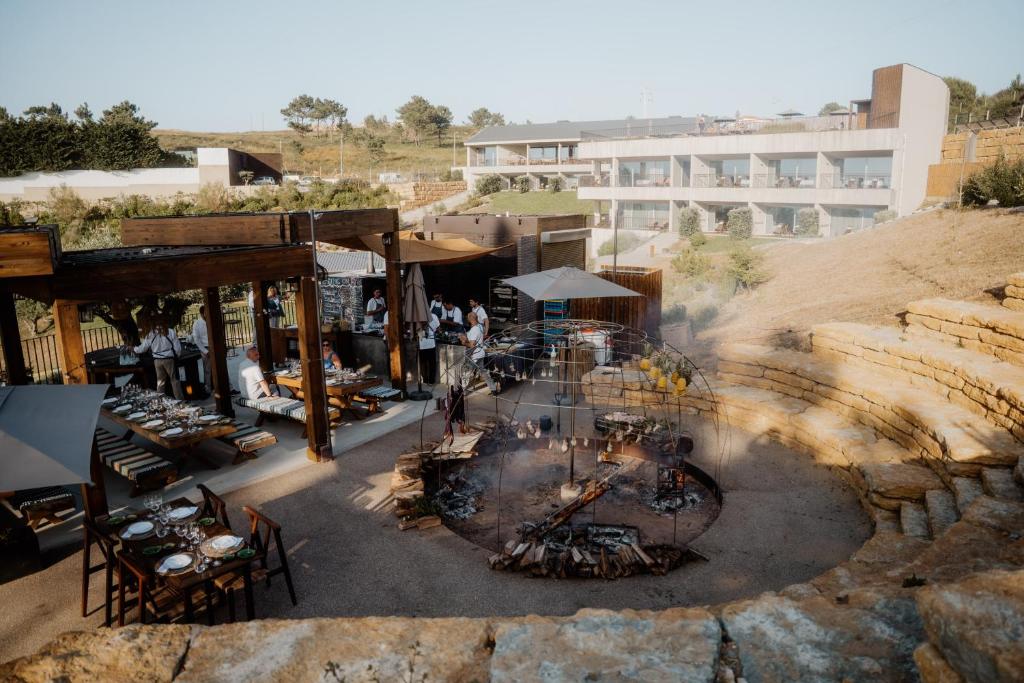
Immerso understands that a hotel this connected to its landscape needs food with the same conviction. Consultant chef Alexandre Silva, known for Michelin-starred LOCO in Lisbon, developed the concepts for Emme and Emme on Fire around the Atlantic and the agricultural landscape surrounding the hotel. Fish and seafood arrive from Ericeira and Berlenga, herbs and vegetables come from the hotel’s own garden and the cooking avoids unnecessarily disguising either. At Emme, that translates into contemporary Atlantic cooking — local fish, clams, algae, octopus and lobster — served against wide views towards the valley and sea. Emme on Fire takes things outdoors. Charcoal, embers and a wood-fired oven become the kitchen, turning dinner into something more elemental and communal. The wine list stays Portuguese, too.
More Than Surfing
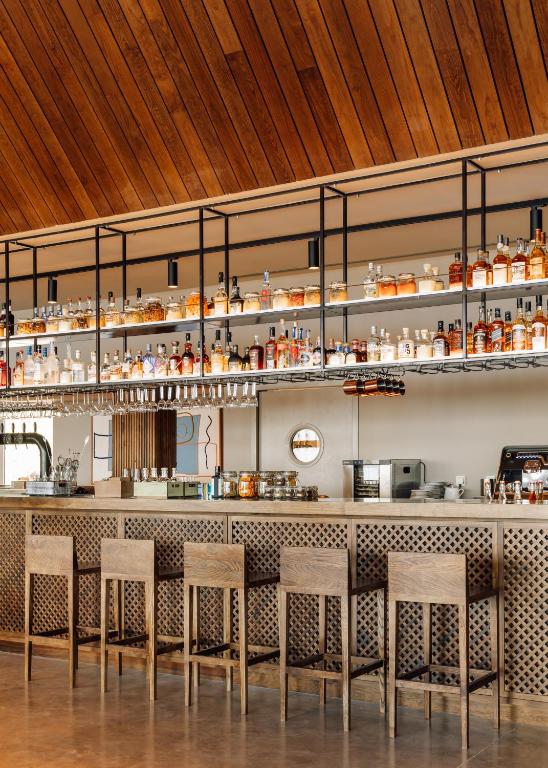
Immerso works because it doesn’t assume everyone travelling to Ericeira wants to spend the day chasing waves. The spa has a sauna, steam room, sensory bath and treatment rooms. Yoga takes place overlooking the landscape, while hiking, e-bikes and nearby nature reserves provide reasons to head inland rather than towards the beach. Or you can do remarkably little. Sit beside the pool. Walk through the gardens. Watch the weather moving across the Atlantic. Have a cocktail as the sun disappears. That may be the hotel’s strongest expression of luxury.
Ericeira Without the Surf-Hotel Clichés
It would have been easy to create a fashionable surf retreat here: boards against whitewashed walls, photographs of waves and a vaguely bohemian aesthetic. Immerso is more ambitious. Its connection with Ericeira comes through architecture, landscape, Portuguese art, locally sourced food and the physical presence of the Atlantic, rather than obvious visual shorthand. The surfing is real because the place is real. And with Lisbon less than an hour away, Immerso offers an appealing counterpoint to a city stay: close enough to combine the two, yet surrounded by enough ocean and open countryside to feel considerably farther away. Immerso succeeds because it understands that the best way to experience Ericeira isn’t simply to look at the Atlantic. It’s to slow down enough to fall into its rhythm.