Hotel Indigo Durham – England
Where Victorian civic grandeur meets academic wit and contemporary boutique design.
Why DNA Hotels Loves It
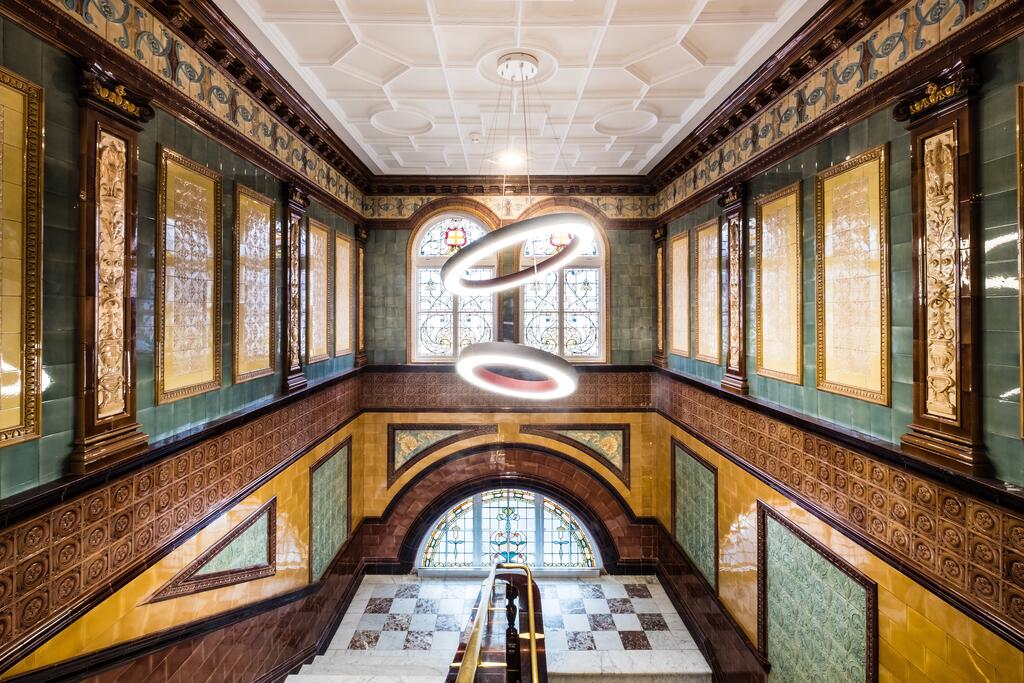
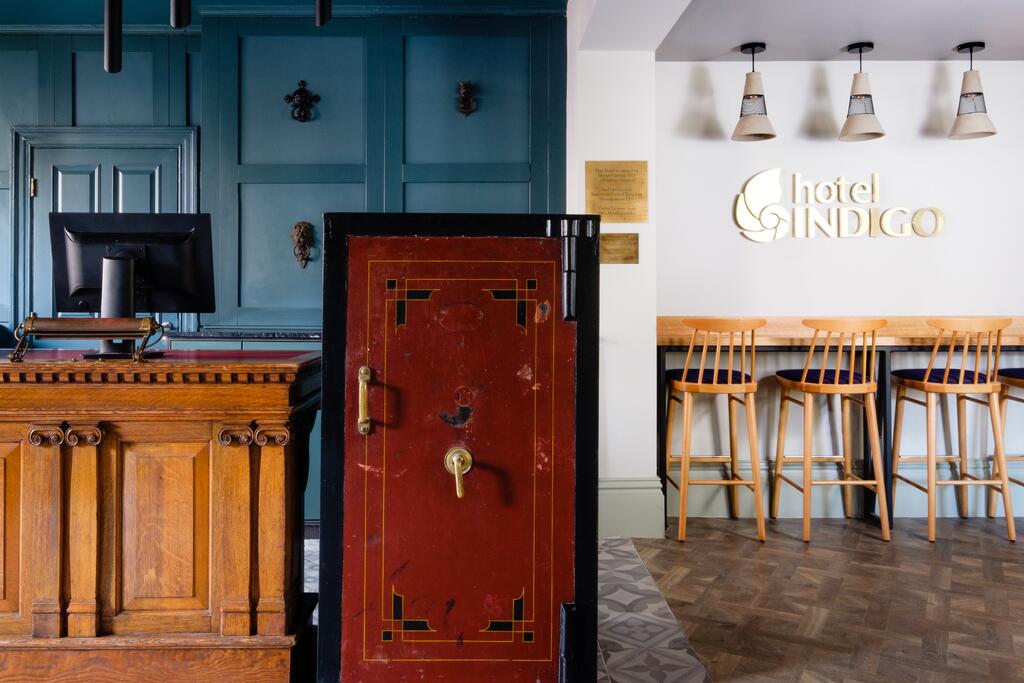
● A Grade II-listed former council headquarters transformed into a characterful boutique hotel, with marble staircases, stained glass, parquet floors and the original circular council chamber all beautifully preserved.
● The interiors play intelligently with Durham’s academic, ecclesiastical and scientific identity, using university-inspired details, architectural drawings and locally rooted design references without slipping into pastiche.
● Its extraordinary setting in Old Shire Hall gives the hotel a sense of occasion that few chain-affiliated properties achieve, while Durham Cathedral, Castle and the UNESCO-listed historic centre are within easy walking distance.
Victorian Civic Pride, Rewritten
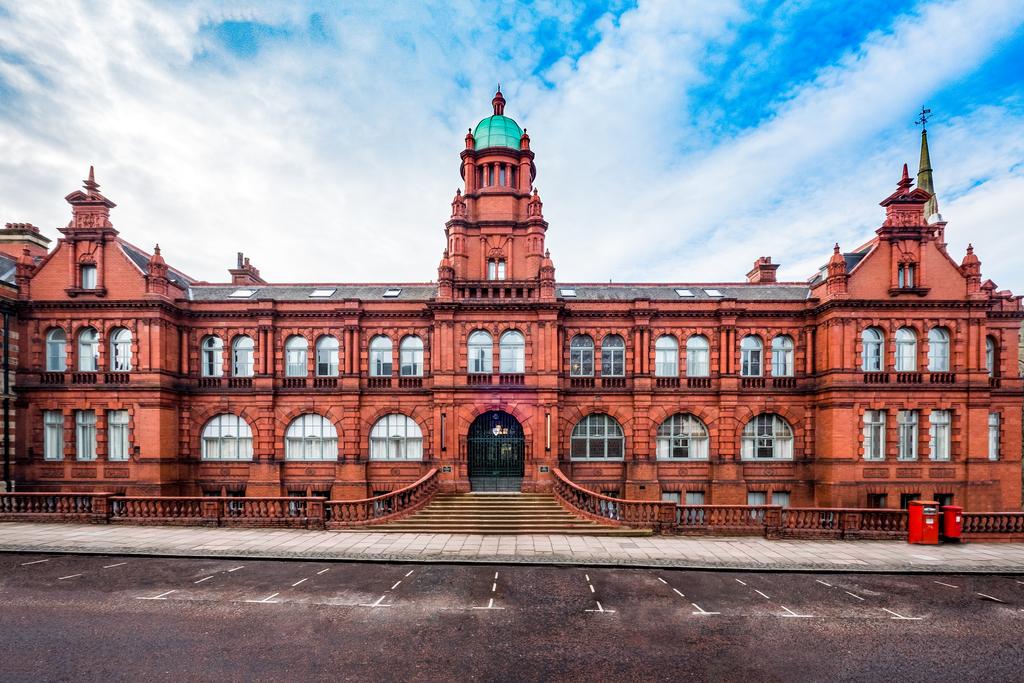
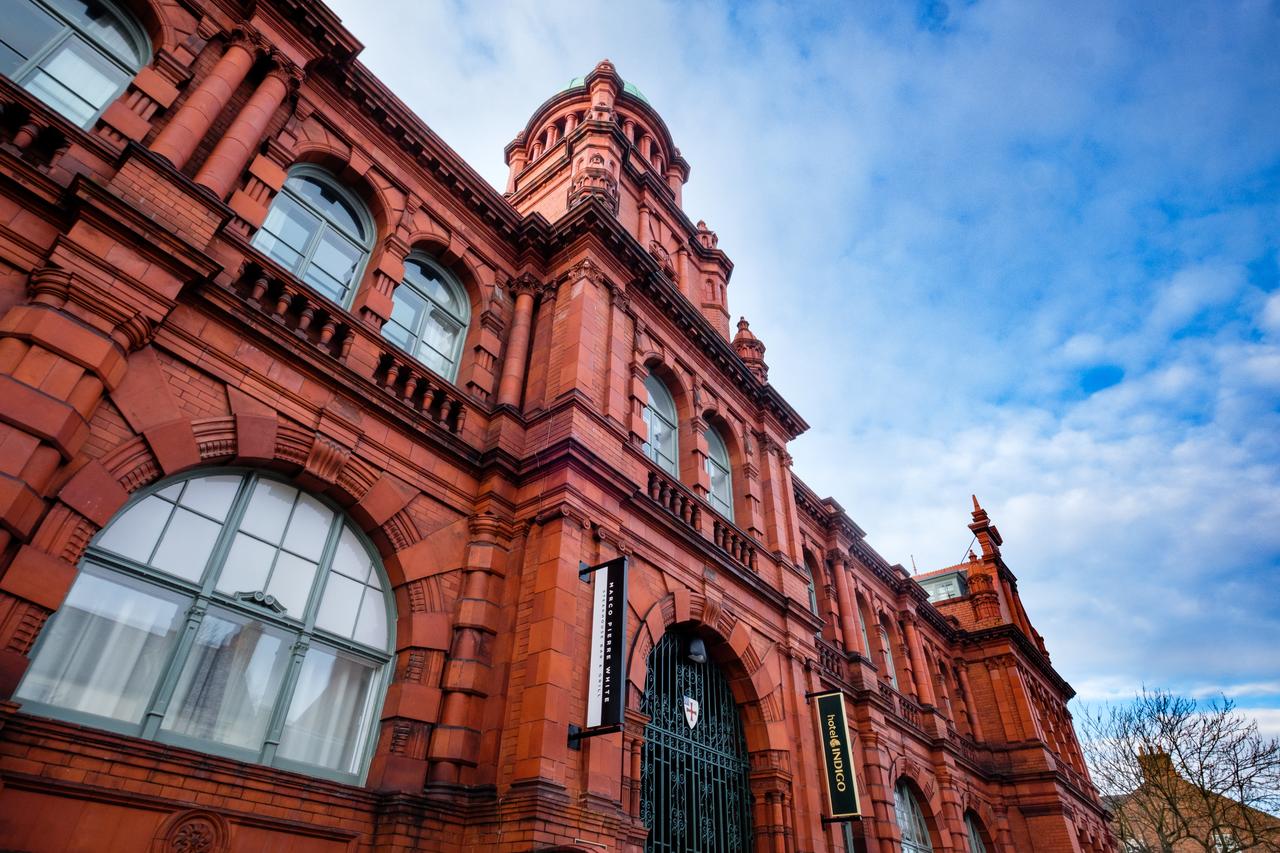
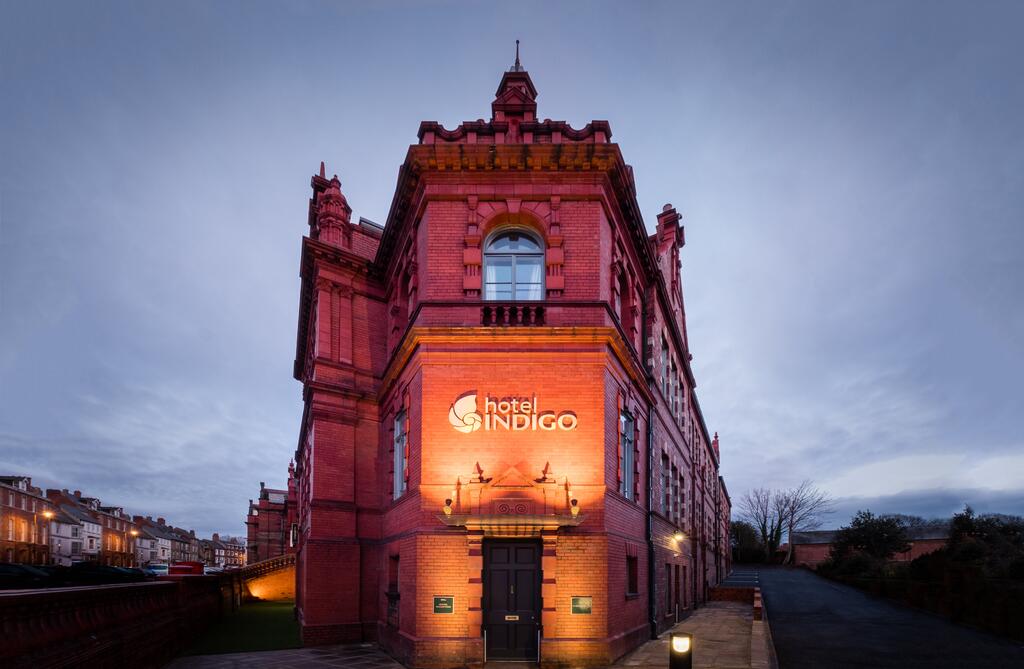
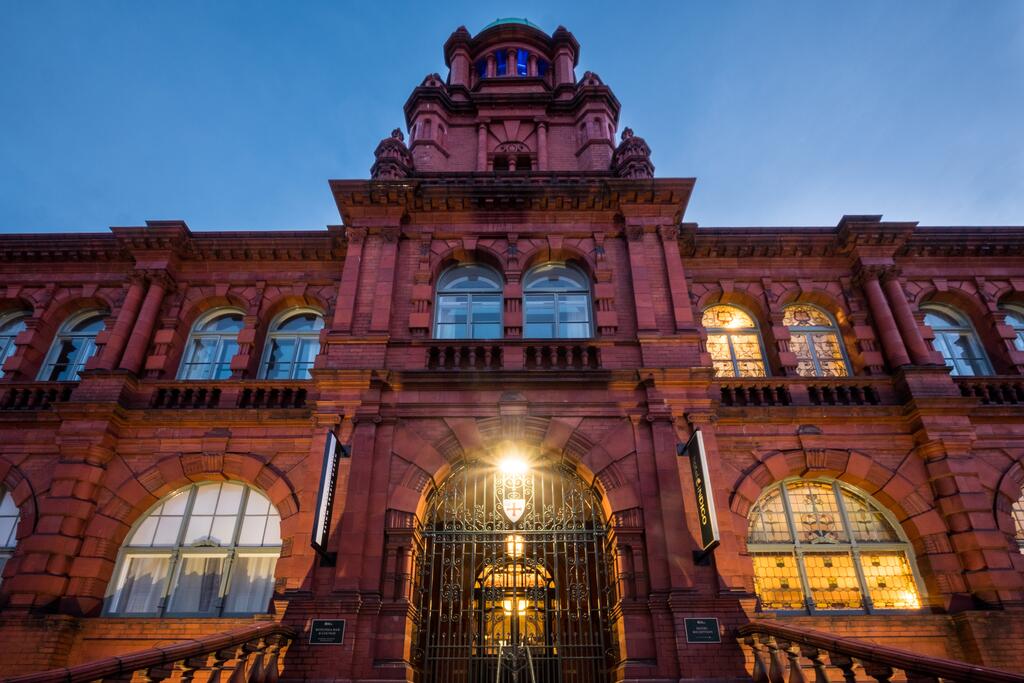
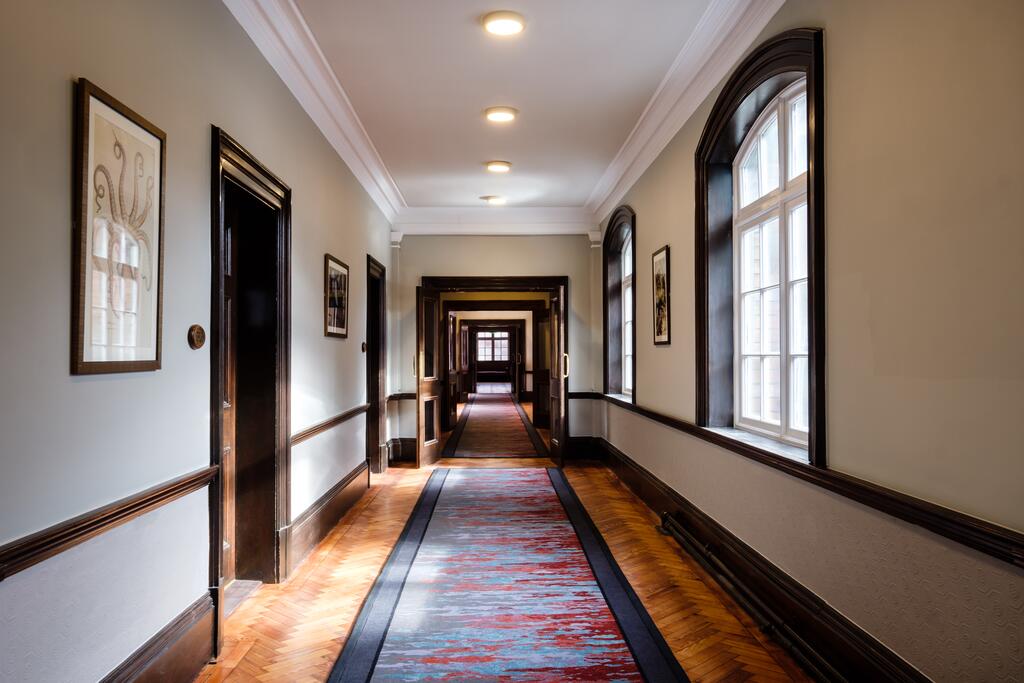
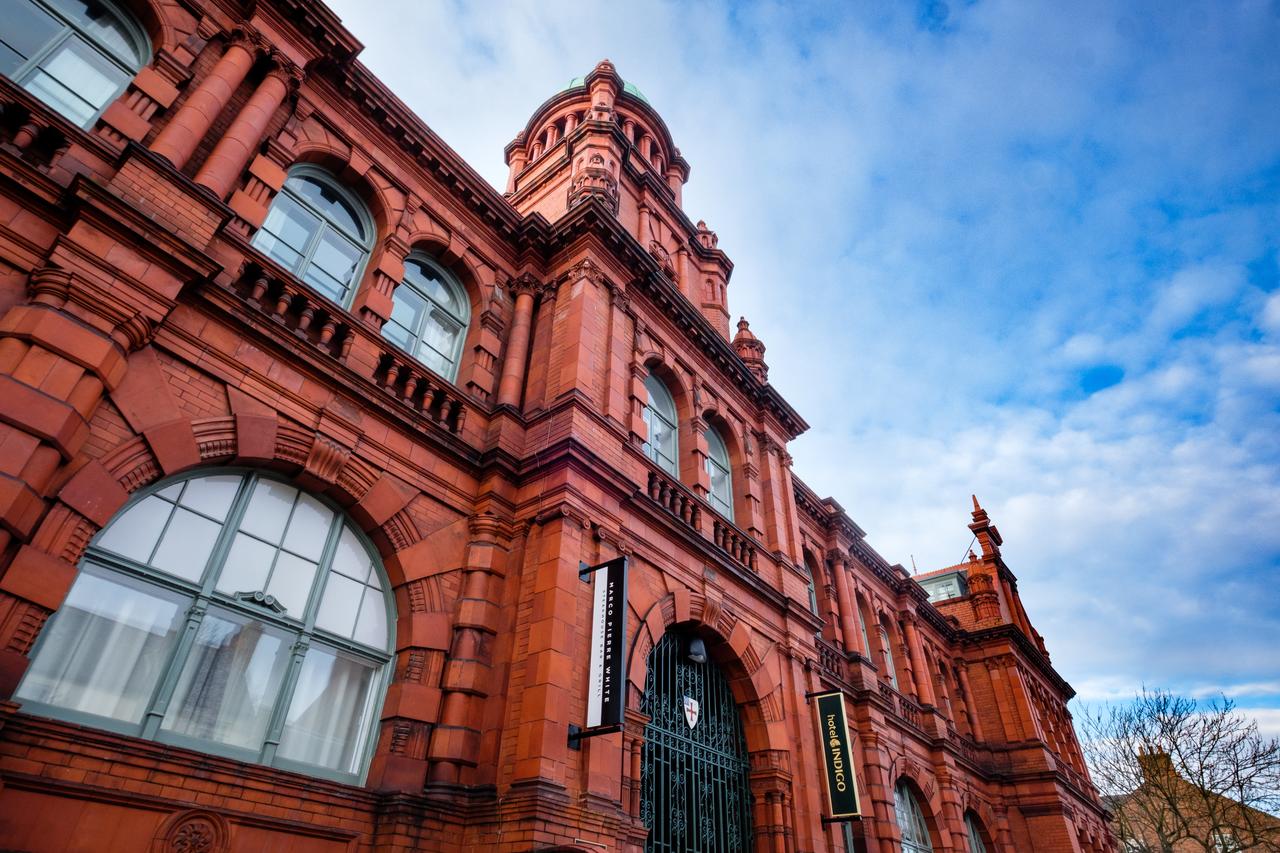
Durham is a city of stone, scholarship and extraordinary architectural continuity. Its Norman cathedral and castle dominate the skyline, the university inhabits historic buildings across the centre, and narrow streets descend towards the River Wear with a sense of history seemingly built into every wall. Against this backdrop, a conventional contemporary hotel would feel strangely anonymous. Hotel Indigo Durham takes a much more intelligent route. It occupies Old Shire Hall, a sprawling red-brick and stone civic building whose domed tower, arched windows, decorative columns and elaborate interiors embody the confidence of Victorian municipal architecture. Originally built for Durham County Council and later used by Durham University, the Grade II-listed building carries both civic and academic history within its walls. When it reopened as Hotel Indigo in 2018, that history became the starting point rather than an obstacle. Original marble staircases, stained-glass windows, polished tilework, parquet floors and carved timber survive throughout, forming a richly textured backdrop for a more playful contemporary layer.
Academia Without the Dust
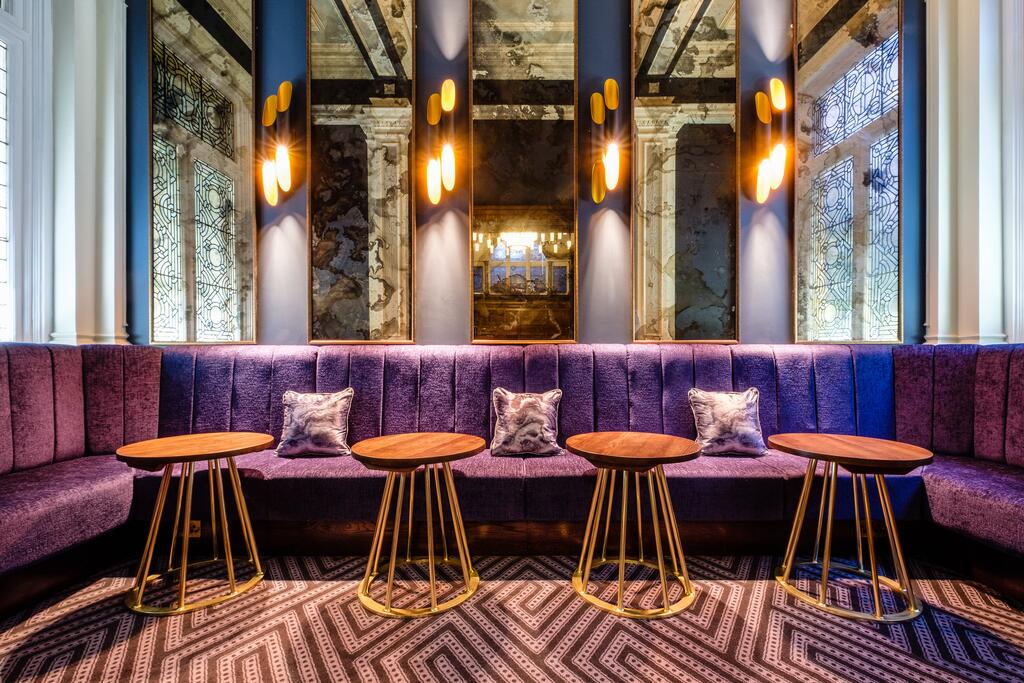
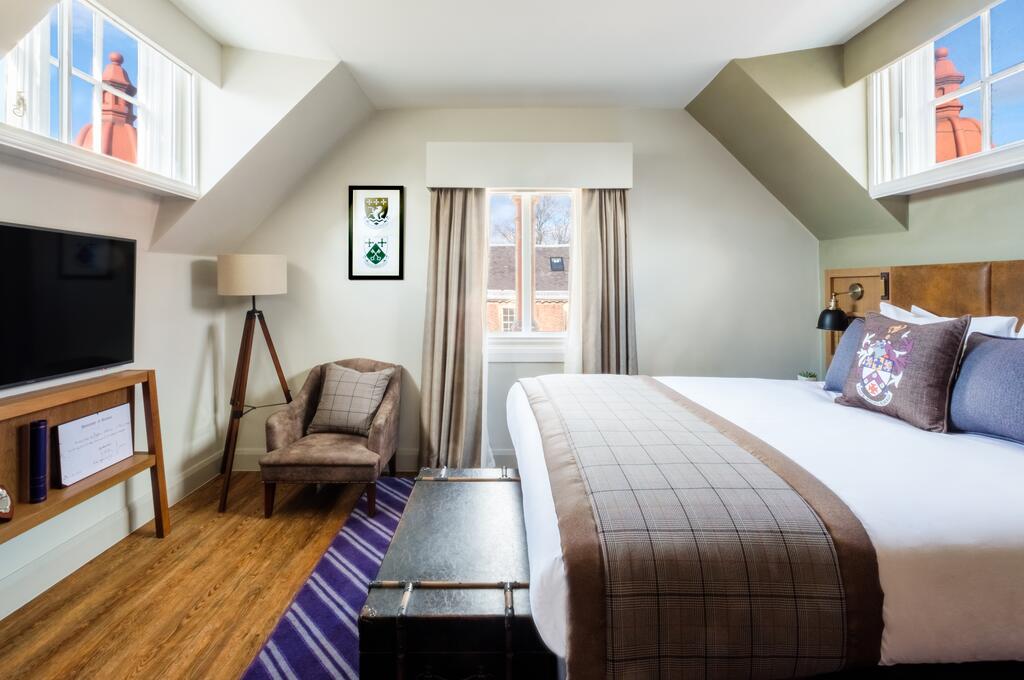
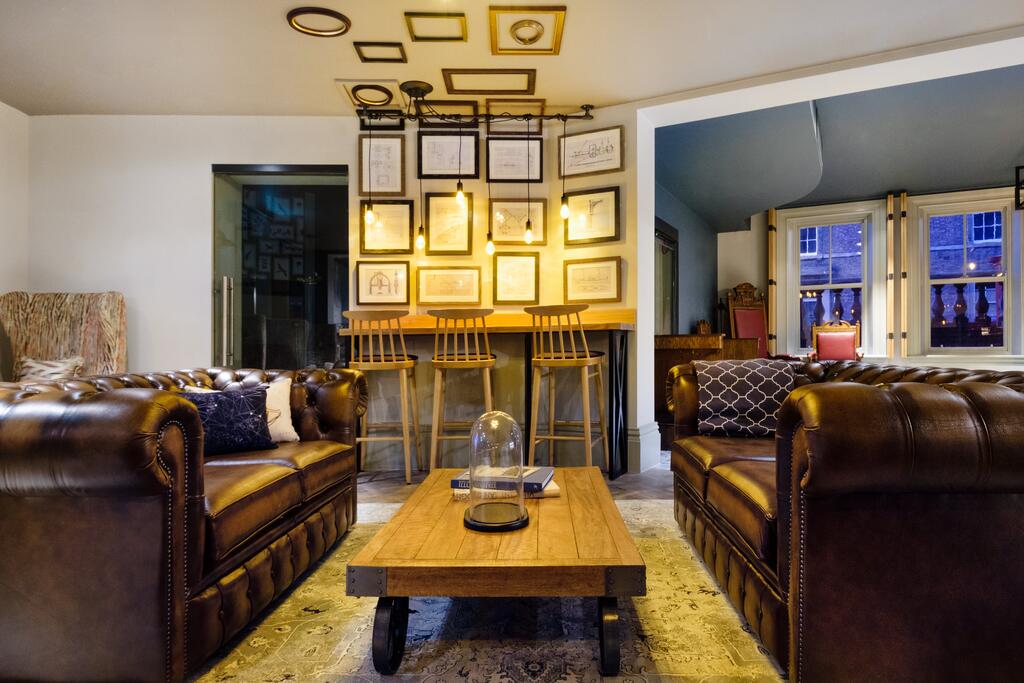
Hotel Indigo’s neighbourhood-led philosophy works particularly well here because Durham offers such a strong visual vocabulary. Rather than applying one generic decorative scheme throughout the hotel, the design draws on three strands of local identity: the university, the cathedral and the city’s scientific heritage. The references are often subtle. Collegiate stripes appear in rugs and textiles. Green-shaded reading lamps suggest old university libraries. Aged leather, oak furniture and framed architectural drawings add a scholarly quality, while vintage microscopes, engineering diagrams and scientific motifs introduce another side of Durham’s intellectual history. Elsewhere, cathedral-inspired rooms use old maps, tapestry-like textiles and church-style furniture to evoke the medieval city outside. These details are mixed with Scandi-influenced tables, industrial lighting and contemporary upholstery, stopping the interiors from becoming an exercise in historical reconstruction. It feels learned without feeling overly serious—more eccentric professor’s study than academic museum.
Rooms Written Around the Building
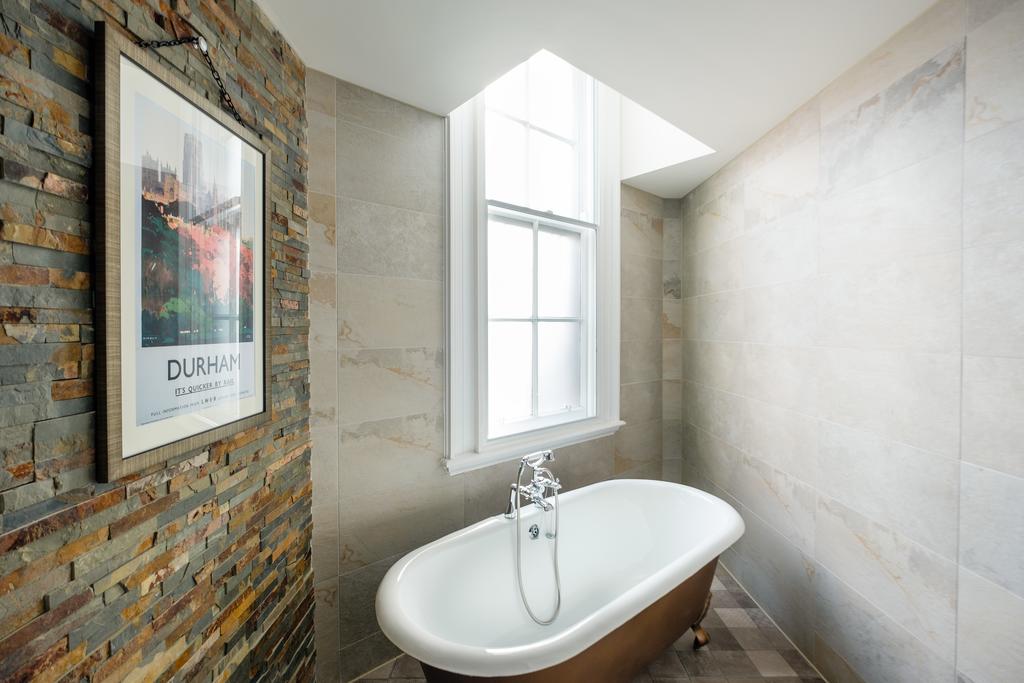
The hotel’s 80-plus rooms are scattered through four floors of a building that has been expanded and altered repeatedly over its long life. Corridors twist, staircases appear unexpectedly and room layouts change according to the architecture around them. Instead of disguising those irregularities, the hotel allows them to become part of the experience. The overall palette is restrained: oak, timber floors, muted mustard, sage and grey, punctuated by the more expressive details of the individual design themes. Some rooms lean into collegiate references with striped rugs and leather headboards; others draw more heavily on science or Durham Cathedral. The best rooms benefit from the quirks of Old Shire Hall itself, with generous proportions, unusual windows or architectural details impossible to reproduce in a purpose-built hotel. Bathrooms take a more contemporary direction with stone and grey tiling, while some suites introduce statement pieces such as freestanding copper bathtubs—objects that somehow manage to feel both historic and thoroughly current against the Victorian backdrop.
Dinner in the Council Chamber
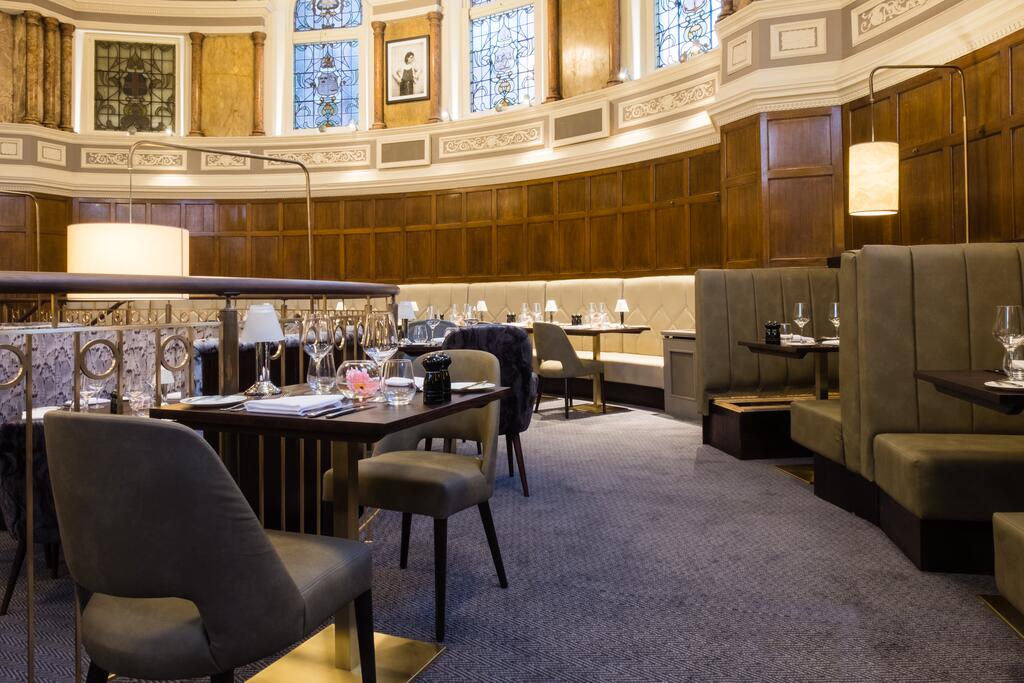
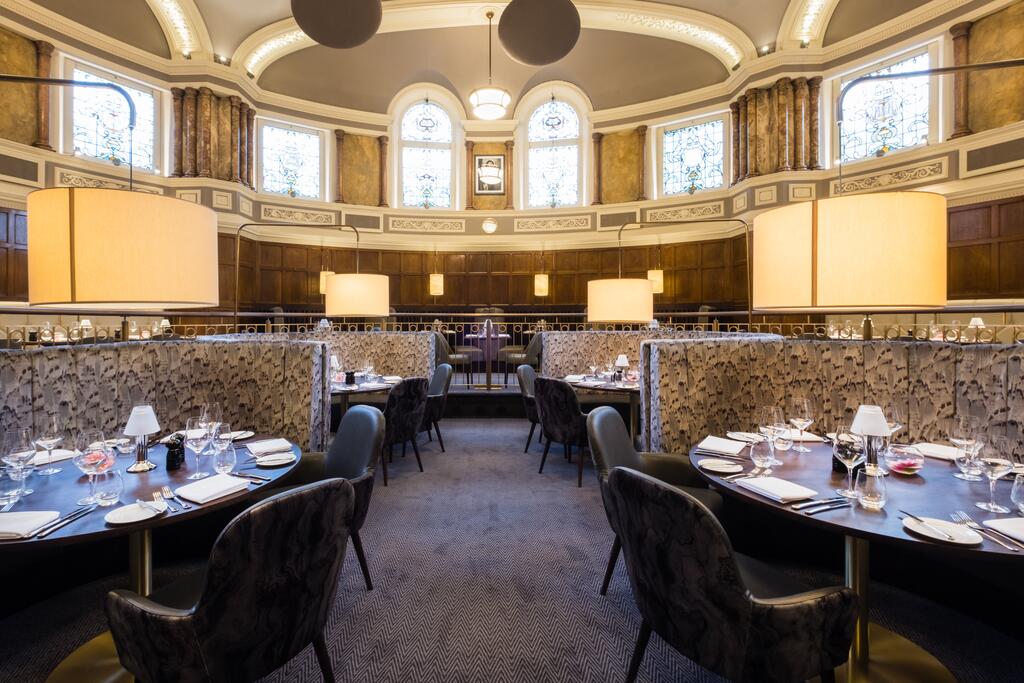
The most dramatic adaptive-reuse moment comes in the former Durham County Council chamber. Circular, oak-panelled and crowned by a magnificent rotunda, the room once hosted political debates and civic decision-making. Today it houses the Marco Pierre White Steakhouse Bar & Grill. It is one of those rare hotel restaurants where the room itself is reason enough to book a table. Original timber panelling wraps around the dining space, giving dinner an almost theatrical sense of occasion. The menu follows a familiar steakhouse route—steaks, grills, pies and British and French classics—but the historic setting turns an otherwise straightforward restaurant into something memorable. The acoustics still hint at the chamber’s original purpose: this was a room built for speeches and debate rather than hushed dining. That liveliness is part of the atmosphere. For something more informal, the café near reception offers coffee, cakes, sandwiches and a relaxed place to sit during the day, with locally sourced products reinforcing the hotel’s connection to the region.
A Hotel Embedded in Durham
The strongest reason to stay here may simply be the way the building connects you to the city. Old Shire Hall sits just outside Durham’s busiest tourist core, close enough to walk to the cathedral and castle in around ten minutes but removed enough to retain a more local rhythm. From here, the River Wear is close by, while Durham’s older streets, university buildings and medieval centre unfold naturally on foot. The hotel doesn’t try to compete with that extraordinary setting. Instead, it acts almost as an introduction to it. That is where Hotel Indigo Durham works best. It takes a building already saturated with local history and allows contemporary hospitality to inhabit it rather than overwrite it. The marble, stained glass and oak remain serious; the new design brings colour, humour and modern comfort. Between council chamber, classroom and boutique hotel, Old Shire Hall has found another life—and this one suits Durham remarkably well.