Hotel Indigo Stratford-upon-Avon – England
Tudor beams, Shakespearean history and one of the most characterful dining rooms in town.
Why DNA Hotels Loves It
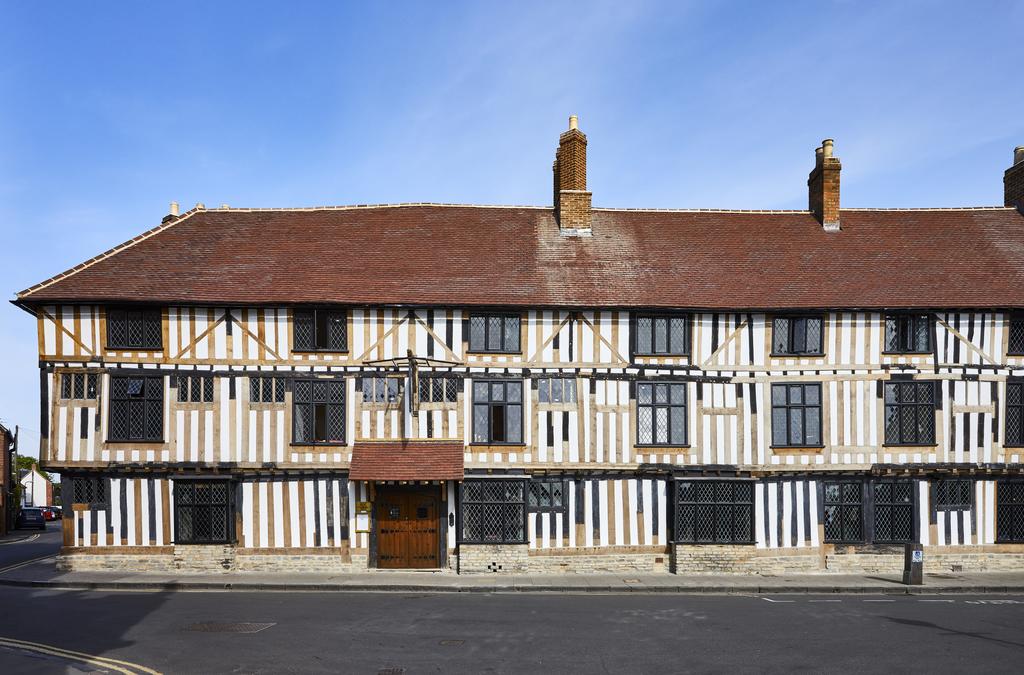
● A remarkable Grade II-listed former coaching inn, incorporating Tudor architecture dating back to the 16th century and sensitively connected to contemporary additions.
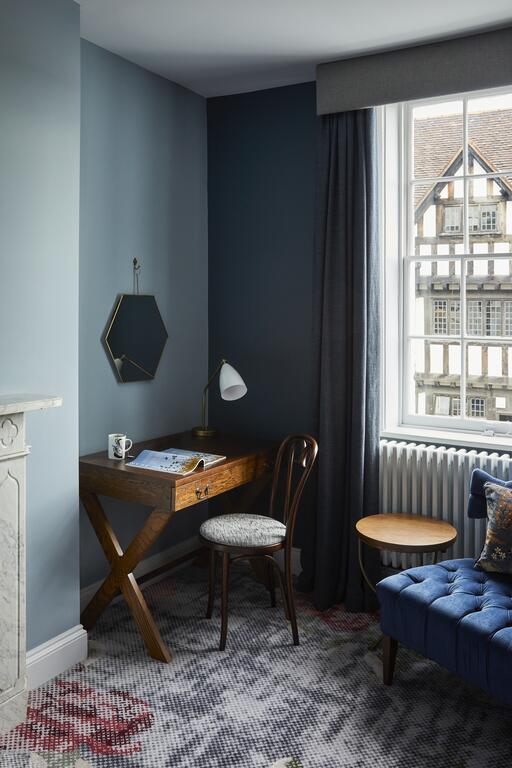
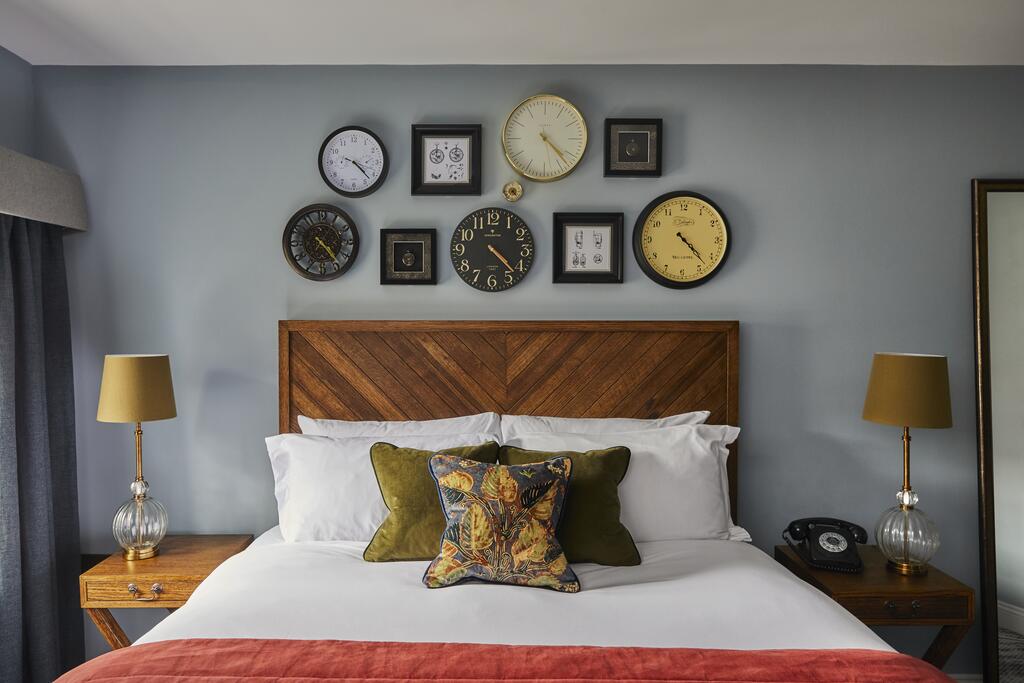
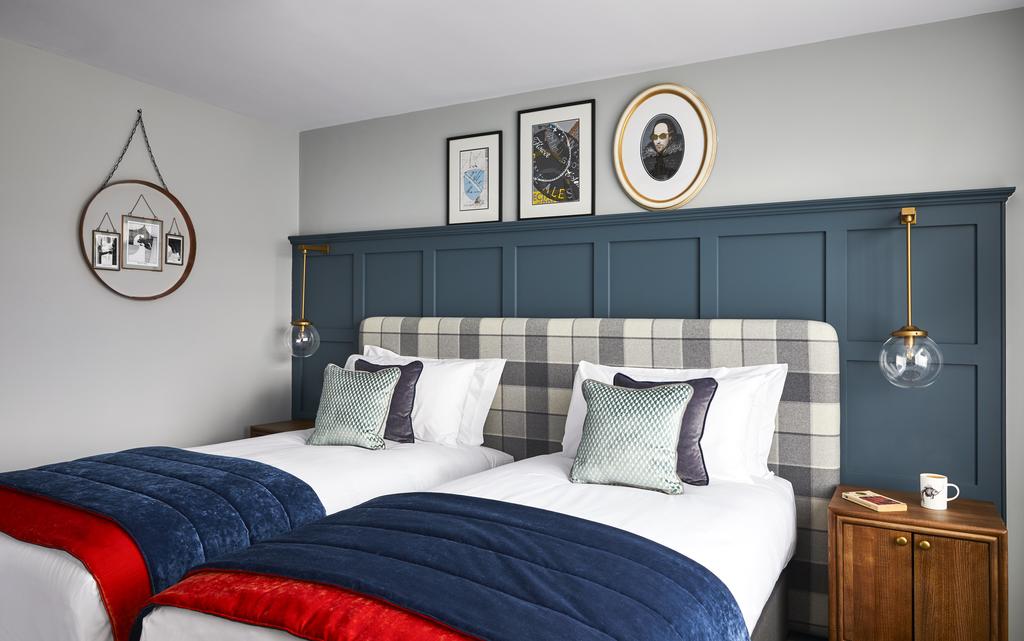
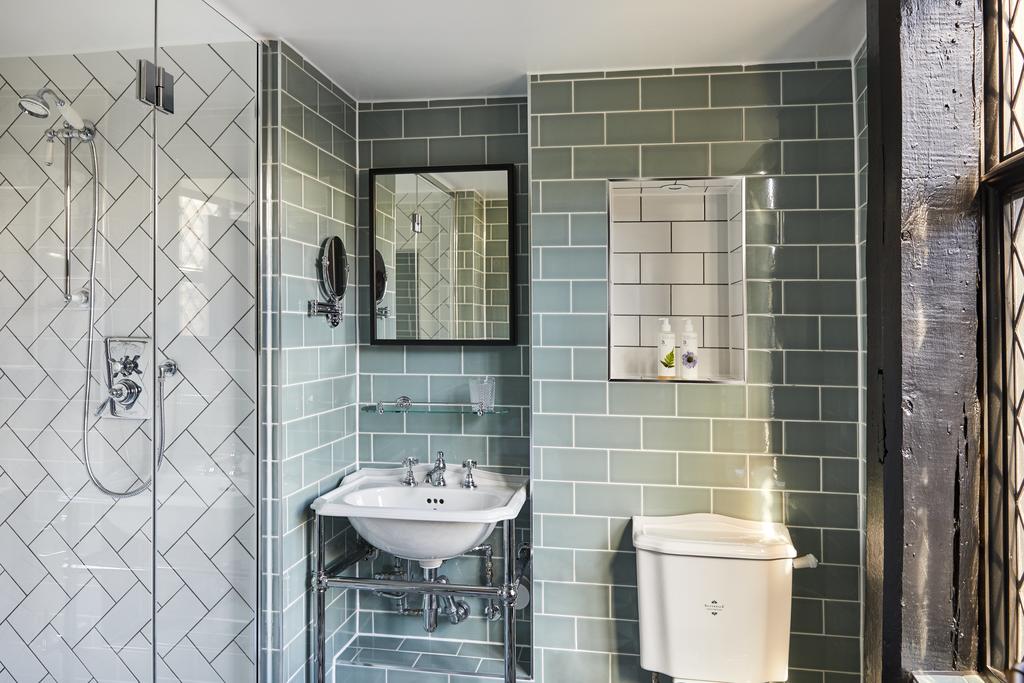
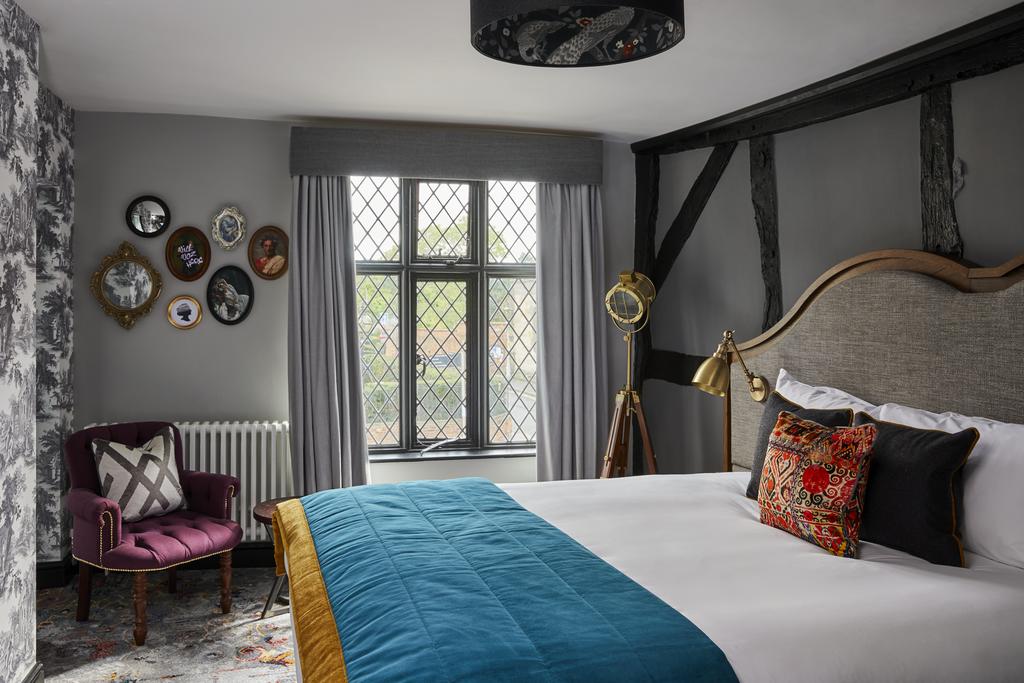
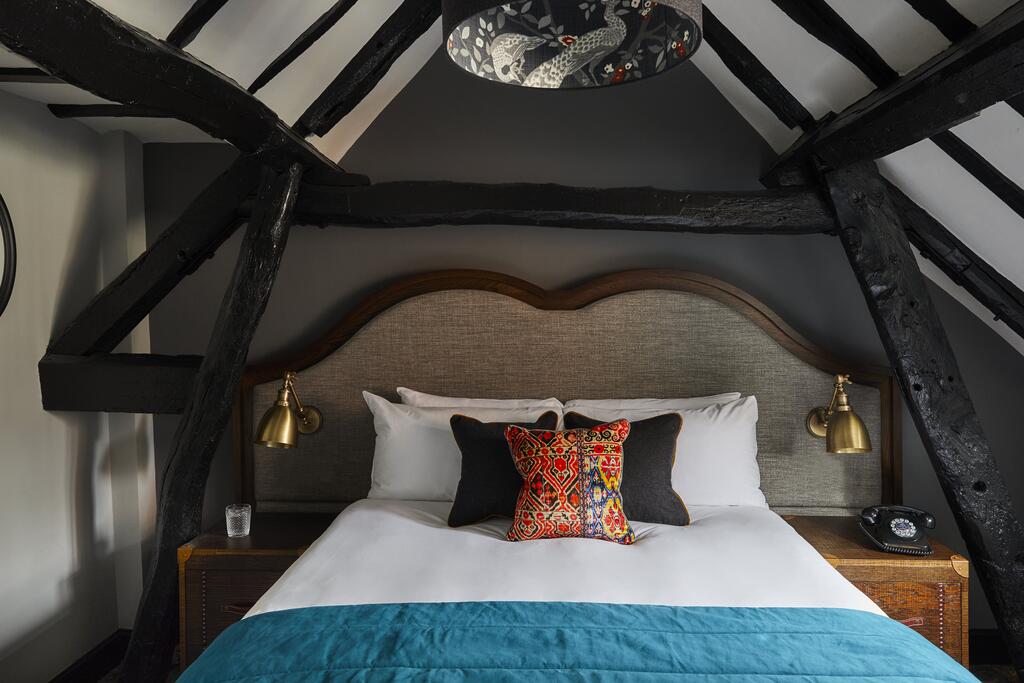
● The 93 rooms embrace the building rather than fight it, with the Tudor rooms preserving crooked beams, irregular proportions and centuries of character.
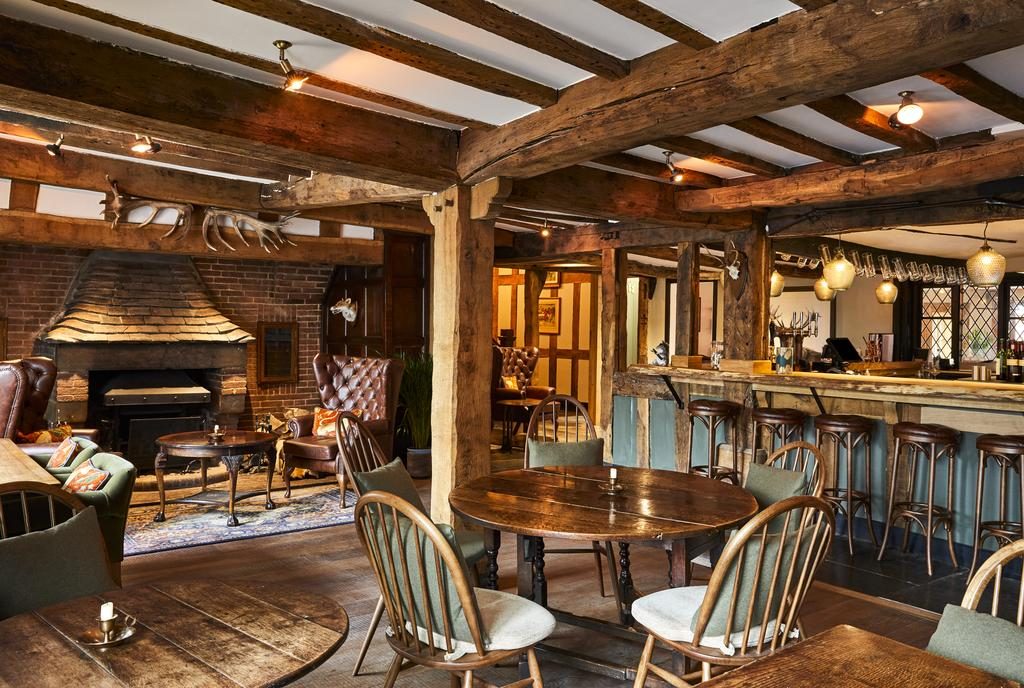
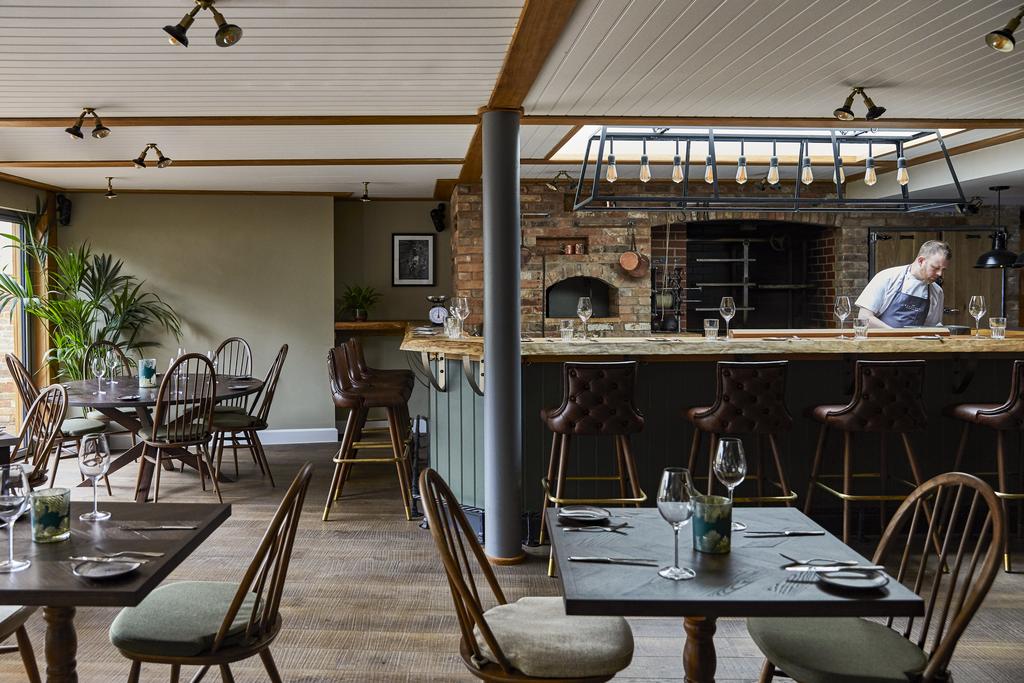
● The Woodsman turns the historic wing into a destination in its own right, with open-fire cooking, British game and ingredients drawn from the surrounding countryside.
Five Centuries on Chapel Street
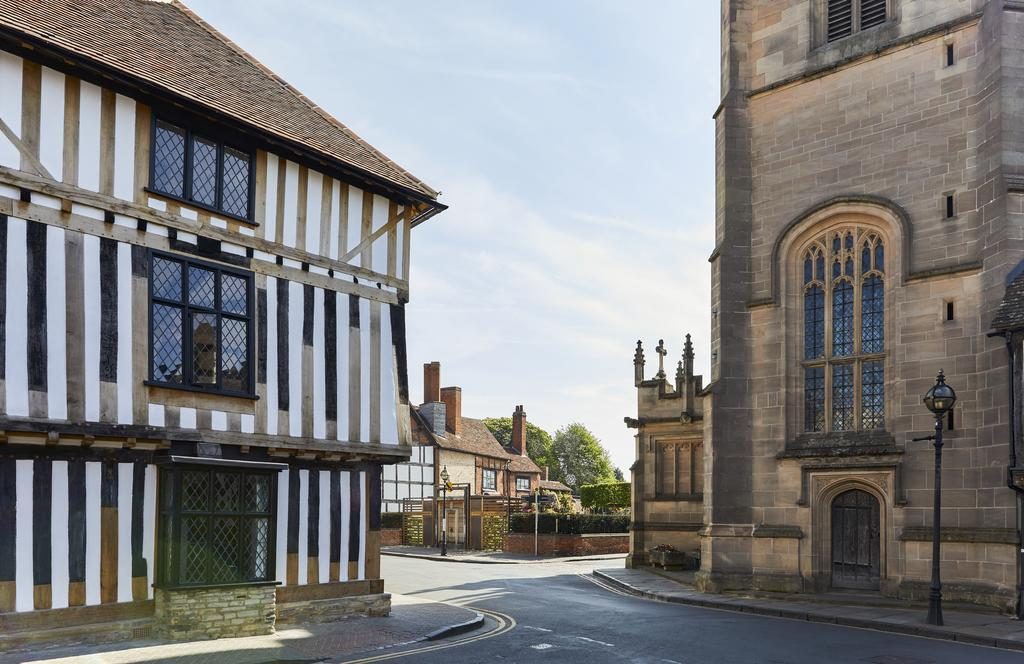
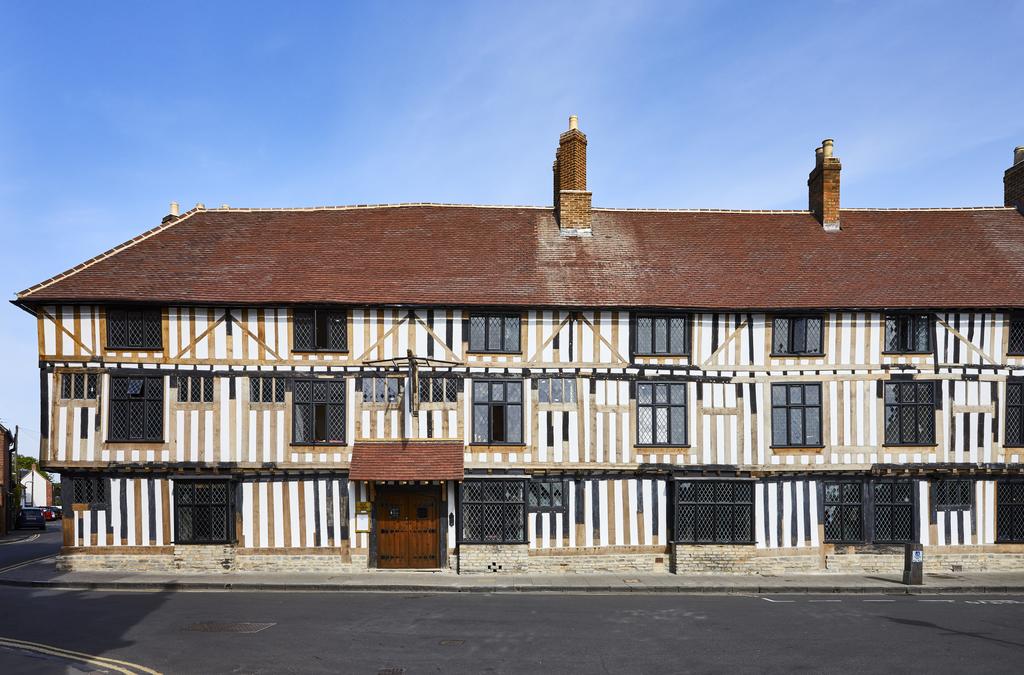
There aren’t many hotels where the location, building and story align quite as neatly as they do at Hotel Indigo Stratford-upon-Avon. The former Falcon Hotel stands on historic Chapel Street, directly opposite New Place, where William Shakespeare lived with his family and died in 1616. The Royal Shakespeare Theatre is only a couple of minutes away. Parts of the hotel date back to the 16th century, and its half-timbered façade, old oak beams and irregular architecture make it unmistakably part of Stratford’s Tudor streetscape. After an extensive restoration, the building reopened as Hotel Indigo without attempting to smooth away all those centuries. Thankfully.
Tudor Meets Contemporary
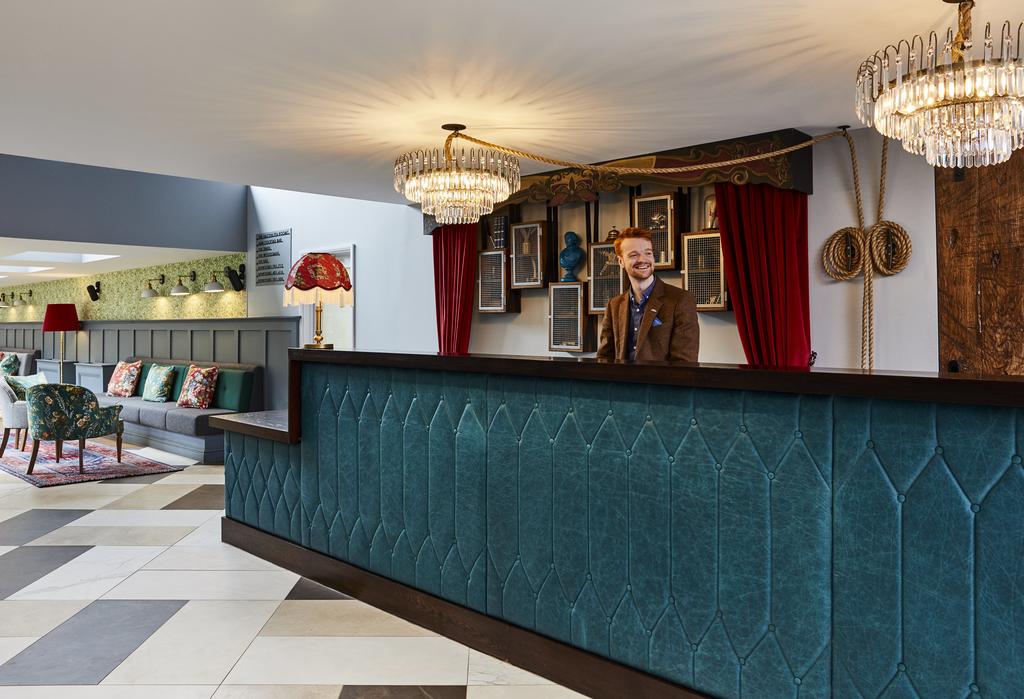
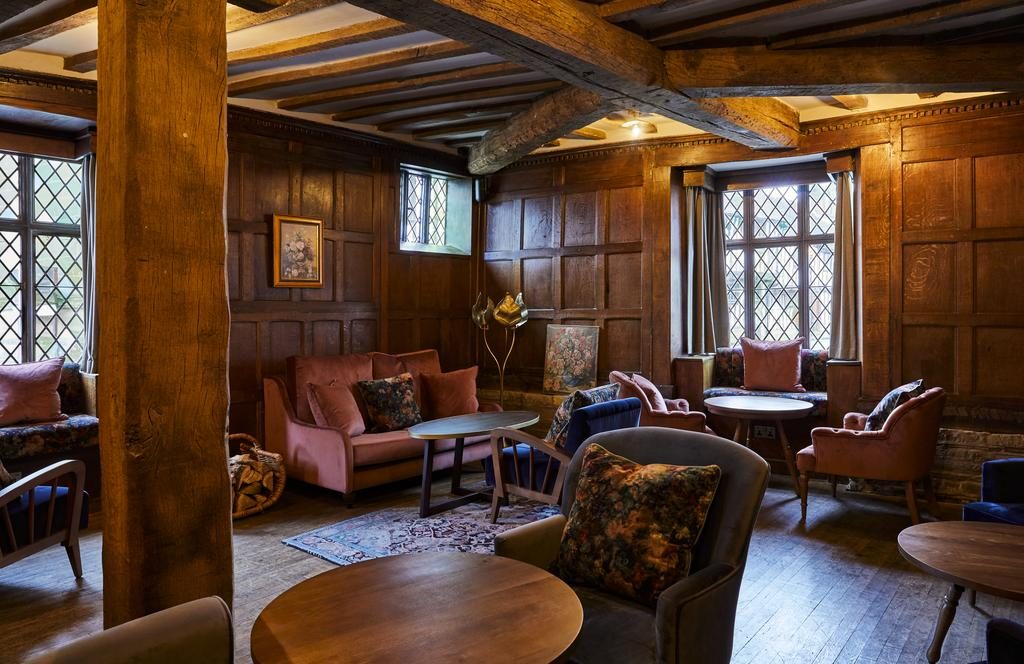
The hotel is actually a collection of different architectural periods, and the interiors make a virtue of that complexity. At the front, the historic building delivers the full Tudor experience: heavy timber, low ceilings, panelling, fireplaces and rooms that don’t necessarily believe walls need to be perfectly straight. Move deeper into the property and everything changes. A light-filled, winter-garden-style atrium connects the historic wing with the contemporary reception and newer accommodation. Glass, modern oak framing and daylight replace the darker intimacy of the old building. Rather than pretending the whole hotel was built at the same moment, the design allows its different centuries to remain visible.
93 Rooms, Three Personalities
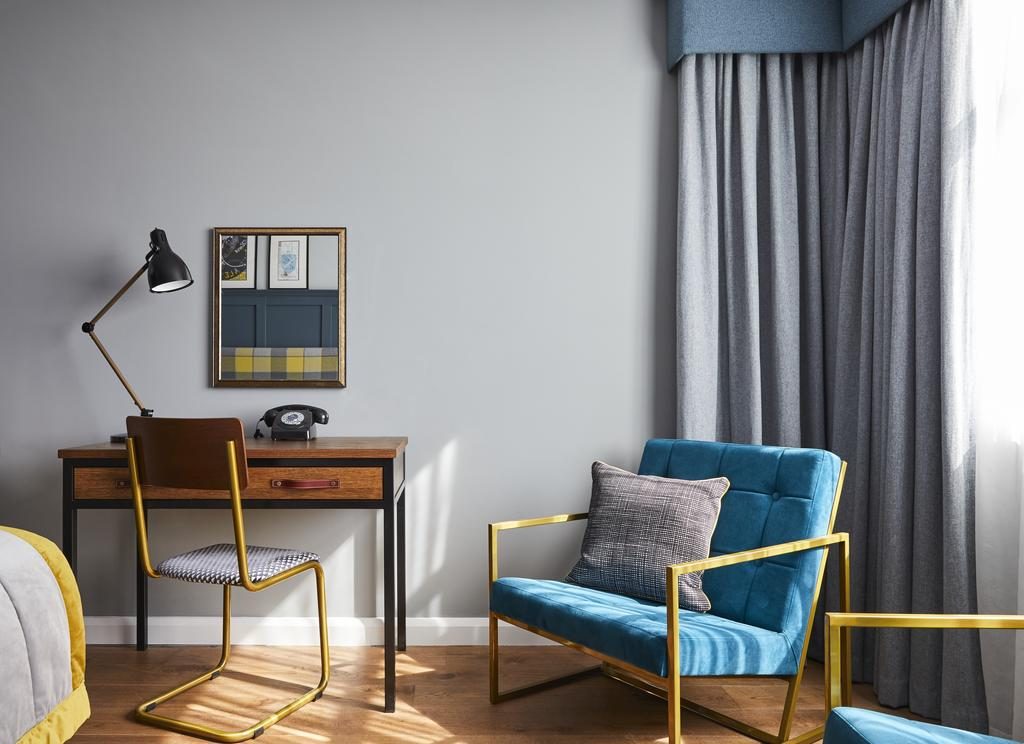
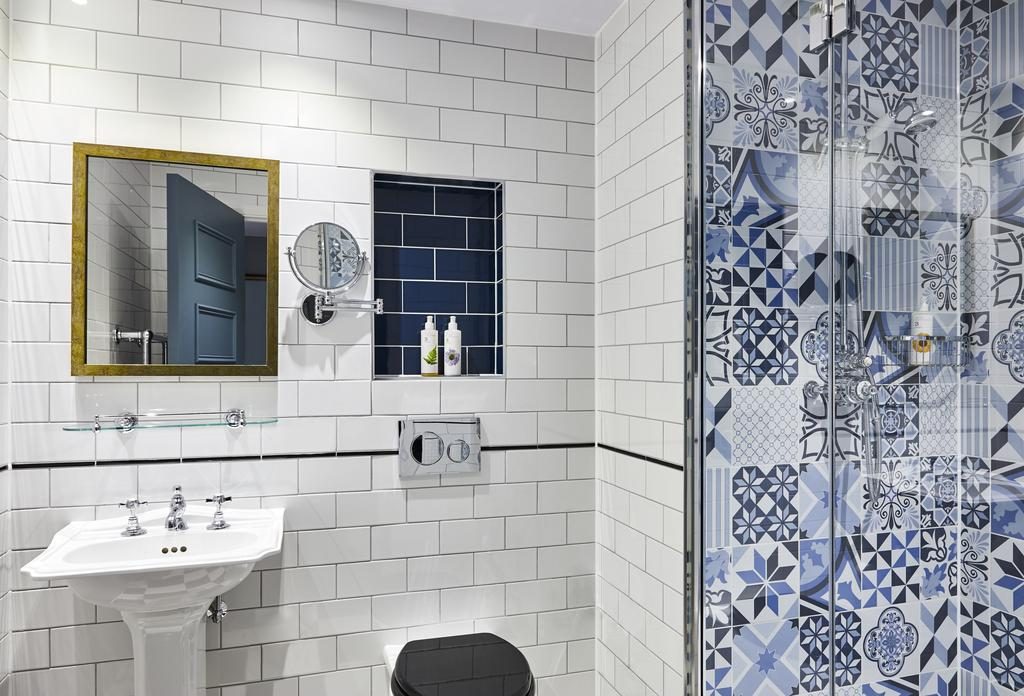
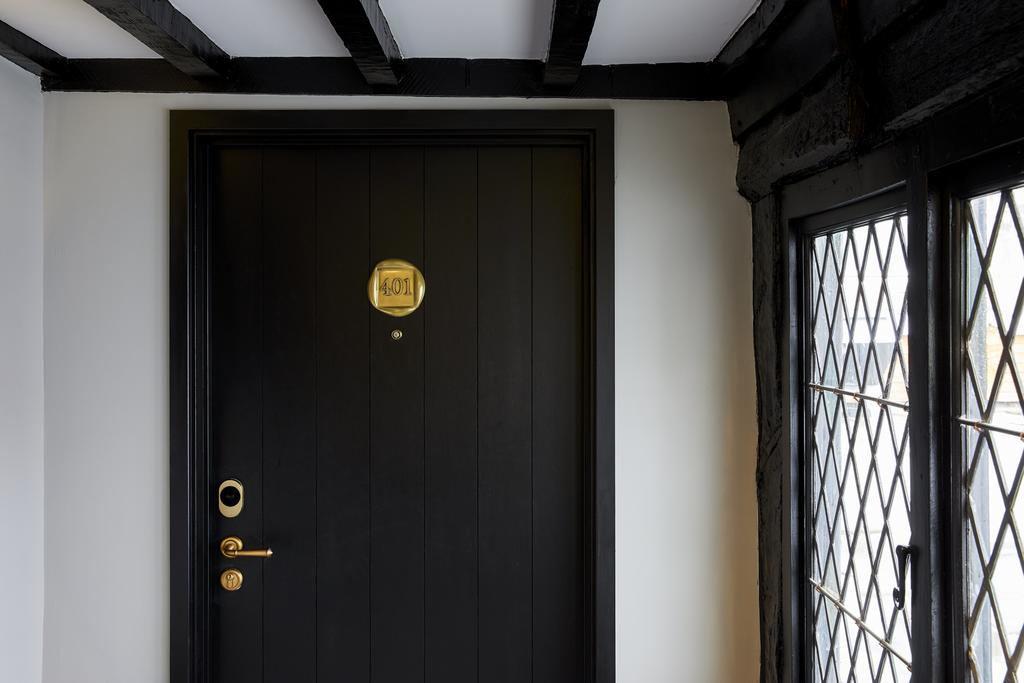
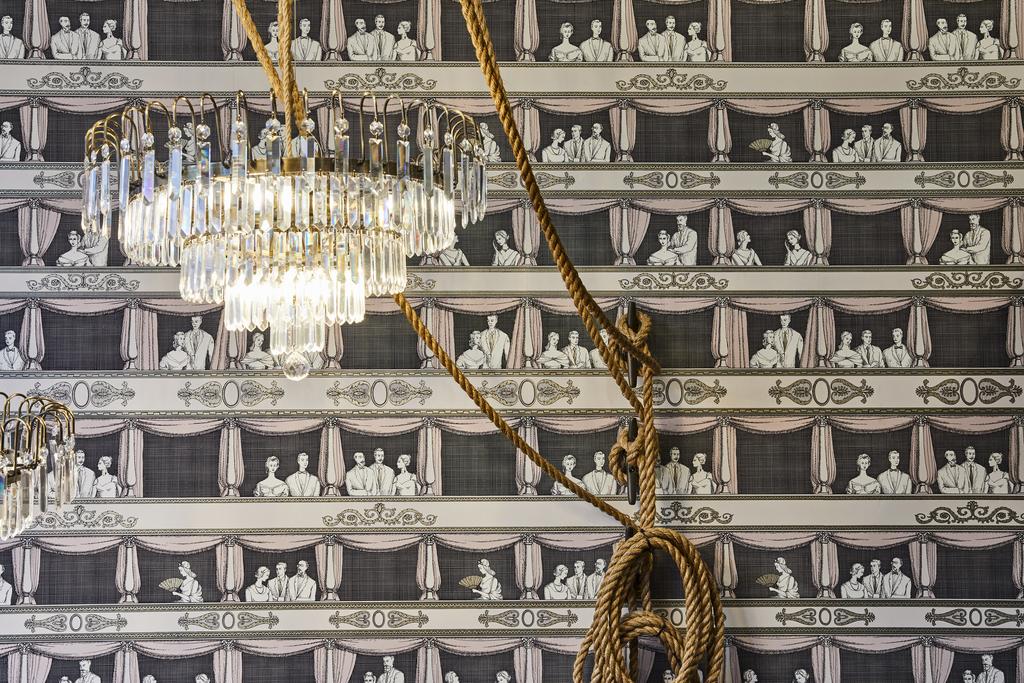
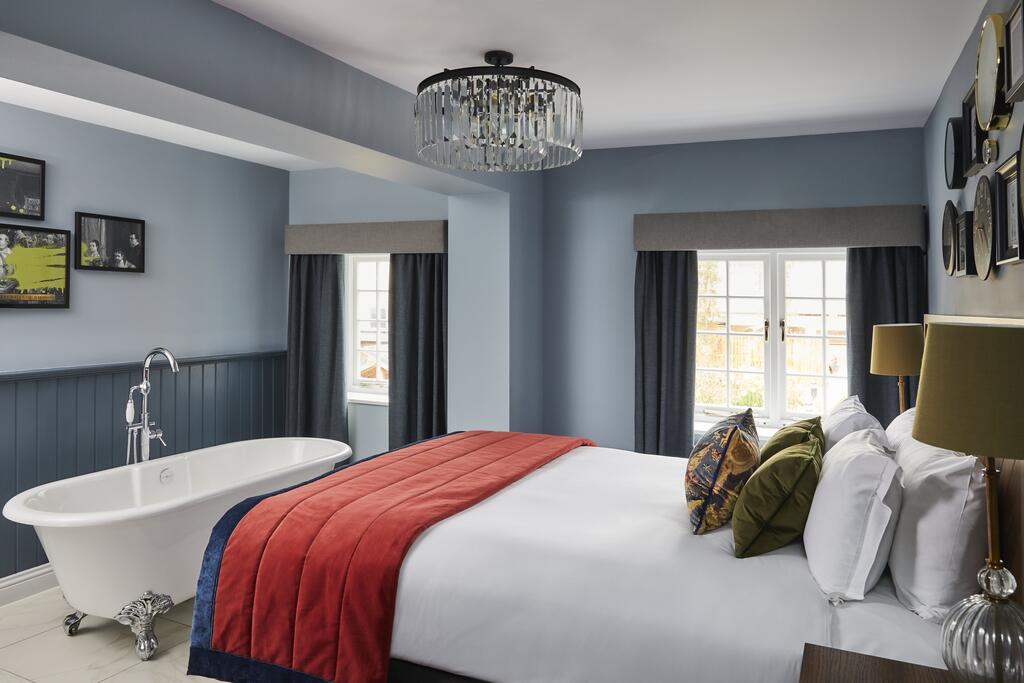
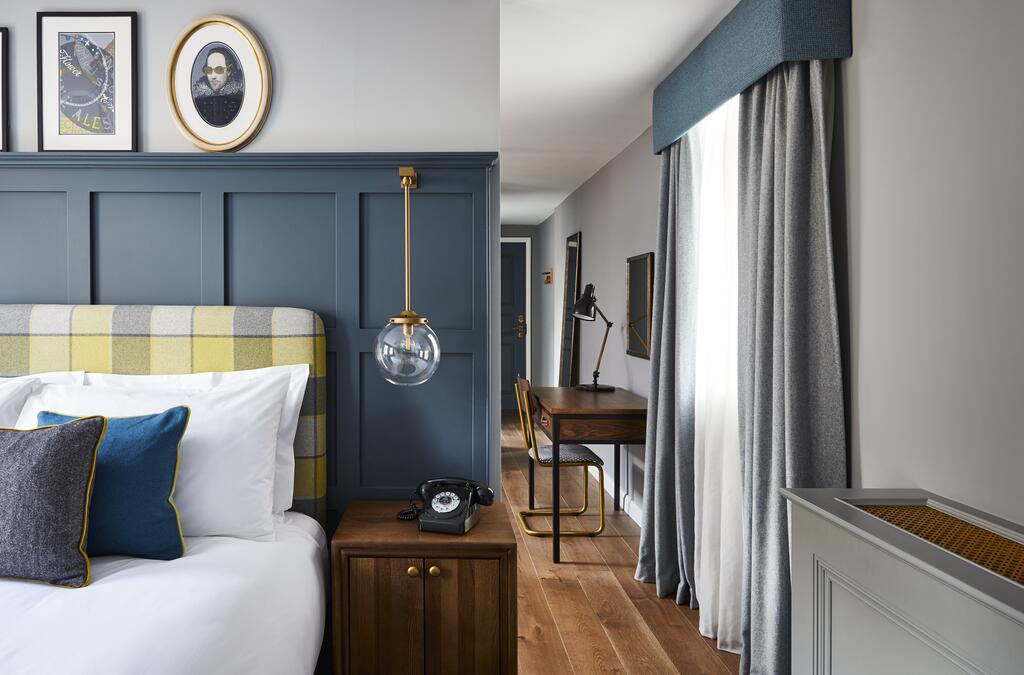
The 93 rooms are divided into Tudor, Georgian and Contemporary styles. For DNA Hotels, the Tudor rooms are inevitably the ones with the greatest pull. Original beams and unusual proportions dictate the spaces, making each feel connected to the building rather than inserted into it. Rooms 401 and 402 even look towards Shakespeare’s former home, his school and the Guild Chapel. The Georgian rooms offer another interpretation of the hotel’s history, while the contemporary rooms shift towards cleaner lines and a palette of grey, teal, blue and yellow. Throughout, bespoke artwork references Stratford and its literary history without turning the bedrooms into Shakespeare theme sets.
A Country House in the Middle of Town
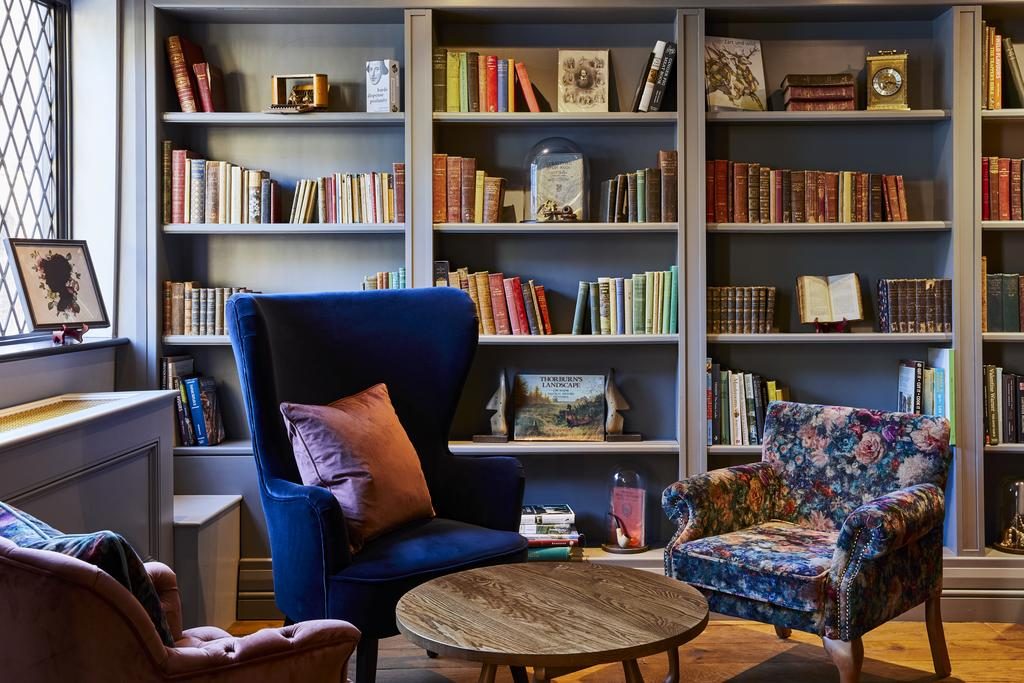
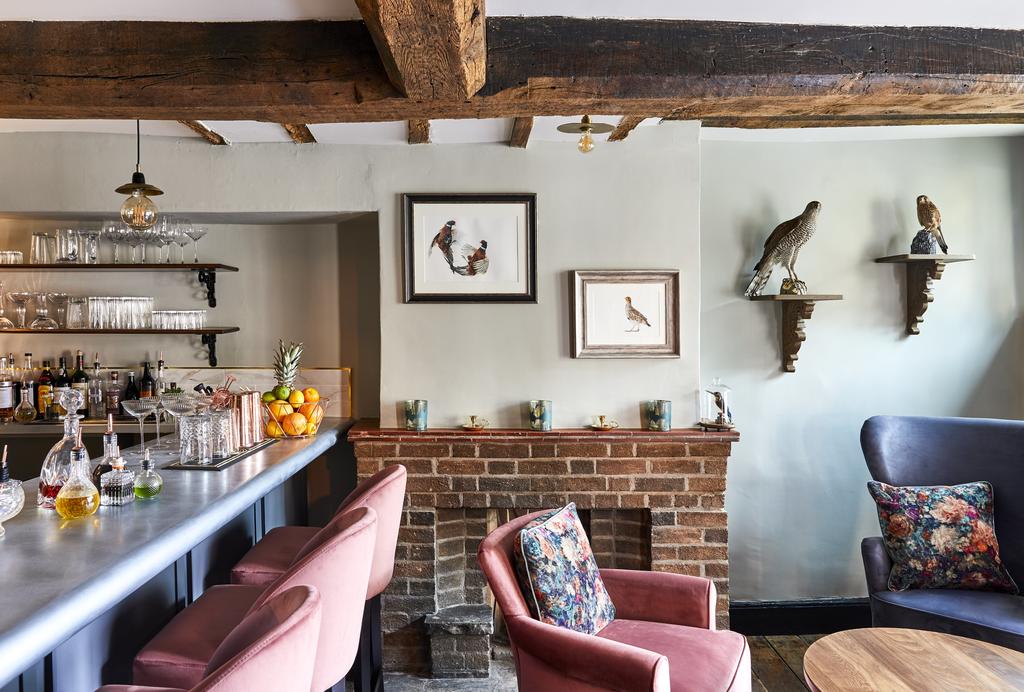
The public spaces have a surprisingly rural character for such a central hotel. The Falcon Tearoom combines wood panelling, floral fabrics and softly lit corners, while the book-lined snug and its open fire make an excellent argument for doing absolutely nothing on a wet afternoon. Then there’s the courtyard. Brick walls, planting and the adjoining glass atrium create a sheltered outdoor room that feels removed from Stratford’s busy historic centre. The overall effect is closer to a comfortable English country house than a conventional 93-room town hotel.
The Woodsman
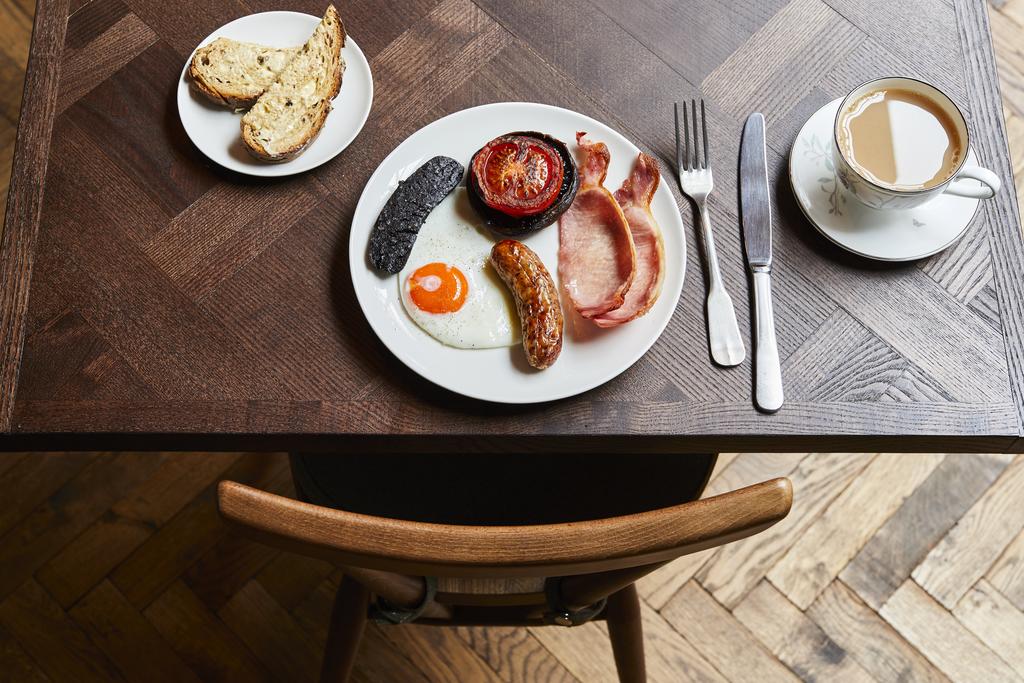
The strongest reason to stay, however, may be dinner. The Woodsman occupies the historic part of the building and revolves around a wood-fired kitchen where much of the cooking happens in view of the dining room. Its approach is deeply connected to the English countryside, particularly wild game. Executive chef Mike Robinson has built the menu around seasonal produce and meat including muntjac, roe and fallow deer, with game sourced from the surrounding Cotswold landscape. Wood pigeon, smoked bacon, black pudding, venison and bone-marrow butter give you some idea of the direction. This isn’t generic hotel dining. The restaurant belongs to the landscape beyond Stratford as much as the hotel belongs to the town.
Shakespeare Without the Theme Park
Being a hotel in Shakespeare’s birthplace comes with an obvious danger. Too much Bard. Hotel Indigo largely avoids it. The connection is unavoidable — Shakespeare’s final home stood directly opposite — but the building itself provides more than enough history. References in artworks and details add context without requiring quills, sonnets and theatrical props at every turn. Step outside and the real Stratford takes over: New Place, Shakespeare’s Schoolroom, the Guild Chapel, Holy Trinity Church and the Royal Shakespeare Theatre are all within walking distance. You don’t need the hotel to manufacture history when you’re already sleeping in the middle of it.
Old England, Without the Dust
Hotel Indigo Stratford-upon-Avon demonstrates what a branded hotel can achieve when the building is allowed to lead. Yes, it’s part of a global hotel group. But behind the brand sits a genuinely individual property with Tudor timber, Georgian layers, contemporary architecture, fireplaces, a courtyard and a restaurant rooted in the surrounding countryside. Hotel Indigo Stratford-upon-Avon doesn’t merely borrow Shakespearean atmosphere — it occupies the same streetscape. Come for the Tudor beams and literary history, but stay for the fireside snug, courtyard evenings and a Woodsman dinner that makes this feel much more like a contemporary English country inn than a conventional chain hotel.