Hotel Indigo Verona – Grand Hotel des Arts – Italy
A 1920s Liberty-style residence where Verona’s art, architecture and theatrical spirit shape a thoroughly contemporary city stay.
Why DNA Hotels Loves It
● A 1920s Liberty-style building that offers an elegant counterpoint to Verona’s much older Roman and medieval architecture.
● Art is central to the identity, with the owners’ collection of classical, modern and mid-century works woven throughout the hotel rather than confined to gallery-like spaces.
● The redesigned interiors cleverly reference Verona itself — from Juliet’s balcony and the Roman Arena to Castelvecchio’s battlements — without slipping into theatrical pastiche.
Verona Beyond Romeo and Juliet
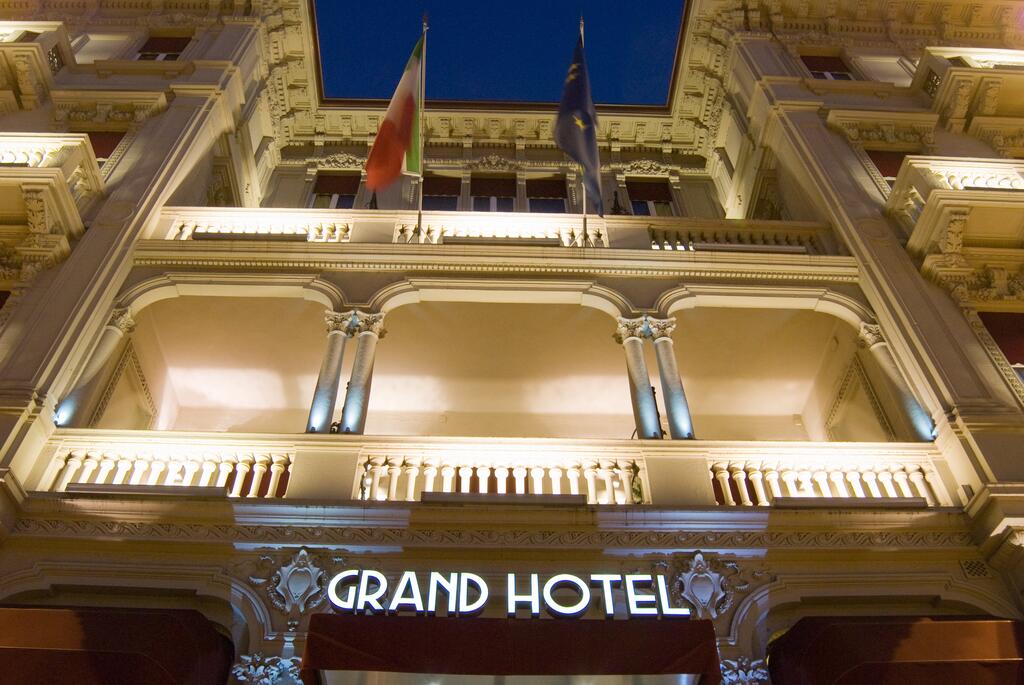
In a city where almost every hotel seems tempted to tell the story of Romeo and Juliet, Hotel Indigo Verona – Grand Hotel des Arts takes a broader view. The hotel occupies an elegant 1920s Liberty building on Corso Porta Nuova, around five minutes on foot from Piazza Bra and Verona’s extraordinary Roman Arena. Its architecture belongs to a much later chapter of the city than the Roman ruins, Renaissance palazzi and medieval streets visitors come to see. And that contrast is part of its appeal. Inside, Verona’s cultural history is translated through art and design rather than simply reproduced.
A Hotel Built Around Art
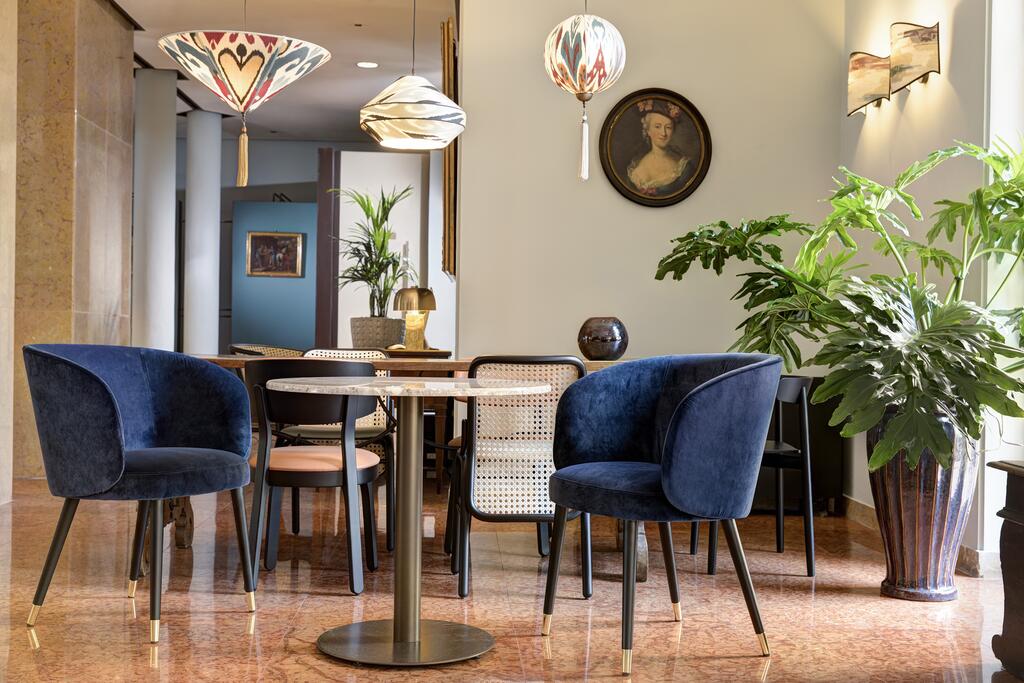
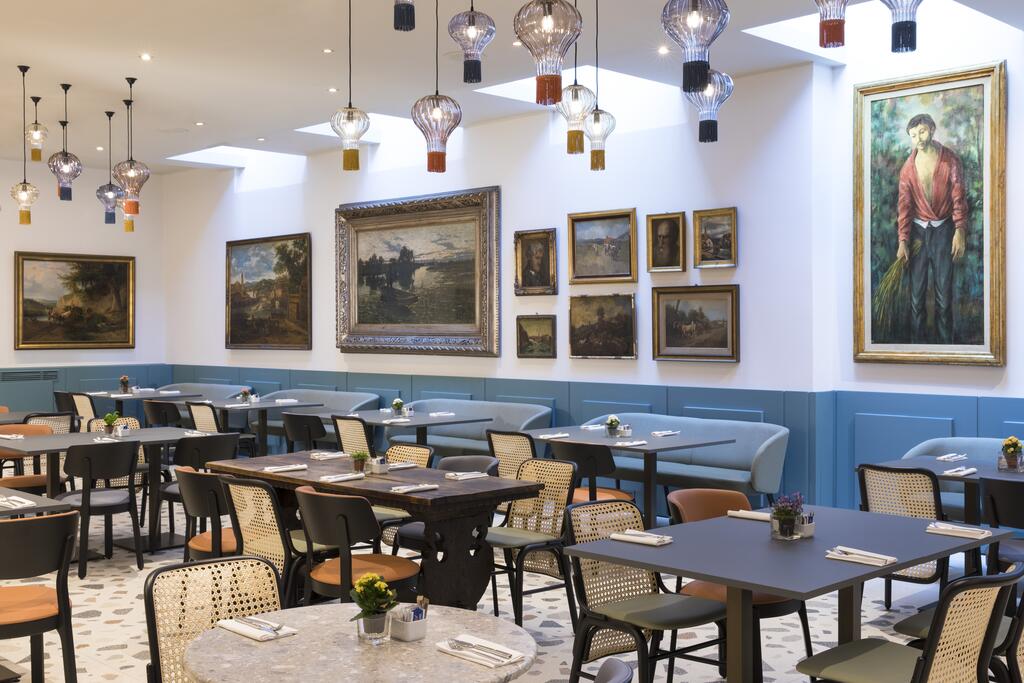
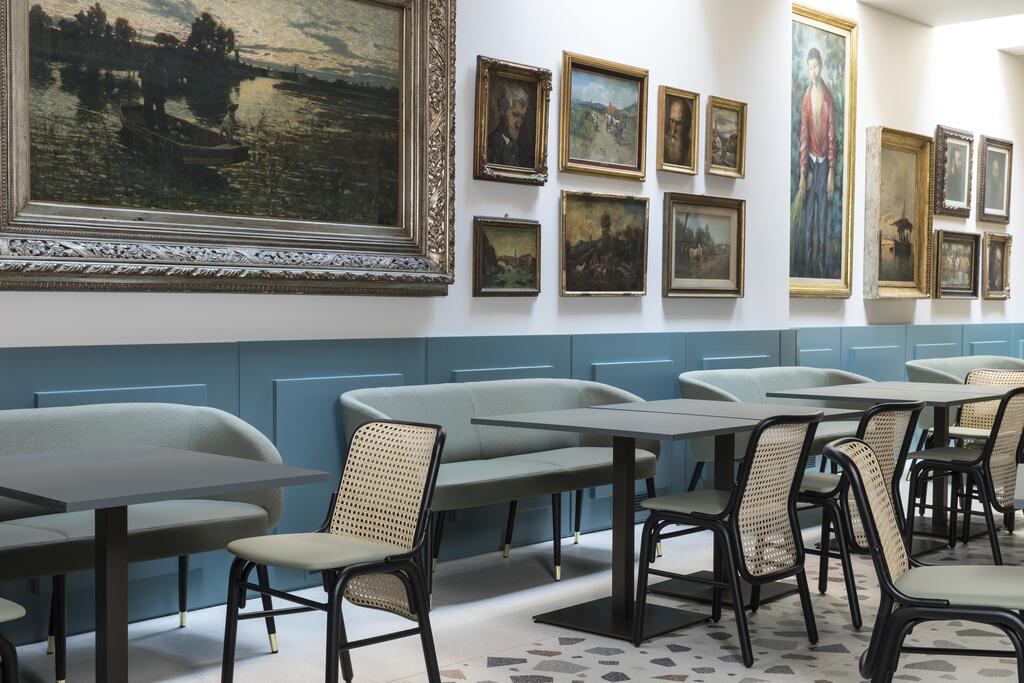
The name Grand Hotel des Arts isn’t merely decorative. An extensive private collection of paintings, sculptures, mirrors and objects has long distinguished the property, mixing classical works with modern and mid-century pieces. During the hotel’s redesign, these weren’t swept aside in favour of a completely new aesthetic. Instead, they were recurated within more contemporary interiors, allowing different periods to coexist. Large antique mirrors and chandeliers remain, but now meet terrazzo, rattan, contemporary Italian furniture and a richer palette of indigo blue, teal, burnt bronze and orange. The result feels less like a conventional four-star hotel and more like an evolving collector’s residence.
Verona Written into the Design
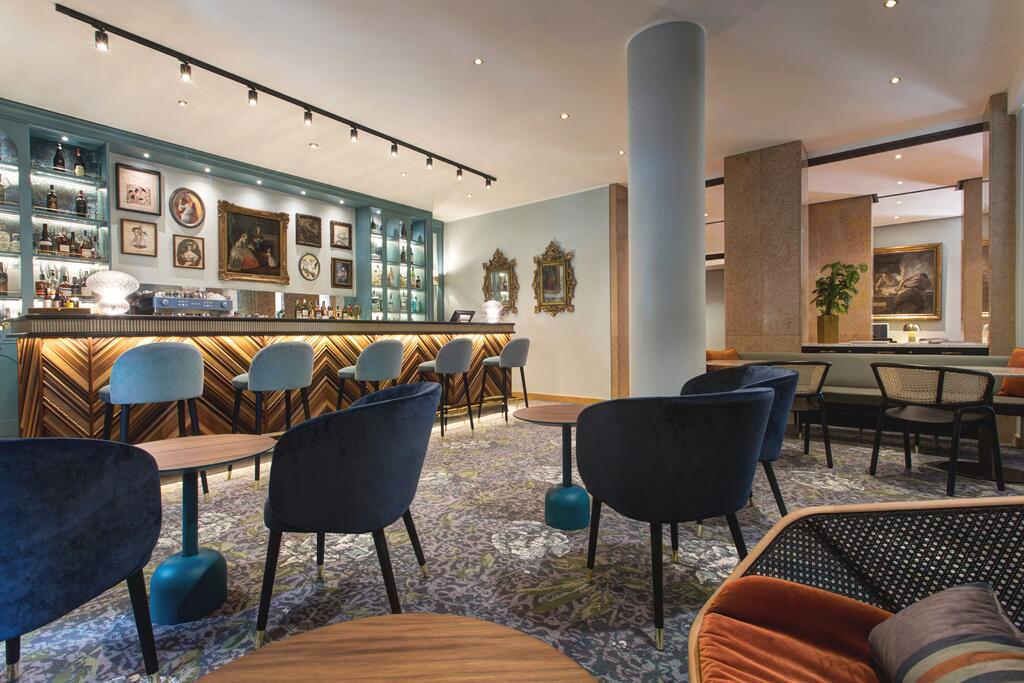
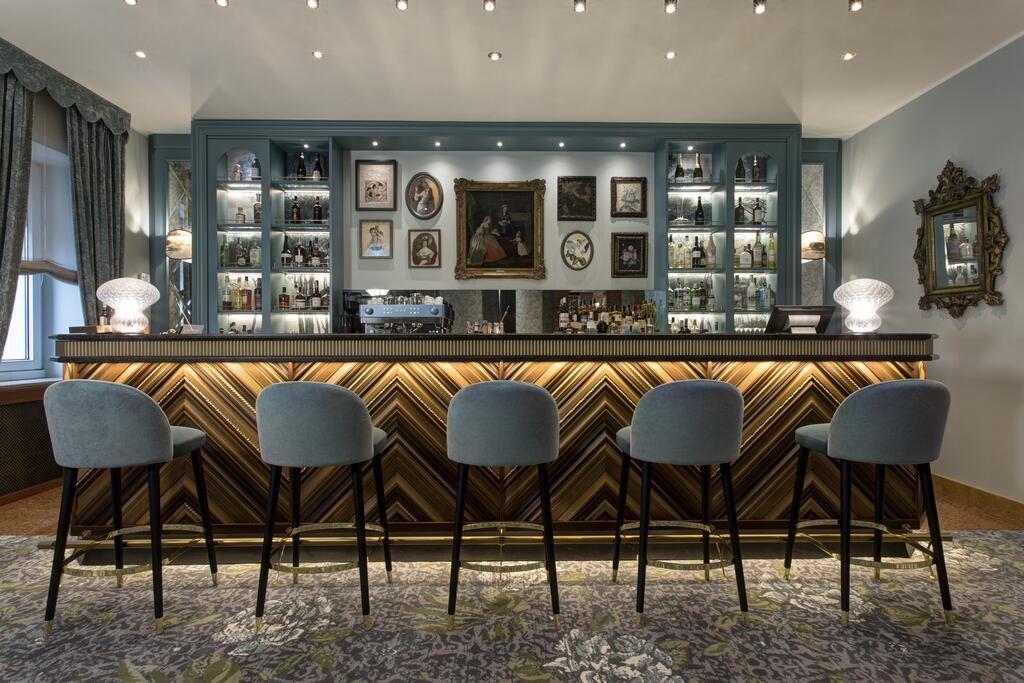
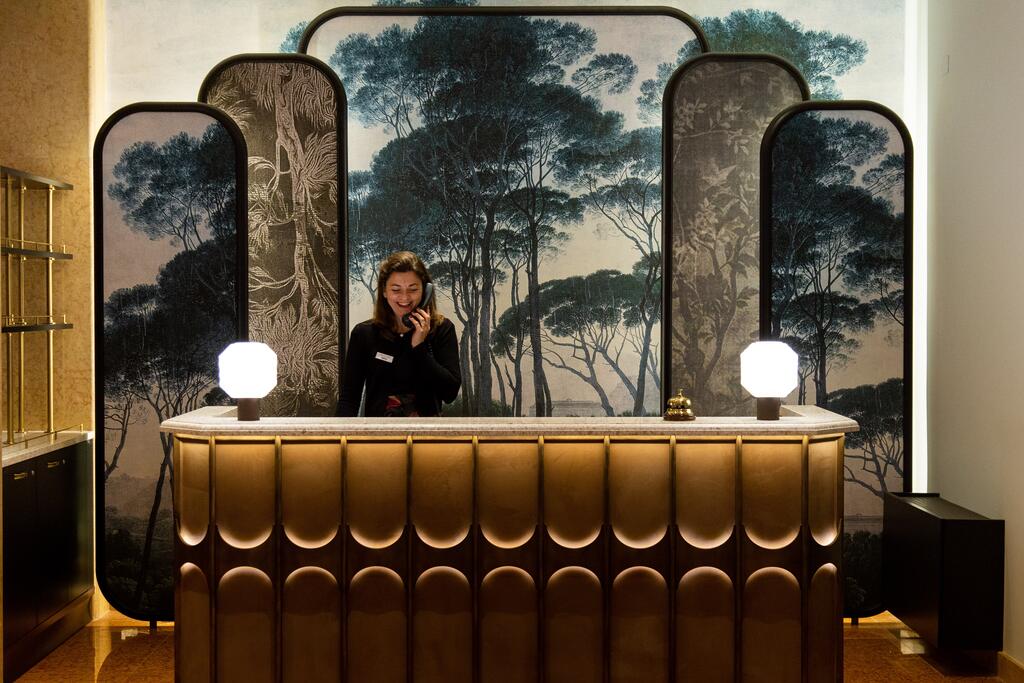
Look closer and the city begins appearing everywhere. The redesigned reception desk takes inspiration from the stonework of Juliet’s famous balcony, while the staggered panels behind it reference theatrical wings — an appropriate gesture in a city whose Roman Arena remains one of the world’s great settings for opera and performance. Subtle lighting picks out Roman-inspired arches. At the bar, picture frames in varying tones form the front of the counter, playing quite literally with the hotel’s des Arts identity, while Italian marble provides a more traditional counterpoint. Furniture by Italian companies including Miniforms and Tehkne continues the dialogue between contemporary Italian design and the hotel’s older architecture. It’s storytelling through detail rather than decoration.
Bedrooms with a Veronese Vocabulary
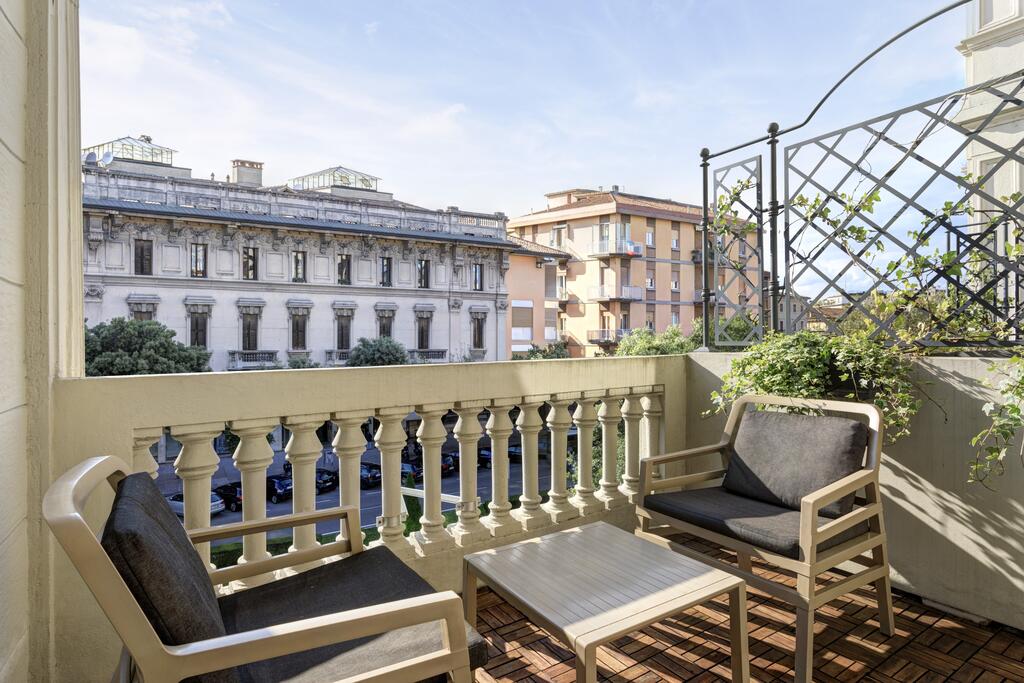
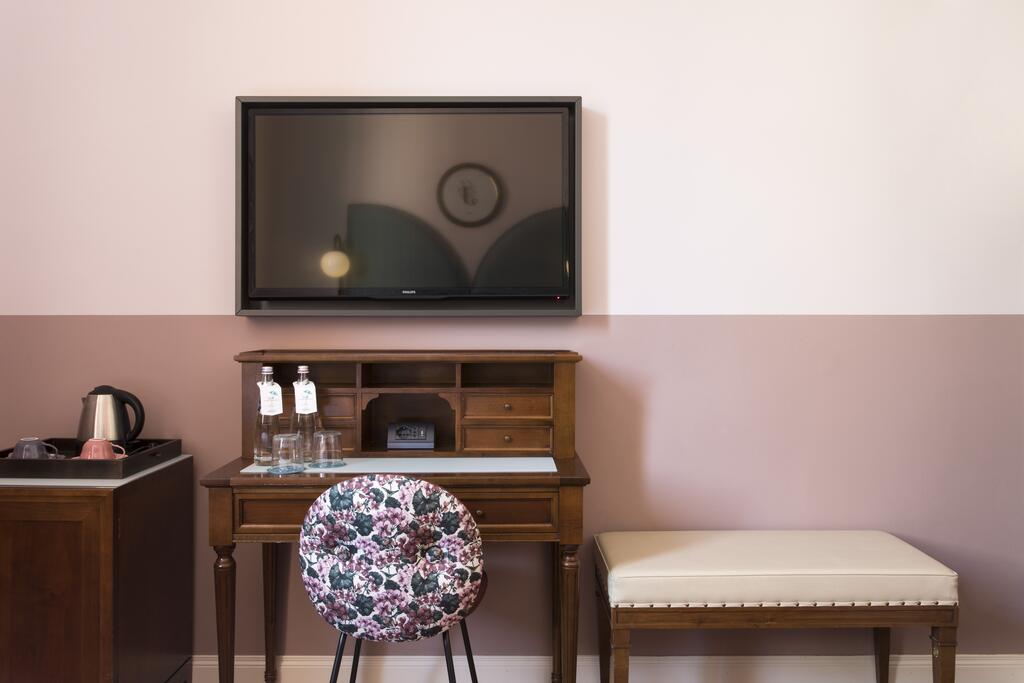
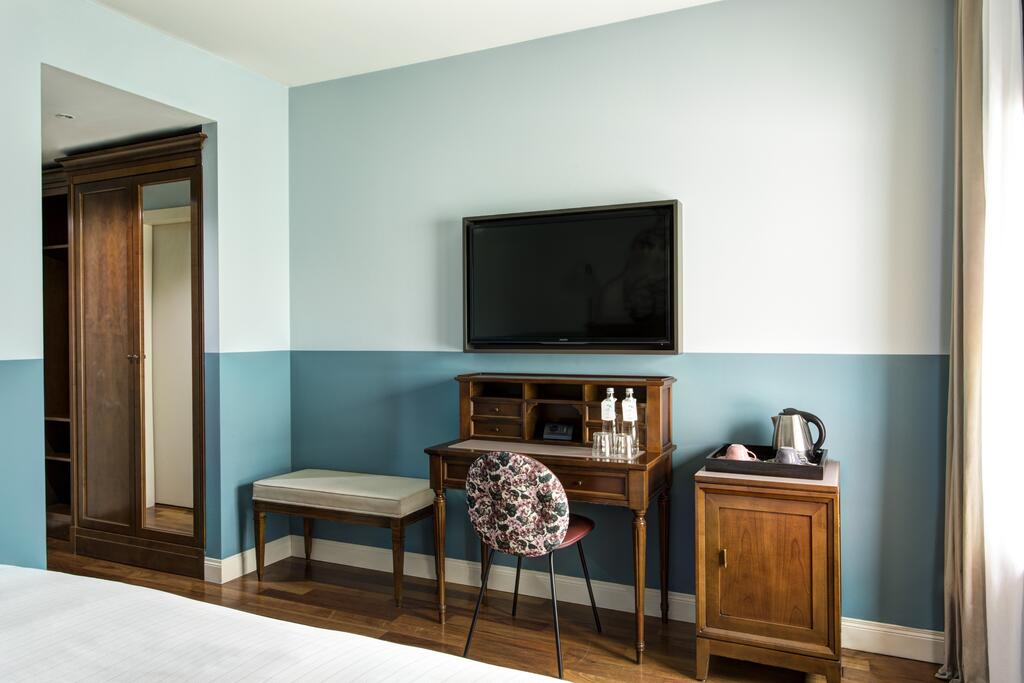
The same approach continues upstairs. Rooms move away from the heavier historicism often associated with Italian city hotels, using restrained contemporary colours, clean lines and accents of indigo, blue-green and coral. Most interesting are the specially designed headboards. Three different versions draw their forms from recognisable elements of the surrounding landscape and city: Roman arches, the crenellations of Castelvecchio and Italian scenery. Some rooms look towards Corso Porta Nuova, while others face the hotel’s quieter garden. The references are subtle enough that you don’t need to recognise them to enjoy the room — but knowing they’re there gives the design another layer.
Aperitivo Among the Art
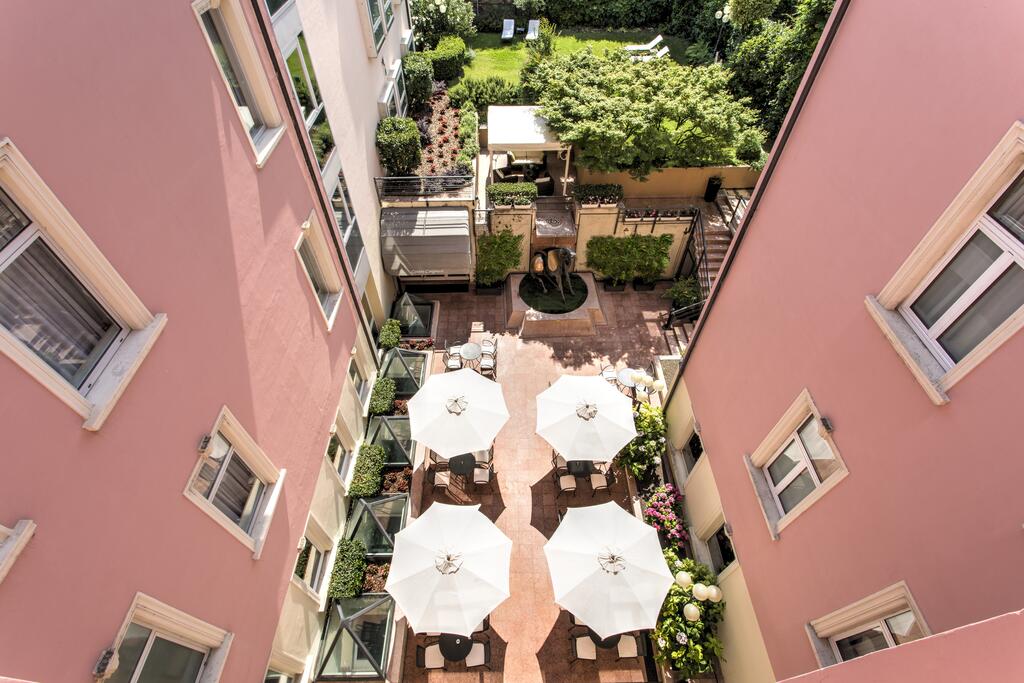
There is no conventional full-service restaurant, which hardly feels like a disadvantage in central Verona. Instead, Arya Bar & Mixology provides the hotel’s natural gathering place for an aperitivo, surrounded by artwork and the richer colours of the redesigned interiors. In warmer weather, the secluded courtyard offers another side of the property entirely — a surprisingly calm place considering how close the hotel is to Verona’s historic centre. Then step outside. Piazza Bra and the Arena are minutes away, and from there the old city unfolds towards Piazza delle Erbe, Castelvecchio and the Adige. This is fundamentally a hotel for experiencing Verona on foot.
Why It Works
Hotel Indigo Verona doesn’t compete with the architectural drama outside its doors. Instead, it brings fragments of that city indoors. The Roman arches, theatre references, Castelvecchio geometry and famous balcony become design cues rather than reproductions, while the hotel’s existing art collection prevents the contemporary renovation from feeling generic. That matters. Because underneath the Indigo branding remains something much more individual: an old Veronese hotel with its own collection, history and personality. Hotel Indigo Verona – Grand Hotel des Arts succeeds because Verona isn’t simply its location. The city has become part of the interior design.