IR-ON Hotel, Bangkok, Thailand
Where Industrial Heritage Meets Contemporary Thai Design
Why DNA Hotels Loves It
● A remarkable adaptive reuse project that transforms an unfinished apartment block into one of Bangkok’s most distinctive boutique hotels.
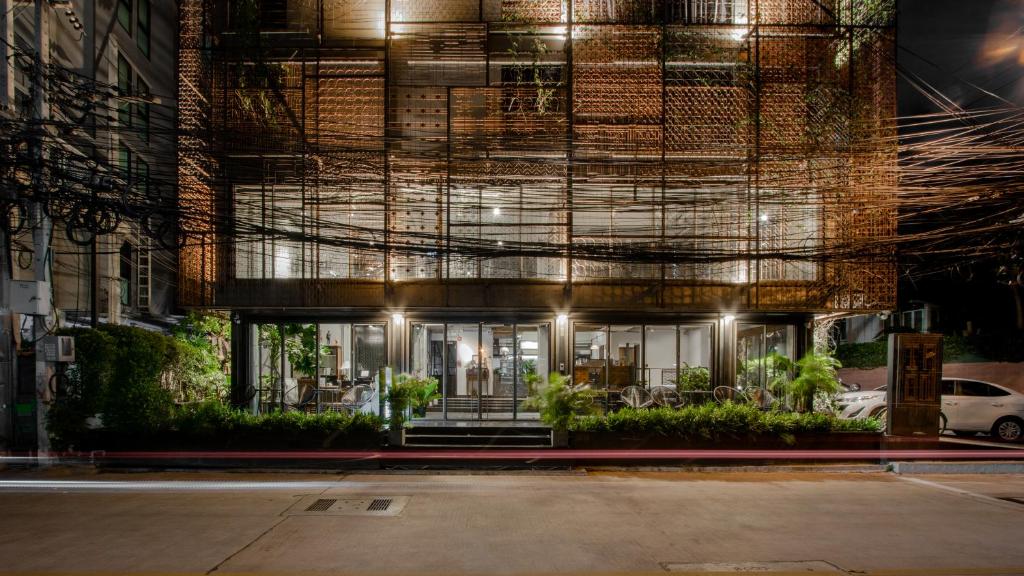
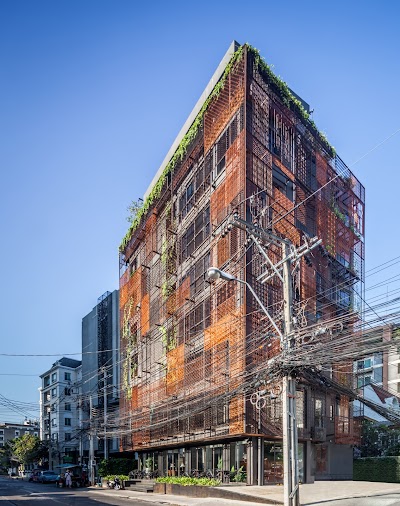
● A façade crafted from repurposed wrought-iron screens sourced from traditional Thai homes, creating a powerful expression of local identity.
● An honest industrial aesthetic that celebrates raw materials, craftsmanship, and the owner’s family heritage in steel manufacturing.
From Unfinished Shell to Design Statement
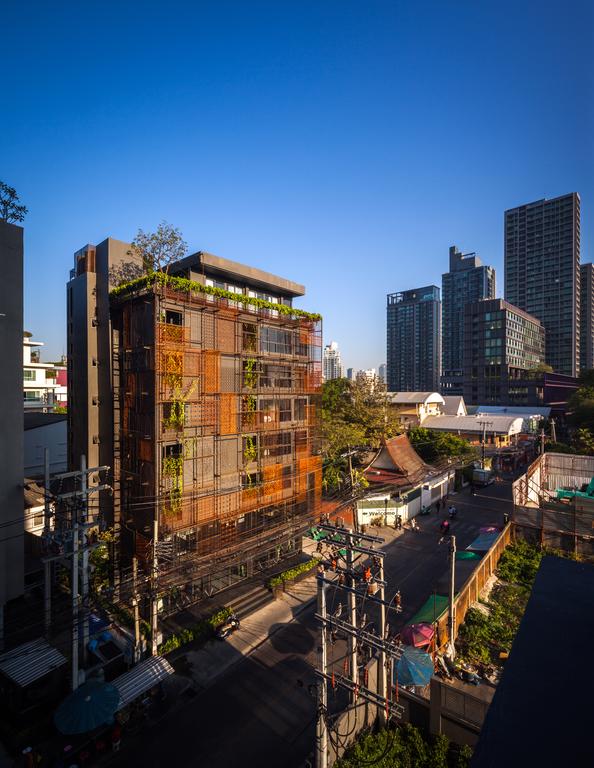
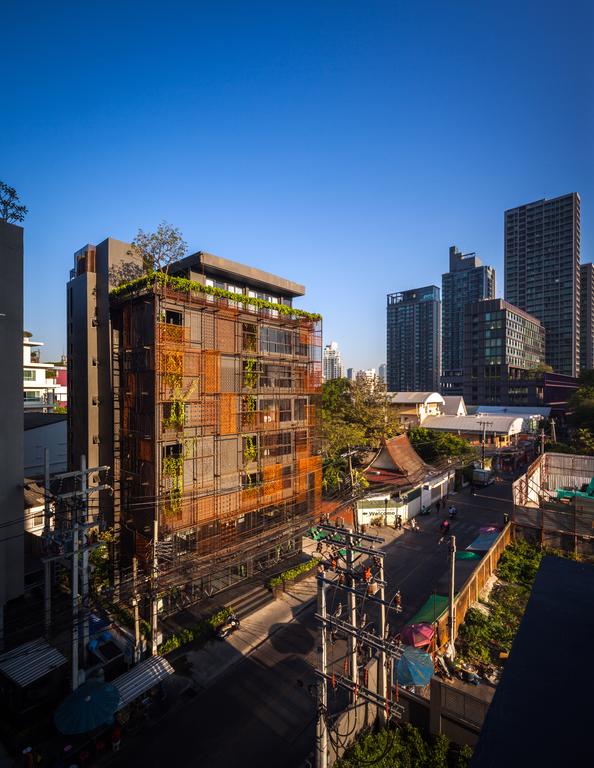
Bangkok is full of reinvention stories, but few are as compelling as IR-ON Hotel. What began as an abandoned eight-storey apartment building near Thong Lo BTS station sat unfinished for years, little more than a concrete frame waiting for a purpose. When Premnon Lerdporncharoen, whose family owns Thai steel manufacturer Oneput, acquired the building, he saw an opportunity to create something entirely different. Rather than disguising the structure’s unfinished past, Bangkok-based studio Hypothesis embraced it. The result is a boutique hotel that transforms industrial materials and everyday Thai architectural elements into a design language that feels both contemporary and deeply local.
A Façade Made of Memory
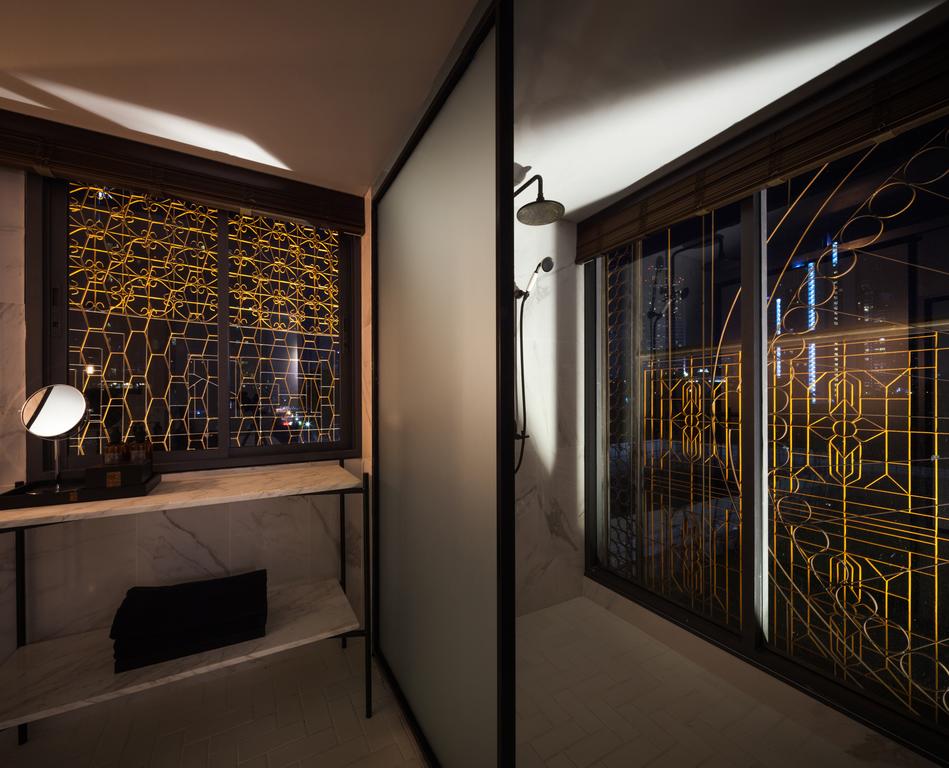
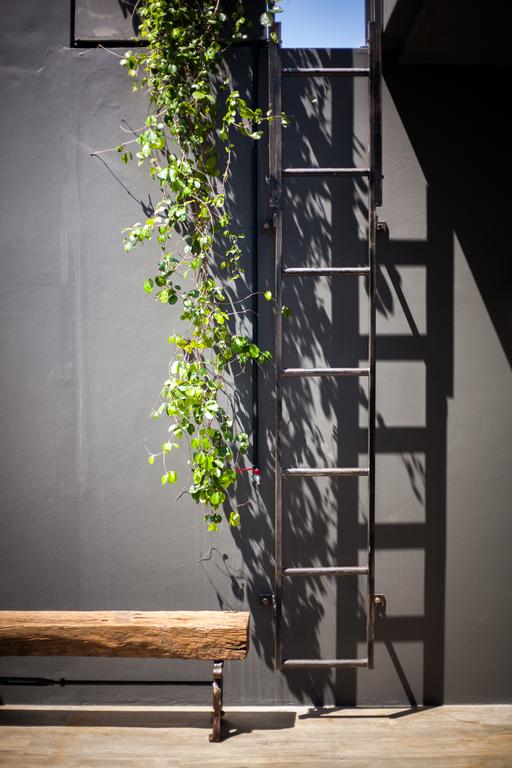
The hotel’s most striking feature is impossible to miss. Covering the exterior is a patchwork of reclaimed wrought-iron screens collected from homes and low-rise buildings across Thailand. Traditionally used for gates, balconies, and security screens, these pieces carry the visual DNA of countless neighbourhoods and generations. Some display floral motifs, others geometric patterns. Many bear the marks of age, weather, and use. Together they form a layered skin that filters sunlight, creates privacy for guest rooms, and gives the building a constantly changing character throughout the day. The composition appears spontaneous, yet every piece contributes to a façade that feels uniquely Bangkok. As climbing plants gradually weave themselves through the ironwork, the building continues to evolve, softening its industrial edge while adding greenery to the surrounding streetscape.
Industrial, But Never Cold
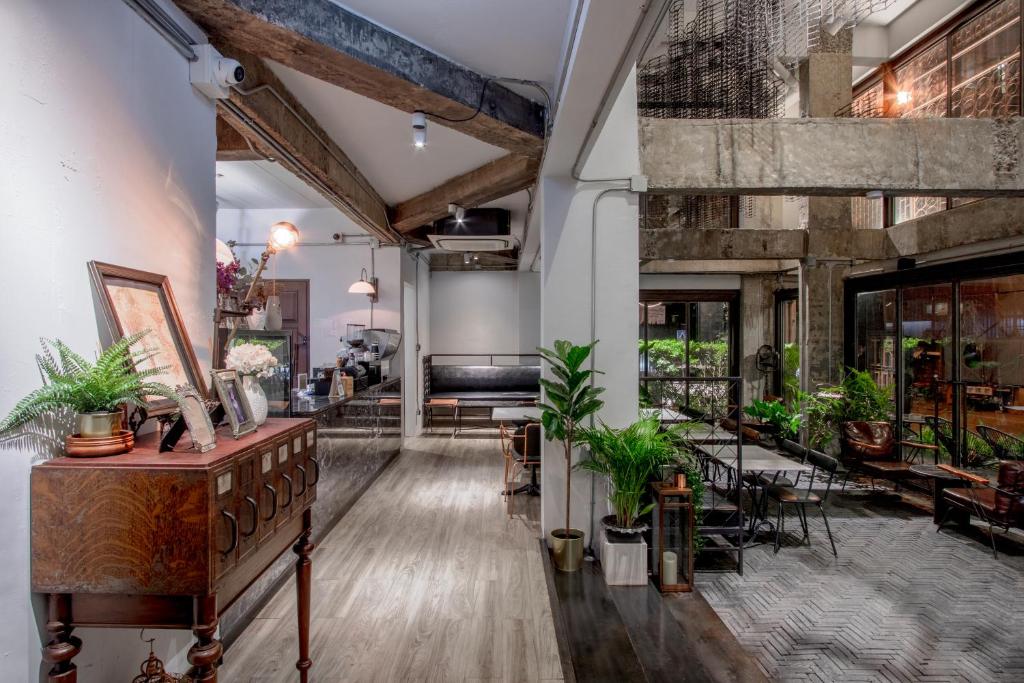
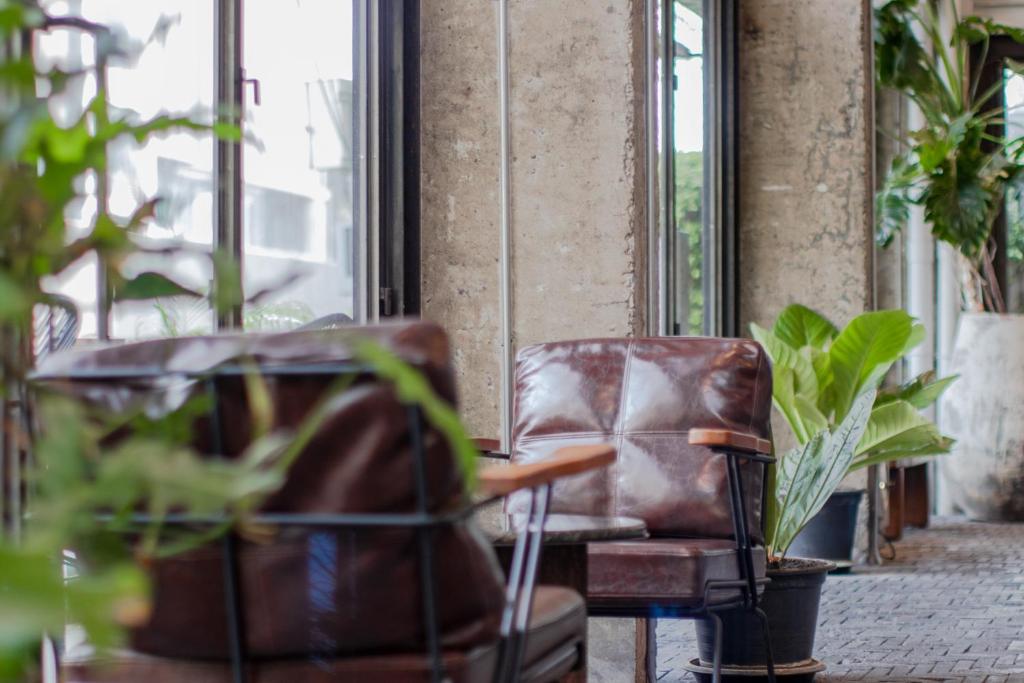
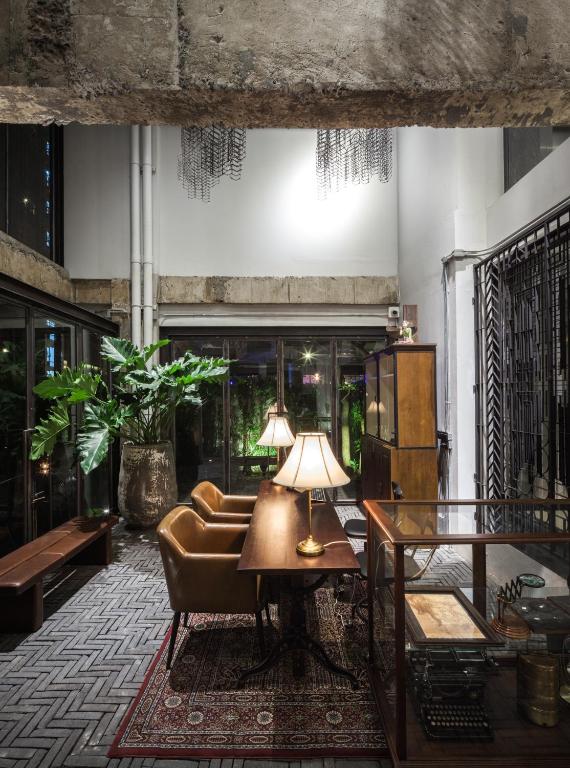
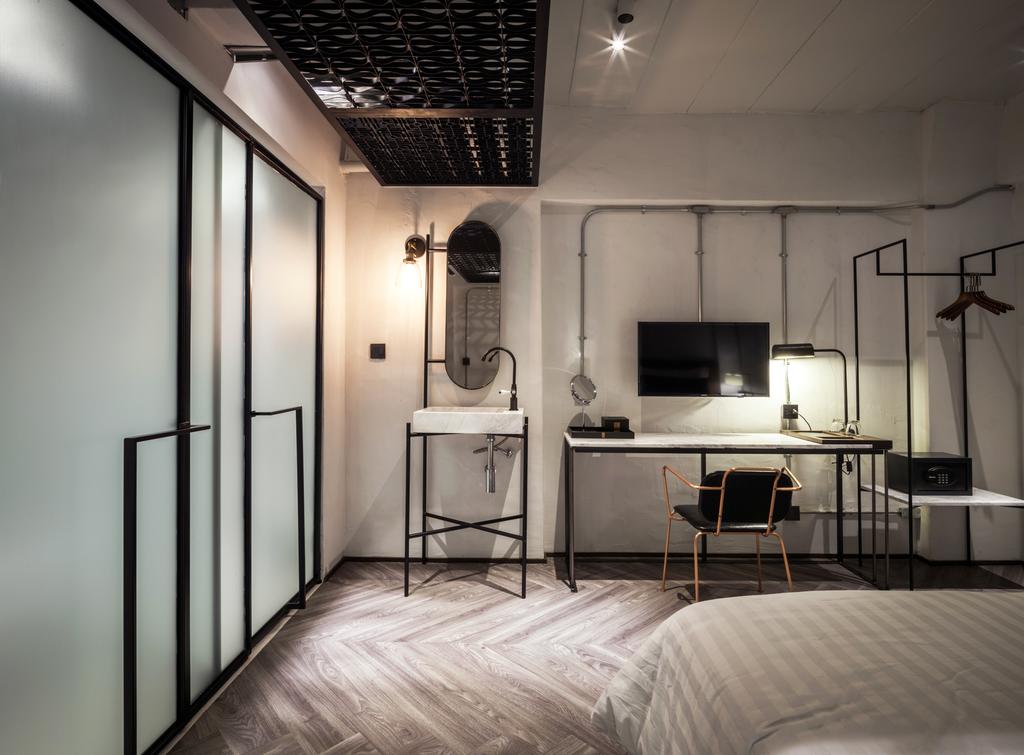
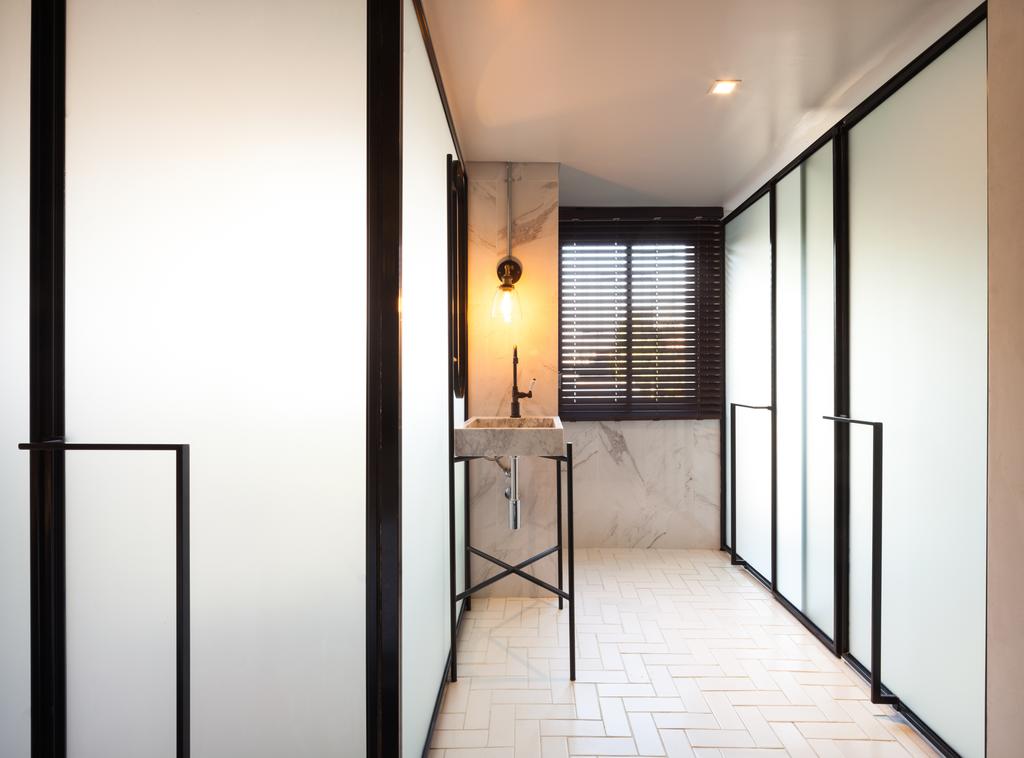
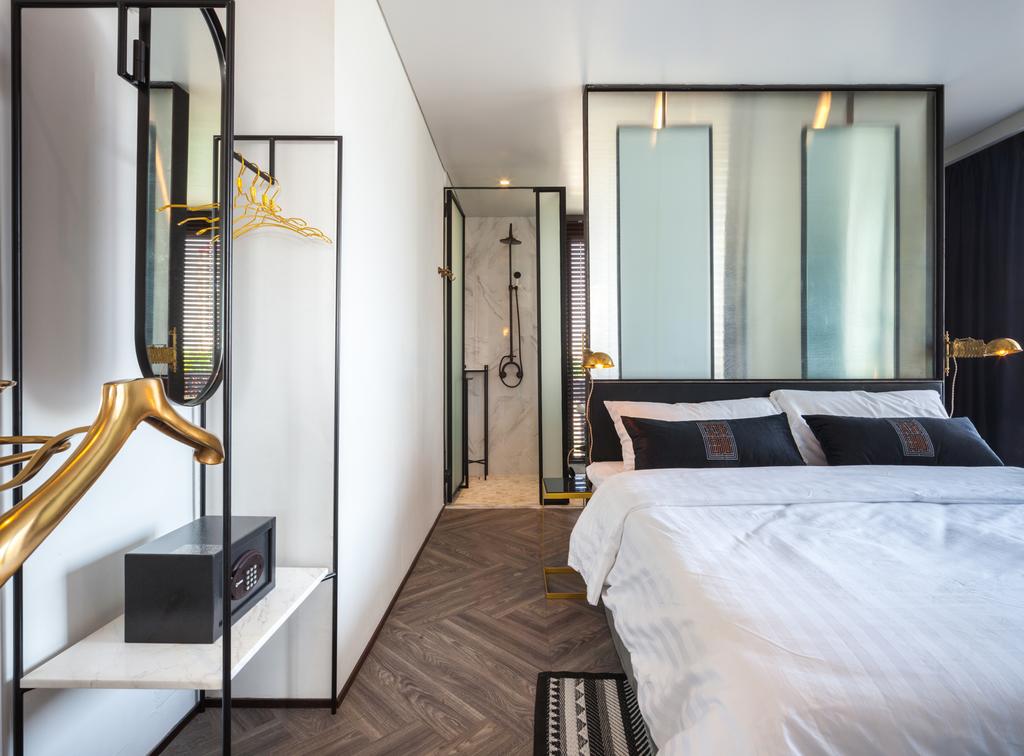
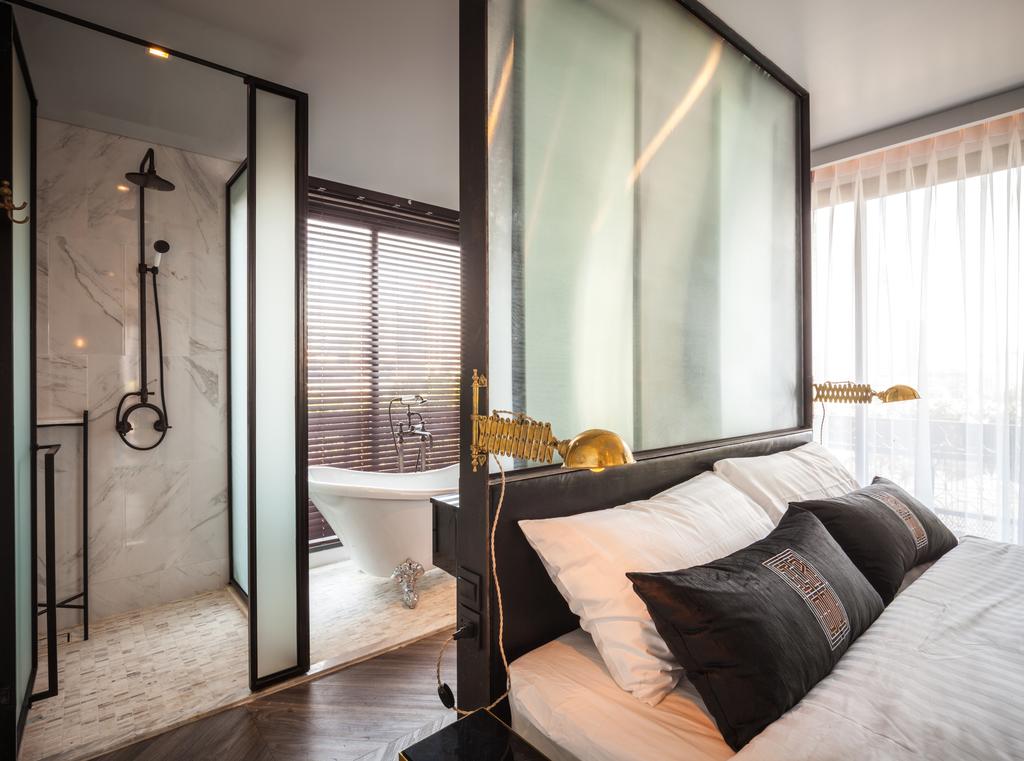
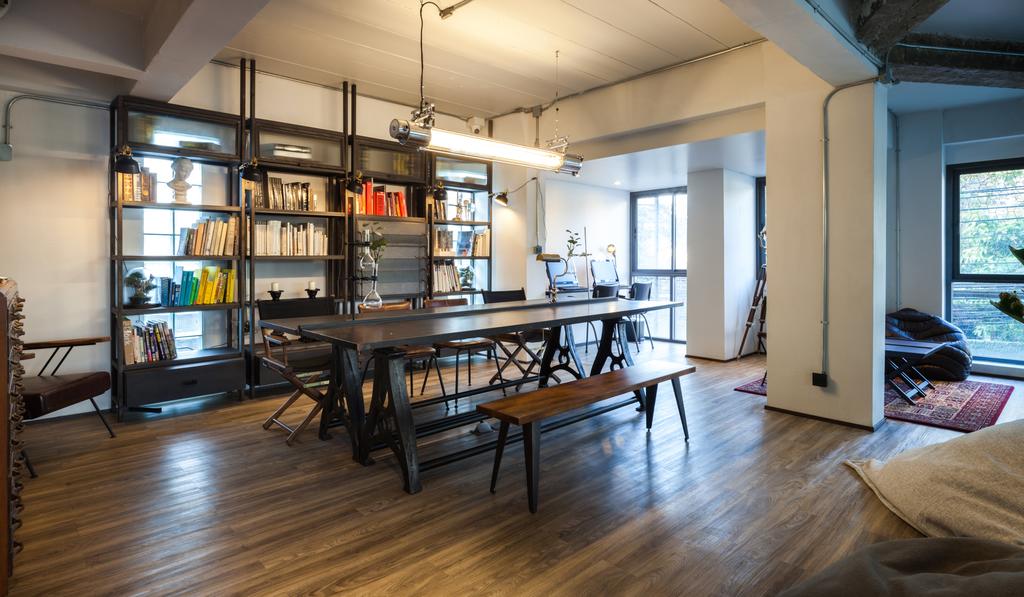
Inside, the design remains faithful to the building’s origins. Much of the original concrete structure has been left exposed, creating interiors defined by raw surfaces, metal detailing, and clean lines. Rather than covering imperfections, the architects allowed the building’s bones to remain visible. Metal-framed furniture, fabricated in the owner’s factory, appears throughout the hotel, reinforcing the connection to the family’s industrial background. Open wardrobes, steel shelving, polished concrete floors, and exposed ceilings create a distinctly industrial atmosphere. Yet the spaces never feel harsh. Warm lighting, natural textures, local textiles, and carefully balanced proportions introduce a sense of comfort that softens the raw materials.
Design on a Budget, Character Without Compromise
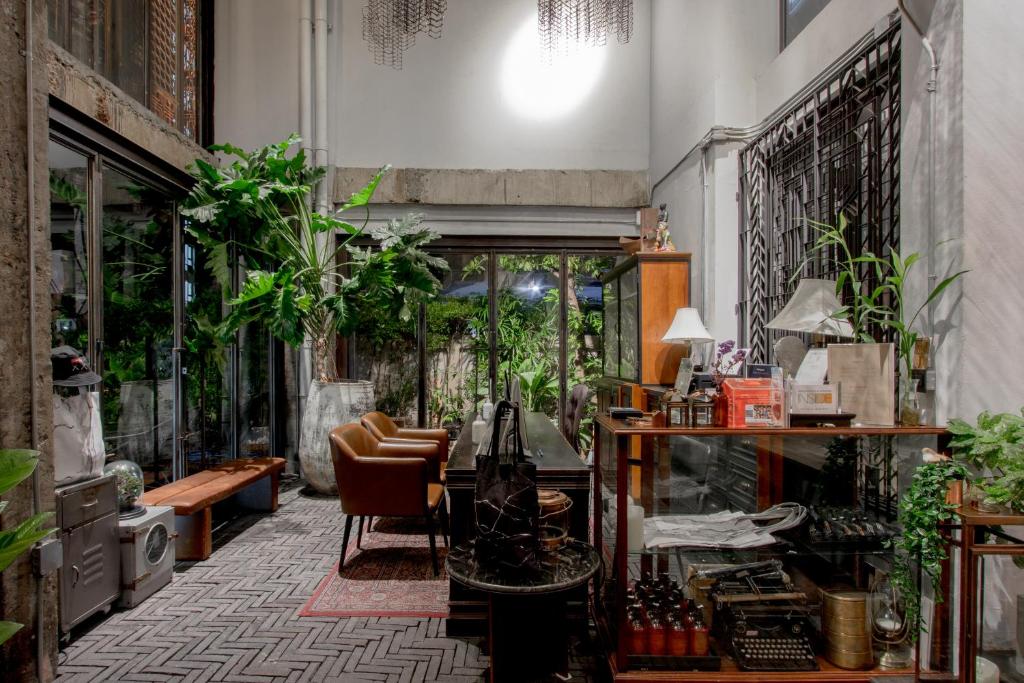
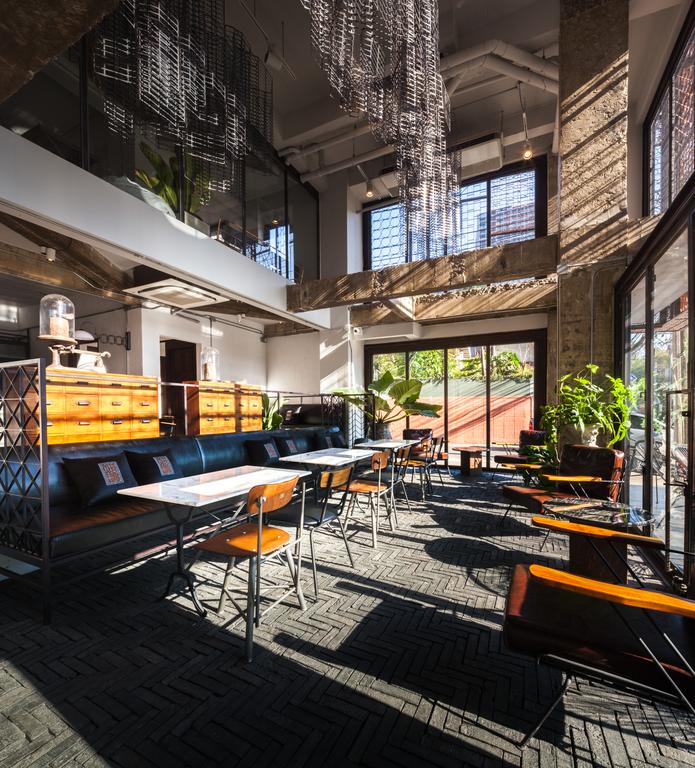
One of the most impressive aspects of IR-ON Hotel is how creatively it works with constraints. The use of reclaimed wrought iron and factory-produced furniture allowed the project to remain within a modest budget while developing a visual identity that many luxury hotels would envy. Throughout the building, resourcefulness becomes part of the design narrative. In the double-height lobby, charred brick flooring enhances the industrial mood, while suspended metal sculptures create dramatic shadows and visual movement. Antique metal objects sourced from Bangkok’s Train Market add another layer of texture and history. The result feels authentic rather than manufactured—a hotel shaped by ingenuity rather than excess.
A Different Perspective on Bangkok
While many Bangkok hotels focus on luxury spectacle, IR-ON Hotel takes a more grounded approach. The public spaces are designed to encourage interaction, whether over coffee in the café, conversations in the lounge, or quiet moments overlooking the city. Floor-to-ceiling glazing creates openness, while the iron screens constantly filter light and shadow into the interiors. The hotel doesn’t rely on rooftop pools, lavish spas, or oversized facilities. Instead, it offers something increasingly rare: a genuine connection to its neighbourhood, its materials, and its cultural context.
Where Bangkok’s Urban Character Comes to Life
IR-ON Hotel succeeds because it turns ordinary materials into extraordinary storytelling. By transforming reclaimed ironwork, unfinished concrete, and industrial craftsmanship into architecture, it offers a fresh interpretation of contemporary Thai design. The hotel celebrates the textures, improvisation, and resourcefulness that define much of Bangkok’s urban landscape. For travellers drawn to adaptive reuse, industrial aesthetics, and hotels with a strong sense of place, IR-ON Hotel is one of Bangkok’s most original stays—a reminder that great design often begins with seeing potential where others see leftovers.