Hotel Ještěd – Liberec, Czechia
Sleep inside one of the great icons of Czech modernism, 1,012 metres above Bohemia
Why DNA Hotels Loves It
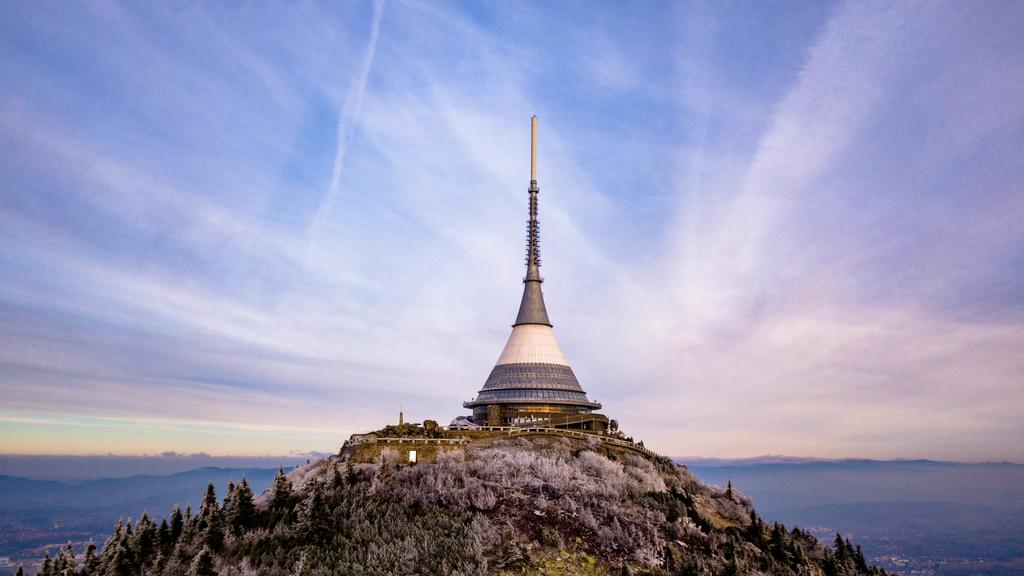
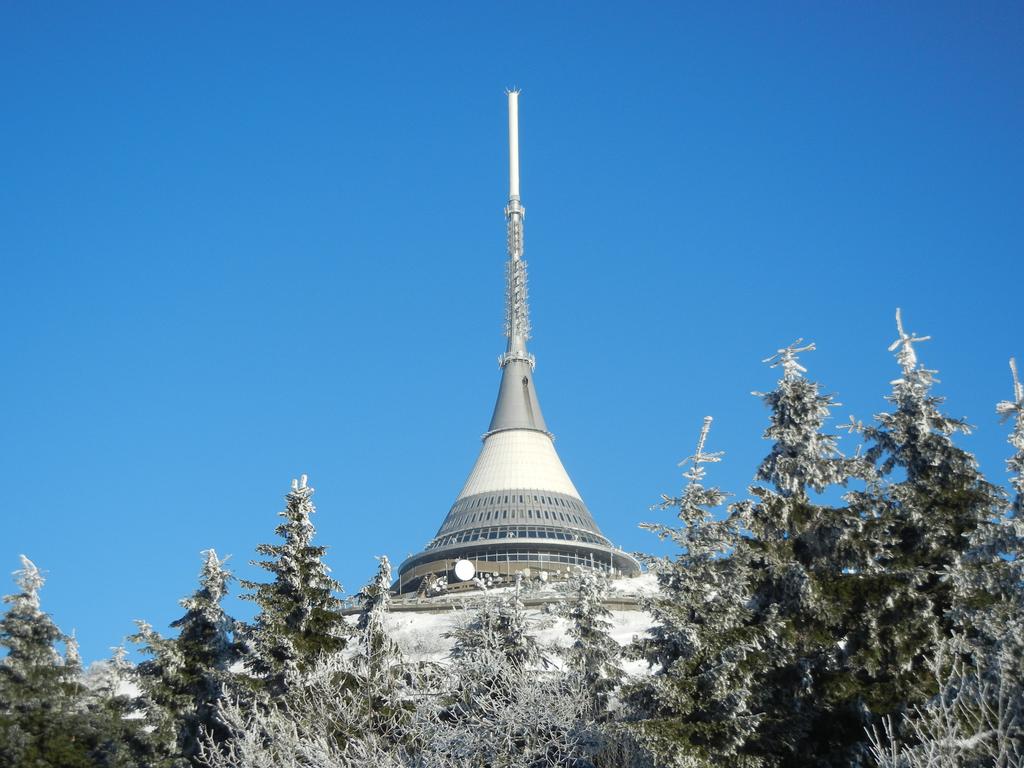
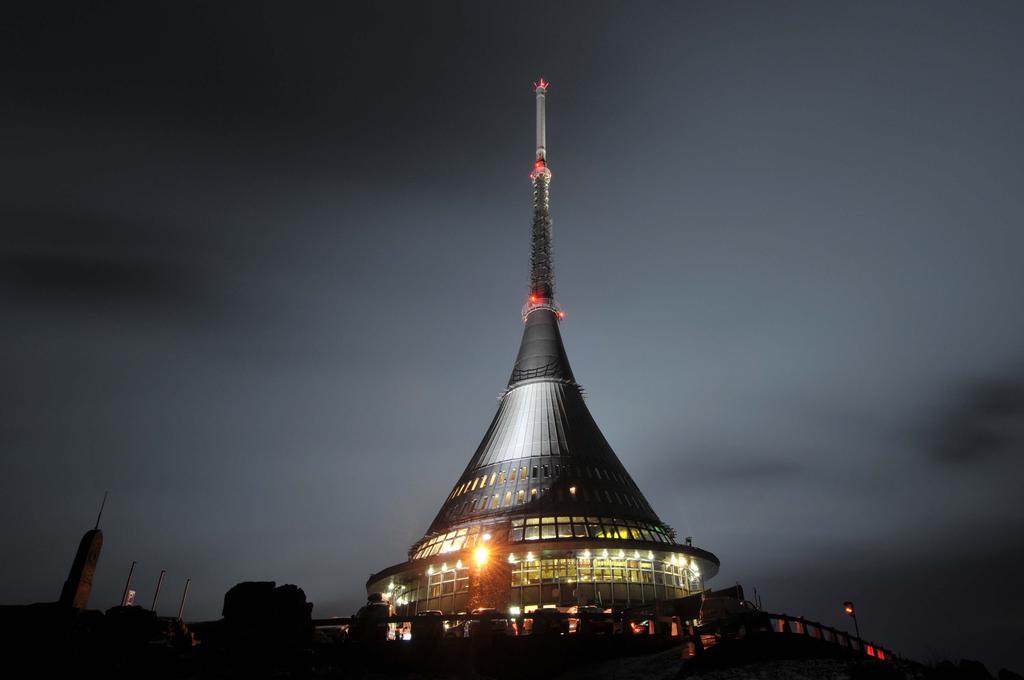
● Architect Karel Hubáček turned a television transmitter, restaurant and hotel into one extraordinary hyperboloid structure that appears to grow directly from the mountain.
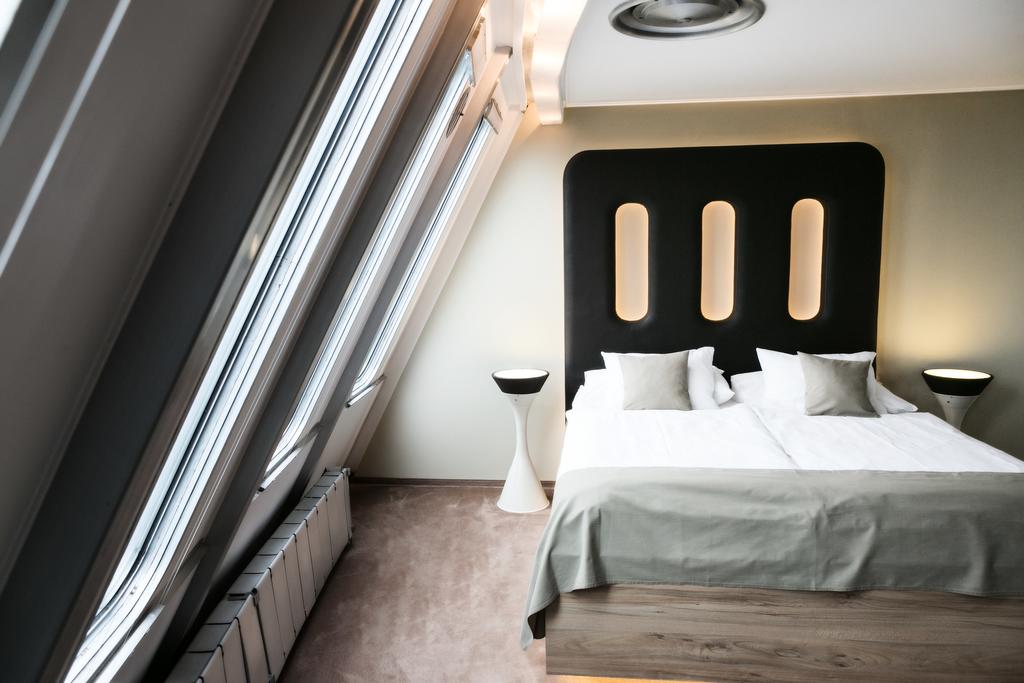
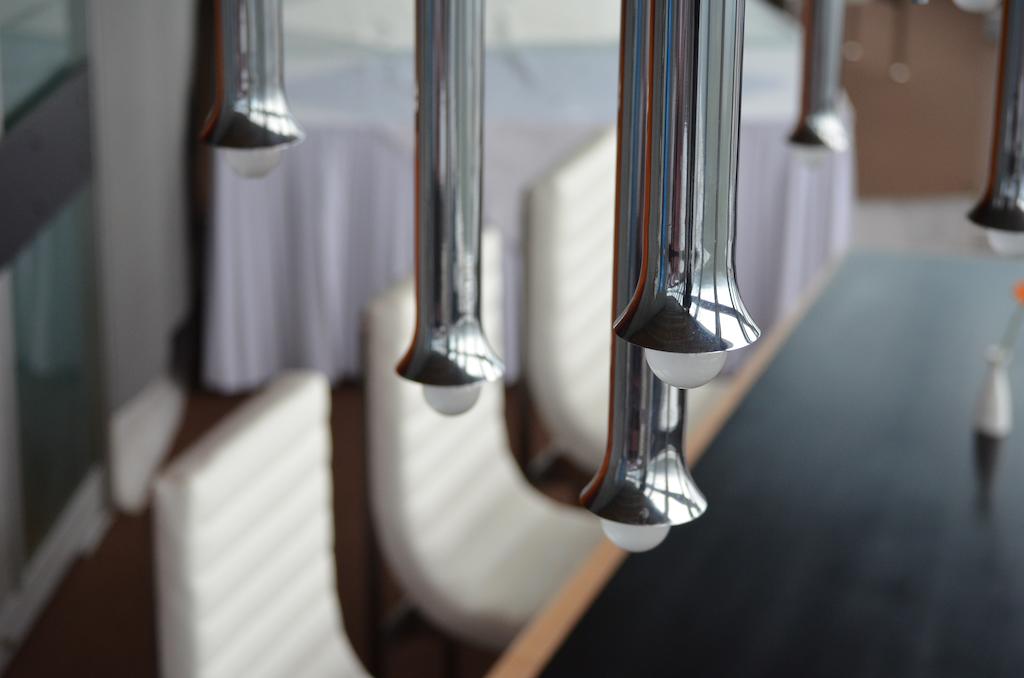
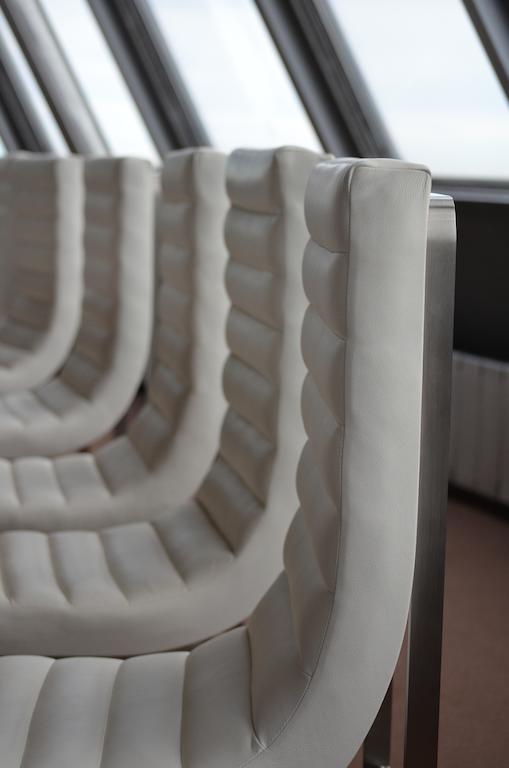
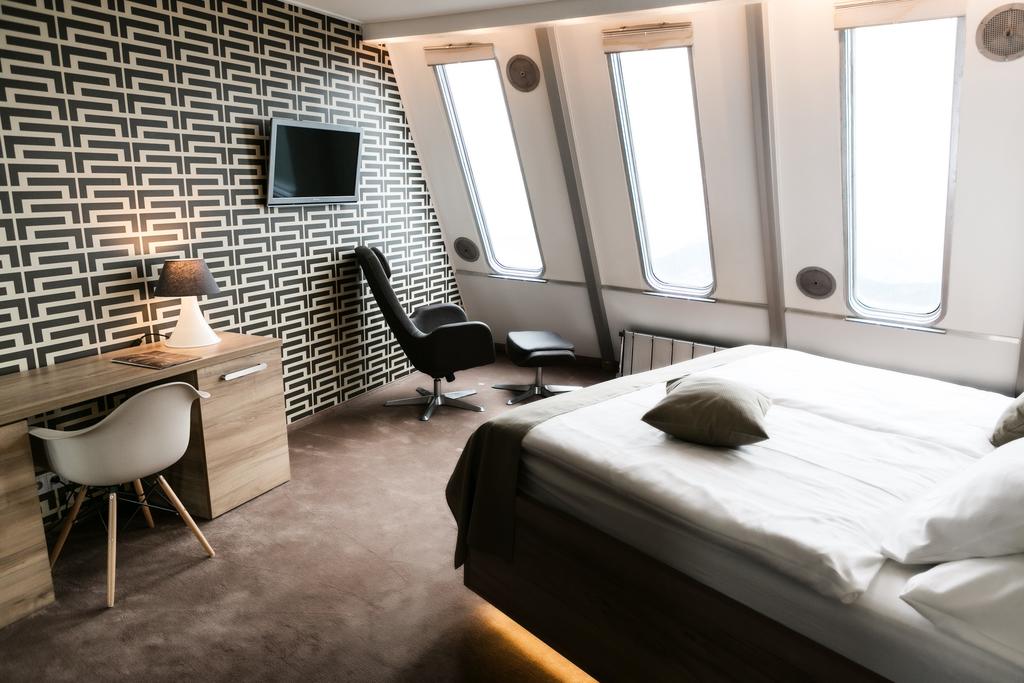
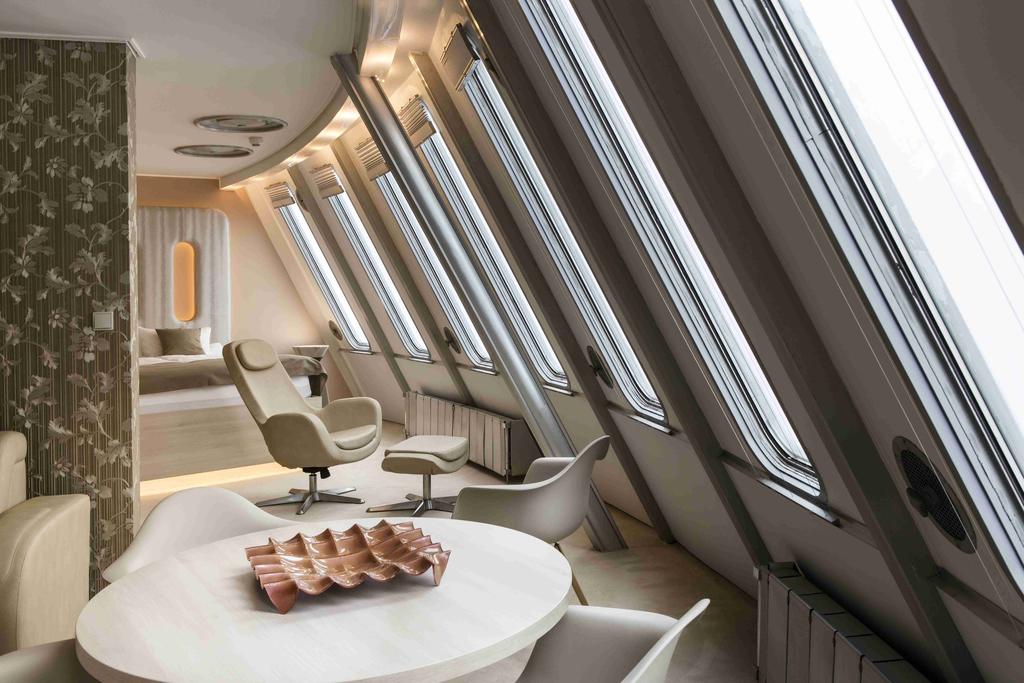
● Much of the experience is still gloriously space-age, with interiors originally conceived by Otakar Binar and works by important Czech artists and designers integrated into the building.
● This isn’t simply a hotel with interesting architecture. Ještěd is a national cultural monument, a design pilgrimage and one of the defining Czech buildings of the 20th century.
A Spaceship Landed on a Mountain
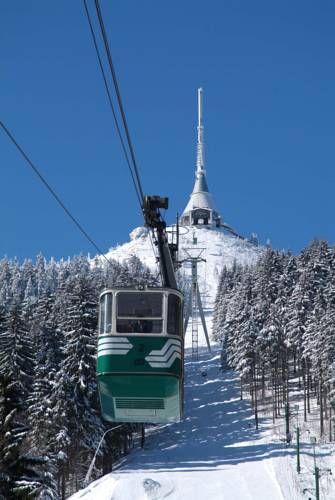
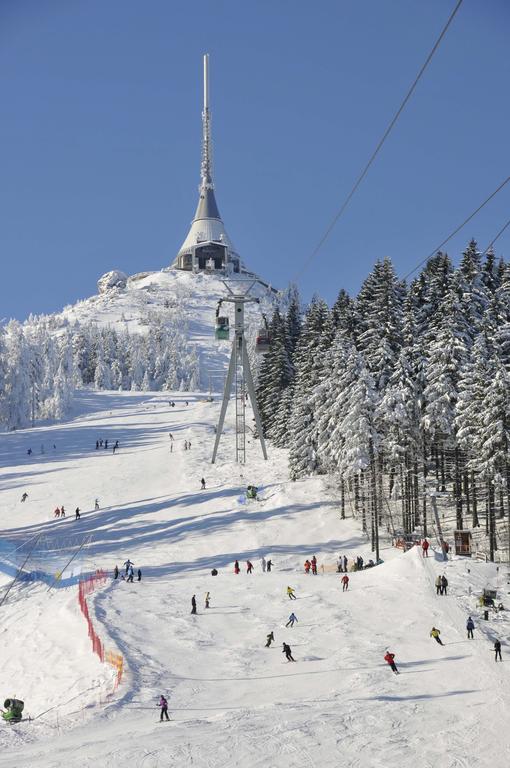
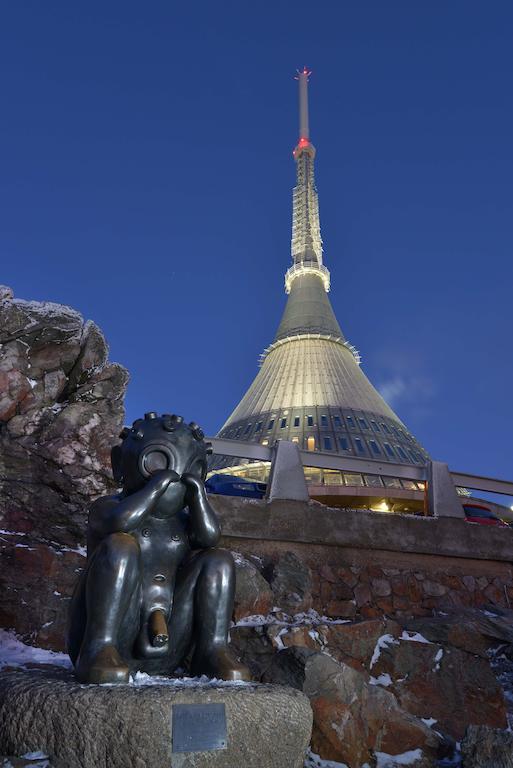
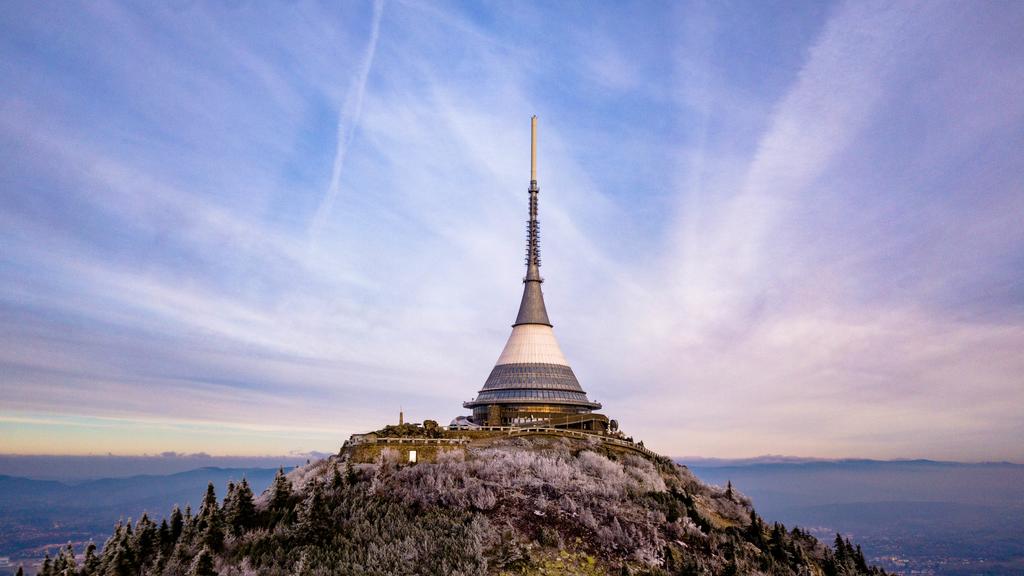
Some hotels have a view. Hotel Ještěd is the view. Rising from the 1,012-metre summit of Mount Ještěd above Liberec, its unmistakable silhouette looks simultaneously futuristic and completely inevitable. A silver hyperboloid continues the natural line of the mountain upwards until architecture, engineering and landscape seem to become one. It could be a Soviet-era science-fiction film set. Instead, remarkably, you can sleep inside it. The story began after the previous mountain lodge burned down in 1963. A competition was launched for something considerably more ambitious: a building that would combine a television transmitter, restaurant and mountain hotel on one of the region’s most exposed summits. Architect Karel Hubáček produced the winning answer. Designed between 1963 and 1966, constructed from 1966 and finally opened in 1973, Ještěd became one of the great achievements of post-war Czechoslovak architecture.
When Engineering Becomes Architecture
Ještěd’s shape isn’t futuristic styling applied to a conventional building. The engineering created the architecture. The hyperboloid form continues the mountain’s profile while helping the 94-metre tower withstand the brutal wind and weather conditions at the summit. Inside, two concentric reinforced-concrete cylinders form the structural core, while specially developed materials and engineering solutions allowed broadcasting equipment and hotel guests to occupy the same extraordinary structure. There is even a specially engineered pendulum high inside the tower to absorb vibrations caused by the wind. Hubáček’s fusion of architecture and technology was so innovative that in 1969 — four years before the building was finished — he received the Auguste Perret Prize from the International Union of Architects. It remains one of the most significant international distinctions awarded to a Czech architect.
Czechoslovak Space Age
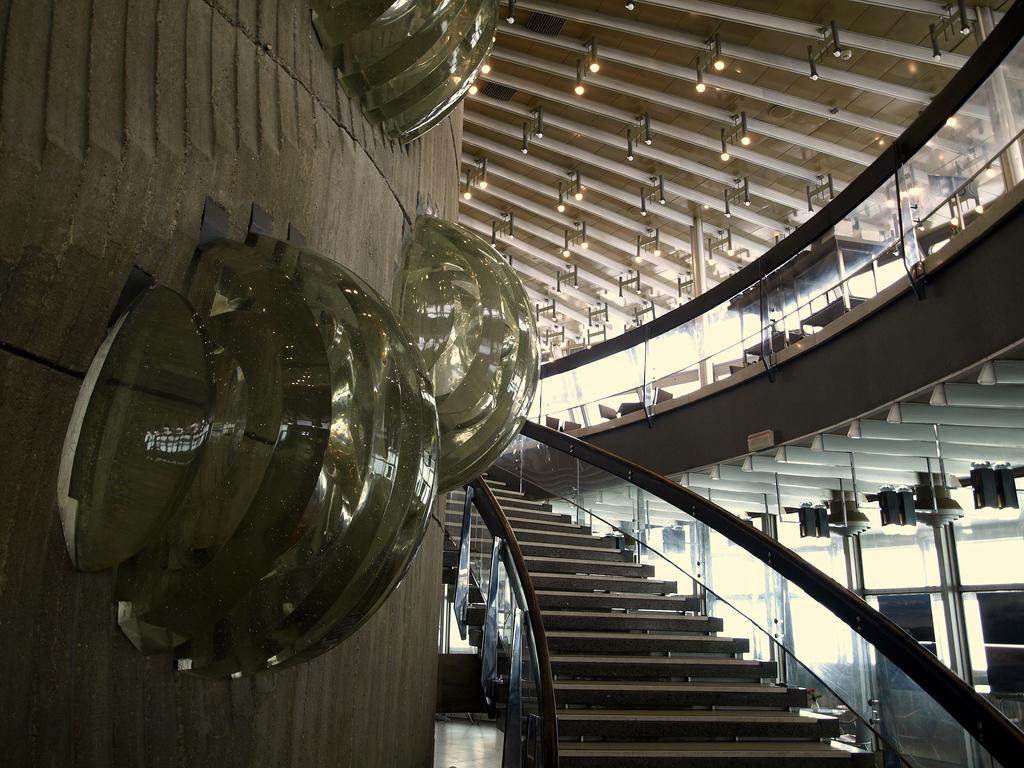
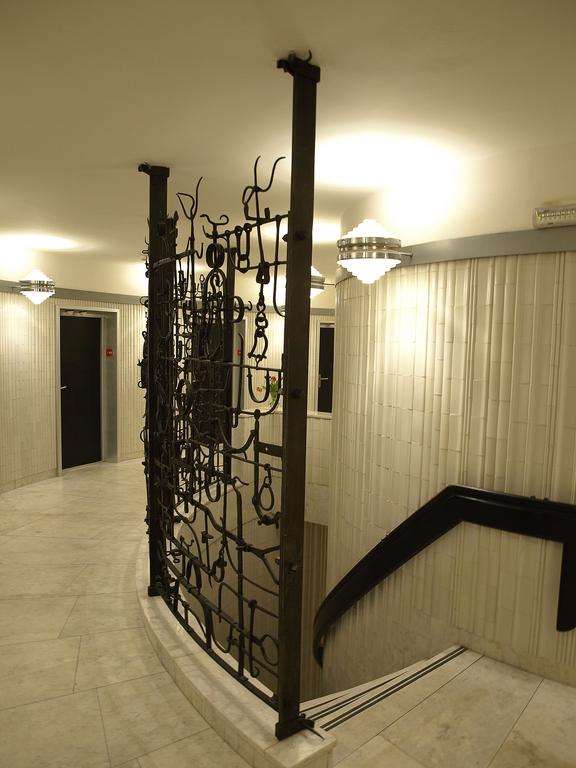
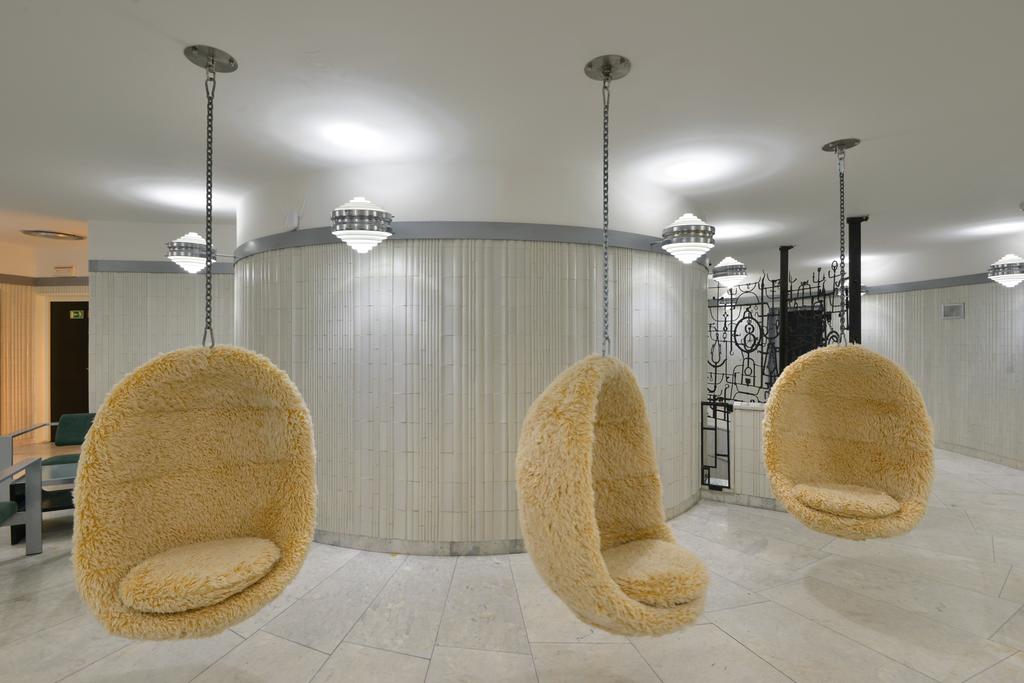
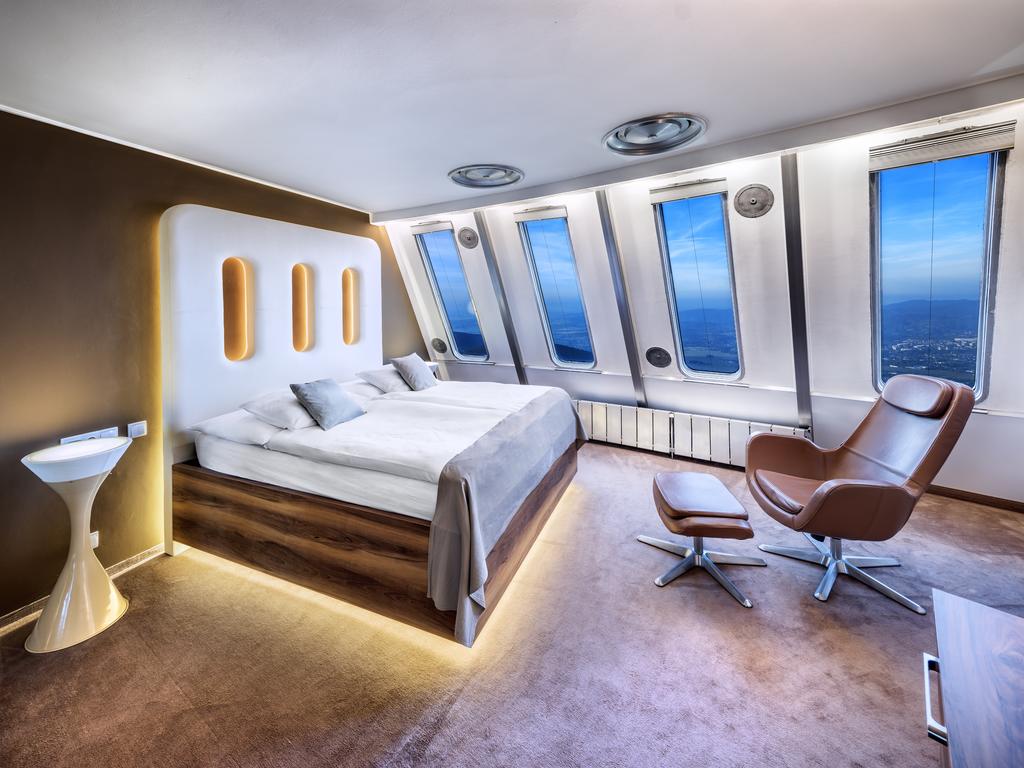
The exterior may be the icon, but don’t rush through the doors. Architect Otakar Binar designed the original interiors and furniture as part of the architectural whole, joined by an impressive cast of Czechoslovak artists and craftspeople. Glass artists Stanislav Libenský and Jaroslava Brychtová created eight glass emblems embedded in the concrete transmitter shaft — interpreted by Hubáček as fallen meteorites. Děvana Mírová designed ceramic tiles for the staircase and hotel corridors, Miloš Koška created wrought-metal surfaces around the entrance and reception, and Vladimir Křečan contributed a tapestry for the lounge. The result is something far more interesting than generic “retro”. This was a complete vision of what the future might look like, created in the 1960s and early 1970s and experienced today with much of its original architectural character still tangible.
Sleep Inside the Monument
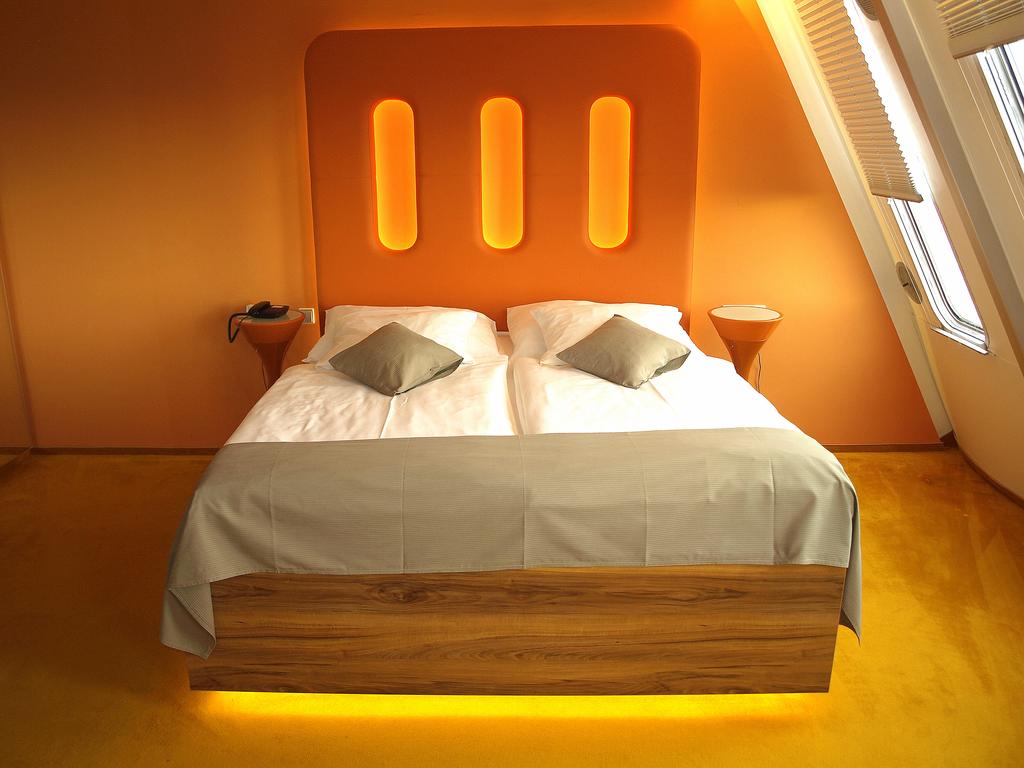
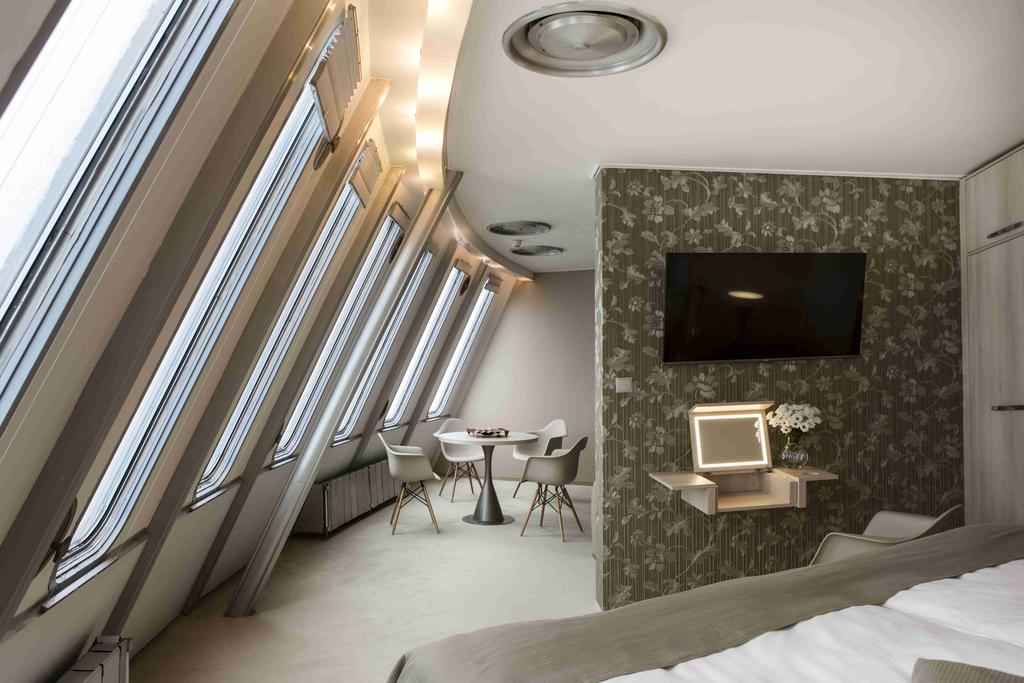
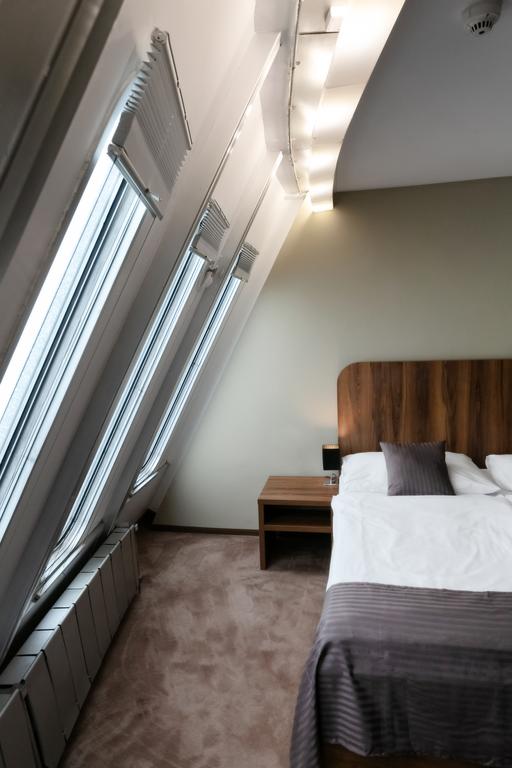
The hotel rooms occupy the lower portion of the tower, above the restaurant and public spaces and below the broadcasting technology. Don’t come expecting contemporary five-star polish. Come because you are sleeping inside one of the most extraordinary pieces of architecture in Central Europe. Rounded windows puncture the aluminium skin, framing a landscape that changes almost by the minute. On clear days, views extend across northern Bohemia towards Poland and Germany. At other times, cloud engulfs the summit and the building seems detached from the earth altogether. Suddenly the space-age interiors make even more sense.
Dinner Above Bohemia
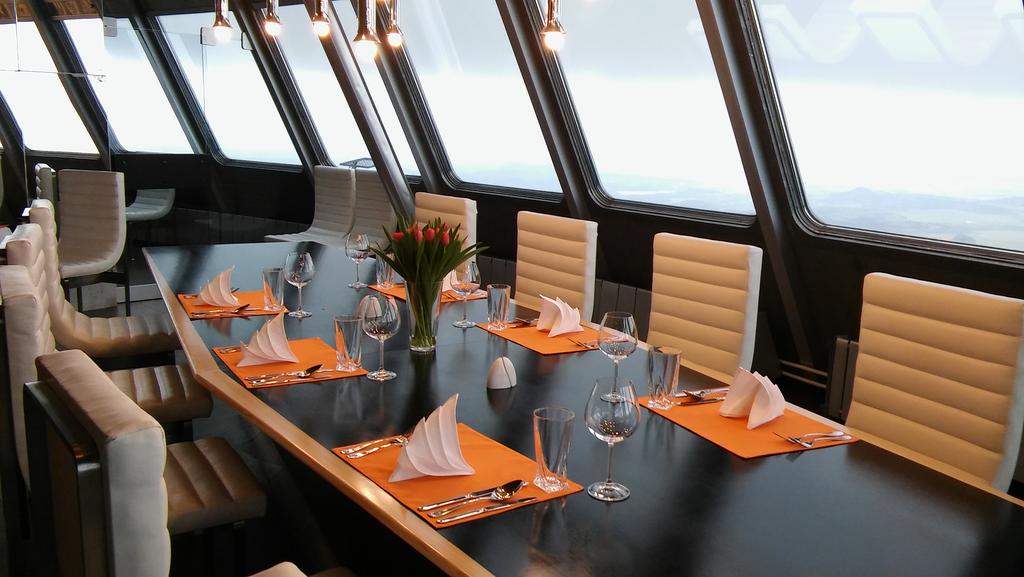
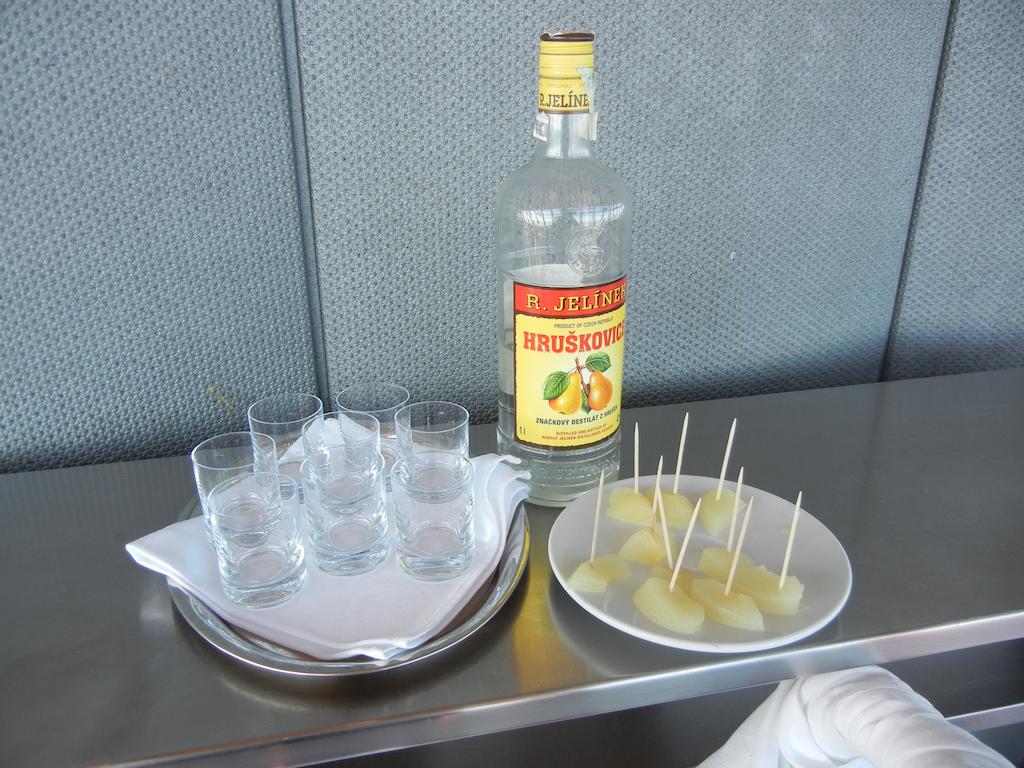
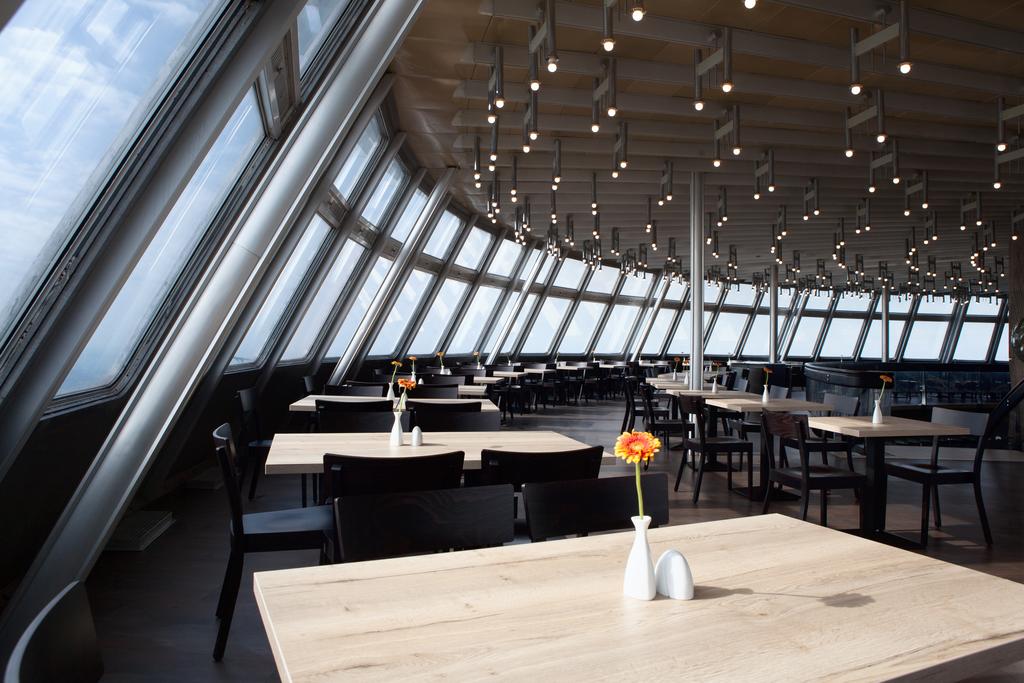
The restaurant occupies one of Ještěd’s broadest levels, where glazing wraps around the structure and turns dinner into a panoramic experience. The food remains rooted in Czech mountain hospitality rather than gastronomic theatre, which somehow feels right. Have something hearty, order a beer or glass of wine and watch the landscape disappear into the evening. Above you: broadcasting equipment. Below you: Bohemia. Around you: a piece of architectural history. There aren’t many dining rooms that can compete with that.
An Accidental National Icon
What began as an unusually ambitious solution to a practical brief has become part of Czech cultural identity. Ještěd was listed as a Czech cultural monument in 1998 and declared a national cultural monument in 2006. It has also been placed on the country’s tentative list for UNESCO World Heritage status and was named the Most Important Czech Building of the 20th Century in 2000. Its silhouette has become inseparable from Liberec itself, appearing on regional symbols and local identities. Few hotels become landmarks. Fewer still become symbols of an entire region.
Worth the Pilgrimage
Hotel Ještěd isn’t a polished design hotel borrowing a little mid-century styling because somebody decided brown furniture was fashionable again. It’s the real thing. Architecture, engineering, furniture, art and landscape were conceived as parts of the same radical idea. More than half a century later, that idea remains astonishingly powerful. Come for Hubáček. Stay for Binar. Look for Libenský and Brychtová’s glass meteorites. Have dinner inside a television tower. Wake above the clouds. There may be more luxurious hotels in Czechia. There are very few places anywhere quite like Ještěd.