Jnane Rumi, Marrakech
An Artistic Sanctuary Hidden Among the Palms of the Palmeraie
Why DNA Hotels Loves It
● A beautifully restored Charles Boccara villa transformed into an intimate house hotel where Moroccan craftsmanship, contemporary art, and architecture exist in perfect harmony.
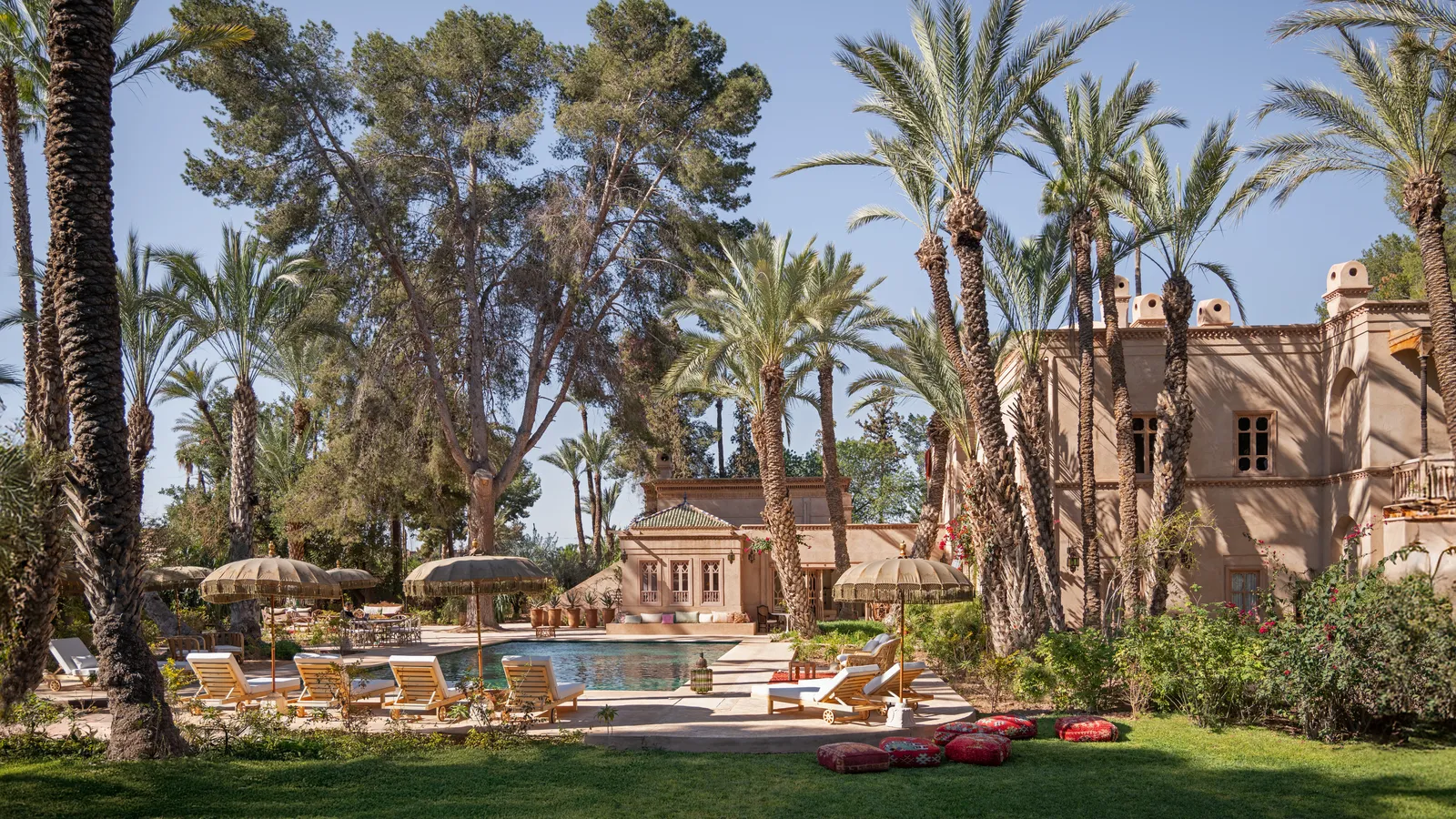
● Just 11 individually designed suites surrounded by century-old palm trees, olive groves, secluded gardens, and one of Marrakech’s most serene settings.
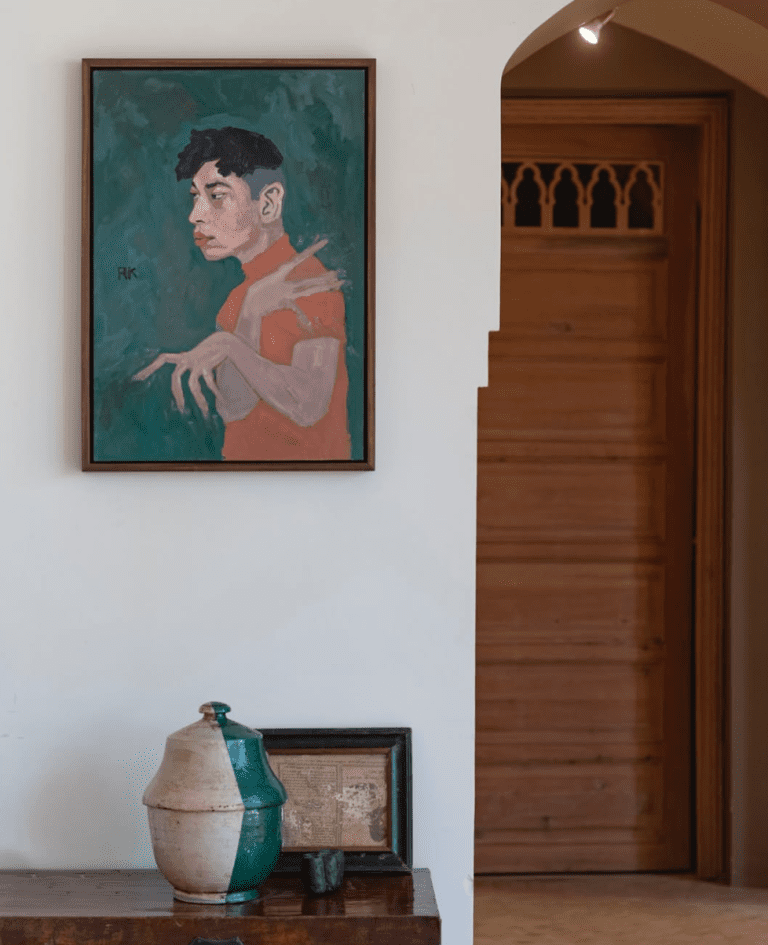
● A hotel where art is not decoration but part of everyday life, curated by Moroccan artist Samy Snoussi and woven throughout every room and garden.
A House Built Around Inspiration
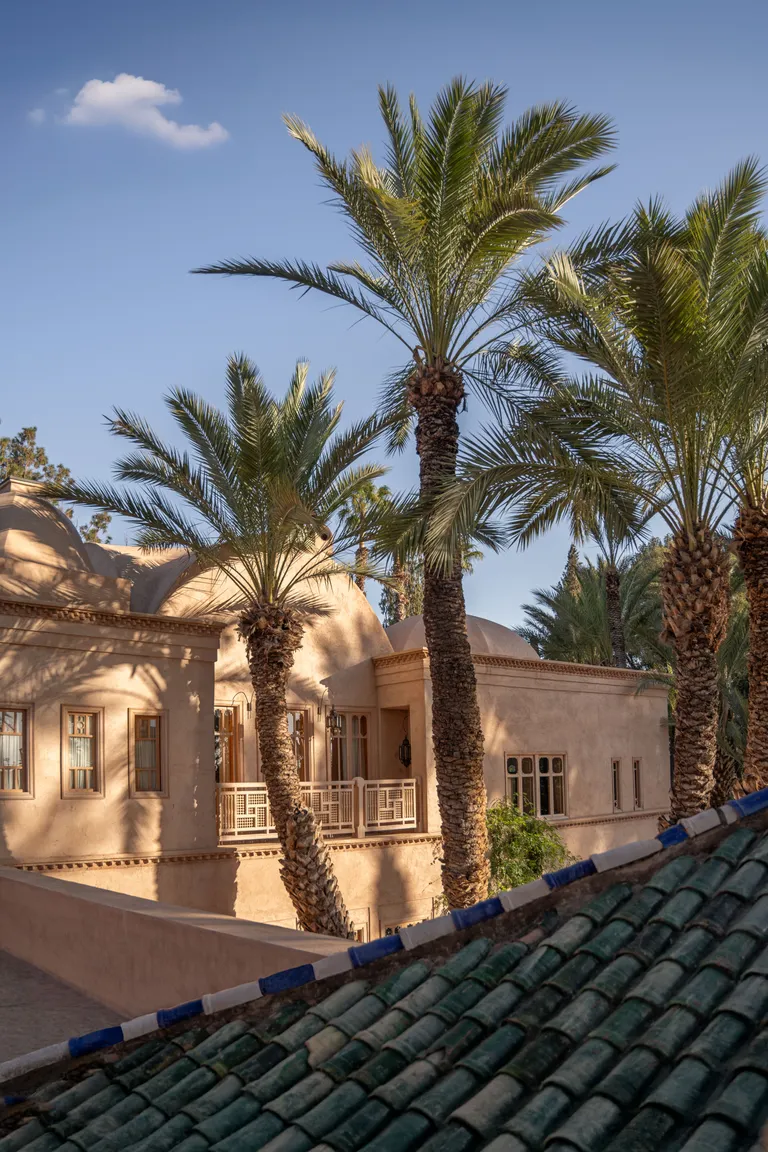
Some hotels are designed to impress. Jnane Rumi was created to inspire. Hidden within Marrakech’s prestigious Palmeraie, this intimate 11-suite retreat occupies a remarkable mid-century villa originally designed by celebrated Tunisian architect Charles Boccara. Rather than becoming another luxurious hideaway, the estate has evolved into something far more personal—a cultural residence where architecture, gardens, art, food, and conversation unfold naturally together. Opened in 2025 after a meticulous seven-year restoration, Jnane Rumi feels less like checking into a hotel than being welcomed into an extraordinary private home.
A Restoration Guided by Respect
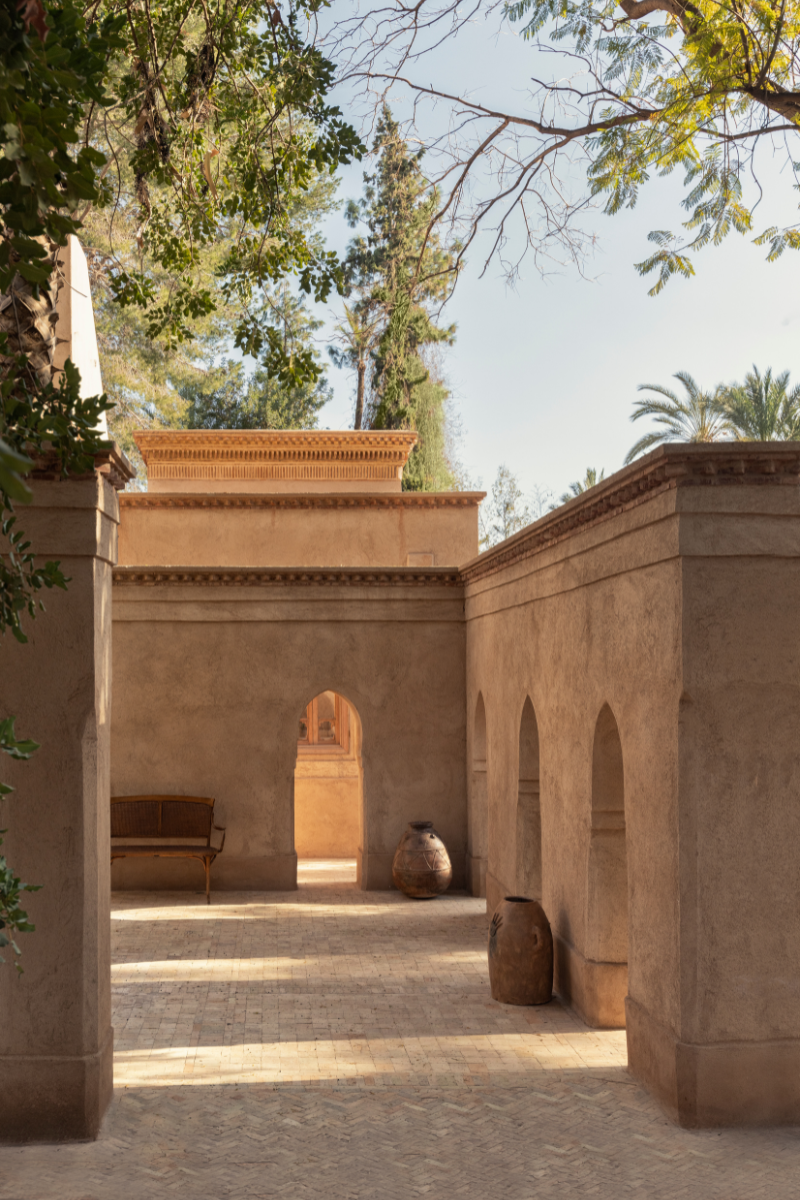
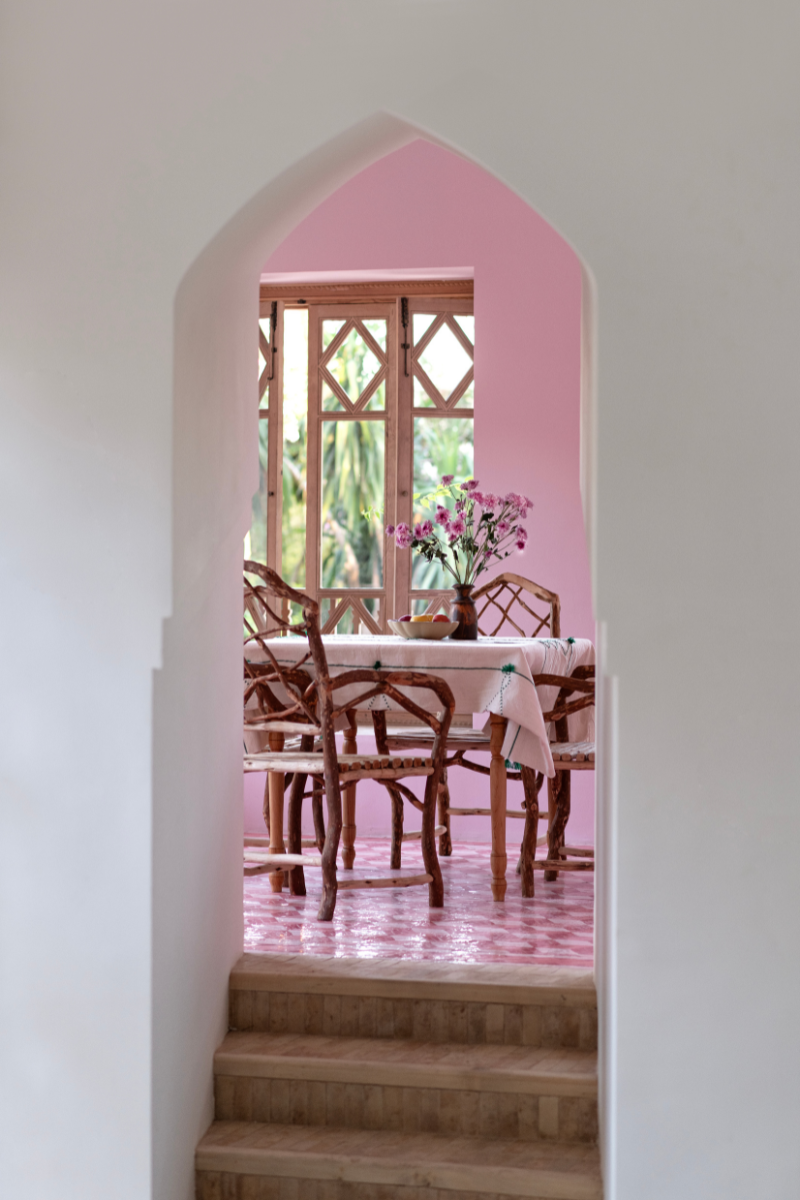
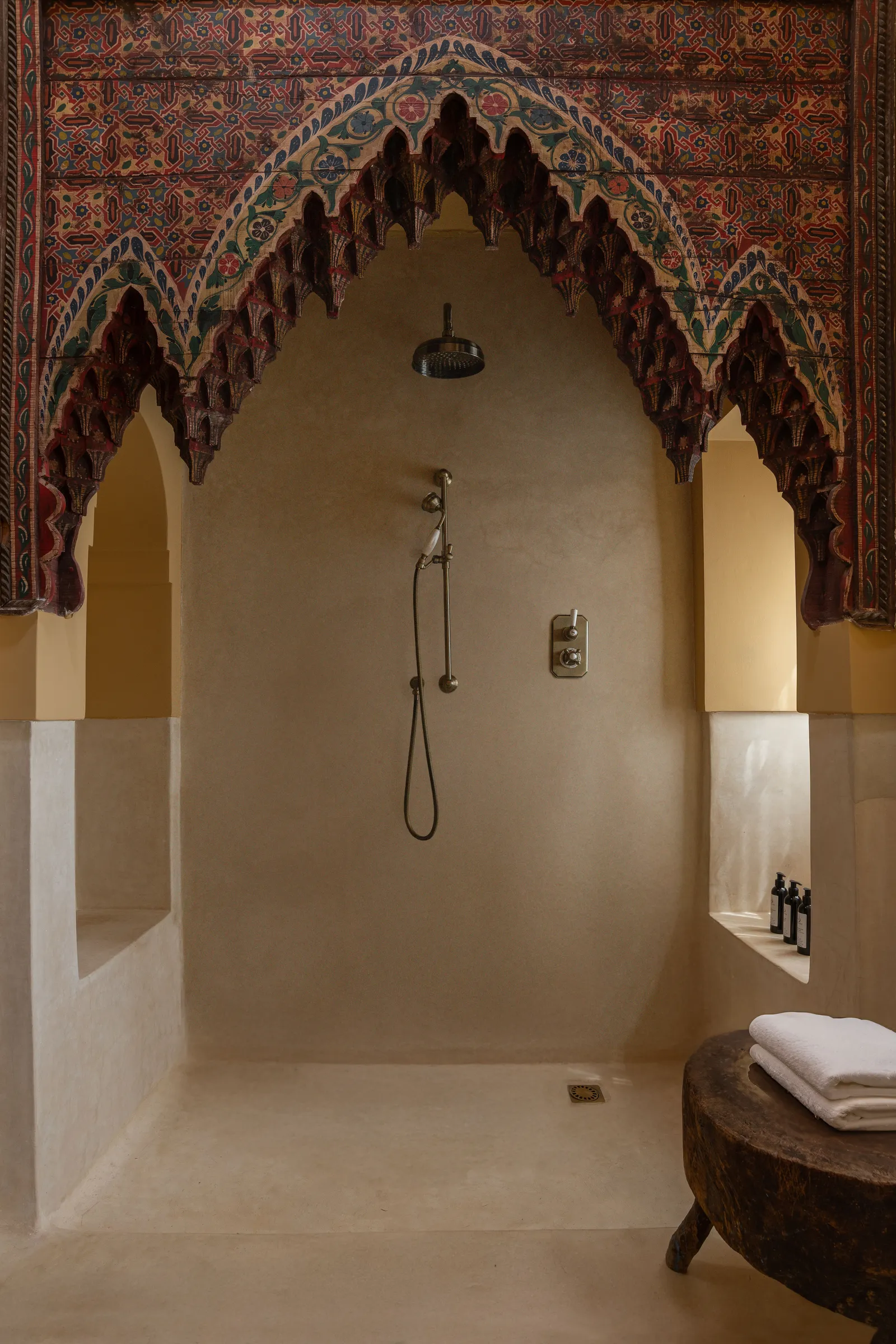
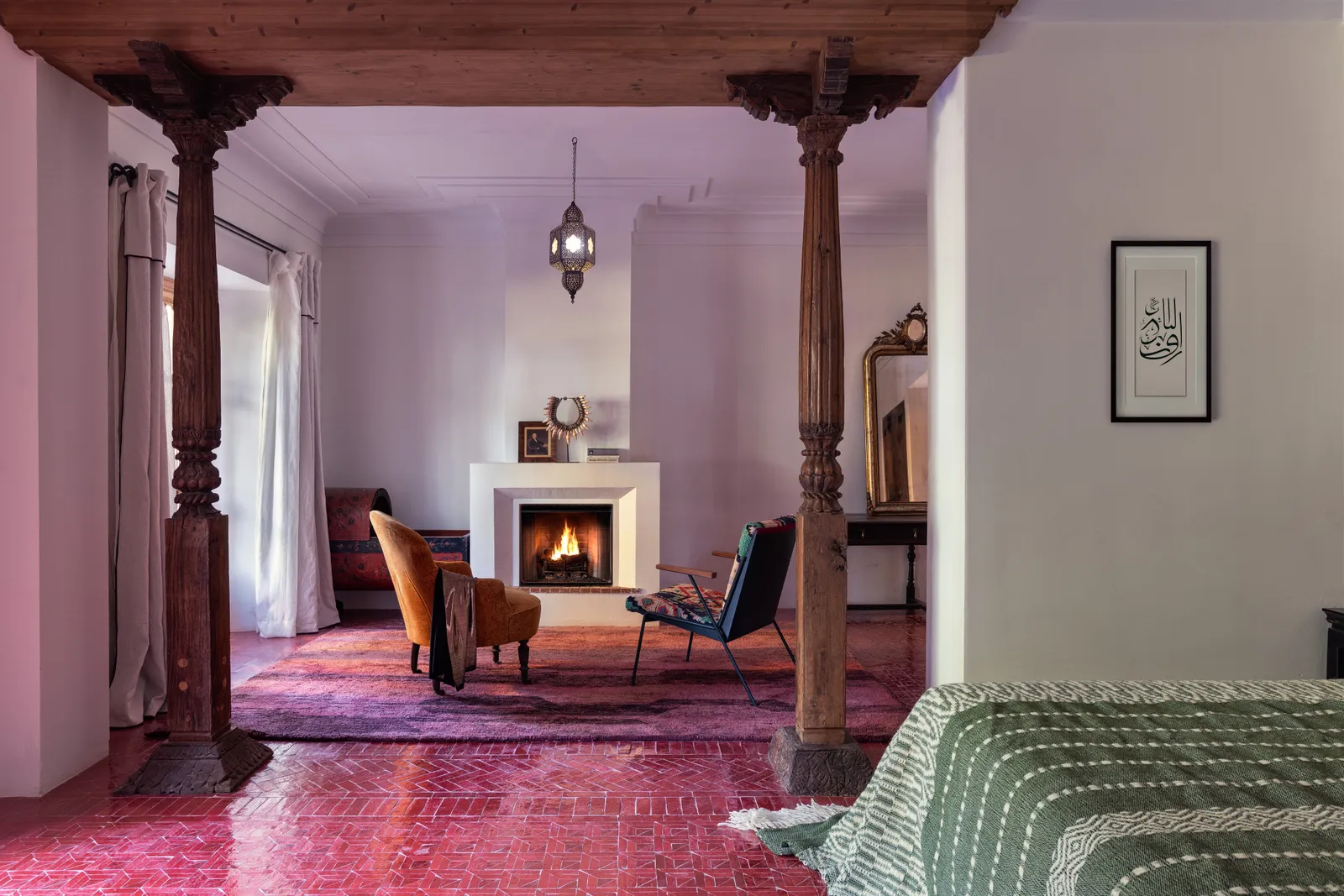
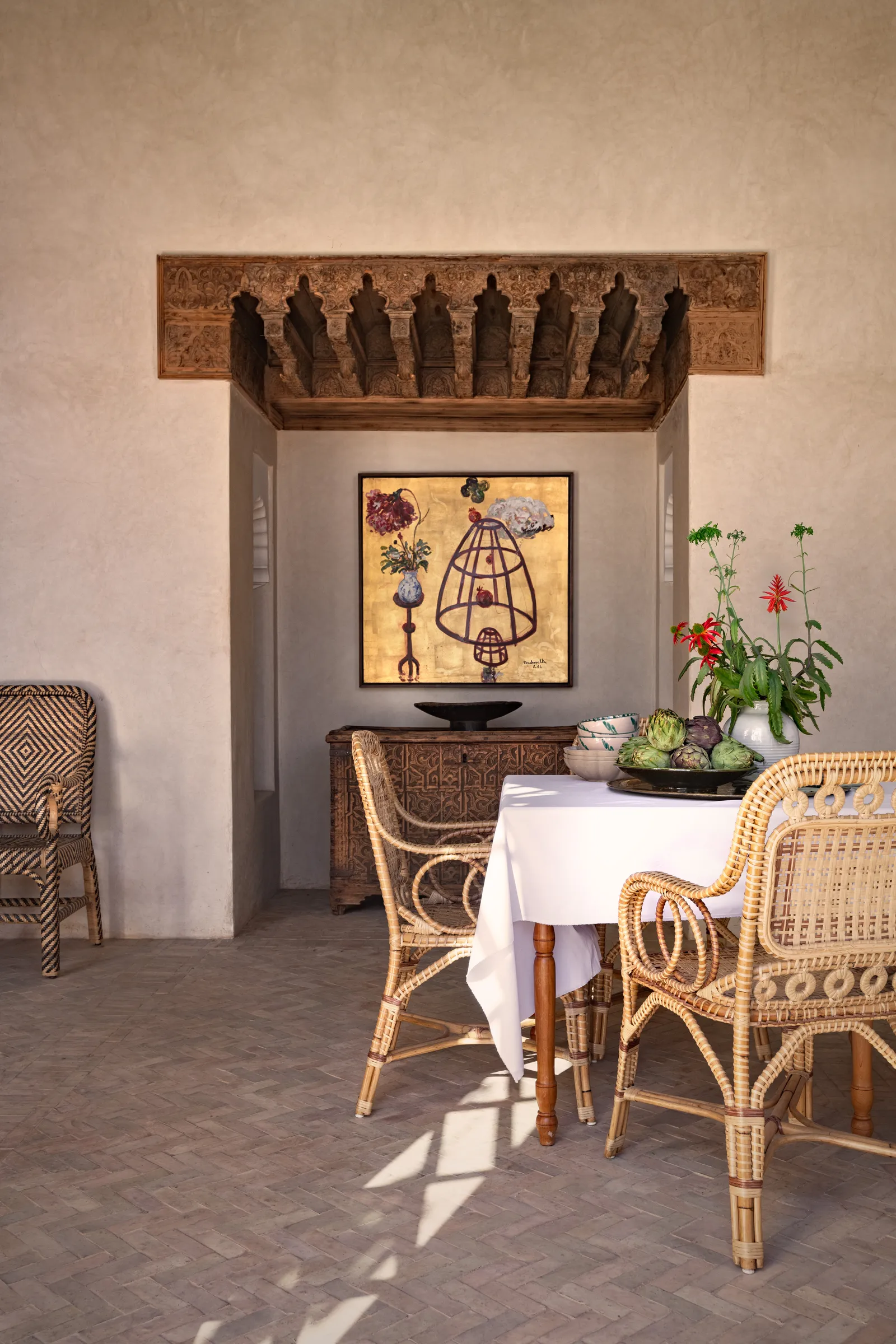
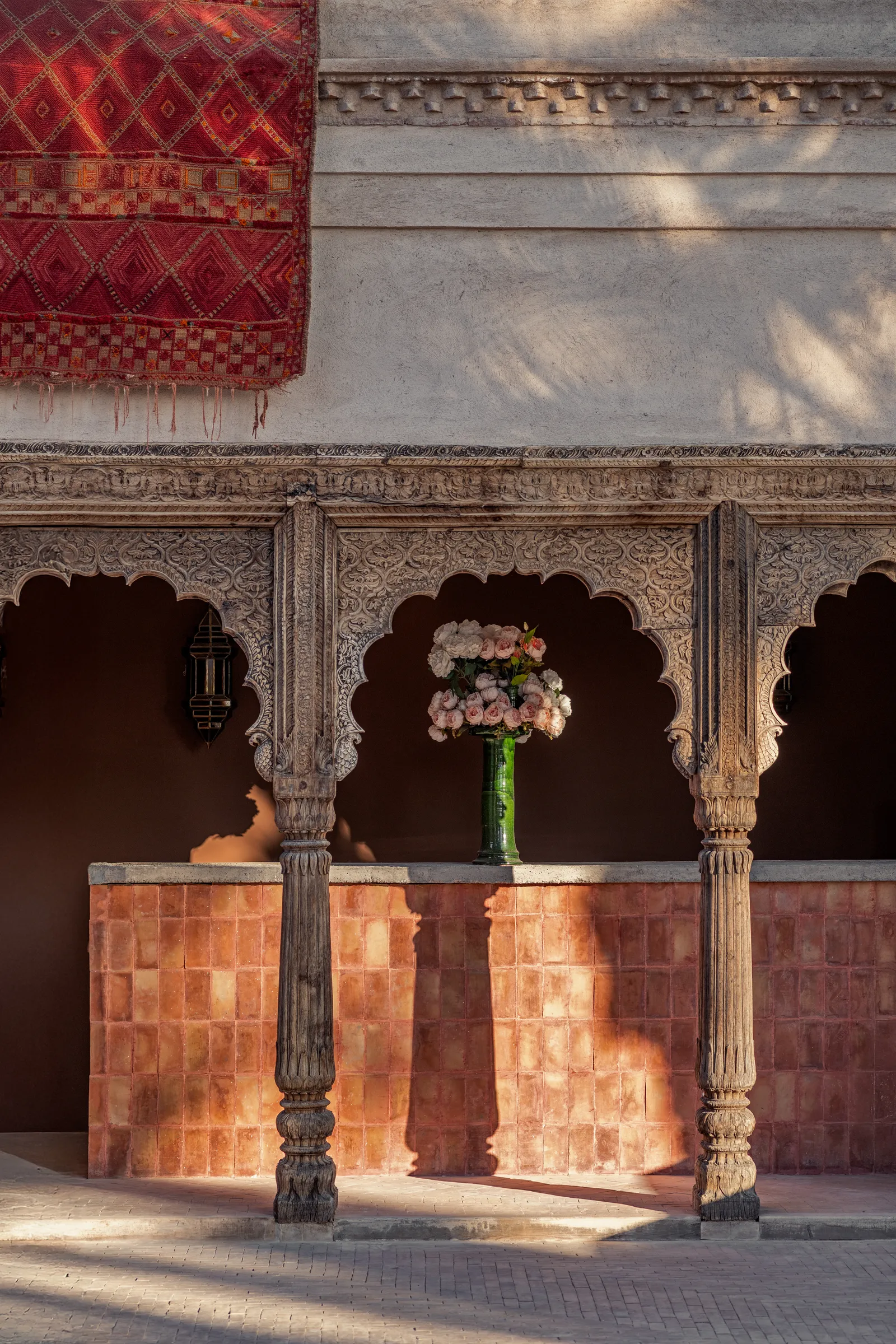
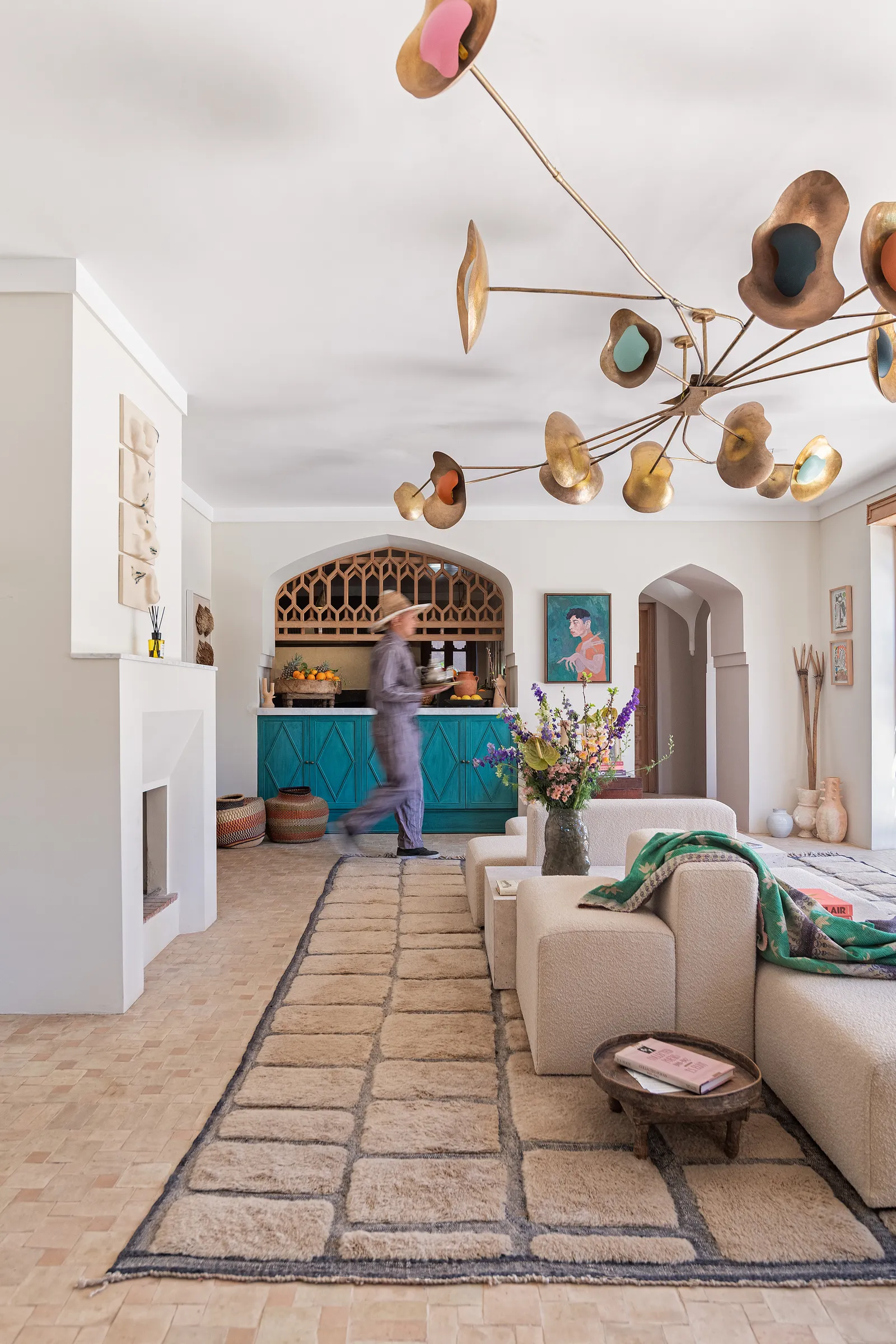
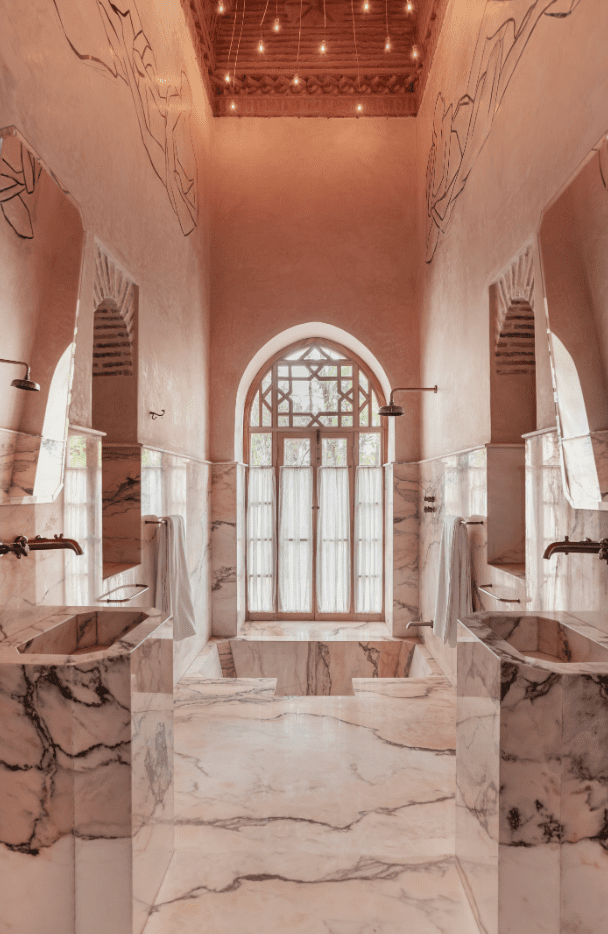
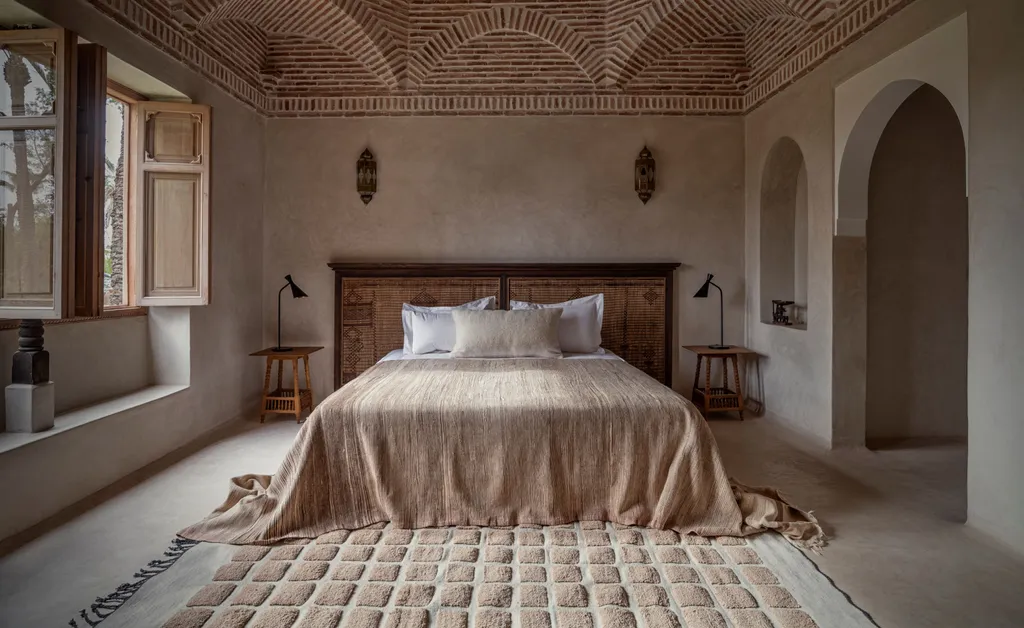
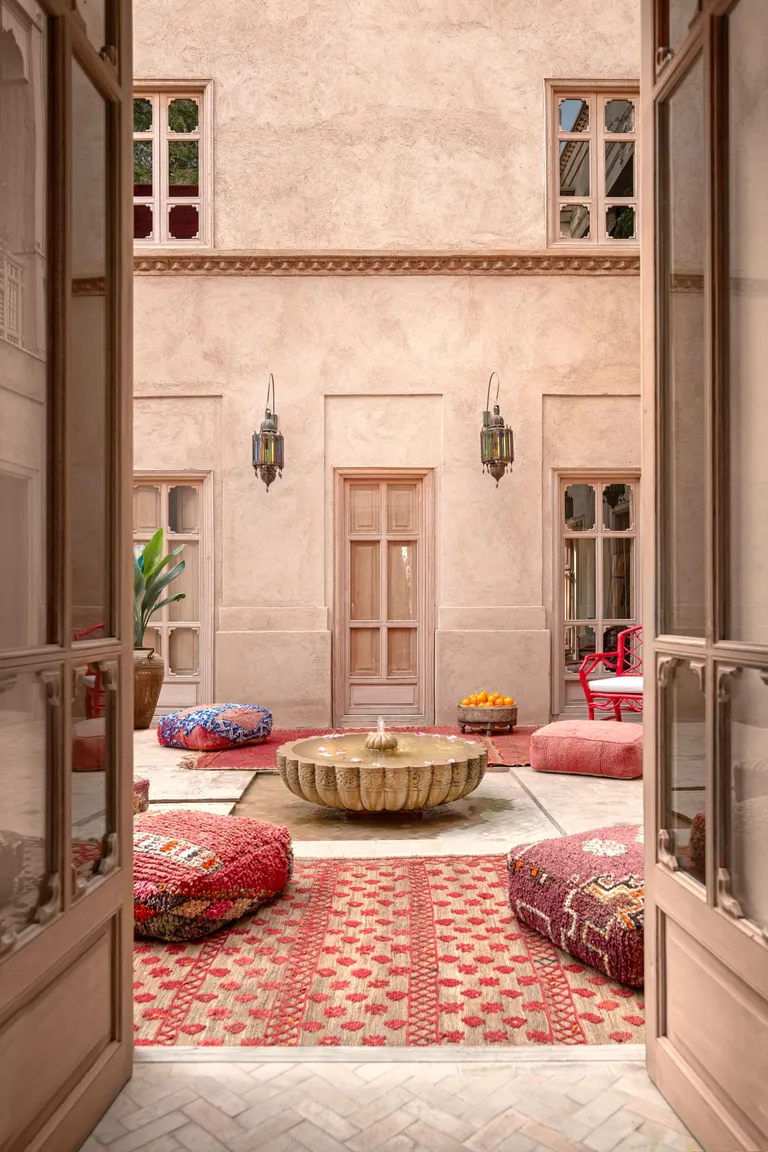
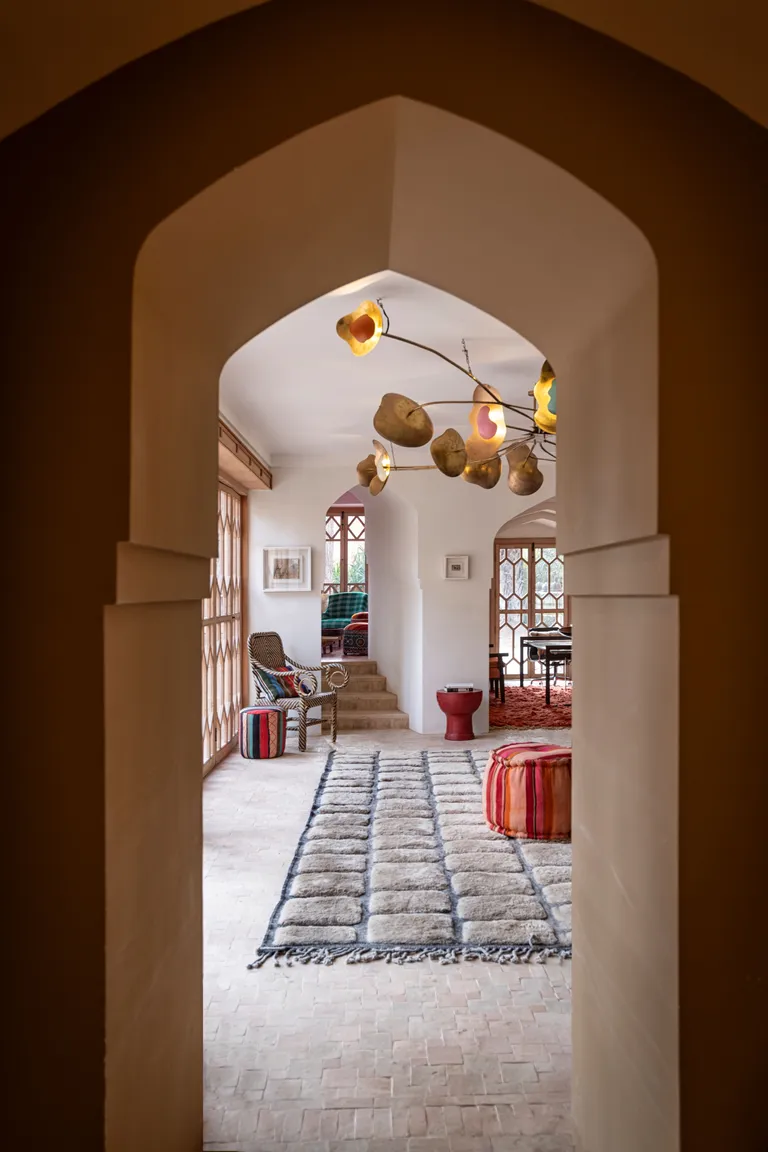
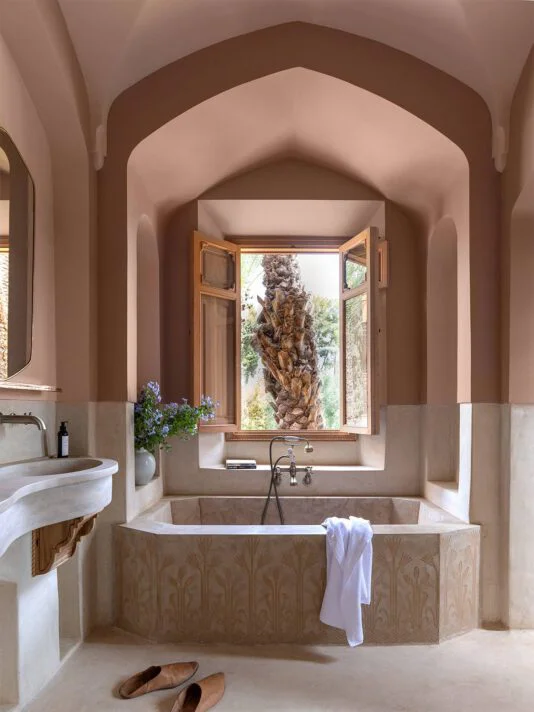
The transformation carefully preserves the spirit of Boccara’s original architecture. Working alongside architect Nicolas Bodé—one of Boccara’s former protégés—Dutch owner Gert-Jan van den Bergh, Belgian artist Jacques van Nieuwerburgh, and Moroccan-Dutch designer Mina Abouzahra expanded and refreshed the property without disturbing its original proportions or character. Historic archways, handcrafted timber, traditional plasterwork, and Moroccan craftsmanship remain central to the experience, while carefully selected furniture, ceramics, textiles, and lighting introduce a contemporary layer that feels elegant rather than imposed. The result is timeless. Neither traditional nor modern. Simply deeply Moroccan.
Gardens That Set the Rhythm
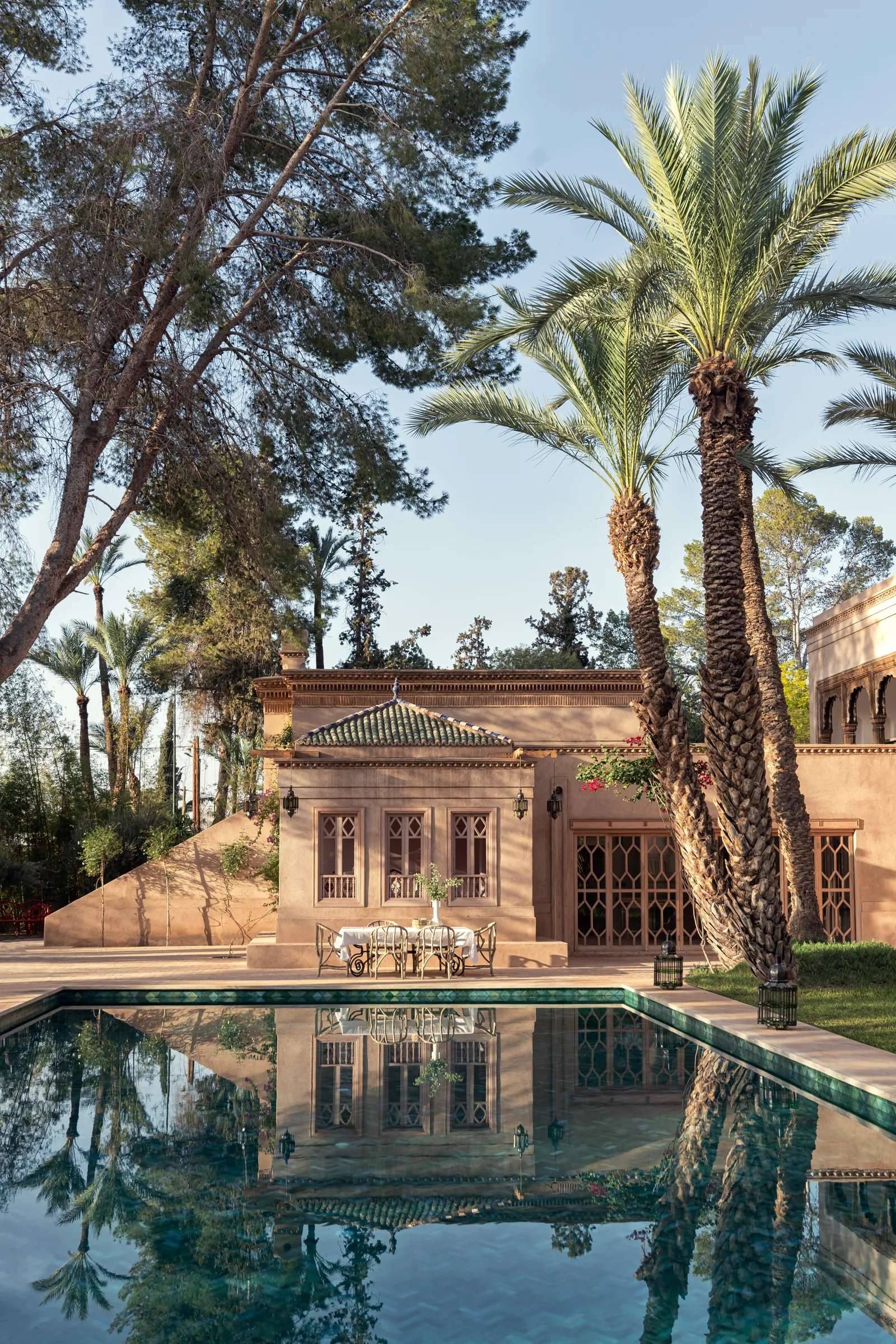
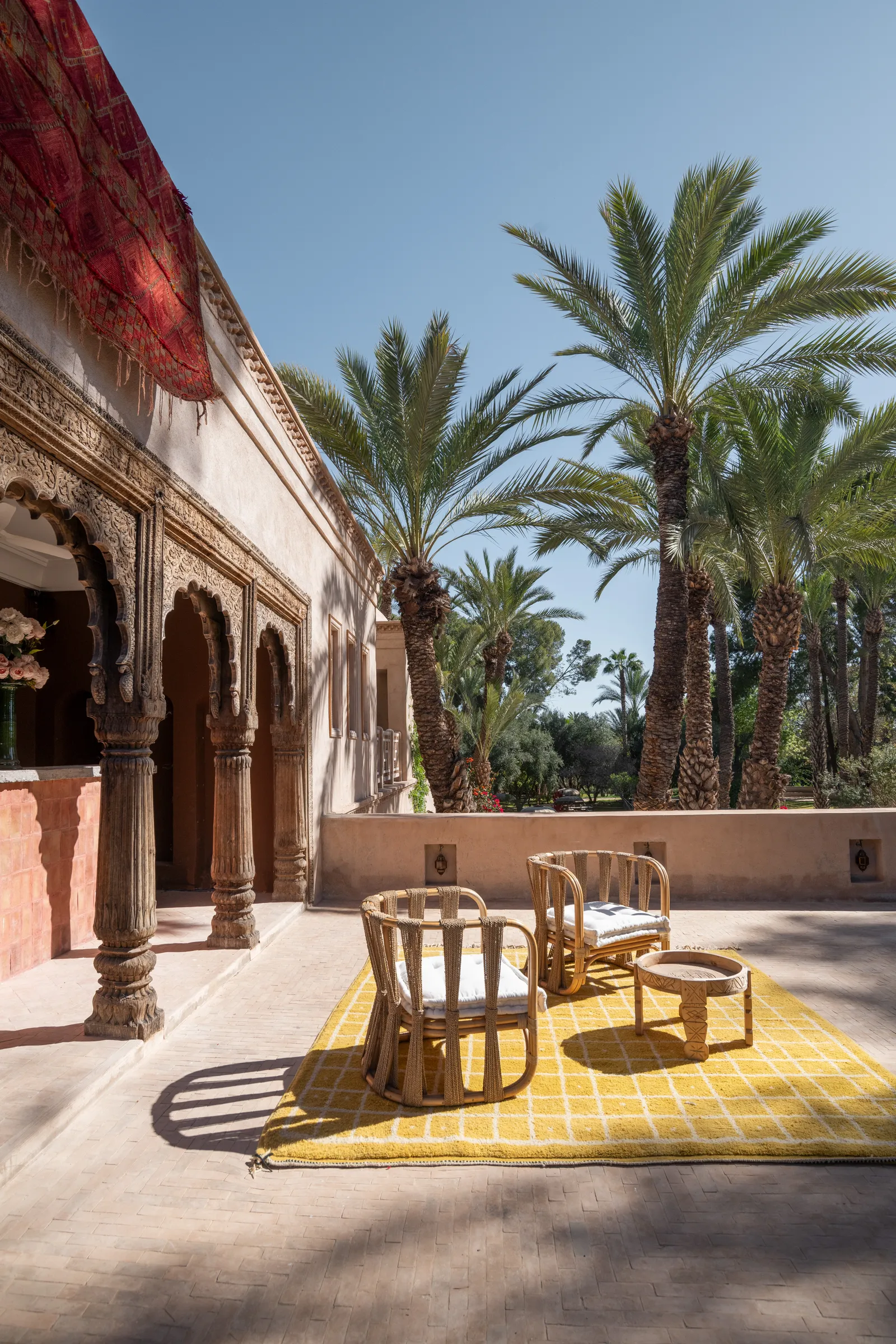
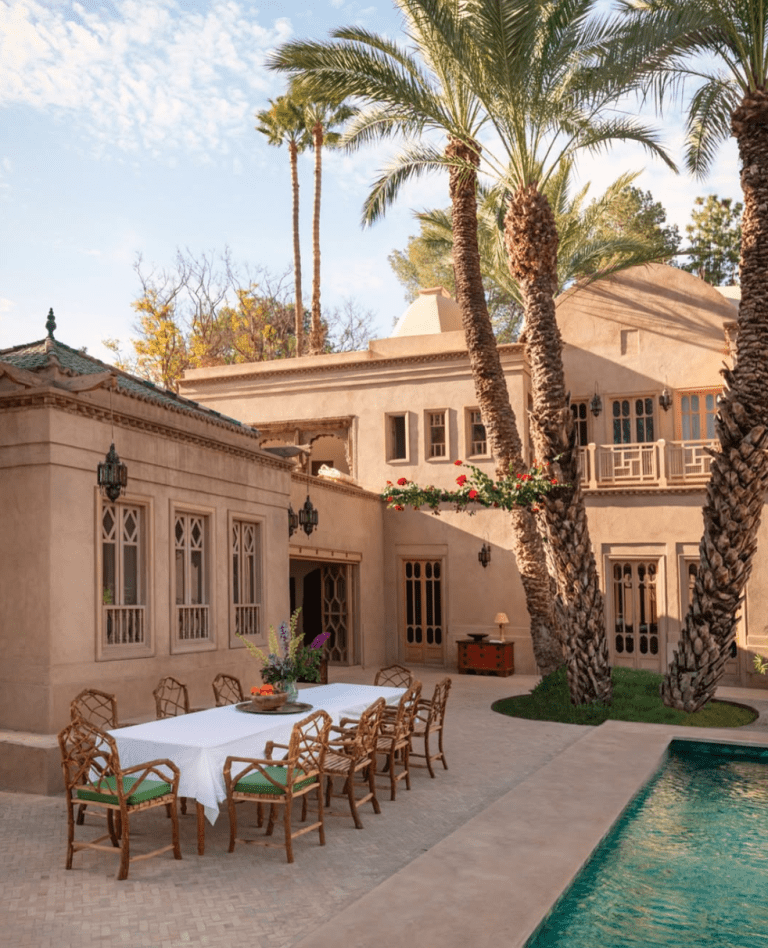
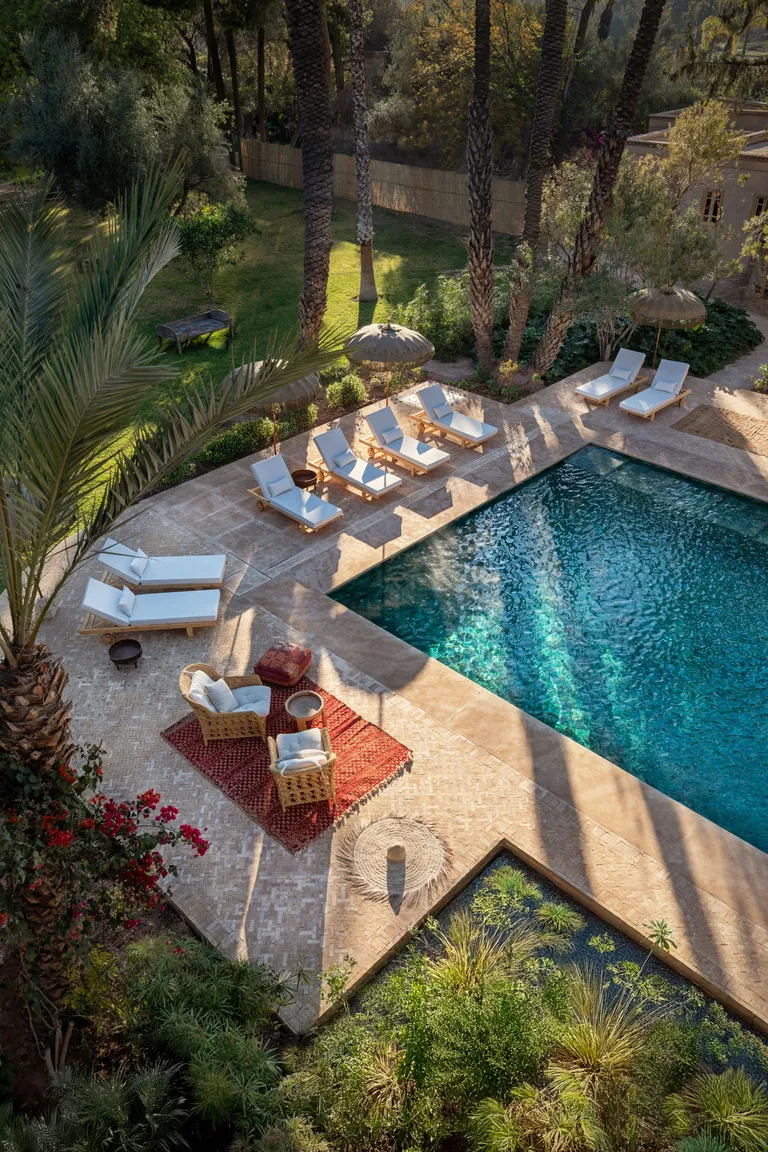
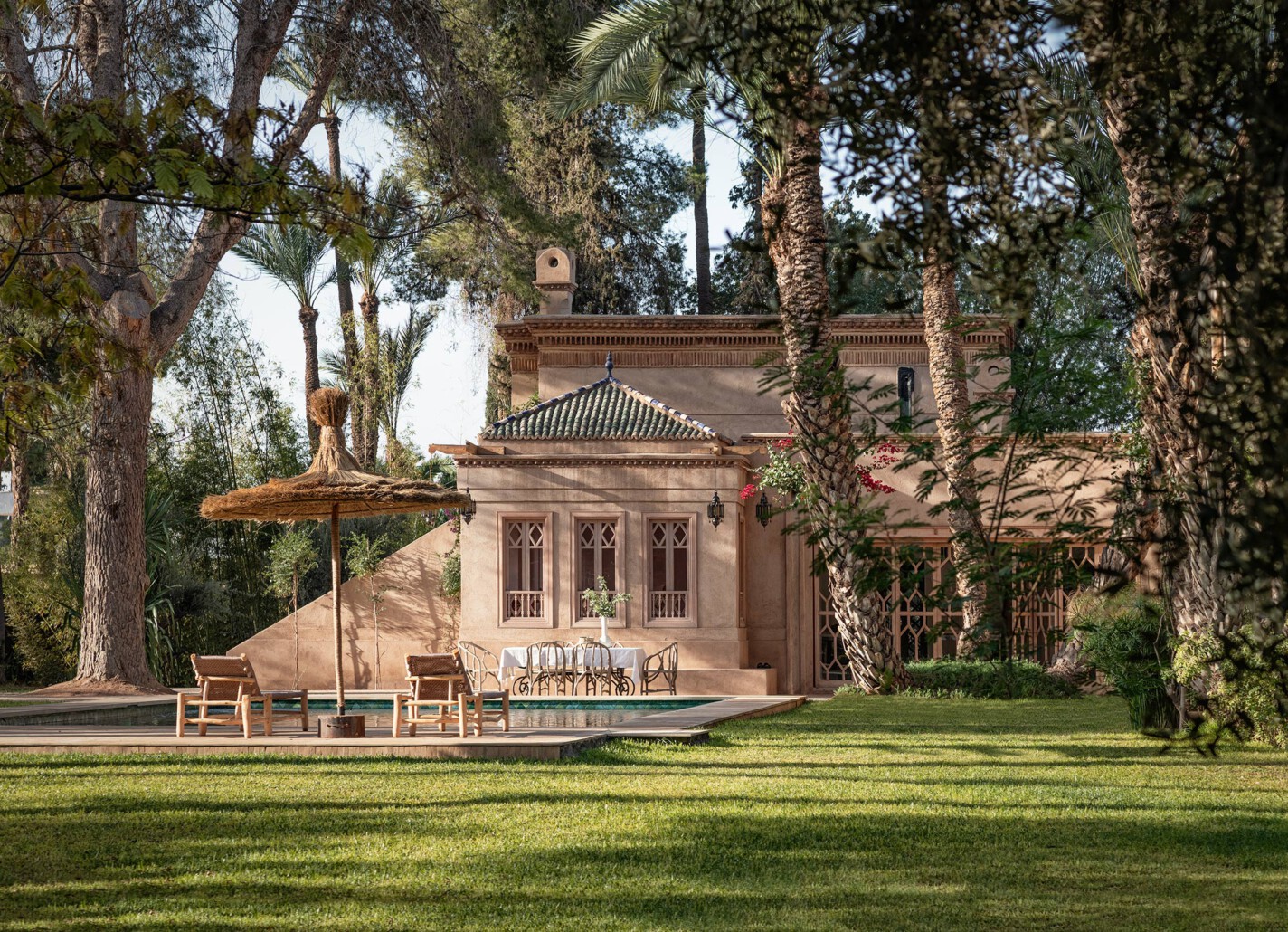
Nature shapes every moment here. The estate unfolds across mature gardens shaded by century-old palm trees, olive trees, pistachios, flowering bougainvillea, and quiet courtyards where birdsong replaces the sounds of the city. A striking green-tiled swimming pool forms the centre of the landscape, surrounded by elegant pavilions, shaded terraces, and peaceful corners designed for reading, conversation, or complete solitude. The Rumi Bar overlooks the gardens, while the library and tea room offer quieter spaces to retreat throughout the day. Even Zwina, the estate’s rescued donkey, quietly reminds guests that life moves differently here.
Where Art Lives
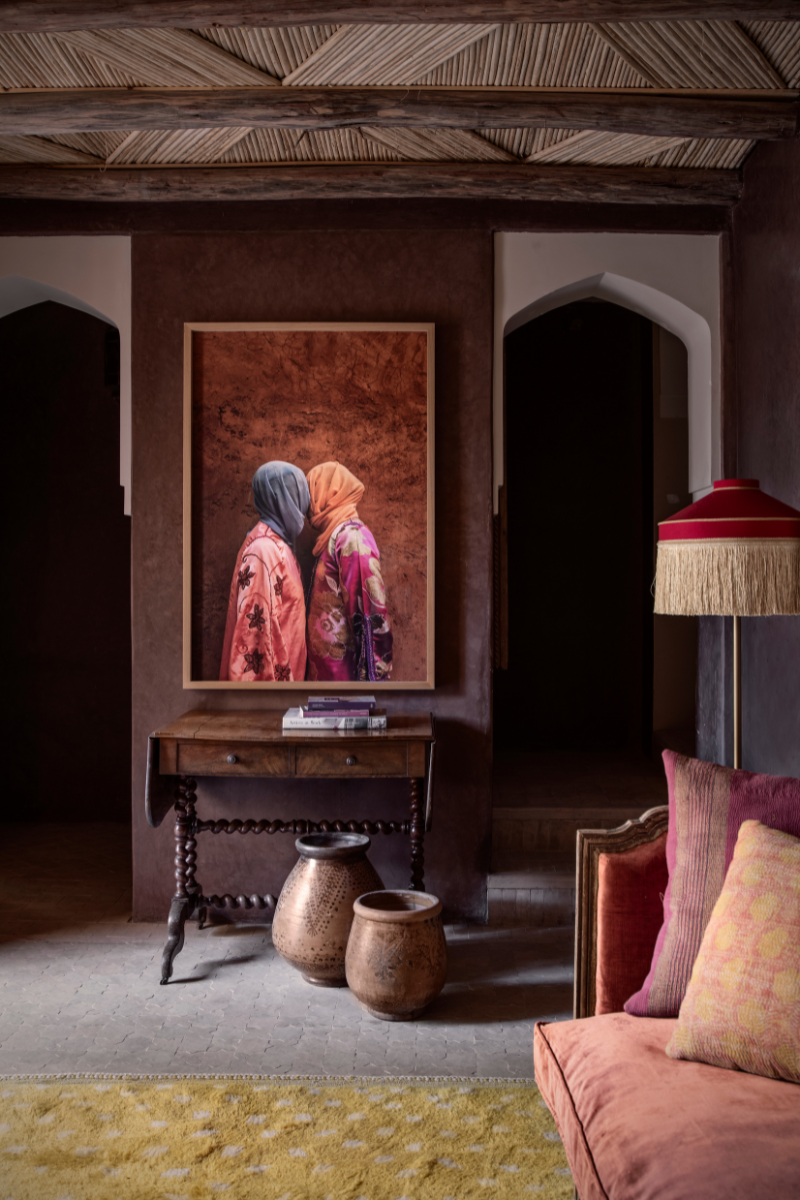
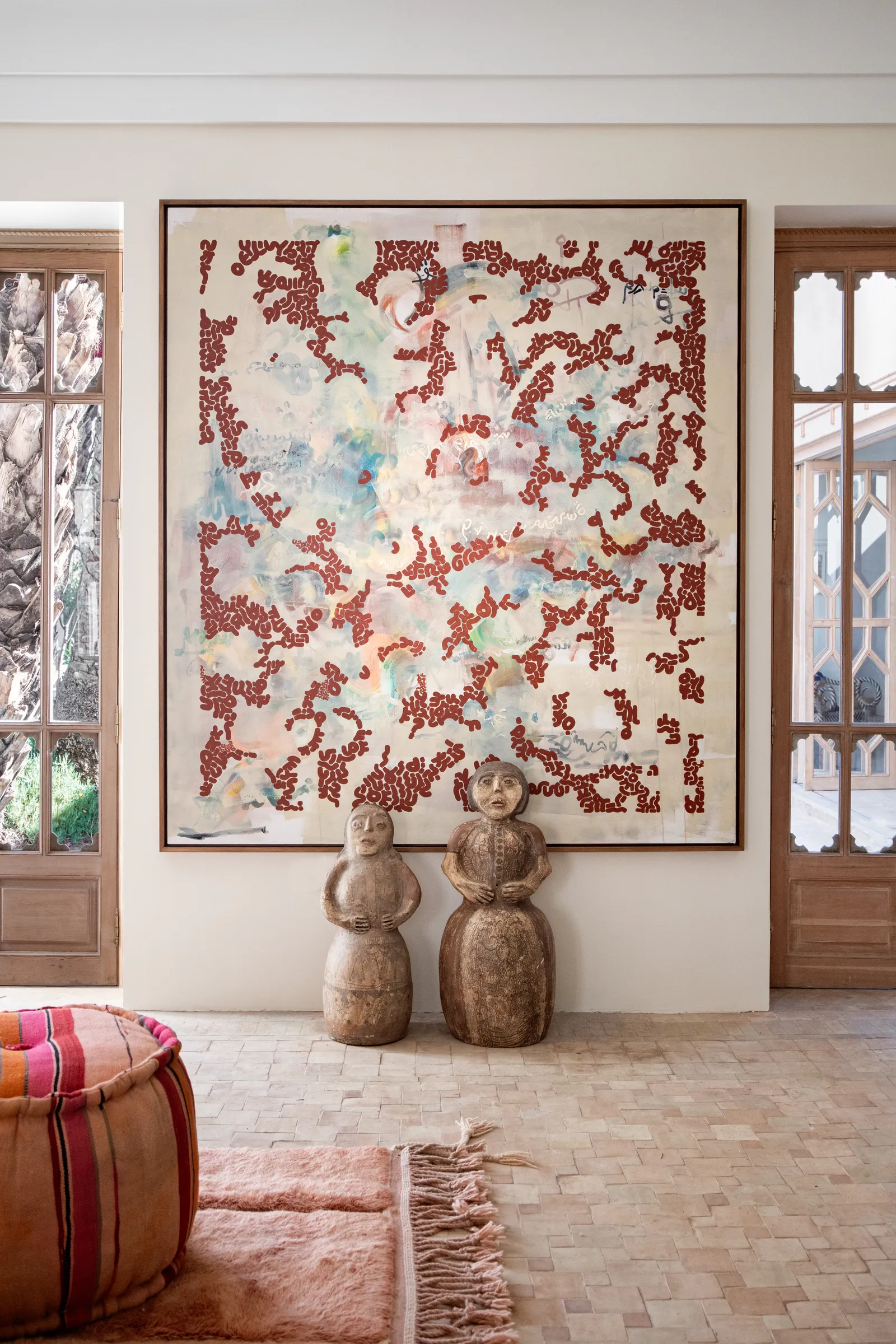
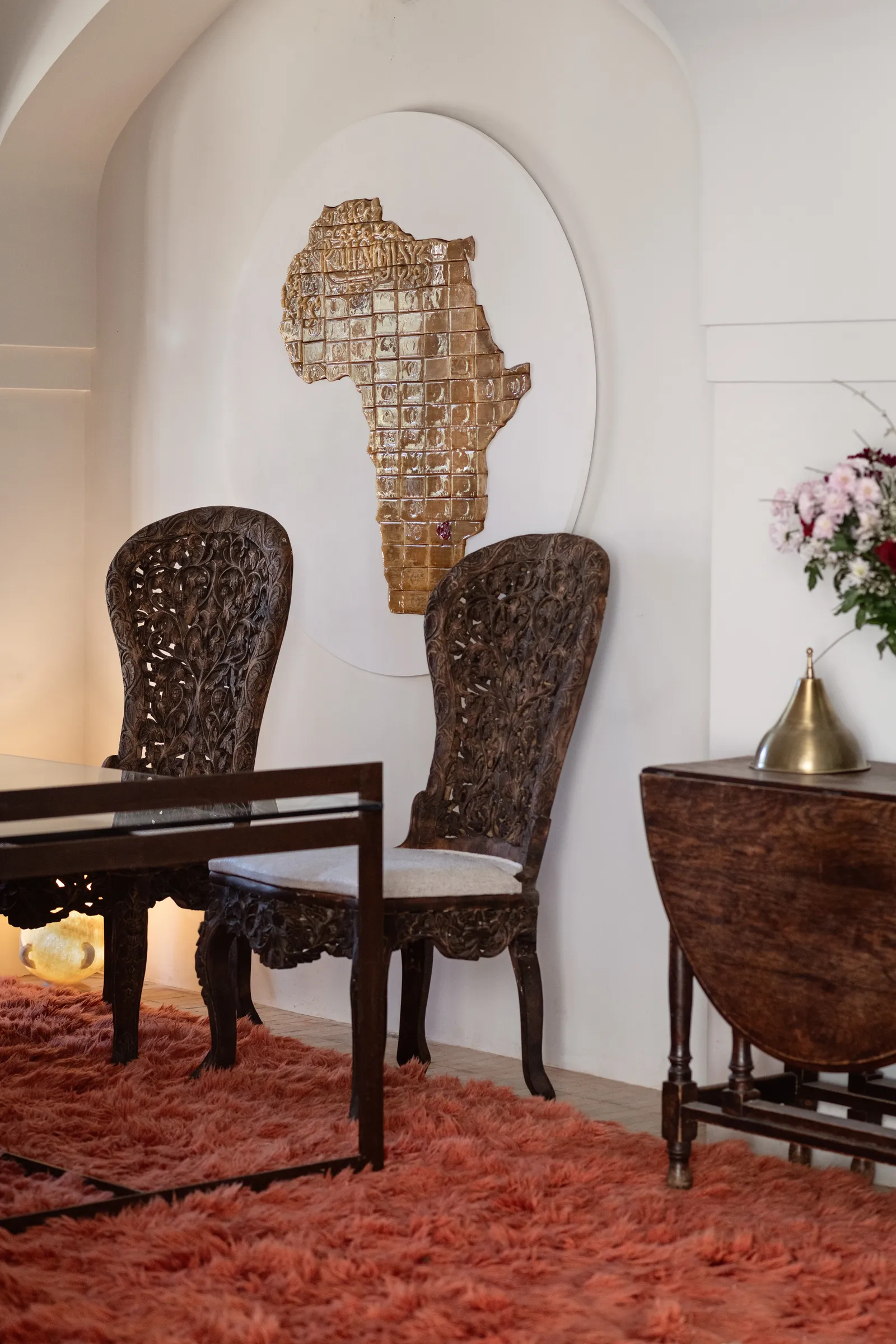
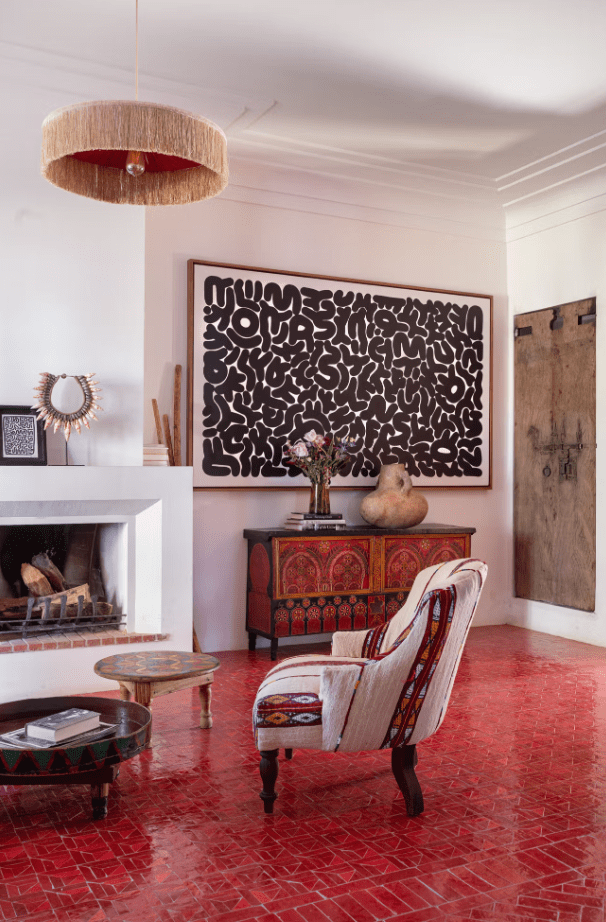
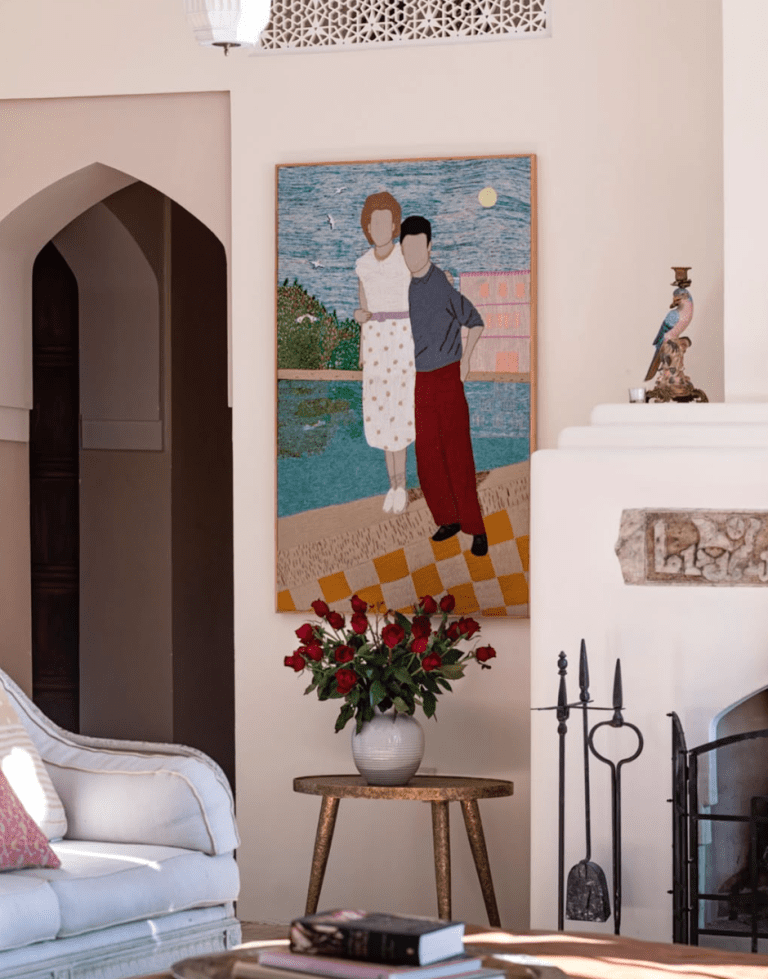
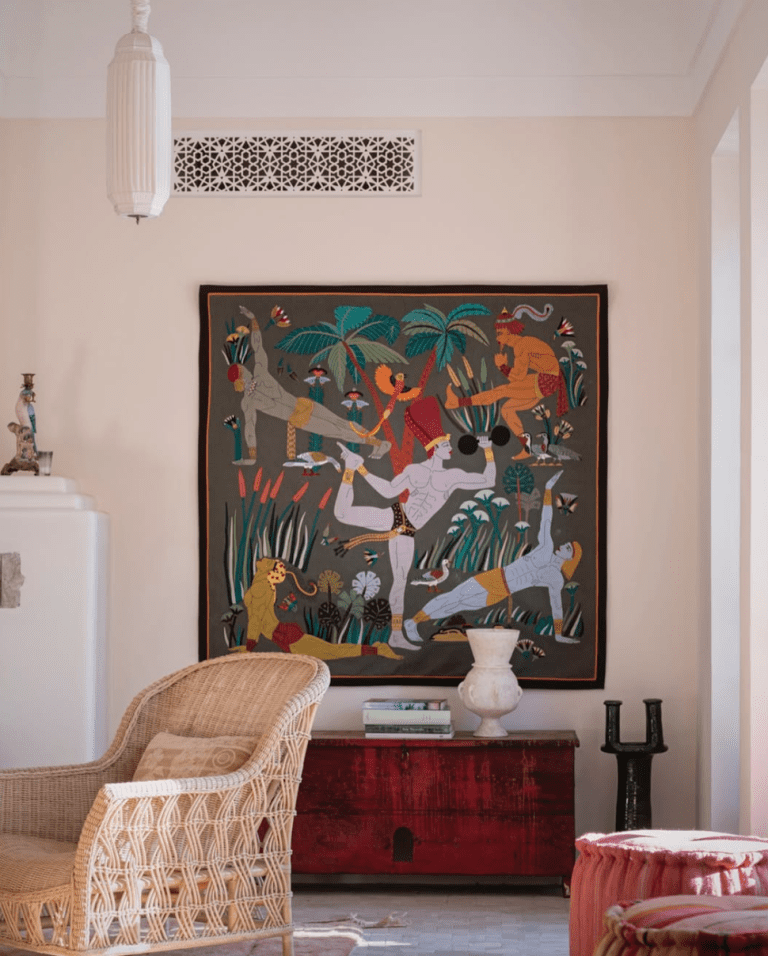
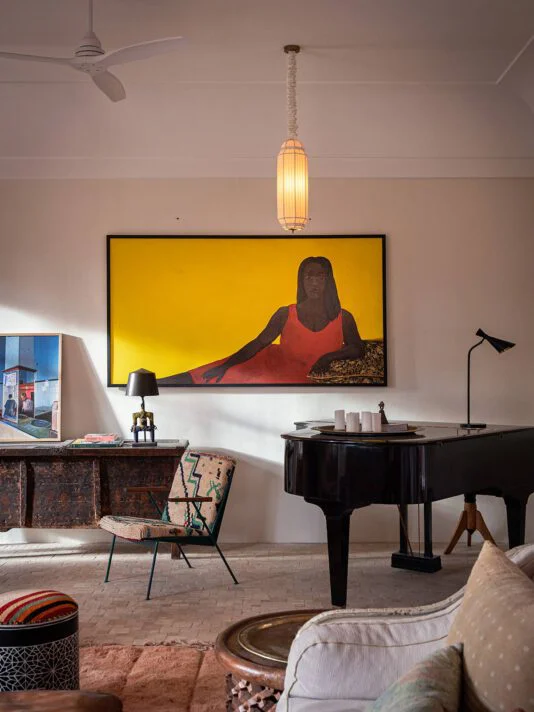
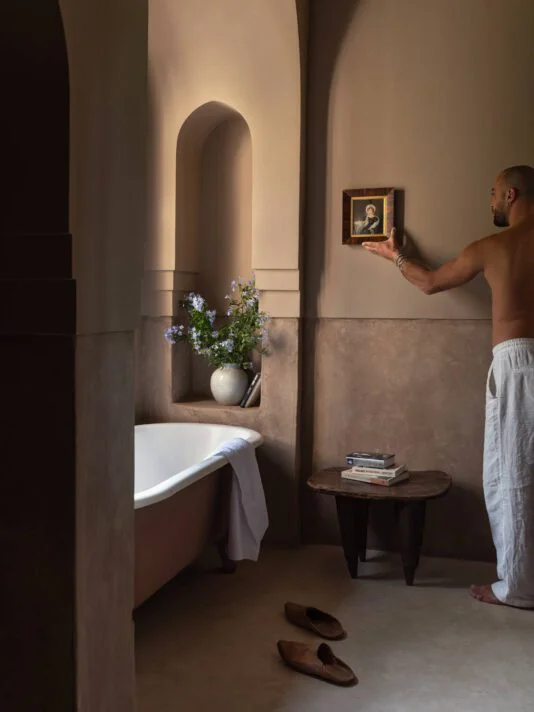
Art isn’t displayed at Jnane Rumi. It lives here. Curated by Moroccan artist Samy Snoussi, the collection brings together works by leading contemporary artists from Morocco, North Africa, and Europe. Murals, frescoes, sculptures, textiles, paintings, and site-specific installations by creatives including Mous Lamrabat, Louis Barthélemy, Roberto Ruspoli, Margaux Derhy, and Snoussi himself are integrated throughout the villa. Every room, corridor, and lounge feels like part of an evolving gallery rather than a finished interior.
Eleven Completely Individual Suites
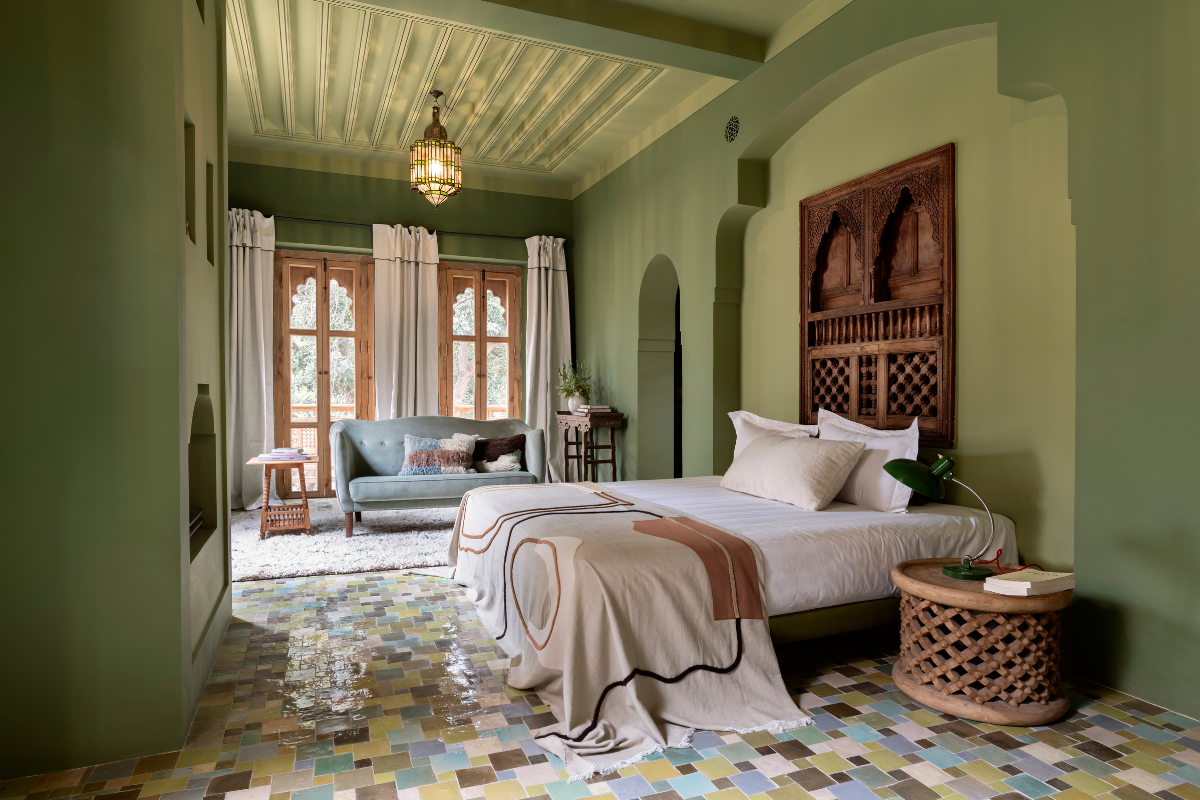
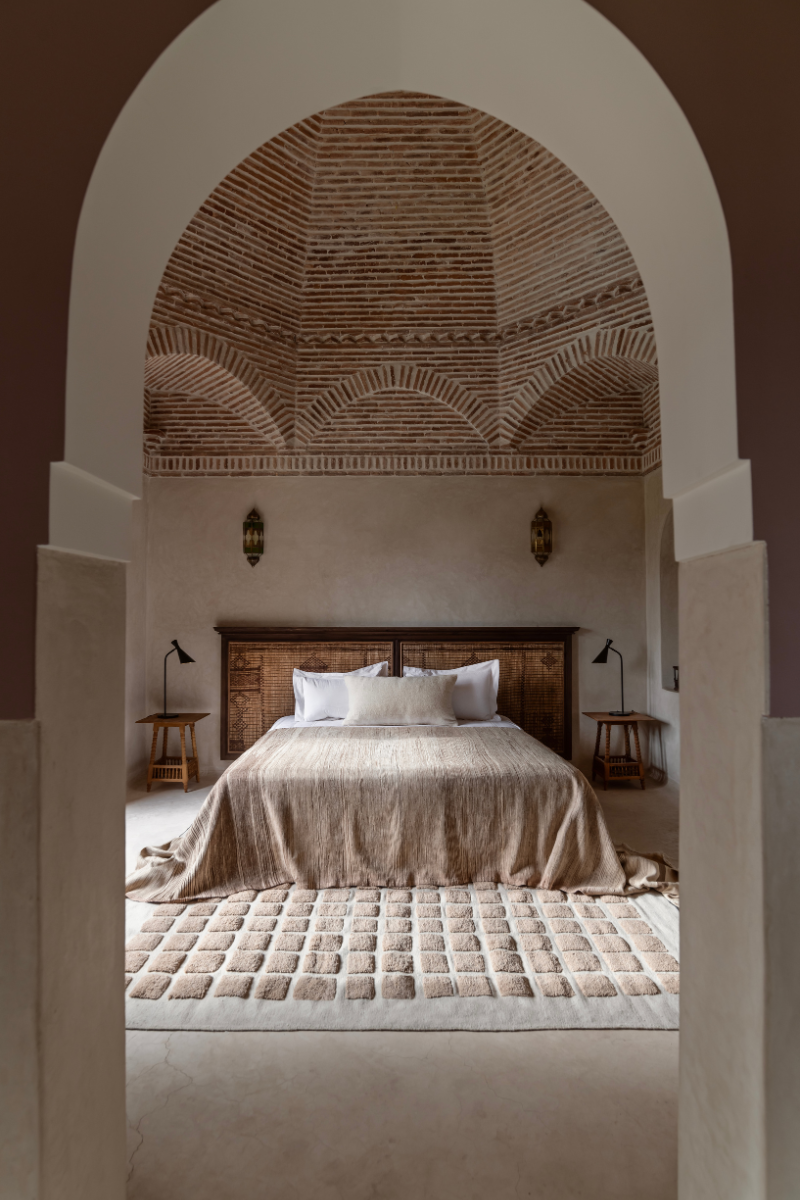
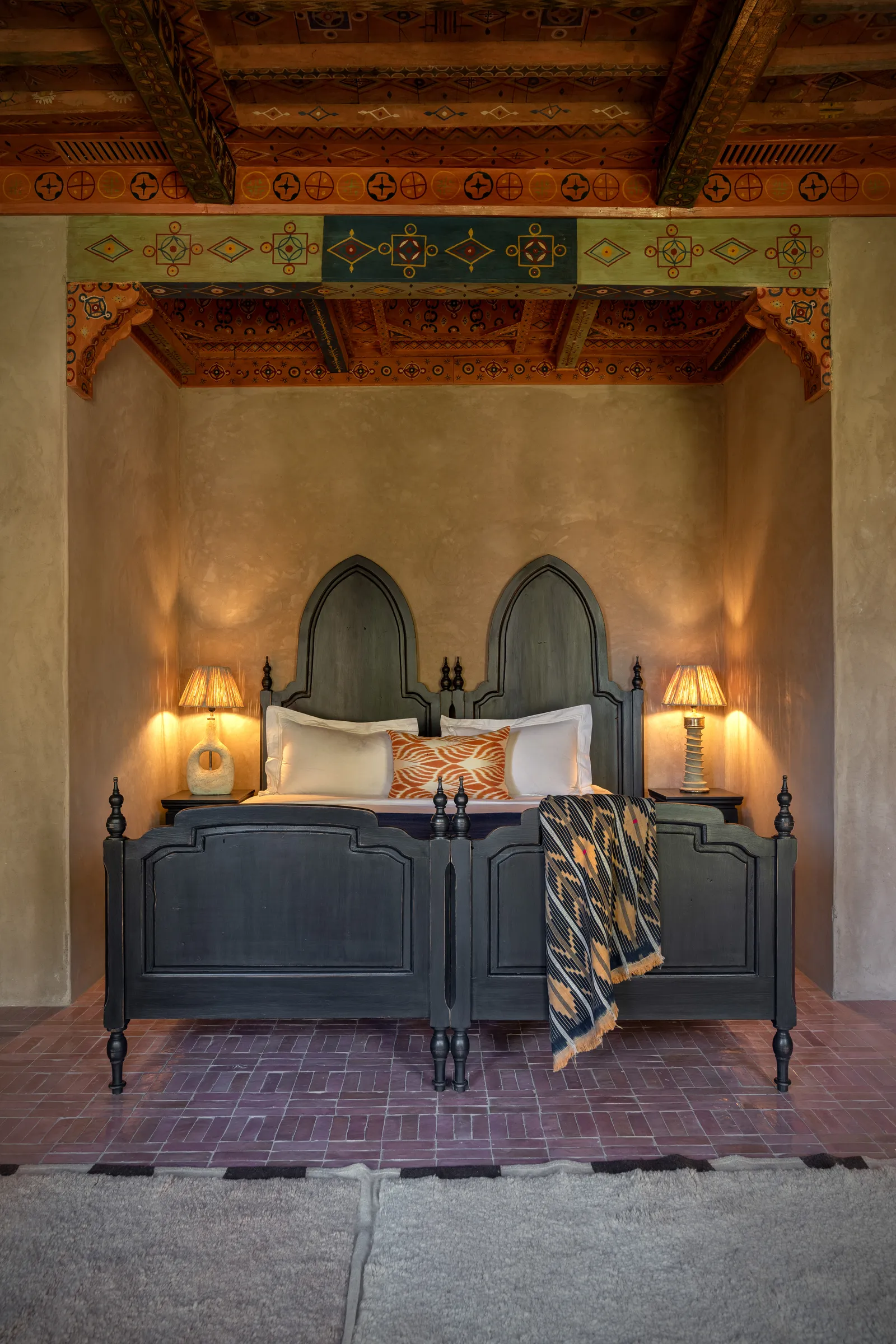
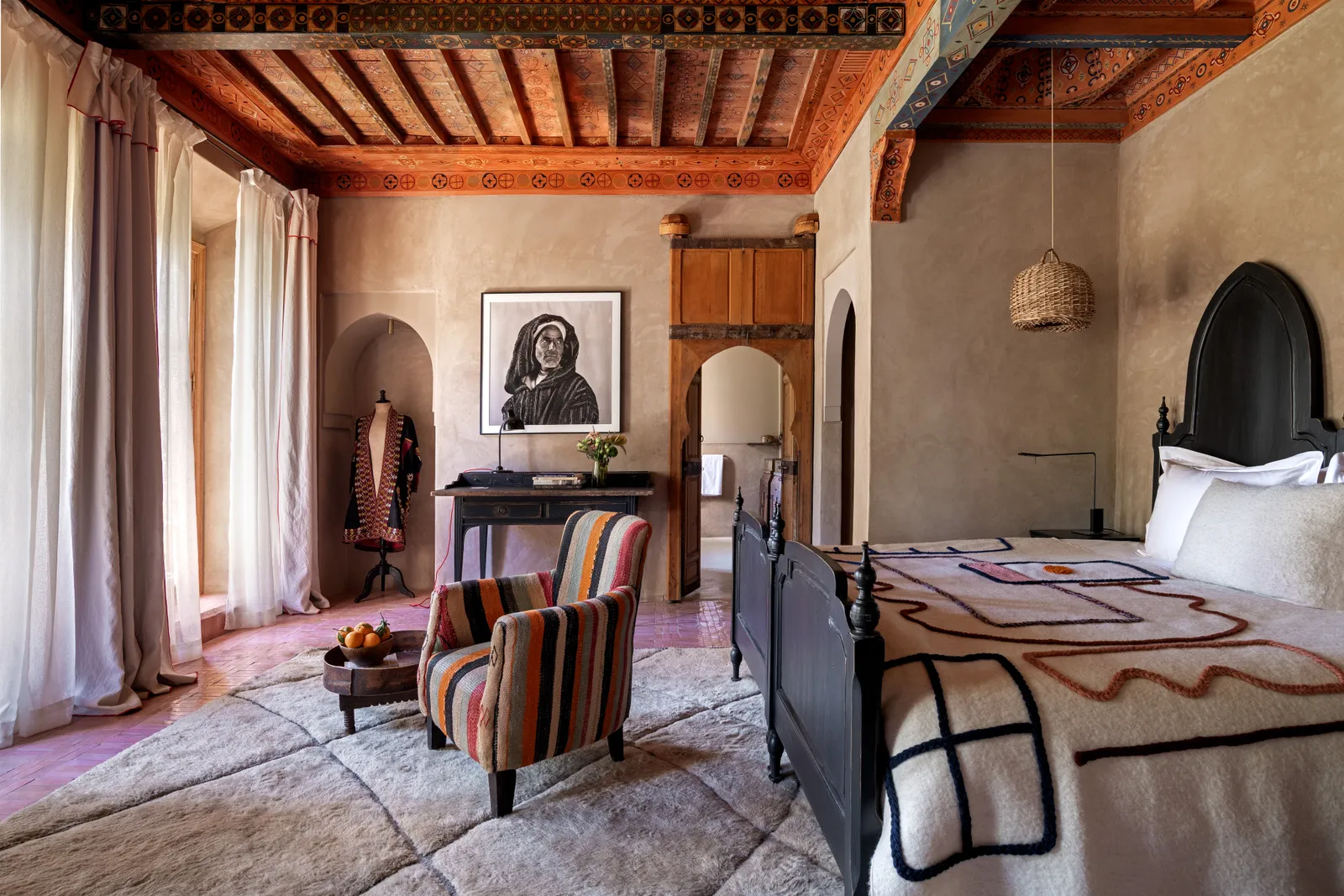
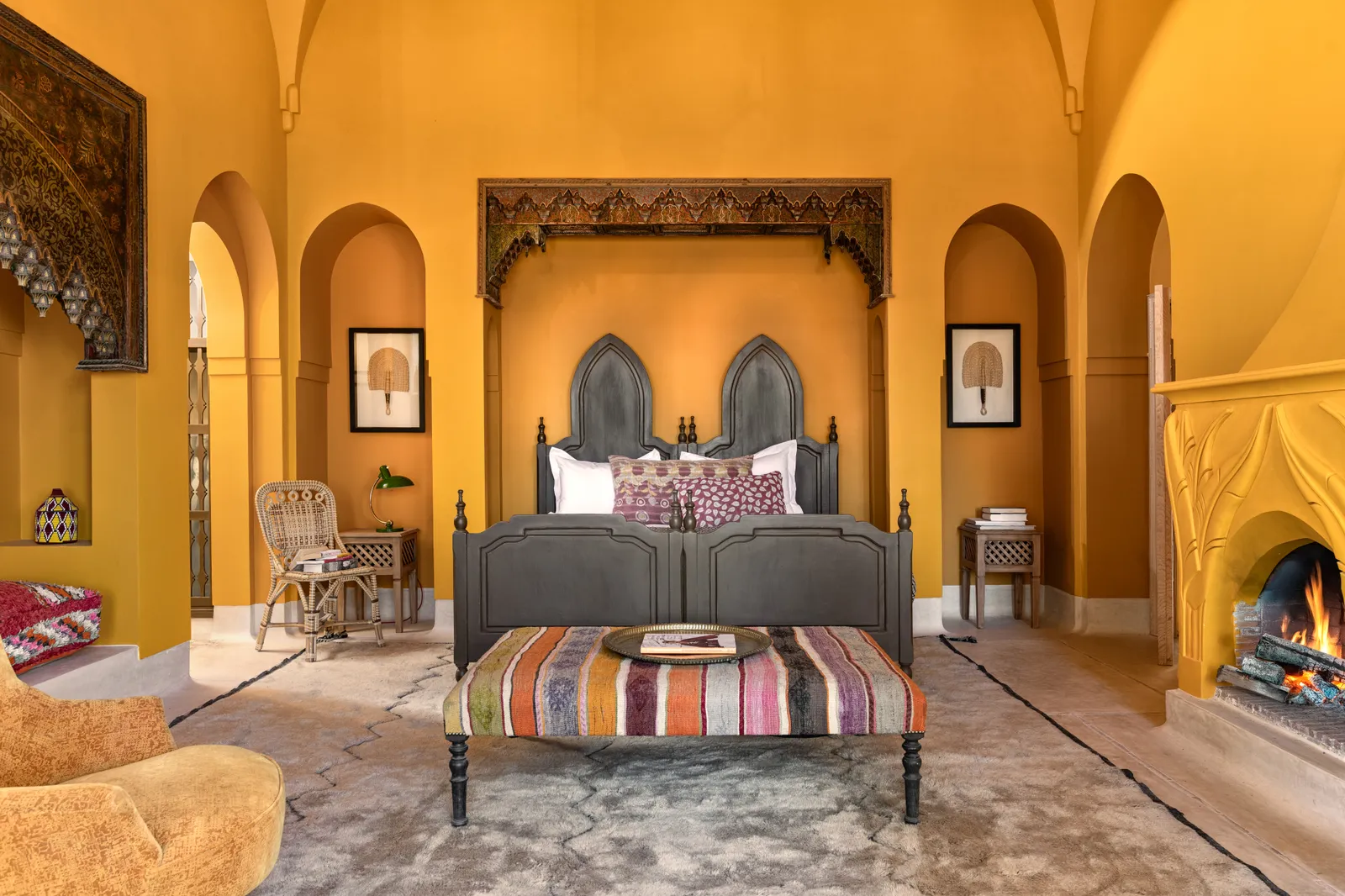
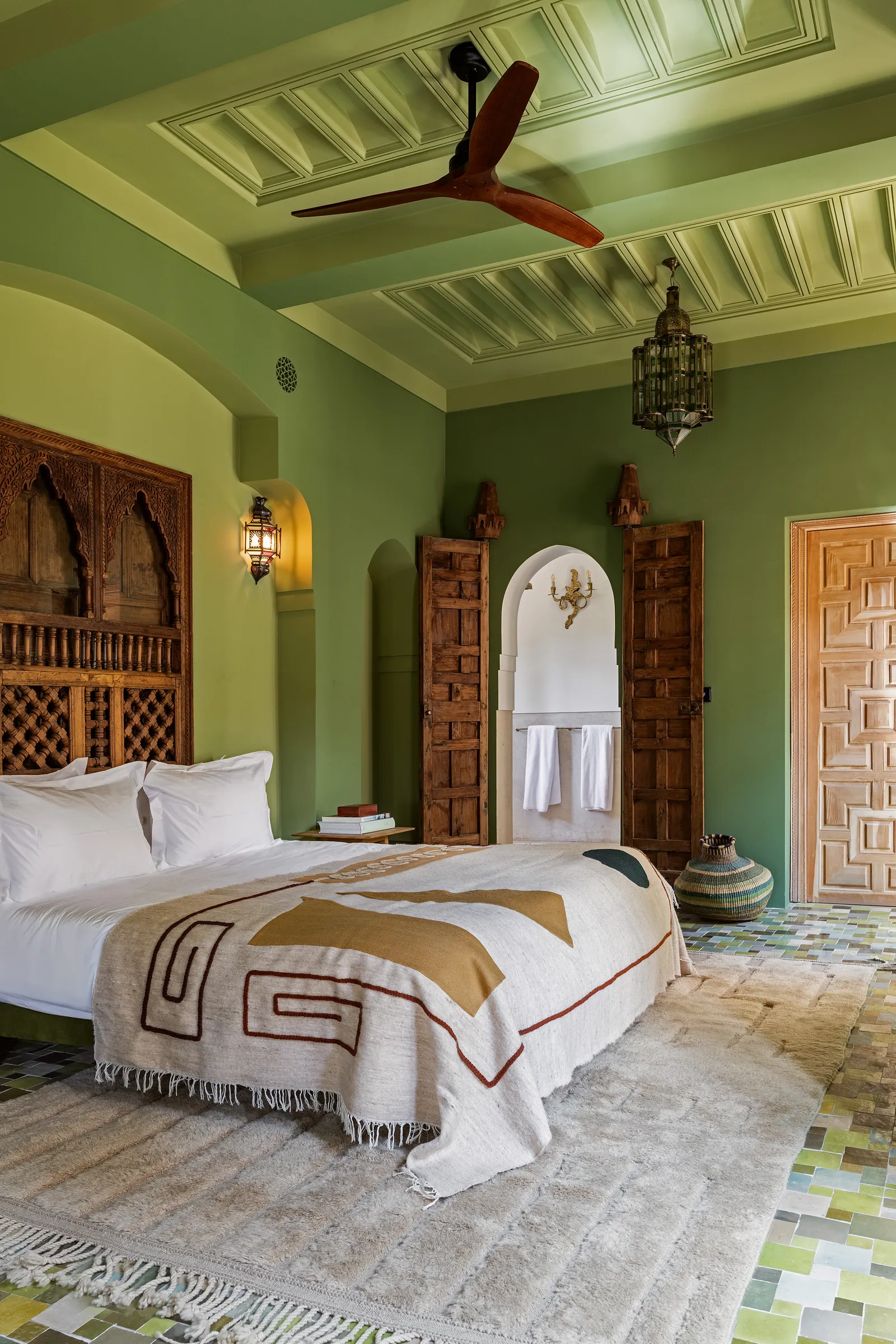
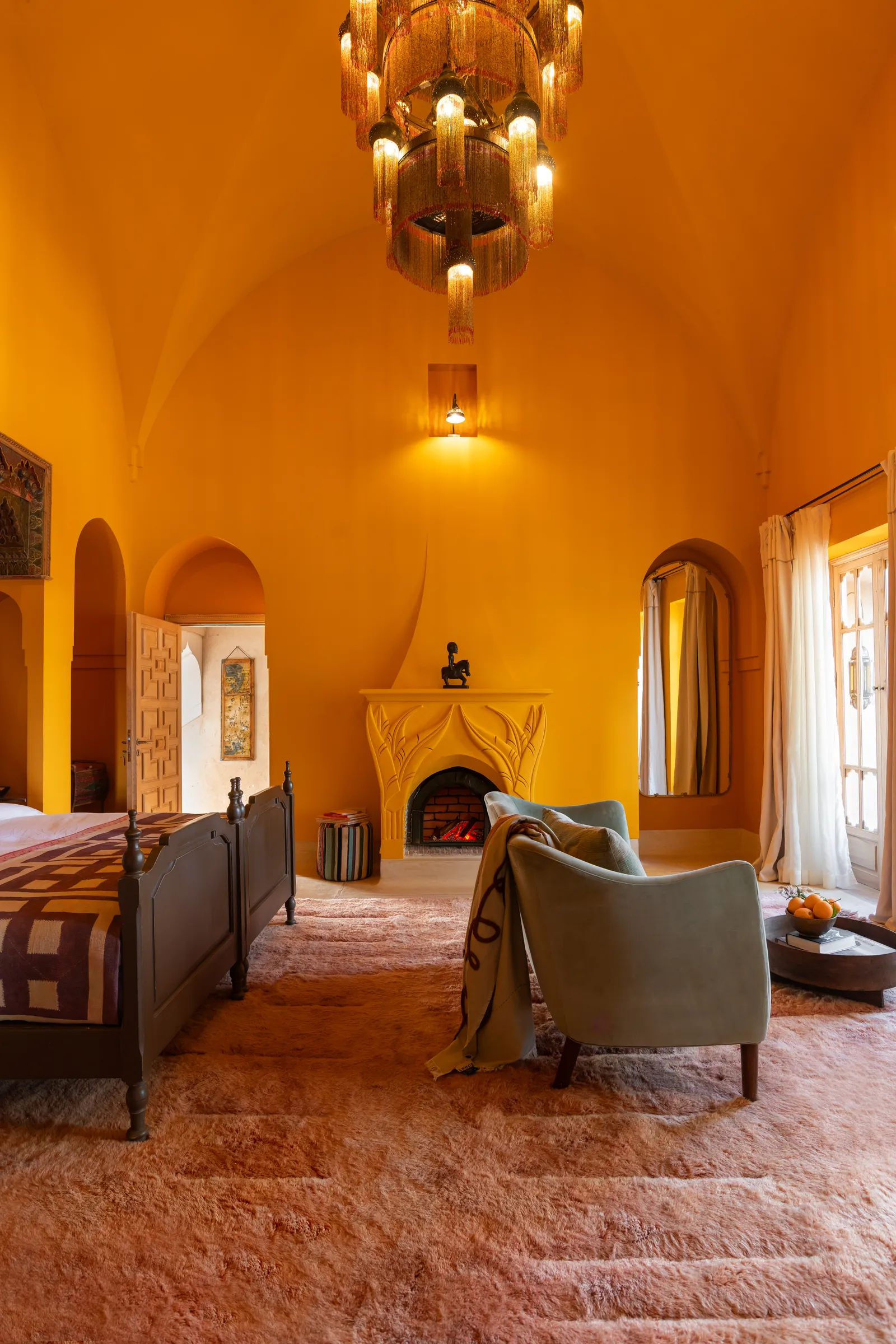
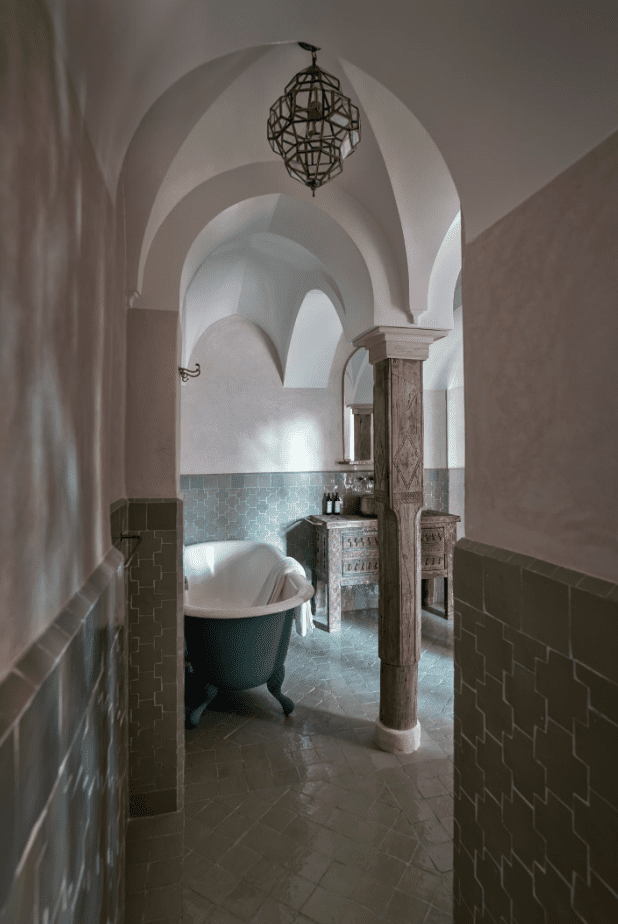
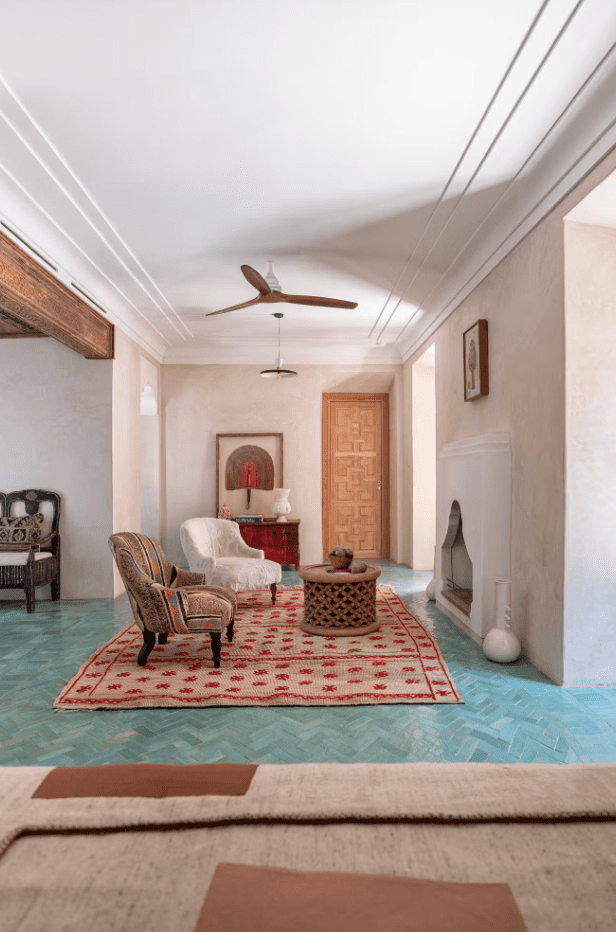
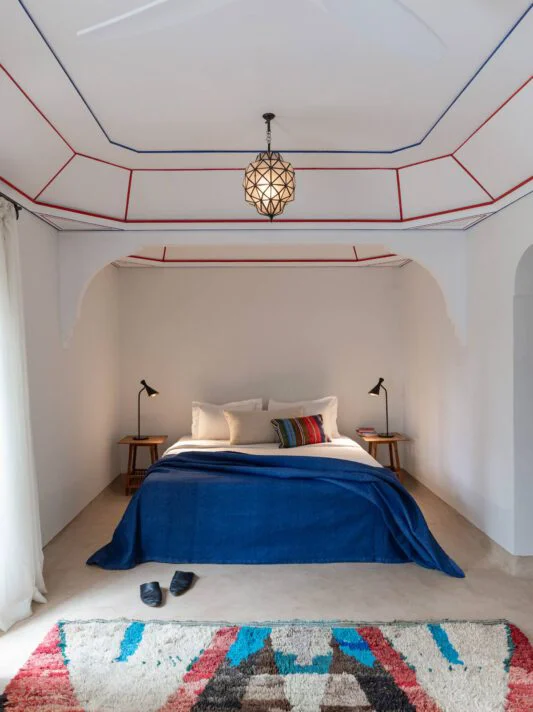
Each of the hotel’s 11 suites has its own personality. Seven occupy the original villa, while three garden pavilions and a private annex offer increasing levels of seclusion. Some feature soaring vaulted ceilings and dramatic skylights, others intimate courtyards, plunge pools, or secluded gardens. European antiques mix effortlessly with Moroccan craftsmanship, contemporary design, handcrafted rugs, carved wood, colourful textiles, and bespoke furniture to create rooms that feel collected over time rather than professionally styled. No two stays are ever quite the same.
Dining as Ritual
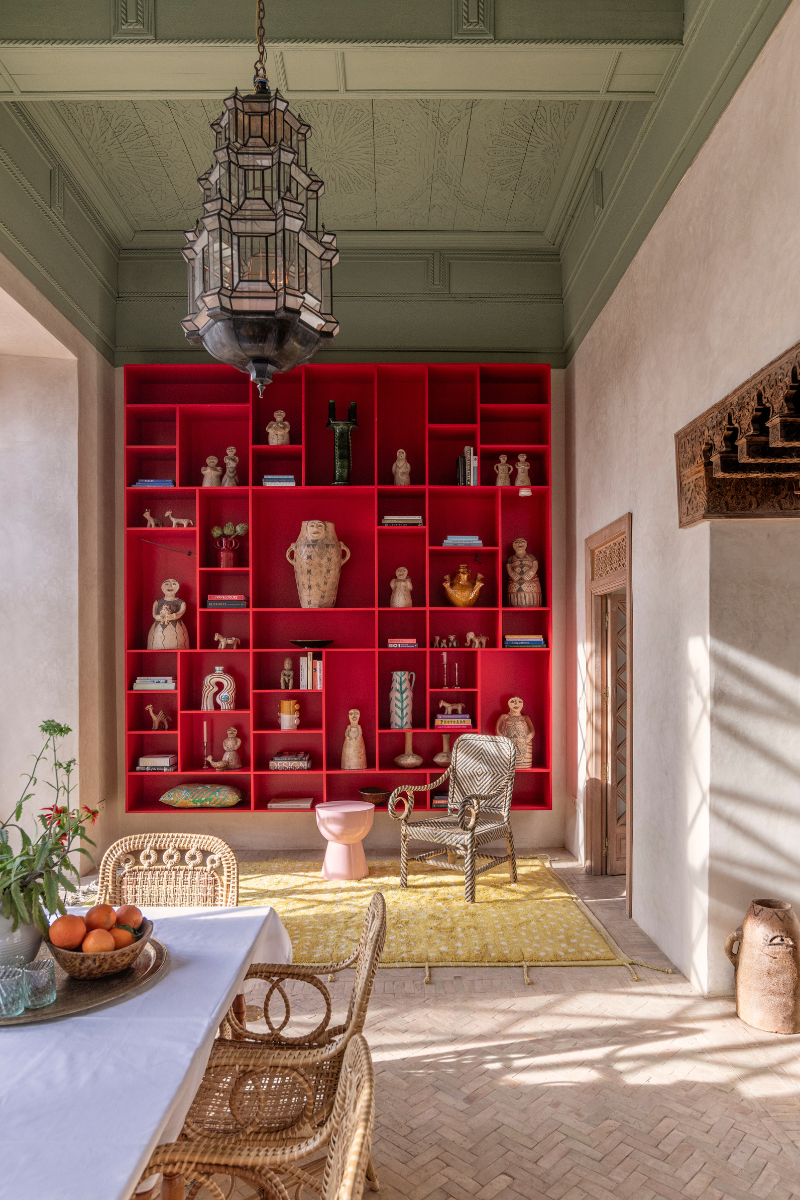
Food follows the same thoughtful philosophy. Dutch chef Karin Gaasterland reinterprets Moroccan traditions through a lighter European lens, serving beautifully prepared seasonal dishes designed for sharing. Tagines reveal unexpected combinations, fresh seafood, local vegetables, herbs, and spices celebrate the surrounding landscape, while breakfasts unfold slowly with cumin-spiced eggs, warm msemen, local cheeses, yoghurt, almonds, and honey. Meals are served wherever the moment feels right: beside the pool, beneath the palms, on shaded terraces, or inside the villa’s elegant dining rooms. Dining becomes part of the day’s rhythm rather than a scheduled event.
Why It Matters
Marrakech has no shortage of beautiful hotels. Jnane Rumi offers something rarer: genuine cultural depth. Rather than relying solely on luxury, it creates an atmosphere built around creativity, craftsmanship, conversation, and quiet discovery. Charles Boccara’s architecture provides the foundation, contemporary Moroccan art supplies the soul, and the extraordinary gardens hold everything together. For travellers seeking Marrakech beyond the obvious, Jnane Rumi offers an experience that feels intimate, intellectual, and deeply connected to Morocco’s creative future as much as its remarkable past.