Kimpton Las Mercedes by IHG | Santo Domingo, Dominican Republic
Where Colonial Heritage Meets Contemporary Caribbean Living
Why DNA Hotels Loves It
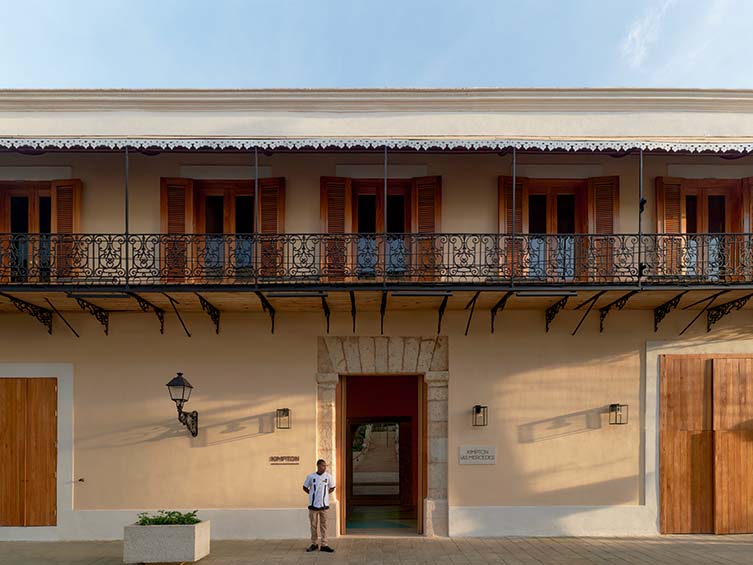
● A beautifully executed transformation of historic colonial buildings in the heart of Santo Domingo’s UNESCO-listed Ciudad Colonial.
● Architecture by Moneo Brock that seamlessly blends heritage preservation, tropical design, and contemporary hospitality.
● A hotel deeply connected to its city, creating a meaningful dialogue between history, community, culture, and modern luxury.
A New Chapter in the Oldest City of the Americas
Santo Domingo occupies a unique place in history. Founded in 1498, its Ciudad Colonial became the first permanent European settlement in the Americas and remains one of the Caribbean’s most important cultural treasures. Cobblestone streets, centuries-old churches, colonial mansions, and shaded plazas create an atmosphere unlike anywhere else in the region. At the heart of this historic district stands Kimpton Las Mercedes. More than a boutique hotel, it forms part of a wider effort to revitalise and reconnect the Colonial City with contemporary life. The result feels remarkably authentic. Not a historic monument. Not a modern insertion. But a thoughtful conversation between both.
A Colonial Landmark Reimagined
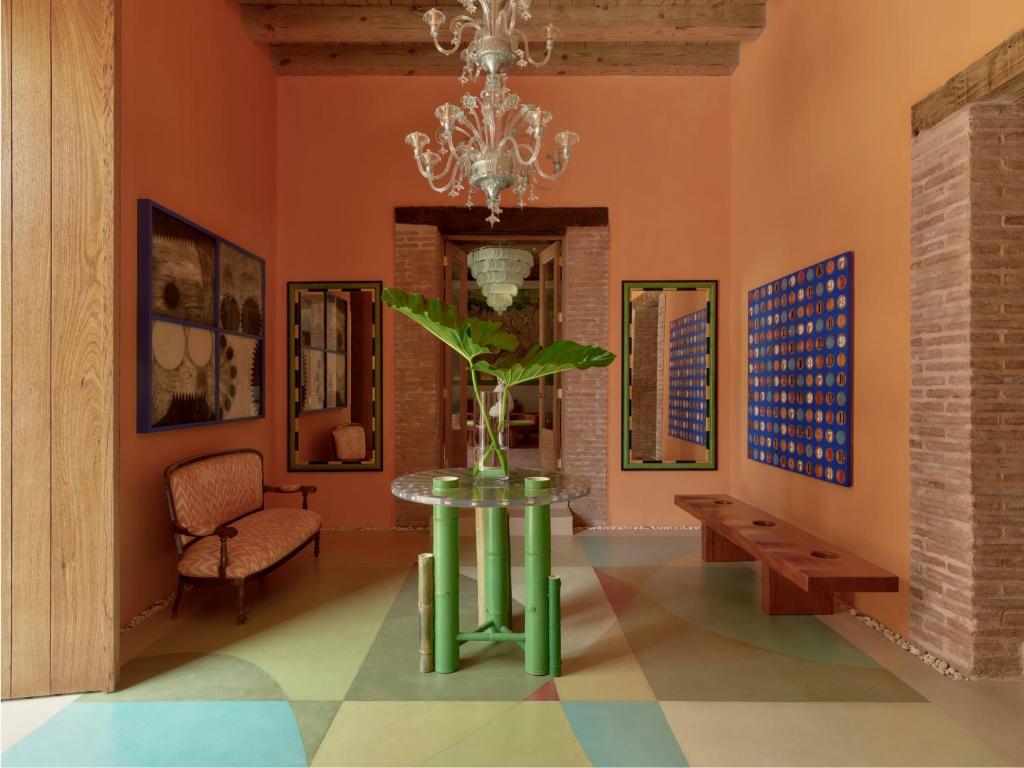
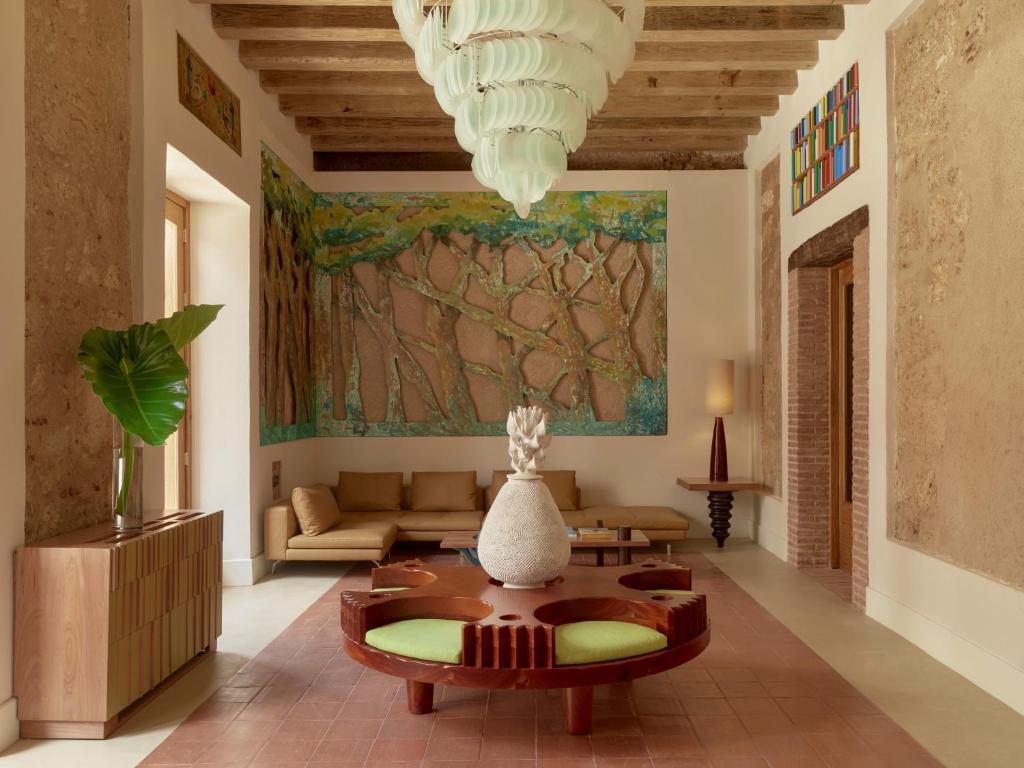
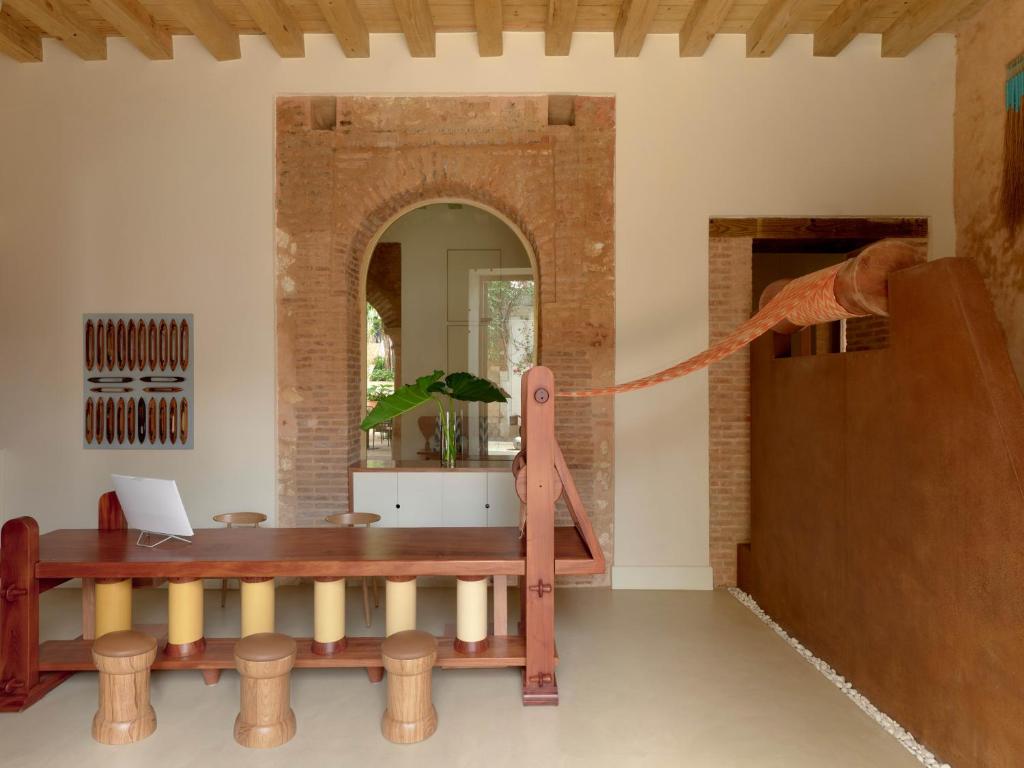
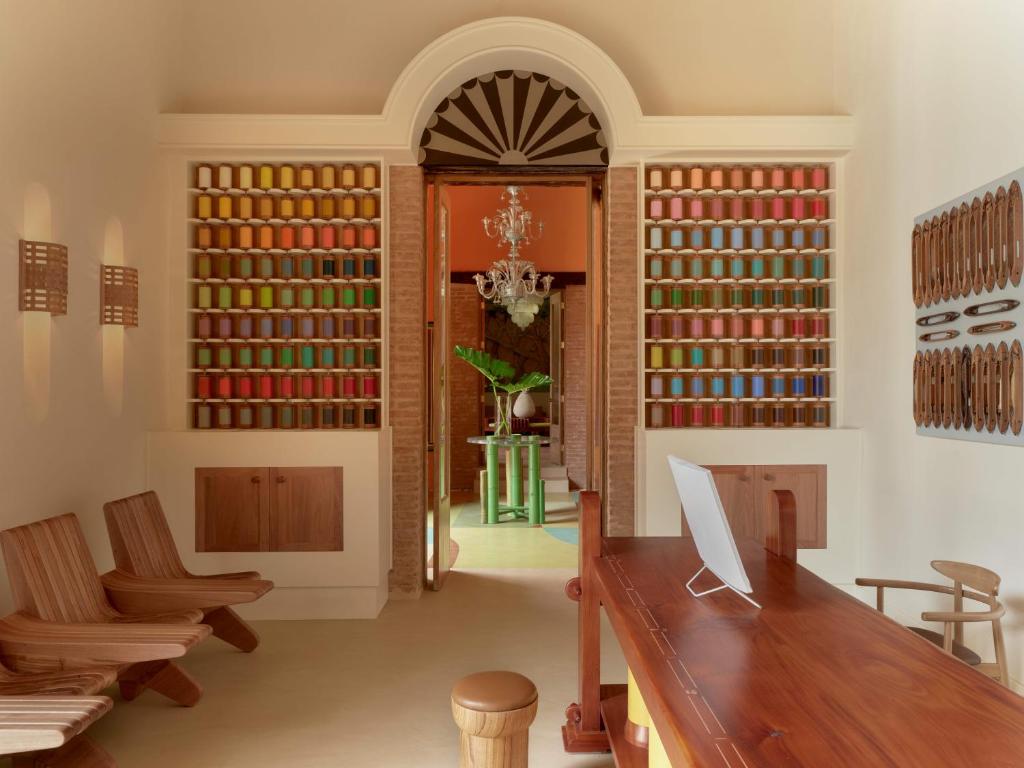
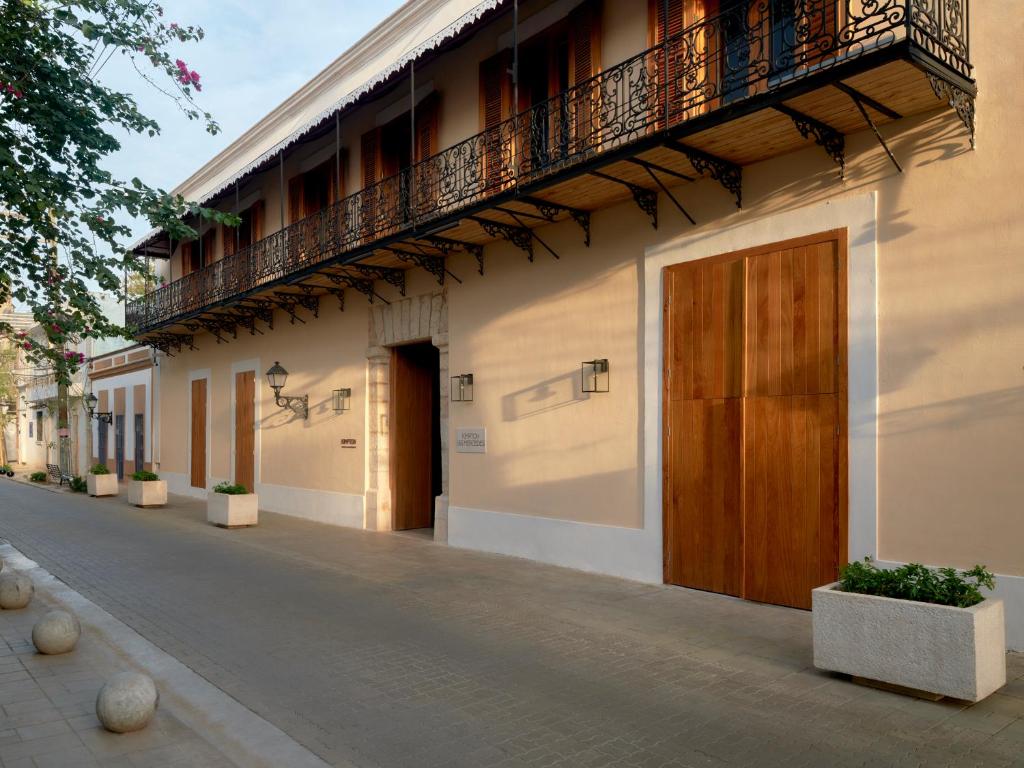
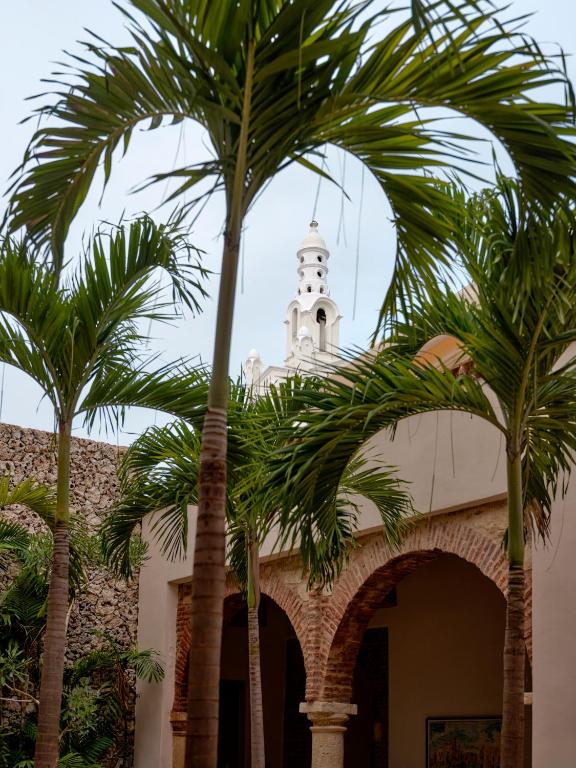
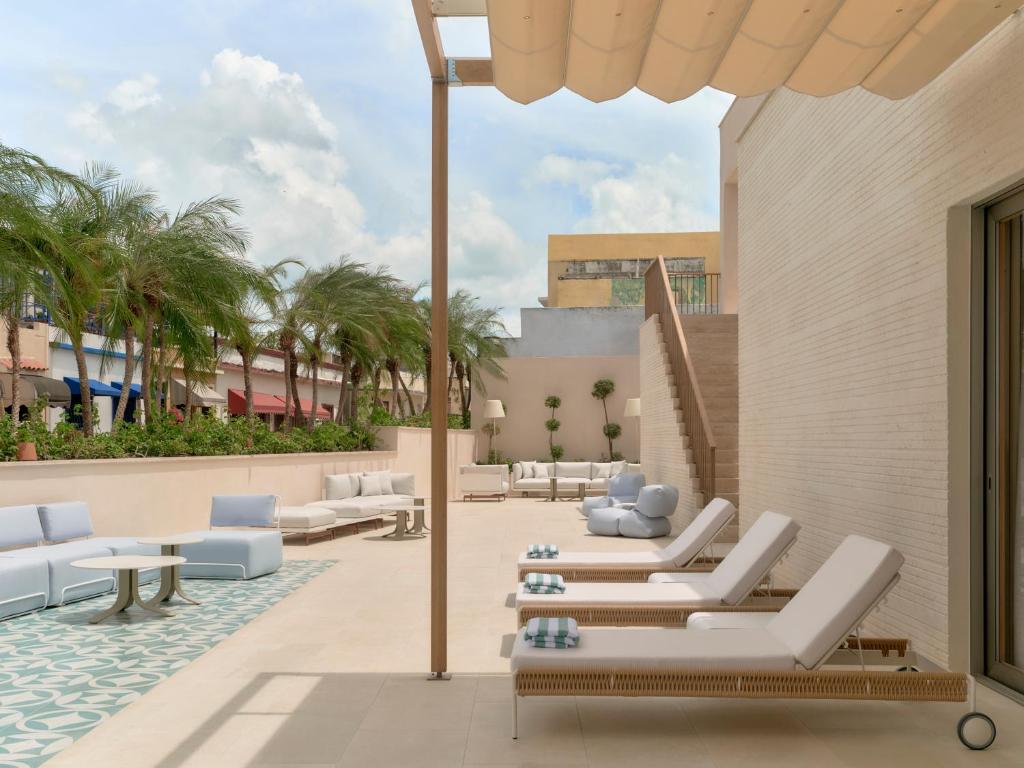
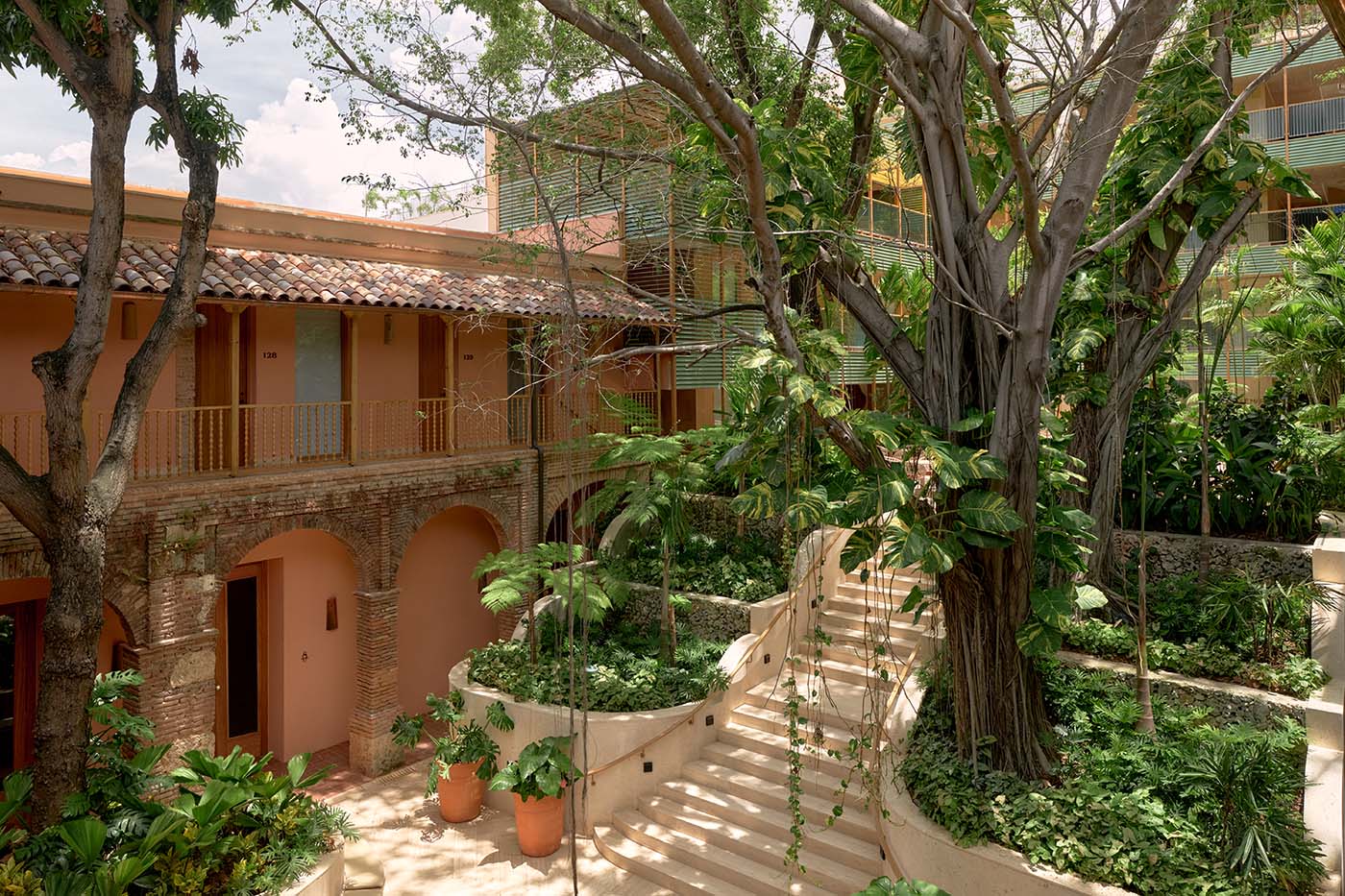
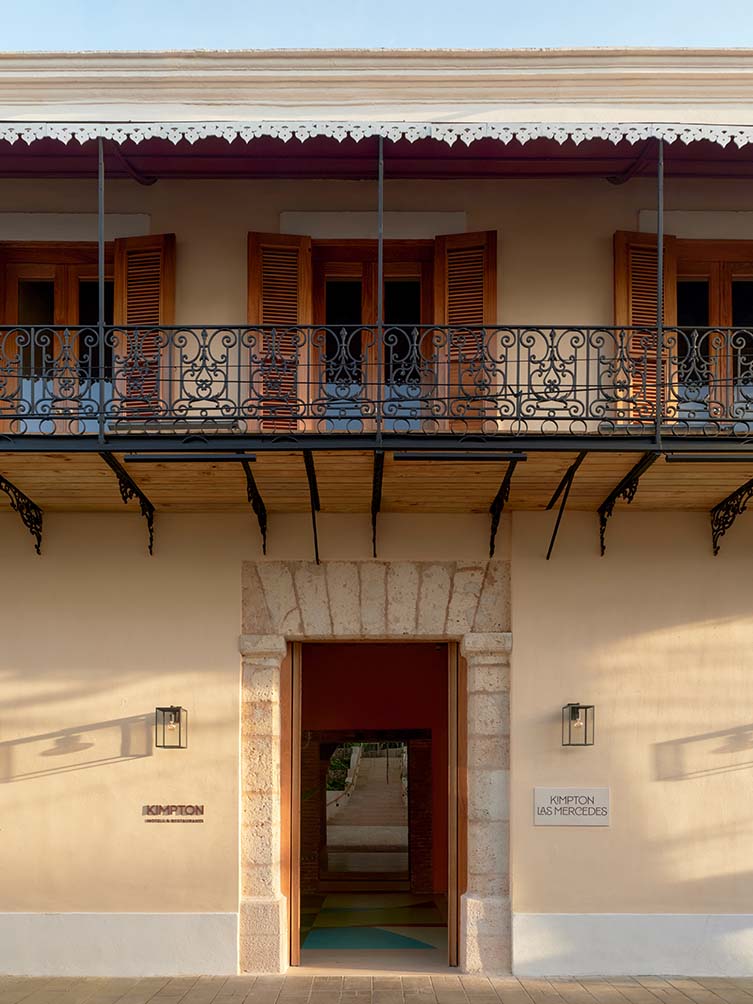
The transformation was entrusted to Spanish architecture studio Moneo Brock. Their challenge was significant: create a contemporary luxury hotel while preserving the historic character of a collection of 16th-century structures. The solution is elegant and restrained. Original façades remain intact, maintaining the architectural rhythm of the surrounding streets. Behind them, new volumes, open-air corridors, courtyards, terraces, and gardens create a fresh spatial experience that feels perfectly suited to the Caribbean climate. Rather than competing with history, the architecture amplifies it. The old walls remain the storytellers. The new interventions simply allow the story to continue.
The Green Block
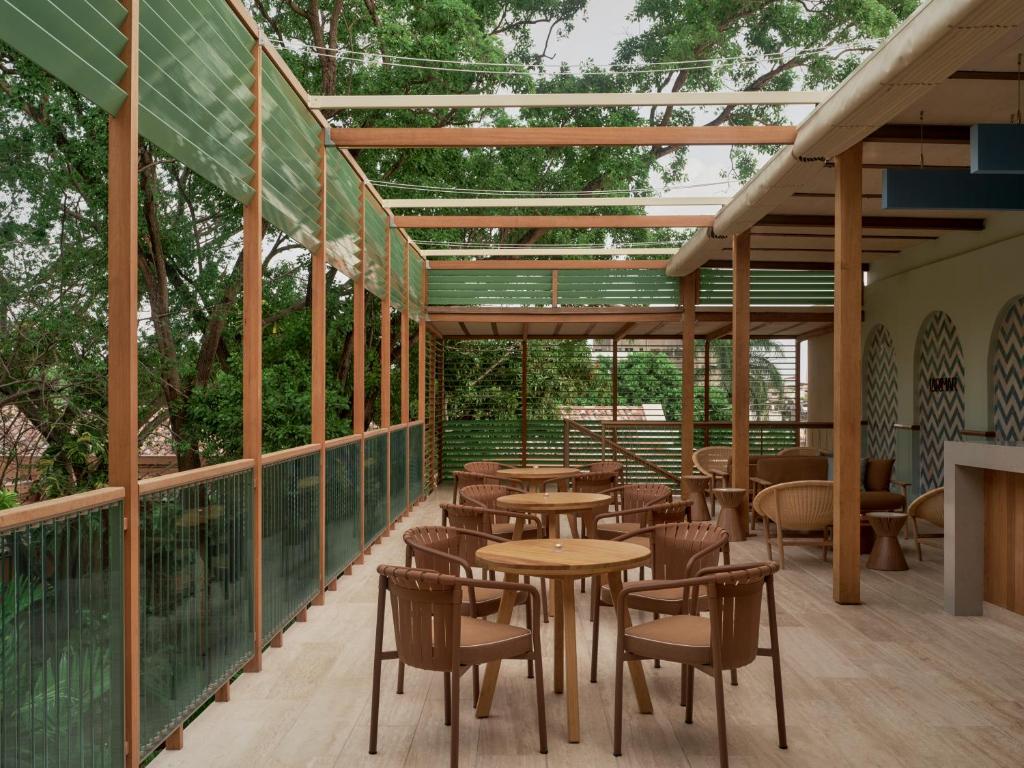
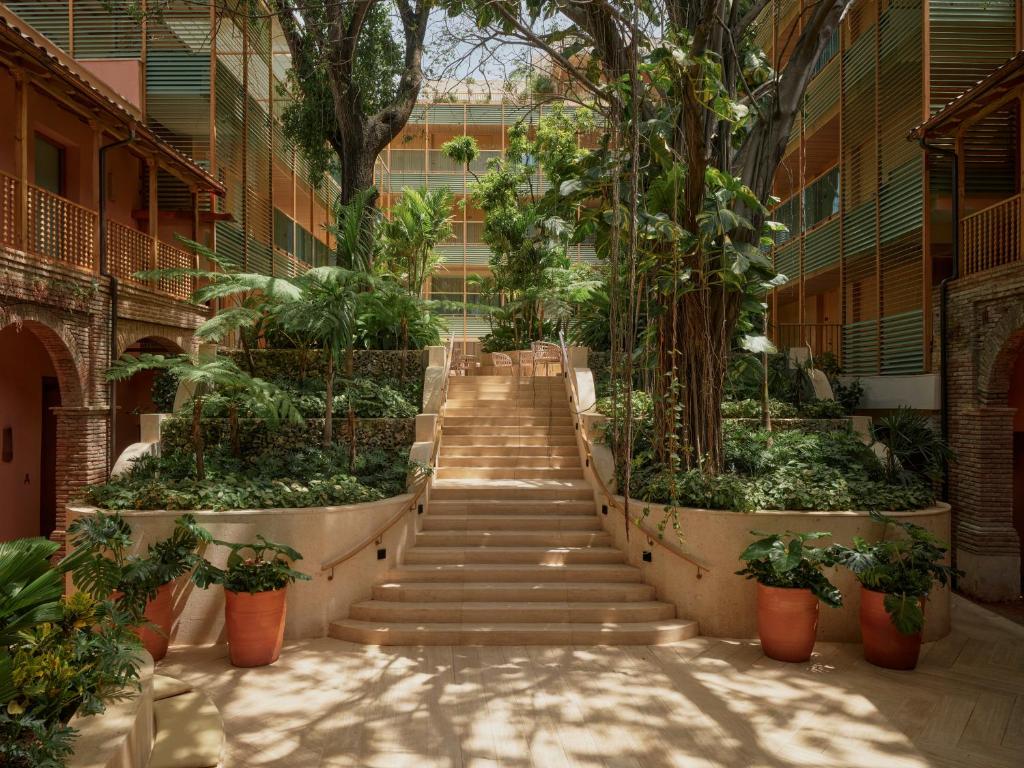
One of the project’s defining concepts is the idea of the “green block.” Instead of maximising built space, the design introduces courtyards, vegetation, open circulation, and natural ventilation throughout the property. The hotel becomes less a building and more a small urban ecosystem woven into the fabric of the city. Native plants soften the architecture. Sunlight filters through tropical greenery. Open corridors allow breezes to move naturally through the property. The atmosphere feels distinctly Caribbean. Warm, relaxed, and deeply connected to its surroundings.
A Courtyard at the Heart of Everything
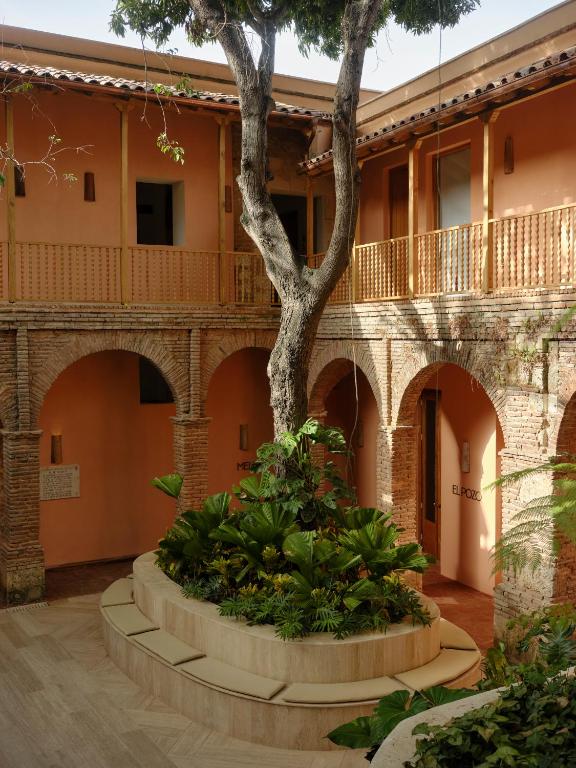
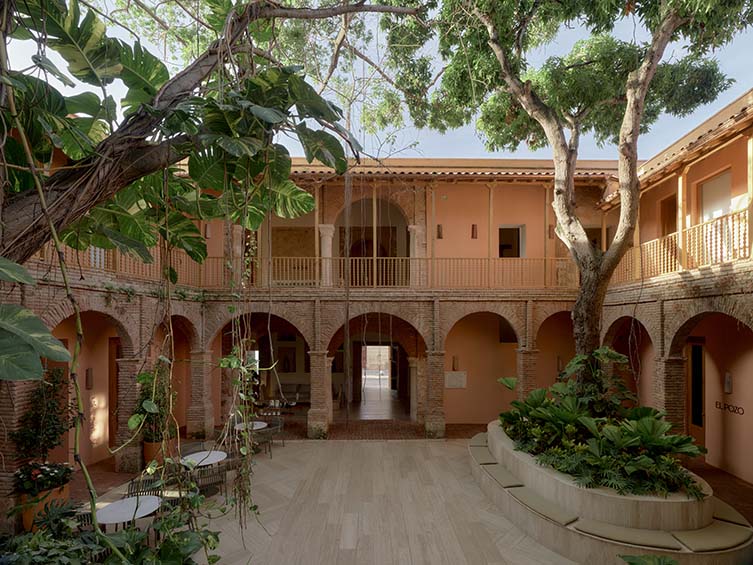
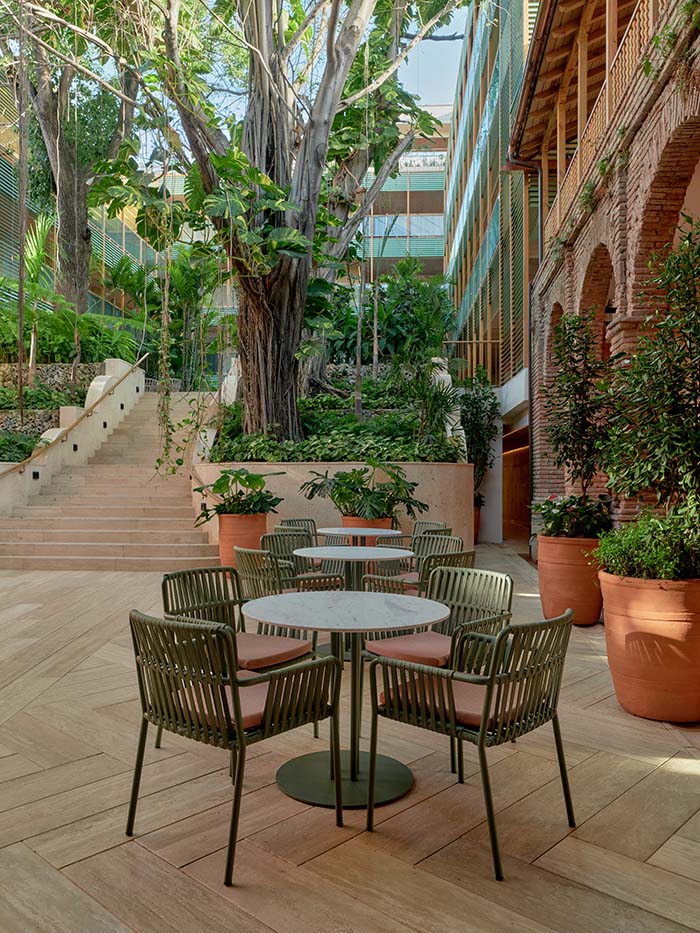
The central courtyard serves as the soul of the hotel. Originally part of the historic structure, it has been preserved and reimagined as a lush gathering place where guests naturally gravitate throughout the day. Mango trees, tropical planting, shaded seating, and open-air circulation create an environment that feels calm despite being located in the heart of the city. It is here that the hotel’s design philosophy becomes most visible. History and nature. Architecture and hospitality. Past and present. All meeting beneath the Caribbean sky.
Rooms Between Colonial and Contemporary
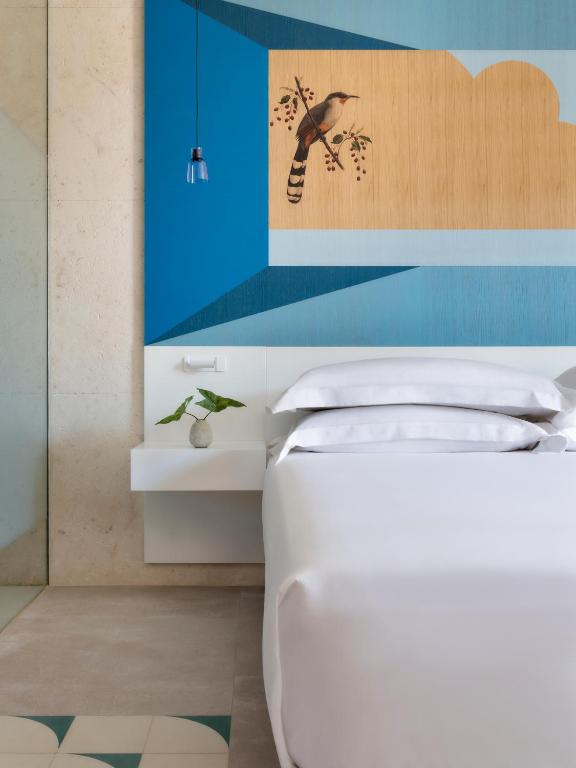
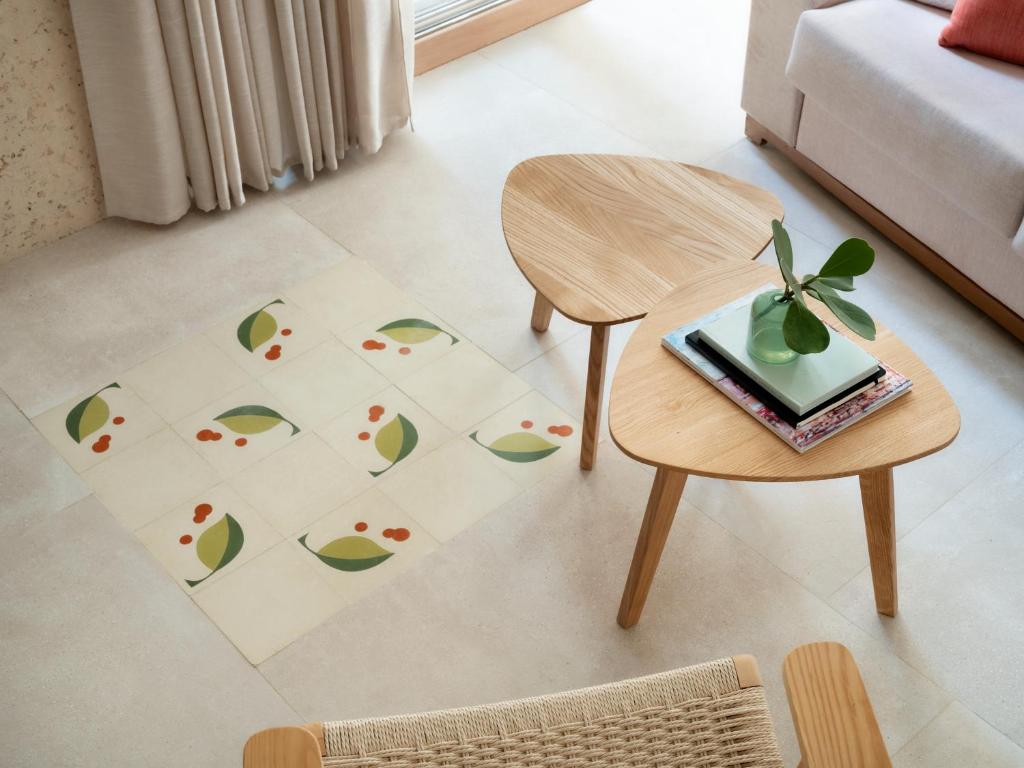
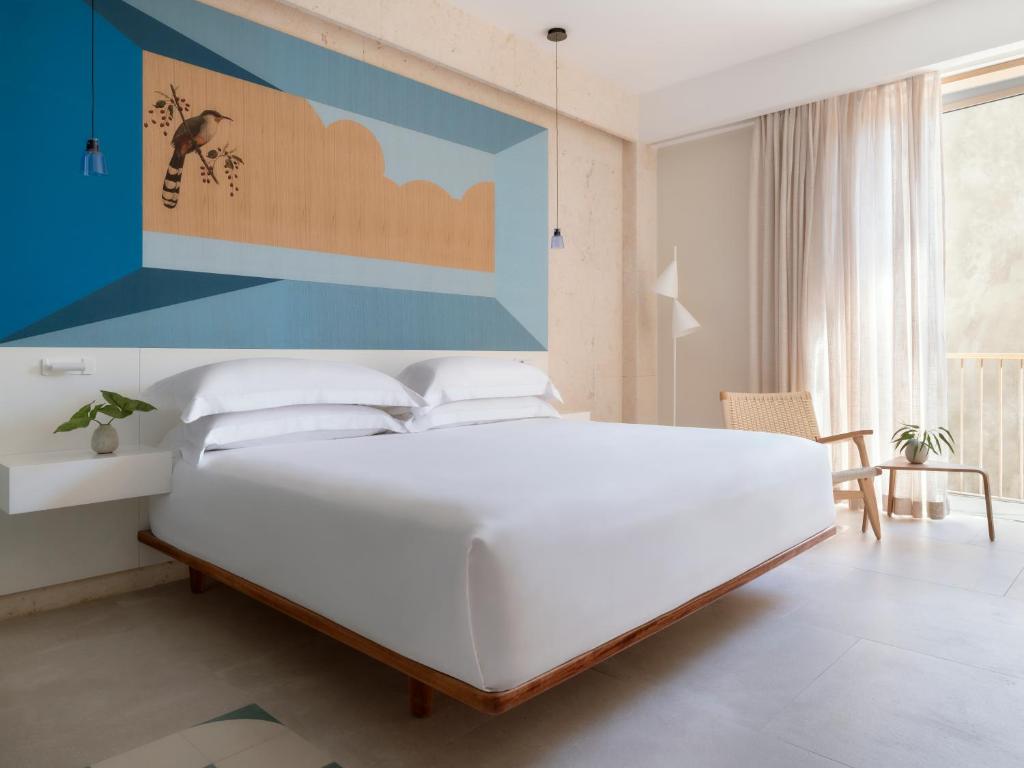
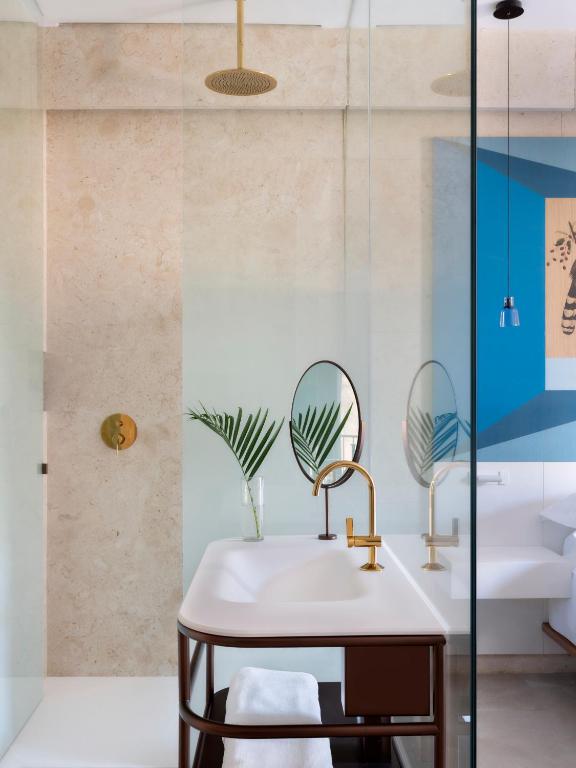
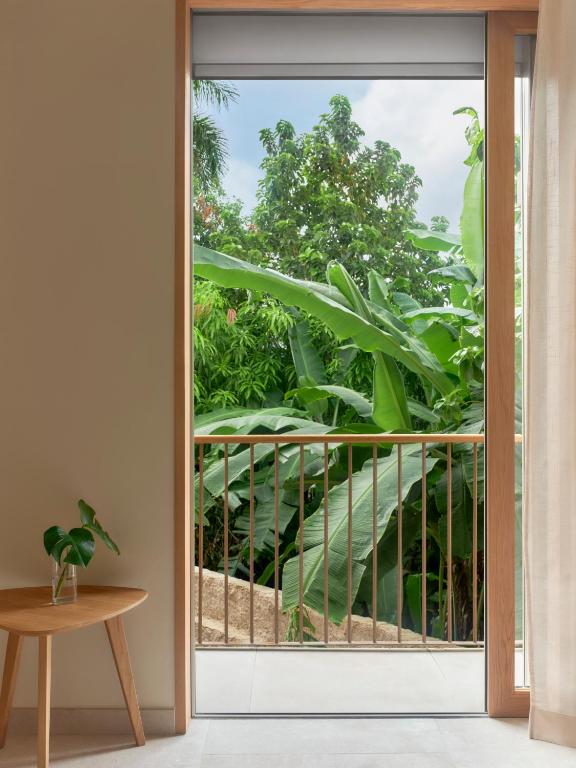
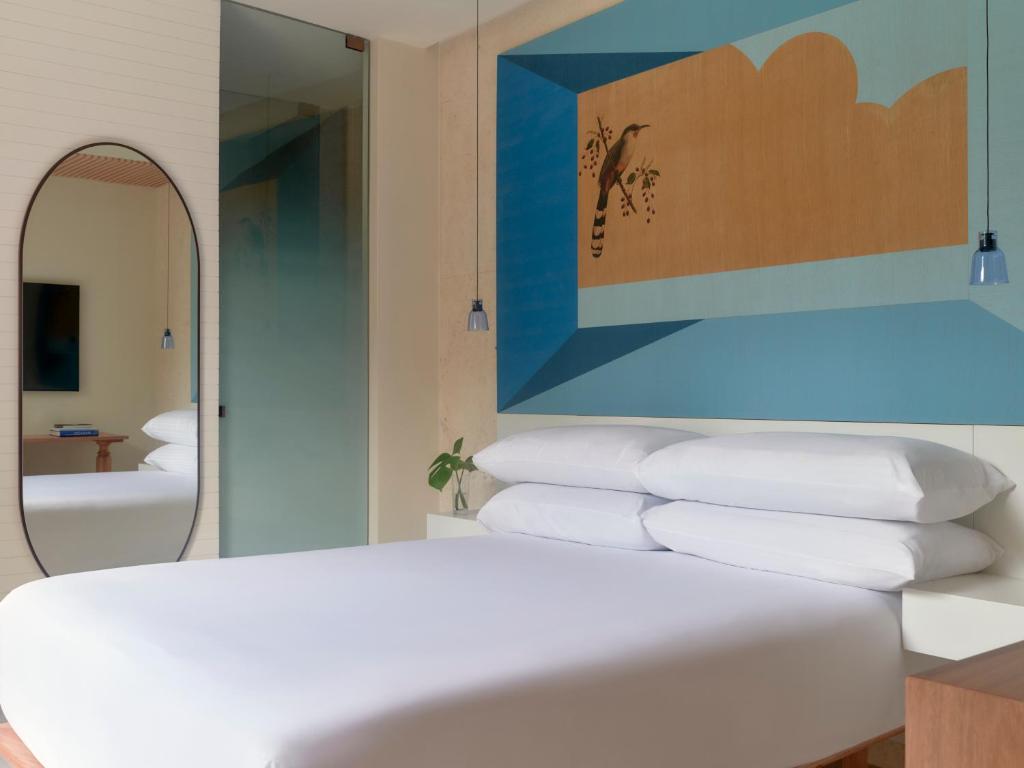
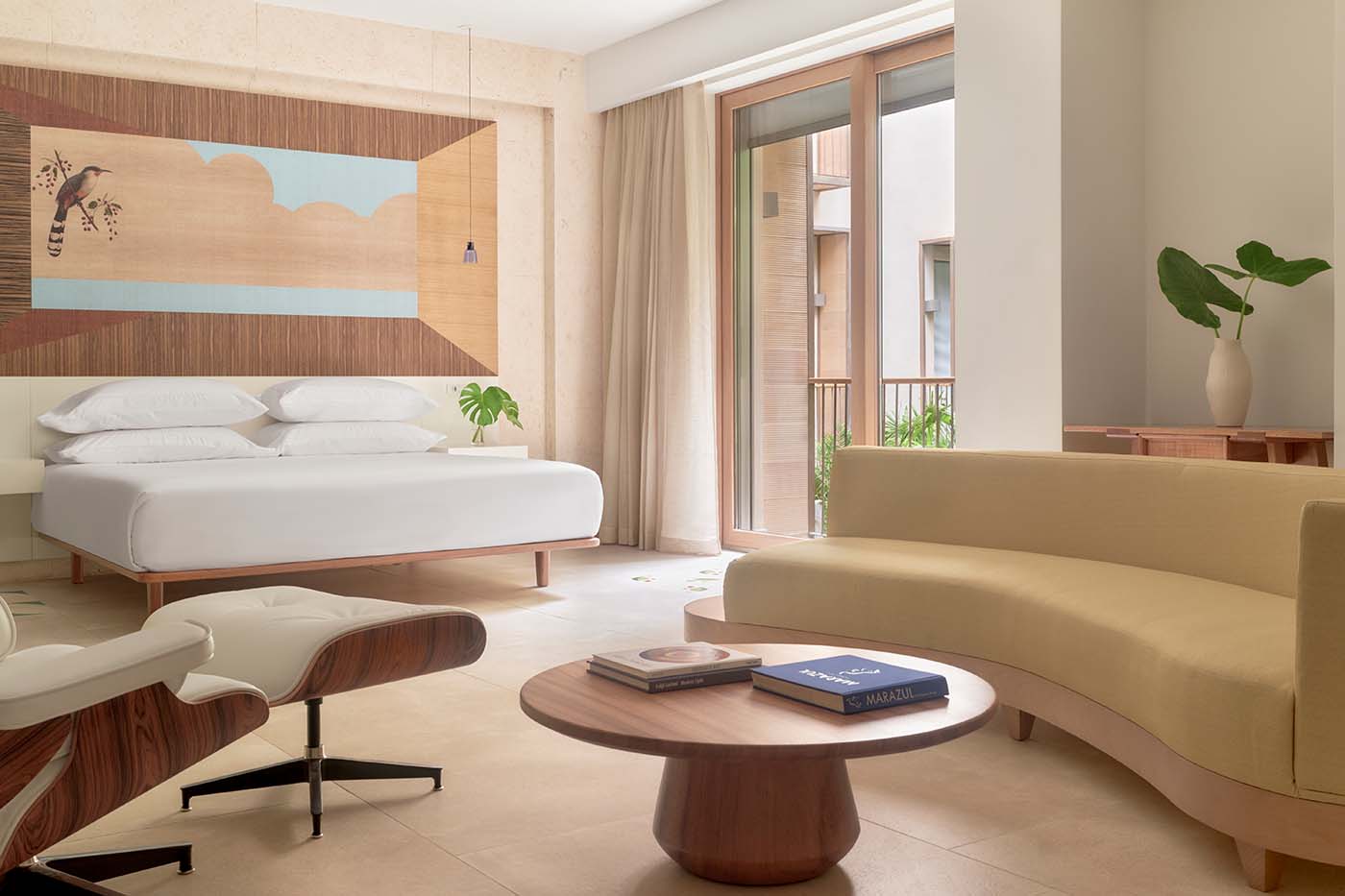
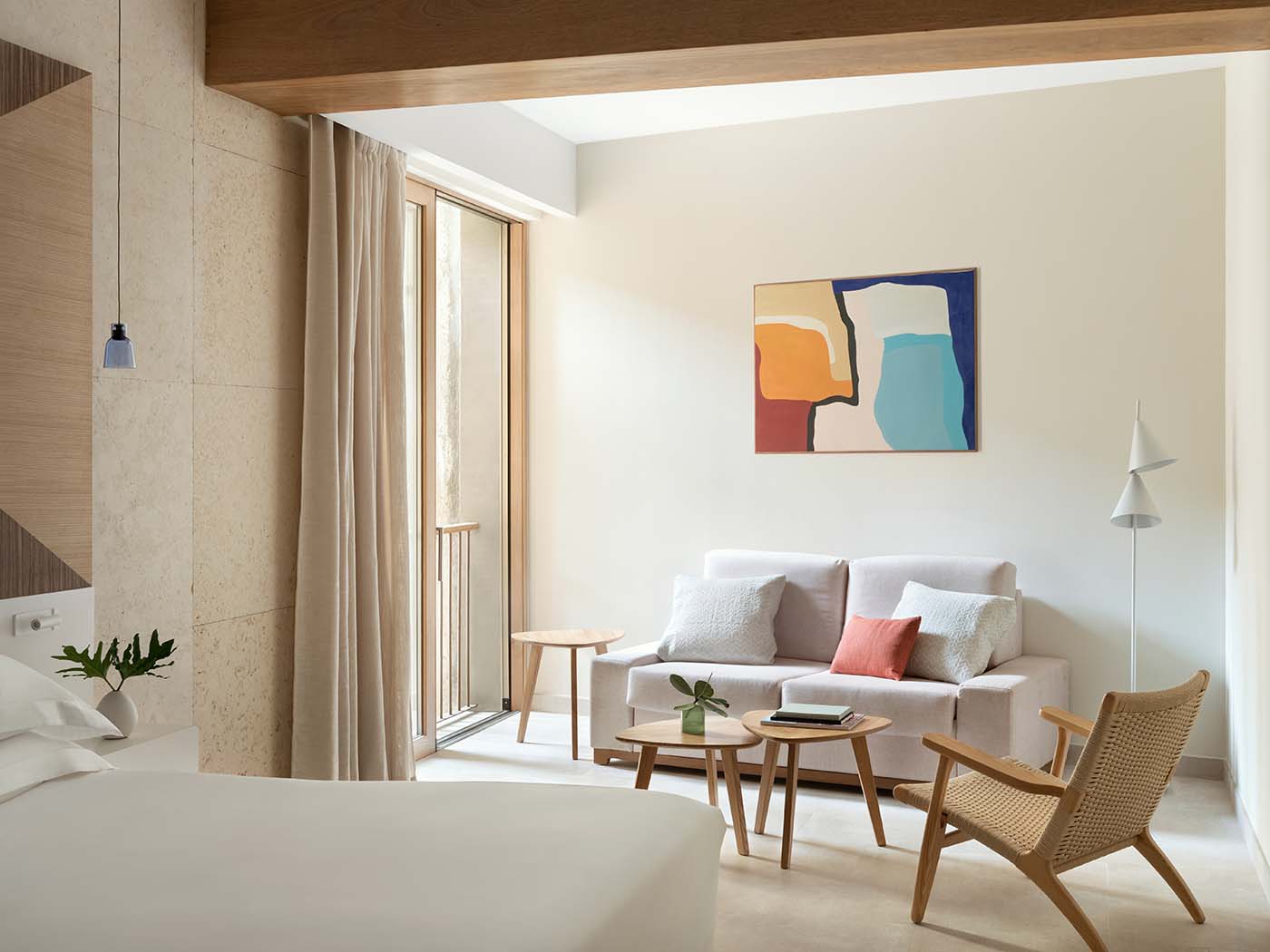
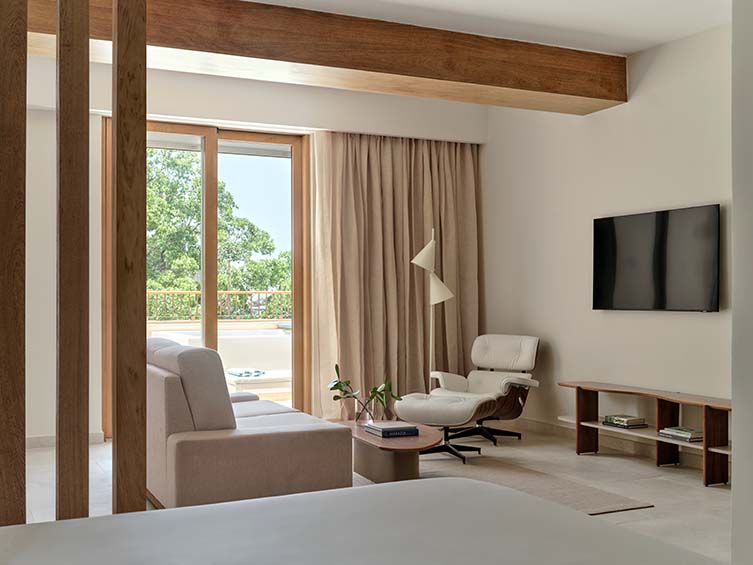
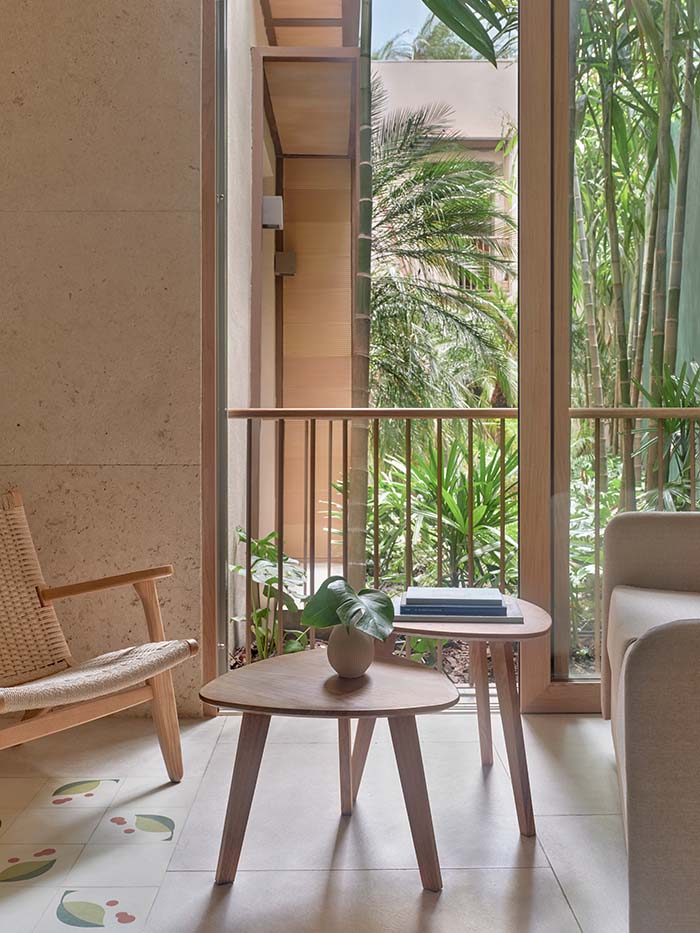
The 130 guestrooms and suites continue this dialogue between eras. Local materials such as travertine, Dominican hardwoods, ceramics, and handcrafted finishes create a warm, grounded atmosphere. Contemporary furnishings sit comfortably alongside architectural references to the building’s colonial origins. Private balconies overlook internal courtyards. Terraces open toward the city. Natural light fills the interiors. The aesthetic remains understated and elegant, favouring texture, craftsmanship, and comfort over visual excess. Several suites elevate the experience further with private jacuzzis, expansive outdoor spaces, and views across Santo Domingo’s historic rooftops.
The Rooftop Above the Colonial City
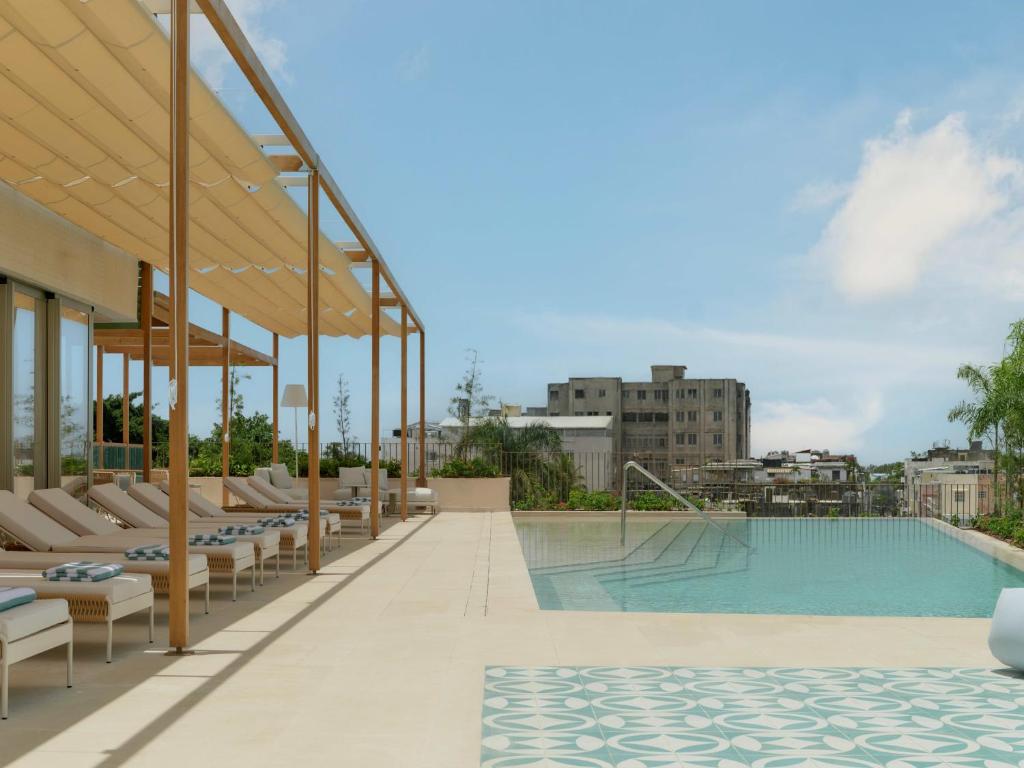
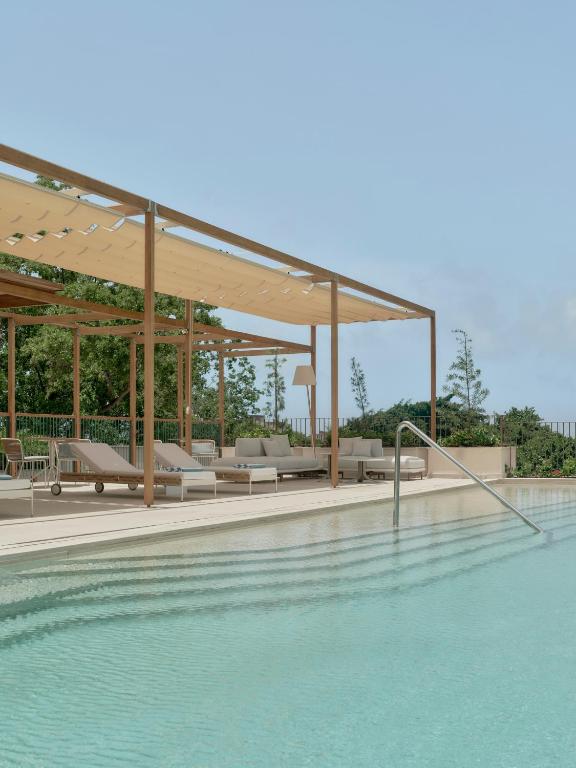
One of the hotel’s greatest surprises lies above. The rooftop terrace offers a completely different perspective on Santo Domingo. From here, guests enjoy panoramic views across the Colonial City, the Caribbean Sea, church towers, historic rooftops, and the modern skyline beyond. An infinity pool, solarium, and fitness space transform the roof into a destination of its own. It is the perfect illustration of the hotel’s identity. Historic foundations. Contemporary experiences. The past viewed through a modern lens.
Dining Rooted in Place
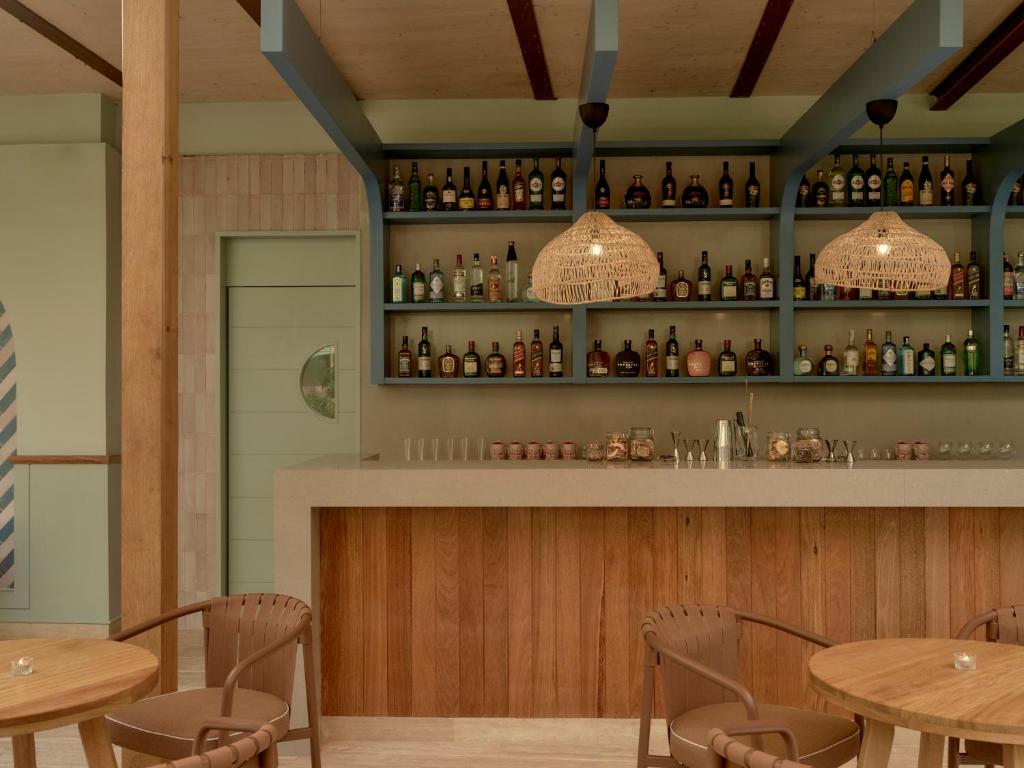
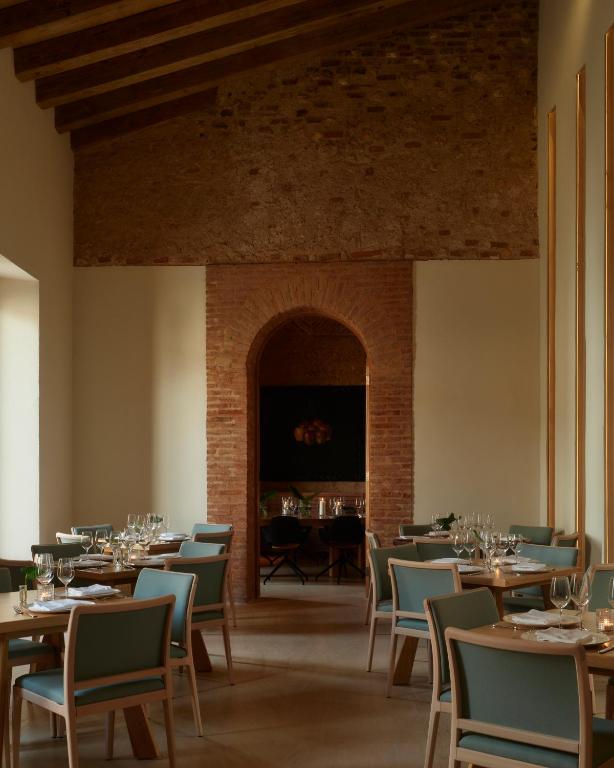
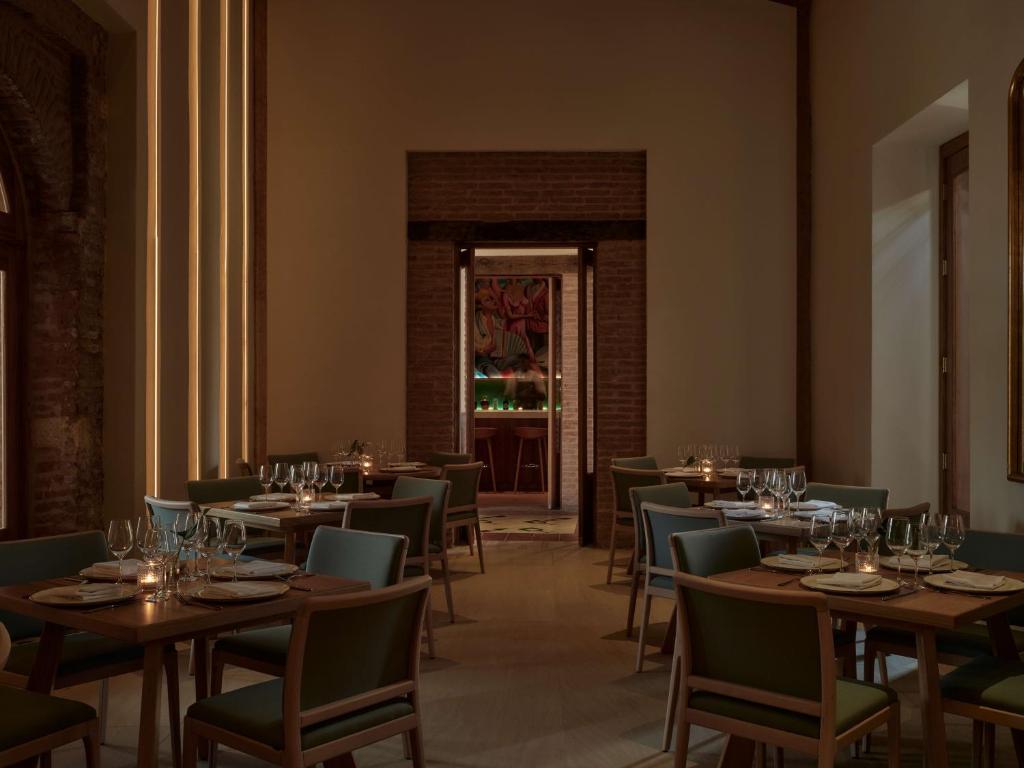
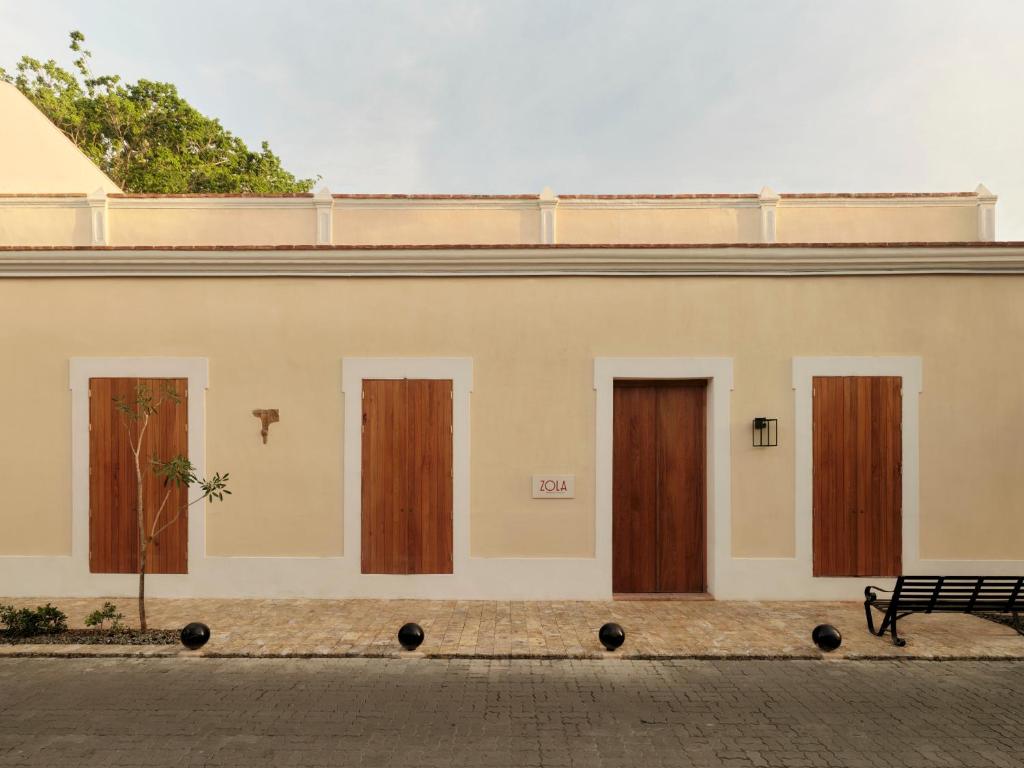
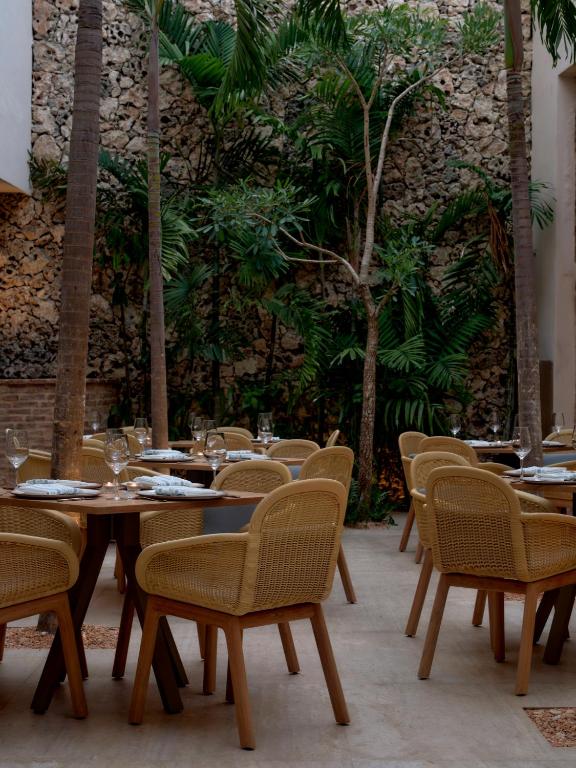
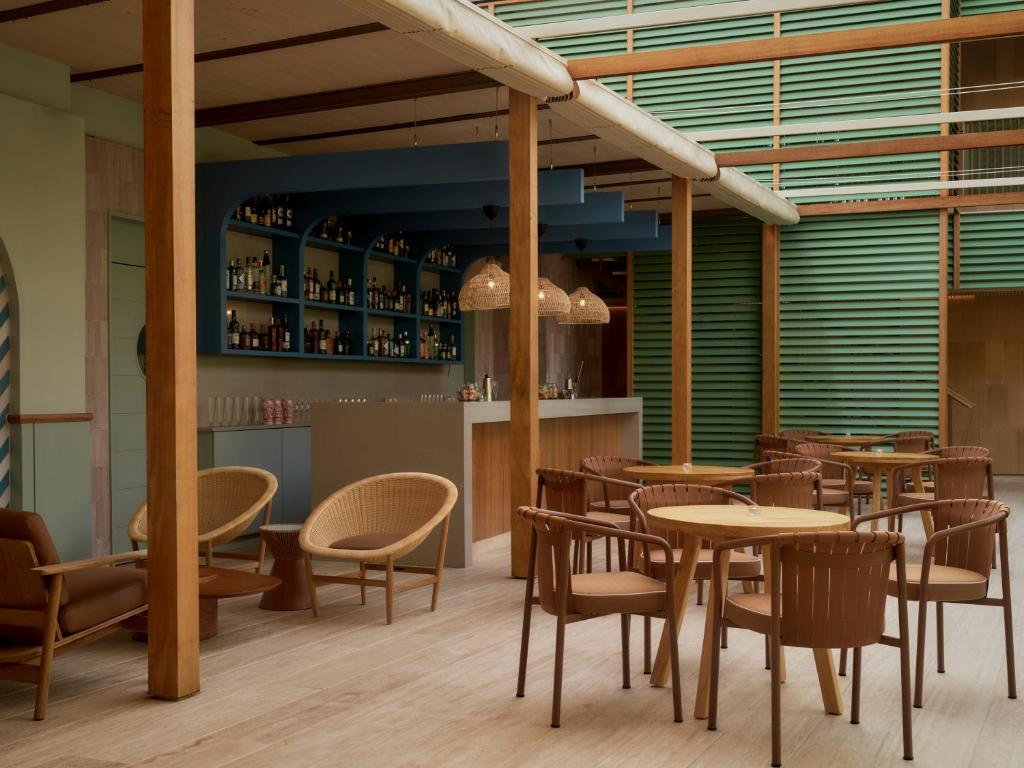
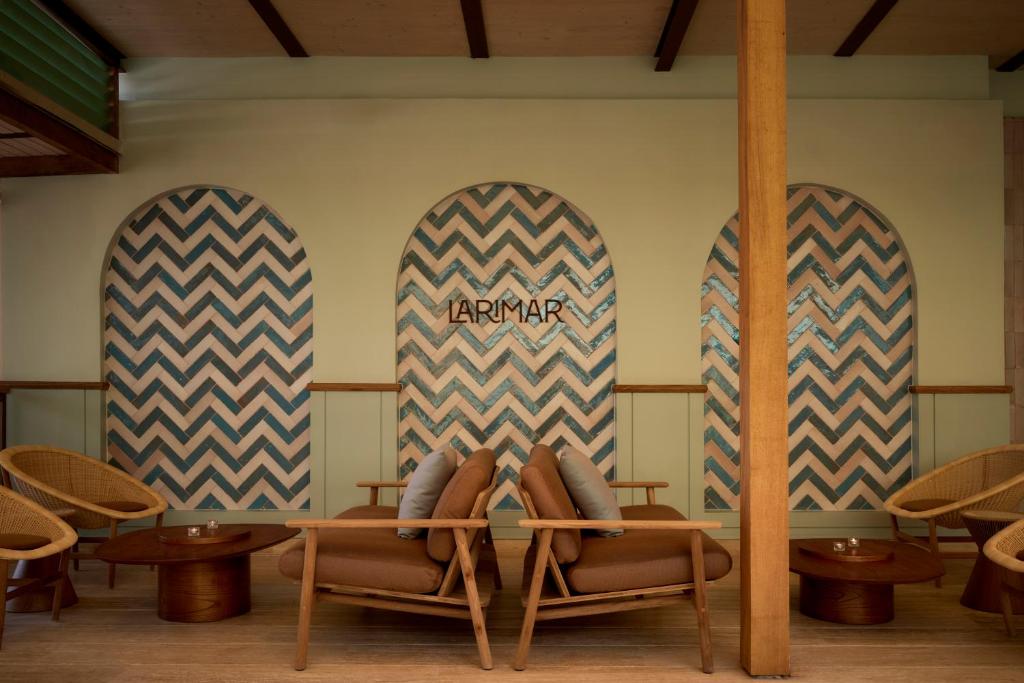
Food plays an important role in expressing the hotel’s cultural identity. At Zola, Italian culinary influences meet Caribbean ingredients beneath a dramatic retractable glass ceiling. The atmosphere feels sophisticated without becoming formal, while the menu embraces both international refinement and local flavour. El Patio offers a more relaxed experience. Surrounded by greenery and accompanied by live music, it functions as a social heart where guests and locals gather throughout the day. Meanwhile, the Cigar & Rum Lounge celebrates two of the Dominican Republic’s great traditions. Here, history takes centre stage around a remarkable feature: a 500-year-old well discovered during the restoration and incorporated directly into the design. The result feels less like a lounge and more like a piece of living history.
A Hotel Connected to Its Community
Many hotels speak about community. Kimpton Las Mercedes actively engages with it. The property’s broader mission extends beyond hospitality into cultural programming, neighbourhood revitalisation, and partnerships with local businesses, artisans, and creatives. The hotel forms part of the ongoing regeneration of Ciudad Colonial, helping bring new energy to one of the Caribbean’s most historically significant districts. This sense of connection gives the hotel genuine depth. It is not simply located within Santo Domingo. It participates in its future.
Wellness, Caribbean Style
The wellness offering reflects the hotel’s overall approach: relaxed, contemporary, and connected to place. A rooftop gym, spa treatments, wellness programmes, and restorative outdoor spaces allow guests to slow down and recharge between explorations of the city. Natural light, tropical landscaping, and open-air design contribute as much to wellbeing as any treatment menu. The atmosphere never feels clinical. Instead, it embraces the slower rhythms of Caribbean life.
A New Face of Colonial Luxury
What makes Kimpton Las Mercedes particularly compelling is its ability to avoid two common traps. It is not a heritage hotel trapped in nostalgia. Nor is it a contemporary hotel disconnected from its surroundings. Instead, it succeeds in creating something far more interesting: a luxury hotel that genuinely belongs to its city. The architecture respects history. The design celebrates local identity. The experience feels rooted rather than imported.
A Contemporary Caribbean Classic
Kimpton Las Mercedes captures the spirit of Santo Domingo remarkably well. Historic but forward-looking. Vibrant but relaxed. Refined but deeply authentic. By combining colonial architecture, tropical design, sustainability, cultural engagement, and contemporary hospitality, it has become one of the Dominican Republic’s most compelling urban retreats. For travellers seeking a meaningful connection to the Caribbean’s oldest city, few hotels tell the story quite so beautifully. A colonial sanctuary where five centuries of history meet the energy of modern Santo Domingo.