Hotel Lilou, Hyères, France
Art Deco echoes, Riviera light and a new chapter for Hyères’ grand-hotel heritage
Why DNA Hotels Loves It
● Studio Haddou-Dufourcq revives Hyères’ golden age of travel without turning the hotel into a nostalgic period piece.
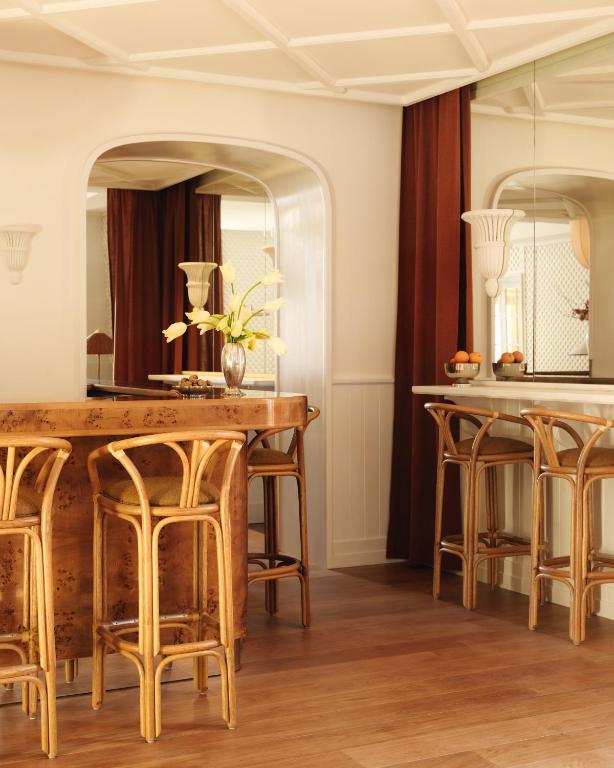
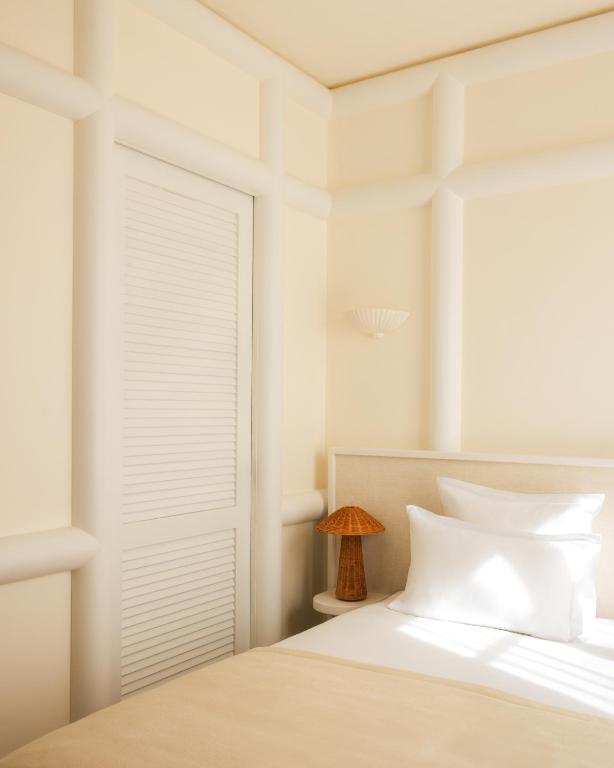
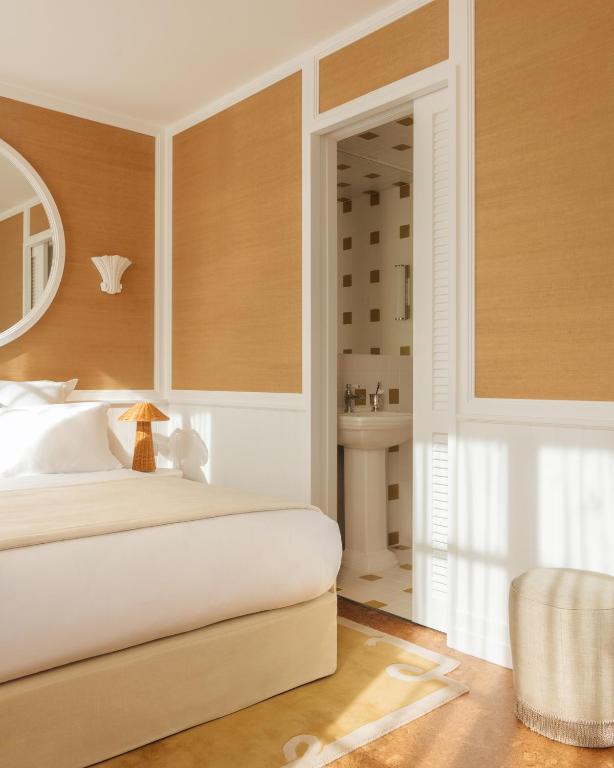
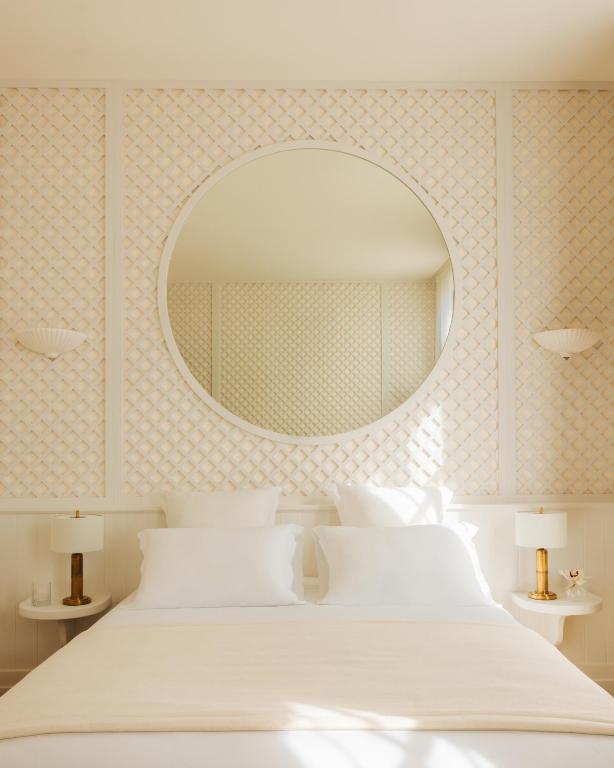
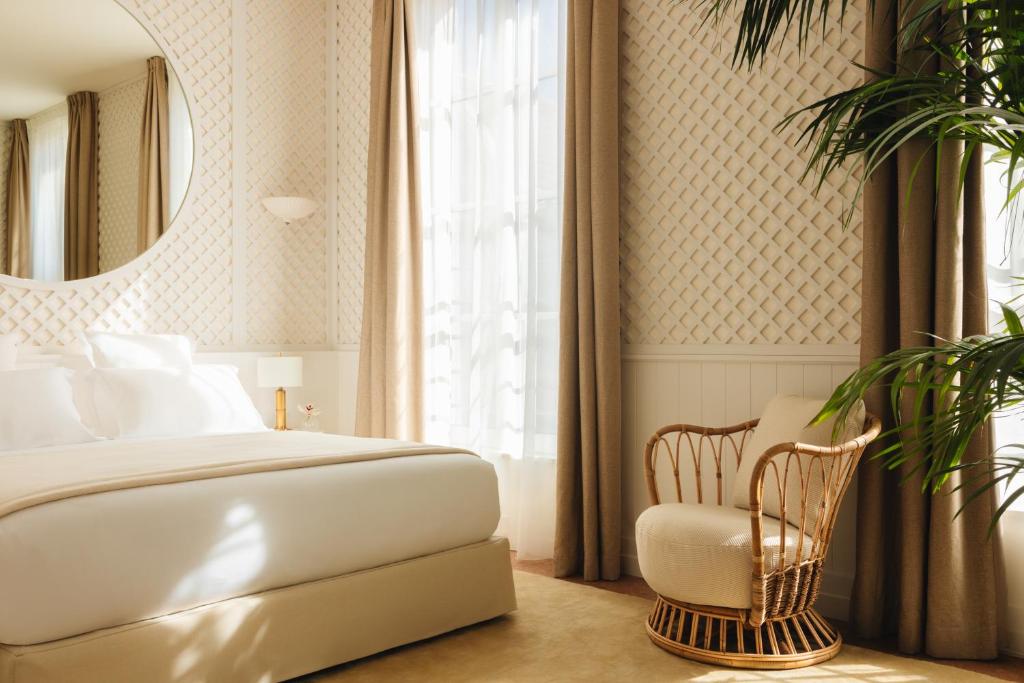
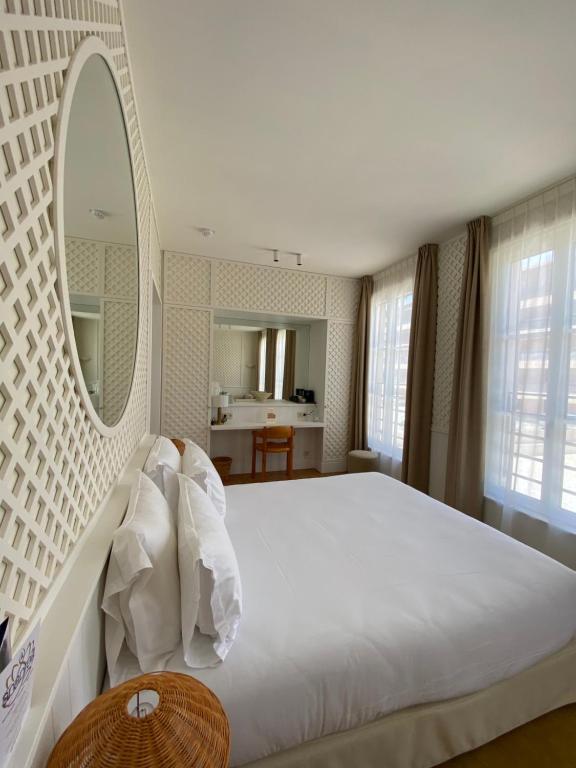
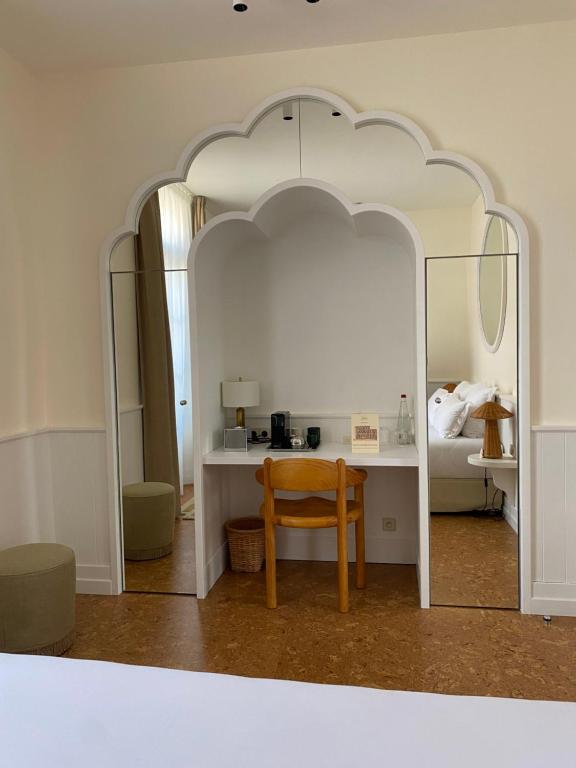
● The 37 rooms weave together Art Deco geometry, Moorish references, rattan and glossy poplar burl with work by 14 artists from the region.
● More than a design hotel, Lilou is conceived as a social house for Hyères — no conventional reception, but a bar, restaurant, library and terrace designed for lingering.
Hyères Gets Its Glamour Back
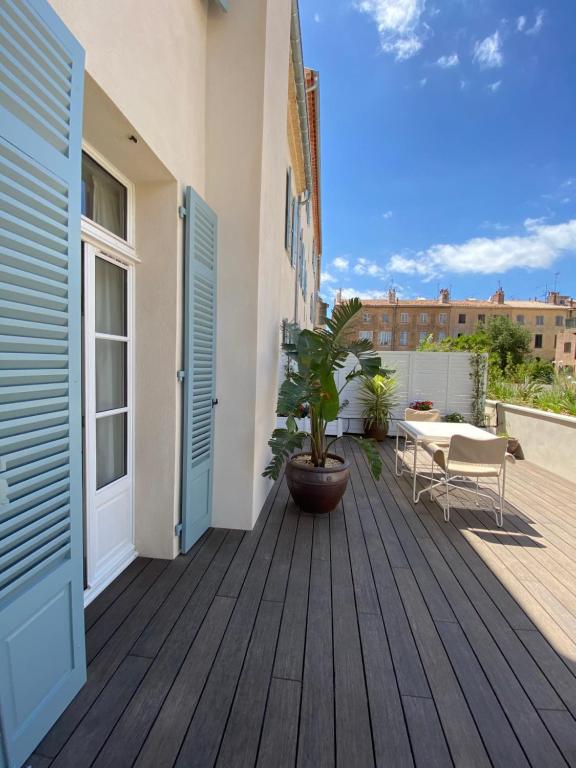
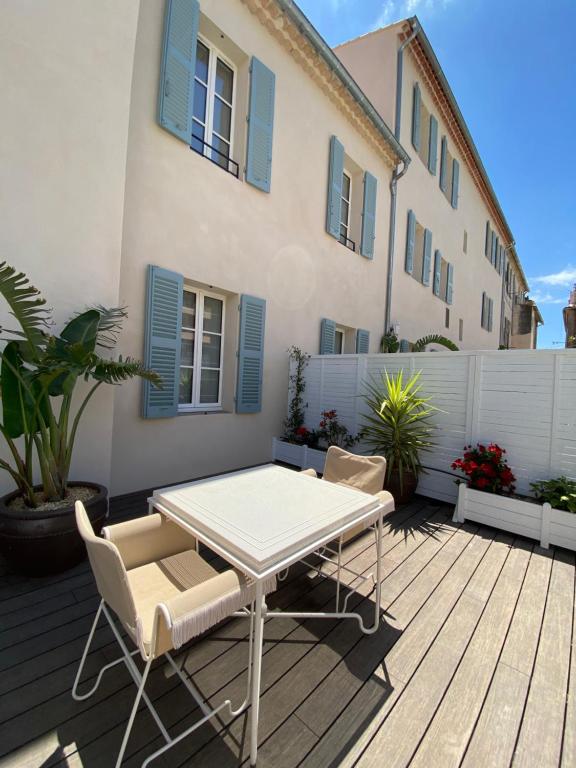
Before Cannes and Nice came to dominate the Côte d’Azur, Hyères was one of the Riviera’s great winter resorts. European aristocrats arrived for its mild climate, exotic gardens and Mediterranean light, filling the town with grand hotels and villas. Hotel Lilou taps directly into that forgotten history. Opened in 2024 after a three-year transformation by hoteliers Lisa and David Pirone, the former Hôtel du Parc occupies a Haussmann-style building dating from the 1890s. Paris-based Studio Haddou-Dufourcq restored its façade to its 1930s colours, then used the interiors to explore Hyères’ long relationship with travel, architecture and hospitality. The ambition is not simply to revive an old hotel. It is to make Hyères feel like a destination again.
Art Deco, Moorish Arches and Riviera Light
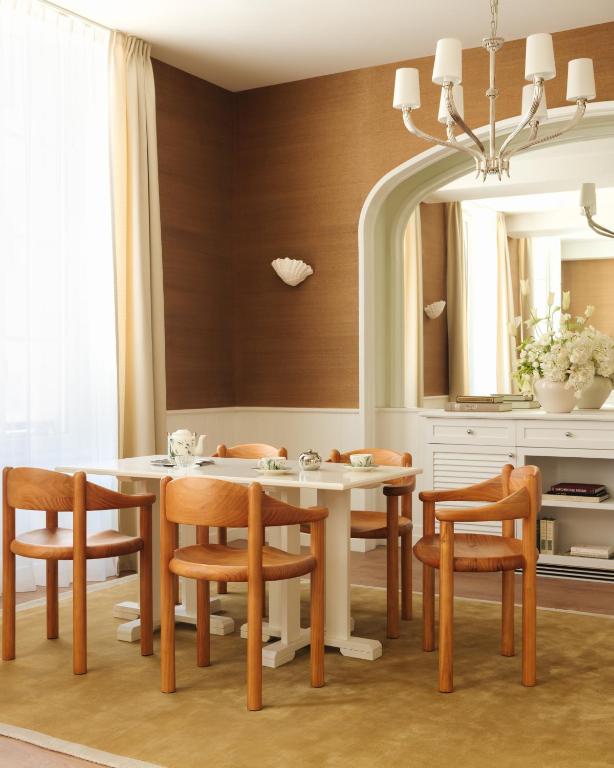
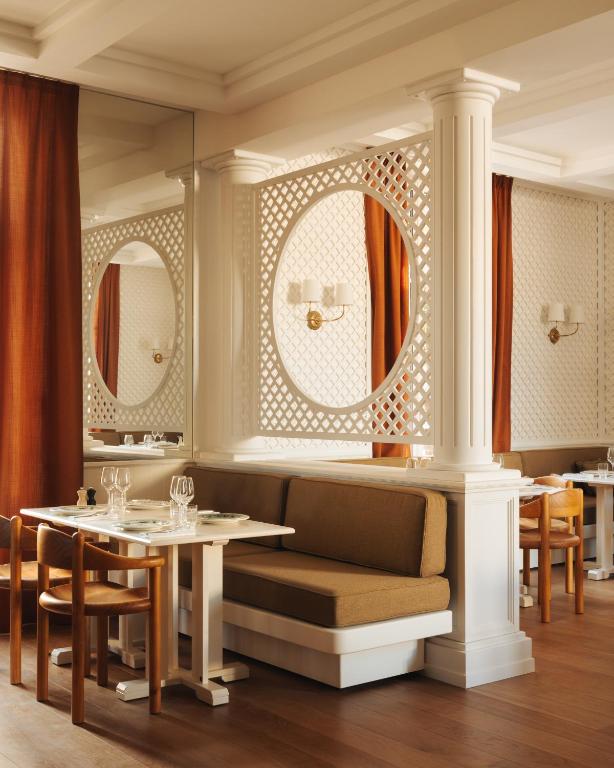
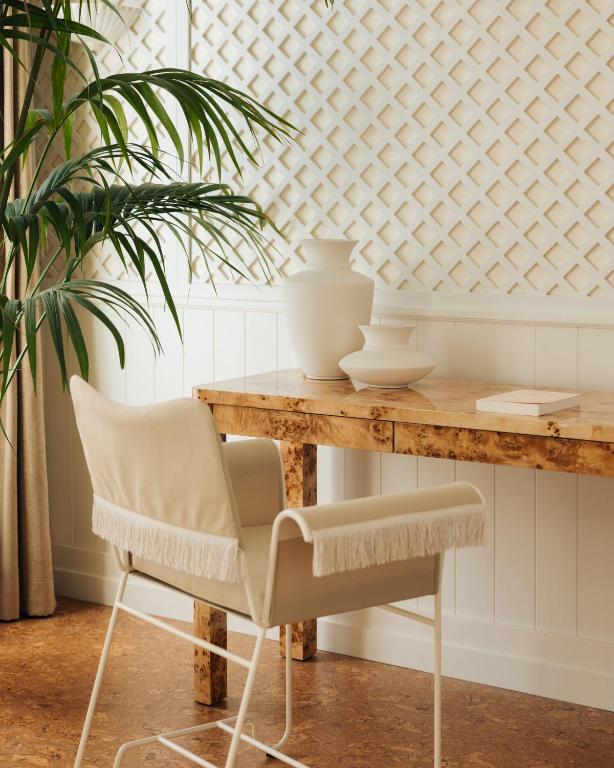
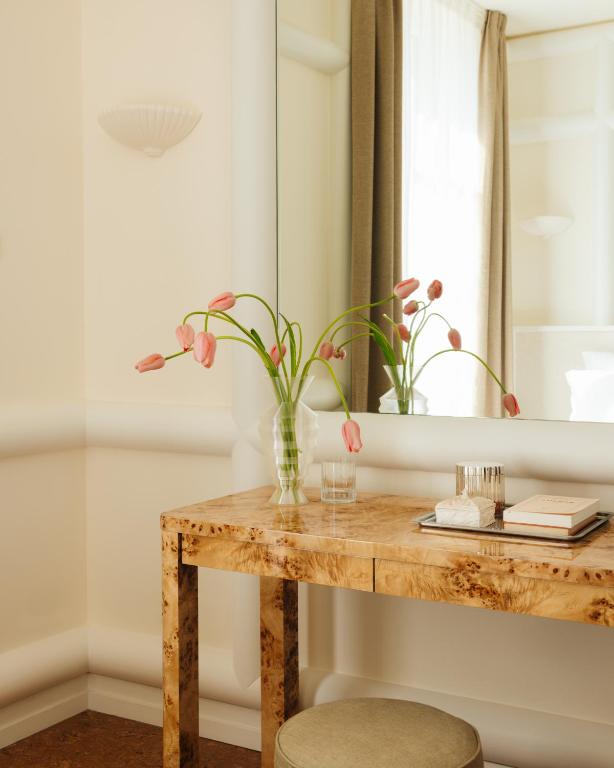
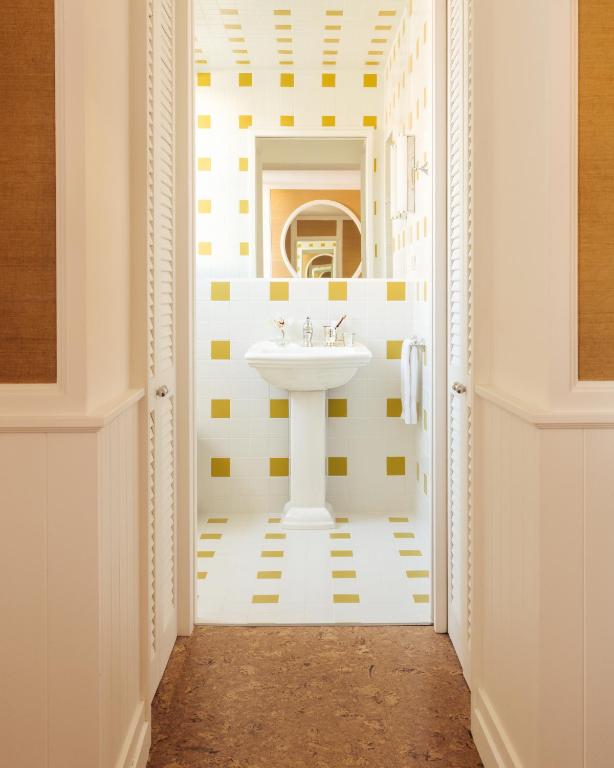
With little of the original interior remaining, designers Kim Haddou and Florent Dufourcq effectively started with a blank canvas. Their response mixes different chapters of local history rather than committing to a single period. Traditional ceiling mouldings are reduced to bold geometric lines. Arched doorways reference the Moorish architecture introduced to Hyères by wealthy 19th-century travellers, while rattan recalls the conservatories and Riviera interiors of the 1930s. One material repeatedly catches the eye: glossy poplar burl. Used for bespoke furniture and the long bar, its high-polish finish was inspired by the luxurious woodwork of the Orient Express and brings a subtle sense of travel-era glamour to otherwise soft interiors of cream, beige and off-white. It is decorative without becoming theatrical.
37 Rooms, Four Stories
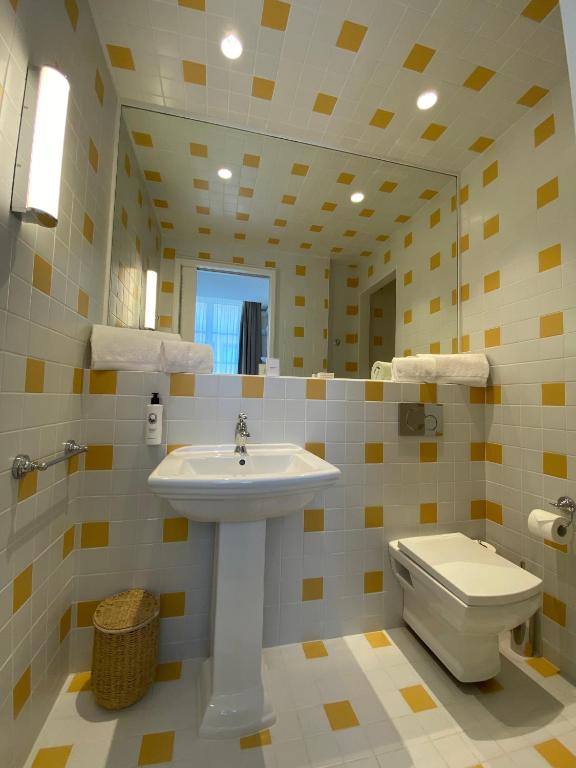
The 37 rooms are divided into four design themes, each interpreting a different aspect of Hyères. Some play with graphic mouldings, others with trellis patterns or Moorish arches. Natural textures soften the geometry, while sunlight becomes almost another material within the rooms. Art strengthens the connection with the city. Works by 14 emerging and established regional artists, selected with Jean-Pierre Blanc of nearby Villa Noailles, appear throughout the hotel. It is an important detail in a town whose creative history stretches from modernist architecture to fashion, photography and contemporary design.
A Hotel Made for Gathering
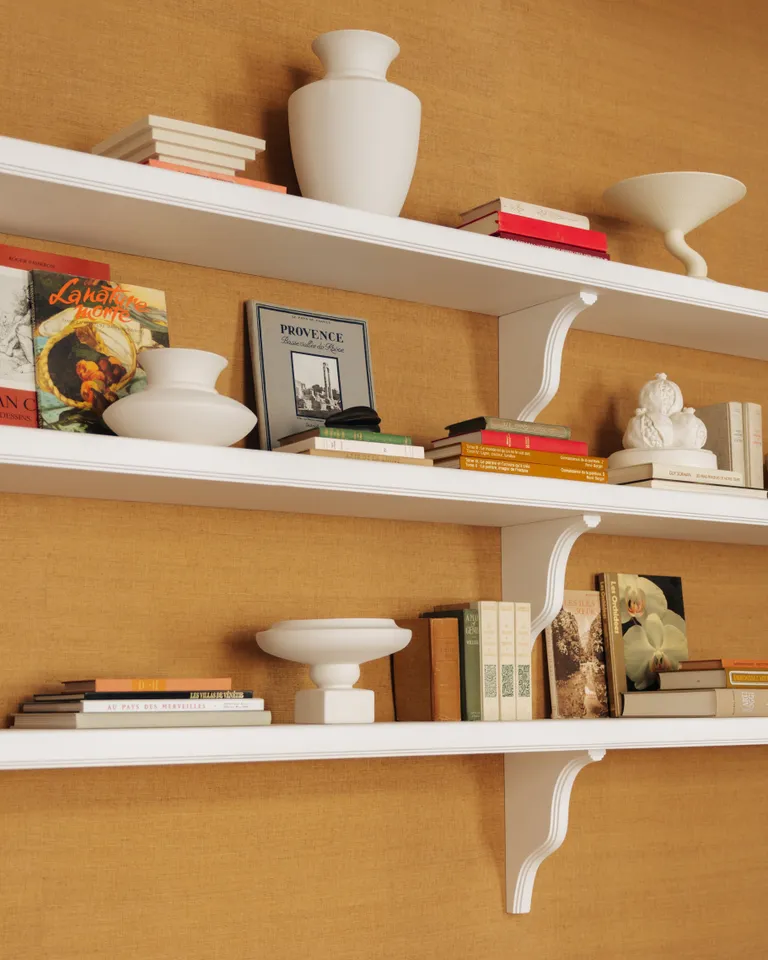
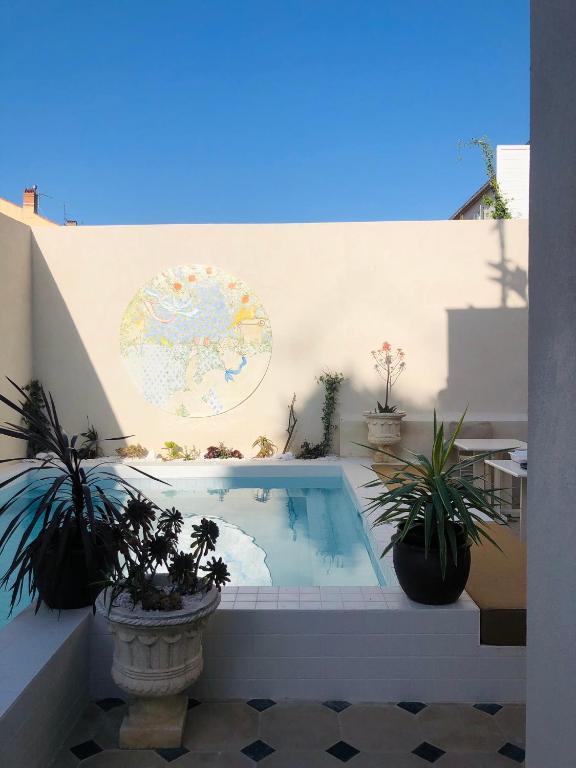
Lilou deliberately blurs the distinction between hotel and neighbourhood meeting place. There is no traditional reception desk. Guests are welcomed by the front-of-house team before moving naturally into the lounge, library, bar or restaurant. Seagrass walls, white trellises, rattan sofas and books devoted to architecture, gardens and travel create something closer to an elegant Riviera home than a conventional lobby. The restaurant continues onto a terrace framed by Palladian columns and climbing greenery, with Mediterranean cooking at the centre of the experience. A private dining room for 12 adds a more intimate setting for long lunches and dinners. The idea throughout is conviviality. Come downstairs for a drink and there should be little reason to hurry back upstairs.
Why It Works
Hotel Lilou draws on Hyères’ glamorous past without becoming trapped by it. Studio Haddou-Dufourcq takes the vocabulary of grand hotels, winter gardens, Art Deco travel and the town’s Moorish architecture and strips it back into something lighter and more contemporary. That makes Lilou particularly suited to Hyères itself. This is not Saint-Tropez transplanted further along the coast. The city has its own architectural and artistic identity, from Villa Noailles to its palm-lined streets and extraordinary concentration of 19th- and 20th-century villas. Lilou understands that history — and gives it somewhere new to gather.