Lily of the Valley, La Croix-Valmer, France
Philippe Starck’s hillside wellness retreat where architecture disappears into the Riviera landscape
Why DNA Hotels Loves It
● Philippe Starck conceived the hotel as a collection of low-slung mineral buildings absorbed into the landscape rather than imposed upon it.
● Its architecture draws simultaneously from Babylon’s hanging gardens, Provençal abbeys and Californian villas, creating a distinctly Mediterranean form of contemporary luxury.
● Wellness is not an amenity added afterwards but the organising principle of the entire hotel, from the spa and movement programmes to the food and surrounding landscape.
A Different Side of the Riviera
Saint-Tropez may be close, but Lily of the Valley belongs to another rhythm entirely. The hotel sits above Gigaro Beach on Cap Lardier, the protected green lung of La Croix-Valmer, surrounded by dense Mediterranean vegetation and looking across the sea. From below, much of the property almost disappears into the hillside. That was intentional. When entrepreneur Alain Weill discovered the site in 2016, he turned to Philippe Starck to rethink the existing hotel. The brief was less about creating a new Riviera landmark than about making architecture recede. Starck described the project through a “fantasy of Antiquity”: part Babylonian garden, part Provençal monastery, part Californian retreat. The result opened in 2019.
Architecture That Gives Nature the Lead
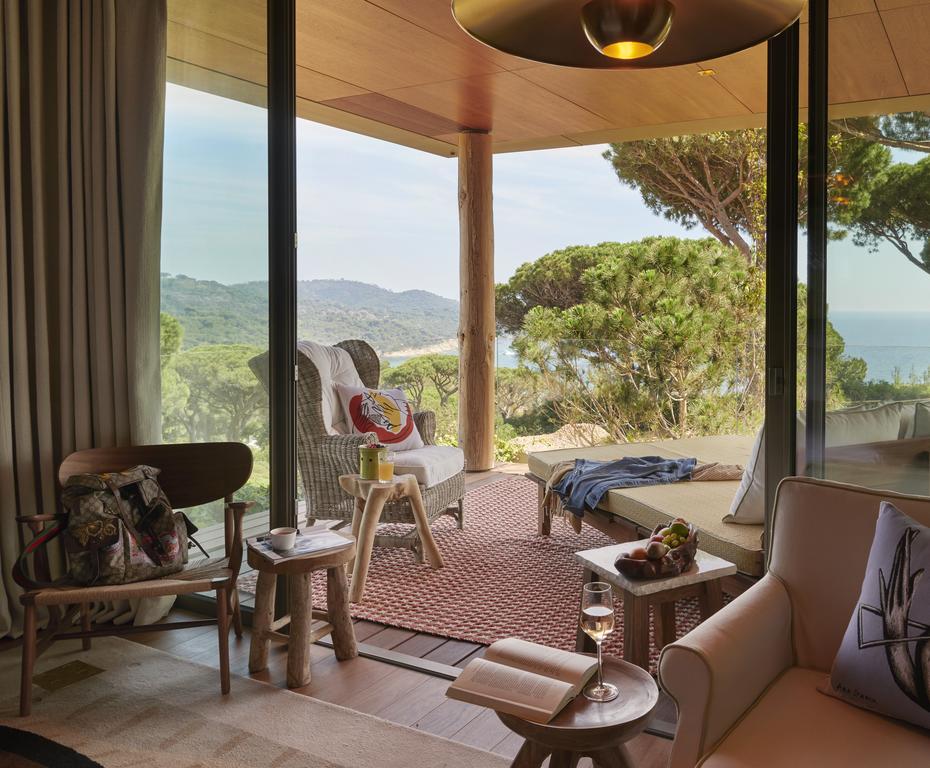
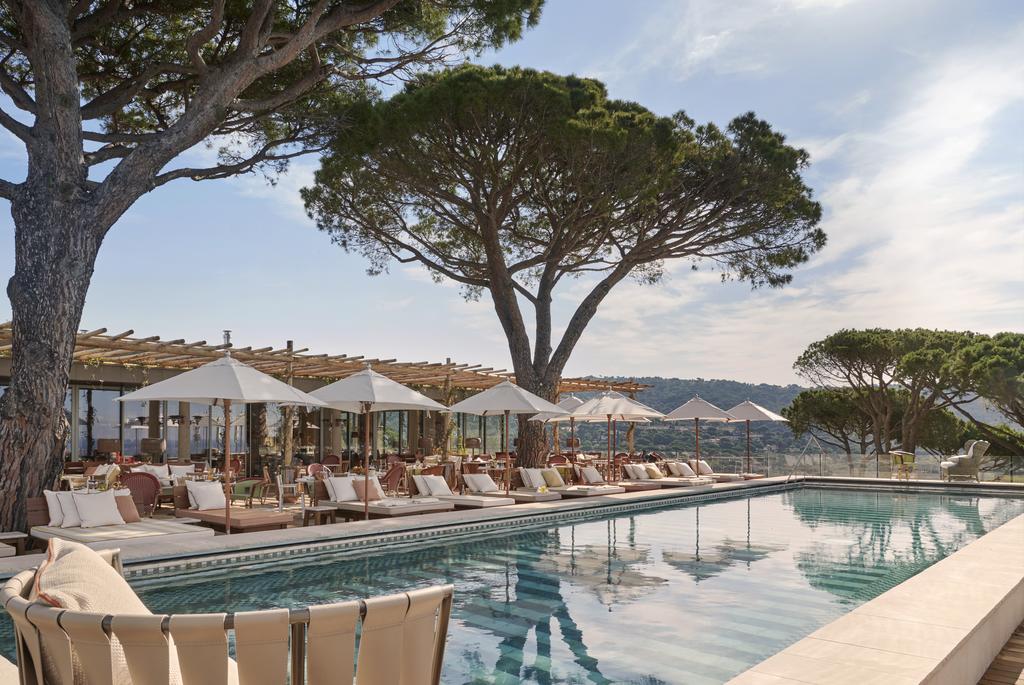
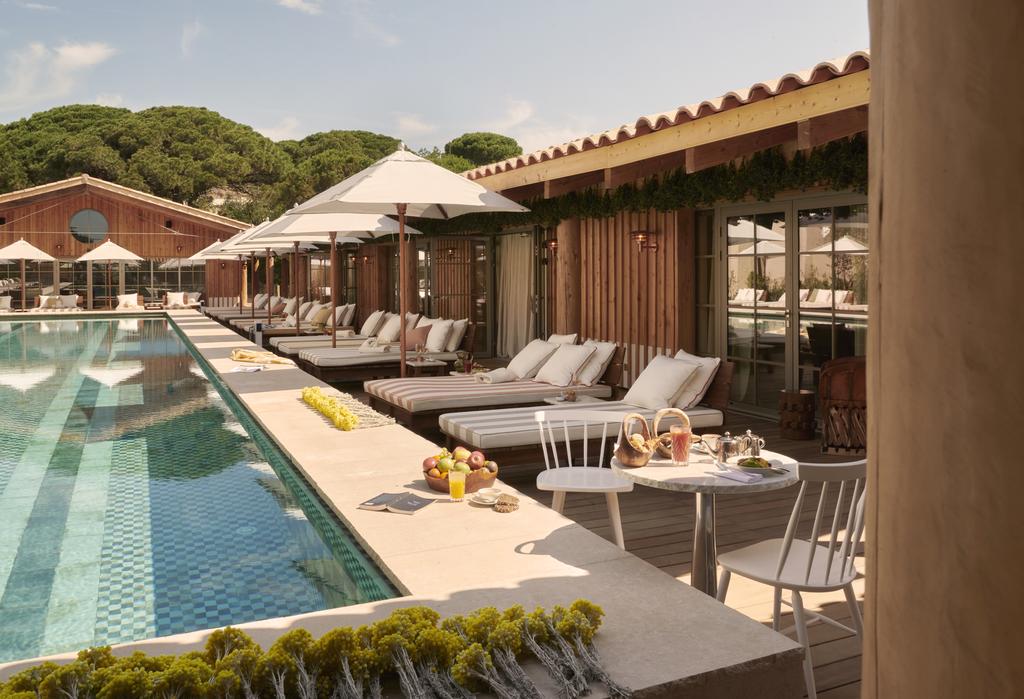
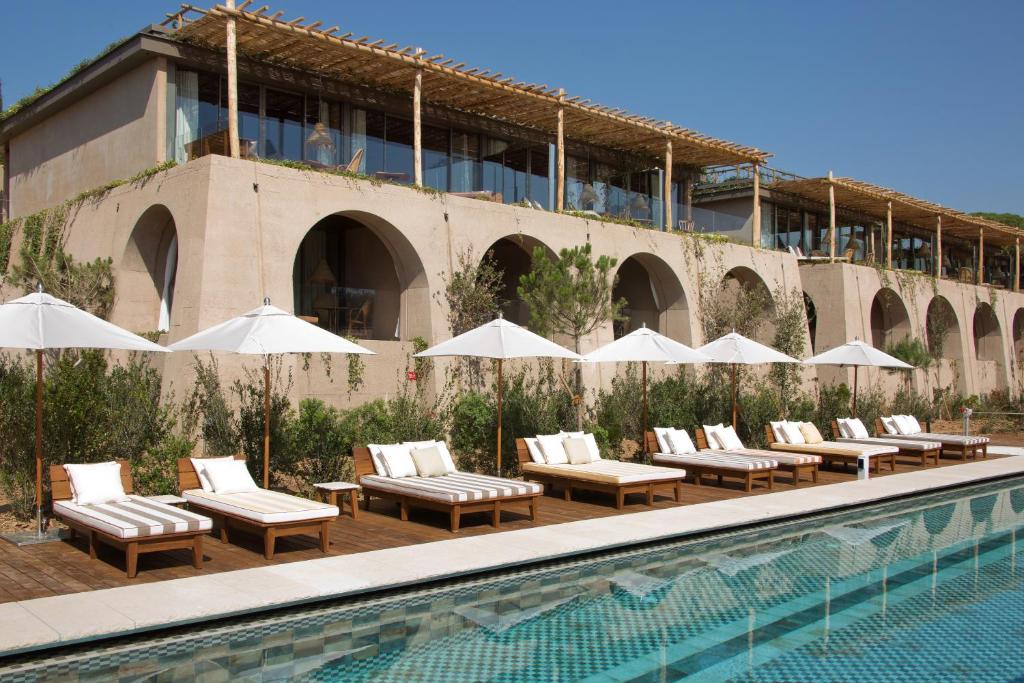
The hotel is arranged less like a conventional resort than a loose village. Stone, timber, vegetation and broad horizontal rooflines help the buildings settle into the slope, while terraces and planted roofs soften their outlines further. The architecture feels substantial, but never monumental. Starck’s approach was to let nature dominate. Lush planting spills over walls and roofs. Rooms open onto generous terraces. Exterior circulation creates constant contact with light, air and vegetation. From many viewpoints, the distinction between architecture and landscape becomes deliberately blurred. Nothing feels isolated from its setting. Nature becomes part of the plan.
Rooms in a Rustic-Mineral Palette
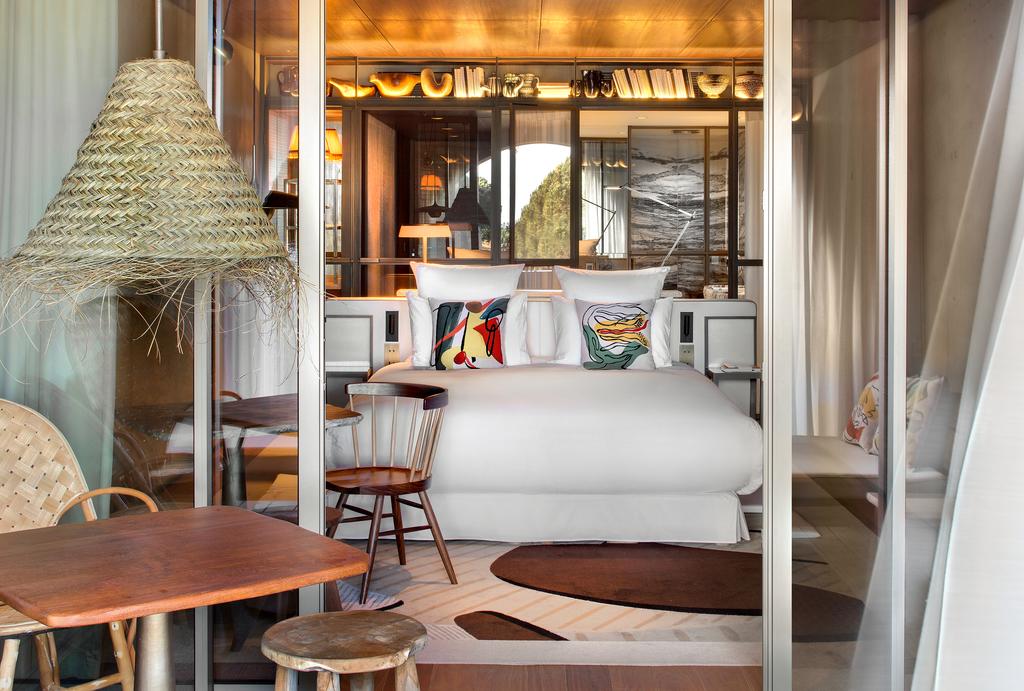
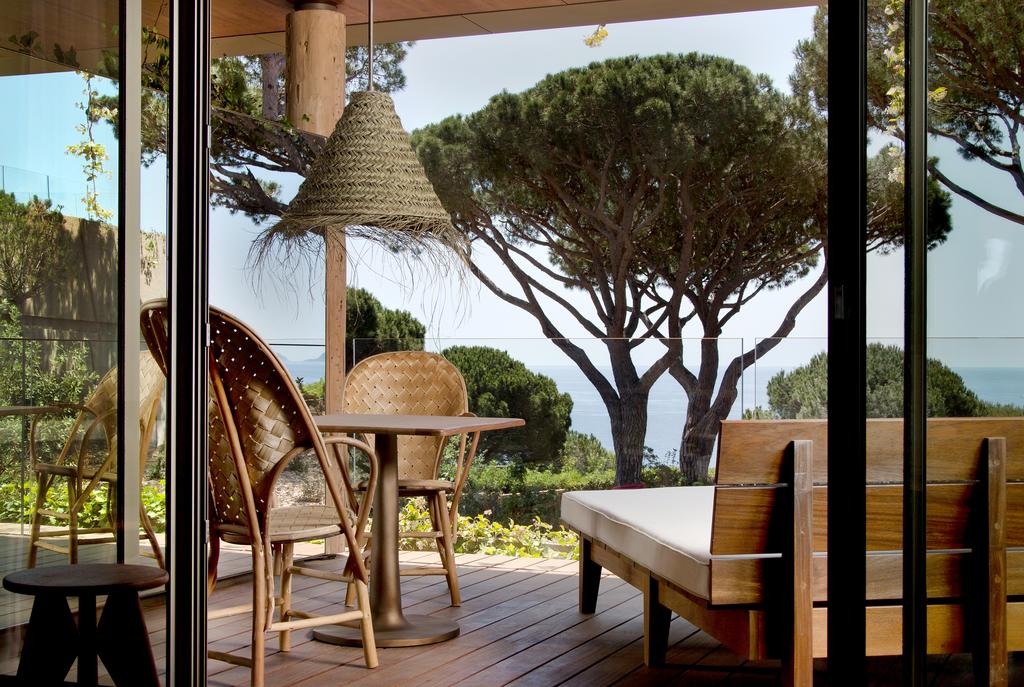
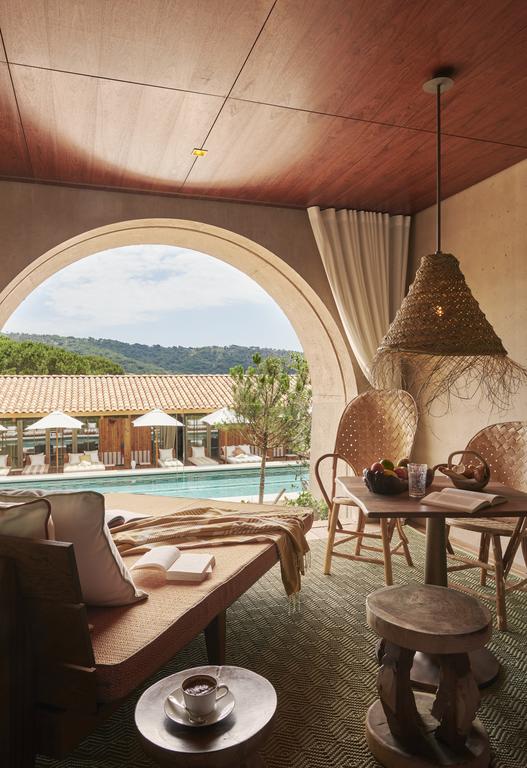
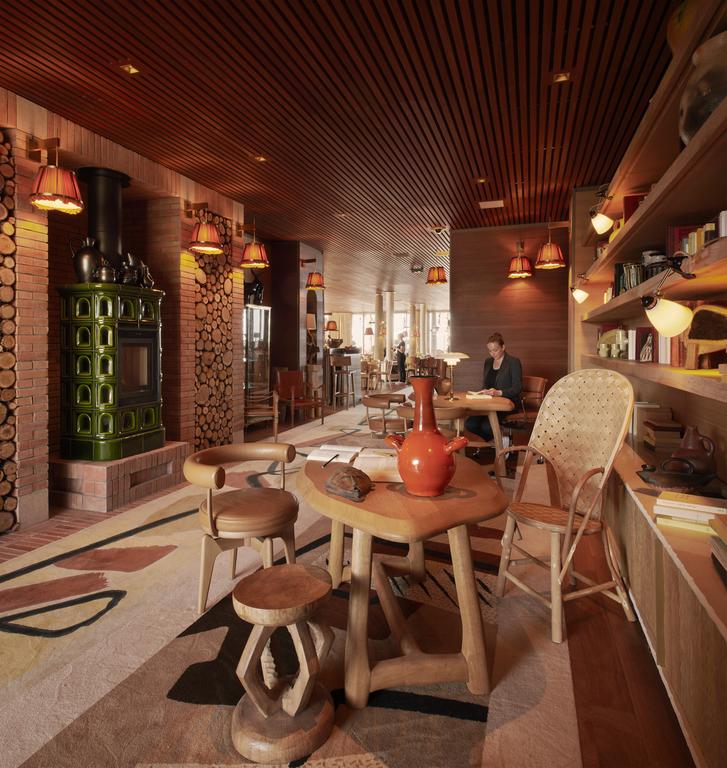
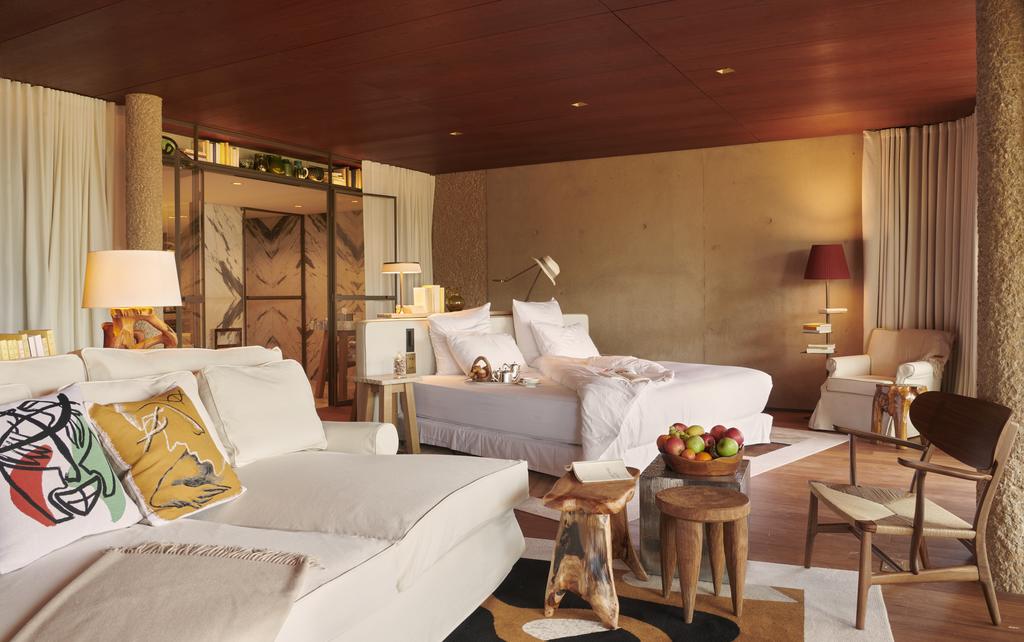
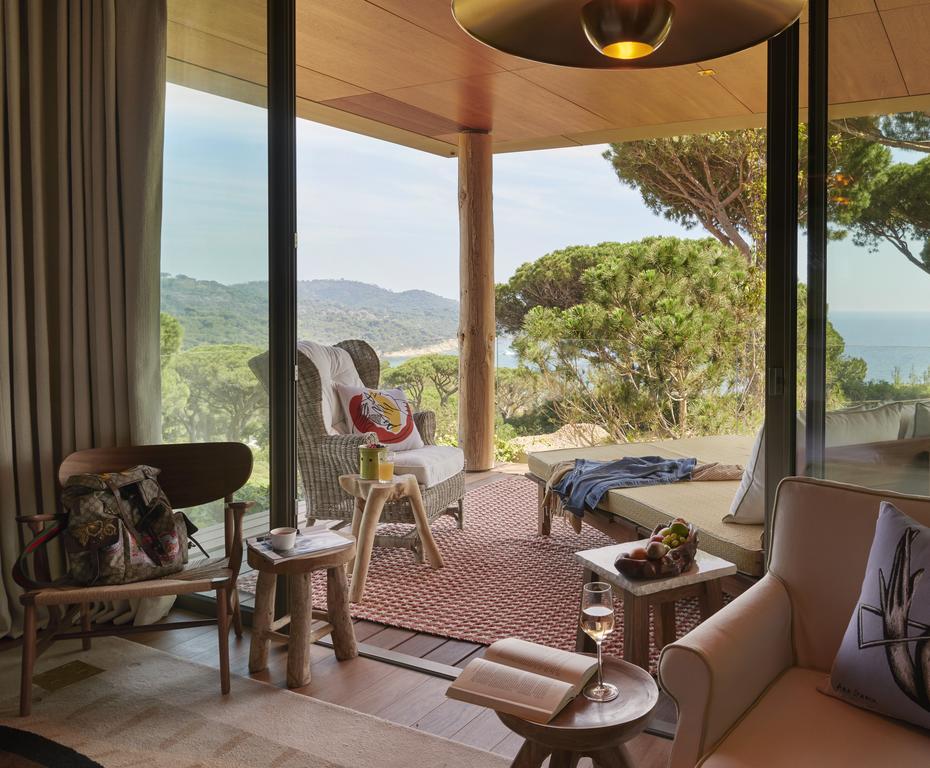
Inside, Starck avoids the polished white vocabulary often associated with Riviera luxury. Instead, the rooms combine wicker, raffia, rattan, marble and natural timber with stone-like surfaces and deeply tactile fabrics. The palette is warm and earthy rather than decorative, allowing the Mediterranean light to do much of the work. Large terraces extend the rooms outdoors, often with oversized daybeds designed for the slowest possible part of the day. The overall effect is more residential than theatrical. Luxury feels grounded, textured and generous.
Wellness as Architecture
The hotel’s defining element is its wellness programme. Rather than separating spa life from the rest of the experience, Lily of the Valley builds the entire stay around movement, nutrition, recovery and long-term wellbeing. Personalised programmes can combine training, hiking, yoga, treatments and nutrition, while guests who simply want a Riviera holiday can engage with the same facilities more casually. The spa is extensive, with treatment rooms, saunas, steam facilities, cryotherapy and a substantial fitness offering. Outside, the setting becomes part of the therapy. Coastal trails run through Cap Lardier, the beach lies below, and two outdoor pools create different relationships with the landscape, including a dramatic infinity pool suspended above the sea. Wellness here feels physical rather than performative.
Mediterranean Food Without Punishment
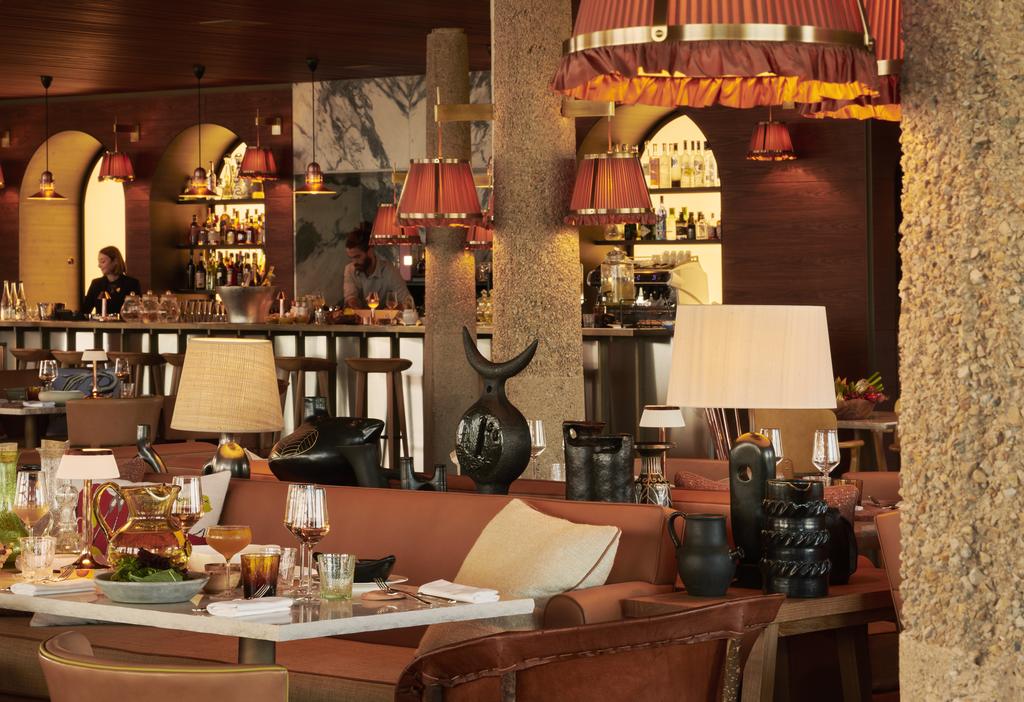
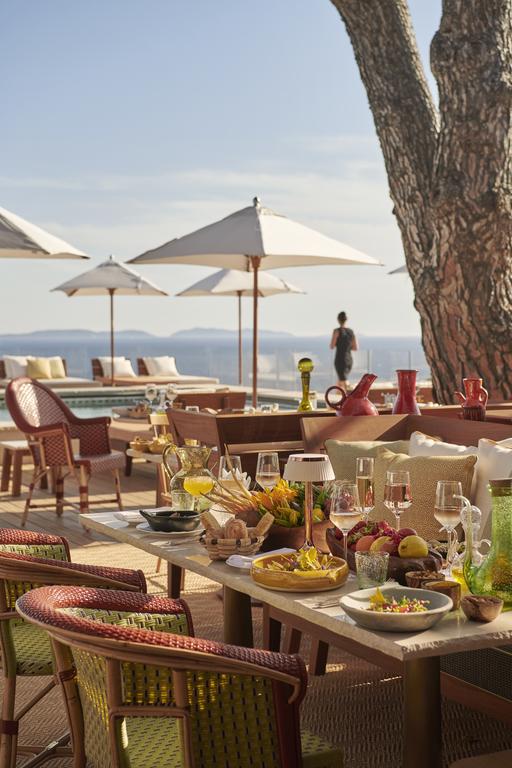
Chef Vincent Maillard leads the culinary side of the hotel with a philosophy that matches the broader wellness programme: Mediterranean ingredients, clarity of flavour and a strong relationship with local produce. At Vista, the food is designed in consultation with nutritional expertise, but the result avoids the usual deprivation associated with health retreats. Lobster, fish, vegetables, eggs and seasonal produce are treated with restraint rather than austerity. Brigantine loosens the rules further, concentrating on Provençal flavours, seafood, pasta and relaxed Mediterranean cooking. The message is simple. Wellbeing does not have to mean joylessness.
Between Gigaro and Saint-Tropez
Lily of the Valley occupies a particularly useful position on the Riviera. Saint-Tropez is close enough for dinner, shopping or nightlife, but far enough away that the hotel never feels absorbed into its spectacle. La Croix-Valmer itself moves at a much slower pace, with beaches, walking trails and a landscape that remains surprisingly untouched. The hotel’s beach club at Gigaro extends the experience down to the water, while the hillside property above remains the quieter counterpoint. You can move between both versions of the Riviera. Or ignore Saint-Tropez entirely.
Why It Works
Lily of the Valley succeeds because Philippe Starck resisted the obvious temptation to create another architectural icon. Instead, the design performs a quieter trick. The buildings settle into the hillside. Vegetation overtakes architecture. Rooms open outward. Wellness programmes use the surrounding landscape as much as the spa itself. Even the visual language feels more elemental than glamorous. For a hotel created by one of the world’s most recognisable designers, surprisingly little of it feels designed for spectacle. That restraint is its strongest idea. The Riviera remains the star.