Long Story Short – Olomouc, Czechia
Baroque bones, Czech modernism and a new-generation hostel inside a 17th-century fortress
Why DNA Hotels Loves It
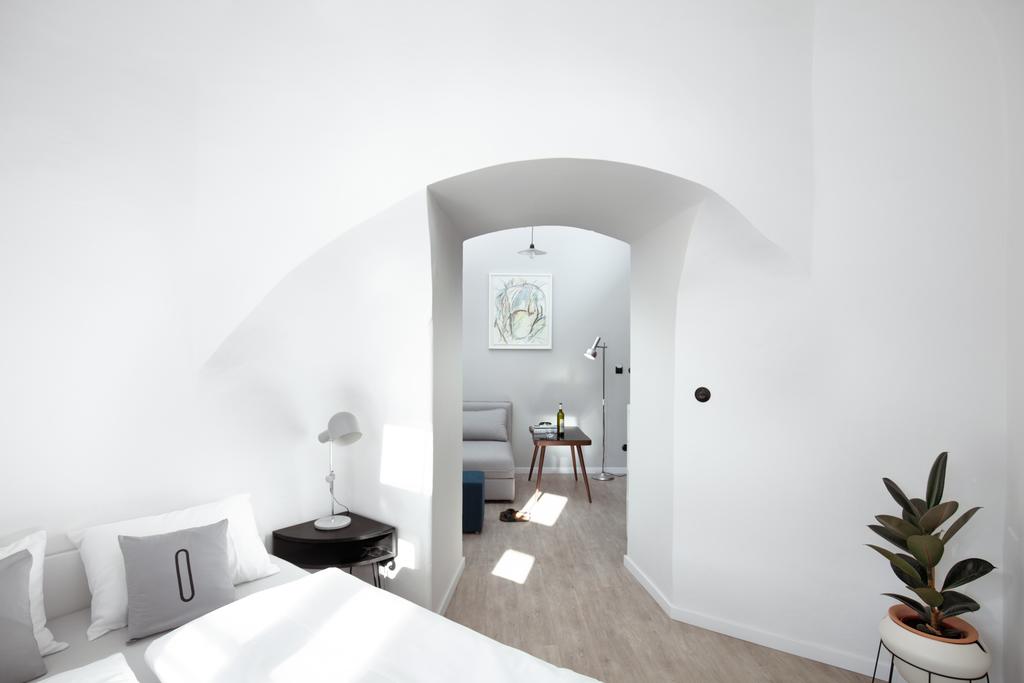
● A 17th-century fortress transformed into a remarkably sophisticated hostel by Czech interior designer Denisa Strmisková, without disguising the building’s extraordinary historic structure.
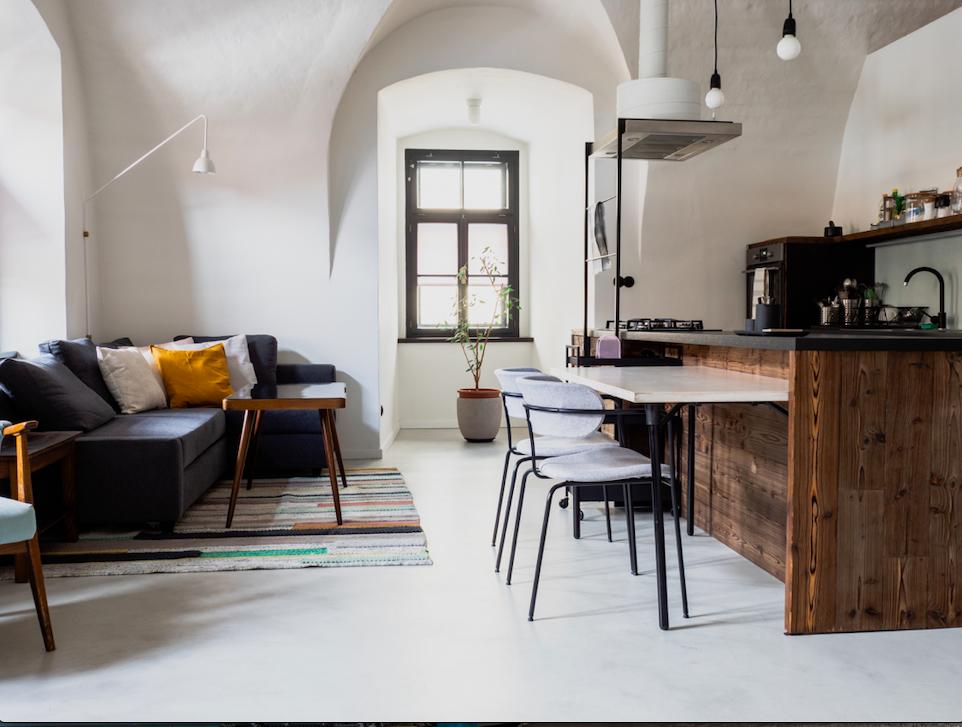
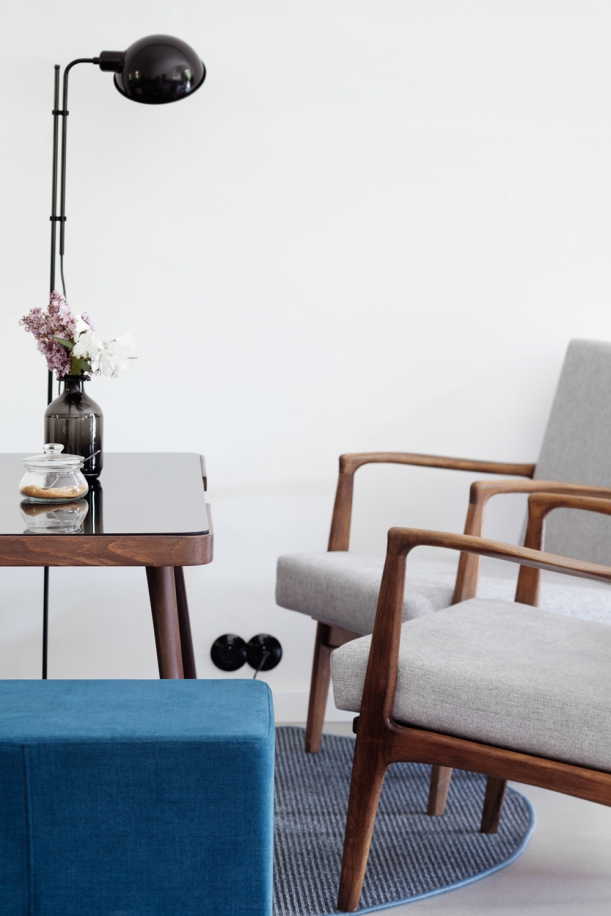
● Custom-made furniture and local craftsmanship mix with vintage Czech modernism, contemporary lighting and original Czech art.
● With dorms and private rooms, a café and genuinely social spaces, it proves that great design doesn’t need a boutique-hotel price tag.
A Fortress for Modern Nomads
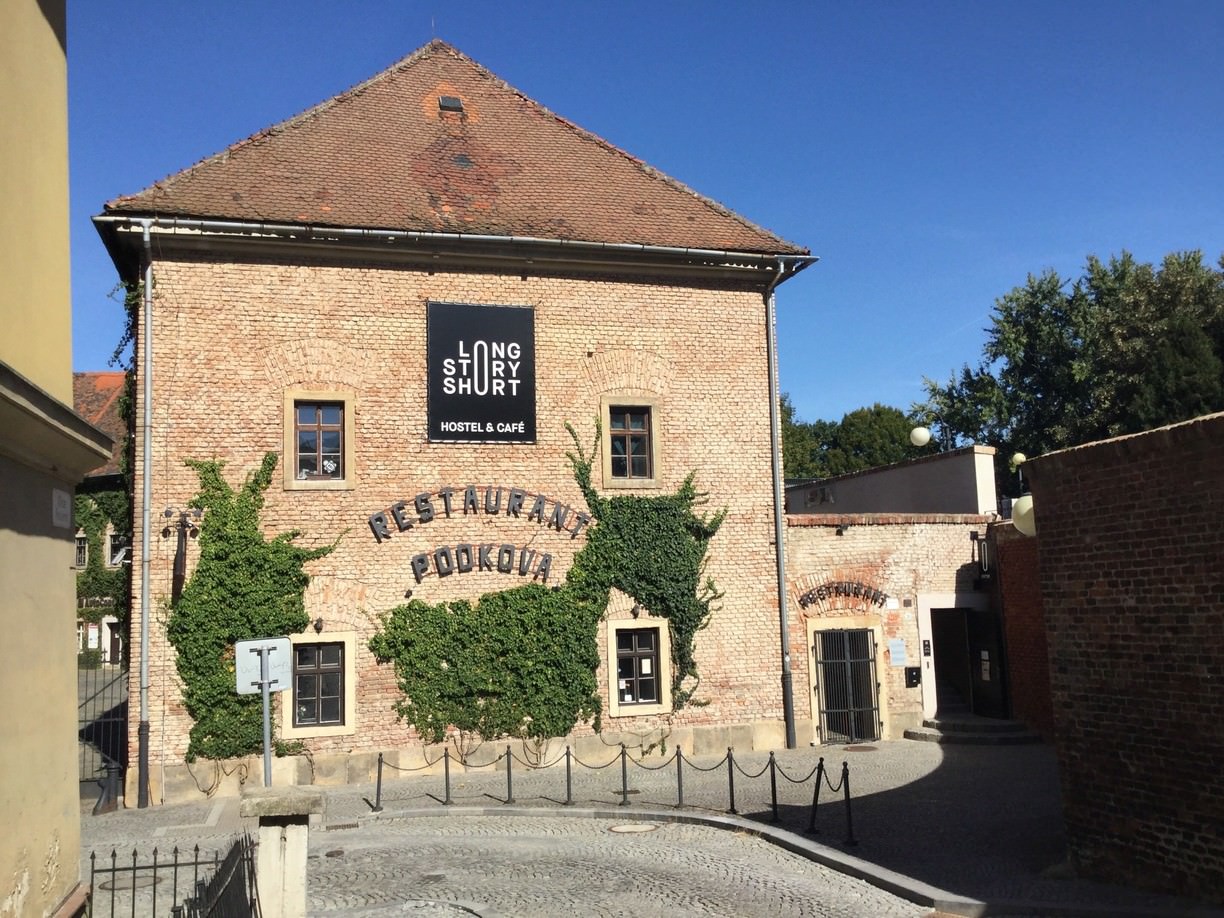
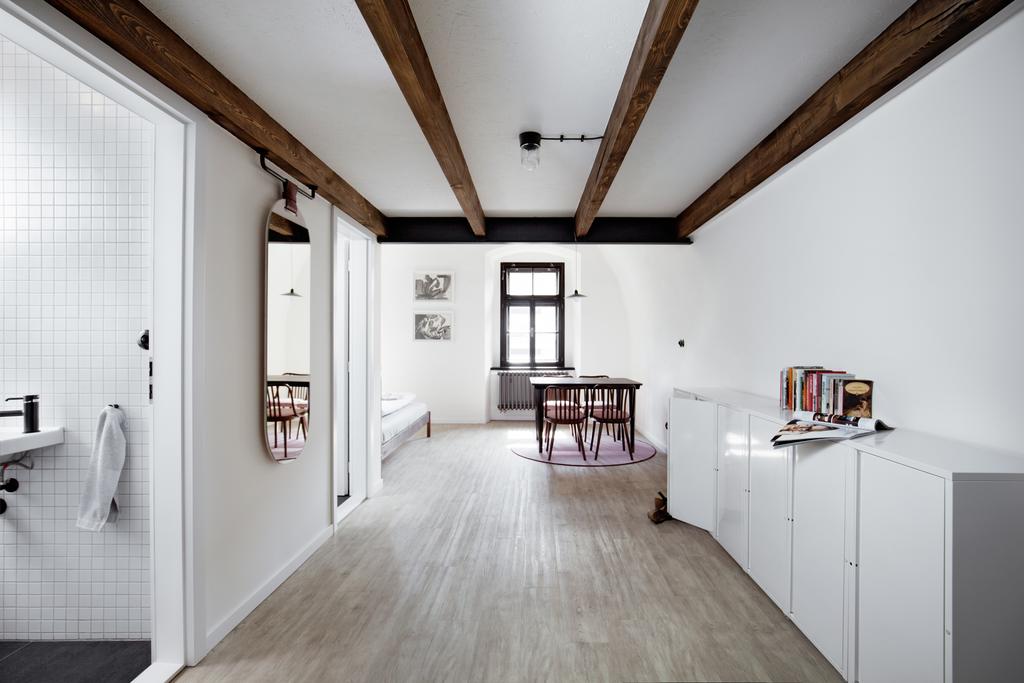
Hostel is one of those words that can immediately conjure up bunk beds, backpacks and questionable communal bathrooms. Long Story Short is rather different. Hidden inside the enormous 17th-century Podkova — or Horseshoe — fortress in the historic centre of Olomouc, it takes the social ease and affordability of a hostel and wraps it in architecture and interiors good enough to make considerably more expensive boutique hotels jealous. Entrepreneur Eva Dlabalová conceived the project after her own travels, bringing in interior designer and scenographer Denisa Strmisková to transform an entire floor of the historic building. The name is clever too. The building contains one exceptionally long, continuous corridor curling around a central courtyard. You stay for a short time inside a place with a very long story.
Let the Building Do the Talking
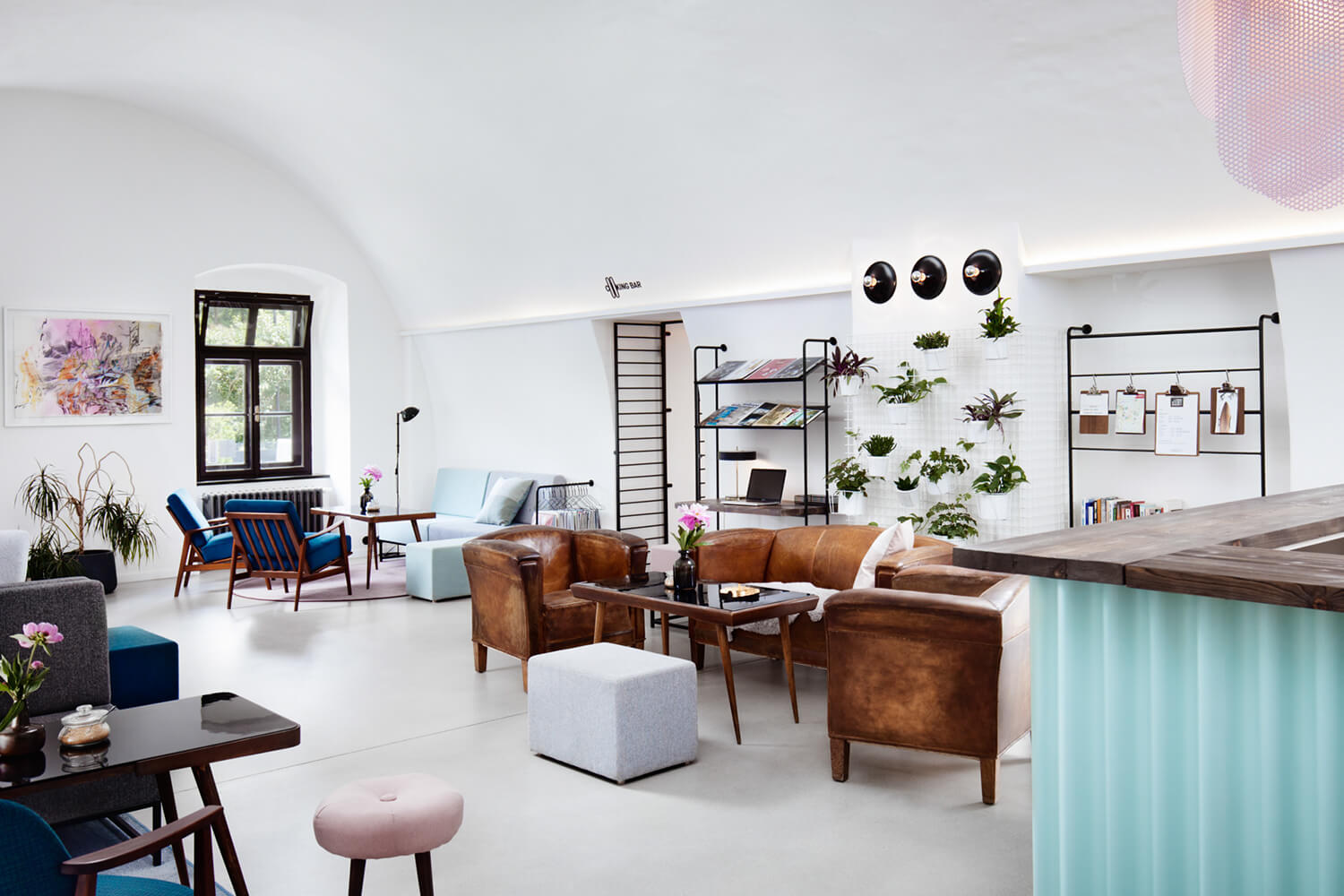
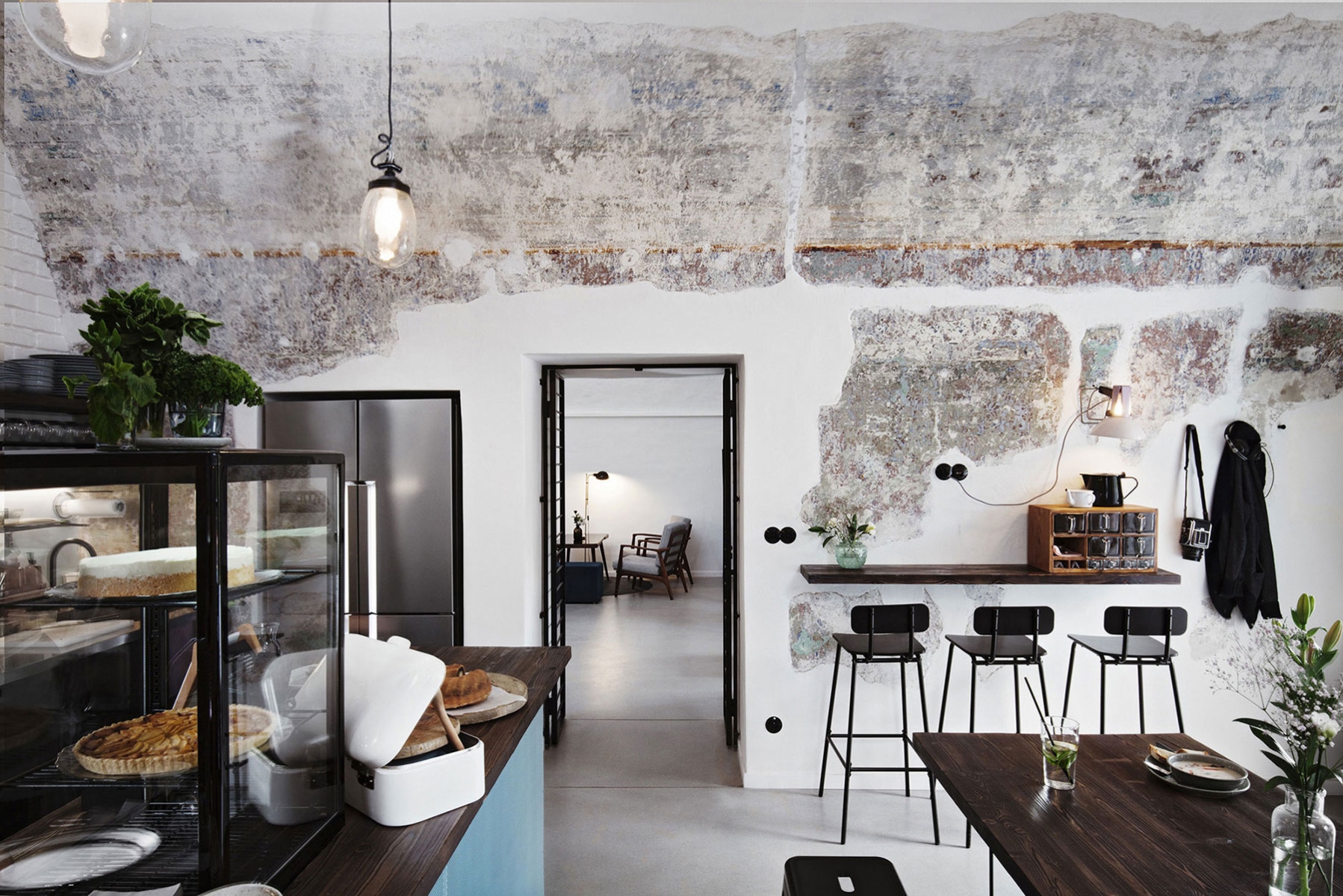
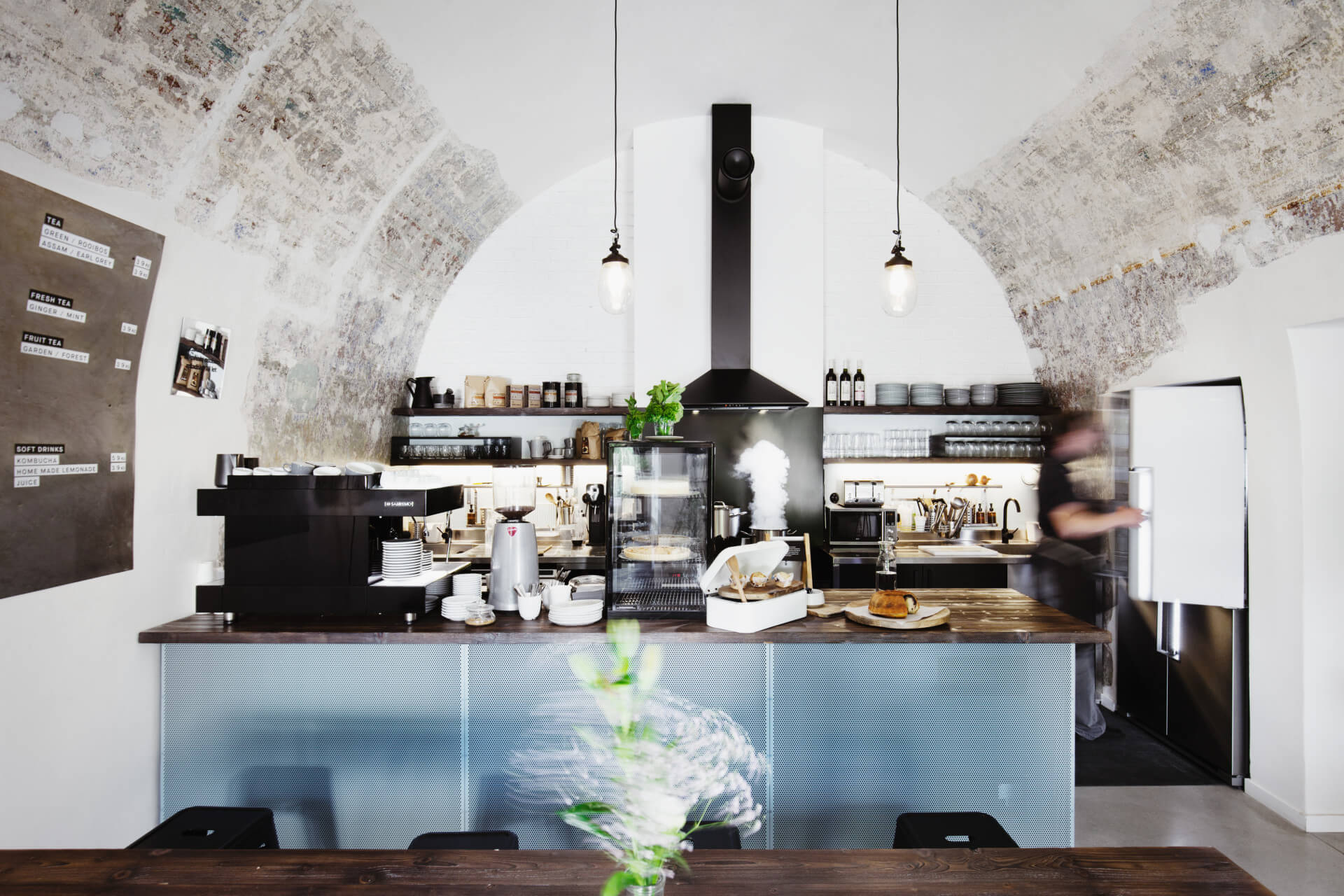
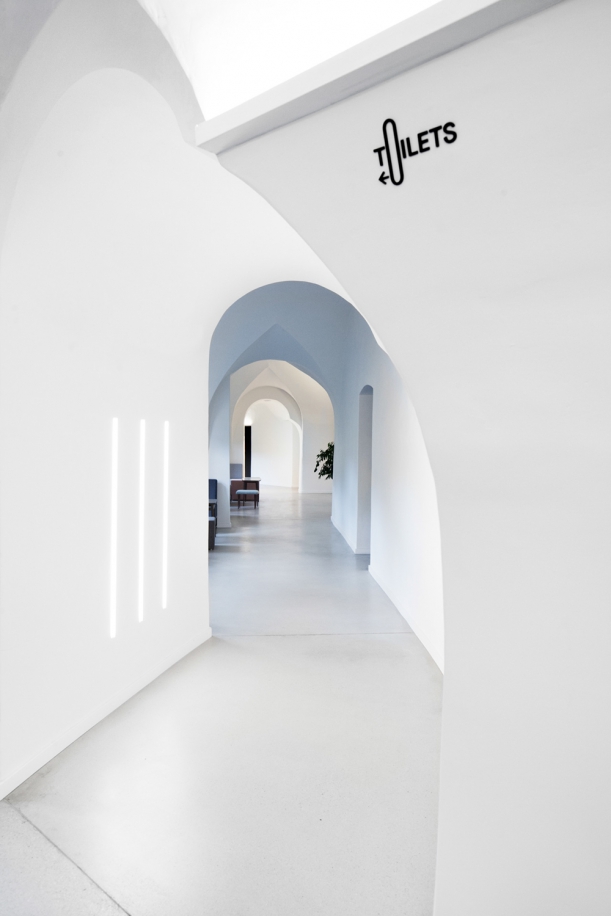
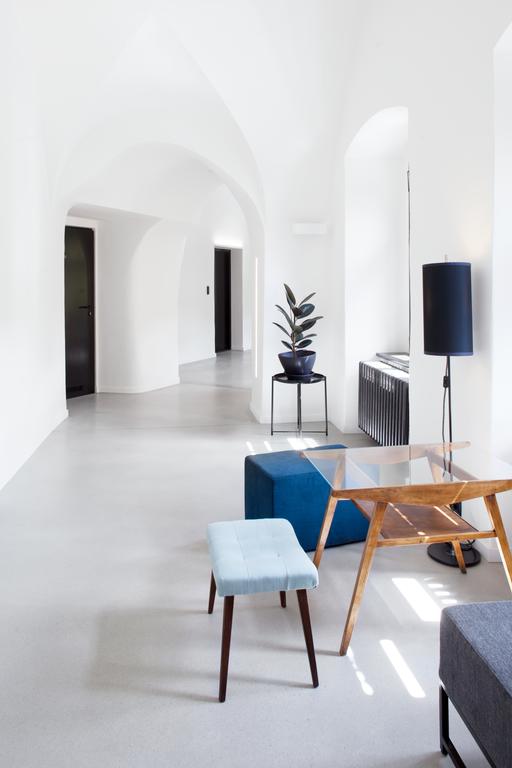
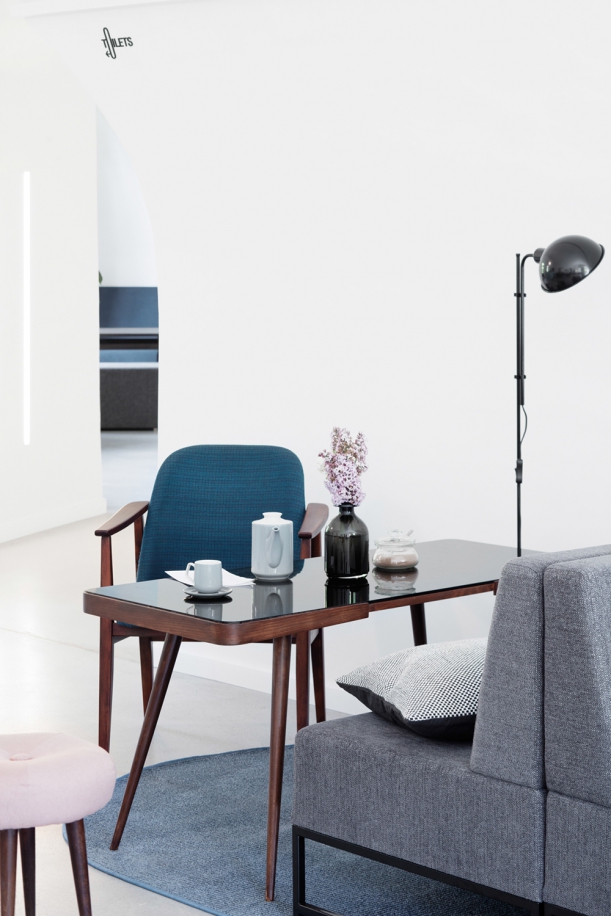
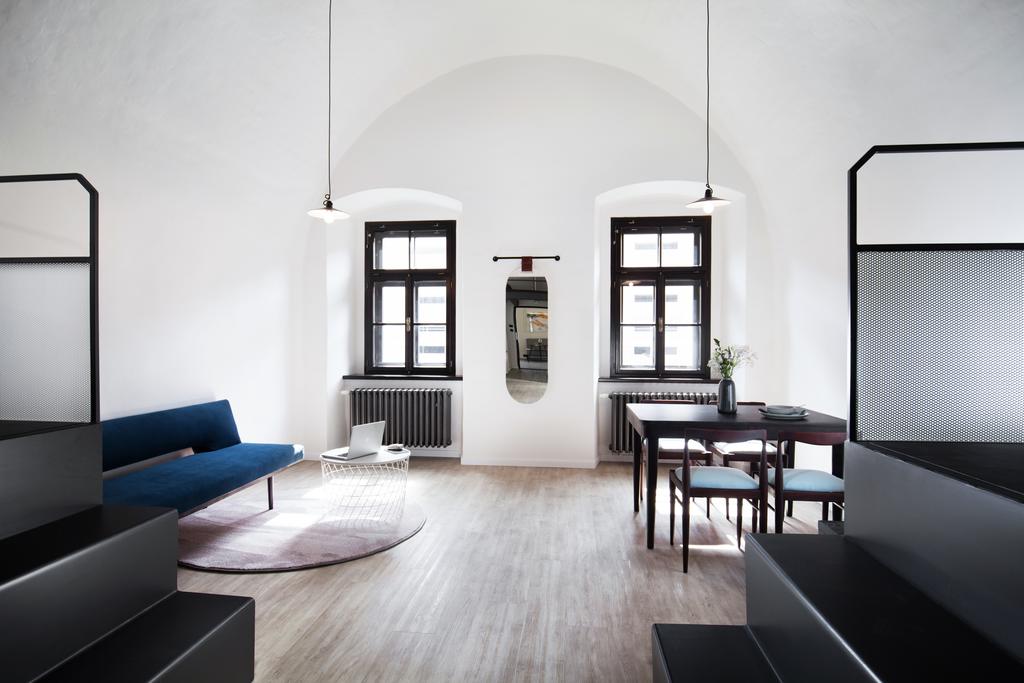
The smartest decision Strmisková made was not to fight the architecture. Massive vaulted ceilings and organically curved white-plastered walls remain the protagonists, while contemporary additions are deliberately crisp and restrained. White meets black metal; old stone meets pastel upholstery; centuries of architecture meet furniture that feels unmistakably now. That extraordinary corridor became part circulation route, part piece of scenography. Its curves mean the perspective constantly changes as you walk through it, while carefully controlled lighting exaggerates the arches and shadows. Small seating areas appear along the route, breaking down the monumental scale into intimate places to sit, talk or disappear with a laptop. The old fortress hasn’t been turned into a historical theme park. A younger generation has simply moved in.
Made in Czechia
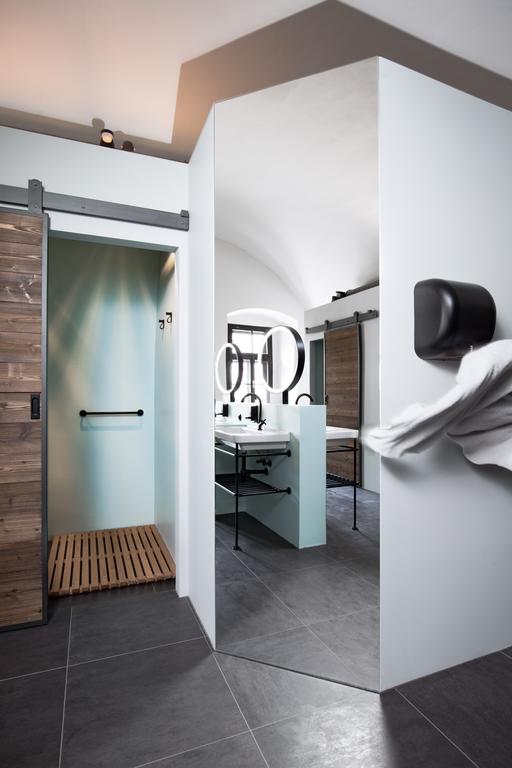
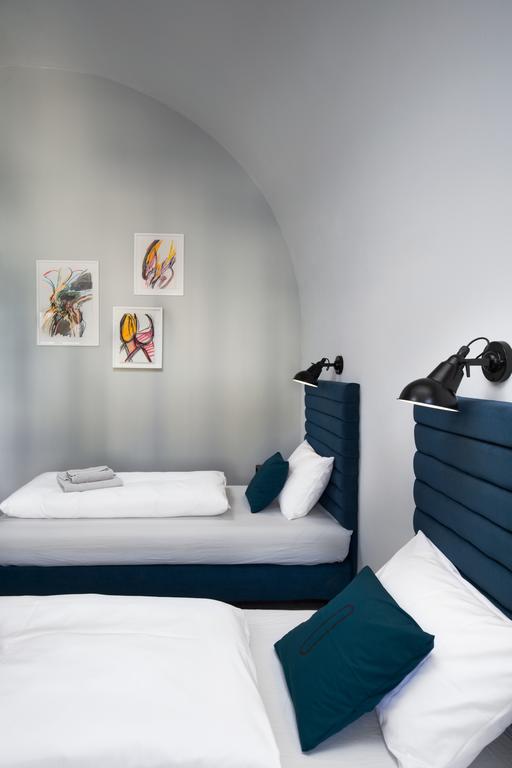
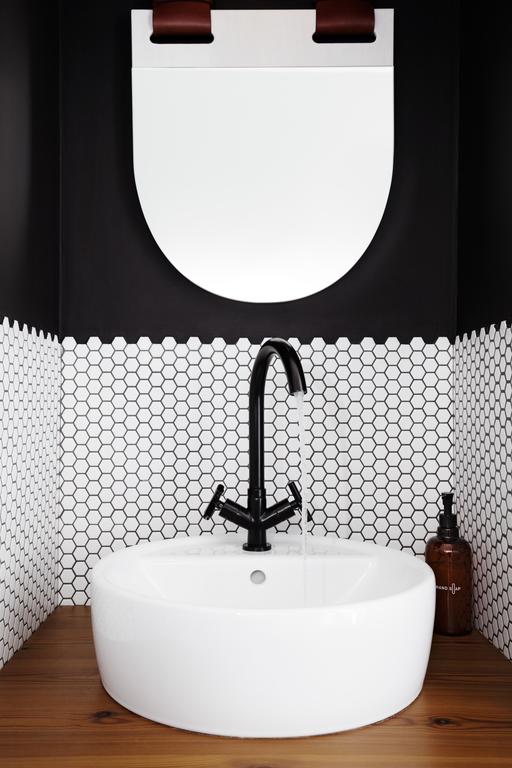
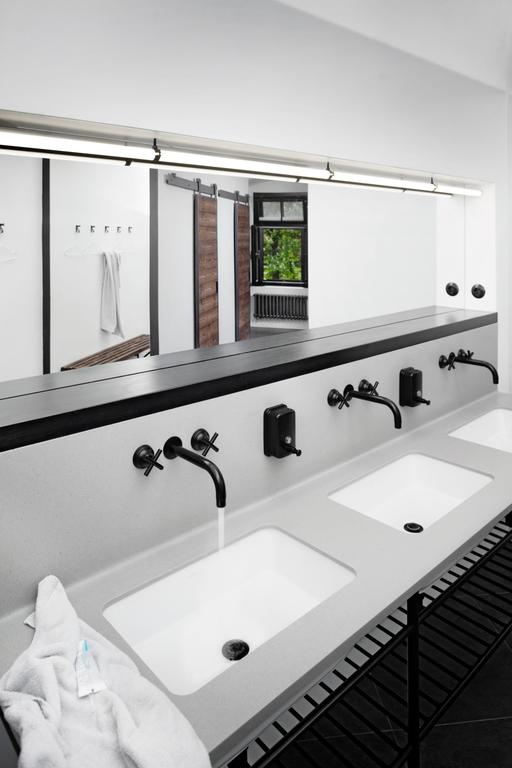
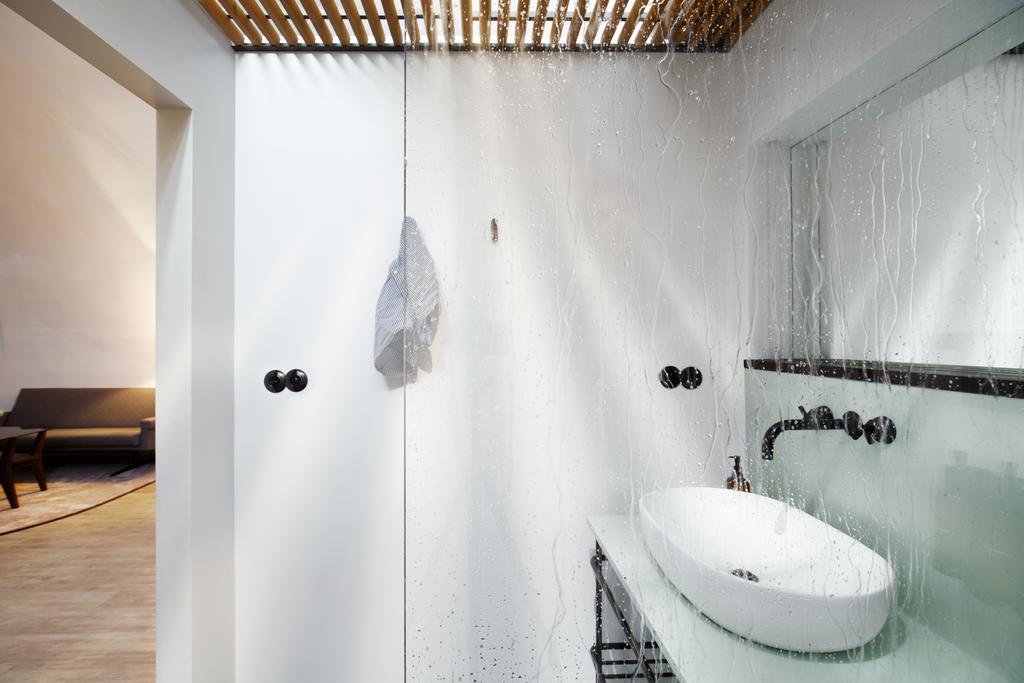
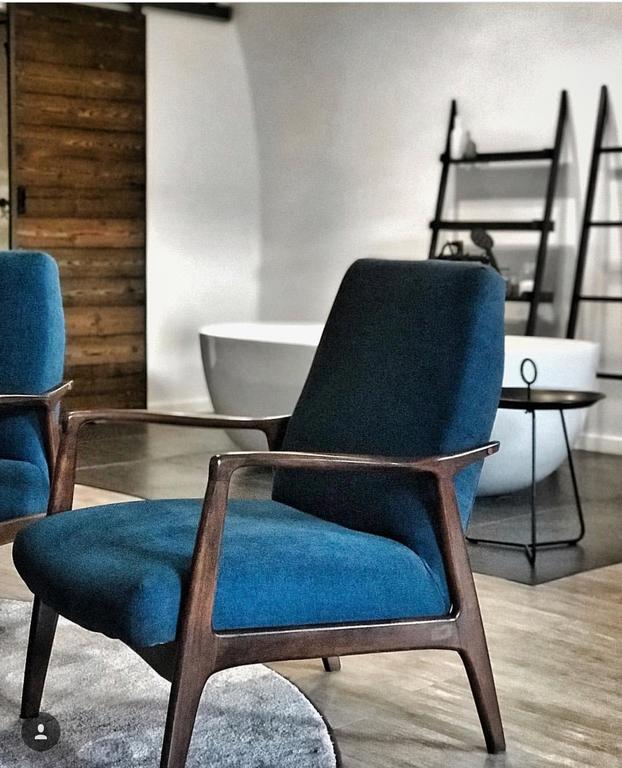
Look closer and Long Story Short becomes even more interesting. Much of the furniture was designed specifically for the project. Beds, mirrors, lamps, shelves and bathroom fittings were produced with local craftspeople and manufacturers, including Master & Master and RAV Slezák. Strmisková then mixed these new pieces with vintage modernist furniture selected with Miroslav Bednář of Prague’s Retroobjects, Bakelite switches by Berker and contemporary Marset lighting. Czech graphic designer Jan Košátko created the minimalist wayfinding, while original works by Czech artist David Minařík appear throughout. It’s an eclectic collection, but the disciplined palette holds everything together. Nothing screams for attention. The pleasure comes from discovering the details.
Dorm, Private Room or Bathtub for Two?
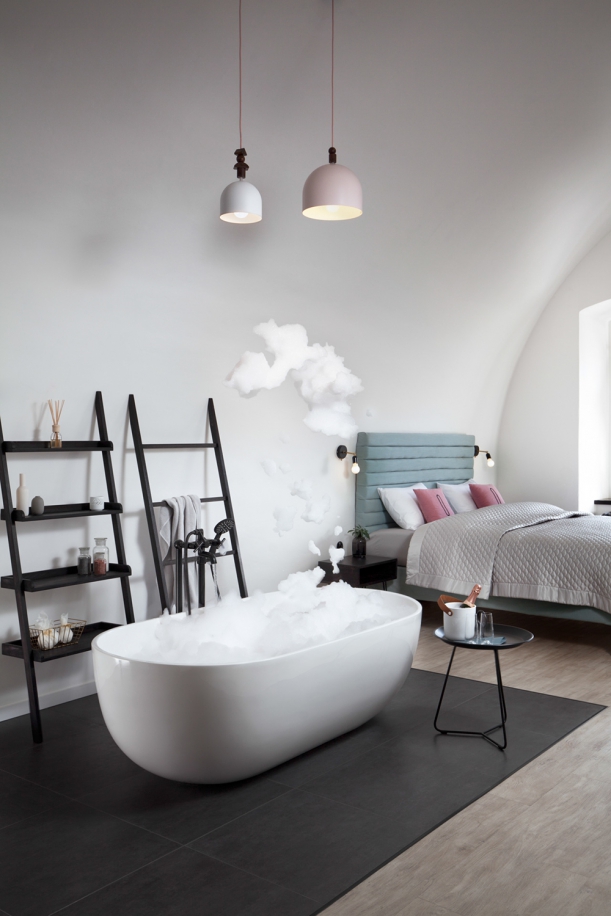
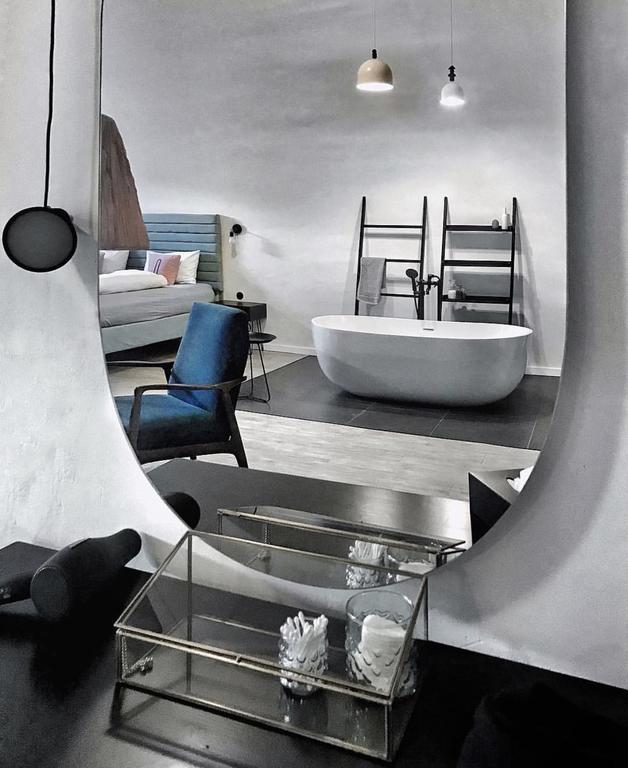
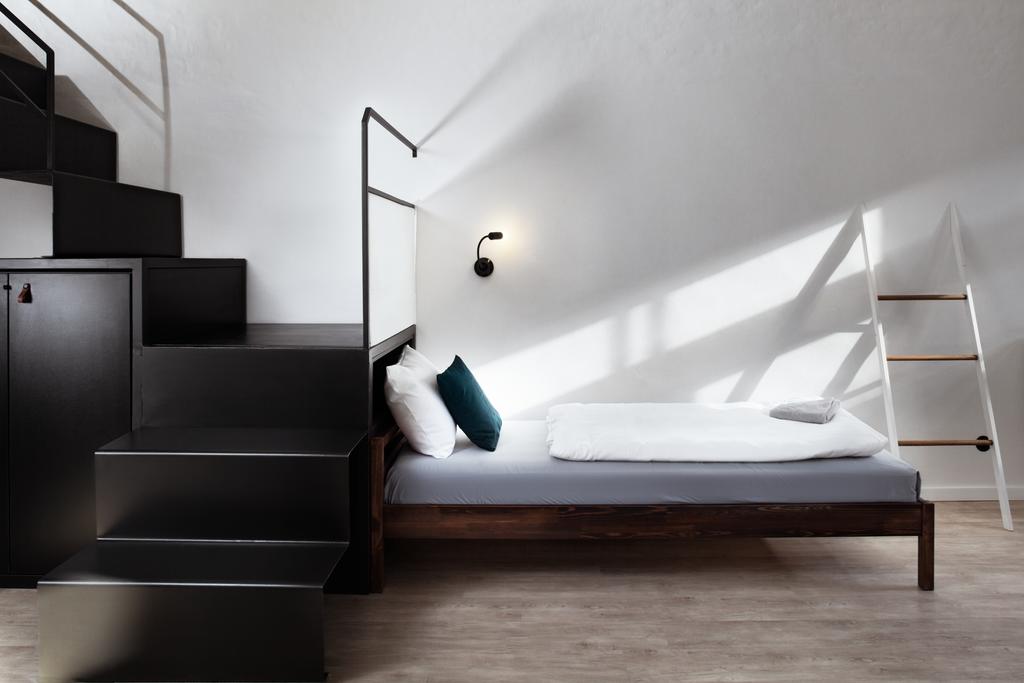
There are 56 beds, divided between dormitories and private rooms. The dorms retain the communal spirit of hostel travel but use cleverly designed sleeping zones to create more privacy. Larger rooms share well-equipped bathrooms, while the private rooms have their own. And then there’s the wedding suite. Yes, a hostel has a wedding suite — complete with an open bathtub. That unexpected collision rather neatly sums up Long Story Short. Categories aren’t particularly useful here. It’s part hostel, part boutique stay, part design project and part neighbourhood hangout. Choose the bed that suits your budget. The architecture comes with all of them.
The Social Bit Matters
Designing a beautiful hostel is one thing. Designing one where people actually want to meet each other is considerably harder. Here, the reception doubles as a café and common room, naturally making it the social heart of the property rather than somewhere guests simply collect a key. Coffee in the morning can turn into conversation; breakfast into planning the day; an empty chair into meeting someone you didn’t know an hour earlier. That informality is important. Long Story Short doesn’t manufacture the hyperactive “community” atmosphere that some lifestyle hotels work desperately hard to create. The architecture, shared spaces and mix of guests do most of the work.
Olomouc Deserves the Detour
And then there’s Olomouc itself. The historic Moravian city has the architecture and beauty that would make it famous almost anywhere else, yet lives somewhat in the shadow of Prague. Long Story Short sits in its old town, within an easy walk of the main square and the UNESCO-listed Holy Trinity Column. That makes the hotel particularly appropriate for its city. Both feel like discoveries. Both reward travellers willing to look beyond the obvious Czech itinerary.
A Hostel for People Who Care Where They Stay
Long Story Short won a BIG SEE Interior Design Award in 2019, but its real achievement is less easily measured. It demonstrates that thoughtful hospitality design isn’t dependent on stars, room rates or luxury materials. Take an extraordinary old building. Understand what makes it special. Add contemporary design without erasing its scars. Commission local makers. Mix old furniture with new. Create places where strangers naturally meet. Then keep it accessible enough for people who might normally sleep in a hostel. Long Story Short isn’t a boutique hotel pretending to be cool. It’s a hostel that happens to have exceptionally good taste.