La Maison d’Estournel | Saint-Estèphe, France
An intimate Médoc mansion where Bordeaux wine heritage, Indian eccentricity and contemporary country-house design meet
Why DNA Hotels Loves It
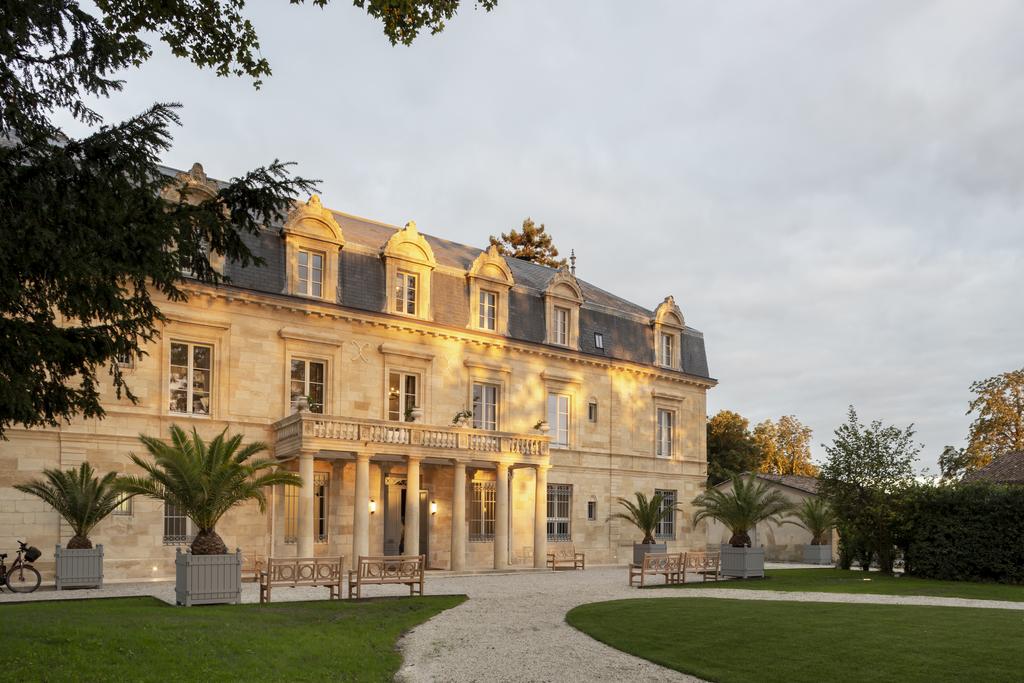
● A beautifully preserved 18th-century mansion whose history is inseparable from neighbouring Château Cos d’Estournel and the extraordinary life of Louis Gaspard d’Estournel.
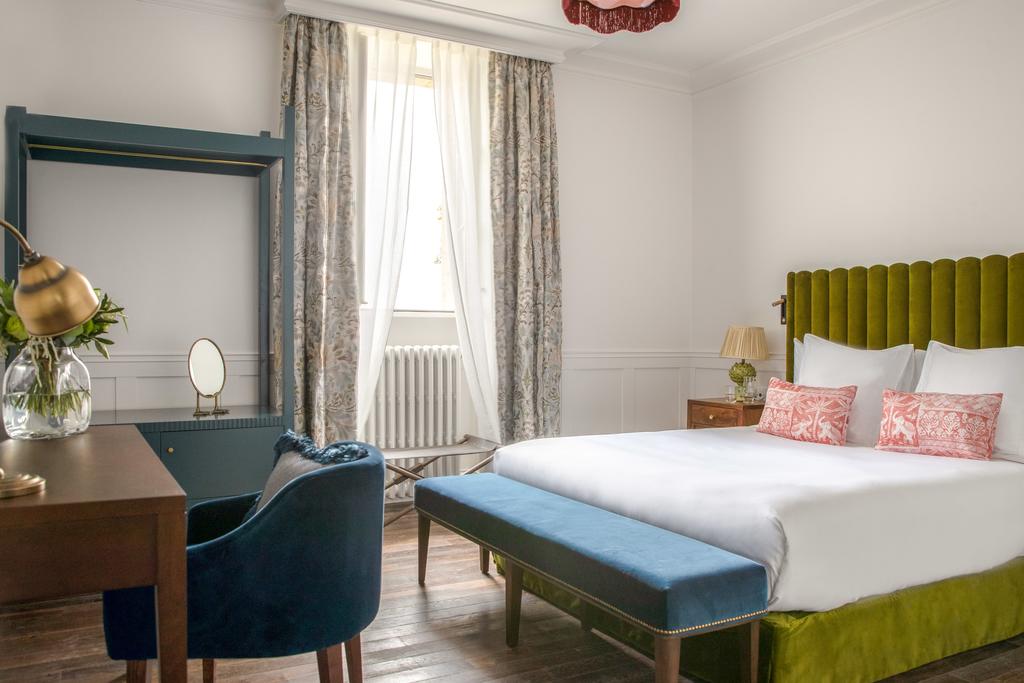
● Alex Michaelis brings a contemporary residential sensibility to just 14 rooms, balancing oak floors, velvet, brass and vintage furniture with the house’s original architectural character.
● Pagodas, stone elephants and a carved gateway linked to Zanzibar turn the estate’s wine-trading history into something architectural, tangible and wonderfully unexpected.
The Maharajah of Saint-Estèphe
La Maison d’Estournel begins with one of Bordeaux’s more colourful characters. Louis Gaspard d’Estournel, founder of neighbouring Château Cos d’Estournel, built his reputation not only through wine but through trade with India, earning the nickname the “Maharajah of Saint-Estèphe.” His fascination with the East became part of the architecture itself. Sandstone pagodas rise unexpectedly from the Médoc landscape. Stone elephants guard the cellars. An ornate gateway carved with grapes and flowers reportedly came from a sultan’s palace in Zanzibar. Against the ordered geometry of Bordeaux vineyards, these details feel almost fantastical. History remains visible.
A Maison Rather Than a Hotel
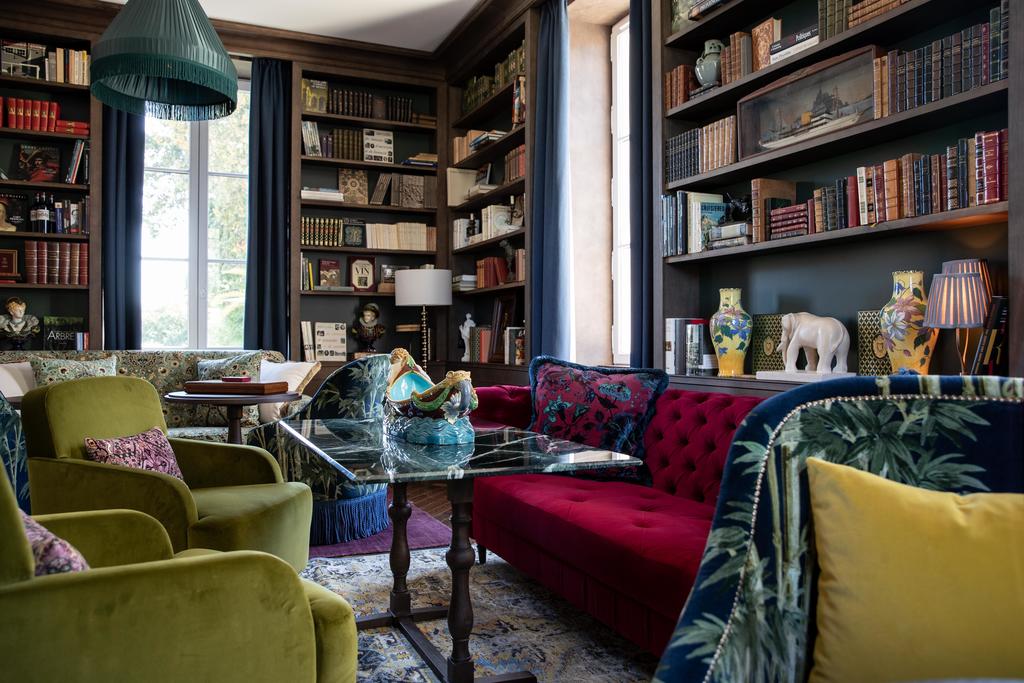
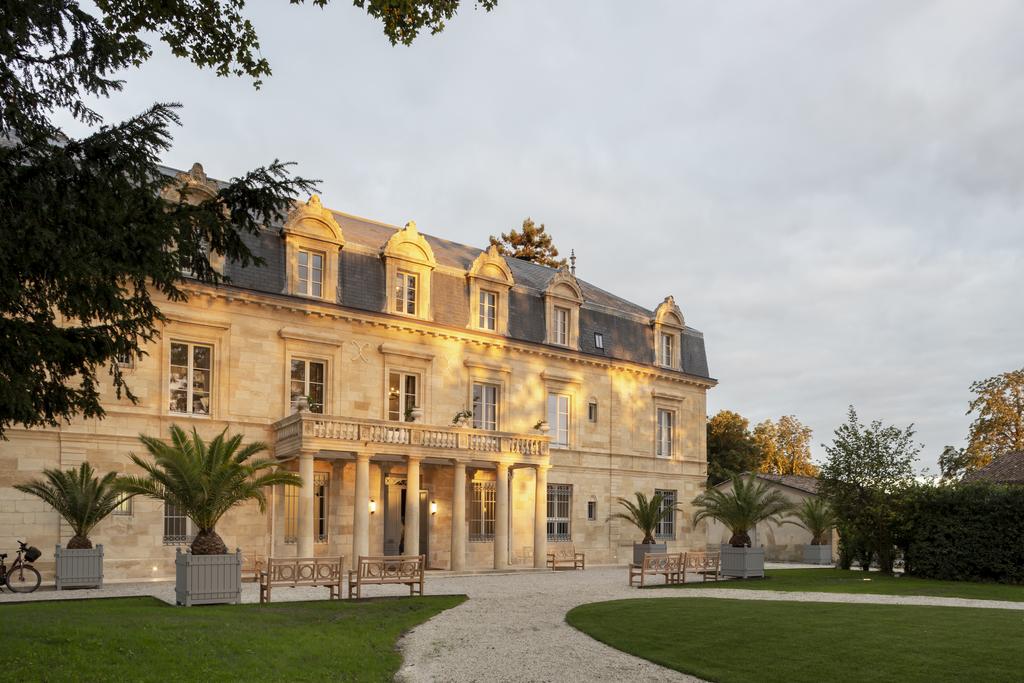
The scale is crucial. There are only 14 rooms, spread across two floors of an 18th-century mansion surrounded by five acres of grounds, vineyards and centuries-old cedar trees. The ground floor flows between library, dining room, open kitchen and sitting areas rather than dividing itself into formal hotel zones. A stone-and-iron staircase anchors the house. Solid oak floors, fireplaces and original architectural detailing establish its historic character, while generous velvet sofas encourage guests to use the spaces as they would a private country home. Nothing feels over-programmed. Hospitality feels residential.
Alex Michaelis in the Médoc
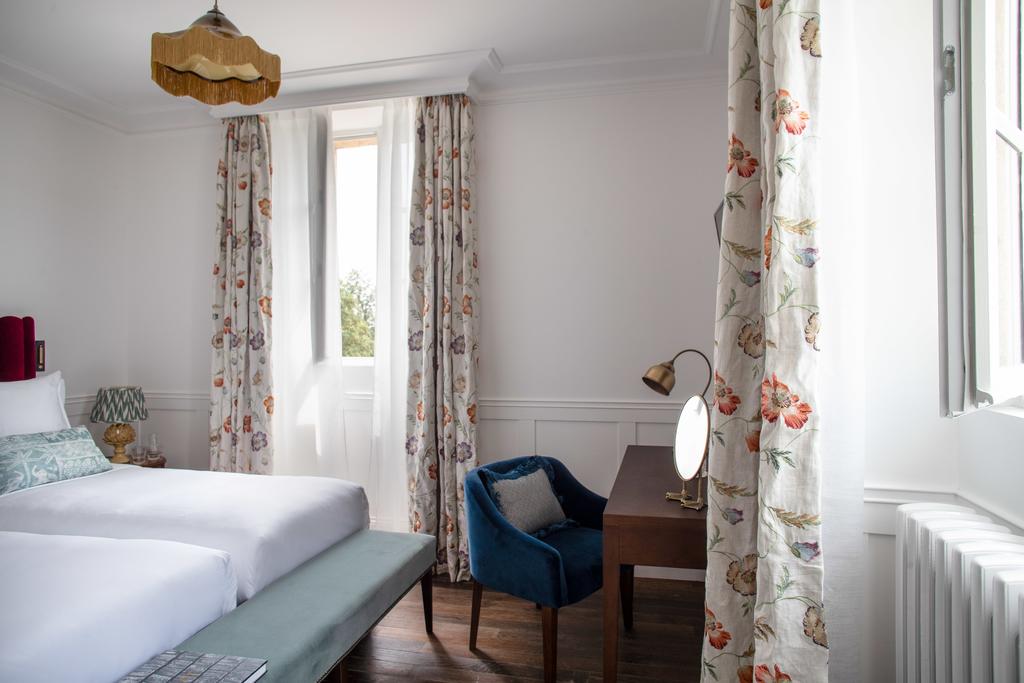
Designer Alex Michaelis, known for his work with Soho House, avoids turning the mansion into either a period piece or a generic wine-country retreat. The rooms combine earthy, vineyard-inspired tones with vintage-style furniture, brass details, dark timber and softly layered textiles. Original cornices remain overhead, while satin curtains and contemporary lighting sharpen the mood. Bathrooms introduce one of the more playful architectural references: curved rain showers whose forms recall the barrels in which the surrounding wines mature. In the Estournel room, a freestanding bathtub adds another layer of indulgence. The result is polished without becoming pristine. Old and new simply coexist.
Wine Country Without the Theatre
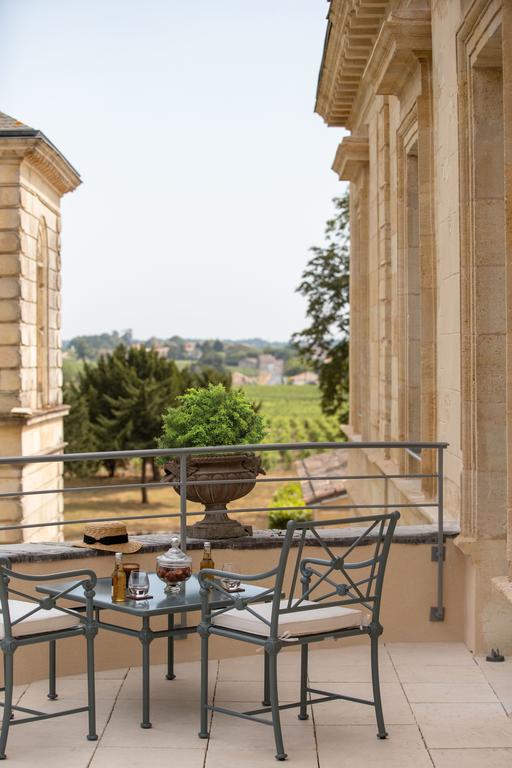
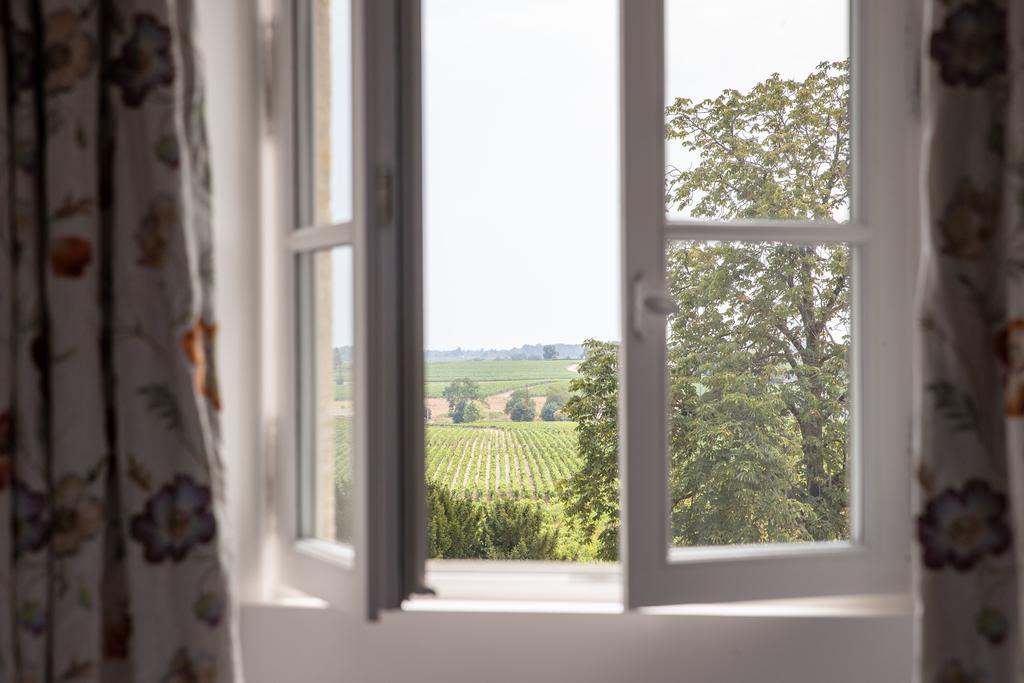
The Médoc needs little embellishment. La Maison sits among vineyards near the Gironde estuary, along the D2 wine road, with Château Cos d’Estournel close enough to reach on foot. Some rooms look directly across the vines; elsewhere, boats on the distant estuary appear almost to glide above them. Wine tastings take place in the vaulted cellar, but the hotel never turns viticulture into a theme park. Guests can cycle through the surrounding countryside, linger on the terrace or disappear into the library. There is no spa and no elaborate resort infrastructure. The landscape does most of the work.
An Open Kitchen at the Heart of the House
Food reinforces the sense that this is a working country residence rather than a formal château hotel. The restaurant revolves around an open kitchen, allowing the preparation of dinner to become part of the room’s atmosphere. Produce grown or raised on the estate feeds into carefully composed dishes, while the surrounding vineyards provide the obvious context for the wine list. Breakfast is similarly grounded in place: pastries, cheeses, fruit and eggs rather than unnecessary spectacle. The relationship between kitchen, dining room, fireplace and terrace gives meals an intimacy that suits the size of the hotel. Wine becomes part of daily life rather than an event.
Why It Works
La Maison d’Estournel works because it allows the eccentric history of the estate to remain stranger and richer than anything a designer could invent. Louis Gaspard d’Estournel’s elephants, pagodas and global trading connections provide the narrative; Alex Michaelis simply gives that inheritance a comfortable contemporary setting. With only 14 rooms, vineyard views, an open kitchen and interconnected living spaces, the mansion retains the atmosphere of a private house in the Médoc. Luxury feels quiet here: oak beneath your feet, velvet beside the fire, a bottle from the neighbouring vines and the occasional stone elephant reminding you that Bordeaux history was never quite as restrained as its reputation suggests.