MAJA HOTEL, Kyoto, Japan
Nordic simplicity and Kyoto craftsmanship meet in a beautifully reimagined capsule hotel
Why DNA Hotels Loves It
● A rare collaboration between Japanese hospitality and Finnish designer Harri Koskinen, translating capsule living into something far more refined.
● Timber, concrete, Marimekko textiles, and custom furniture create a calm dialogue between Scandinavian minimalism and Kyoto’s craft tradition.
● Café Aalto extends the concept beyond the rooms, making the hotel feel like a genuine cultural exchange rather than a themed design exercise.
A Different Kind of Capsule Hotel
Capsule hotels are usually about efficiency. MAJA HOTEL is about refinement. Set in central Kyoto, the hotel rethinks the familiar capsule format through the lens of contemporary Finnish design. Working with renowned designer Harri Koskinen, the project strips hospitality back to a few essential elements: good materials, intelligent planning, privacy, and calm. The result feels closer to a design residence than a budget sleep pod. Small scale becomes a design opportunity.
Finland Meets Kyoto
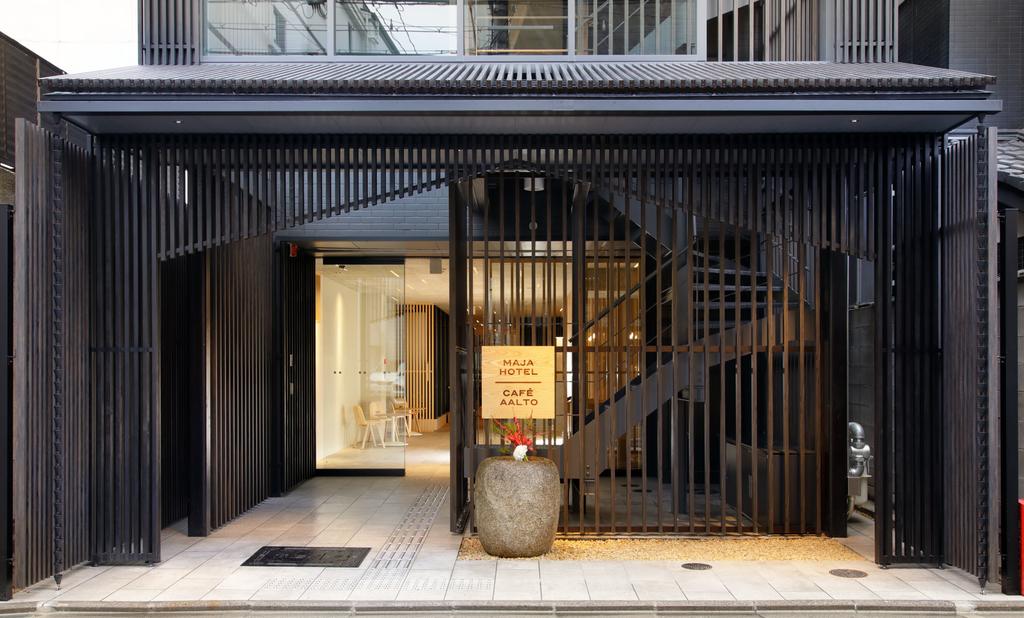
The appeal lies in how naturally the two design cultures connect. From the street, timber screens reference Kyoto’s machiya architecture. Inside, light ash wood, exposed concrete, soft textiles, and restrained lighting introduce a distinctly Nordic mood. Nothing feels forced. Kyoto and Scandinavia already share a belief in craftsmanship, natural materials, functionality, and the beauty of everyday objects. MAJA simply makes that relationship visible.
Pods with Personality
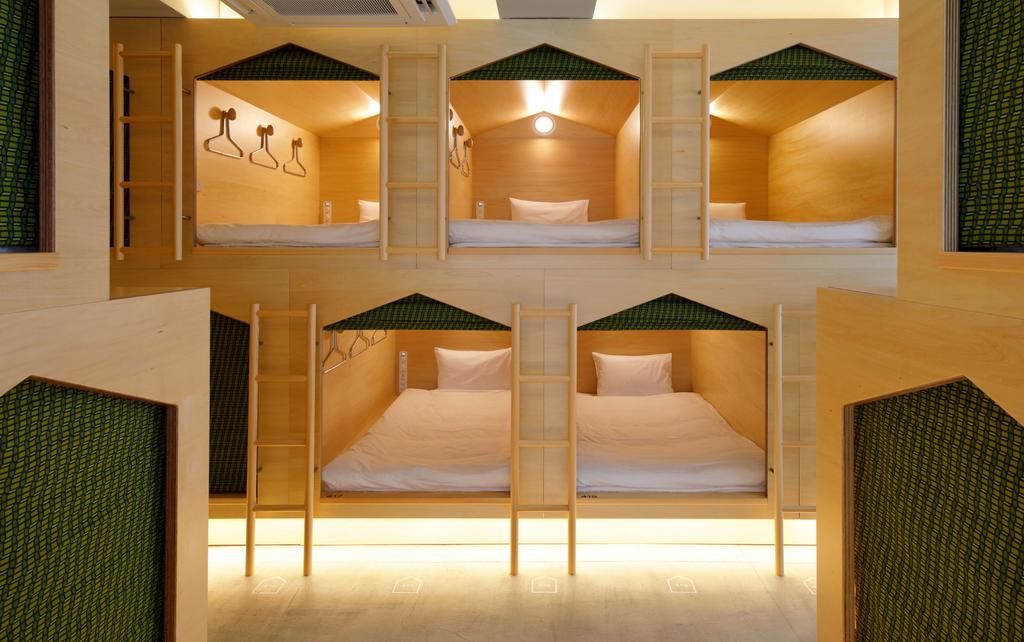
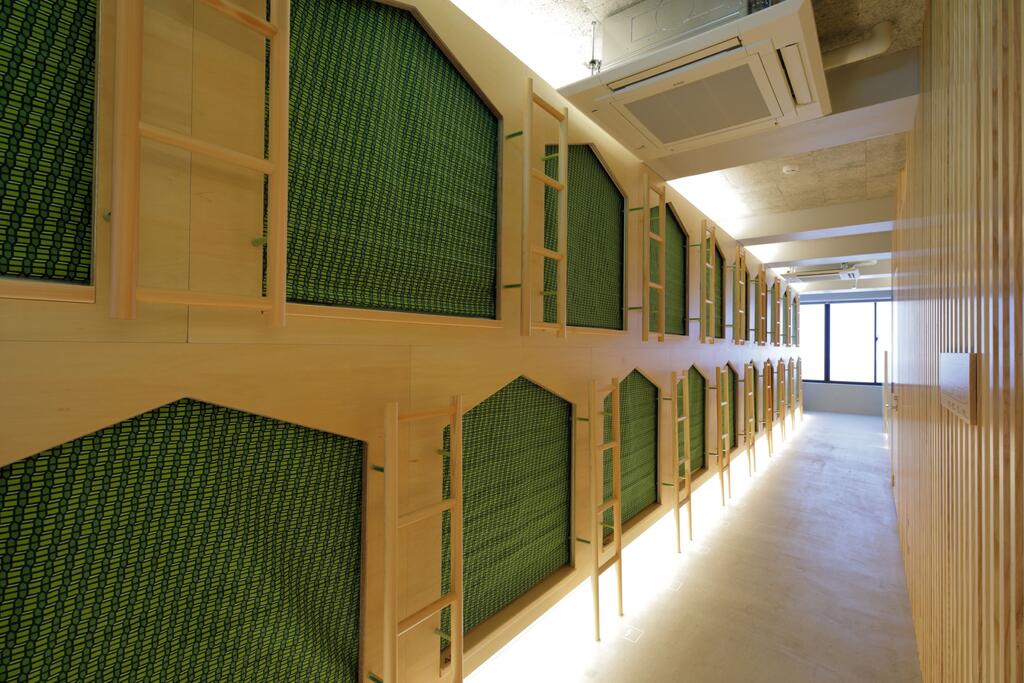
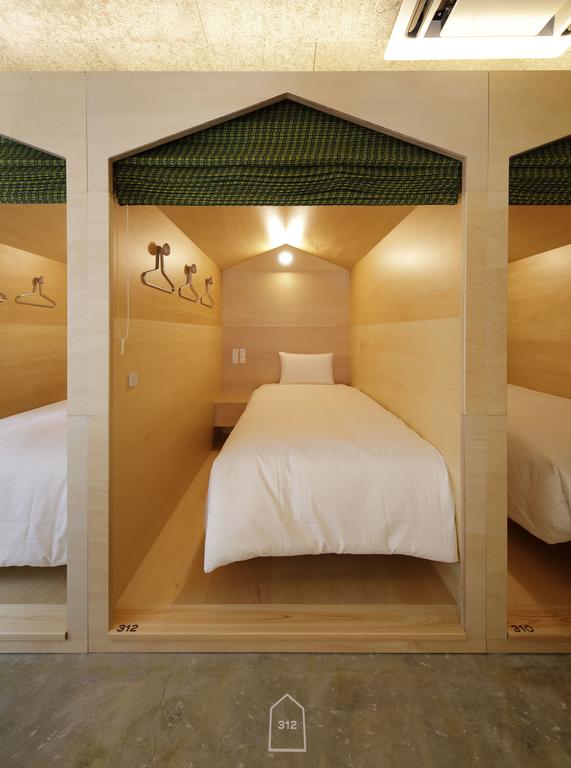
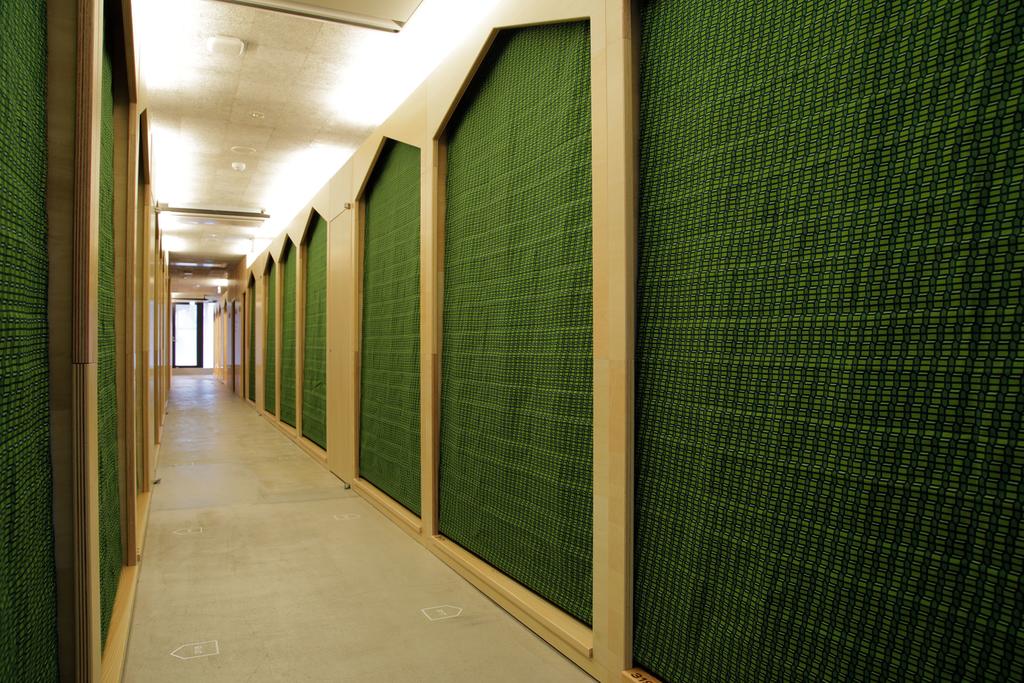
The sleeping capsules are where the concept becomes most distinctive. Rather than treating them as purely functional boxes, Koskinen gives them warmth through careful detailing and custom Marimekko curtains in deep blue-green tones. The textiles soften the architecture while providing privacy and a sense of enclosure far more considered than the typical capsule experience. Larger private rooms continue the same language with simple furniture, clean lines, and a deliberately uncluttered atmosphere. Compact doesn’t mean compromised.
Objects That Matter
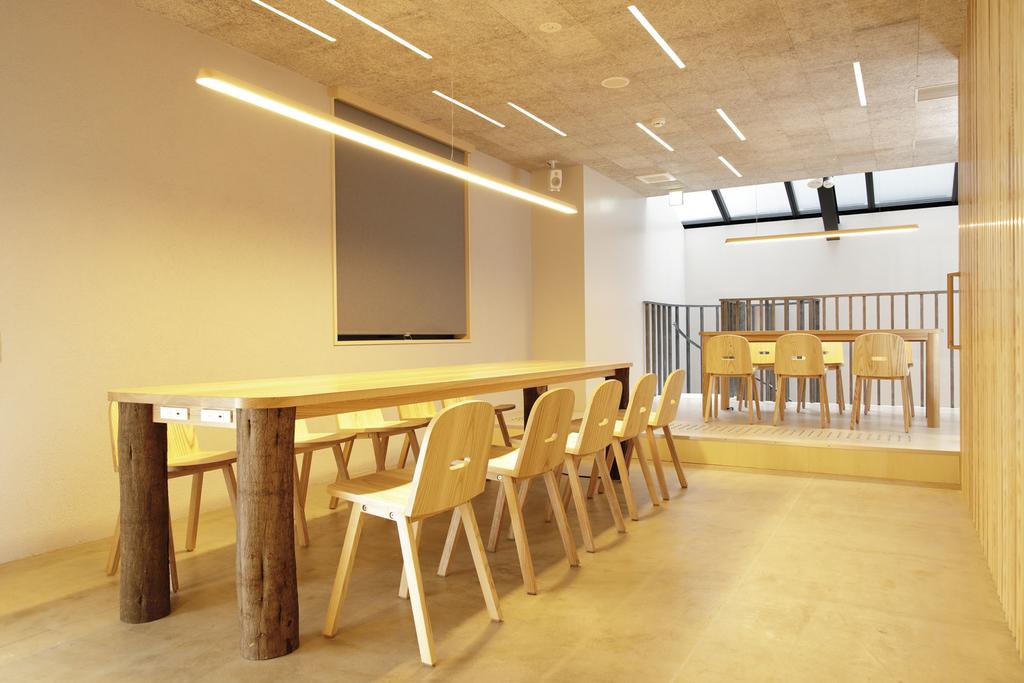
The communal areas reveal how carefully the hotel has been composed. Furniture by Koskinen sits alongside bespoke pieces made specifically for the building, including tables crafted from a tree that once stood in the courtyard. Details like these make the interiors feel rooted rather than imported. There’s little visual noise. The design leaves space for reading, working, conversation, or simply doing nothing. That restraint is part of the luxury.
Café Aalto
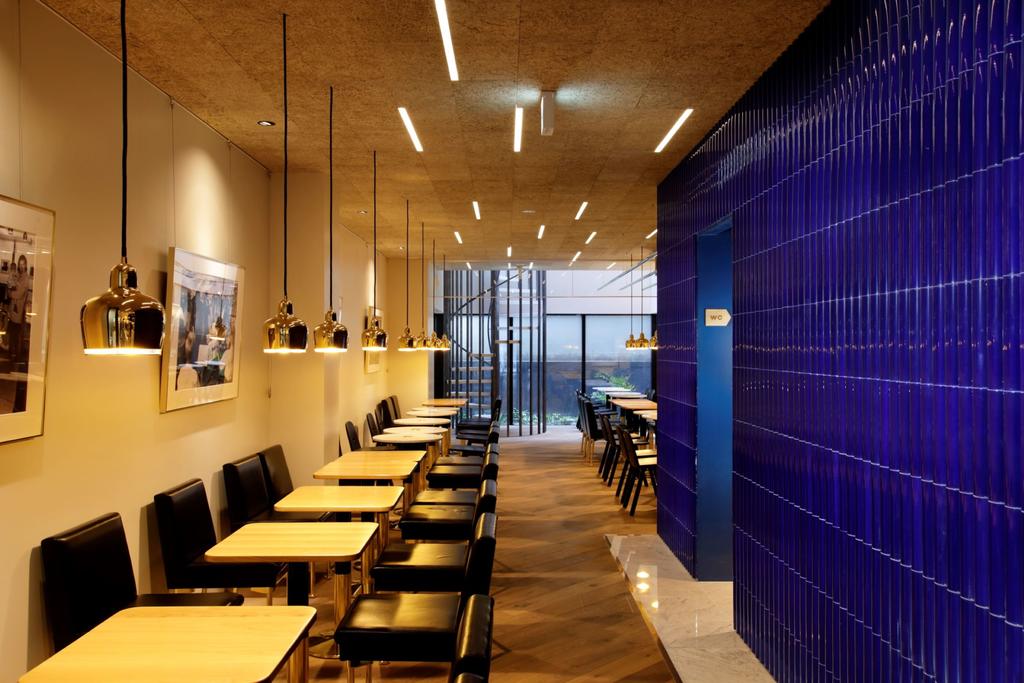
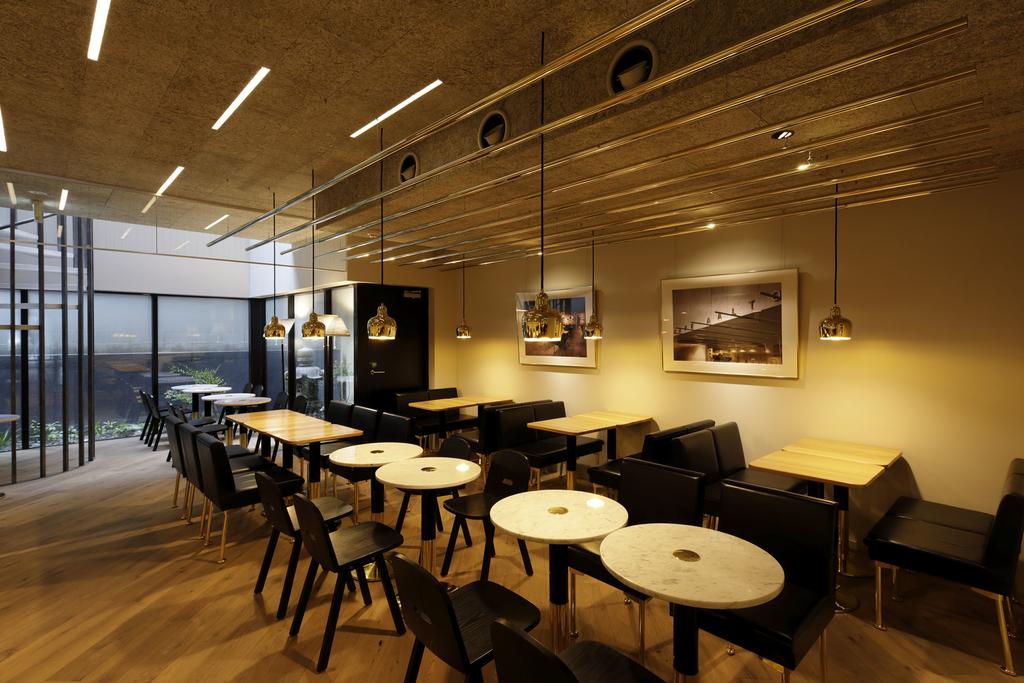
The Finnish connection becomes most explicit at Café Aalto. Named after Alvar Aalto, the space combines Nordic food with design inspired by one of Finland’s most important architects. Salmon soup, cinnamon buns, and good coffee sit comfortably alongside Kyoto’s slower rhythm, creating a cultural crossover that feels surprisingly natural. It’s not Finland transplanted to Japan. It’s a conversation between two places that understand simplicity equally well.
Why It Works
MAJA HOTEL succeeds because it takes a familiar low-cost hospitality format and gives it genuine design intelligence. Harri Koskinen’s Scandinavian restraint, Kyoto-inspired timber details, custom textiles, and carefully curated communal spaces transform capsule living into something calm, tactile, and memorable. It proves that good design doesn’t need more space—just better decisions.