Mammertsberg – Freidorf, Switzerland
Six rooms, serious gastronomy and Space Copenhagen’s quiet Danish refinement above Lake Constance
Why DNA Hotels Loves It
● Just six guestrooms turn one of Switzerland’s most ambitious culinary destinations into an exceptionally intimate hotel experience.
● Space Copenhagen’s transformation respects the listed 1911 villa while layering it with Danish restraint, tactile materials, exceptional lighting and beautifully chosen contemporary furniture.
● Andreas Caminada and Silvio Germann put gastronomy firmly at the centre — this is somewhere you travel to eat, then discover you really should stay the night.
A Grand Villa with a New Purpose
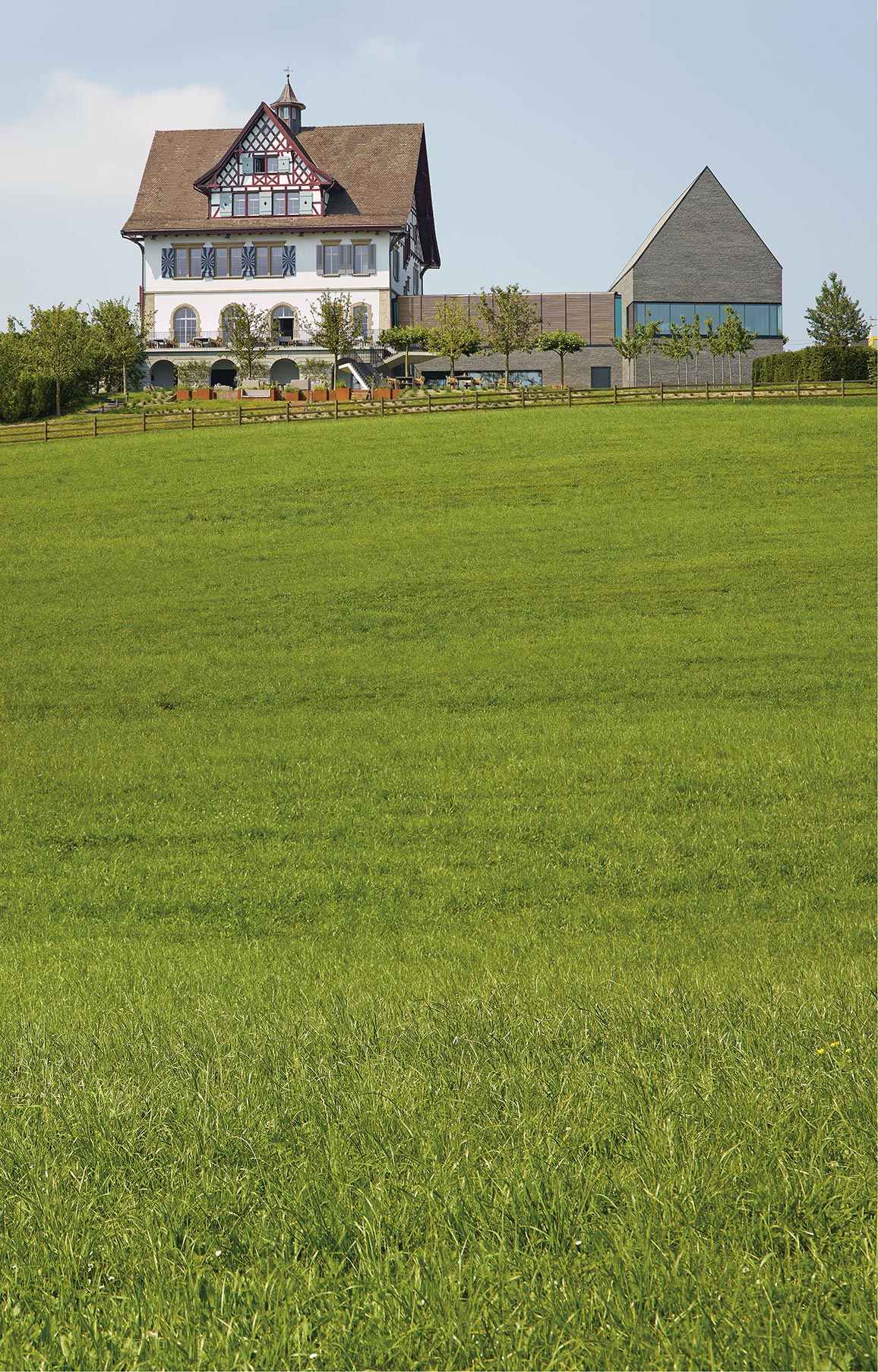
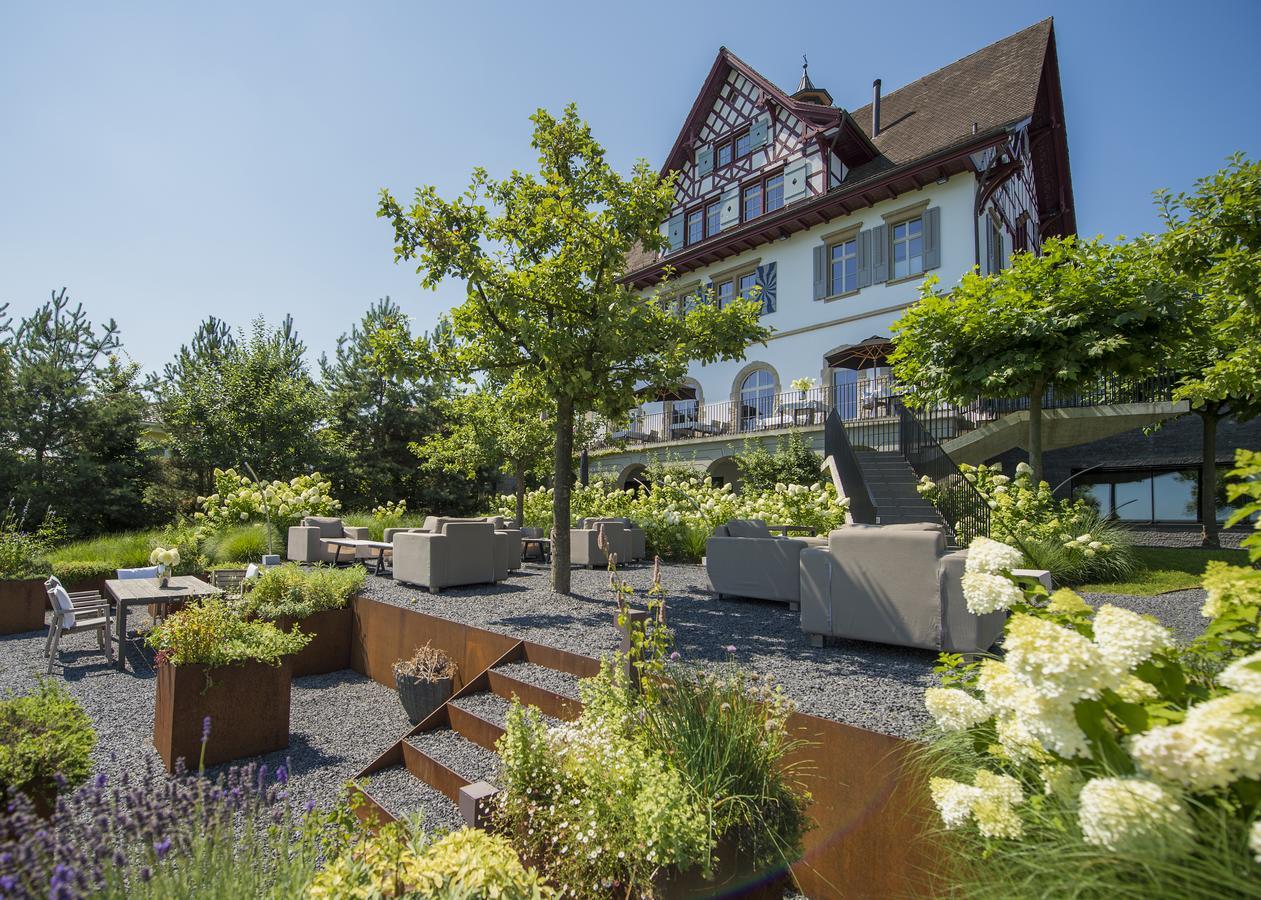
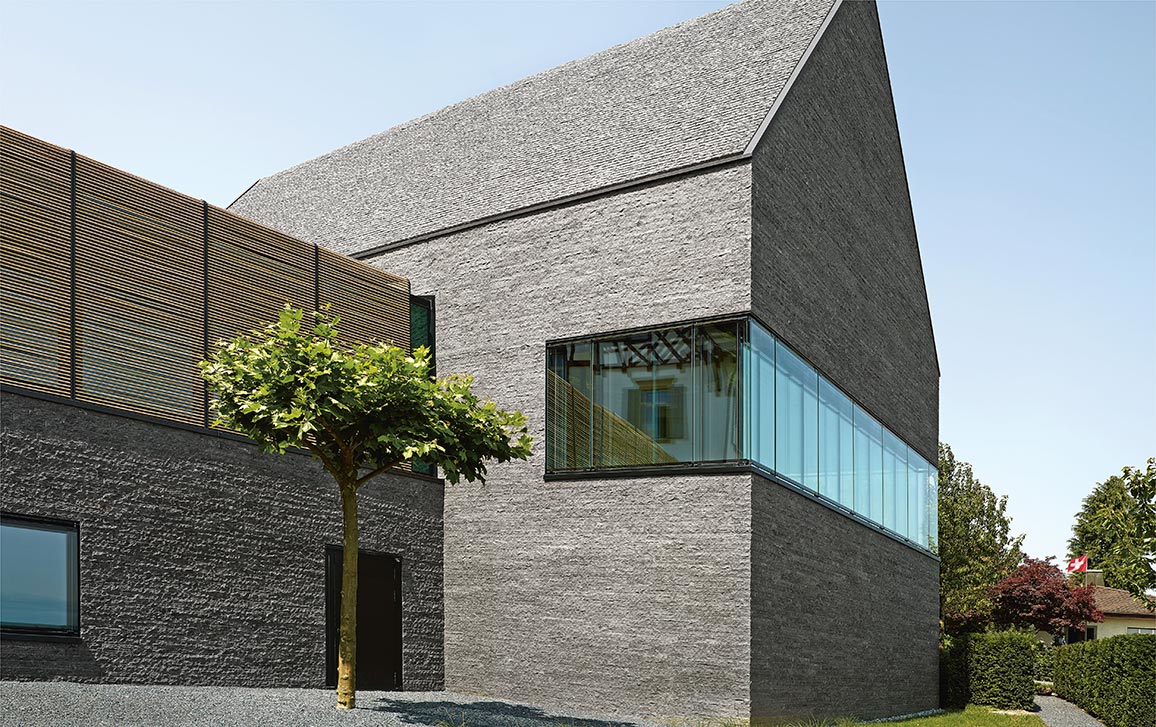
Some hotels happen to have very good restaurants. Mammertsberg works almost the other way around. High above Lake Constance in Freidorf, the handsome 1911 villa has been reinvented as a destination where food, design, art and hospitality are inseparable. Behind it are two significant names in Swiss gastronomy: Andreas Caminada, whose Schloss Schauenstein has three Michelin stars, and Silvio Germann, who joined him in creating a new chapter for Mammertsberg. Their ambition wasn’t simply to establish another formal temple of fine dining. The idea is more convivial: exceptional cooking accompanied by imagination, pleasure, Alpine roots and a distinctly cosmopolitan outlook. With only six rooms upstairs, staying here feels almost like being invited to sleep over after a particularly extraordinary dinner.
Space Copenhagen Comes to Switzerland
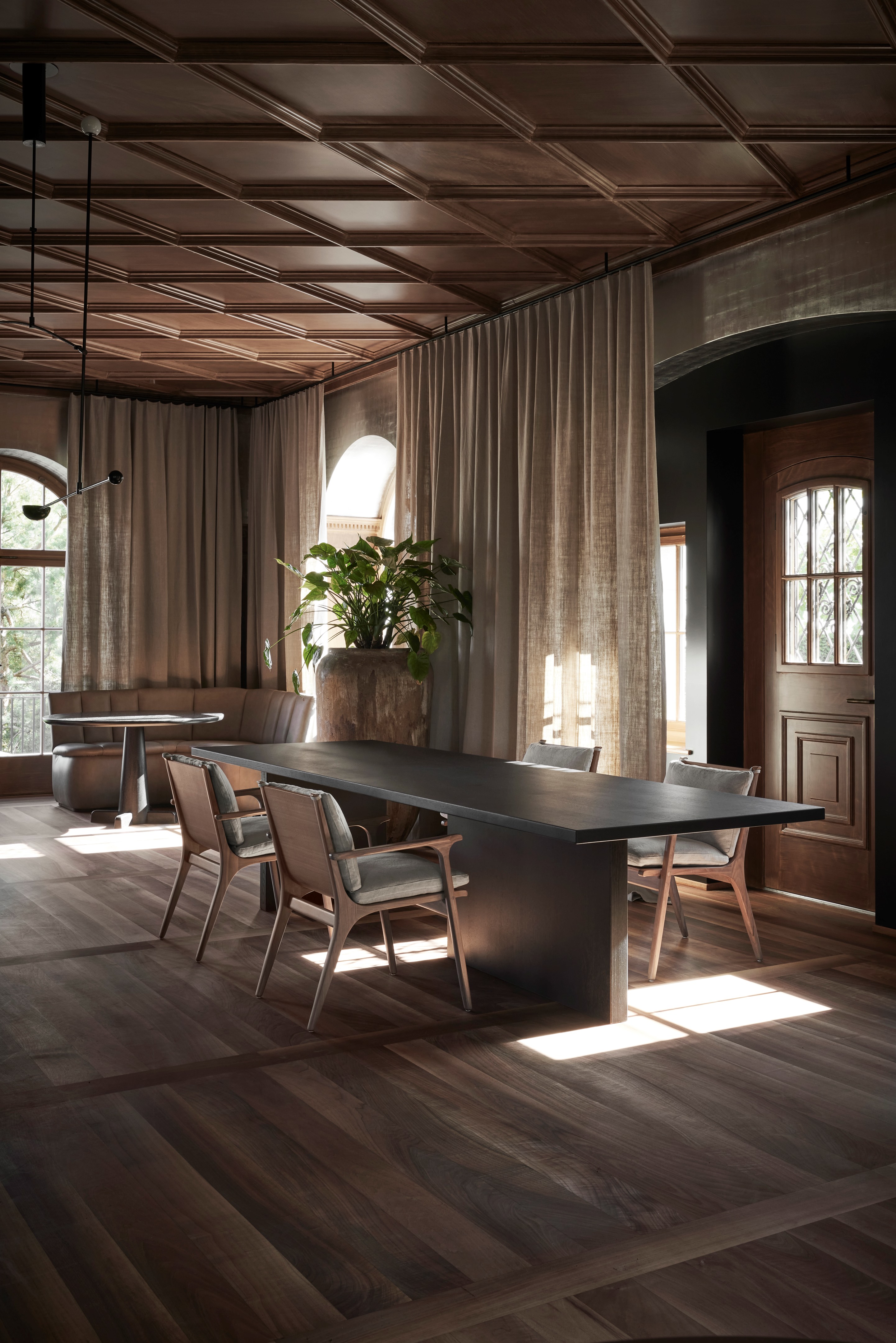
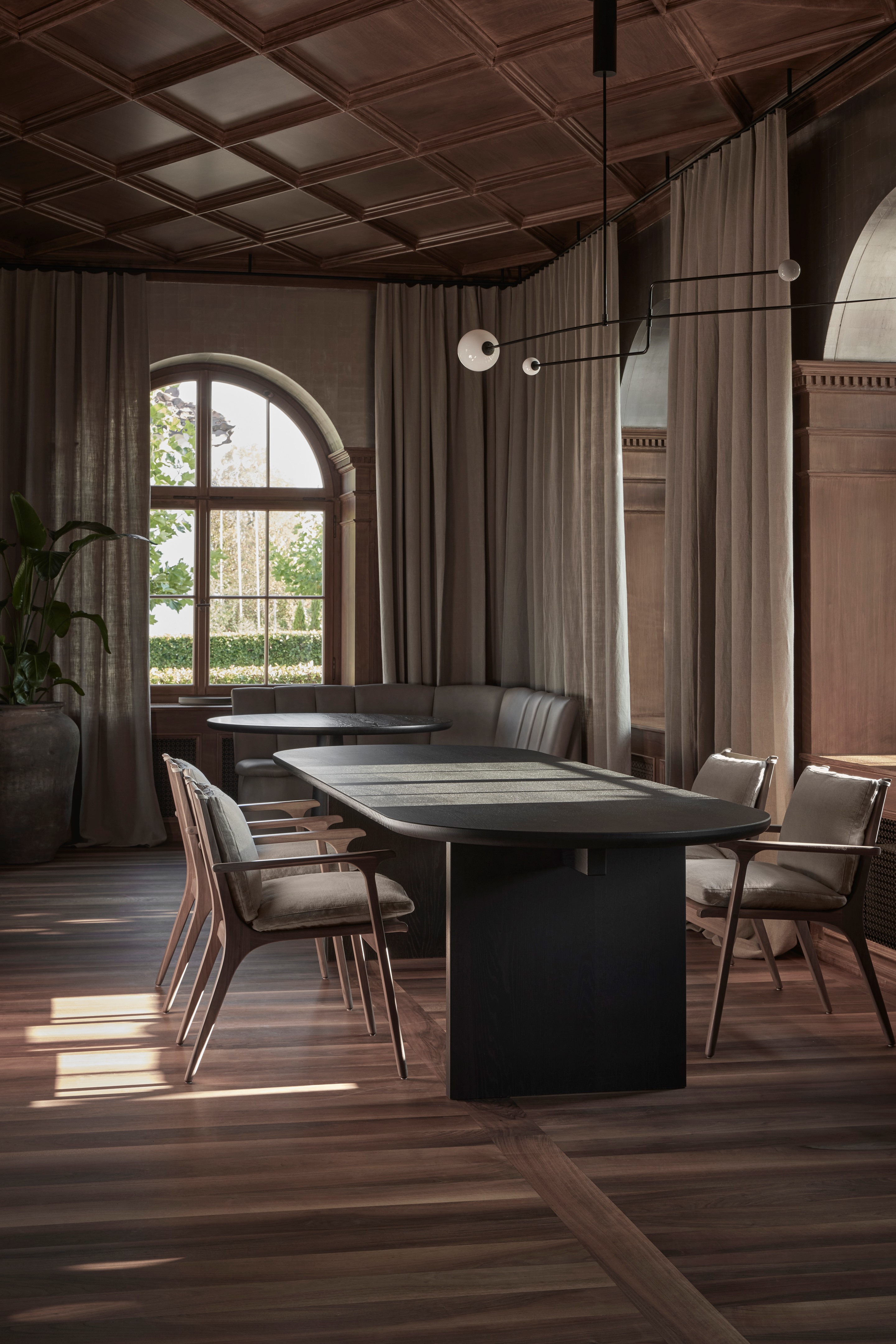
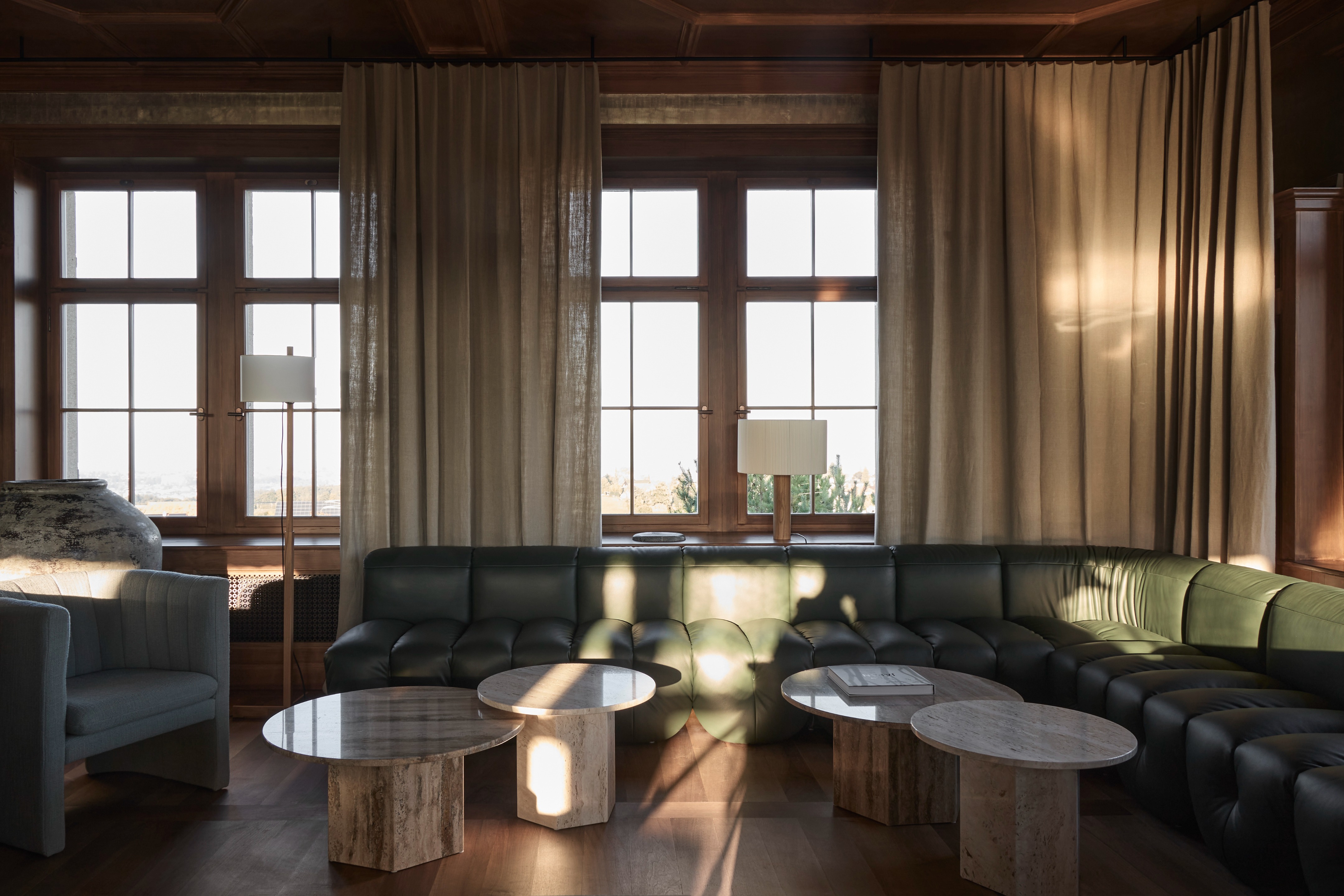
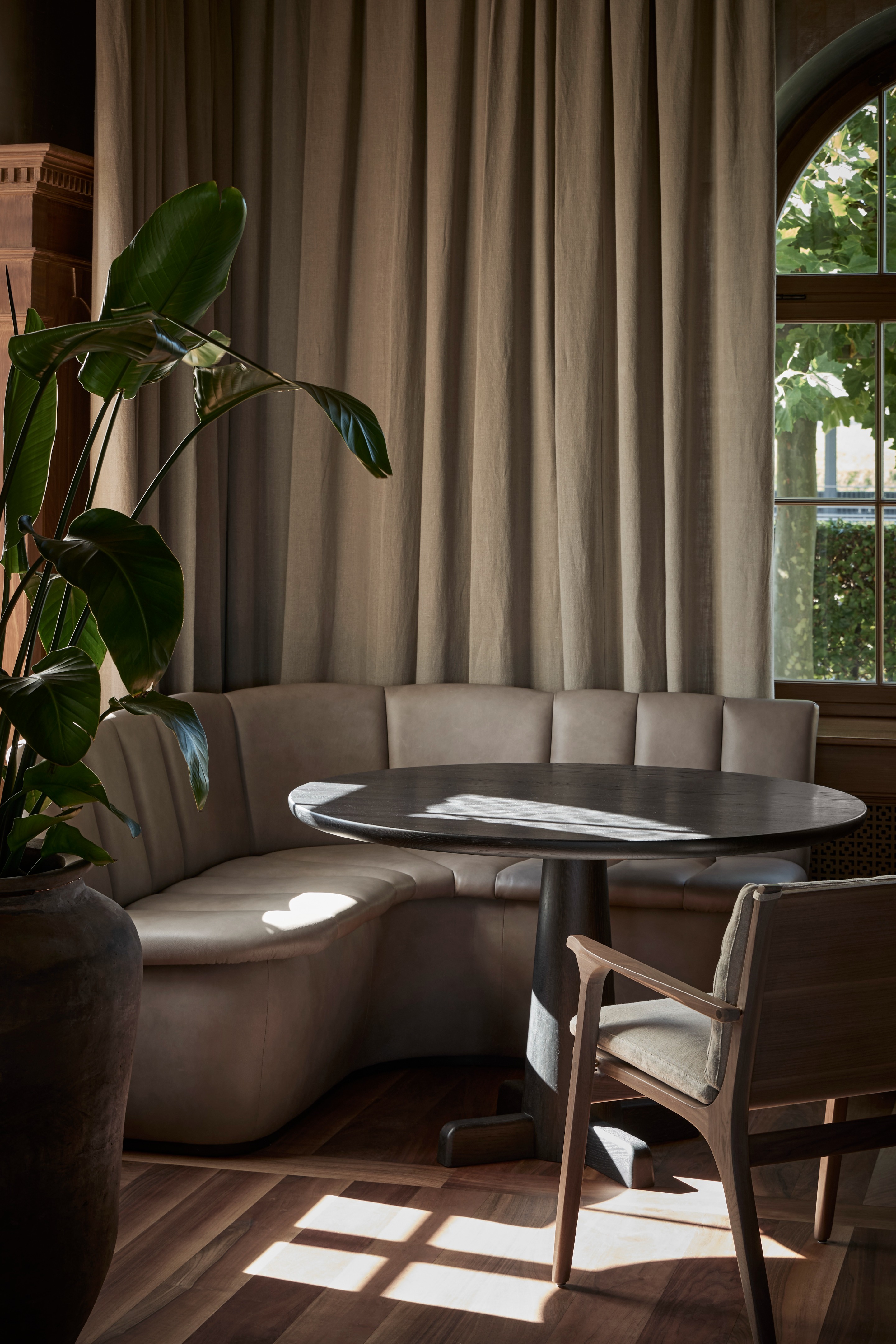
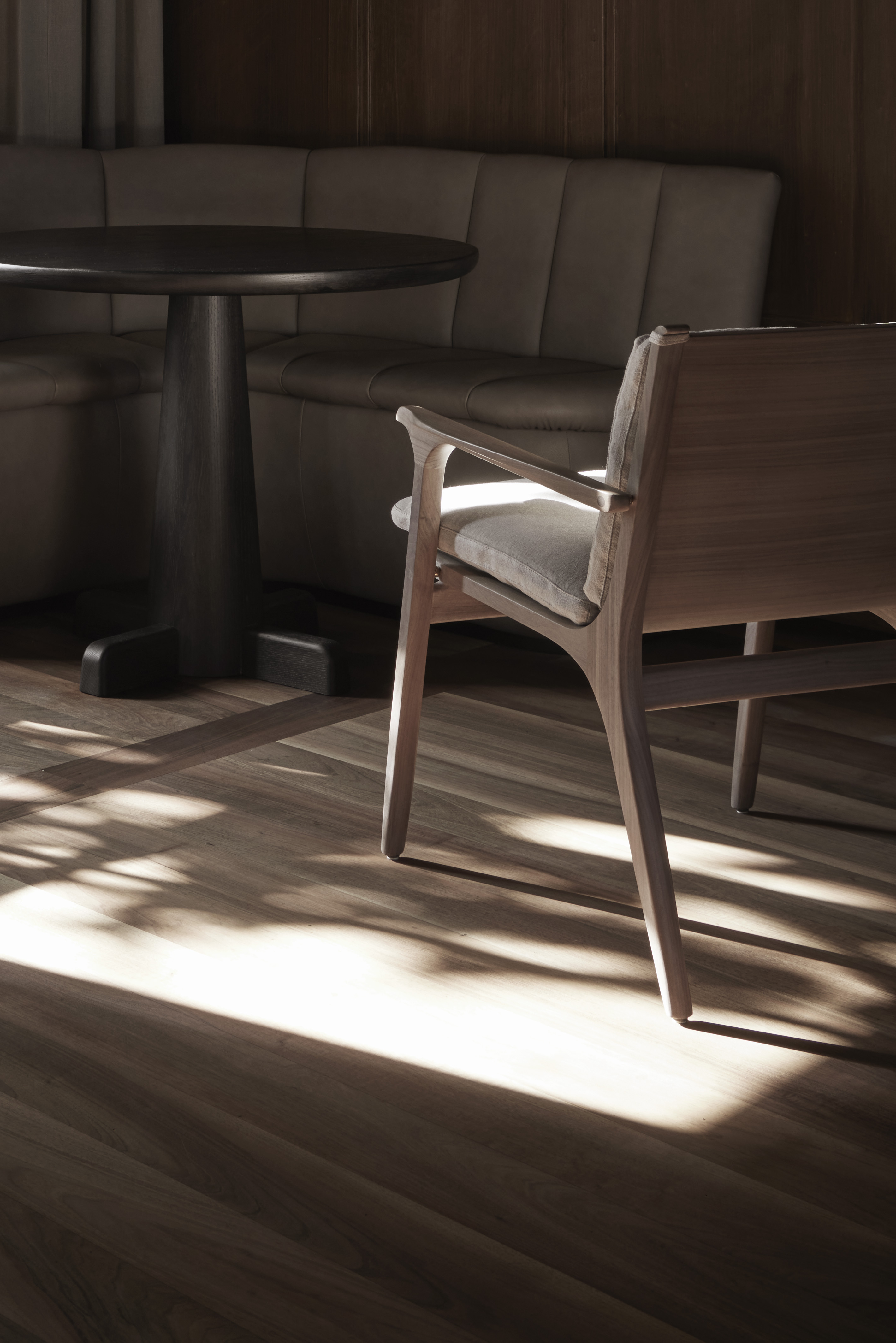
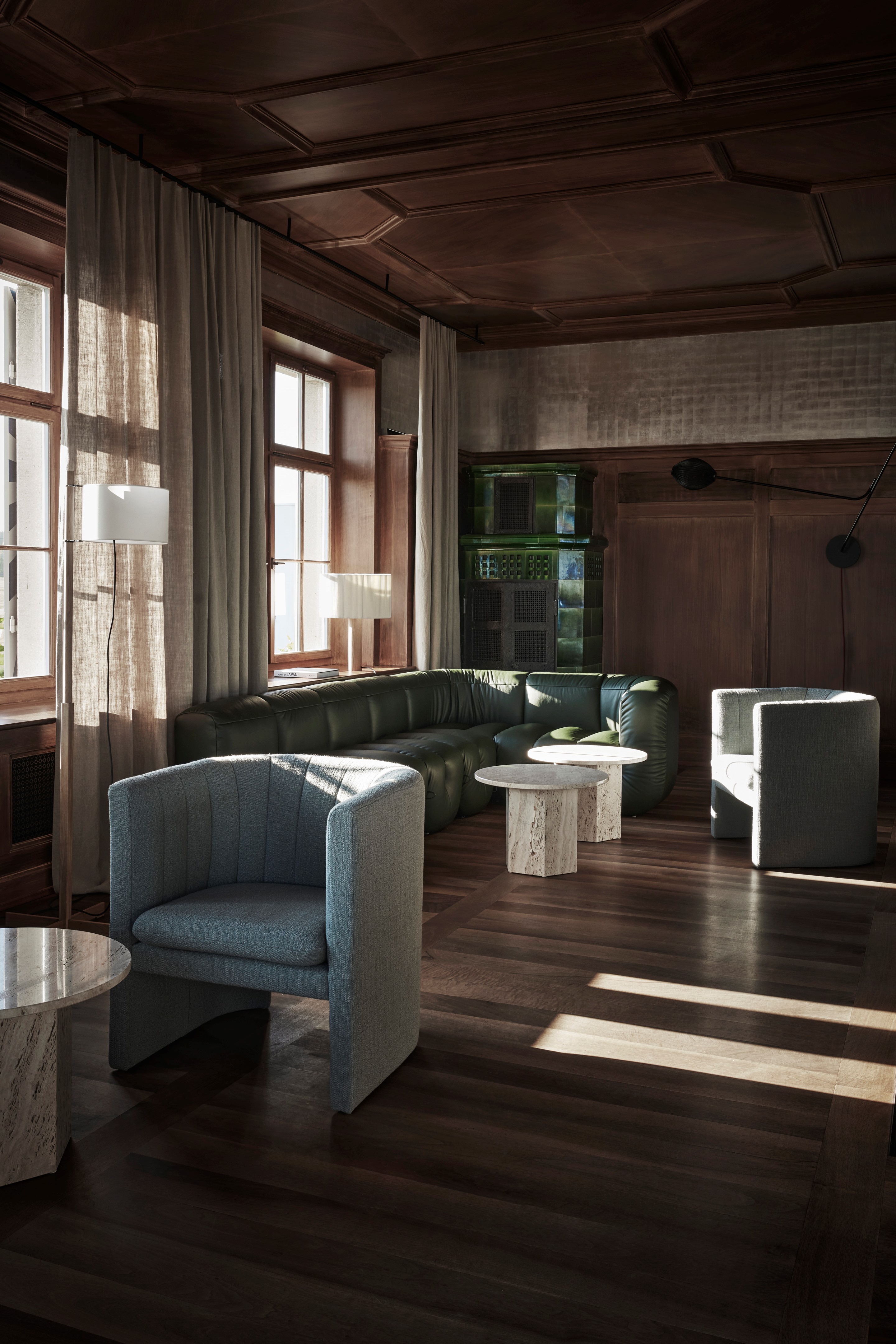
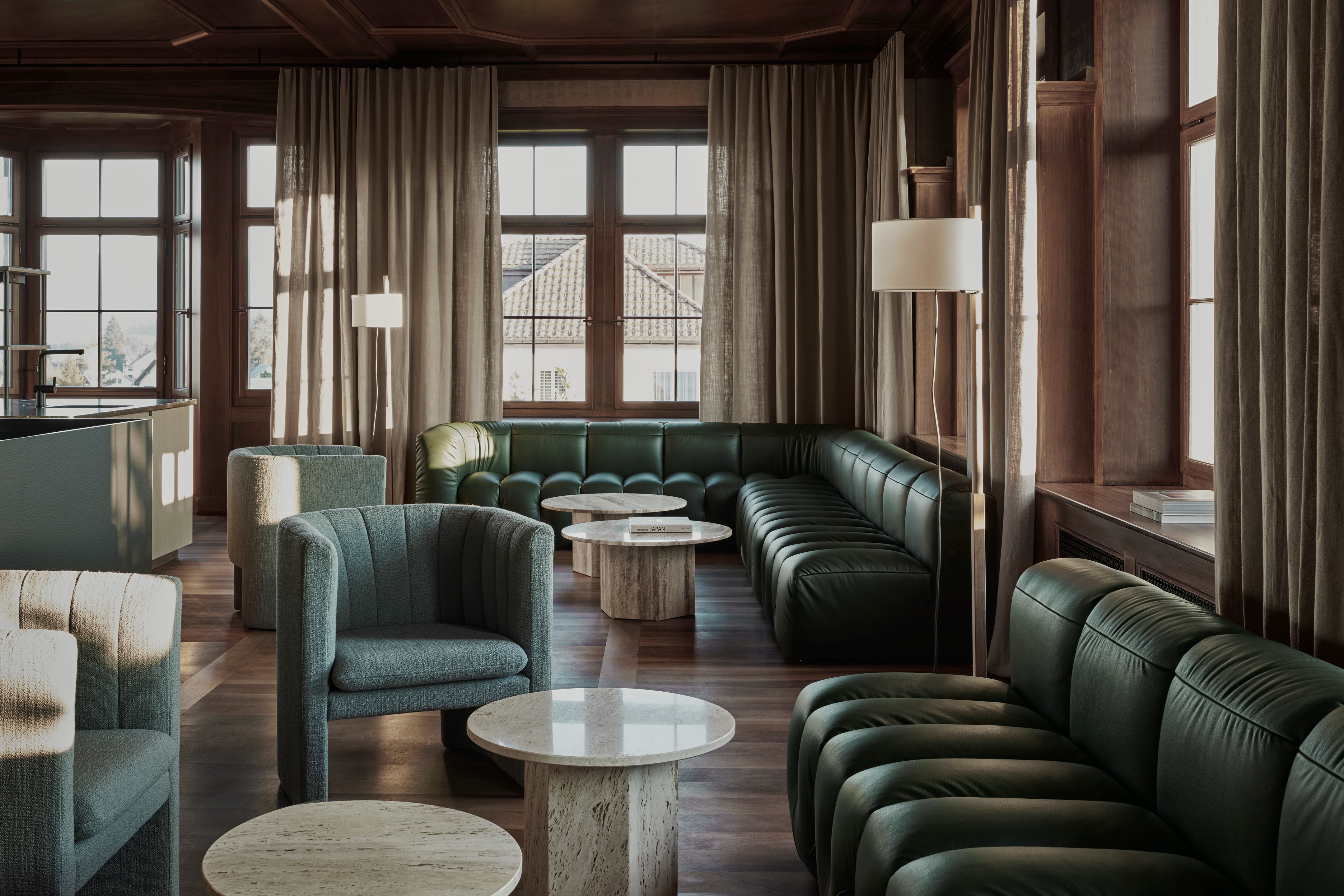
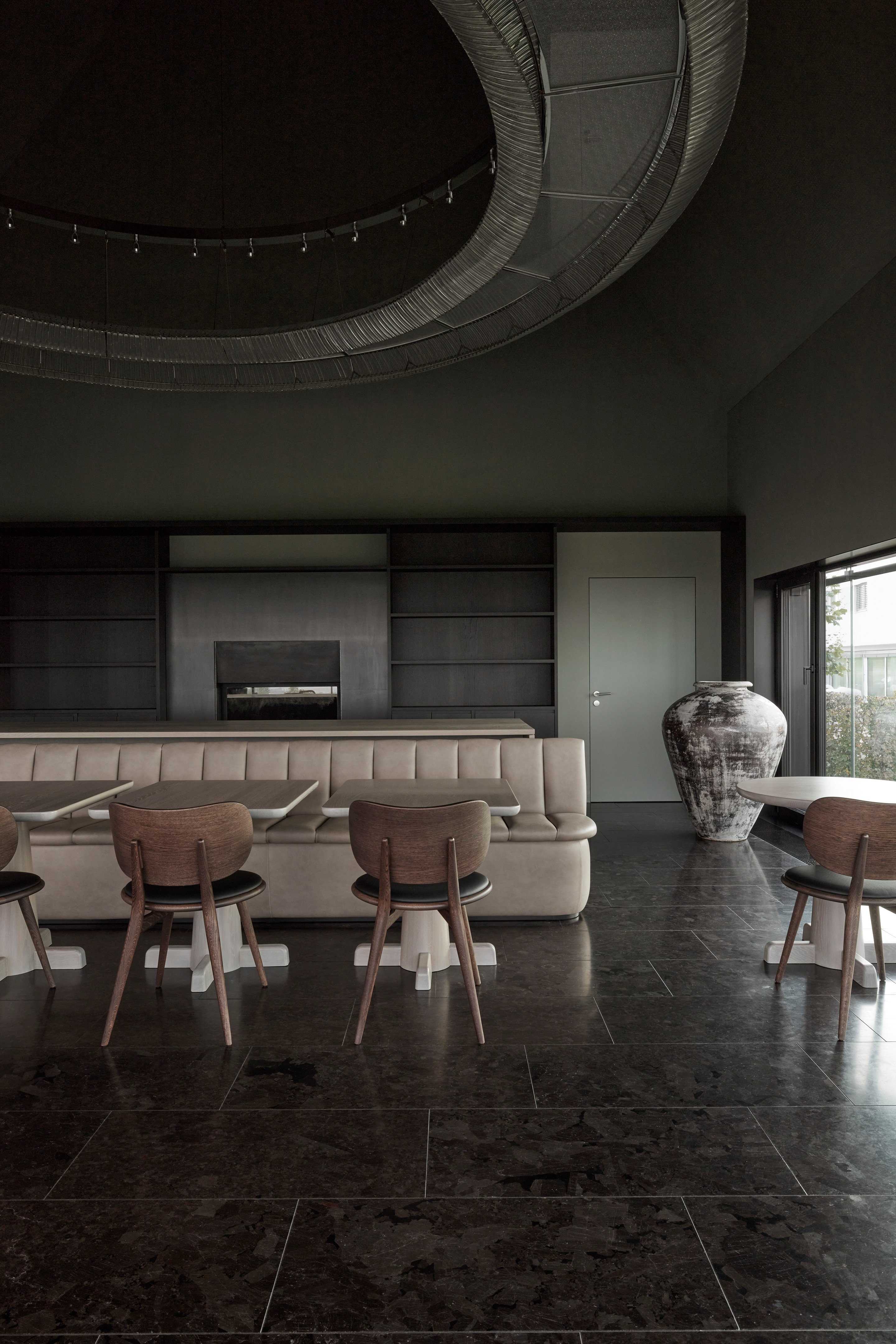
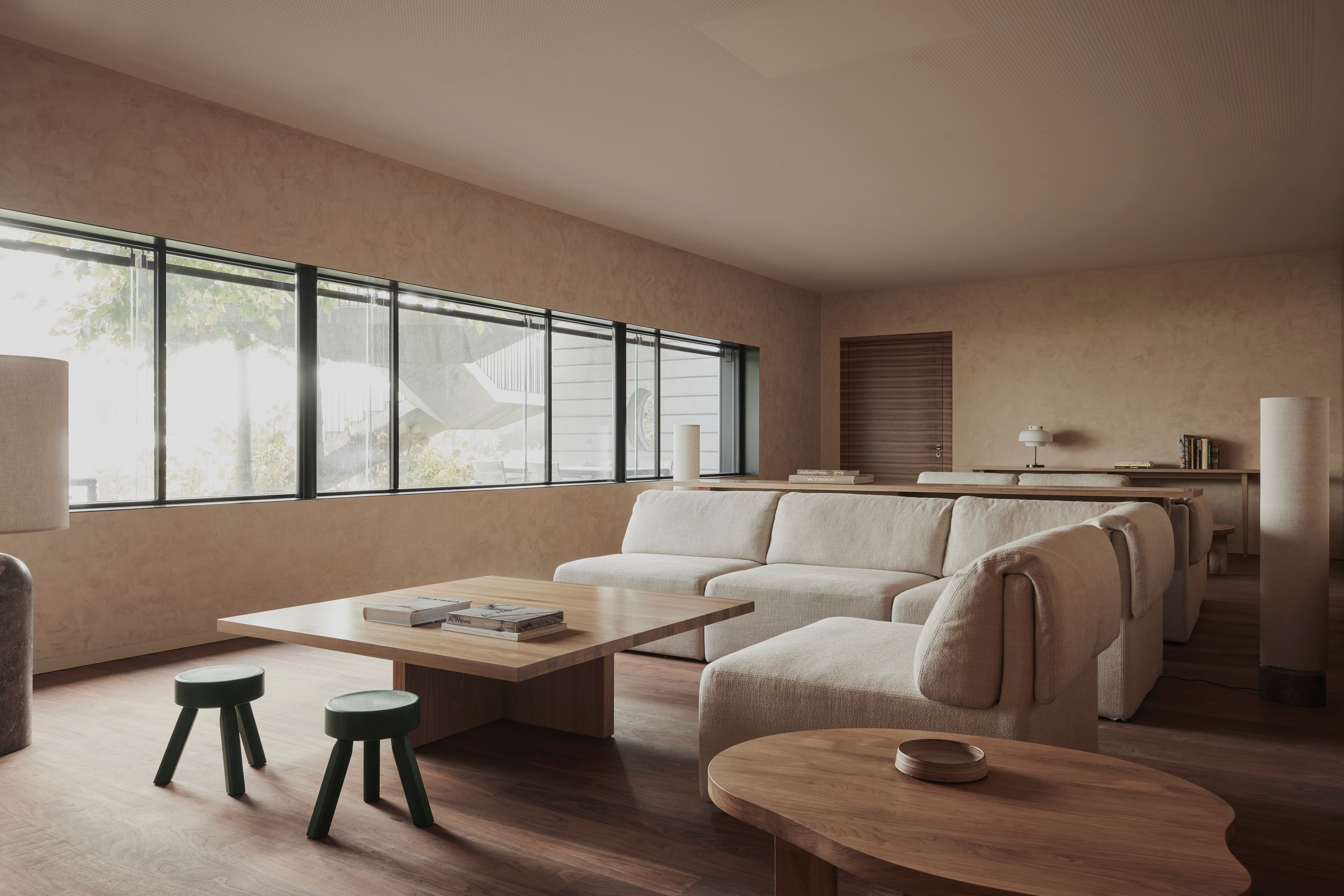
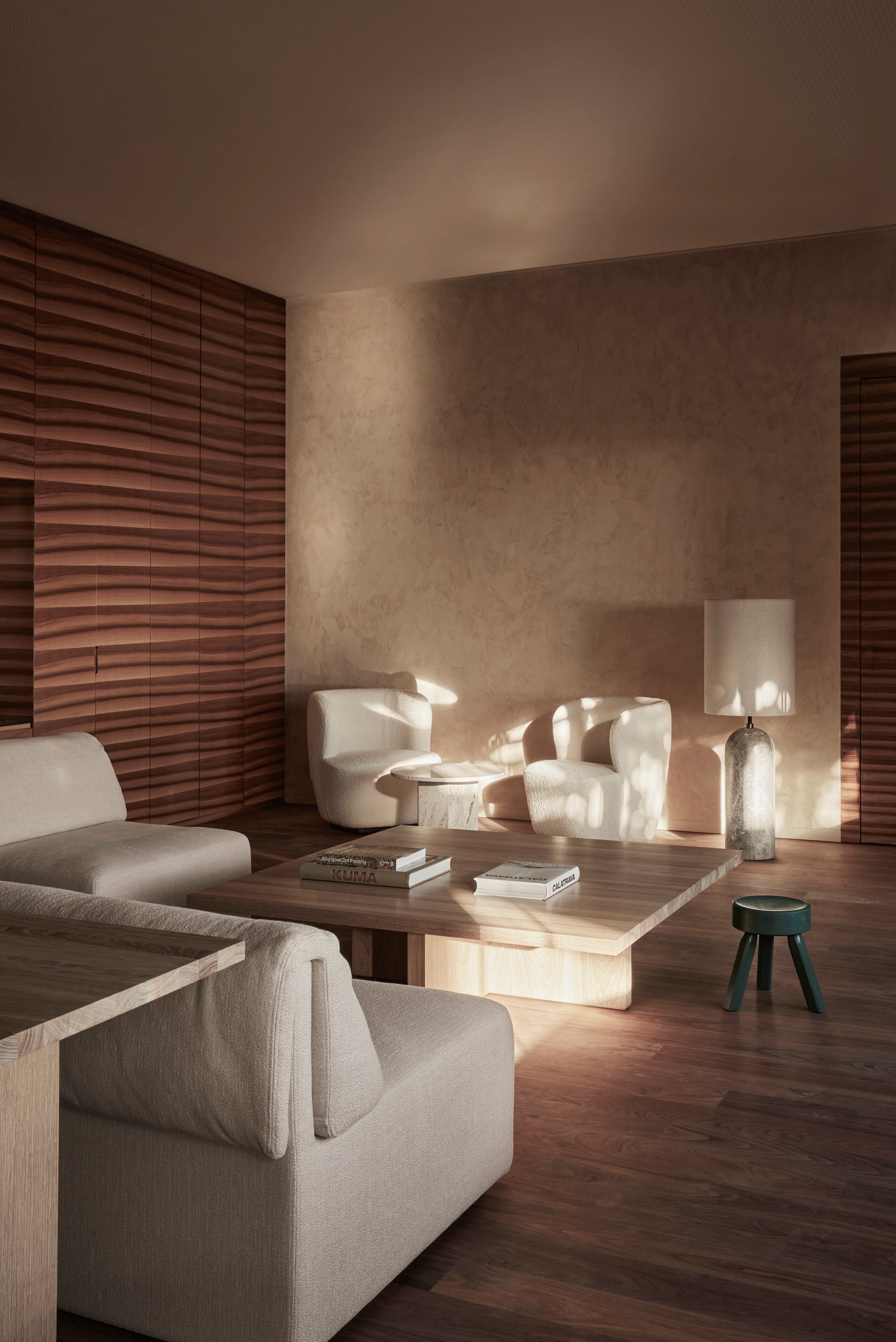
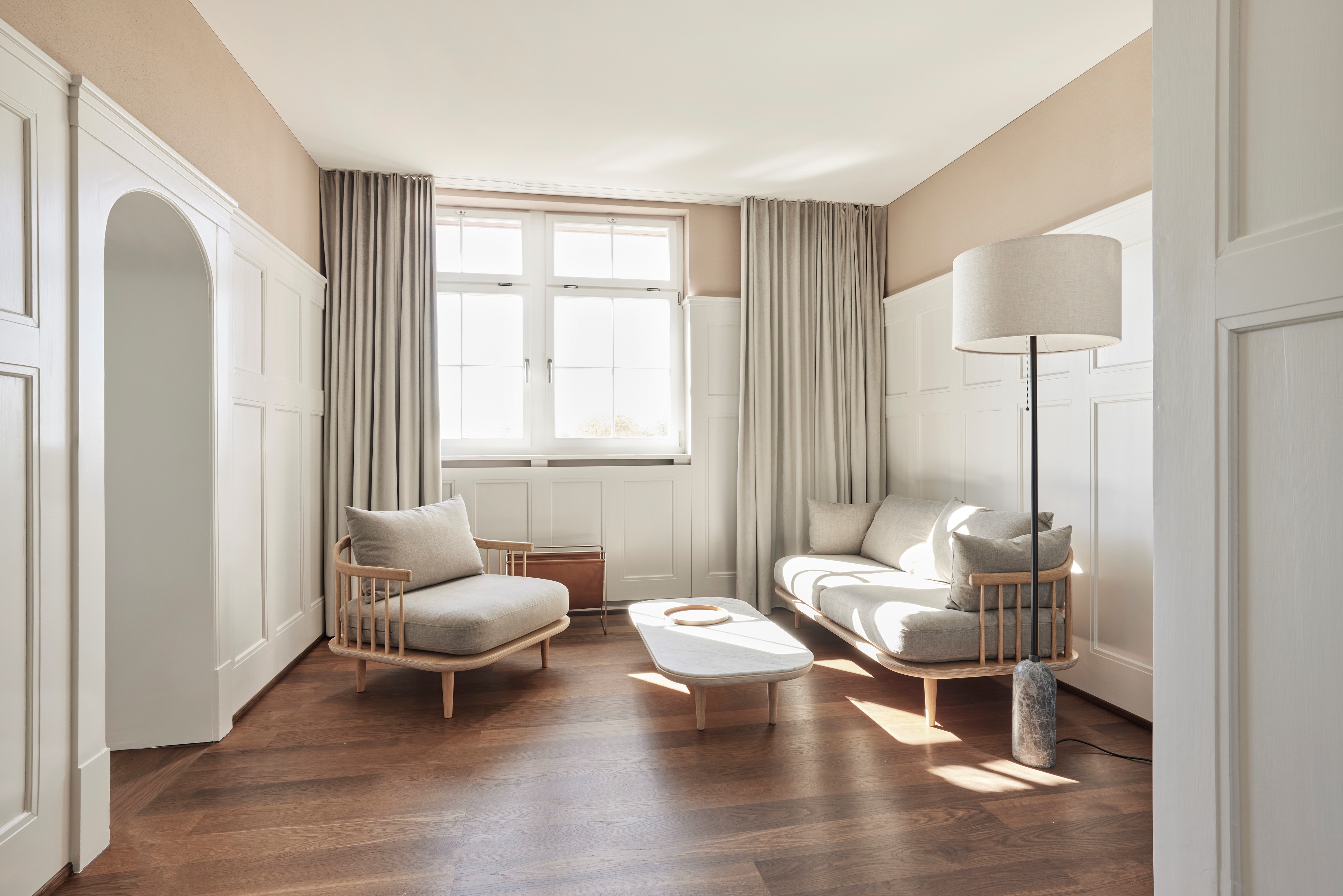
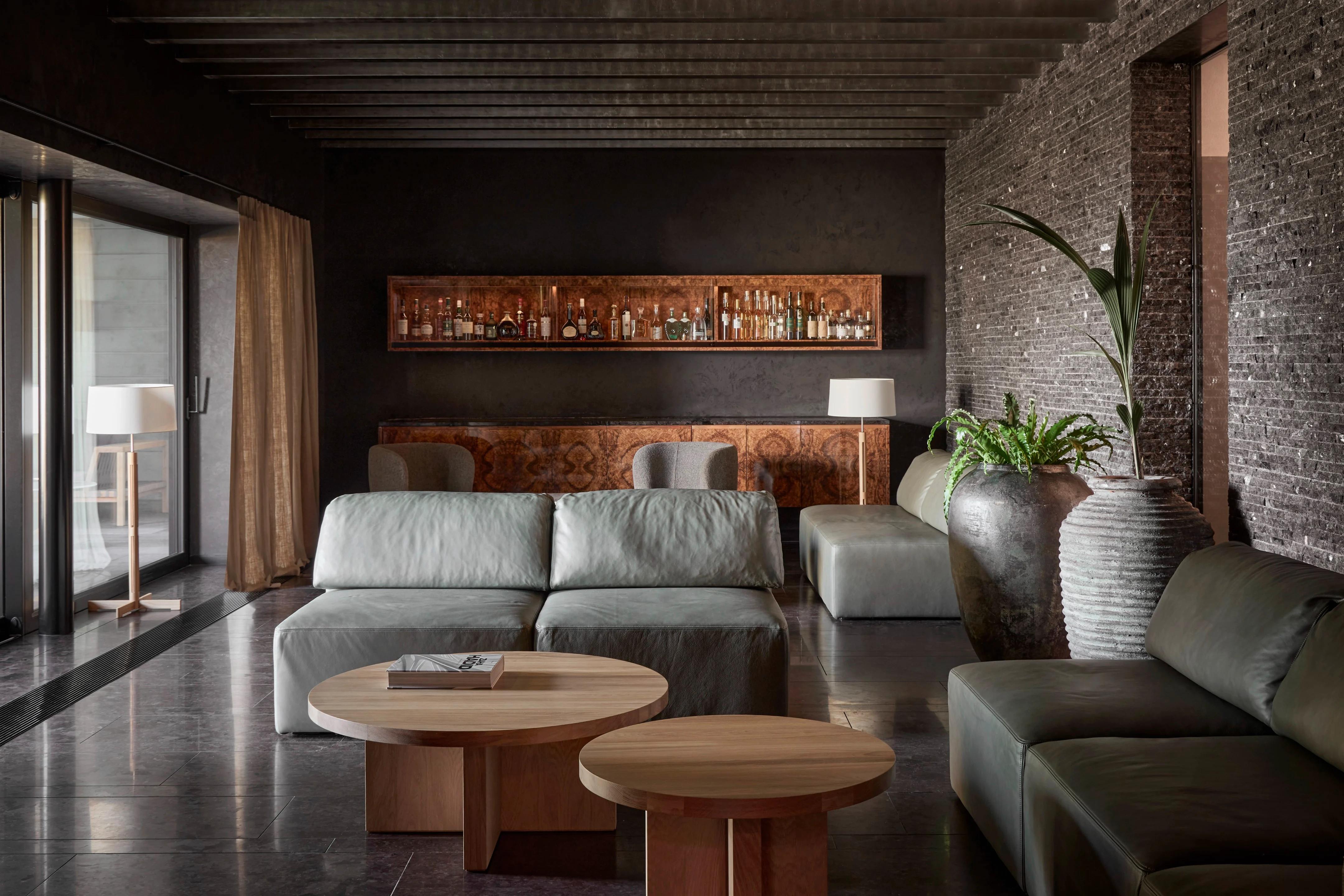
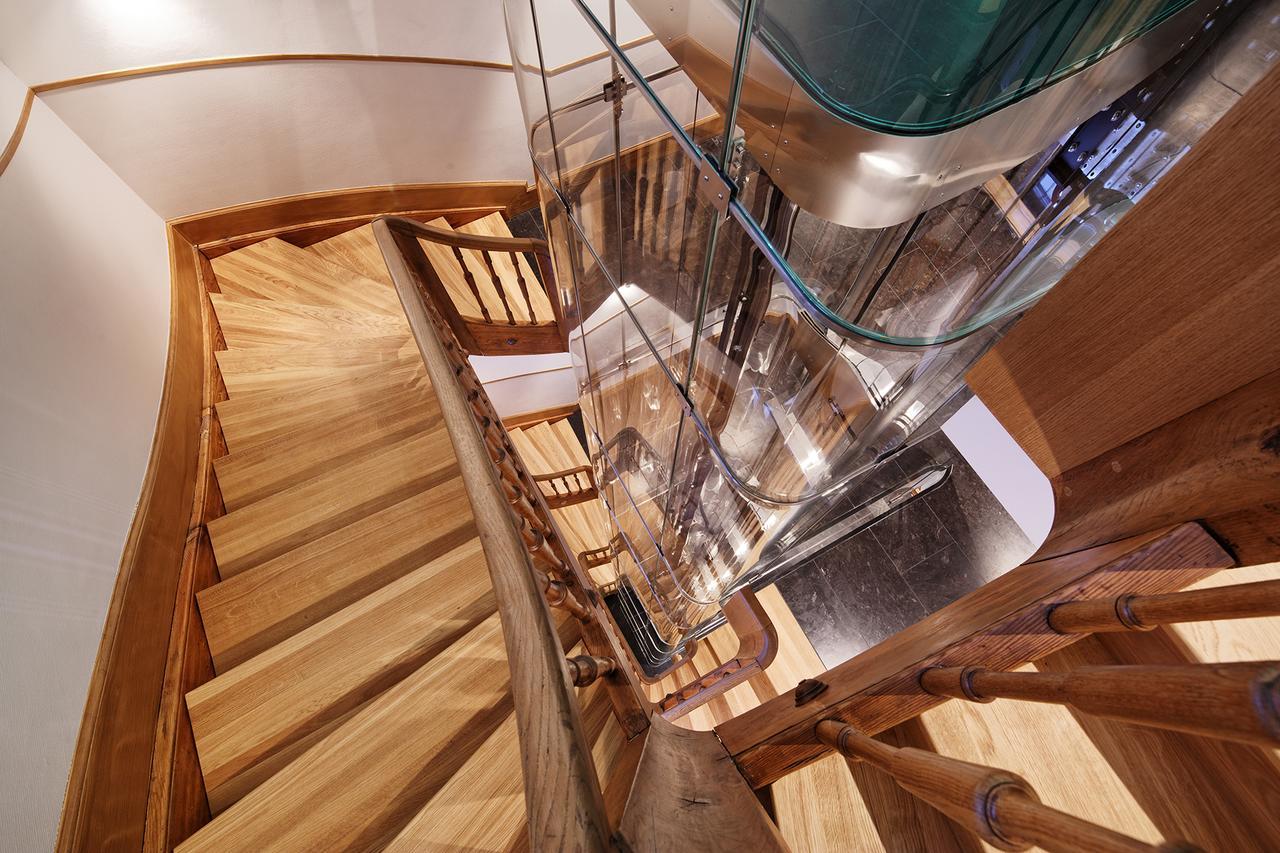
The interiors provide an equally compelling reason to visit. Danish studio Space Copenhagen was asked to work with rather than against the character of the protected villa. Its classical proportions remain immediately legible — high ceilings, substantial timber panelling and generous rooms — but the atmosphere has been completely recalibrated. The result has all the qualities Space Copenhagen does particularly well: warm woods, deep colours, tactile fabrics, beautifully controlled lighting and furniture that feels substantial without becoming heavy. One of the building’s most distinctive existing features, a spiral staircase by Swiss designer Tilla Theus, was retained and painted black, transforming it into a graphic sculptural element at the centre of the house. Lighting becomes architecture in its own right. Pieces by Michael Anastassiades and Mathieu Matégot introduce pools of soft illumination rather than flooding rooms uniformly with light. Furniture combines bespoke pieces made with Copenhagen cabinetmaker Malte Gormsen with designs from GUBI, including Space Copenhagen’s own Stay chairs and enveloping Wonder sofas. It’s Danish design, but it doesn’t feel transplanted from Denmark.
The Restaurant Is the Heart of the House
Mammertsberg makes no attempt to disguise its priorities. Everything gravitates towards the kitchen and dining experience. An open kitchen removes some of the distance traditionally associated with serious fine dining, while an antique chopping block introduces something pleasingly workmanlike into the otherwise sophisticated surroundings. Downstairs, the vaulted former cheese cellar has become another atmospheric gathering place, with a long communal table and bar encouraging a more informal kind of interaction. The food draws on Alpine traditions without becoming constrained by them. Seasonal ingredients, house-aged meats and an ambitious wine programme reinforce that sense of a sophisticated country house rather than an urban restaurant transplanted into rural Switzerland. And the cultural layering continues beyond the plate. Works from Andreas Caminada’s personal art collection appear throughout the property and can change over time, while books, ceramics and glassware keep the interiors from becoming too perfectly composed. Mammertsberg is polished, certainly. But it also feels inhabited.
Six Rooms Above the Restaurant
There are just six guestrooms. That number changes the nature of the hotel completely. Rather than creating a conventional hospitality operation around its restaurant, Mammertsberg retains the intimacy of a private villa. After the final course and another glass of wine, there is no large lobby to navigate or anonymous corridor stretching into the distance. You simply go upstairs. The rooms continue Space Copenhagen’s material language with natural timber, rich fabrics, muted colours and low, atmospheric lighting. Each has its own character, but none tries to compete with the architecture or landscape. There is a confidence in the restraint. This isn’t luxury measured by how many decorative objects can be fitted into a room. It is about proportion, craftsmanship, texture and the pleasure of waking up somewhere exceptionally quiet after an exceptional dinner.
Worth Staying for Dinner — Worth Travelling for It
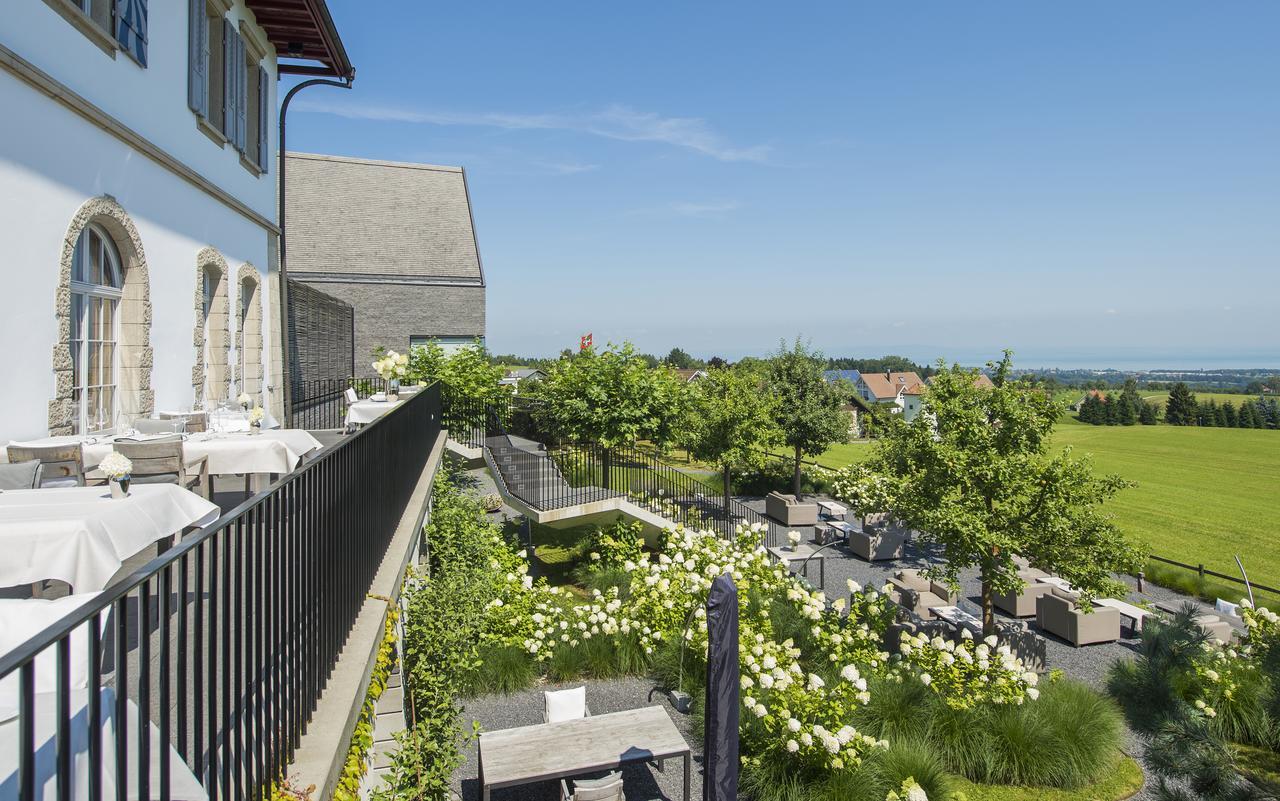
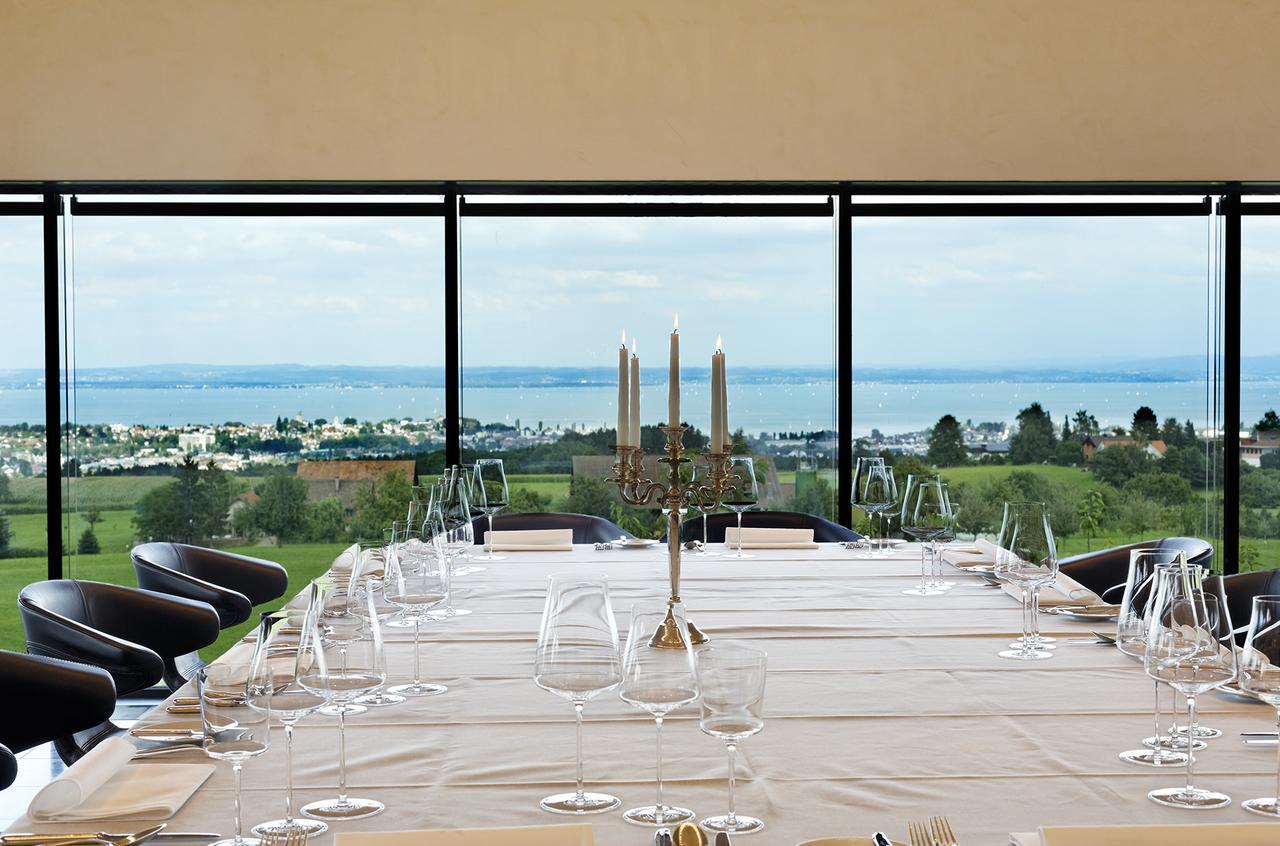
Mammertsberg belongs to a particular breed of European hotel that DNA Hotels finds increasingly compelling: the restaurant with rooms elevated into something much more complete. Food provides the reason to come, but architecture, interiors, art and hospitality turn dinner into a journey. And its setting makes that journey even more persuasive. From its elevated position above Lake Constance, Mammertsberg feels removed from the everyday without actually being remote. There is countryside outside the windows, Danish design inside them and one of Switzerland’s most accomplished culinary teams downstairs.
More Than a Restaurant with Rooms
Mammertsberg could easily have become overly reverential: a listed villa, famous chefs, collectible furniture and serious contemporary art are all ingredients capable of producing somewhere intimidatingly perfect. Instead, its greatest achievement may be how comfortable everything feels. Space Copenhagen gives the 1911 villa a new life without designing away its history, while Caminada and Germann make gastronomy the natural centre of the house rather than a performance occurring within it. With only six rooms, Mammertsberg is barely a hotel in the conventional sense. And that’s exactly what makes it special.