Mamula Island by Banyan Tree – Bay of Kotor, Montenegro
A 19th-century sea fortress transformed into an extraordinary island retreat where architecture, memory and the Adriatic remain inseparable.
Why DNA Hotels Loves It
● An entire Austro-Hungarian fortress from 1853 becomes the hotel, reached only by boat and occupying its own tiny island at the entrance to the Bay of Kotor.
● The sensitive restoration by MCM Lisbon, with interiors by Piotr Wiśniewski of weStudio, preserves stone vaults, cannon rooms, frescoes and the fort’s recurring arches while introducing contemporary design without disguising its past.
● Now part of Banyan Tree, Mamula combines remarkable architecture with serious wellness, three pools, a beach, Mediterranean-Montenegrin food and one of the most unusual settings on the Adriatic.
A Fortress at the Edge of the Bay
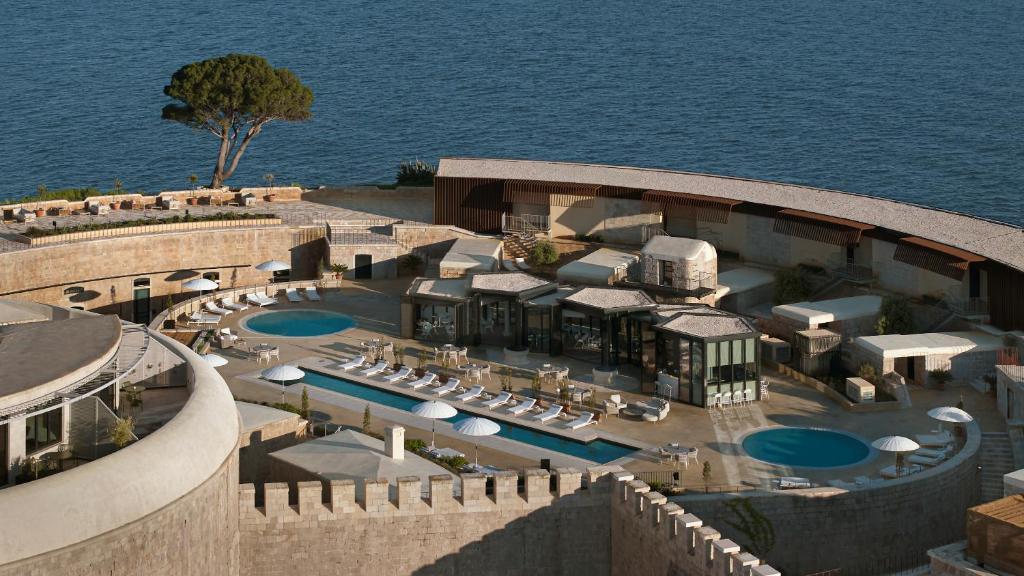
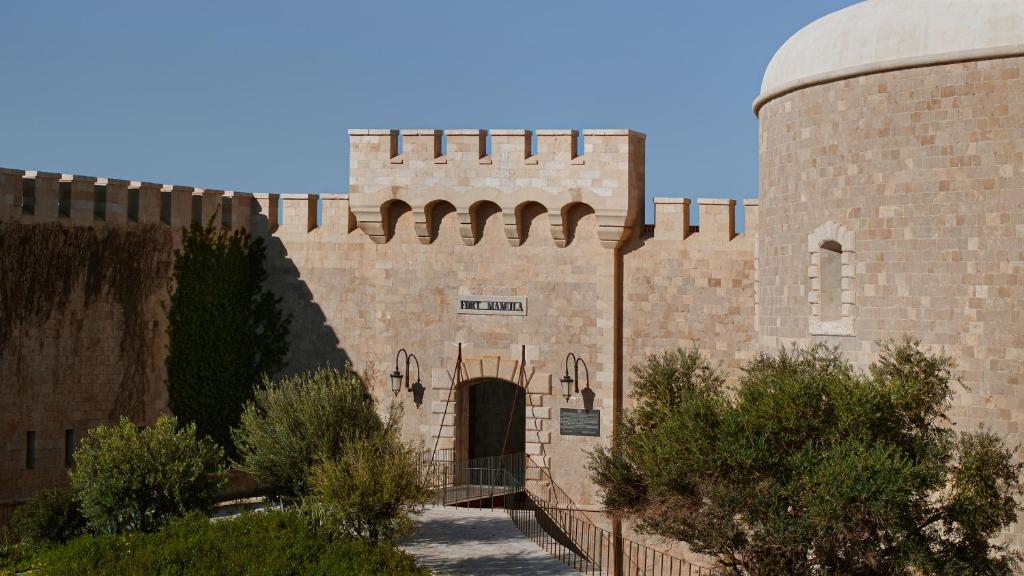
There are hotels with history, and then there is Mamula. The small circular island sits precisely where the sheltered waters of the Bay of Kotor meet the open Adriatic, between Montenegro’s Luštica Peninsula and Croatia’s Prevlaka Peninsula. Rising directly from the rocks is a monumental stone fortress constructed in 1853 under Austro-Hungarian general Lazar Mamula to defend the entrance to the bay. Arrival still feels appropriately theatrical. Guests approach across the water, disembark beneath the fortress walls and follow a path through olive trees and rosemary before crossing the drawbridge and passing beneath its great arched entrance. Behind those defensive walls lies something entirely unexpected.
History That Couldn’t Be Designed Away
Transforming Mamula into a hotel was always going to be controversial. During the Second World War, when this part of Montenegro was under Italian occupation, the fortress was used as a prison camp. People suffered and died here. That history makes Mamula fundamentally different from the countless castles, monasteries and military buildings subsequently converted into hotels. The developers chose not to erase it. A memorial and museum within the fortress records the island’s wartime history and commemorates those imprisoned here, allowing the darker chapter of Mamula’s past to remain part of the experience rather than becoming an inconvenient footnote. That matters. Because the most convincing aspect of the transformation is precisely that Mamula has not been stripped of the complexity that makes it such a powerful place.
Seven Years of Careful Reinvention
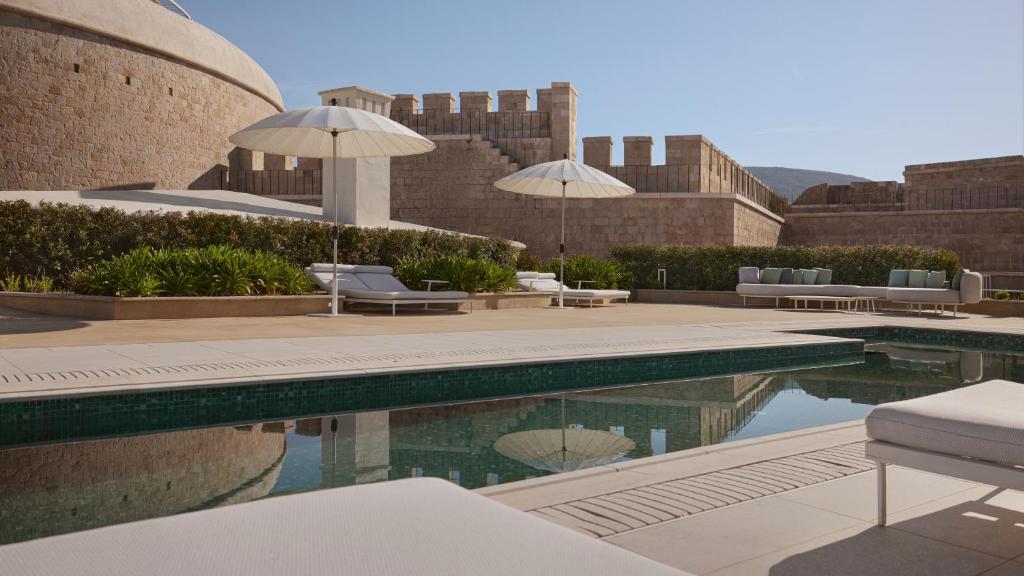
The restoration, overseen by heritage and hospitality specialists MCM Lisbon, took seven years. Rather than forcing conventional hotel architecture into the fortress, the design works around what was already there. Original stone walls, barrel vaults, crenellated parapets, cannon openings and fragments of 19th-century frescoes remain visible. The circular tower still dominates the island. At its heart, however, the former military courtyard has become Mamula’s social centre, with three pools, olive trees and terraces enclosed by the immense stone walls. By night, warm lighting transforms what could have felt severe into an unexpectedly intimate space. It is a remarkable architectural reversal: a building conceived to keep people out has become somewhere designed around openness.
The Arch Becomes a Design Language
Polish designer Piotr Wiśniewski and Berlin-based weStudio took one of the fortress’s most basic architectural components — the arch — and turned it into the recurring motif of the interiors. Curves appear in doorways, furniture and joinery, creating what the designers describe as a visual echo throughout the property. The palette comes directly from the island: stone, sand, earth and vegetation, occasionally interrupted by brighter colour. Natural stone is joined by aged brass, solid oak, wool, linen and other organic textiles. Locally sourced stone and timber reinforce the connection to Montenegro, while bespoke furniture uses traditional joinery techniques as inspiration. Pieces by GUBI, Roda, Santa & Cole, Flos and Menu sit alongside weStudio’s custom designs rather than dominating them. This isn’t fortress cosplay. The design is contemporary, tactile and occasionally mid-century in spirit, but the building is always allowed to remain the strongest presence.
32 Rooms, No Two Quite Alike
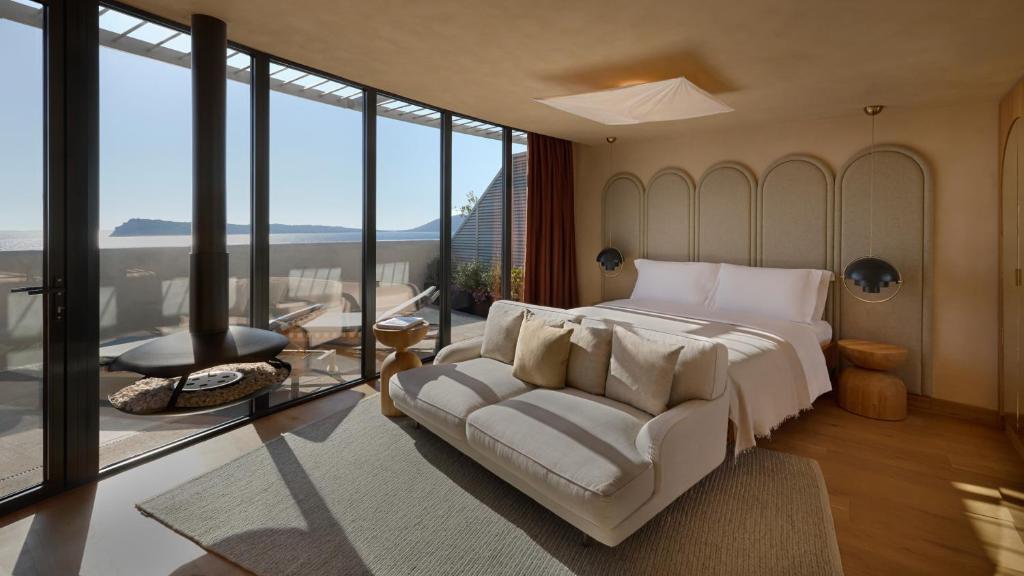
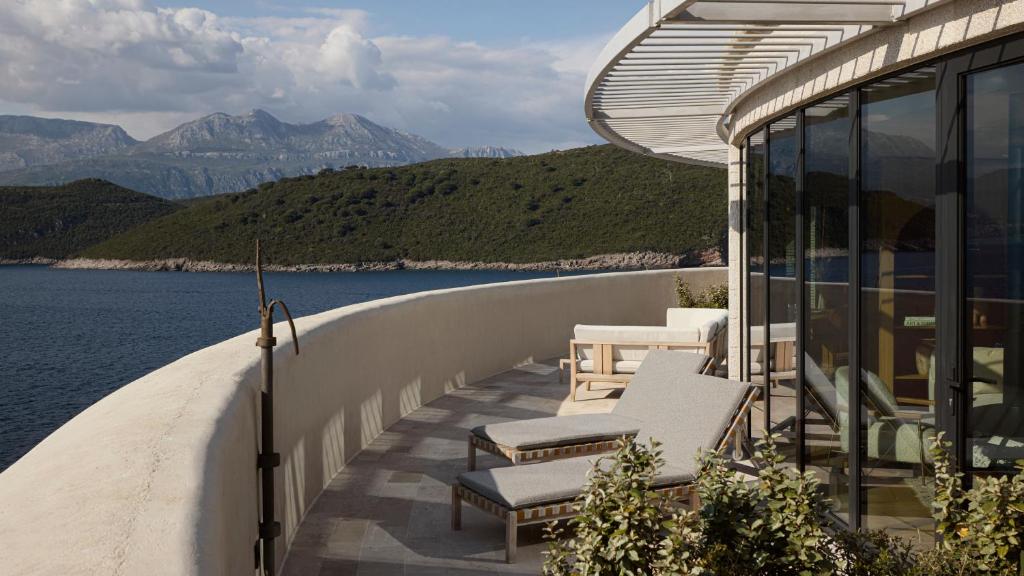
The architecture dictated the rooms rather than the other way around. Mamula has 22 suites and ten rooms, spread through dramatically different parts of the fort. Some occupy original barrel-vaulted chambers with thick exposed stone walls and small openings once intended for cannons. Four former officers’ rooms retain fragments of historic frescoes. Junior Suites inhabit lofty former cannon rooms around the courtyard. Above them, contemporary rooms in the crown of the tower take an entirely different approach, using floor-to-ceiling glazing and terraces to open the fortress towards the sea. Inside, oak joinery, natural fabrics, North African rugs, brass details and sculptural furniture soften the military architecture. Contemporary works commissioned from artists connected with the University of Montenegro Faculty of Fine Arts bring another specifically local layer. Every room looks towards the sea.
An Island Within an Island
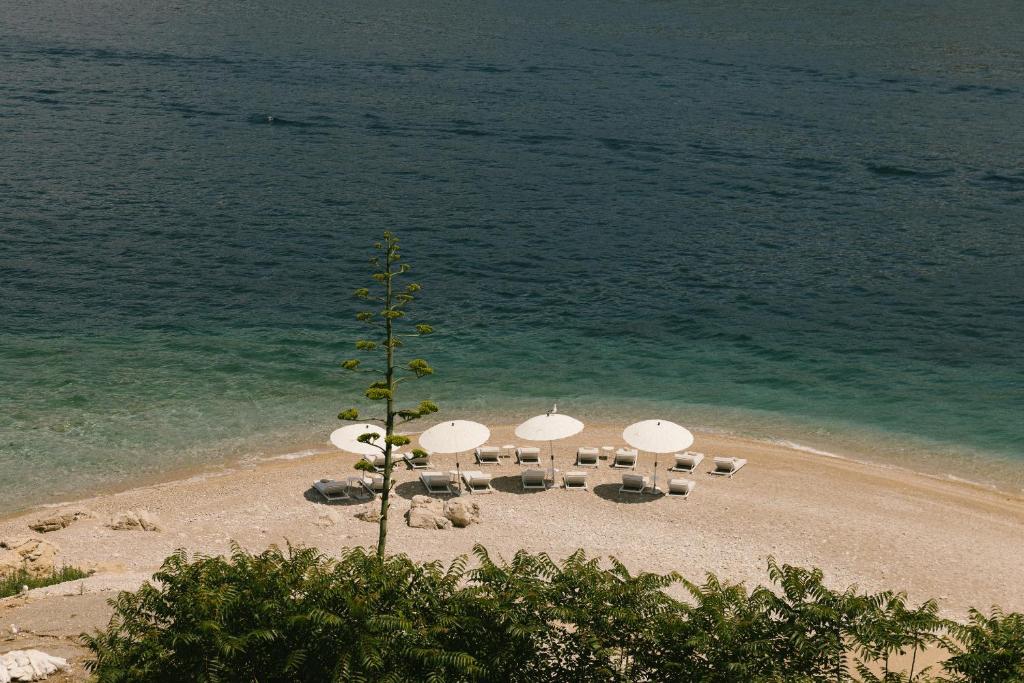
Mamula’s isolation is not an aesthetic illusion. There are no neighbouring buildings, streets or cafés to wander into. Once the last boat departs, the fortress, rocks, sea and sky are effectively your world. A tiny beach sits beneath the walls. Three pools occupy the protected courtyard. Elsewhere, terraces and parapets reveal constantly changing perspectives over the Adriatic and the mountains surrounding Kotor Bay. The hotel can take guests back across the water to explore the Luštica Peninsula, its olive groves and villages, or out by speedboat towards the Blue Cave, neighbouring islands and remnants of Montenegro’s military past. But staying put is rather compelling.
Wellness Inside the Fortress
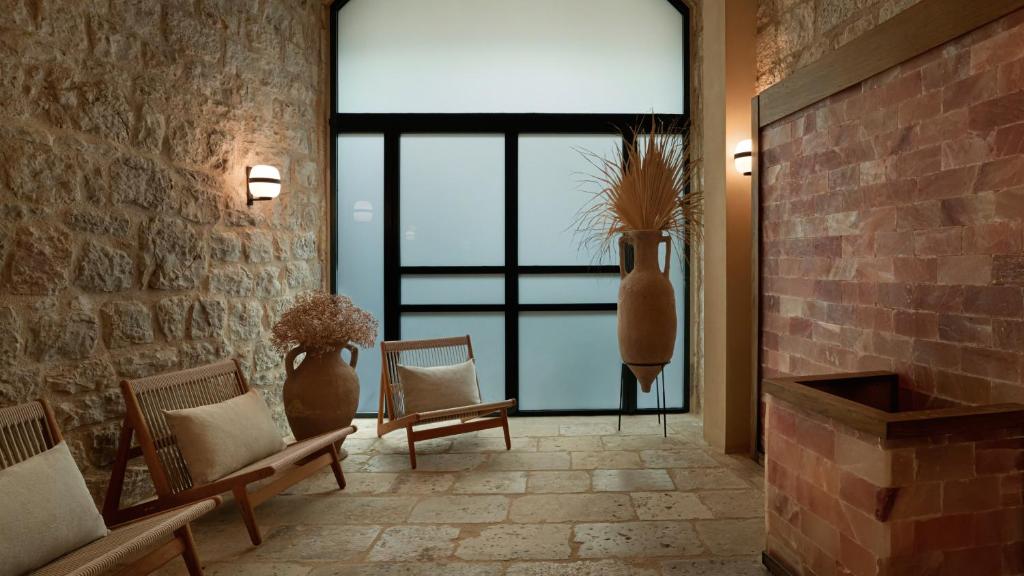
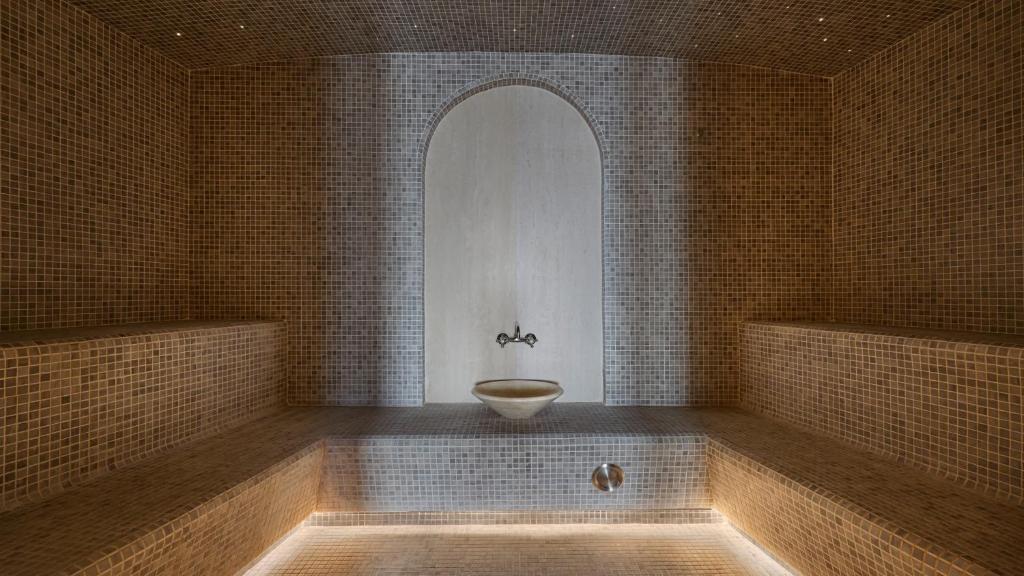
The ground floor of the circular tower has become an unusually atmospheric Banyan Tree spa. Stone barrel vaults contain saunas, steam facilities, treatment rooms, halotherapy using Himalayan salt, sound therapy and a flotation chamber. Treatments draw on both Banyan Tree’s wellness philosophy and the Adriatic setting. Yoga can move outside, above the sea. It could easily have become an exercise in extravagant resort wellness. Instead, the fortress gives it something most spas cannot manufacture: genuine stillness.
Montenegro on the Menu
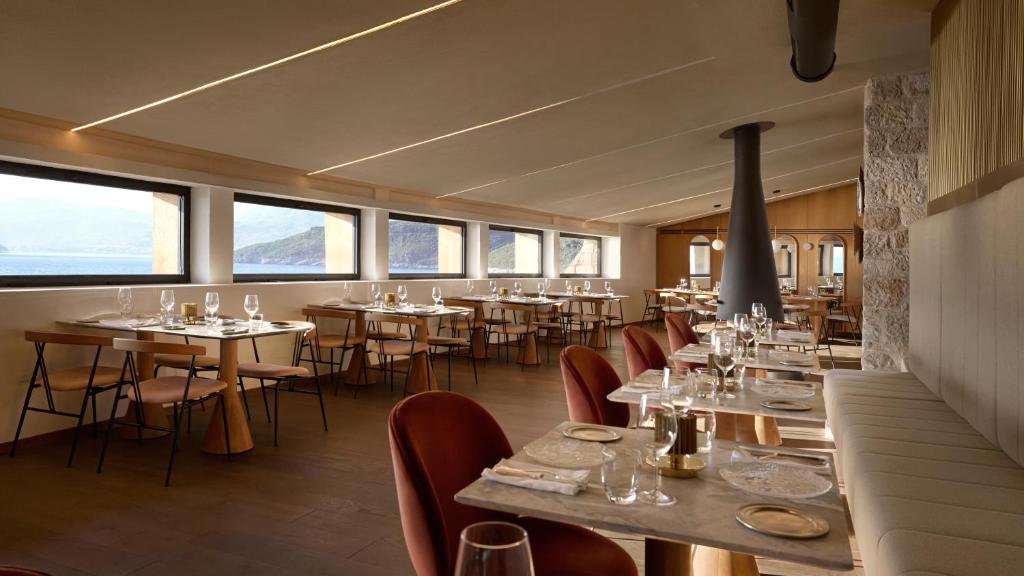
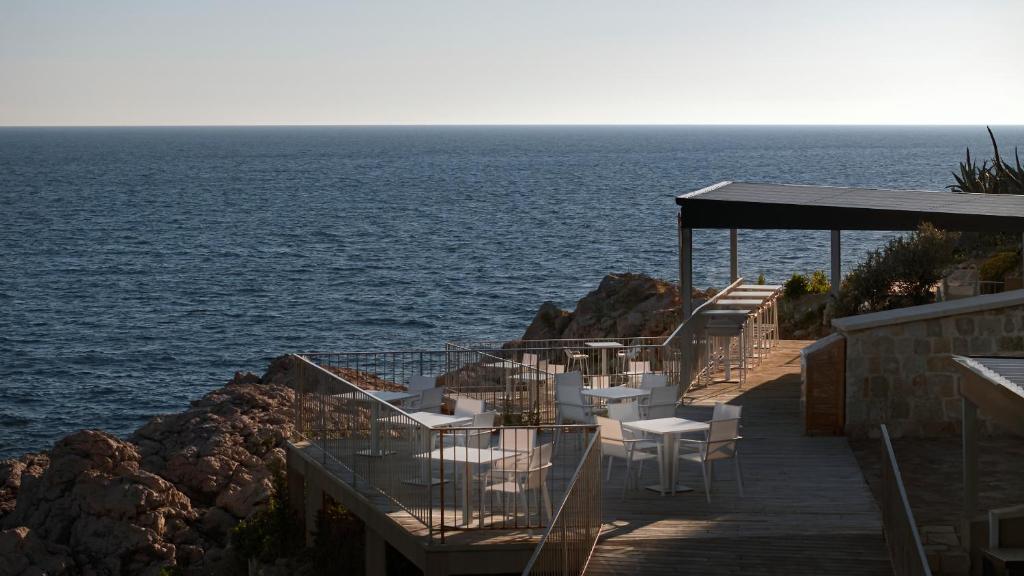
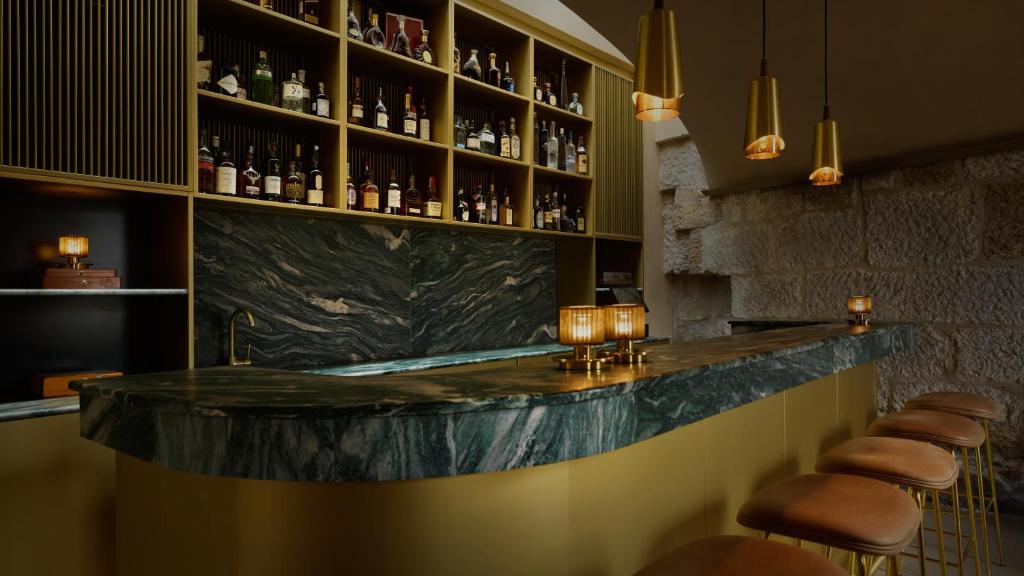
Three restaurants make it possible to remain on the island without food becoming repetitive. The cooking under chef Marija Bešović connects Mediterranean flavours with Montenegro’s own culinary traditions, drawing on seafood, local produce and regional wines. Kamena occupies one of the island’s most romantic settings, with tables beside the parapets and sunset views across the Adriatic. Parasol, beside the pools, takes a lighter approach with raw and fresh seafood, while the Sun Deck sits directly above the rocks and sea. For drinks, Pinea hides among the upper reaches of the fortress walls. Local Vranac in a 170-year-old fort while the sun disappears into the Adriatic feels considerably more appropriate than an imported idea of resort glamour.
A Fortress With a Cultural Life
Mamula isn’t being treated purely as a resort. An artist-in-residence programme, concerts and cultural events continue the hotel’s attempt to turn the island into a place of contemporary cultural exchange. Local artists and artisans were involved in the interiors, while the memorial ensures that creativity does not overwrite memory. That combination gives Mamula a depth few island resorts possess.
Preserving an Island, Not Just a Building
The environmental challenges here are unusual too. Everything has to cross the water, and the island’s exposed position means wind and storms can determine when that is even possible. Restoration therefore reused the existing structure wherever possible. The fort’s original 170-year-old cisterns have been incorporated into water management, including greywater recycling, while drinking water can be produced through an on-site desalination system. Glass is crushed for reuse in regional construction projects, and local sourcing extends from building materials to the kitchen. The fortress itself is ultimately the largest act of reuse: an enormous piece of 19th-century infrastructure given another life rather than abandoned to the Adriatic.
Where Montenegro Meets the Open Sea
Mamula is difficult to categorise. It is a design hotel, but the architecture matters more than the furniture. It is a wellness retreat, but its atmosphere existed long before the spa. It is an island resort, but one carrying memories that cannot — and should not — be reduced to romantic history. And now, under Banyan Tree, another chapter has begun. What makes Mamula exceptional isn’t simply the improbable experience of sleeping inside a fortress on a private Adriatic island. It is the tension between everything this place has been and what it has become — military stronghold, prison, ruin, memorial and, finally, hotel. Few hotels ask you to confront quite so much history while looking out to sea.