MEZI PLUTKY – Čeladná, Czechia
Where a 200-Year-Old Farmhouse Becomes Contemporary Rural Luxury
Why DNA Hotels Loves It
● A beautifully restored Wallachian farmhouse that balances Czech heritage with contemporary Scandinavian design.
● Just four suites, creating an intimate retreat centred on silence, craftsmanship, and slow living.
● A masterclass in how architecture, materials, and landscape can create genuine barefoot luxury.
Between Fences, Between Eras
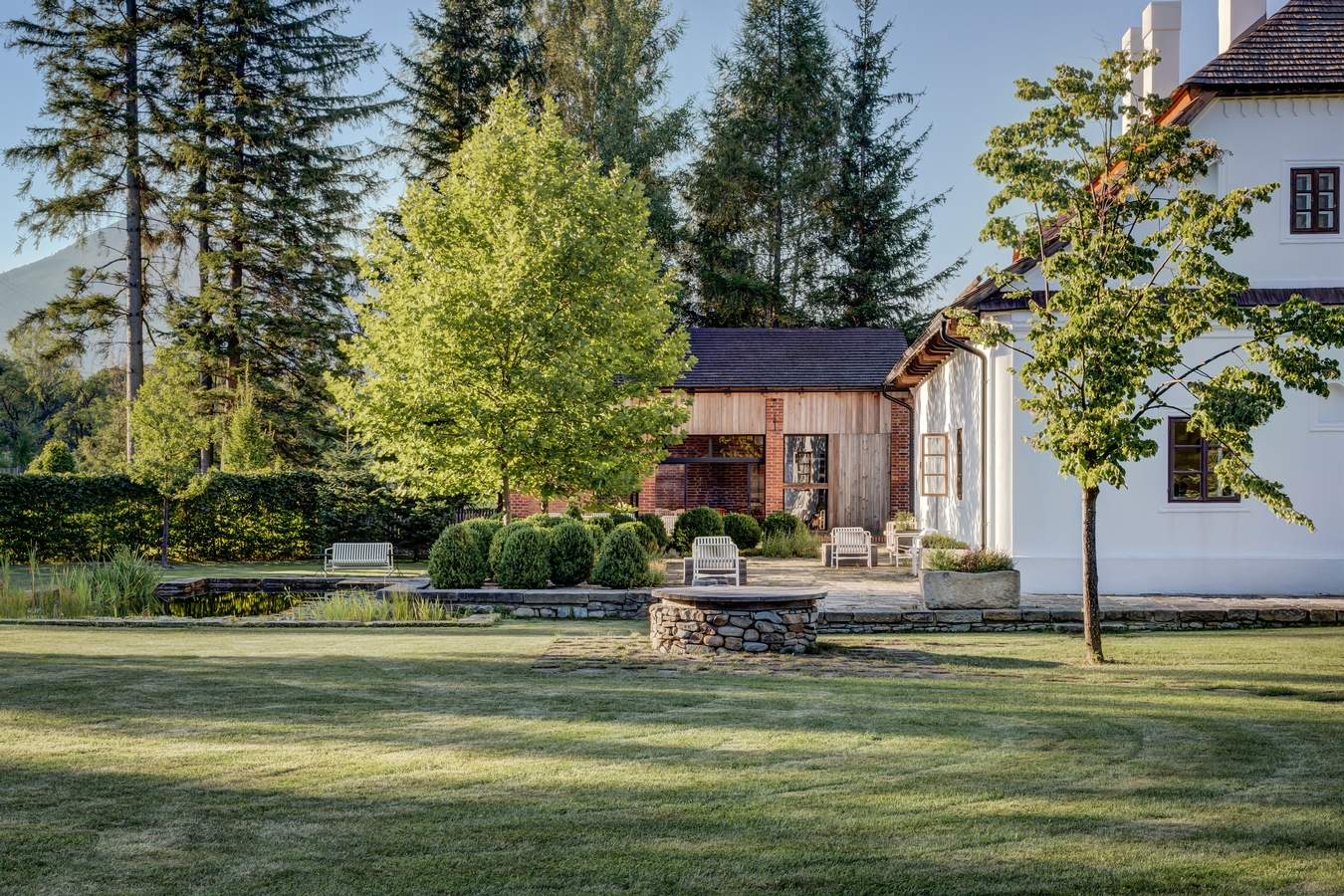
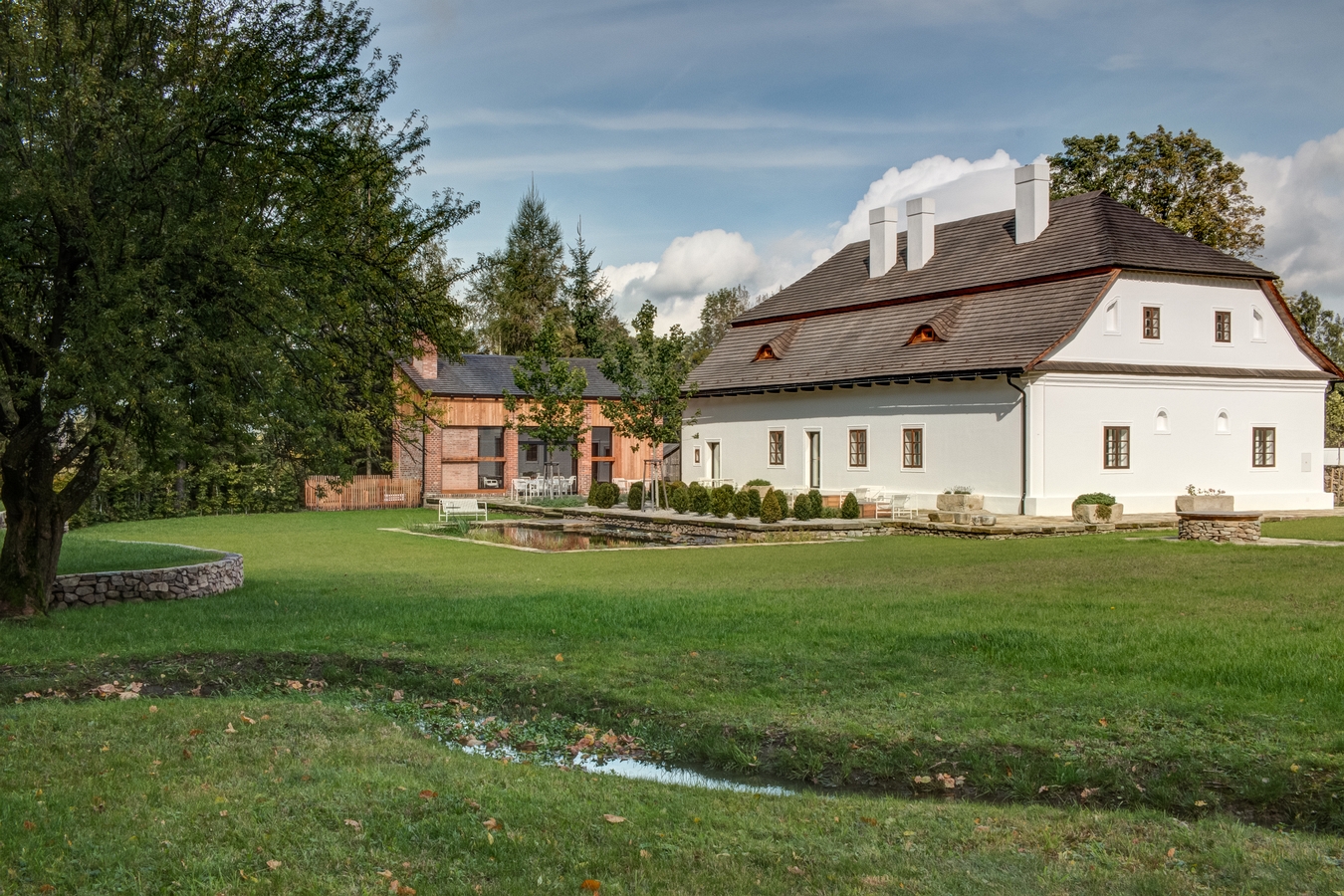
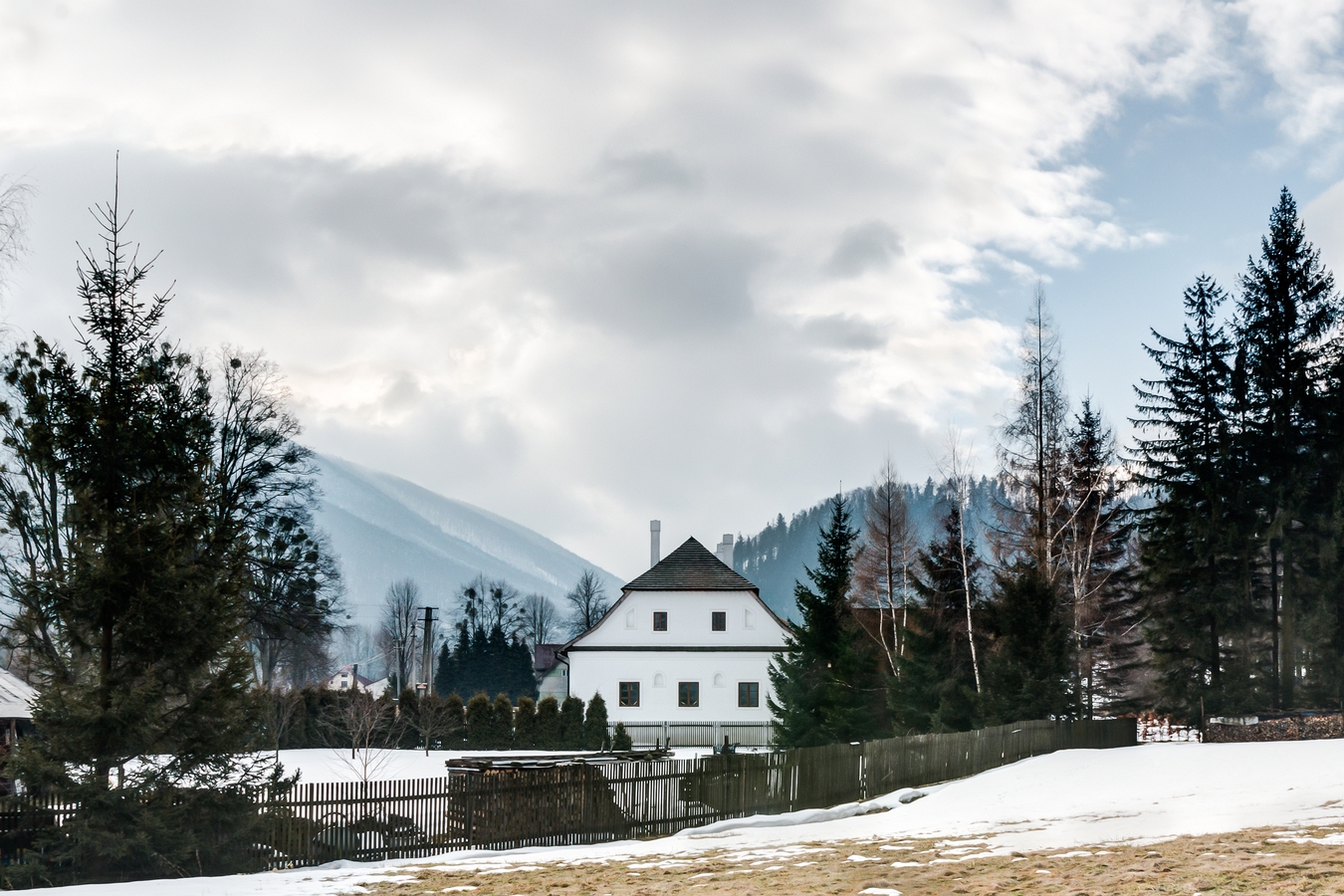
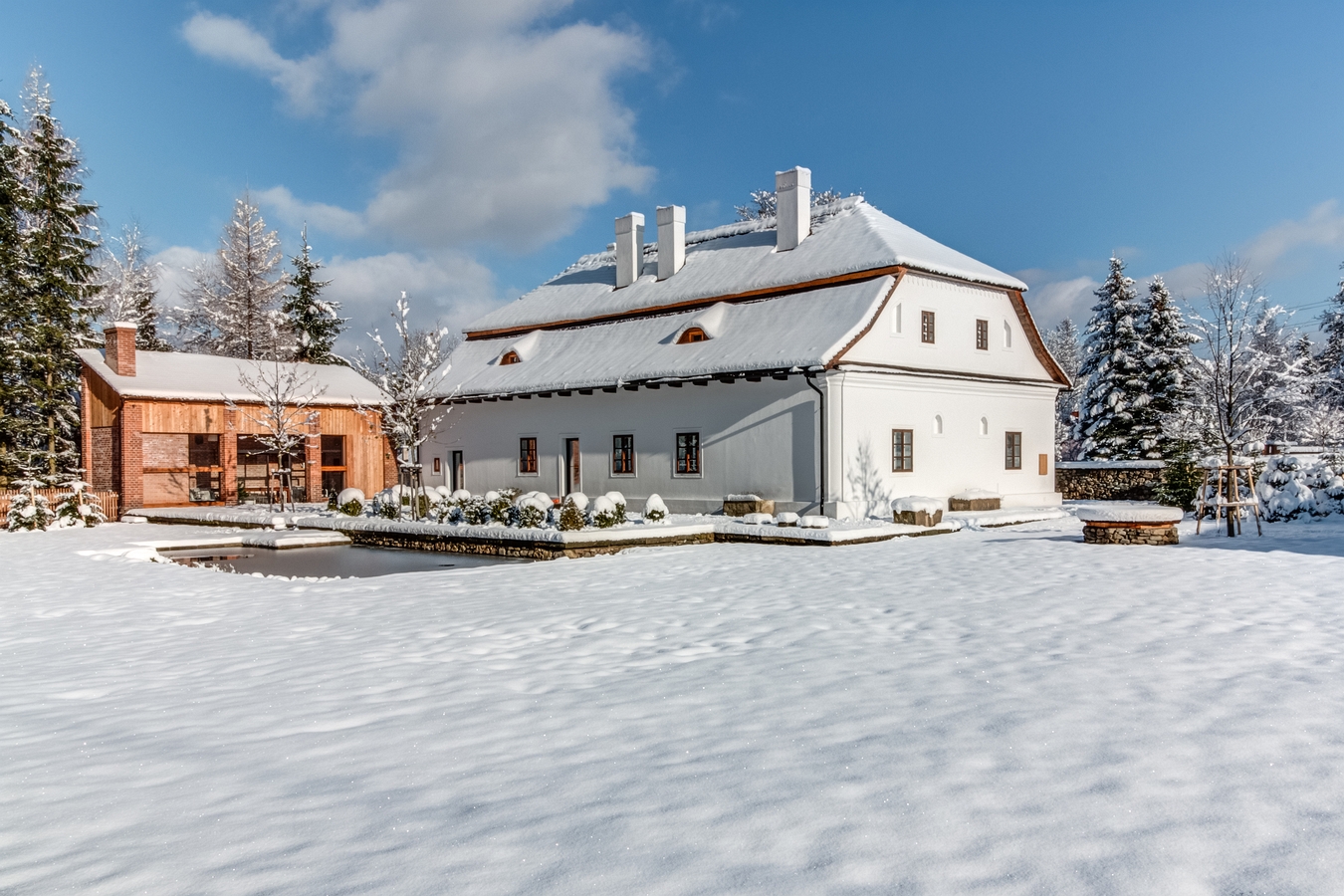
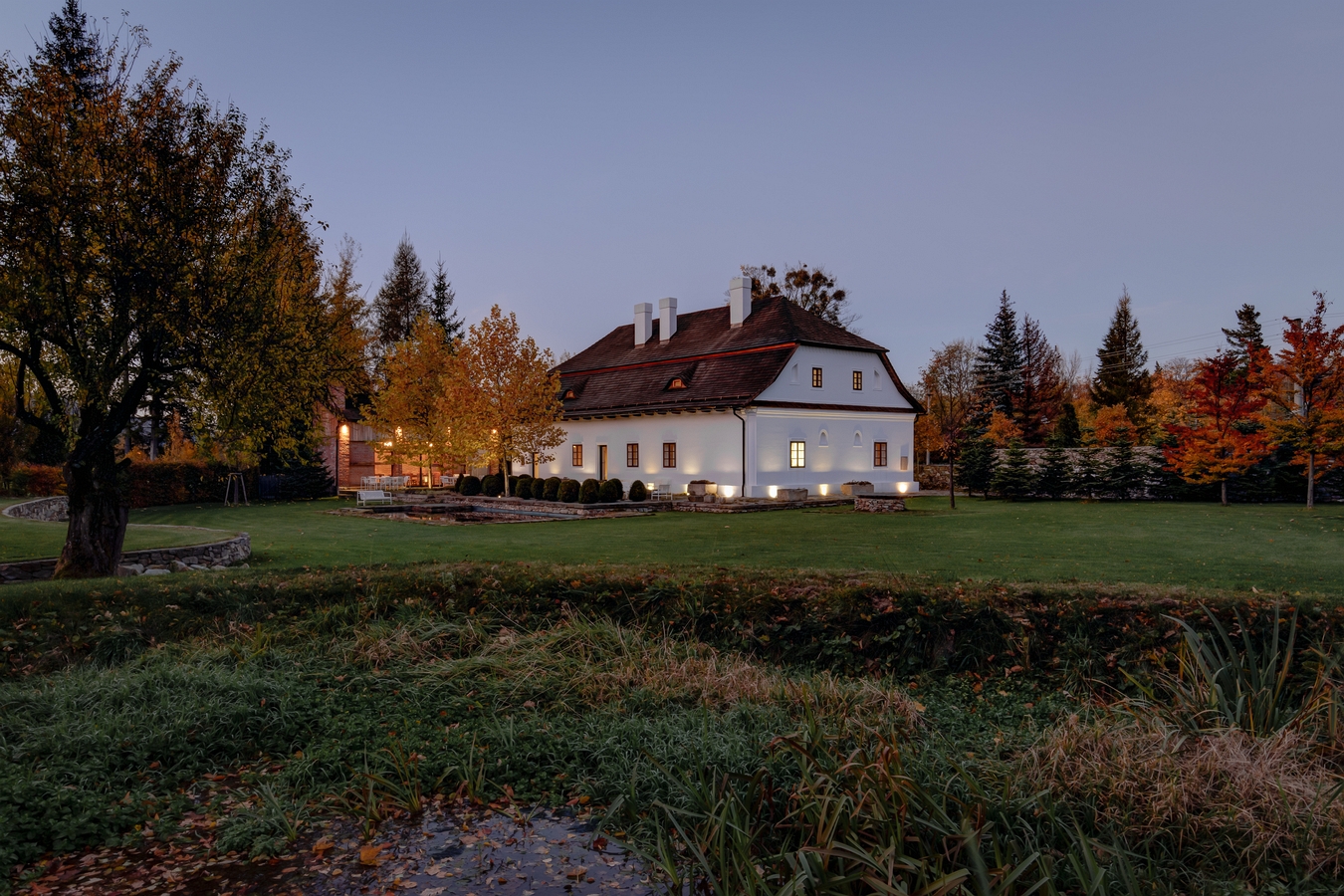
The name Mezi Plutky translates as “between fences.” It could hardly be more fitting. Nestled within the rolling landscapes of the Beskydy Mountains in eastern Czechia, this remarkable retreat exists between worlds: between old and new, rustic and refined, tradition and modernity. At its heart stands a 200-year-old Wallachian farmhouse, carefully restored and reimagined as one of Central Europe’s most quietly beautiful places to stay. With only four suites and space for just twelve guests, Mezi Plutky feels less like a hotel and more like a private country home designed by people who deeply understand both architecture and hospitality. Nothing feels commercial. Everything feels personal.
A Restoration Guided by Respect
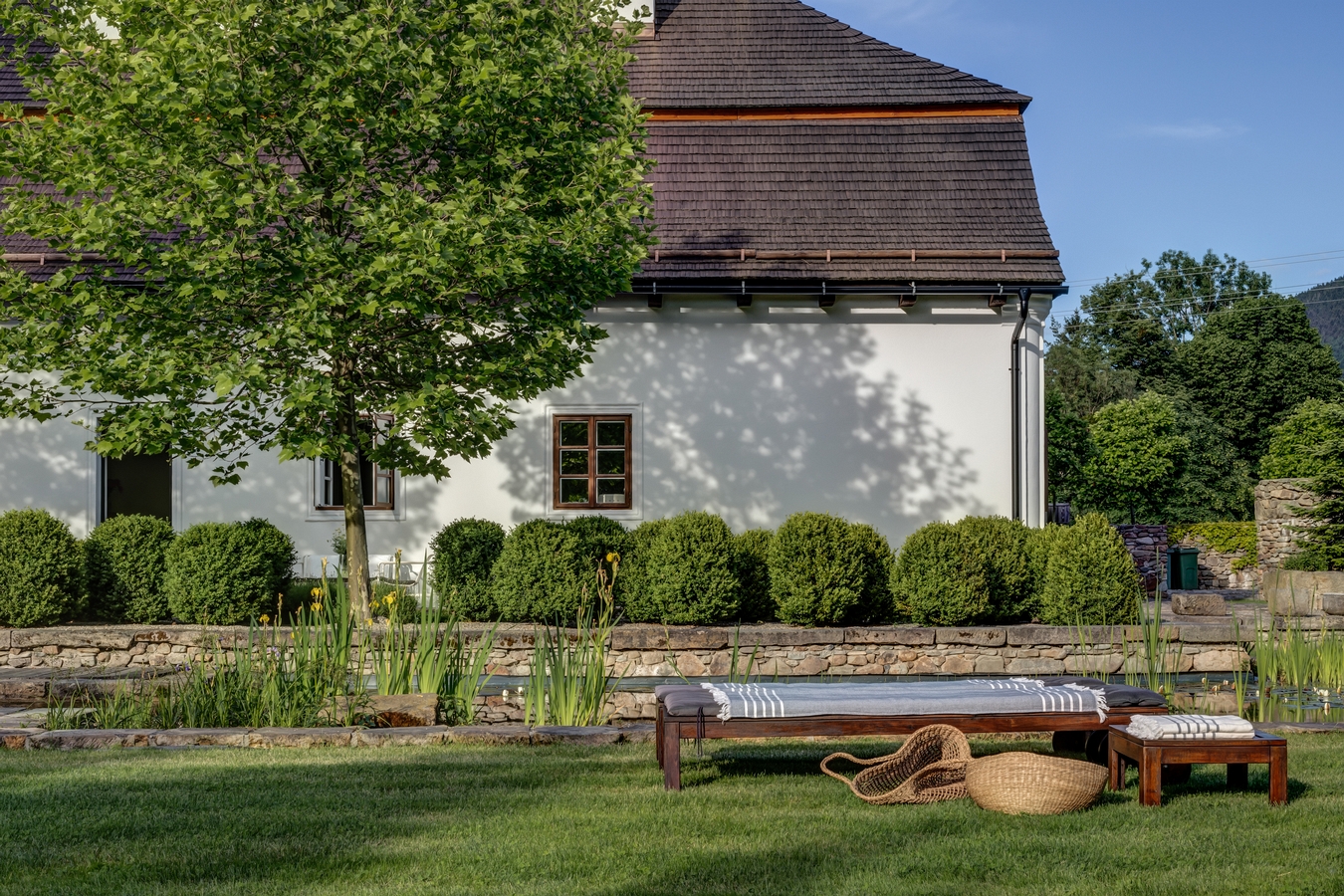
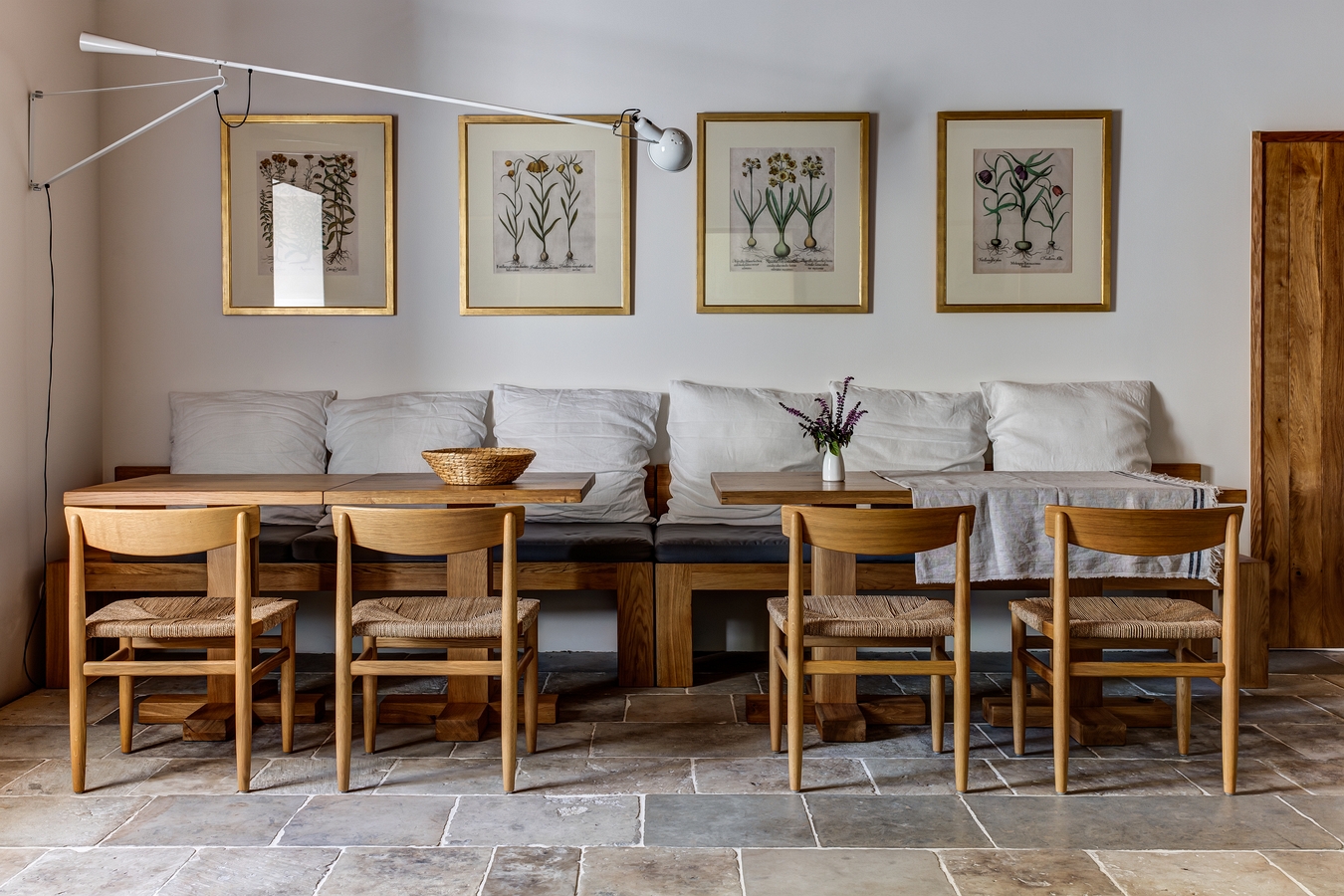
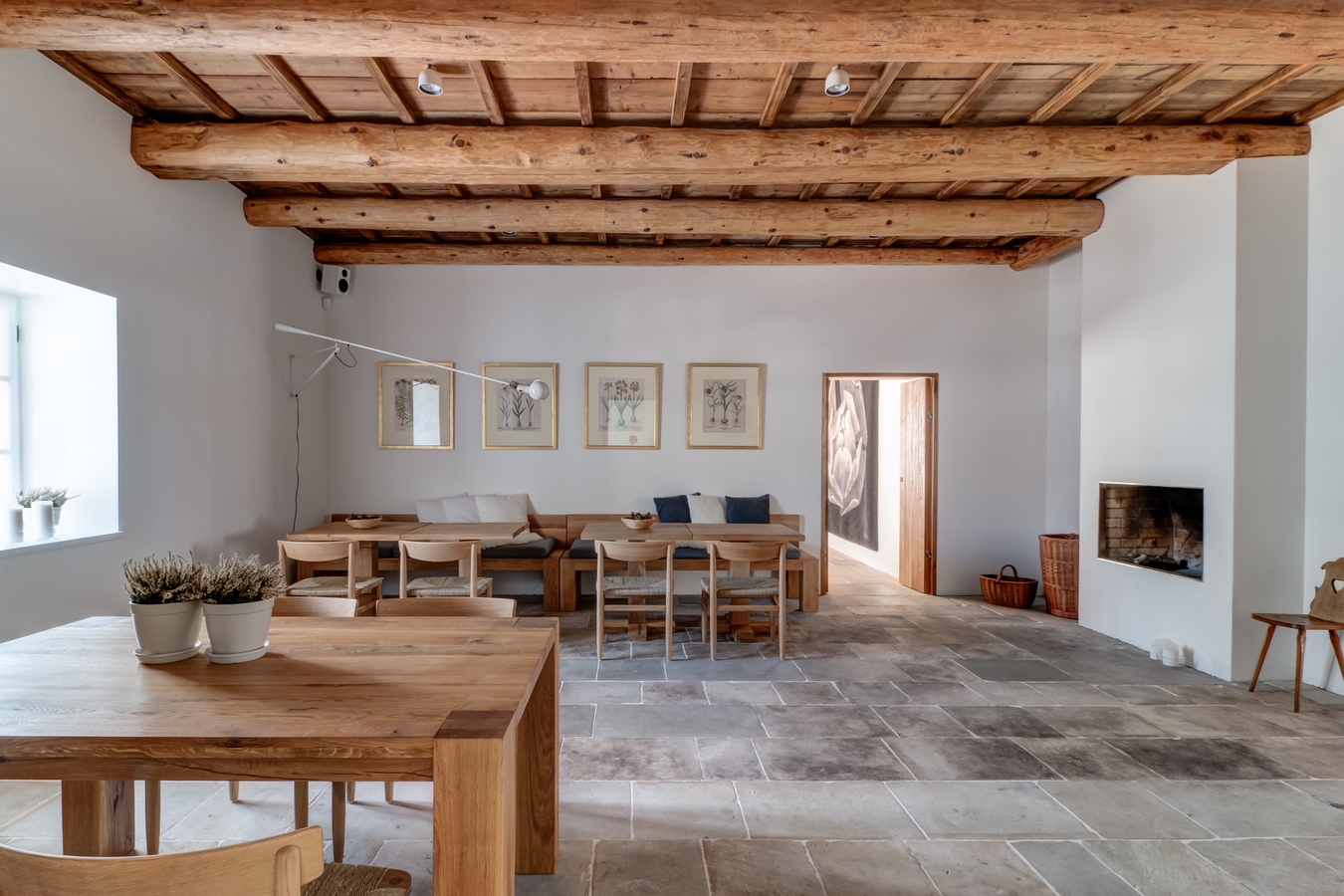
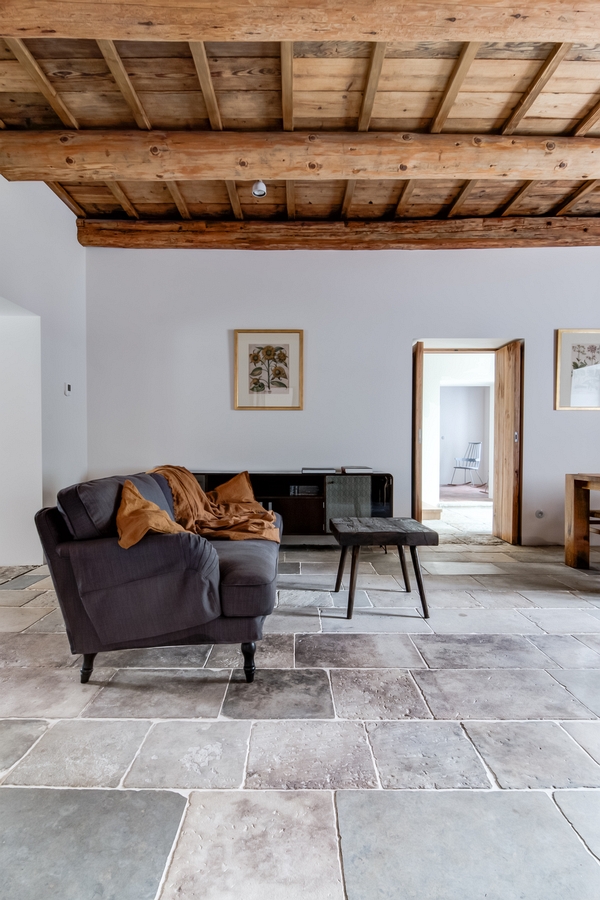
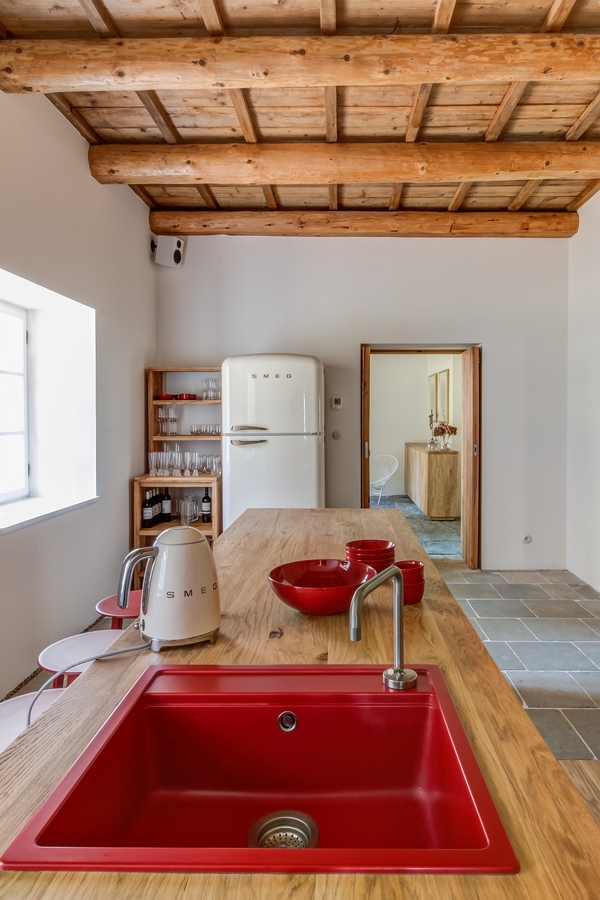
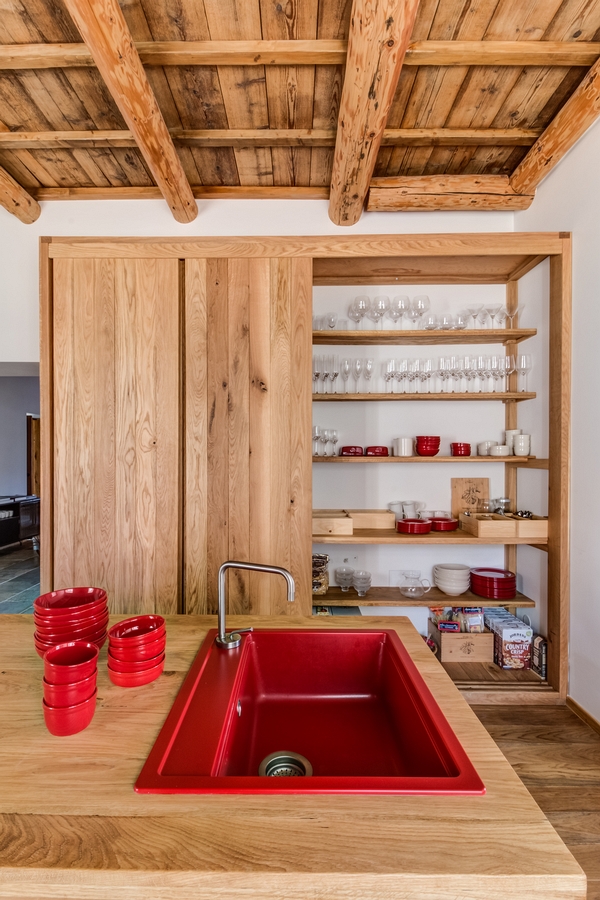
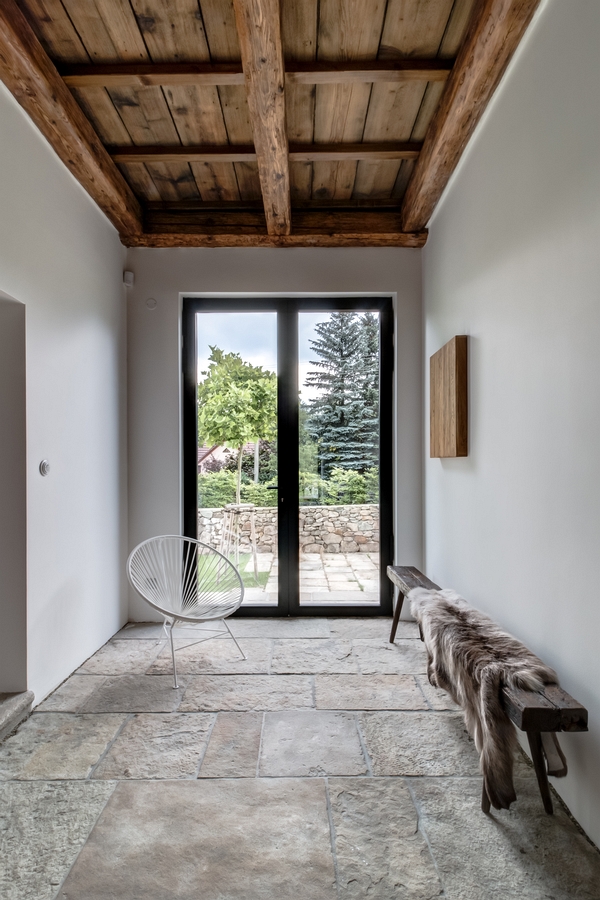
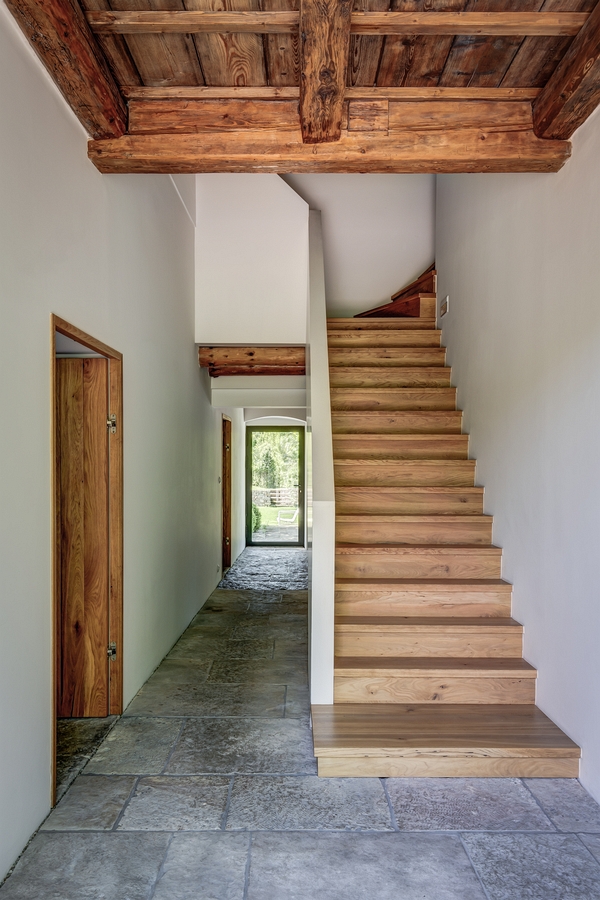
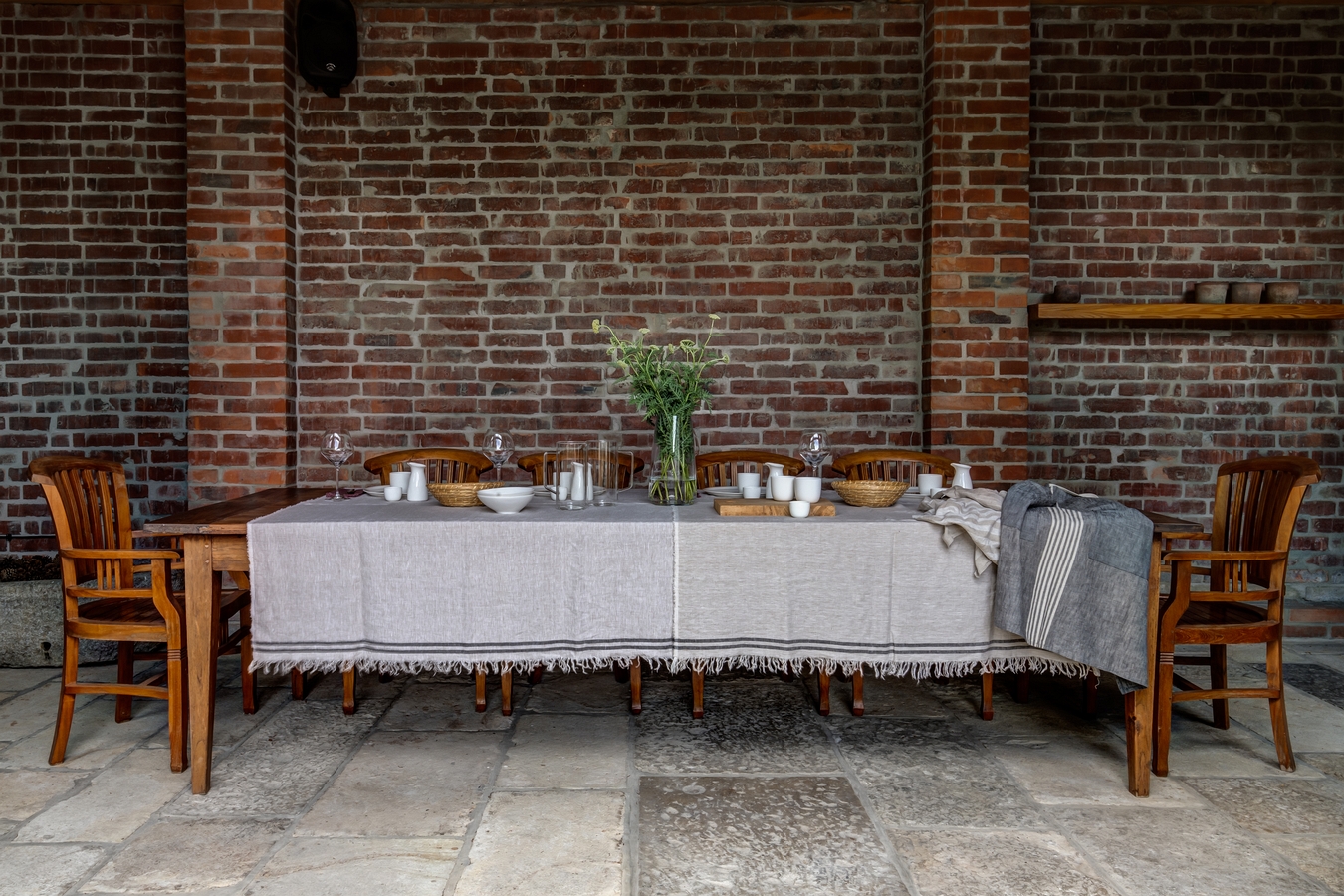
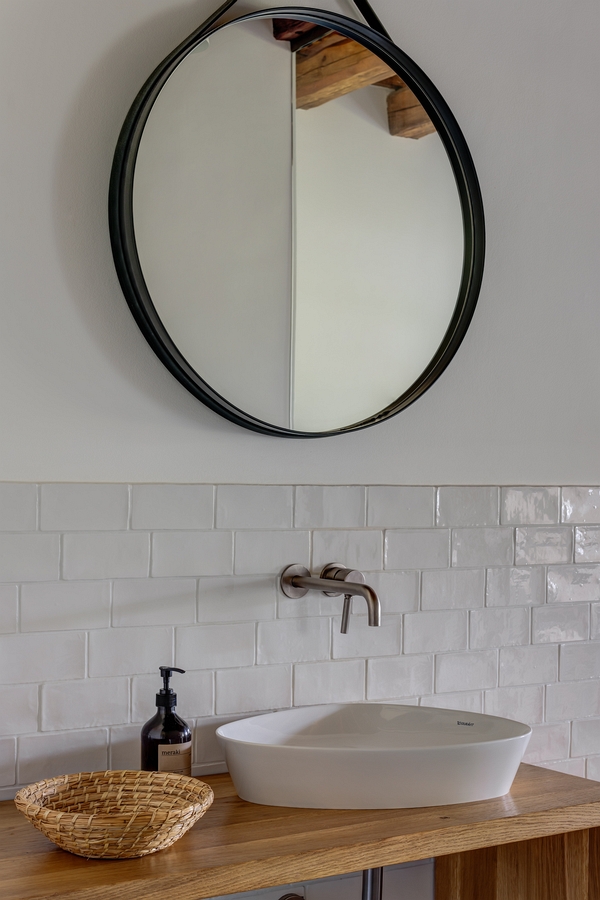
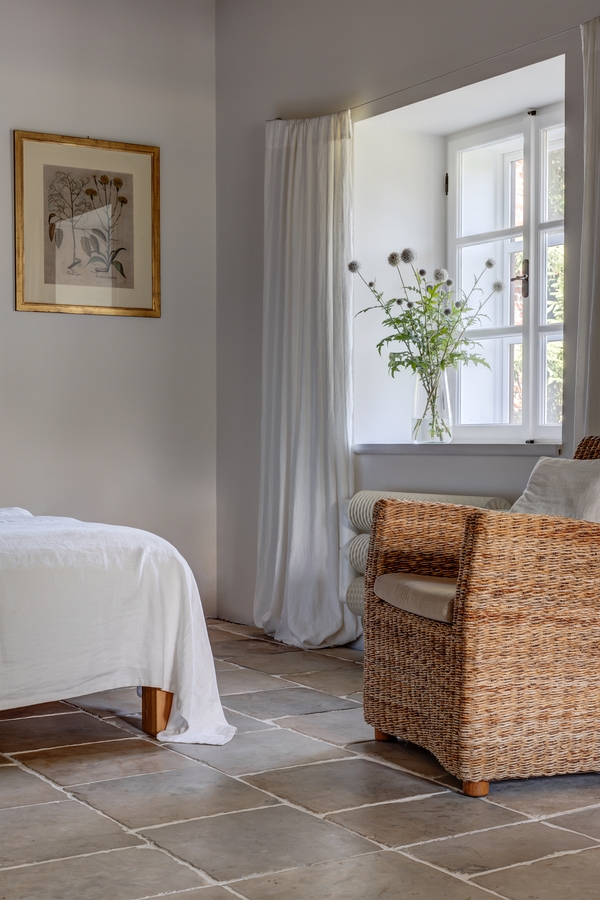
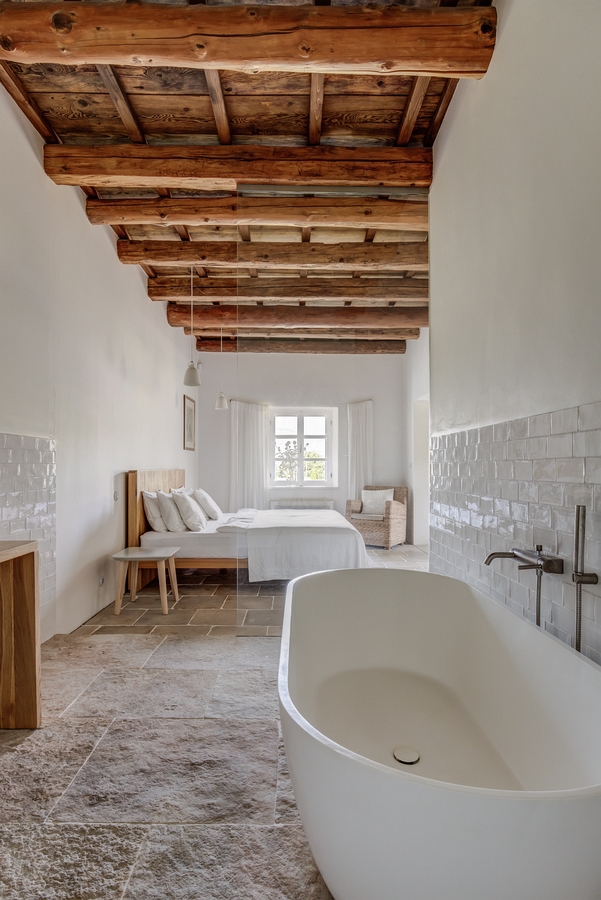
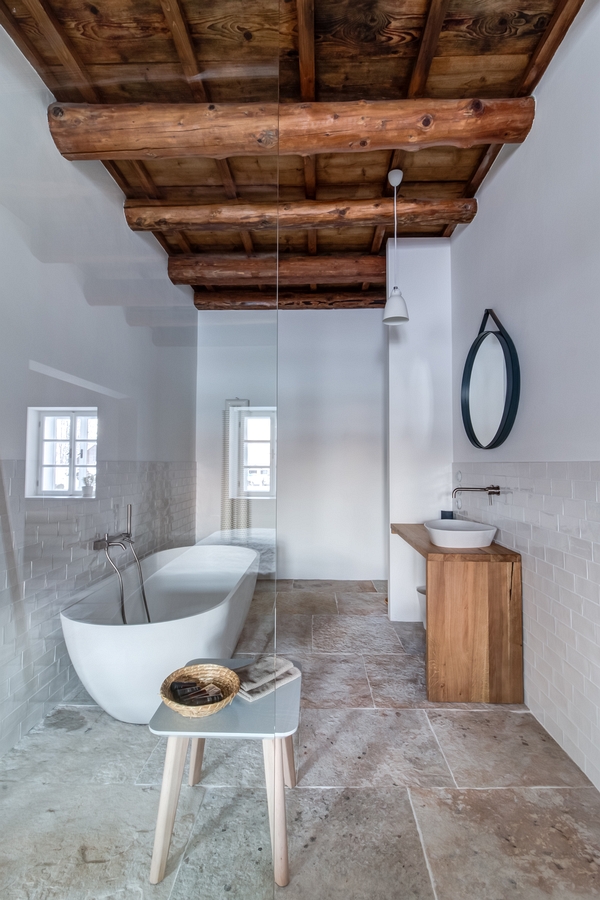
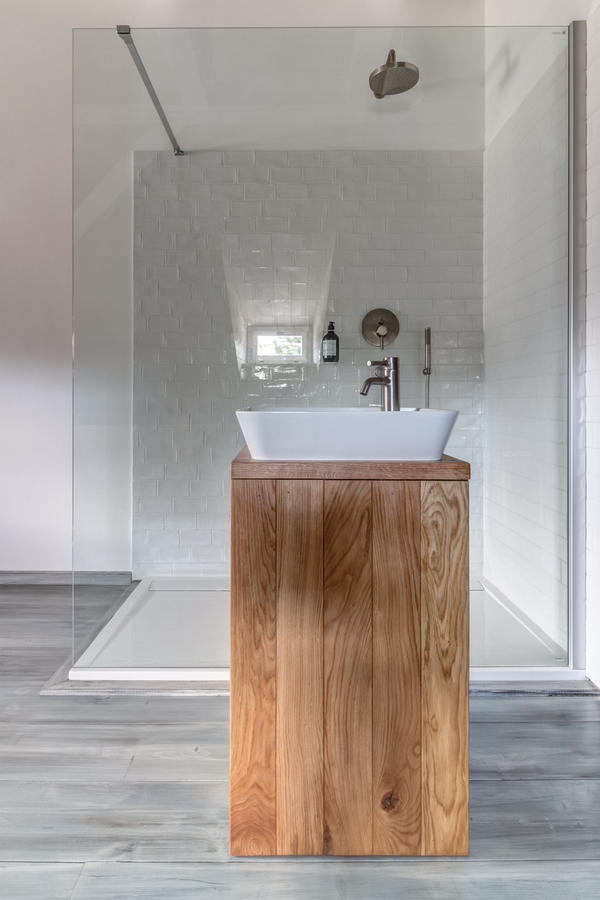
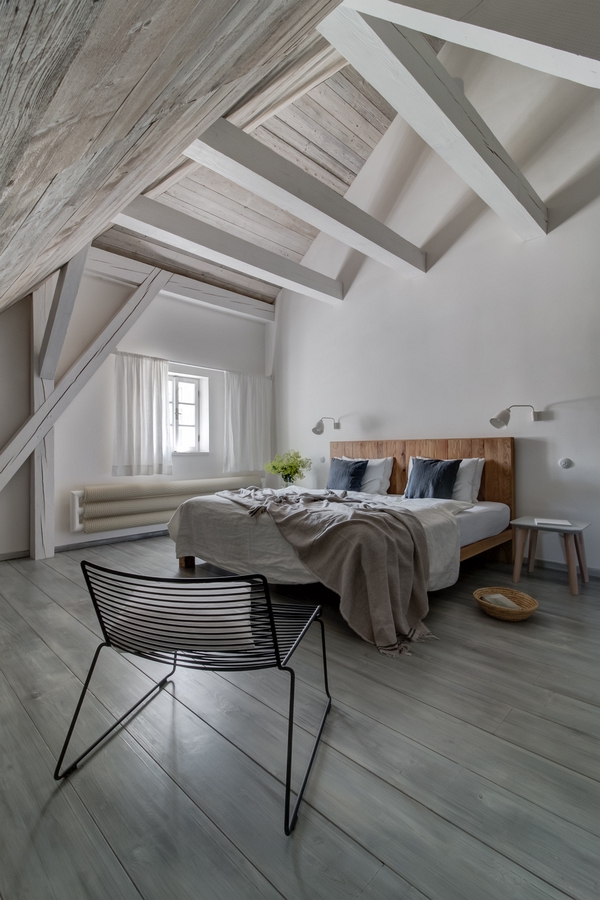
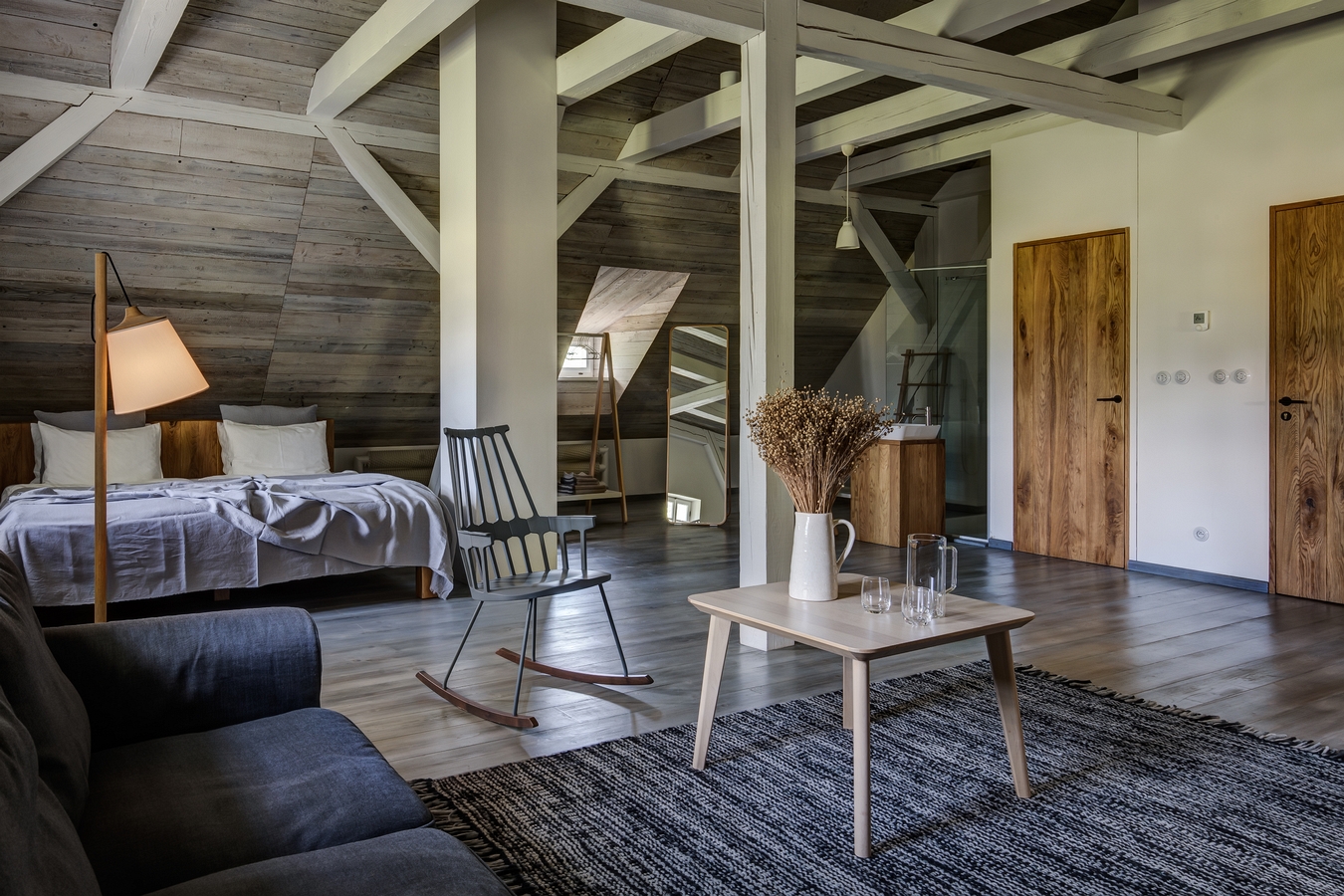
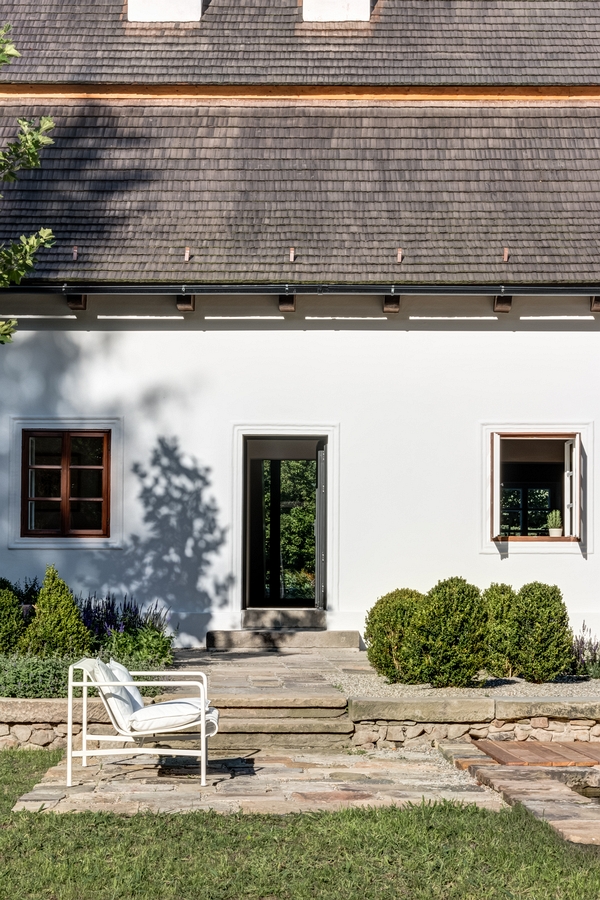
The project succeeds because it never attempts to erase the building’s history. Original sandstone floors remain beneath your feet. Exposed timber beams reveal centuries of craftsmanship. The traditional larch-shingled roof preserves the silhouette of the original farmhouse, while bespoke cabinetry, doors, and joinery crafted from Czech oak connect the interiors to local traditions. Yet this is no heritage museum. Contemporary design pieces by Hay, Karl Andersson & Söner, Ronan Bouroullec, Patricia Urquiola, and other celebrated designers sit comfortably within the historic architecture. The contrast never feels forced. Instead, it feels like a conversation across generations. A dialogue between craftsmanship then and craftsmanship now.
Design as Atmosphere
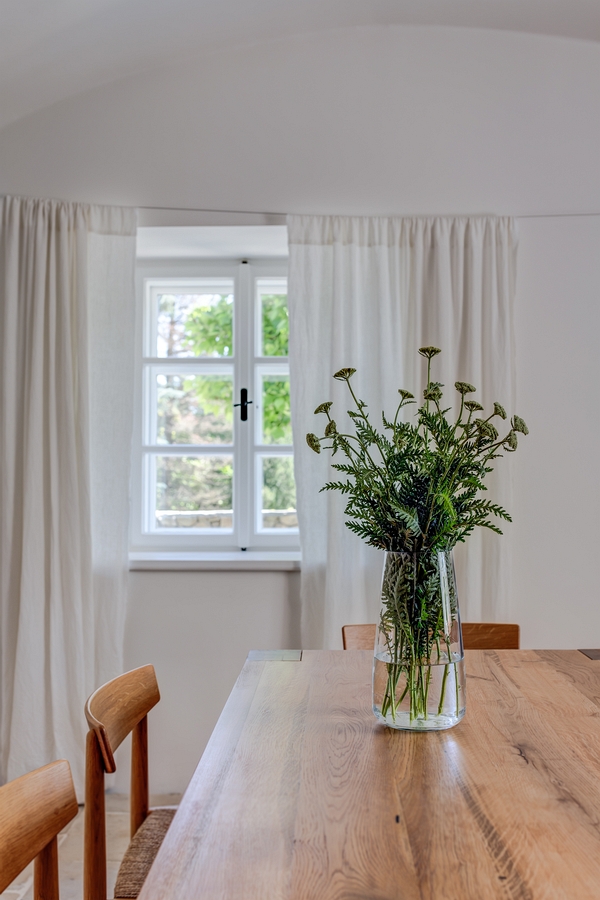
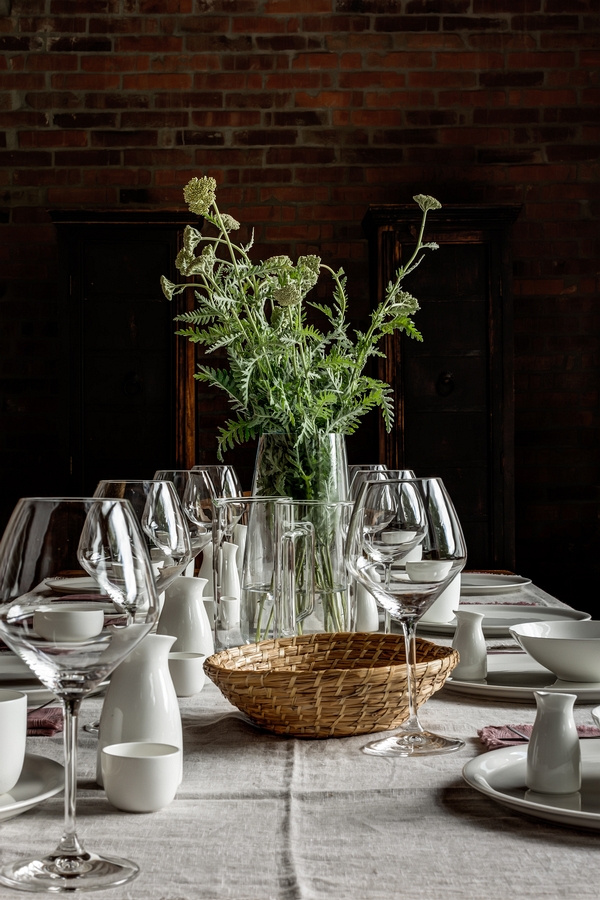
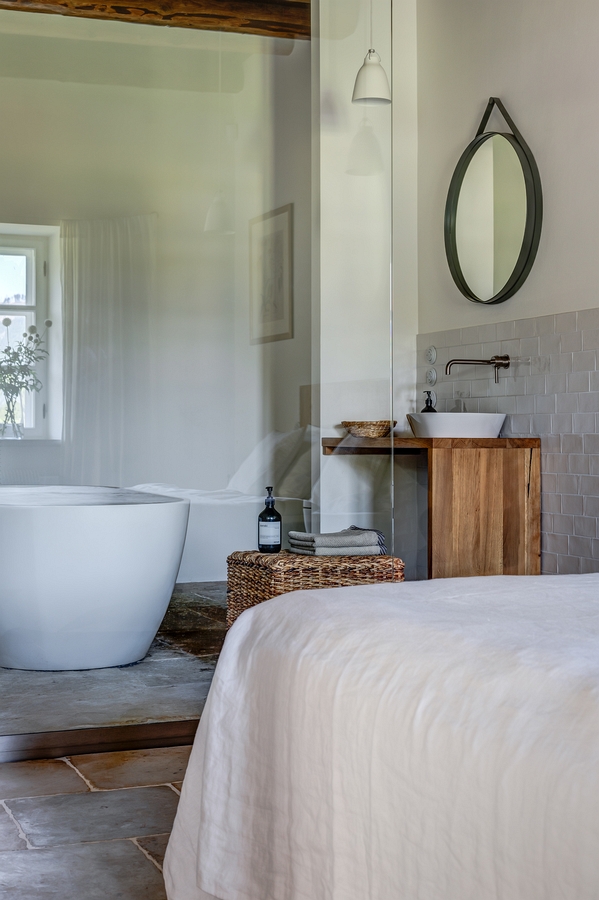
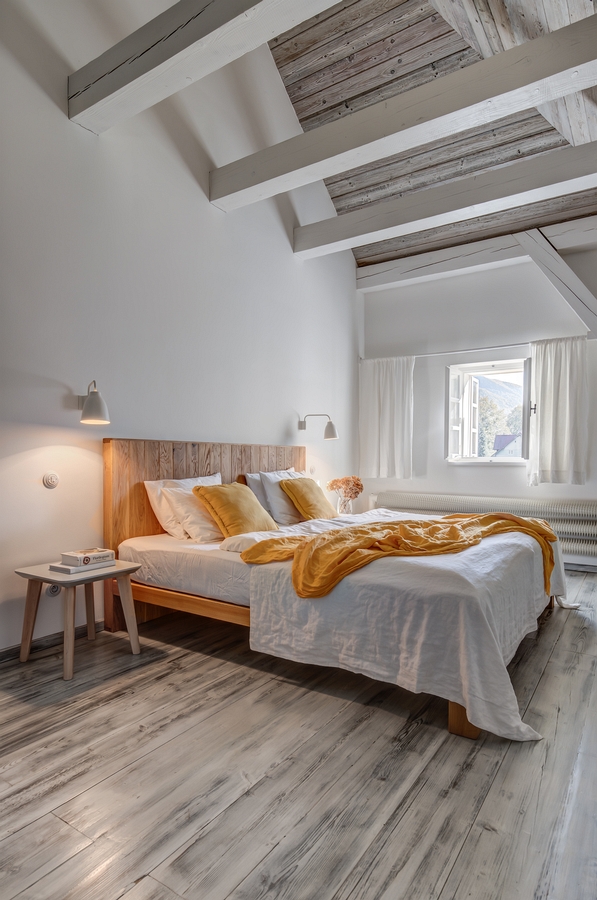
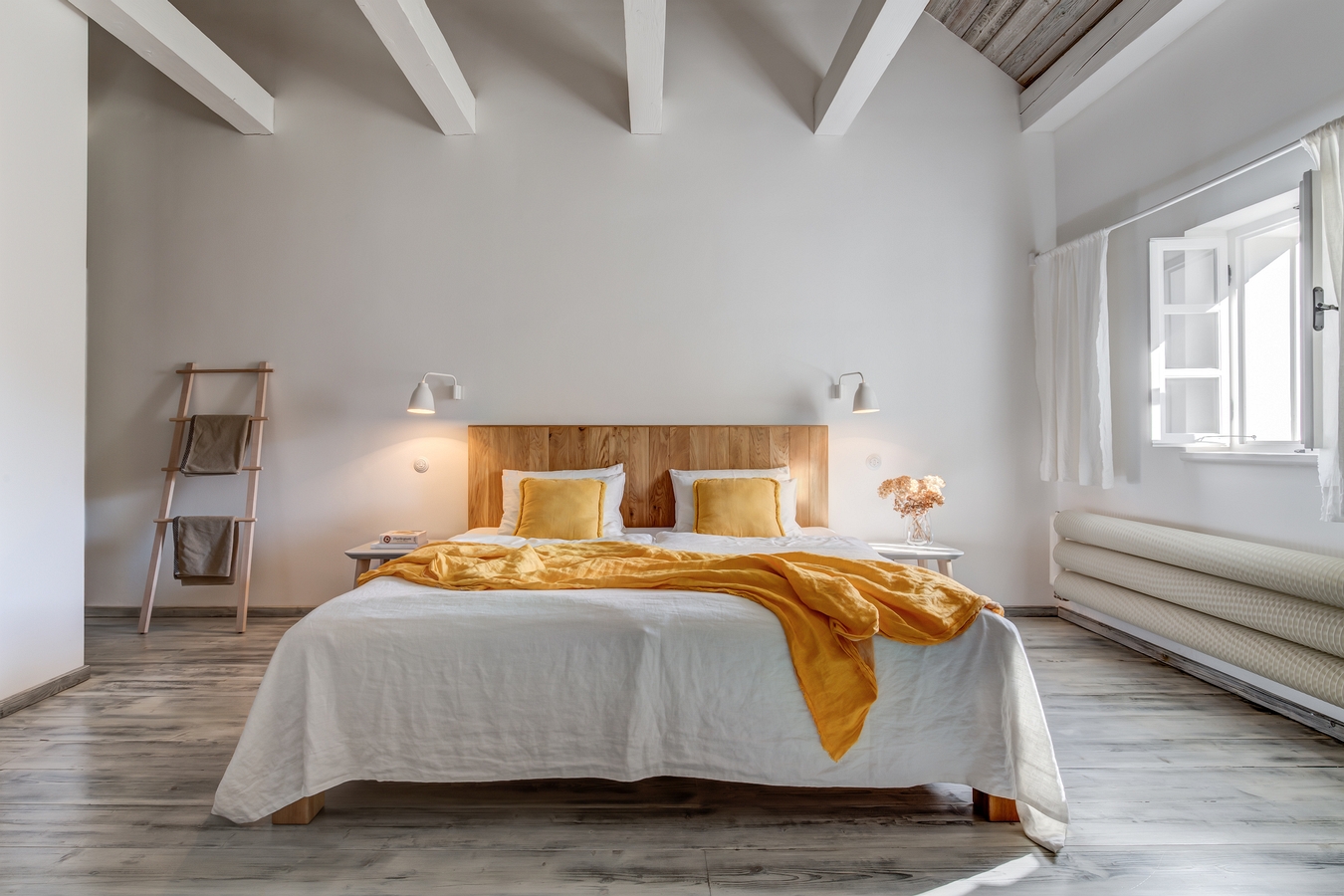
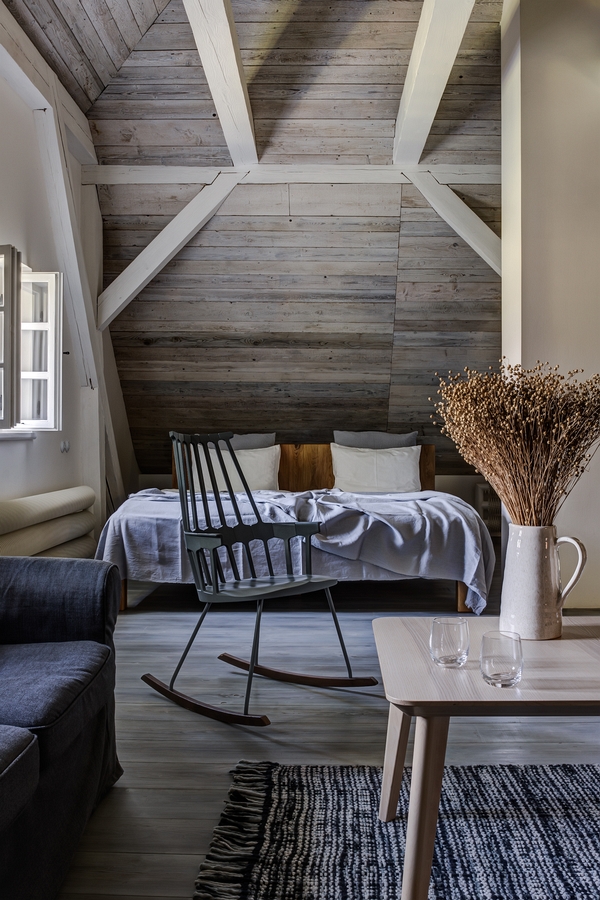
At Mezi Plutky, design is not decoration. It is atmosphere. The palette is deliberately restrained: pale stone, washed timber, soft whites, muted greys, natural linens, and earthy textures. Every material invites touch. Every surface contributes to a sense of calm. Glass replaces former solid doors, allowing daylight to move freely through the house. Shadows shift throughout the day. The changing seasons become part of the interior experience. Luxury here is expressed through simplicity rather than abundance. Nothing distracts. Everything contributes.
Suites Shaped by Craft and Light
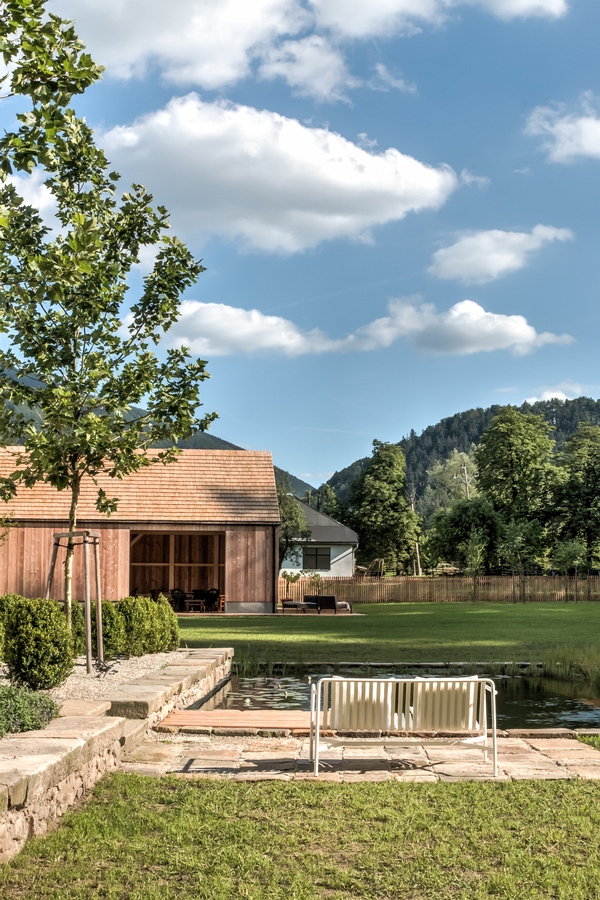
Each suite possesses its own character while remaining connected to the overall design philosophy. The loft accommodations beneath exposed roof beams feel serene and cocoon-like, combining minimalist furnishings with warm natural materials. Downstairs suites embrace rougher textures, with stone floors, plaster walls, and subtle references to the building’s agricultural past. A separate barn structure introduces an additional seasonal bedroom that extends the experience into the surrounding landscape. Throughout the property, craftsmanship remains the defining feature. From custom-made furniture to woven textiles and locally produced details, every element feels carefully considered. Nothing feels standardised. Nothing feels excessive.
A House Rooted in Its Landscape
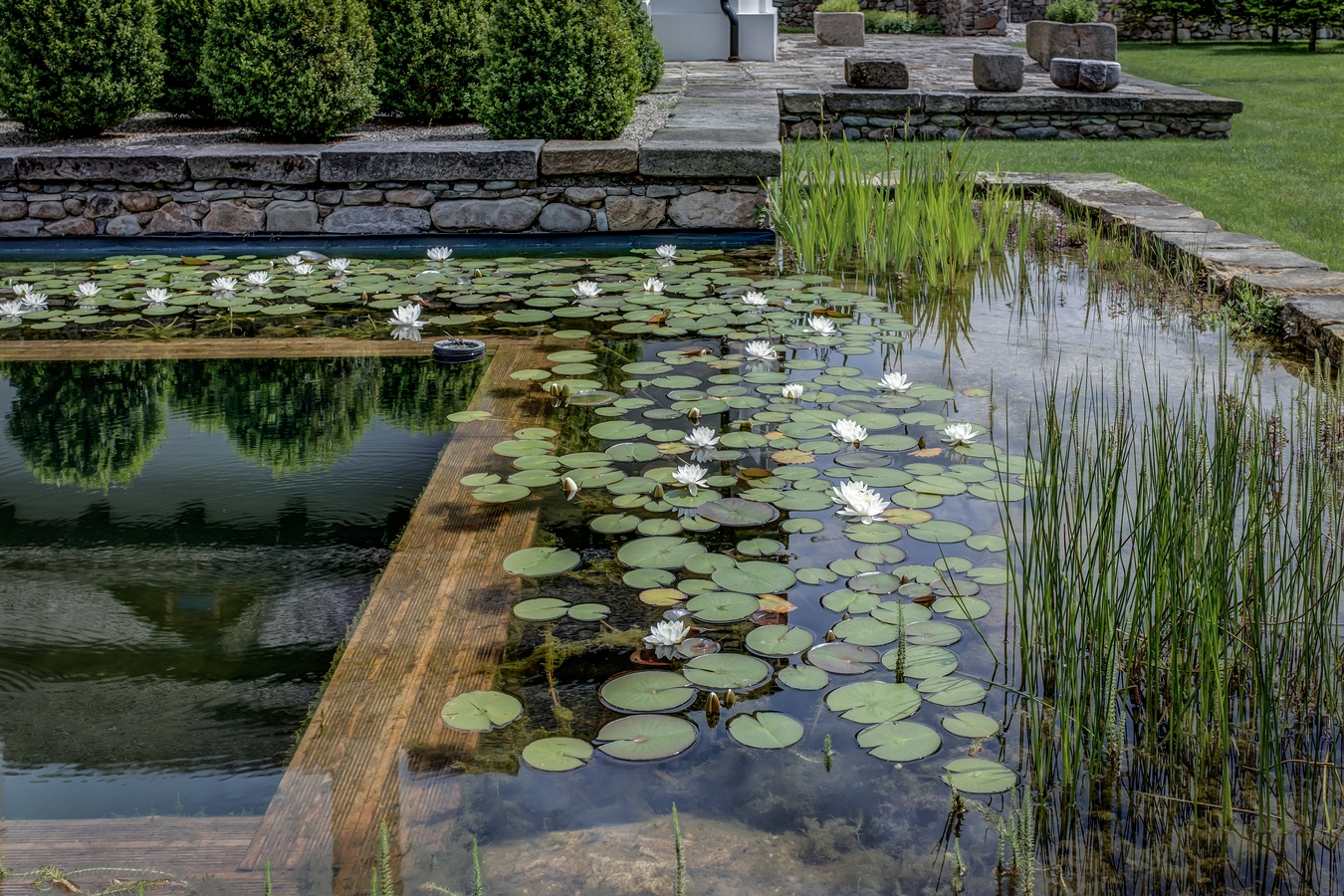
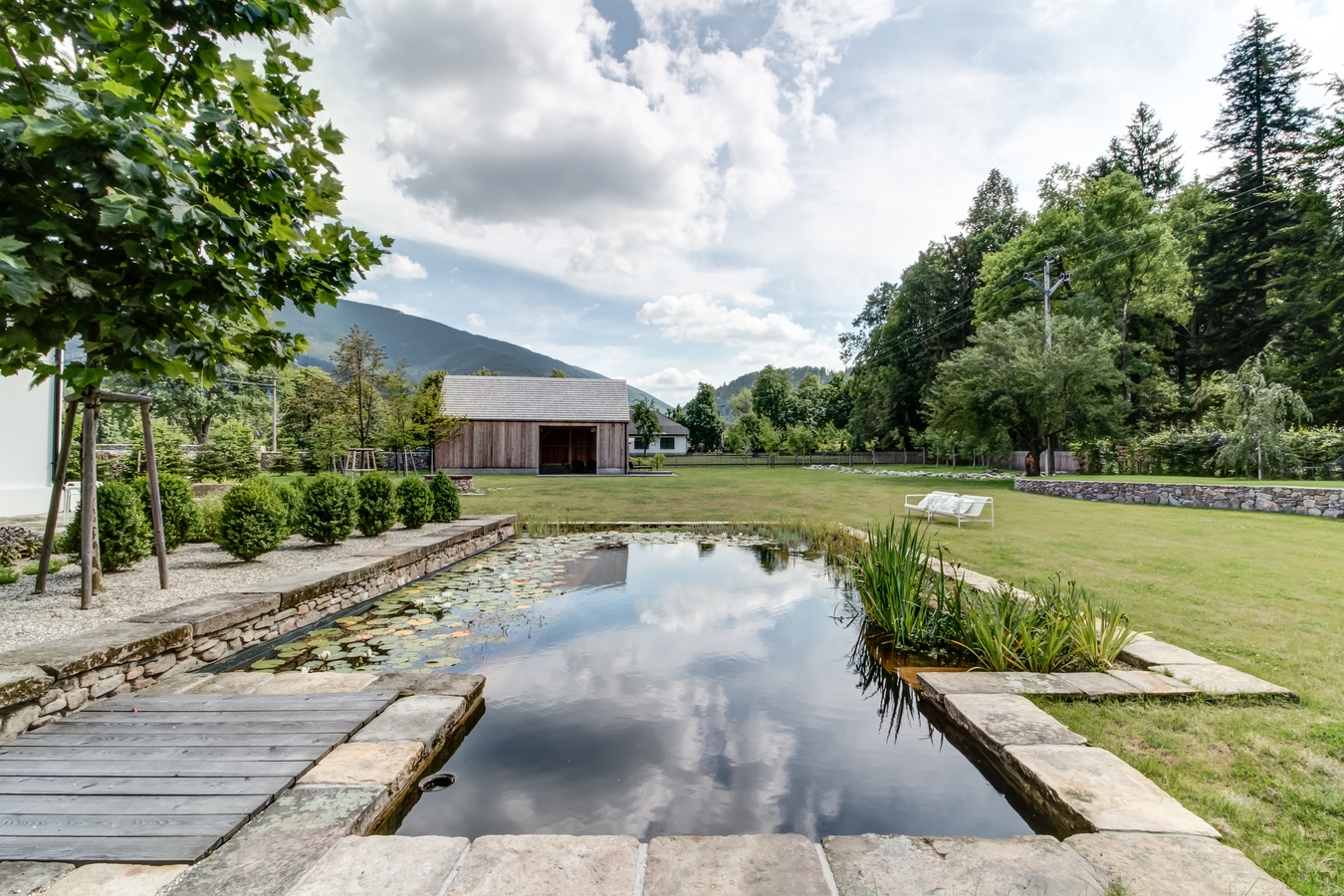
The connection to nature runs through every aspect of Mezi Plutky. Outside, herb gardens, meadows, forests, and mountain views create an atmosphere of complete immersion in the Czech countryside. The gardens themselves reference historical botanical traditions, with plantings inspired by the celebrated illustrations of Basilius Besler. Inside, local cultural references continue through carefully curated artworks and handcrafted pieces, including a remarkable tapestry by Czech artist Petr Nikl, produced in a nearby traditional tapestry workshop. The property feels inseparable from its surroundings. It belongs entirely to this place.
The Art of Slow Hospitality
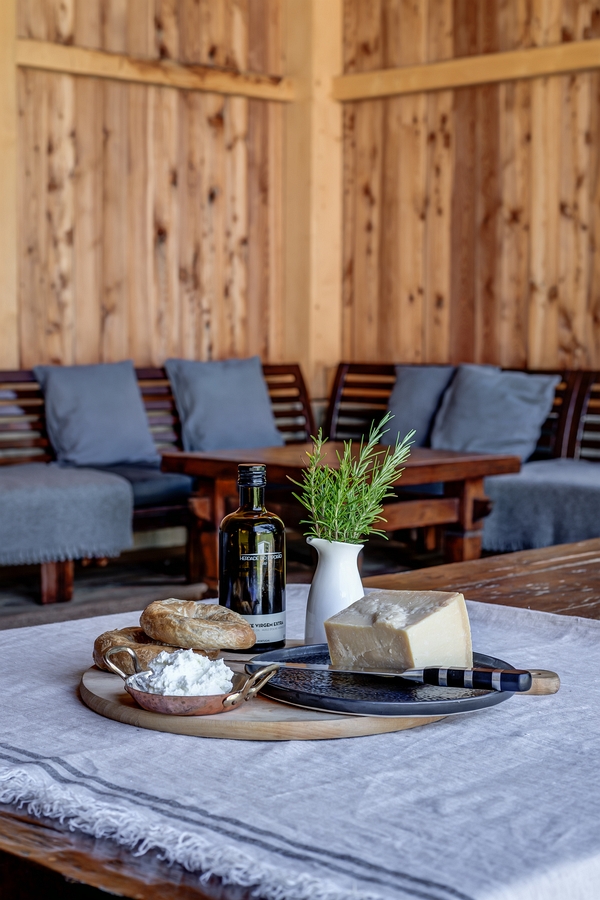
The communal kitchen and living room form the emotional heart of the house. This is where guests gather around the fireplace, share local wines, open bottles from Moravia and Austria, browse books, and settle into the slower rhythm that defines life here. Breakfast becomes a daily ritual. Fresh bread baked in-house. Homemade blueberry jam. Local cheeses and yoghurts delivered by neighbouring farmers. Eggs prepared simply before a day spent exploring the surrounding mountains. Dinner is equally personal. Guests can choose a meal prepared by the owners or follow recommendations to favourite local restaurants scattered throughout the countryside. Everything unfolds naturally. Nothing feels programmed.
A Place Designed for Quiet
Mezi Plutky intentionally prioritises tranquillity. Children under twelve are generally not accommodated unless the entire property is reserved privately. The focus remains firmly on creating an environment where guests can disconnect from noise and reconnect with themselves, the landscape, and each other. Silence is treated almost as a luxury amenity. The sound of wind through trees. The crackle of the fireplace. The rhythm of footsteps across old stone floors. Simple pleasures become the experience.
A New Vision of Rural Luxury
Many countryside hotels speak about authenticity. Few achieve it as convincingly as Mezi Plutky. By combining architectural preservation, exceptional craftsmanship, thoughtful contemporary design, and deeply personal hospitality, the property creates a form of luxury that feels entirely its own. There are no grand gestures. No unnecessary distractions. Only beauty, simplicity, and a profound sense of place.
A Contemporary Czech Retreat with Soul
Mezi Plutky is a rare example of rural hospitality elevated into something truly memorable. It proves that luxury can be found in silence, craftsmanship, natural materials, and meaningful connection rather than excess. For travellers drawn to architecture, design, slow living, and authentic cultural experiences, it offers one of the most rewarding countryside escapes in Central Europe. A place where history remains visible, modernity feels gentle, and the most refined detail may simply be the sensation of bare feet on centuries-old stone.