Monverde Wine Experience Hotel, Amarante, Portugal
A contemporary wine retreat where restored farm buildings, vineyard views, and Vinho Verde shape every part of the stay
Why DNA Hotels Loves It
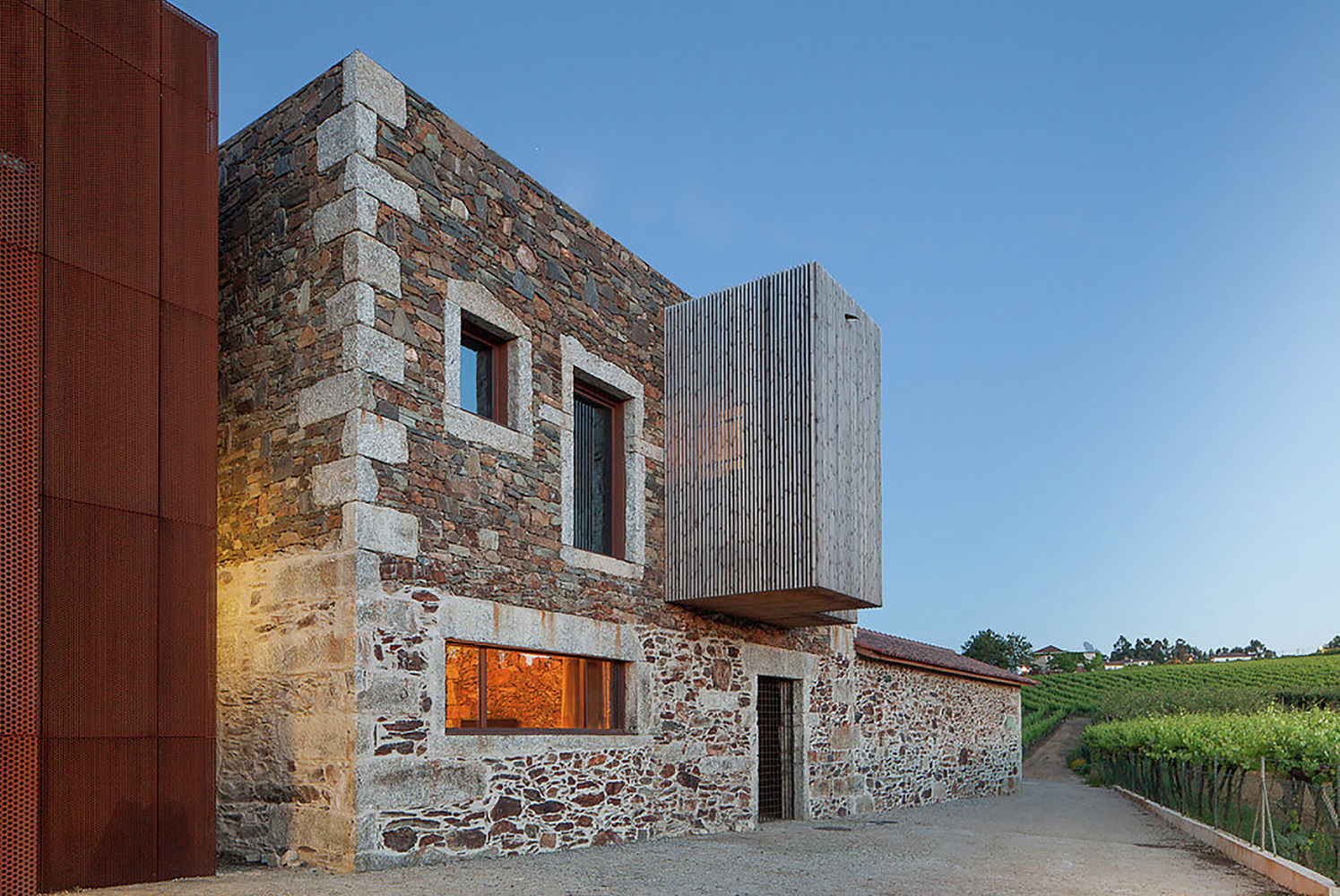
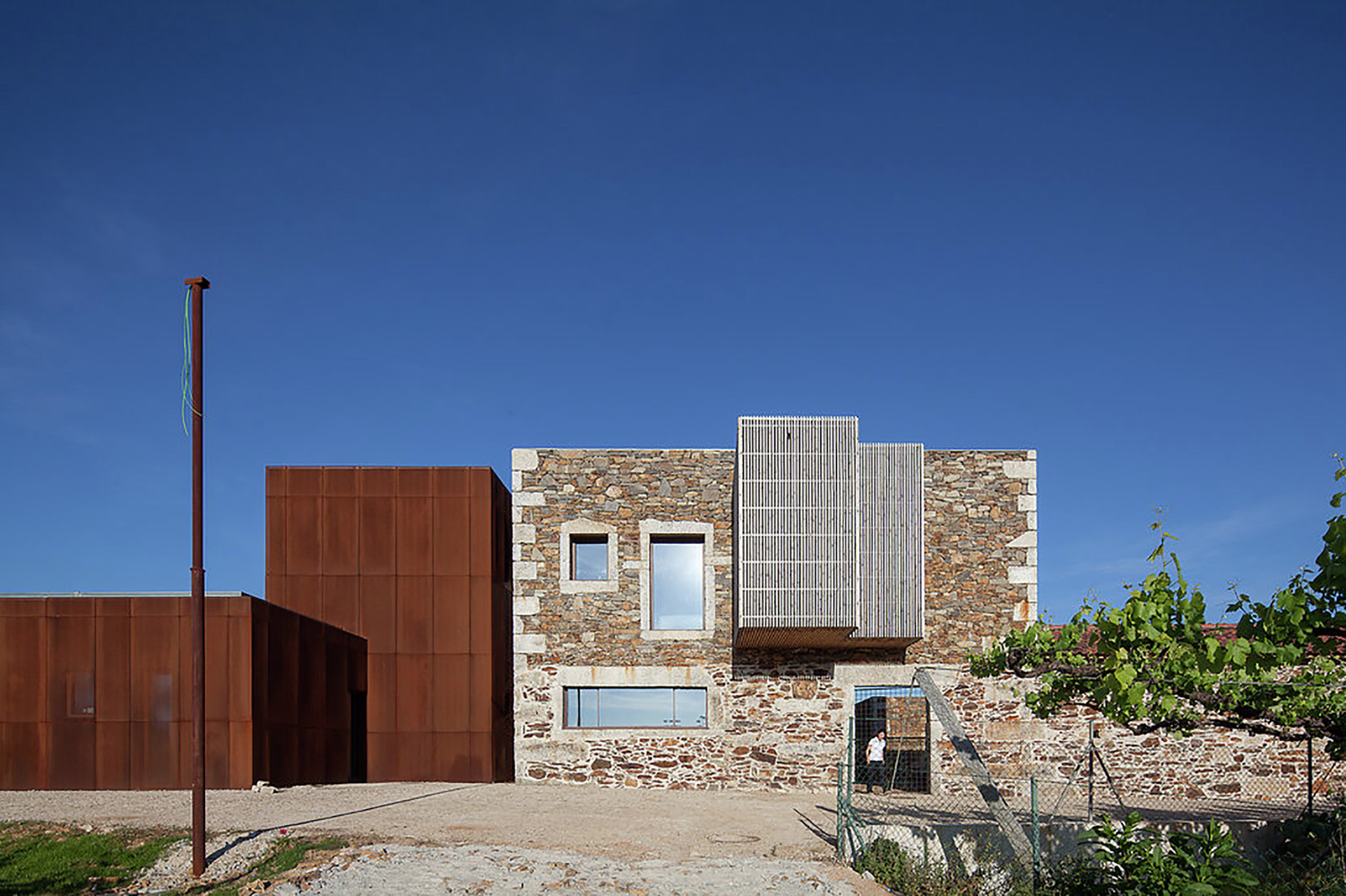
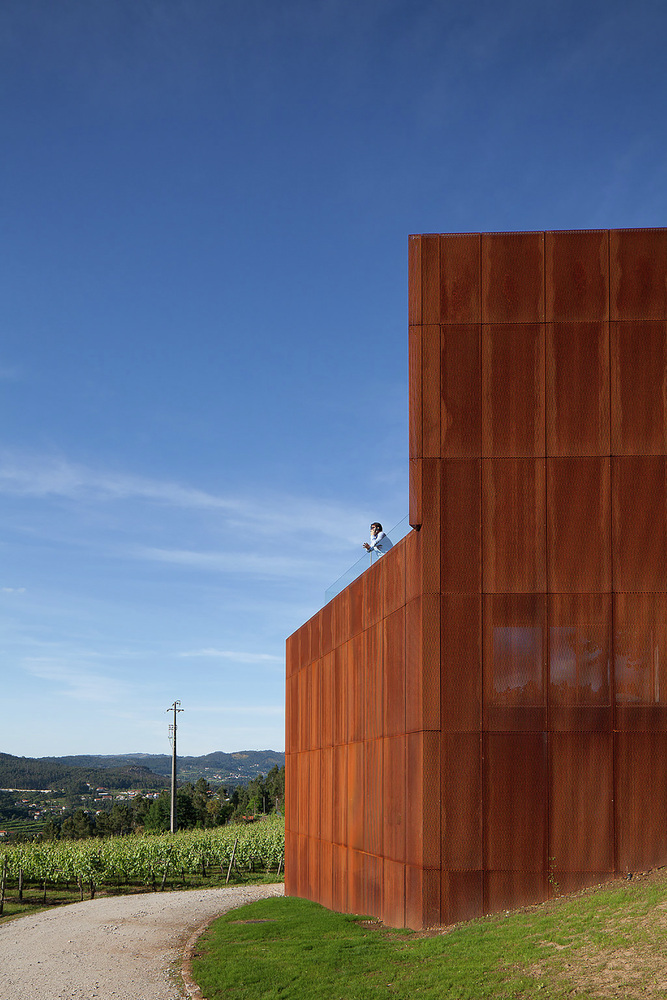
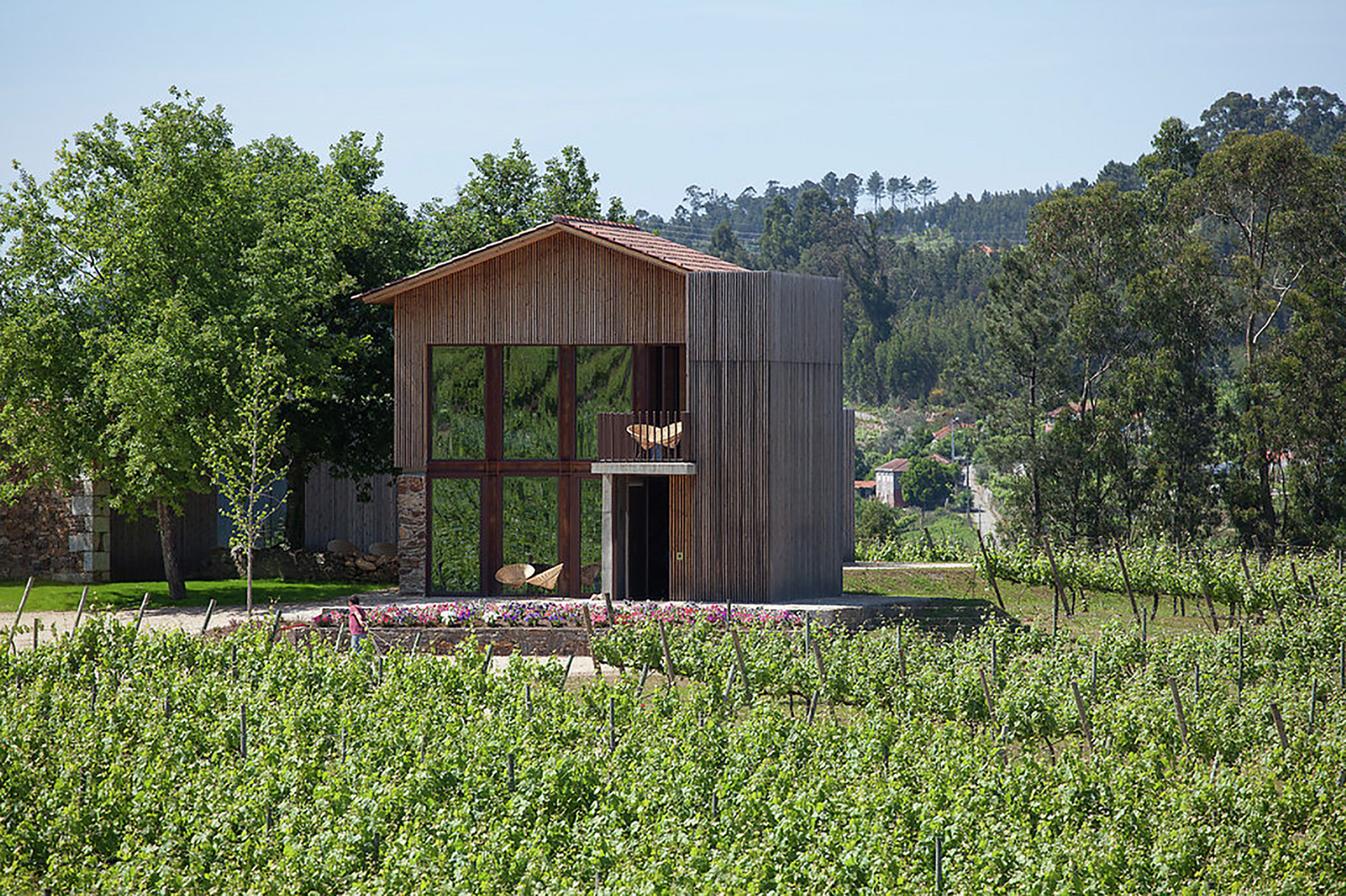
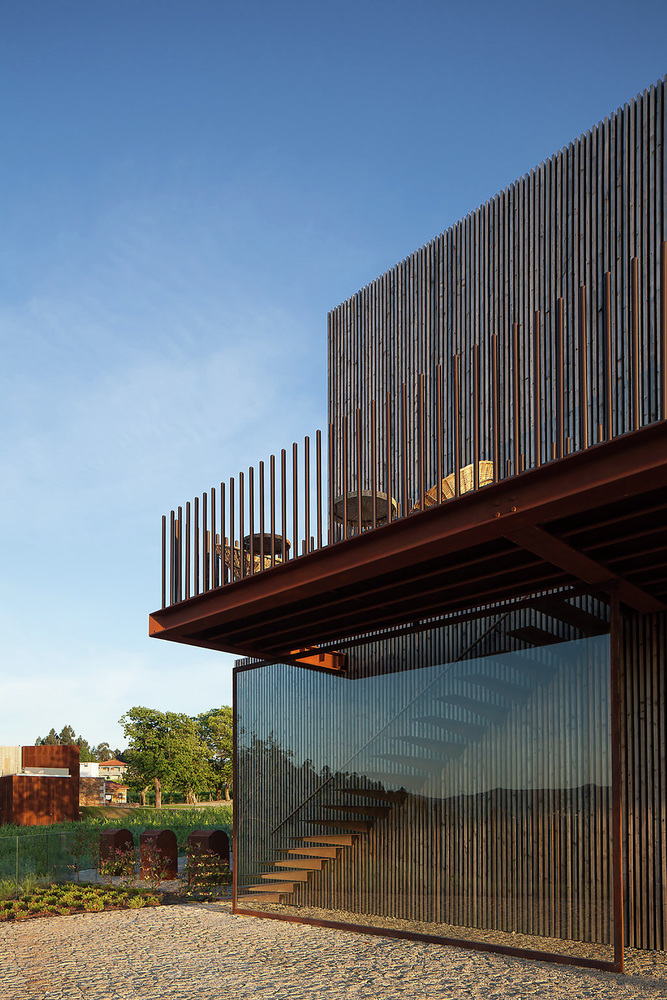
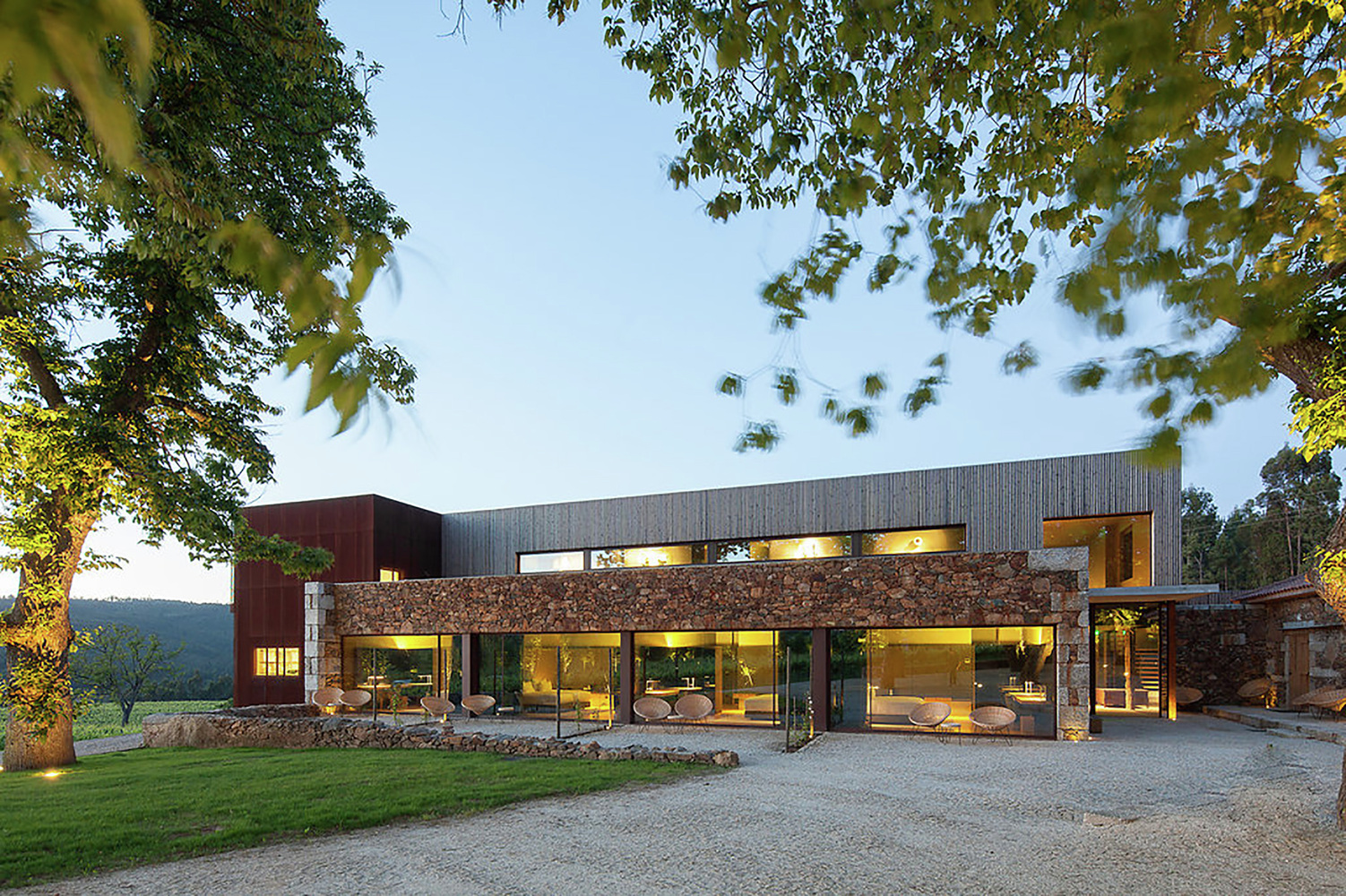
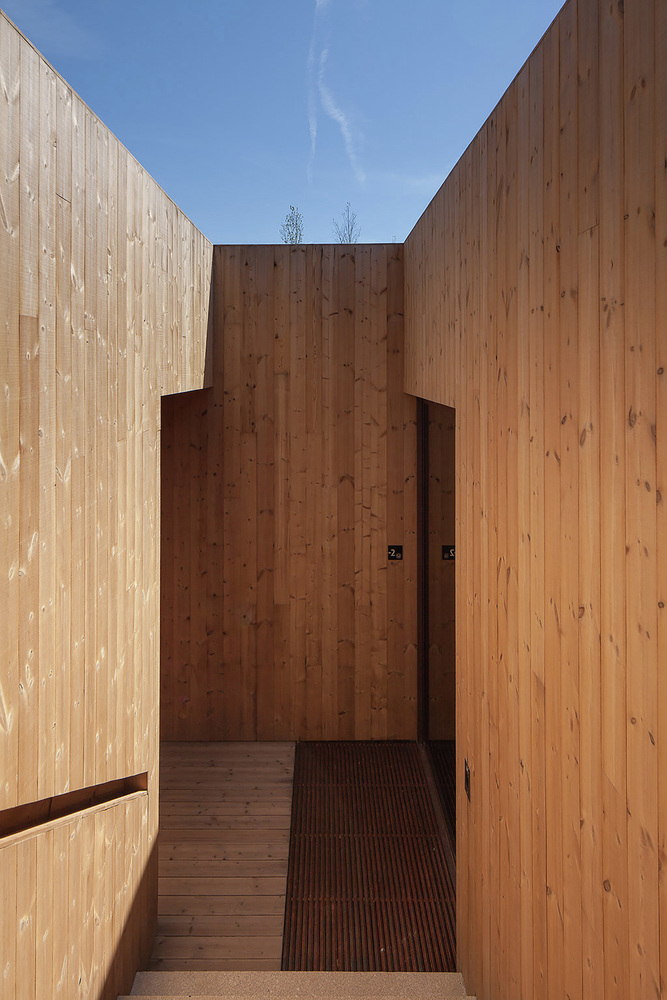
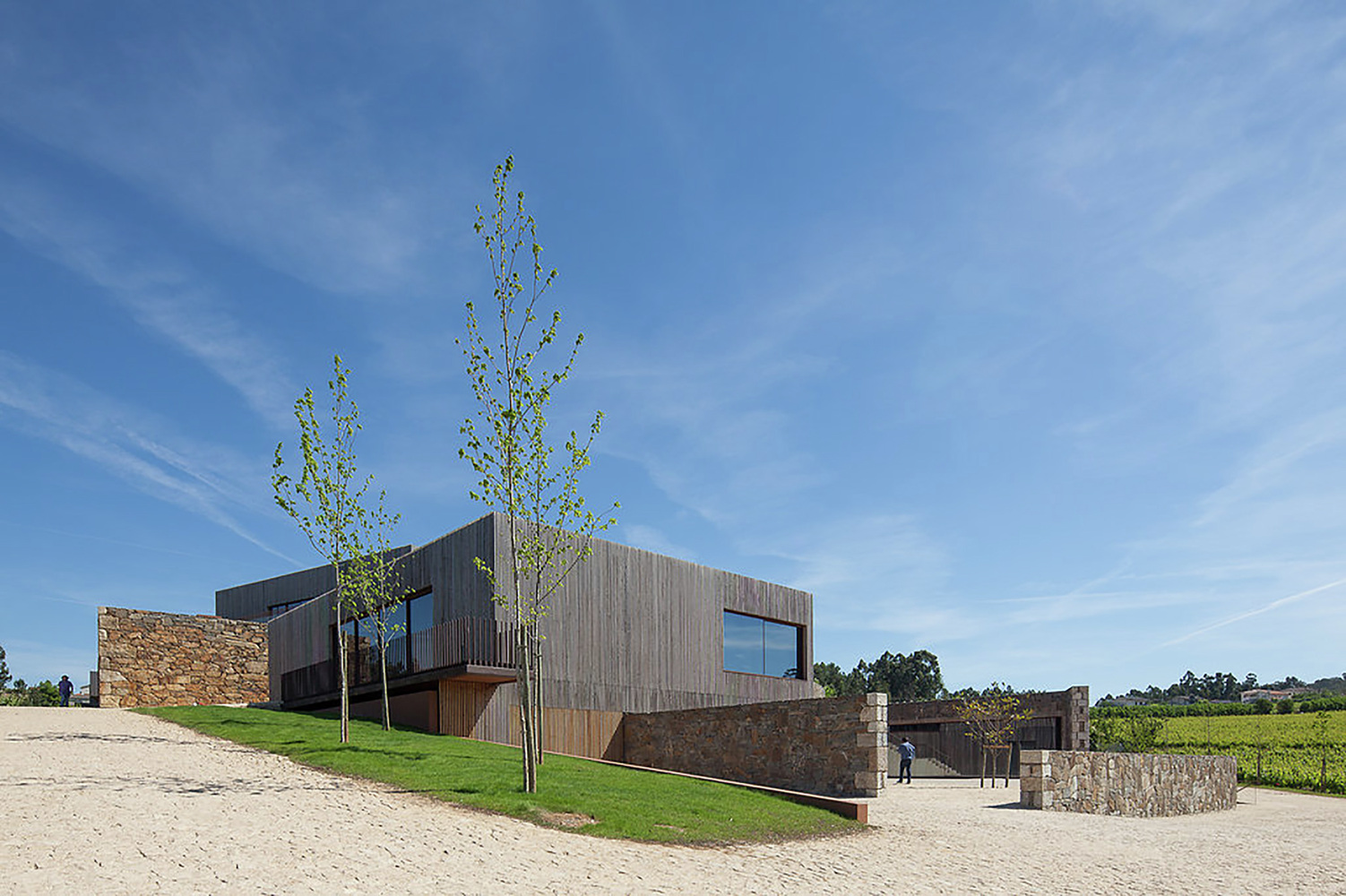
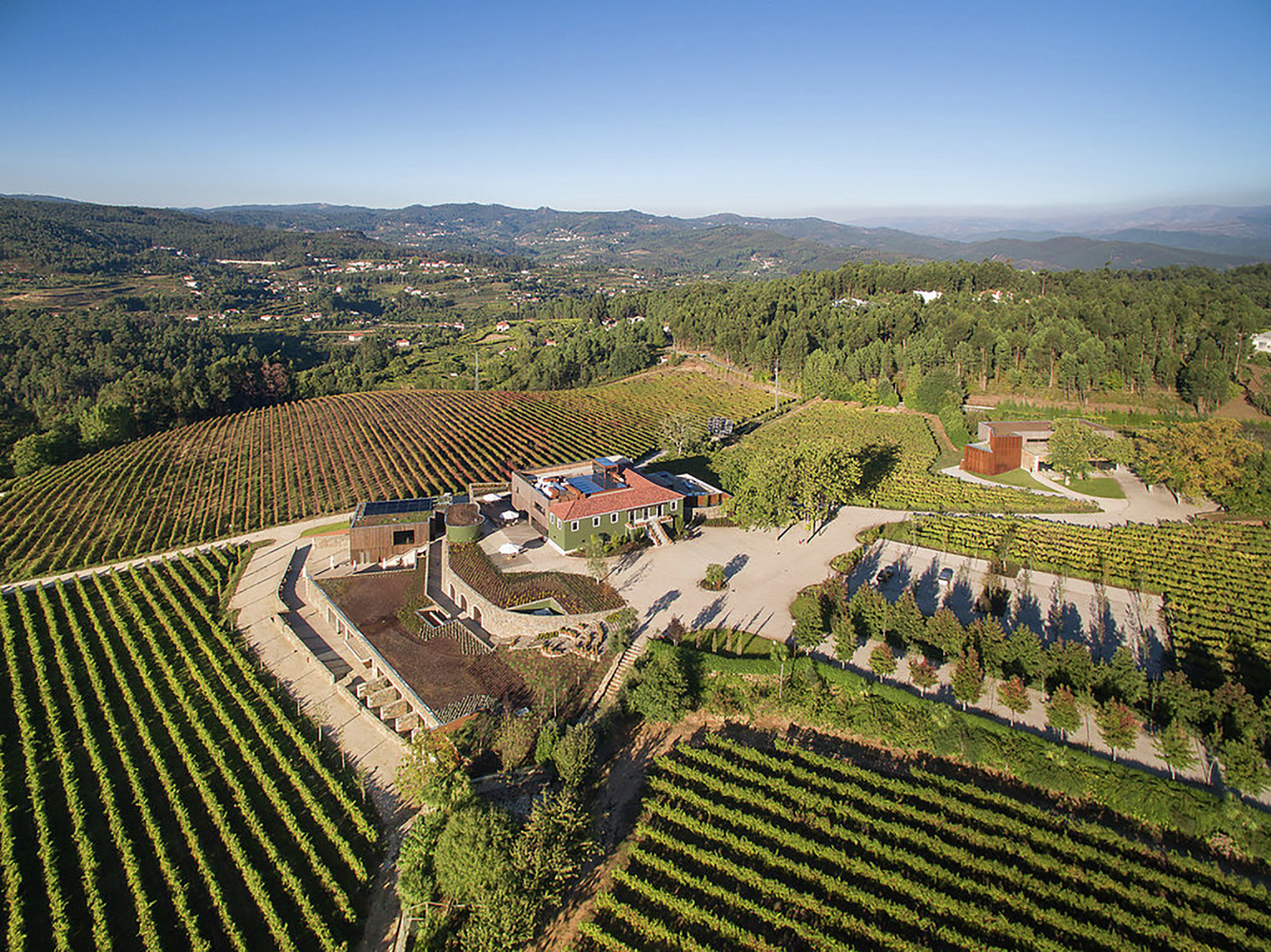
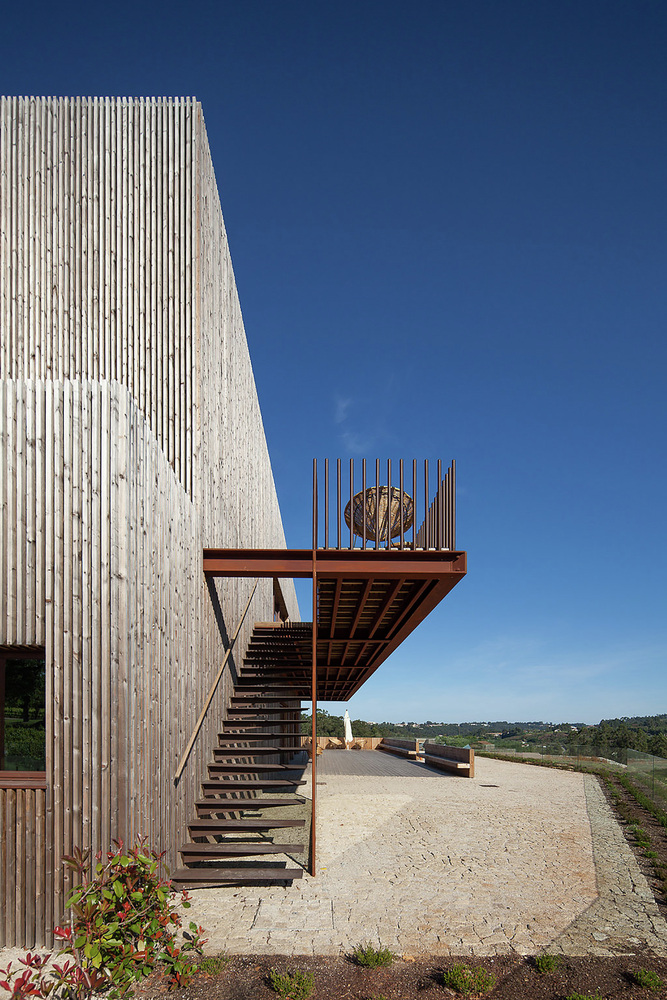
● FCC Arquitectura and interior designer Paulo Lobo transformed a collection of neglected agricultural buildings without erasing their rural character, combining local stone with timber slats and weathered steel.
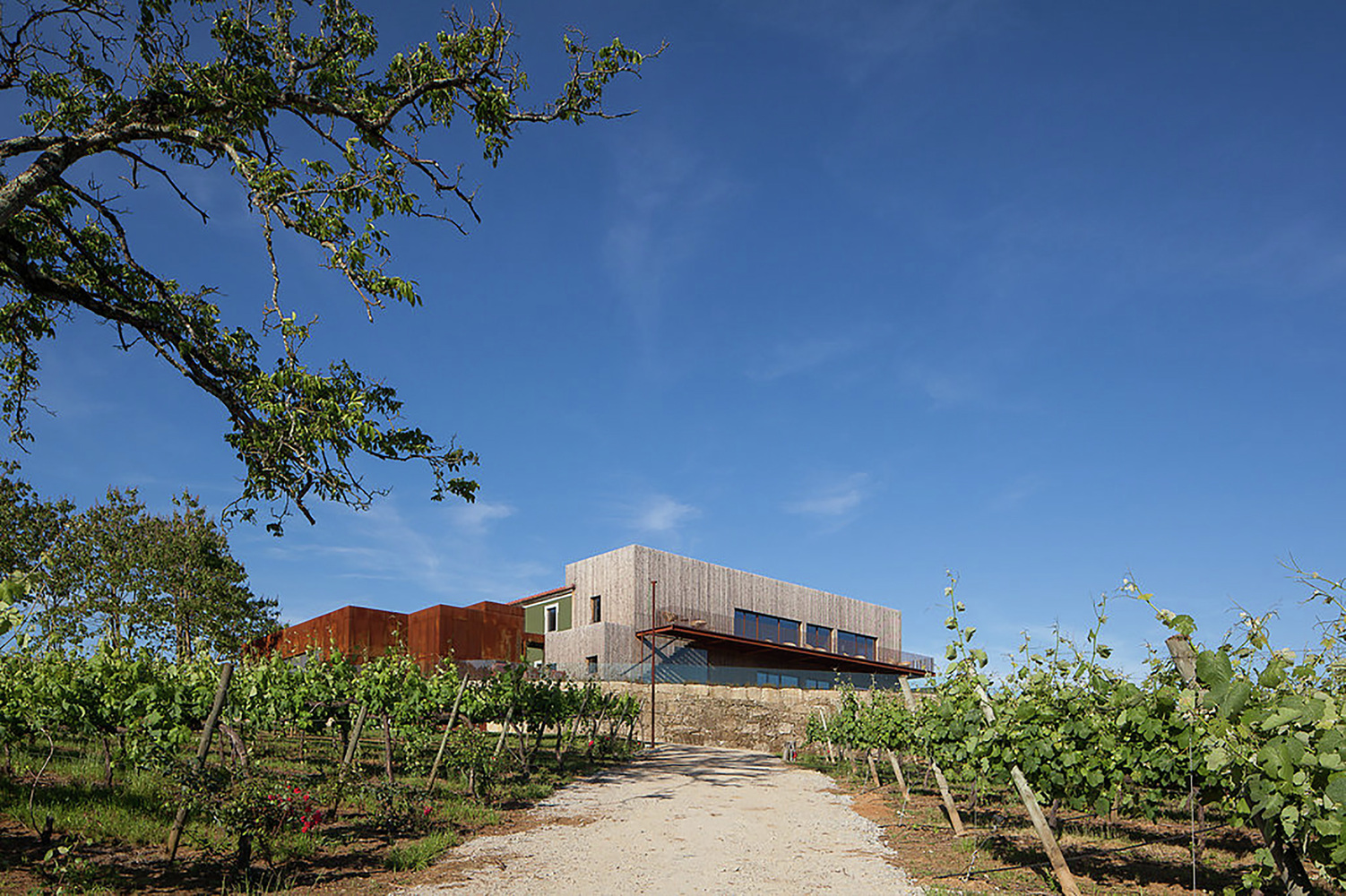
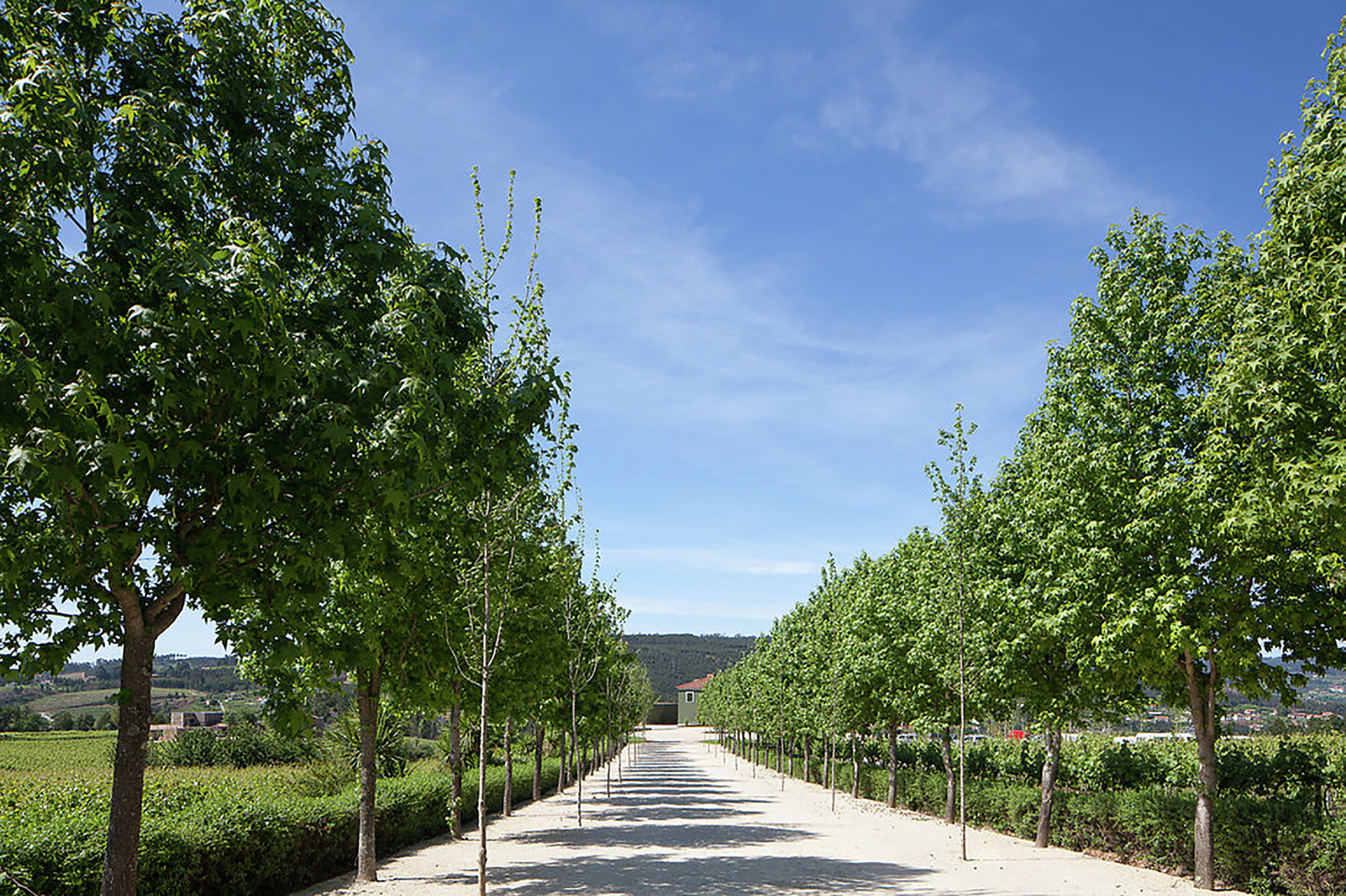
● The hotel sits within a working Quinta da Lixa wine estate, making vineyard walks, tastings, harvest experiences, and wine pairings central to the stay rather than decorative additions.
● Rooms, suites, pools, spa treatments, and regional dining all remain closely connected to the landscape of Minho and the crisp wines for which it is known.
From Spare Rooms to Wine Hotel
Monverde began with a modest idea. The owners of Quinta da Lixa wanted to restore two small agricultural buildings so friends could stay near the family home. Then the project grew. Architect Fernando Castro Coelho of FCC Arquitectura and interior designer Paulo Lobo recognised that the estate could become something more ambitious: a hotel built around the landscape, architecture, and wine culture of northern Portugal. What started as guest accommodation evolved into one of the country’s most complete wine retreats.
Old Stone, New Architecture
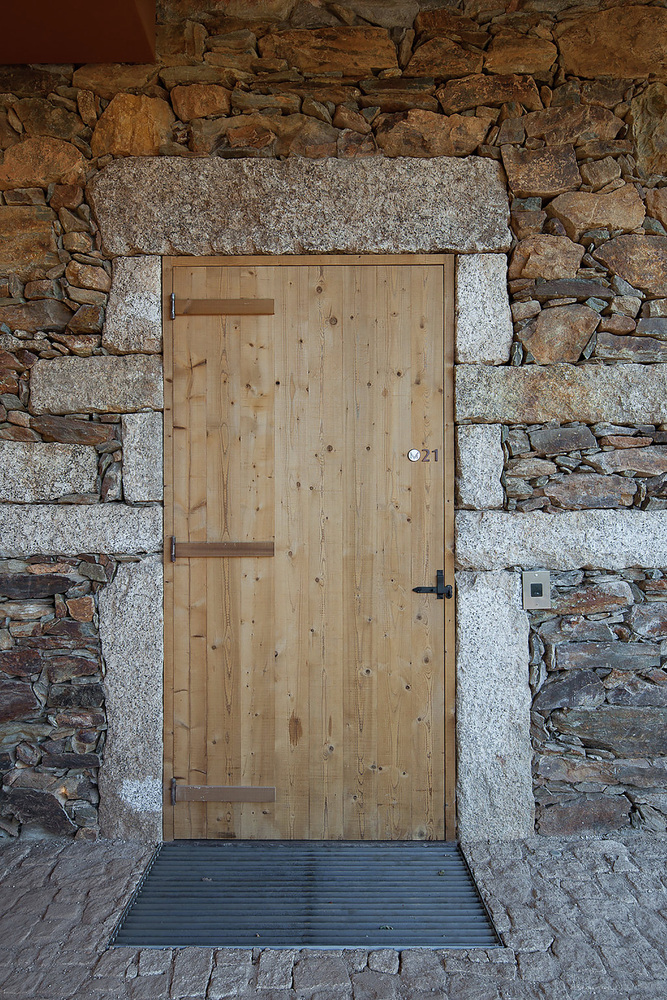
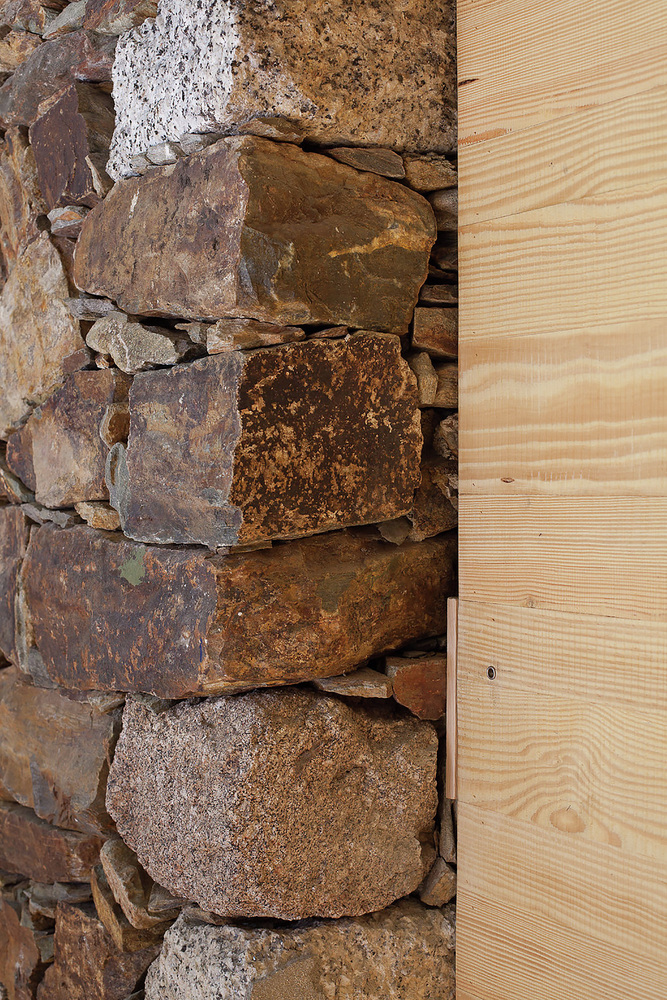
The estate’s original buildings had the irregular stone walls and straightforward forms typical of rural Minho. Rather than replacing them, the architects restored and extended them, using stone extracted largely from the site itself. Contemporary additions in weathered steel and timber slats create a clear contrast without feeling disconnected from the older structures. The architecture spreads across the terrain rather than gathering into one monumental building. Rooms, public spaces, spa, pools, winery, and restaurant are distributed through the estate, requiring guests to move outside and remain aware of the vineyards around them. It feels like a small rural settlement. Exactly as it should.
Interiors Inspired by the Vines
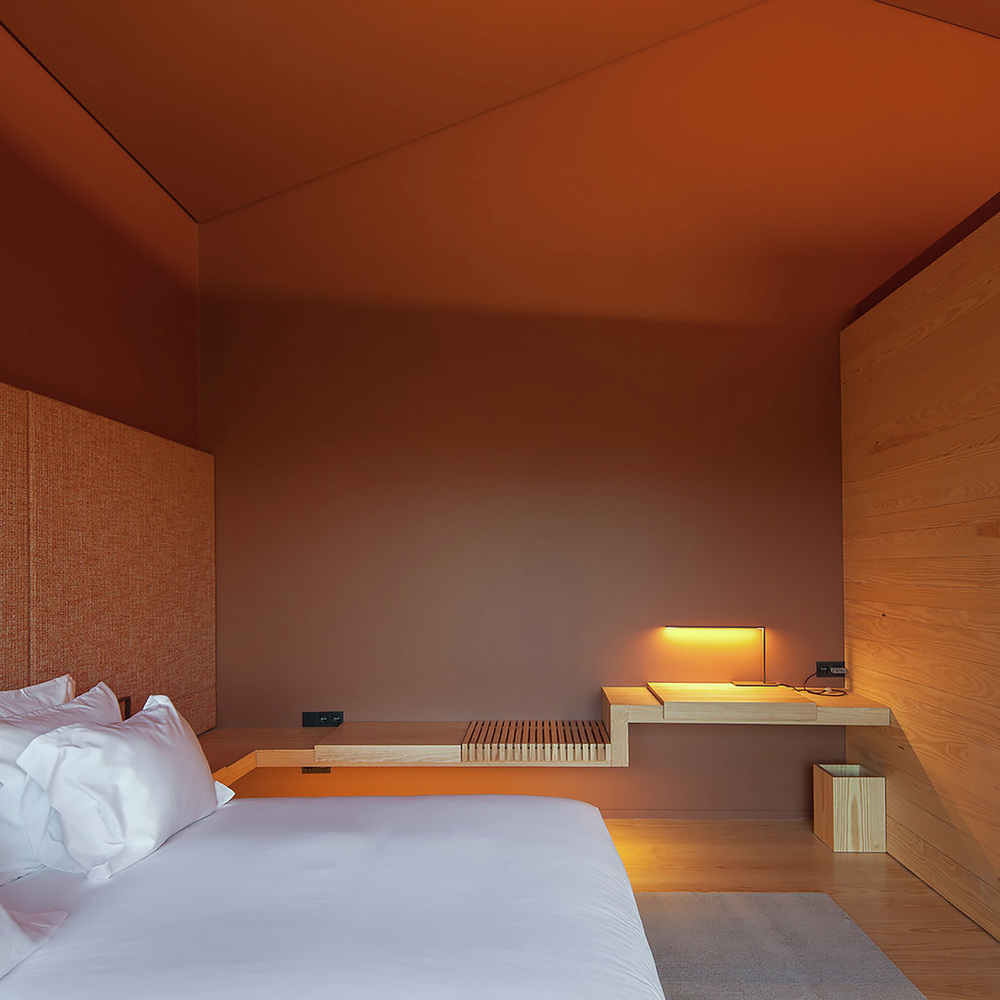
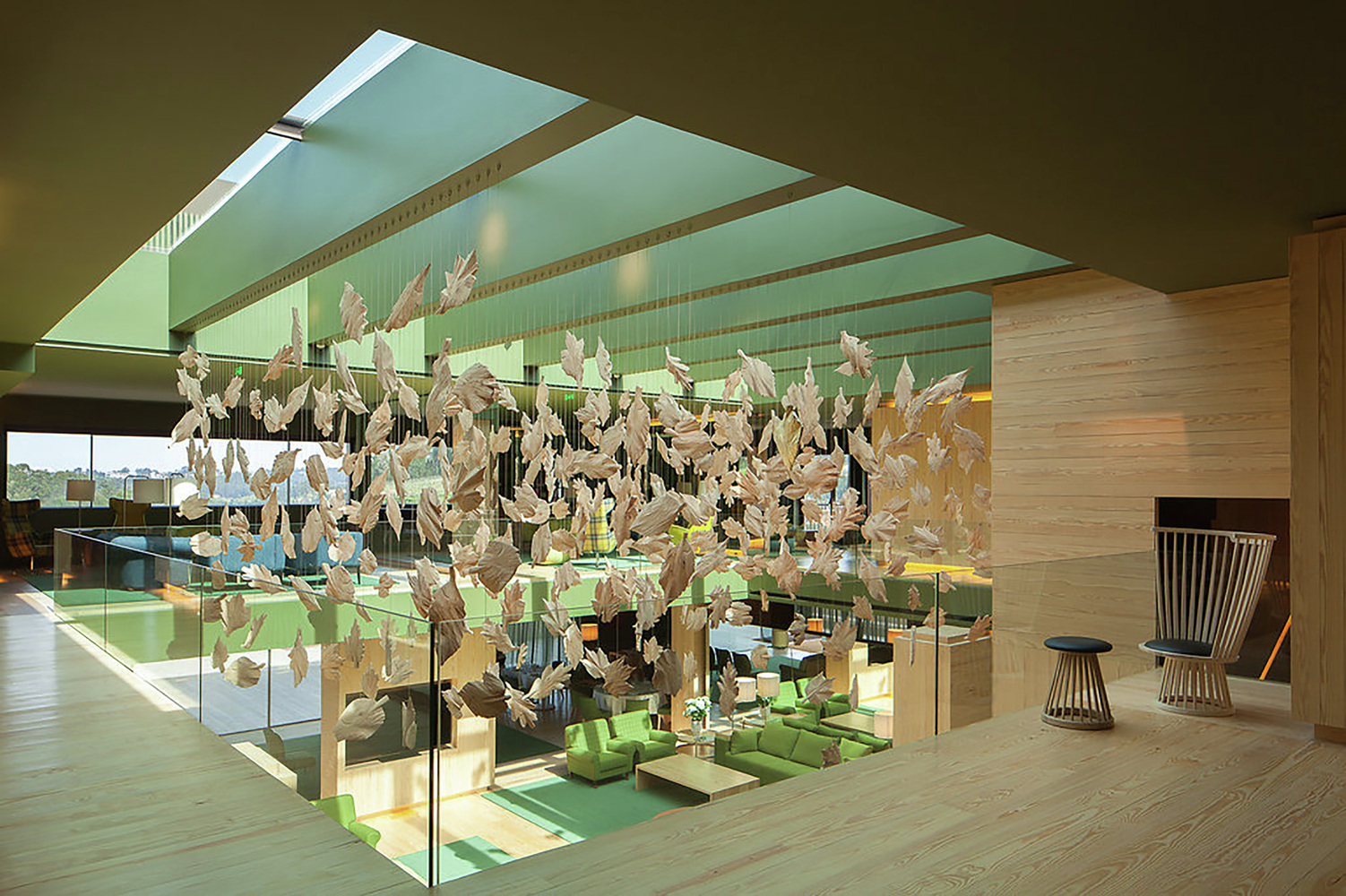
Paulo Lobo’s interiors soften the more rugged architecture. Timber covers floors and walls, while green-painted surfaces and upholstery echo the vineyards outside. Stone, shadow, natural textures, and controlled lighting create spaces that feel calm without becoming overly rustic. In the main house, a double-height lounge is illuminated by a central skylight, beneath which hangs an installation of carved wooden leaves. The restaurant opens towards a broad terrace overlooking the vines. Again and again, the design draws attention outside.
Rooms Across the Estate
Monverde now offers 46 rooms, including 12 suites, spread across restored and contemporary buildings. Some preserve exposed stone and the intimate proportions of the former farm structures. Others feel cleaner and more modern, with direct access to gardens or vineyards. The Wine Experience Suite goes further, adding its own private cellar and a more immersive connection to the estate’s central theme. Across the different categories, natural materials and restrained colours keep the interiors grounded. The best rooms are those where opening the door immediately returns you to the vines.
Vinho Verde, Beyond the Bottle
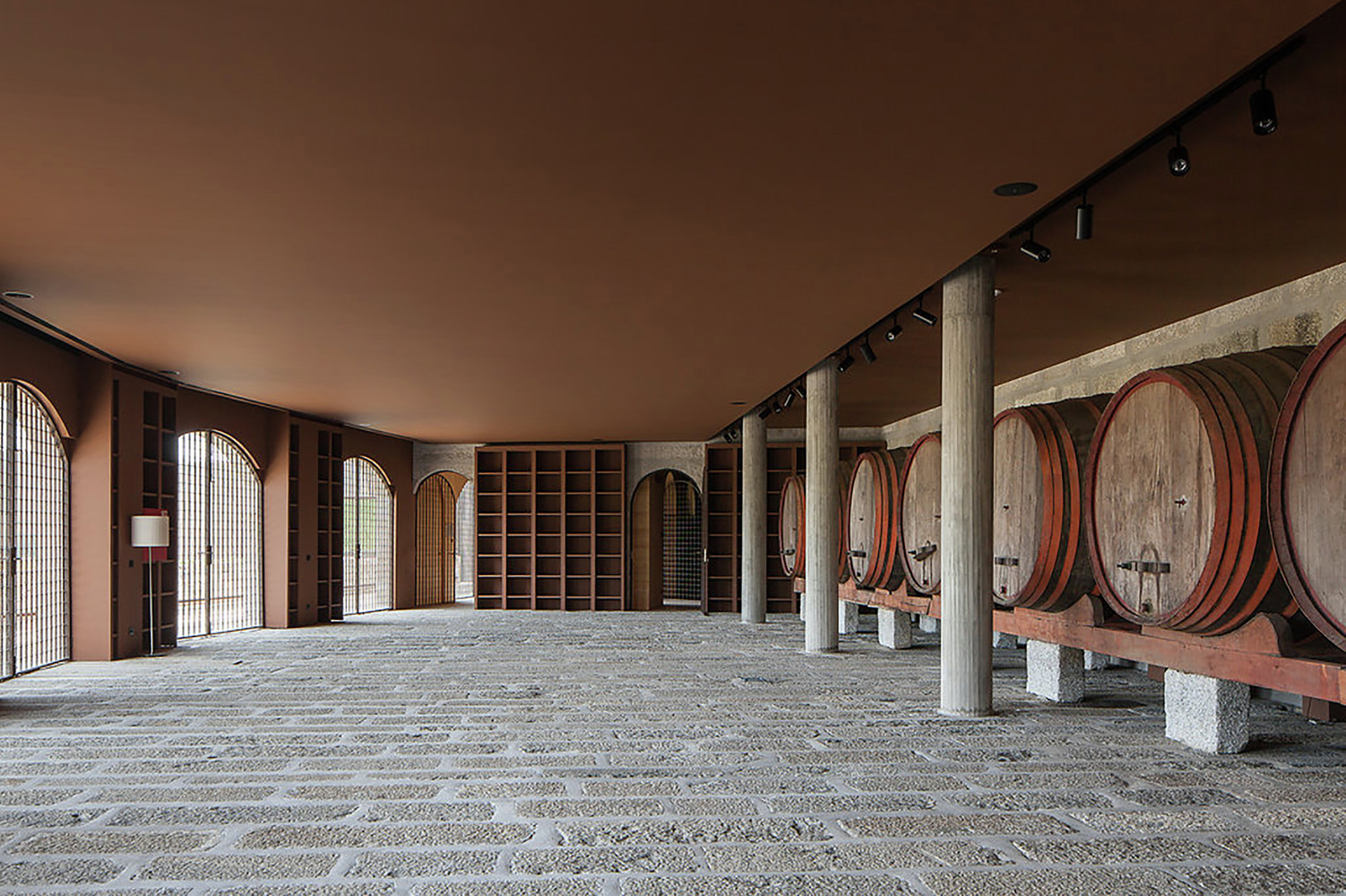
Monverde sits along the Vinho Verde Route near Amarante, within an estate where 22 of its 30 hectares are planted with vines. Wine is therefore the organising principle of the hotel. Guests can walk through the vineyards, tour the cellar, join guided tastings, learn about local grape varieties, and participate in seasonal activities connected to the harvest and winemaking process. The experience offers a useful reminder that Vinho Verde is not simply a light white wine style. It is a region, a landscape, and a culture with considerable variety.
The Taste of Minho
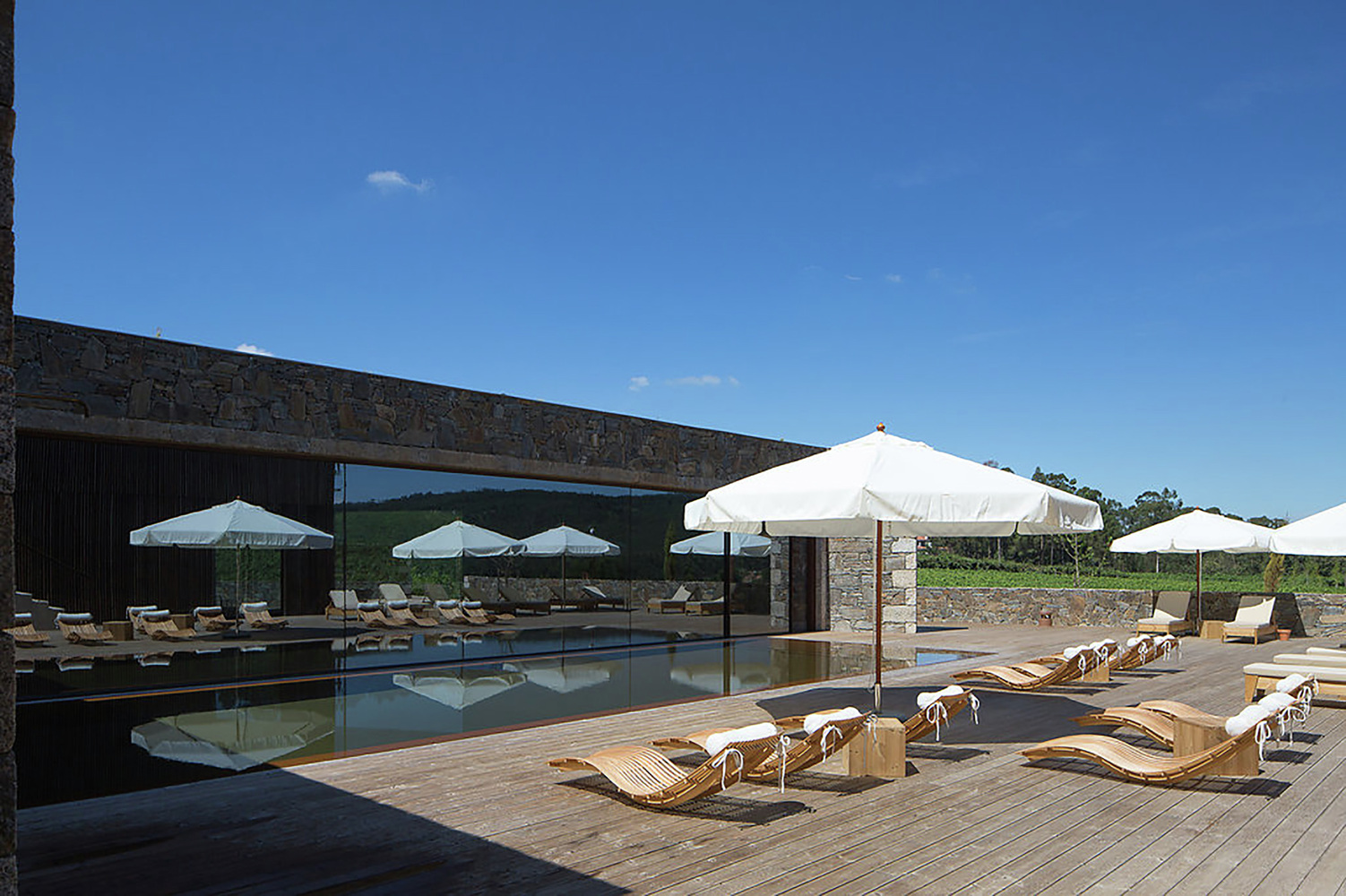
The restaurant, led by chef Carlos Silva, builds its menus around the produce and culinary traditions of northern Portugal. Fresh fish, regional vegetables, cornbread, local meats, and seasonal ingredients are interpreted through both à la carte dishes and tasting menus. Wine pairings naturally play a major role, guided by the in-house team and drawing heavily on Quinta da Lixa labels. Above the restaurant, the Wine Bar creates a more informal setting for exploring the estate’s wines or settling in for a cocktail. In summer, the terraces and poolside bar extend the experience outdoors.
Wine in the Spa
The Wine Experience Spa continues the vineyard connection through treatments using grape-seed oil derived from the estate’s own production. Scrubs, oils, and moisturising treatments are complemented by an indoor pool, Jacuzzi, sauna, steam room, and quieter relaxation areas within the main house. There are also two outdoor pools, including a separate adults-only option. It could easily have become overly themed. Instead, the wine connection feels logical because it grows directly from the land and agricultural processes surrounding the hotel.
Why It Works
Monverde succeeds because wine is not applied as a concept after the architecture was finished. The working estate, restored farm buildings, vineyards, cellar, food, and spa all belong to the same story. FCC Arquitectura preserved the rough character of the original structures while introducing a confident contemporary layer, and Paulo Lobo’s interiors give the hotel warmth without slipping into rural cliché. Less than an hour from Porto, it offers a remarkably complete introduction to Minho and Vinho Verde—one that begins in the glass but extends far beyond it.