Hotel Nassau Breda, Autograph Collection – The Netherlands
Convents, court houses and a neo-Gothic chapel become the setting for a hotel that prefers temptation to confession.
Why DNA Hotels Loves It
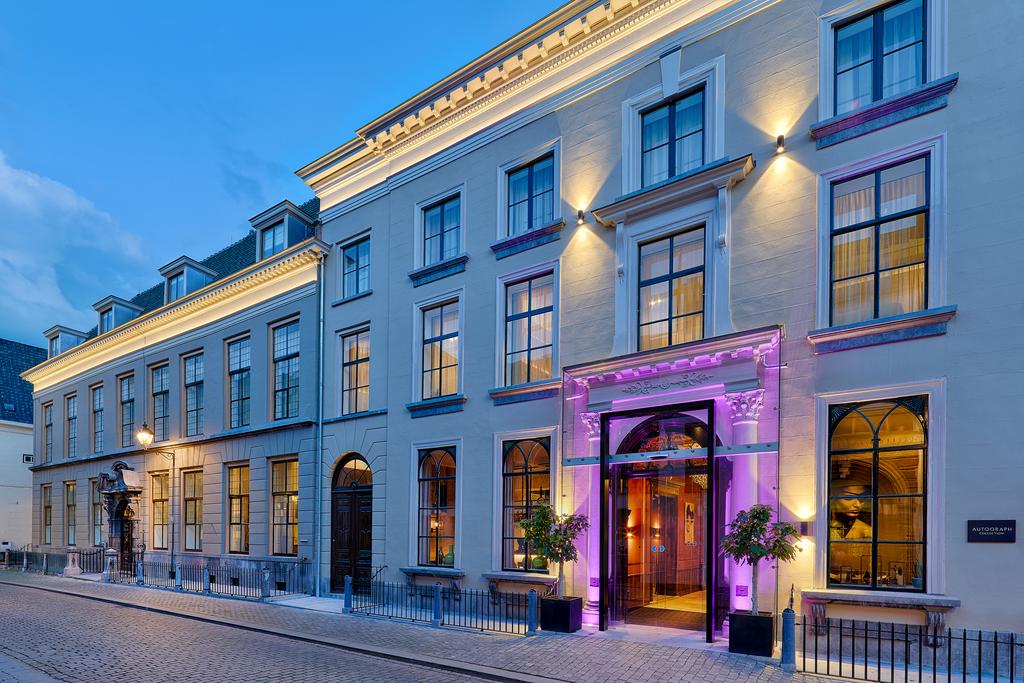
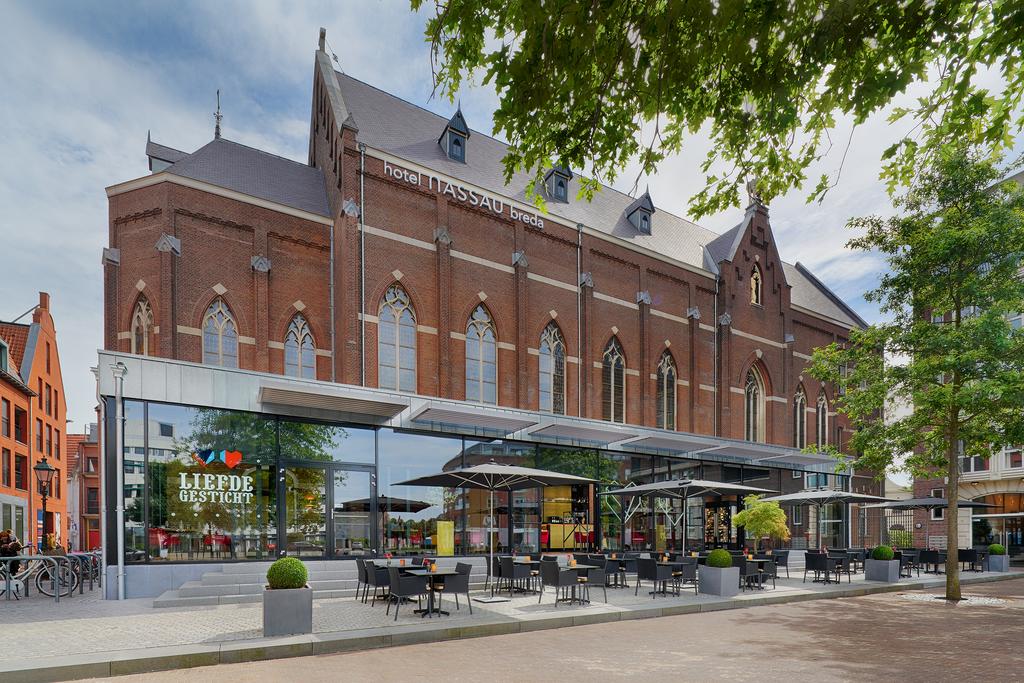
● An extraordinary collection of five listed buildings, bringing together historic court houses, townhouses, a former Franciscan convent and its neo-Gothic chapel in the centre of Breda.
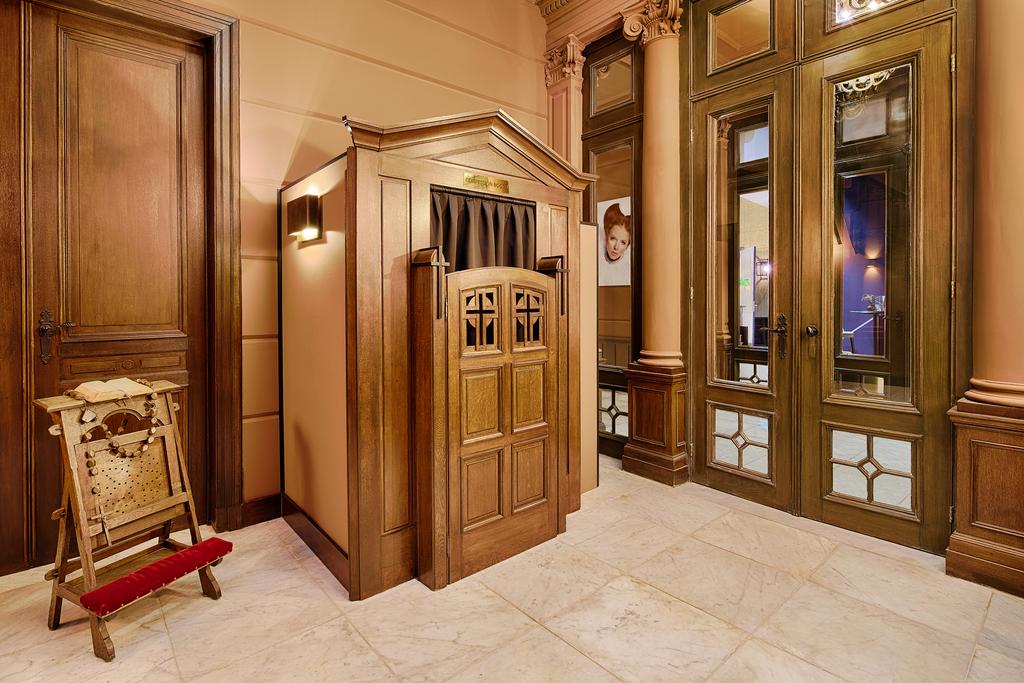
● The restoration deliberately plays with the building’s religious past, contrasting monumental architecture with contemporary interiors, irreverent imagery and the hotel’s wonderfully provocative “Nothing to Confess” philosophy.
● With 94 rooms spread across the historic complex, irregular floorplans, old masonry, vaulted spaces and unexpected corridors make the building itself part of the experience.
Forgive Us, For We Have Checked In
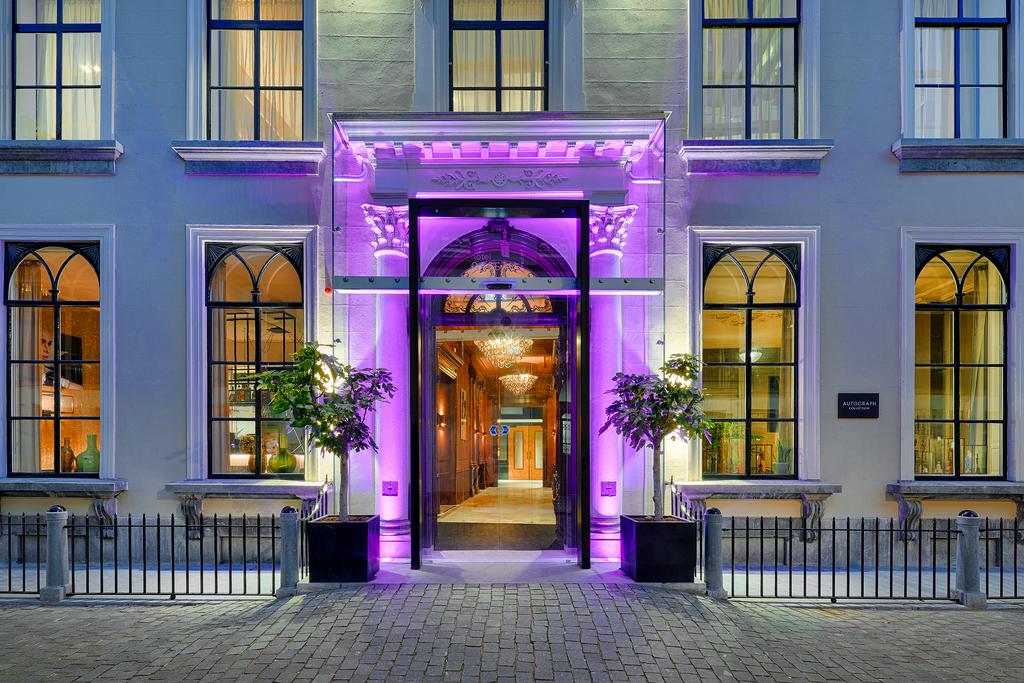
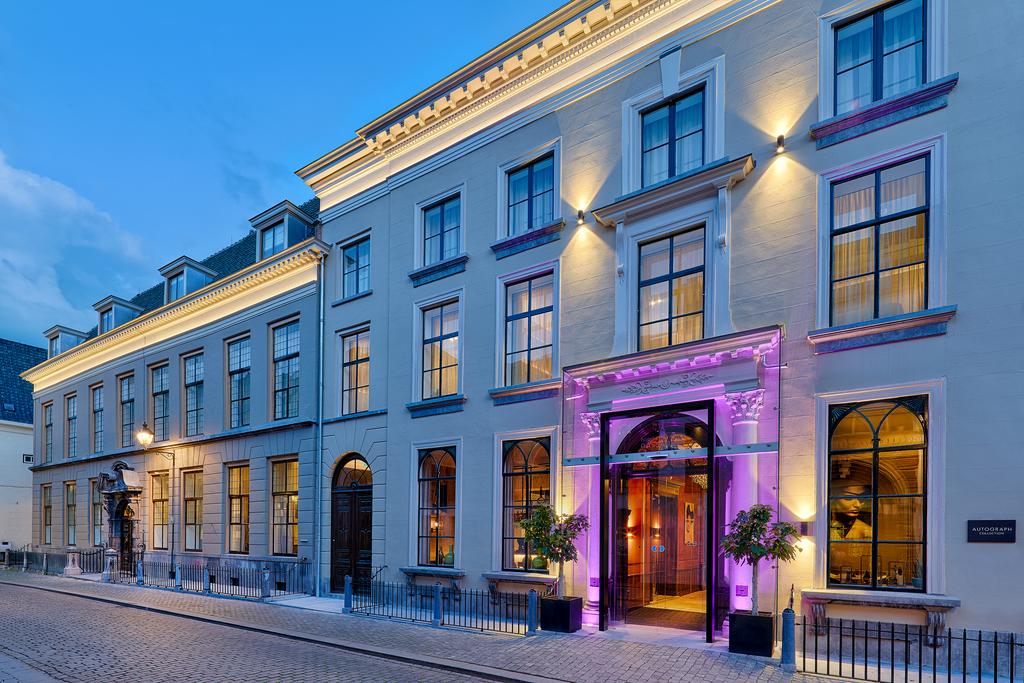
There are hotels that respectfully preserve their religious past. Hotel Nassau Breda has rather more fun with it. Hidden behind a succession of monumental façades on Nieuwstraat, the hotel occupies an unusual collection of historic buildings that evolved over centuries before eventually becoming interconnected. Most significant is the former Franciscan convent dating from 1849, together with its soaring neo-Gothic chapel. Add former court houses and townhouses and you have less a conventional hotel building than a small piece of Breda’s architectural history. The transformation doesn’t attempt to disguise that complexity. It celebrates it.
Nothing to Confess
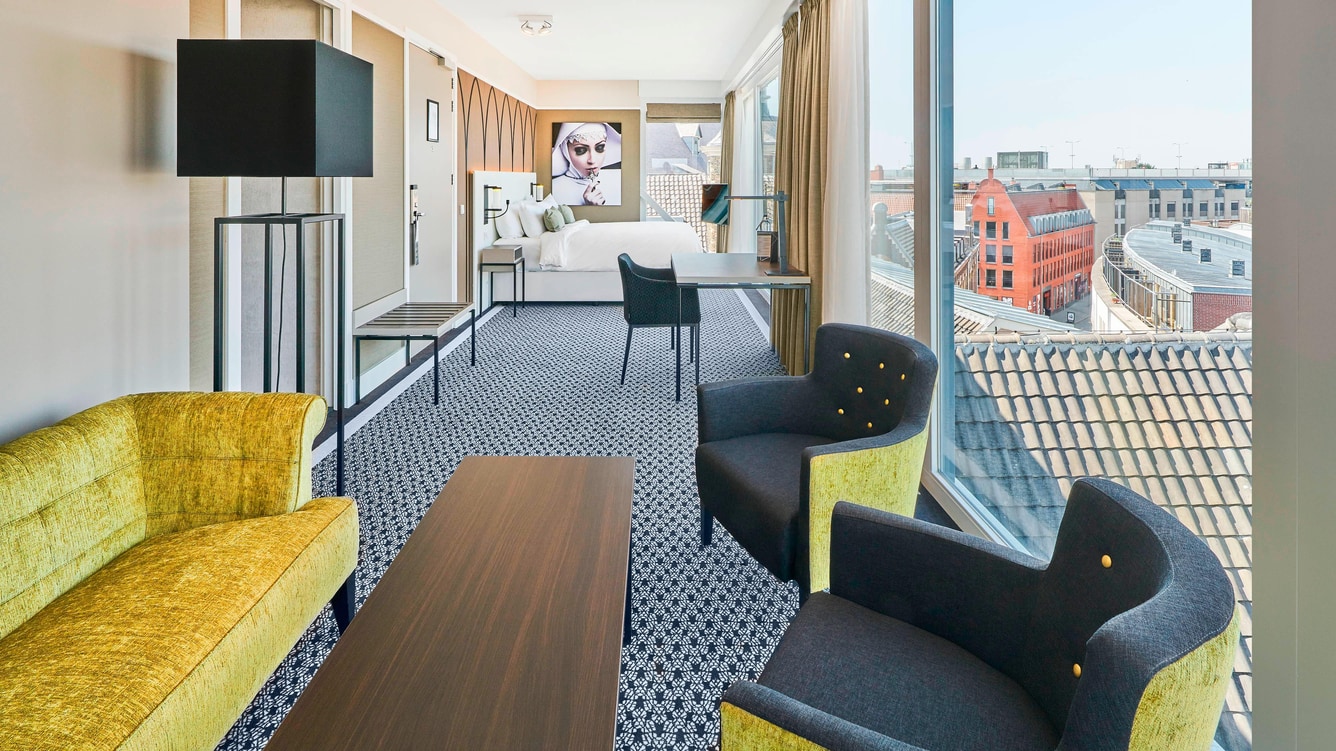
The hotel’s defining idea is encapsulated in three words: Nothing to Confess. Religious references appear throughout the interiors, but reverence frequently comes with a wink. Images of nuns are juxtaposed with seductive contemporary styling, while the language of sin, temptation and confession turns the building’s former purpose into a playful hotel narrative. It’s a clever counterpoint to architecture that could otherwise have felt overwhelmingly solemn. The result sits somewhere between convent, city palace and contemporary boutique hotel.
A Hotel Made from History
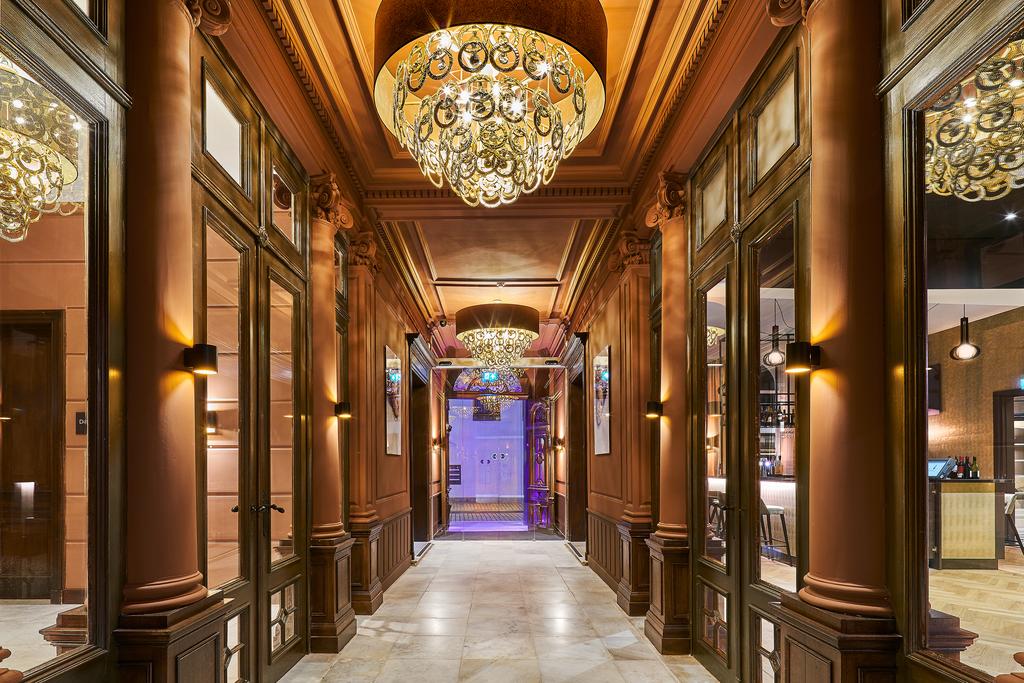
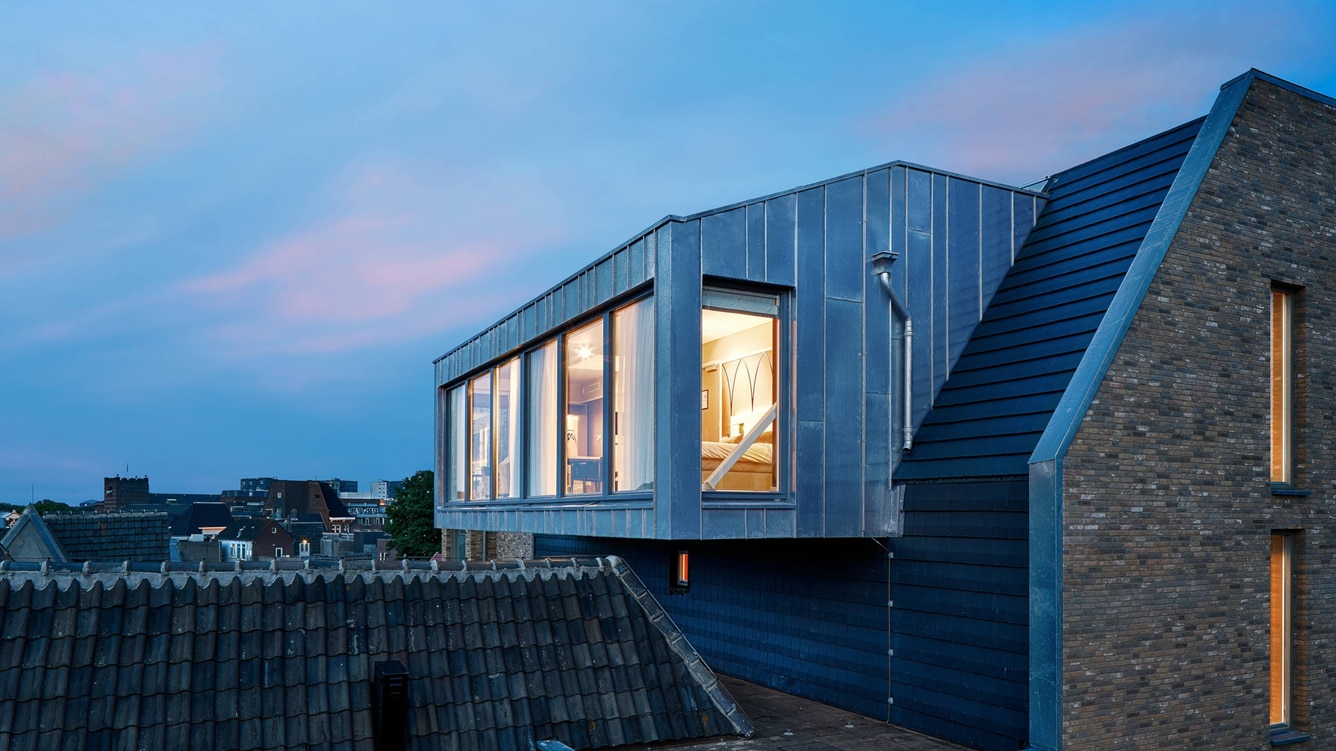
Because Nassau wasn’t conceived as a single building, moving through it reveals its history layer by layer. Old brickwork meets contemporary surfaces. Monumental corridors lead towards intimate spaces. Arches, heavy doors and historic masonry remain visible alongside modern lighting and furnishings. Then there is the chapel. Its lofty proportions, stained glass and neo-Gothic detailing provide the hotel’s most dramatic architectural moment — a reminder that this wasn’t simply a picturesque old building waiting to become a hotel, but once part of a functioning religious complex. Rather than recreating a historic interior, the designers have allowed old and new to remain visibly different. That tension gives Nassau much of its character.
94 Rooms, No Standard Blueprint
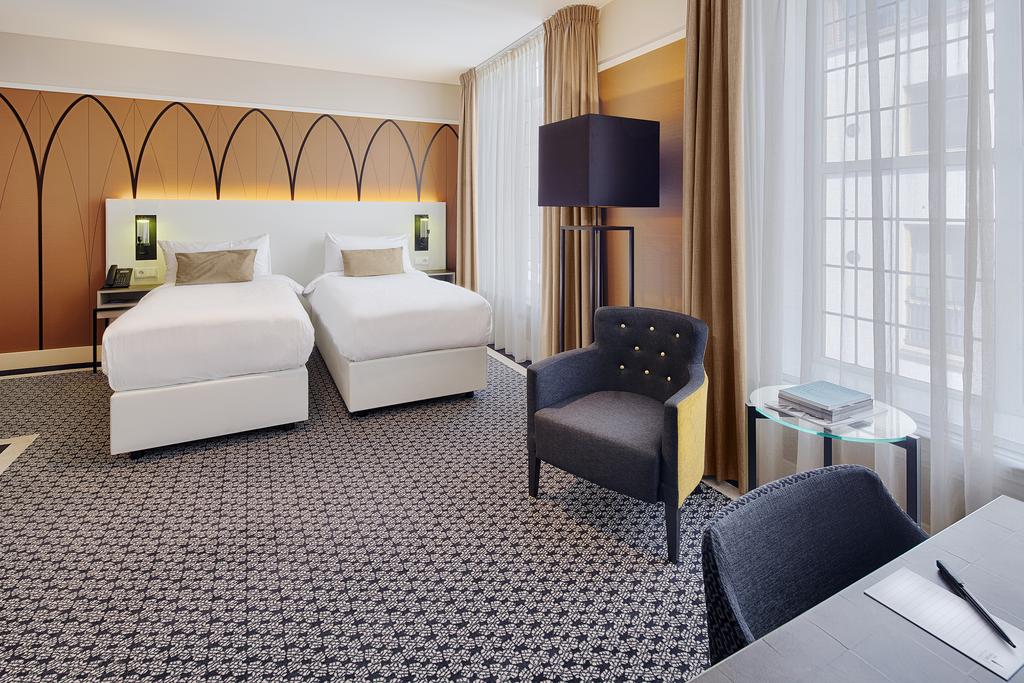
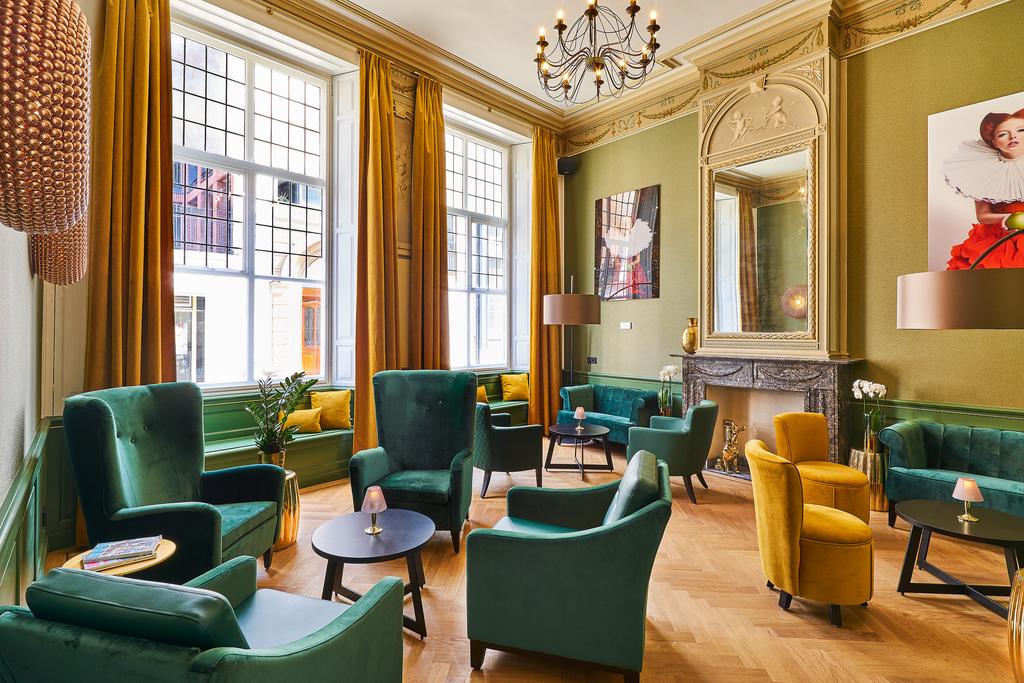
The complicated architecture has another advantage. Uniformity is virtually impossible. The hotel’s 94 rooms and suites are distributed across the interconnected historic buildings, resulting in differences in dimensions, windows, ceiling heights and layouts. Contemporary furniture and a rich, polished palette provide consistency, but the old structures continue to determine the character of individual spaces. Here, an awkward historic footprint isn’t something to correct. It’s part of what you’re booking.
Sacred Becomes Social
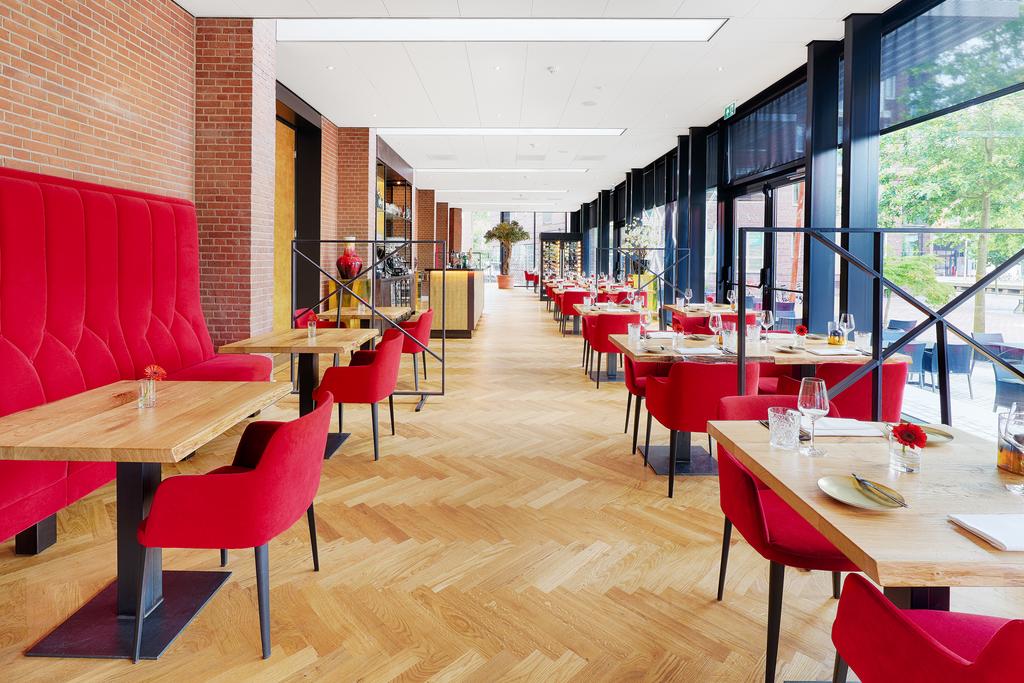
The transformation is particularly effective in the public spaces, where the scale and drama inherited from the original buildings can be fully appreciated. Spaces once associated with religion, administration and private residences have become places for drinking, eating, meeting and celebrating. At Bar Belle, tapas and sharing plates encourage precisely the sort of convivial behaviour that makes the hotel’s tongue-in-cheek references to temptation feel appropriate. Breda itself takes care of the rest. Step through the monumental doors and you’re directly in the historic city centre, surrounded by cafés, restaurants, shops and the lively streets for which the Brabant city is known.
Royal Connections
Even the name reaches further back into Breda’s history. The House of Nassau has been intertwined with the city for centuries, when Breda became an important residence of the Nassau dynasty — ancestors of the Dutch royal family. That makes the name more than an attempt to add aristocratic grandeur. It connects the hotel to a much larger story about Breda itself: religious, judicial, aristocratic and civic histories layered within a remarkably compact city centre.
A Little Sin Never Hurt a Hotel
Hotel Nassau could easily have become another polished conversion where the obligatory piece of exposed brick is expected to do all the historical storytelling. Instead, its strongest asset is the contrast. Sacred architecture and playful imagery. Monumental heritage and contemporary indulgence. Nuns and cocktails. History taken seriously without making the hotel itself too serious. After almost two centuries of religion, justice and respectable behaviour, these buildings have finally discovered room service. Nothing to confess, indeed.