Radisson Collection Hotel, Old Mill Belgrade, Serbia
A historic steam mill transformed by GRAFT into one of Belgrade’s most convincing exercises in industrial adaptive reuse
Why DNA Hotels Loves It
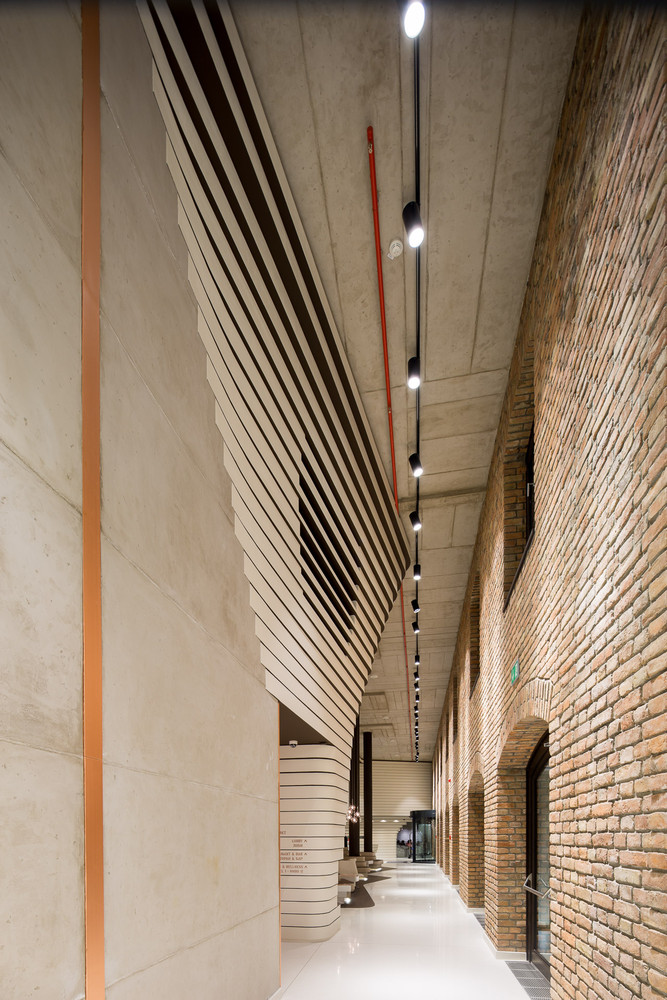
● GRAFT preserved the Old Mill’s industrial character through reclaimed brick, granite, iron columns, old machinery, and exposed concrete rather than reducing its history to decoration.
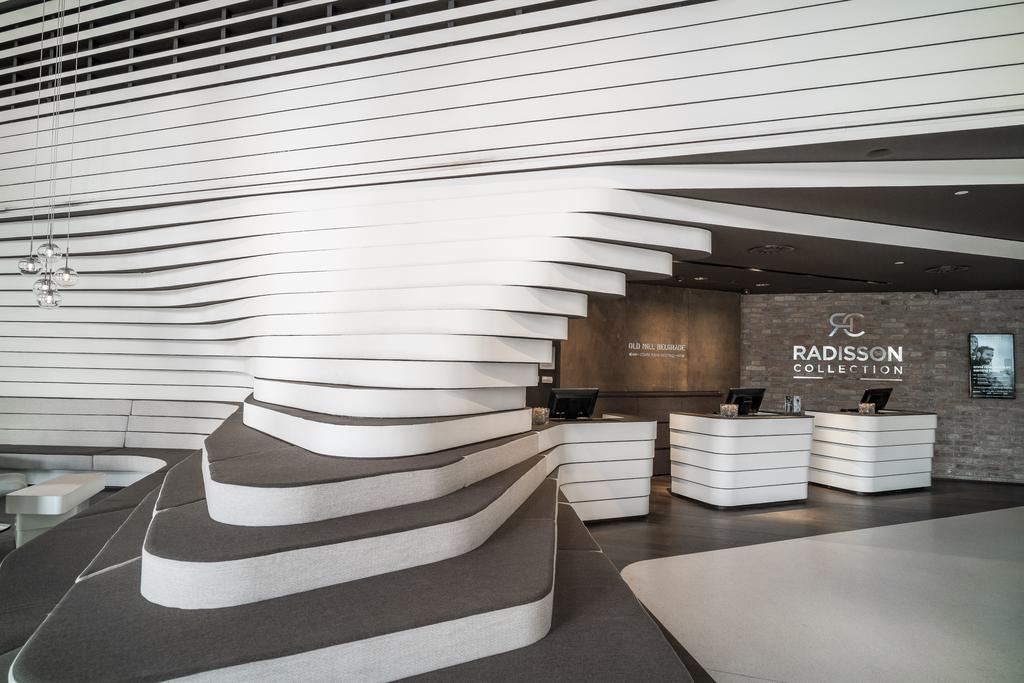
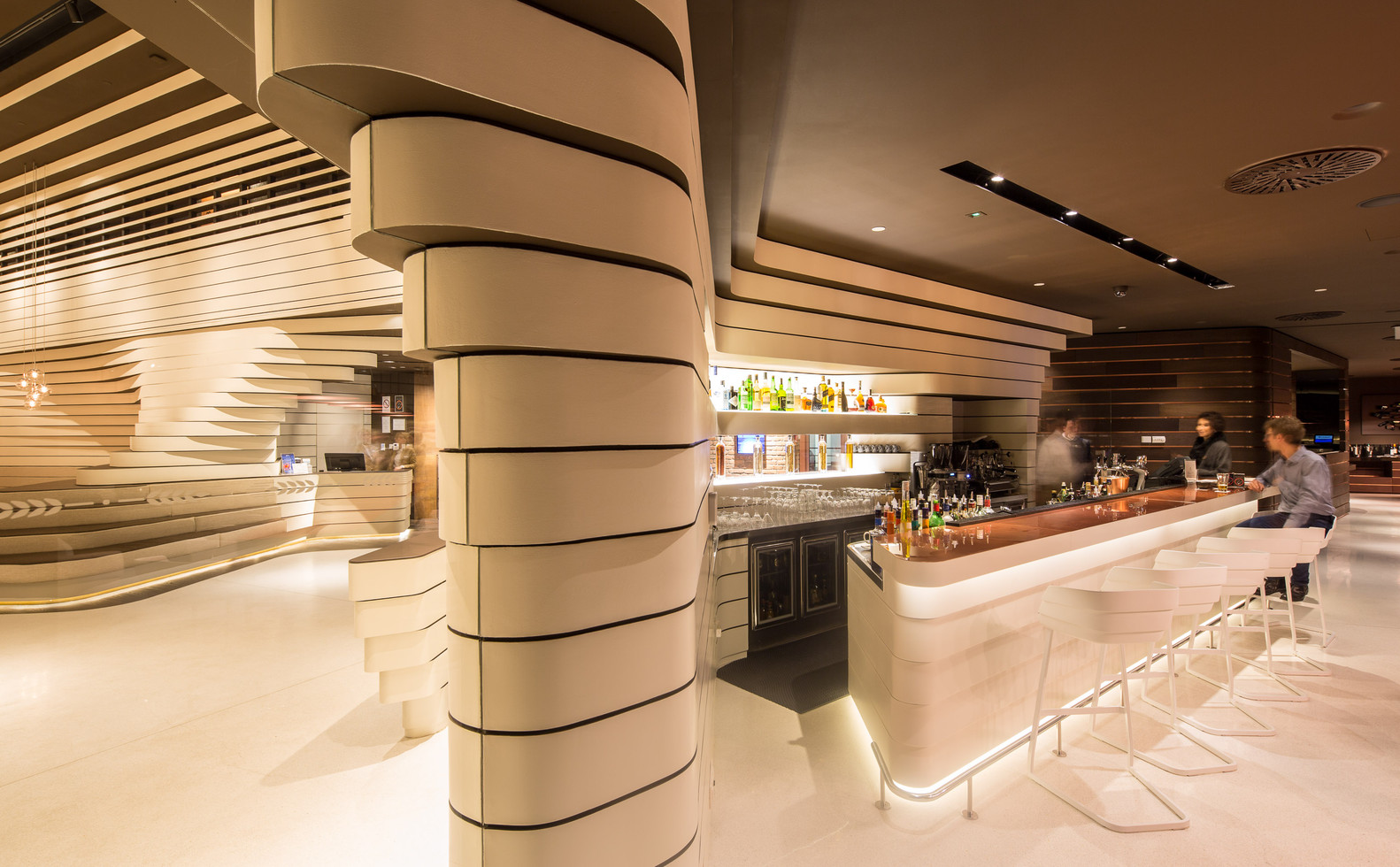
● A dramatic white sculptural structure runs through the public spaces, visually binding together materials and architectural fragments from different periods.
● Despite its scale, the hotel maintains a strong design narrative, shifting from the raw industrial character of the historic mill to warmer, softer guestrooms without losing sight of the building’s origins.
A Mill Becomes a Hotel
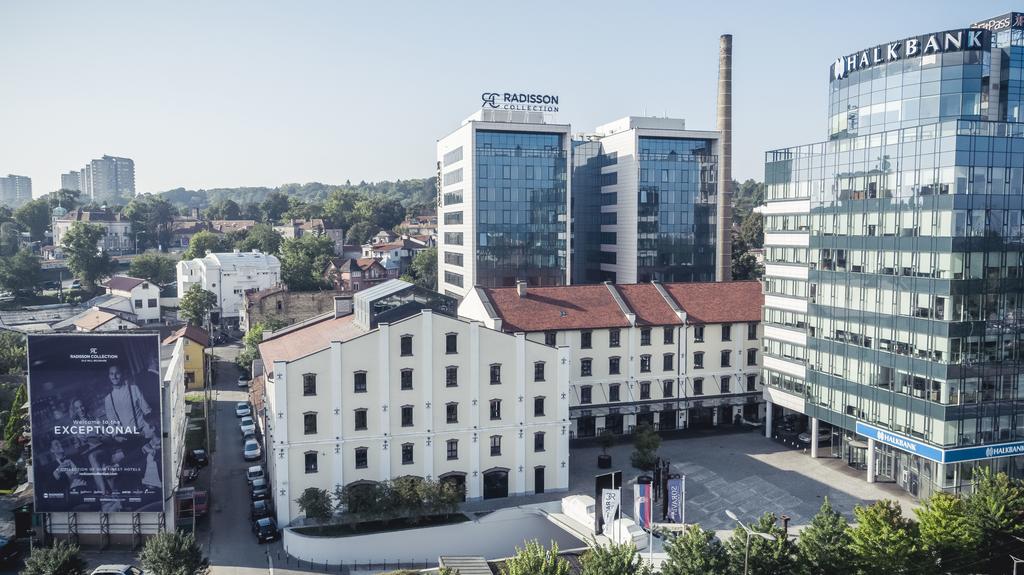
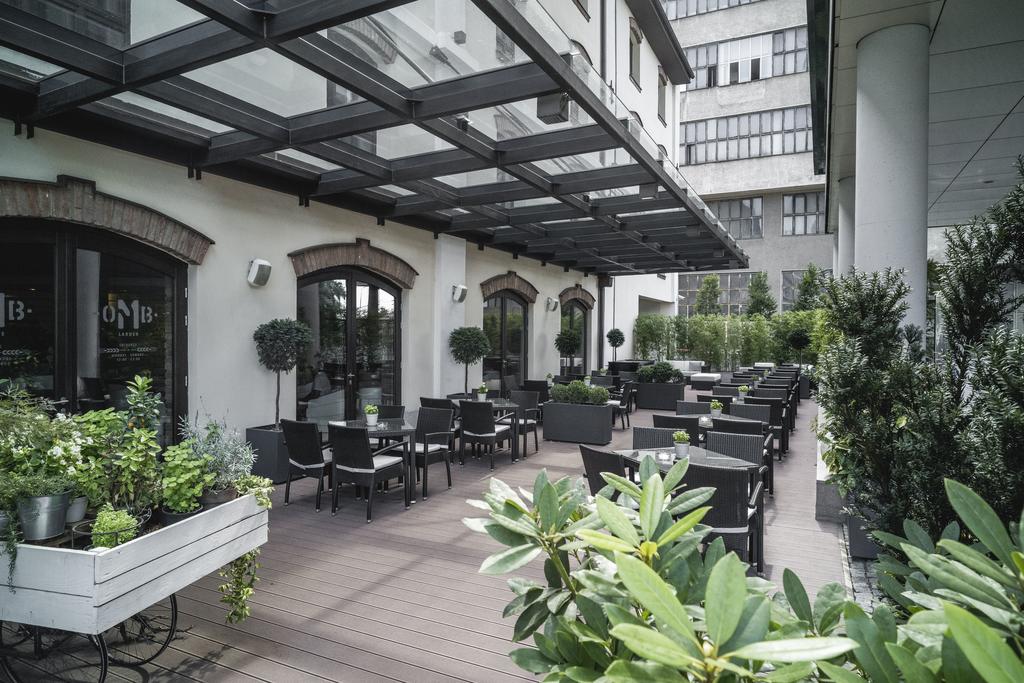
Some adaptive-reuse projects preserve a façade and replace almost everything behind it. Old Mill Belgrade takes the harder route. Near the banks of the Sava, GRAFT transformed the historic Old Mill complex into a contemporary hotel while deliberately retaining the scars, materials, and structural character of its industrial past. The old building contains the arrival spaces, lobby, bar, restaurant, and other public areas, while newly constructed towers accommodate guestrooms, suites, and wellness facilities. Old and new are not disguised as one another. They are allowed to meet.
Arriving Through the Past
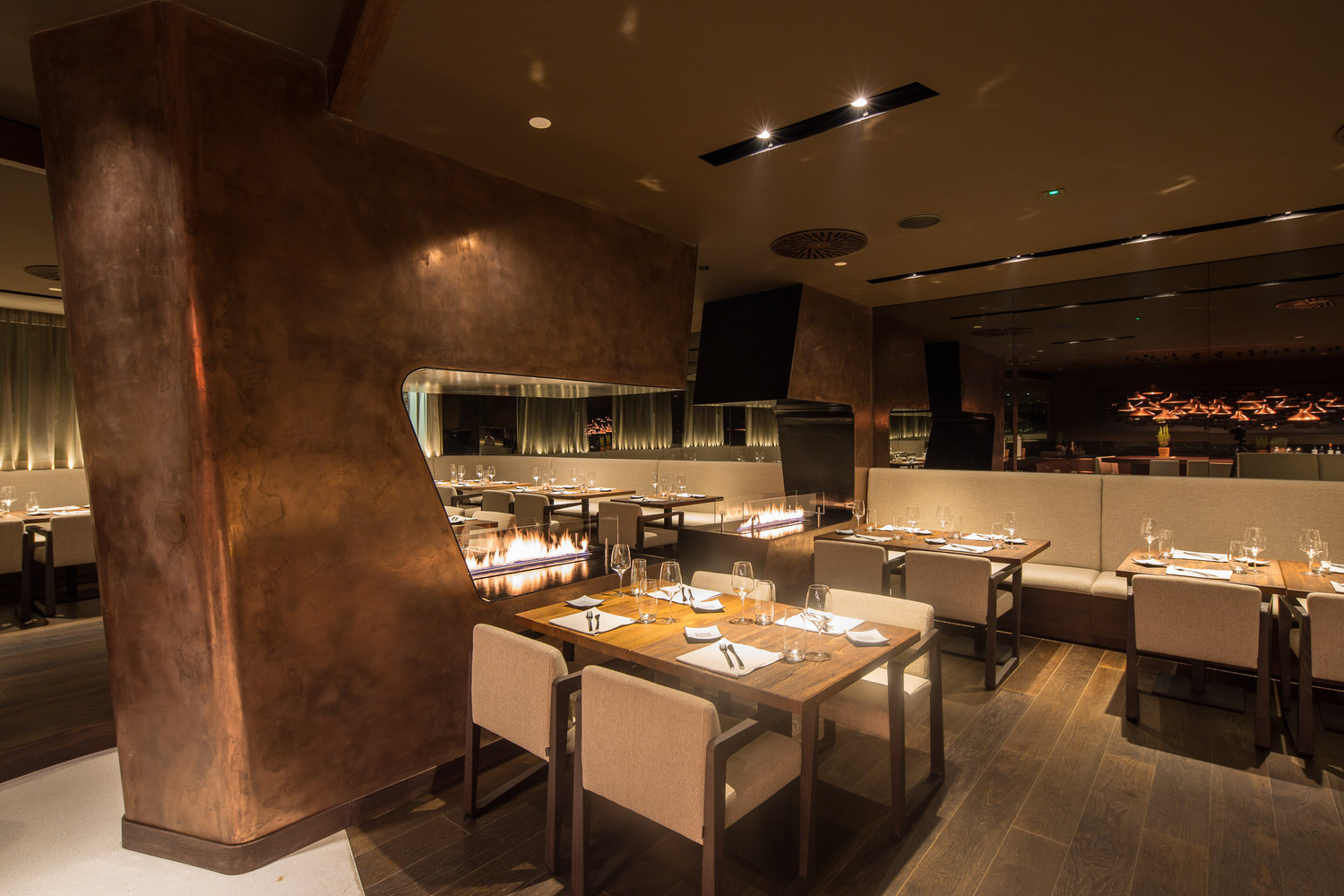
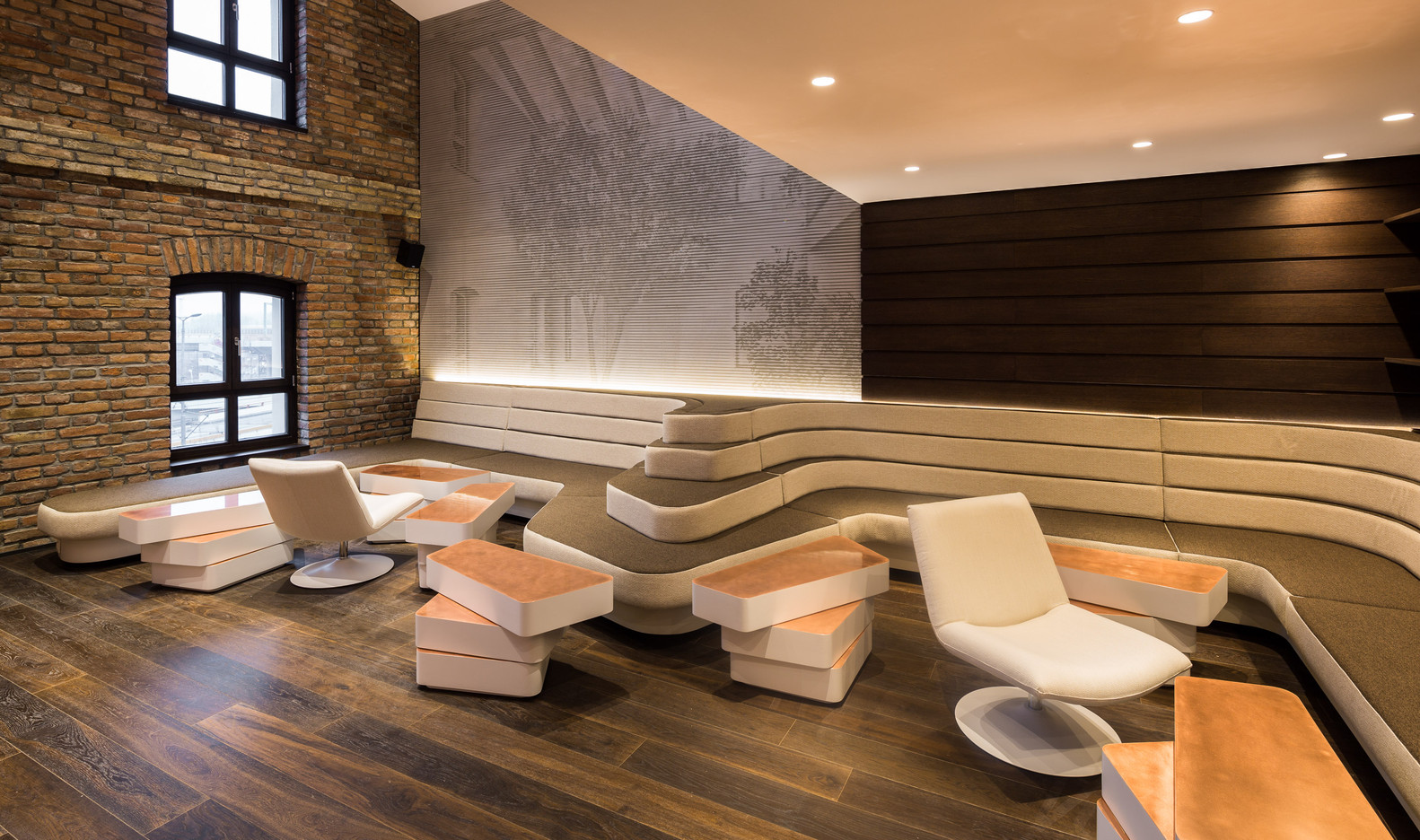
The story starts before you enter. Guests approach across a slightly raised plaza incorporating old granite paving and wrought-iron columns salvaged from the mill. A water feature helps soften the surrounding traffic before the industrial architecture takes over. Inside, reclaimed bricks from the original structure were cleaned, repaired, and reused. Old machinery became the backdrop to the reception desk. Necessary cuts through the concrete structure were deliberately left rough. Oak and copper introduce warmth without erasing the harder material language around them. Nothing needs fake patina. The history is already there.
The White Intervention
Then GRAFT introduces something unmistakably new. A vast white sculptural structure moves through the lobby, connecting otherwise heterogeneous surfaces, functions, and periods into a continuous architectural composition. Against brick, concrete, timber, metal, and machinery, its smooth whiteness acts almost like a blank canvas. Rather than attempting to imitate the industrial building, it makes the distinction between old and new even clearer. That contrast gives the project its energy. This is not industrial nostalgia. It is re-contextualisation.
From Rough to Refined
As you move from the public areas towards the guestrooms, the material language deliberately softens. Metal and stone give way to timber and textiles. The exposed concrete structure remains, preserving a physical connection with the industrial architecture, but the atmosphere becomes quieter and more residential. Large, low windows bring generous amounts of daylight into the rooms, while bespoke seating, open bathrooms, and restrained furnishings keep the architecture prominent. Wall paintings add another layer of narrative rather than simply filling empty surfaces. The result feels considered rather than themed.
Big Hotel, Strong Identity
With 236 guestrooms plus suites, Old Mill is a substantial hotel. That makes the architectural coherence more impressive. Large hotels frequently dilute their concept as soon as you leave the lobby. Here, the mill remains the starting point for decisions throughout the property, even as spaces become progressively more comfortable and private. The hotel also incorporates extensive meeting and event facilities, including conference rooms, a large banquet hall, and a business lounge high in the complex. Its scale feels appropriate to the monumental industrial architecture.
A New Life for Industrial Belgrade
What makes Old Mill particularly relevant is that GRAFT did not approach preservation as an exercise in returning the building to an imaginary perfect moment. Instead, the architects treated history as material. Brick can be reused. Machinery can acquire another function. Concrete scars can remain visible. New architecture can be unapologetically new. The result allows several periods of the site’s life to coexist.
Why It Works
Radisson Collection Hotel, Old Mill Belgrade is a compelling example of adaptive reuse because the transformation never tries to make history neat. GRAFT retained the brick, iron, machinery, granite, and exposed structure of the old mill and then grafted contemporary architecture directly onto those industrial bones. The contrast is the point. Large-scale, polished, and unmistakably modern, yet still carrying the physical memory of what stood here before, Old Mill demonstrates how industrial heritage can become contemporary hospitality without losing its identity.