Hotel PACAI, Vilnius, Lithuania
A 17th-century Baroque palace where centuries of history become part of the design
Why DNA Hotels Loves It
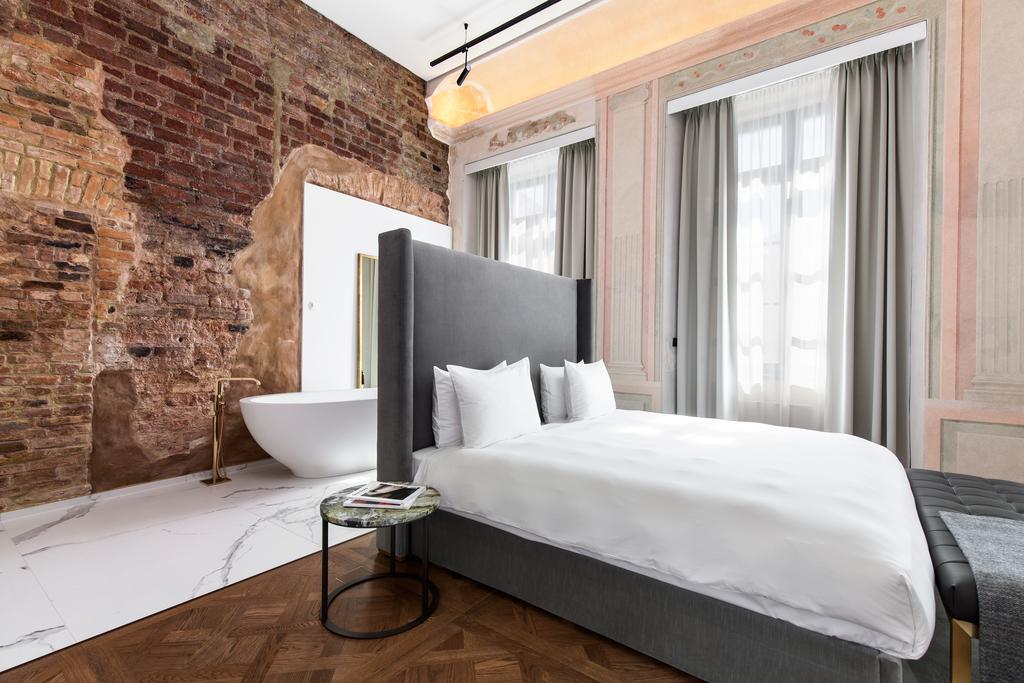
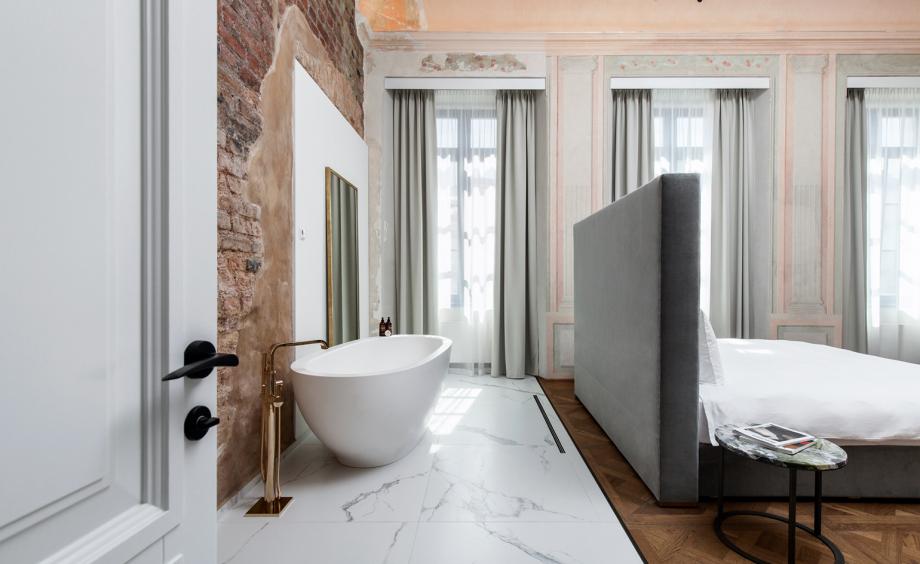
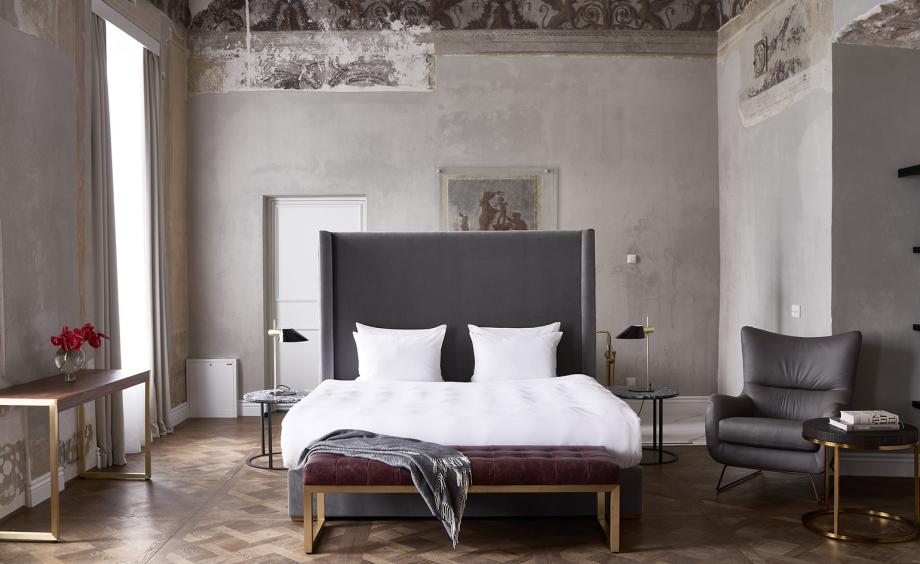
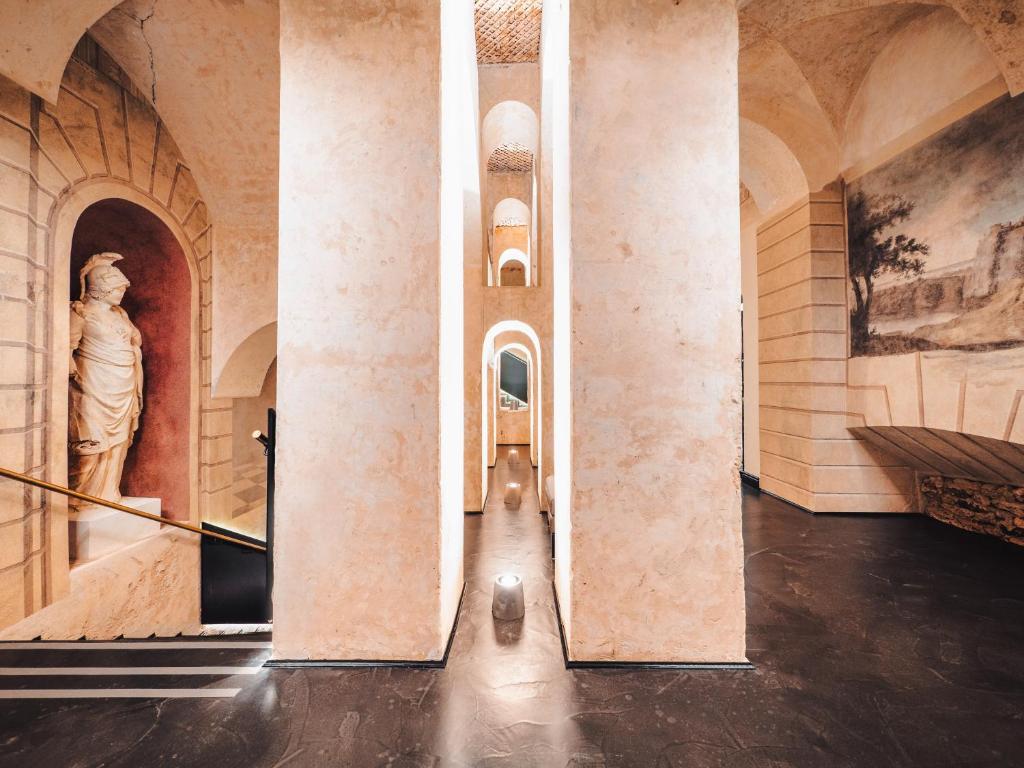
● Architect Saulius Mikštas and YES.design.architecture resisted polishing away the past, preserving frescoes, exposed brick, cracked plaster, old timber, and other traces of the palace’s extraordinary history.
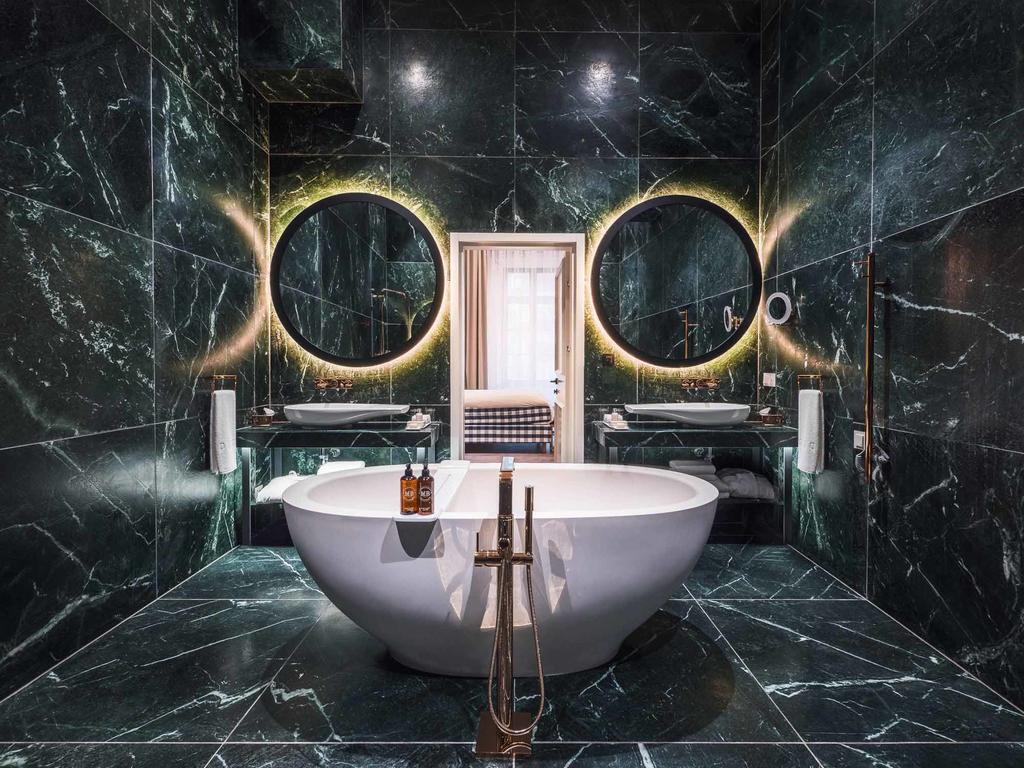
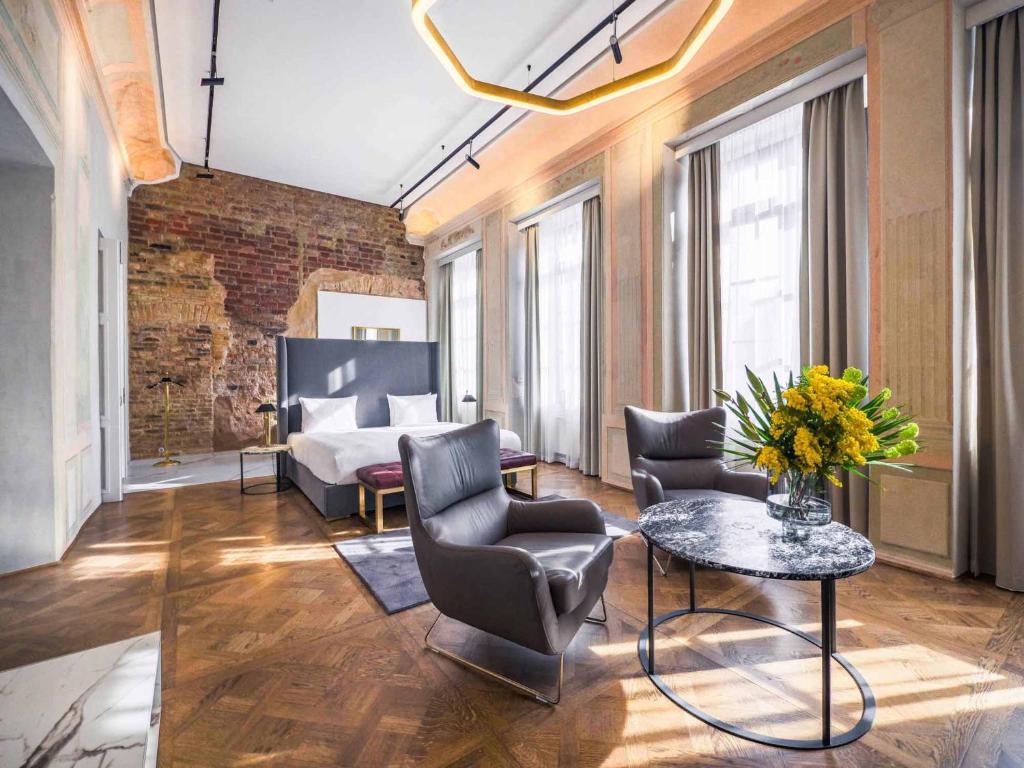
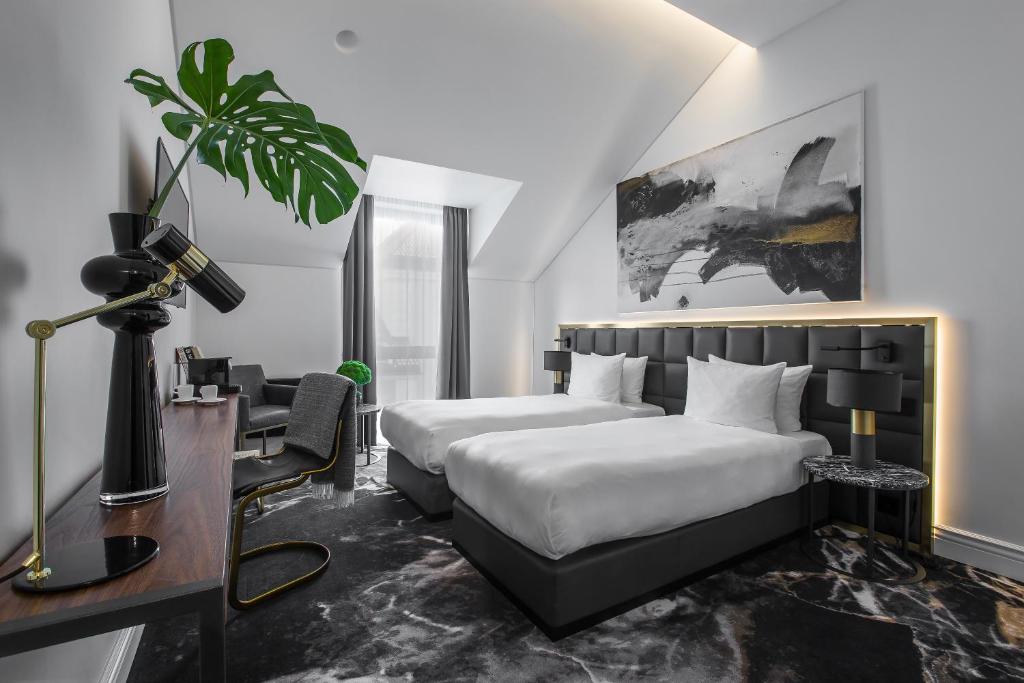
● The 104 rooms and suites balance these historic layers with deep tones, natural materials, contemporary Lithuanian art, and restrained modern furniture.
● A monumental 500-square-metre courtyard, Baltic-inspired dining, and an intimate spa turn one of Vilnius Old Town’s great historic buildings into much more than a heritage hotel.
History Left Visible
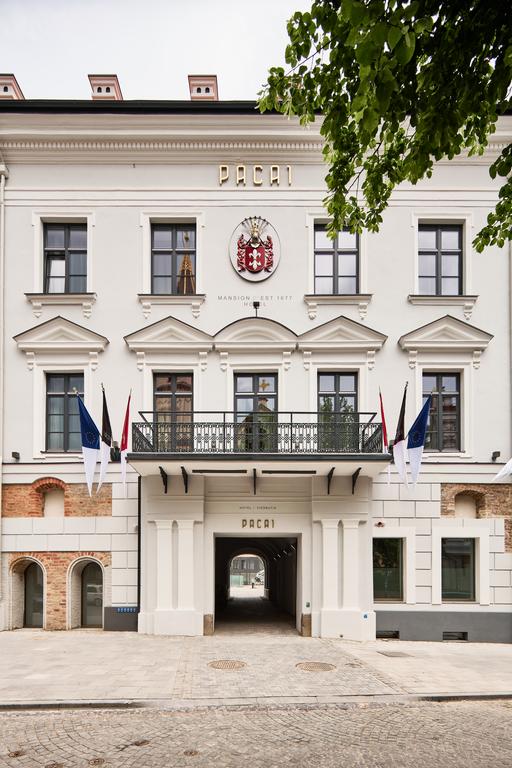
There are two ways to restore a centuries-old palace. You can make everything pristine again. Or you can accept that the cracks, scars, faded frescoes, and mismatched layers are precisely what make the building interesting. Hotel PACAI chose the latter. Set in the heart of Vilnius’ UNESCO-listed Old Town, the hotel occupies the former Pacai family palace, a building whose origins reach back to the 15th century and which was transformed into a grand Baroque residence in the 17th. Over the centuries, it witnessed changing rulers, Napoleon’s arrival in Vilnius, Soviet occupation, and eventually Lithuanian independence. Rather than reducing all that history to a decorative backdrop, architect Saulius Mikštas and YES.design.architecture made it the starting point of the hotel.
An Architectural Palimpsest
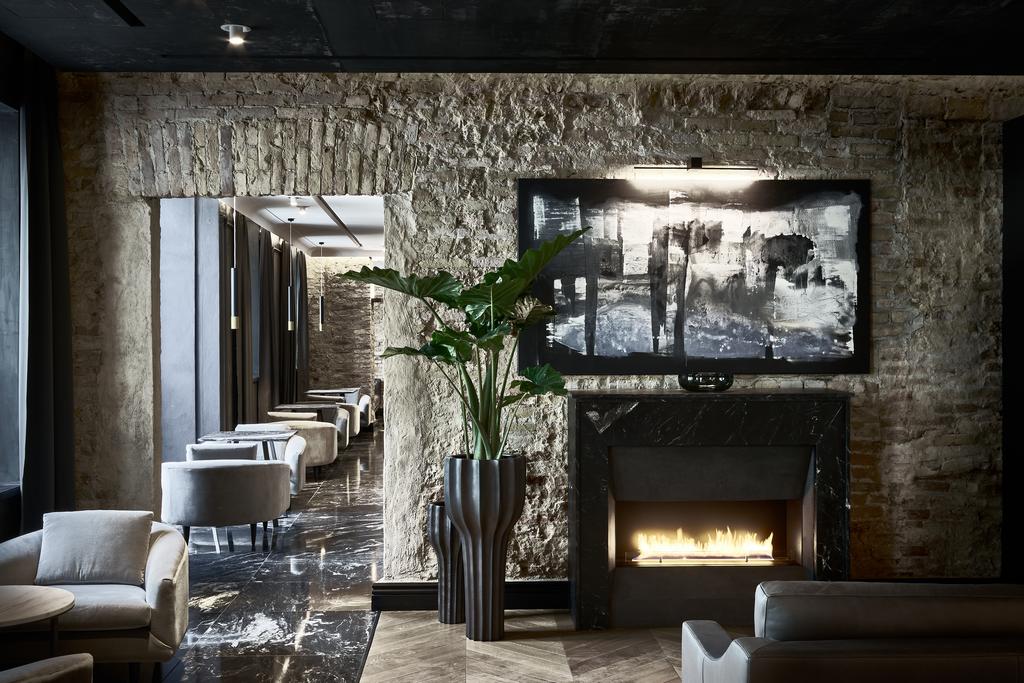
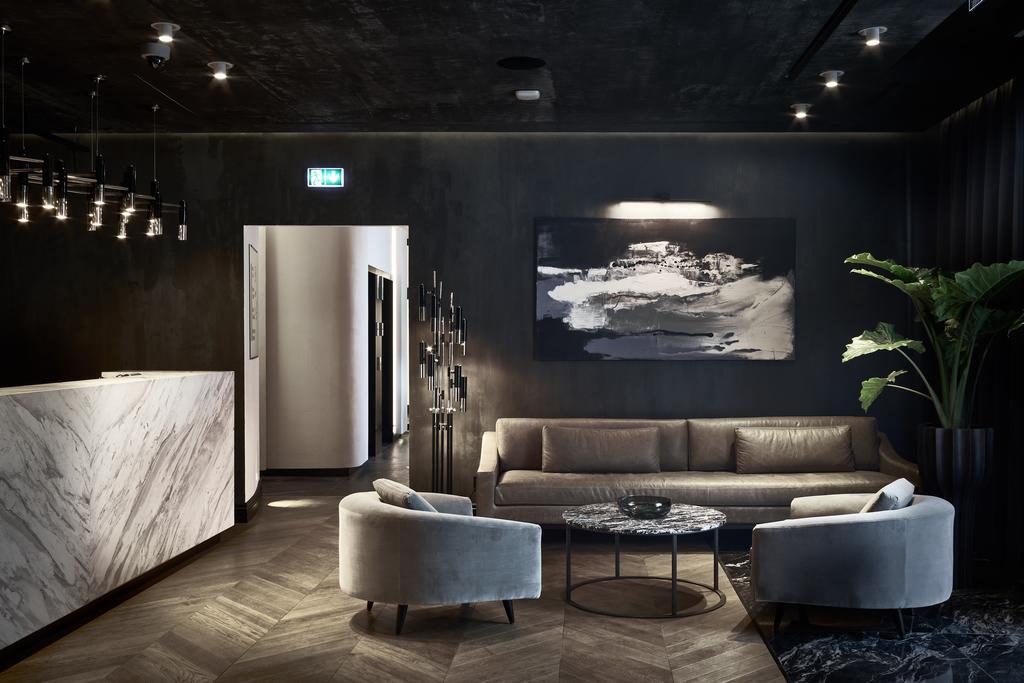
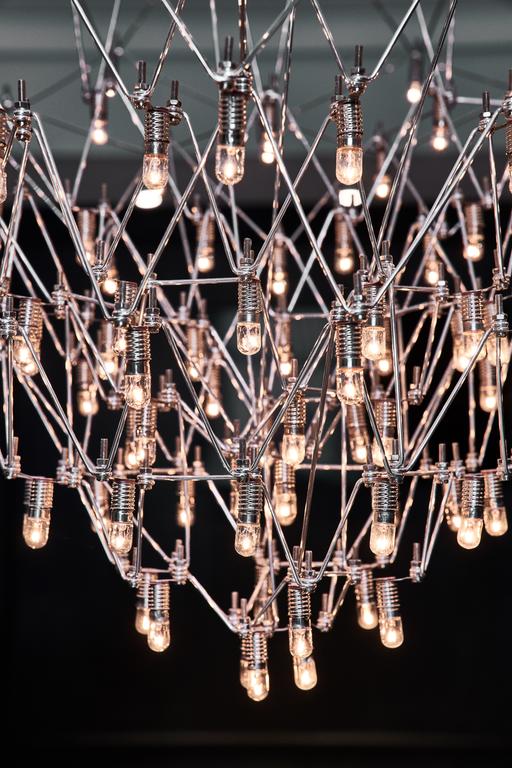
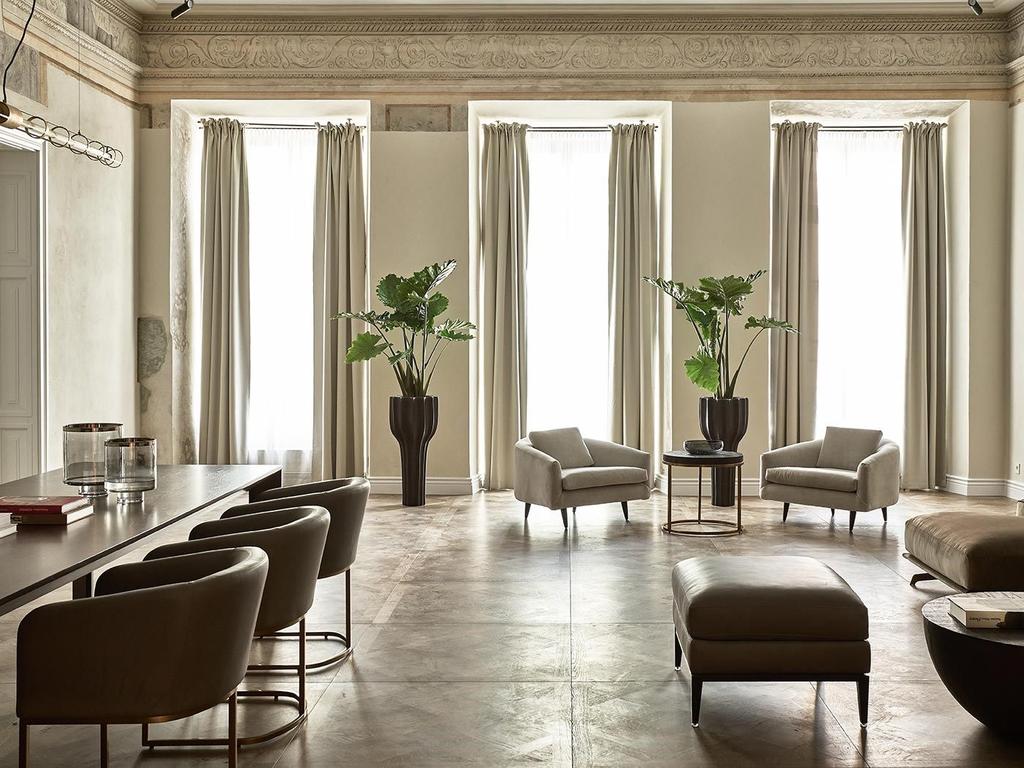
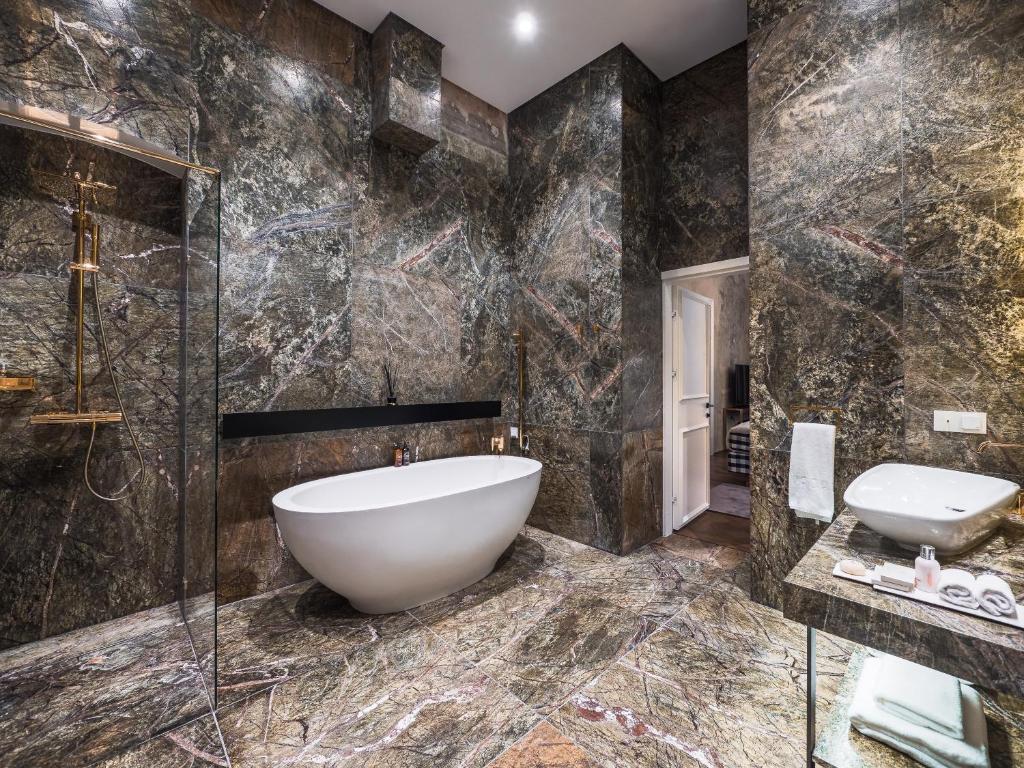
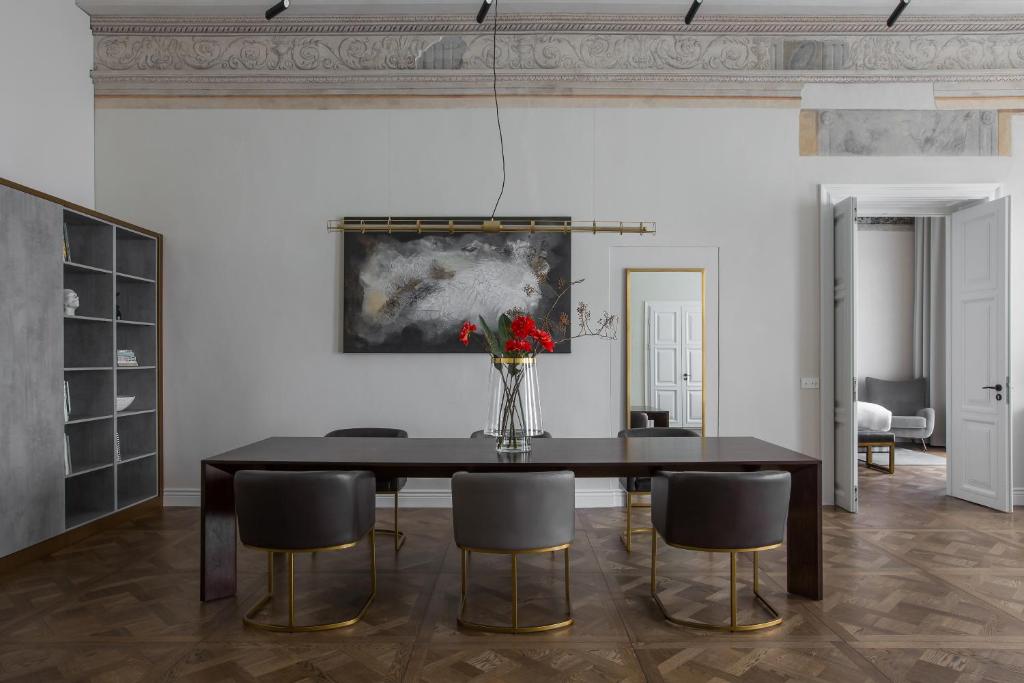
Walk through PACAI and different centuries continually reveal themselves. Fragments of original frescoes emerge from walls. Ancient bricks remain exposed. Weathered plaster sits beside polished stone. Old wooden joists and barn timber meet marble, metal, leather, and sharply detailed contemporary furniture. It creates what architects like to call a palimpsest: something repeatedly written, erased, and written over again, while traces of earlier stories remain visible underneath. Here, those imperfections are often deliberately illuminated. The contemporary interventions remain comparatively quiet, allowing the palace itself to carry the drama. Deep greys, muted natural shades, slender furniture, and carefully controlled lighting provide a sophisticated counterpoint without attempting to imitate the past.
104 Rooms, No Historical Theme Park
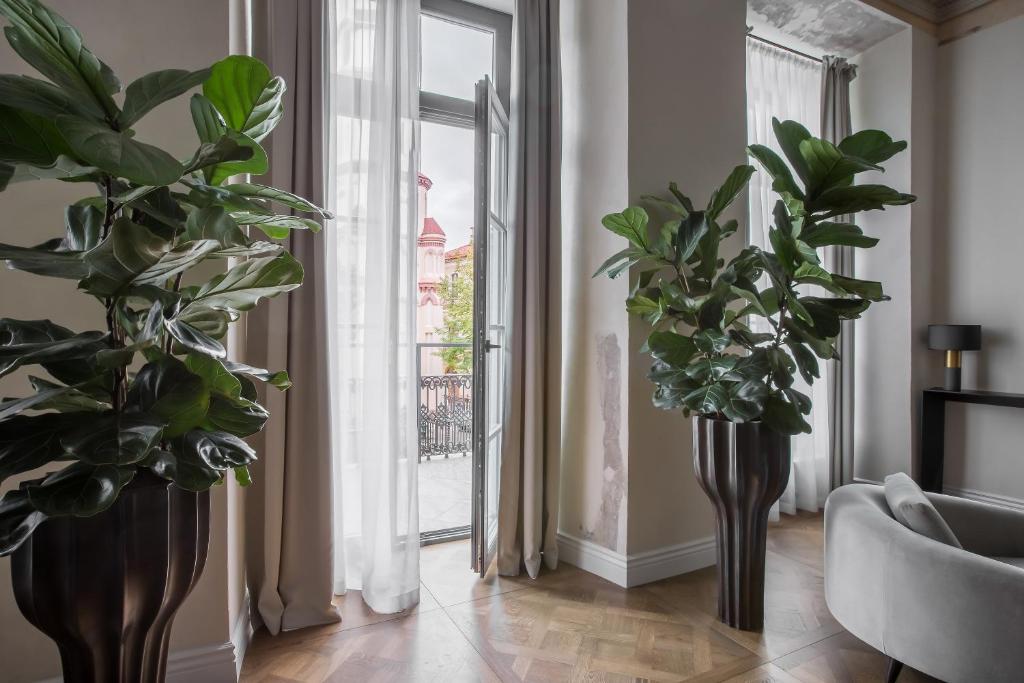
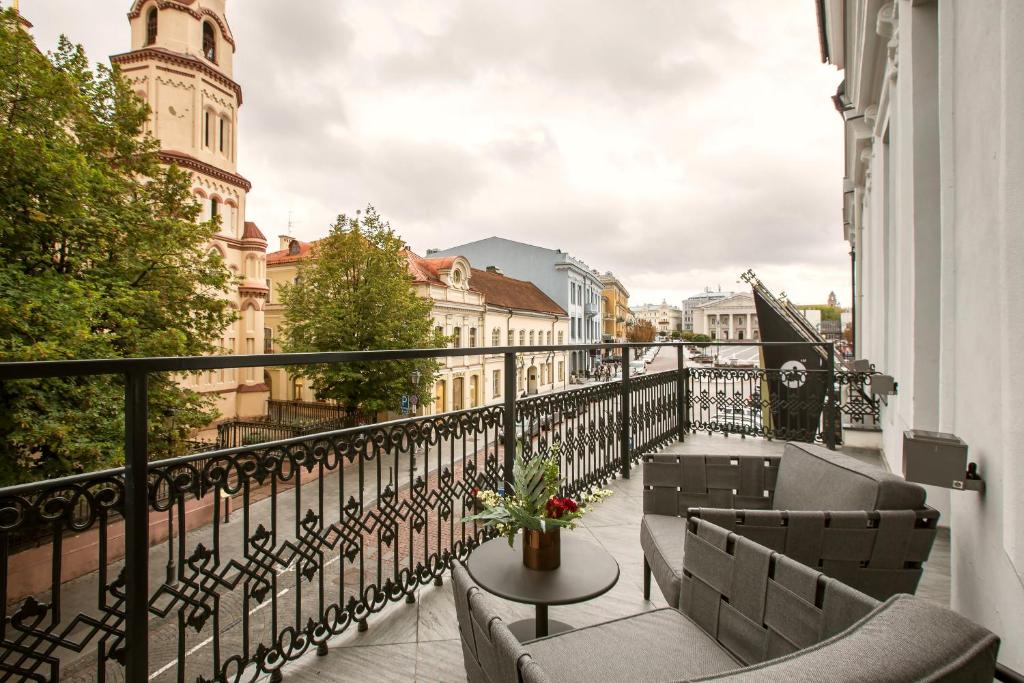
That restraint continues through the 104 rooms and suites. The architecture determines much of their individual character. High ceilings, enormous windows, surviving murals, old structural elements, and unusual proportions mean the building never disappears behind the hotel fit-out. Interiors introduce a more contemporary calm through earthy colours, natural textures, clean lines, and locally curated artwork. Historic details are allowed to appear almost unexpectedly rather than being turned into theatrical centrepieces. The PACAI Suite takes things further with generous proportions and views across the rooftops of the Old Town, but even here the luxury remains grounded in the building rather than applied on top of it.
The Courtyard
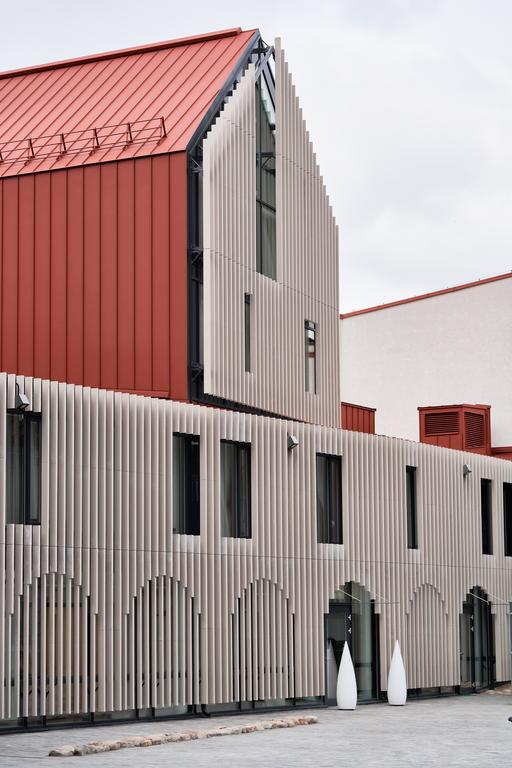
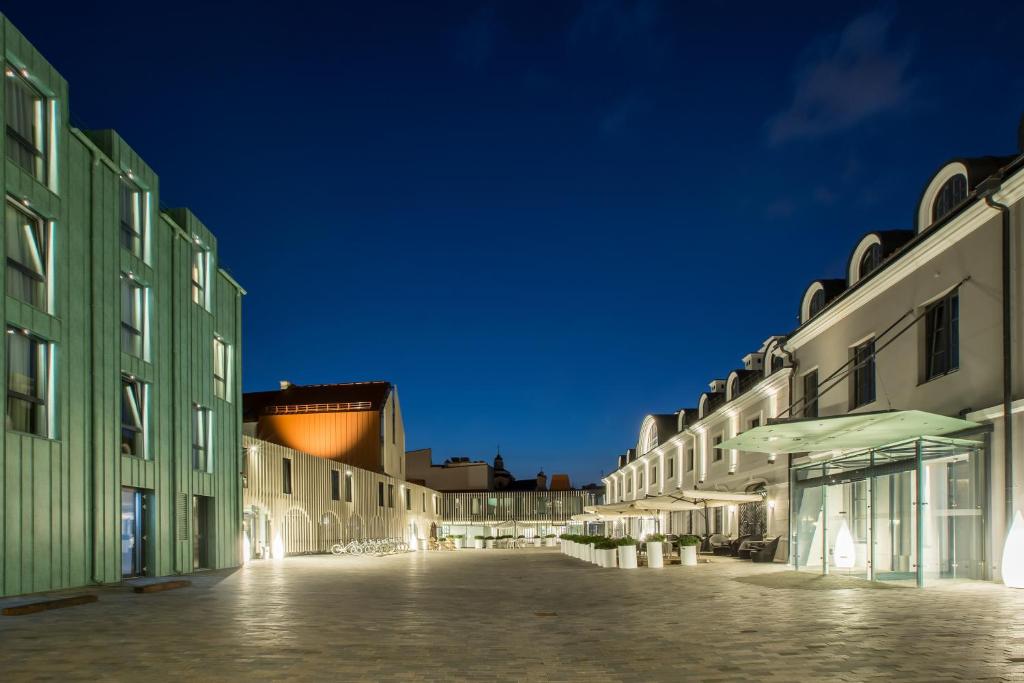
At the centre of everything is PACAI’s magnificent 500-square-metre courtyard. Surrounded by the Baroque façades of the former palace, it gives the hotel a sense of scale that is difficult to appreciate from the narrow streets outside. Historically an essential part of the residence, today it works as PACAI’s social heart—a place for breakfast, drinks, events, or simply sitting outside beneath the old walls. It also encapsulates what the restoration does particularly well. Nothing about the courtyard needs to shout “historic.” The architecture has been here for centuries. Contemporary furniture, landscaping, lighting, and hospitality simply give people a reason to inhabit it again.
A Taste of the Baltic
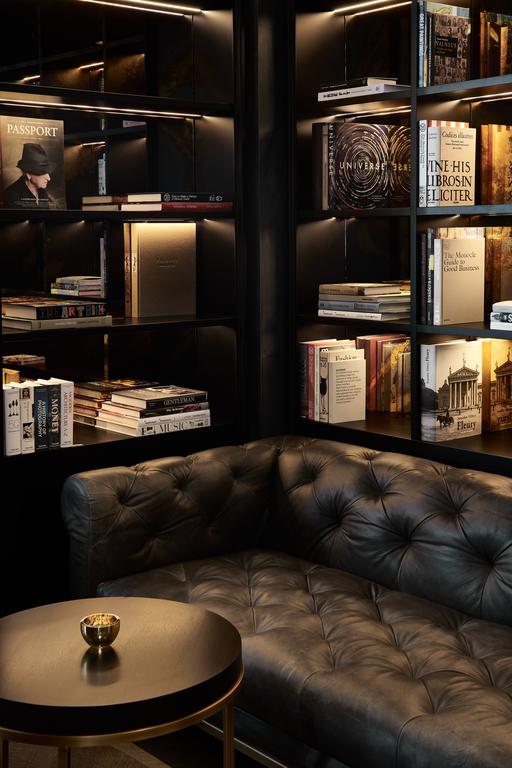
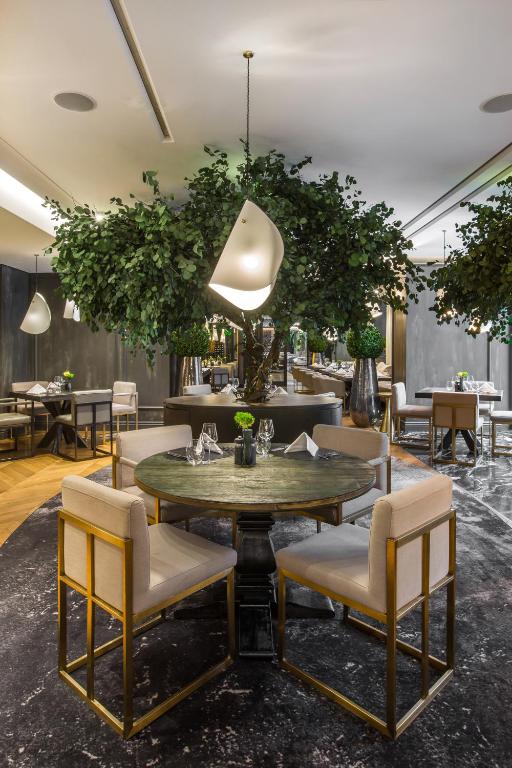
The same philosophy extends to food. Rather than treating Lithuania as something to reference decoratively, the hotel’s culinary identity draws on local and Baltic ingredients while allowing influences from farther afield into the kitchen. That approach feels right for Vilnius itself—a city whose identity has always been shaped by different cultures, periods, and influences rather than a single neat historical narrative. The bar offers a more atmospheric setting, where cocktails, dark tones, and fragments of the palace’s past make staying in considerably more tempting than a hotel bar has any right to be.
Calm Beneath the Palace
Spa PACAI provides the quietest counterpoint to the grandeur upstairs. Treatment rooms, a sauna, and hammam are wrapped in restrained materials and subdued lighting, with massages, facials, and body rituals creating a small sanctuary within the historic building. It isn’t an enormous resort spa, nor should it be. PACAI’s real wellness feature might simply be the building itself: thick walls, enclosed courtyards, muted interiors, and the peculiar calm that comes from retreating behind the façade of an old European palace.
Why It Works
Hotel PACAI demonstrates how powerful adaptive reuse can be when designers resist the temptation to make history look new. Saulius Mikštas and YES.design.architecture have allowed centuries-old frescoes, bricks, timber, plaster, and architectural scars to coexist with contemporary Lithuanian design rather than compete with it. The result feels neither like a museum nor like a modern hotel awkwardly inserted into an old shell. In the middle of Vilnius’ extraordinary Old Town, PACAI lets the building tell its own story—and gives you the rare privilege of sleeping inside it.