Palazzo Margherita – Bernalda, Italy
Francis Ford Coppola’s nine-room family palazzo, where Jacques Grange, cinema and the slow rhythms of southern Italy come together.
Why DNA Hotels Loves It
● A deeply personal project by Francis Ford Coppola, created in Bernalda, the Basilicatan hometown of his grandfather Agostino Coppola.
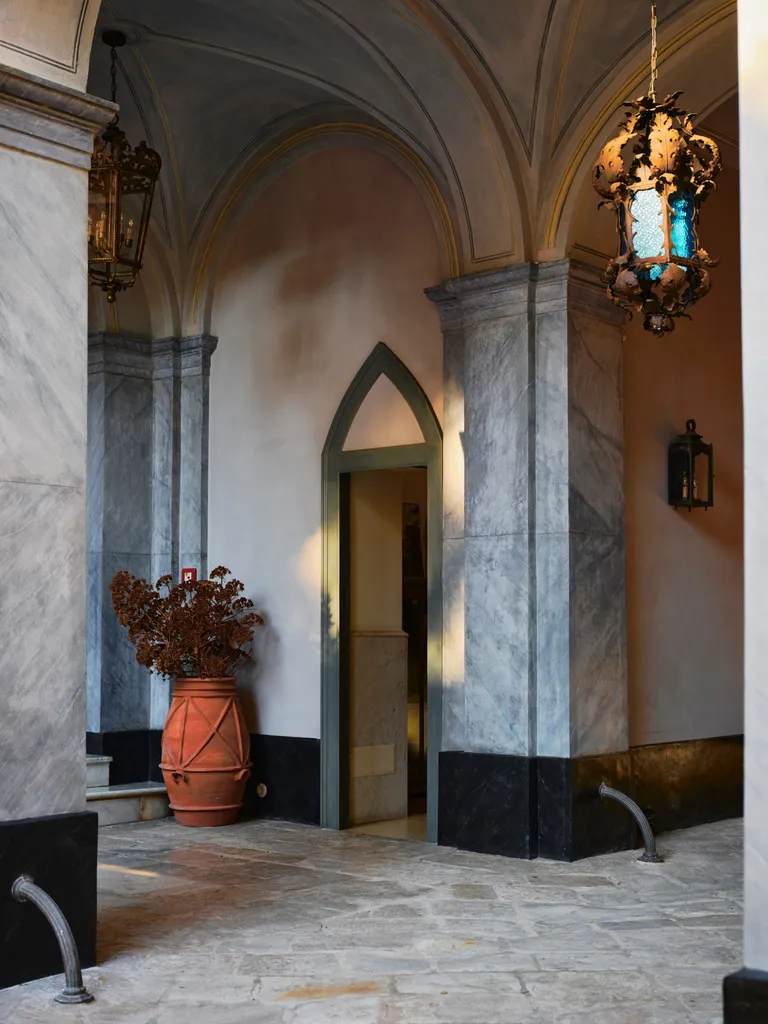
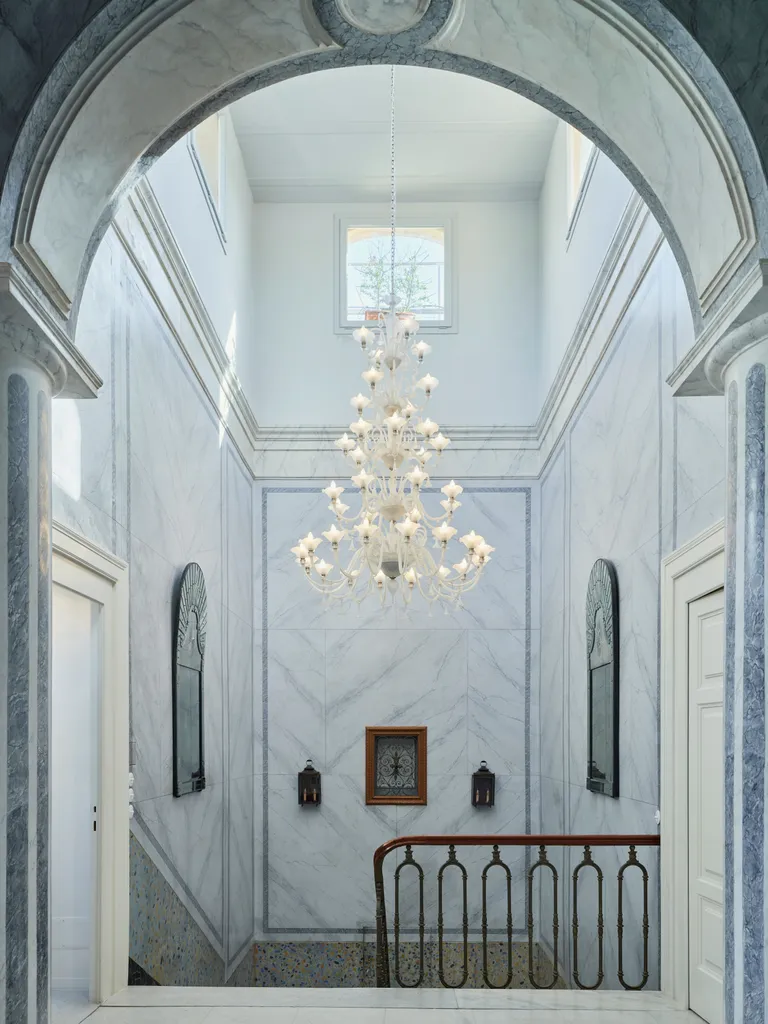
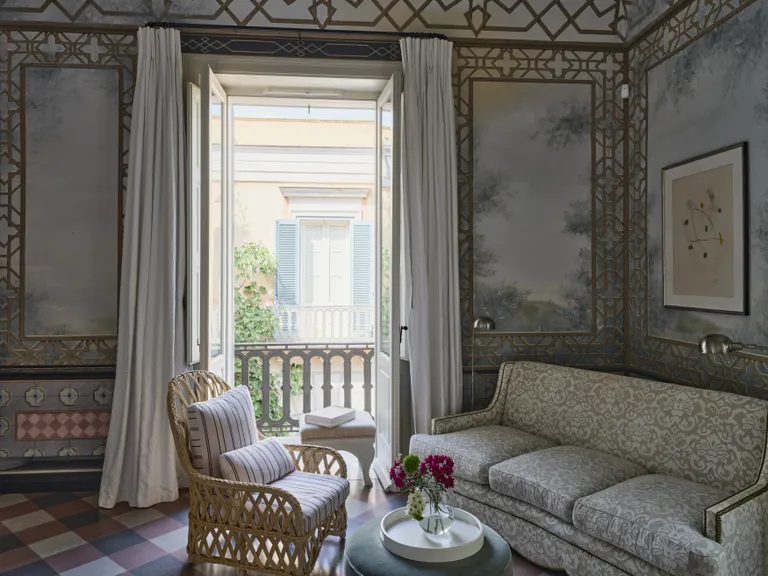
● French designer Jacques Grange restored the 1892 palazzo with the Coppola family, preserving frescoes, marble floors and historic character while giving every suite its own identity.
● With only nine rooms, a remarkable historic garden, home-style Lucanian cooking and Coppola’s collection of classic films, it feels much more like being invited into an extraordinary family home than checking into a hotel.
Francis Ford Coppola Comes Home
Palazzo Margherita may belong to one of cinema’s most famous families, but its story begins not in Hollywood, but in a small town in Basilicata. Bernalda was the birthplace of Francis Ford Coppola’s grandfather, Agostino Coppola, who remembered it affectionately as Bernalda bella. Francis rediscovered those family roots and, in 2004, bought an elegant palazzo built by the Margherita family in 1892. His ambition was intensely personal. He wanted to introduce travellers to a part of southern Italy that remained largely overlooked, but also to create somewhere his own children and grandchildren would genuinely want to return to. That distinction explains almost everything about Palazzo Margherita.
Jacques Grange Meets the Coppolas
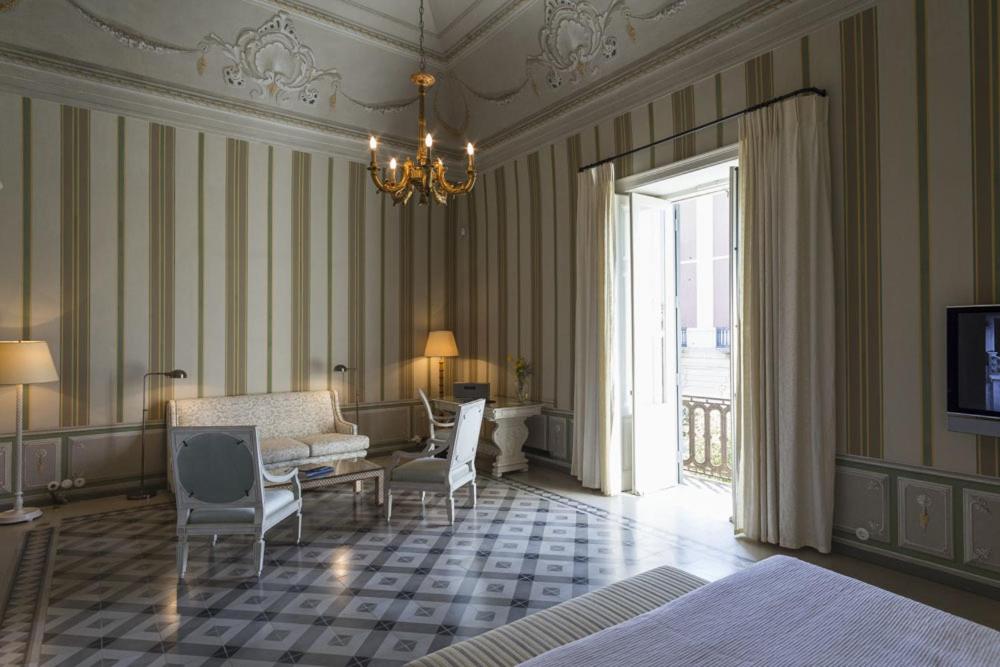
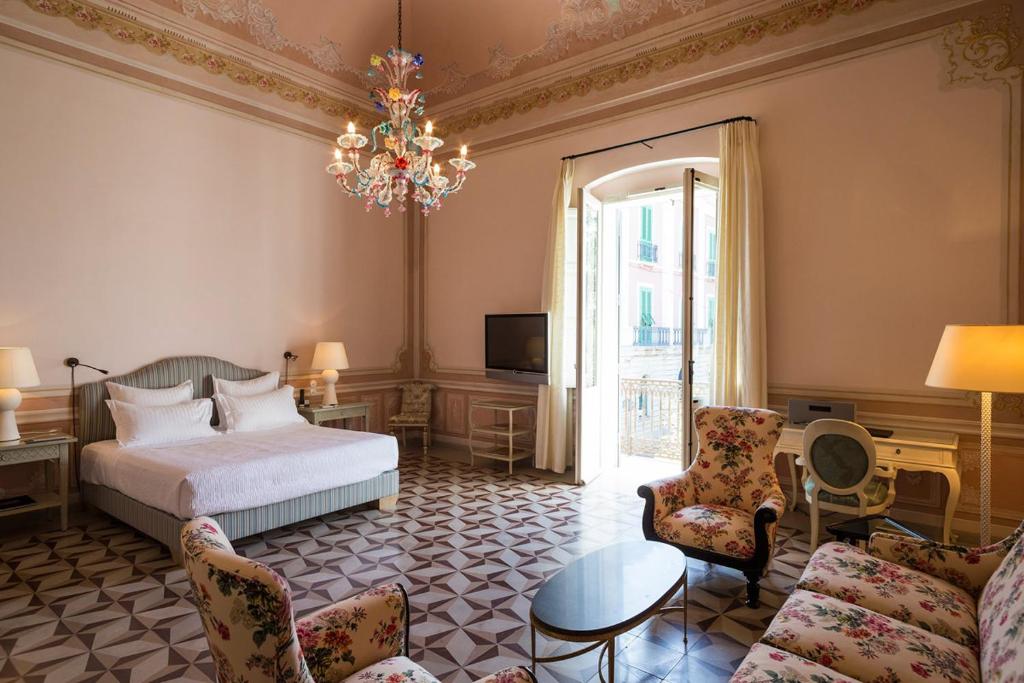
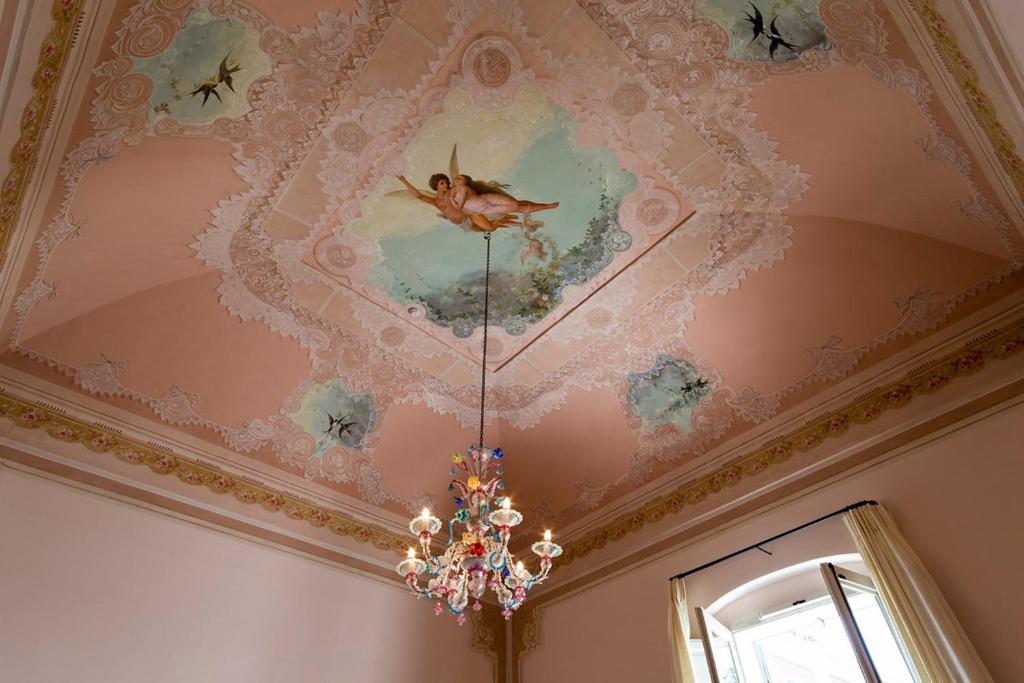
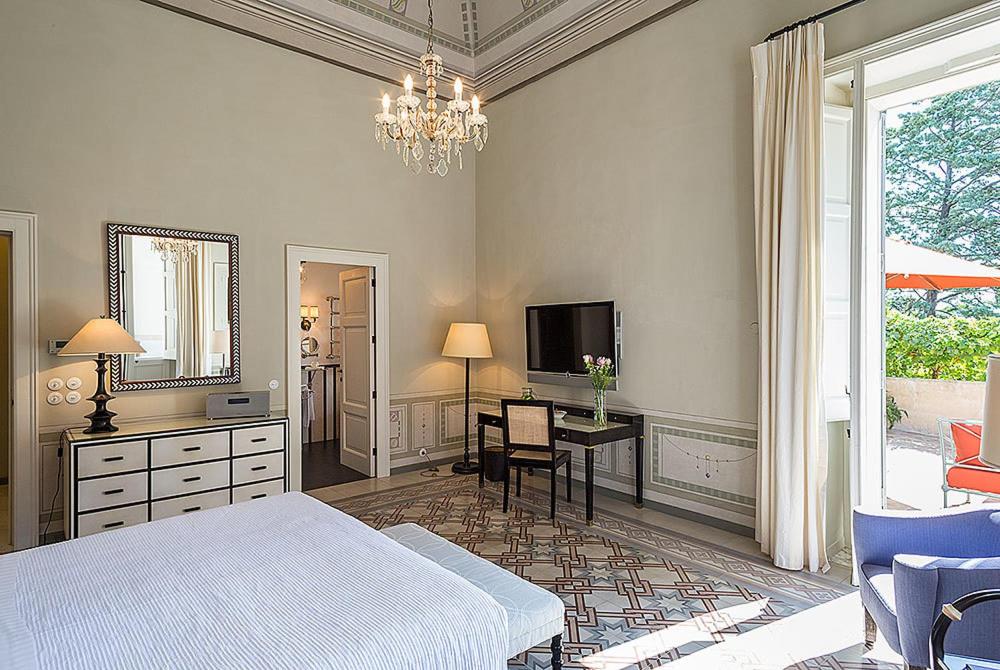
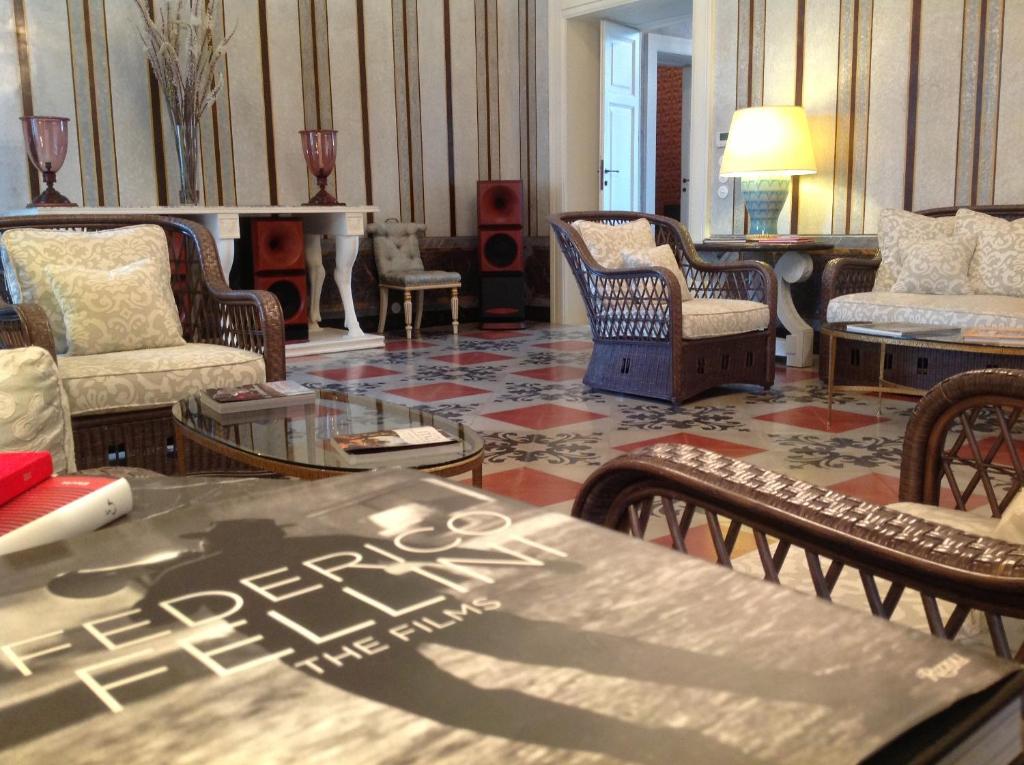
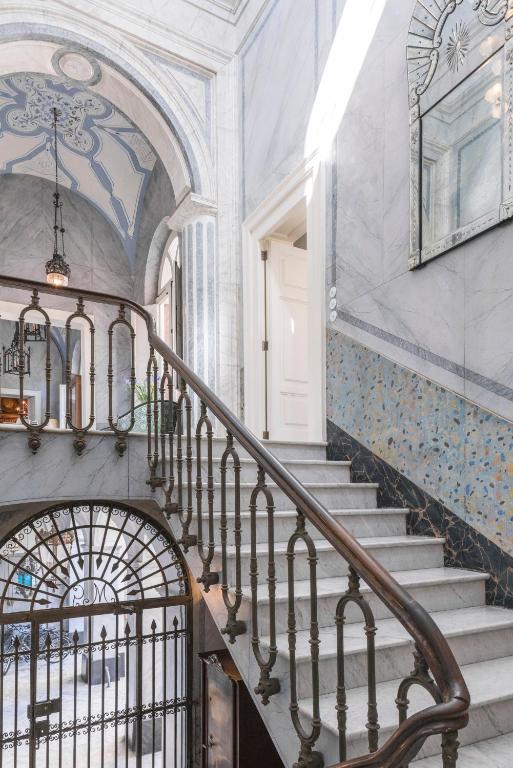
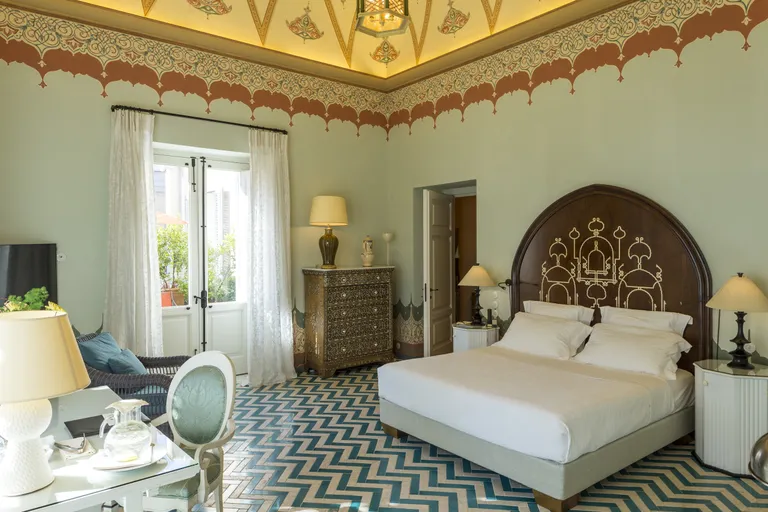
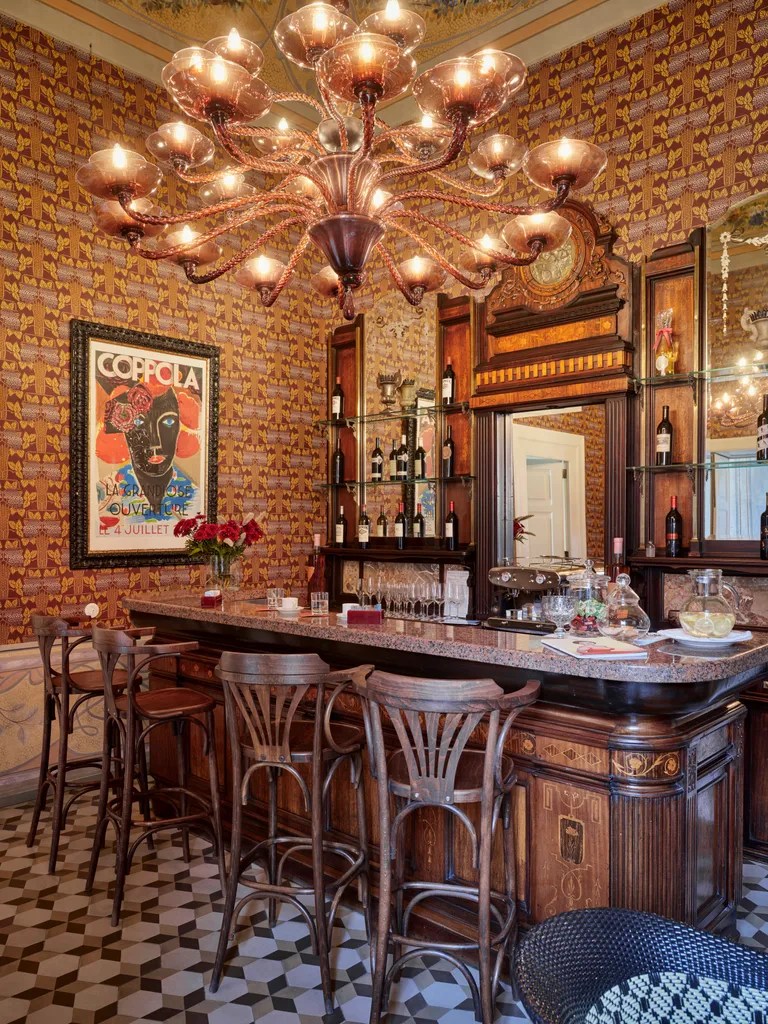
Coppola turned to celebrated French designer Jacques Grange, but this wasn’t a designer being handed an empty historic building and a conventional hotel brief. The Coppola family became part of the process. Original marble floors were restored, as were the hand-painted fresco ceilings and historic architectural details. Grange introduced richly patterned tiles, rattan, Murano glass, antiques and custom furniture, allowing the interiors to remain grand without becoming formal. His North African influences have a family connection too, honouring Coppola’s Tunisian-born grandmother. The result is wonderfully difficult to categorise: Italian aristocratic palazzo, Mediterranean country house, Art Deco salon and family home all overlap. It shouldn’t necessarily work. It does.
Nine Rooms, One Family Story
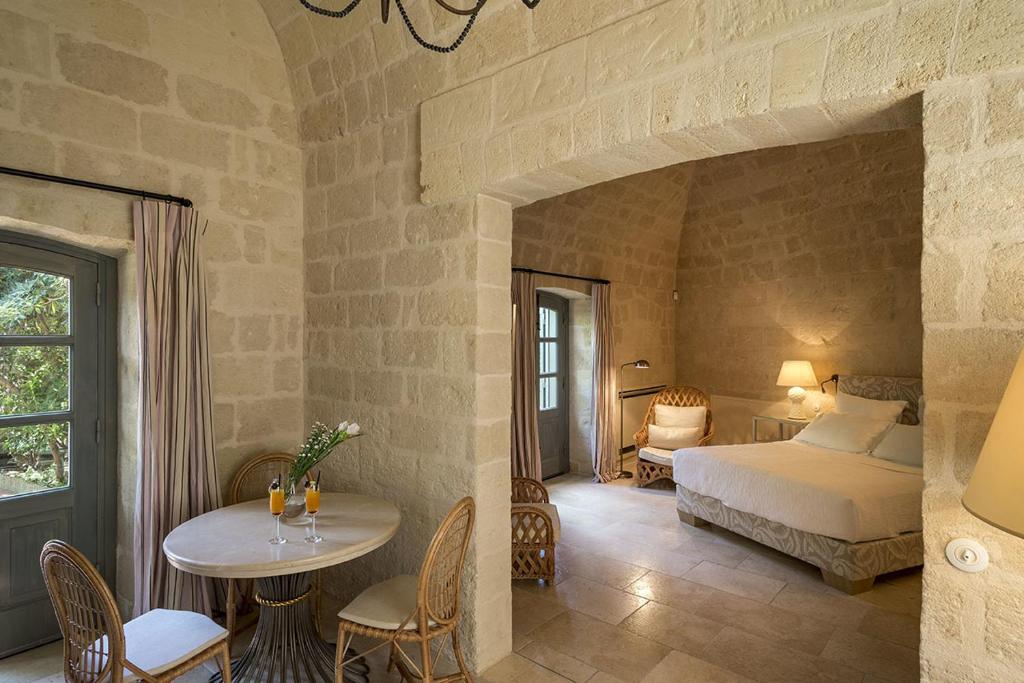
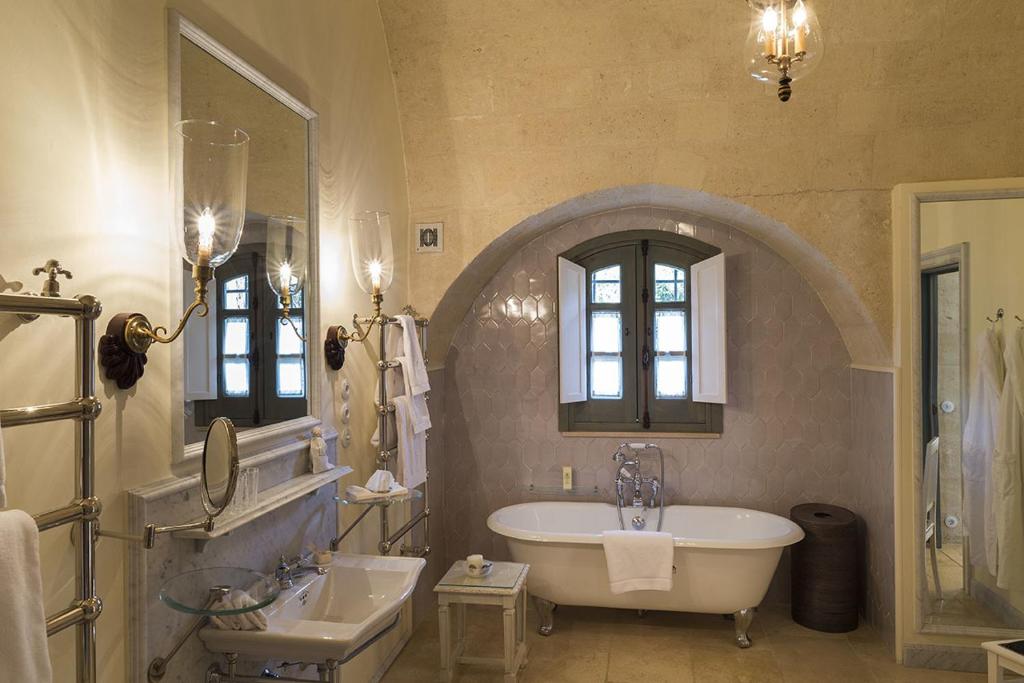
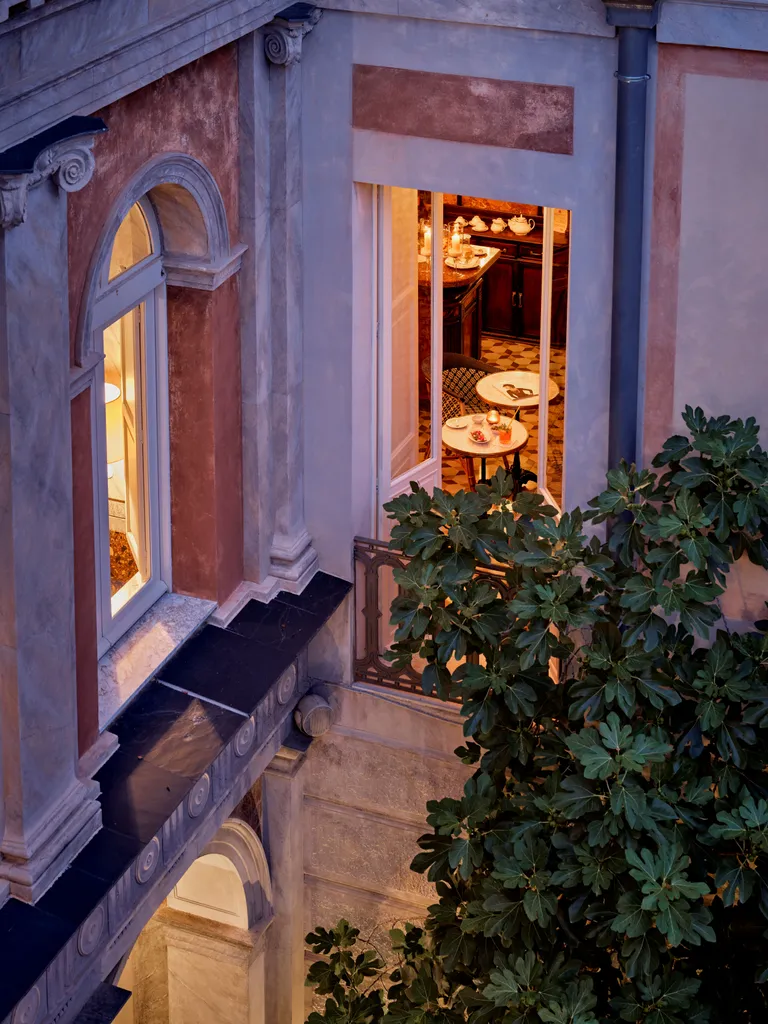
There are just seven suites and two rooms, and individuality is fundamental to their character. The largest, the Francis Suite, combines a fireplace and claw-foot bathtub with bold North African references. The leafy Sofia Suite reflects Sofia Coppola’s sensibility, while Roman Coppola contributed to the Roman Suite. The Rococo-inflected Gia Suite was created for Coppola’s first granddaughter. Upstairs rooms look towards Bernalda’s main street or into the palazzo’s courtyard; the former stables contain garden accommodation with vaulted ceilings and rustic tufo stone. These aren’t nine variations on a hotel-room template. They feel like nine chapters of the same family house.
The Secret Garden
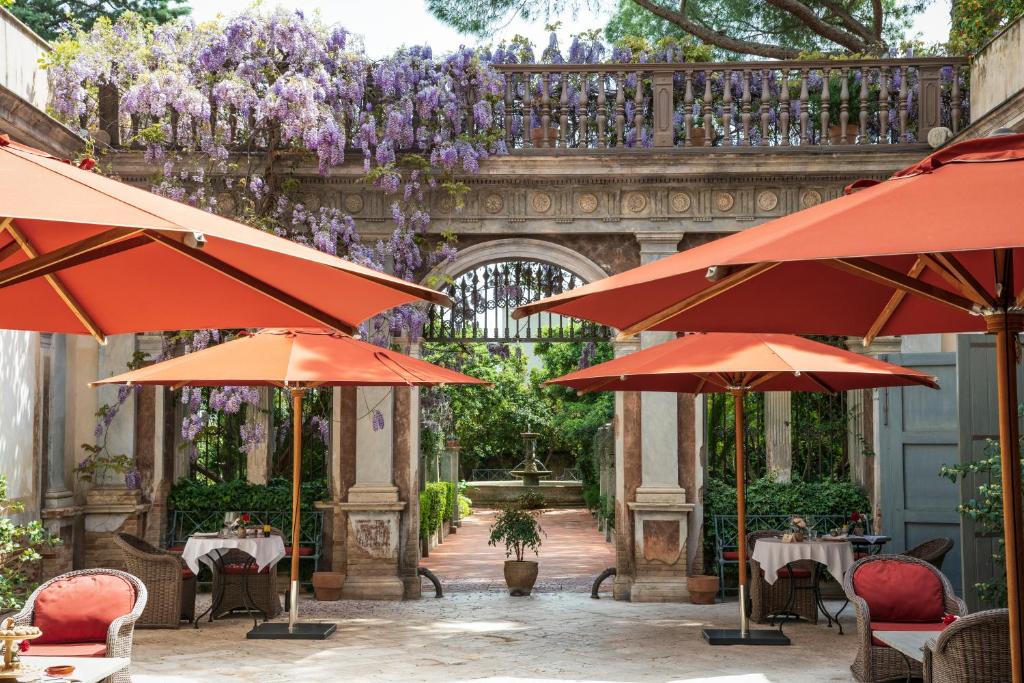
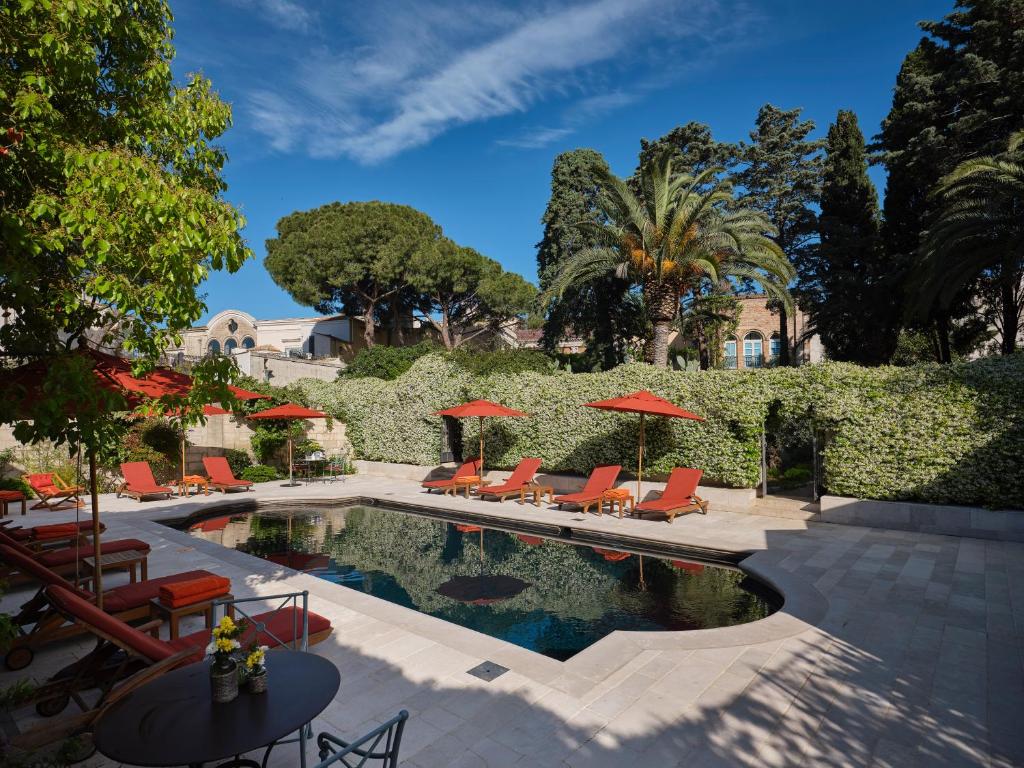
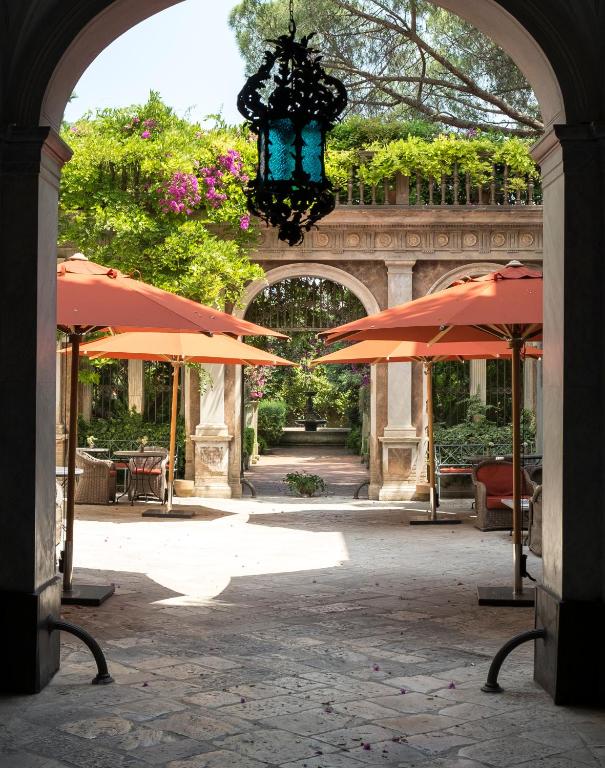
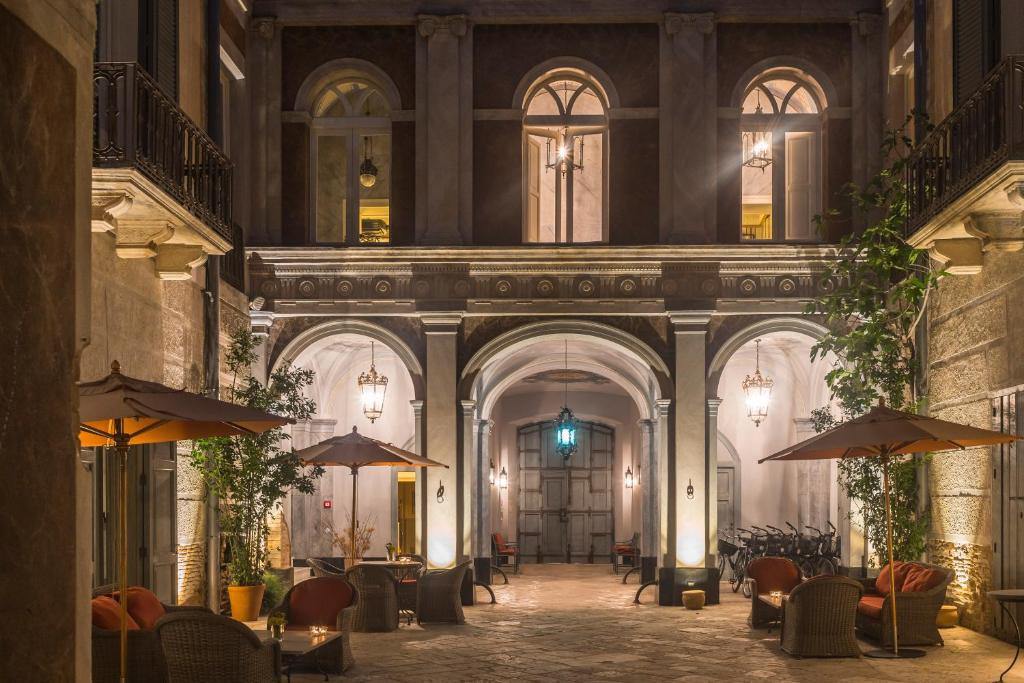
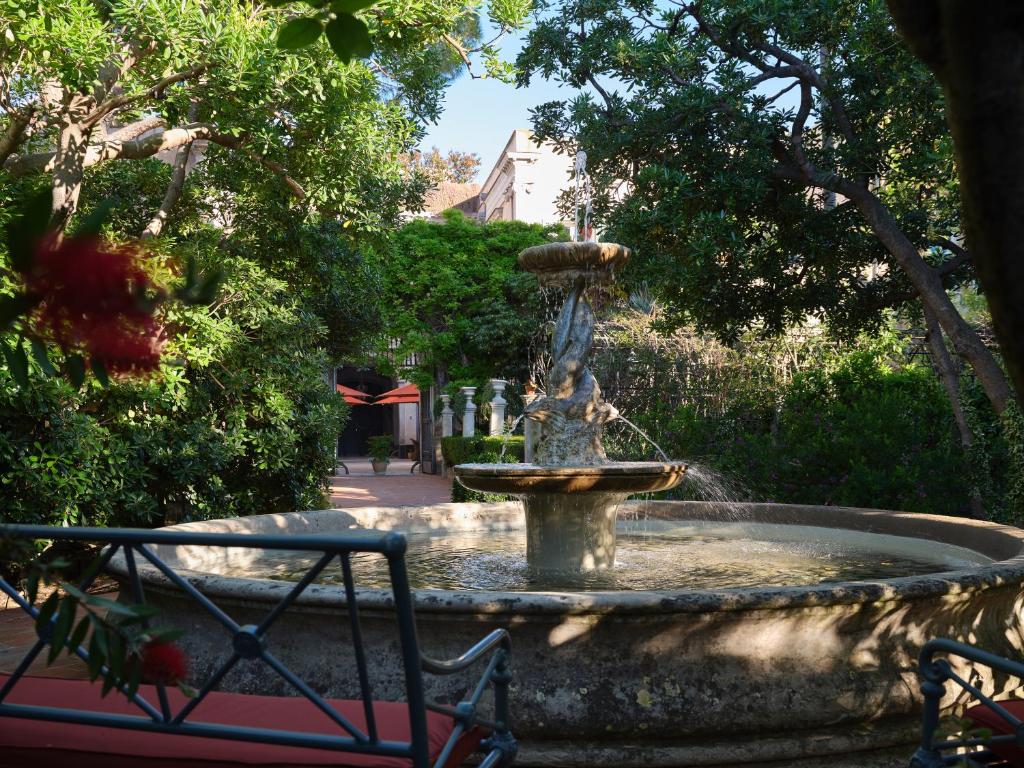
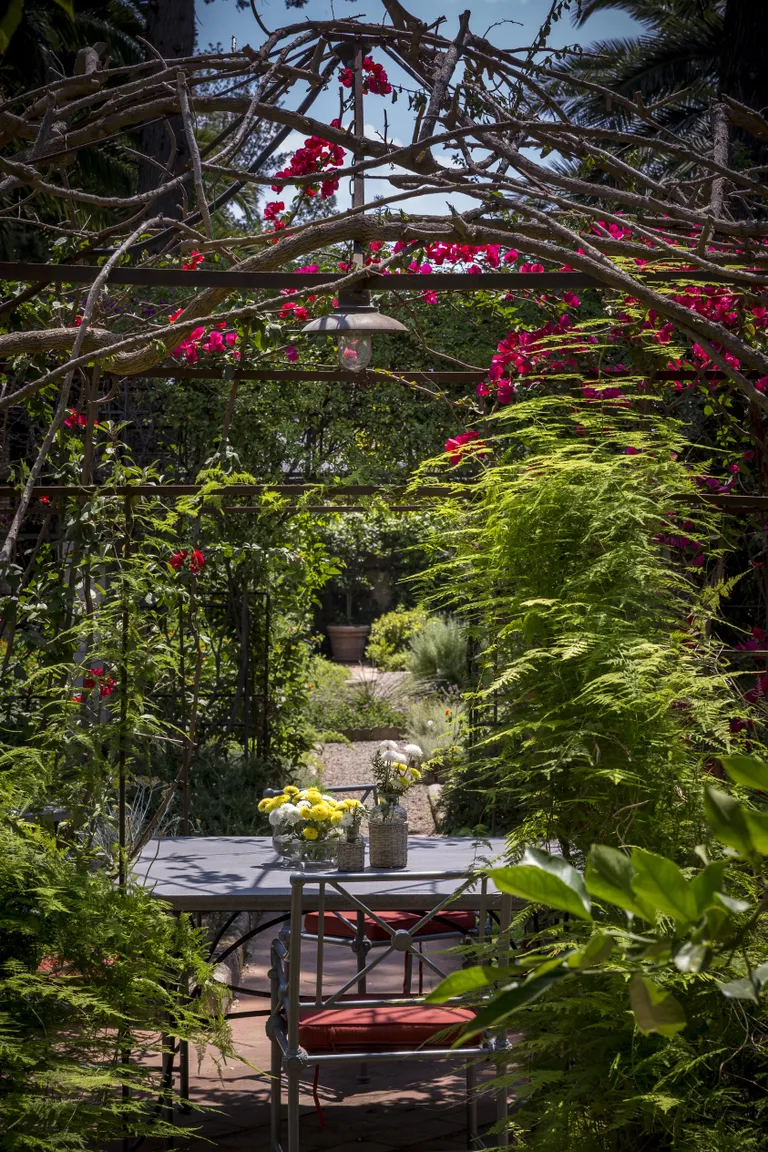
Behind the palazzo lies one of its greatest surprises. Its large walled garden is among the property’s most carefully preserved features, unfolding around a Baroque fountain through pathways, natural arbours, citrus trees, jasmine, bougainvillea, wisteria and palms. Herbs, fruit and vegetables grow for the kitchen. At the far end, a dark-tiled swimming pool disappears into the greenery. Elsewhere there are secluded places to read, eat or simply do very little. And then there’s the courtyard. Framed by the old palazzo and trailing vegetation, it has an almost theatrical quality — appropriately enough. Once a week it becomes the setting for a long communal grigliata, turning dinner into the kind of extended family gathering the house seems designed for. It was also here that Sofia Coppola and Thomas Mars celebrated their wedding in 2011, shortly before Palazzo Margherita opened to guests in 2012.
Cinema in the Salon
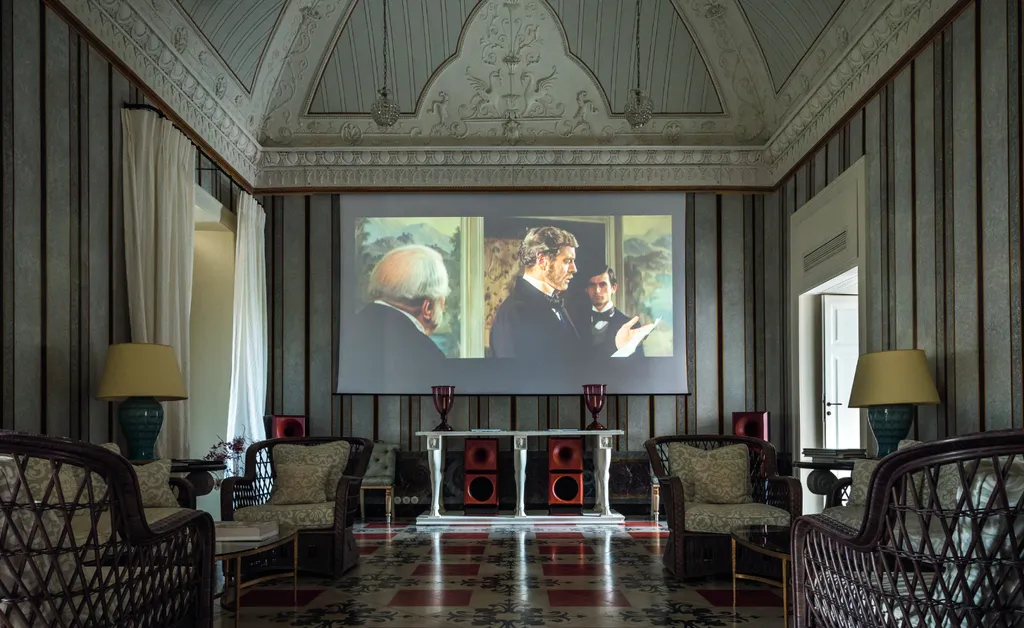
It would be strange if Francis Ford Coppola created a hotel without film finding its way into the experience. But even here, it feels personal rather than themed. The upstairs salon contains a library of classic and art-house films selected by Coppola, which can be screened in the evening. You might find The Godfather playing as naturally as another Italian house might have music drifting through an open window. There are no movie posters covering the walls and no attempt to turn Palazzo Margherita into Coppola-land. Cinema simply belongs to the house.
The Kitchen Is the Heart
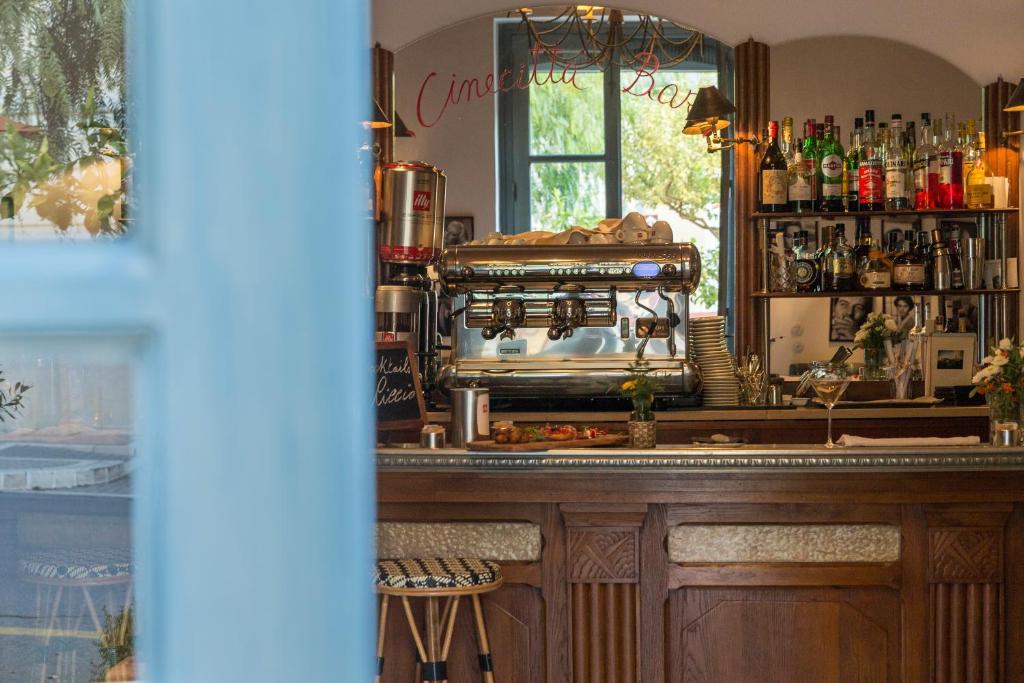
Food follows much the same philosophy. The open kitchen and communal dining space deliberately evoke domestic life rather than formal hotel dining. Breakfast brings local cheeses, meats and homemade cakes; later in the day, menus move through rustic Lucanian dishes shaped by what’s seasonal and available. Guests can learn to make traditional pasta using semolina from grains grown around Pollino National Park, or eat wherever feels right — around the shared table, beneath the courtyard arches or somewhere secluded in the garden. The Cinecittà Bar brings a little more public life into the palazzo with cocktails and wood-fired pizza, while the wine list naturally finds room for bottles from Coppola’s Californian vineyards.
Bernalda Bella
Perhaps Palazzo Margherita’s greatest achievement is that Coppola’s celebrity hasn’t overwhelmed Bernalda. Step outside and you’re in an unhurried southern Italian town rather than a manufactured resort. The Ionian coast is around twenty minutes away, while Matera and its extraordinary ancient cave dwellings can be reached in roughly 45 minutes. Basilicata still feels markedly different from neighbouring Puglia’s increasingly polished tourism landscape. That was precisely what Coppola wanted people to discover. Not another version of Italy created for visitors, but a place where daily life continues around them.
Why It Works
Palazzo Margherita could easily have become a celebrity vanity project. Instead, its strongest quality is intimacy. Jacques Grange’s interiors are sophisticated because they preserve imperfection and personality. The garden isn’t landscaping around a hotel; it feels inherited. The suites carry the identities of individual family members. Food happens around a kitchen table. Films are watched together in the salon. Even the grandeur of the frescoes and chandeliers gradually recedes behind the feeling of being at home. Palazzo Margherita is ultimately Francis Ford Coppola’s love letter to the place his family came from — part palazzo, part family album and part film set, but above all a wonderfully personal way into the still-unhurried soul of Basilicata.