PALM – Ahangama, Sri Lanka
Brutalist edges, coconut palms and a very different take on tropical hospitality
Why DNA Hotels Loves It
● PALM deliberately rejects the usual Sri Lankan resort language, mixing East London industrialism with tropical modernism rather than defaulting to colonial nostalgia or beach-hut clichés.
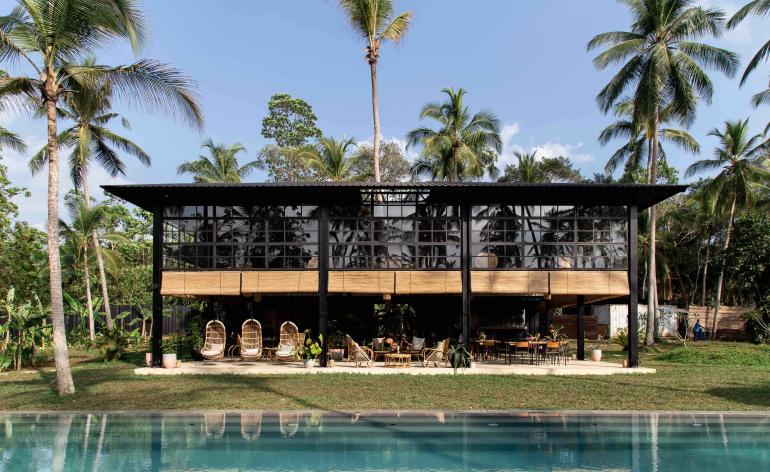
● The hotel’s central pavilion is built from repurposed shipping containers and steel, while the guest cabanas use corrugated metal, bamboo and poured concrete to create a distinctive dialogue between roughness and ease.
● Owners Miriam Haniffa and Laurie Spencer transformed a disused coconut plantation into a small lifestyle retreat where design, food, wellness and the landscape all carry equal weight.
From Shoreditch to Ahangama
PALM began with a fairly radical life change. In 2016, Miriam Haniffa and Laurie Spencer left East London with their young family and moved to Sri Lanka, drawn by the south coast’s surf culture, bohemian history and slower pace. They did not want to recreate a familiar version of tropical luxury. No colonial revival. No driftwood styling. No soft-focus beach cliché. Instead, they brought with them something of Shoreditch’s industrial language — warehouses, steel, concrete, repurposed materials — and tested whether that aesthetic could work among palms, paddy fields and tropical heat. It could.
A Shipping Container at the Centre
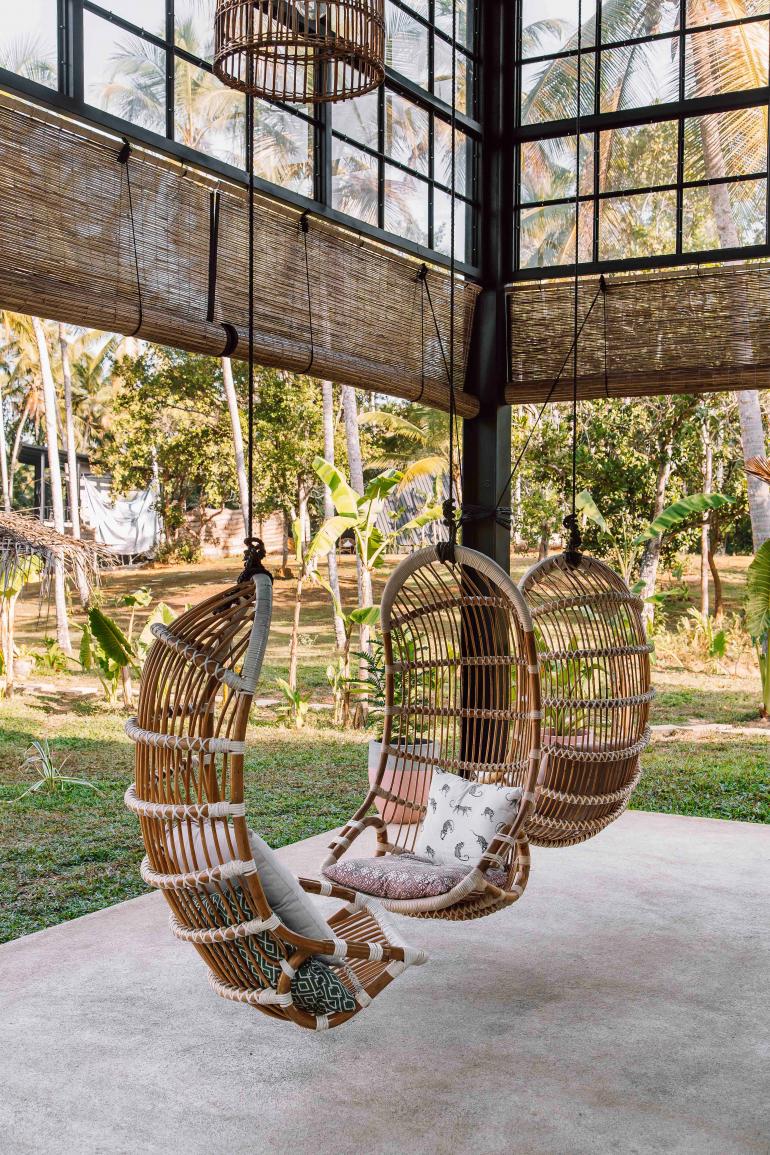
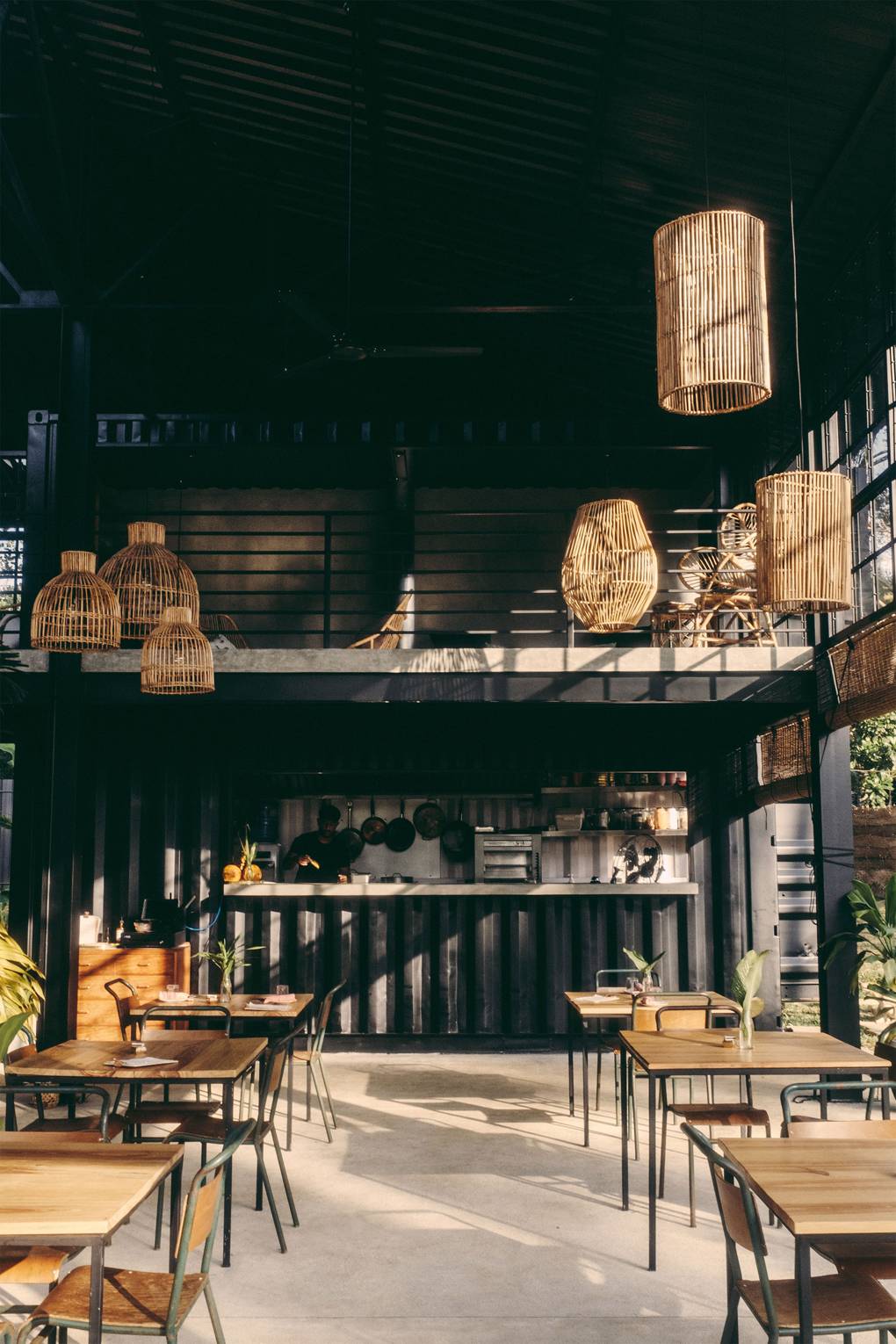
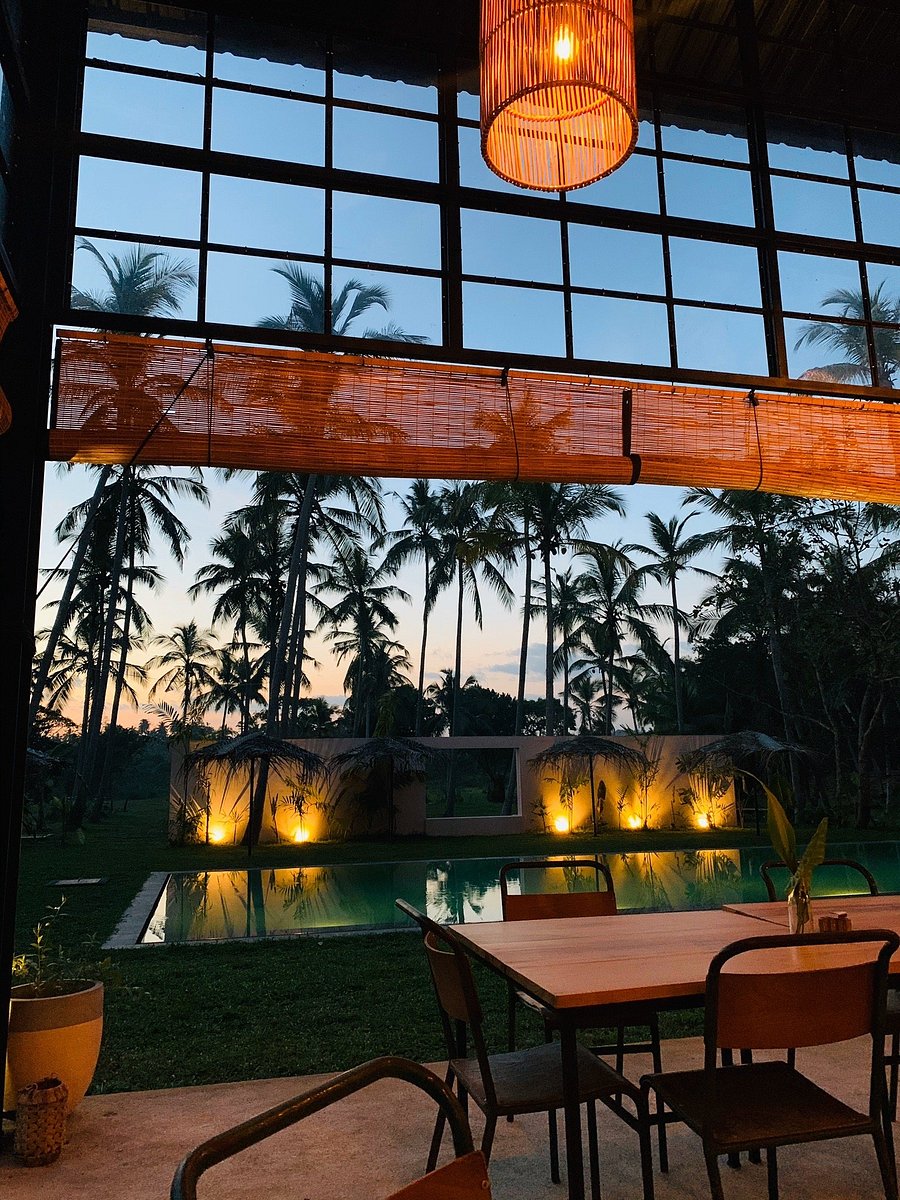
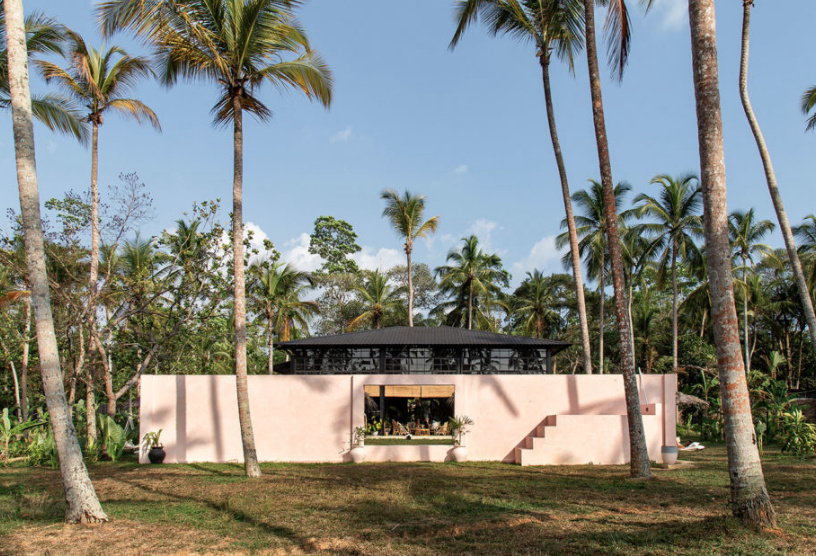
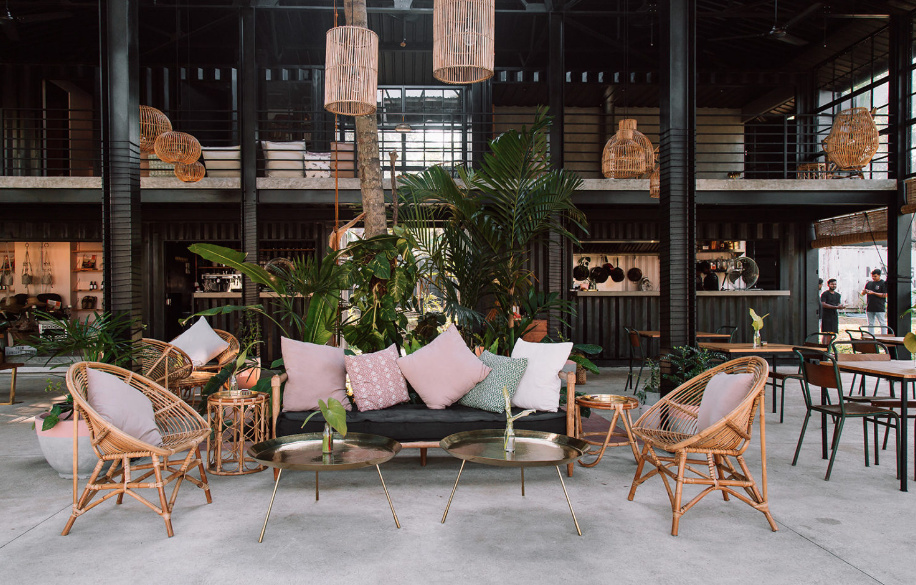
The heart of PALM is an open-sided pavilion constructed from repurposed shipping containers and steel framing. It is deliberately raw. Charcoal surfaces. Large industrial windows. Polished concrete. Ceiling fans. And, most memorably, a palm tree growing straight through the structure. That single gesture says a lot about the hotel. Architecture is not presented as separate from the site. Nature interrupts it. And PALM seems perfectly happy about that.
Brutalism, Softened
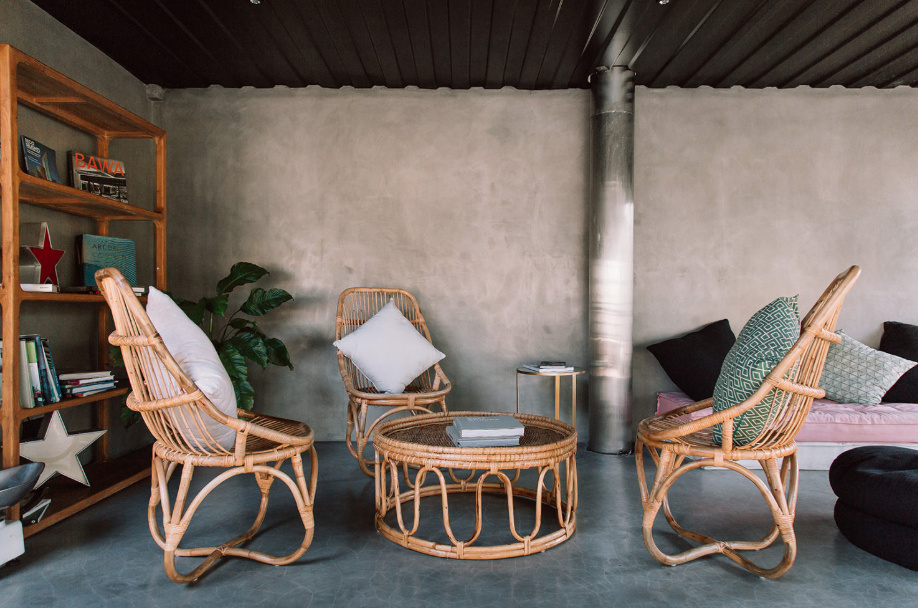
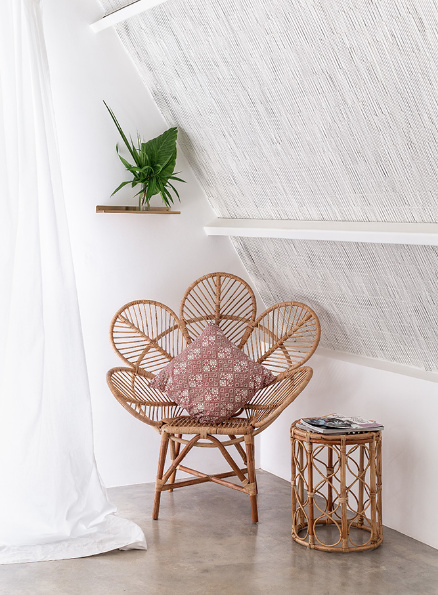
The architecture takes cues from Brutalism, but this is no severe concrete bunker in the tropics. Bamboo blinds soften the light. Rattan furniture relaxes the mood. Swing chairs introduce movement. Plants spill across hard surfaces. And chrome and polished metal bring a small dose of glamour into the otherwise restrained material palette. The result is not really brutalist in the doctrinaire sense. It is more a hybrid language. Part warehouse. Part tropical pavilion. Part bohemian clubhouse.
Six A-Frames in the Coconut Grove
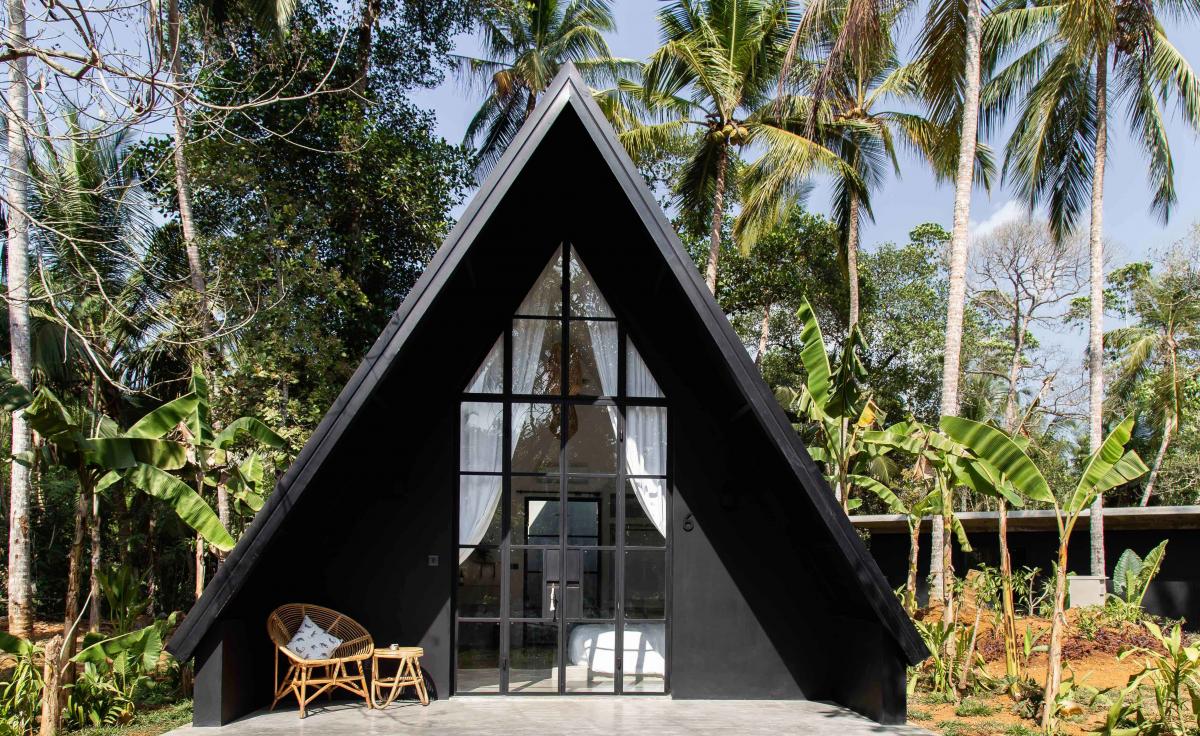
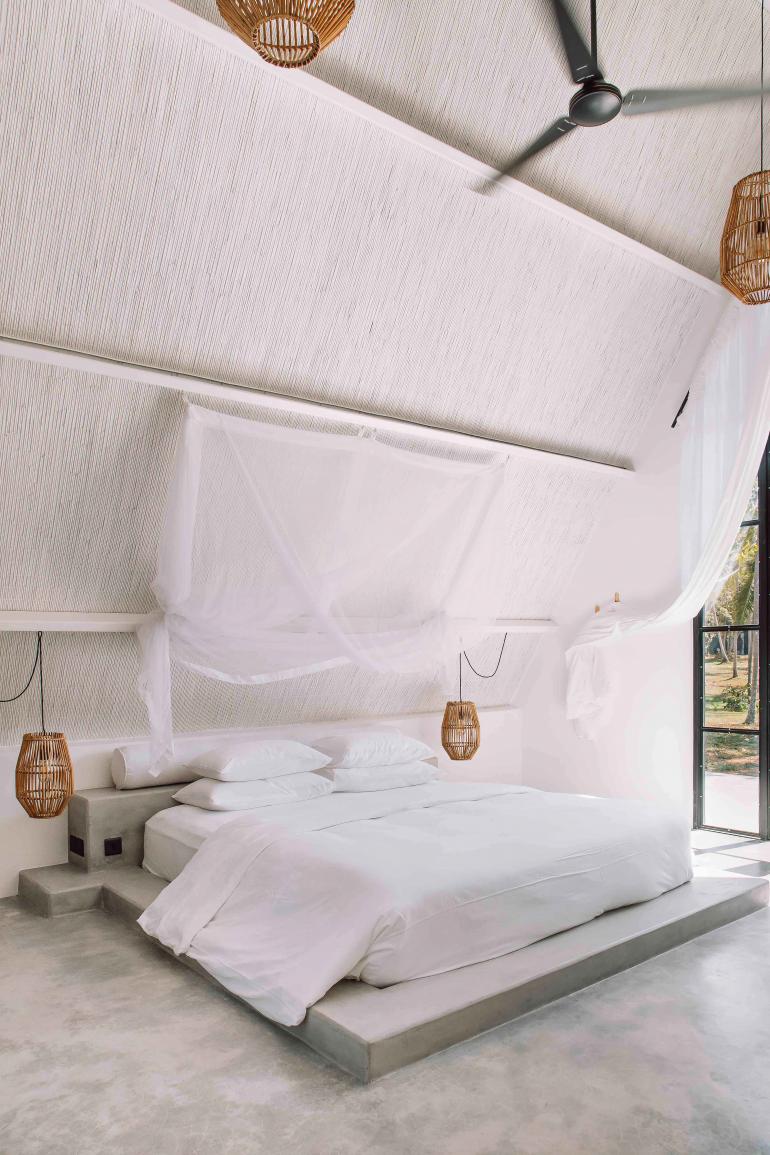
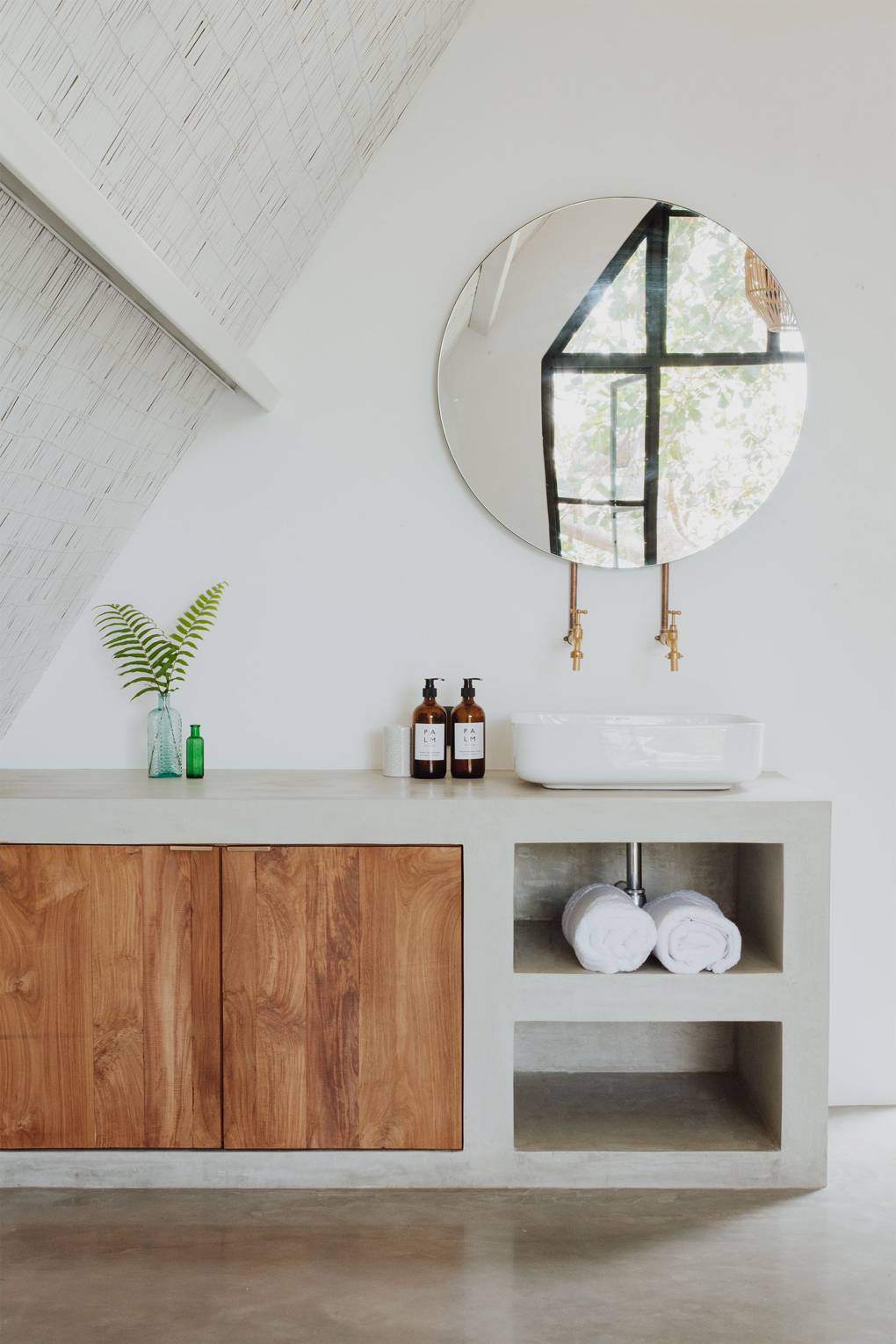
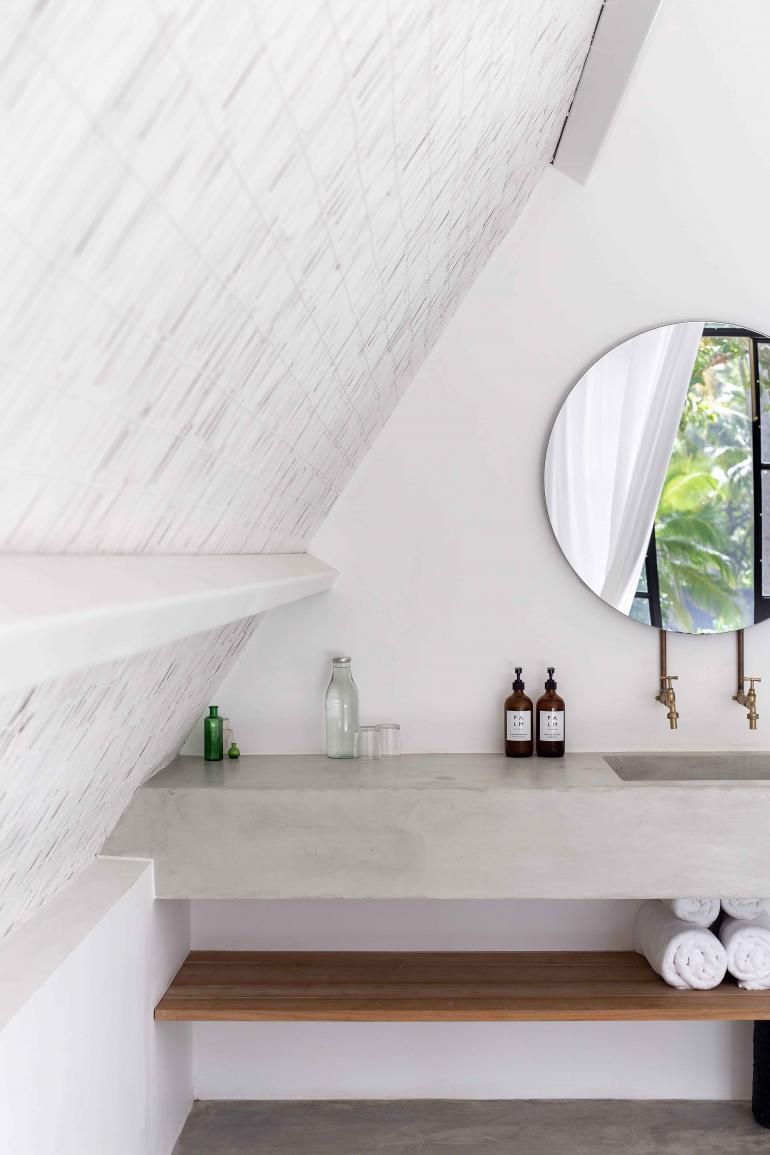
Scattered around the plantation are the hotel’s six A-frame cabanas. Their corrugated-metal exteriors echo utilitarian local building traditions while still feeling strikingly contemporary. Inside, everything becomes calmer. Whitewashed bamboo. Poured-concrete bed platforms. Handmade lanterns. Rattan furniture. Natural textures. And open-air bathrooms with rainfall showers. The architecture is spare enough to feel cool and simple, but not so minimal that it loses atmosphere.
More Space, Same Language
PALM later expanded beyond the original cabanas with larger accommodation options, including elevated suites overlooking the paddy landscape and the multi-bedroom Palm Haus. The language remains consistent. Steel. Wood. Concrete. Open views. A strong inside-outside relationship. The expanded spaces feel more residential, but never detached from the hotel’s core idea.
A Pool with a Bofill Moment
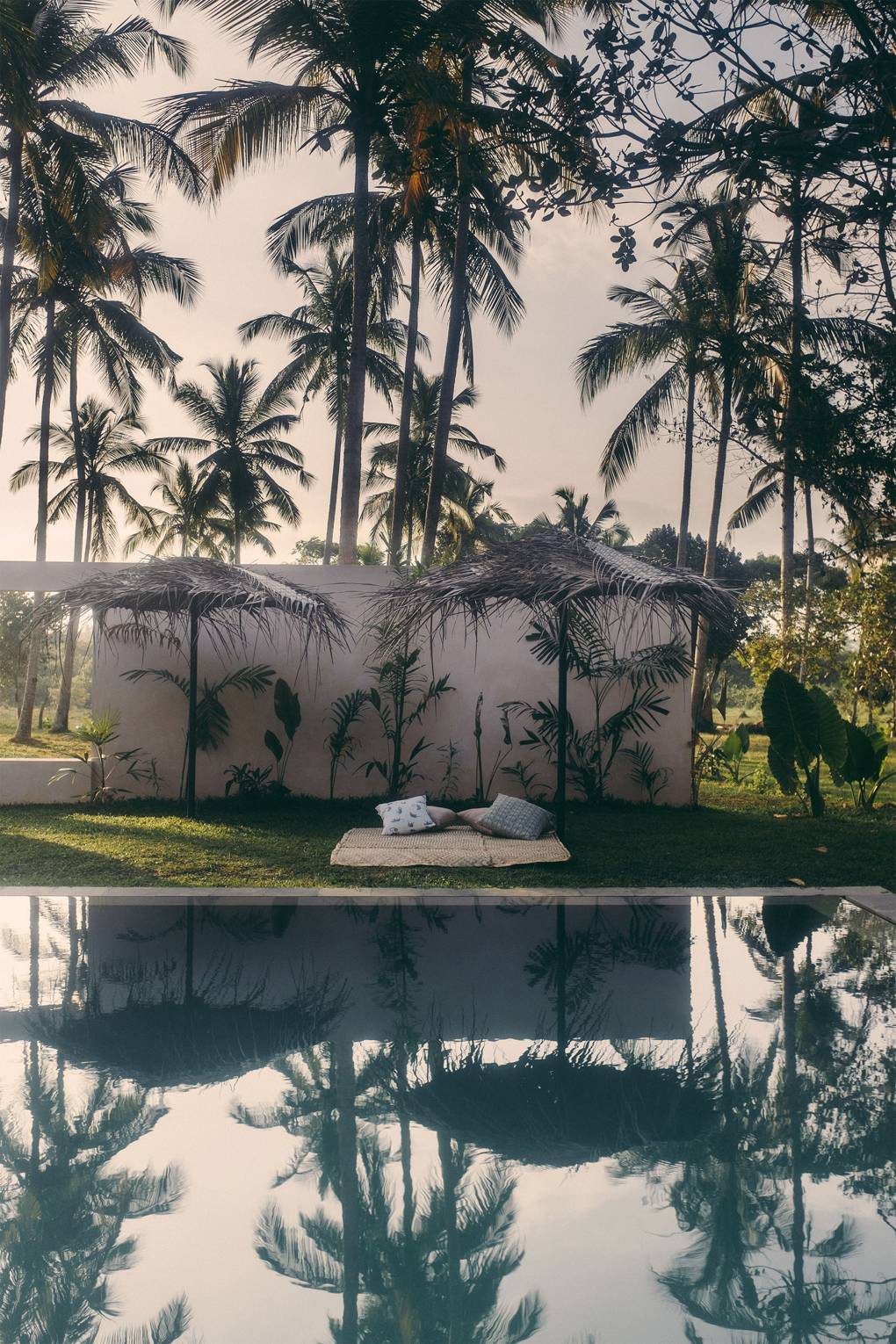
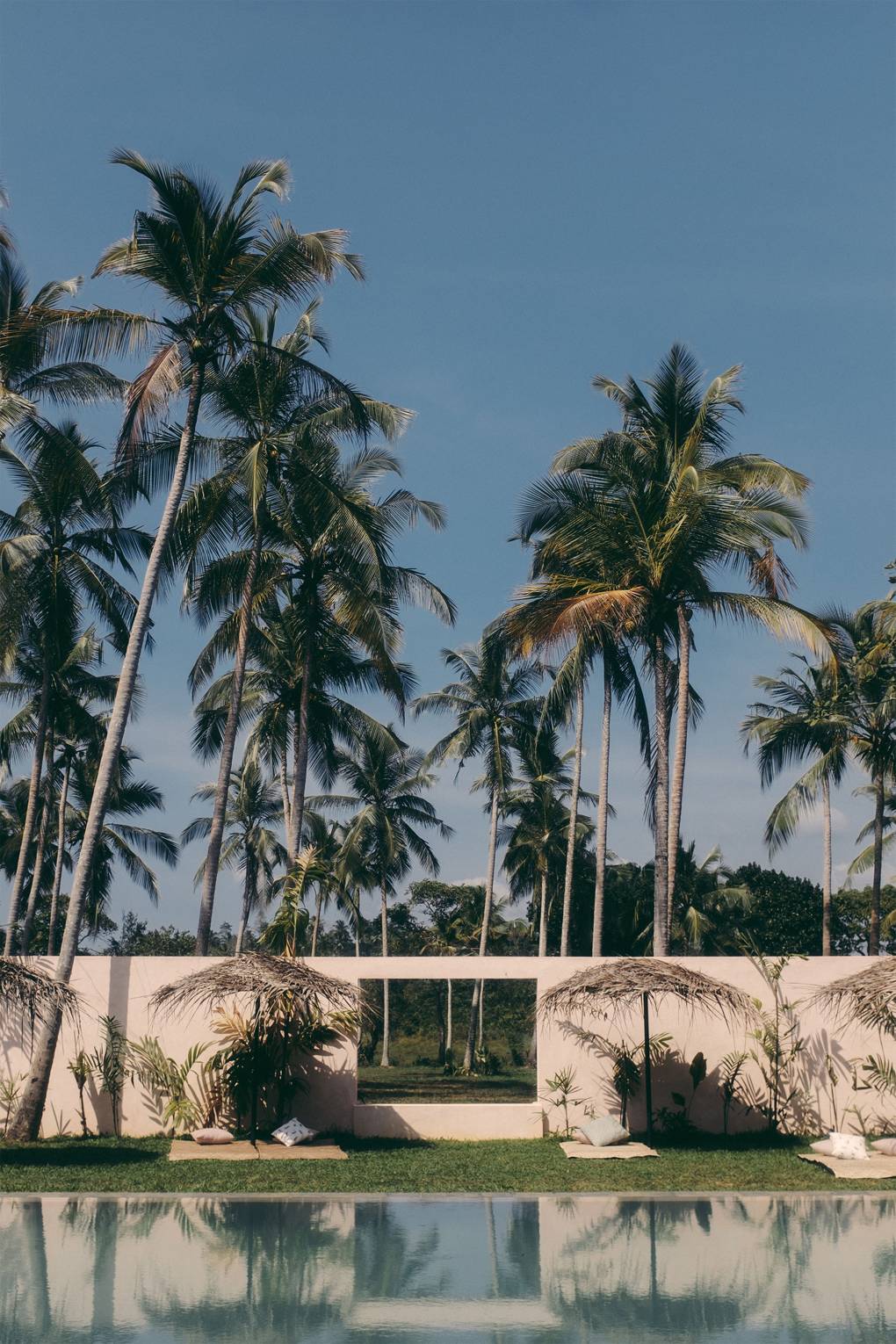
The pool is framed by one of PALM’s most playful visual moves. A pastel-pink wall references Ricardo Bofill’s La Muralla Roja, injecting an almost surreal Mediterranean colour into the deep greens of Sri Lanka. Against it: Water. Grass. Palms. Steel. And, occasionally, a petrol-blue peacock wandering into the composition. It is one of those hotel scenes that looks designed for photographs but somehow still feels lived-in.
Food Worth Leaving the Beach For
PALM sits inland from Ahangama’s beaches, so the kitchen is essential rather than incidental. That has worked in its favour. Much of the food is made in-house, and the restaurant attracts non-residents as well as hotel guests. The menu combines Sri Lankan ingredients and flavours with a looser international sensibility. Local produce. House-made drinks. Comforting dishes. Freshness without fuss. It feels aligned with the rest of the hotel: creative, casual and very unceremonious.
Wellness Without the Retreat Voice
Yoga and fitness are part of the offer, but PALM avoids turning wellbeing into the hotel’s sole identity. There are outdoor sessions. Open spaces. A pool. Nature everywhere. But the mood is more lifestyle retreat than regimented wellness escape. You can exercise. Or not. Eat well. Or order another drink. The balance is part of the appeal.
The Landscape Does Its Own Theatre
One of PALM’s greatest assets is something it did not design. During the rainy season, the surrounding paddy fields can transform into a shallow lake. Water buffaloes appear. Cranes arrive. Light changes across the water. The scene becomes almost cinematic. This is where PALM’s rough architectural language works particularly well. It does not try to compete with the setting. The steel and concrete simply make the softness of the landscape feel even more pronounced.
Tropical Design Without the Tropes
PALM is interesting because it proves that tropical hospitality can absorb completely different references and still feel rooted in place. East London industrialism. Asian modernism. Sri Lankan materials. Bohemian surf culture. Brutalist restraint. They should not necessarily sit together. Here, they do. PALM’s real achievement is not that it makes steel and shipping containers look good in a coconut grove. It is that the contrast feels completely natural once you are there.