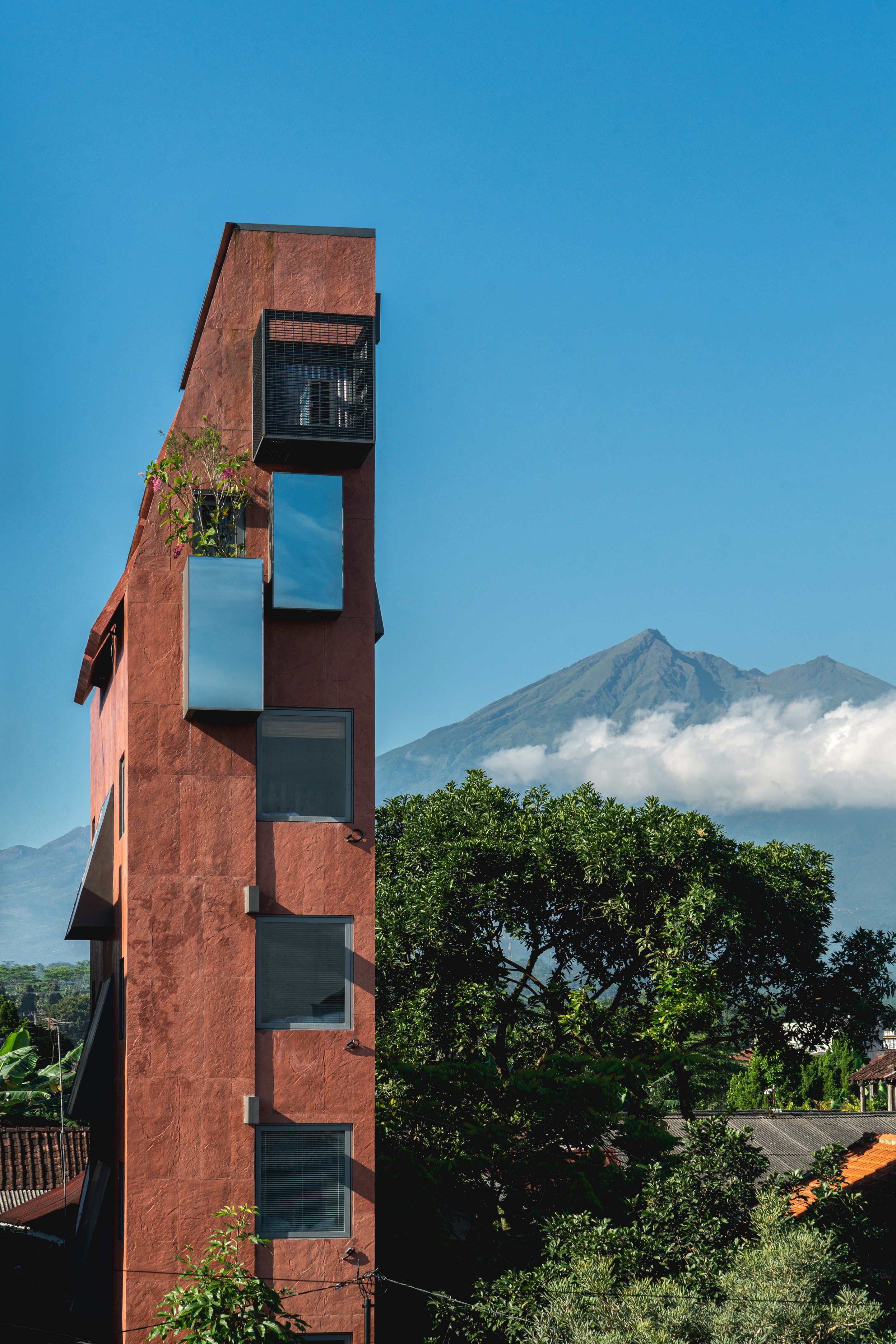
PituRooms Salatiga
Indonesia’s Skinniest Hotel with One of Its Biggest Ideas
Why DNA Hotels Loves It
● A remarkable example of how architectural constraints can become creative opportunities.
● Just seven individually designed rooms that celebrate Salatiga’s culture, creativity, and community.
● A powerful story of urban regeneration, transforming a forgotten plot into one of Indonesia’s most talked-about boutique hotels.
A Big Idea on a Tiny Plot
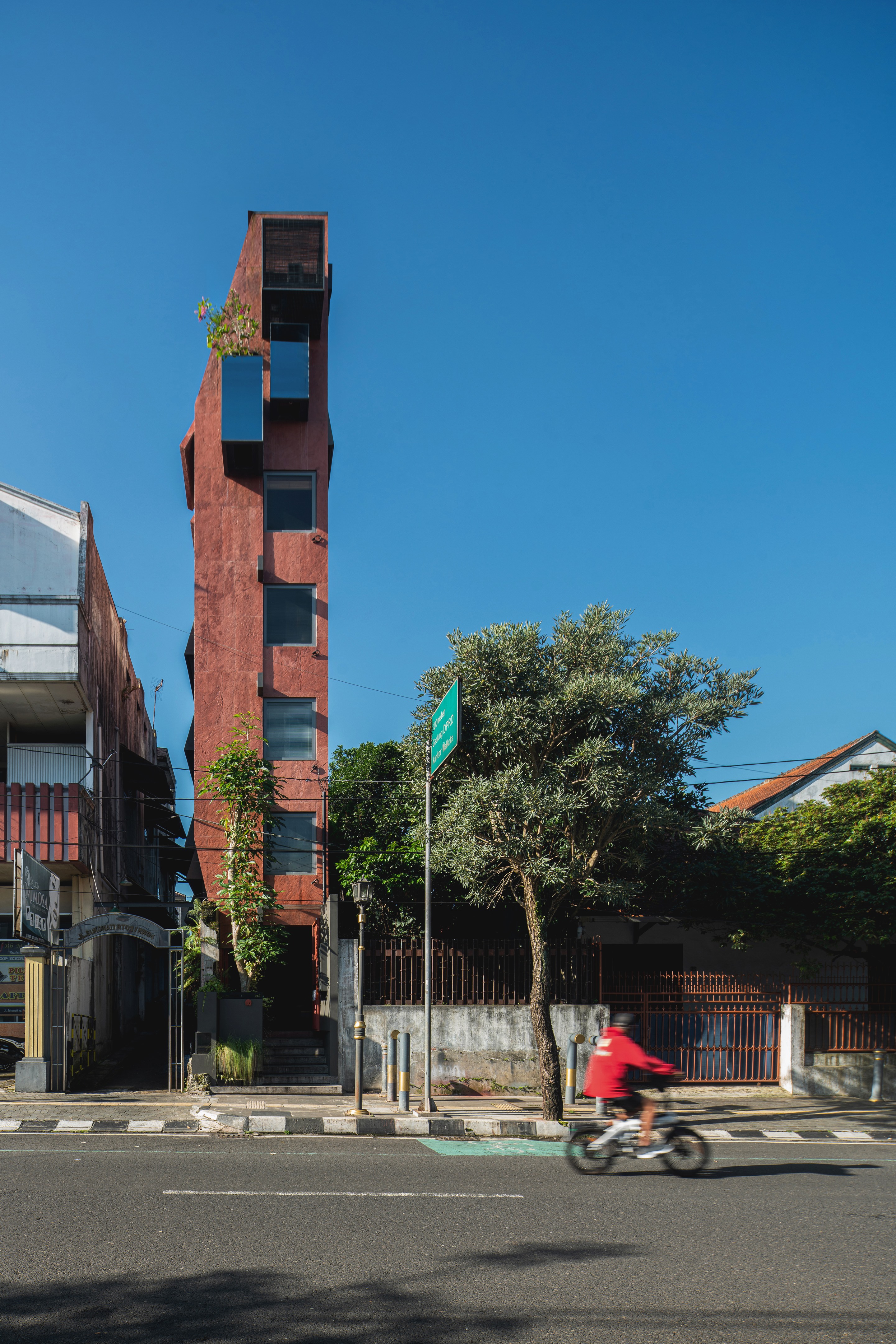
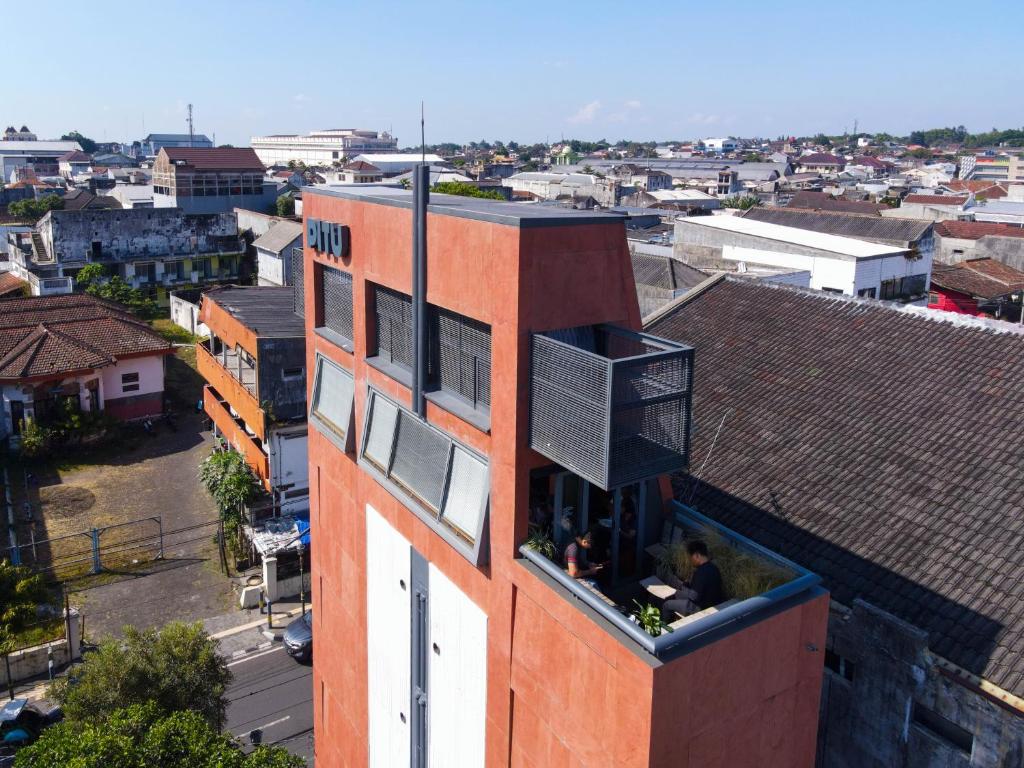
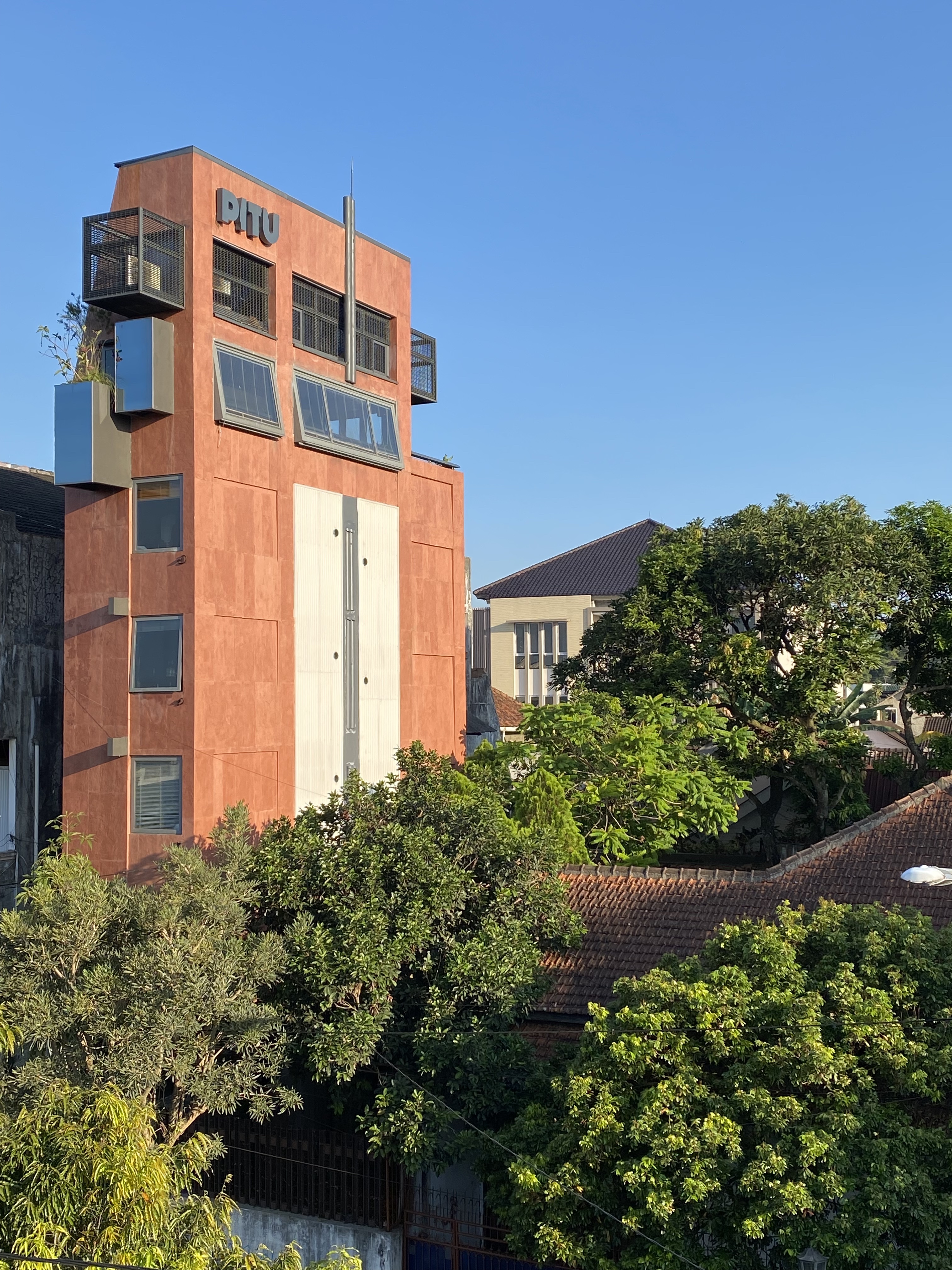
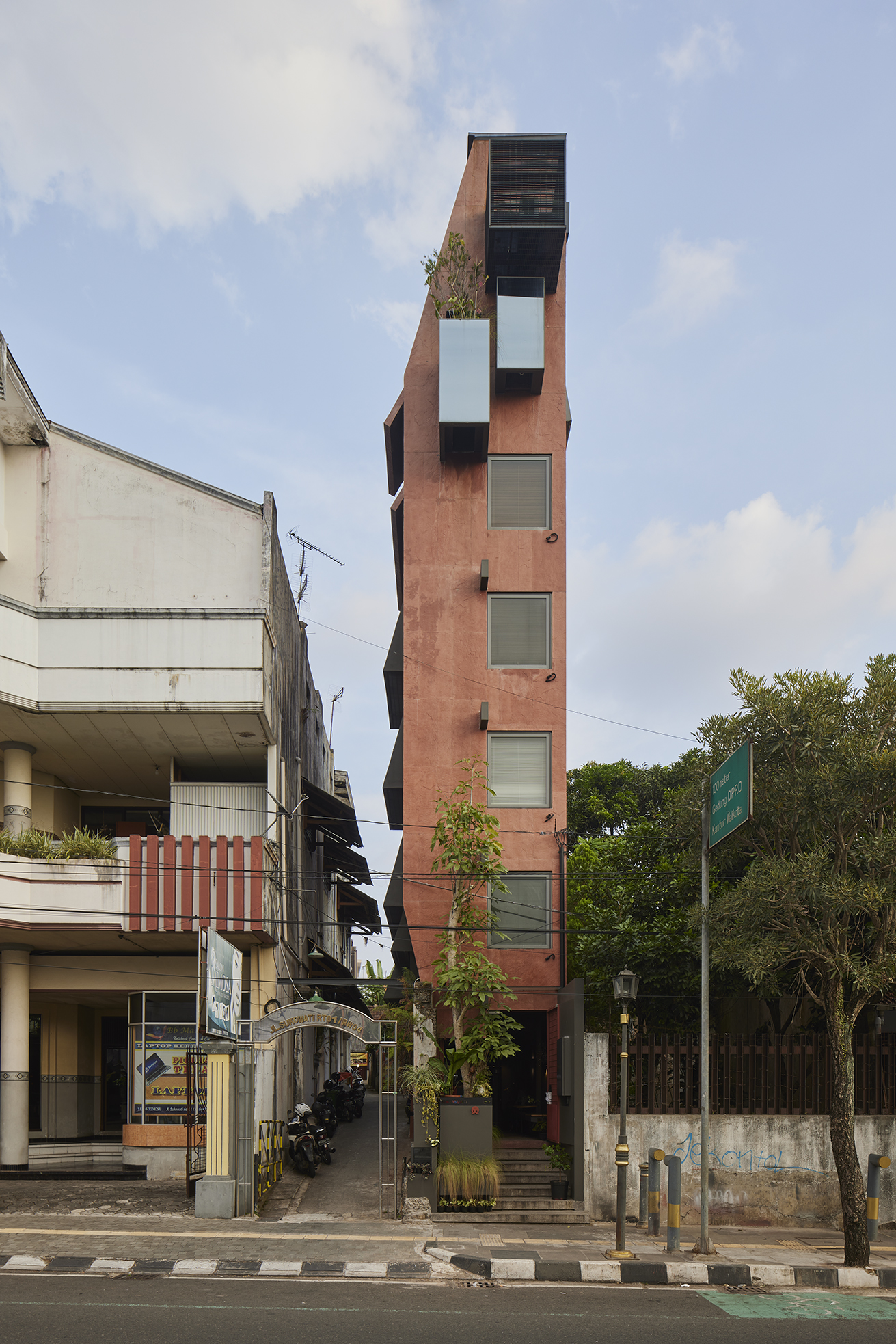
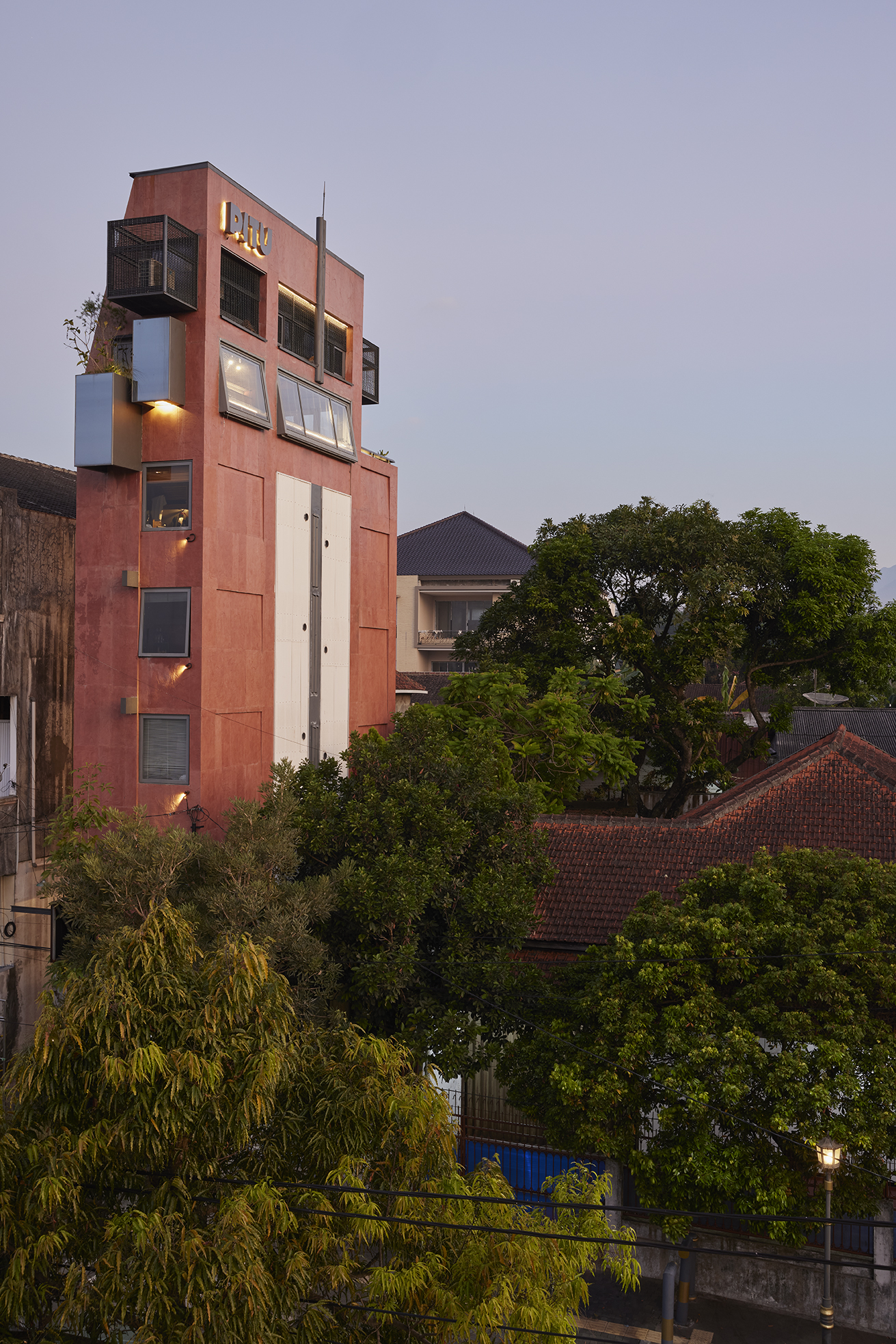
Most hotels begin with a generous site and an ambitious brief. PituRooms began with neither. Built on a plot measuring just 2.8 metres wide and 12 metres deep, this extraordinary seven-storey hotel occupies what was once little more than a neglected gap in the urban fabric of Salatiga. For years, the site served as an informal dumping ground, overlooked by almost everyone. Today, it has become one of Indonesia’s most fascinating examples of small-scale hospitality design. Proof that great hotels are not measured in square metres.
The Skinniest Hotel in Indonesia
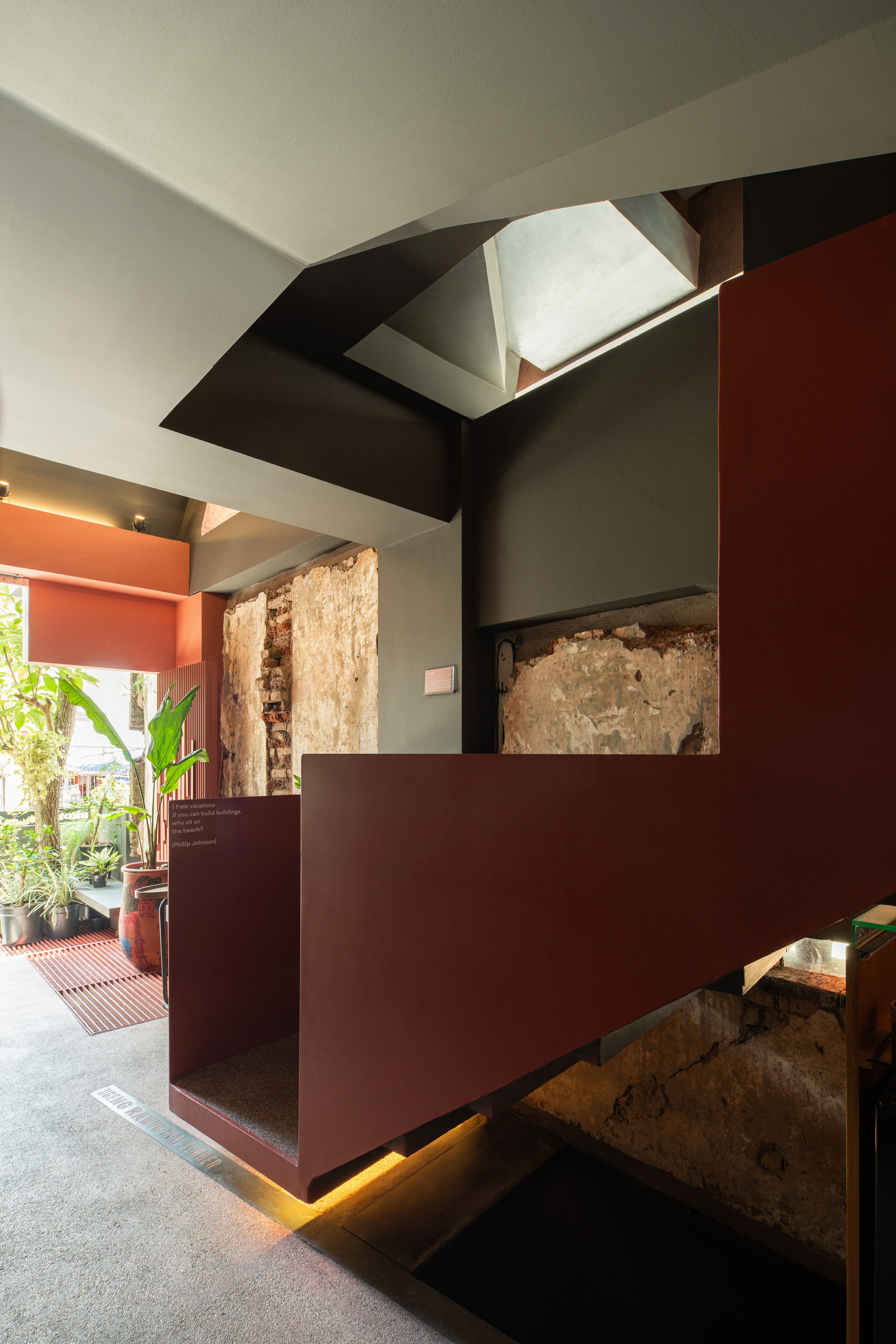
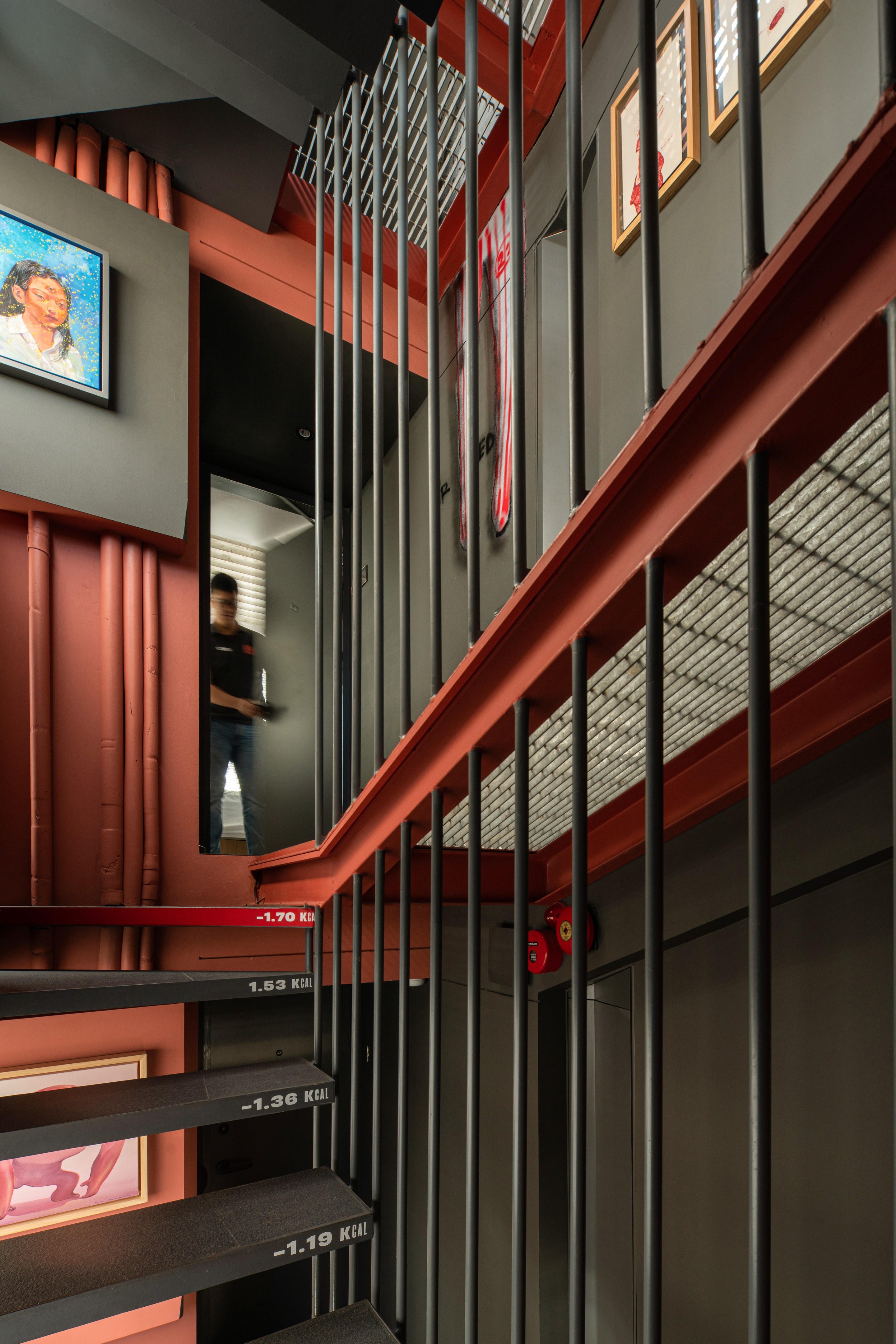
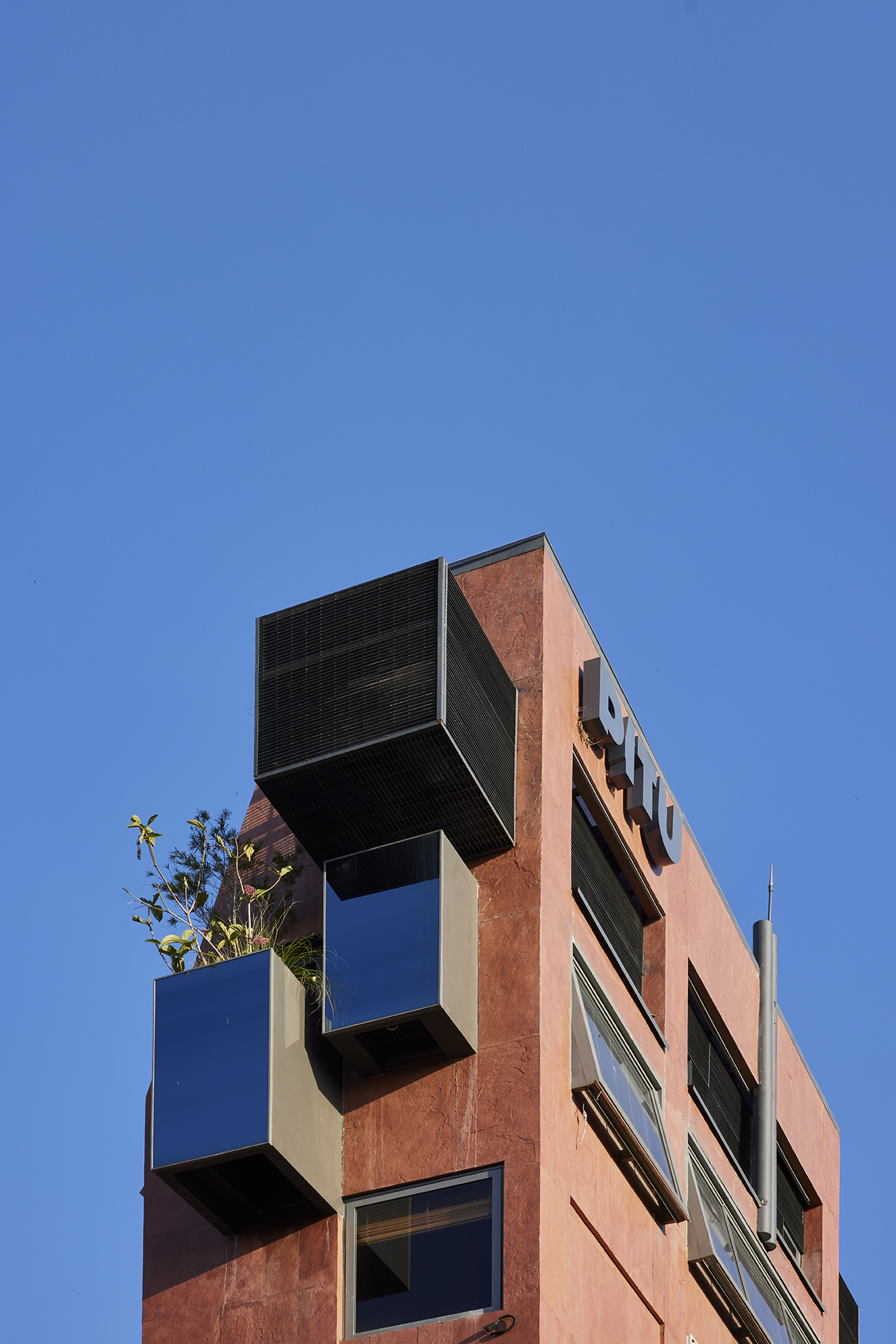
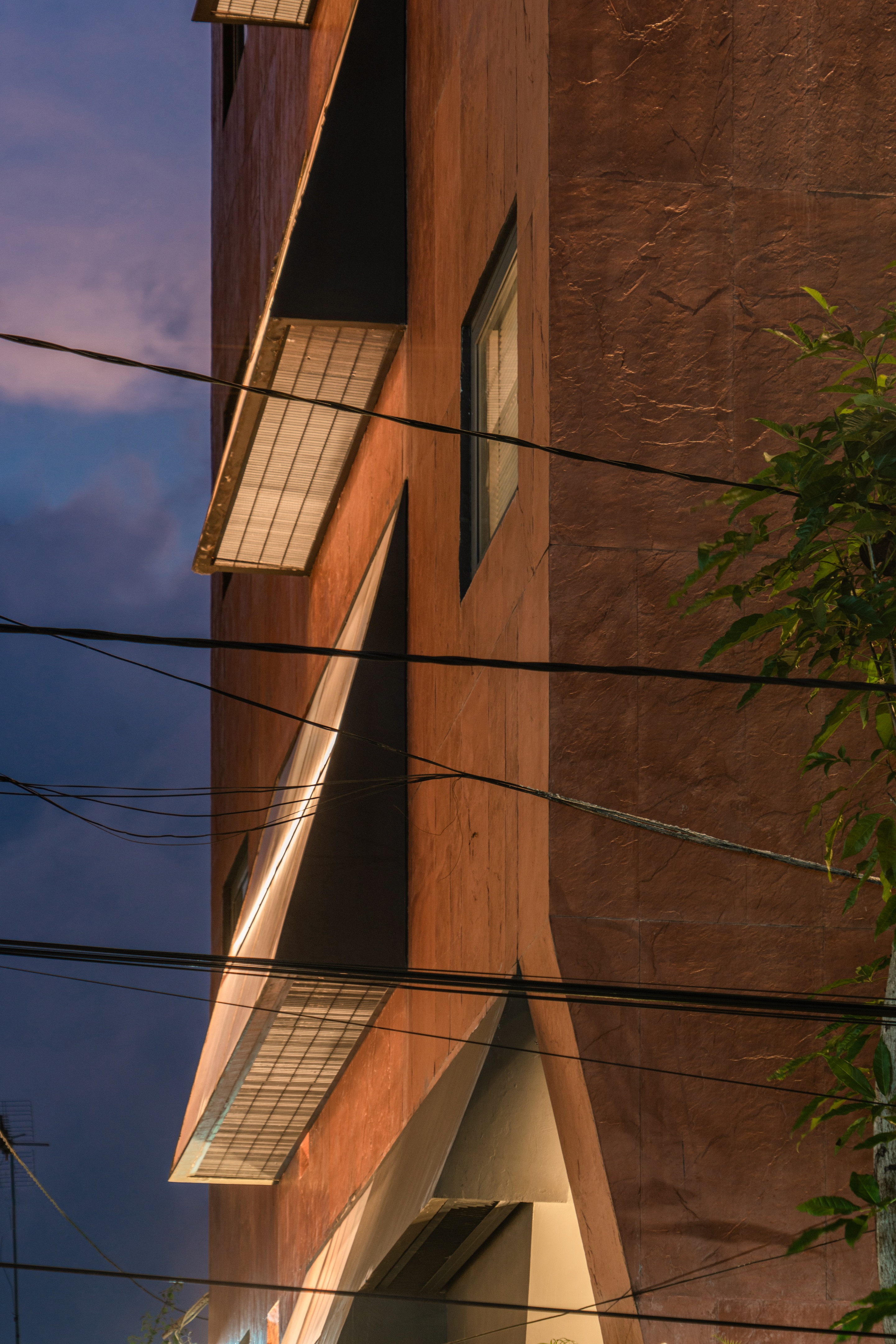
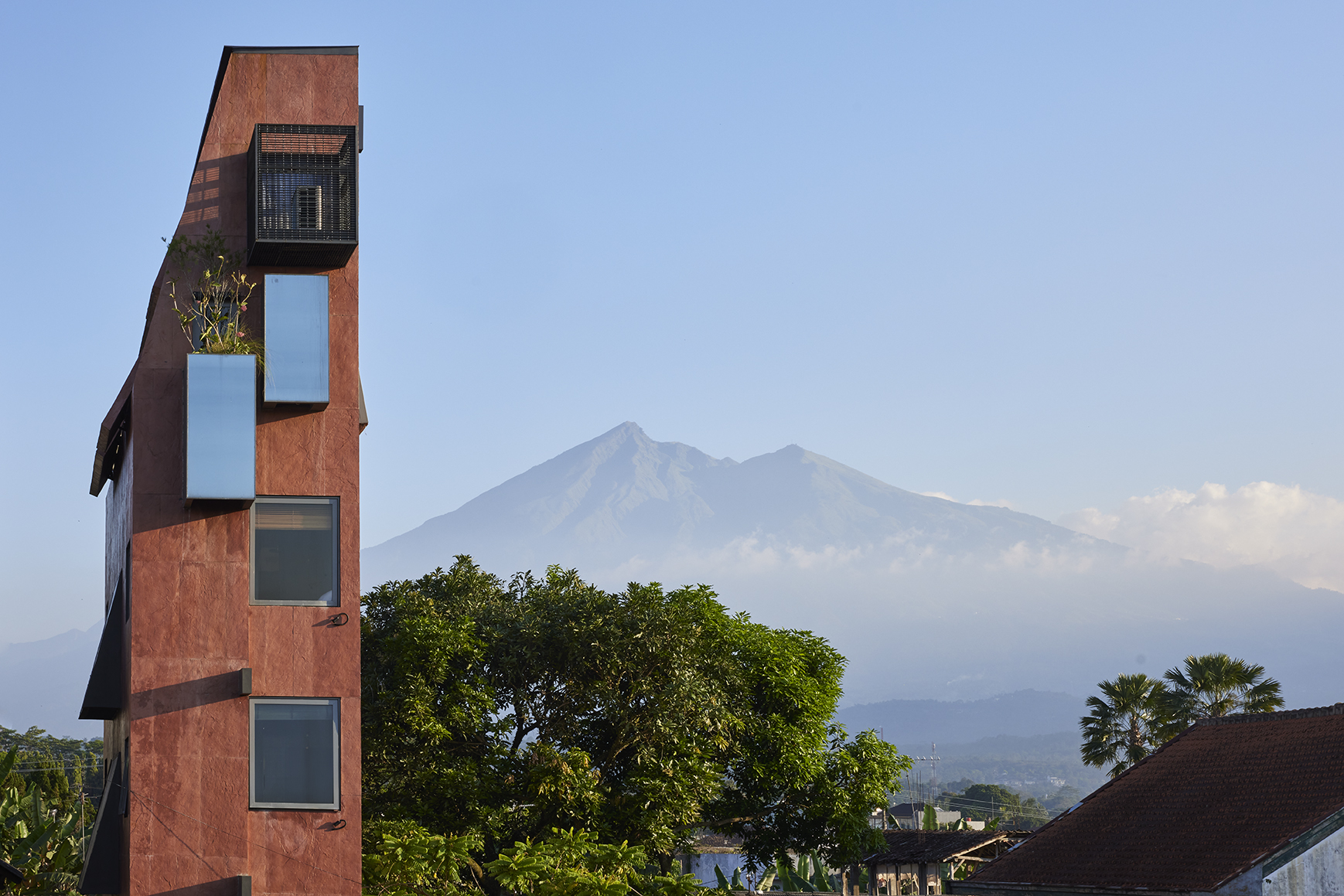
Its name comes from the Javanese word pitu, meaning seven. Seven floors. Seven rooms. Seven unique interpretations of place. Rising above the surrounding rooftops, the building immediately captures attention through its impossibly slender proportions. More vertical than horizontal, it feels almost like a piece of architectural origami inserted into the city. Yet despite its compact footprint, PituRooms never feels like a gimmick. Instead, it feels thoughtful, purposeful, and surprisingly generous. The limitations became the concept. And the concept became the hotel’s greatest strength.
Design That Maximises Every Centimetre
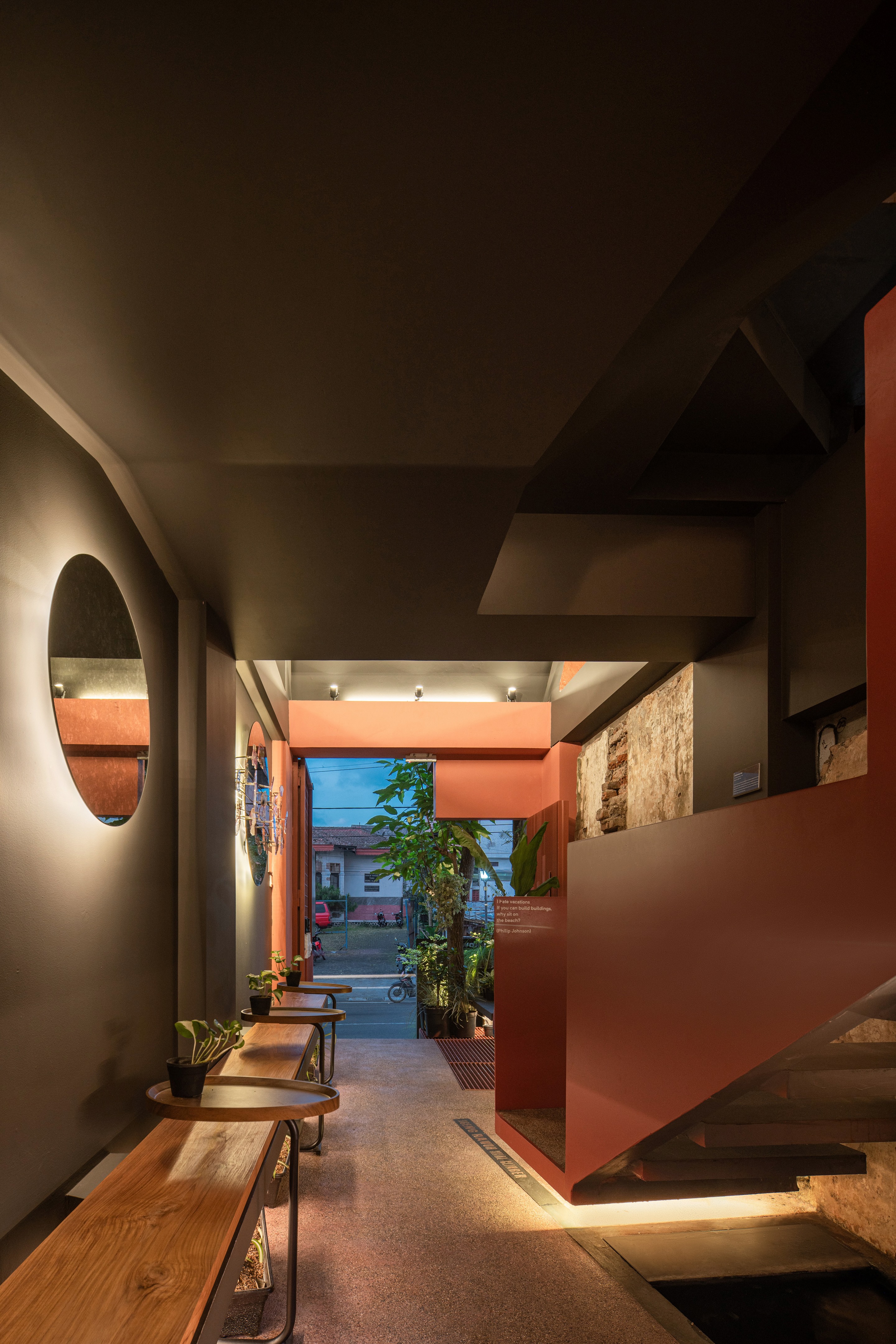
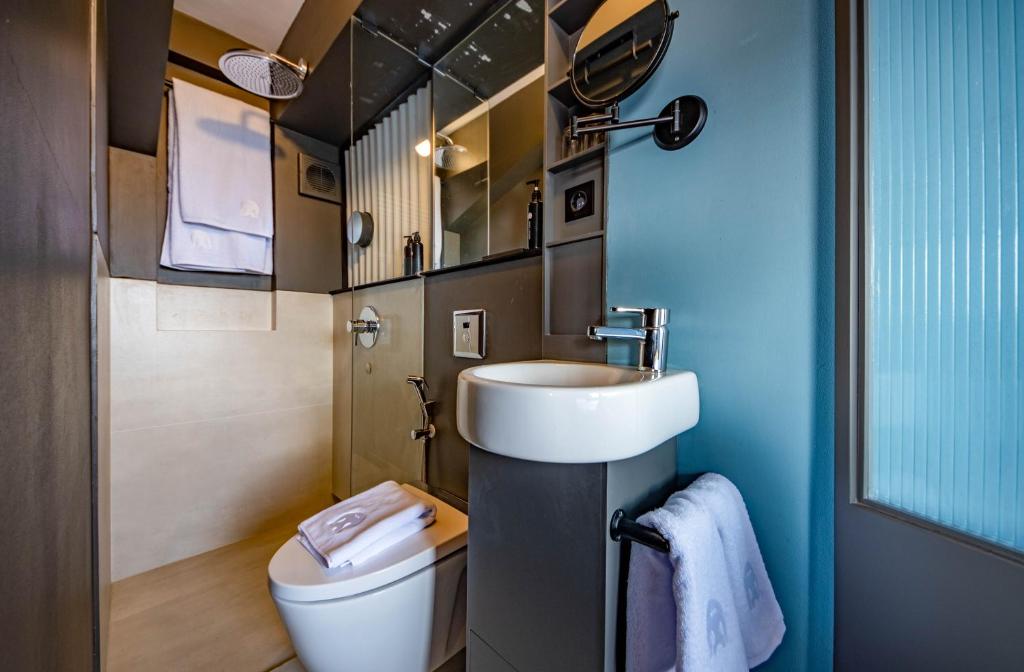
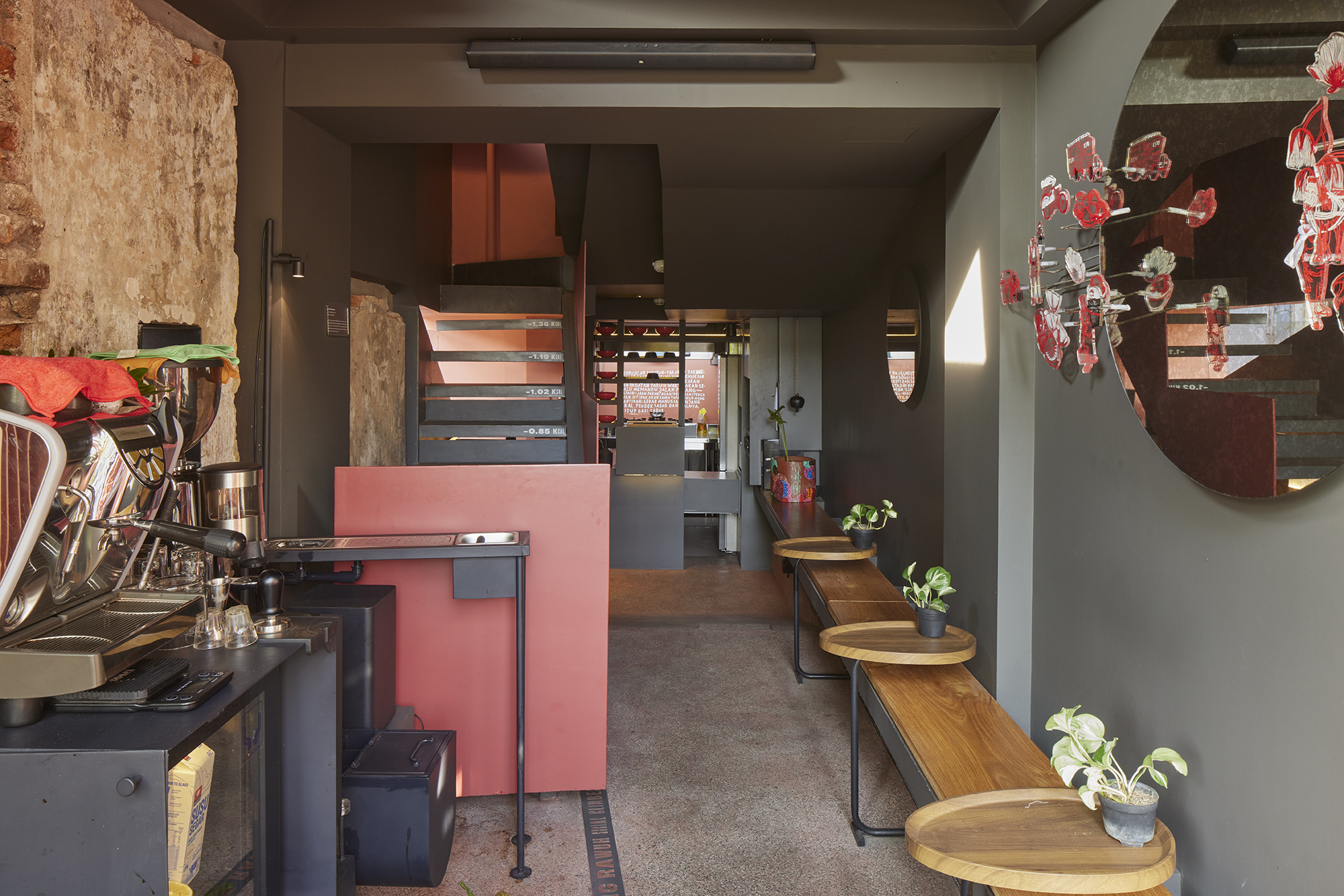
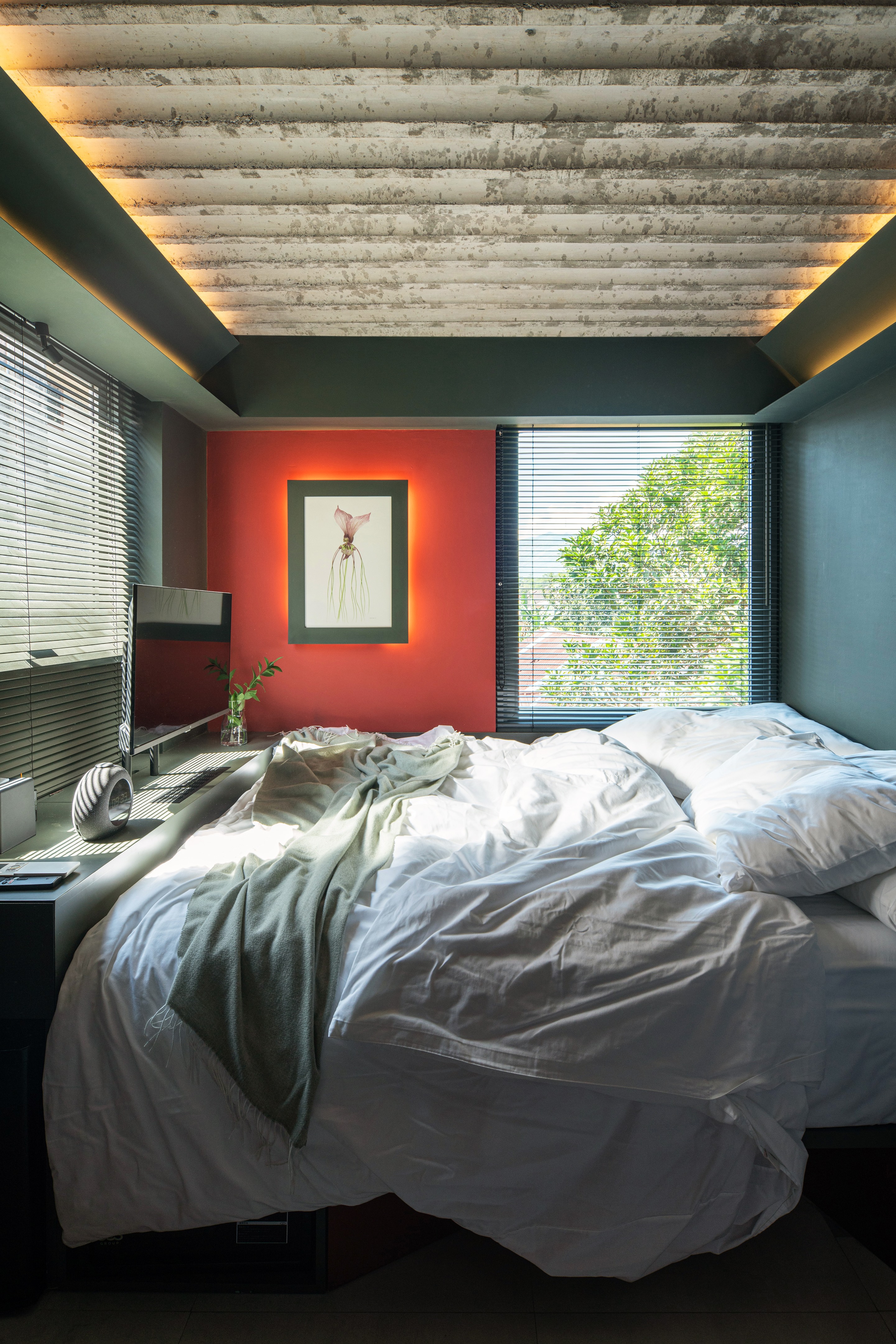
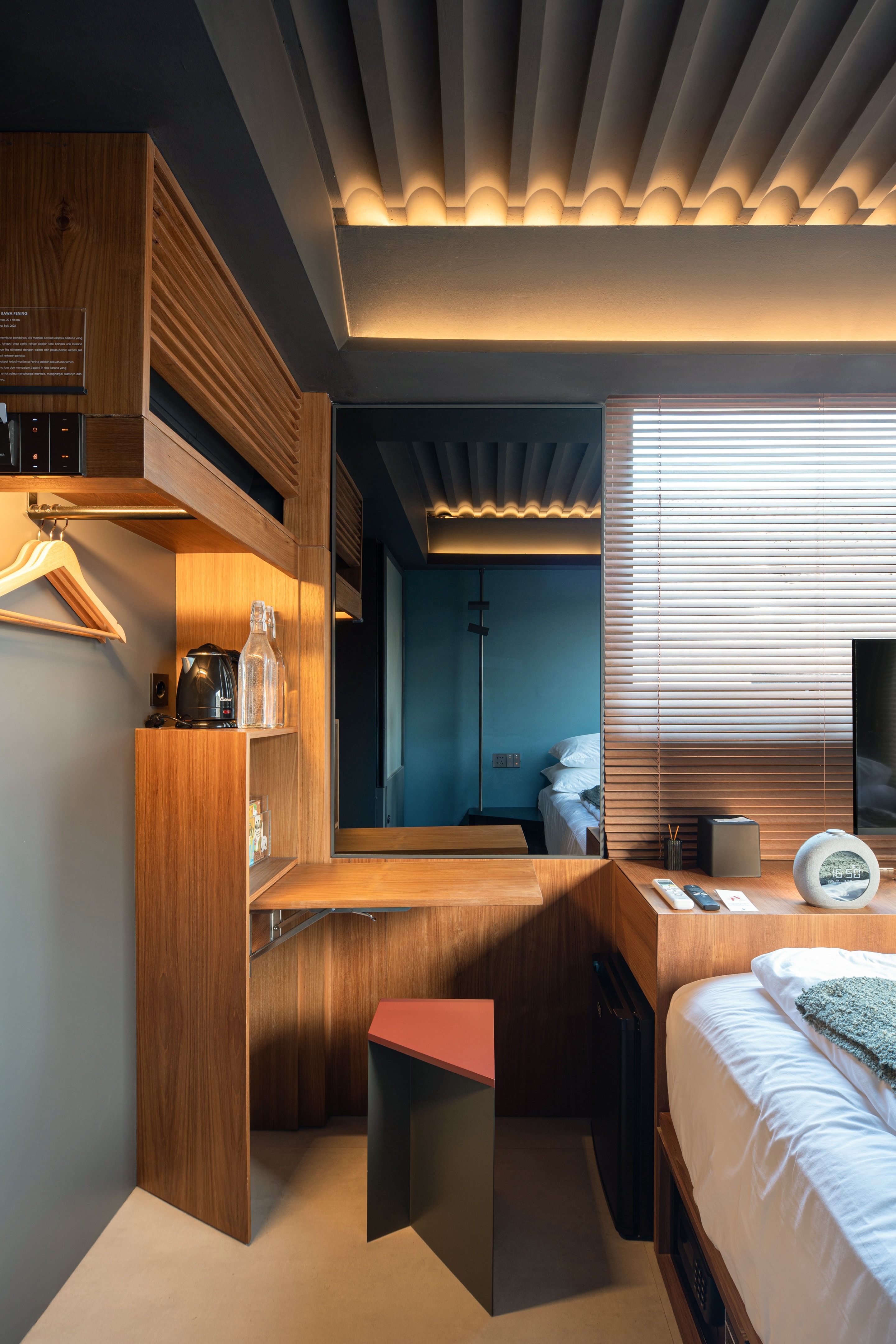
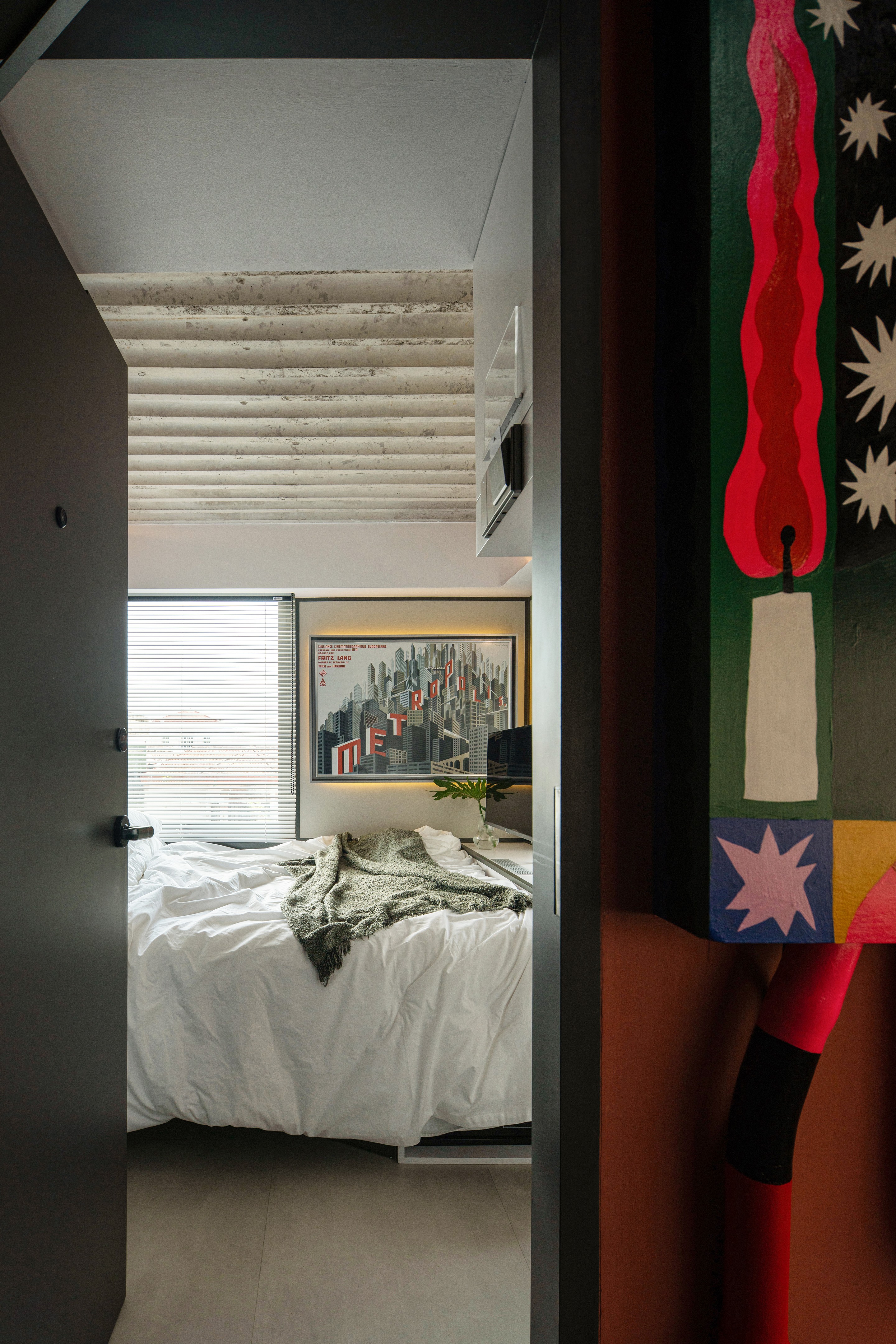
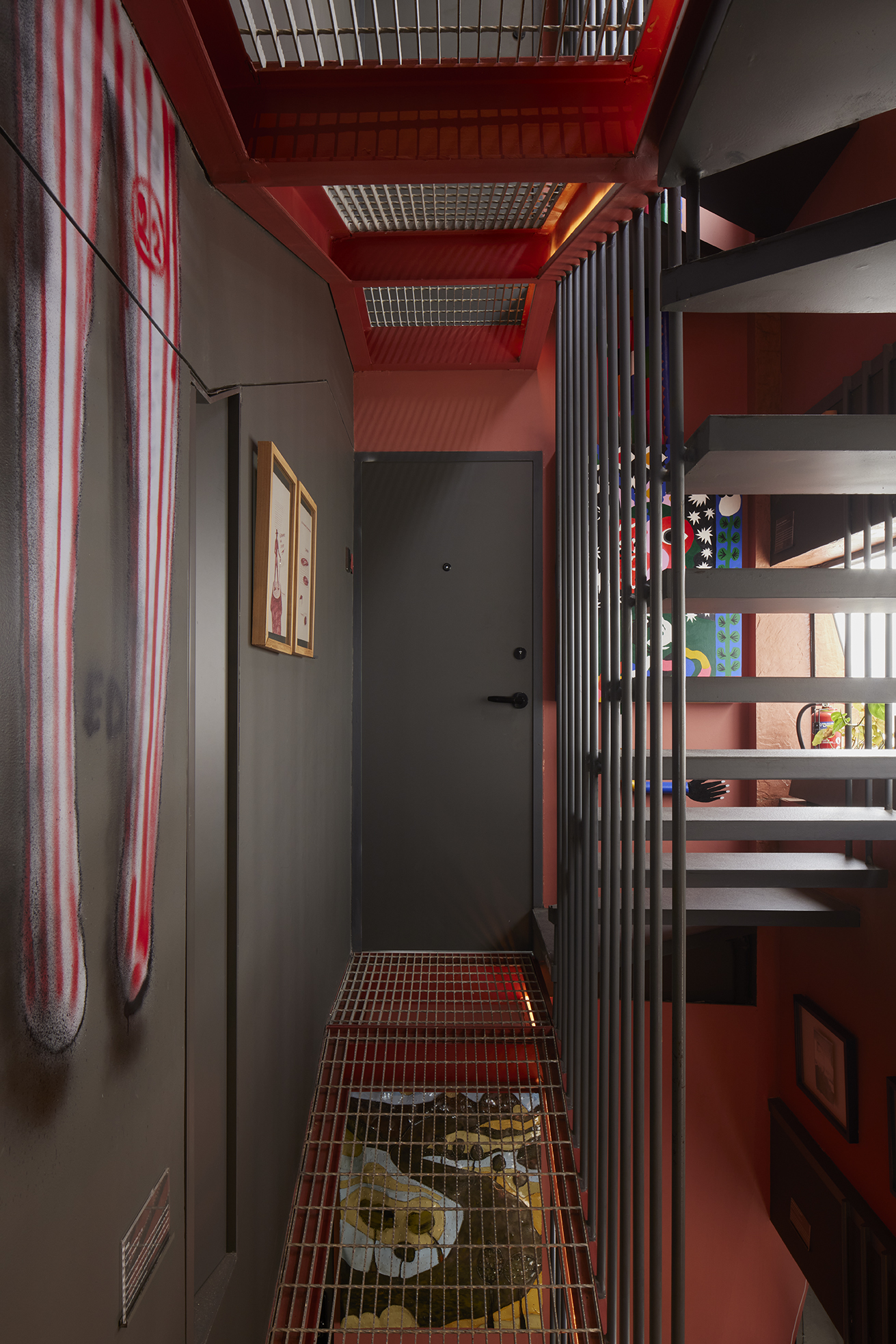
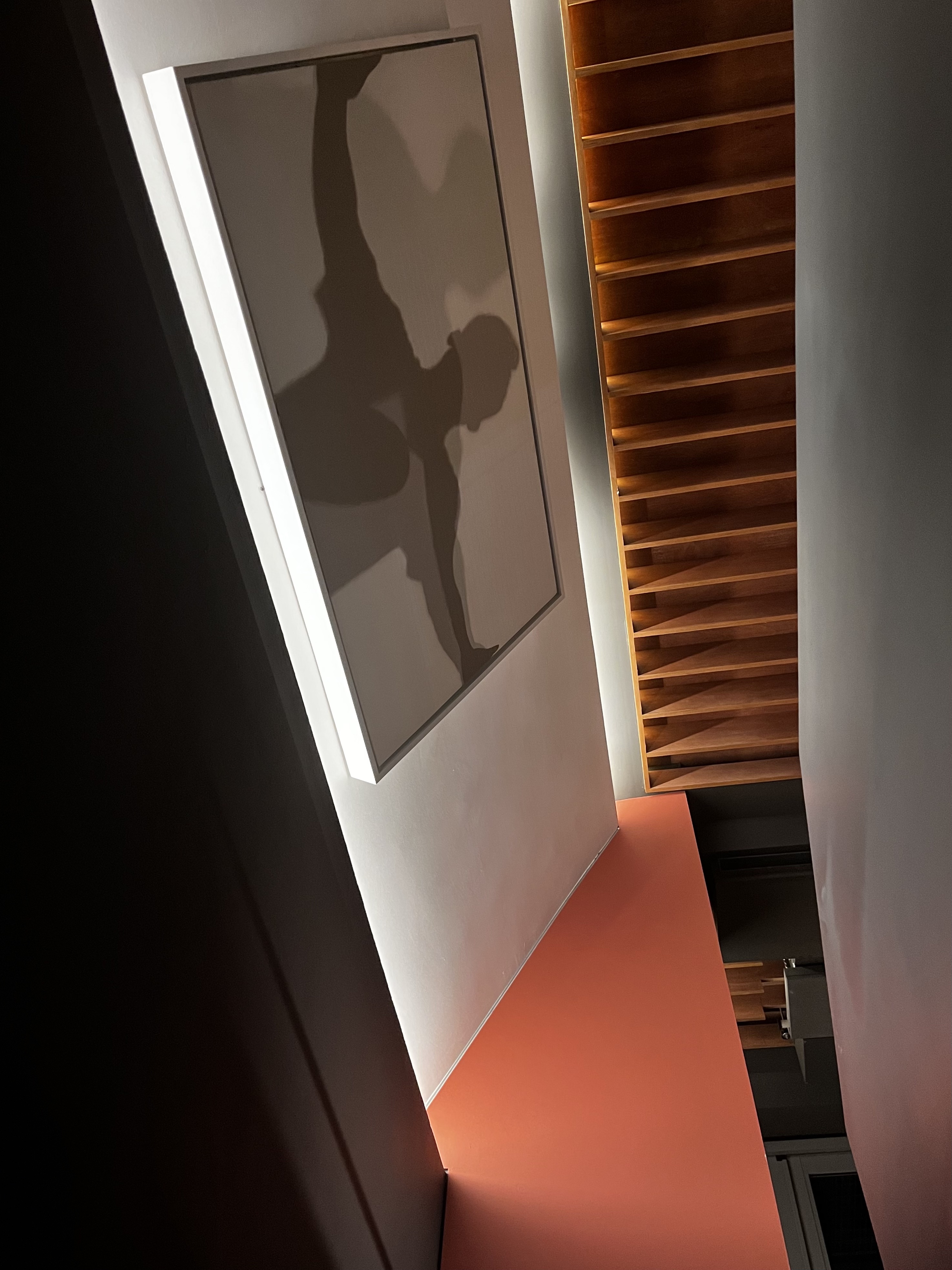
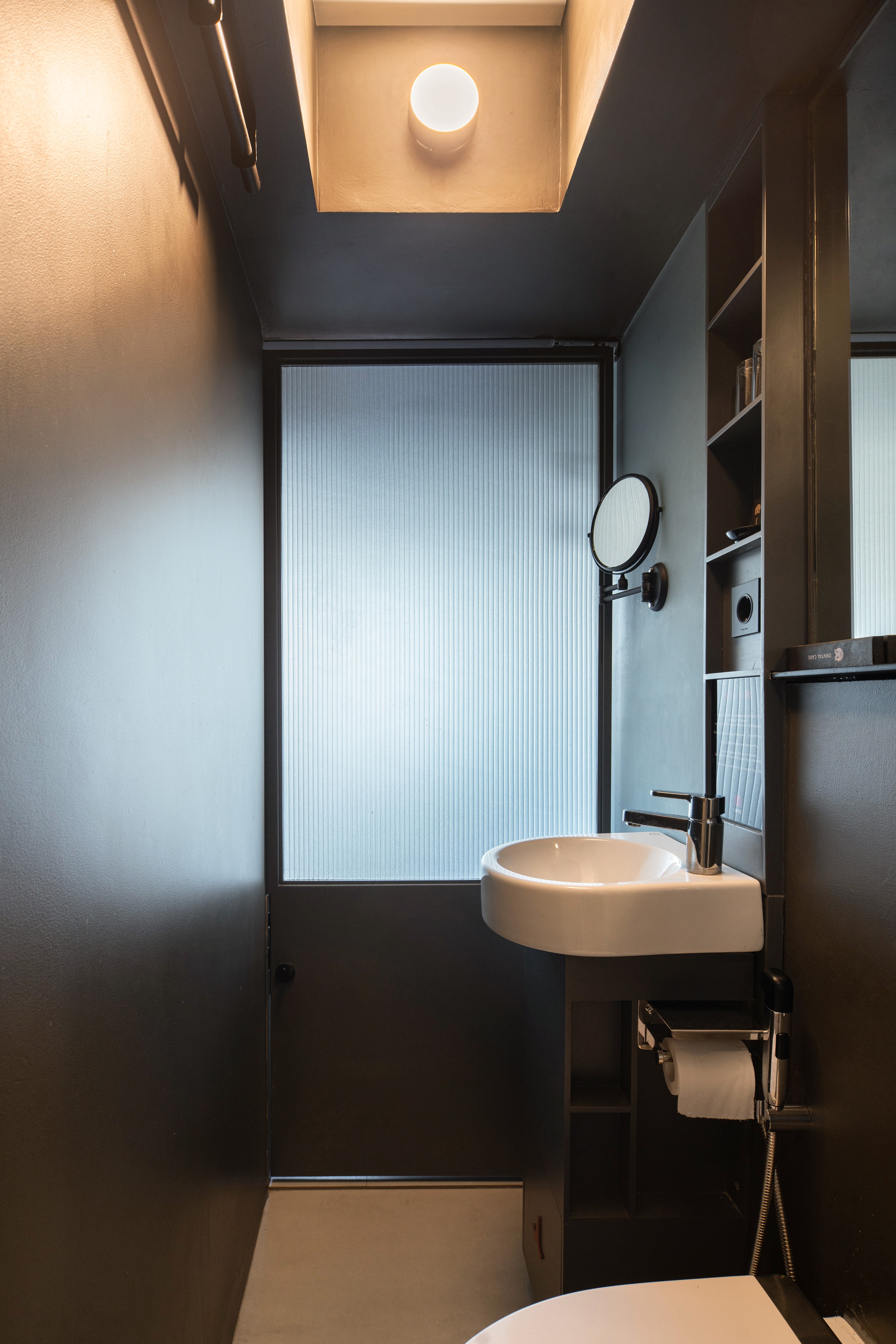
Designing a hotel this narrow requires a different way of thinking. Every centimetre matters. Every decision has consequences. The result is a series of rooms that feel remarkably efficient without sacrificing character. Clever layouts, custom-made furniture, integrated storage solutions, and carefully selected materials allow each space to function far beyond what its dimensions might suggest. Natural light plays an important role throughout, helping create an atmosphere that feels open rather than confined. The architecture constantly challenges expectations. Guests arrive expecting compromise. They leave impressed by possibility.
Seven Rooms, Seven Stories
Each of the hotel’s seven guestrooms has its own identity. Rather than repeating a standard template, every floor offers a distinct interpretation of Salatiga’s culture, history, and creative community. Local artists and designers contribute artworks, materials, and narratives that root the hotel firmly within its surroundings. The rooms become more than places to sleep. They become small cultural capsules. A vertical exploration of Central Java told one floor at a time.
The Reward at the Top
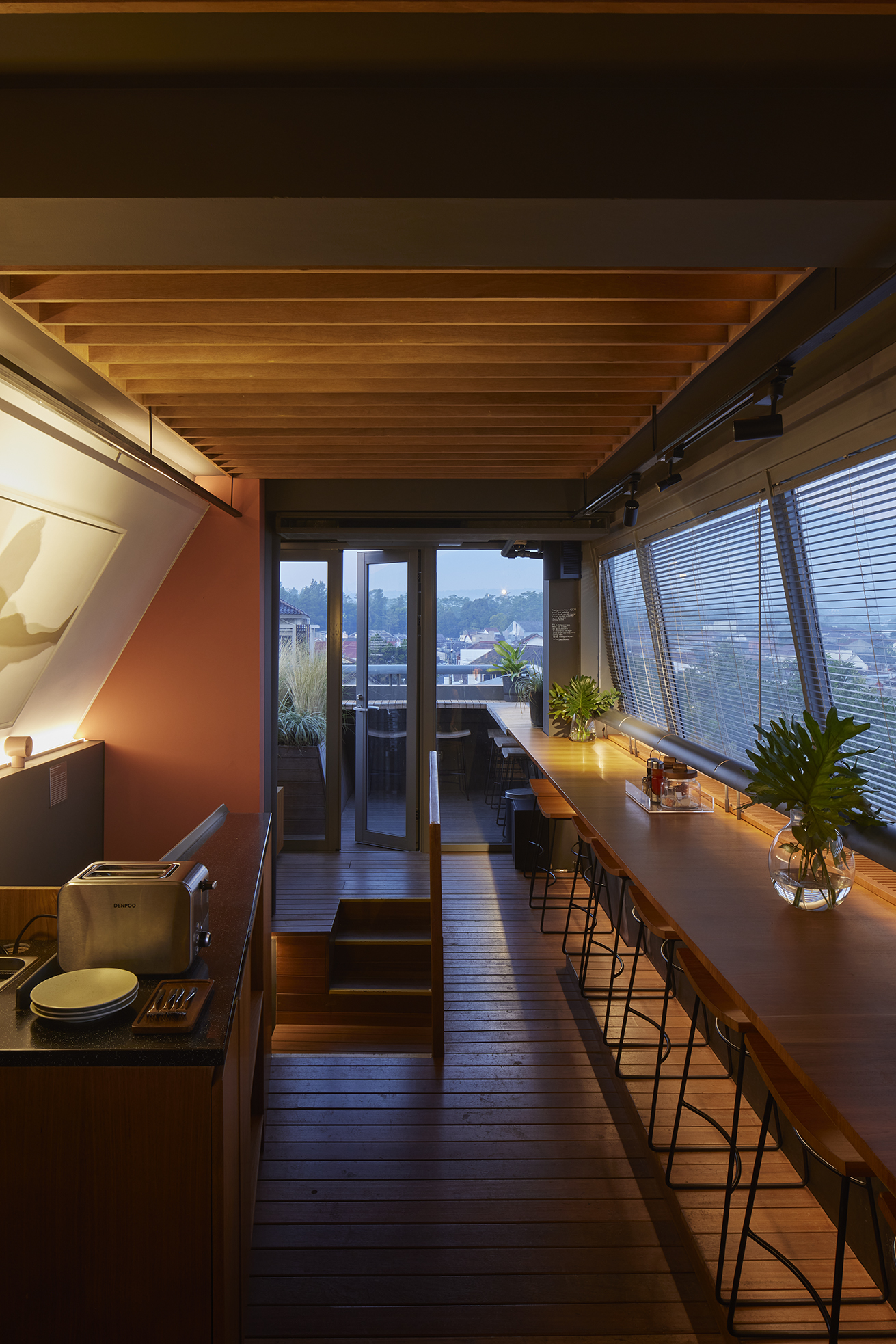
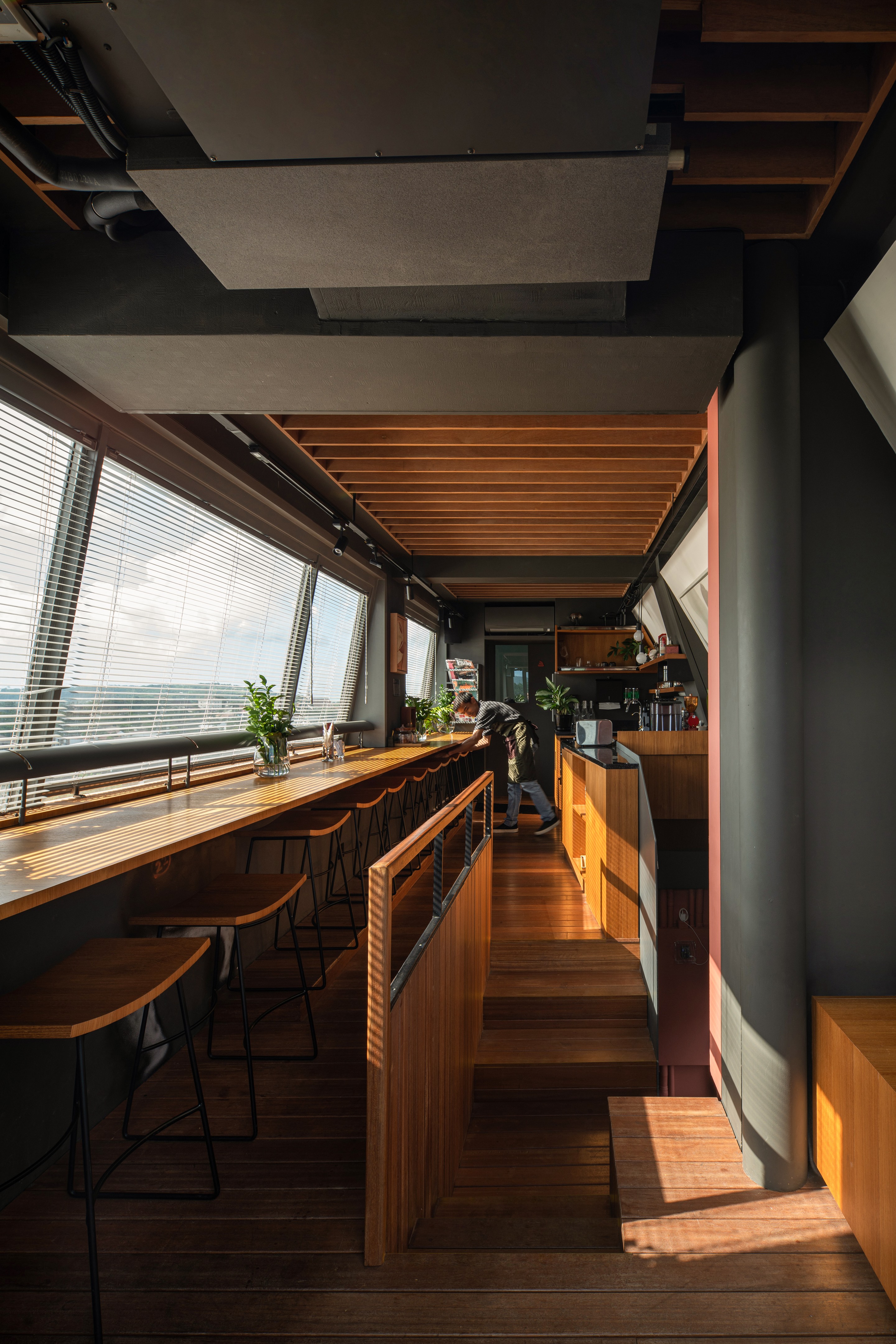
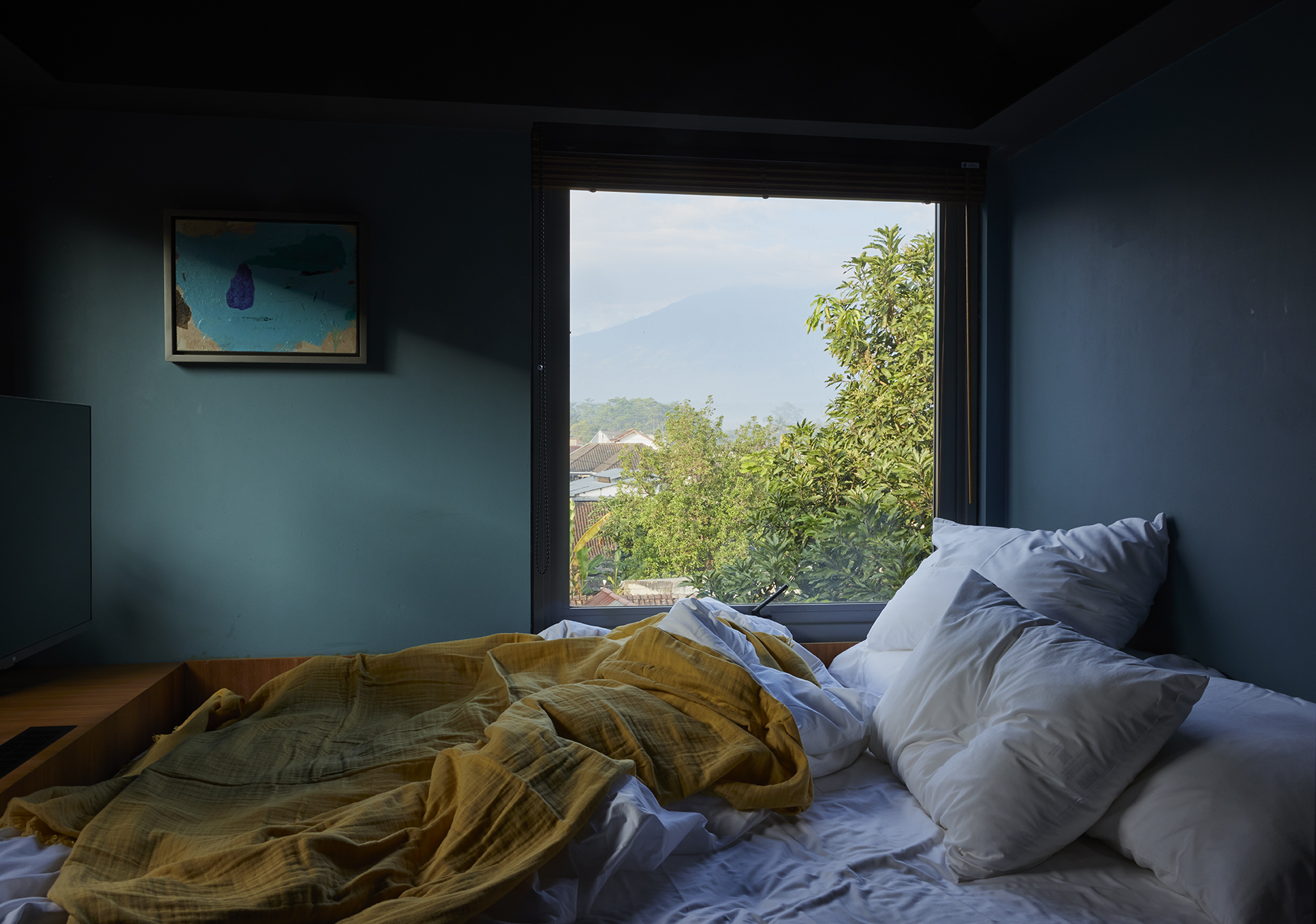
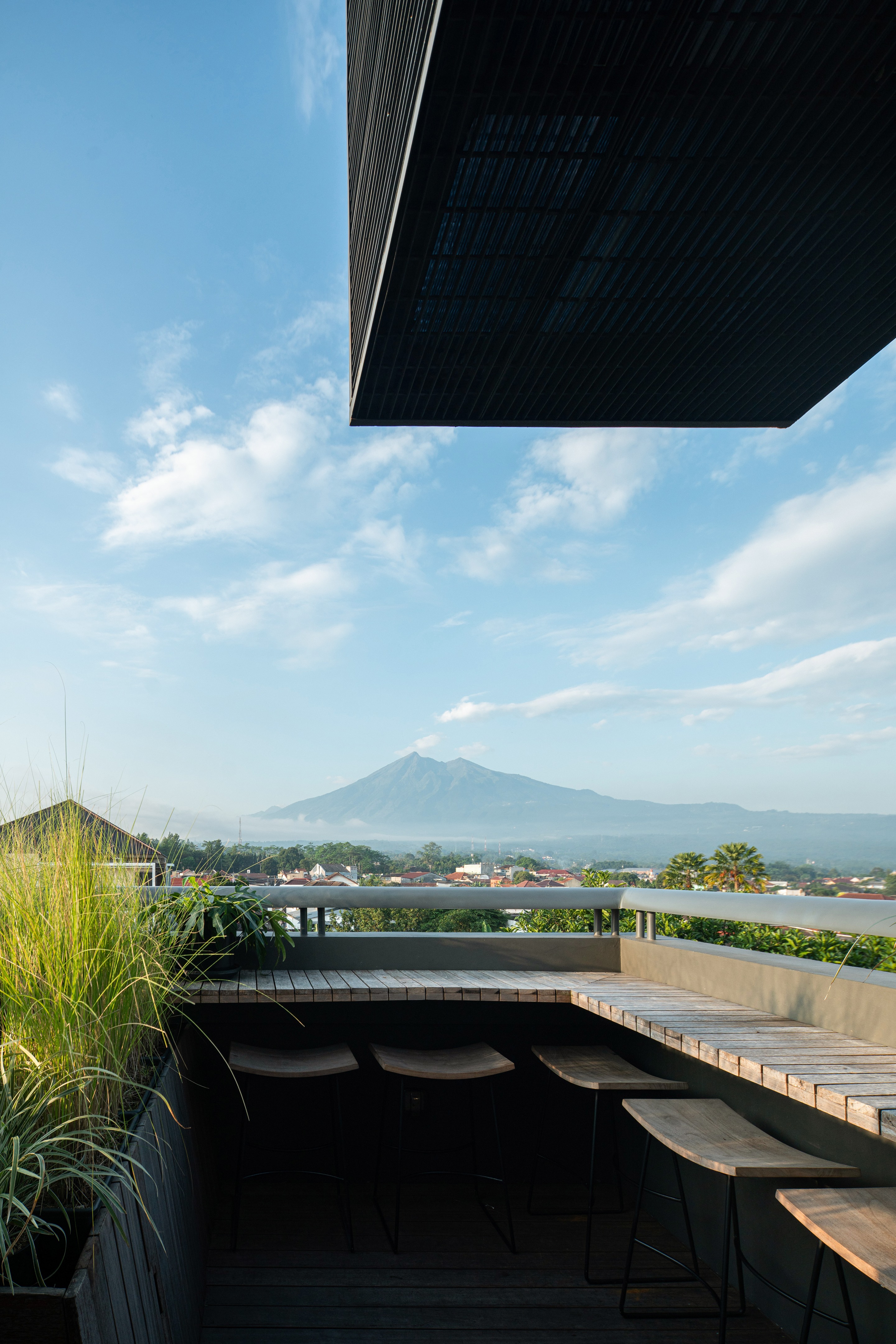
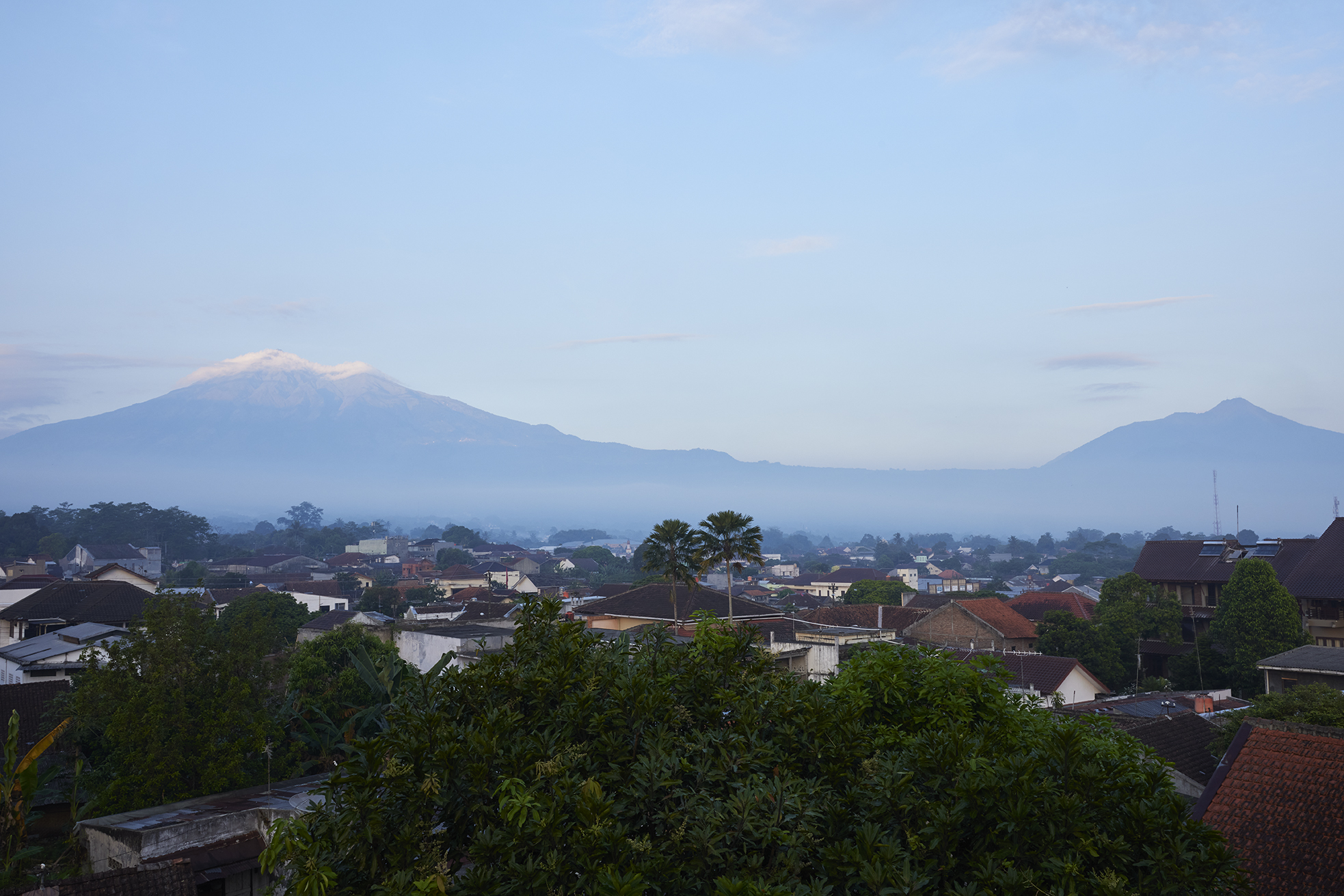
The experience culminates at the rooftop. After moving through the building’s carefully choreographed vertical journey, guests emerge into a completely different sense of space. What began in a narrow urban footprint suddenly opens onto expansive views across Central Java’s dramatic landscape. Mount Merbabu rises in the distance. Mount Merapi shapes the horizon. The cool highland air moves through the rooftop lounge. The contrast is deliberate. Compression gives way to openness. Intimacy gives way to perspective. And the city reveals itself from an entirely new angle.
A Hotel That Changed a Neighbourhood
What makes PituRooms particularly compelling is its impact beyond hospitality. This is not simply an architectural experiment. It is an act of urban regeneration. By transforming a forgotten plot into a destination, the project demonstrates how thoughtful design can create value far beyond the boundaries of a building. The hotel has become a gathering place for locals, creatives, entrepreneurs, and visitors alike. The rooftop regularly hosts community events, cultural gatherings, and creative conversations. Architecture becomes a catalyst. Hospitality becomes a platform.
A Different Kind of Luxury
PituRooms quietly challenges traditional definitions of luxury. There are no sprawling grounds. No oversized suites. No grand arrival sequence. Instead, luxury appears in more meaningful forms: originality, craftsmanship, sustainability, and a genuine sense of place. The hotel embraces local materials, supports local creatives, and demonstrates a level of architectural intelligence often absent from much larger projects. It feels personal. Human. Connected.
The Spirit of Salatiga
Long regarded as one of Java’s most pleasant and liveable cities, Salatiga has often remained overlooked by international travellers. PituRooms changes that. Not by competing with larger destinations, but by celebrating what makes the city unique: its cooler climate, creative spirit, strong community identity, and spectacular mountain setting.The hotel acts as both accommodation and ambassador. A gateway into the character of the city itself.
Small Scale, Big Impact
The most memorable hotels are often the ones that do something differently. PituRooms certainly does. By transforming one of Indonesia’s narrowest plots into one of its most inventive boutique hotels, it proves that great hospitality has very little to do with size and everything to do with imagination. For travellers who appreciate architecture, sustainability, local culture, and creative thinking, PituRooms delivers something increasingly rare: an experience that could only exist in one specific place. Tiny footprint. Huge personality. An inspiring reminder that constraints often produce the most extraordinary results.