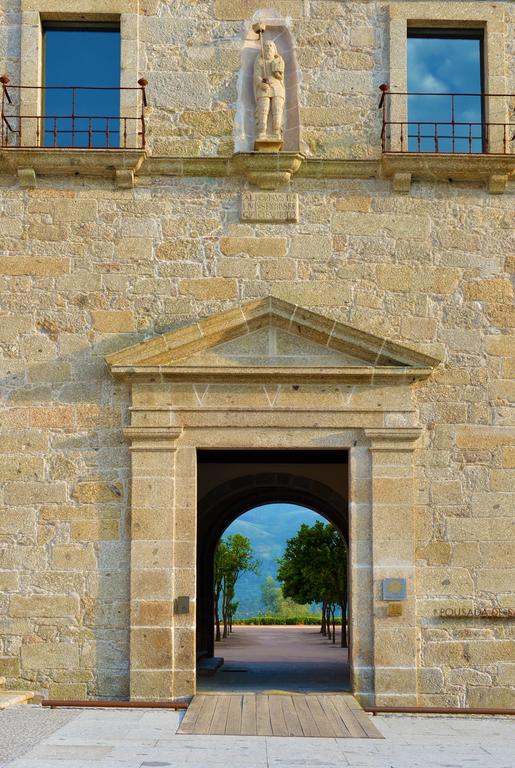
Pousada Mosteiro Amares | Bouro, Portugal
Where a 12th-Century Monastery Meets the Pure Poetry of Souto de Moura’s Design
Why DNA Hotels Loves It
● One of Portugal’s finest examples of adaptive reuse, transformed by Pritzker Prize-winning architect Eduardo Souto de Moura.
● A masterclass in architectural restraint, where contemporary interventions quietly enhance nearly nine centuries of history.
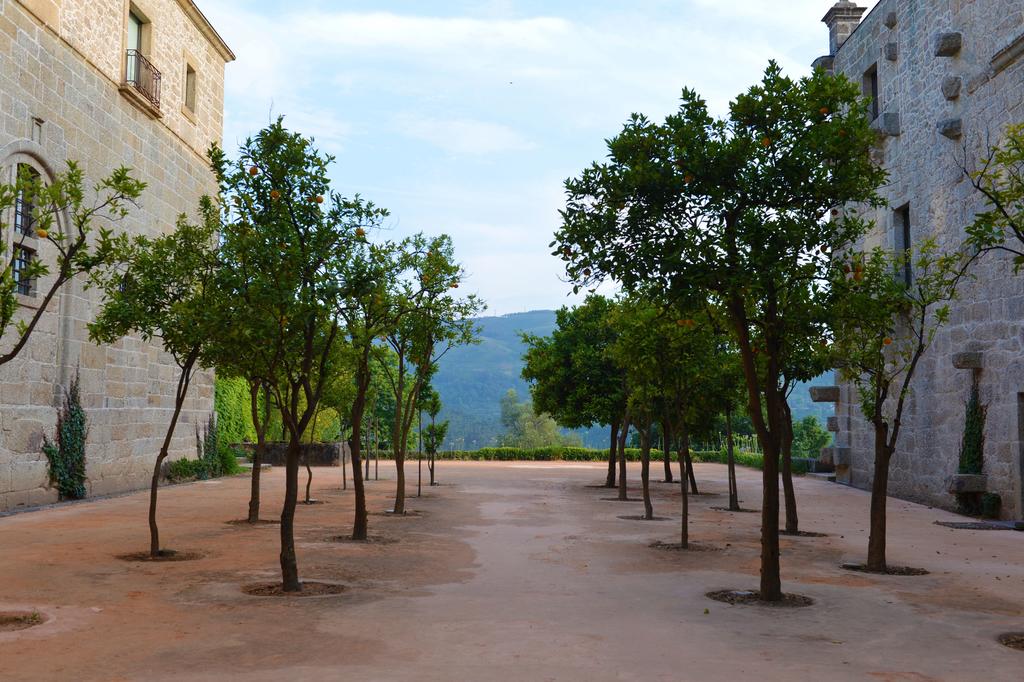
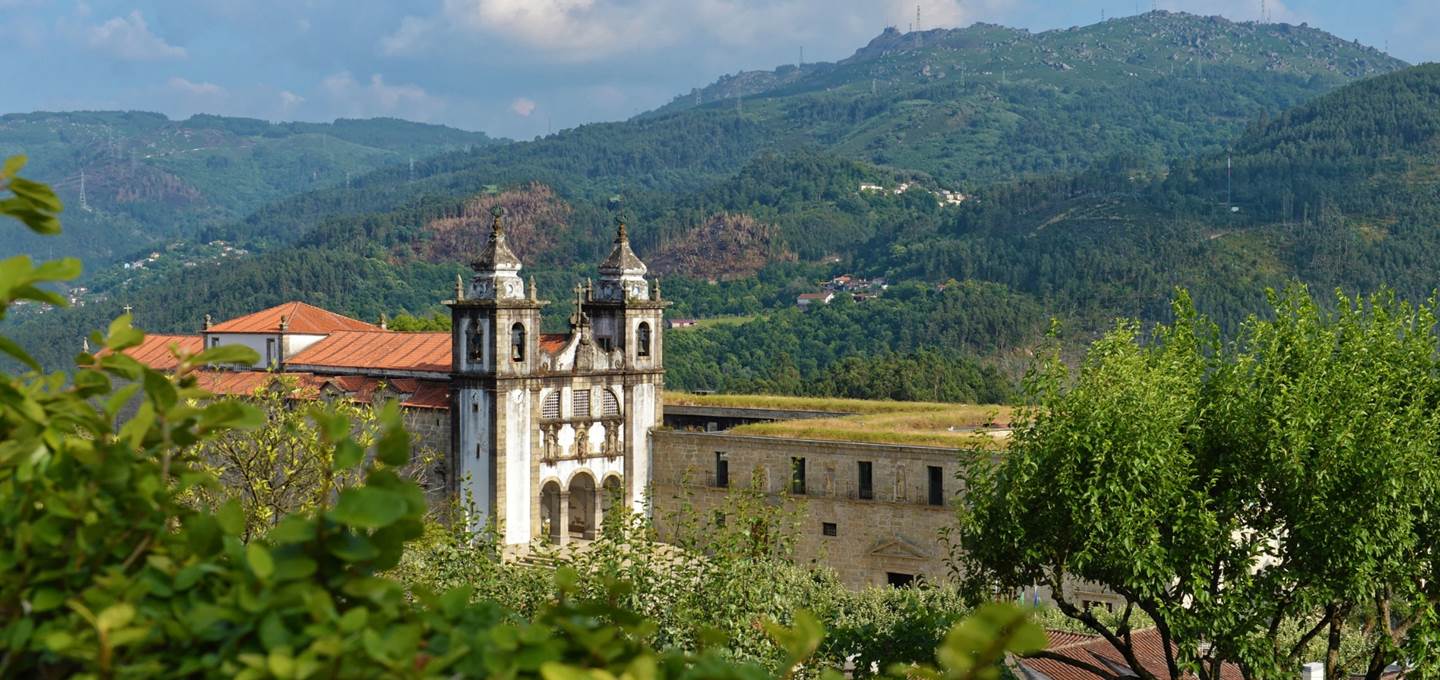
● An extraordinary setting on the edge of the Gerês mountains, where landscape, architecture, and atmosphere exist in perfect balance.
A Masterpiece of Time and Transformation
Few hotels in Europe offer such a profound encounter with architecture as Pousada Mosteiro Amares. Occupying a former 12th-century Cistercian monastery near Braga, the property carries centuries of history within its granite walls, cloisters, and vaulted spaces. Yet what makes Amares truly exceptional is not simply its age, but the sensitivity of its transformation. When Eduardo Souto de Moura was commissioned to convert the monastery into a hotel, he resisted the temptation to recreate or romanticise the past. Instead, he approached the building as an ongoing conversation between history and modernity. The result has become one of the defining architectural restoration projects in Portugal — a place where contemporary design and historic architecture exist in complete harmony.
The Language of Restraint
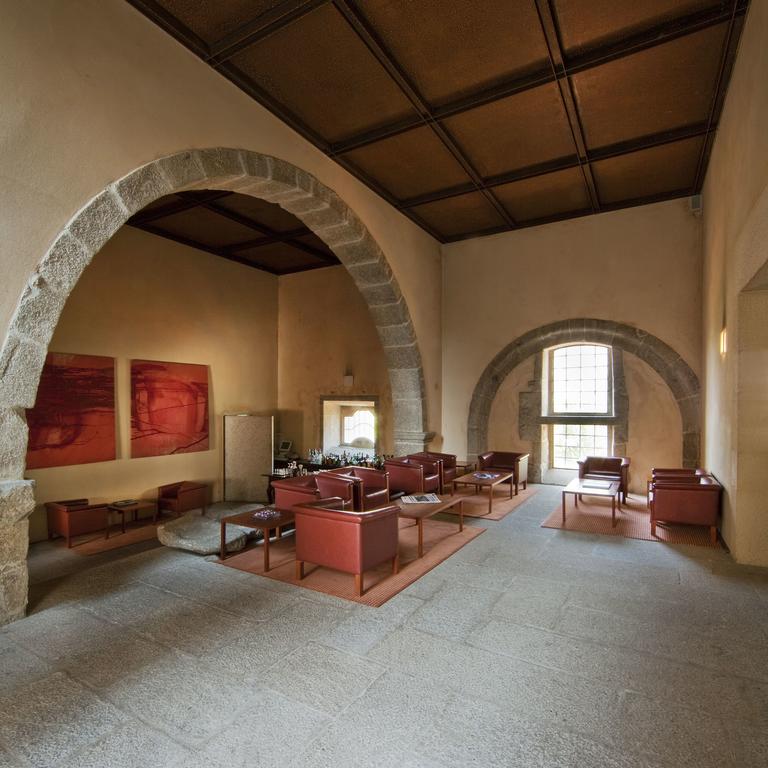
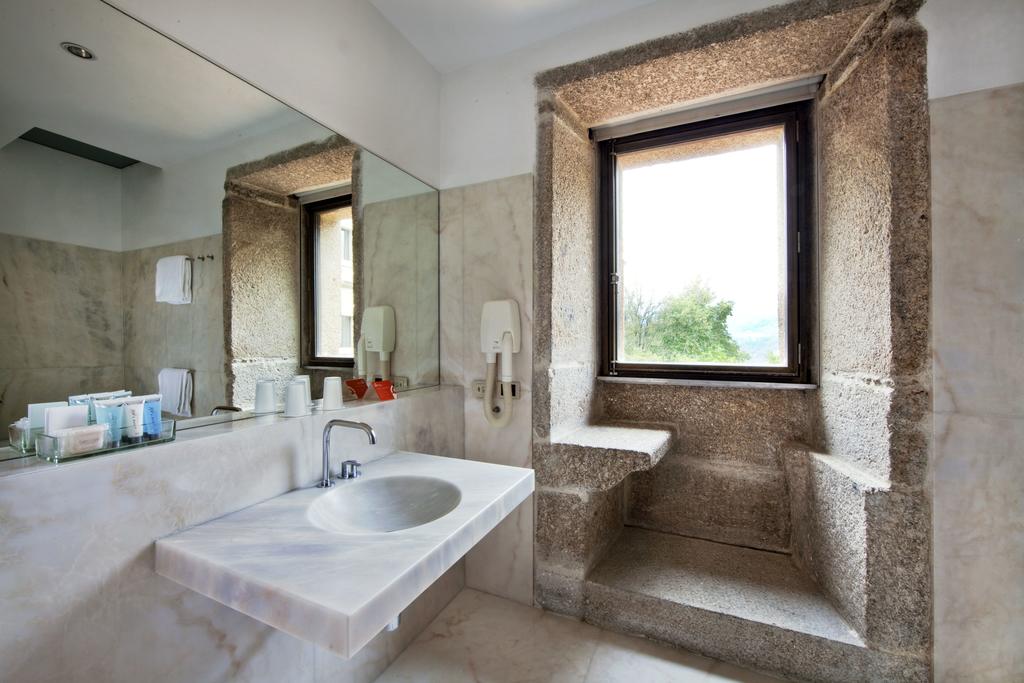
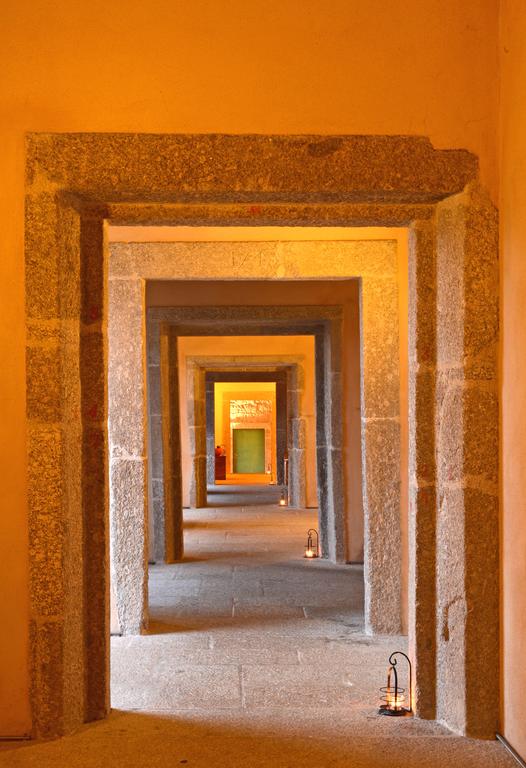
Souto de Moura’s intervention is remarkable precisely because it feels so effortless. Rather than competing with the monastery’s monumental character, the architect allowed the original structure to remain the protagonist. Rough granite walls, vaulted ceilings, stone staircases, and monastic proportions remain largely untouched. Into these historic spaces he introduced a carefully controlled palette of timber, steel, glass, and natural light. The new elements are unmistakably contemporary, yet never disruptive. Every detail reflects the architect’s characteristic restraint. Nothing feels decorative. Nothing feels unnecessary. The architecture speaks quietly, allowing visitors to discover its beauty through proportion, texture, shadow, and materiality.
Light, Stone, and Silence
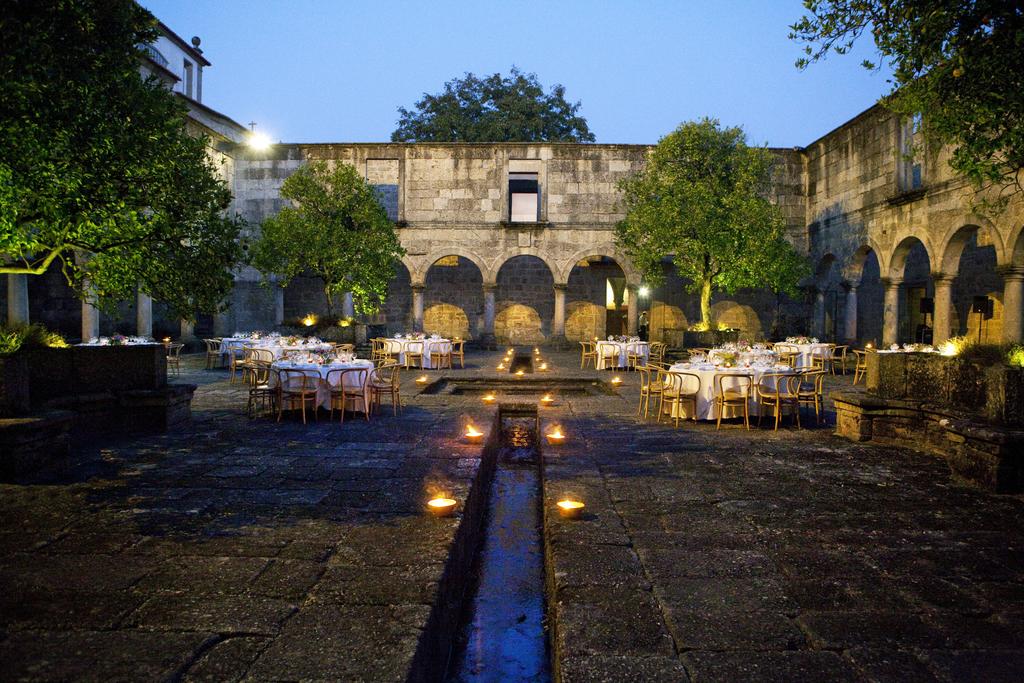
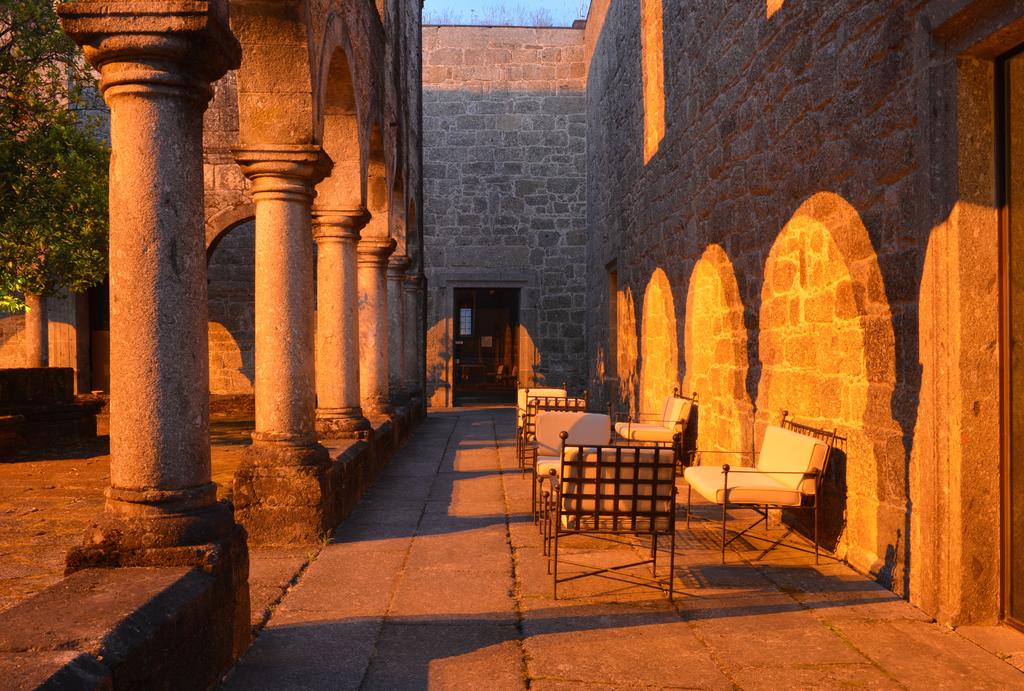
Walking through the monastery feels like moving through a carefully composed sequence of spaces. Light enters through deep openings and ancient windows, tracing changing patterns across stone surfaces throughout the day. Corridors unfold slowly. Cloisters encourage quiet wandering. The relationship between darkness and illumination becomes part of the experience itself. In many places, it feels difficult to distinguish where architecture ends and atmosphere begins. This sensitivity to light has long been one of Souto de Moura’s defining strengths, and nowhere is it more evident than here. The building feels simultaneously ancient and contemporary, monumental and intimate.
Rooms Defined by Simplicity
The guestrooms continue the same architectural philosophy. Historic masonry walls provide texture and permanence, while contemporary furnishings introduce comfort without distraction. Natural materials, clean lines, crisp linens, and restrained palettes create interiors that feel calm and timeless. Large windows frame views across the Cávado Valley and the surrounding landscapes of northern Portugal, bringing the outside world gently into the rooms. Luxury here is not expressed through excess but through clarity. Every element feels carefully considered, allowing the architecture itself to remain the defining feature.
Spaces for Reflection
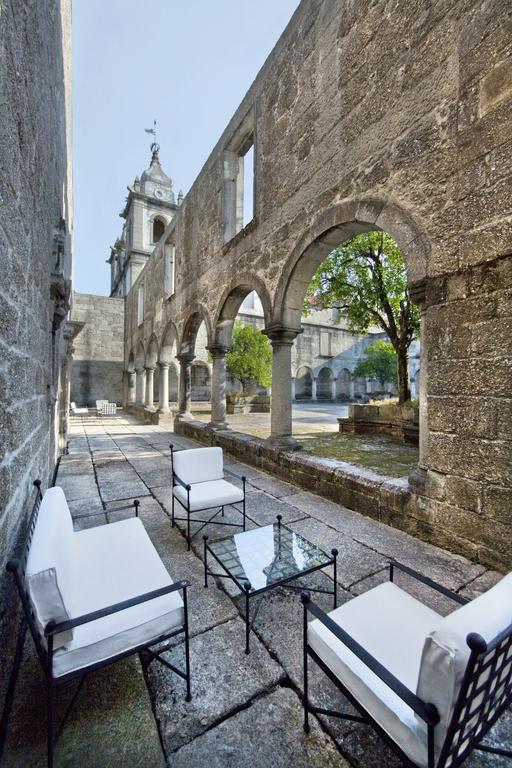
Many of the monastery’s most important spaces remain intact. The cloisters continue to function as places of contemplation, while the former chapel retains much of its original spiritual presence and architectural dignity. Communal areas, including the library, lounges, and restaurant, balance historical character with contemporary comfort. Granite arches, warm lighting, and carefully integrated furnishings create an atmosphere that feels deeply connected to the building’s origins. The restaurant follows a similar philosophy, presenting regional Portuguese cuisine with honesty and refinement, allowing local ingredients and traditions to speak for themselves.
A Living Work of Architecture
Pousada Mosteiro de Amares is more than a beautifully restored historic building. It is a rare example of architecture capable of making time visible. Through restraint, precision, and profound respect for place, Eduardo Souto de Moura transformed a medieval monastery into one of Portugal’s most significant hospitality experiences. For travellers drawn to architecture, history, and meaningful design, Amares offers something far beyond a hotel stay. It is an opportunity to inhabit one of the great architectural dialogues of contemporary Portugal — a place where stone, light, silence, and time continue their conversation centuries after it first began.