Hotel Proverbs, Taipei, Taiwan
A dark, theatrical boutique hotel where Ray Chen turns copper, steel, leather, and shadow into one of Taipei’s most distinctive interiors
Why DNA Hotels Loves It
● Architect and designer Ray Chen gives the hotel a complete visual identity, from its dark steel-mesh façade to the intensely layered interiors.
● Francisco Goya’s Los Proverbios provides an unusual conceptual starting point, translated through copper, black stone, mirrored surfaces, leather, and dramatic lighting rather than literal references.
● With only 42 rooms, the hotel feels intimate and highly authored, while the rooftop pool and bar add a more social, metropolitan counterpoint.
A Dark Figure in the East District
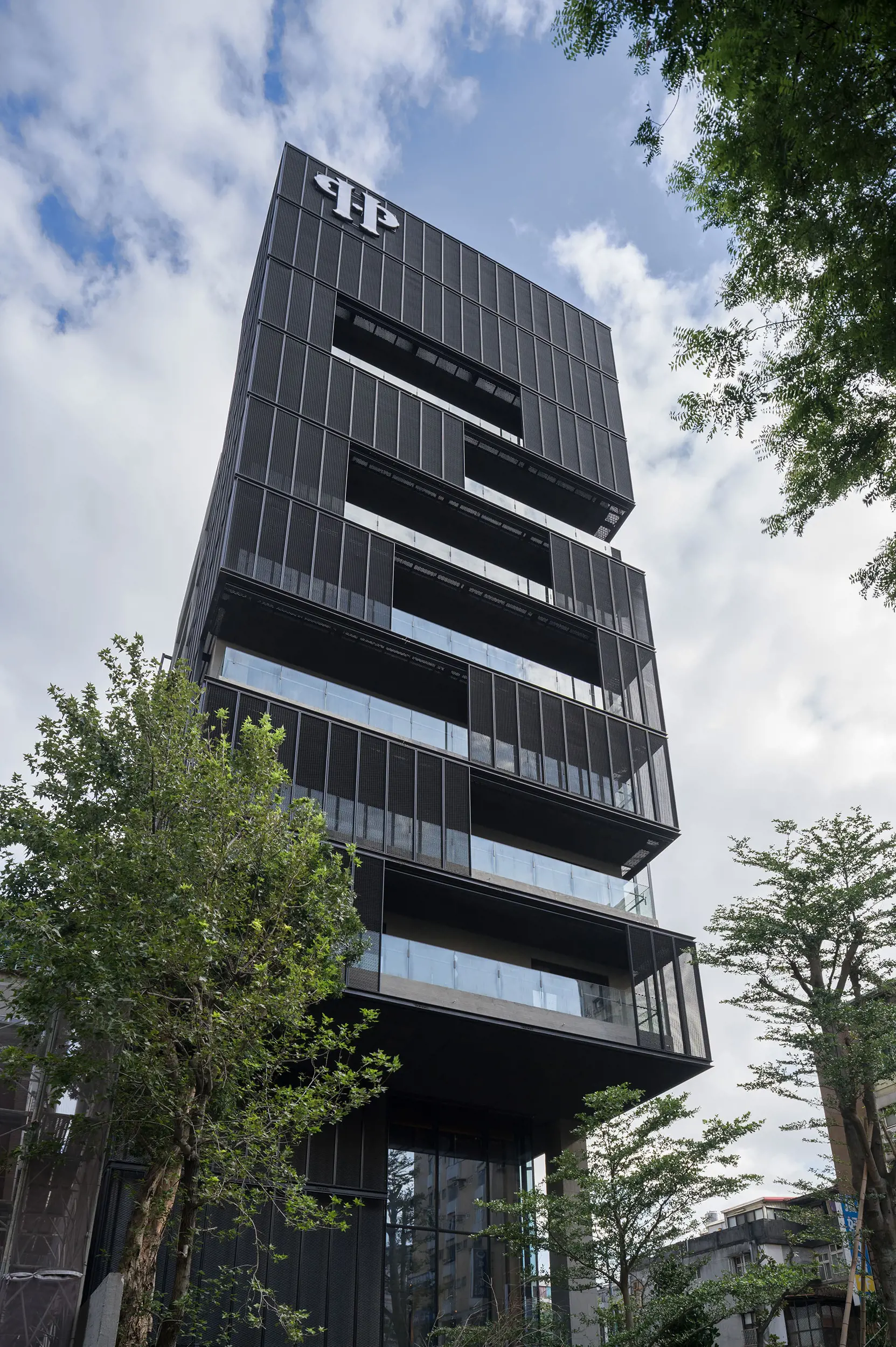
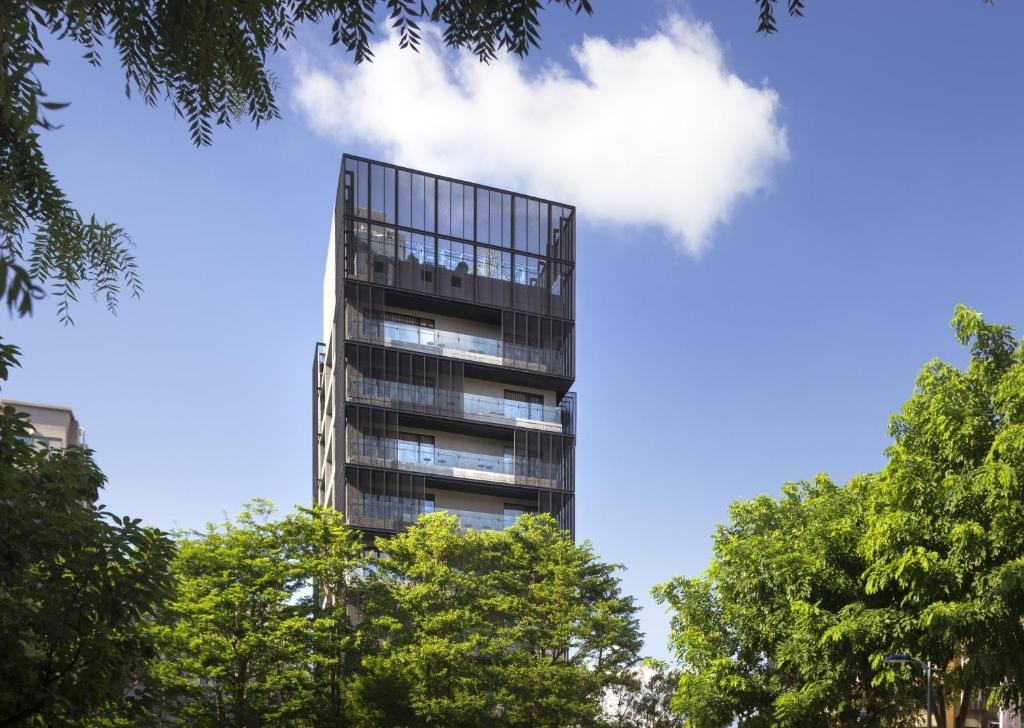
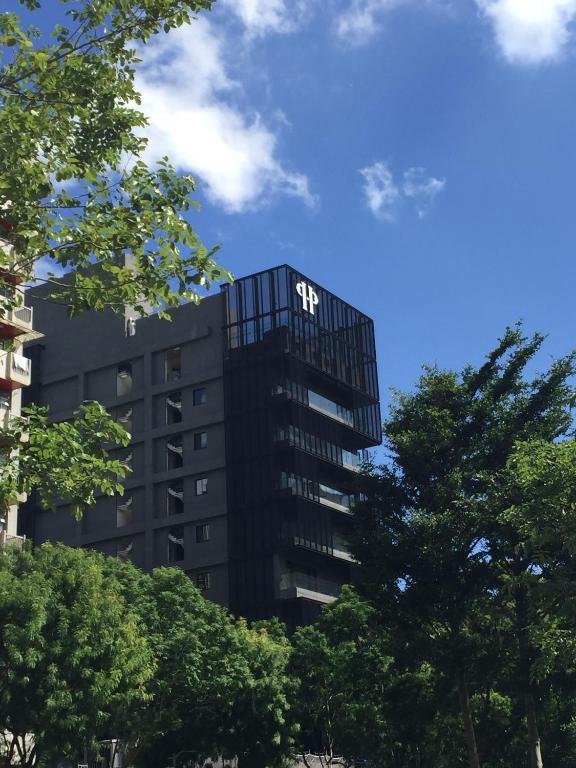
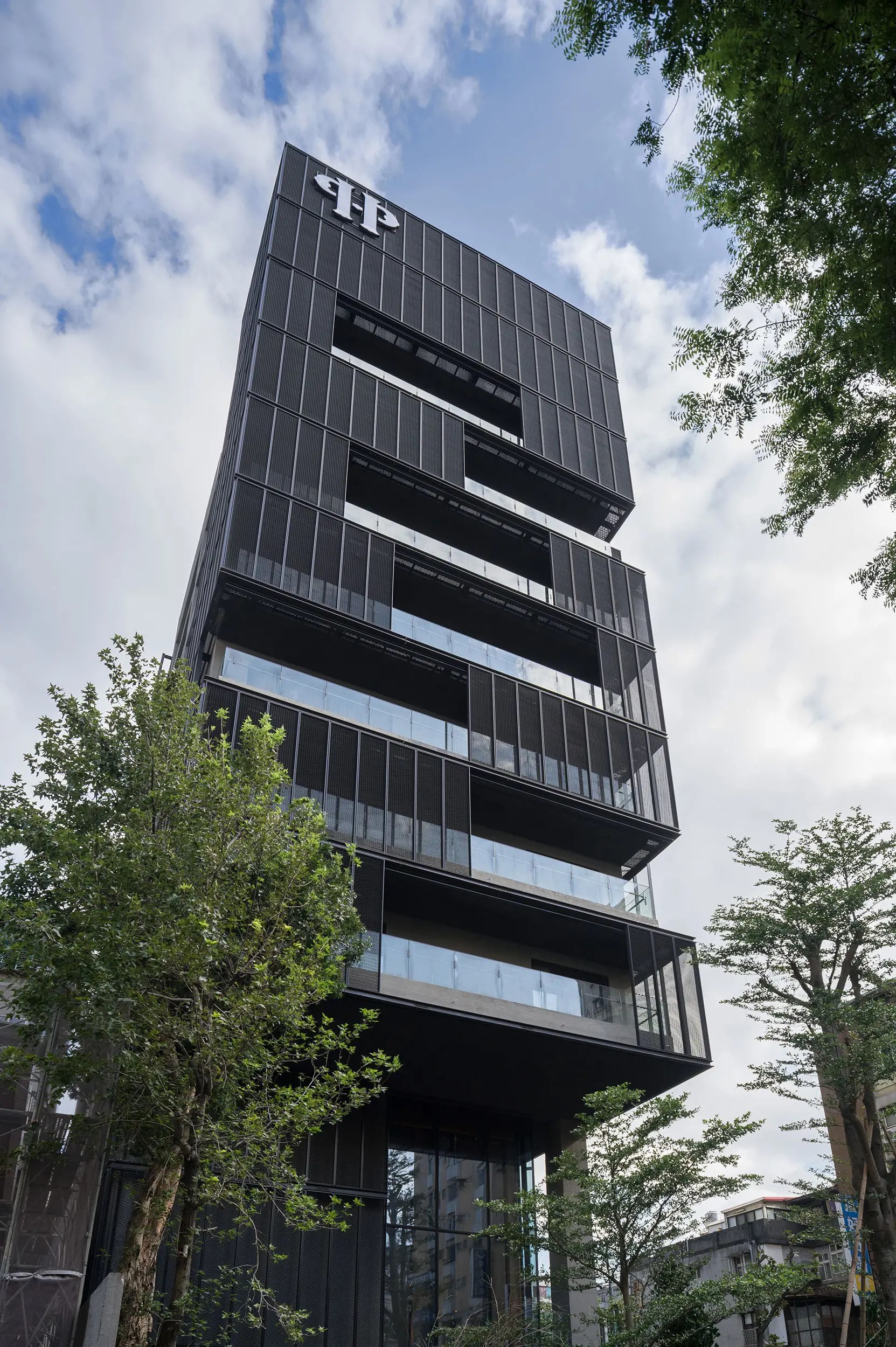
Hotel Proverbs does not attempt to disappear into Taipei. Its black, steel-mesh exterior gives the building an immediate presence in the city’s East District, where boutiques, restaurants, nightlife, and dense urban activity surround it. Ray Chen designed both architecture and interiors, which gives the hotel a consistency that is immediately apparent. The façade is geometric and slightly mysterious. Inside, that sense of intrigue deepens.
Goya, Reinterpreted
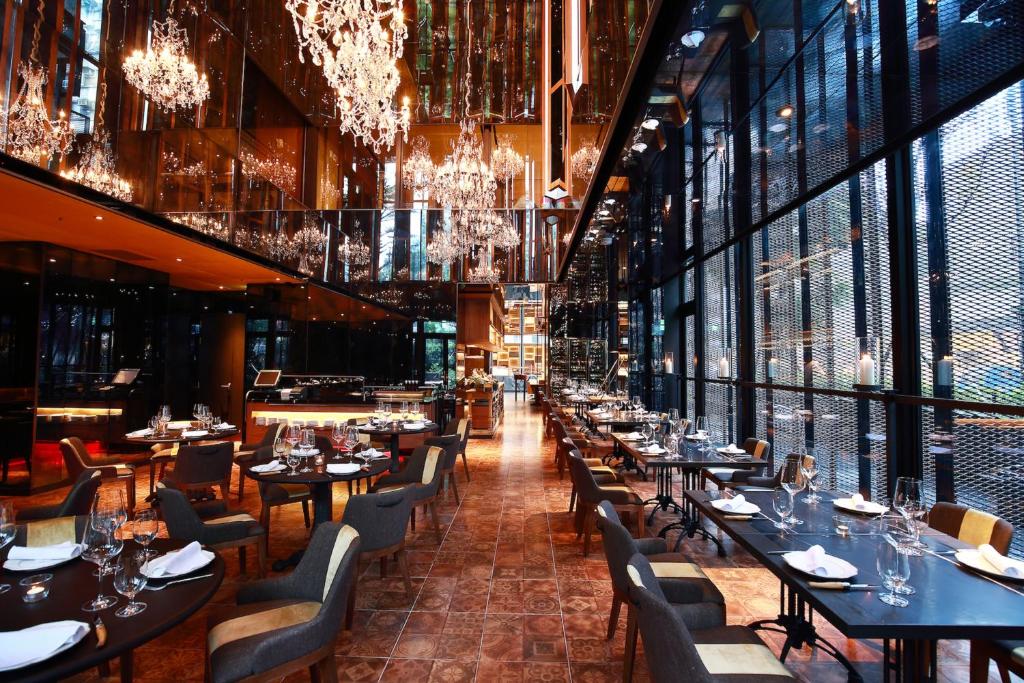
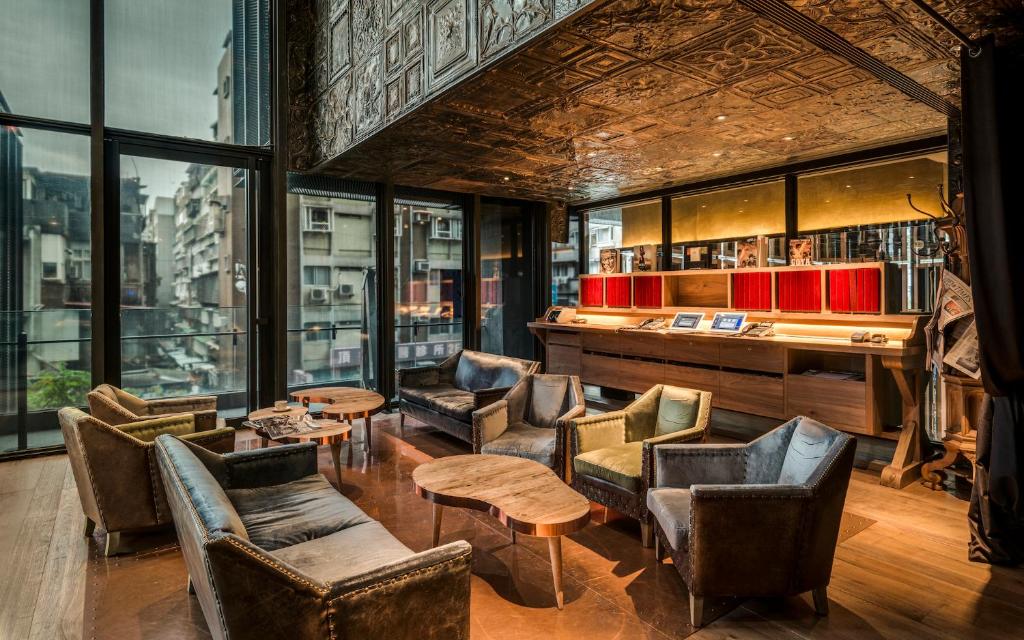
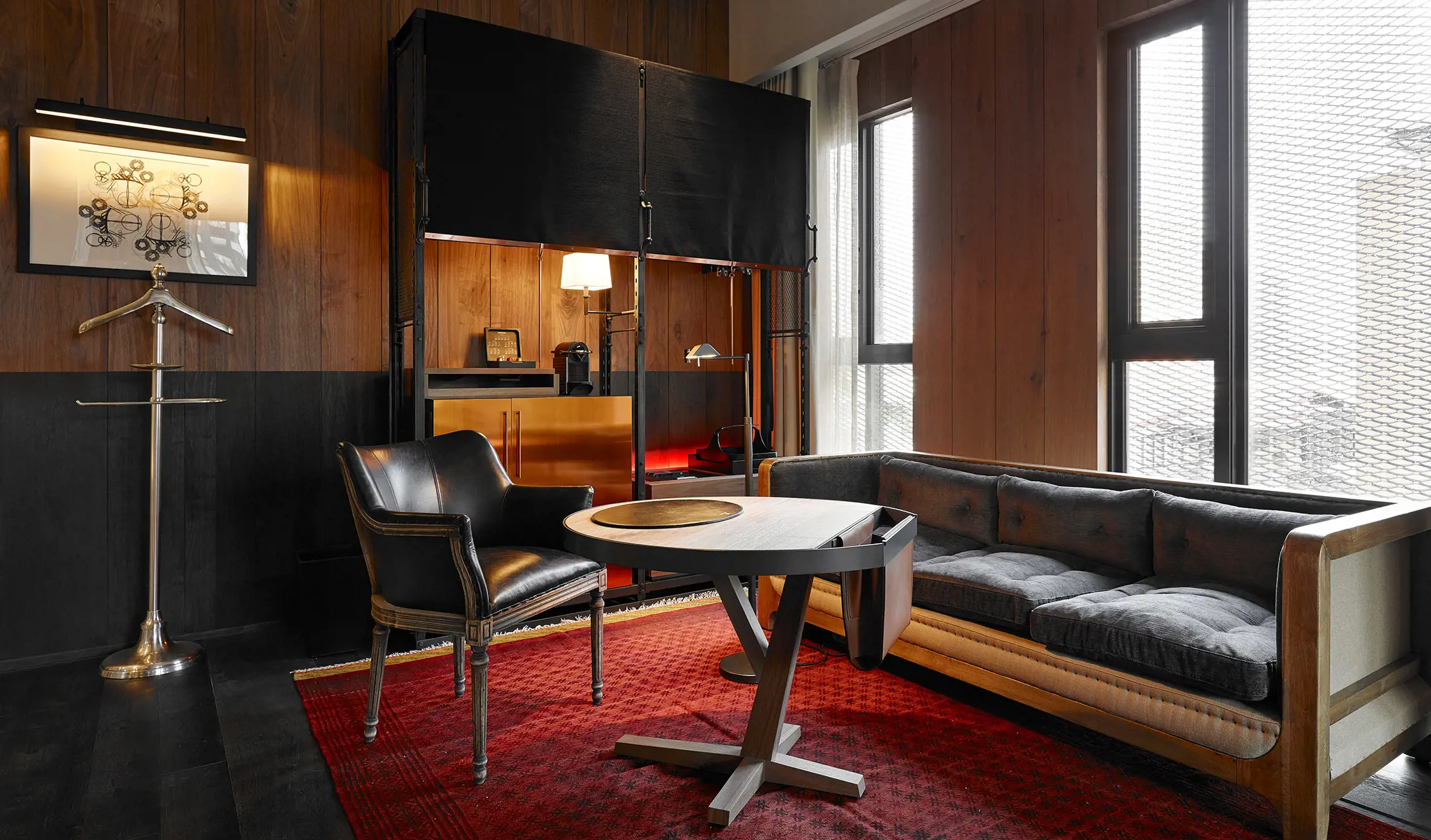
The conceptual reference is Francisco Goya’s nineteenth-century Los Proverbios print series. That could have produced something unnecessarily theatrical. Instead, Chen translates its darker, surreal atmosphere into material and light. Copper-plated surfaces glow against deep timber. Black metal and stone create weight. Leather and textiles add warmth. Crystal chandeliers introduce glamour where the architecture becomes most austere. The mood is decadent. But controlled.
Materials in Tension
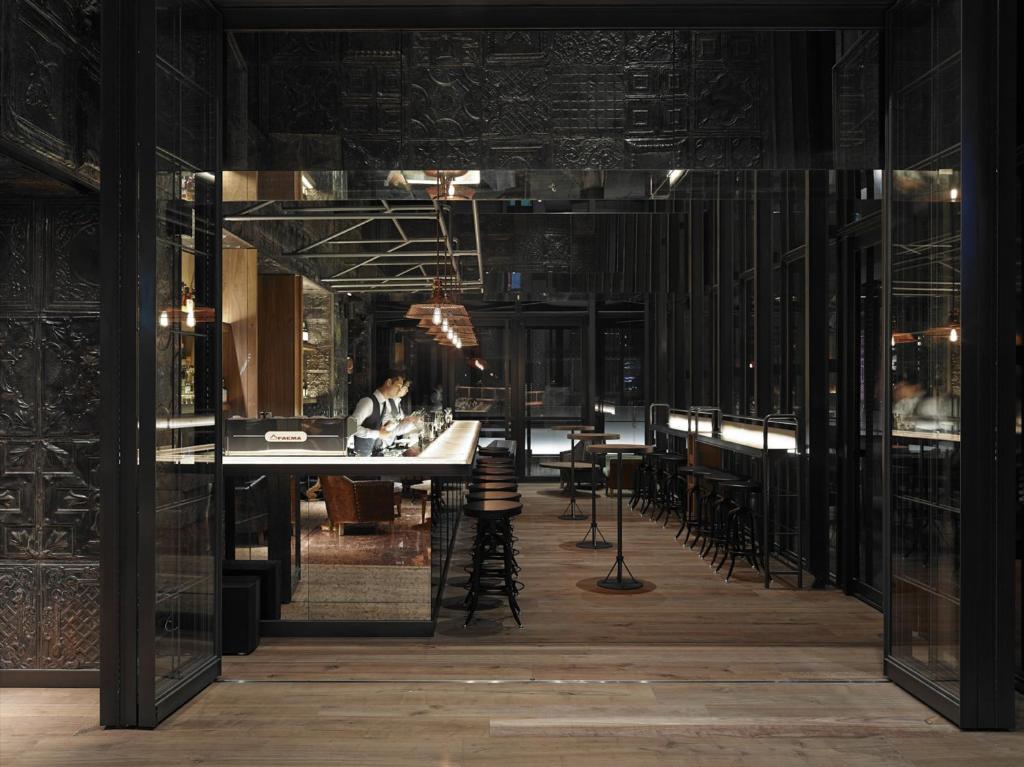
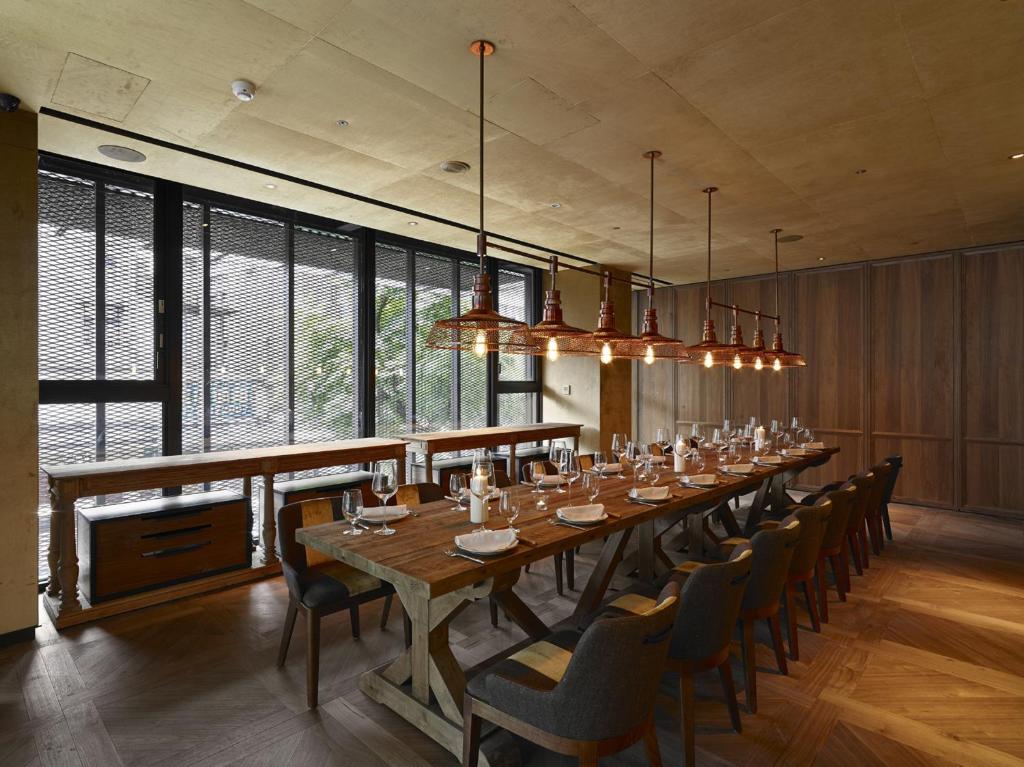
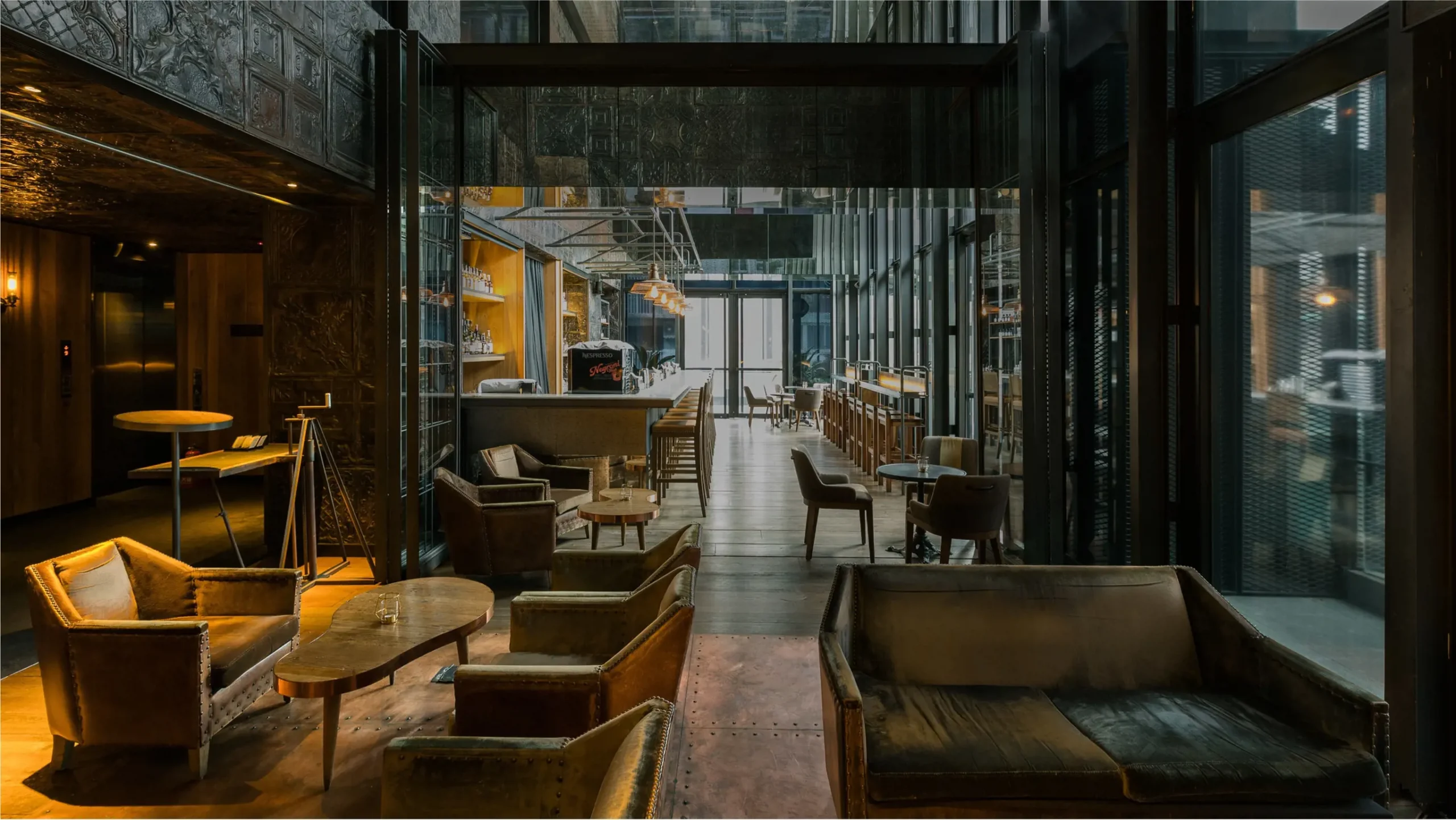
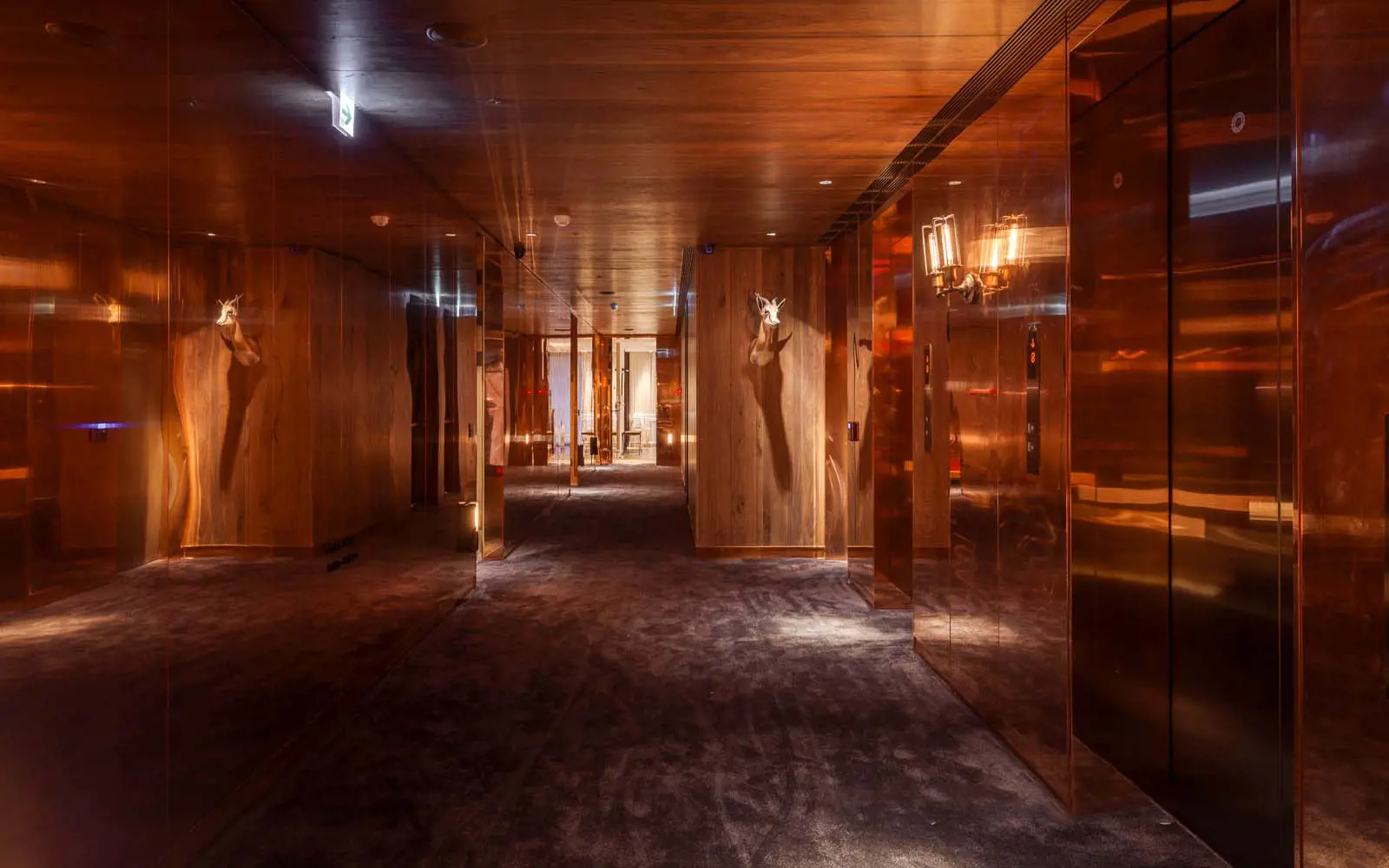
Hotel Proverbs is at its strongest where opposites meet. Polished and rough. Dark and reflective. Industrial and luxurious. Copper catches fragments of light against blackened surfaces, while timber and leather prevent the interiors from becoming cold. Mirrors exaggerate depth and turn relatively intimate spaces into something more cinematic. The effect is almost stage-like. Yet the materials remain convincing enough that the hotel never slips into pure set design.
Forty-Two Individual Rooms
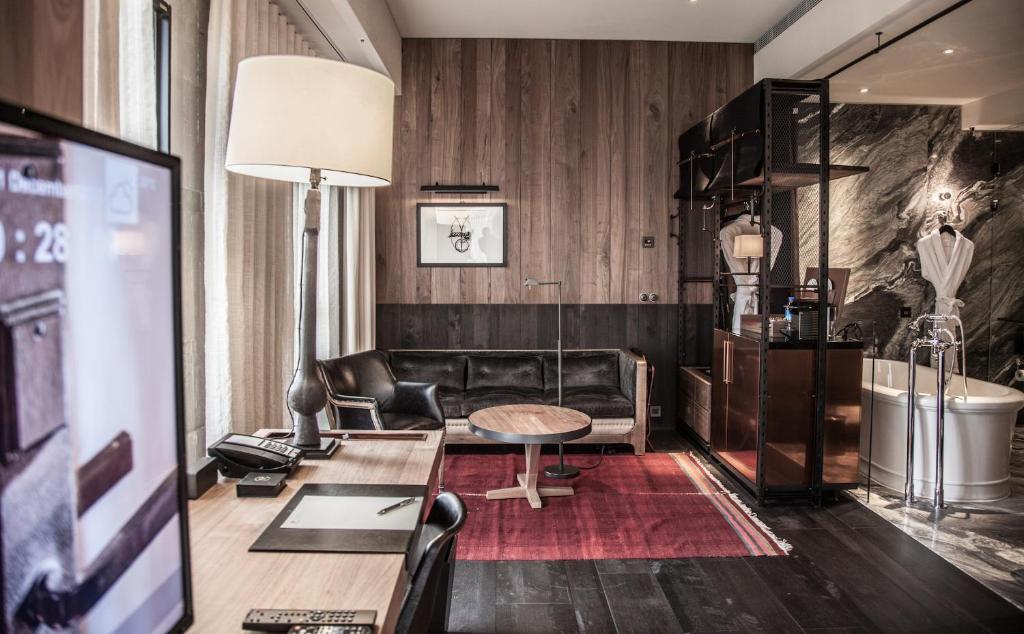
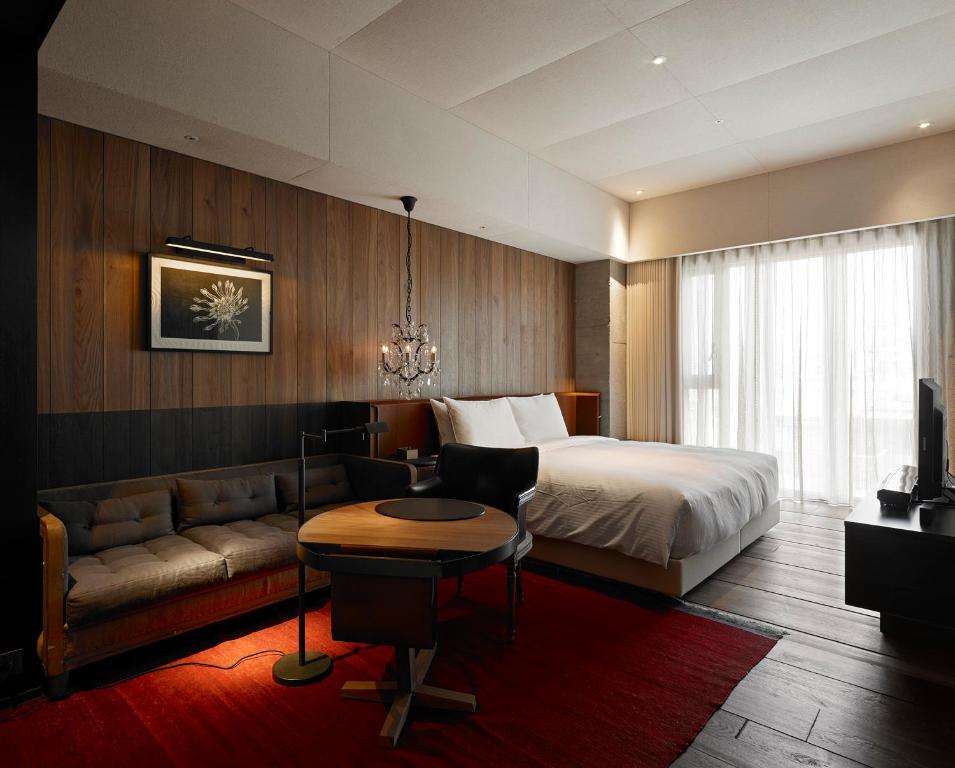
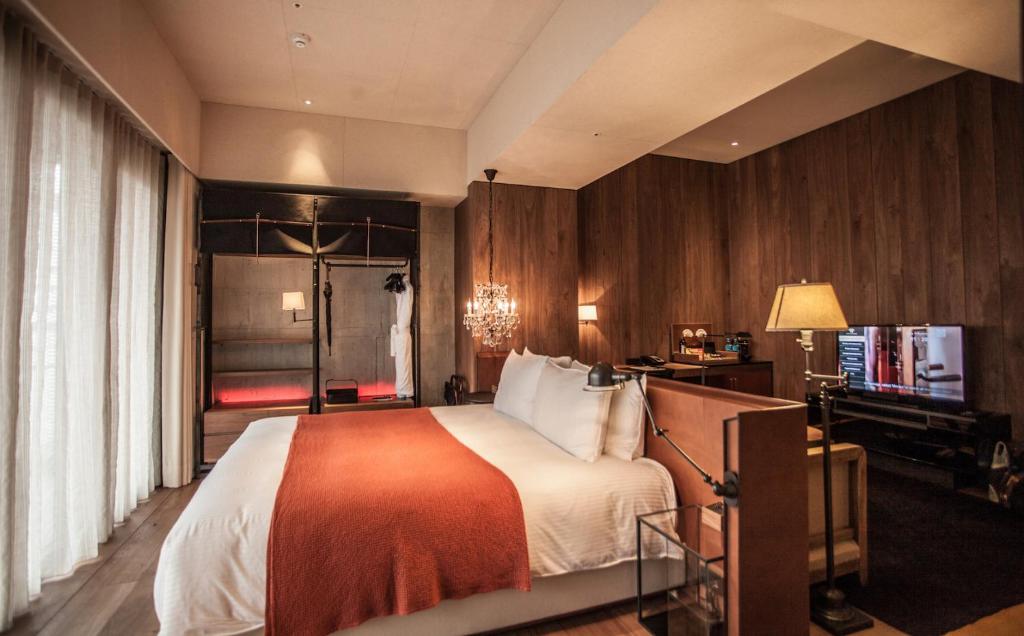
The 42 guestrooms continue the same dialogue. Rather than relying on conventional room layouts, Chen divides spaces conceptually into sleeping, living, and bathing zones, often using furniture, thresholds, and material changes instead of obvious partitions. Dark steel, warm wood, stone, leather, and polished surfaces create a richer atmosphere than the minimalist label might suggest. Bathrooms are particularly dramatic. Black stone, copper, mirrors, and carefully controlled lighting turn them into some of the most theatrical spaces in the hotel. Nothing feels accidental.
Architecture Through Shadow
Lighting plays an unusually important role. Concealed sources create pools of brightness rather than uniform illumination, allowing materials to appear and disappear as you move through the building. Corridors remain deliberately moody. Reflective surfaces catch fragments of light. Crystal and metal provide brief moments of brilliance. It gives the hotel a cinematic rhythm. You do not simply walk from lobby to room. You move through a sequence.
The Rooftop Above It All
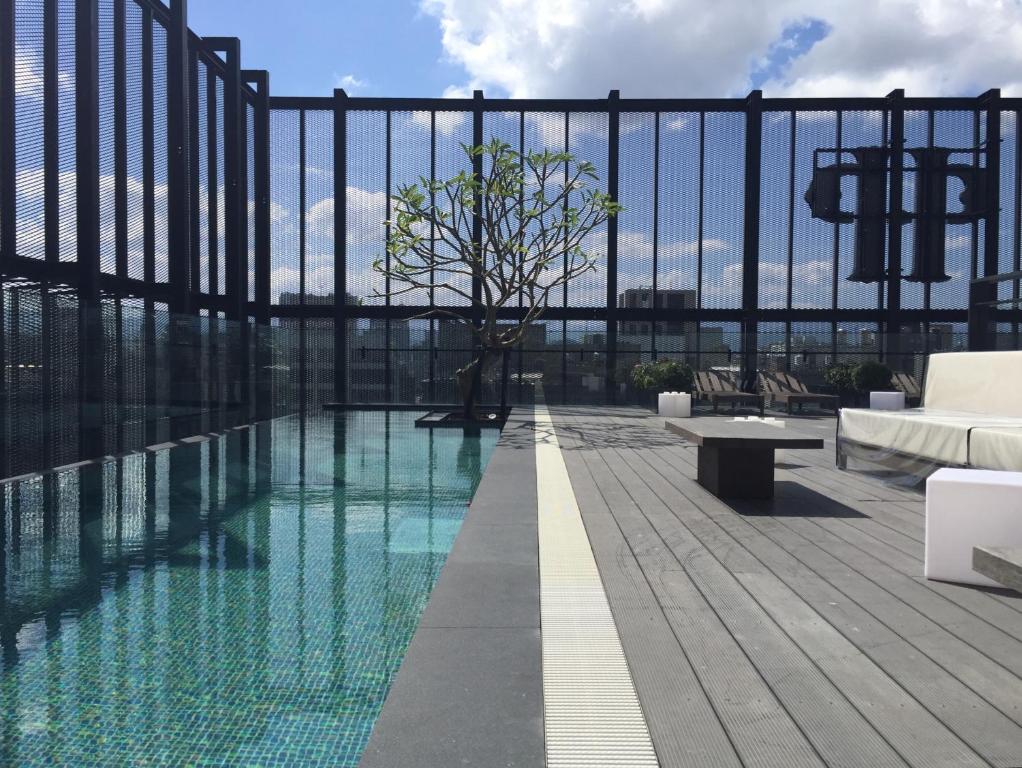
At the top, the rooftop pool shifts the mood again. The dark architectural shell becomes a frame for Taipei’s skyline, with the steel structure acting almost like a screen between guest and city. After the enclosed intensity below, the openness feels deliberate. It is one of those design moves that works because of contrast. Shadow downstairs. Sky above.
Food, Bar, and East District Energy
The hotel’s dining and drinking spaces extend its social character. The restaurant focuses on carefully prepared seasonal ingredients, while the bar has long been one of the property’s defining evening spaces. This is not a hotel designed to withdraw completely from Taipei. It is deeply urban. The hotel absorbs the energy of the East District and then filters it through a darker, more controlled interior world.
Why It Works
Hotel Proverbs succeeds because Ray Chen commits fully to a point of view. The dark steel façade, copper, timber, stone, mirrors, leather, and carefully staged lighting all belong to the same architectural narrative. The Goya reference gives the project conceptual depth without becoming a theme, while the small scale keeps the experience intimate rather than overwhelming. In a city with no shortage of polished luxury hotels, Proverbs stands apart through atmosphere. Moody, sensual, and highly composed, it is Taipei hospitality with real dramatic intent.