Pulitzer Amsterdam | The Netherlands
Where History, Design, and Dutch Soul Flow Together
Why DNA Hotels Loves It
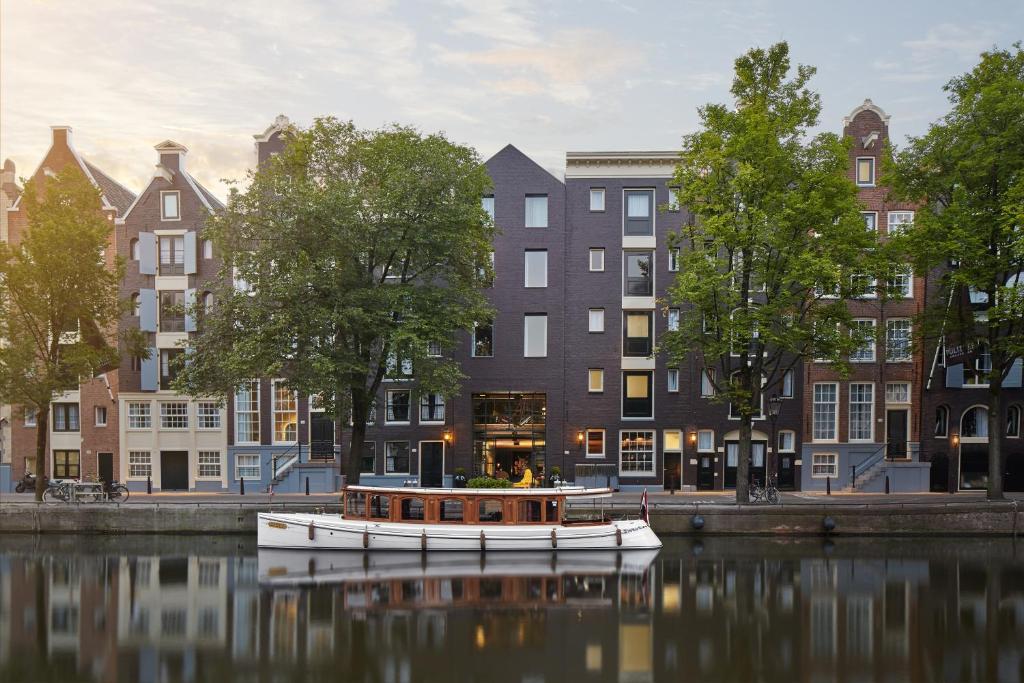
● Twenty-five interconnected Golden Age canal houses transformed into one of Europe’s most characterful design hotels.
● Jacu Strauss’ brilliantly layered interiors celebrate Dutch heritage with humour, individuality, and contemporary flair.
● A hotel that feels less like a luxury property and more like a living Amsterdam neighbourhood filled with stories, art, and unexpected discoveries.
A Village Hidden Within the Canals
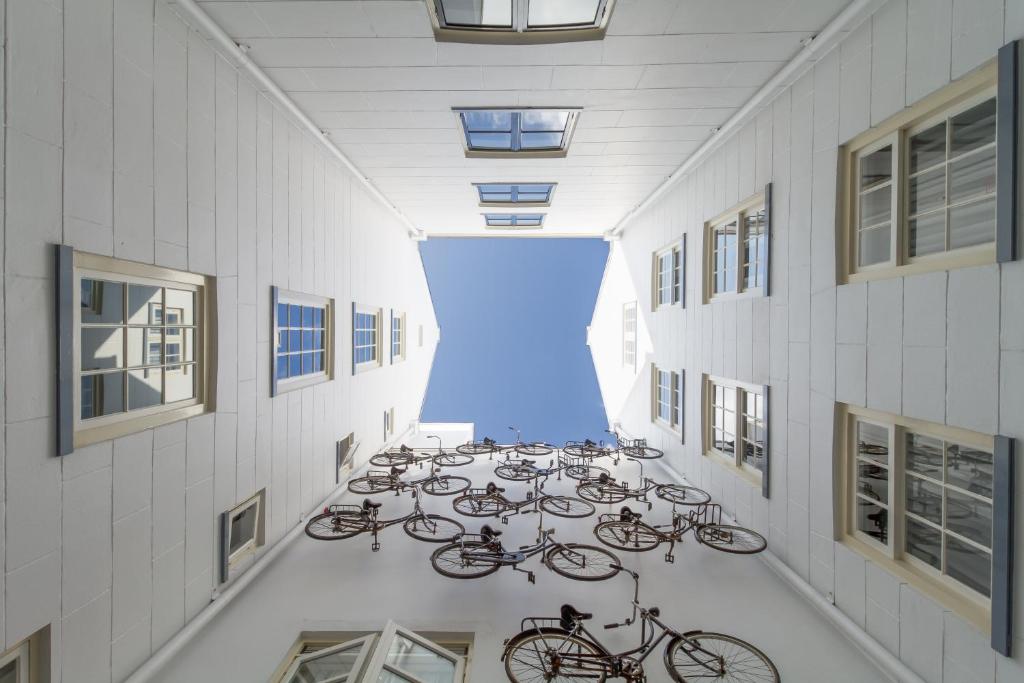
Some hotels occupy historic buildings. Pulitzer Amsterdam inhabits an entire piece of the city. Spread across 25 restored canal houses dating from the 17th and 18th centuries, the hotel stretches between the Prinsengracht and Keizersgracht, creating a labyrinth of staircases, courtyards, corridors, and hidden rooms unlike anywhere else in Amsterdam. Its origins can be traced back to Peter Pulitzer, grandson of the founder of the Pulitzer Prize, whose fascination with Amsterdam’s canal houses led him to gradually acquire and preserve these remarkable buildings. Rather than creating a uniform luxury hotel, the project evolved into something far more interesting: a collection of individual houses connected into a single, wonderfully eccentric whole. The result feels less like checking into a hotel and more like gaining access to a private corner of Amsterdam that most visitors never discover.
Jacu Strauss and the Art of Storytelling
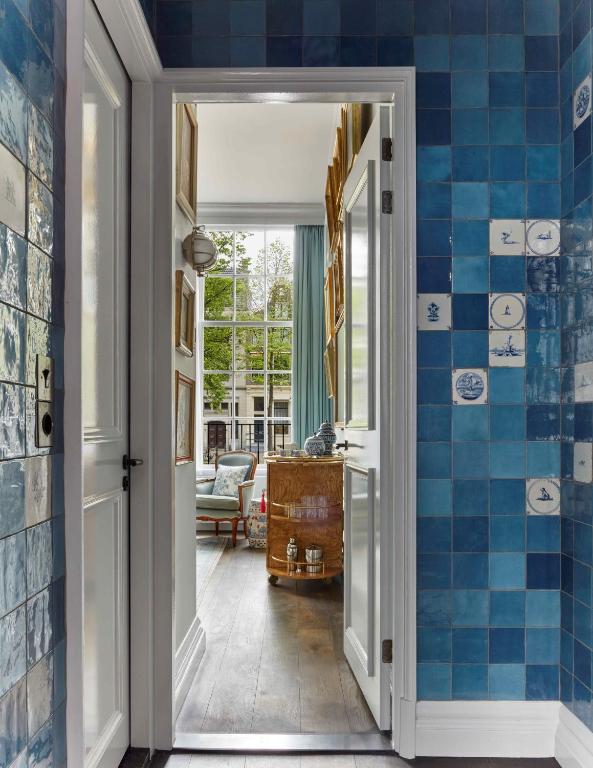
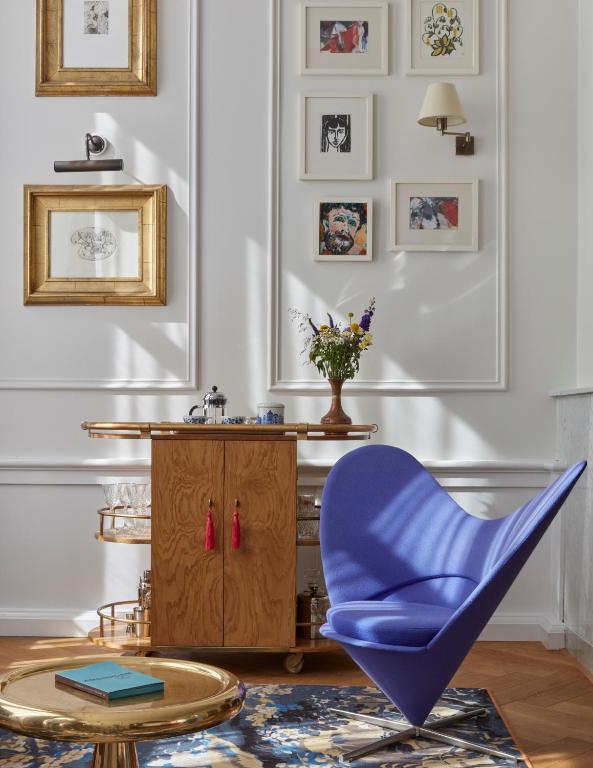
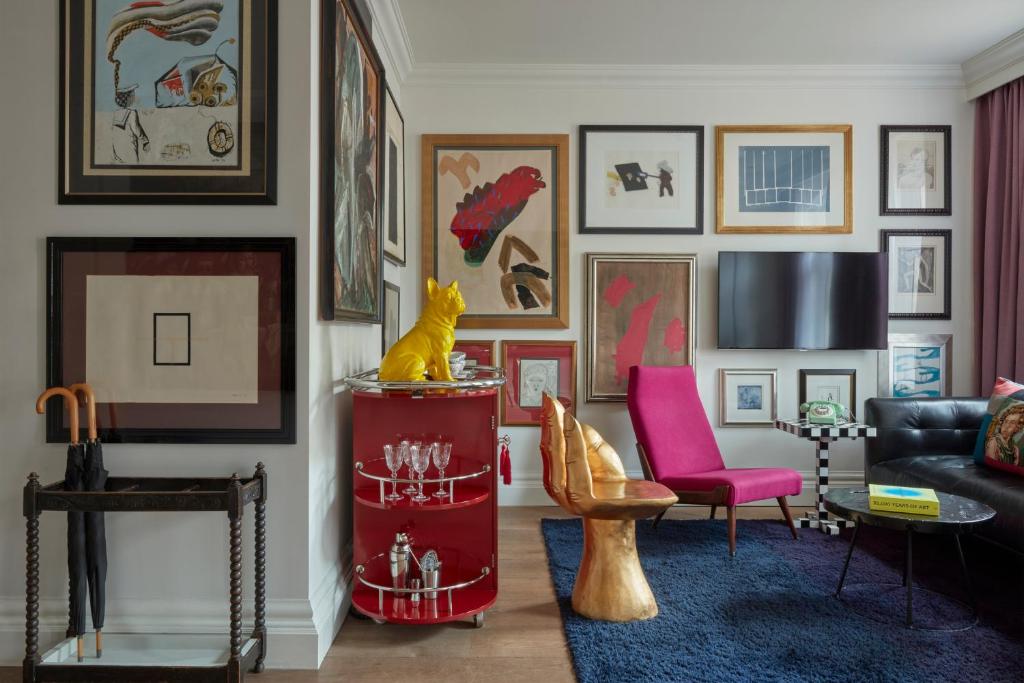
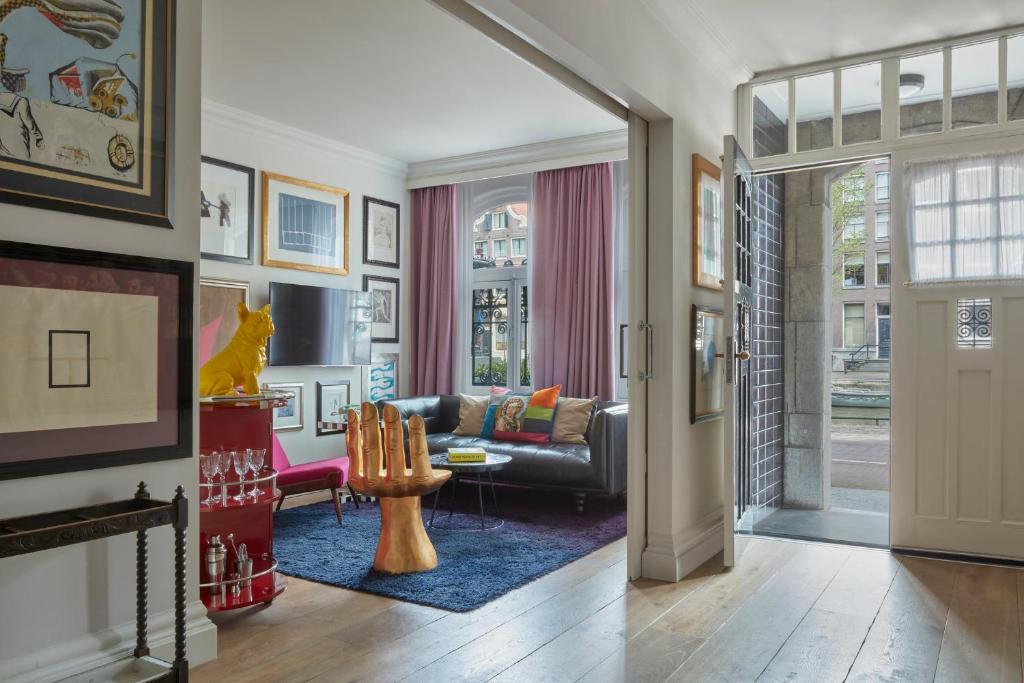
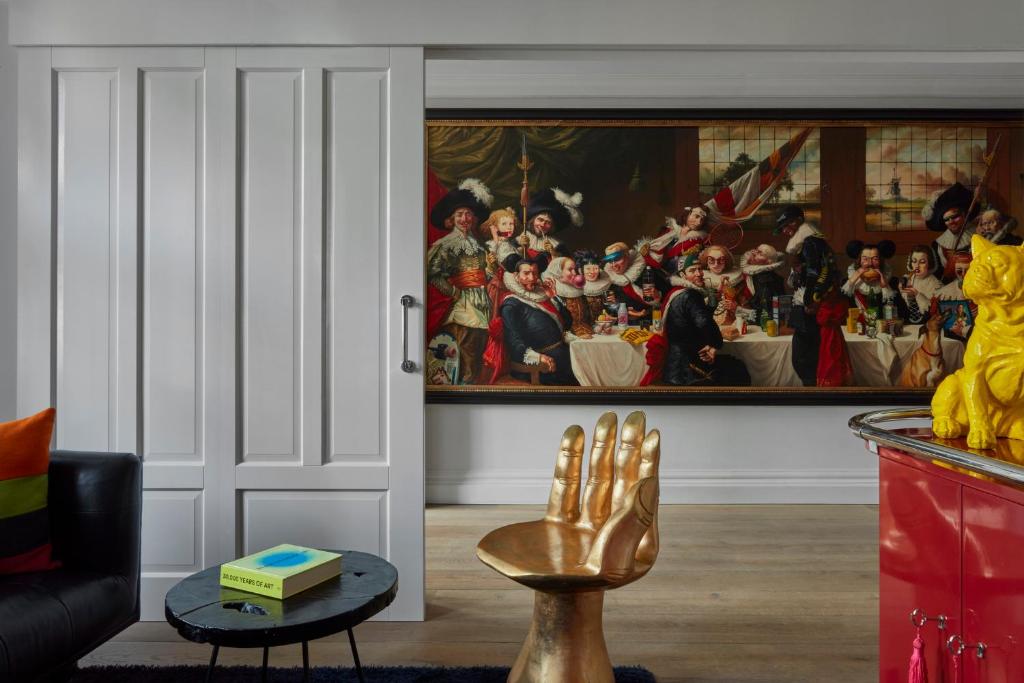
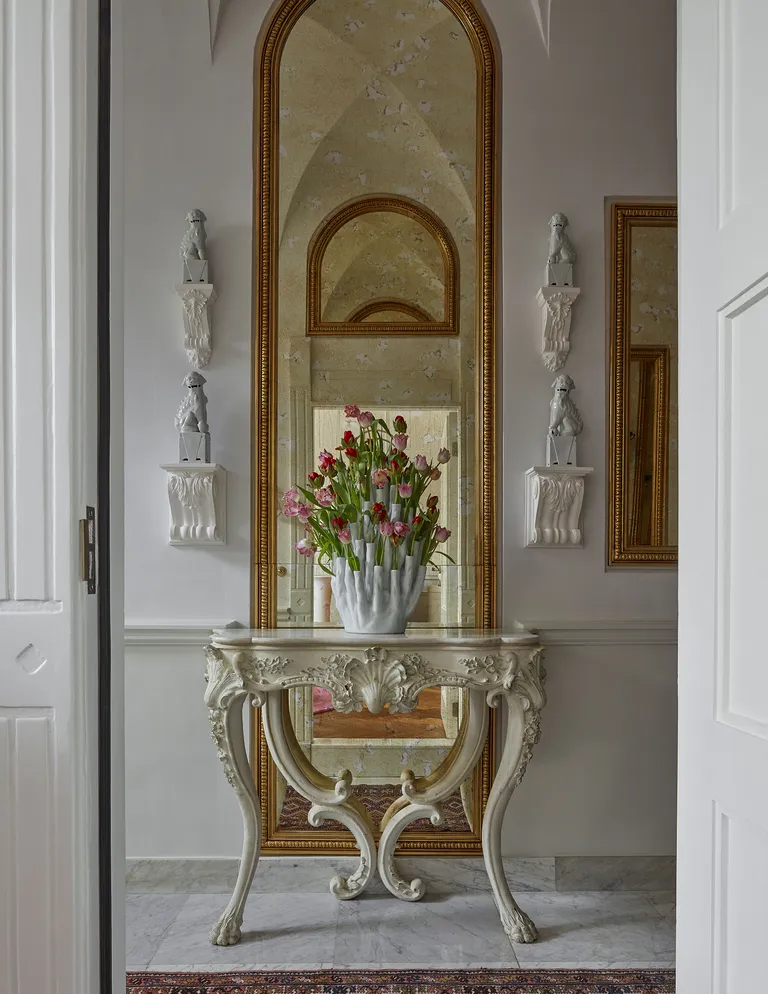
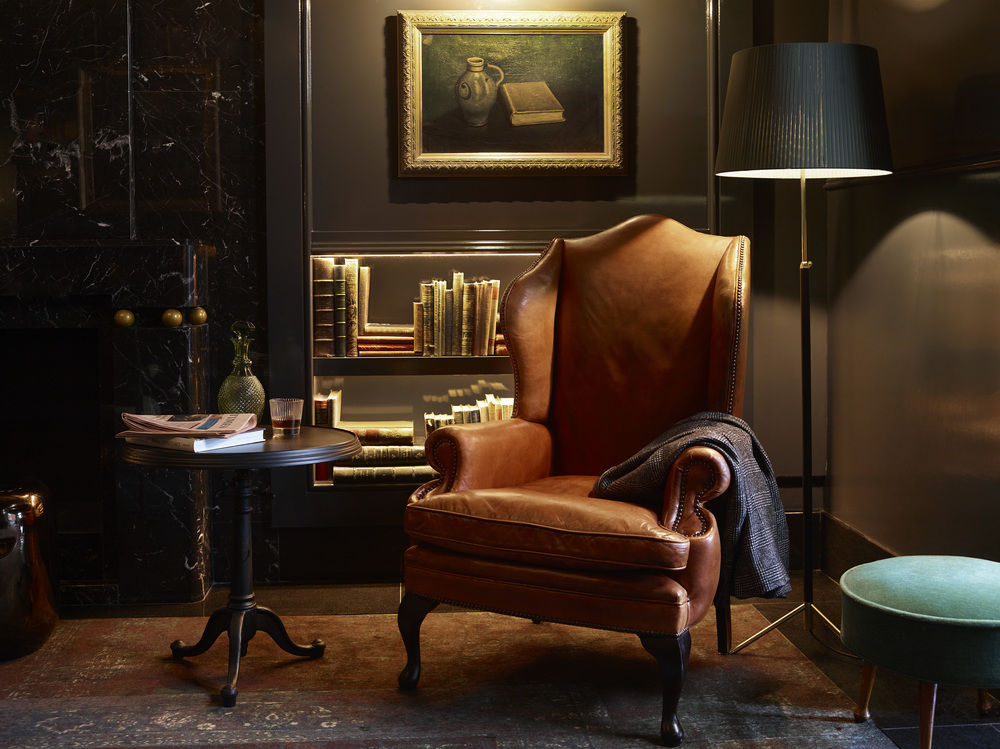
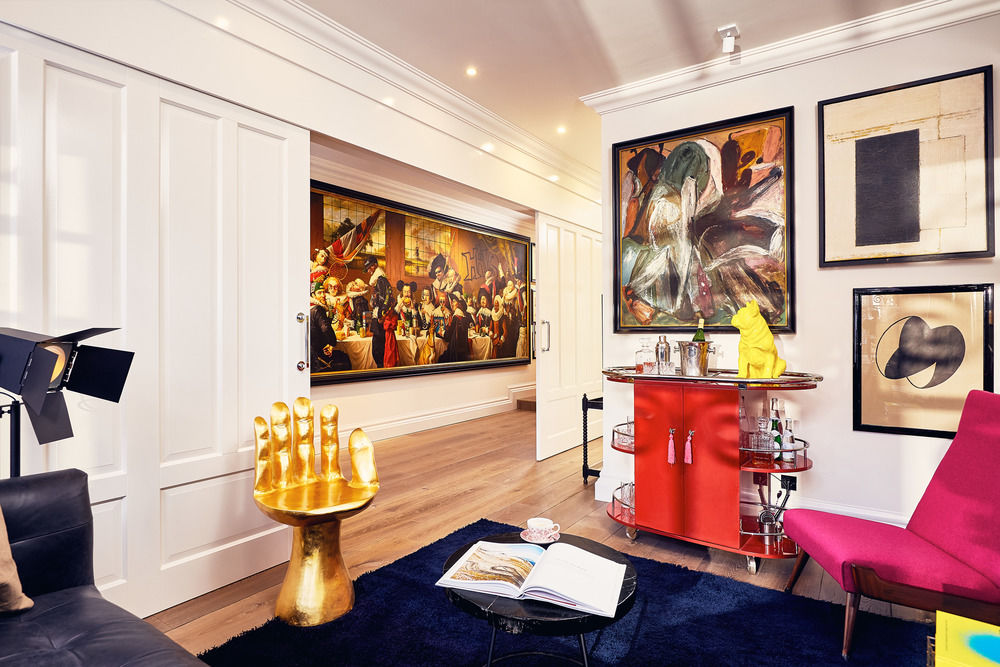
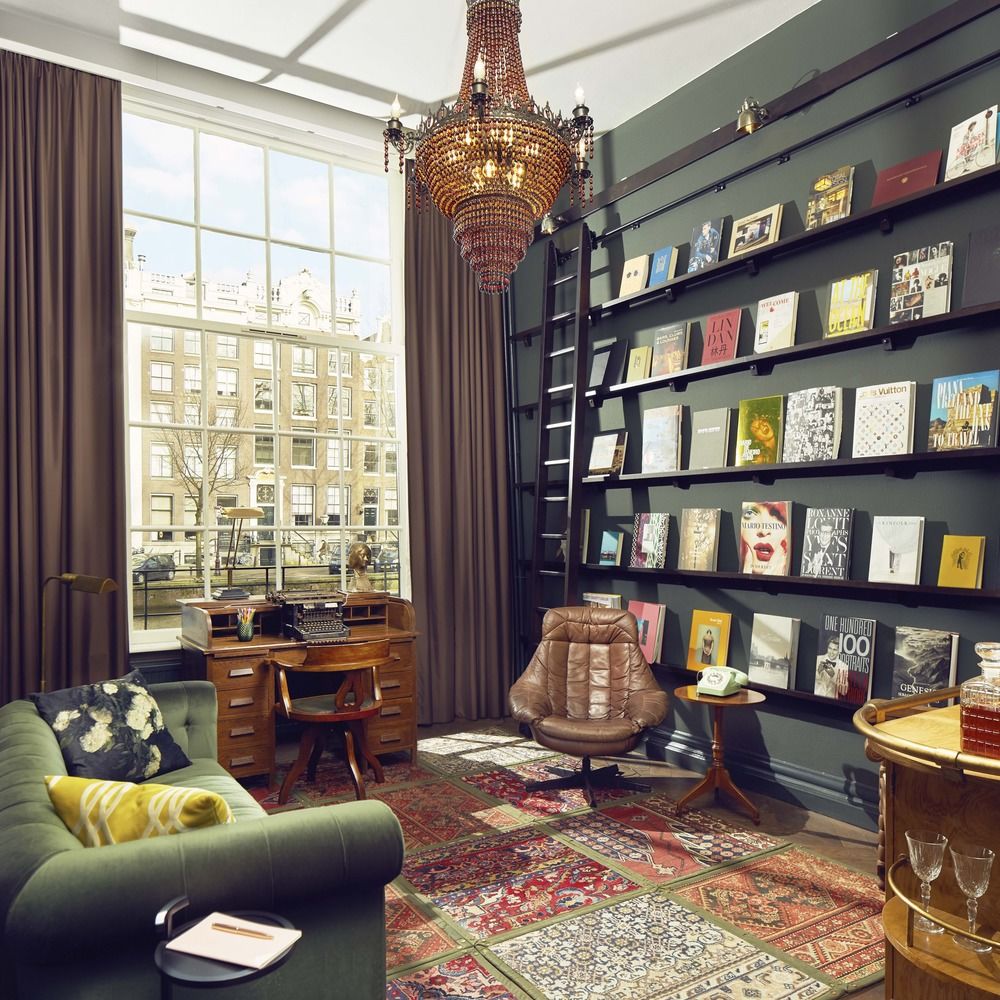
The hotel’s transformation under creative director Jacu Strauss elevated Pulitzer into one of Europe’s most distinctive design destinations. Rather than erasing the quirks of the historic buildings, Strauss embraced them wholeheartedly. Crooked walls, sloping ceilings, narrow corridors, and unexpected floor plans remain intact, becoming part of the experience rather than obstacles to modernisation. Throughout the interiors, antique furniture sits comfortably beside contemporary artwork, vintage curiosities, bold colours, and playful design interventions. The atmosphere constantly shifts between old and new, formal and informal, elegant and eccentric. It is distinctly Dutch in its confidence, refusing to take itself too seriously while maintaining impeccable design credentials. Every corner feels curated yet deeply personal.
Rooms with Stories to Tell
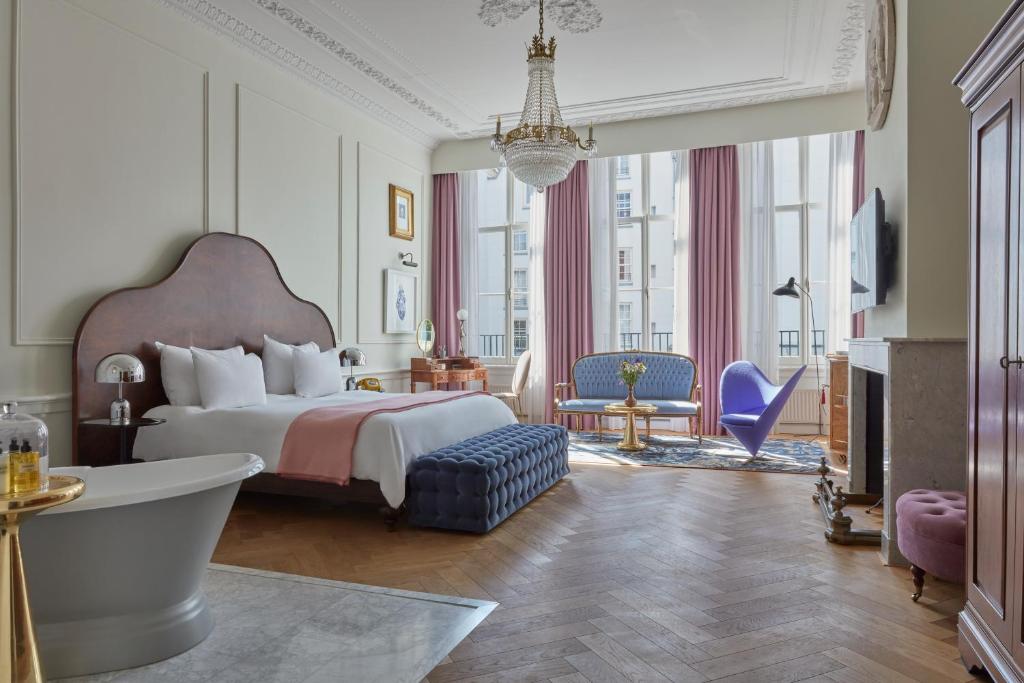
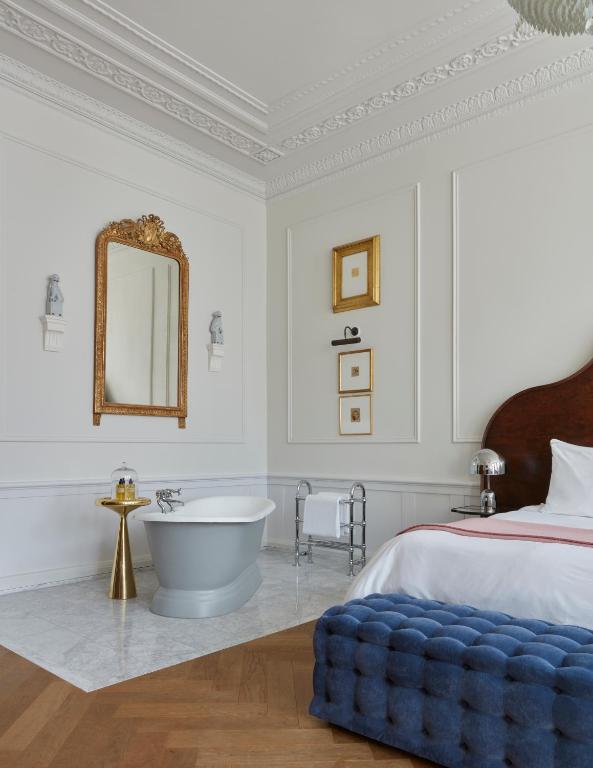
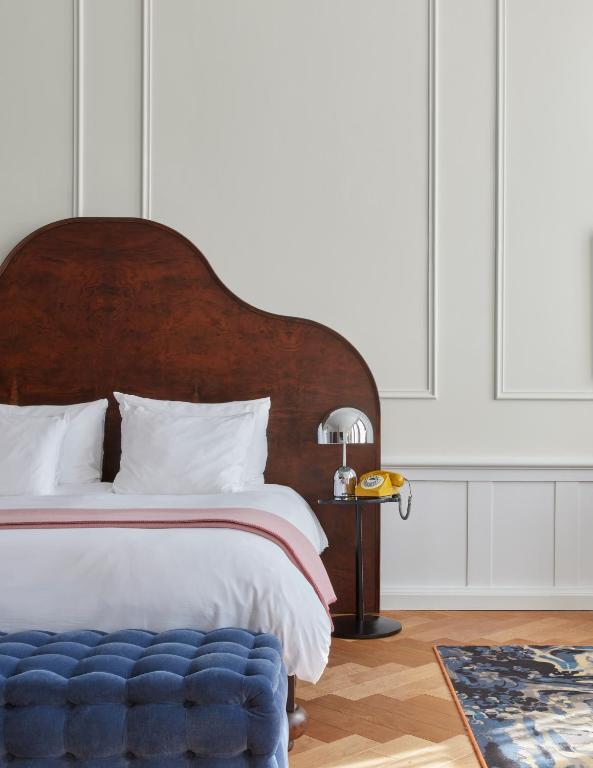
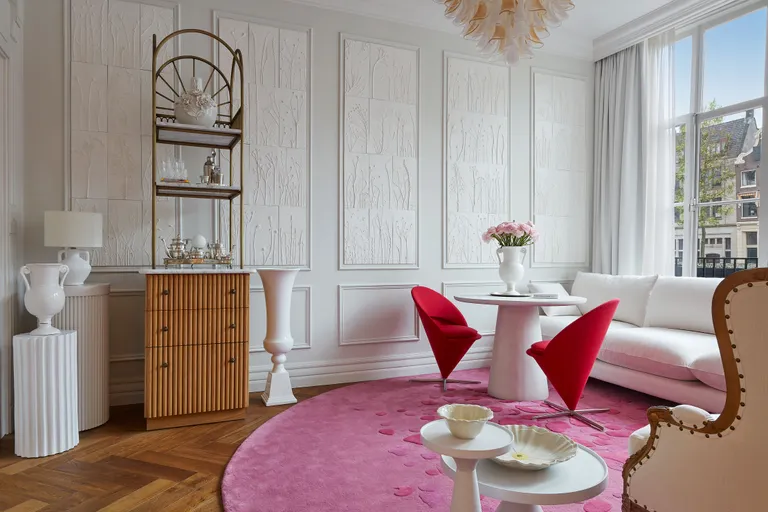
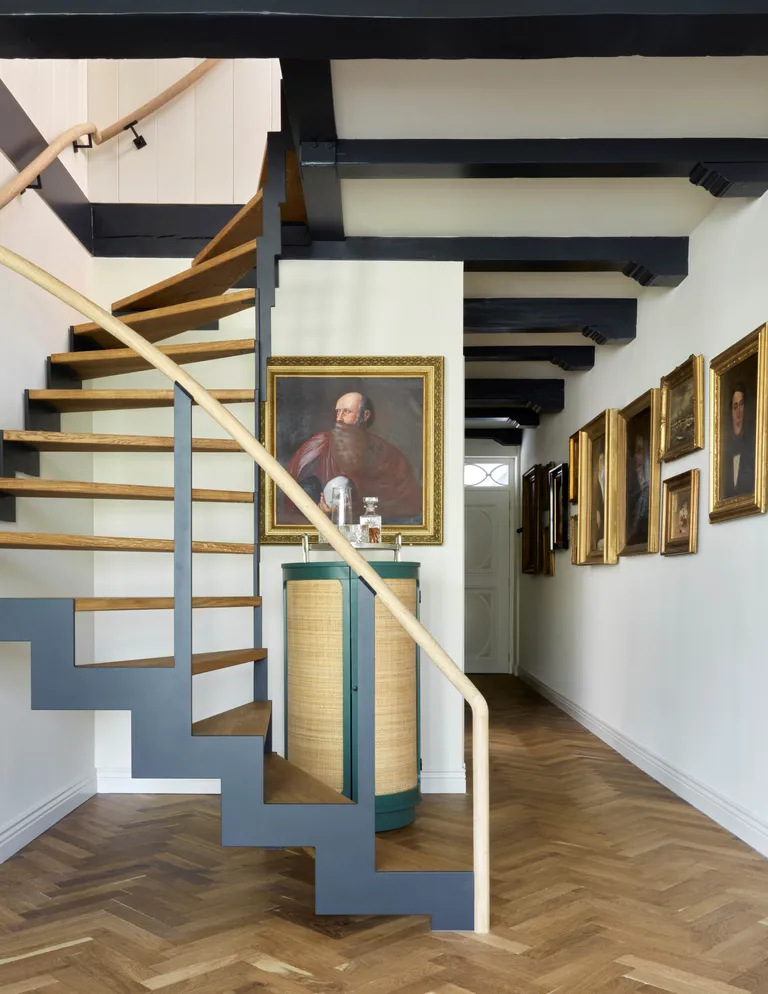
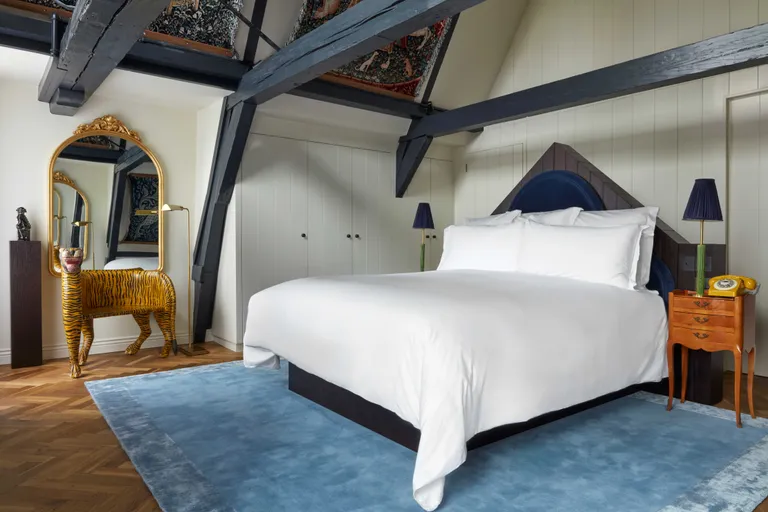
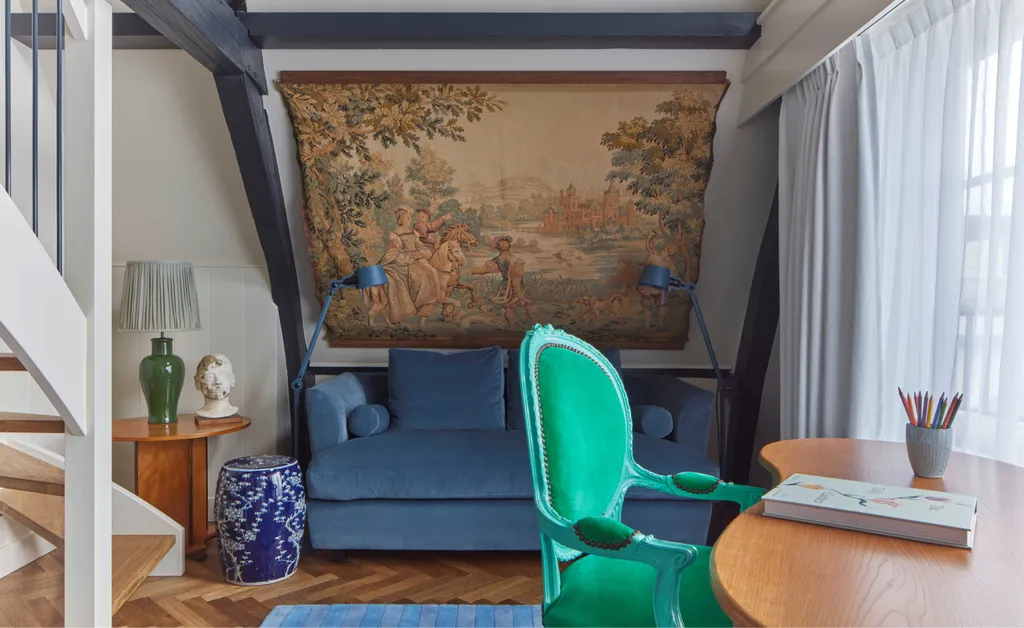
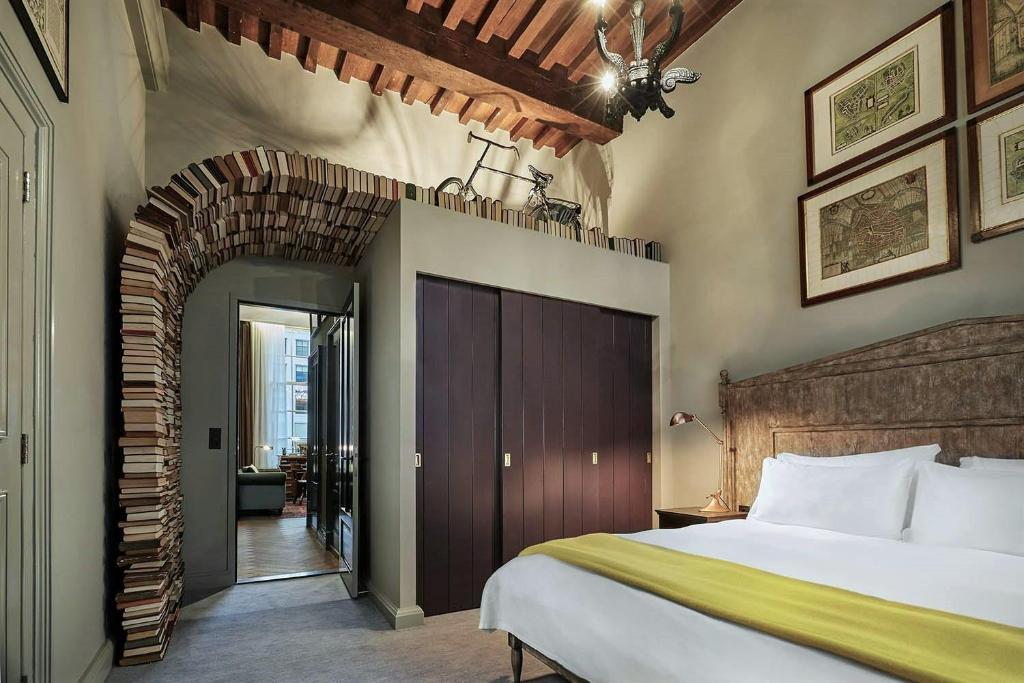
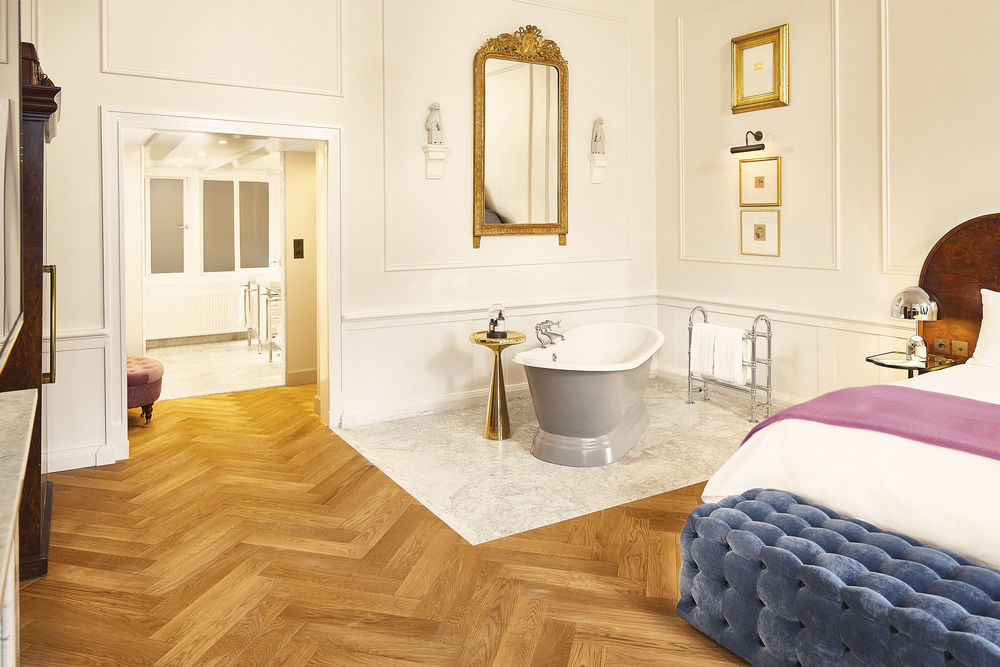
No two of the hotel’s 225 rooms and suites are alike. Some overlook the canals, others face hidden gardens and courtyards, while many retain original architectural features that make each space unique. Dark timber beams, herringbone floors, marble bathrooms, velvet upholstery, and carefully chosen vintage pieces create rooms that feel residential rather than hotel-like. Contemporary comforts are seamlessly integrated without diminishing the historical character of the buildings.
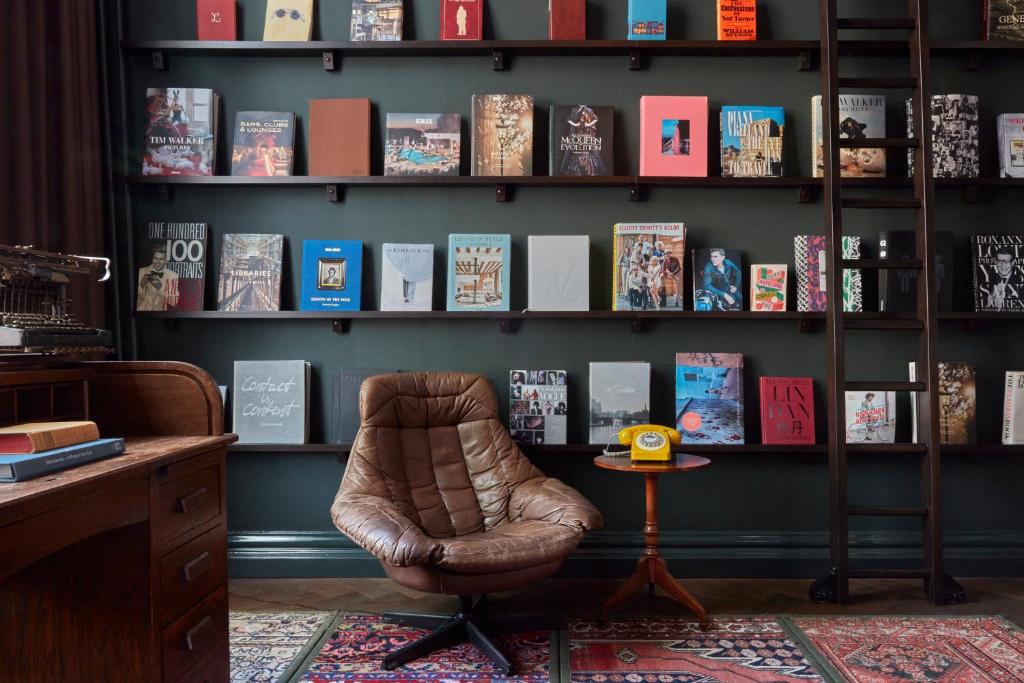
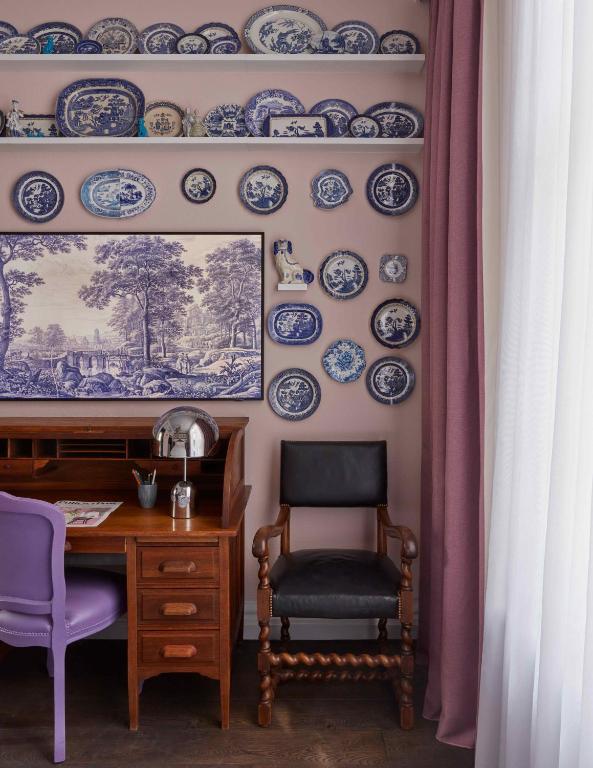
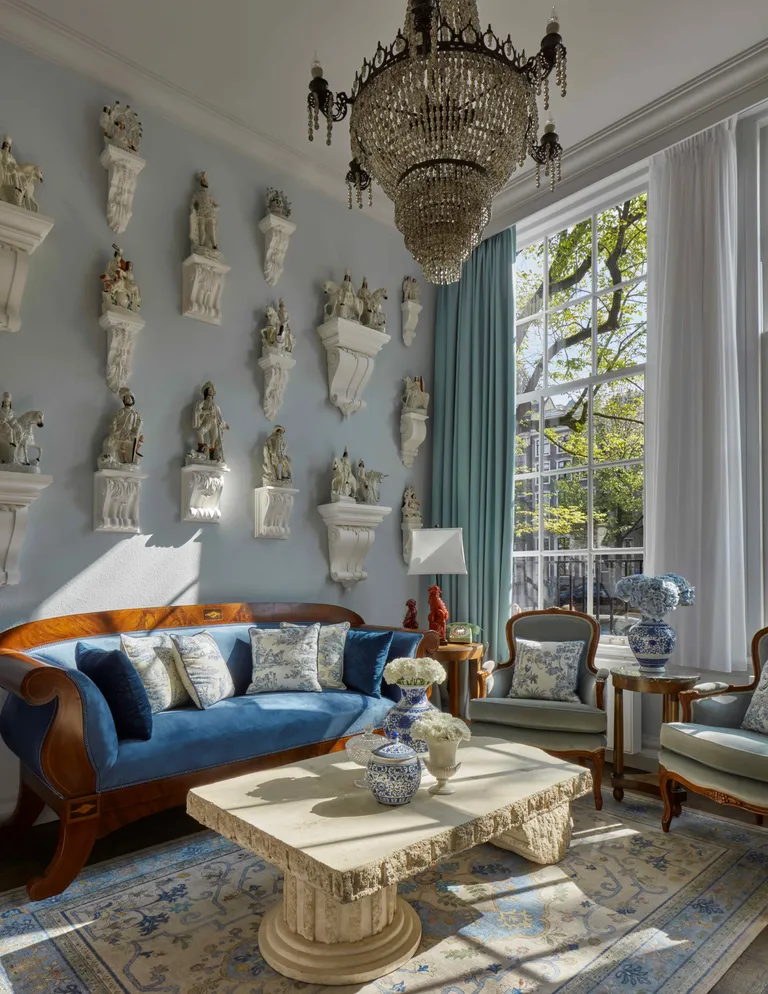
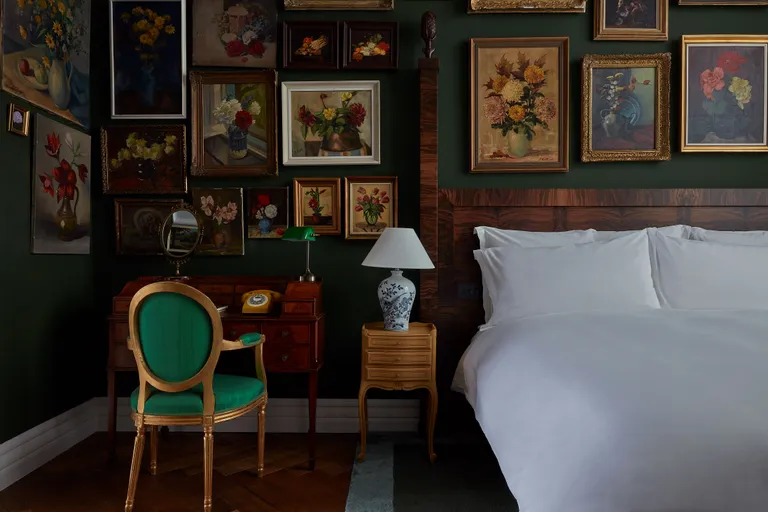
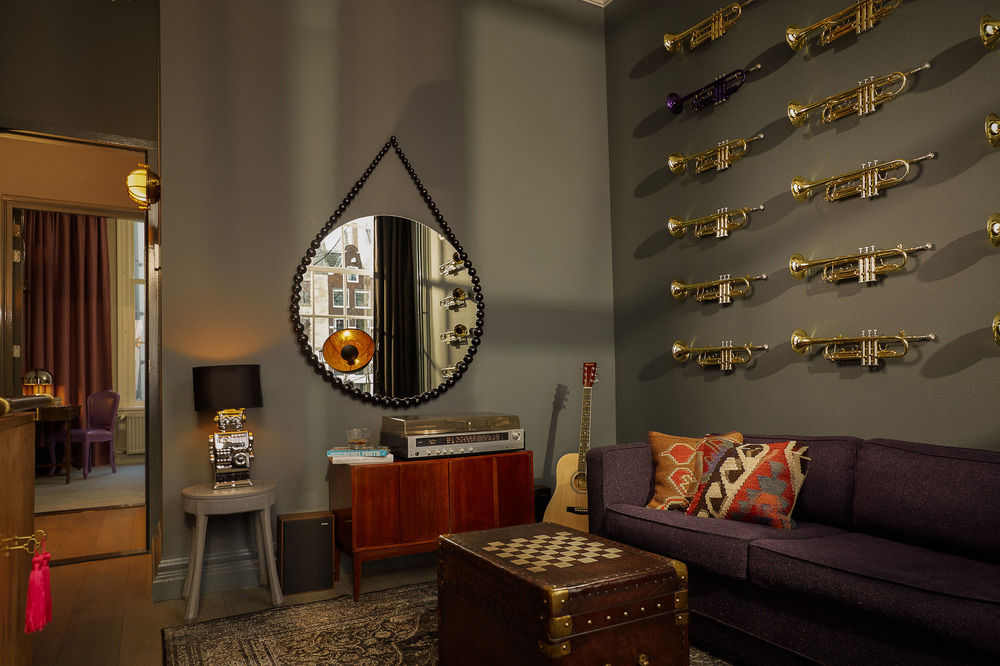
The hotel’s famous Collector’s Suites take the storytelling concept even further. The Art Collector, Book Collector, Music Collector, Flower Collector, Porcelain Collector, and Antique Collector suites each create immersive narratives through furniture, objects, artwork, and architectural details. Rather than themed rooms, they feel like the private homes of fascinating fictional residents. The recently introduced Merchant Suite adds another chapter to this evolving collection, occupying a three-storey canal house that celebrates Amsterdam’s mercantile past through preserved architectural details and contemporary comfort.
Amsterdam Through a Design Lens
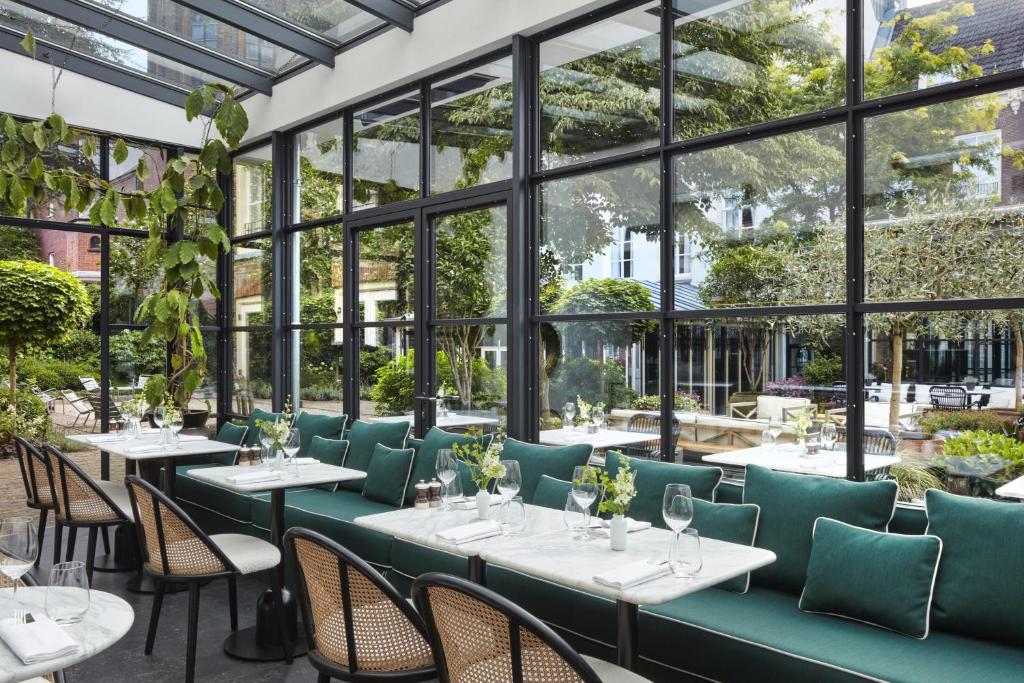
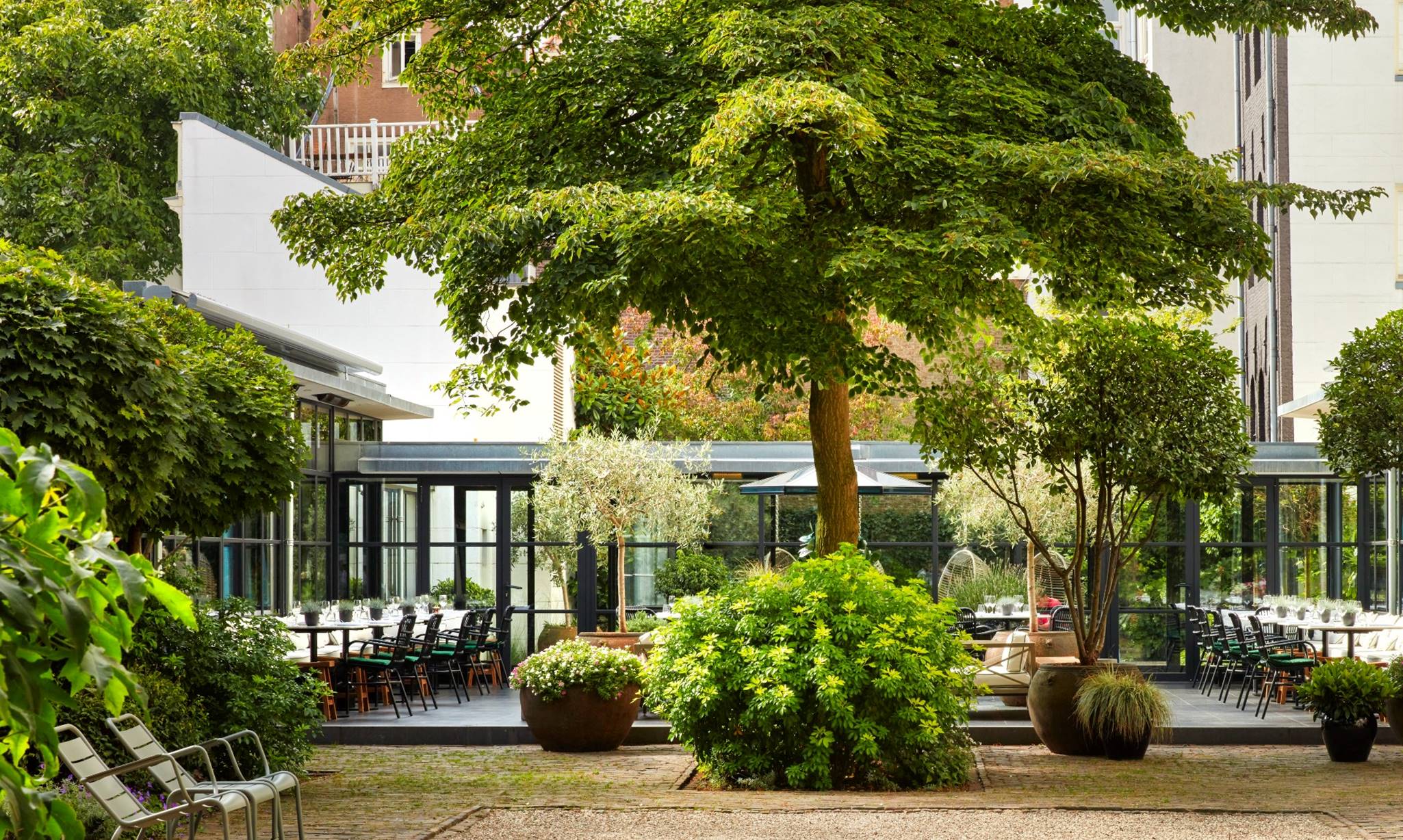
What makes Pulitzer special is the way it captures Amsterdam’s character more successfully than perhaps any other hotel in the city. The architecture, interiors, gardens, and public spaces reflect the layered history, creativity, and occasional eccentricity that define the Dutch capital. Hidden courtyards offer moments of surprising tranquillity. The hotel’s gardens soften the dense urban fabric surrounding the canal houses, while passages and staircases reveal new perspectives with every turn. There is a sense of discovery throughout the property. Guests rarely walk the same route twice.
Where the City Comes Together
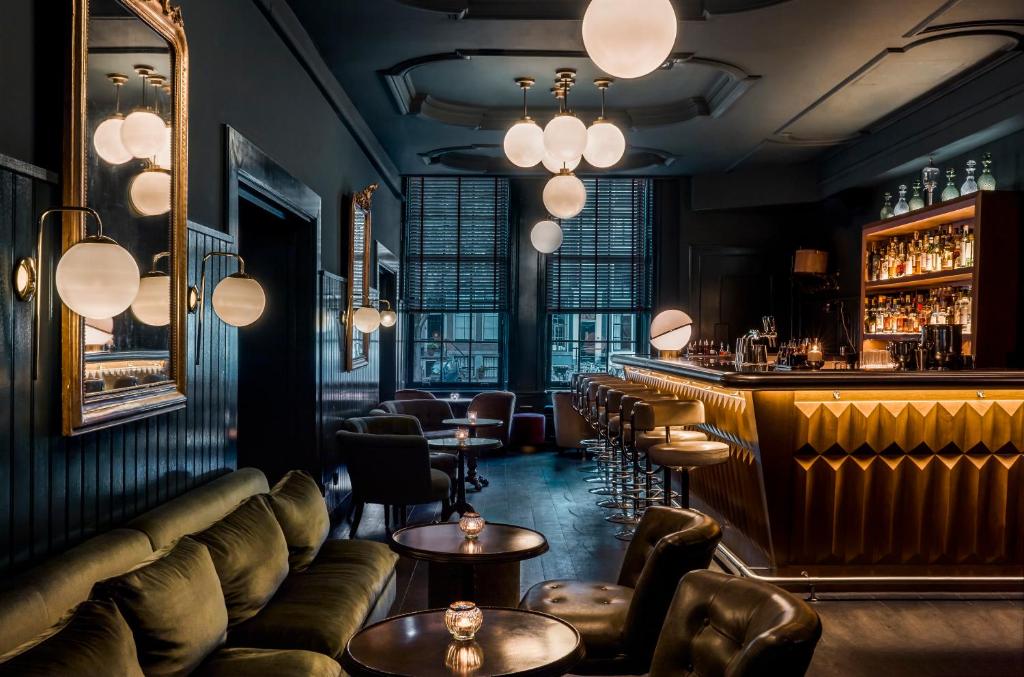
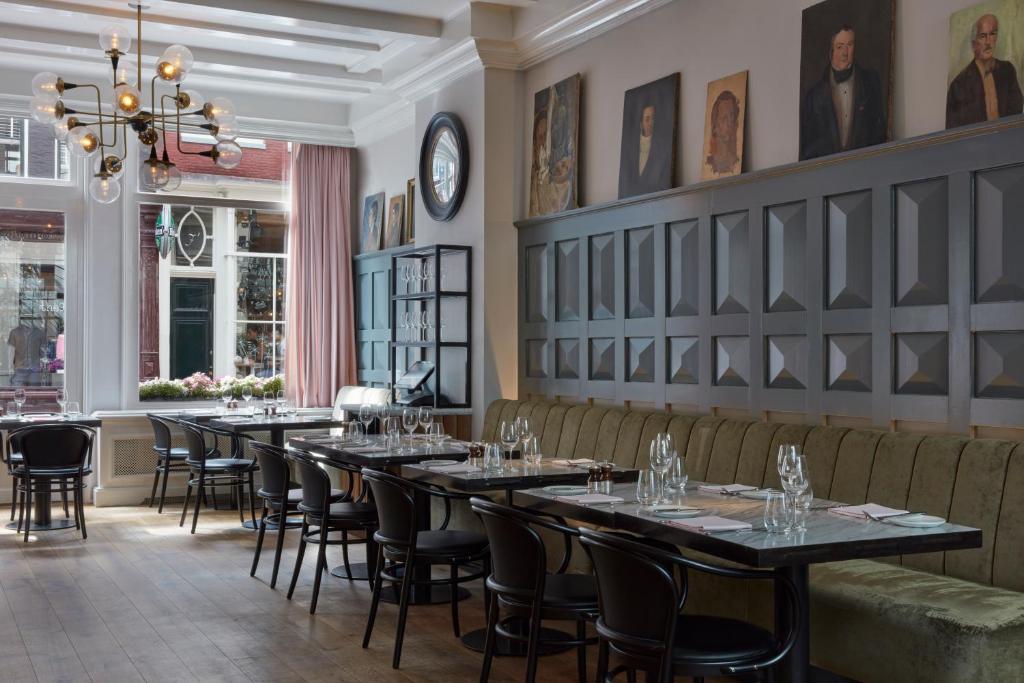
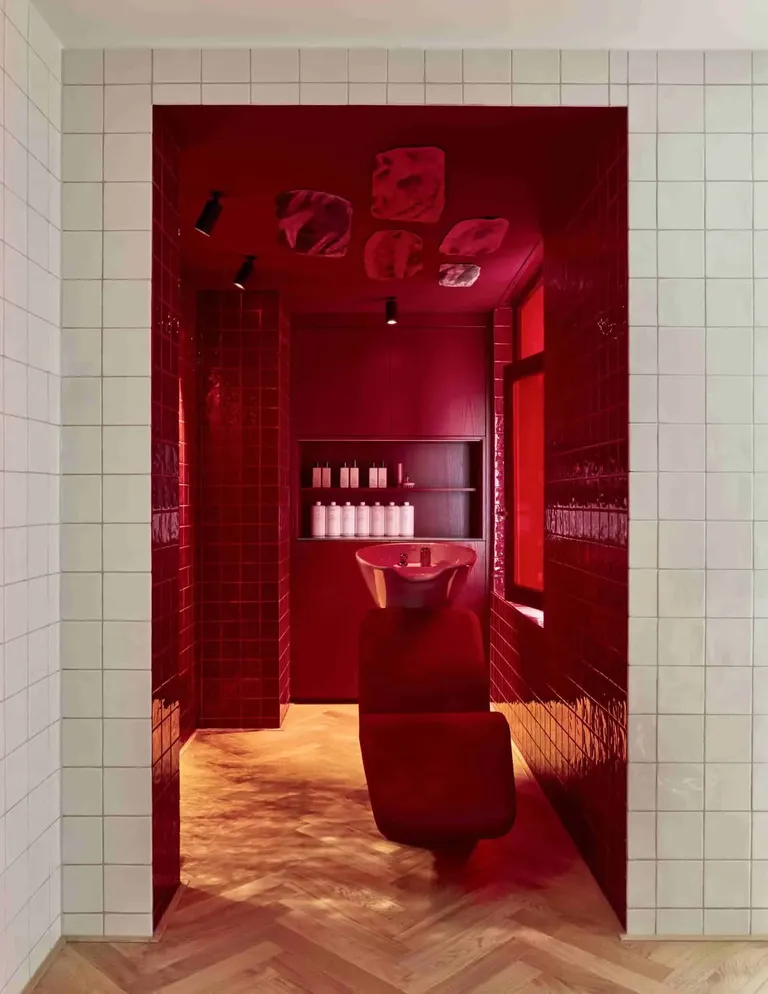
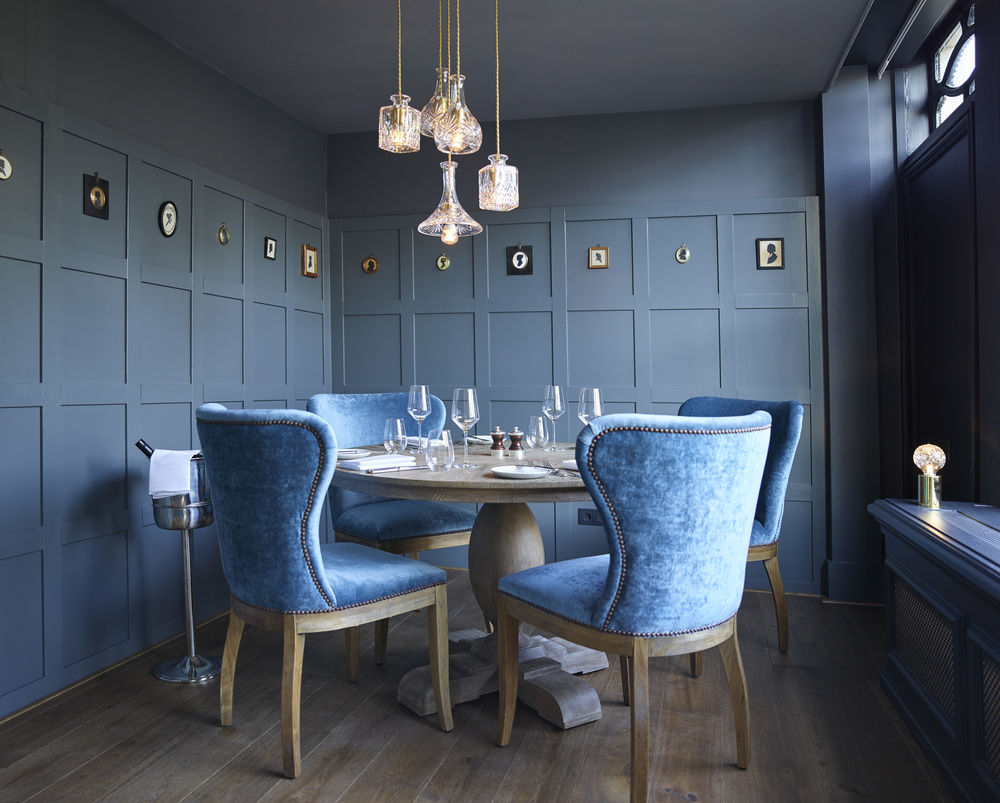
Pulitzer’s public spaces have long been among Amsterdam’s favourite meeting places. Pulitzer’s Bar remains one of the city’s most atmospheric cocktail destinations, combining Art Deco glamour, rich materials, intimate lighting, and an impressive collection of spirits. Nearby, Jansz. offers a contemporary interpretation of European classics within elegant canal-house surroundings. Together, they create a social heart that attracts both travellers and locals, reinforcing the feeling that Pulitzer belongs to Amsterdam rather than merely operating within it. The recently opened Beauty House adds another dimension, introducing an intimate wellness concept focused on beauty treatments, skincare, and relaxation in a carefully designed setting.
A Living Portrait of Amsterdam
Pulitzer Amsterdam succeeds because it understands that true luxury lies in character. Its canal houses remain delightfully imperfect. Its rooms tell stories. Its architecture reveals centuries of adaptation and reinvention. And its design embraces individuality rather than uniformity. For travellers seeking a hotel that genuinely reflects the spirit of Amsterdam, Pulitzer remains one of the city’s defining addresses — a place where history, creativity, and contemporary Dutch design continue to flow together as naturally as the canals outside.