Pulso Hotel Faria Lima, São Paulo, Brazil
Brazilian modernism, contemporary art, and urban calm in the heart of Pinheiros
Why DNA Hotels Loves It
● A sophisticated new boutique hotel by Studio Arthur Casas, combining Brazilian modernist furniture, lush landscaping, and beautifully restrained contemporary architecture.
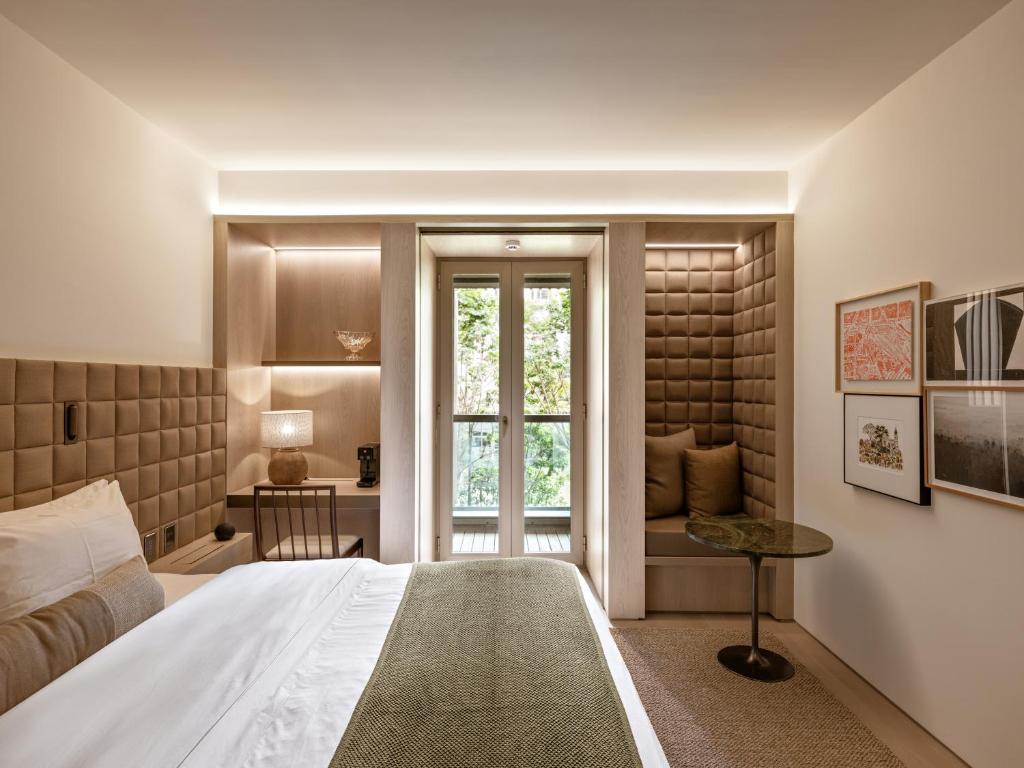
● Just 57 rooms, each layered with vintage pieces, local art, and design by names including Jorge Zalszupin, Sergio Rodrigues, Percival Lafer, and Geraldo de Barros.
● A genuine urban gathering place where restaurant, boulangerie, cocktail bar, live music, wellness, and São Paulo’s creative culture flow naturally into one another.
A New Pulse for Pinheiros
São Paulo rarely does quiet. Pulso Hotel Faria Lima does. Set just off the city’s frenetic financial artery, at the point where Pinheiros meets Jardins, this 57-room hotel creates a remarkably calm world without disconnecting itself from the energy outside. That balance is central to the concept. Pulso was conceived not as an enclosed luxury refuge, but as a place that participates in the city. Restaurants, gardens, art, music, wellness, and hospitality are brought together within a building that feels open, contemporary, and unmistakably São Paulo. Its name refers to both the city’s heartbeat and the quieter rhythms of personal wellbeing. The hotel manages to hold both.
Arthur Casas Builds for the City
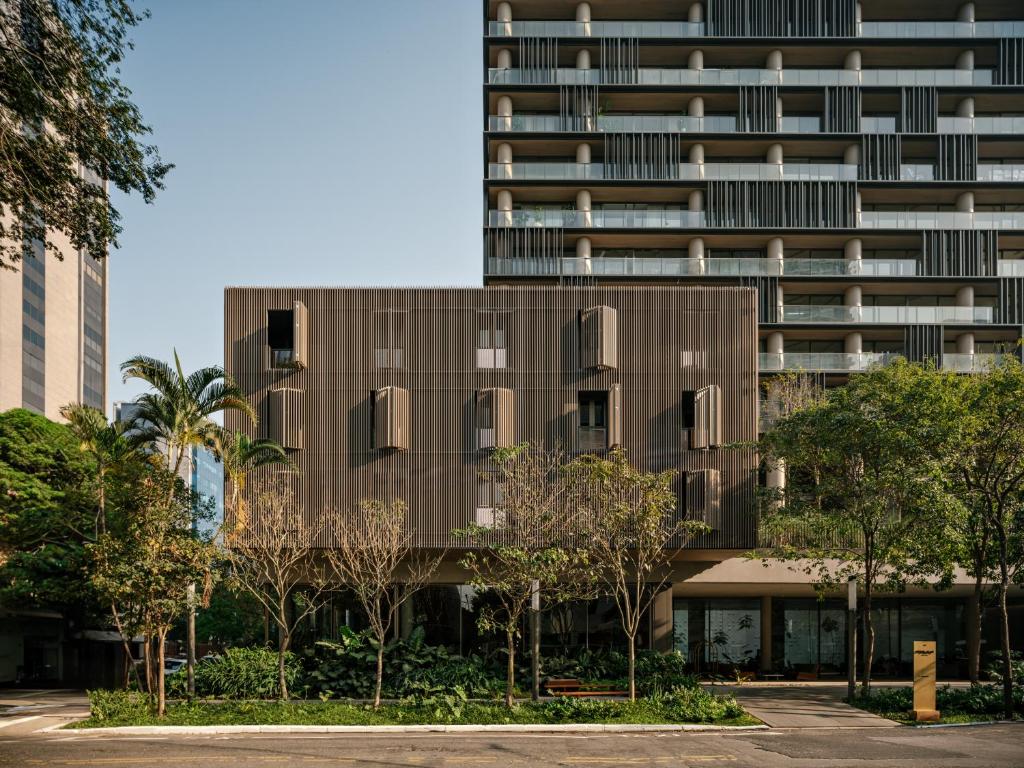
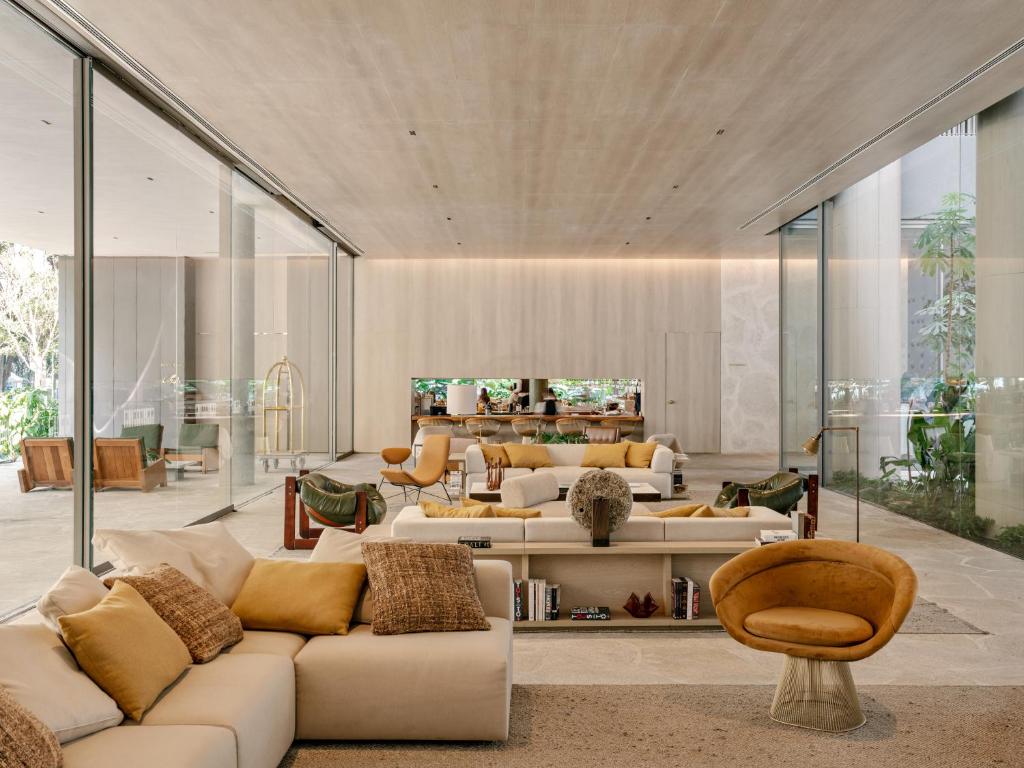
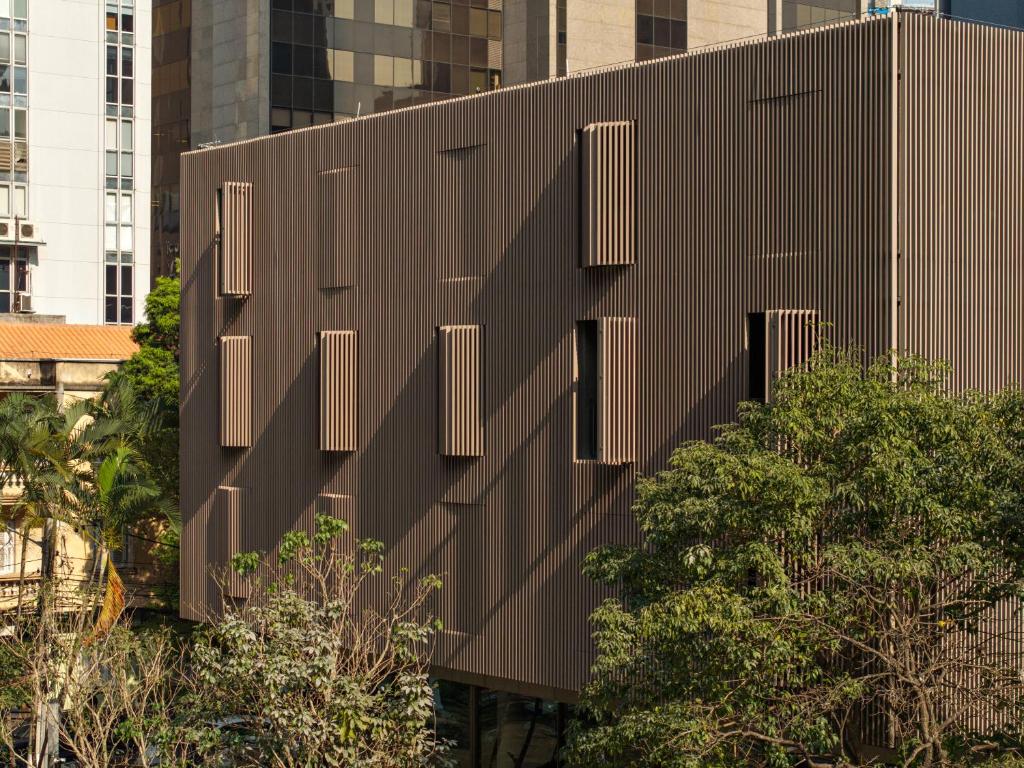
Studio Arthur Casas designed the entire mixed-use development, allowing architecture, interiors, and public space to speak the same language. The façade is wrapped in movable metal brise-soleil panels that provide shade and privacy while giving the exterior a constantly shifting rhythm. From the street, gardens filled with native planting and ipê trees soften the building and create a generous transition between city and hotel. Inside, the lobby opens between an external and internal garden rather than functioning as a formal reception hall. There is no hard separation between arrival, restaurant, café, bar, and public life. Instead, everything flows through a broad social space anchored by Nuno Ramos’ monumental Mácula, a 30-metre artwork incorporating large-scale Braille inscriptions along the garden edge. It immediately establishes that art here isn’t decoration. It’s architecture.
Rooms Collected, Not Furnished
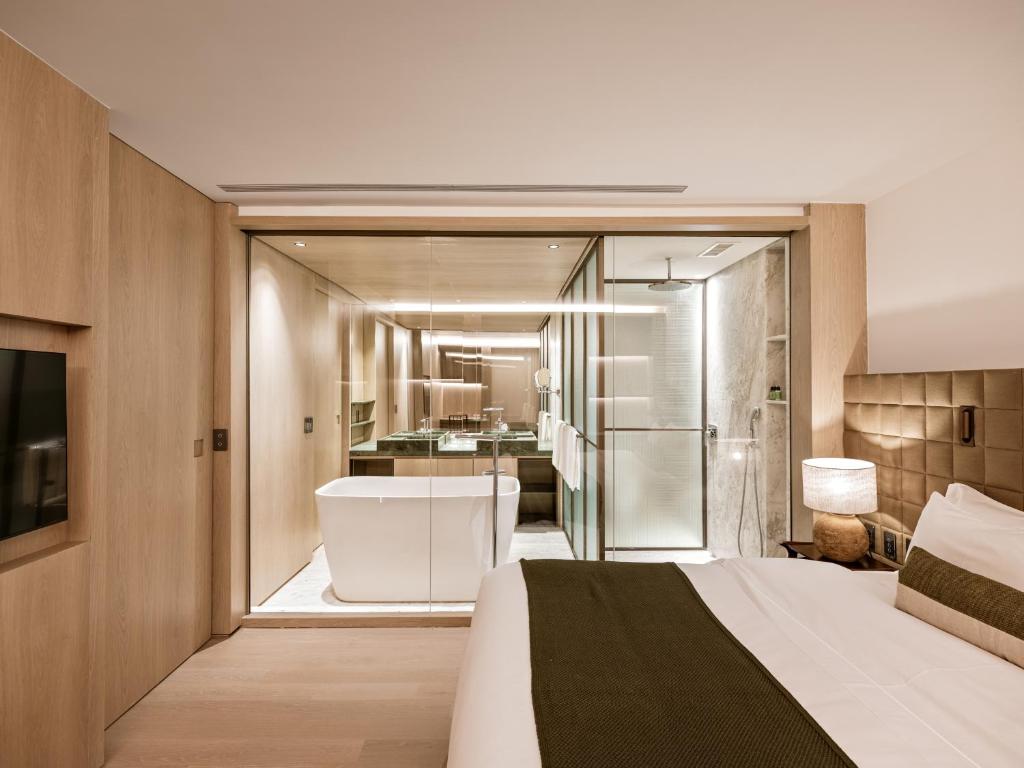
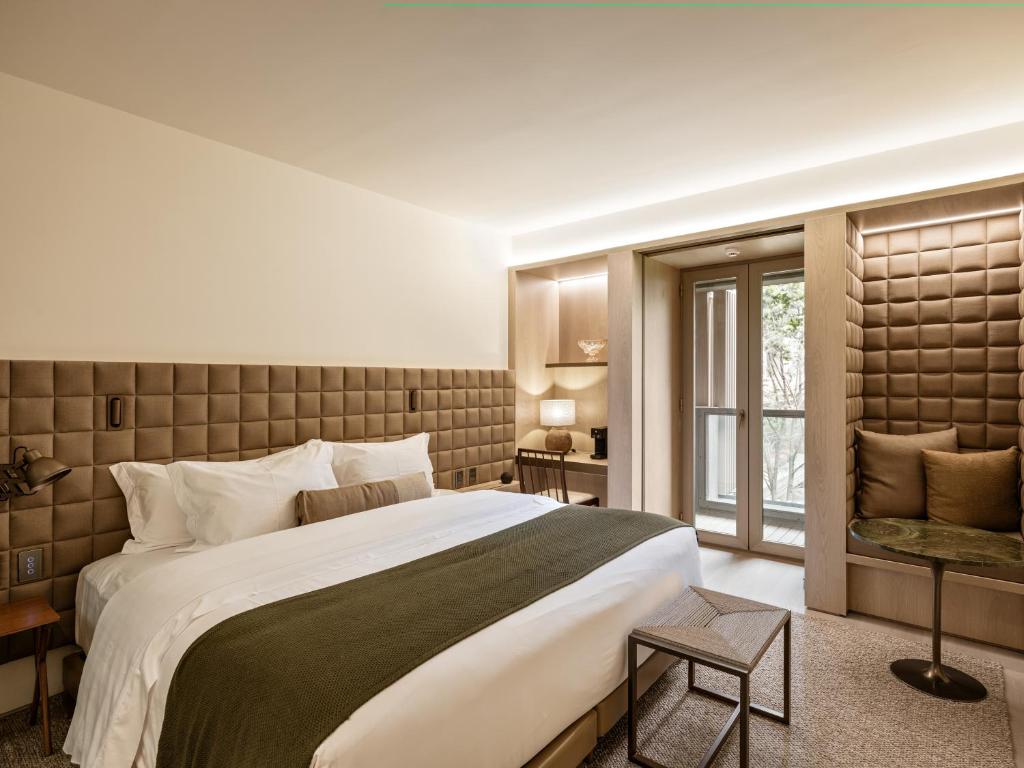
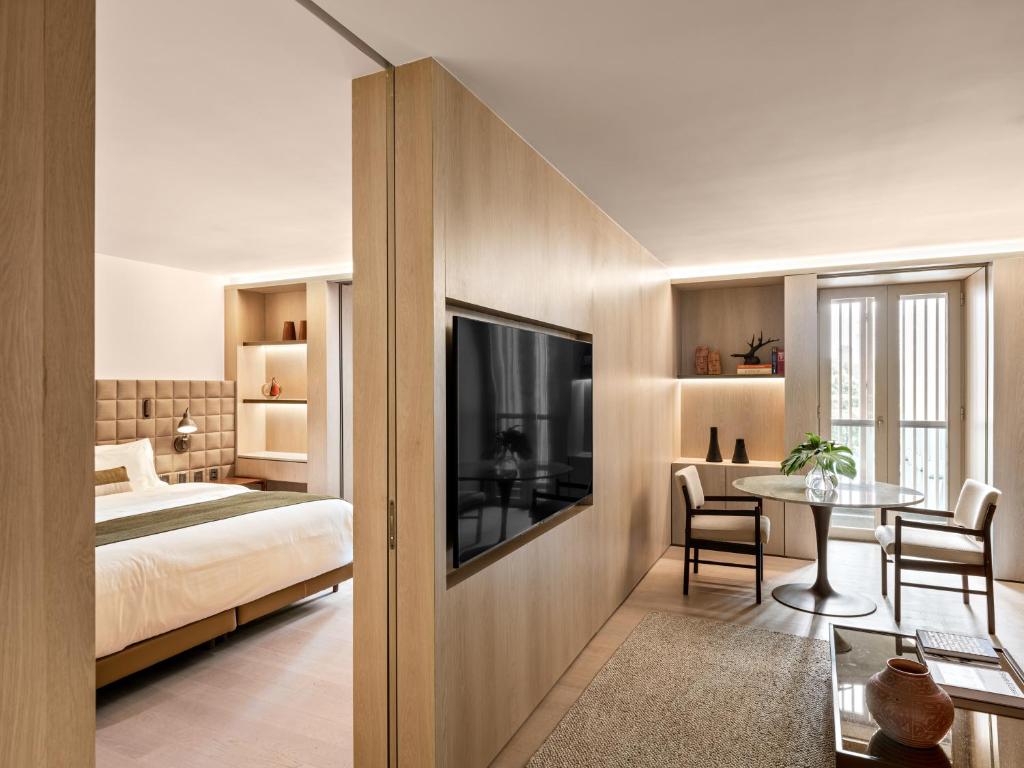
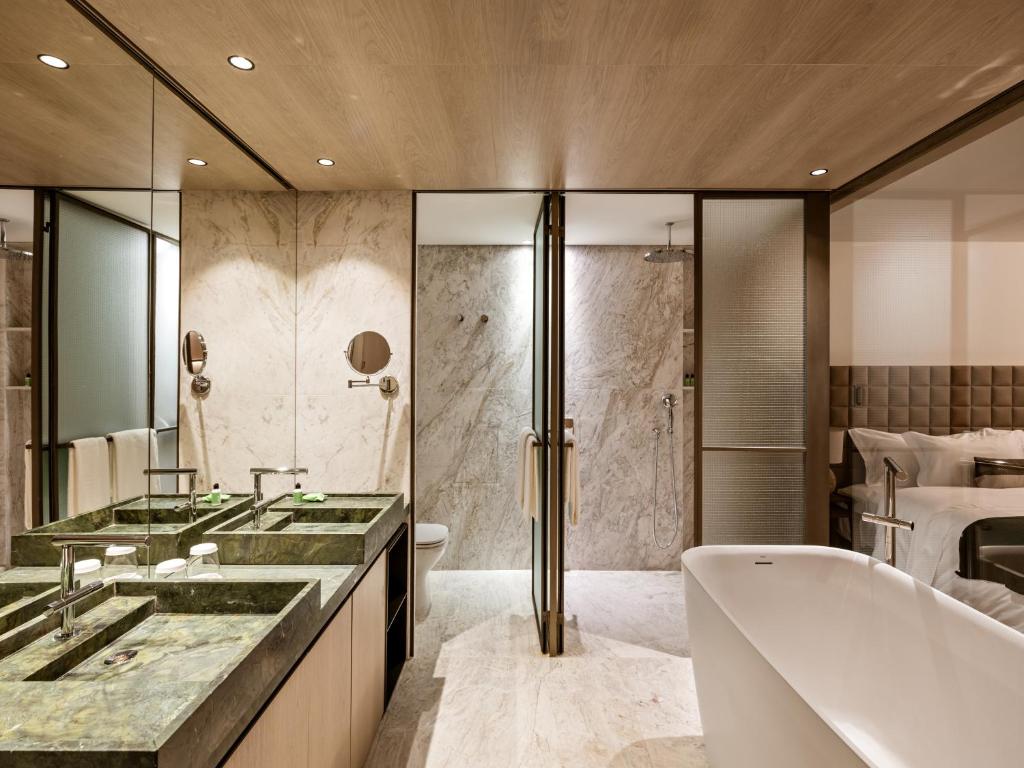
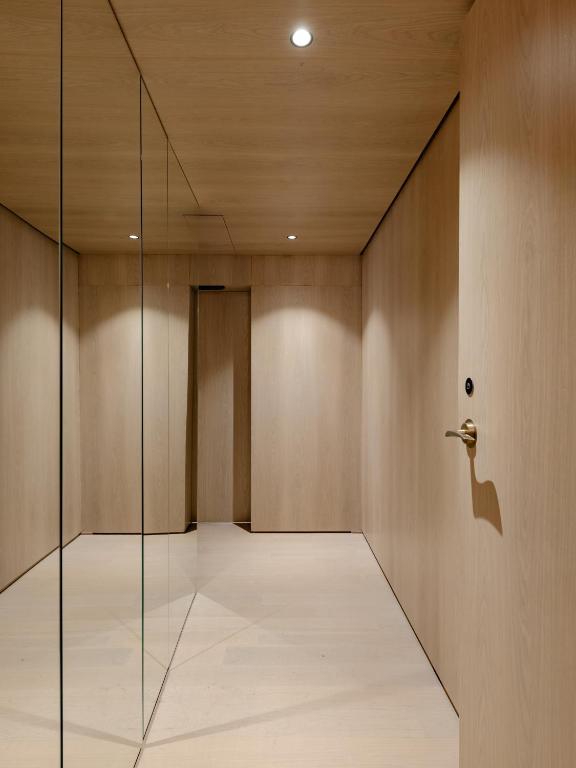
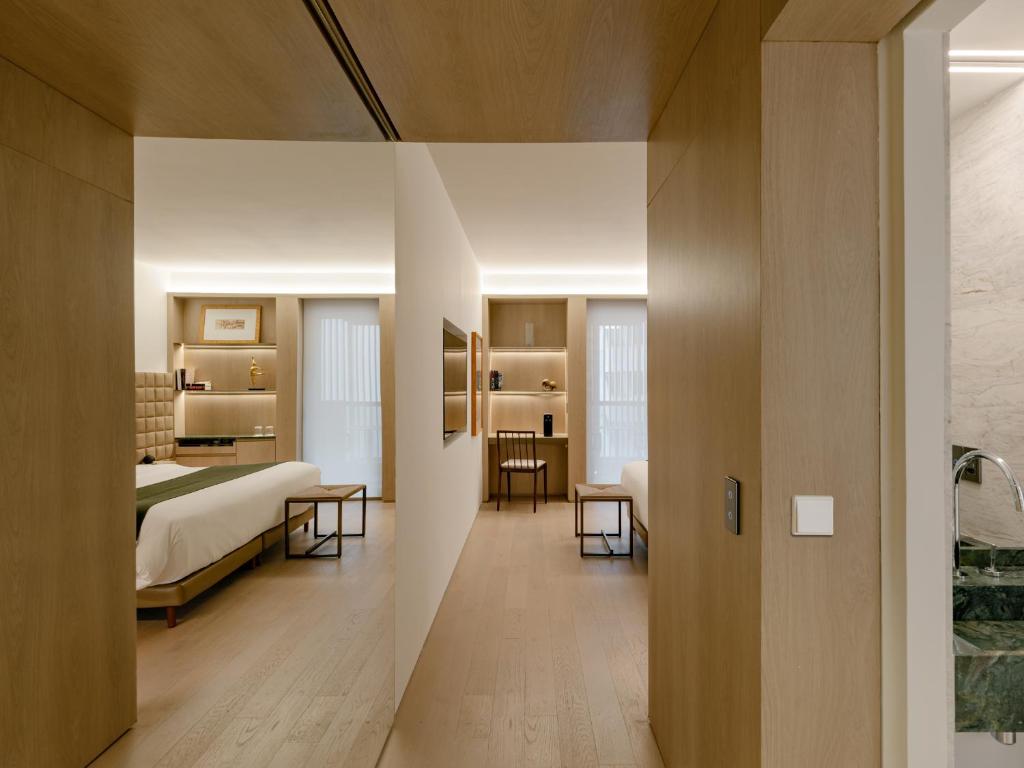
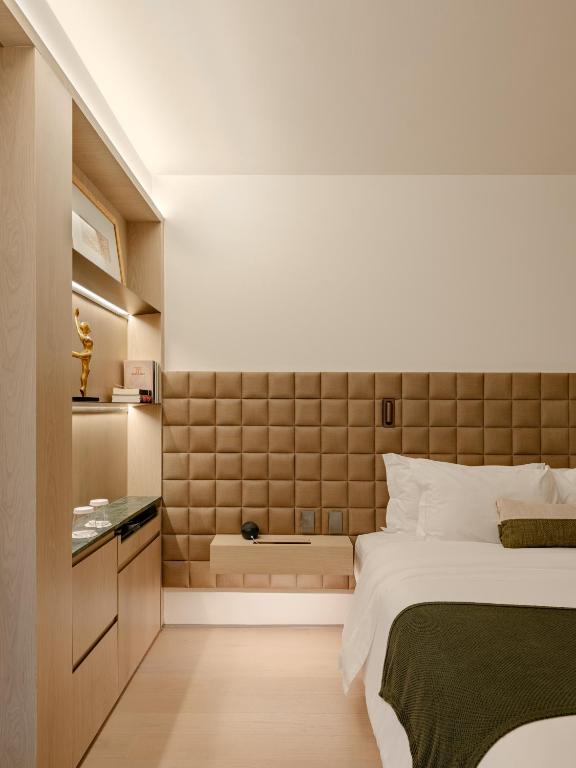
The guestrooms feel closer to beautifully edited São Paulo apartments than standardized hotel rooms. Arthur Casas personally sourced vintage furniture and objects from antique shops and the Bixiga market, combining those discoveries with pieces by some of Brazil’s most important modernist designers. Jorge Zalszupin, Sergio Rodrigues, Percival Lafer, and Geraldo de Barros all appear, alongside furniture created specifically for the hotel by Casas himself. That mix gives each room personality. Wooden floors, woven cane, veined stone, soft upholstery, original Brazilian art, and private balconies bring warmth to the clean architectural framework. Technology is quietly integrated through automated lighting and blinds, but never dominates the experience. The emphasis remains on proportion, comfort, and objects with a story.
A Glass Wellness Pavilion in the Trees
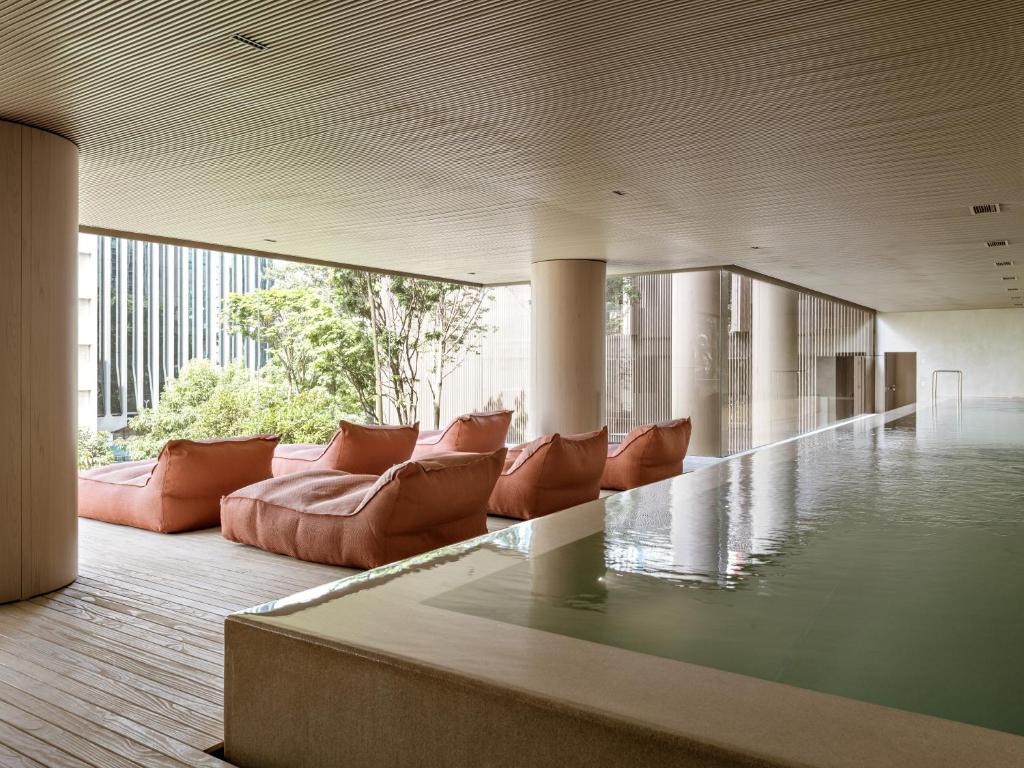
Pulso’s wellness spaces occupy one of the building’s most striking architectural gestures: a suspended glass volume overlooking the treetops. Inside are a heated swimming pool, sauna, gym, and Pulso by L’Occitane spa, all arranged within a light-filled structure that appears to float above the garden. The contrast with the city outside is immediate. Traffic, towers, and financial districts may be close, but from the pool the experience becomes almost abstract: glass, greenery, filtered light, and silence. It’s urban wellness without the usual retreat clichés.
Food, Music, and São Paulo Energy
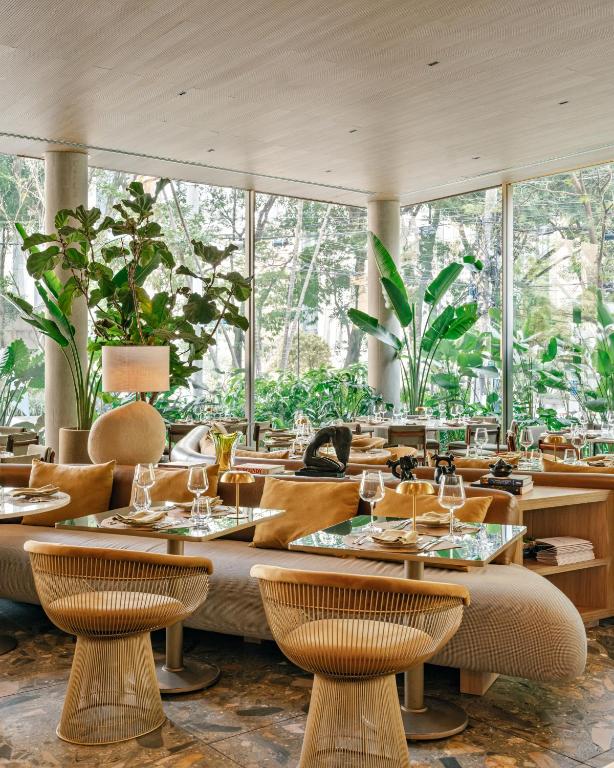
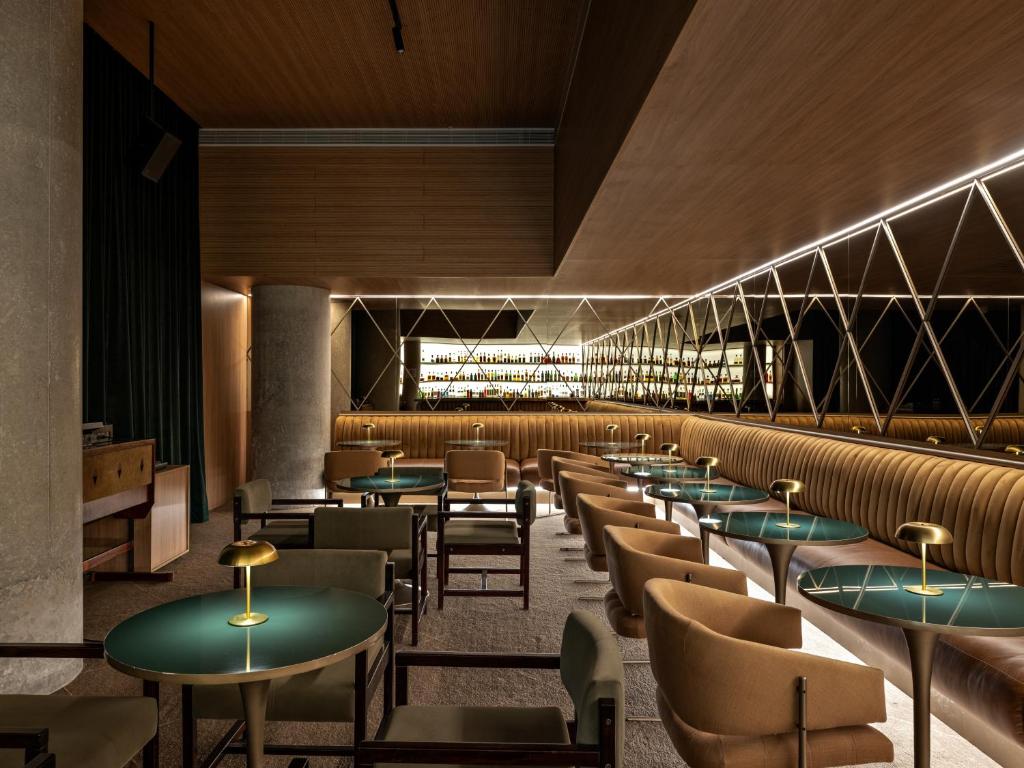
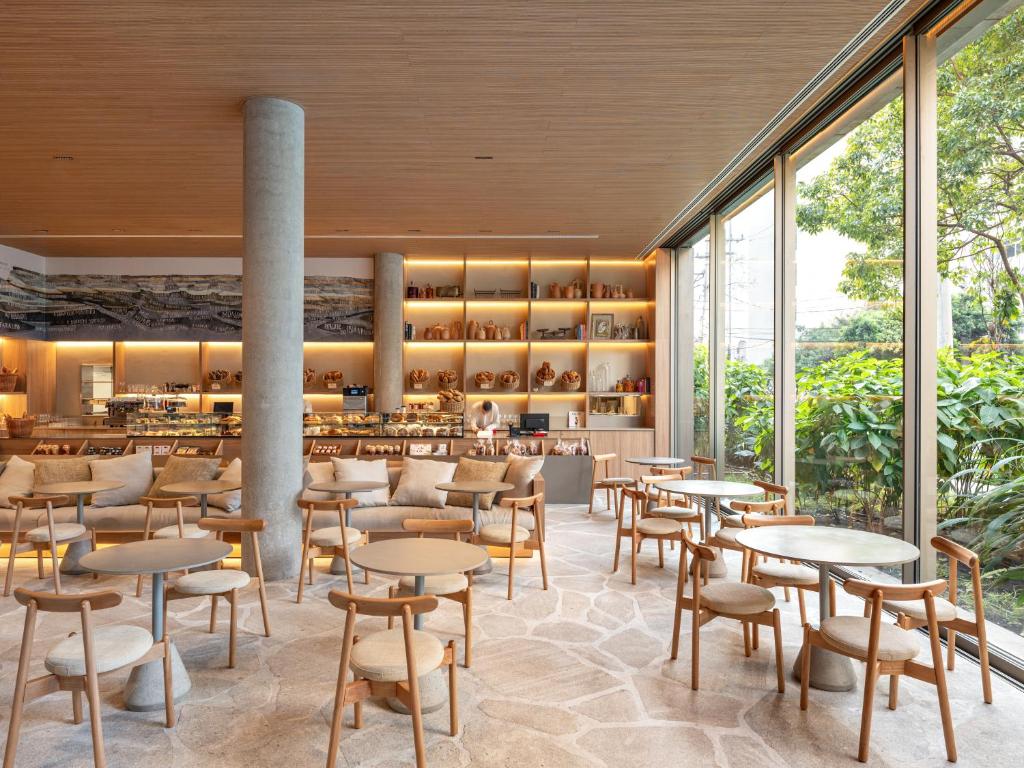
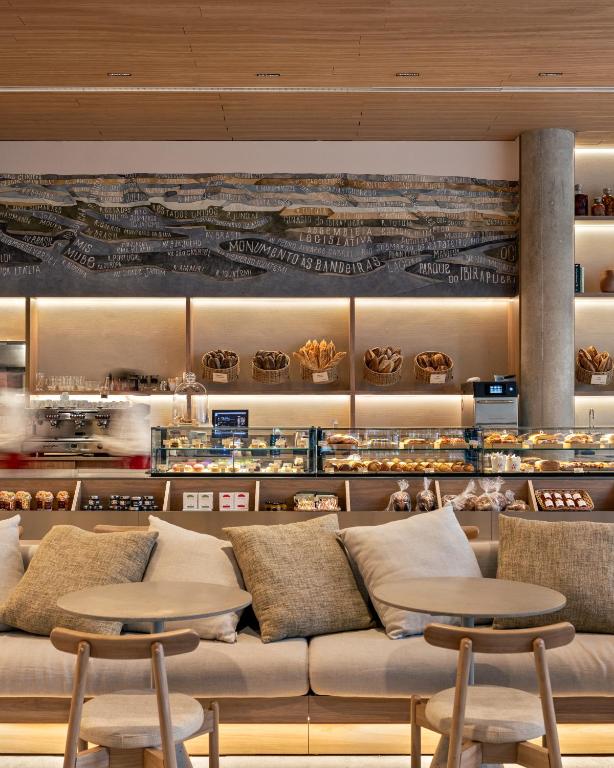
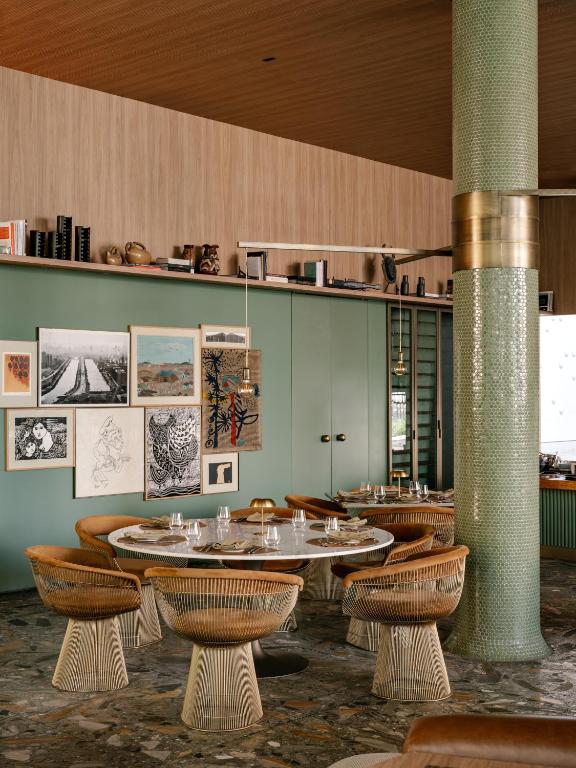
The ground floor is where Pulso becomes most social. Restaurateur Charlô Whately oversees a collection of distinct venues designed to attract locals as naturally as hotel guests. Bistrô Charlô combines French foundations with Italian, Spanish, Portuguese, and Brazilian influences in a dining room of green lacquer, ceramic tiles, timber, and stone. Across the lobby, Cha Cha Boulangerie offers coffee, pastries, sandwiches, and gourmet provisions in a warmer, more informal setting organized around a fireplace. Then there is Sarau Bar. Brass, marble, mirrors, carpet, cocktails, and live music create a more intimate evening atmosphere, with performances staged at the heart of the room rather than pushed into the background. Together, the venues give the hotel a rhythm that changes throughout the day. Coffee becomes lunch. Lunch becomes drinks. Drinks become music.
A Hotel Connected to São Paulo
Pulso’s location matters. Pinheiros has become one of São Paulo’s most exciting districts for restaurants, independent galleries, design studios, bars, and creative businesses, yet its hotel scene has rarely matched that energy. Pulso fills that gap with confidence. It feels polished enough for the Faria Lima business crowd, but culturally connected enough to attract the city’s designers, artists, chefs, and residents. That mix prevents it from becoming either a conventional corporate hotel or an isolated luxury bubble. It belongs to the neighbourhood.
Why It Works
Pulso Hotel Faria Lima understands that contemporary luxury in São Paulo should feel cultural rather than ceremonial. Studio Arthur Casas’ architecture provides calm without cutting the hotel off from the city, while Brazilian modernist furniture, local art, tropical landscaping, strong food, live music, and an extraordinary glass wellness pavilion give the property depth far beyond its 57 rooms. Sophisticated but not stiff, tranquil but never lifeless, Pulso feels like São Paulo at its most composed—still energetic, still creative, but finally given room to breathe.