PURO Kraków Stare Miasto, Poland
A retro-modern reboot where interwar glamour, socialist-era modernism, and contemporary Polish design meet under one roof
Why DNA Hotels Loves It
● Paradowski Studio’s renovation draws from two very different Kraków references: the city’s elegant interwar cafés and the clean functionalism of its 1950s and 1960s modernist interiors.
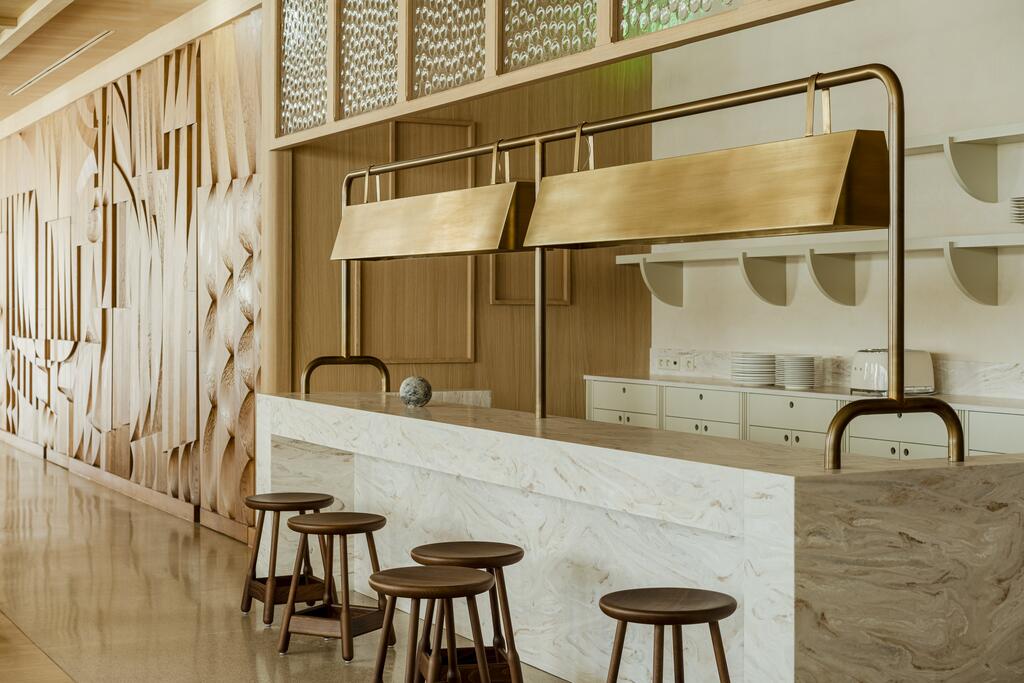
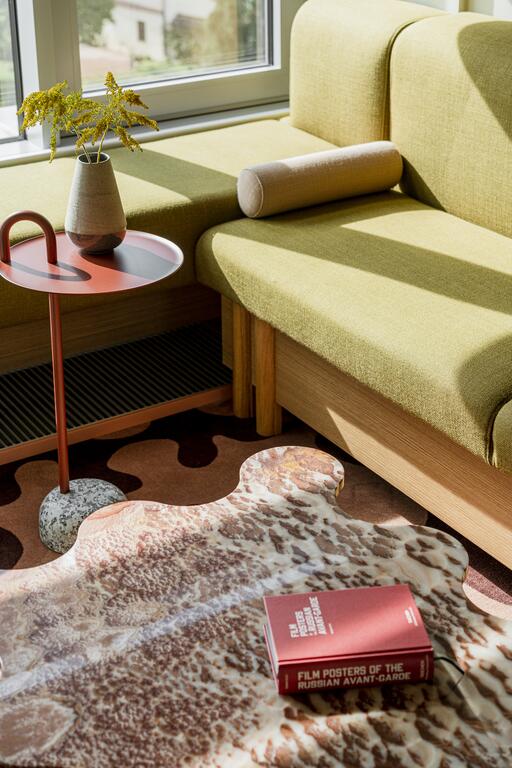
● Handmade and natural materials — oak, stone, Polish glass, ceramics, mosaic, and sgraffito — give the redesign depth and longevity rather than surface-level nostalgia.
● The updated art programme brings in artists closely connected to Kraków’s contemporary creative scene, keeping the hotel rooted in the city rather than trapped in retro references.
Where PURO Began
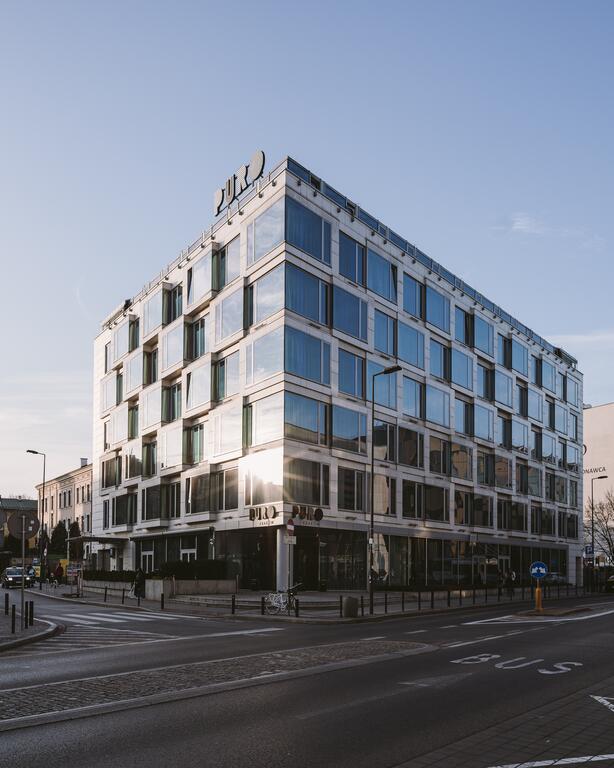
PURO Kraków Stare Miasto was the brand’s first major statement in the city. When Paradowski Studio later reworked the interiors, the challenge was not to erase the hotel’s existing identity but to give it a stronger relationship with Kraków itself. The result is more layered than a straightforward mid-century revival. It looks simultaneously to the city before the Second World War and to the modernist decades that followed. Two different histories. One contemporary interior.
Interwar Glamour Meets Post-War Modernism
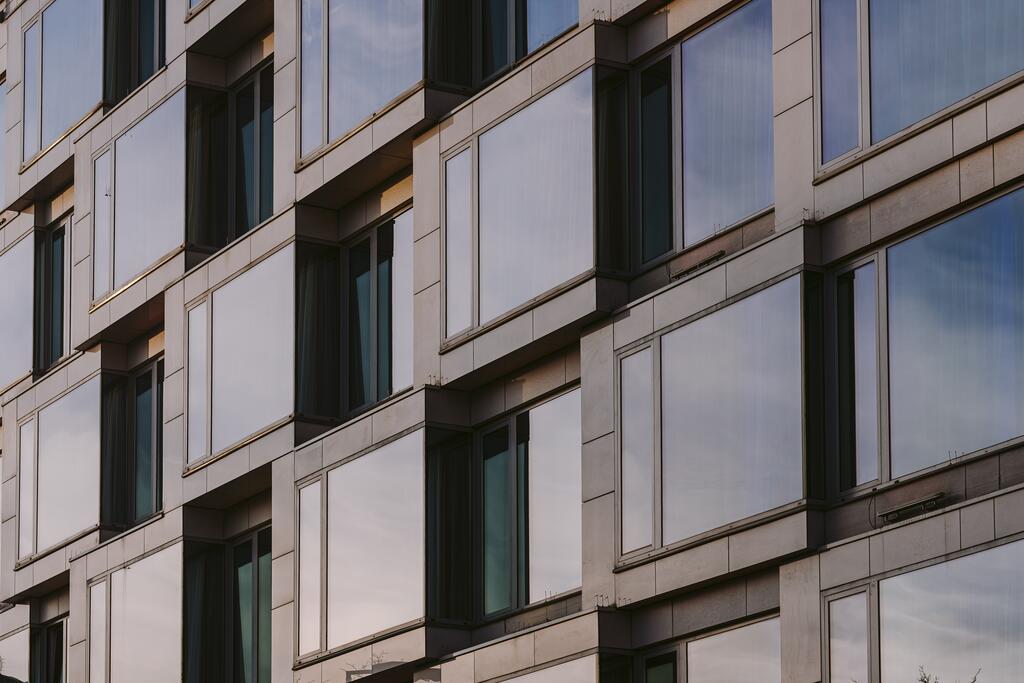
Zuza and Piotr Paradowski found one source of inspiration in Kraków’s interwar cafés and restaurants. These were social places where artists, journalists, intellectuals, and the city’s cultural circles gathered across spaces that combined café, restaurant, and bar. Very few survive. So the studio also looked towards Kraków’s post-war architecture: Hotel Cracovia, Hotel Forum, and Kino Kijów among them. The generation that once associated those interiors with socialist-era austerity may have rejected them. A younger generation sees design value. PURO turns that shift in perspective into architecture.
A Lobby Built in Layers
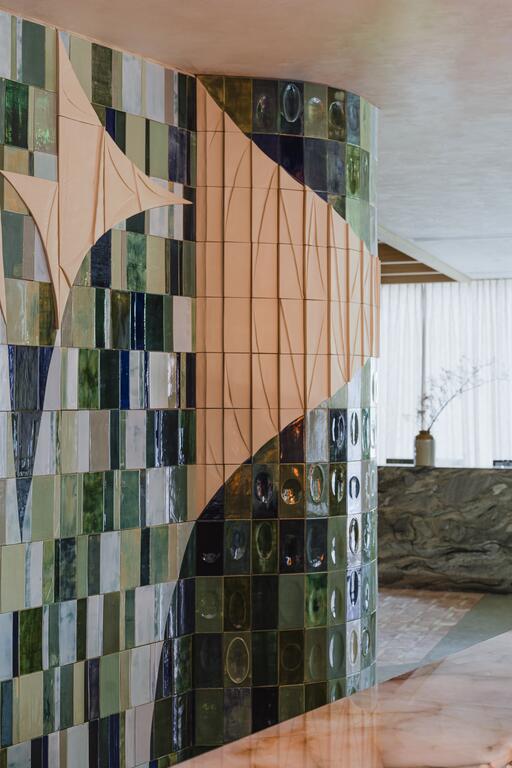
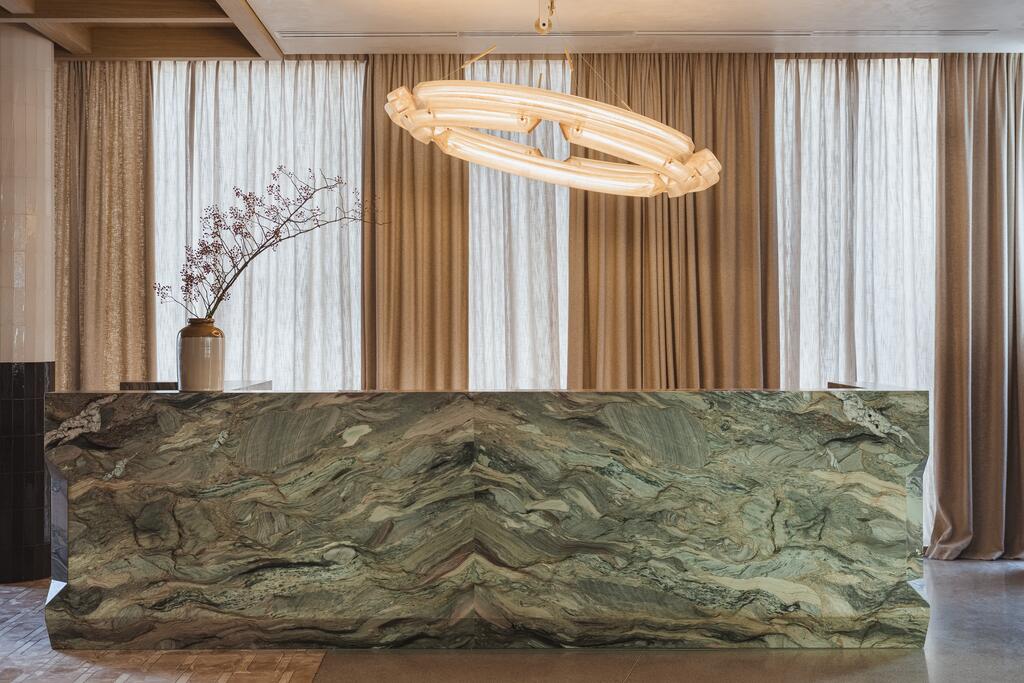
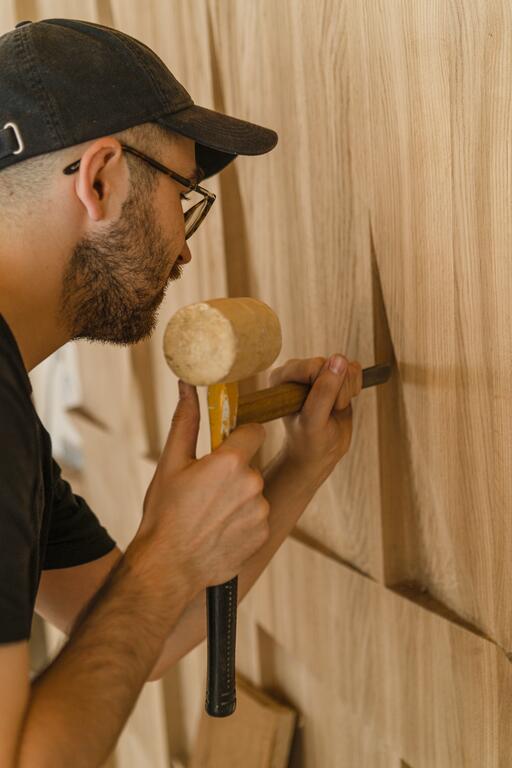
The ground floor is the strongest expression of the concept. Red marbled tiles, decorative ceramics, natural oak, stone, bespoke furniture, and sculptural surfaces create an interior that feels nostalgic without becoming historical pastiche. A mosaic developed by Paradowski Studio with artist Tomasz Opaliński recalls the large-scale modernist murals of the 1970s. Elsewhere, Opaliński collaborated on a timber bas-relief that discreetly conceals doors and on ceramic surfaces using the traditional sgraffito technique. These are not decorative afterthoughts. They give the public spaces their identity.
A Hotel That Changes with the Day
The open-plan ground floor was conceived to work differently over time. Morning café. Bakery. Daytime meeting place. Restaurant. Evening bar. The transition happens without hard boundaries. That flexibility directly echoes the interwar venues that inspired the design. Rather than splitting hospitality functions into separate rooms, the space behaves socially. It can shift mood without changing character.
Natural Materials, Made to Age
Paradowski Studio’s material philosophy is simple. Use things that improve rather than deteriorate with time. Natural oak. Stone. Handmade glass. Ceramics. Materials that reveal craft. That approach is especially effective in a hotel, where surfaces are constantly touched and used. Patina becomes part of the design. Not a problem to hide.
138 Rooms with a Retro Pulse
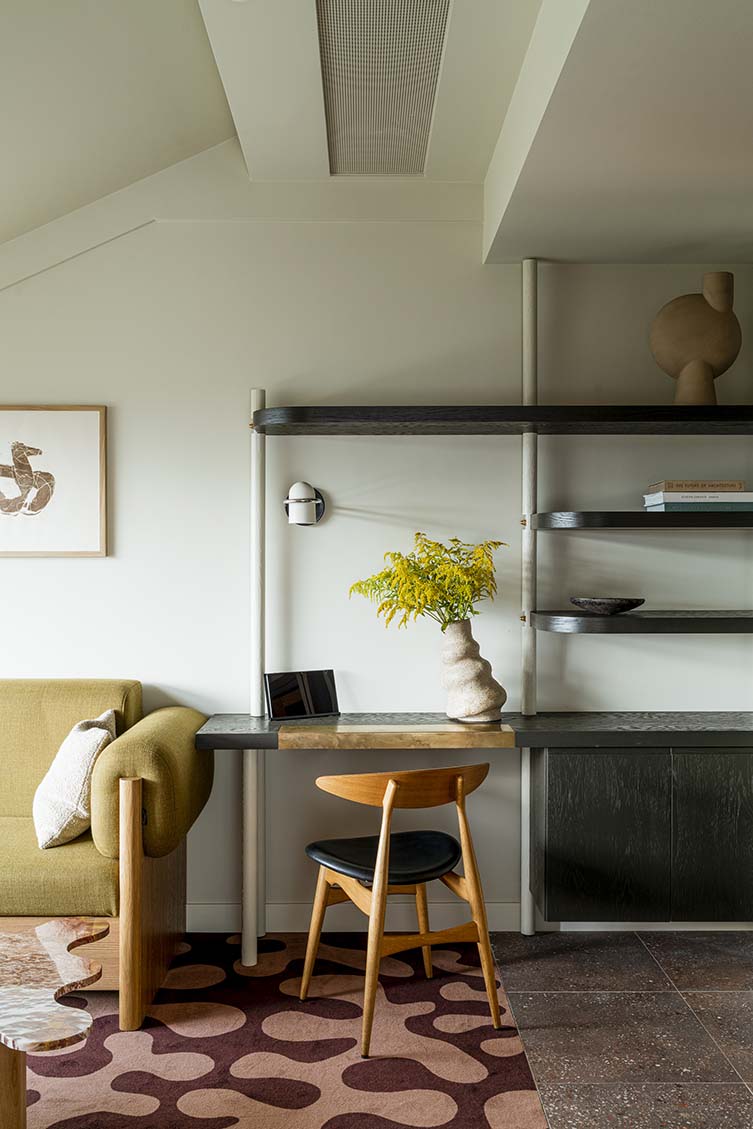
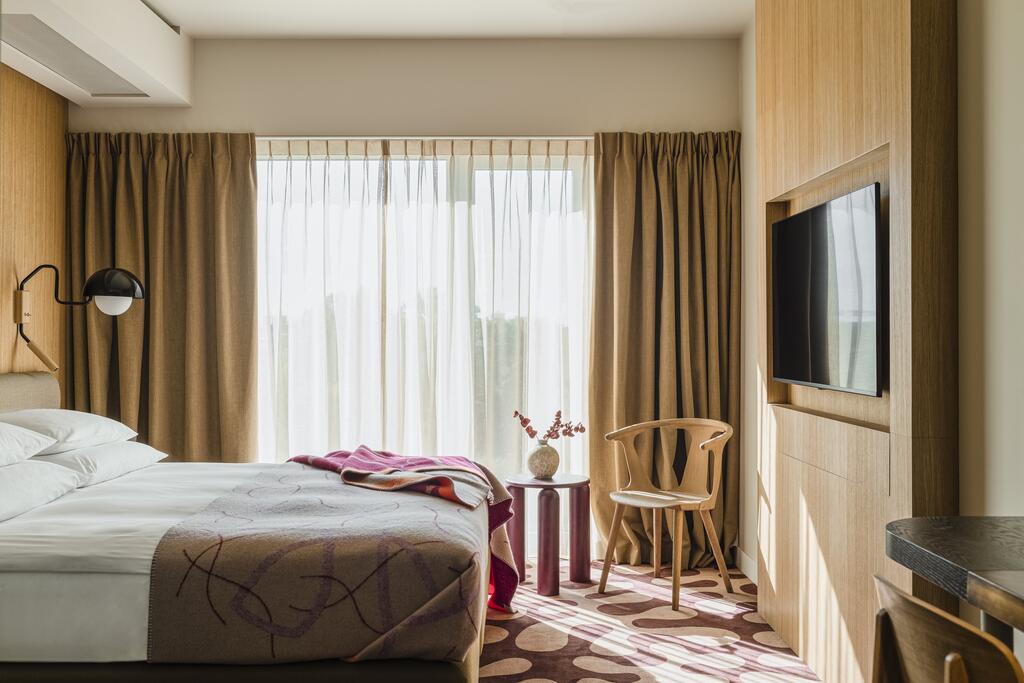
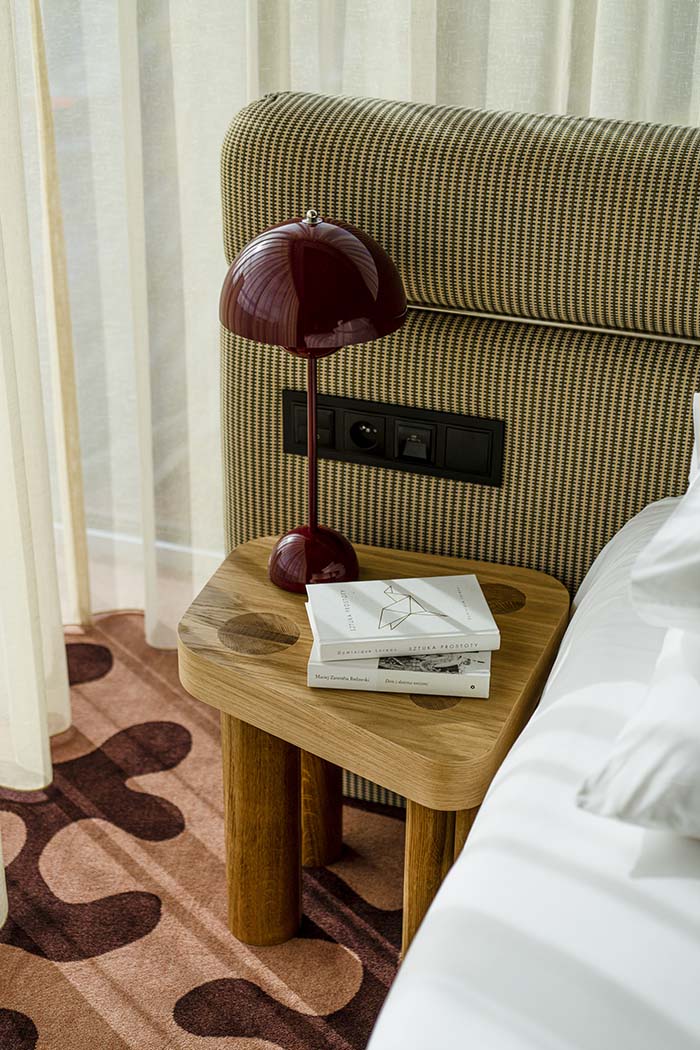
The guestrooms continue the theme in a quieter register. Timber panelling, retro furnishings, patterned carpets, local art, and strong colour accents create character without overwhelming the room. The architecture remains contemporary. The references are in texture, furniture, and atmosphere. Hilding beds and tablet-controlled lighting and ambience introduce the more functional side of PURO’s identity. Mid-century mood. Twenty-first-century control.
Art from Kraków
The redesign also reshaped the hotel’s art collection. Works by artists including Tomasz Baran, Małgorzata Malwina Niespodziewana, Tomasz Wiech, Marta Wojtuszek, Tomasz Opaliński, and Agnieszka Owsiany appear across the lobby, recreational spaces, hallways, and guestrooms. Abstract painting. Photography. Woodcut. Collage. Lithography. Textile work. The variety matters. The hotel does not treat local art as a single visual style. It treats it as an ecosystem.
Hint
Hint anchors the social side of the hotel. Part gastropub, part neighbourhood hangout, it continues the open, informal character of the ground floor and draws both travellers and locals. The food is straightforward rather than ceremonious. Comfort dishes, international influences, and relaxed service fit the design better than fine dining ever could. The architecture wants conversation. Hint gives it somewhere to happen.
Why It Works
PURO Kraków Stare Miasto works because its redesign is not based on a generic idea of “retro.” Paradowski Studio looked specifically at Kraków’s vanished interwar cafés, surviving modernist landmarks, local craft traditions, and contemporary art scene, then translated those references into materials and spaces that feel current. The result is warm, intelligent, and unmistakably Polish — a hotel where the past is not recreated, but edited into something new.