The PuXuan Hotel and Spa – Beijing, China
Ole Scheeren’s Guardian Art Center meets contemporary Chinese craft, with the Forbidden City on the horizon.
Why DNA Hotels Loves It
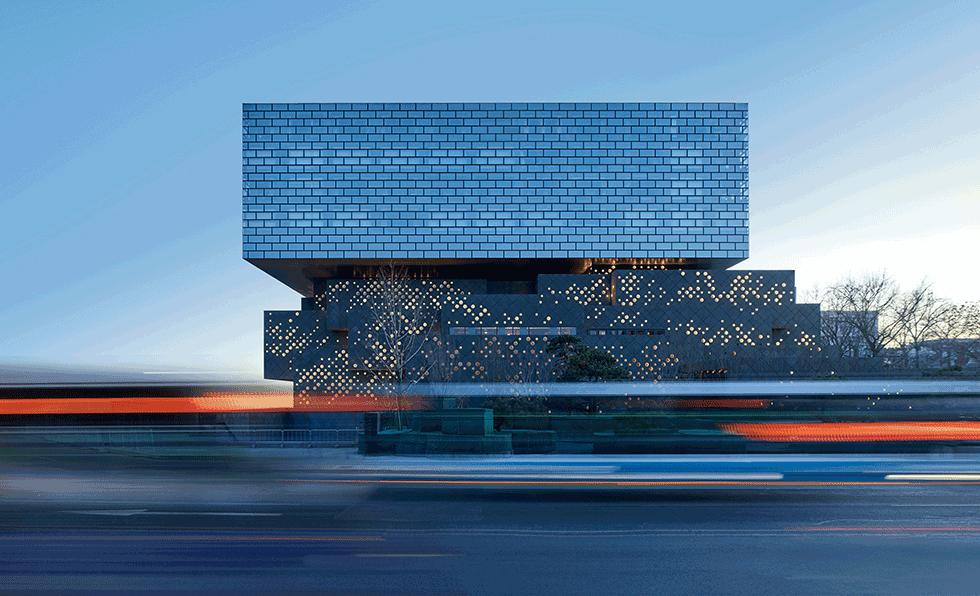
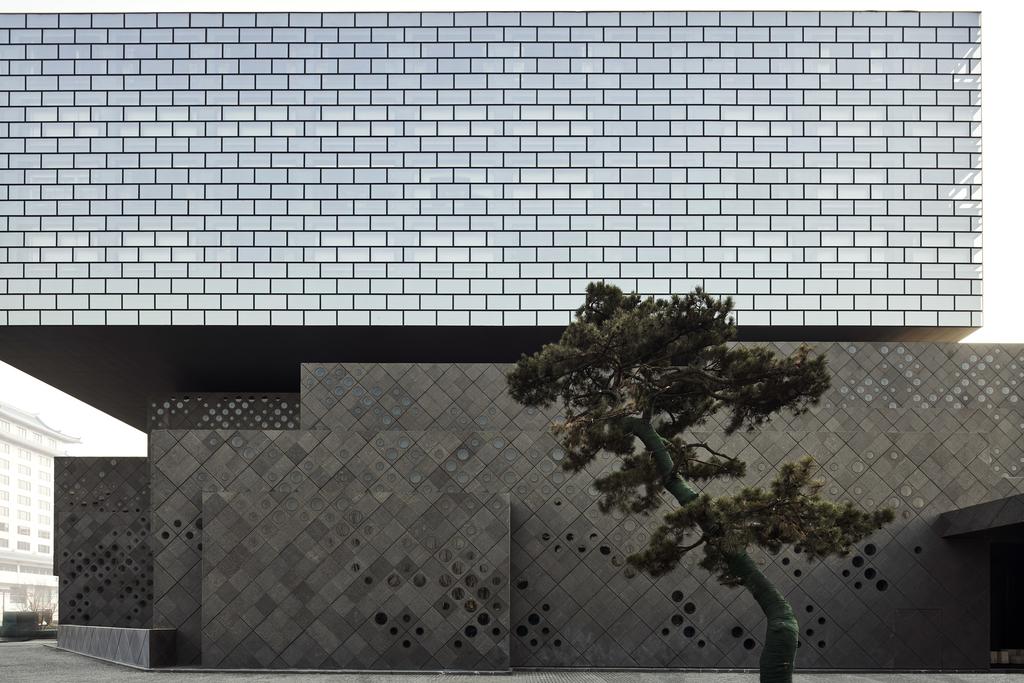
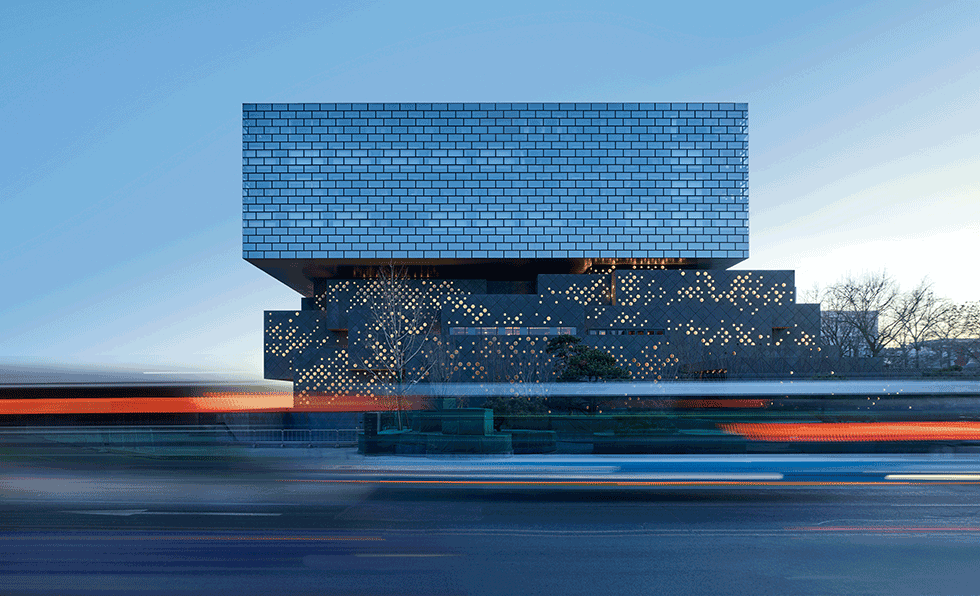
● Büro Ole Scheeren’s architecture places a thoroughly contemporary building in direct conversation with Beijing’s imperial city, abstracting traditional hutong forms rather than imitating them.
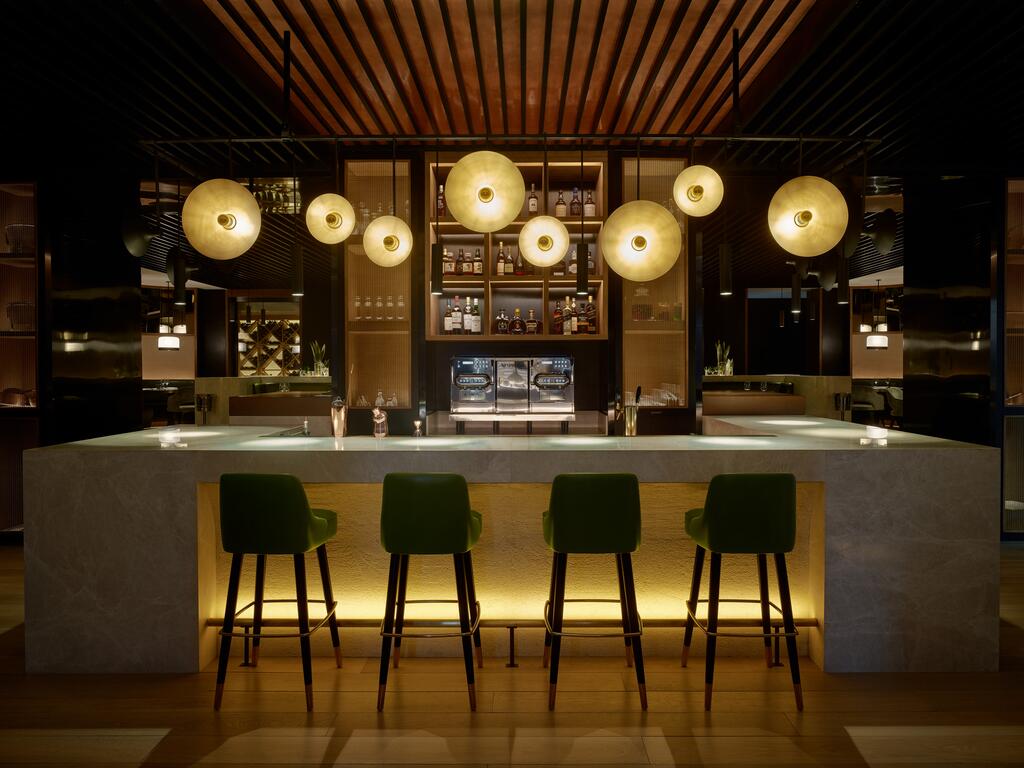
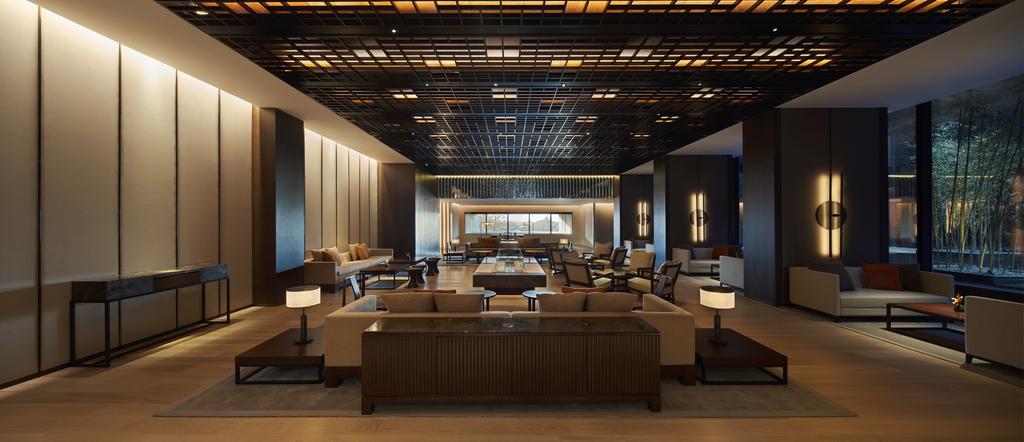
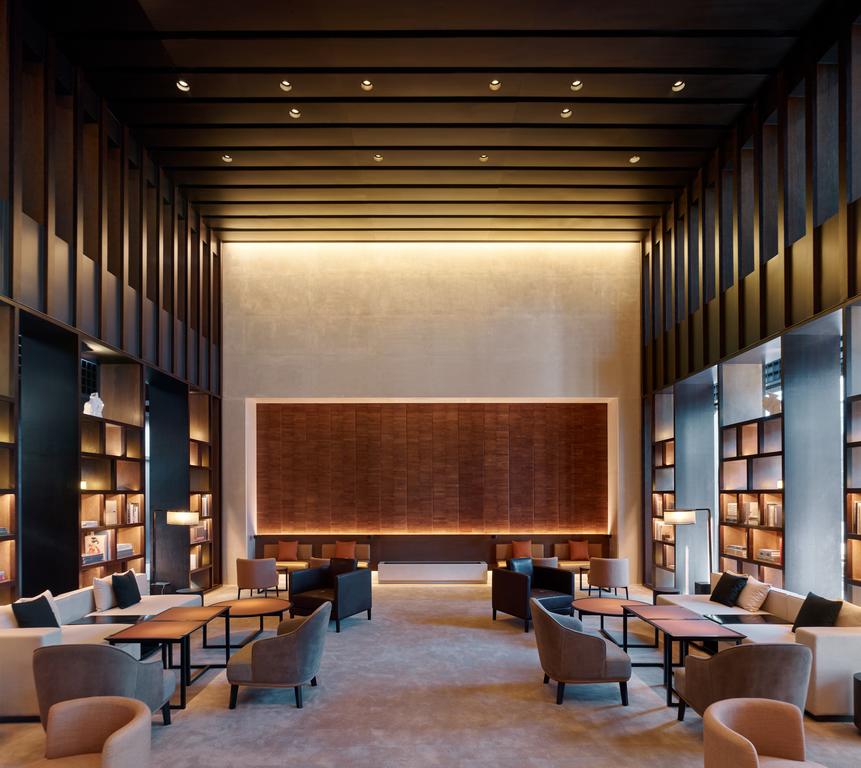
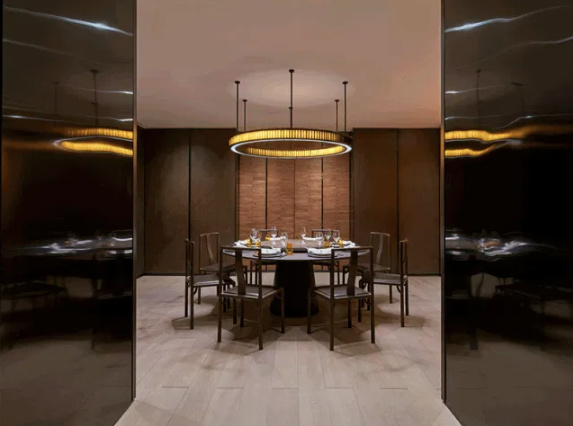
● Interiors by MQ Studio bring warmth to the monumental architecture through Chinese craftsmanship, Shang Xia furniture, contemporary art, timber and stone.
● Sitting above the Guardian Art Center, the hotel has an unusually convincing relationship with art — right down to guestroom safes designed to accommodate small artworks.
Contemporary Beijing, Ancient Neighbour
Few locations illustrate Beijing’s extraordinary architectural contrasts quite like this one. The PuXuan Hotel and Spa occupies the upper levels of the Guardian Art Center on the northeastern edge of the Forbidden City, placing contemporary architecture almost face-to-face with one of the world’s great imperial complexes. The building was designed by German architect Ole Scheeren, whose intervention had to negotiate an exceptionally sensitive historic setting without pretending to belong to another century. His answer is unmistakably modern. And unmistakably Beijing.
Ole Scheeren’s Monumental Puzzle
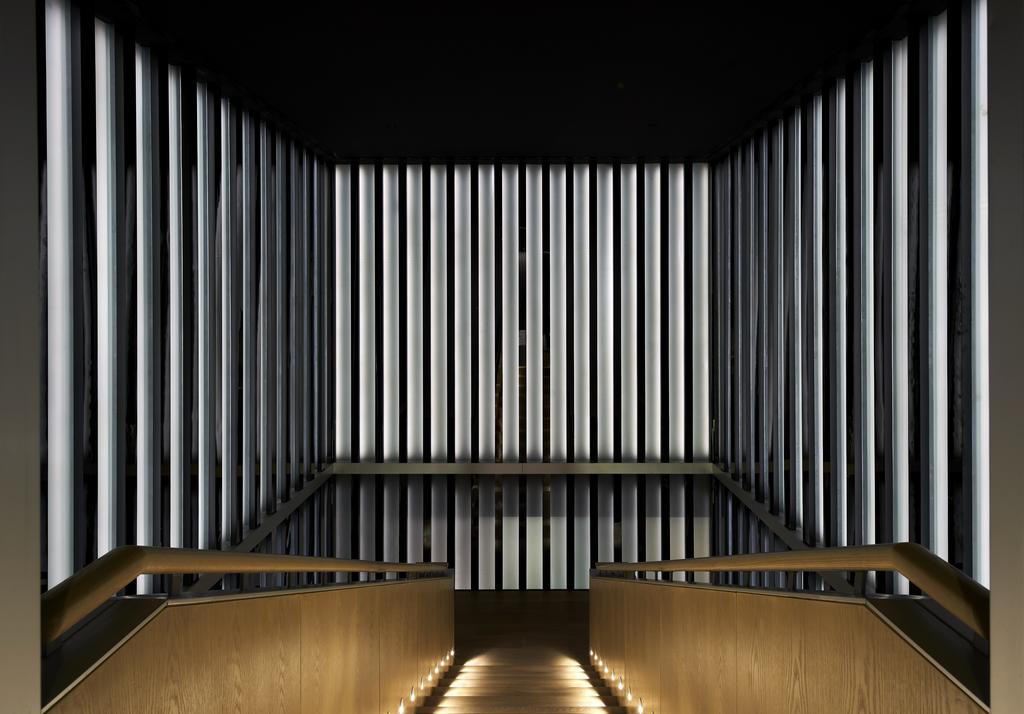
The Guardian Art Center is composed as two interlocking architectural worlds. Below, a solid volume is broken into thousands of circular perforations, creating an abstract interpretation of traditional Chinese landscape imagery. Above it sits a dramatically different structure: a floating ring of glass blocks enclosing a central courtyard. The geometry is uncompromising, yet references to Beijing’s historic urban fabric are embedded throughout. Brick patterns recall the city’s hutongs. The courtyard reinterprets one of the fundamental spatial ideas of traditional Chinese architecture. Openings, terraces and changing sightlines establish connections with the historic city beyond. From inside the hotel, those relationships become even more apparent. One moment you’re looking into the intimate courtyard. The next, across the tiled roofs of the Forbidden City.
MQ Studio Softens the Architecture
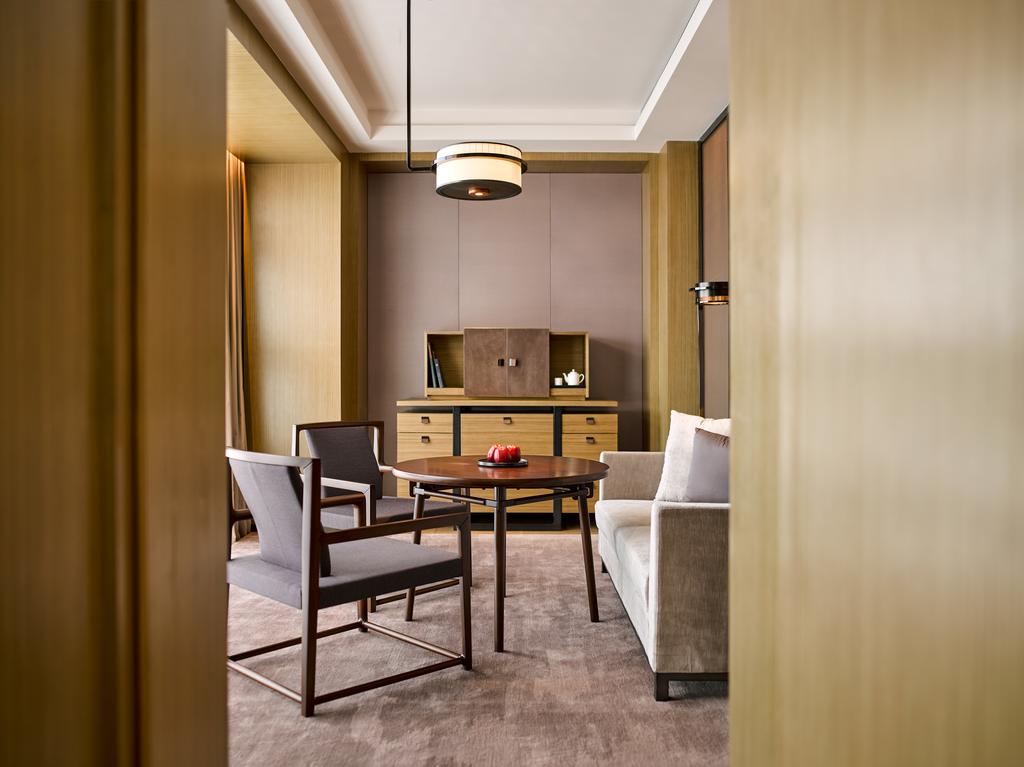
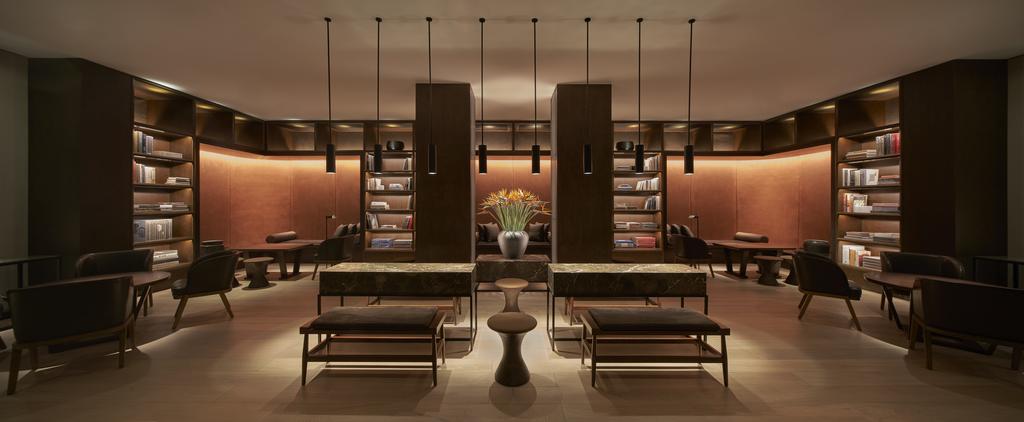
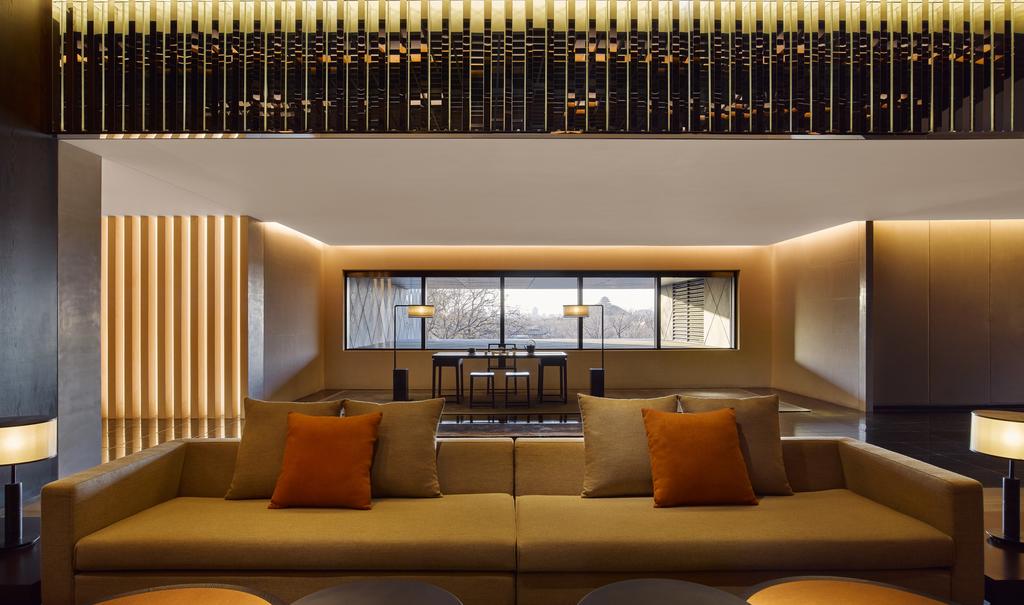
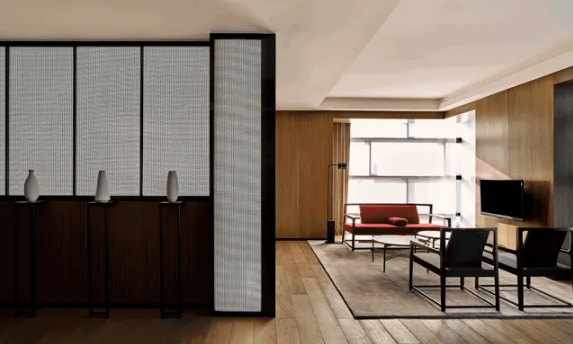
For the interiors, Shanghai- and Hong Kong-based MQ Studio deliberately turns down the volume. Warm timber, polished stone, muted colours and tactile surfaces replace architectural monumentality with something more residential. Sliding screens and finely crafted joinery introduce recognisably Chinese elements without slipping into pastiche. Furniture by Chinese luxury craft brand Shang Xia sits alongside antiques and contemporary pieces. At the entrance, five pairs of traditional mendun stone door posts establish a connection with historic Beijing, while a work by contemporary Chinese artist Qiu Deshu becomes one of the hotel’s visual anchors. It’s an intelligent balance. Chinese identity isn’t applied as decoration. It’s built into the materials, objects and spatial language.
Art Isn’t an Accessory
The location above the Guardian Art Center fundamentally changes the hotel’s relationship with art. The building contains galleries, museum spaces and the headquarters of China Guardian Auctions, while works inside The PuXuan are curated in collaboration with the art centre. There are some wonderfully specific consequences. Guests connected with the auction world can use a private television channel for proxy bidding. Check-in and check-out are available around the clock. And guestroom safes were designed large enough to accommodate small works of art. It’s difficult to imagine a more literal connection between hotel and art market.
Rooms Above the Imperial City
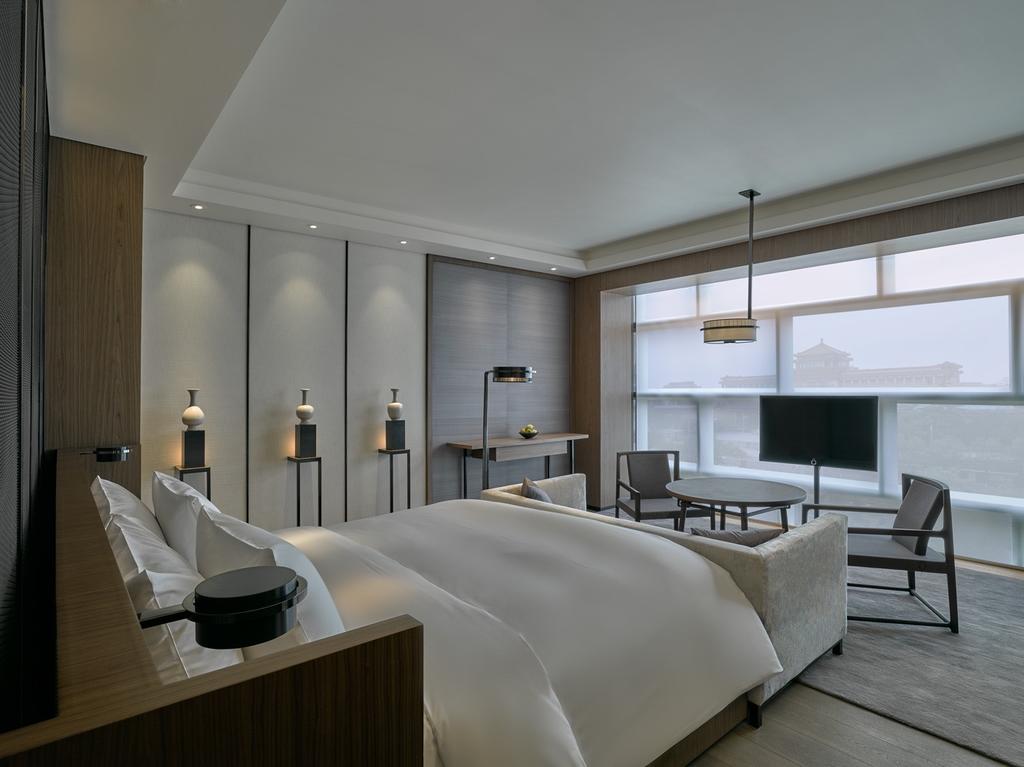
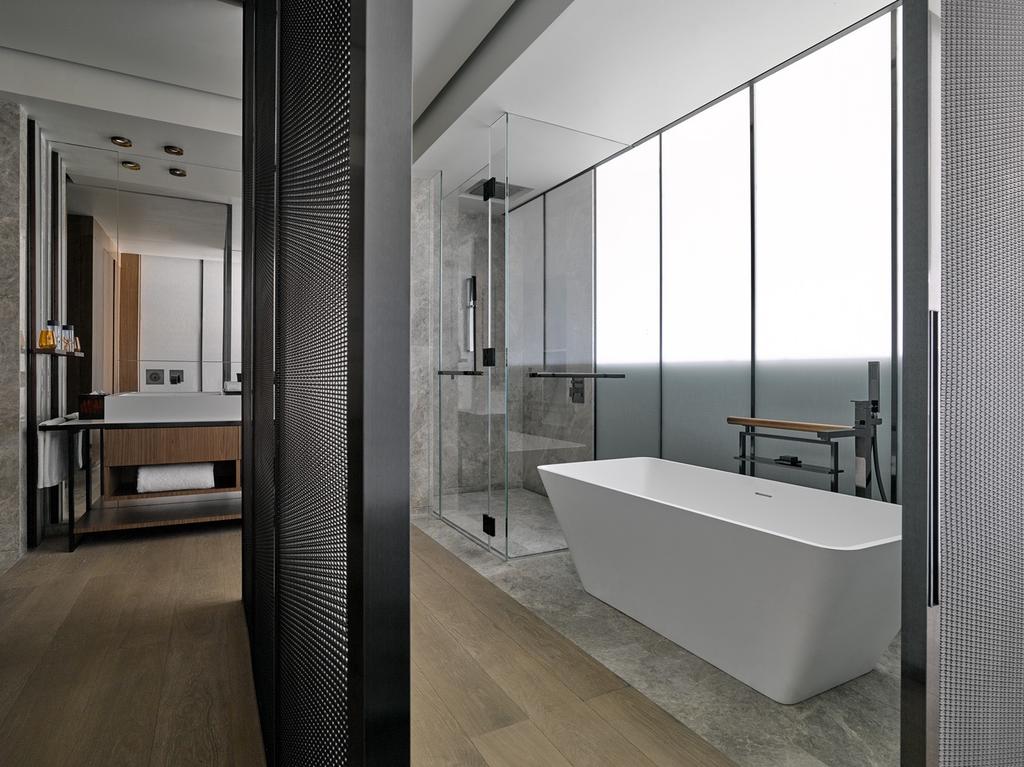
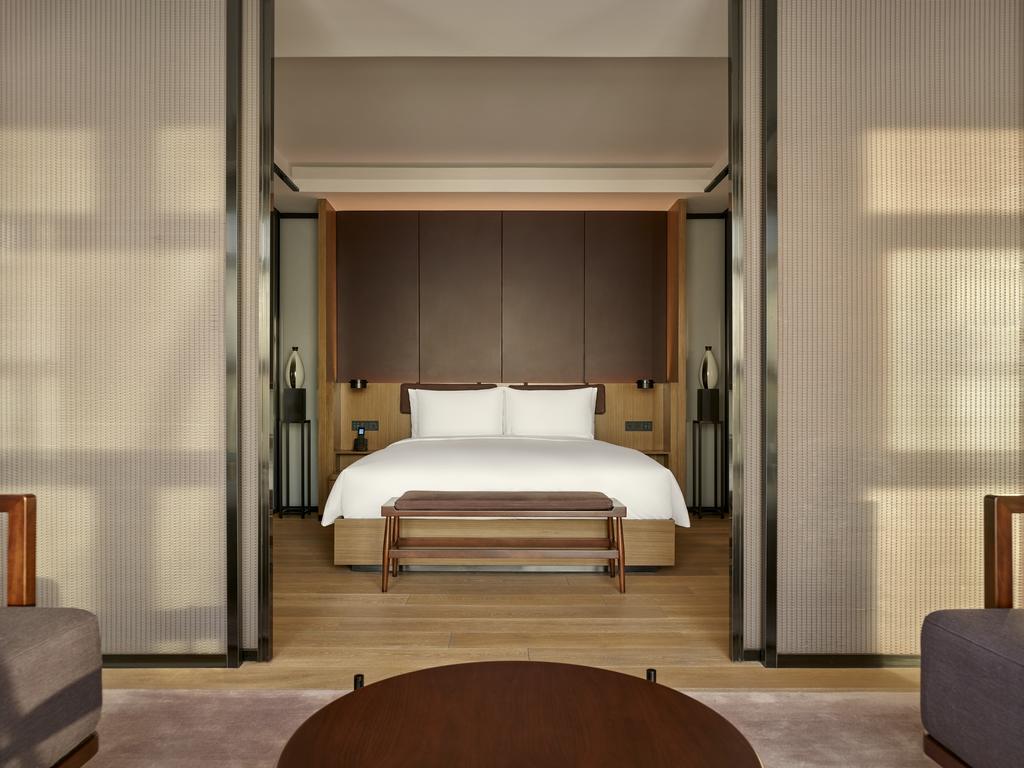
The guestrooms continue MQ Studio’s restrained approach. Timber floors, sliding screens, leather, stone and carefully controlled lighting create calm interiors against the visual intensity of Beijing outside. Rather than competing with the architecture, furniture remains low and composed, allowing the views to become part of the room. And those views can be extraordinary. Depending on orientation, windows frame the Forbidden City, Jingshan Park, the surrounding hutongs or Beijing’s contemporary skyline — allowing several centuries of the capital’s architecture to appear within a single panorama. It’s exactly the kind of view that gives a hotel its sense of place.
Fu Chun Ju, Rive Gauche and the Tea Room
The PuXuan’s restaurants take two very different directions. Fu Chun Ju focuses on refined Cantonese cooking and has been awarded a Michelin star, while Rive Gauche heads decisively west with a contemporary French brasserie influenced by Parisian café culture. But perhaps the space that says most about the hotel is the Tea Room. Chinese tea culture is treated as an experience rather than a decorative reference: a quiet ritual perfectly suited to a hotel whose luxury depends as much on restraint as abundance. The spa continues that philosophy, combining contemporary wellness with references to traditional Chinese healing practices.
A Different Kind of Beijing Landmark
The PuXuan could easily have become another internationally styled luxury hotel occupying an impressive piece of architecture. Instead, the building, interiors and cultural programme continually bring the guest back to Beijing. To its courtyards. Its craftsmanship. Its art. Its tea culture. And, beyond the windows, its extraordinary architectural history. The PuXuan Hotel and Spa captures something essential about contemporary Beijing: a city that doesn’t simply choose between its imperial past and architectural future, but increasingly allows the two to confront one another. Ole Scheeren provides the monumental framework; MQ Studio makes it human. Add the Guardian Art Center downstairs and the Forbidden City outside the window, and this becomes much more than an exceptionally polished luxury hotel — it’s a place from which to read Beijing itself.