Quinta da Côrte, Valença do Douro, Portugal
An intimate wine estate where Pierre Yovanovitch’s design, Douro craftsmanship, and centuries of viticulture come together
Why DNA Hotels Loves It
● Pierre Yovanovitch restored the historic quinta with extraordinary sensitivity, combining terracotta, hand-painted tiles, antique furniture, and bespoke contemporary pieces without losing its rural character.
● With only eight rooms, communal meals, and no televisions, the experience feels more like staying in a beautifully considered private home than a conventional wine hotel.
● The working winery, vineyard walks, harvest experiences, and exceptional estate wines place Douro culture at the centre of every stay.
A Wine Estate Above the Douro
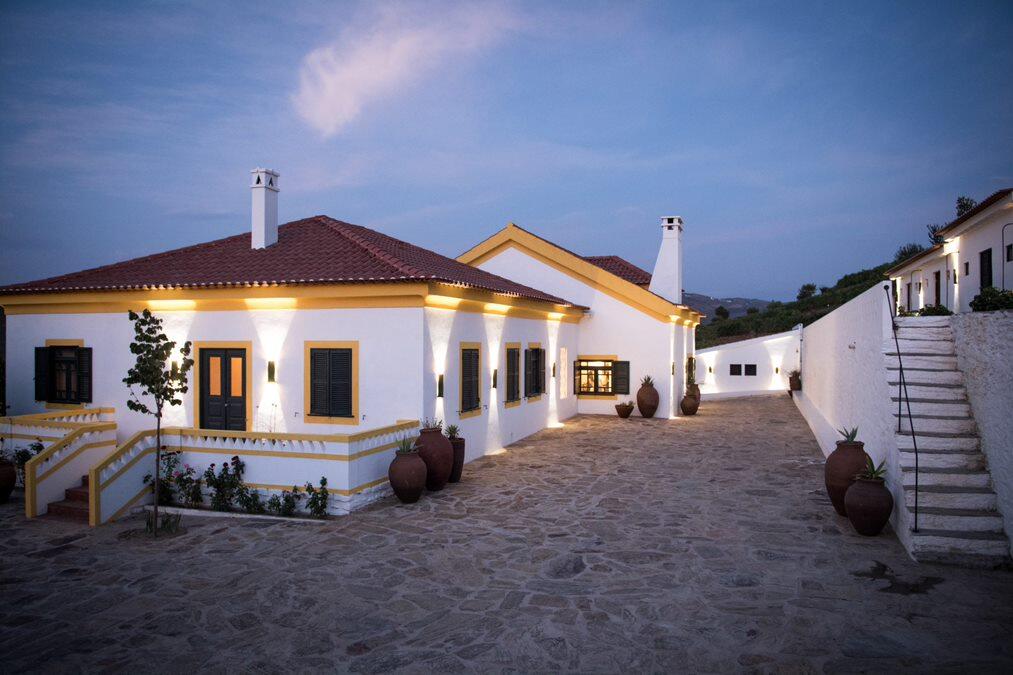
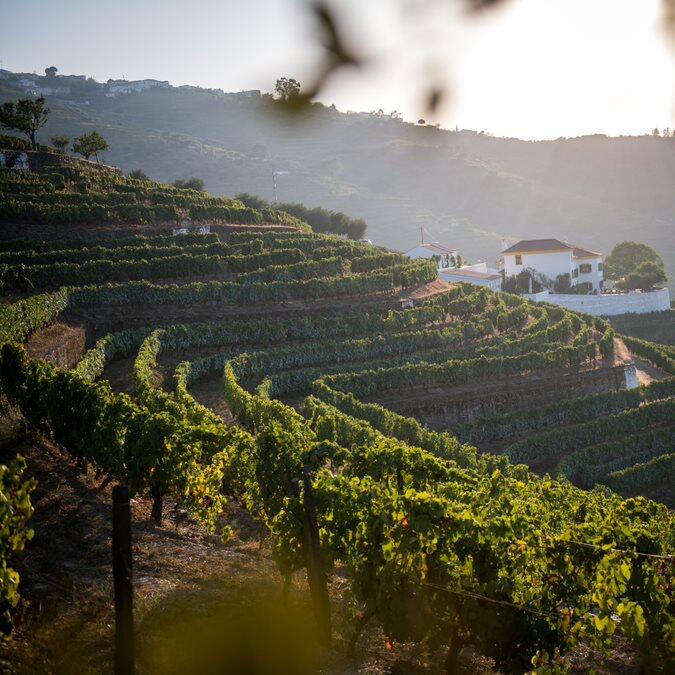
The road to Quinta da Côrte climbs steeply from the river. With every bend, the Douro Valley reveals more of itself: terraces cut into vertiginous slopes, stone walls tracing the hills, and vineyards descending towards the water far below. High above Pinhão, Quinta da Côrte occupies 25 hectares in the Cima Corgo, at the heart of the world’s oldest demarcated wine region. When French wine estate owner Philippe Austruy acquired the quinta in 2012, its buildings were in decline. He saw something worth preserving.
Pierre Yovanovitch in the Douro
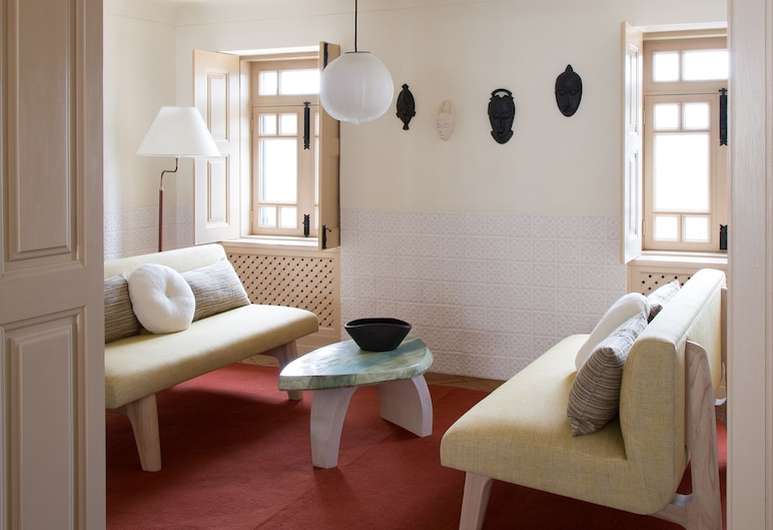
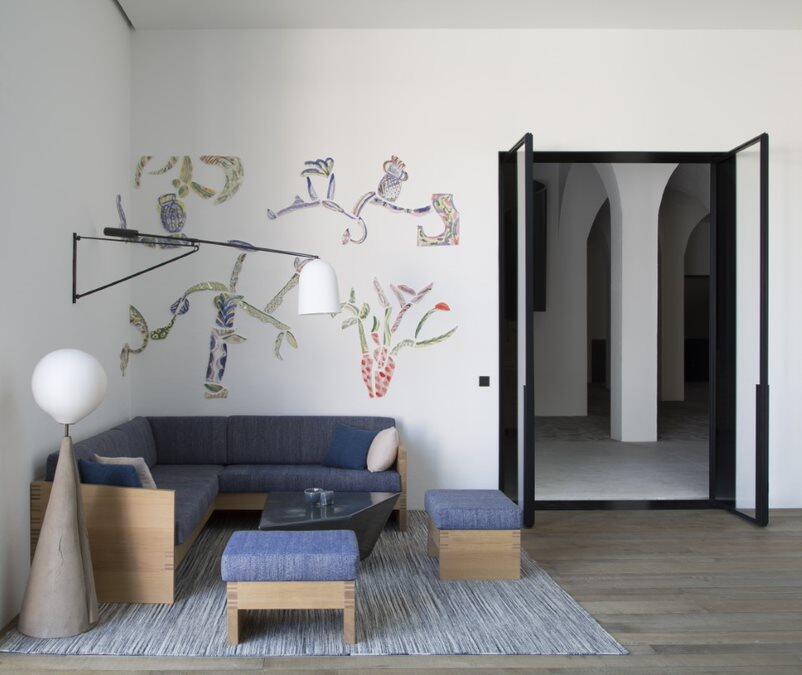
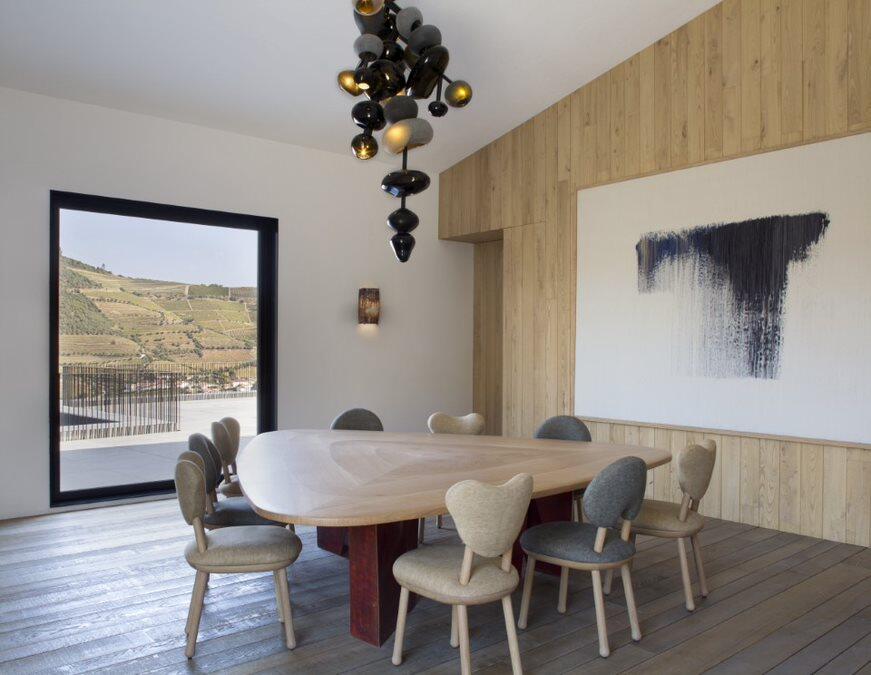
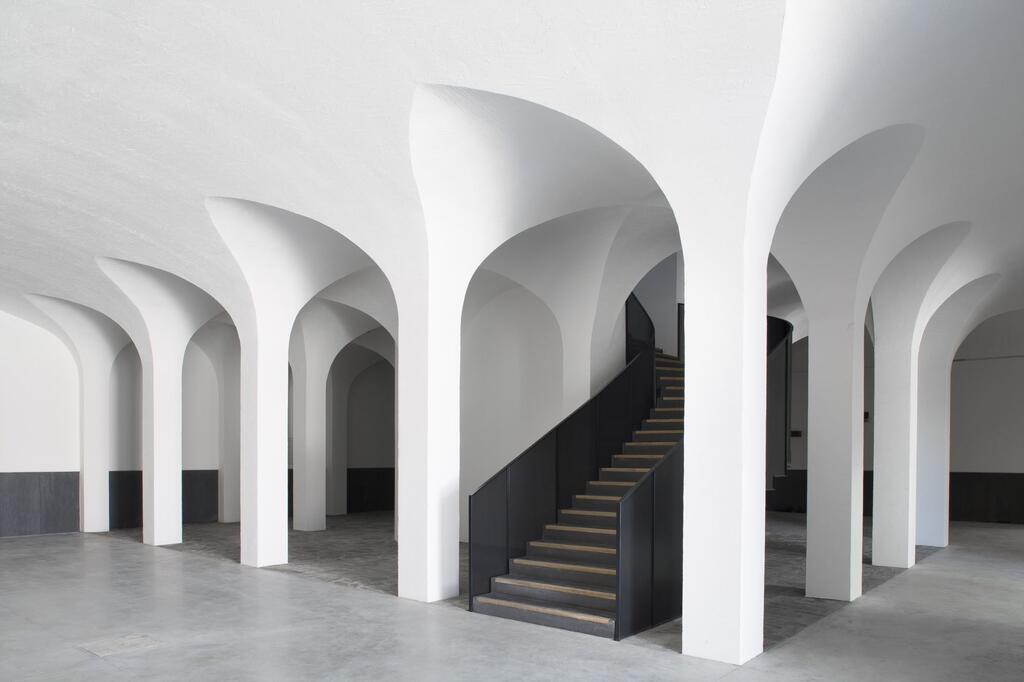
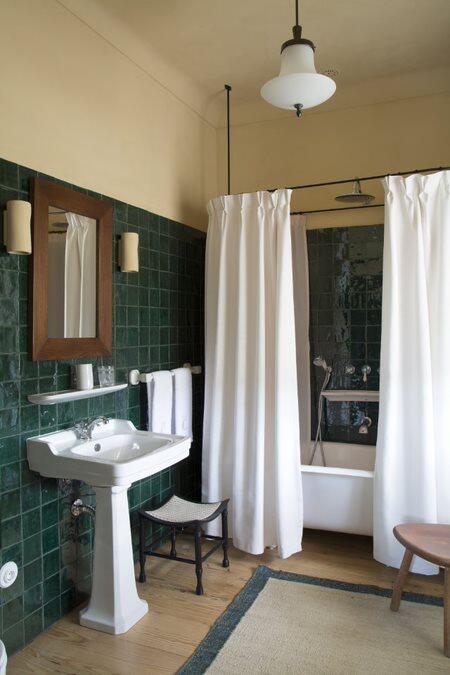
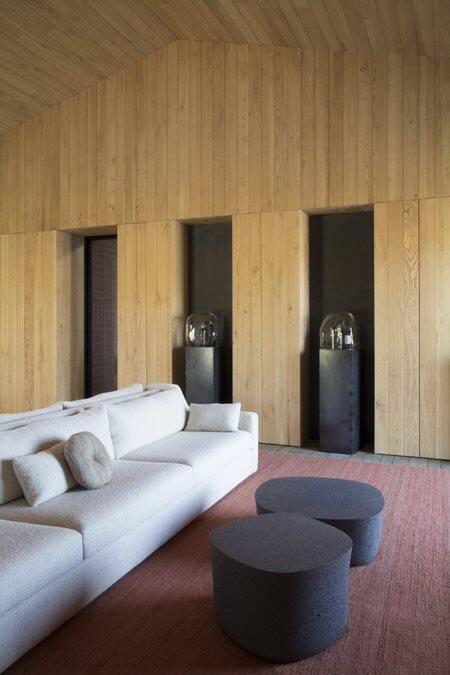
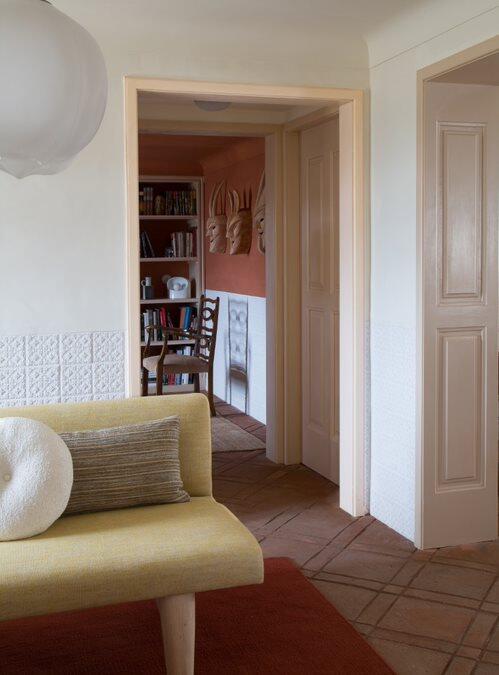
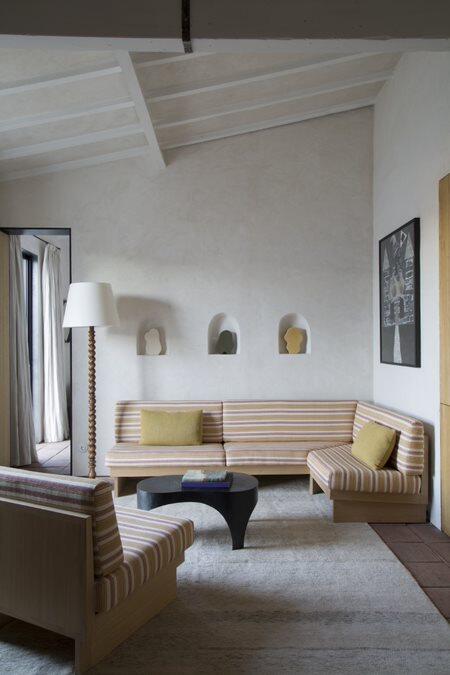
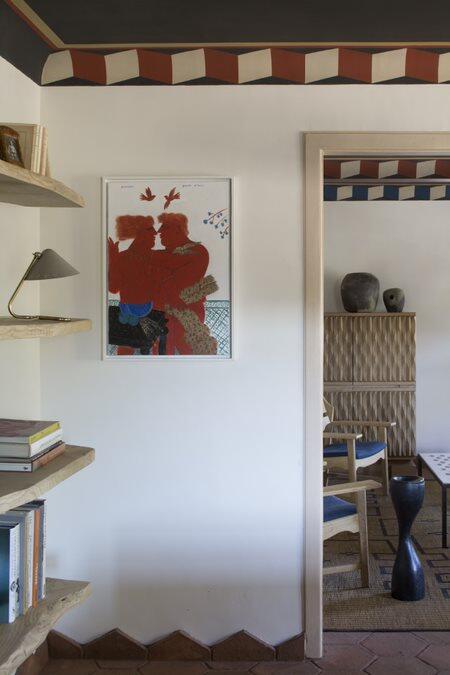
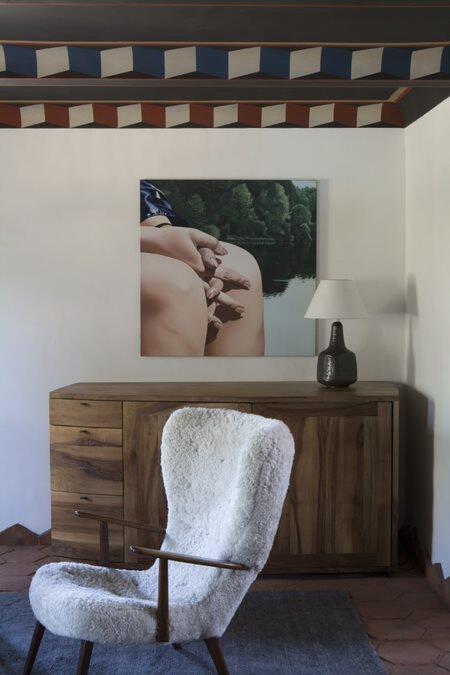
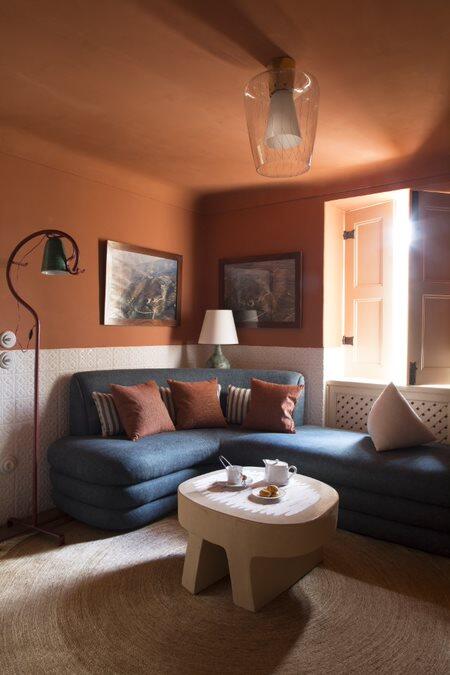
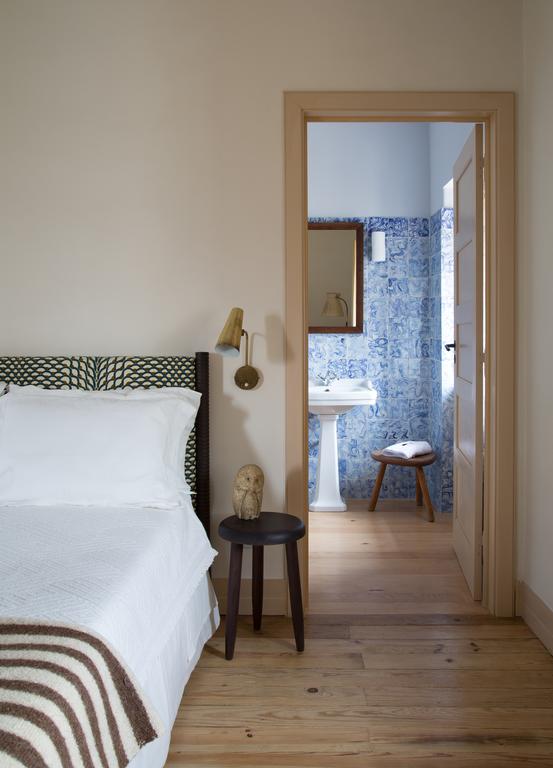
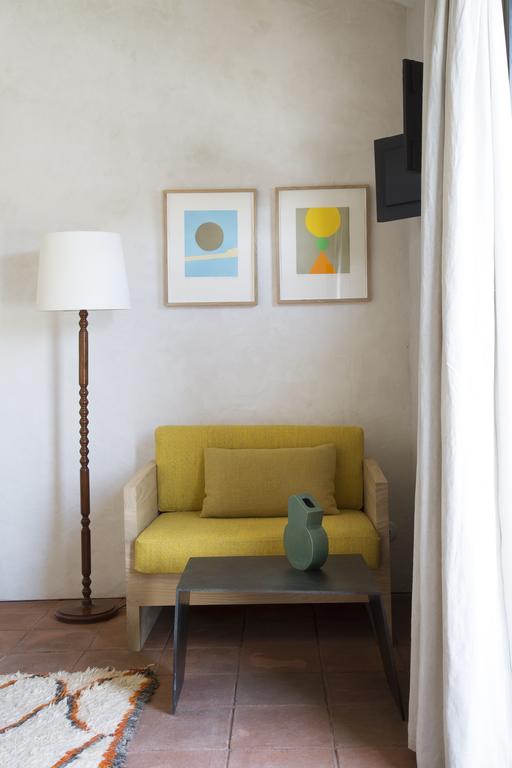
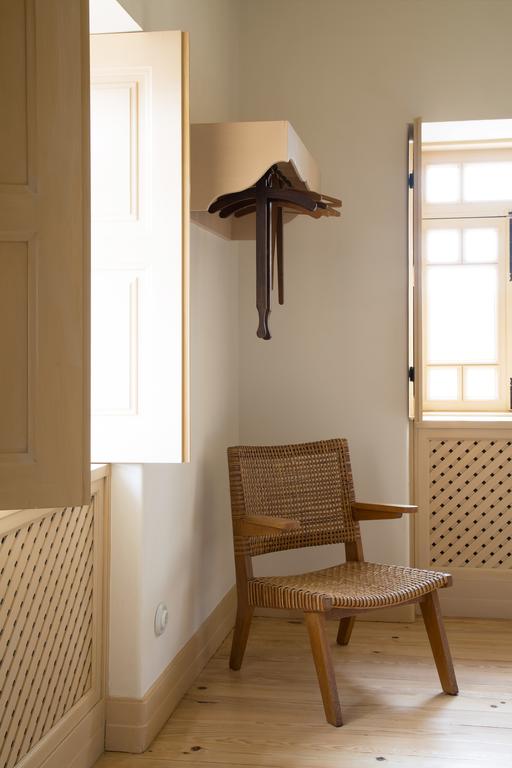
Austruy asked French designer Pierre Yovanovitch to restore the manor, outbuildings, and winery. The result feels remarkably natural. Whitewashed walls, timber beams, heavy wooden shutters, terracotta floors, and granite remain central to the architecture. Yovanovitch then layered them with antique and bespoke furniture, Moroccan straw matting, contemporary art, Portuguese craft, and richly coloured tiles. Glossy green ceramics line one bathroom. Blue-and-white azulejos reinterpret the surrounding valley. A long tiled kitchen table carries a hand-painted map of the Douro, illuminated by pale-pink glass lights created with Swiss glassmaker Matteo Gonet. The interiors feel sophisticated. But never detached from the farm around them.
Eight Rooms, No Repetition
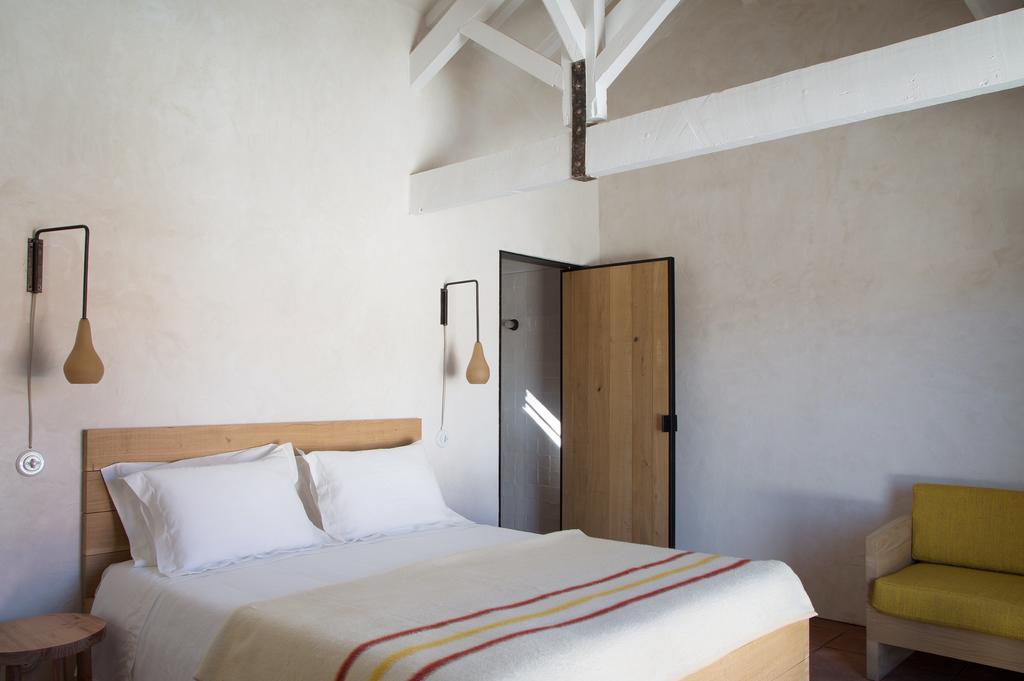
Quinta da Côrte has only eight guestrooms. Four occupy the main house, while four more contemporary rooms sit within nearby outbuildings close to the wine cellars. Each is different. Standalone bathtubs, embroidered linens, traditional shutters, deep colour, handmade tiles, and carefully selected furniture give the rooms their own personality. Retro telephones reinforce the sense of being somewhere temporarily removed from modern noise. There are no televisions. Wi-Fi may not always demand your attention either. Open the shutters instead. The vineyards are far more interesting.
Art, Folk Culture, and Craft
Art is woven throughout the quinta without turning it into a gallery hotel. The library includes drawings by David Nash and a trio of hand-carved Carnival masks from nearby Lamego. Bespoke rugs, lithographs, ceramics, and decorative objects move easily between Portuguese folk traditions and international contemporary design. The balance feels instinctive. Nothing appears selected purely for effect. Every piece contributes to the sense that this is a lived-in estate shaped by personal taste.
The Kitchen as the Heart
Meals unfold around a long communal table or outside on the terrace overlooking the vineyards. The cooking is simple, generous, and closely tied to the region. Bacalhau, roast octopus, pork, garden vegetables, local cheeses, cured meats, breads, quiches, and desserts arrive family-style, accompanied by the estate’s own olive oil and wines. Breakfast includes eggs from the quinta. Lunch can become a picnic among the vines. Dinner follows the rhythm of the house rather than the ceremony of a formal restaurant. It is the kind of hospitality that makes strangers feel like guests rather than customers.
Wine Without Distance
Quinta da Côrte remains a working wine estate. Traditional labour and modern winemaking coexist across vineyards too steep for easy mechanisation. Many vines are still tended by hand, while the cellar combines contemporary equipment with oak ageing and techniques rooted in Douro history. The estate produces table wines and ports, including structured reds, a Viosinho white, tawny ports, Late Bottled Vintage, and Vintage wines made from old vines. Tours and tastings are naturally central. But they feel unusually direct here. The person explaining the wine may also be responsible for tending the vines or deciding how it is made.
Harvest Season
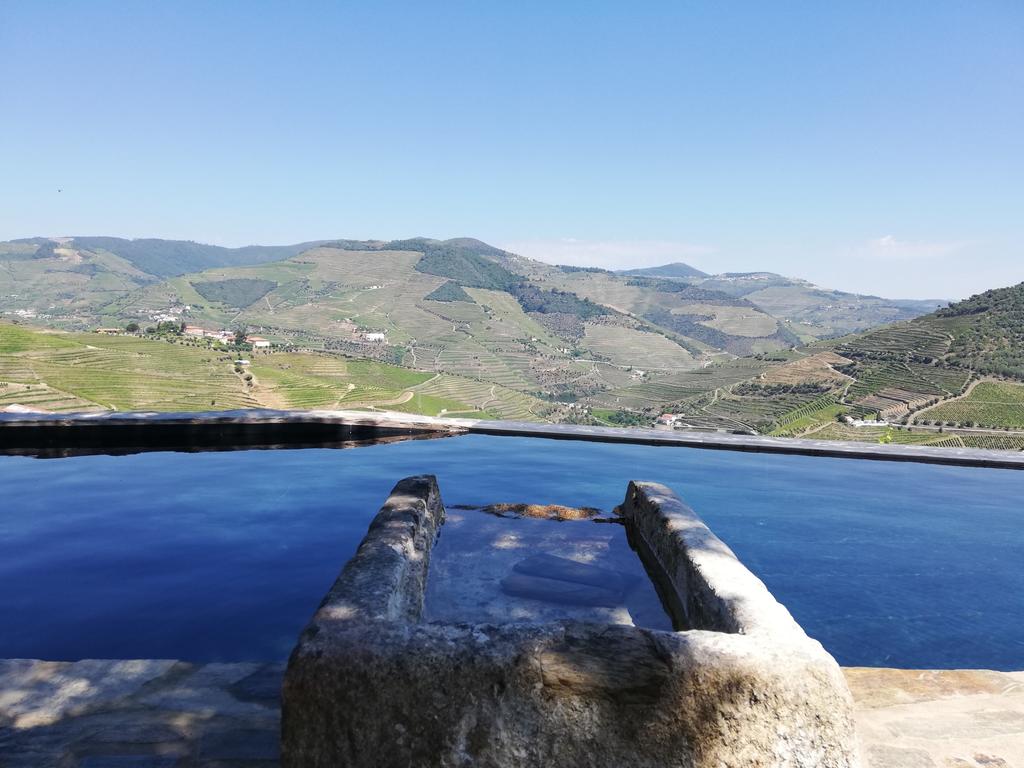
September brings the vindima. Across the Douro, harvest becomes a communal ritual, and Quinta da Côrte continues the tradition of foot-treading grapes in stone tanks. Music, food, wine, and work come together in one of the region’s most enduring cultural experiences. Guests can also walk through the vineyards, join a winemaker-for-a-day experience, take a river cruise, or simply follow the paths towards the pool. Set among the vines, the infinity pool seems to hover above the valley. Nothing interrupts the view.
Why It Works
Quinta da Côrte is compelling because it never separates design from wine, or hospitality from the working estate. Pierre Yovanovitch’s interiors are refined, but the terracotta, tiles, timber, art, and handcrafted details remain completely at home in the Douro. With only eight rooms, shared meals, deeply personal service, and exceptional wines made on-site, the experience feels intimate in a way larger wine hotels cannot reproduce. This is not a resort inspired by the Douro. It is the Douro, carefully restored and opened to a fortunate few.