Ramo d’Aria Etna Country Hotel – Giarre, Sicily
A former winery hidden among citrus groves, where contemporary architecture leaves Sicily’s rural past beautifully visible.
Why DNA Hotels Loves It
● Just 11 rooms and suites transform a former Sicilian winery and country house into an intimate retreat between Mount Etna and the Ionian Sea.
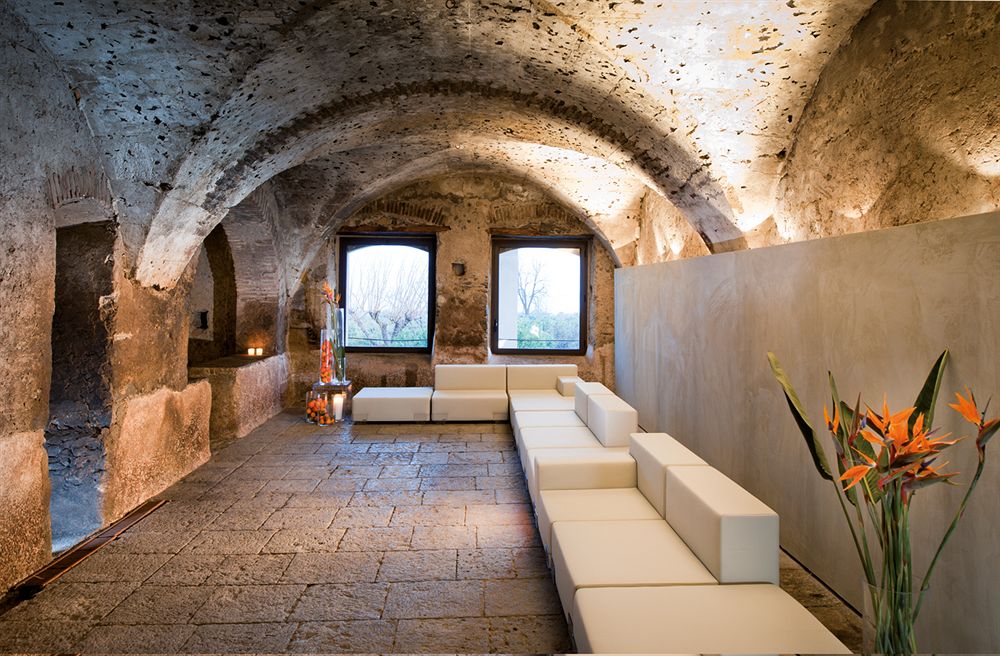
● The architecture deliberately contrasts lava-stone walls, weathered plaster and timbers from the old palmento with clearly contemporary, rational additions rather than disguising new as old.
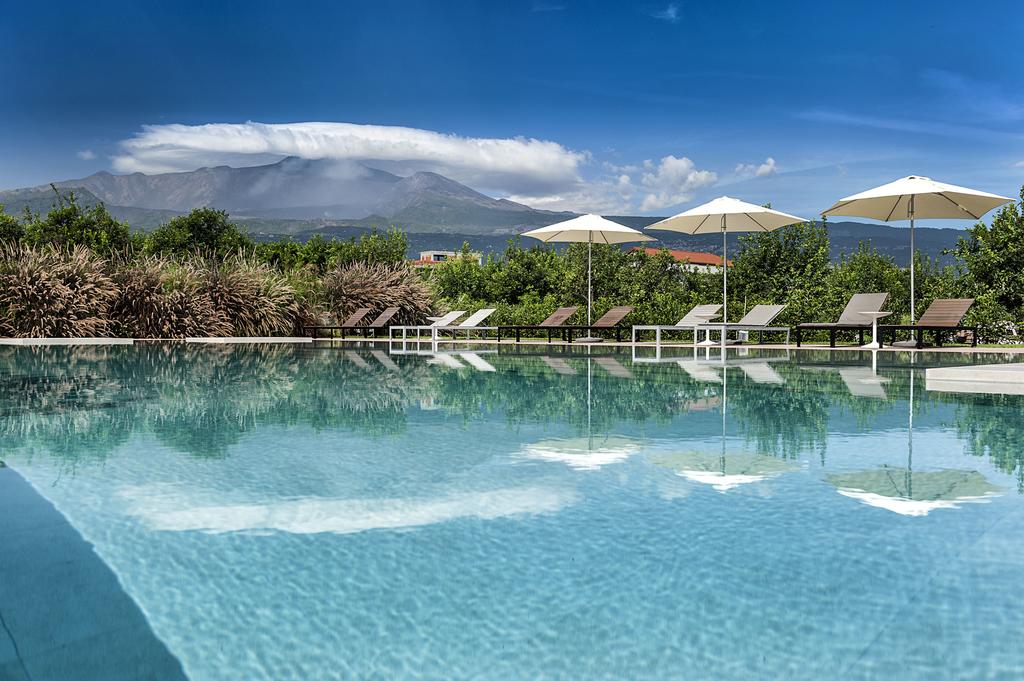
● Surrounded by orange and lemon groves, with a swimming pool facing the landscape, it captures the pleasures of a Sicilian country house without unnecessary resort excess.
A Branch of Air
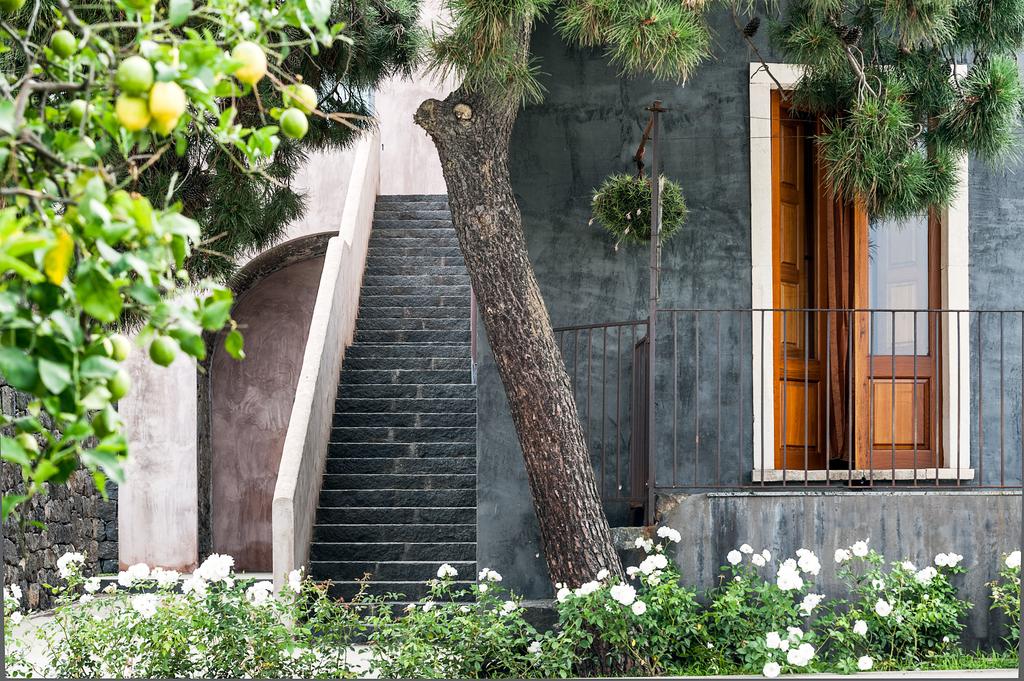
The name says almost everything. Ramo d’Aria translates literally as “a branch of air” — an appropriately poetic name for a place caught between the slopes of Mount Etna and the Mediterranean. There are citrus trees everywhere. Sea air moves through the gardens. Etna rises behind the property, an ever-present reminder of the volcanic landscape beneath your feet. And at its centre is an old country estate and former winery that has been allowed to remain recognisably itself. This isn’t rural Sicily polished into generic luxury. It still feels like a country house.
Old Sicily, Clearly New Architecture
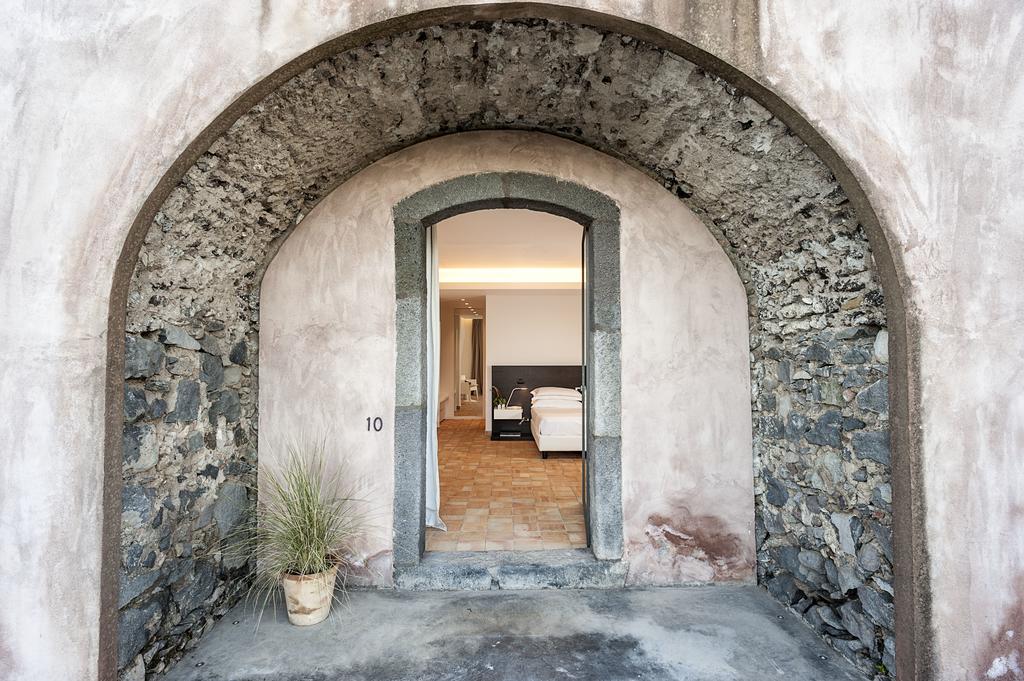
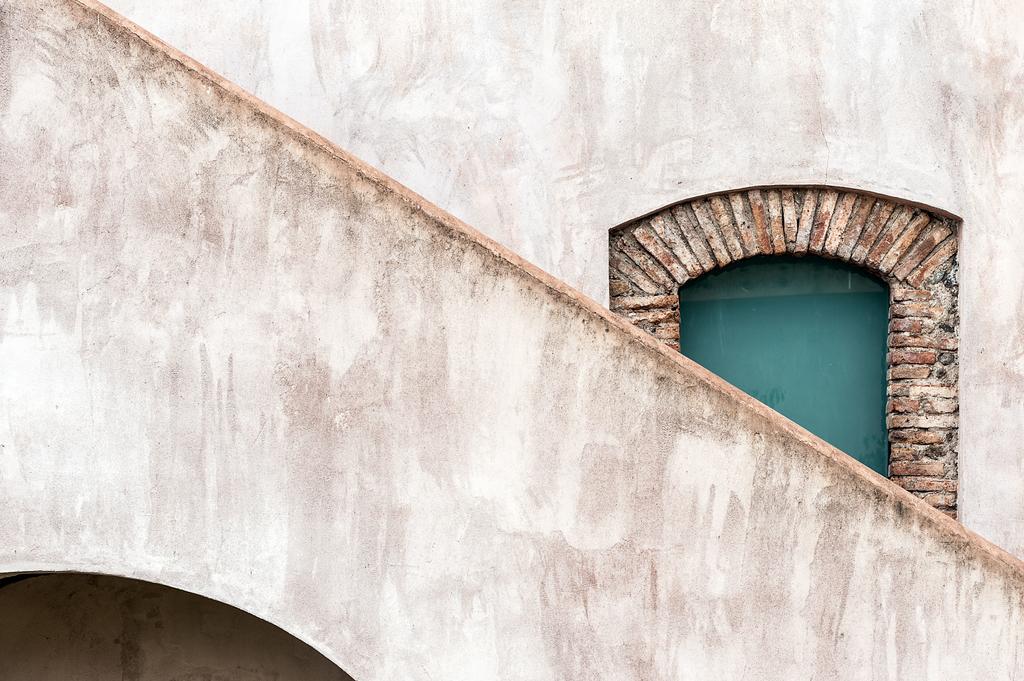
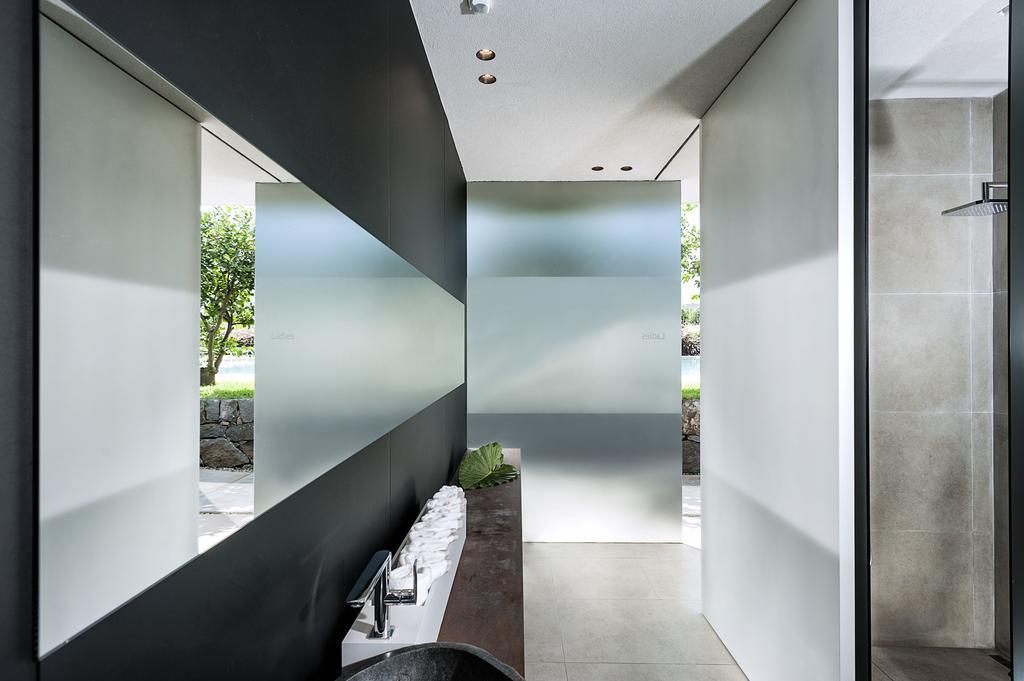
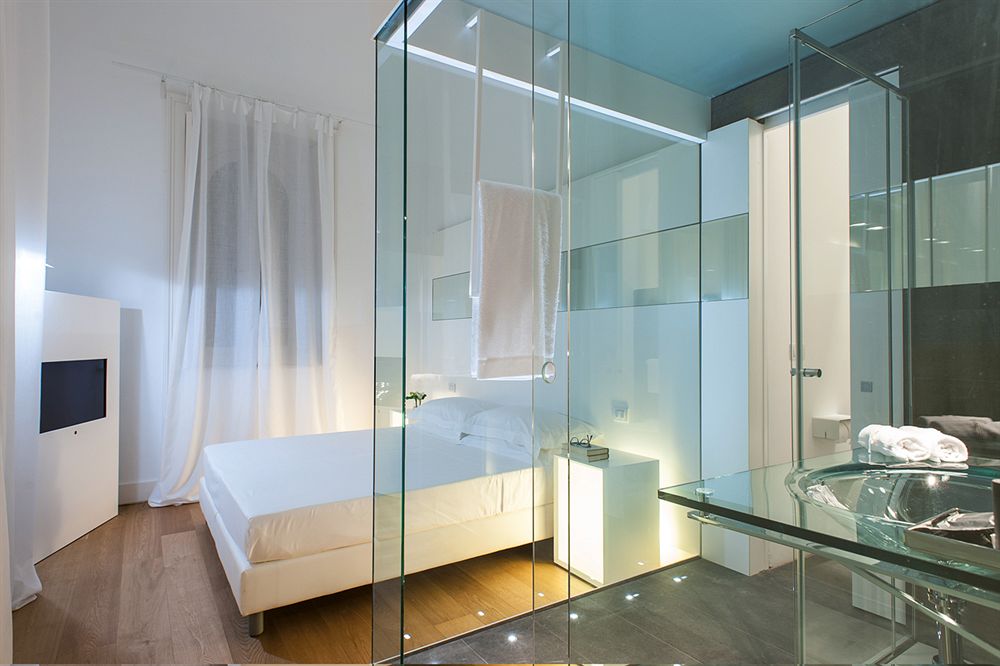
The architectural intervention is built around contrast. Rather than smoothing away the building’s imperfections, the restoration celebrates them: powdery old plaster, dry-stone lava walls and timbers belonging to the former wine press remain visible. Alongside them sit clean, rational contemporary volumes. The distinction is deliberate. The architects wanted every new intervention to be immediately identifiable, allowing you to mentally remove it and understand what existed before. It’s a refreshingly honest approach to restoration: no faux-aged additions, no attempt to make the contemporary architecture pretend it has been here for centuries. Old and new remain separate. And because of that, each becomes more powerful.
11 Rooms Among the Citrus Trees
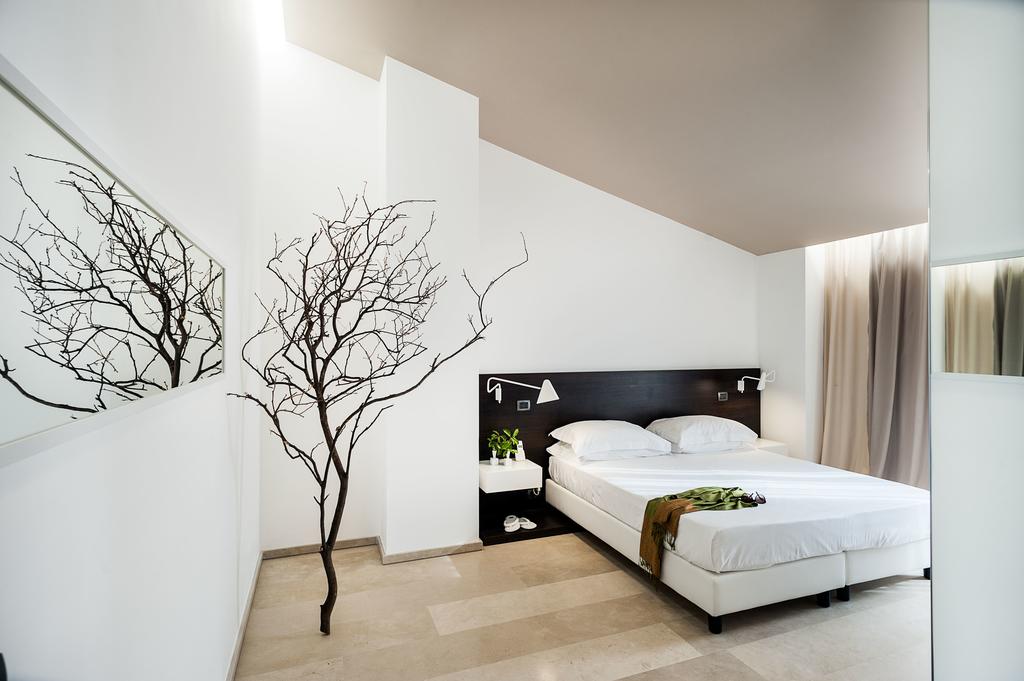
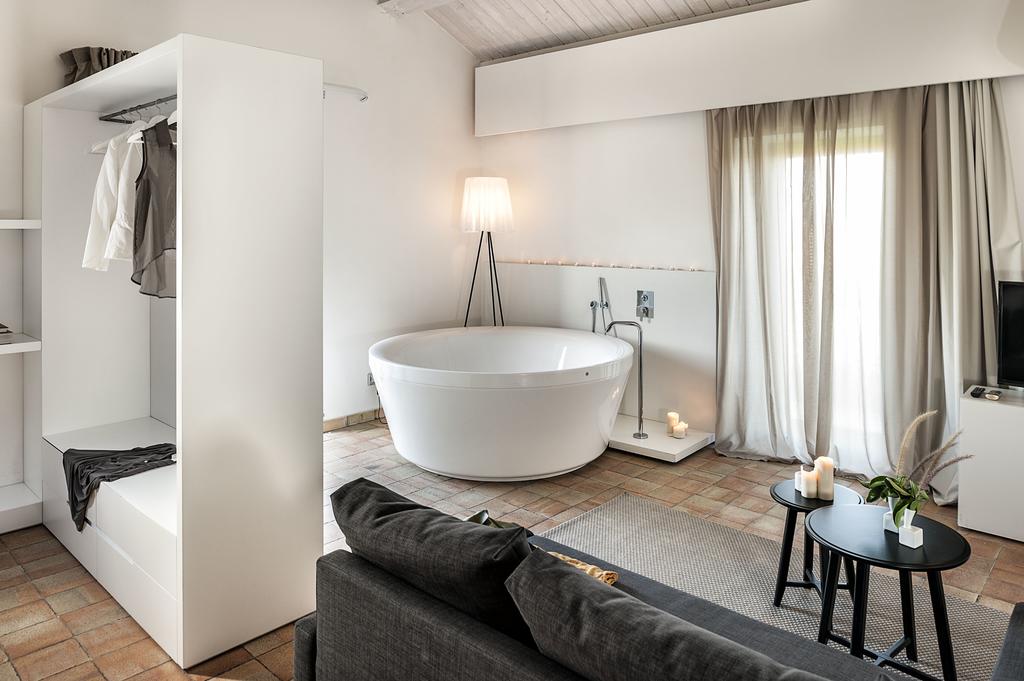
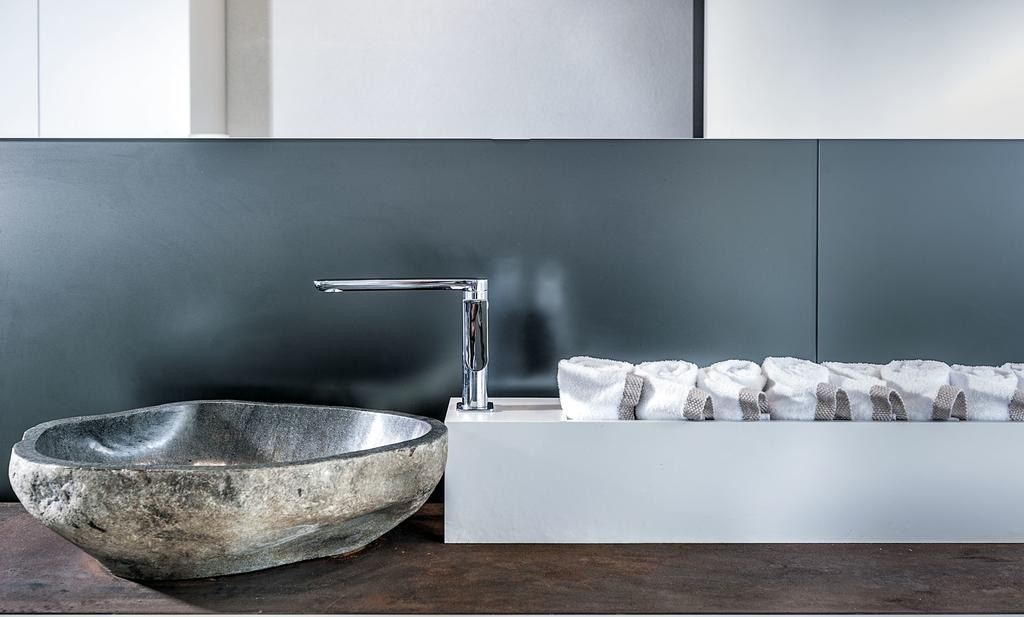
With only 11 rooms and suites, Ramo d’Aria retains the scale and atmosphere of a private rural home. The interiors are restrained: white linen, terracotta floors, simple contemporary furniture and plenty of natural light. Ornament is kept to a minimum because the textures of the original building and the landscape provide more than enough character. Views shift between gardens, Mount Etna and the sea. Open the windows and the experience becomes sensory rather than decorative — citrus in the air, Mediterranean light across the room and the mountain somewhere on the horizon. The luxury here is space to breathe.
Life in the Orchard
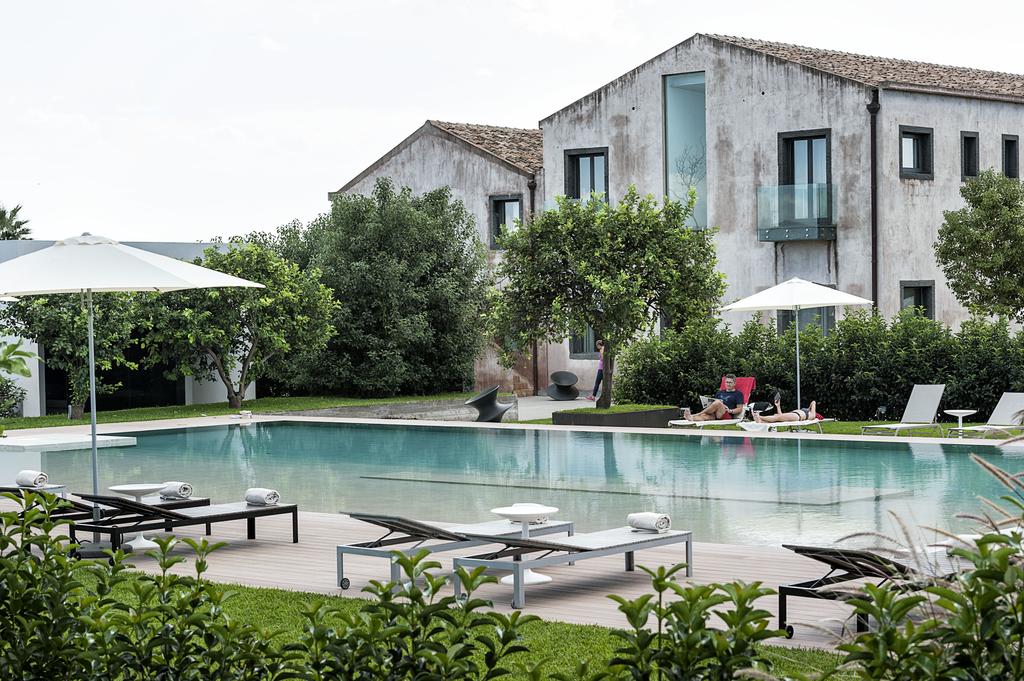
Much of Ramo d’Aria is experienced outside. Paths disappear between orange and lemon trees, terraces become natural extensions of the house and the swimming pool opens towards the surrounding landscape, with Etna providing a backdrop that no designer could improve upon. The hotel’s own philosophy is wonderfully simple: few rooms, lots of citrus trees. That also explains what you won’t find. Ramo d’Aria isn’t interested in filling every hour with facilities and organised entertainment. It’s designed for travellers who would rather rediscover the pleasures of spending a day at a Sicilian country house. Swim. Read. Eat. Wander through the garden. Repeat.
Etna on the Table
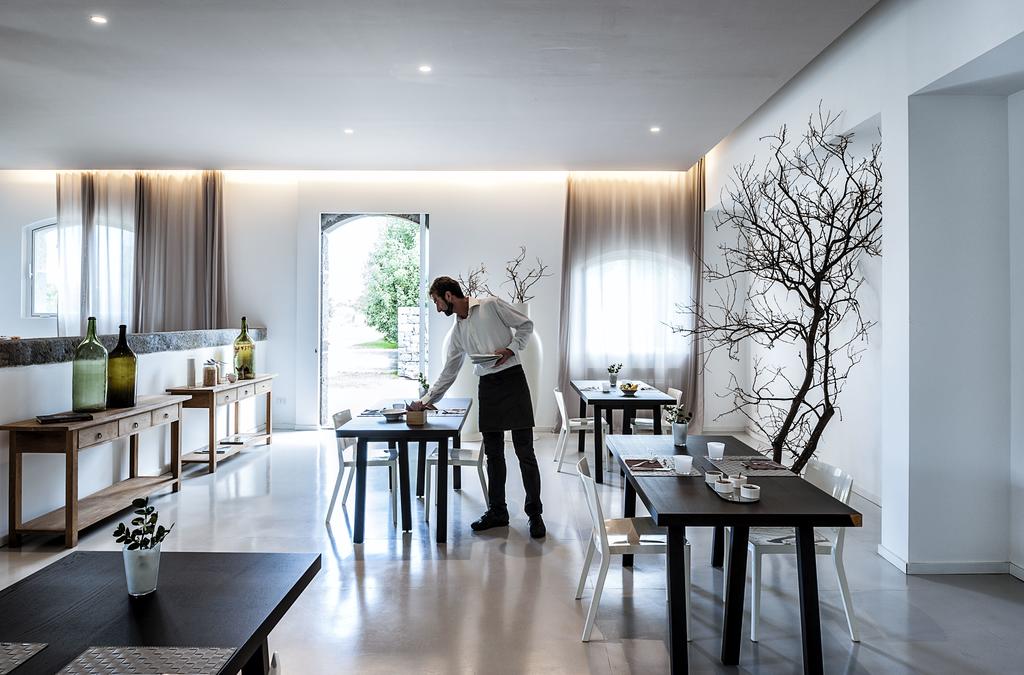
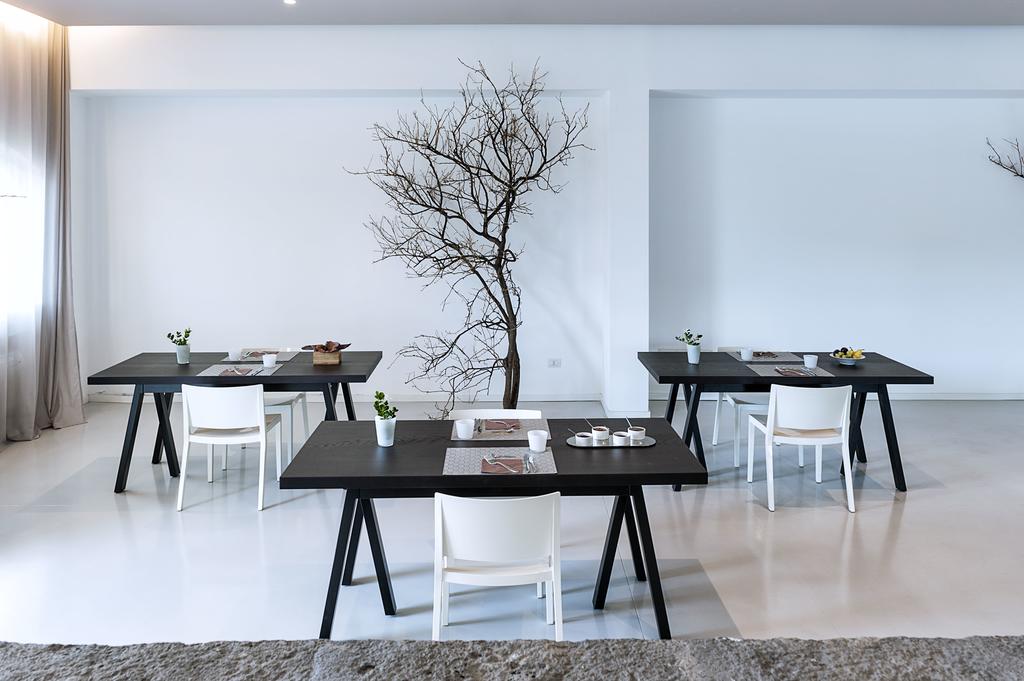
Food naturally follows the landscape. Breakfast spills onto the terrace, while lunch and dinner draw on the ingredients and flavours that define eastern Sicily — citrus, olive oil, pistachios, vegetables and wines grown in Etna’s extraordinary volcanic soils. And there’s another interesting connection nearby: Zash Country Boutique Hotel, Ramo d’Aria’s sister property, is only a short drive away and adds another serious dining option. In this part of Sicily, landscape and food are almost impossible to separate. That’s exactly as it should be.
Between Volcano and Sea
Ramo d’Aria also makes an excellent base for exploring eastern Sicily. Etna’s stark volcanic landscapes lie in one direction; the Ionian coast in the other. Vineyards climb the mountain’s slopes, while Catania and Taormina bring very different versions of Sicilian urban life within reach. But the temptation to do absolutely nothing shouldn’t be underestimated. When you can lie beside a pool surrounded by citrus trees with one of Europe’s most extraordinary volcanoes on the horizon, sightseeing can suddenly seem rather ambitious.
Why It Works
Ramo d’Aria understands something important about restoration: respecting history doesn’t require imitating it. Its contemporary additions are allowed to look contemporary. The old plaster remains old. Lava stone remains rough. Timbers retain their scars. Together they tell a much richer story than a perfectly restored country house ever could. And with only 11 rooms, acres of citrus and Etna looming beyond the garden, the experience remains wonderfully uncomplicated. Ramo d’Aria isn’t Sicily dressed up for visitors. It’s a Sicilian country house given just enough contemporary architecture to begin another life.