Refugia Chiloé – Chile
A modern lodge shaped by Chiloé’s palafitos, tidal landscapes and centuries-old island culture.
Why DNA Hotels Loves It
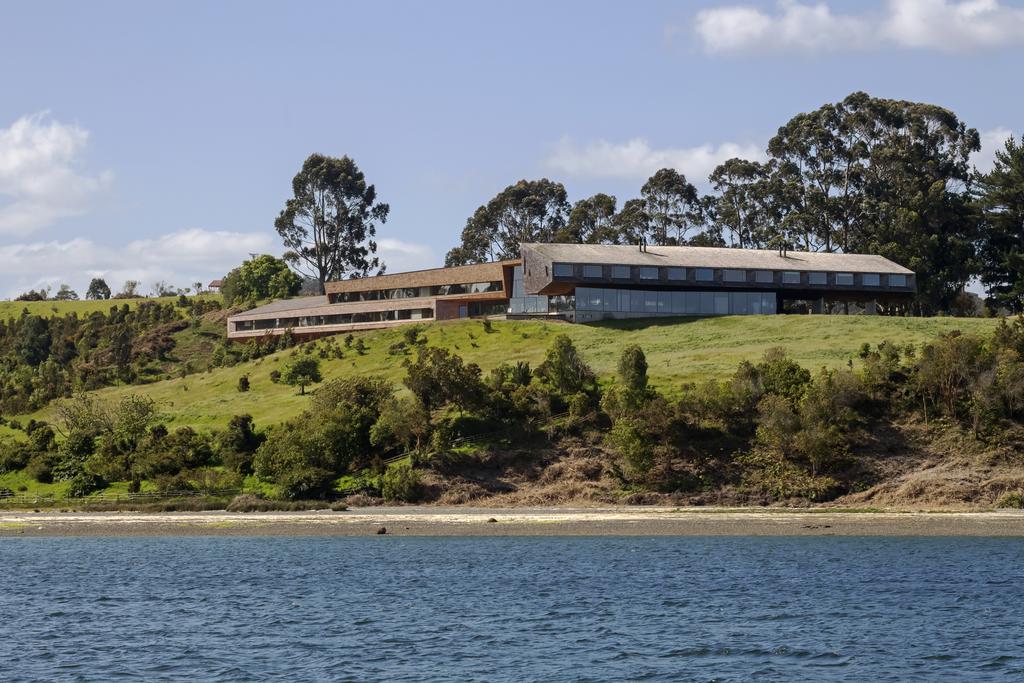
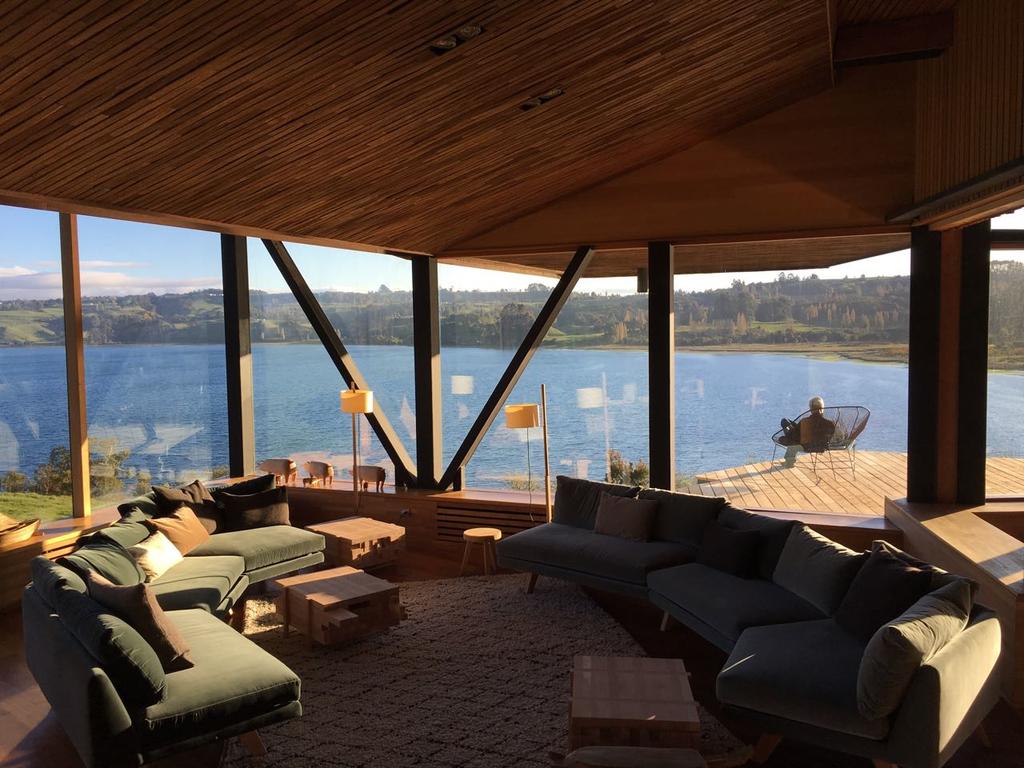
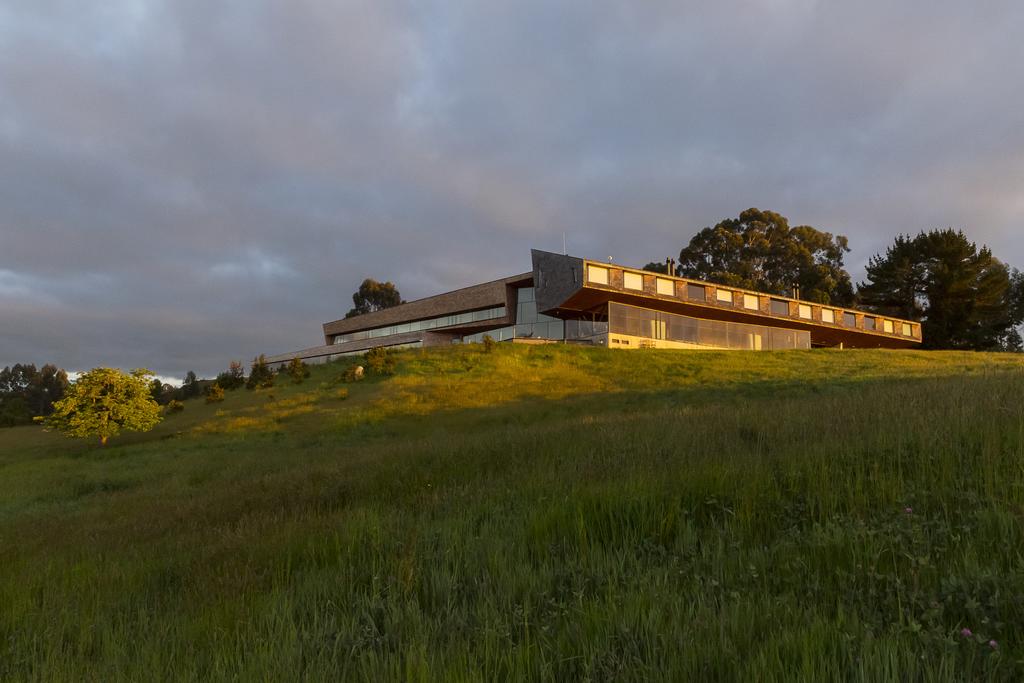
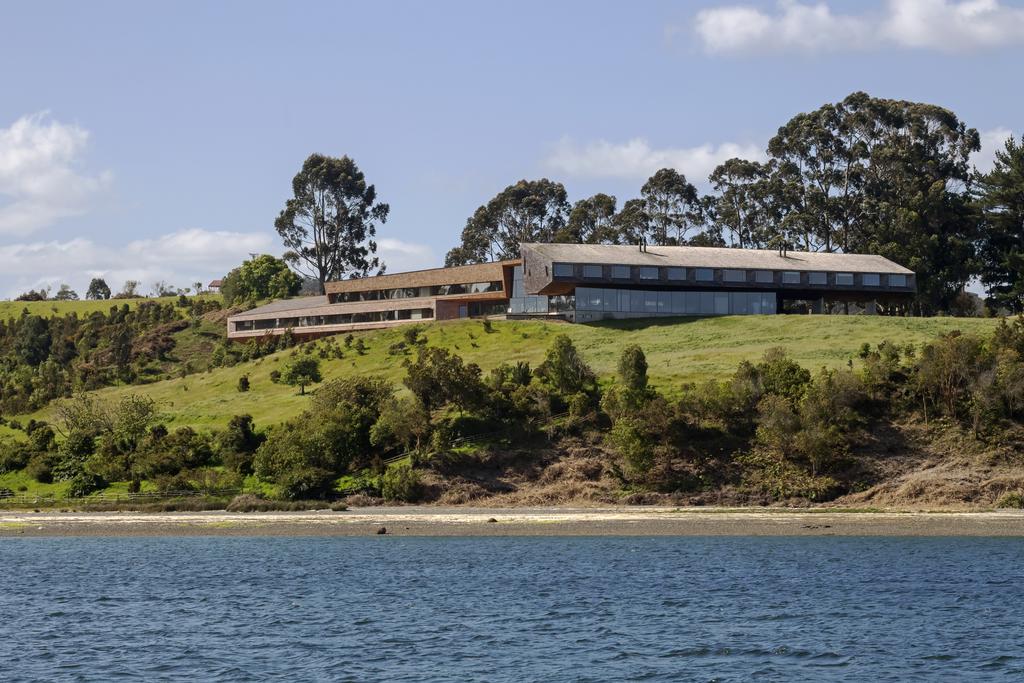
● Mobil Arquitectos reinterpreted Chiloé’s traditional stilt-house architecture as a striking contemporary structure overlooking the wetlands and waters of Pullao Bay.
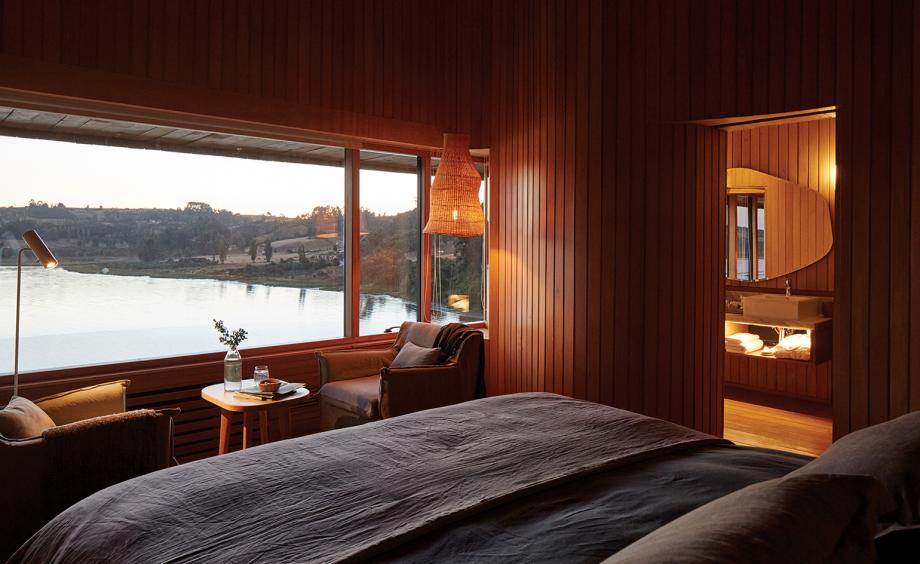
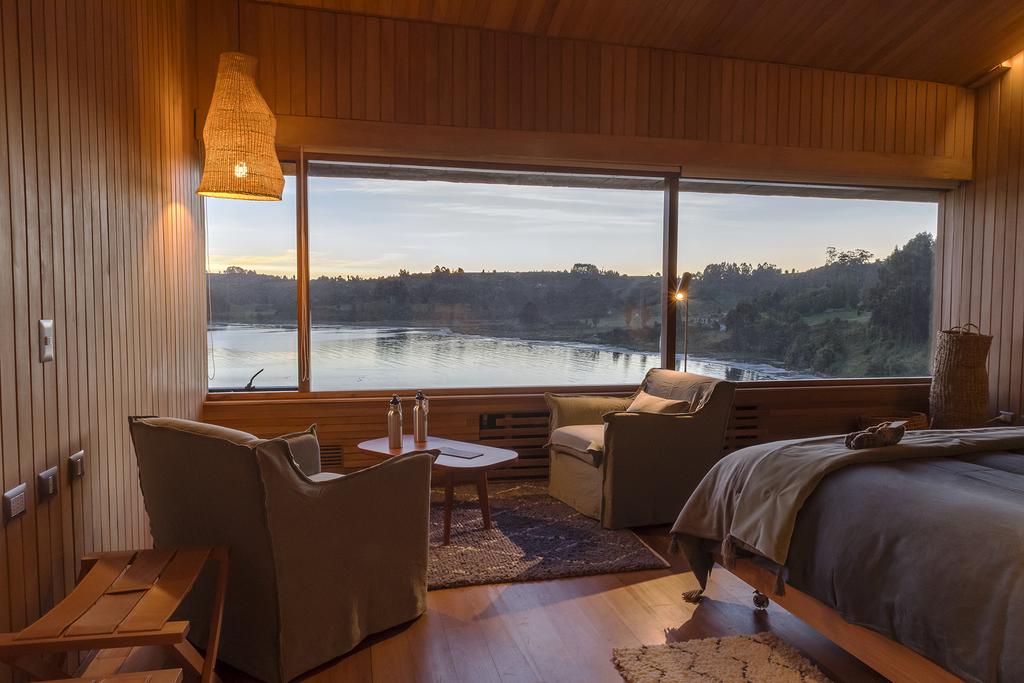
● All 24 rooms face the water, combining expansive views with lenga timber, local craftsmanship and wonderfully tactile details such as hand-knitted wool slippers.
● Refugia treats Chiloé itself as the main event, using boats, horses, kayaks and expert local guides to connect guests with the archipelago’s wildlife, food, villages and folklore.
A Modern Palafito Above Pullao Bay
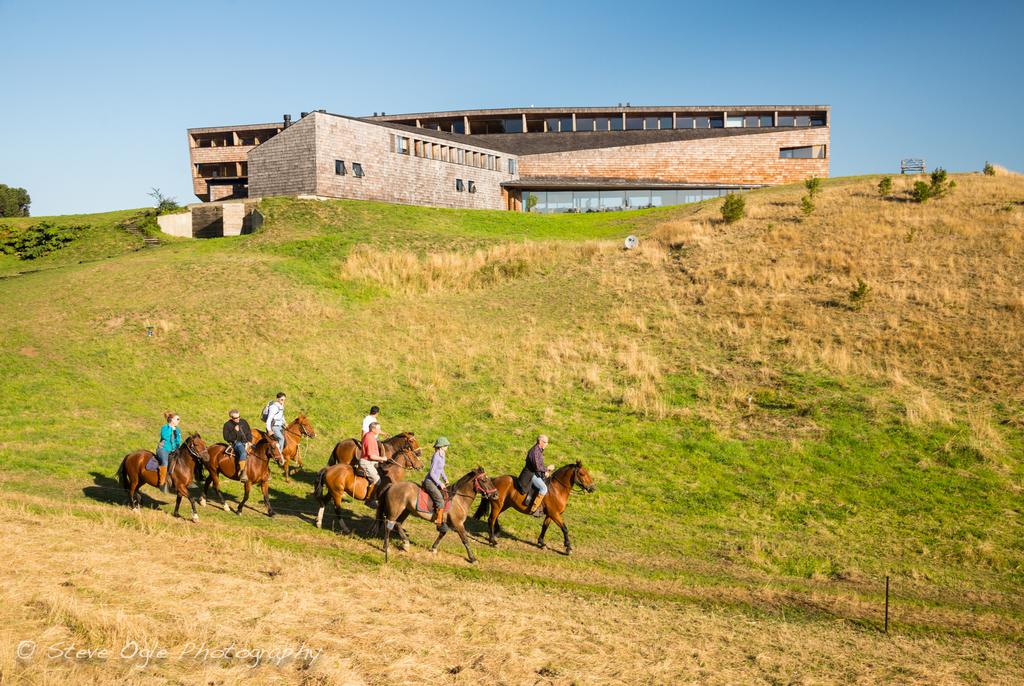
Chiloé has never needed much help creating atmosphere. Fog moves across wetlands. Wooden houses stand on stilts above the water. Fishing boats disappear between islands. Forests conceal tiny pudú deer, while centuries of isolation have produced an extraordinary mythology of ghost ships, witches and sea creatures. On the remote Rilán Peninsula, Refugia Chiloé translates that world into architecture. Designed by Chilean practice Mobil Arquitectos, the lodge takes inspiration from the island’s famous palafitos without attempting to imitate them. Instead, a long geometric volume rises above the landscape, clad in timber and opened towards Pullao Bay through enormous expanses of glass. It feels unmistakably modern. And unmistakably Chiloé.
Architecture That Floats
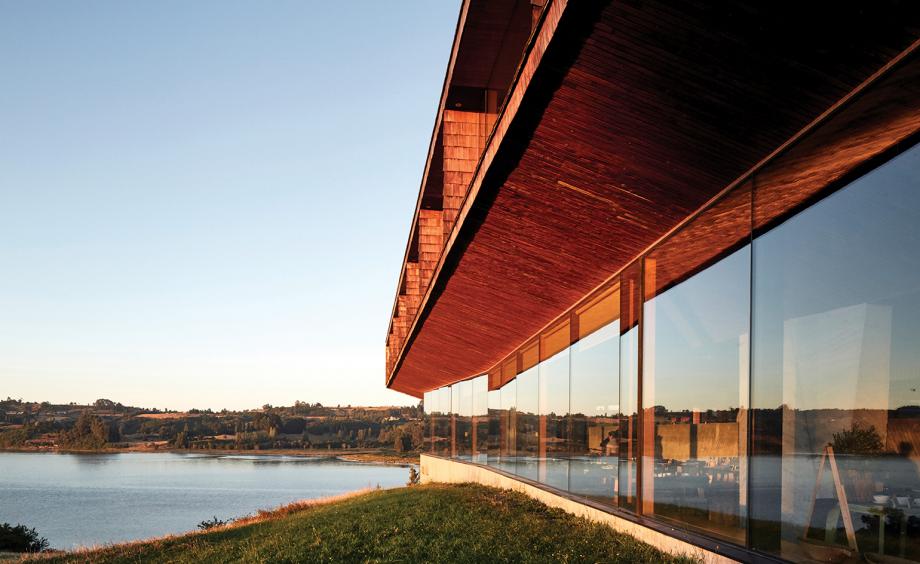
The original lodge opened in 2012 with 12 rooms, conceived as an elevated structure that would touch the landscape lightly while giving every guest an uninterrupted relationship with the water. A later addition doubled the hotel to 24 rooms, extending the architectural idea with another elongated, shingle-clad volume seemingly suspended above a transparent base. The effect changes constantly with Chiloé’s famously unpredictable weather. On clear days, the building appears crisp and graphic against the landscape. When fog rolls across the bay, it seems almost to disappear into it. Natural cross-ventilation helps cool the lodge during summer, while timber shingles and extensive use of wood respond naturally to the island’s colder months. This is architecture designed around weather rather than protected from it.
An Interior Made of Chiloé
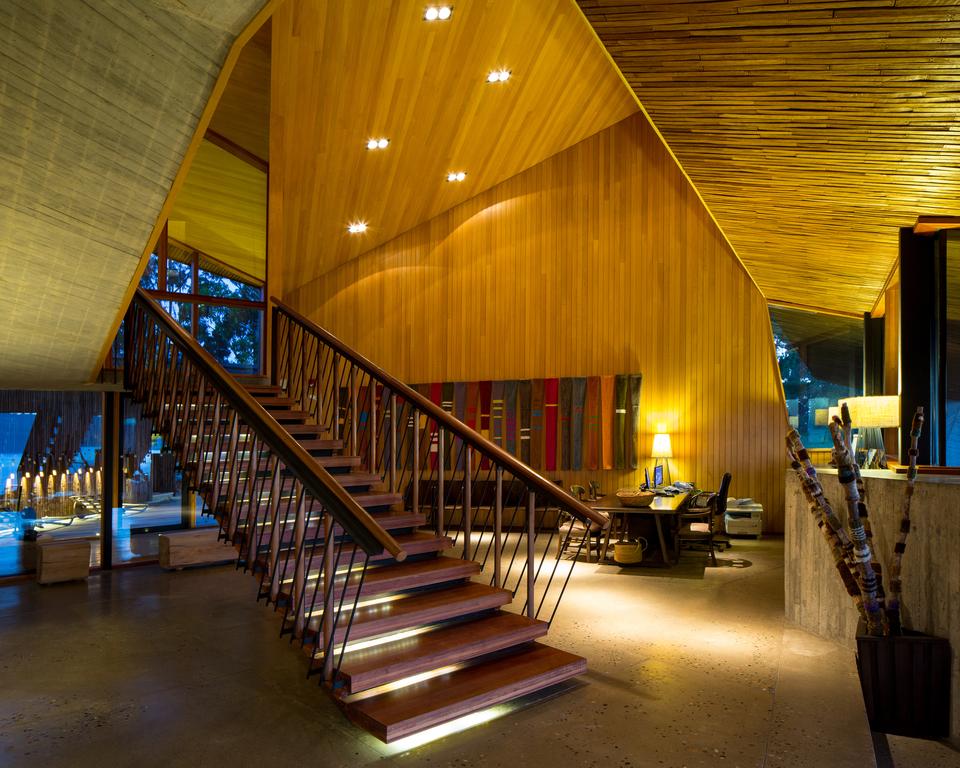
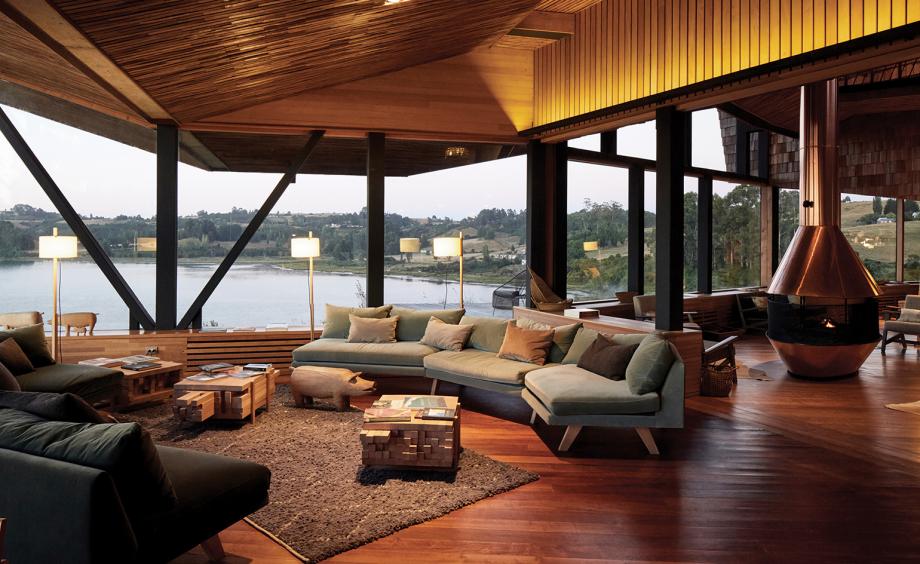
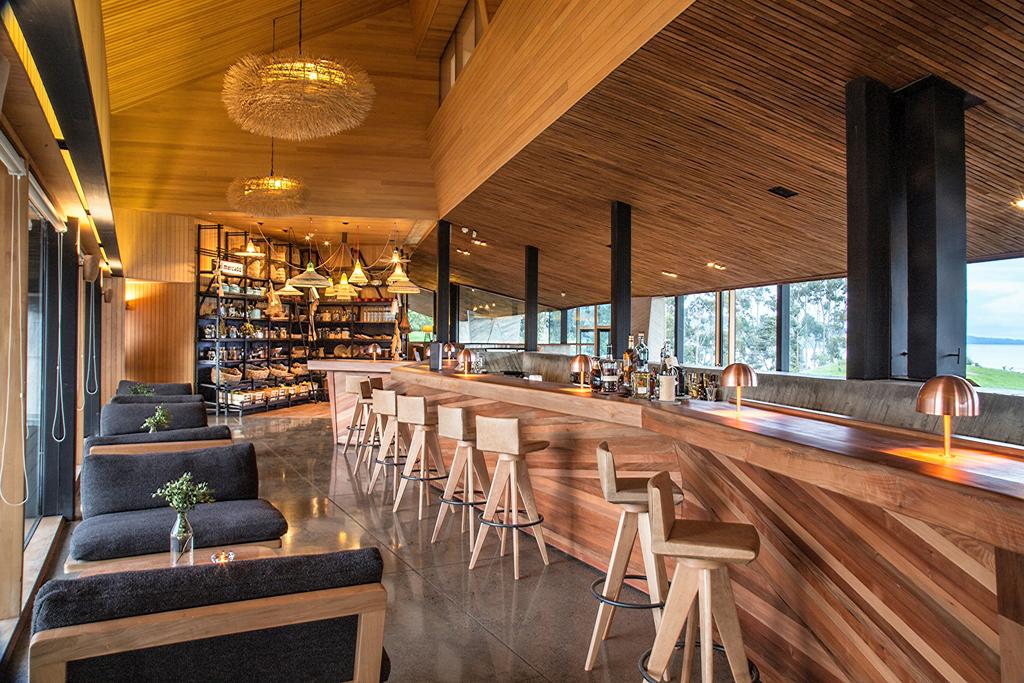
Inside, the mood changes from elemental to cocooning. Designers Ignacio Yrarrazaval, Carolina Delpiano and Alexandra Edwards filled the interiors with lenga timber, natural fibres, wool, stone and objects made by Chiloé’s craftspeople. Walls, floors and ceilings glow with honey-coloured wood. The architecture remains contemporary, but the materials give it a distinctly handmade quality. Even the smallest details matter. Guests receive hand-knitted wool slippers, while local craft and carved objects appear throughout the lodge. It’s a reminder that Chiloé’s identity isn’t something that needs to be invented by an interior designer. It was already here.
24 Rooms Facing the Water
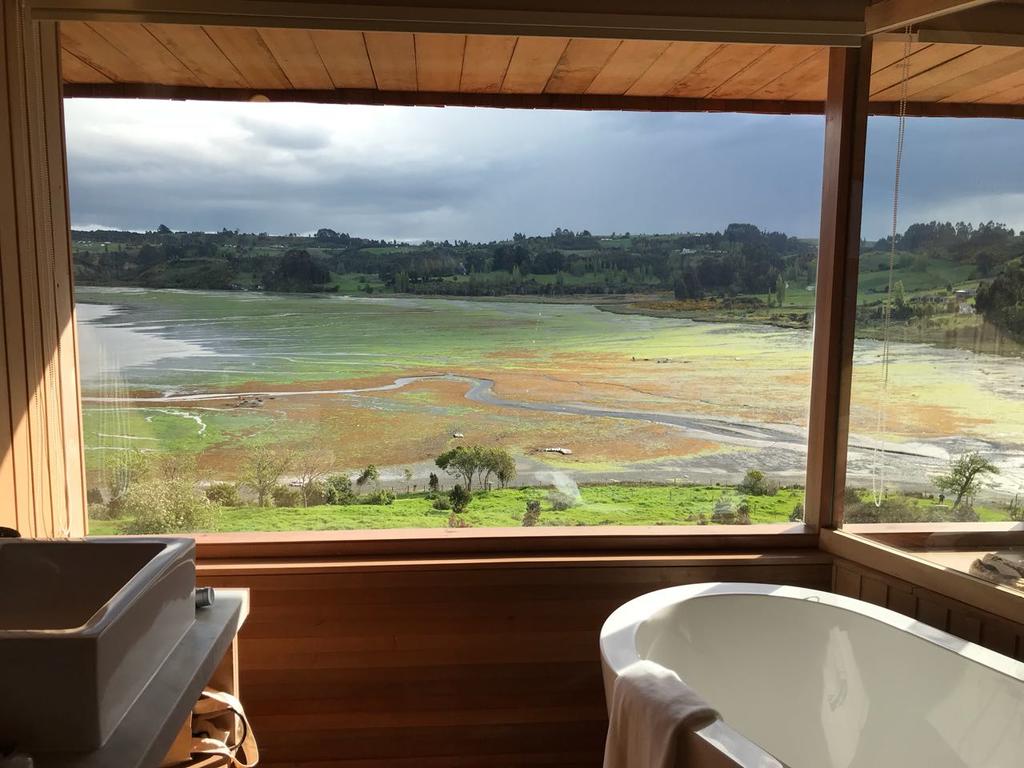
Every room looks towards Pullao Bay. That’s the luxury. Large windows transform the wetlands into moving pictures as tides rise and fall, clouds race overhead and birds cross the enormous sky. Interiors remain intentionally quiet: timber surfaces, soft textiles and natural materials create warmth without distracting from what lies beyond the glass. And then there are the bathtubs. Generously sized and positioned for lingering, they even come with wine holders — an unusually sensible piece of hotel design when the view outside is this good.
The Williche Is Waiting
Refugia isn’t intended to be admired exclusively from behind glass. Its own boat, Williche, takes guests out through the archipelago, past islands, fishing communities and mussel farms, with kayaks carried aboard for exploring quieter waters. Back on land there are horses for riding across the peninsula and trails through landscapes populated by hummingbirds, arrayán trees, birds of prey and, if you’re fortunate, the elusive pudú — one of the world’s smallest deer. But the most interesting element is the guiding. Excursions aren’t simply outdoor activities. They connect landscape with Chiloé’s human story: its villages, traditions, mythology and relationship with the sea. Here, folklore belongs on the itinerary.
From Mussel Farm to Dinner
Food provides another route into the island. Chiloé’s cold waters and fertile landscape supply an extraordinary natural pantry, and Refugia’s kitchen builds its menus around local seafood, meat and seasonal produce. Expect fresh mussels, ceviche, smoked pork and Chilean wines, served without unnecessary ceremony in a dining room overlooking the bay. There’s a pleasing circularity to spending the afternoon sailing past mussel farms and finding the same ingredient on your plate that evening. The landscape isn’t scenery. It’s dinner.
A Spa Above the Wetlands
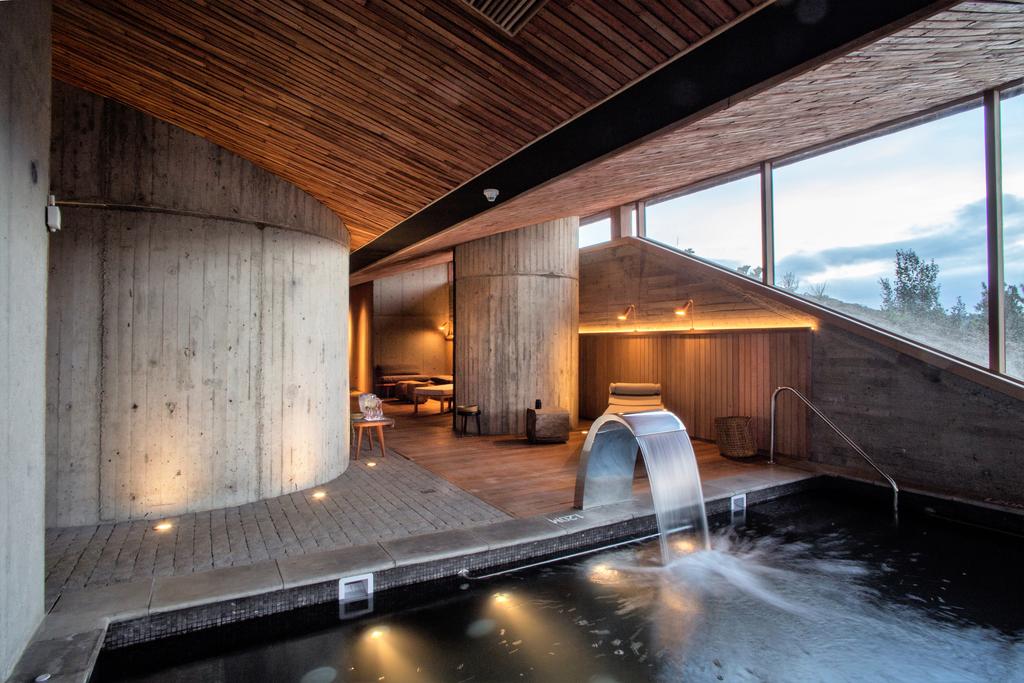
The Uma Spa occupies the second floor, with wide views across Pullao’s tidal landscape. There’s a sauna, steam room, massage room and an eight-person Jacuzzi, alongside treatments ranging from hot-stone and deep-tissue massages to reflexology, botanical scrubs and goat-milk baths. Yet the most effective wellness treatment may be considerably simpler. Sit beside the windows. Watch the tide change. Do nothing.
The Other Chile
Chiloé sits slightly outside the familiar Chilean travel narrative. Travellers cross continents for the Atacama Desert and Patagonia, yet this archipelago between them remains something of a world unto itself: UNESCO-listed wooden churches, colourful palafitos, fishing communities, temperate forests and an extraordinary mythology shaped by centuries of relative isolation. Refugia understands that distinction. Rather than behaving like an international luxury lodge transplanted onto an attractive piece of coastline, it encourages guests to understand why this particular island feels different.
Back to Refugia
There’s another story behind the name. The property was founded by the Purcell family, whose hospitality history includes Chile’s legendary Ski Portillo and involvement in the creation of Tierra Hotels. Now operating again under its original Refugia name, the lodge returns the focus to the idea at its heart: refuge not from Chiloé, but within it. Refugia Chiloé succeeds because the architecture, interiors and experiences all point towards the same thing: the island. Mobil Arquitectos took the logic of Chiloé’s traditional palafitos and turned it into something boldly contemporary, while local timber, craftsmanship and food keep the hotel grounded in its surroundings. Add a boat, horses, enormous bathtubs and 24 rooms facing an ever-changing tidal landscape, and this becomes much more than a remote design hotel. It’s one of those rare places where understanding the hotel means gradually understanding the destination itself.