Rio do Prado, Óbidos, Portugal
An eco-retreat where turf-covered architecture, recycled materials, and slow living reshape the idea of sustainable hospitality
Why DNA Hotels Loves It
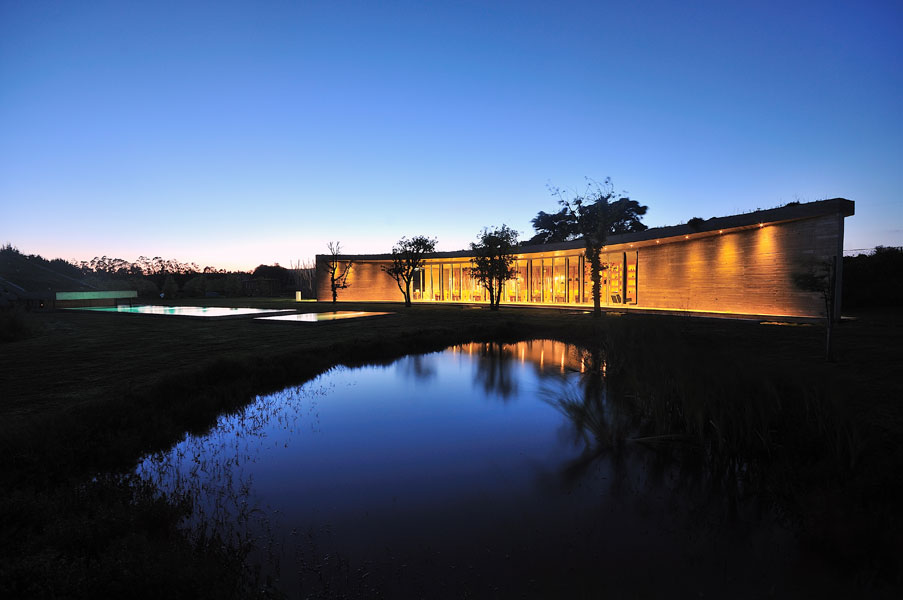
● Portuguese architect Jorge Sousa Santos designed the low-slung suites to disappear into the landscape, using sunken concrete volumes and green roofs rather than conventional resort architecture.
● Sustainability is embedded into the experience through recycled materials, water reuse, organic growing, energy-conscious systems, and even guest-facing carbon-footprint tracking.
● Maria Batata restaurant, the organic garden, Black Spa, flotation room, and communal greenhouse turn ecological thinking into something tangible rather than purely technical.
Architecture That Hides
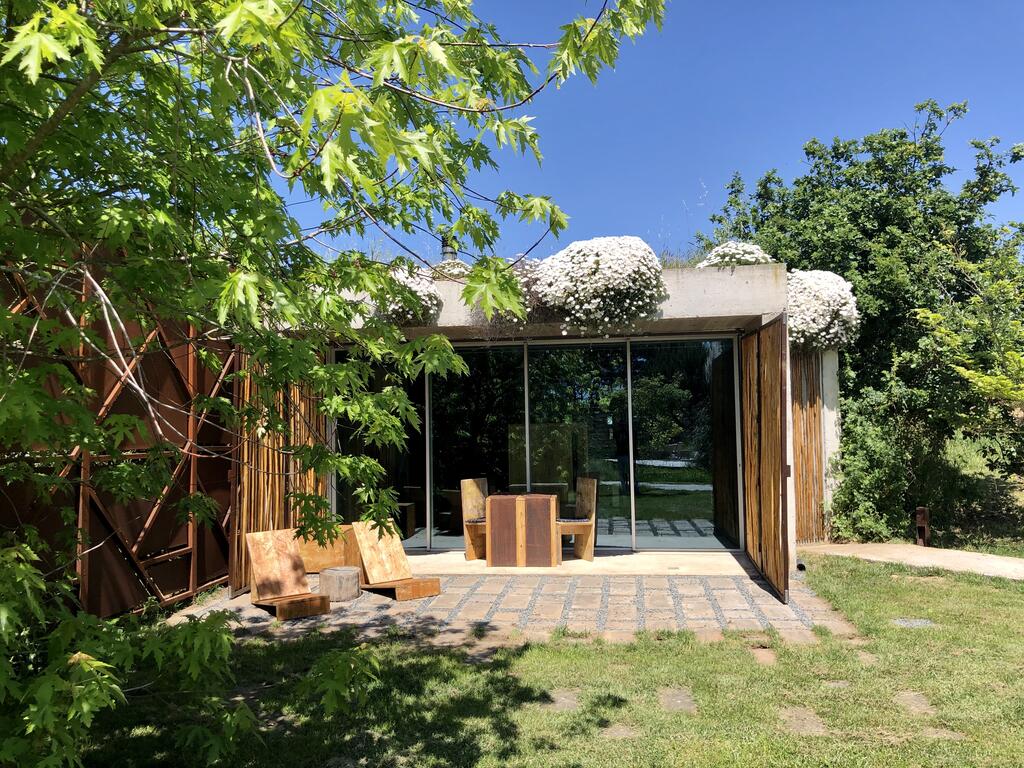
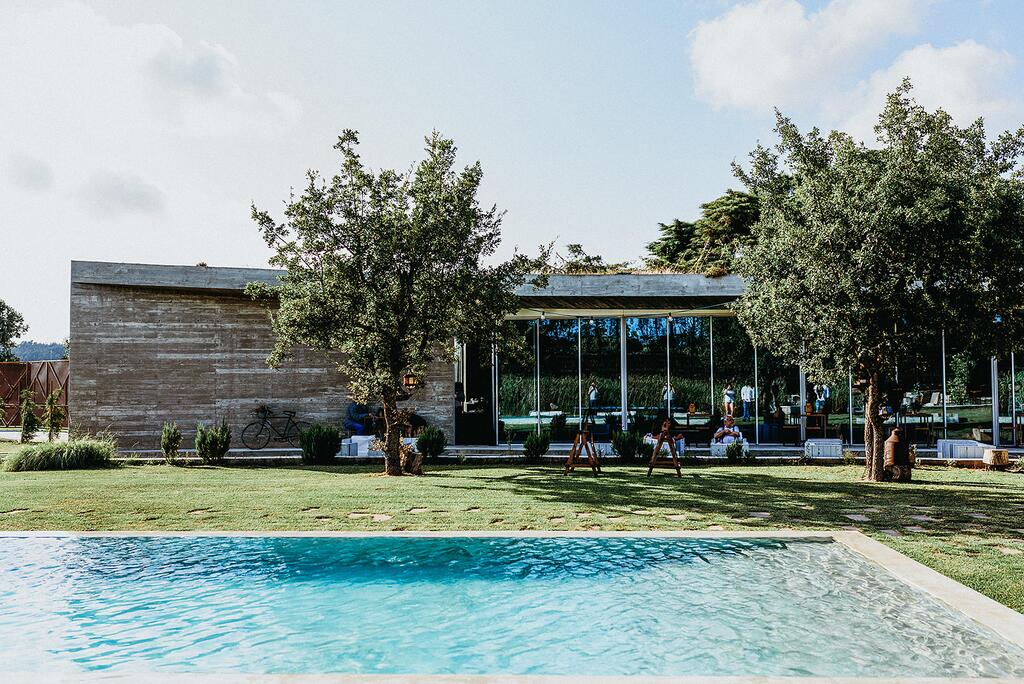
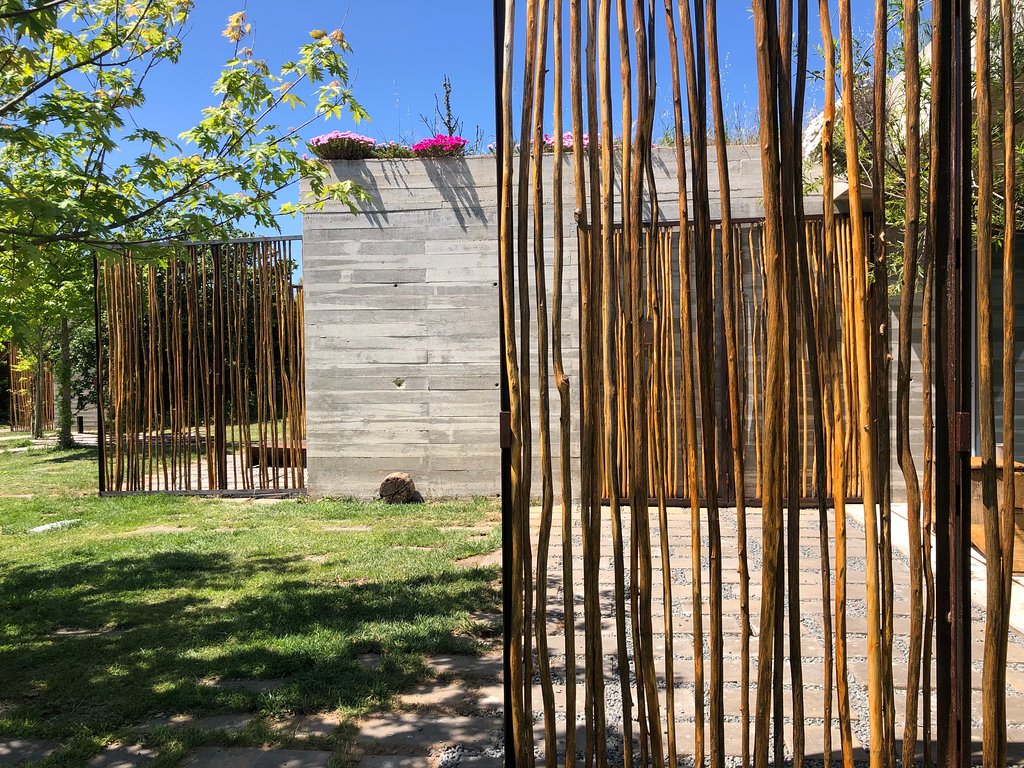
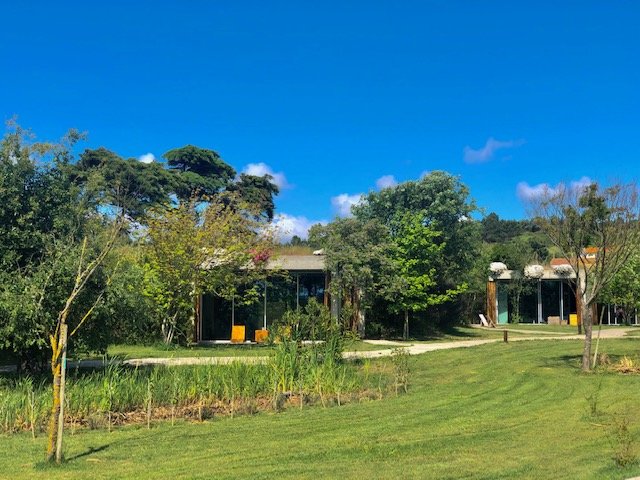
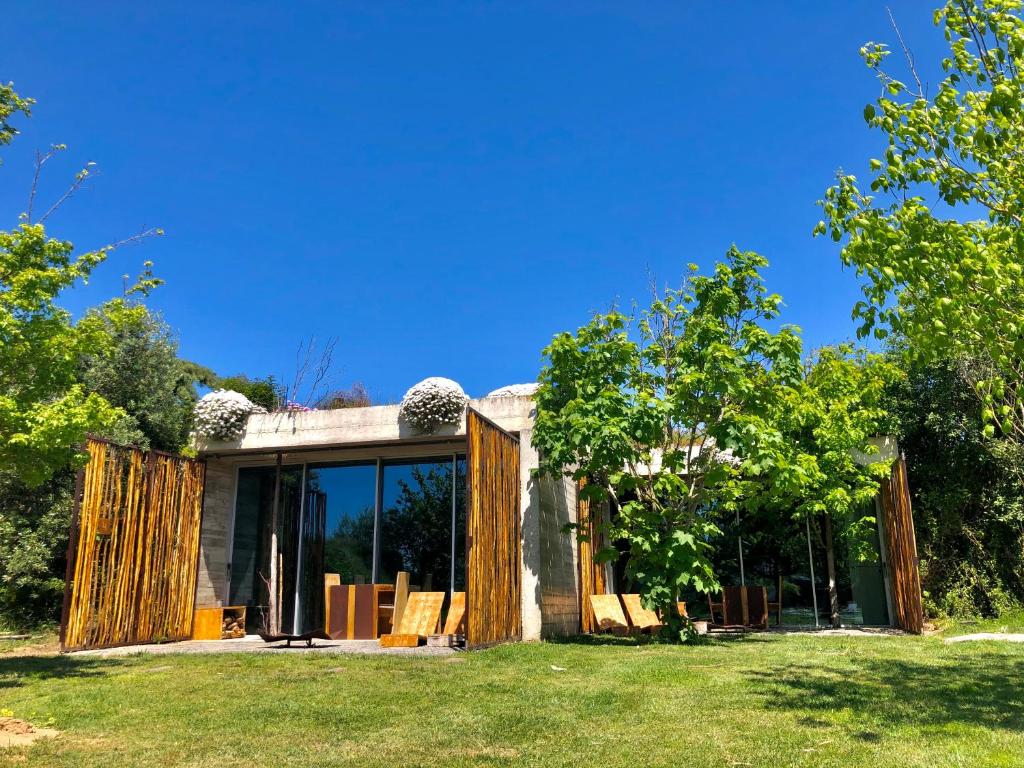
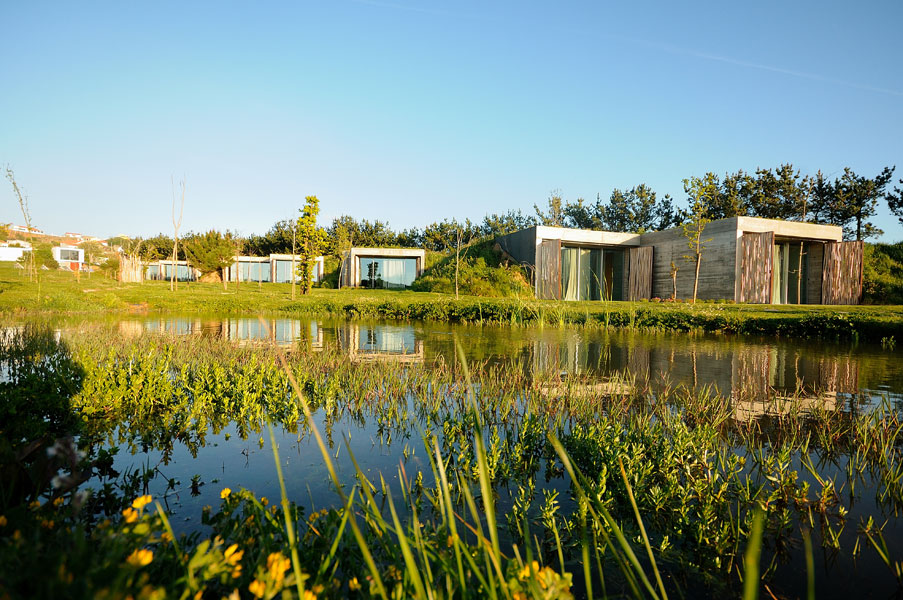
From a distance, Rio do Prado barely looks like a hotel. That is intentional. Set near Óbidos and the surrounding wetland landscape, the property is composed of turf-roofed concrete suites designed by Portuguese architect Jorge Sousa Santos. Rather than rising above the terrain, the buildings are partially sunken into it, allowing the grass-covered roofs and muted concrete surfaces to blend almost completely with their surroundings. The effect is striking. Architecture recedes. Landscape takes over.
Concrete, Glass, and Recycled Texture
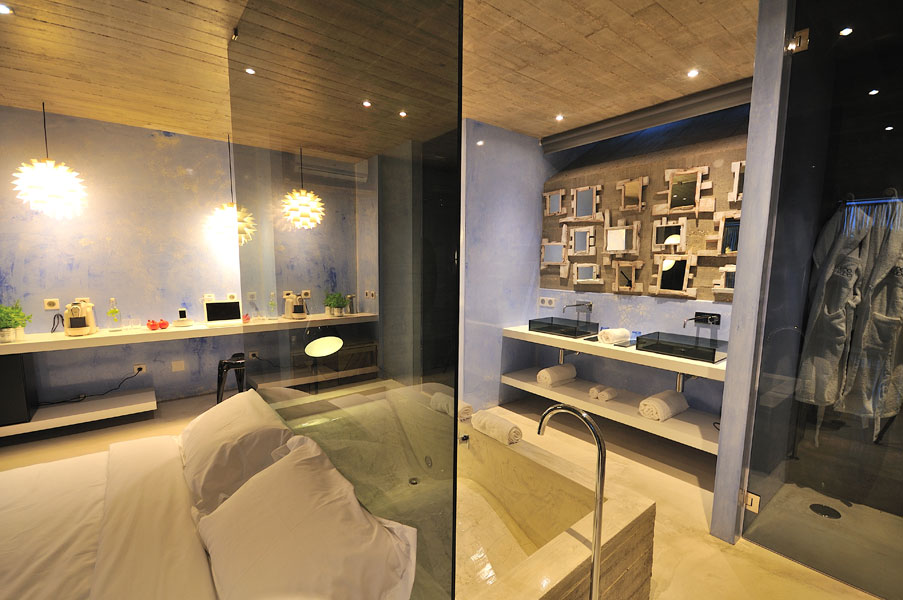
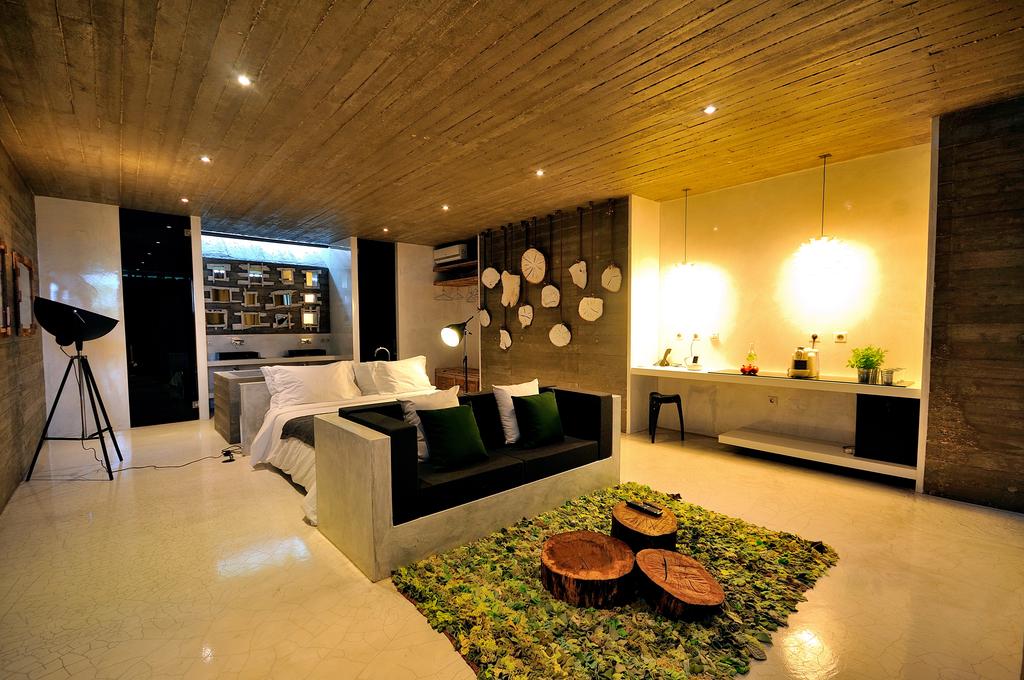
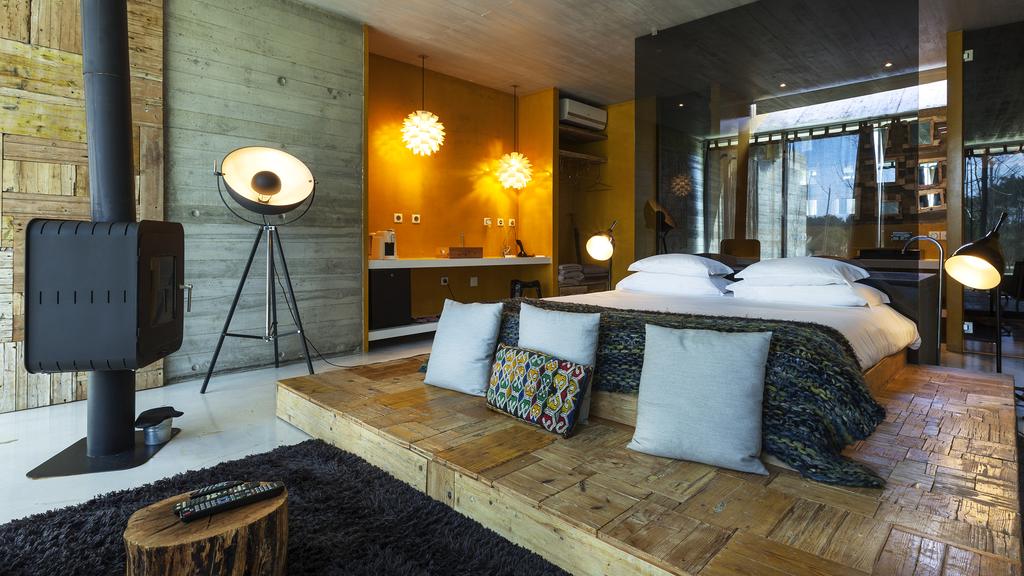
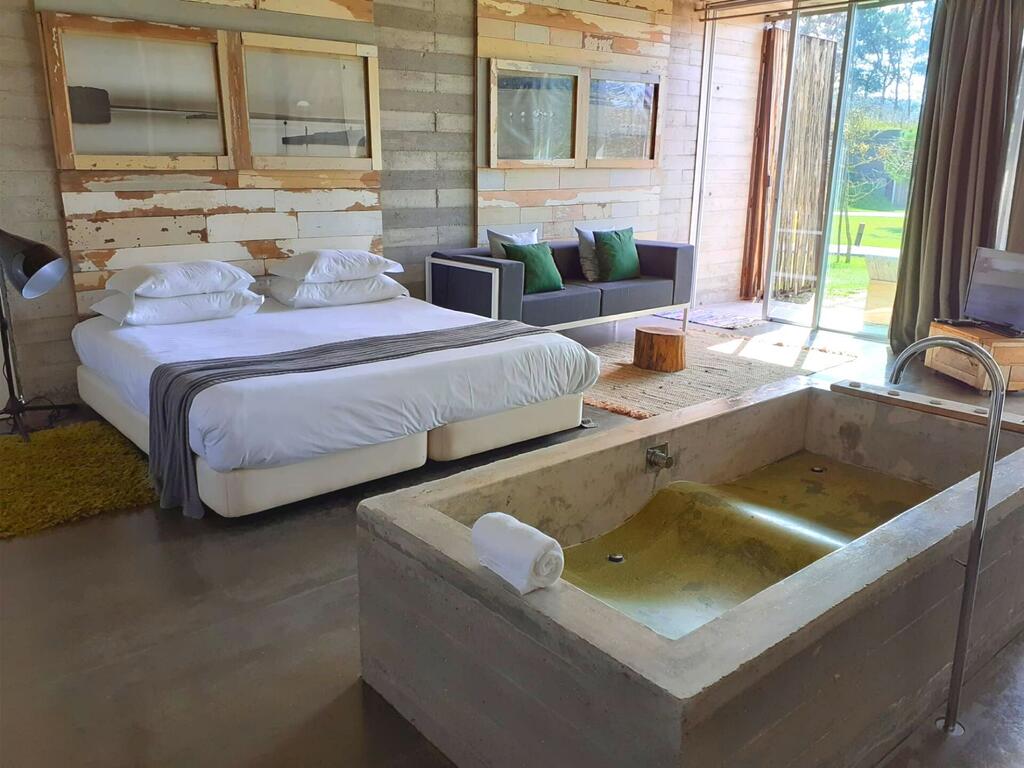
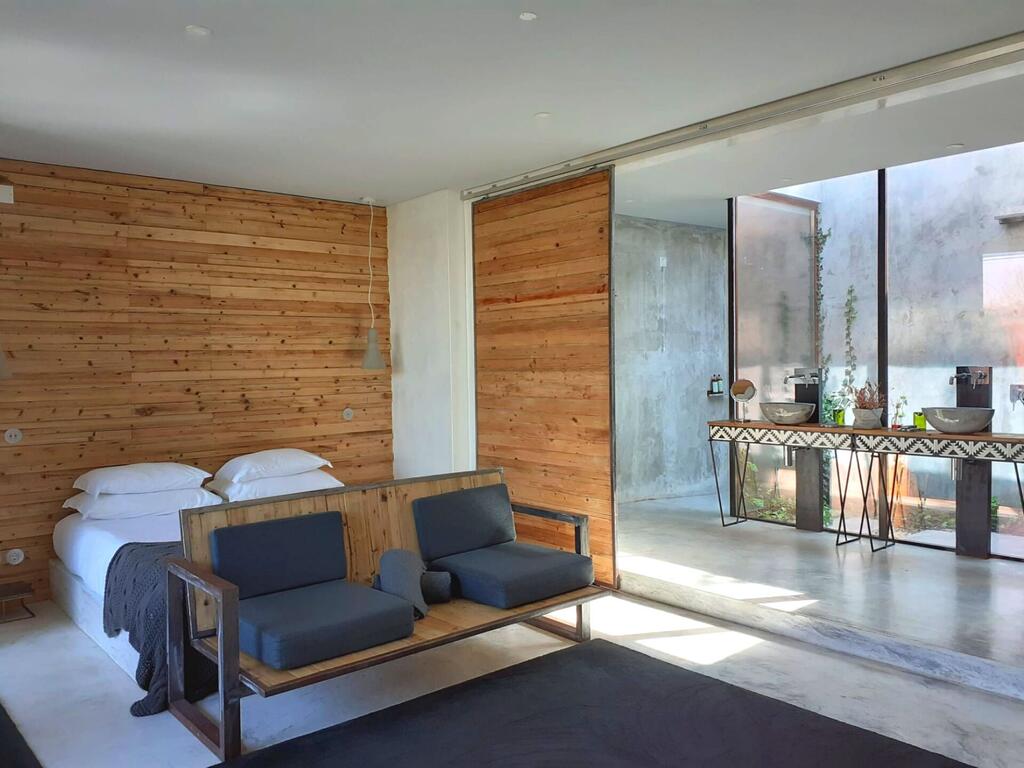
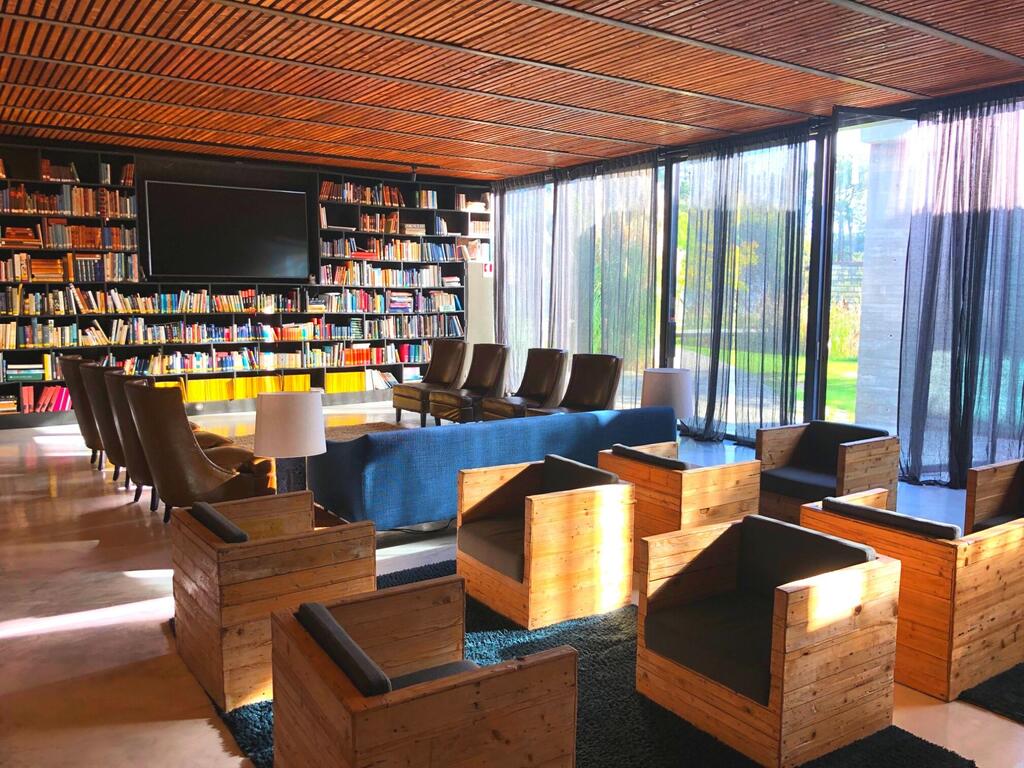
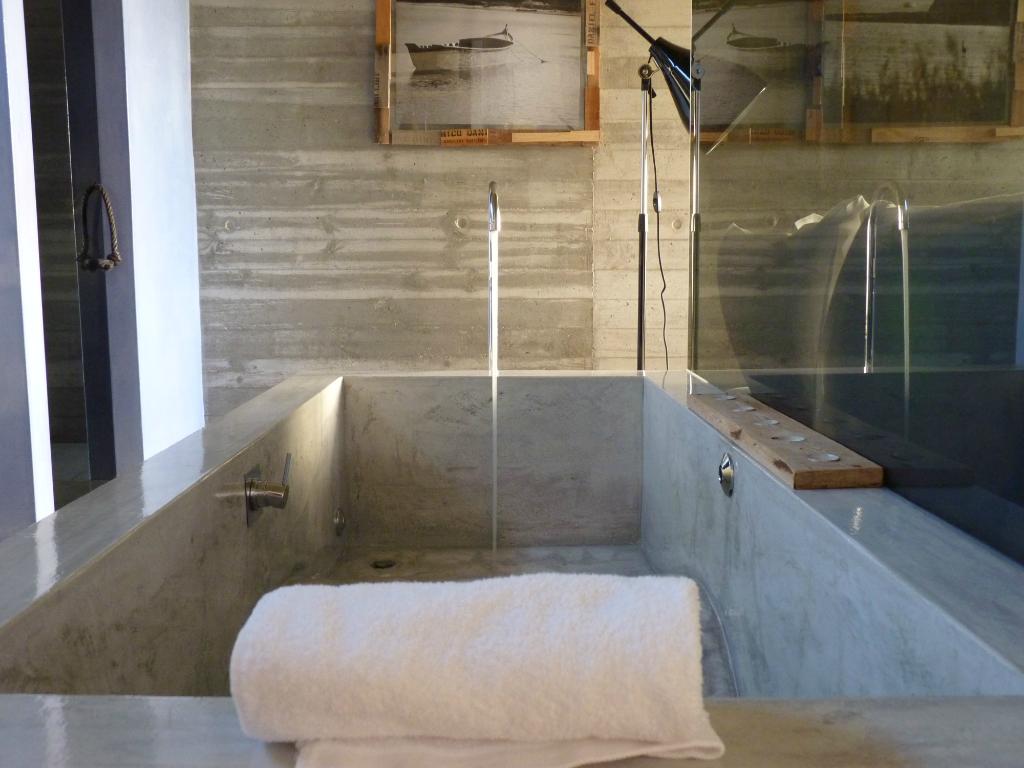
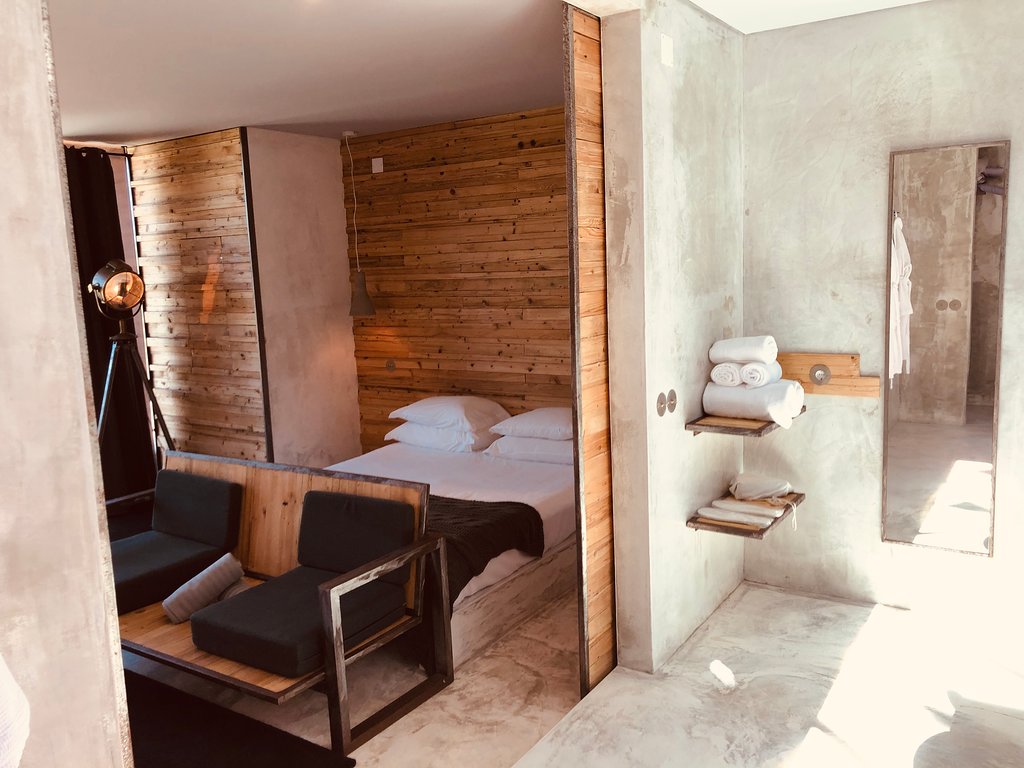
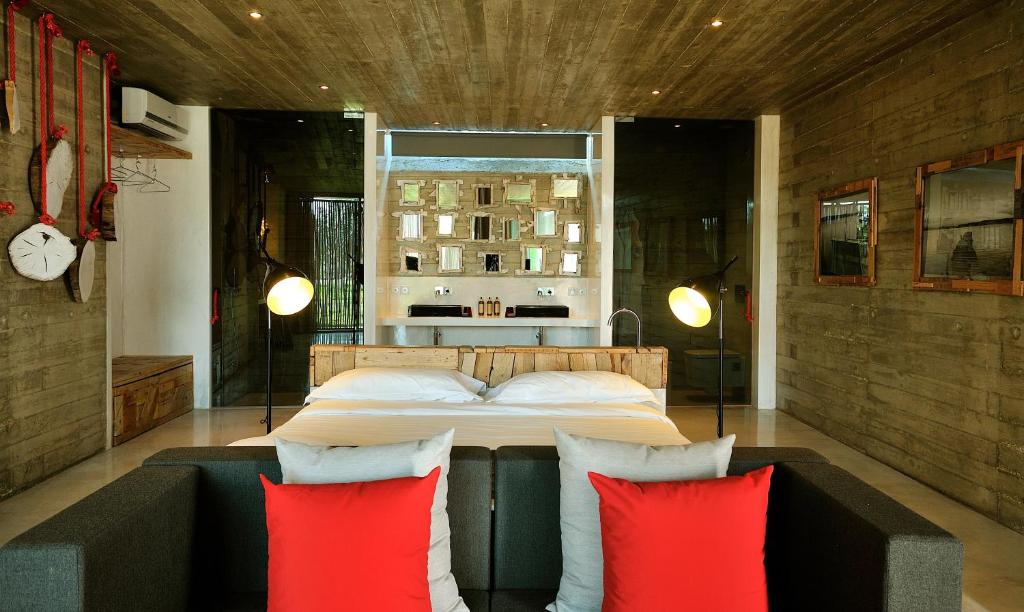
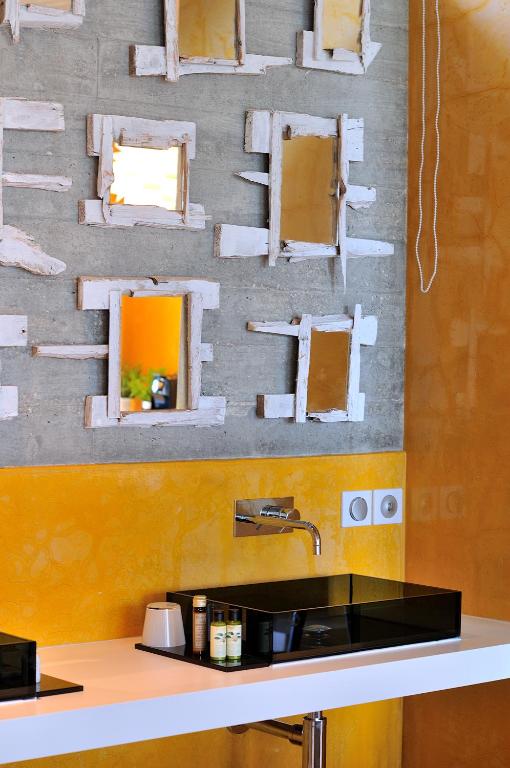
Inside, the mood shifts from hidden to elemental. Exposed concrete, recycled timber, large panes of glass, raw textures, and deliberately simple furniture establish an aesthetic that feels industrial but not cold. Light does much of the work. Large windows pull the surrounding vegetation into the rooms, while freestanding bathtubs, open layouts, and carefully controlled sightlines create a sense of spaciousness without excess. The materials are honest. Nothing is disguised. That transparency suits the hotel’s larger ecological philosophy.
Sustainability as Structure
Rio do Prado was conceived as more than a hotel with green credentials. Its environmental systems are part of the design itself. Water is recycled, greywater is reused, energy consumption is closely monitored, and organic growing forms part of the daily operation. Guests staying in certain rooms can even assess their own carbon footprint at the end of the visit. The idea is unusually direct. Sustainability is not hidden behind the scenes. Guests are invited to understand it.
A Greenhouse as Social Space
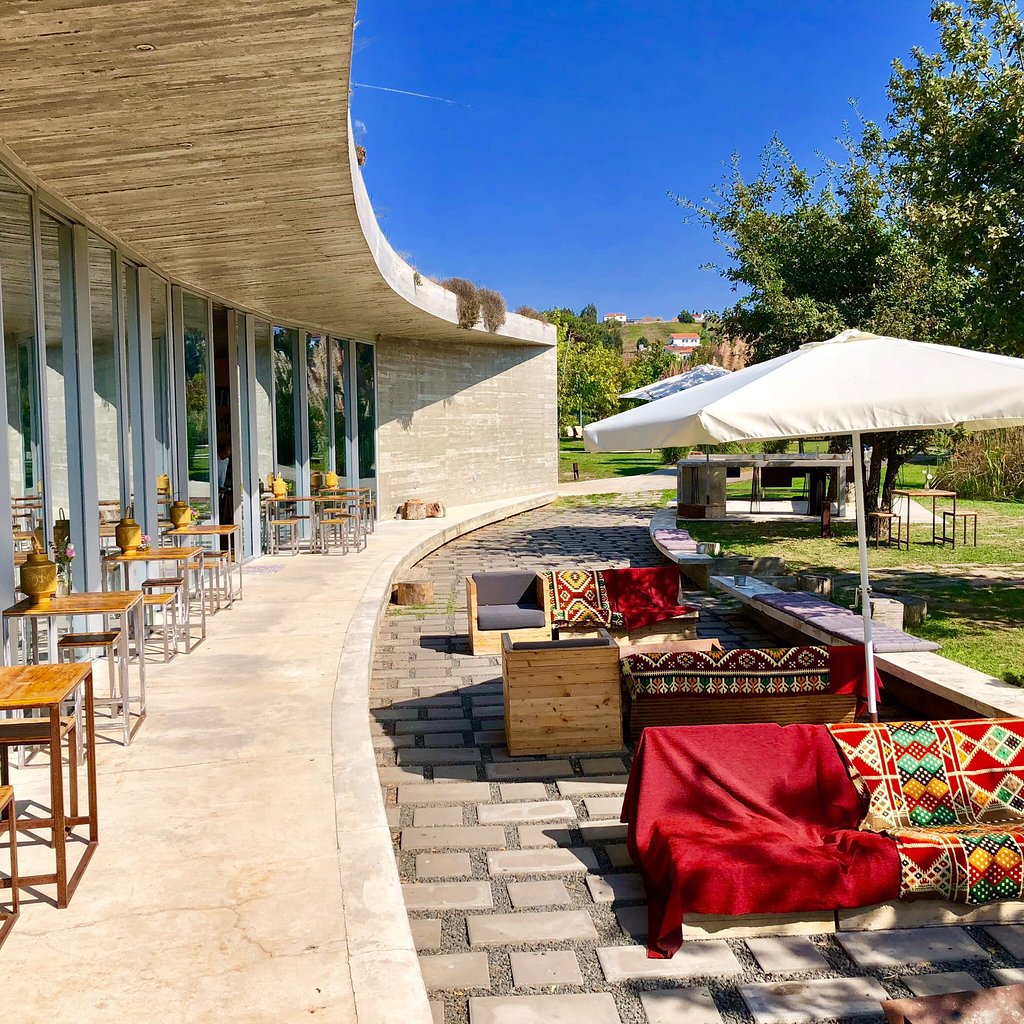
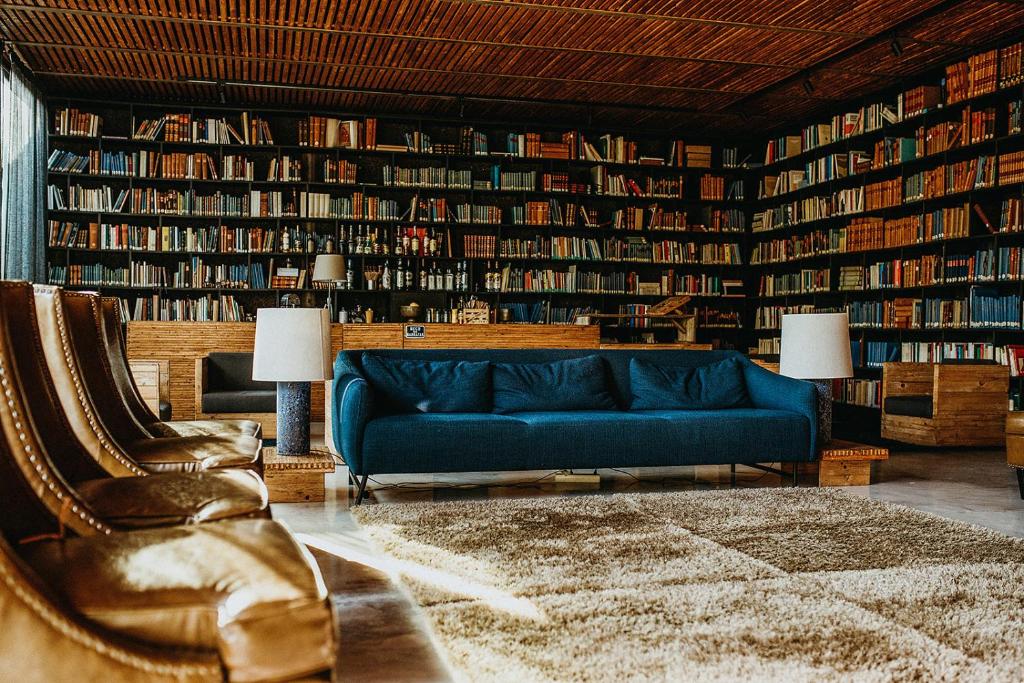
One of the property’s most distinctive communal spaces is its large greenhouse. Part lounge, part gathering place, part ecological experiment, it blurs the line between hotel social space and working landscape. There is also an Eco Lab where workshops and discussions can focus on sustainable design, food, creativity, and local production. That gives Rio do Prado a slightly experimental quality. It is not simply trying to look ecological. It is trying to explore what ecological hospitality might actually mean.
Maria Batata
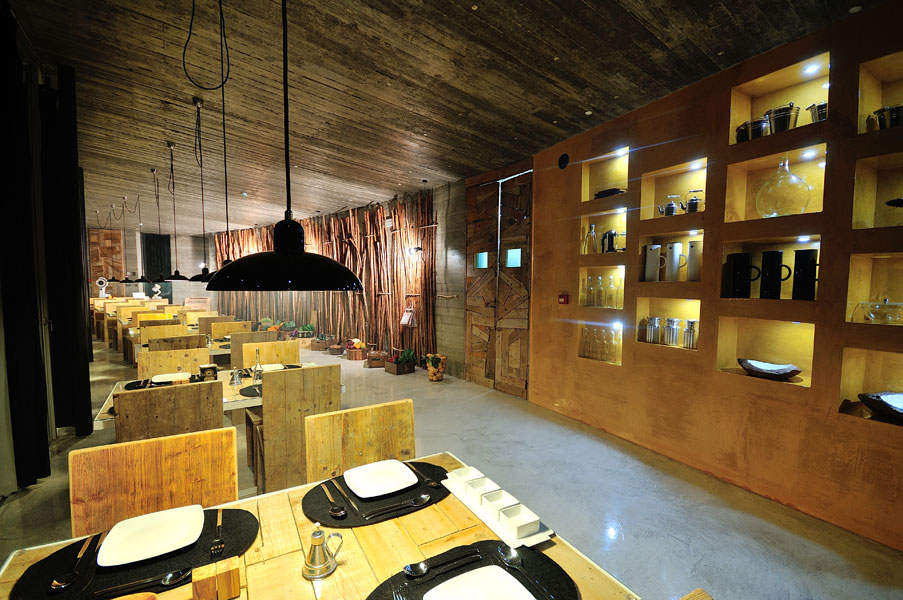
The restaurant follows the same logic. Maria Batata works closely with produce grown on-site and ingredients sourced from nearby farmers and producers. Regional Portuguese dishes are reinterpreted with a contemporary approach, but the connection to the land remains central. The surrounding garden and greenhouse are not decorative. They feed the kitchen. Meals therefore feel directly tied to place and season.
Wellness, Stripped Back
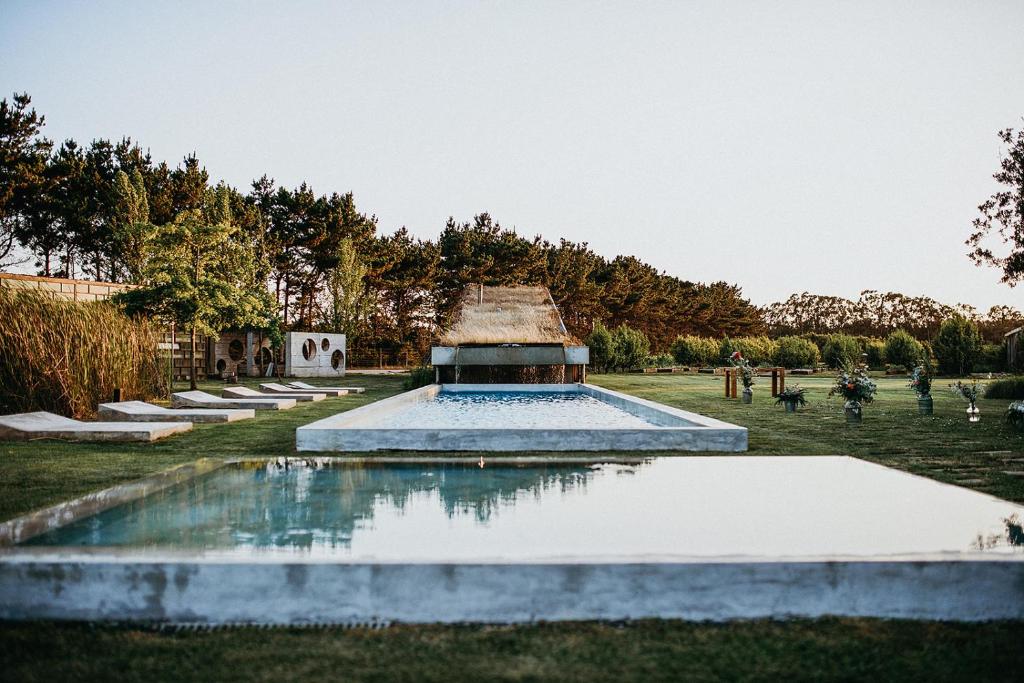
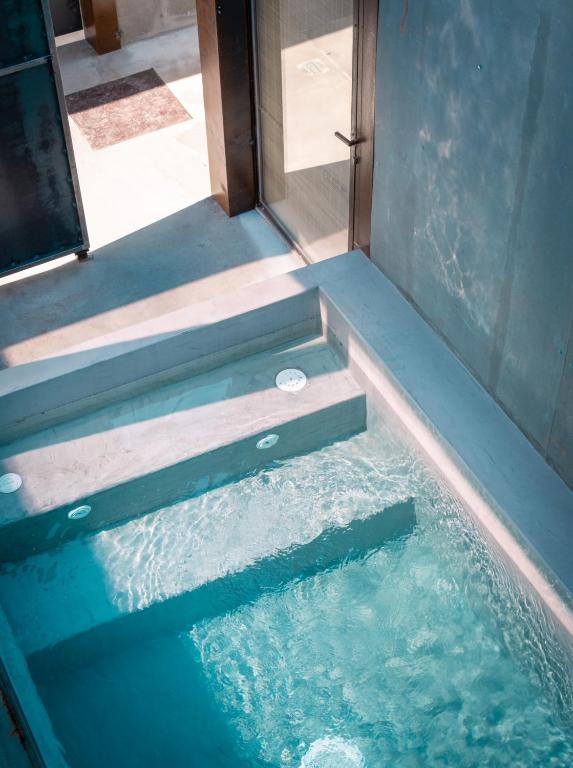
The Black Spa introduces another atmosphere entirely. Sauna, Turkish bath, treatments, and a candlelit flotation room create an environment of deep sensory quiet. The float experience, using highly saline water, reduces physical sensation almost completely. Outside, the pool sits low in the landscape, surrounded by planting rather than architectural spectacle. Again, the luxury comes from reduction. Water. Silence. Heat. Air.
A Different Pace
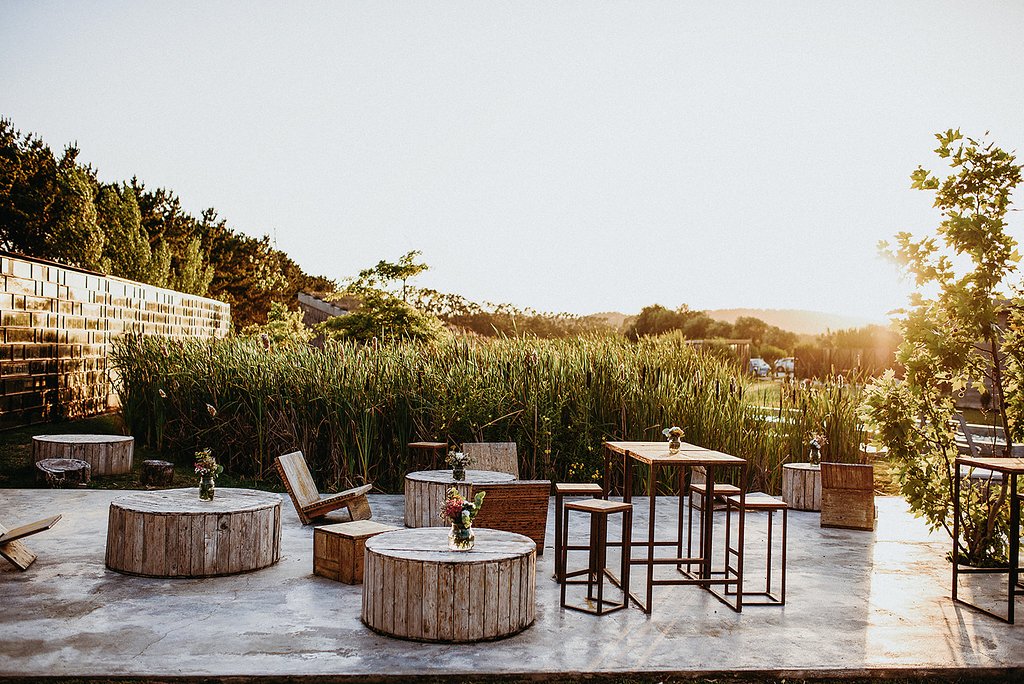
The owners, Telmo Faria and Marta Garcia, conceived Rio do Prado as an antidote to urban routine. That philosophy runs through everything. Guests are encouraged to cook, cycle around the surrounding lagoon, work in the garden, join workshops, sit around outdoor fires, or simply watch the light change across the landscape. There is very little pressure to consume experience. The hotel is more interested in making room for it.
Why It Works
Rio do Prado is compelling because its sustainability is architectural, operational, and experiential at the same time. Jorge Sousa Santos’ sunken, turf-covered suites disappear into the landscape, while recycled materials, water reuse, organic growing, and carbon awareness give the project substance beyond aesthetics. Add Maria Batata, the greenhouse, the spa, and the property’s intentionally slow rhythm, and the result feels less like a conventional eco-hotel than an ongoing experiment in how hospitality can live more lightly on the land.