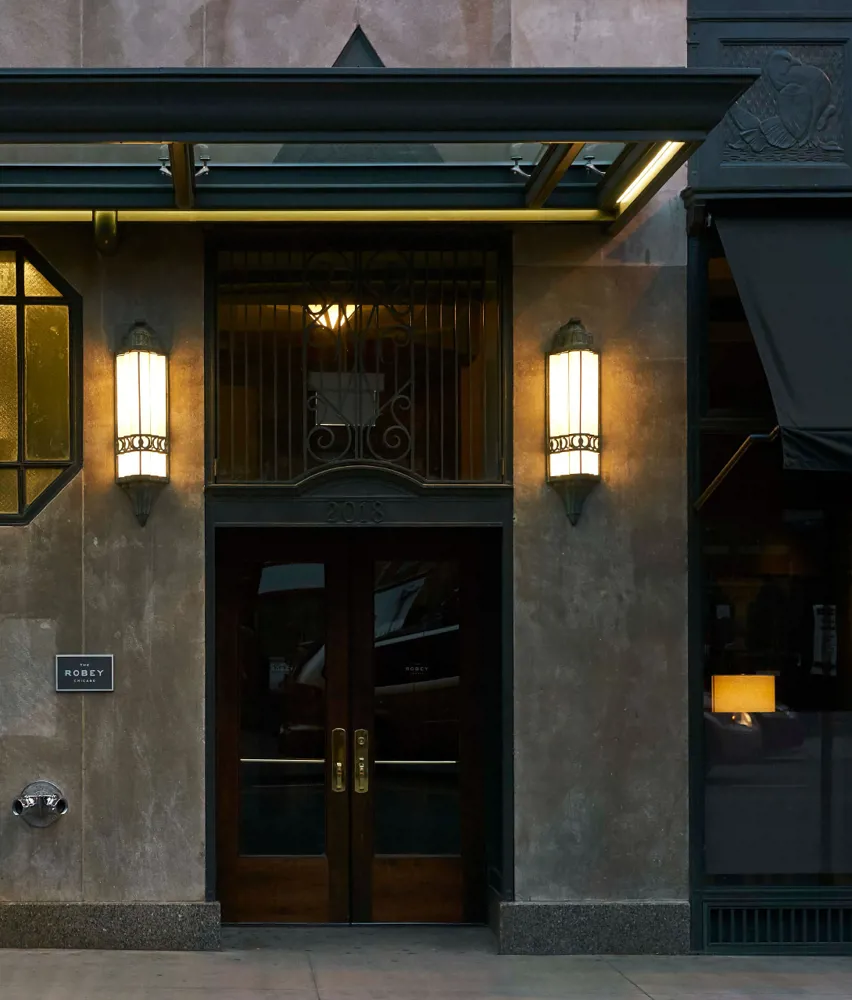
The Robey – Chicago
Where an Art Deco Landmark Meets Wicker Park Cool
Why DNA Hotels Loves It
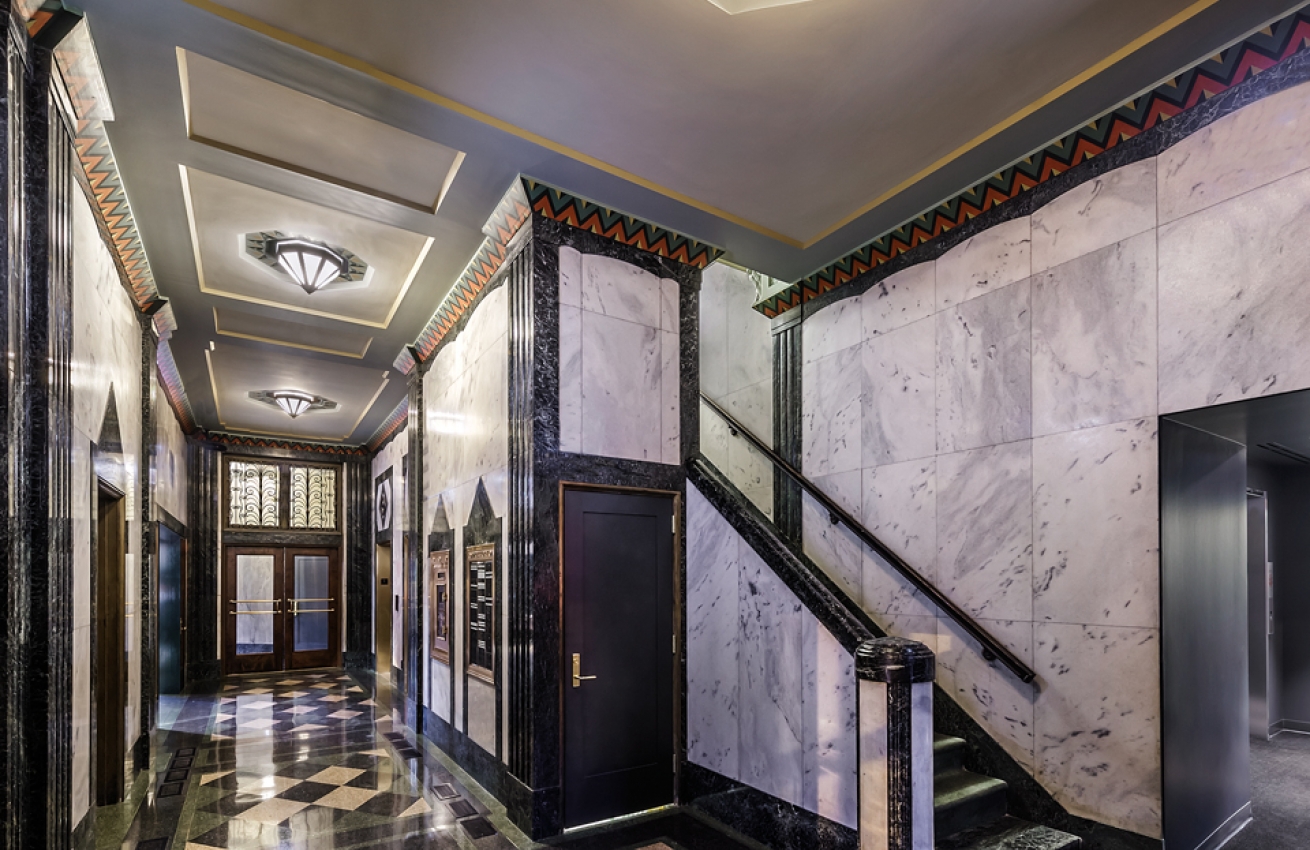
● A beautifully restored 1929 Art Deco skyscraper transformed into one of Chicago’s most distinctive boutique hotels.
● Design-forward interiors by Nicolas Schuybroek Architects and Marc Merckx Interiors that blend industrial minimalism with timeless elegance.
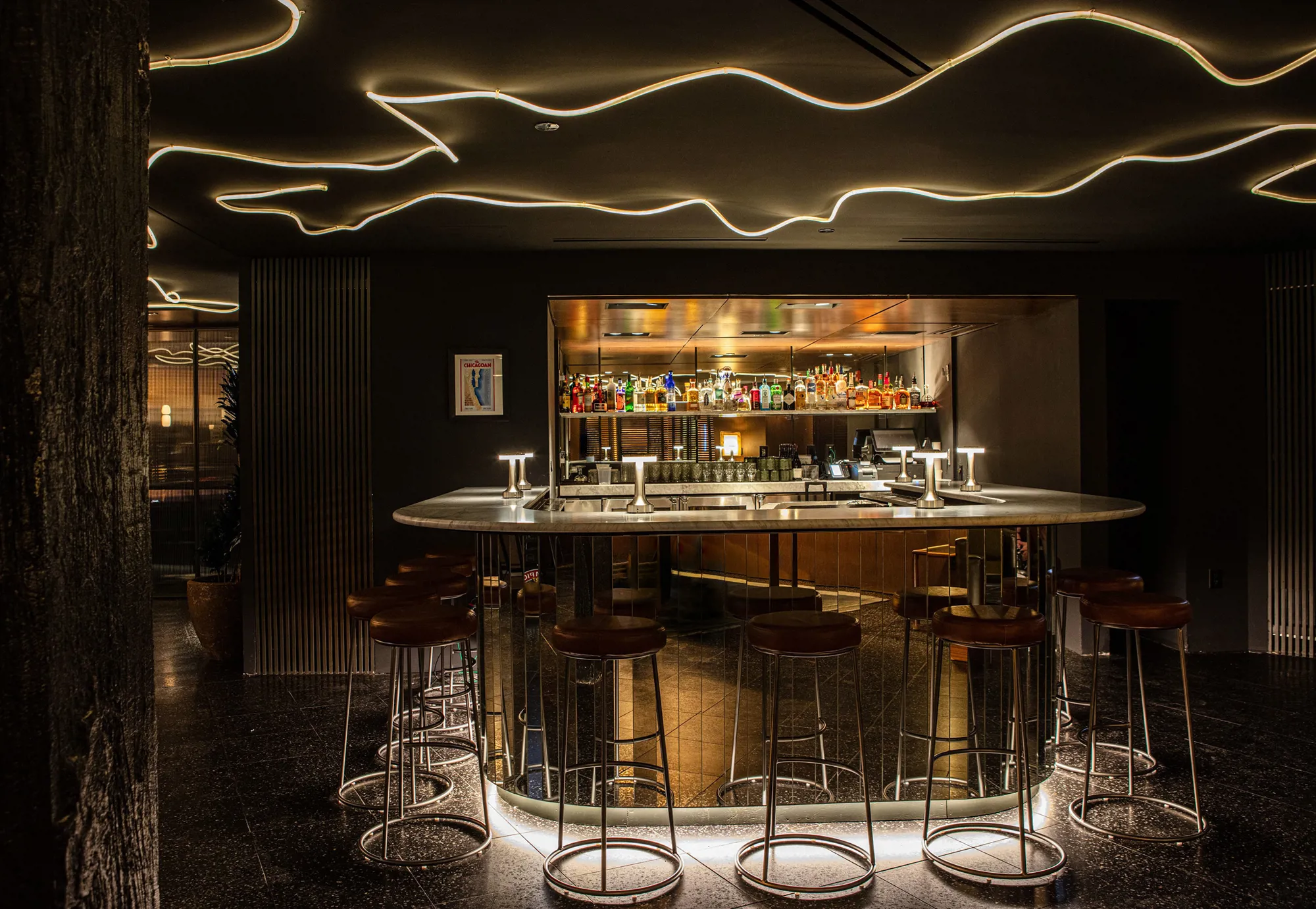
● A rooftop pool and cocktail bar offering some of the city’s finest skyline views in the heart of creative Wicker Park.
An Art Deco Landmark Reimagined
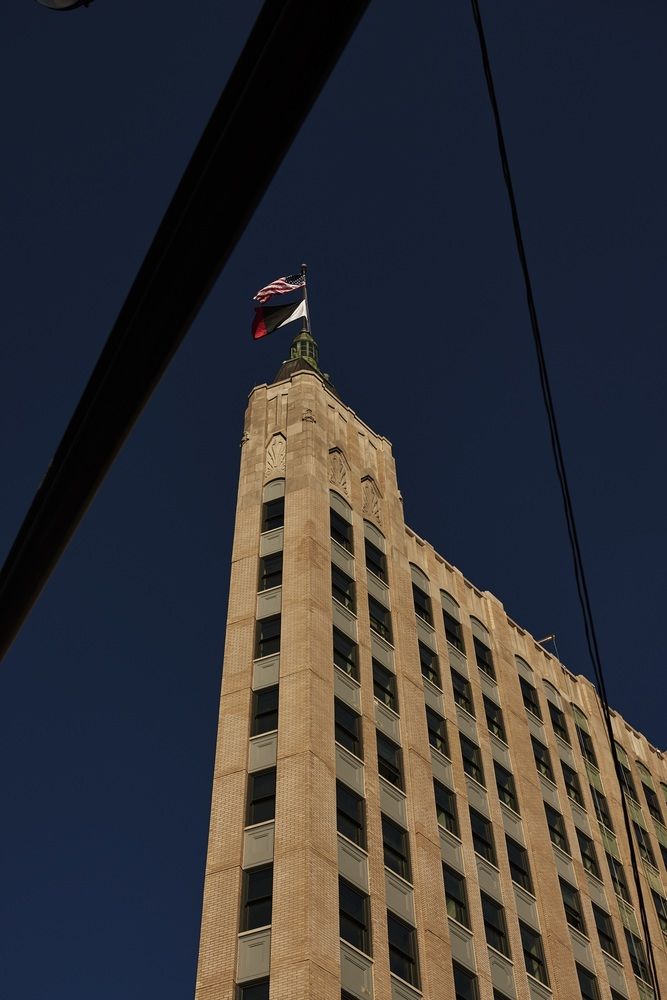
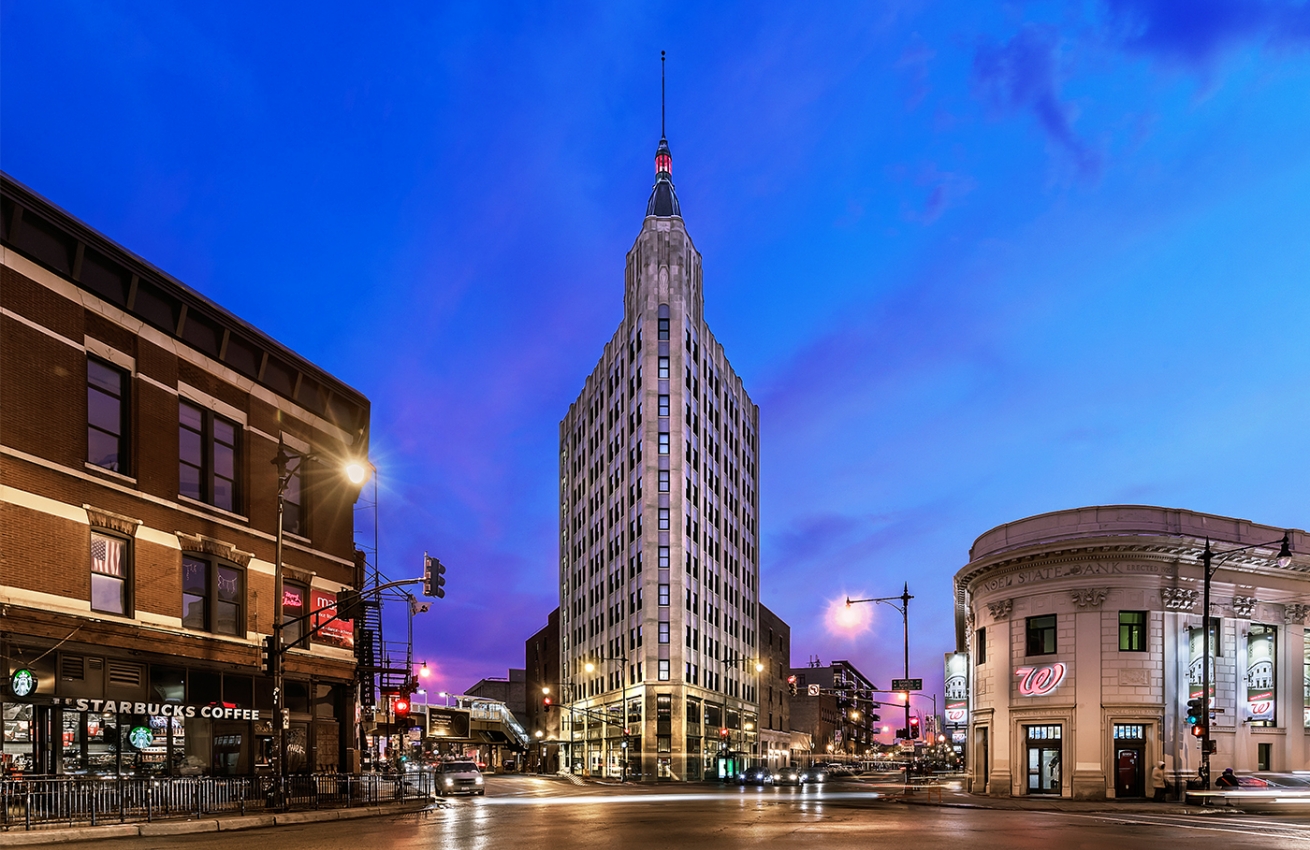
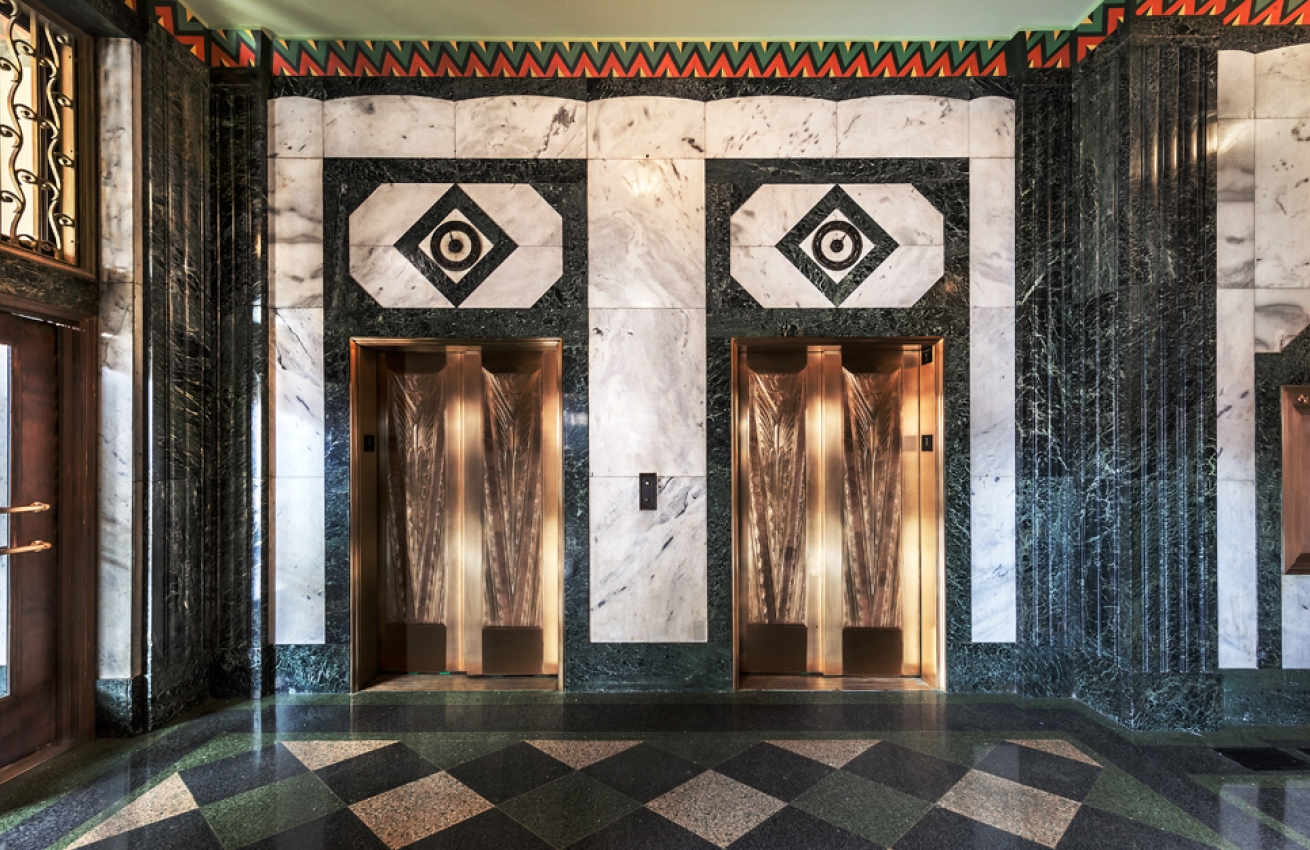
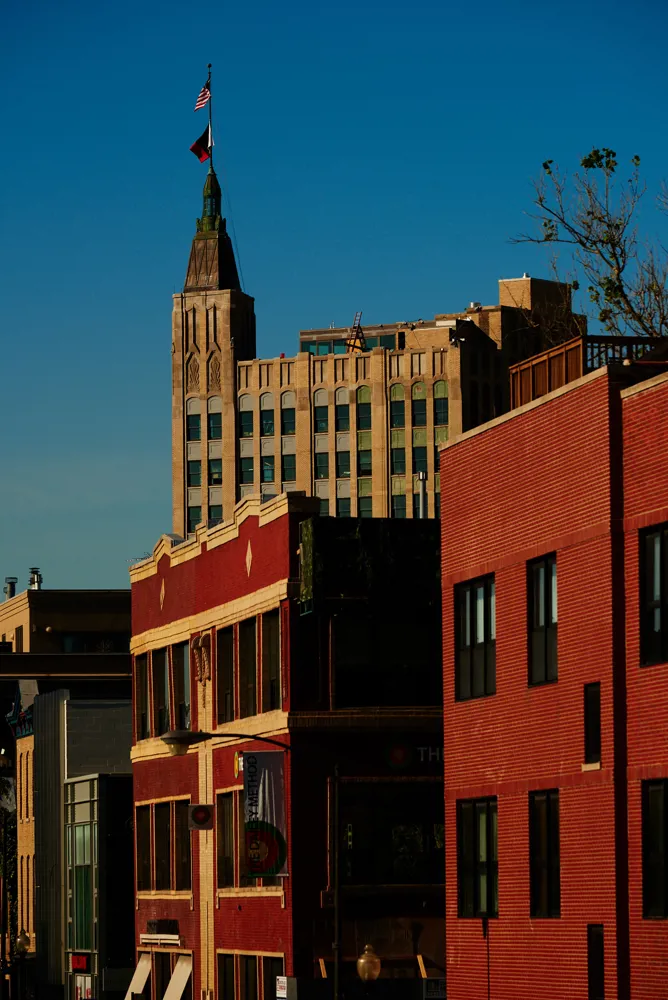
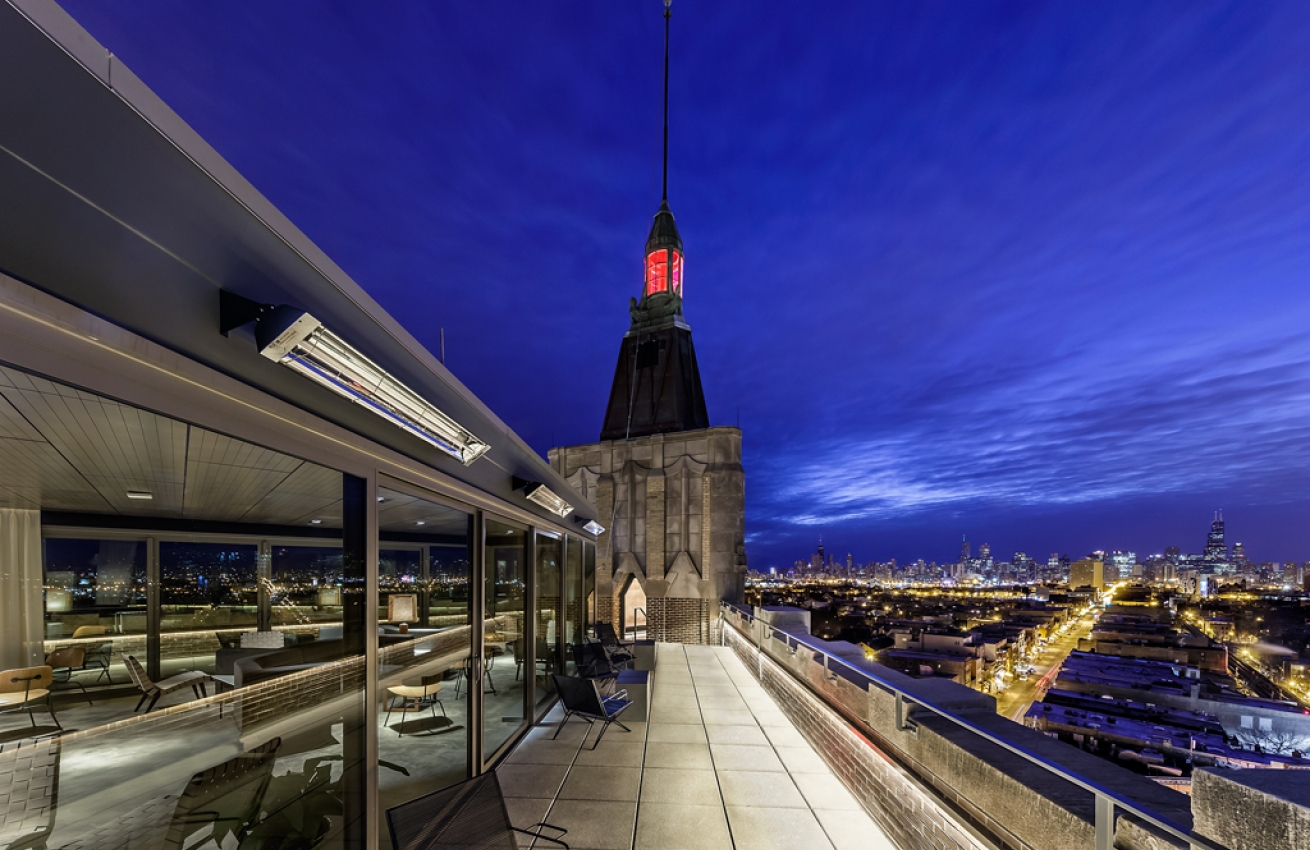
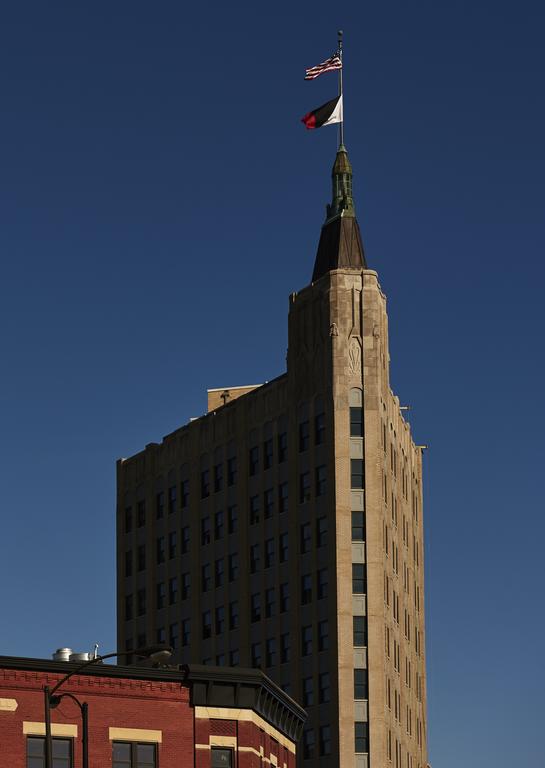
Standing proudly at the intersection of Milwaukee, Damen, and North Avenues, The Robey occupies one of Chicago’s most recognizable buildings. Originally completed in 1929 as the Northwest Tower, it was one of the city’s first skyscrapers outside downtown and quickly became an architectural landmark thanks to its striking triangular footprint and elegant Art Deco façade. Today, the historic building has been transformed into a boutique hotel that respects its architectural heritage while embracing the creative energy of modern-day Wicker Park.
Industrial Elegance with Belgian Precision
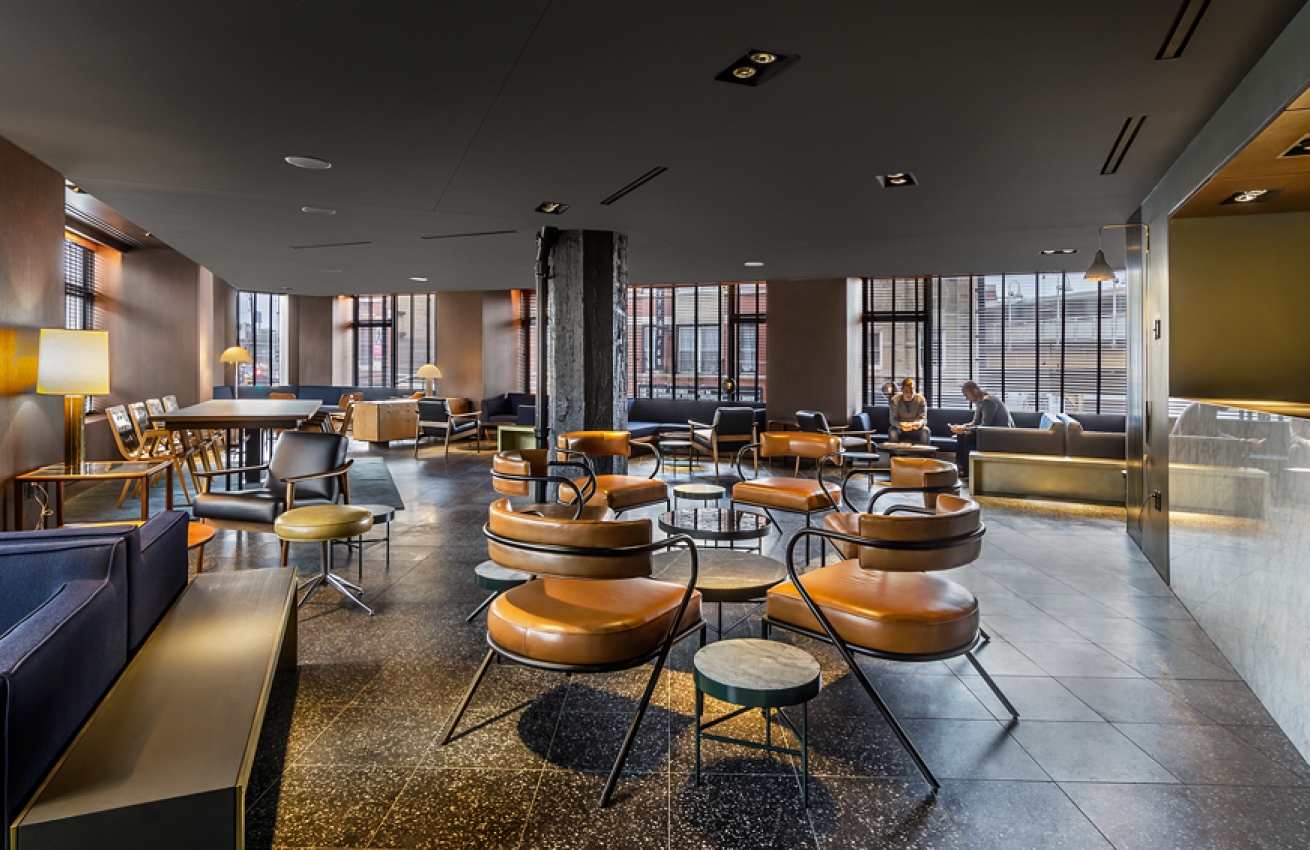
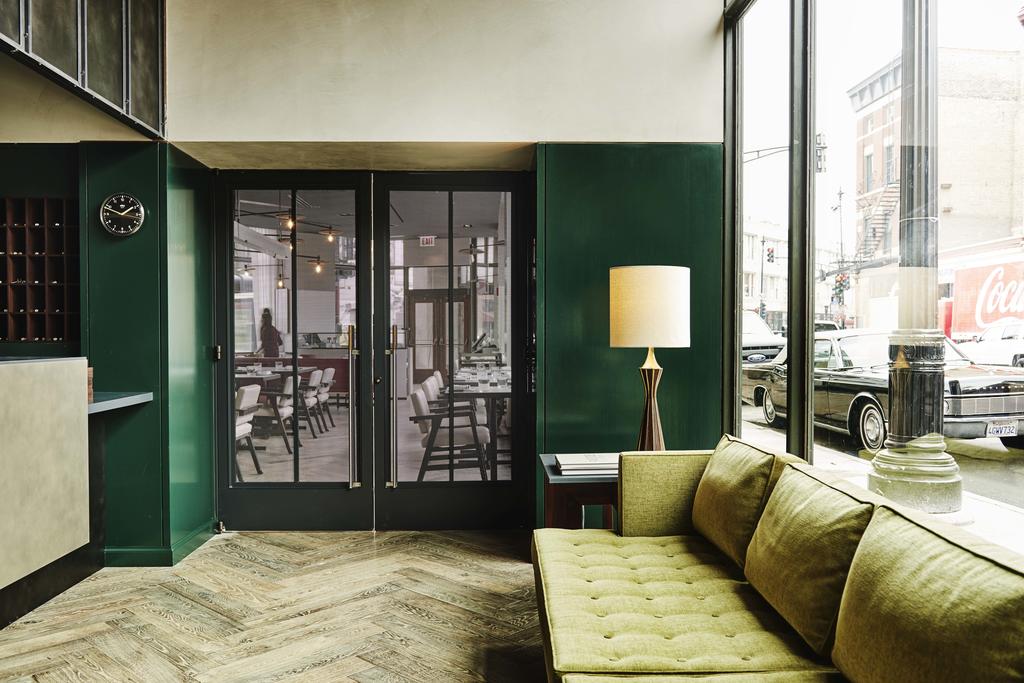
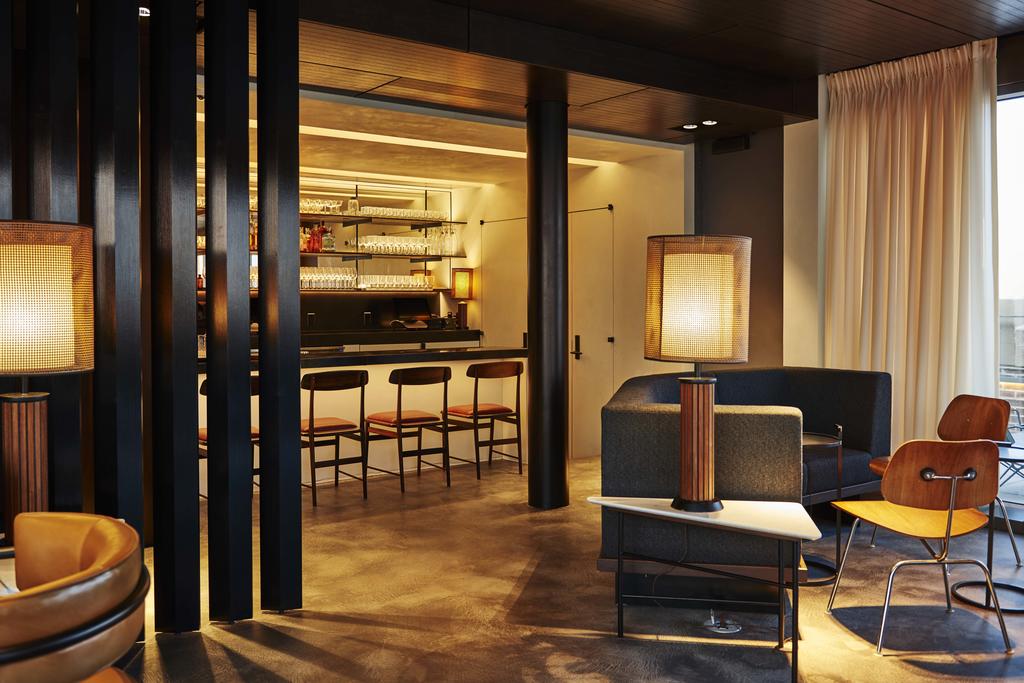
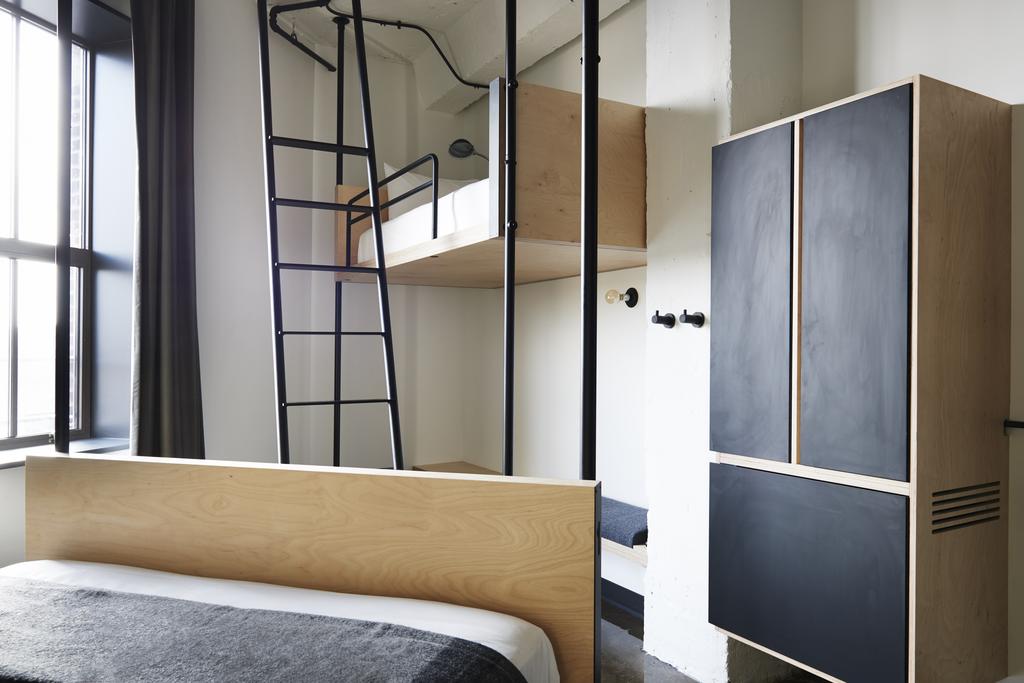
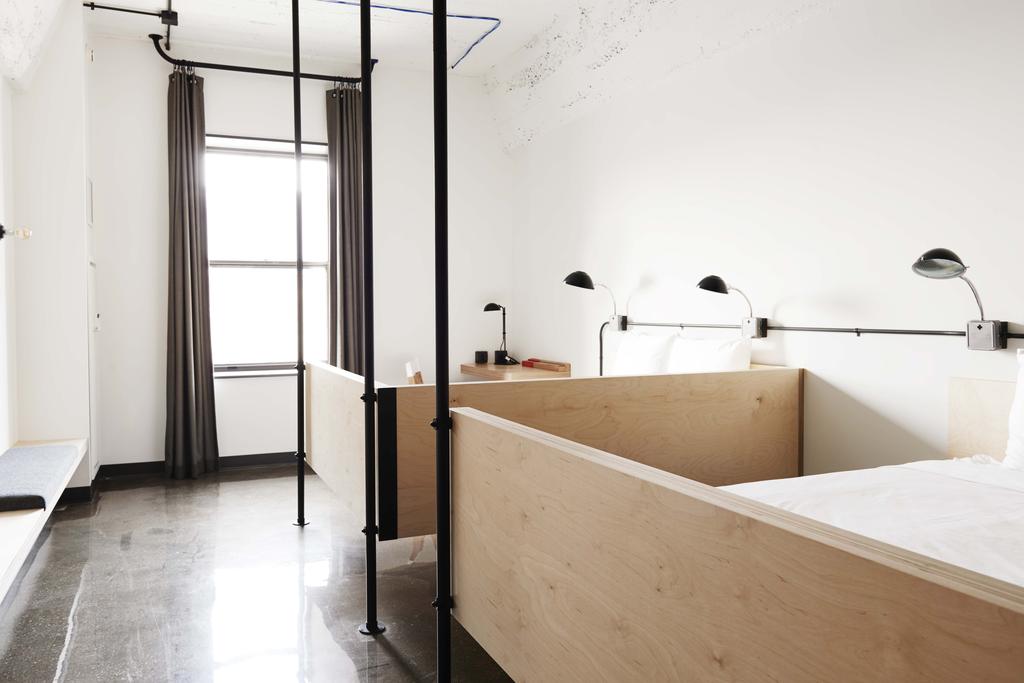
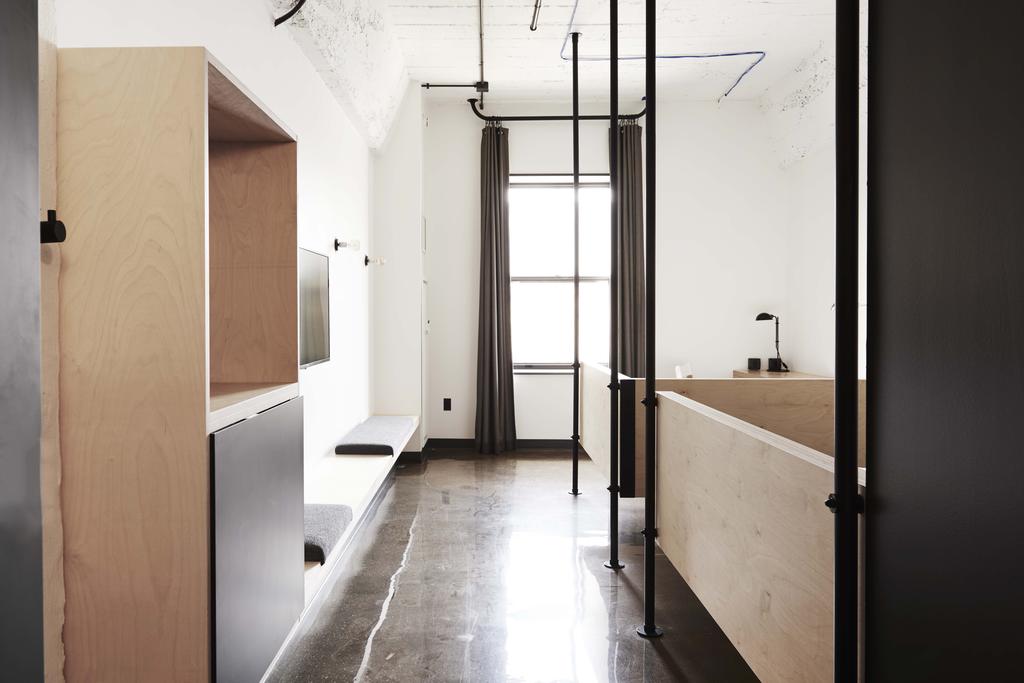
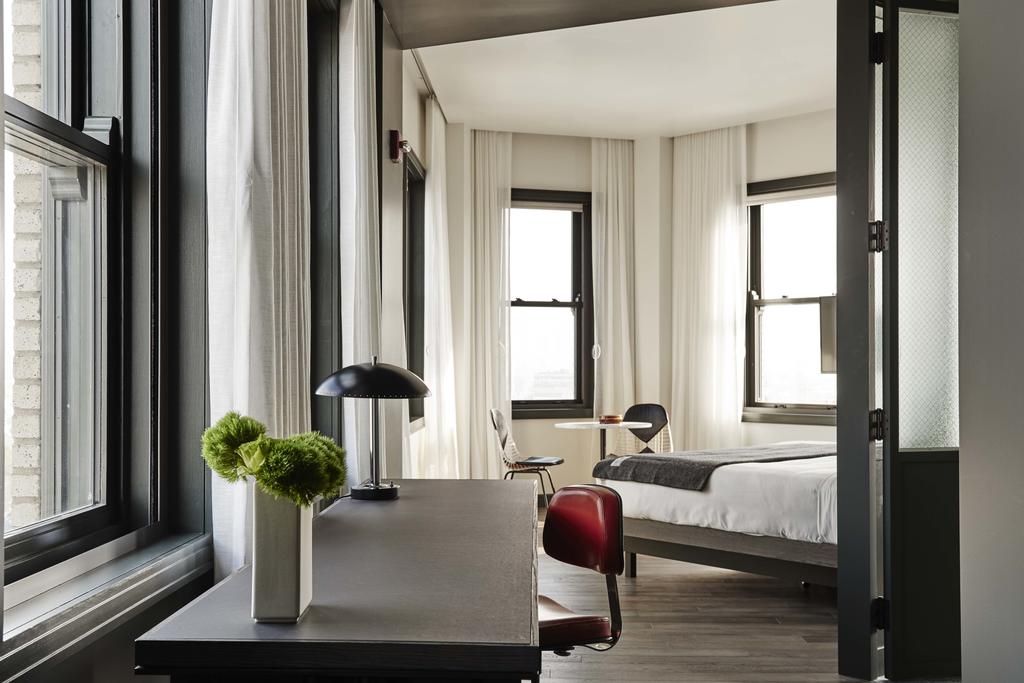
The redesign by Belgian studio Nicolas Schuybroek Architects and Marc Merckx Interiors brings understated sophistication to the historic structure. Natural wood, brushed steel, frosted glass, dark accent walls, polished concrete, and carefully crafted custom furniture create interiors that feel clean, contemporary, and quietly luxurious. The restrained palette allows the building’s architecture—and the spectacular views—to take center stage. It’s industrial minimalism softened by warmth and craftsmanship.
Two Buildings, Two Experiences
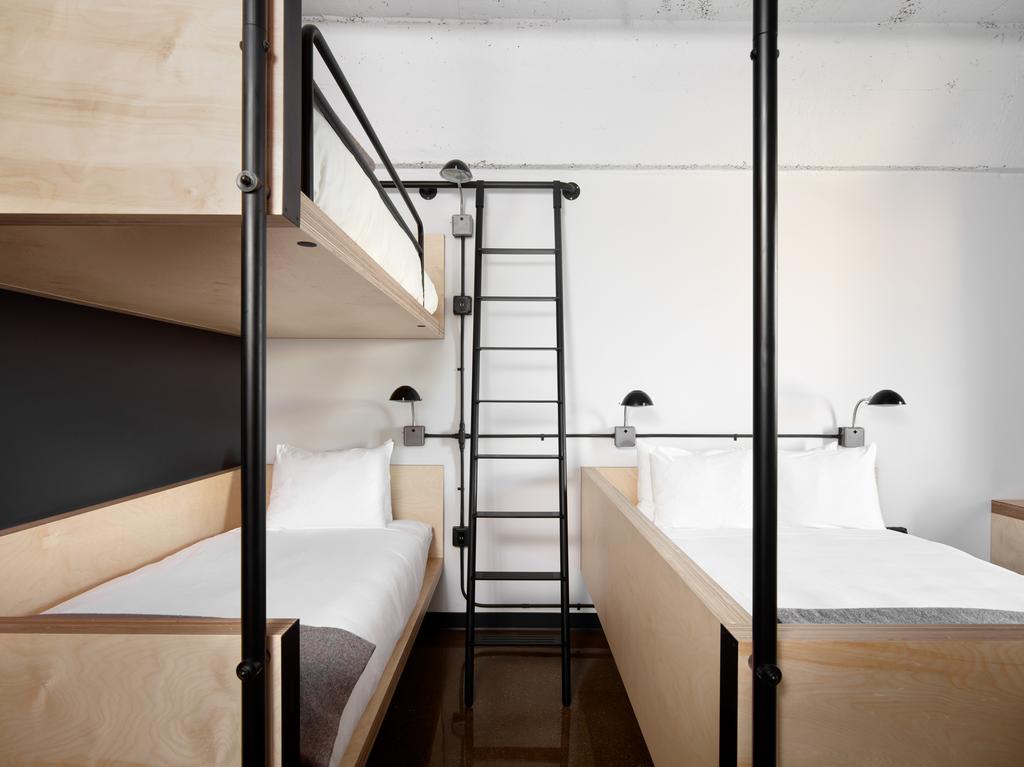
The Robey offers two distinct styles of accommodation. The Tower Rooms occupy the original Art Deco skyscraper, where large windows frame sweeping views across Chicago’s skyline and neighborhoods. Hardwood floors, crisp white linens, Le Labo bath amenities, quality sound systems, and elegant furnishings create rooms that feel calm and refined. Next door, the historic Hollander Fireproof Warehouse houses the Annex Lofts. Here the atmosphere shifts toward raw industrial design, with soaring ceilings, exposed brick walls, polished concrete floors, birch plywood beds, custom steel shelving, and Schoolhouse Electric lighting. Several lofts comfortably accommodate families or groups while maintaining the same thoughtful design language.
A Rooftop Above Wicker Park
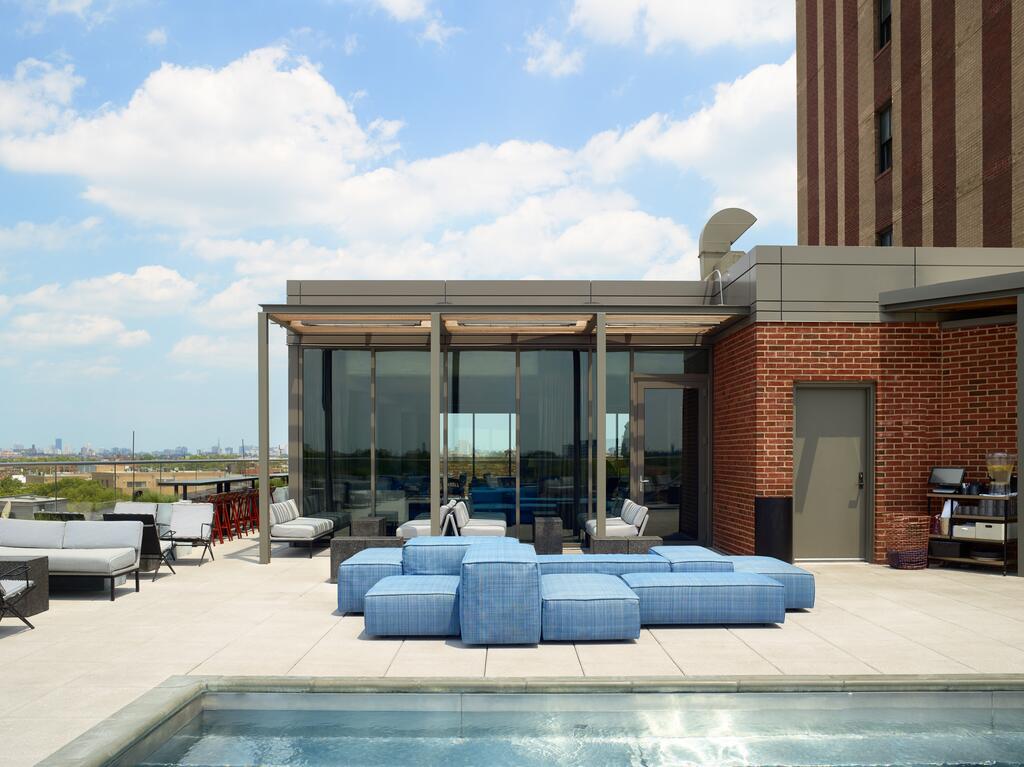
Few rooftops capture Chicago quite like The Robey’s. On the top floor, the Cabana Club combines a seasonal rooftop pool, lounge, and cocktail bar with panoramic views stretching across the city skyline. During warmer months, it becomes one of Wicker Park’s favorite gathering places, equally popular with hotel guests and locals. It’s the perfect setting for sunset cocktails overlooking one of America’s great cities.
Neighborhood Hospitality
The Robey embraces the spirit of its neighborhood. Café Robey serves modern American cuisine throughout the day, from leisurely breakfasts to relaxed dinners, while the second-floor lounge provides an inviting space for coffee, cocktails, or remote working. Rather than feeling isolated from the city, the hotel acts as an extension of Wicker Park itself.
Chicago Beyond Downtown
One of The Robey’s greatest strengths is its location. Situated between Wicker Park and Bucktown, guests are surrounded by independent boutiques, acclaimed restaurants, cocktail bars, live music venues, galleries, and some of Chicago’s most creative streets. Downtown remains easily accessible, but many visitors quickly discover that this neighborhood offers an even more authentic side of the city. It’s Chicago beyond the tourist trail.
Why It Works
The Robey succeeds because it understands both its building and its surroundings. By preserving the bold character of one of Chicago’s most iconic Art Deco towers while introducing beautifully restrained contemporary design, it has created a hotel that feels authentic, stylish, and deeply connected to its neighborhood. Add panoramic skyline views, thoughtful interiors, and one of the city’s best rooftop hangouts, and The Robey becomes far more than a place to stay—it becomes one of the defining experiences of creative Chicago.