ROSSO – Altusried, Germany
Bavarian farmhouse living with Italian warmth and a touch of Wabi-Sabi
Why DNA Hotels Loves It
● A historic Allgäu farmhouse transformed into just three spacious apartments, combining original beams and old farm furniture with Tadelakt, linen, copper bathtubs and a relaxed Italian sensibility.
● More than somewhere to sleep, ROSSO calls itself the “Farm of Possibilities”: communal tables, an atelier, studio, sauna and garden turn the farm into a place for retreats, creative work and simply spending time together.
● Owner Christian Müller deliberately avoided conventional hotel luxury, creating instead a deeply personal rural hideaway where patina, imperfection and things with a history are part of the design.
A Red Farmhouse in the Allgäu
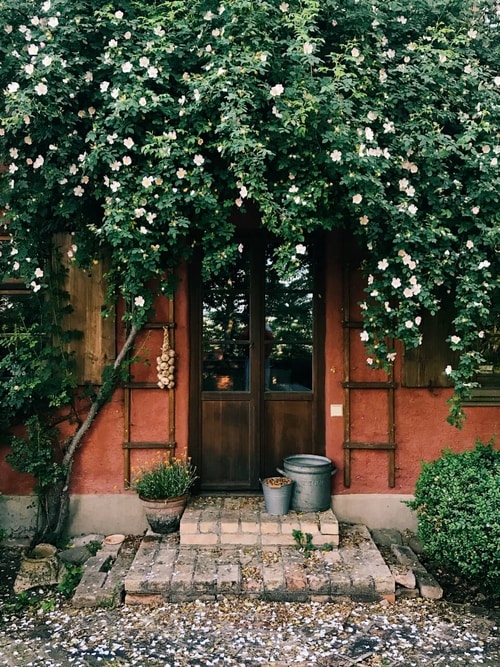
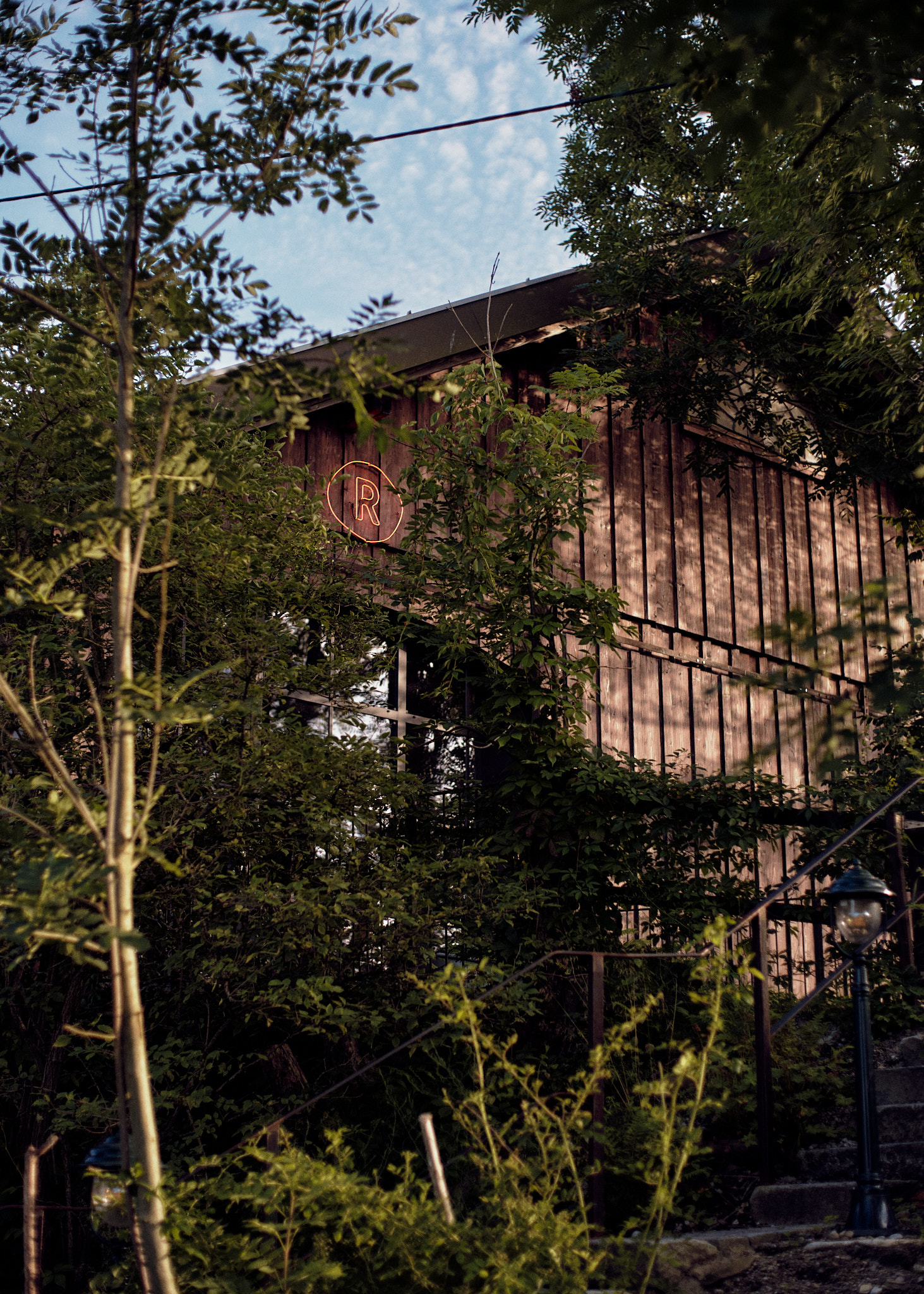
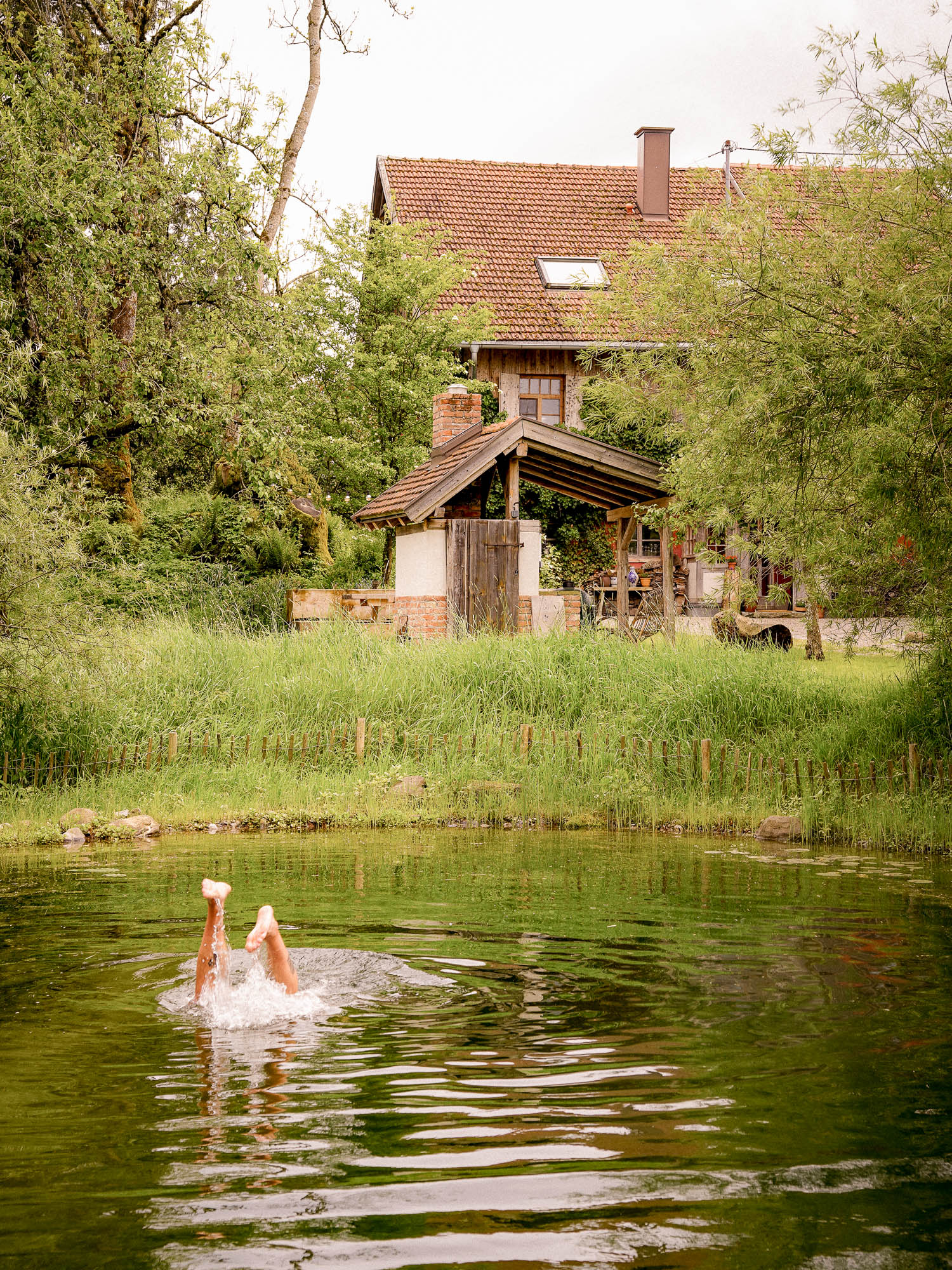
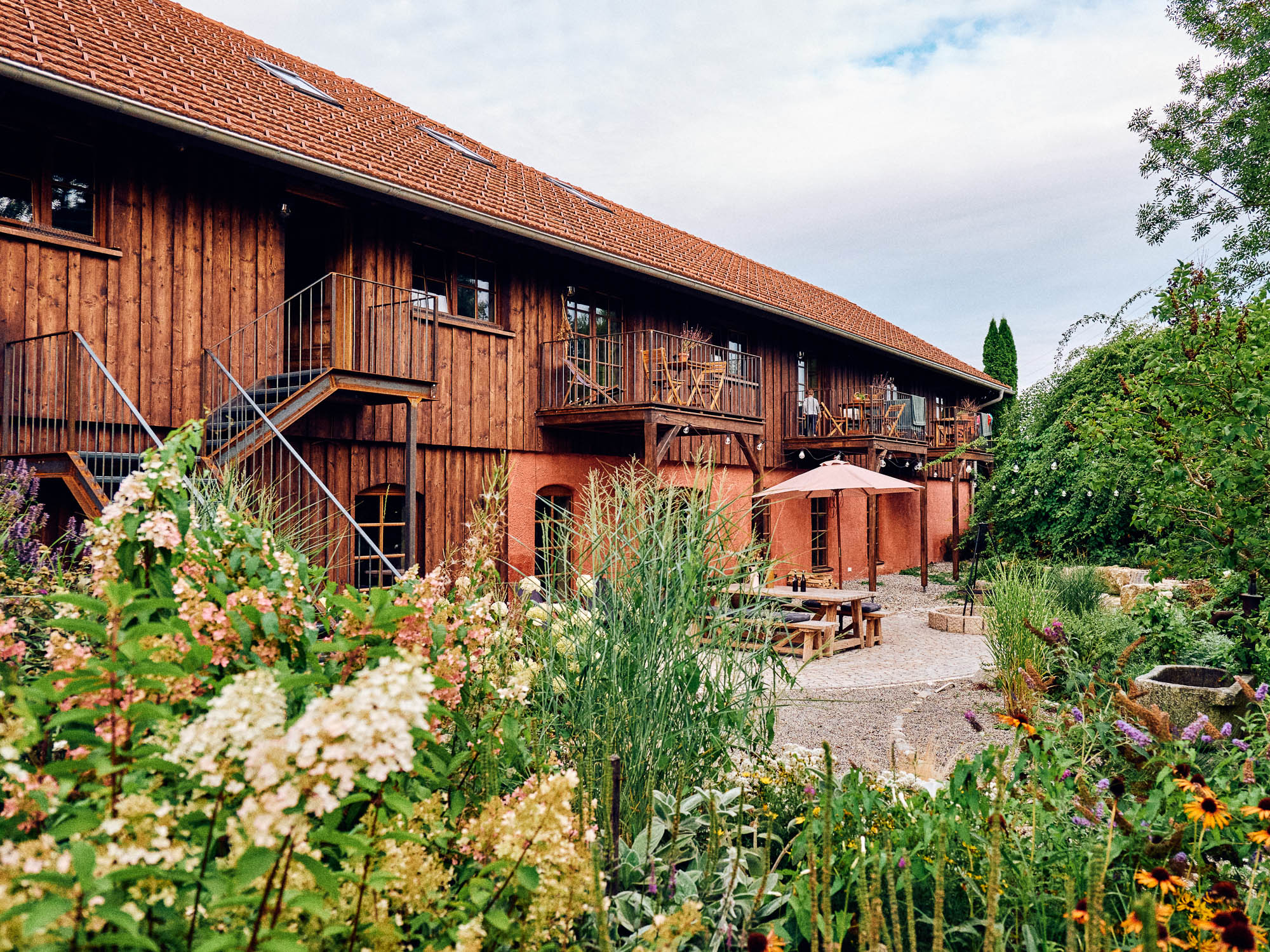
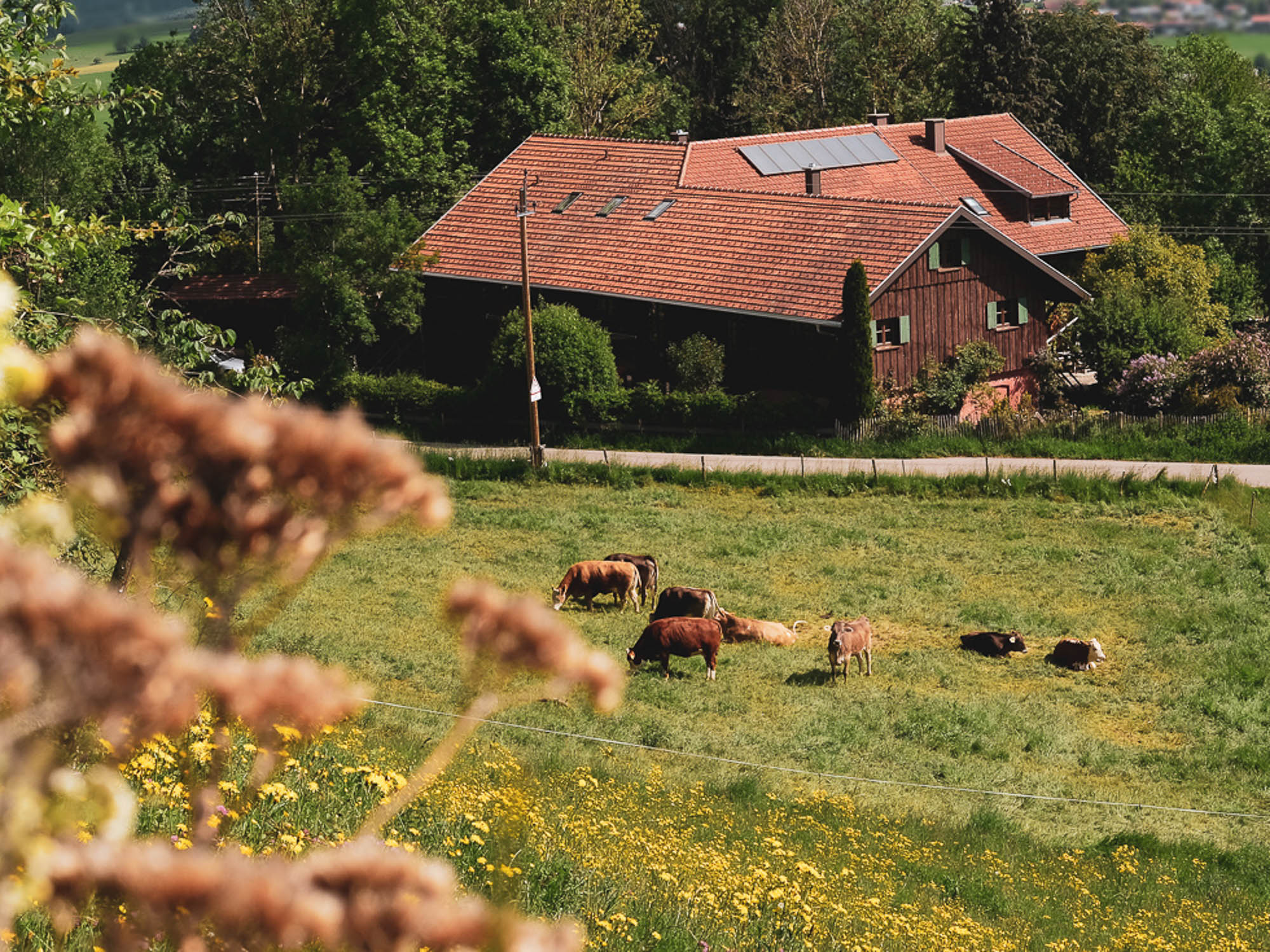
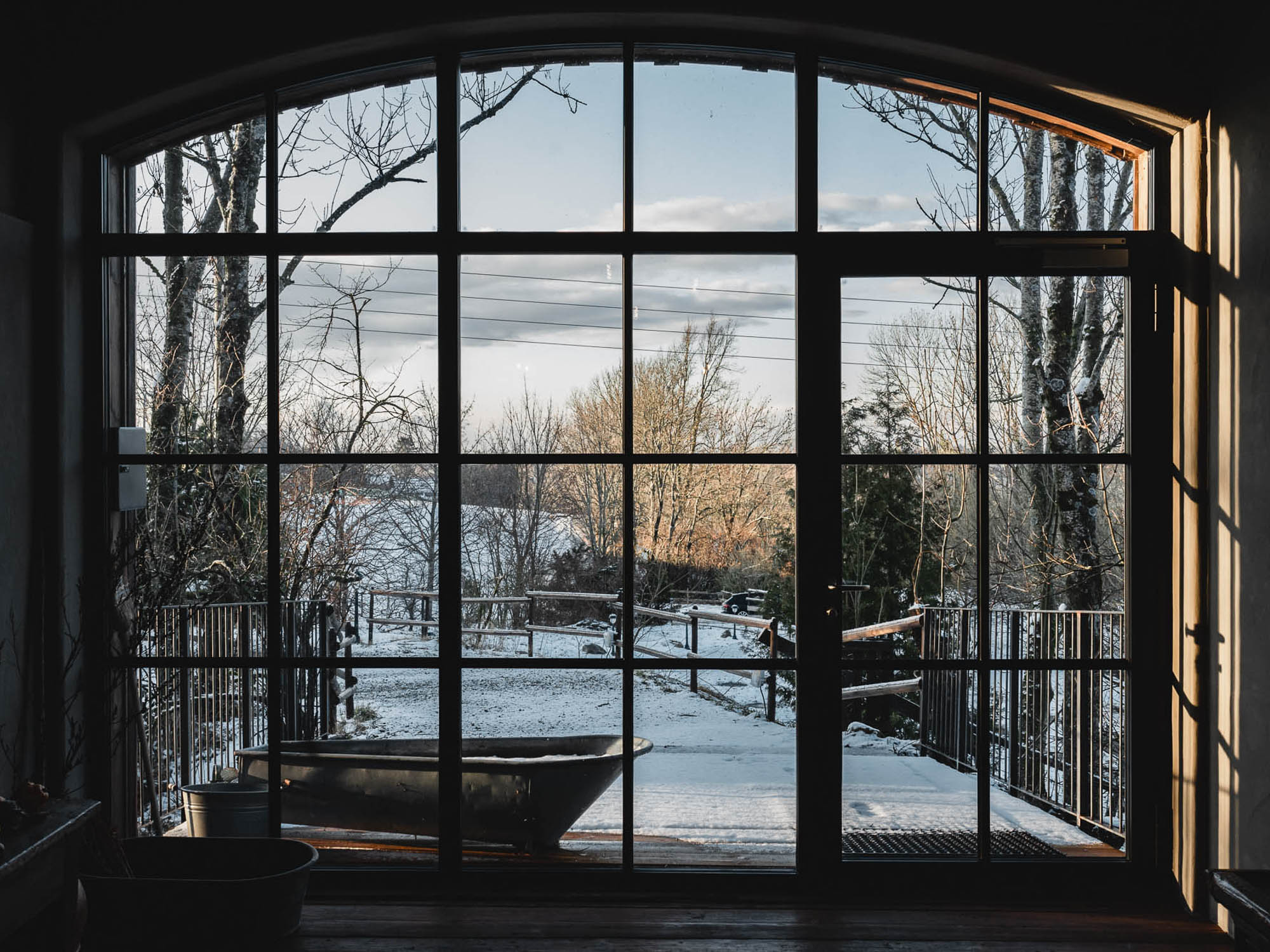
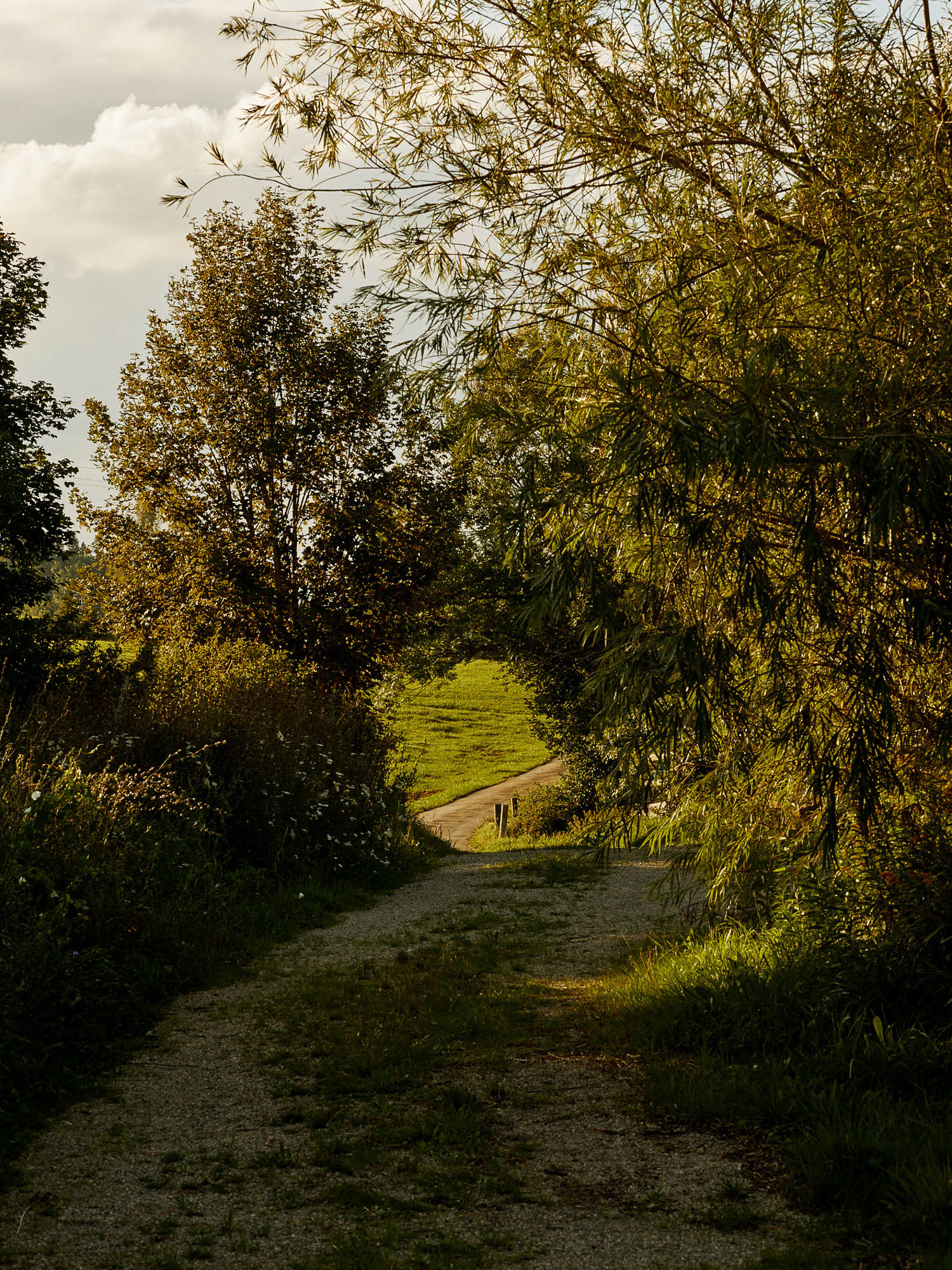
Follow a country road through the meadows outside Altusried and eventually a red farmhouse appears on a hill. This is ROSSO. The name refers to the colour of the historic farm, but also hints at something less Bavarian: the Italian attitude to life that owner Christian Müller wanted to bring to this corner of the Allgäu. Müller, a creative start-up founder who moved here from Hamburg, wasn’t interested in creating another polished country hotel. He wanted a refuge. Somewhere that felt generous and beautiful without feeling luxurious in the conventional sense. Somewhere people could stay for a few days, work on an idea, gather around a table, disappear into the countryside or simply do very little. ROSSO opened in 2020 under the wonderfully open-ended motto “Der Hof der Möglichkeiten” — the Farm of Possibilities.
Allgäu Meets Tuscany Meets Wabi-Sabi
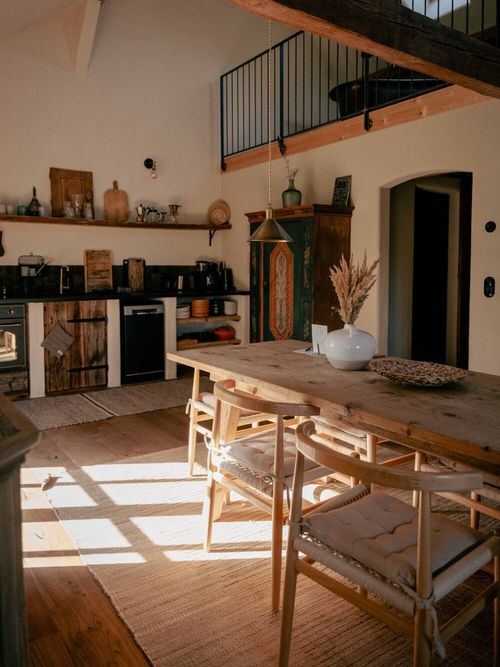
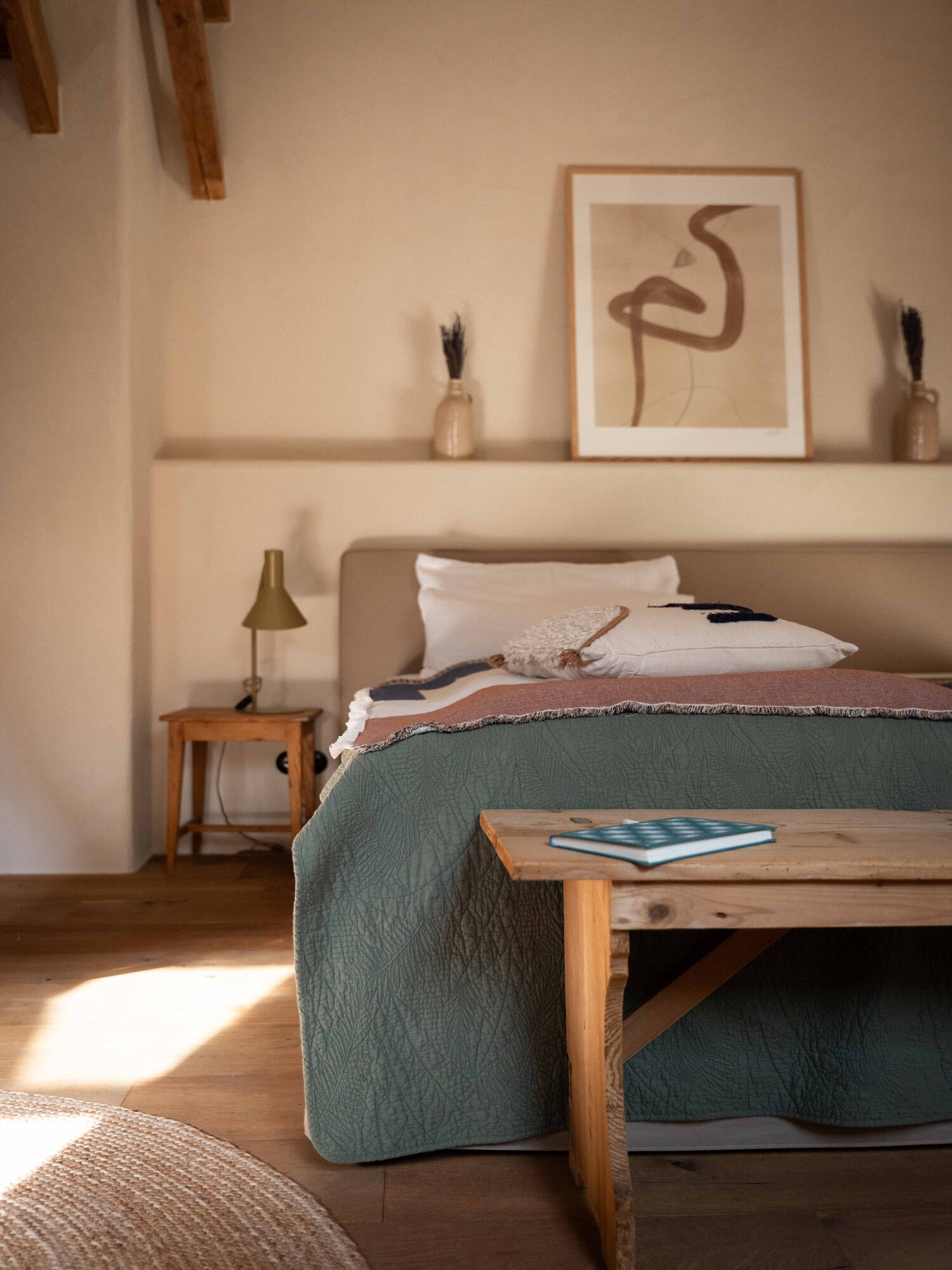
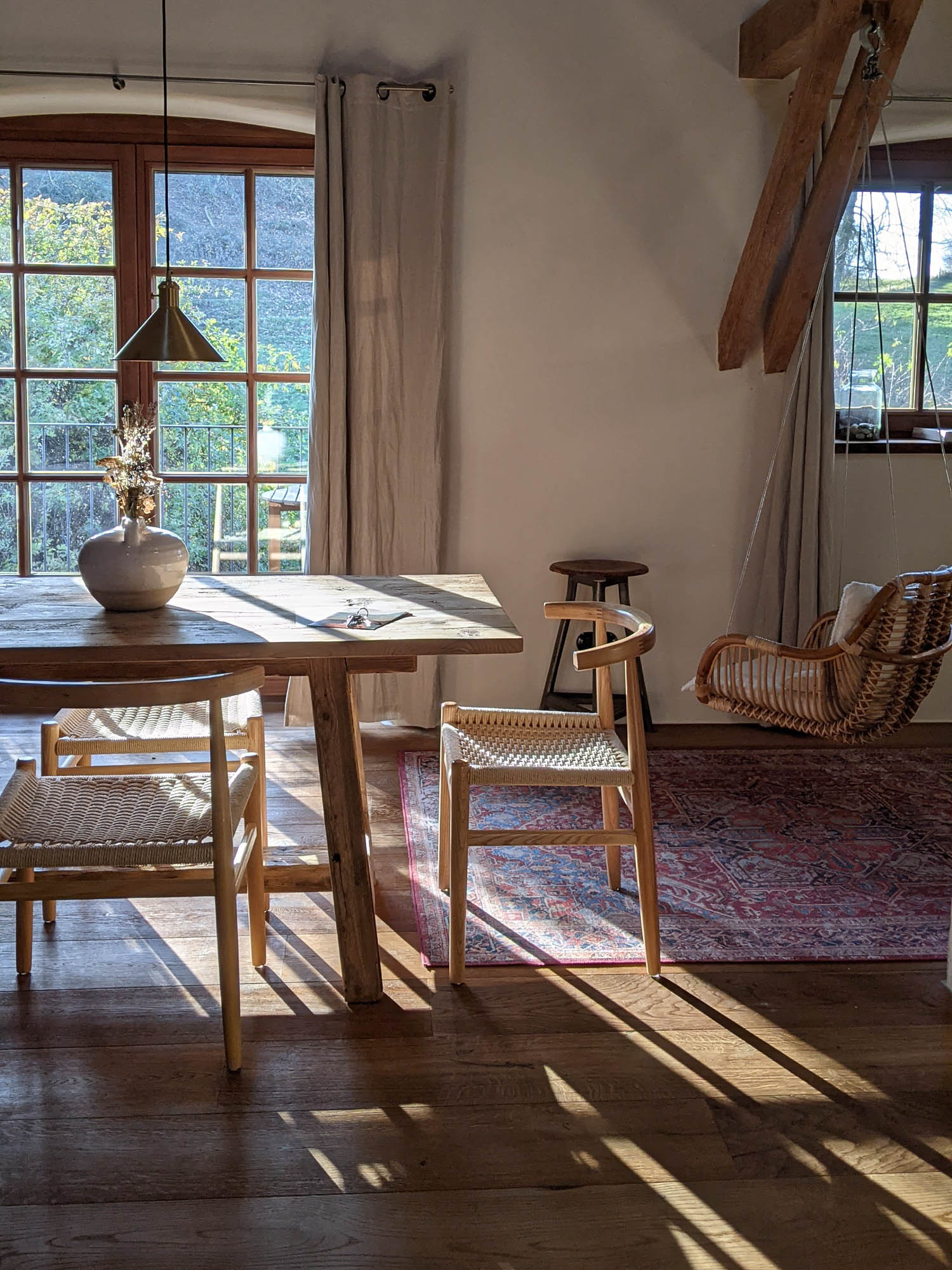
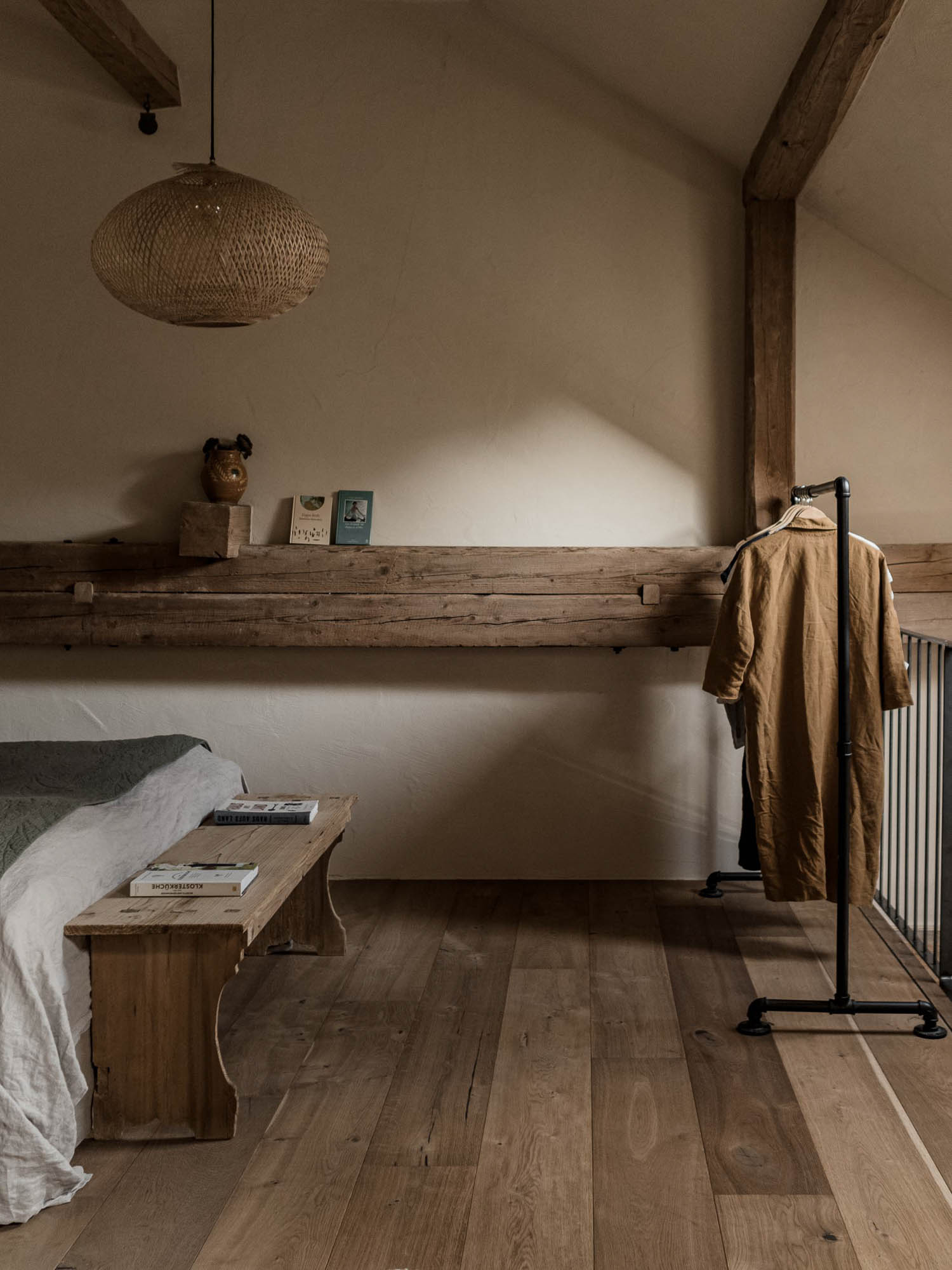
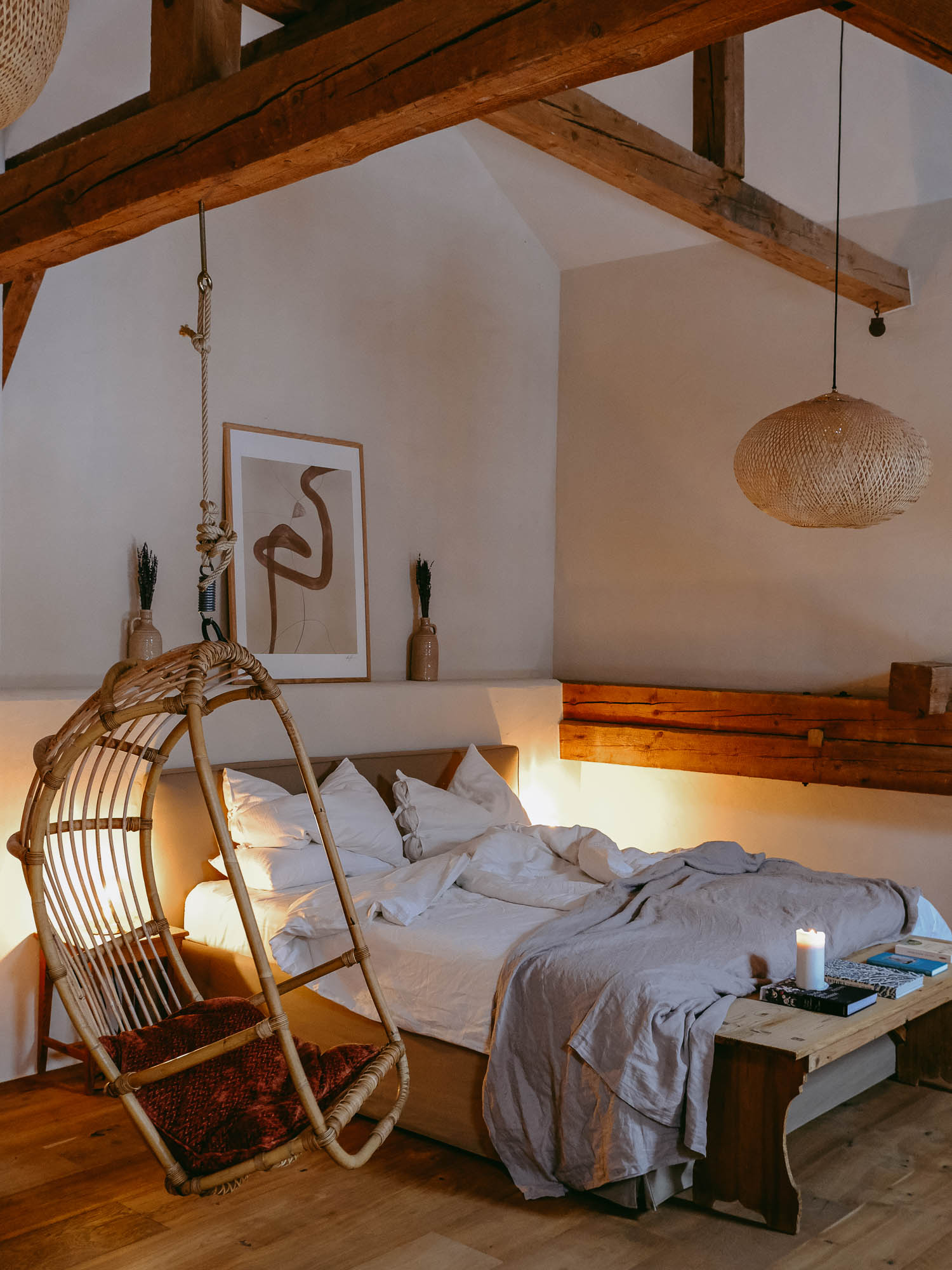
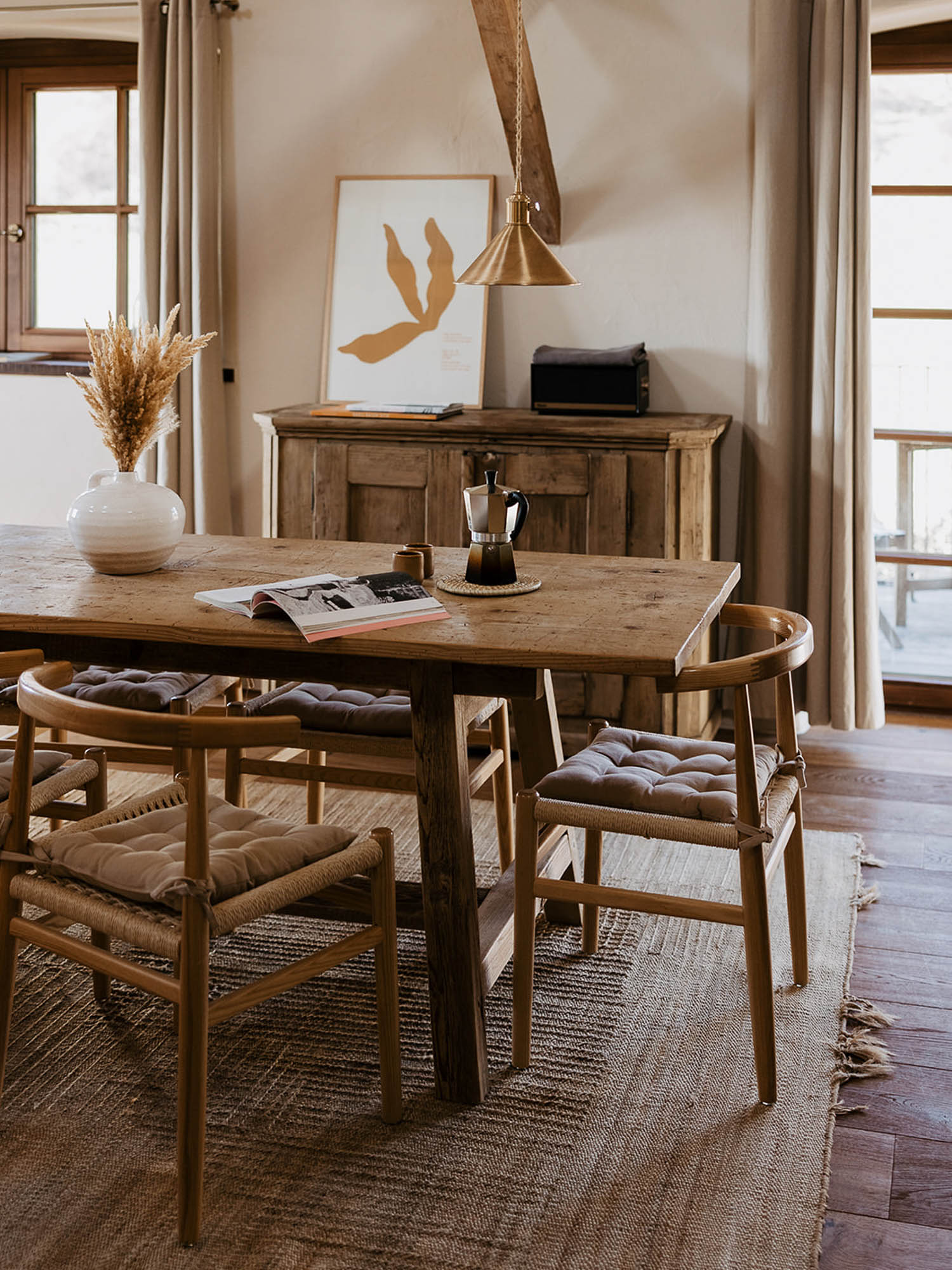
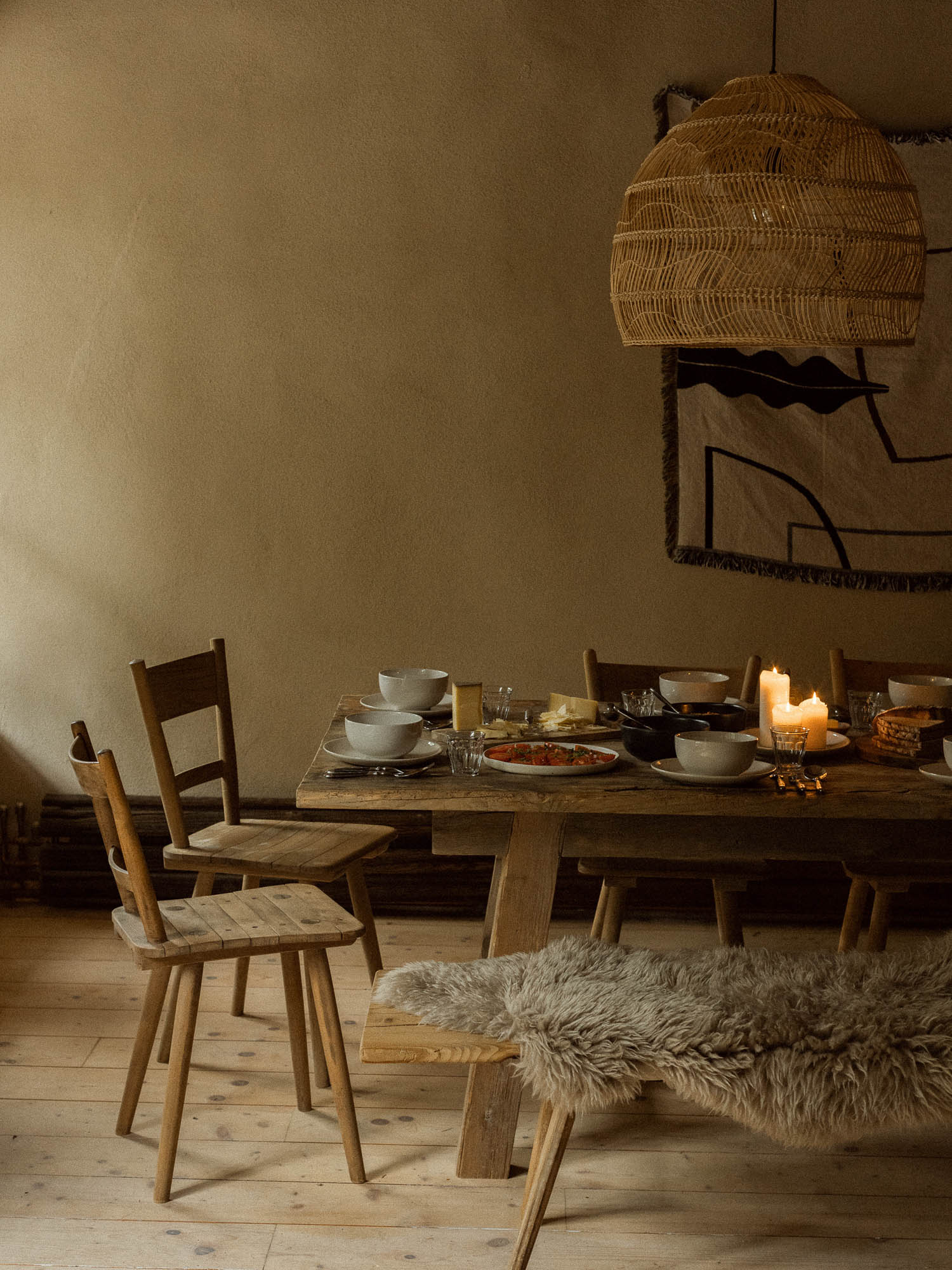
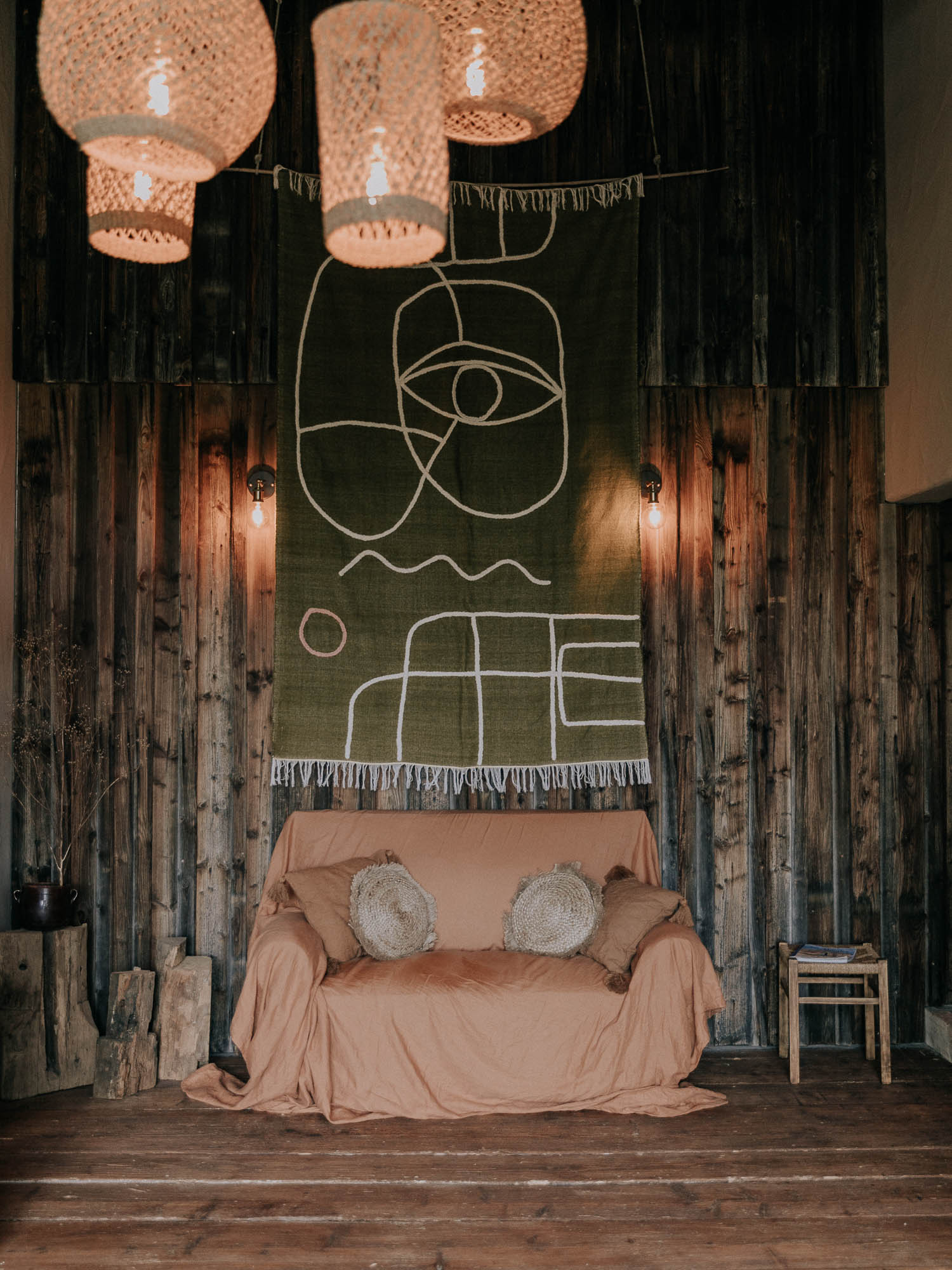
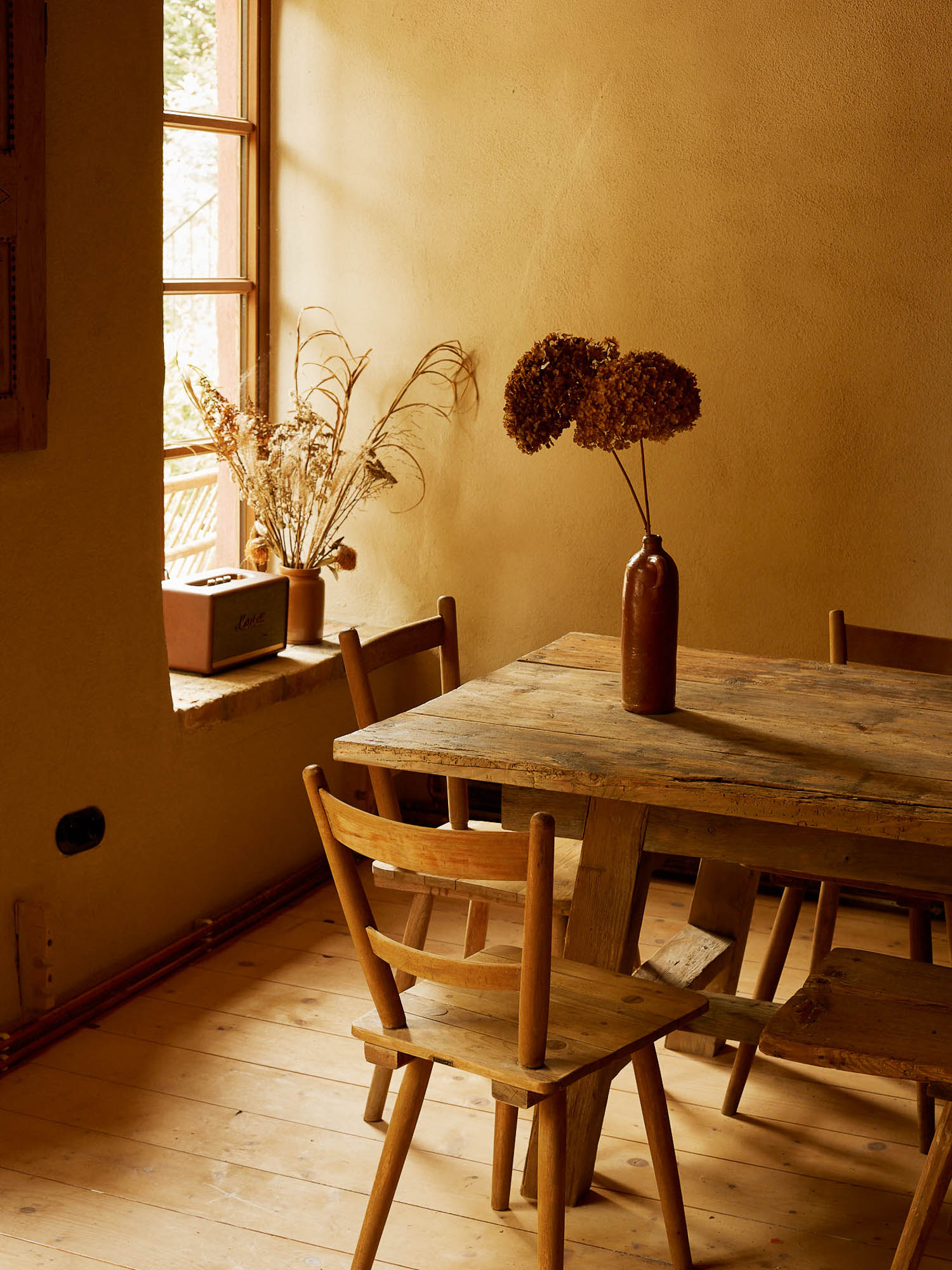
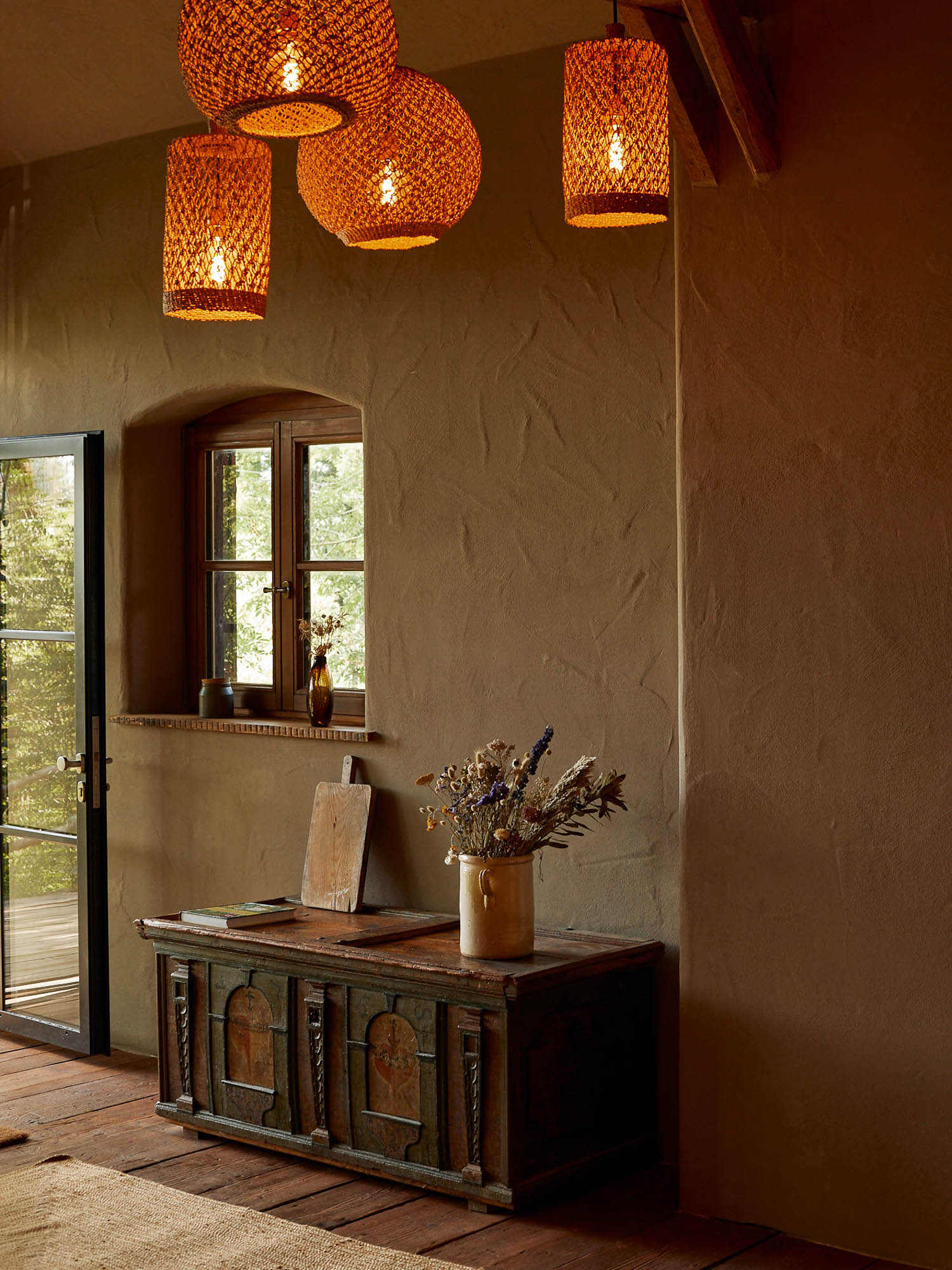
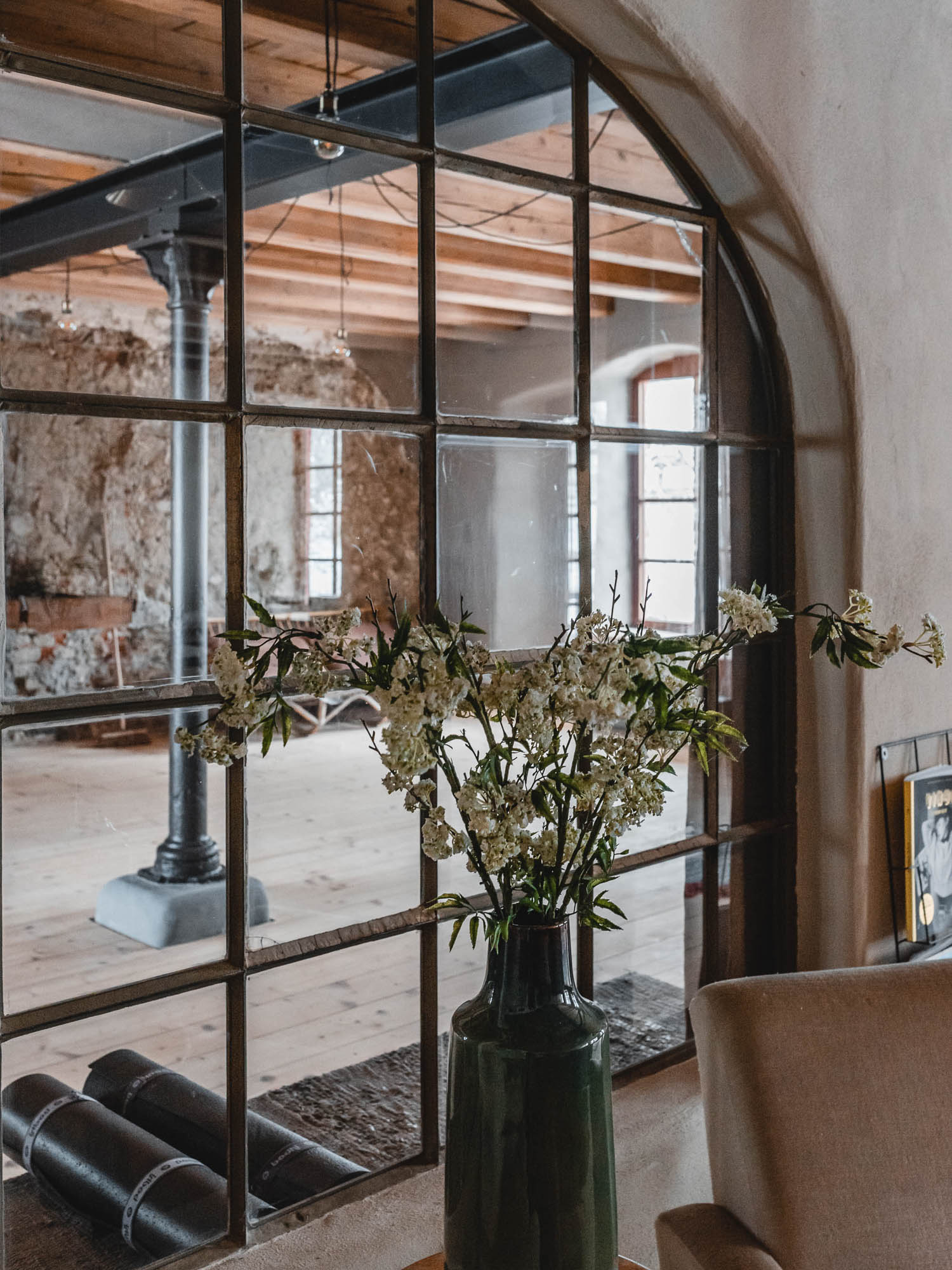
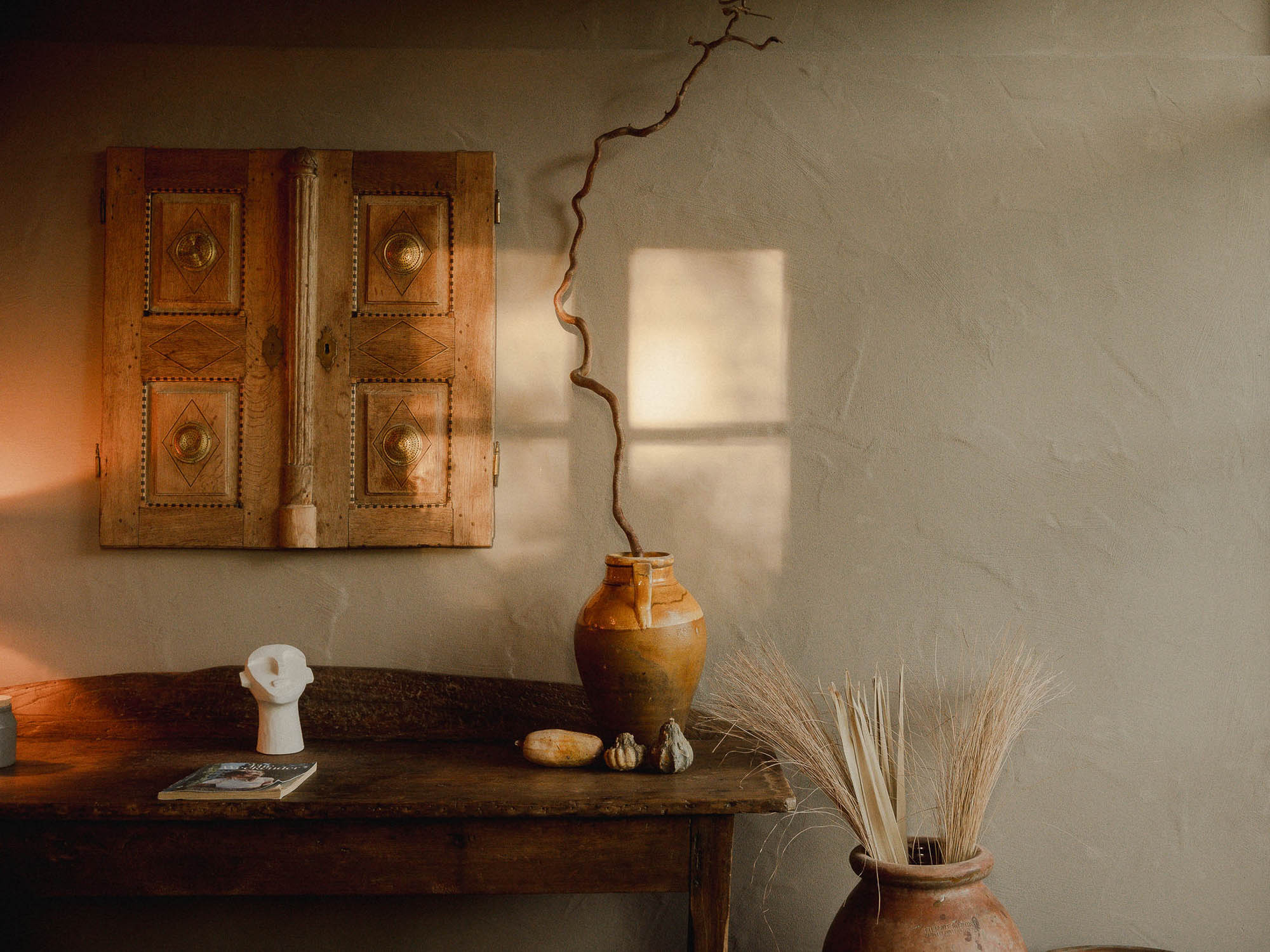
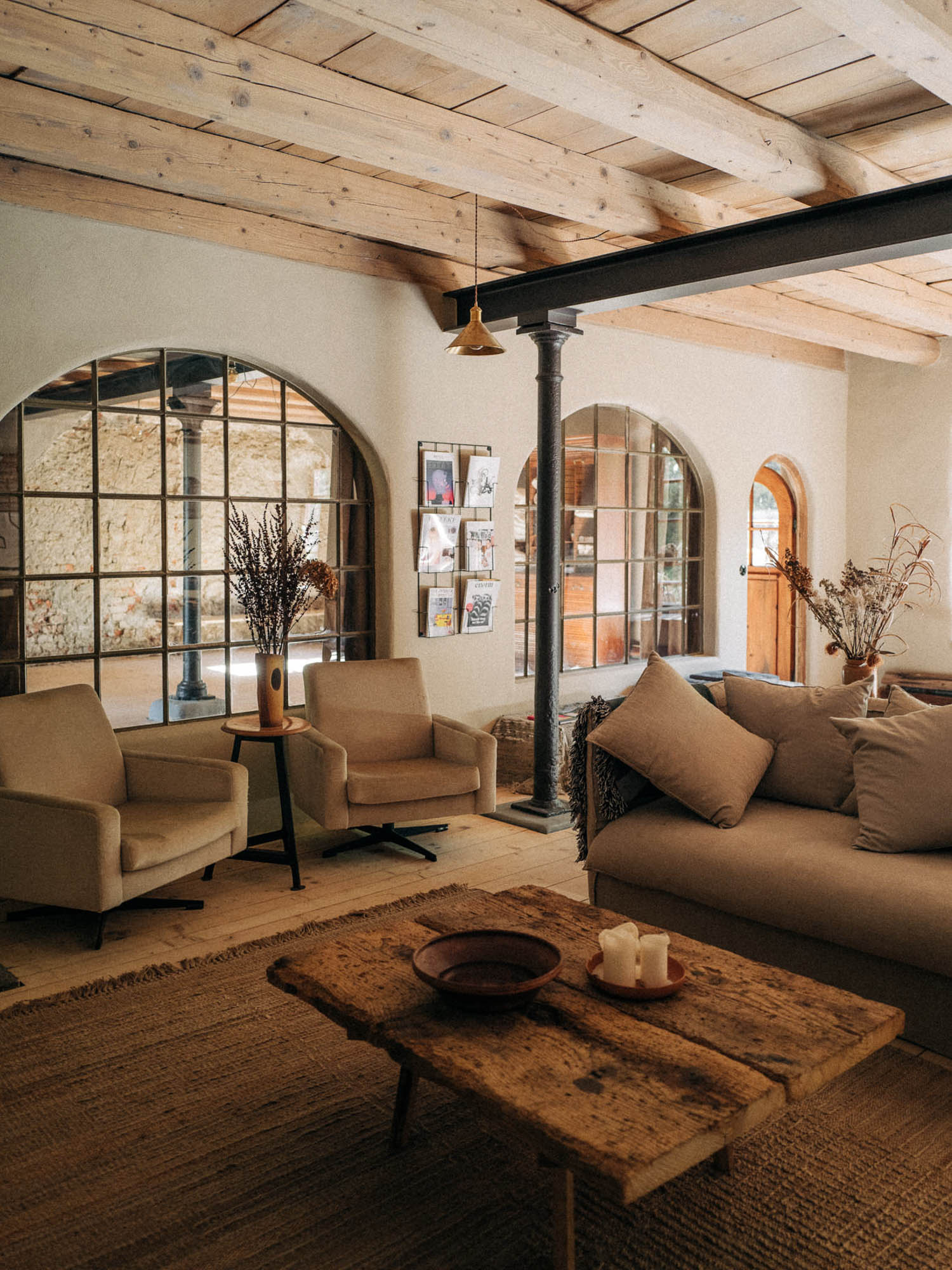
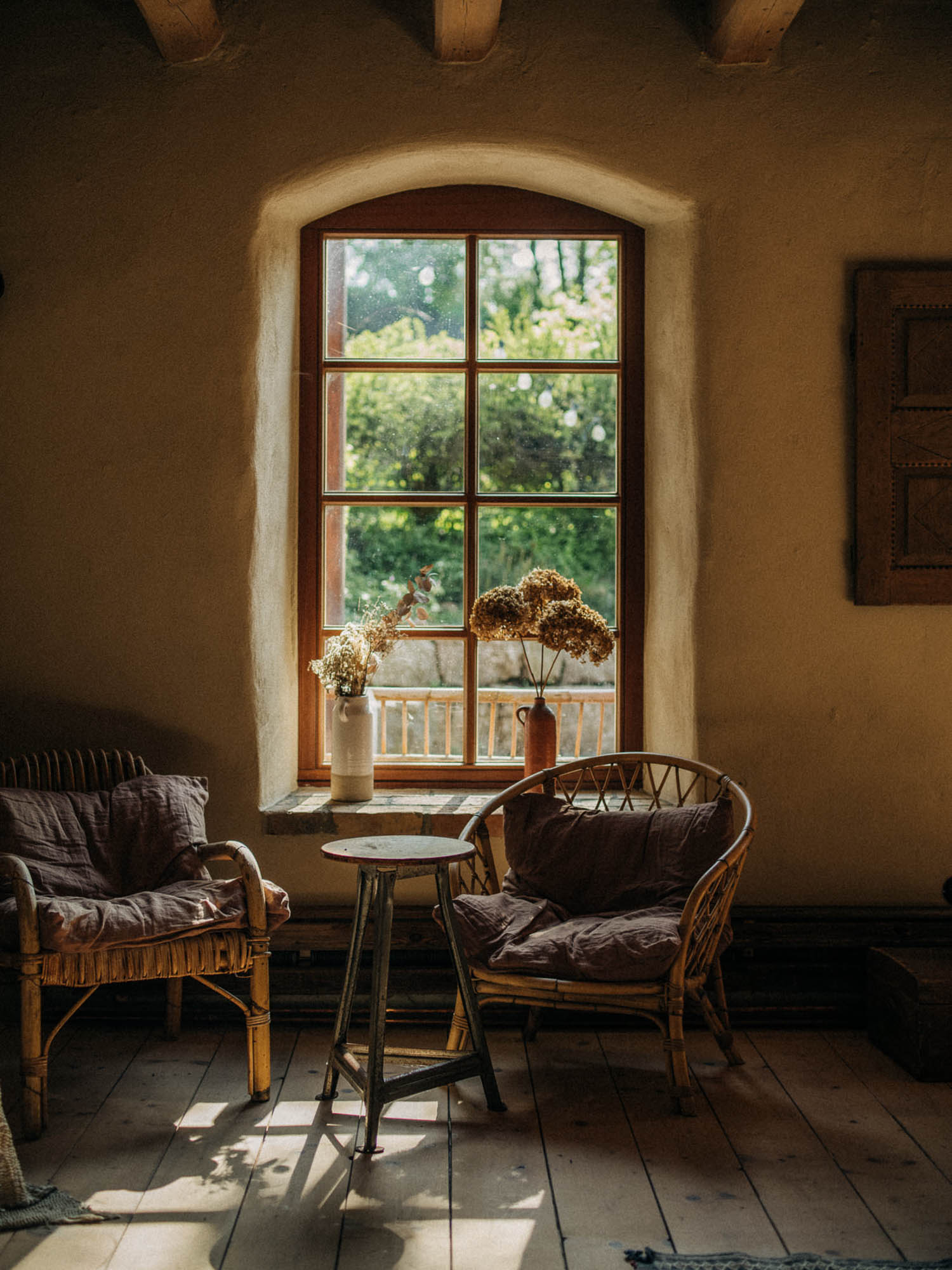
The interiors don’t follow the usual Alpine script. There is little rustic decoration and certainly no chalet pastiche. Instead, ROSSO combines the atmosphere of an old Bavarian farm with the informality of a Tuscan country house and the Japanese philosophy of Wabi-Sabi — finding beauty in age, imperfection and objects carrying the marks of time. Original timber beams remain prominent. Wooden floors are allowed to look like wooden floors. Whitewashed walls, linen fabrics and subdued natural colours bring lightness to the old structure, while recycled antiques and pieces of farmhouse furniture provide the patina. It feels collected rather than decorated. And unusually, no architect or hospitality designer was brought in to impose a concept on the place. Much of ROSSO’s character comes from precisely that instinctive approach.
Three Apartments, Plenty of Space
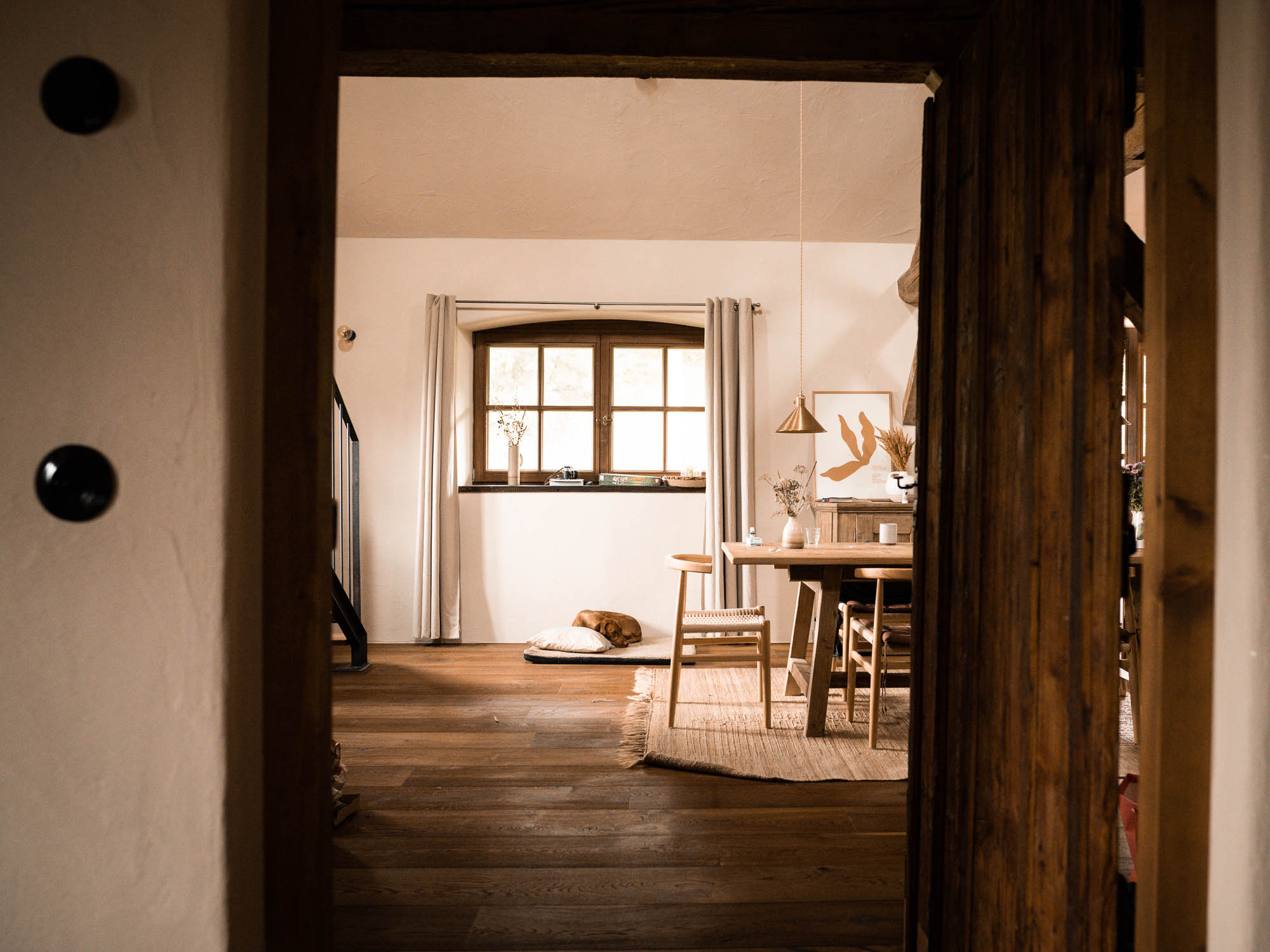
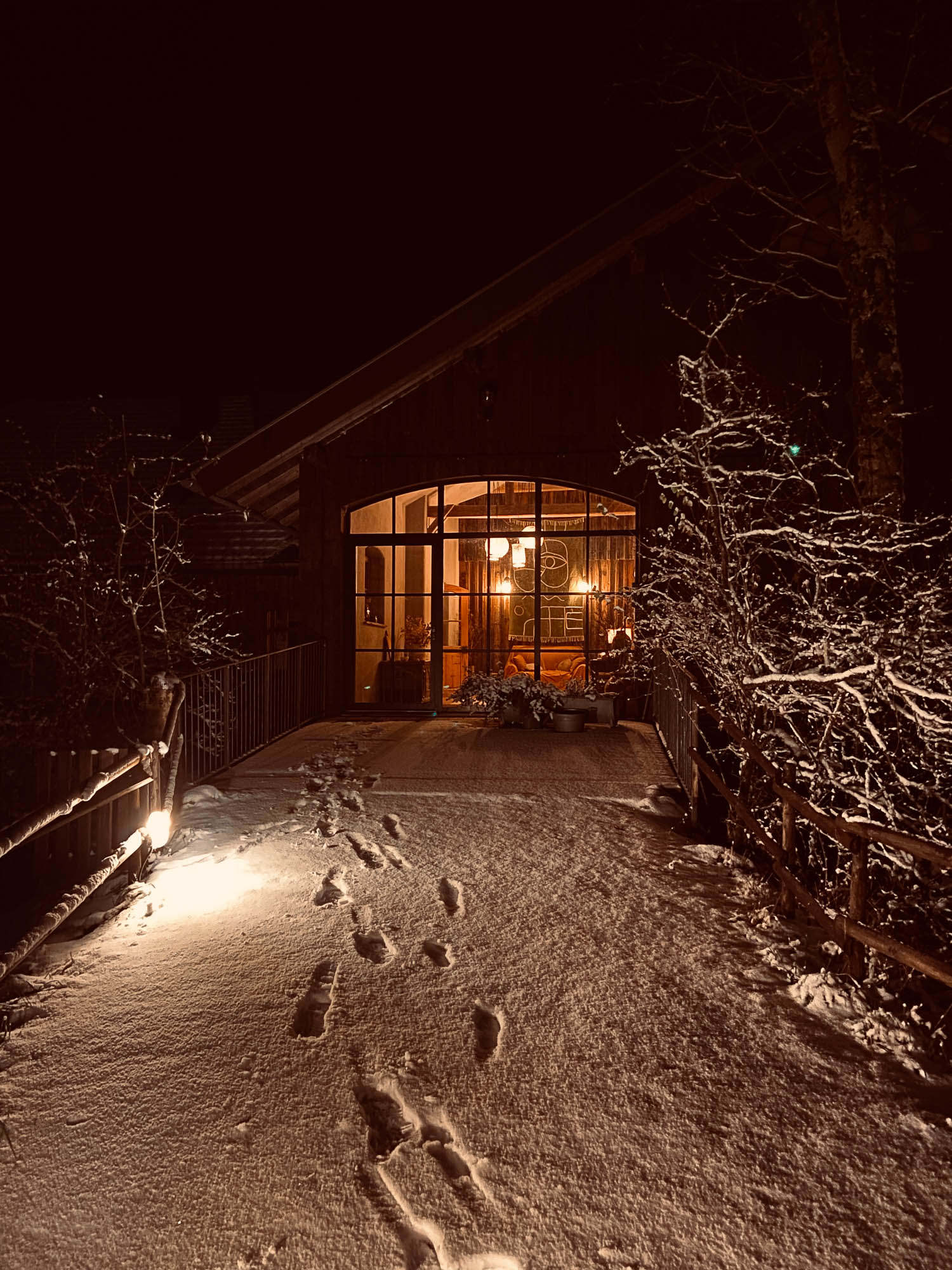
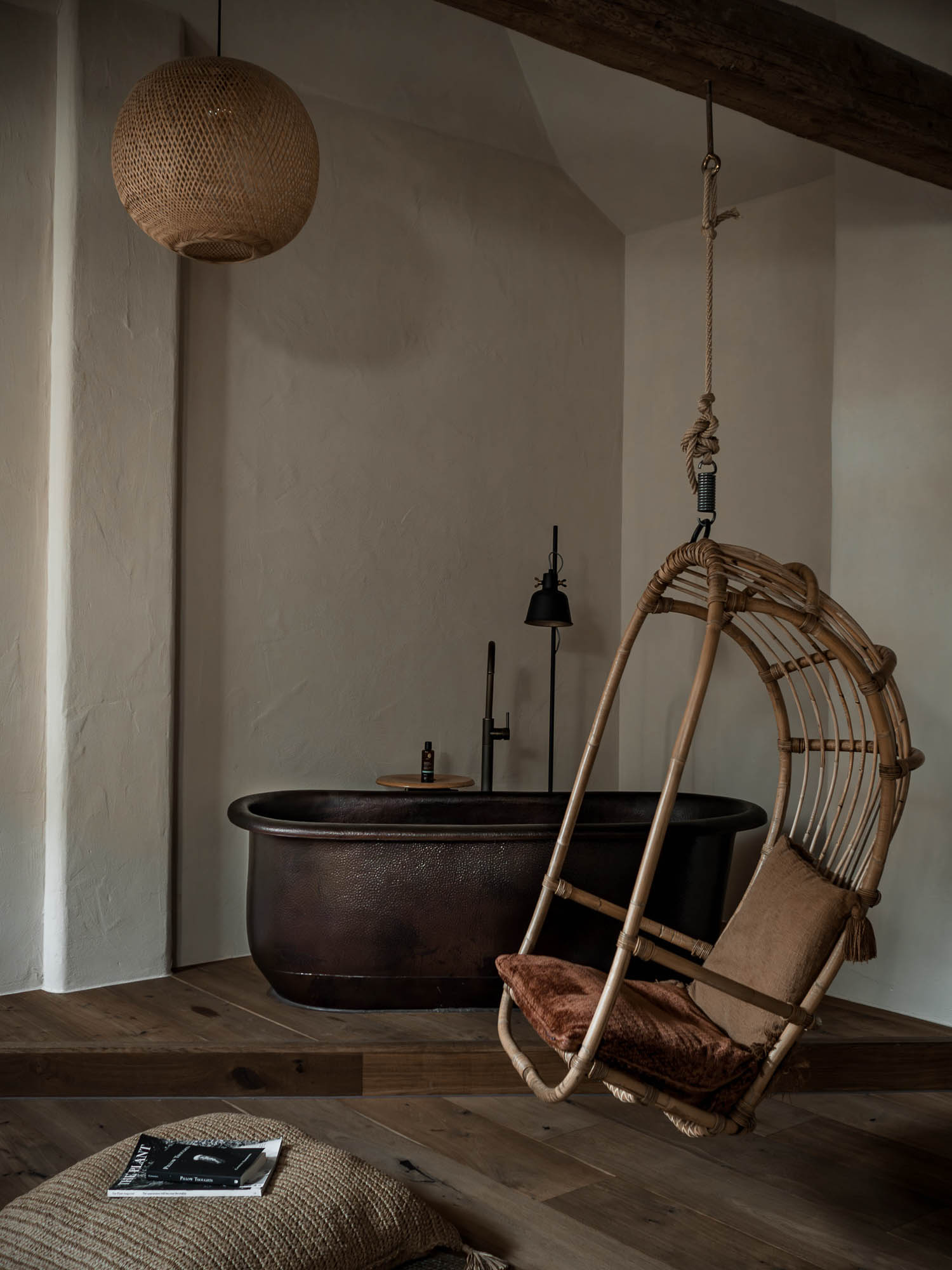
There are only three apartments, occupying the upper floor of the former barn. All are loft-like, with high ceilings, open living areas, fully equipped kitchens and balconies for eating outside when the Allgäu weather cooperates. La Bella is the smallest at 68 square metres and works particularly well for couples or solo stays. La Famiglia, at 80 square metres, adds a playful bunk-bed alcove for children. And La Grande offers 90 square metres of space and views towards the Alps. Sleeping galleries, soft linen, hammocks and old furniture make them feel wonderfully residential. Then come the bathrooms. Finished in tactile Tadelakt, each apartment has a freestanding copper bathtub on its gallery level — an unexpectedly glamorous intervention among all those rough beams and deliberately imperfect surfaces.
The Farm of Possibilities
ROSSO becomes particularly interesting beyond the apartments. On the ground floor of the barn is the Eternal Atelier, a large communal space centred around a long table, with a kitchen, library and sitting area beside the fireplace. It can become a dining room. A temporary office. A place for conversations that run late into the evening. Next door, another studio can be used by groups for yoga, workshops and creative retreats. There is also a communal sauna made from old wood, where Swiss stone pine infusions bring a particularly Alpine version of wellness. The idea isn’t to provide endless hotel facilities. It’s to provide spaces people can actually use.
Cook, Eat, Stay Awhile
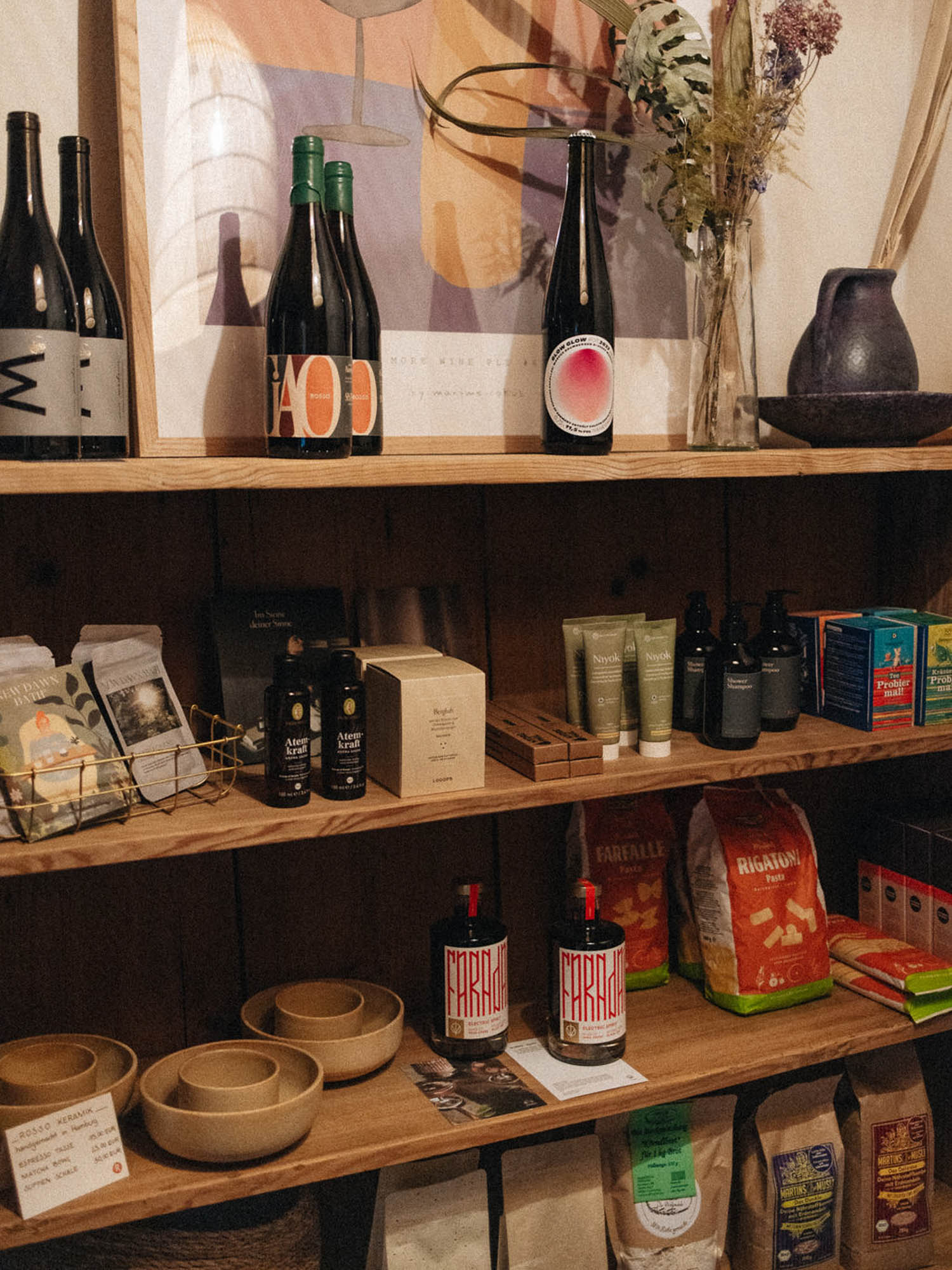
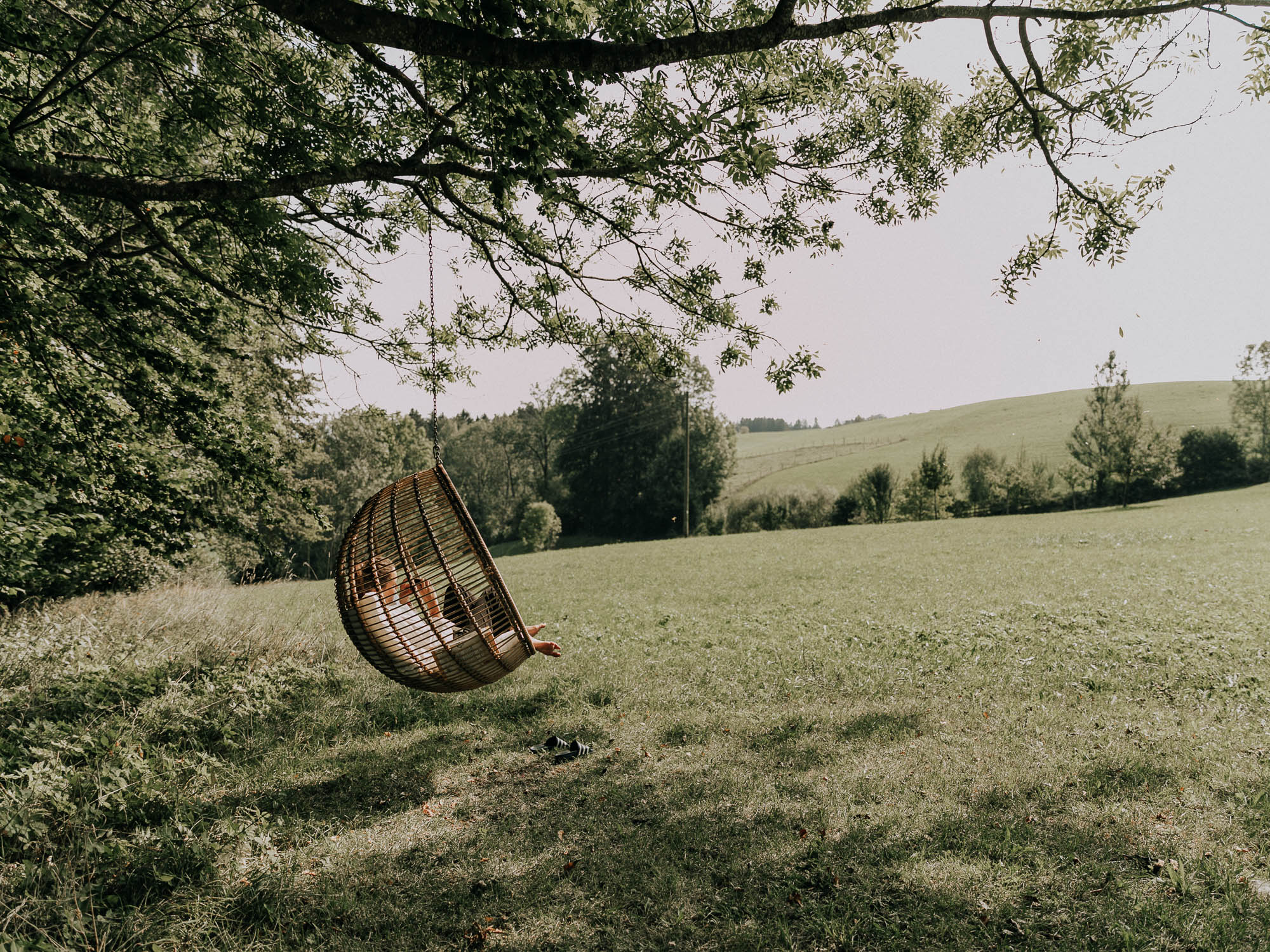
There is no conventional hotel restaurant. That’s part of the pleasure. Each apartment has its own kitchen, while a small farm shop provides selected regional delicacies, drinks and even organic eggs from the farm itself. Nearby farm shops supply the rest. In summer, life moves outside to the shared courtyard terrace, barbecue and herb garden, while the natural garden and sunbathing lawn encourage the kind of pleasantly unstructured afternoons that ROSSO does particularly well. Self-catering here doesn’t feel like the absence of a restaurant. It becomes part of living at the farm.
Beyond the Farm Gate
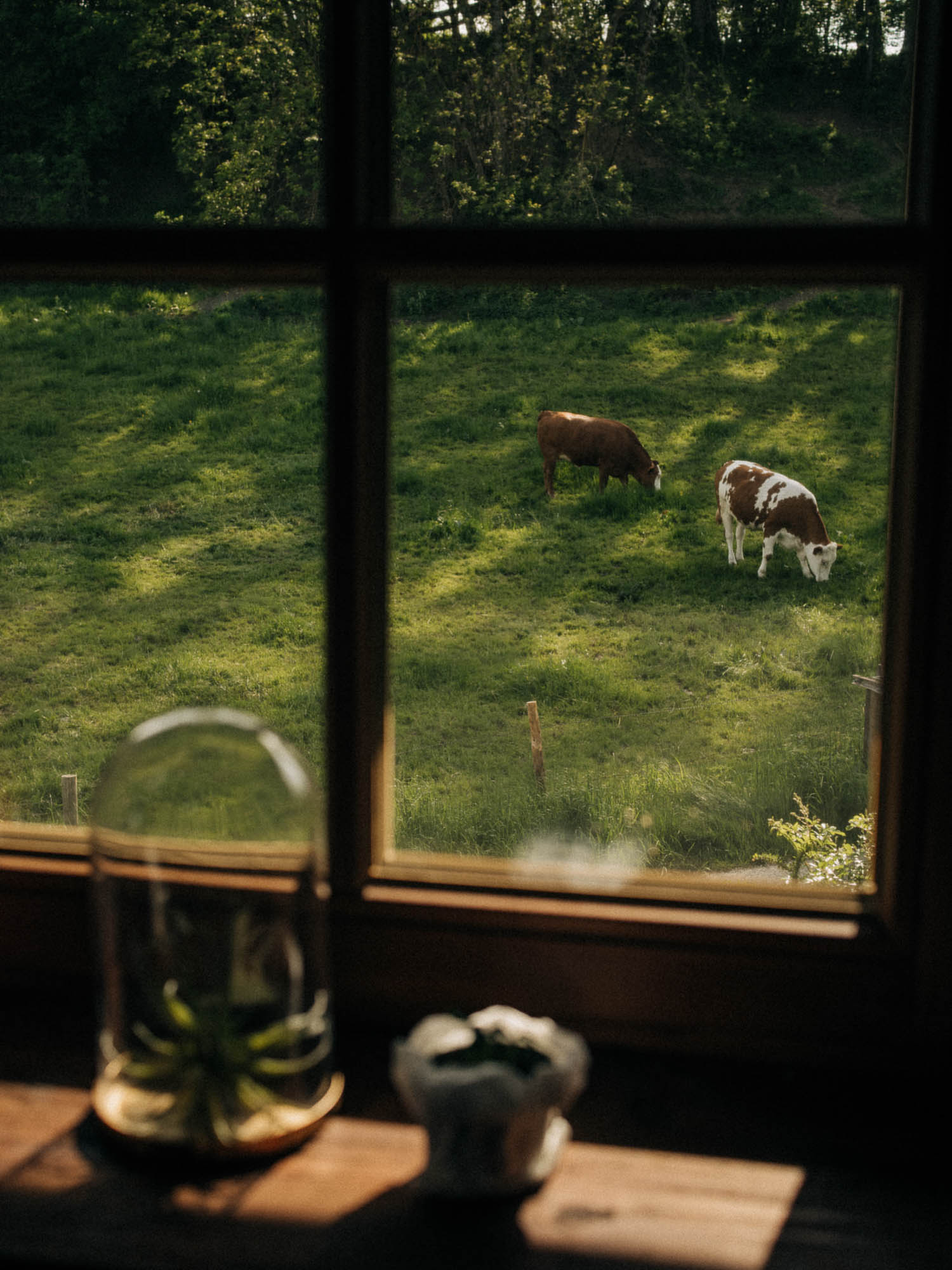
ROSSO sits away from the Allgäu’s busier tourist centres, surrounded by fields, meadows and walking and cycling routes. The mountains are roughly twenty minutes away by car. The surrounding landscape opens up possibilities for hiking, cycling and horse riding, while the River Iller brings canoeing and stand-up paddleboarding into the mix. The forested Adelegg landscape is nearby, as are excursions towards Lake Constance and deeper into the Alps. Winter changes the rhythm rather than closing things down: skiing and snowshoeing replace long summer days in the garden. But ROSSO’s greatest luxury may be that you don’t really need to go anywhere.
A Different Kind of Farm Stay
ROSSO is neither hotel nor conventional holiday apartment. It’s a farmhouse reimagined as a small rural community — one where you can retreat into your own apartment when you want privacy and wander downstairs when you feel sociable. There is craftsmanship without preciousness. Design without over-designing. And luxury without many of the things normally used to signal luxury. Three apartments, one old red farm and a deceptively simple proposition: come to the Allgäu, make yourself at home and see what happens when life slows down.