São Lourenço do Barrocal | Monsaraz, Portugal
An ancient Alentejo farming village restored with extraordinary restraint by Eduardo Souto de Moura
Why DNA Hotels Loves It
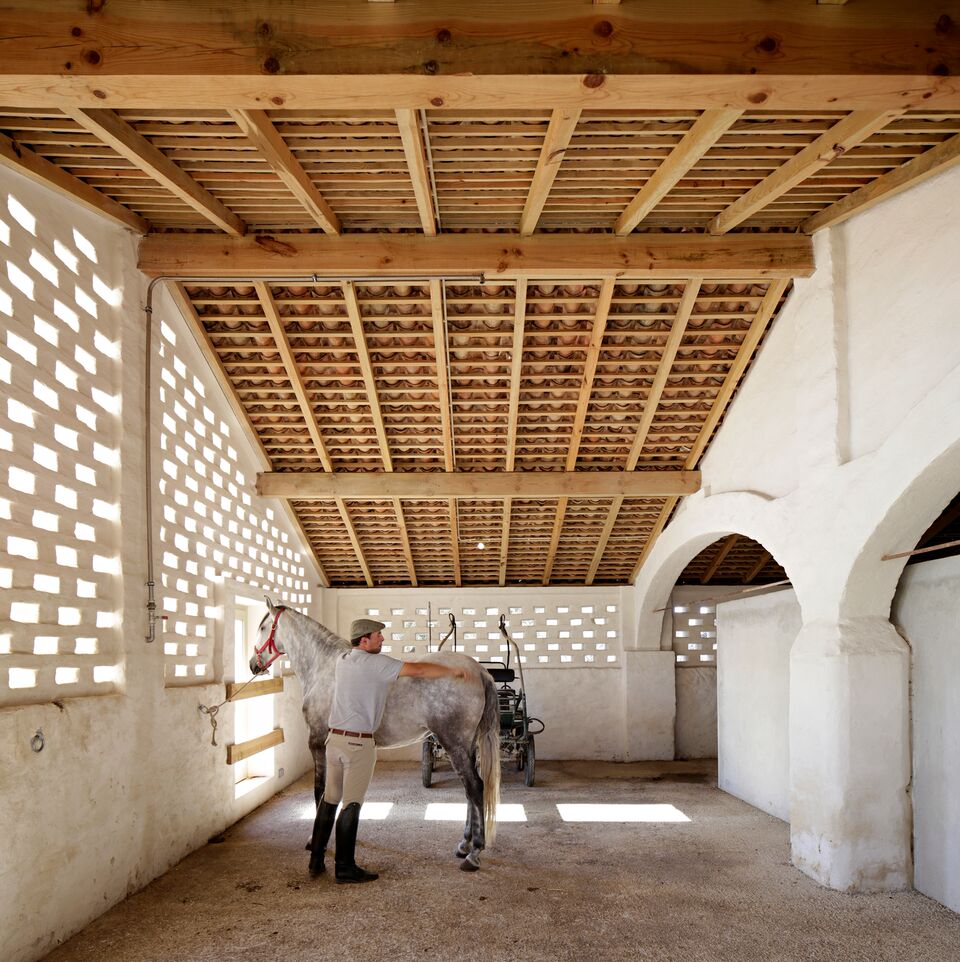
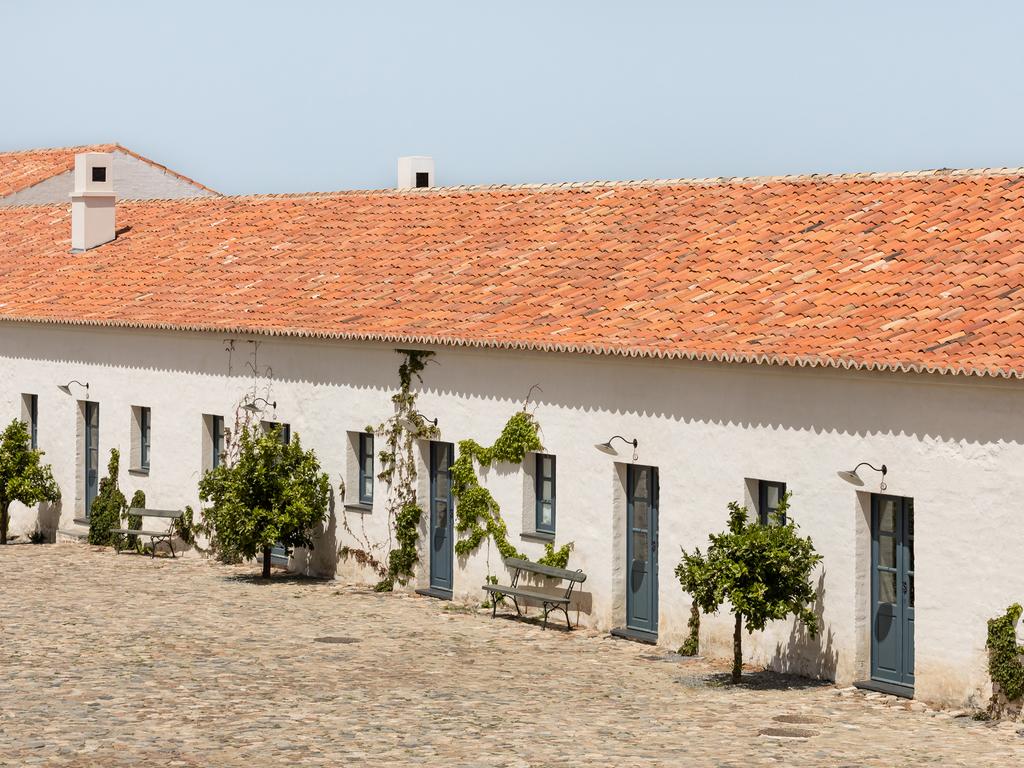
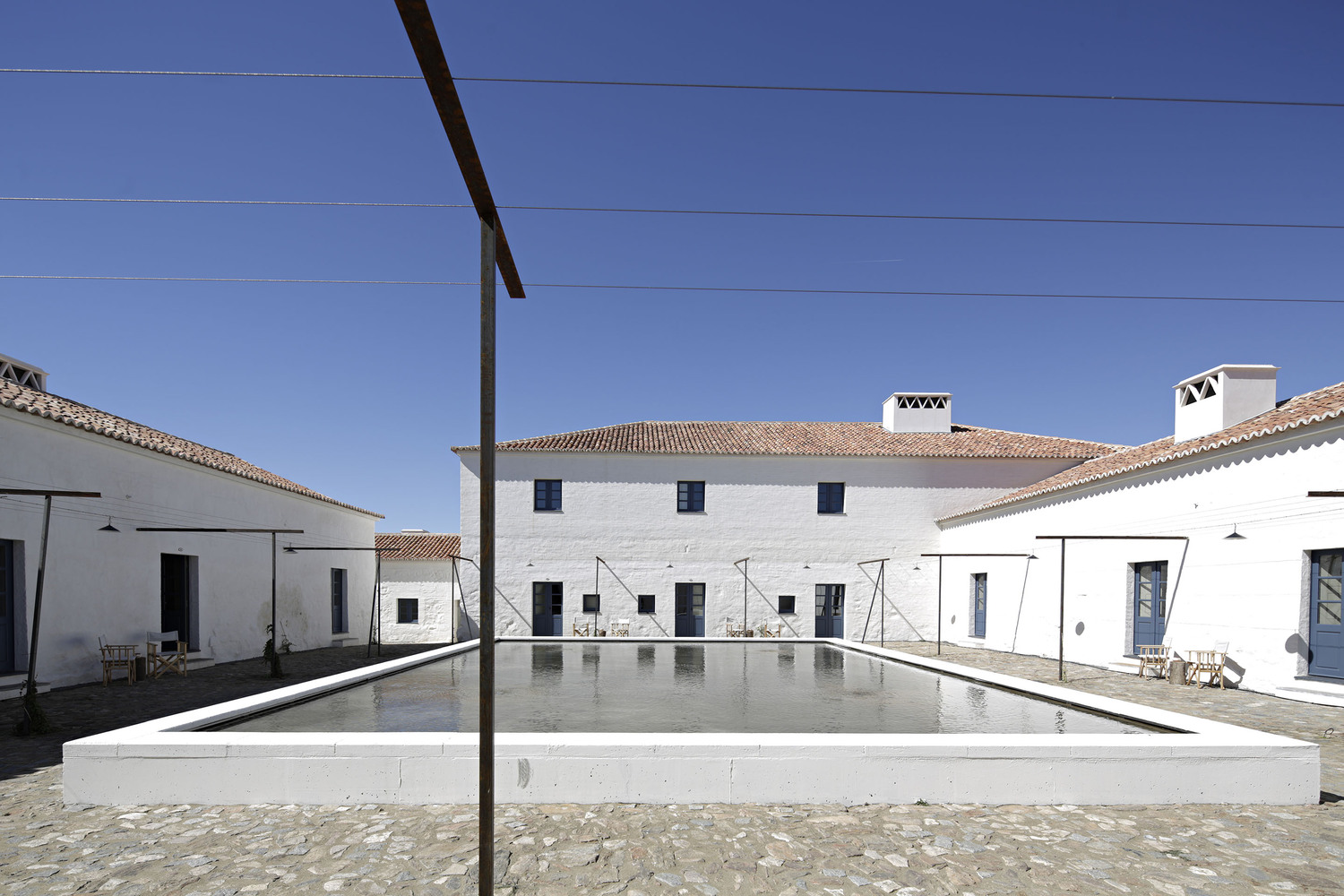
● Pritzker Prize-winning architect Eduardo Souto de Moura transformed a 200-year-old agricultural estate without polishing away its history: whitewashed walls, terracotta floors, vaulted ceilings, and the patina of generations remain.
● Still a working 780-hectare organic farm and wine estate, where vineyards, olive groves, horses, vegetable gardens, and estate-grown produce are integral to the experience.
● Eighth-generation owner José António Uva spent years rediscovering the abandoned estate before embarking on a 14-year restoration—a deeply personal project rather than a manufactured rural retreat.
A Village Brought Back to Life
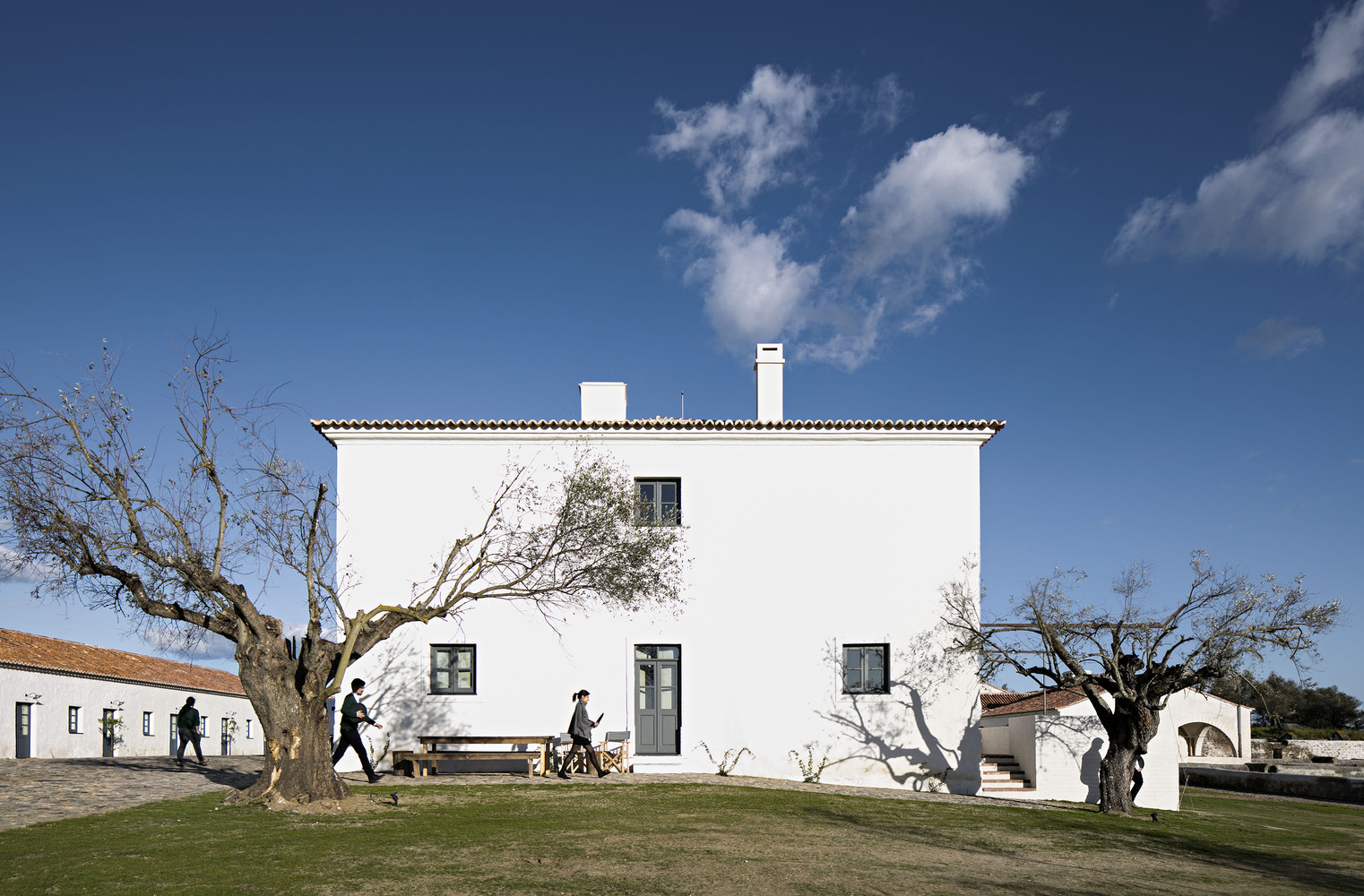
São Lourenço do Barrocal was never conceived as a hotel. For generations it was a working agricultural village near Monsaraz, supporting as many as 50 families during the 19th century. The estate has remained with the same family for more than 200 years, and its latest chapter began when eighth-generation owner José António Uva left London and returned to the place where he had spent part of his childhood. Rather than immediately renovate it, he lived among its abandoned buildings for two years, learning what should—and perhaps more importantly, should not—be changed. What followed was a 14-year restoration. That patience is visible everywhere.
Eduardo Souto de Moura’s Architecture of Restraint
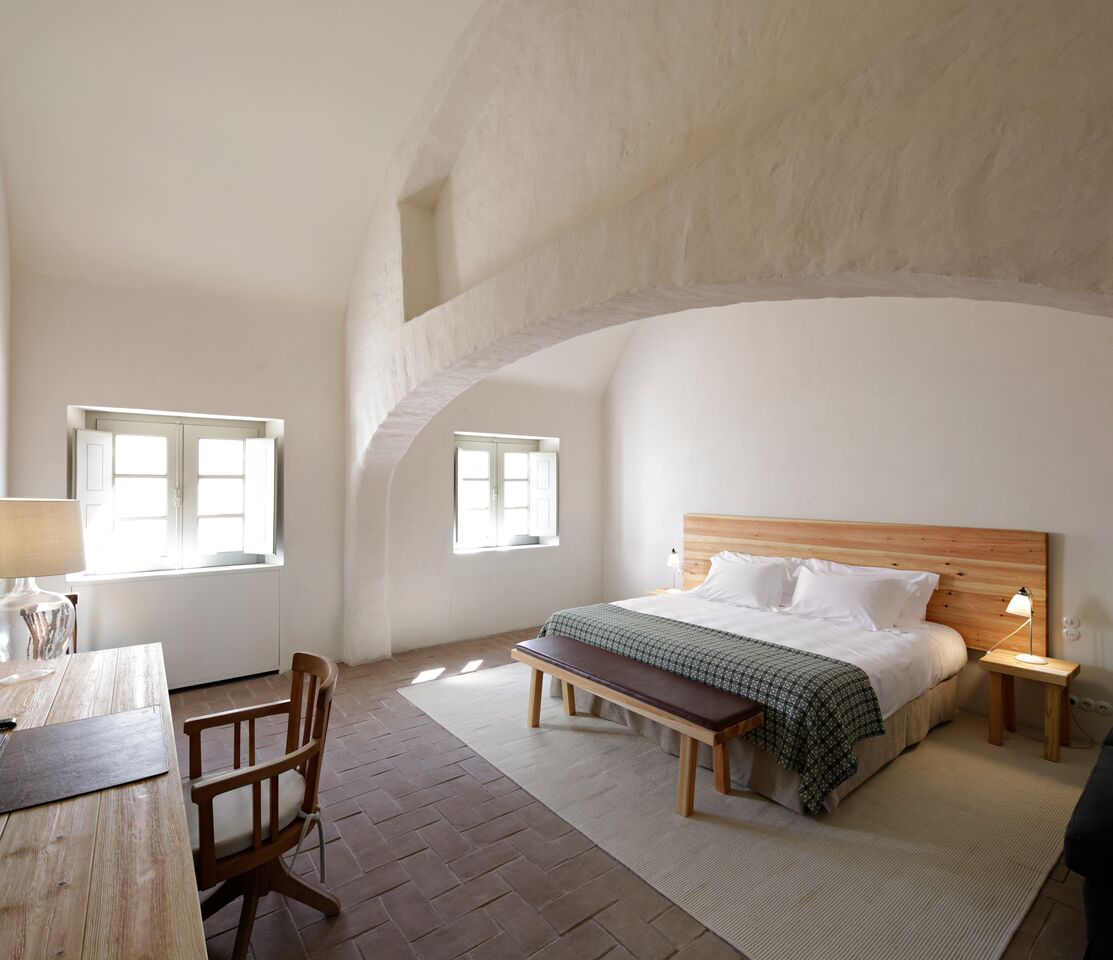
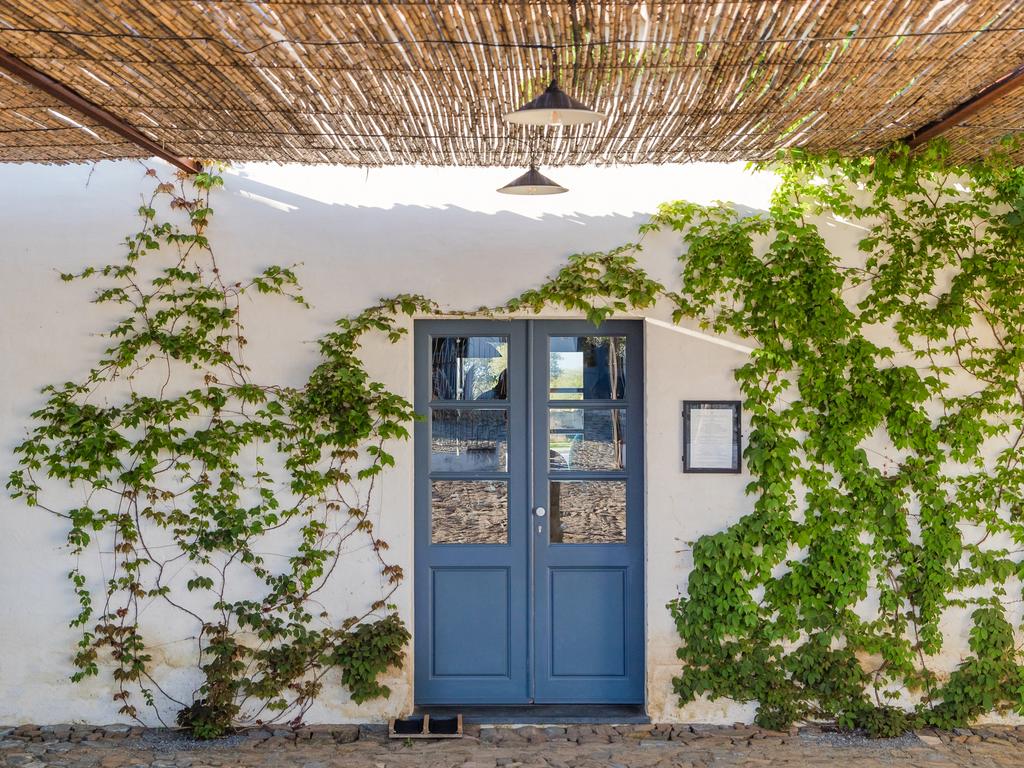
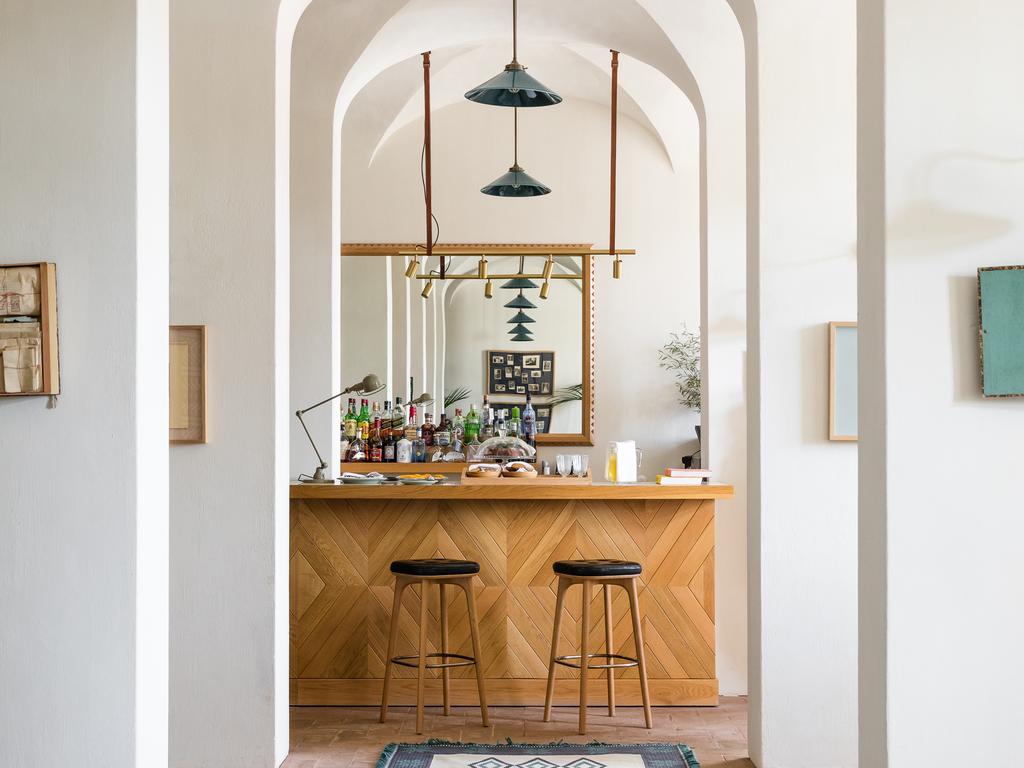
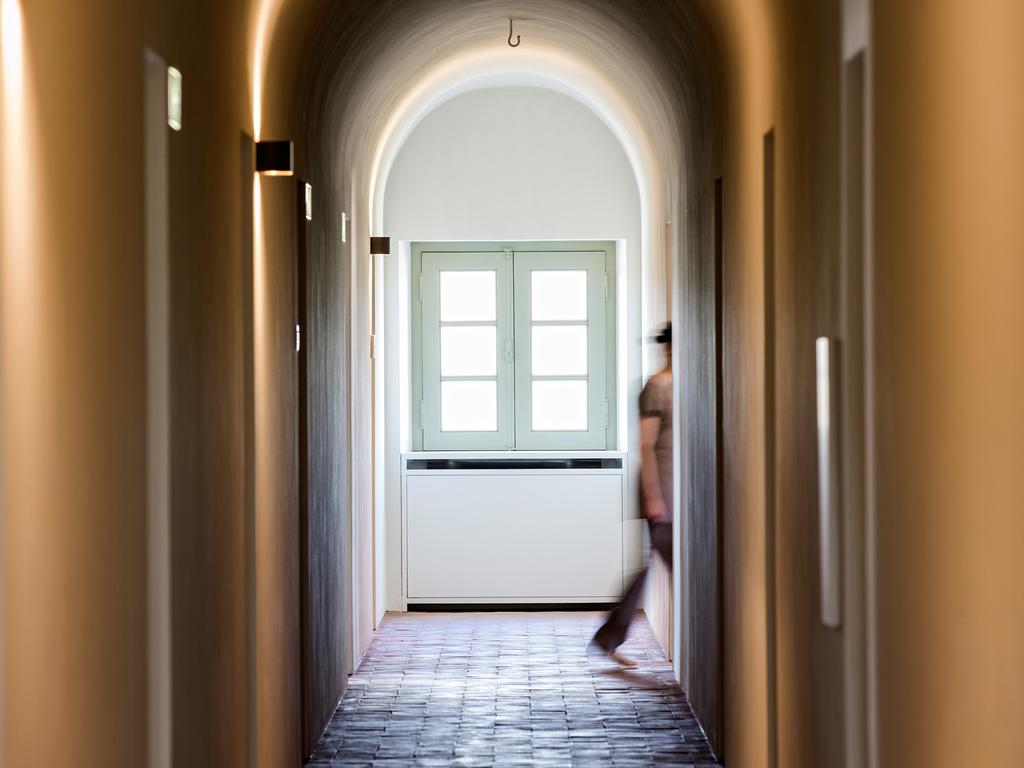
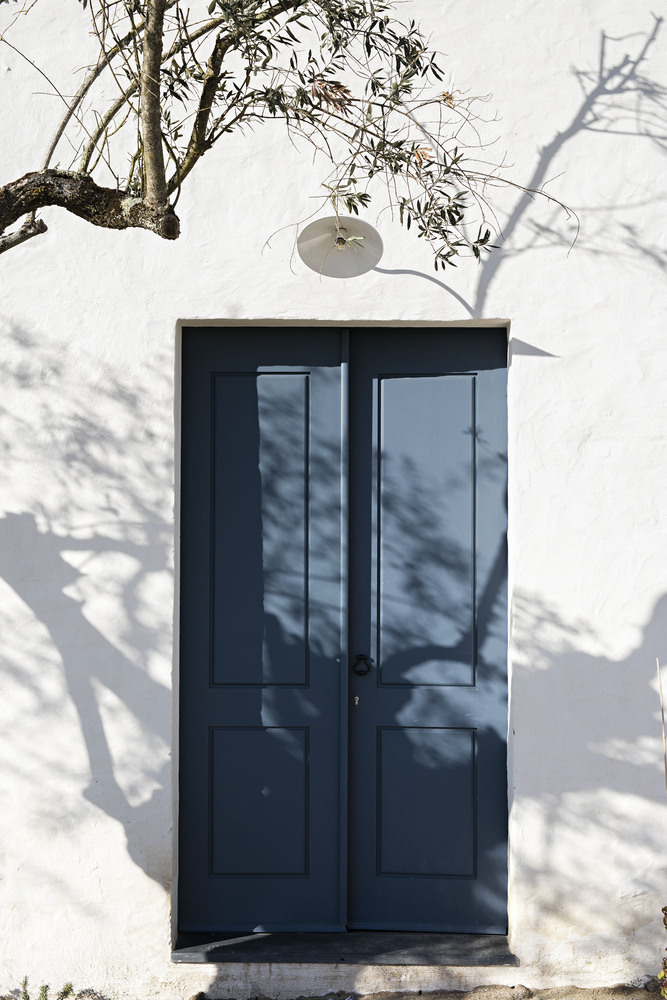
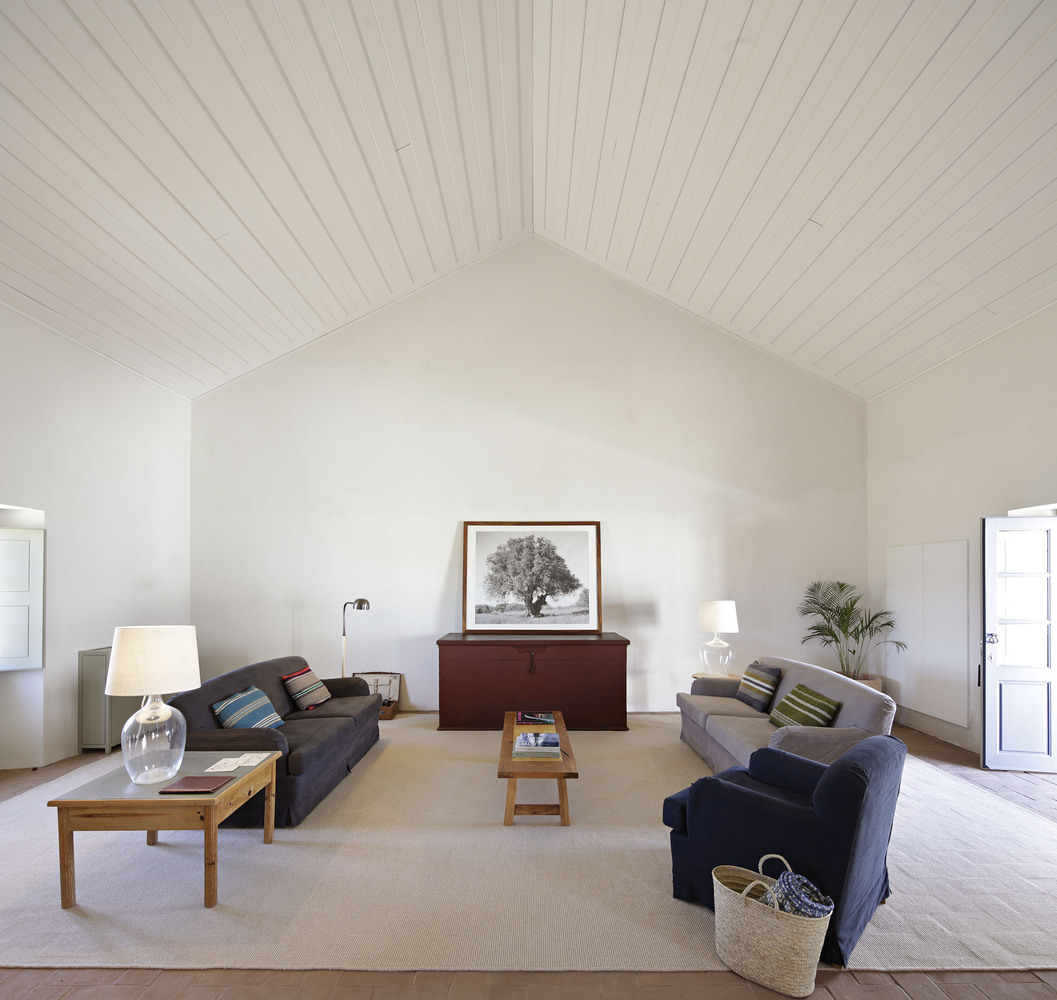
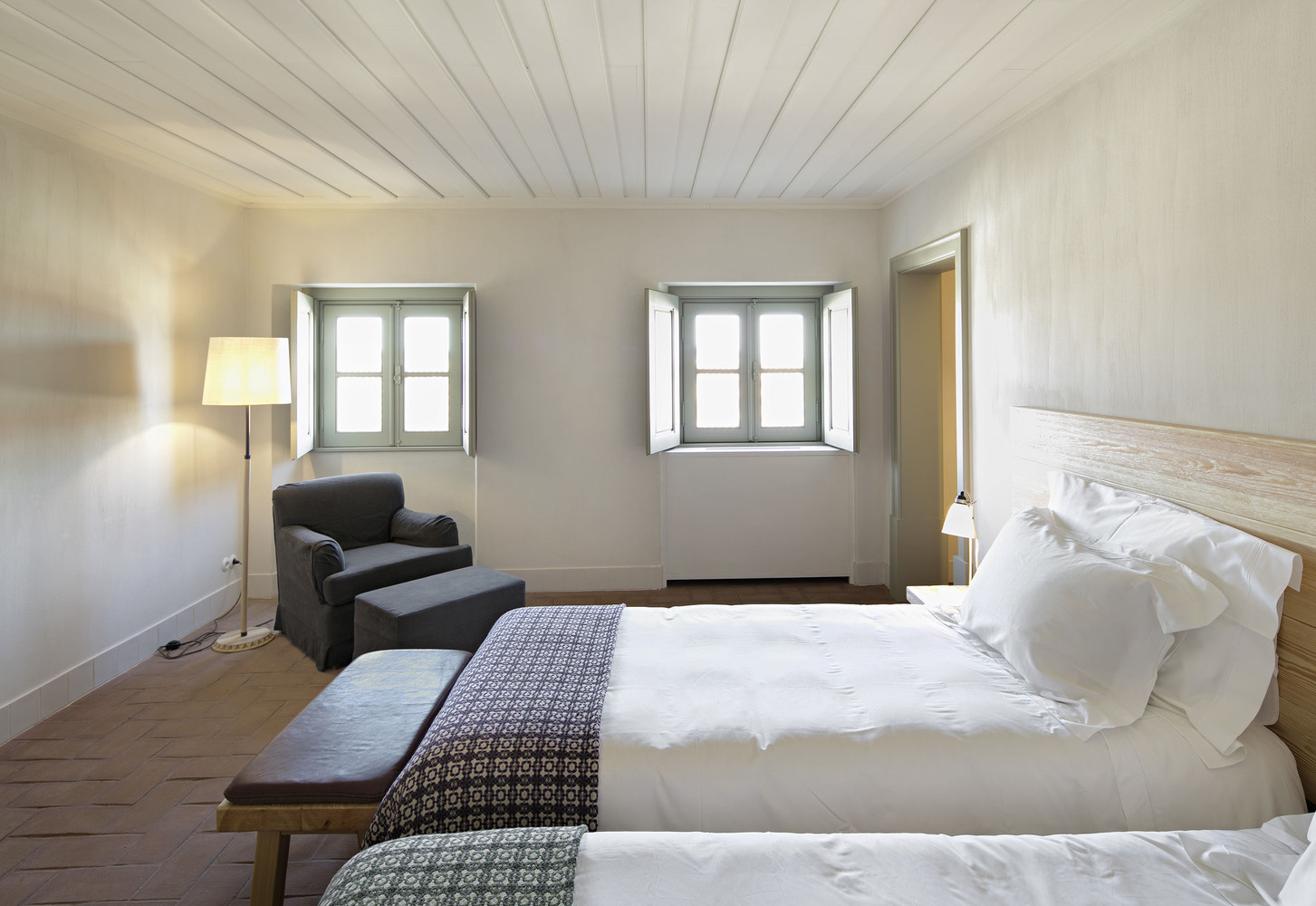
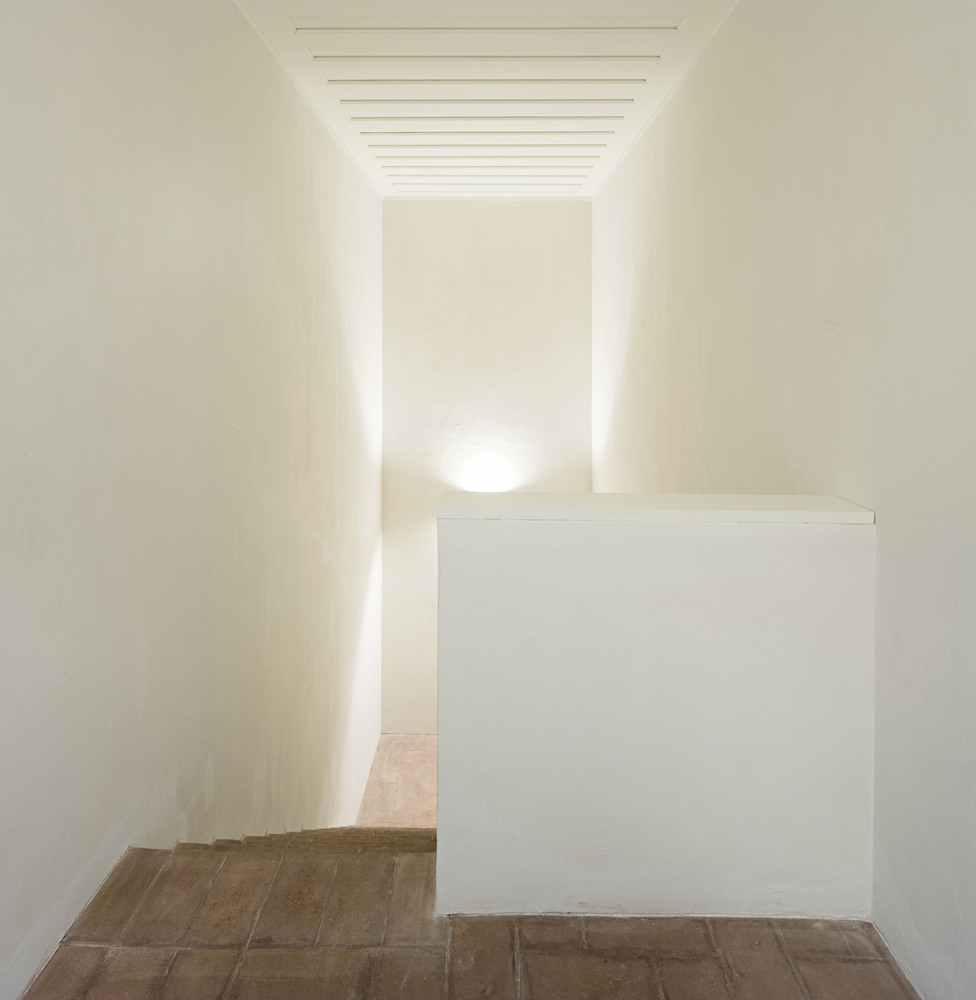
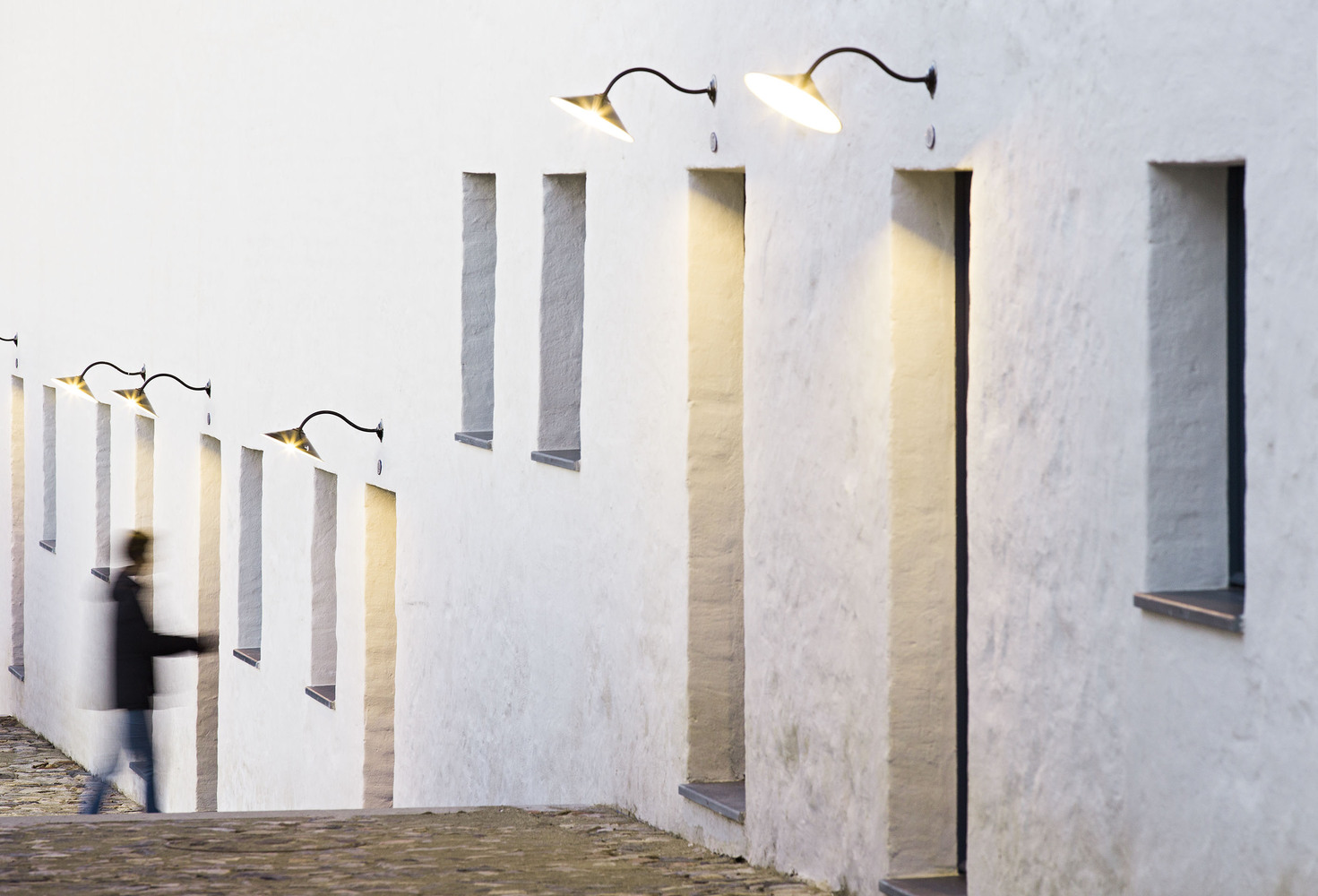
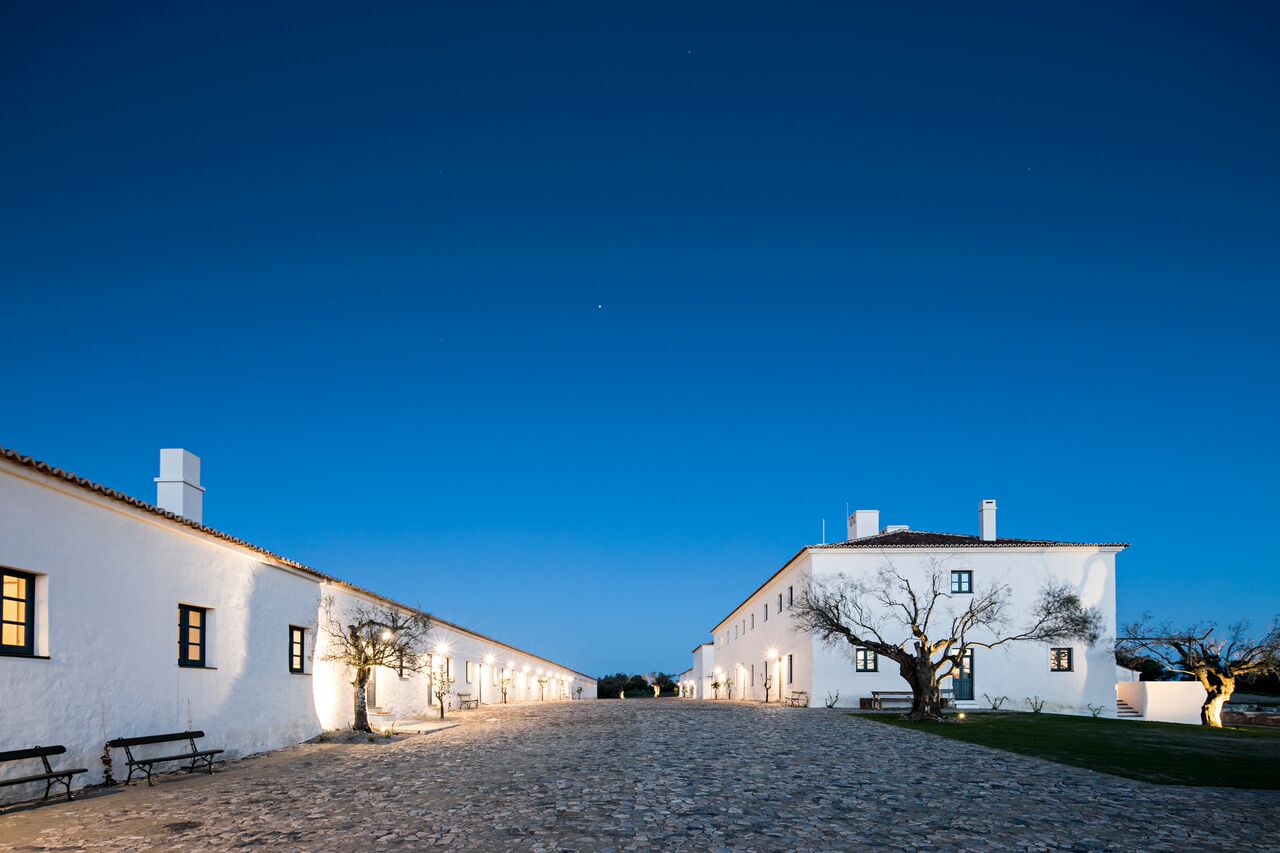
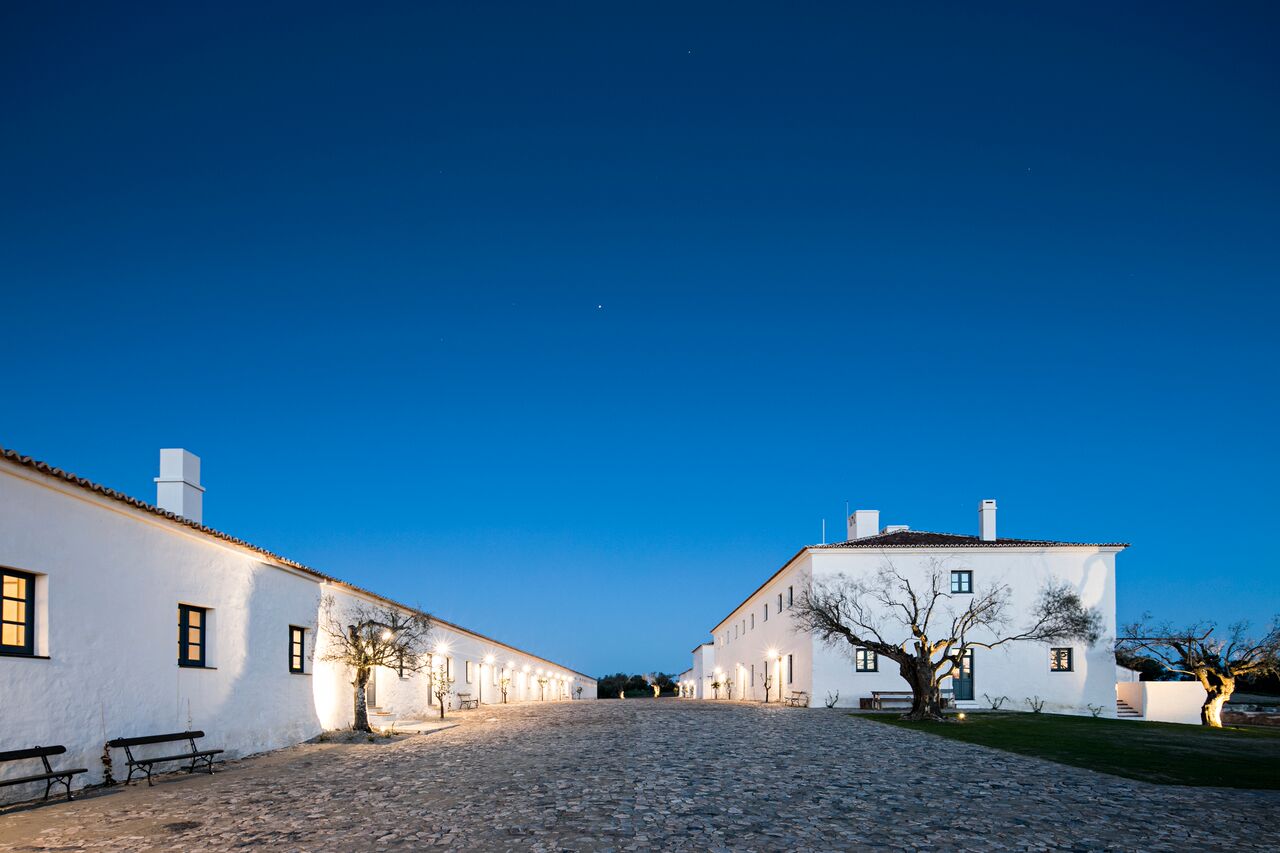
Pritzker Prize-winning Portuguese architect Eduardo Souto de Moura approached Barrocal with remarkable restraint, working alongside interiors studio AnahoryAlmeida and landscape architect João Gomes da Silva. The old farm buildings remain long, low, and unmistakably Alentejan. Whitewashed walls retain their imperfections. Original rust-red floor tiles meet simply plastered surfaces. Terracotta roofs, vaulted ceilings, stone, timber, and old architectural details have been preserved rather than cosmetically perfected. Even the absence of conventional details becomes part of the design. In some rooms there are no skirting boards at all: plaster simply stops above the original terracotta floor. It is minimalism achieved by subtraction rather than addition.
Rooms with Memory
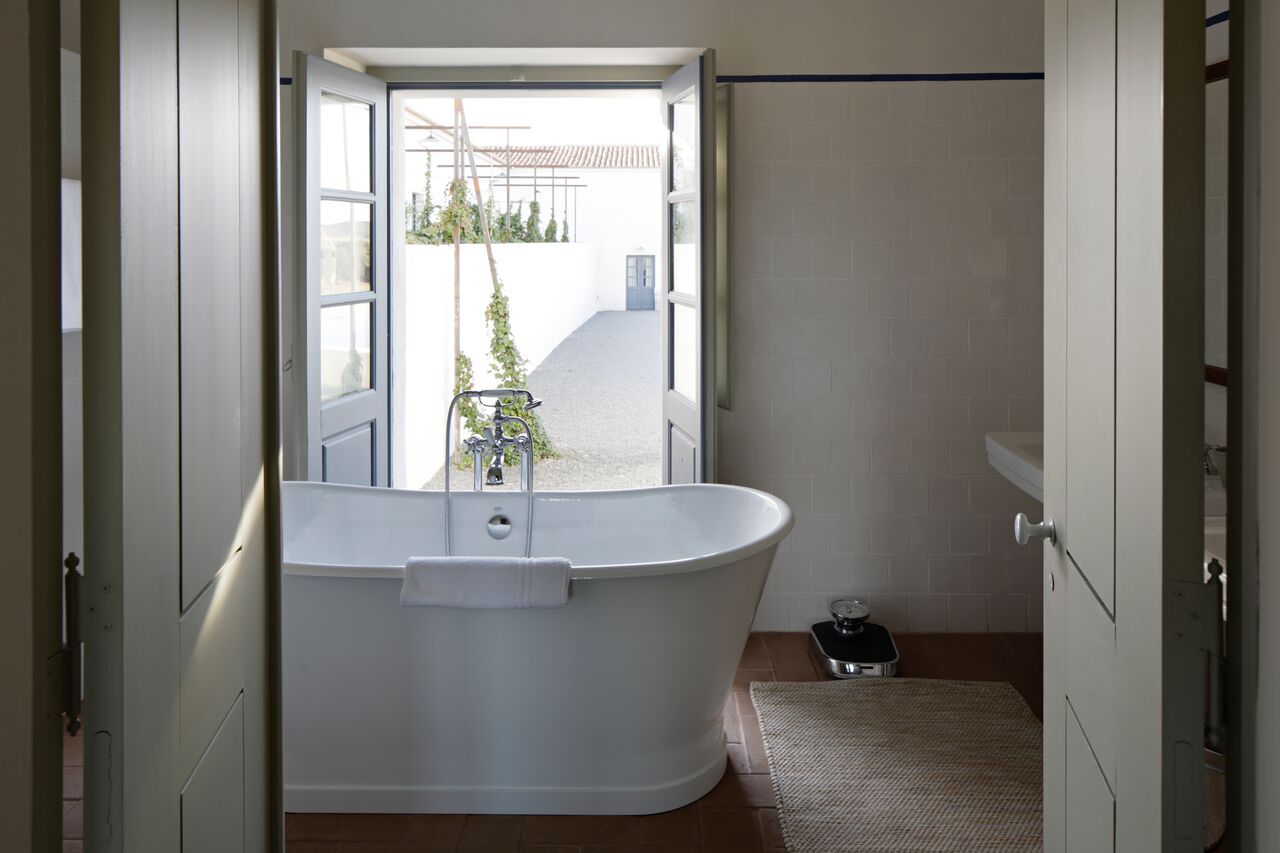
The rooms, suites, and cottages occupy buildings that once served entirely different purposes within the agricultural community. Their new interiors are contemporary but deliberately quiet. Handmade wooden furniture, Portuguese ceramics, natural textiles, antiques, old maps, family objects, and black-and-white photographs of the estate before and during restoration give the spaces a sense of continuity. Illustrator Henriette Arcelin created 92 individual works for the hotel, drawing local flora and fauna directly onto old manuscripts and documents discovered during the renovation. Modern comforts are present—heated bathroom floors, excellent beds, contemporary bathrooms—but they rarely become the visual story. The old village remains in charge.
780 Hectares to Get Lost In
Beyond the buildings lies the real reason Barrocal exists. The estate covers 780 hectares of vineyards, olive groves, holm oaks, farmland, and open Alentejo countryside. Take a bicycle and an illustrated map and you can disappear for hours. Along the way are cattle, some 75 species of birds, enormous granite outcrops—the barrocais that give the estate its name—and Neolithic dolmens and menhirs dating back around 7,000 years. There are horseback rides, picnics beneath ancient trees, walks through the vineyards, and long stretches where almost nothing happens. Which is precisely the point.
Wine, Olive Oil, and the Alentejo on a Plate
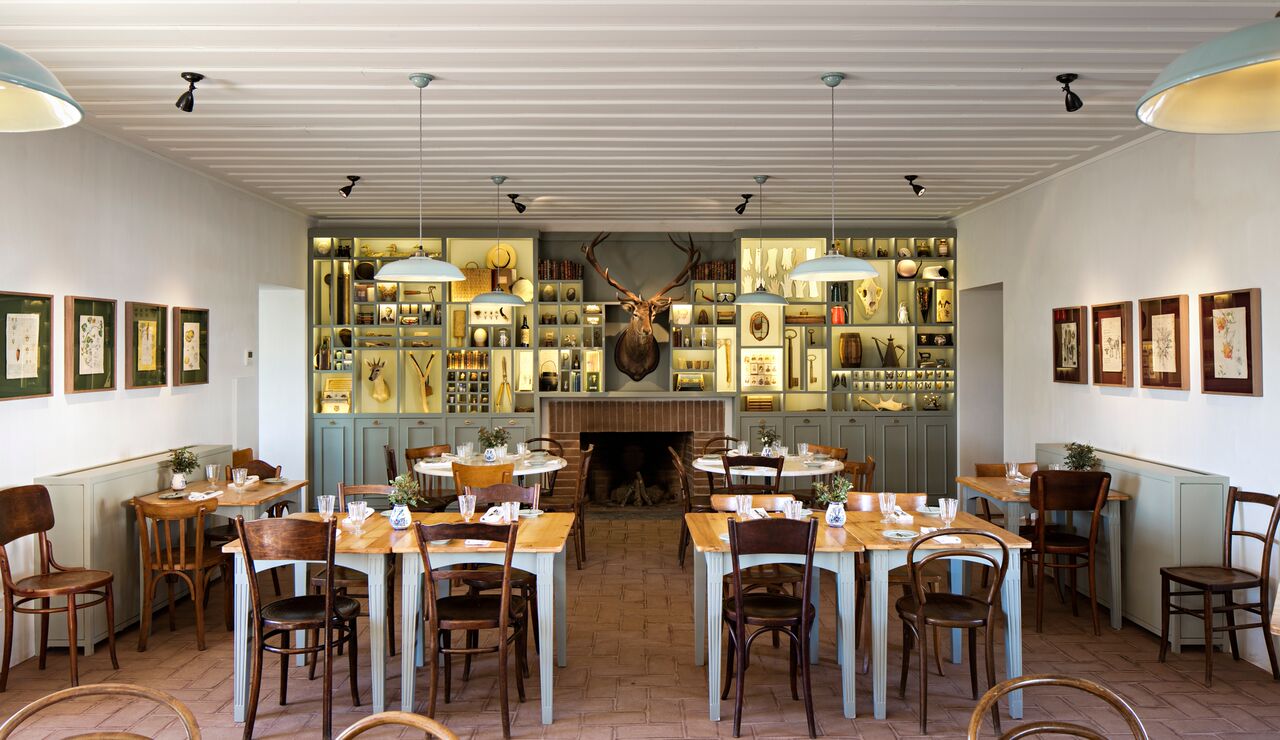
Barrocal remains productive land. Its vineyards produce the estate’s own wines, its olive groves supply olive oil, and vegetables and other ingredients travel remarkably short distances before reaching the kitchen. The farm-to-table restaurant treats Alentejo cooking with the same philosophy as the architecture: don’t complicate something that already works. Local meats, garden vegetables, bread, olive oil, and regional recipes are allowed to taste of where they came from. The wines, made from the estate’s own terroir, complete the connection between kitchen and landscape. Even breakfast follows the same logic: seasonal fruit, cheeses and cured meats, breads and pastries, homemade granola, honeycomb, and simple dishes built around local ingredients. Nothing needs reinventing.
Wellness Without the Performance
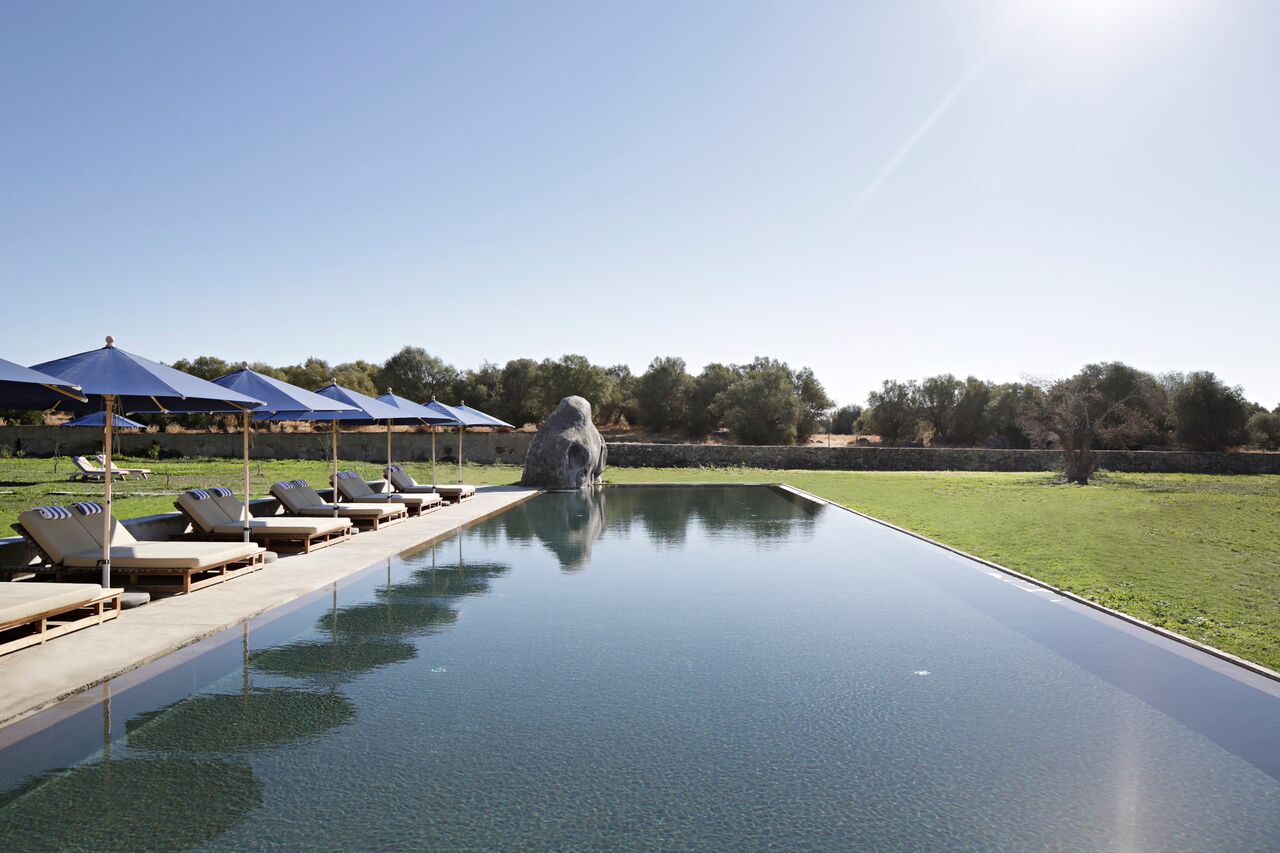
The Susanne Kaufmann Spa occupies another beautifully restrained space within the estate. Treatments use the Austrian brand’s organic products, complemented by sauna and relaxation facilities, while the outdoor pools provide a rather simpler form of therapy: Alentejo sun, lavender, and an enormous sky. Despite its sophistication, Barrocal is also unusually family-friendly. Children have space to roam, their own pool, horses to meet, and hundreds of hectares in which the conventional boundaries of a luxury hotel become largely irrelevant.
Why It Works
São Lourenço do Barrocal is exceptional because its greatest luxury is not what was added, but what was allowed to remain. Eduardo Souto de Moura’s architecture never overwhelms the farming village; José António Uva’s family history never becomes a marketing exercise; and the vineyards, olive groves, ancient stones, horses, and food are still part of a living estate rather than scenery around a resort. After more than two centuries, Barrocal has changed purpose without losing its identity. Few restorations demonstrate quite so beautifully that simplicity and authenticity can be the most sophisticated forms of luxury.