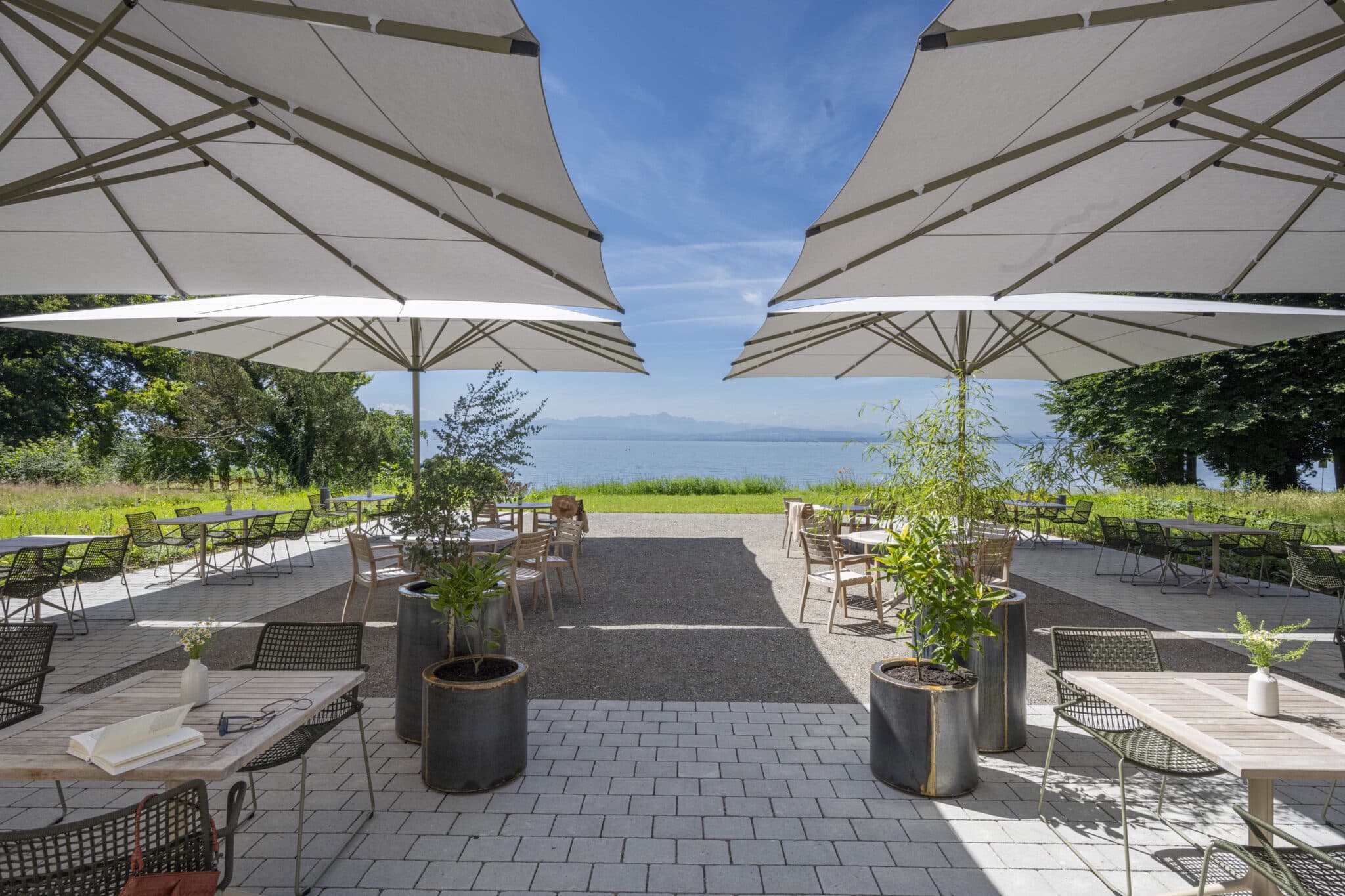
Seegut Zeppelin – Friedrichshafen, Germany
Healthy interiors, protected parkland and a private piece of Lake Constance
Why DNA Hotels Loves It
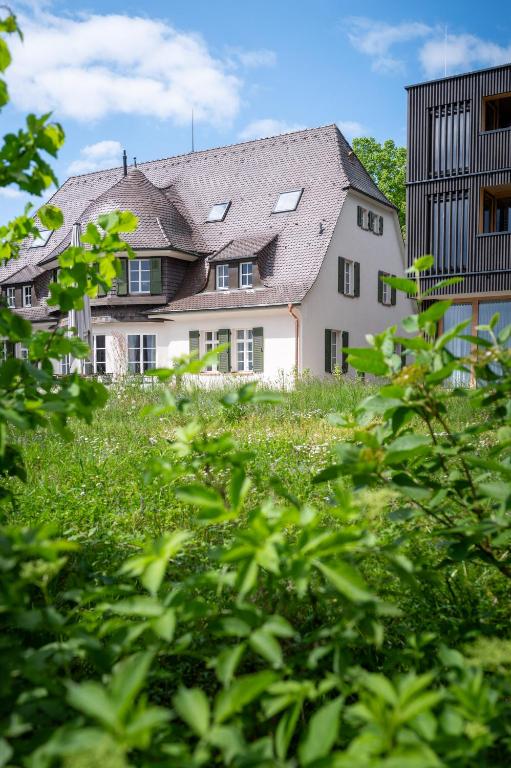
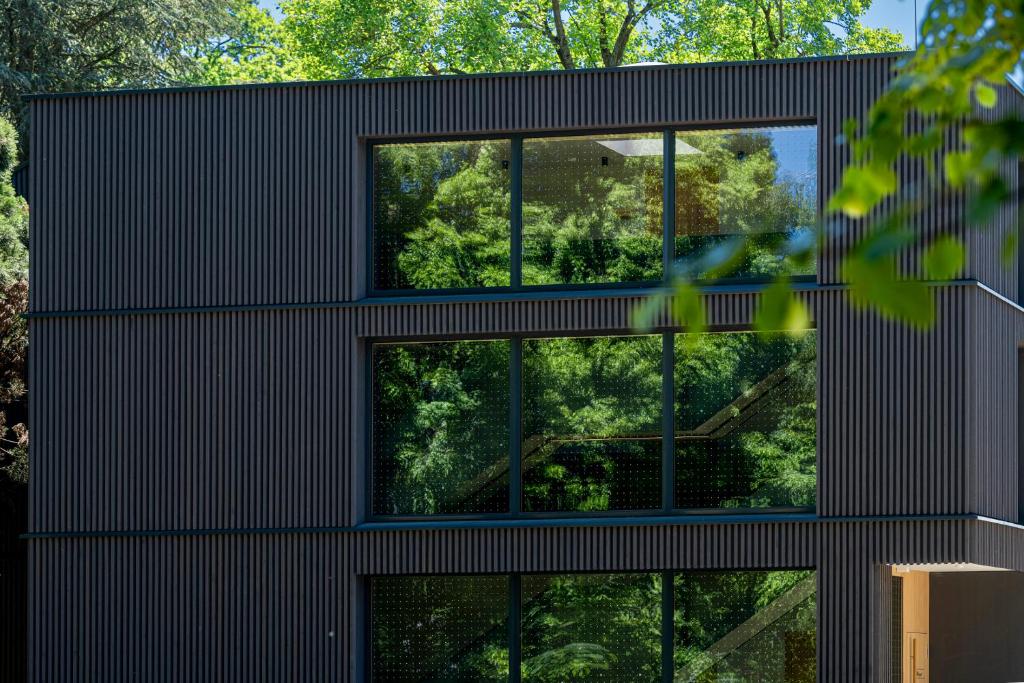
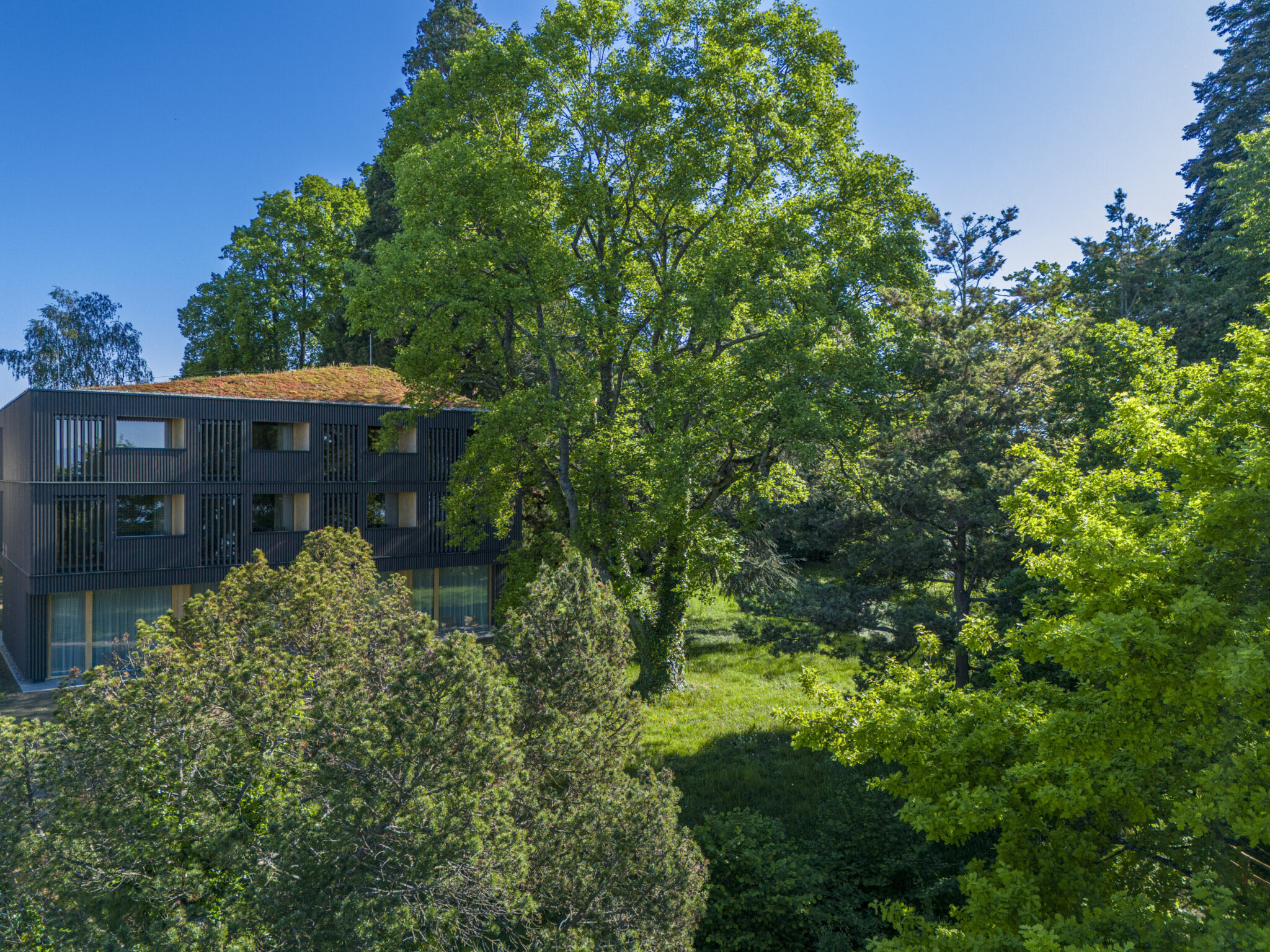
● A rare lakeside estate where Theodor Fischer’s historic Villa Gminder sits among four sharply contemporary, spruce-clad buildings by Plösser Architekten.
● Sustainability goes far beyond the usual hotel checklist: geothermal energy, free cooling, blue-light-free outdoor lighting and interiors deliberately stripped of unnecessary synthetic materials.
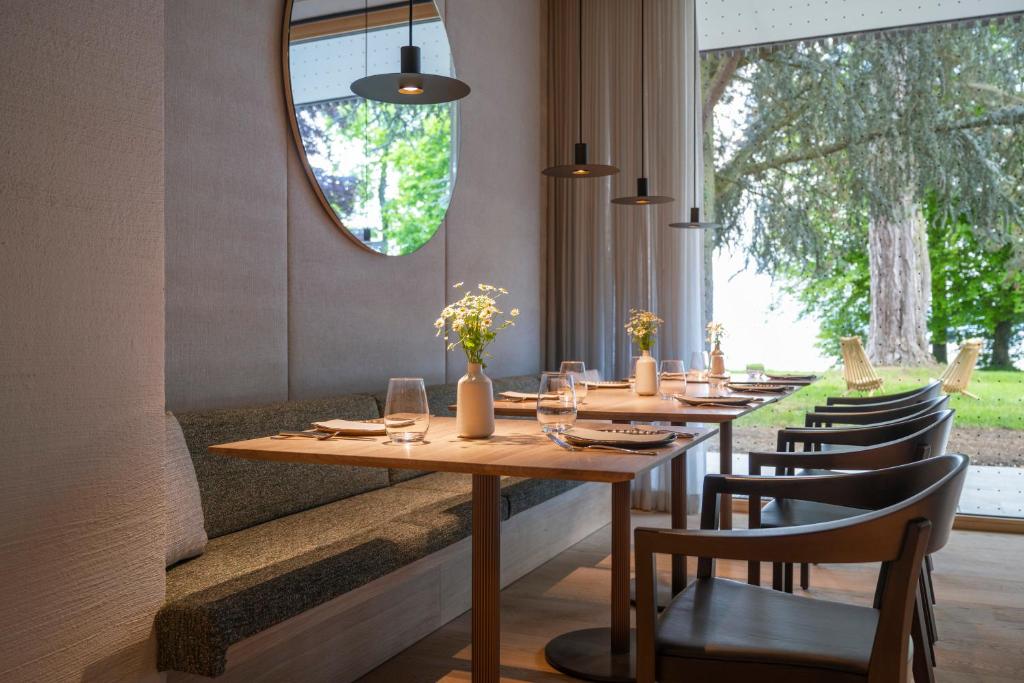
● Restaurant Pinus makes vegetables the protagonist rather than the alternative, with produce from the estate and small regional suppliers served around the table for sharing.
A Villa, a Park and 67 Steps to the Lake
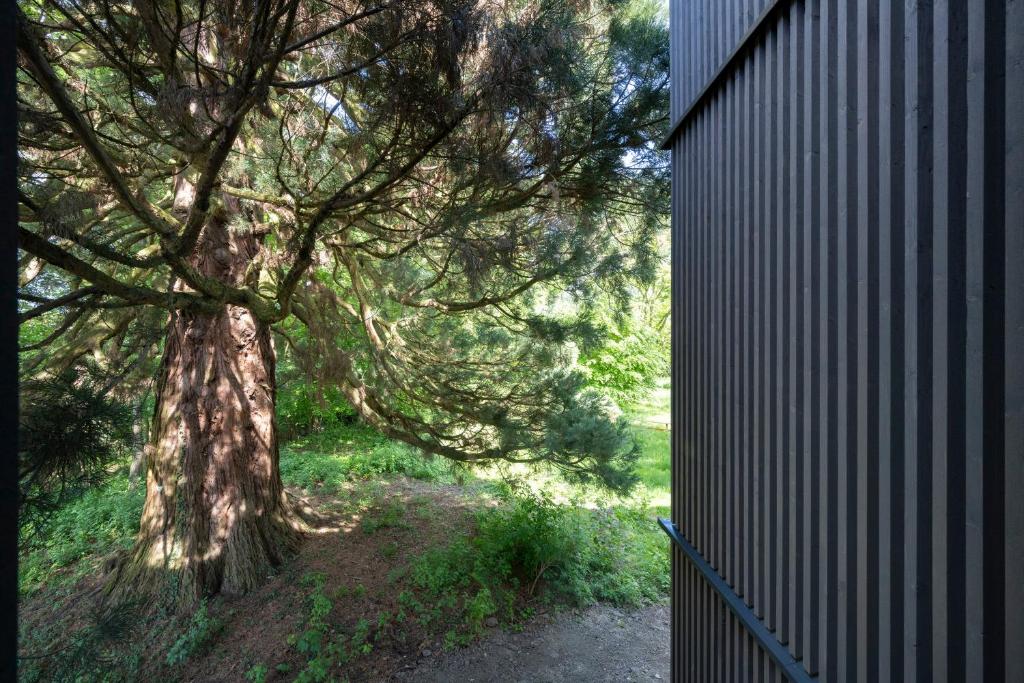
Lake Constance has plenty of hotels with a view of the water. Seegut Zeppelin has something much harder to find: its own piece of shoreline. In Friedrichshafen-Fischbach, the hotel occupies an extraordinary protected landscape park planted with mature black pines, silver firs and giant sequoias. At its heart stands Villa Gminder, commissioned by wealthy textile manufacturer Gustav Gminder as his family’s summer retreat. Designed by influential German architect Theodor Fischer, the villa dates from the beginning of the 20th century and later spent decades as a hospital, convalescent home and retreat. When Sandra and Hendrik Fennel began developing Seegut Zeppelin, both the villa and its park were protected. Rather than seeing that as an inconvenience, they made those restrictions fundamental to the new hotel. The result, opened in May 2024, feels less like a resort built beside nature and more like a collection of buildings permitted to exist within it.
New Architecture That Doesn’t Pretend to Be Old
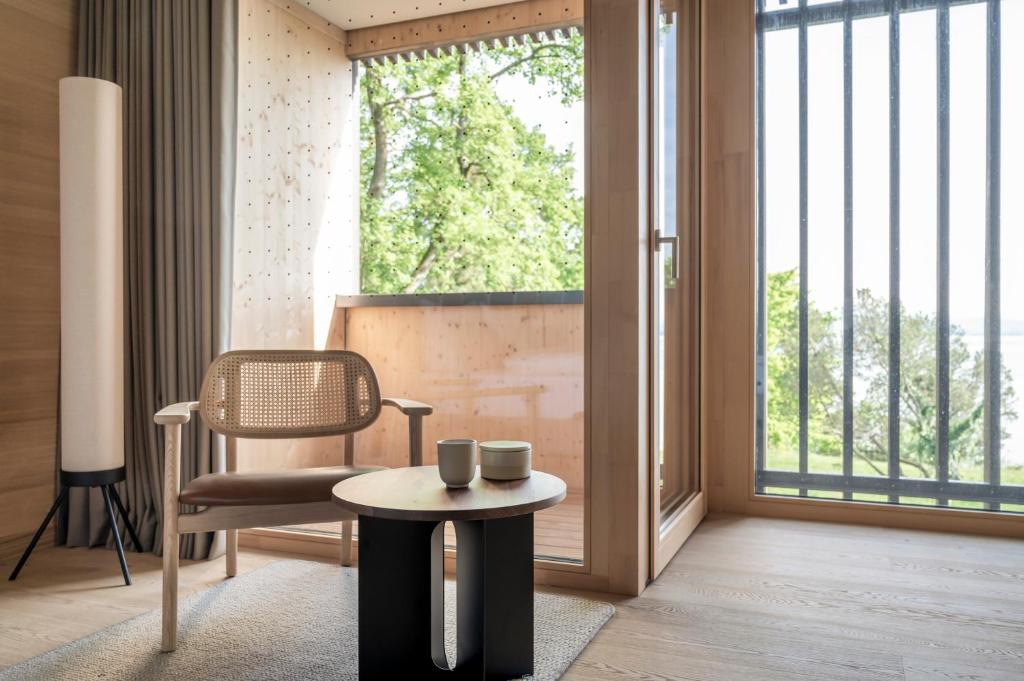
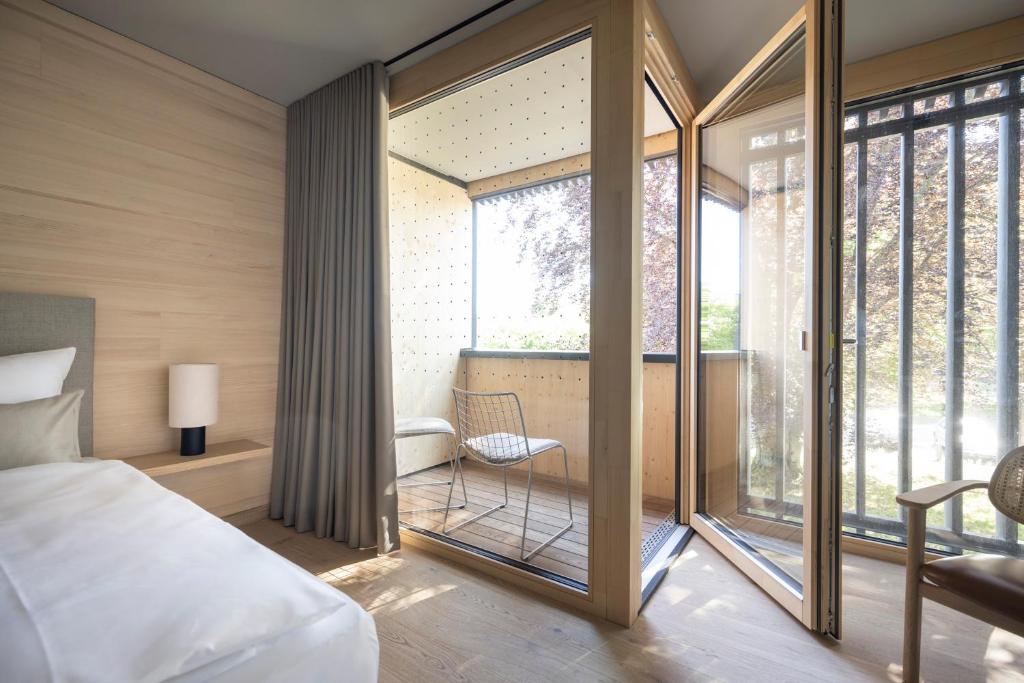
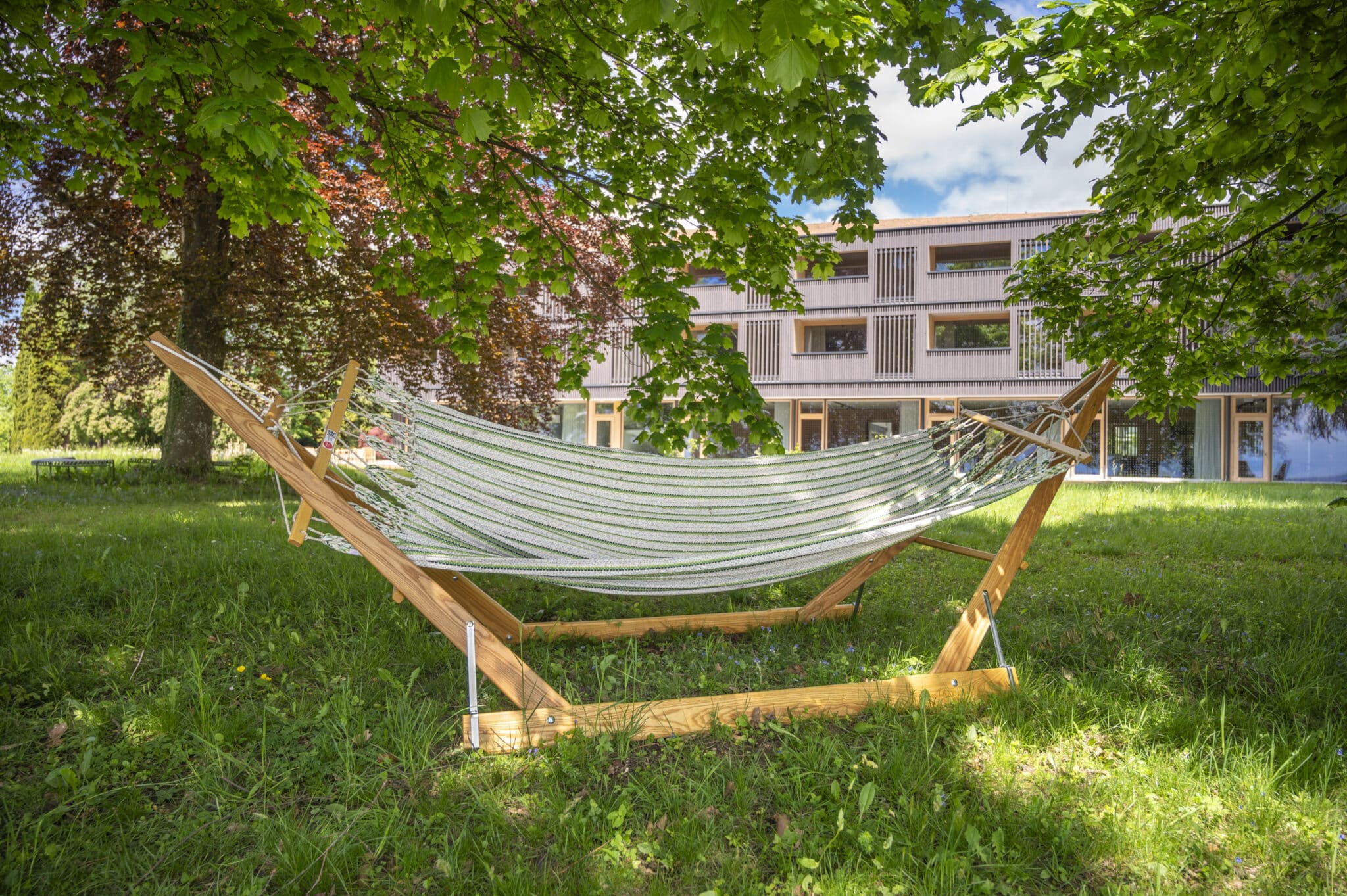
Local practice Plösser Architekten surrounded the historic villa with four low-rise contemporary buildings named Isabella, Ferdinand, Helene and August. They make no attempt to imitate Fischer’s architecture. Instead, their dark glazed spruce façades and distinctive green pavilion roofs create an intentionally contemporary counterpoint to Villa Gminder. The architects describe the buildings almost like sections through a tree: dark bark outside, much lighter timber tones within. Large expanses of glazing frame the park rather than simply providing views from it. Ancient trees become part of the interiors; foliage, changing weather and Lake Constance provide much of the decoration. It is an intelligent example of old and new being allowed to remain visibly different while still belonging together.
Healthy Rooms, Not Just Sustainable Ones
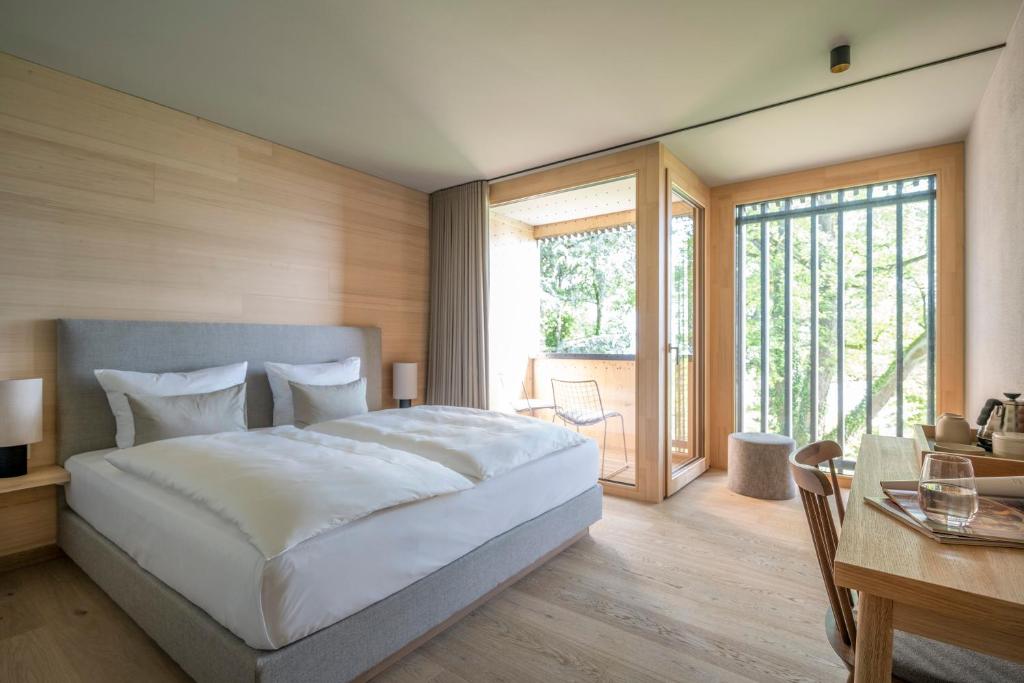
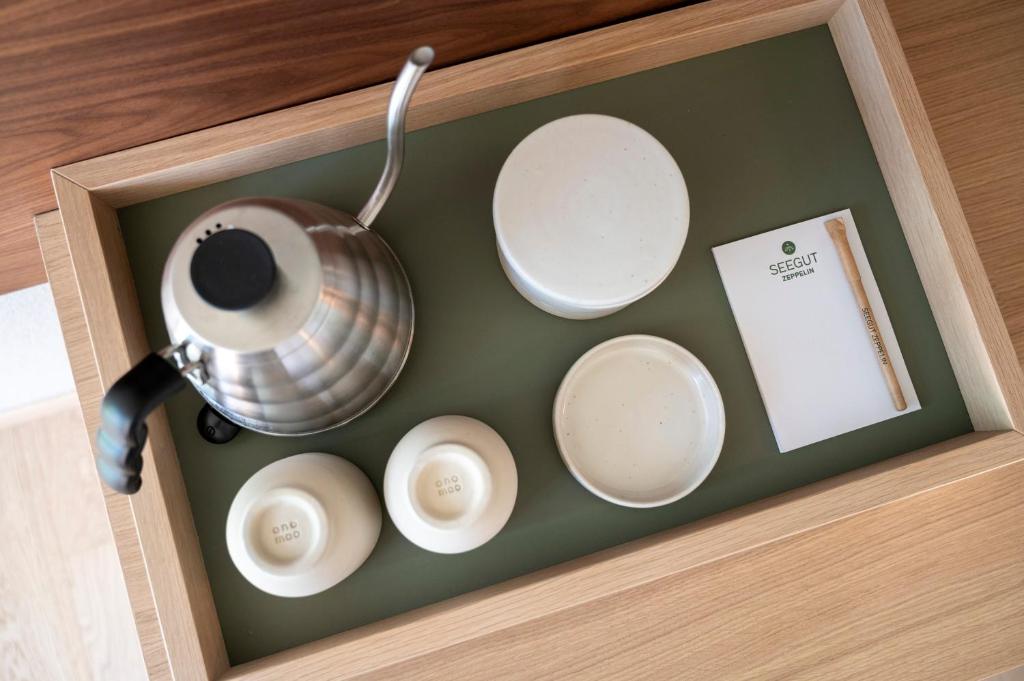
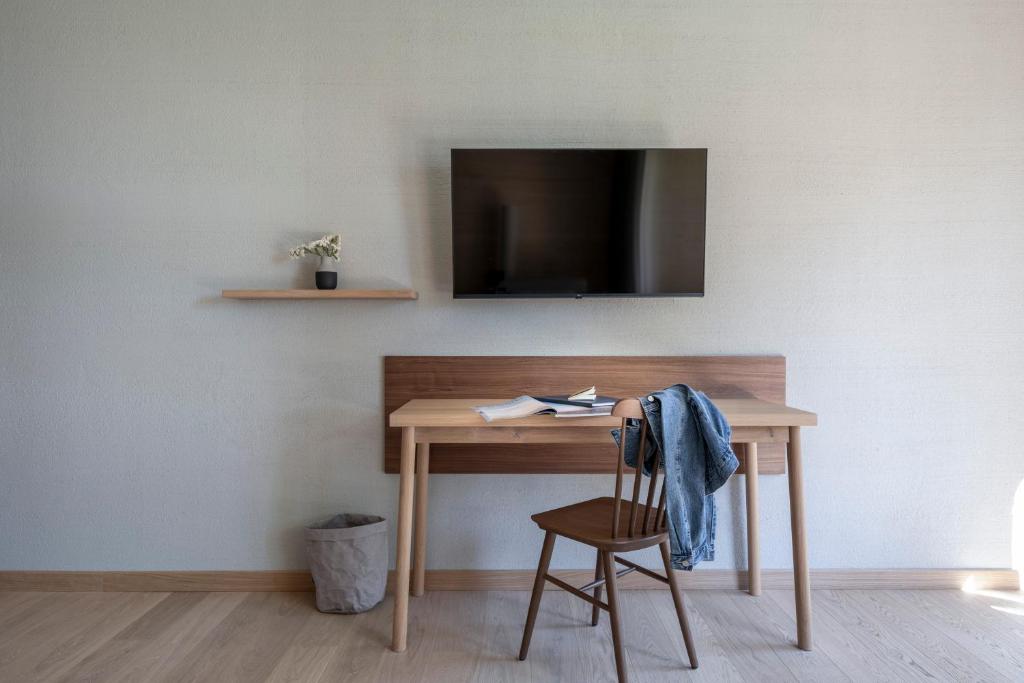
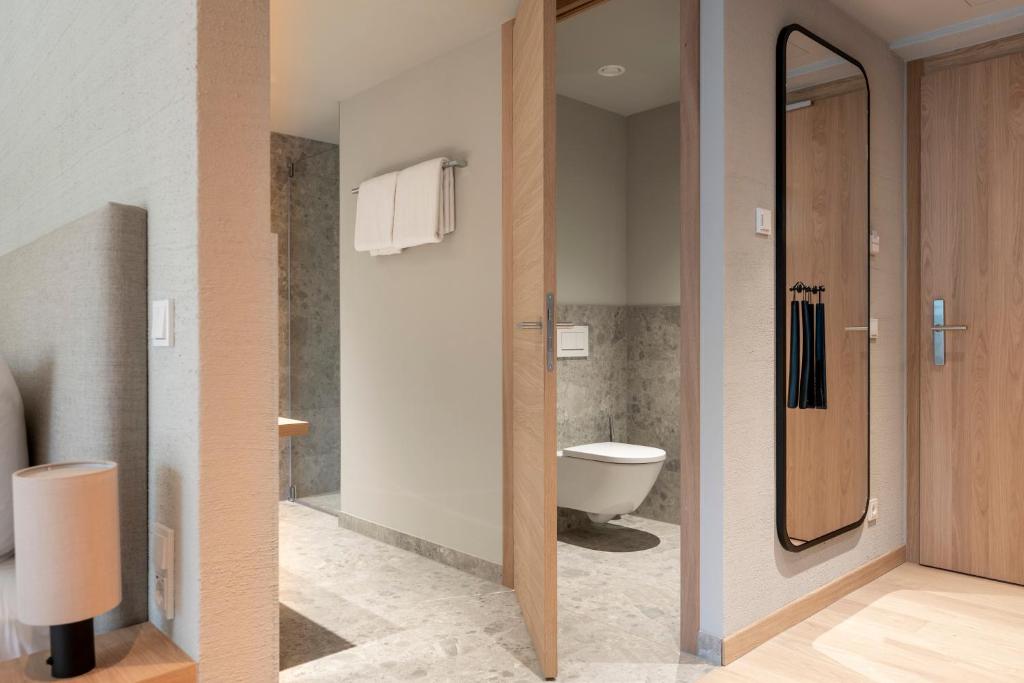
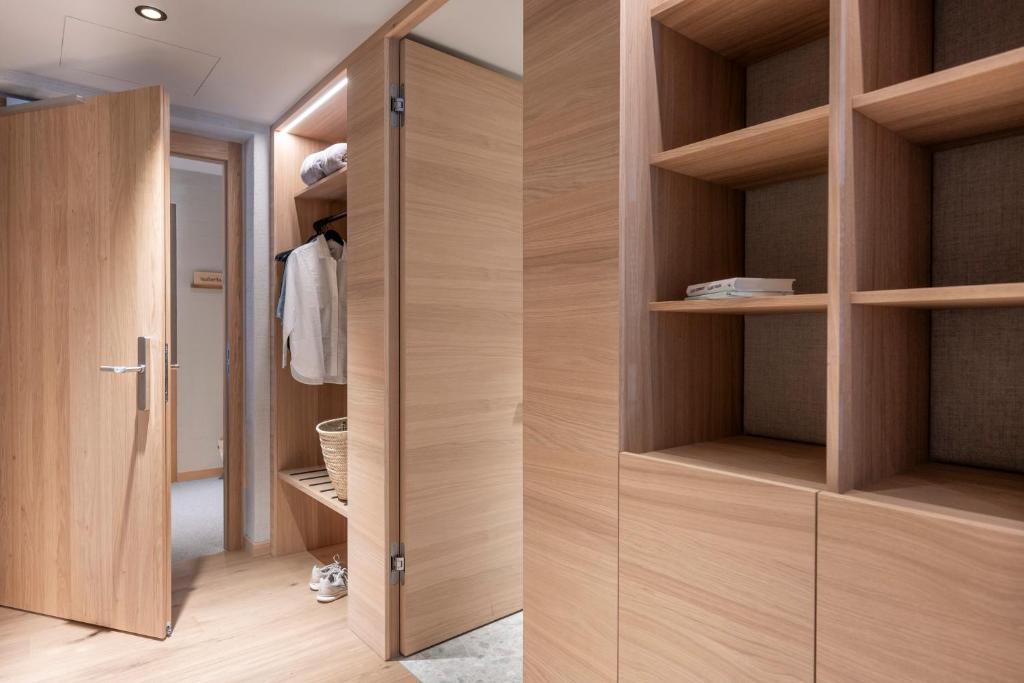
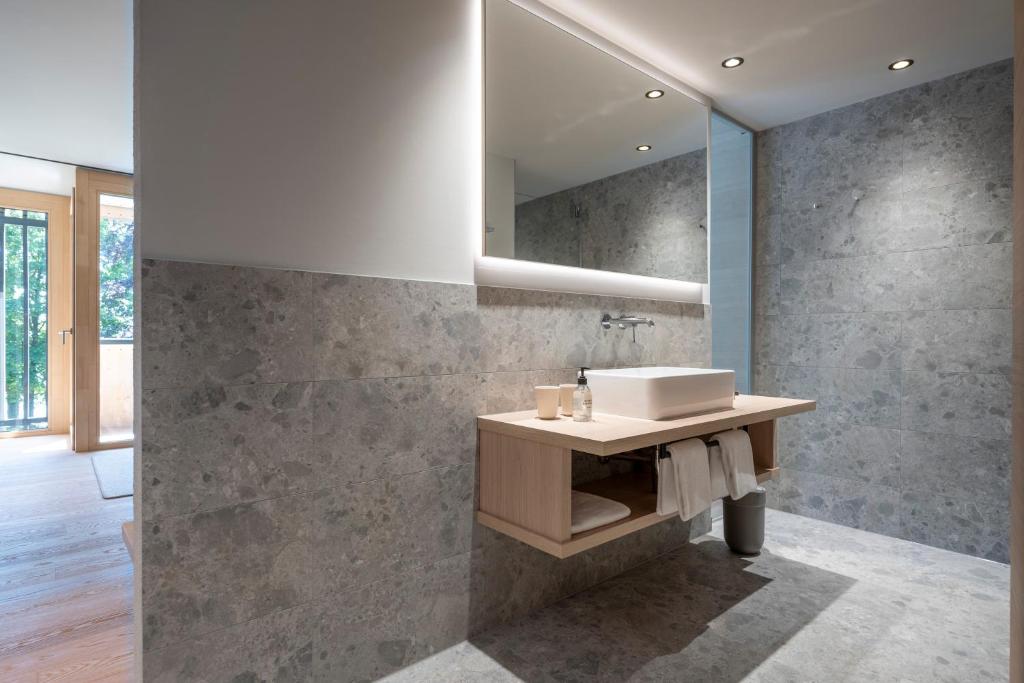
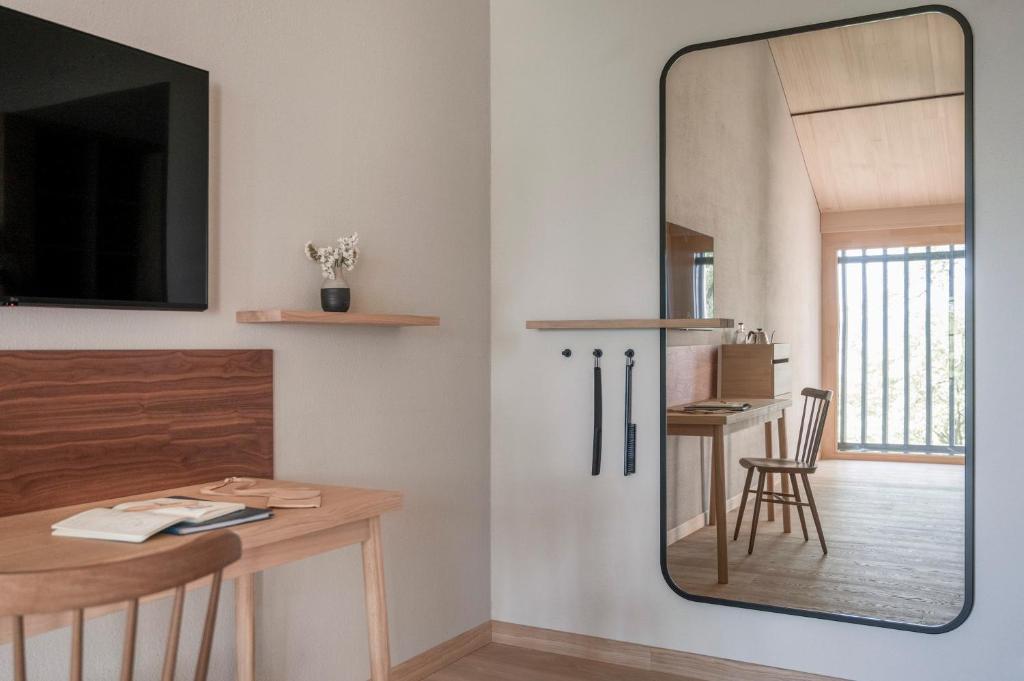
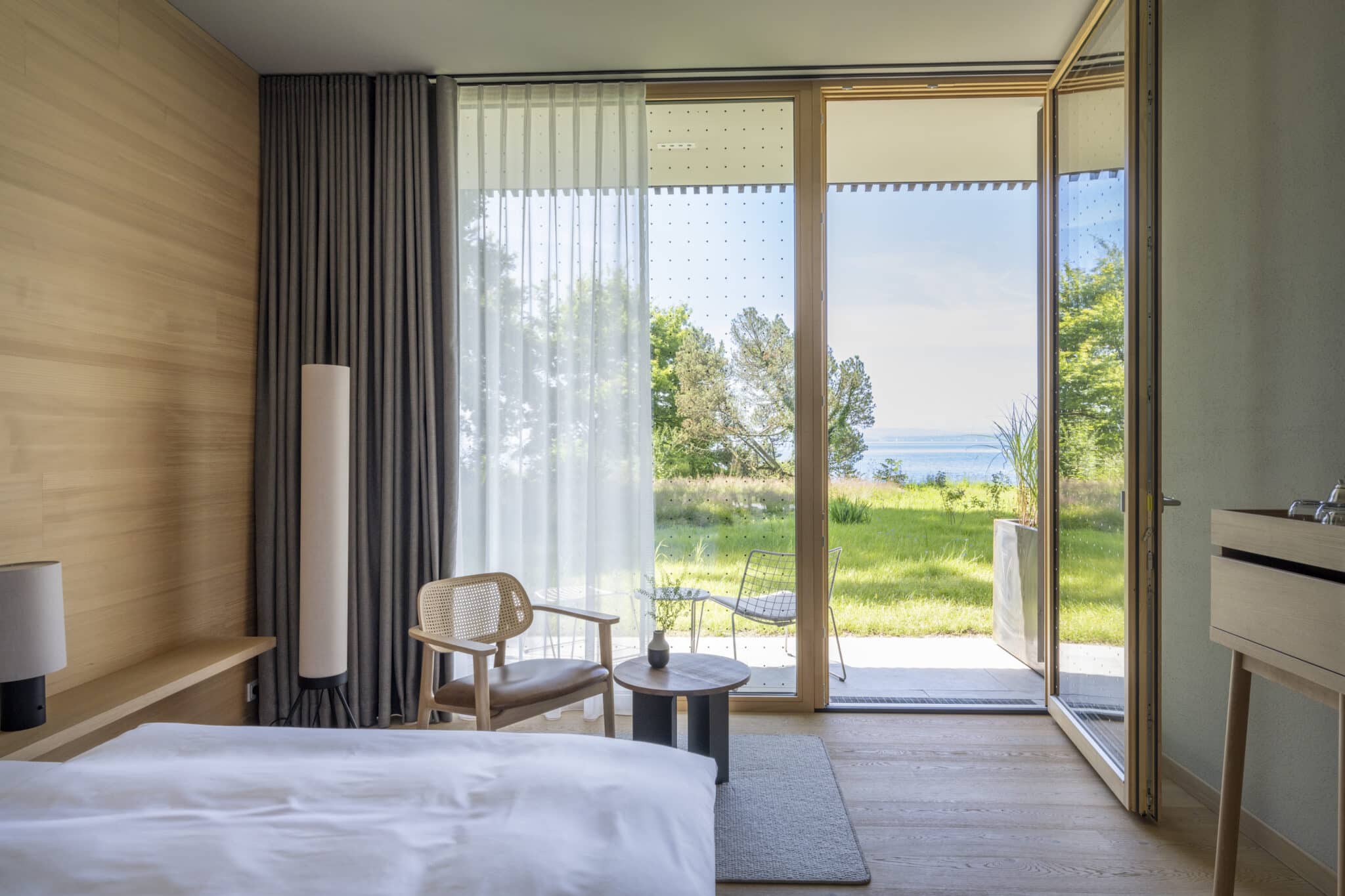
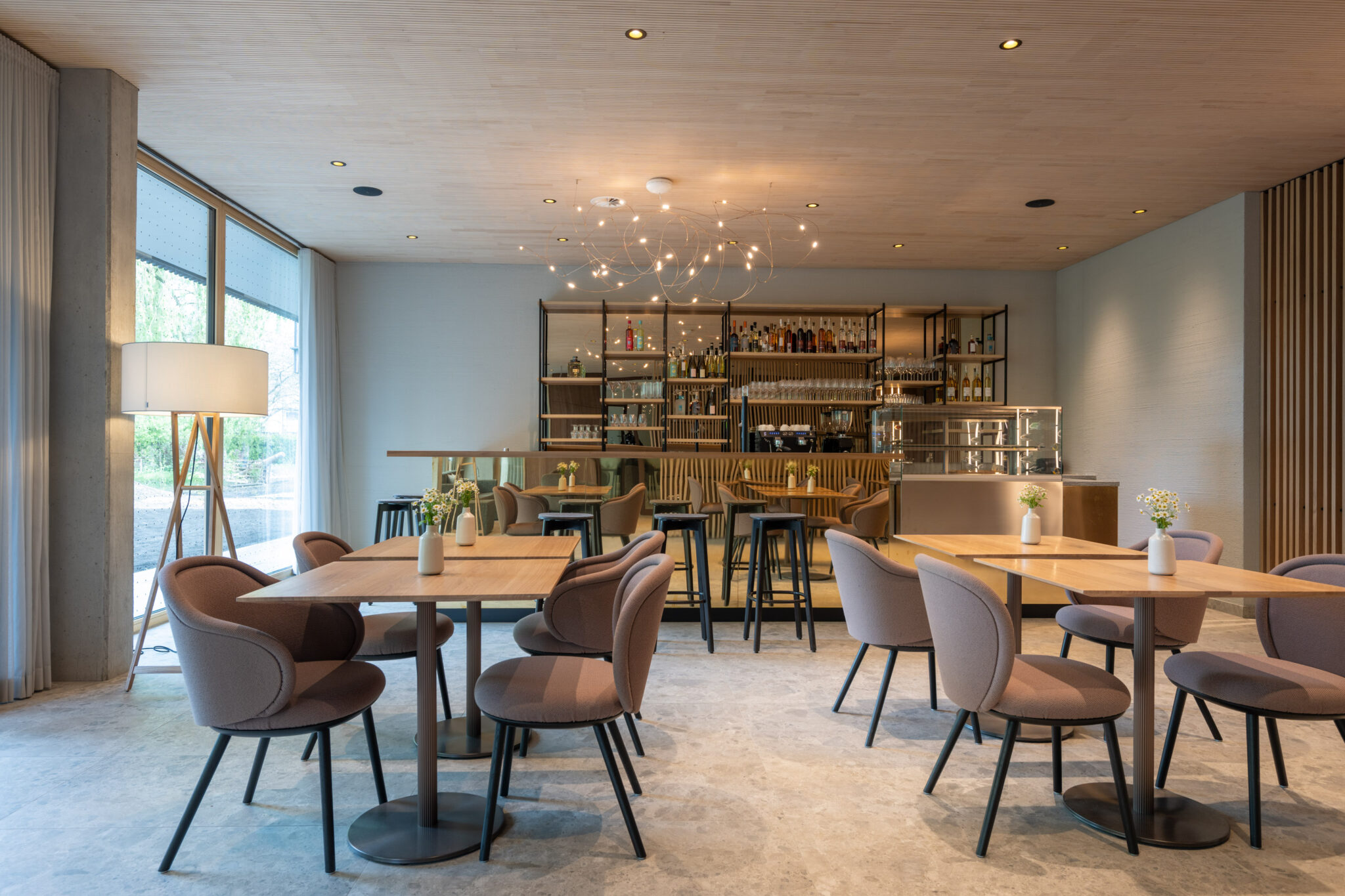
Interior designer Claudia Miller of Linie Zweii takes the environmental thinking further. The hotel’s 62 rooms are built around natural, tactile materials: oak floorboards, silver-fir panelling, lime plaster, wool carpets, linen and cotton. Colours are drawn from clay, gravel, trees and the misty tones of the lake. There’s an almost monastic simplicity to them, but it never becomes austere. Floor-to-ceiling windows provide the drama instead, with rooms in Haus August and Helene looking towards the lake and those in Isabella and Ferdinand immersed in the greens of the park. Every room has a balcony or terrace. The textile story is particularly appropriate. Linen appears throughout as a subtle reference to Gustav Gminder, whose fortune came from textiles — and whose company supplied material connected to the Zeppelin airships that made Friedrichshafen famous. Bathrooms continue the natural approach with Susanne Kaufmann amenities from the Austrian Alps.
Even the Insects Get a Good Night’s Sleep
Seegut Zeppelin becomes particularly interesting when sustainability moves beyond the things guests immediately notice. The new buildings use wood-concrete hybrid construction, while geothermal systems and free cooling reduce dependence on conventional heating and air-conditioning. Outside, lighting has been designed to minimise light pollution and is blue-light free to reduce its impact on insects. Textile screens can be lowered at dusk, while areas of the protected park are deliberately kept away from guests so wildlife has somewhere genuinely undisturbed. The Fennels have also replanted areas affected during construction with wildflowers and native vegetation. It’s a useful reminder that an eco-hotel doesn’t have to spend the entire stay telling you how eco it is.
Villa Gminder, Restored Rather Than Reinvented
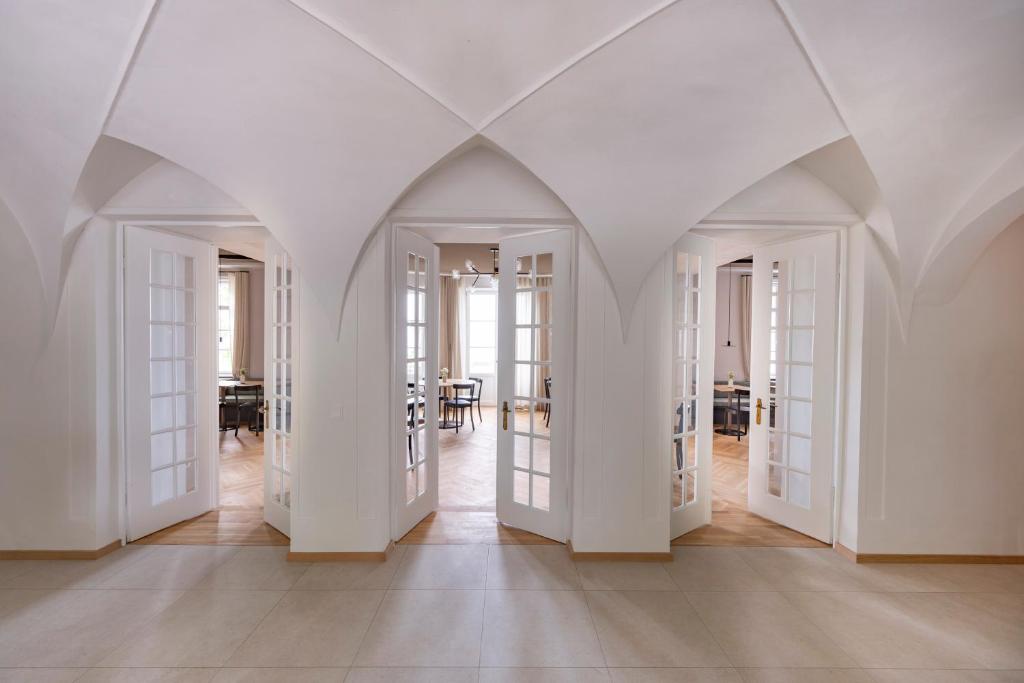
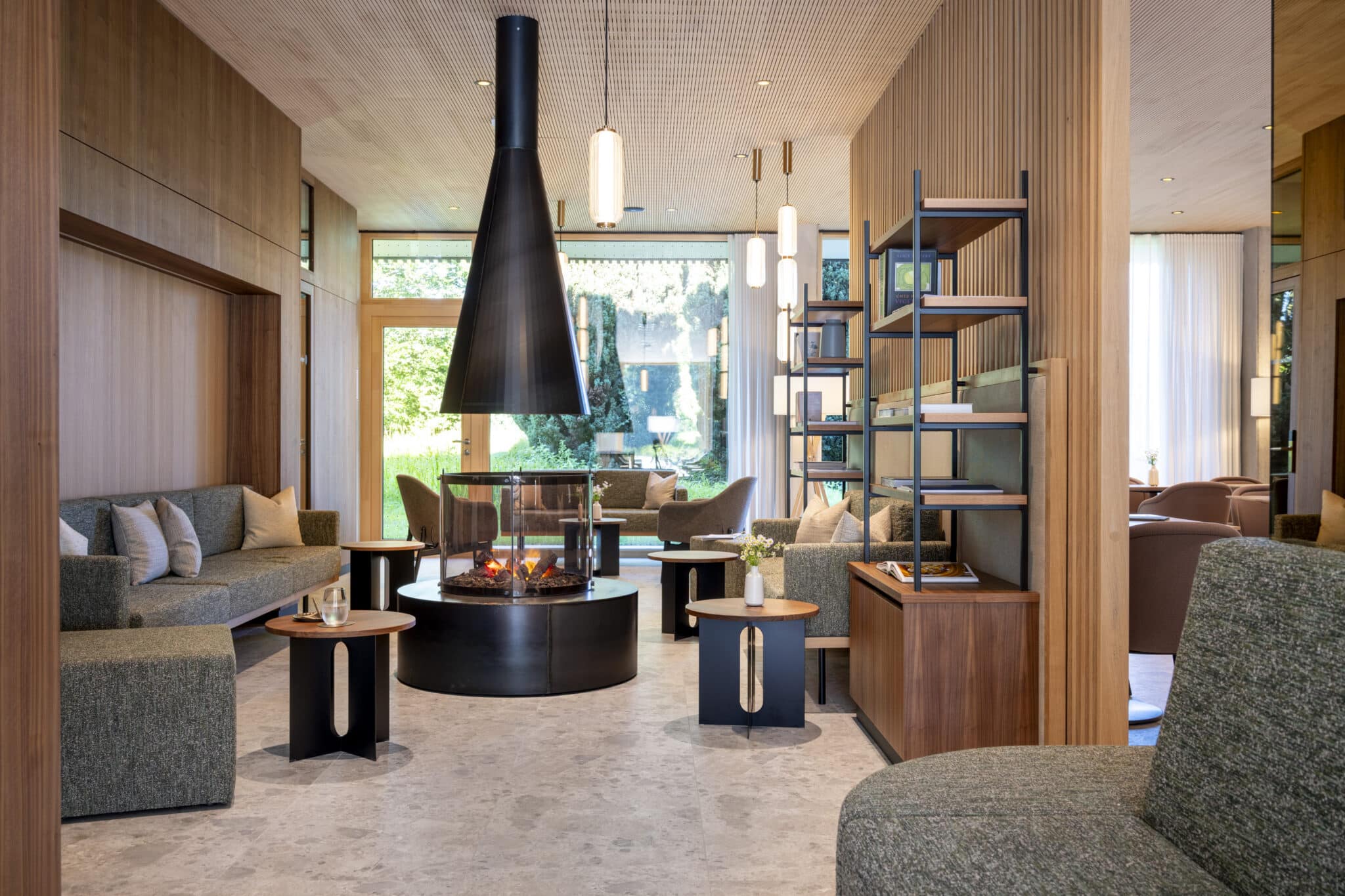
Inside the original villa, the approach changes again. Plösser Architekten and Linie Zweii have allowed Fischer’s architecture to remain visible, introducing contemporary furniture without turning the building into either a museum or a heritage pastiche. Pieces by Freifrau, Weishäupl and Swiss manufacturer horgenglarus bring clean-lined modernity to the historic rooms, chosen as much for longevity and craftsmanship as for appearance. There is restraint everywhere. And because so much of the visual interest comes from material, craftsmanship and the landscape outside, the interiors don’t need much decoration to feel complete.
Pinus Puts Plants First
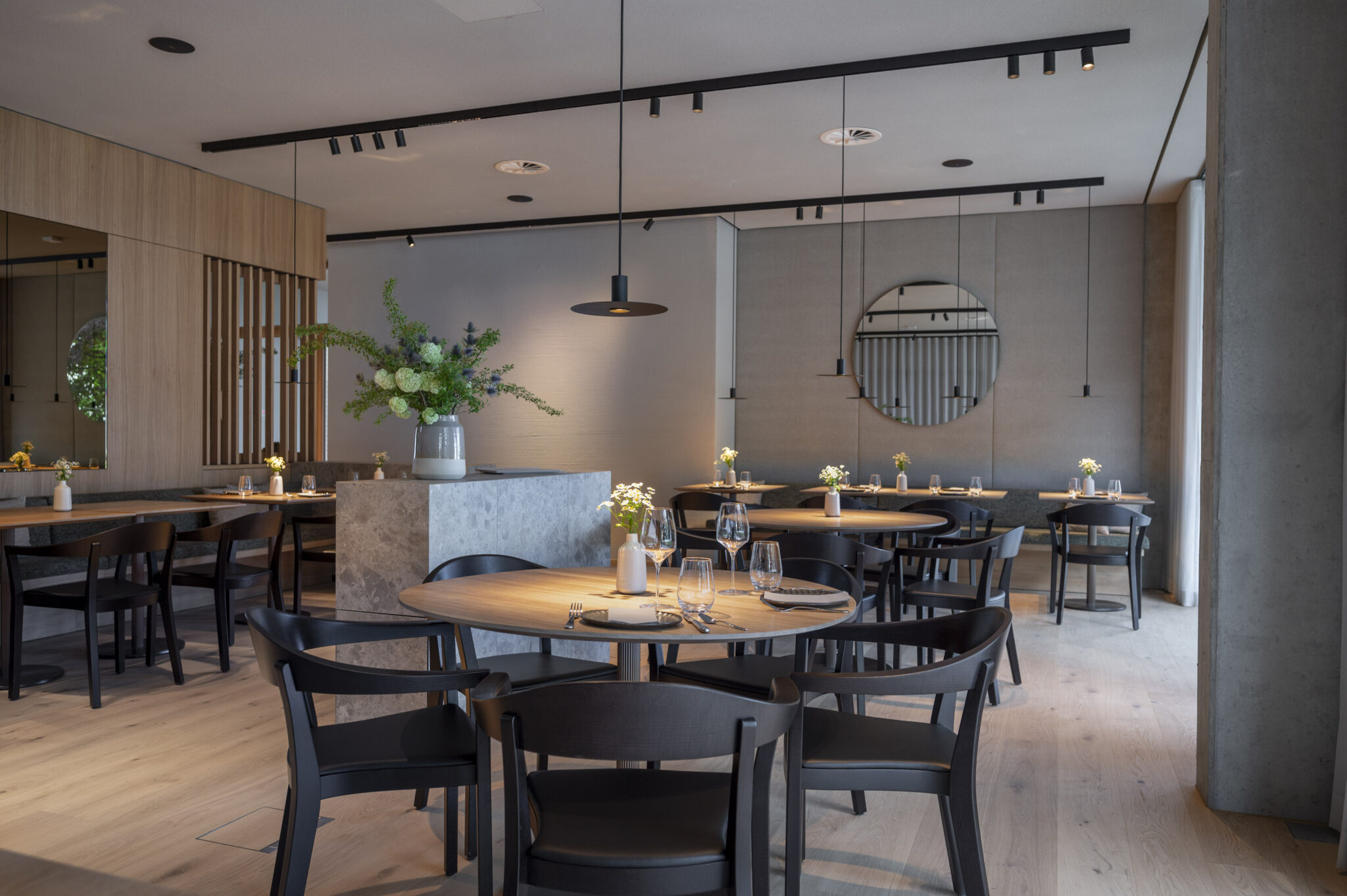
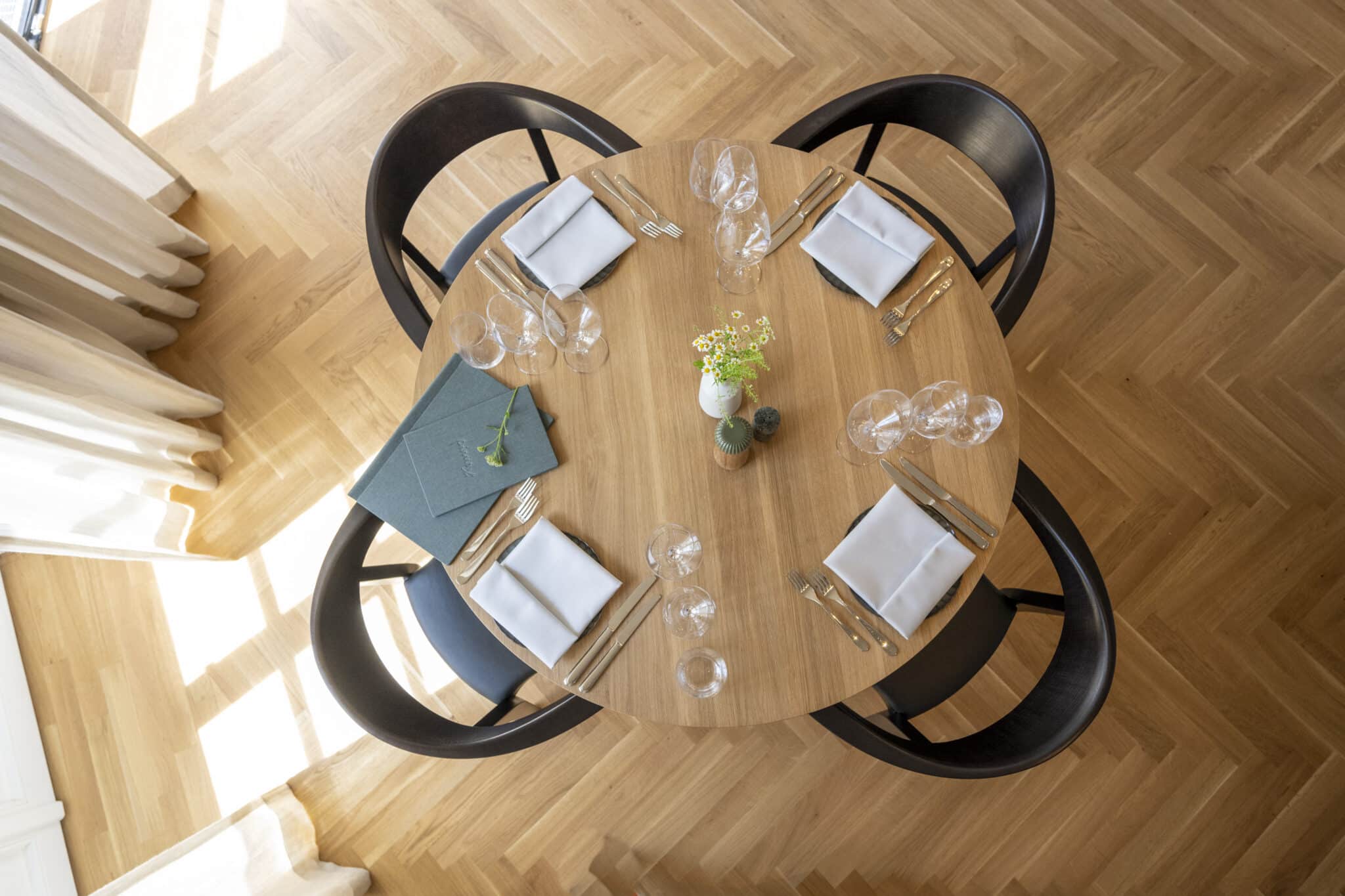
The villa is also home to Restaurant Pinus, named after one of the imposing black pine trees growing between the house and the lake. Its predominantly vegetarian cooking follows the same philosophy as the hotel: seasonal, regional and surprisingly transparent about where things come from. Produce is grown in the estate’s greenhouse, orchards and vegetable beds where possible, supplemented by nearby producers and craftspeople. The kitchen makes a point of knowing its suppliers — right down to who baked the bread. Rather than following the conventional starter-main-dessert procession, dishes are designed for sharing, with different flavours and preparations arriving together at the table. It’s plant-forward dining without the worthy atmosphere that sometimes accompanies the term.
Wellness Starts Outside
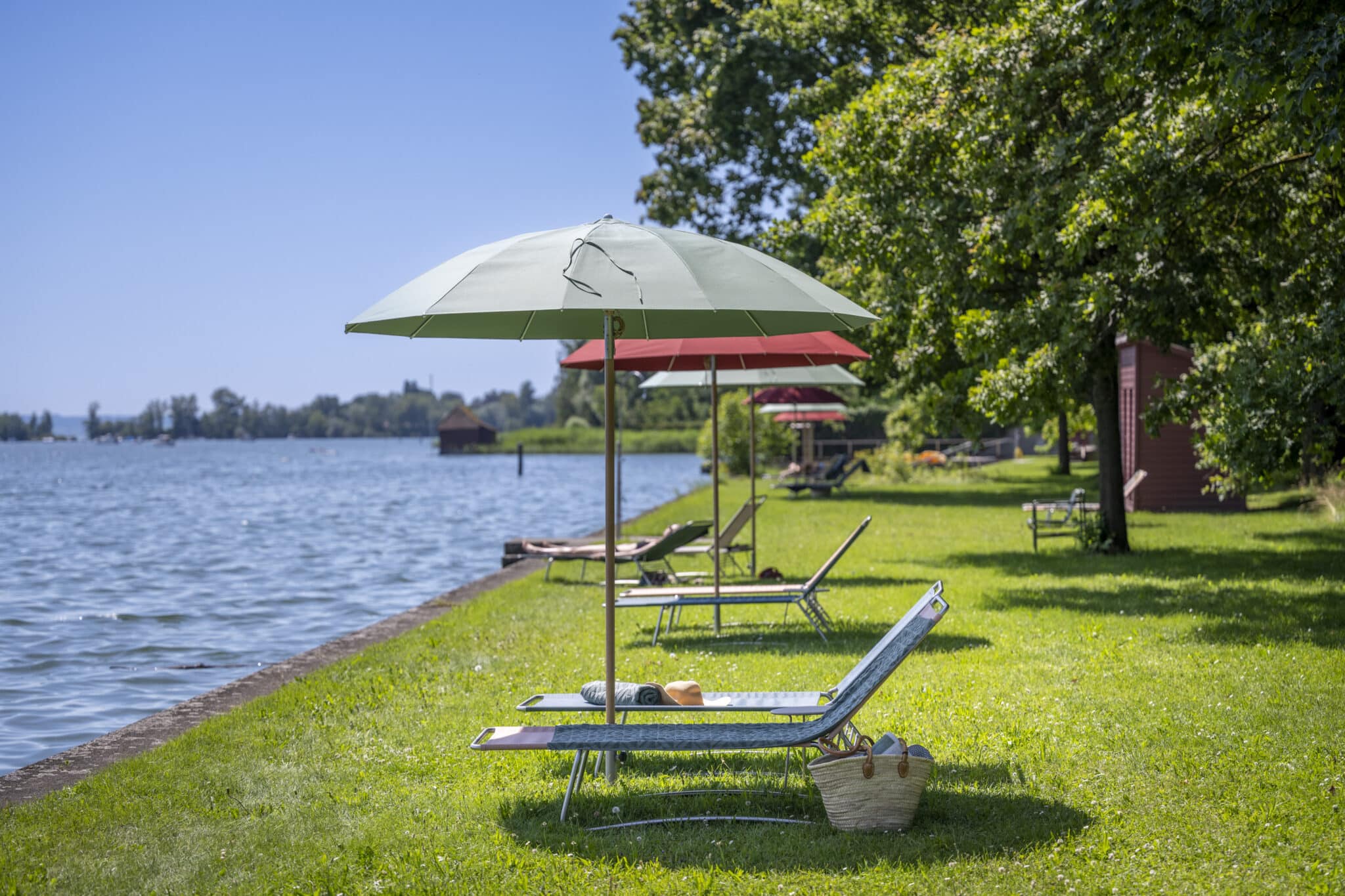
There is a sauna and relaxation area, plus spaces for yoga and fitness. But Seegut Zeppelin’s most convincing wellness facility is approximately 67 steps away. Lake Constance. Private access to the water makes wild swimming, boating or simply sitting at the shore part of everyday life here. Beyond the estate are cycling routes, villages, orchards and the wider Bodensee landscape, with the distant Alps appearing across the water on clear days.
A Different Kind of Lakeside Luxury
Seegut Zeppelin doesn’t rely on infinity pools, enormous spas or theatrical architecture to justify its location. Its luxury is having enough space to leave parts of the park alone. The historic villa remains historic. The new architecture looks new. Nature isn’t reduced to landscaping around the buildings, and sustainability has influenced decisions guests may never even notice. For DNA Hotels, that’s precisely what makes it interesting. Seegut Zeppelin is not simply a beautifully designed hotel on Lake Constance. It’s an unusually convincing example of what happens when the lake, the trees and the history of a place are treated as the starting point rather than the finishing touches.
Your hosts: Sandra & Hendrik Fennel