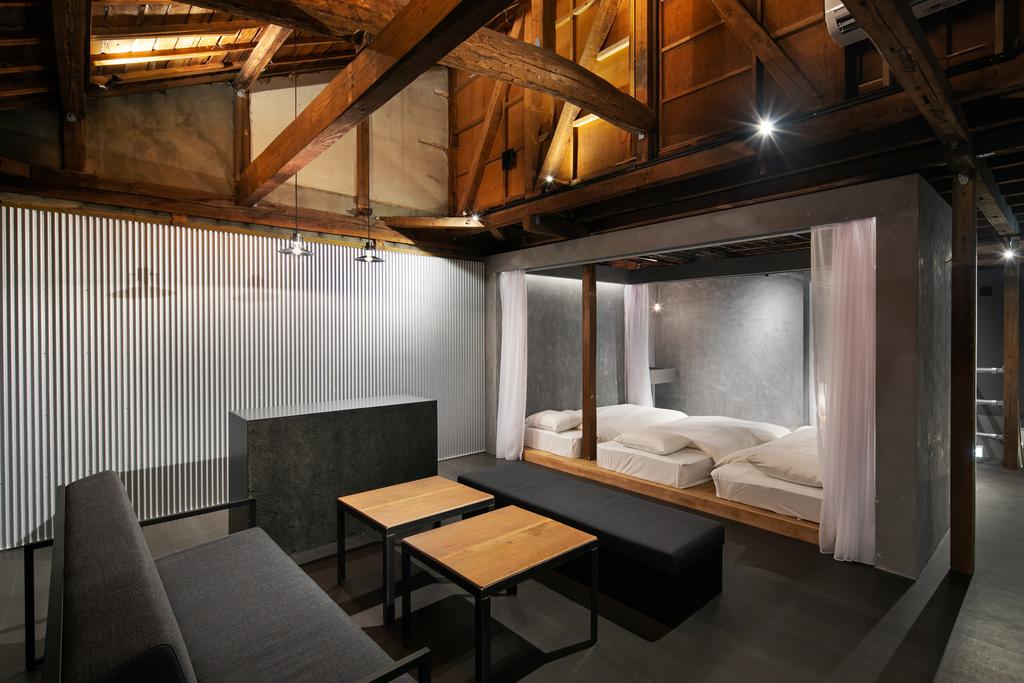
SEKAI HOTEL Fuse – Osaka, Japan
An entire Osaka neighbourhood becomes part of the hotel
Why DNA Hotels Loves It
● SEKAI HOTEL Fuse turns the conventional hotel model inside out: guestrooms occupy renovated buildings around a traditional shopping district, while the neighbourhood provides much of the actual hotel experience.
● Instead of manufacturing “local authenticity” inside the property, guests are encouraged to use the sentō, cafés, food shops and family-run businesses that already belong to everyday Fuse.
● It is hospitality with a social purpose — bringing travellers into an overlooked Osaka neighbourhood while helping direct tourism spending towards the businesses and community already there.
What If the Hotel Was the Neighbourhood?
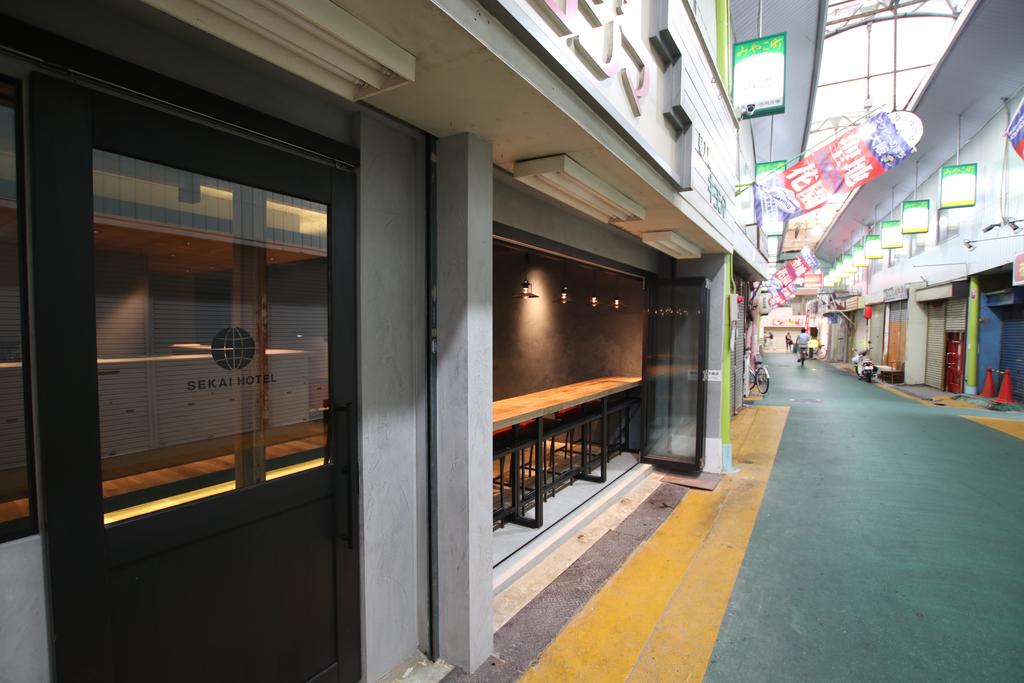
Most hotels try to bring the destination inside. SEKAI HOTEL Fuse does almost the opposite. Here, the surrounding streets are effectively part of the property. Located near Fuse Station, away from the tourist intensity of central Osaka, the hotel spreads itself through an established shopping neighbourhood rather than enclosing guests within a conventional hospitality bubble. Rooms provide somewhere to sleep. Fuse provides everything else. Breakfast. Bathing. Drinking. Eating. Shopping. Conversation. The concept is simple but surprisingly radical: the neighbourhood becomes the hotel.
A Different Kind of Distributed Hotel
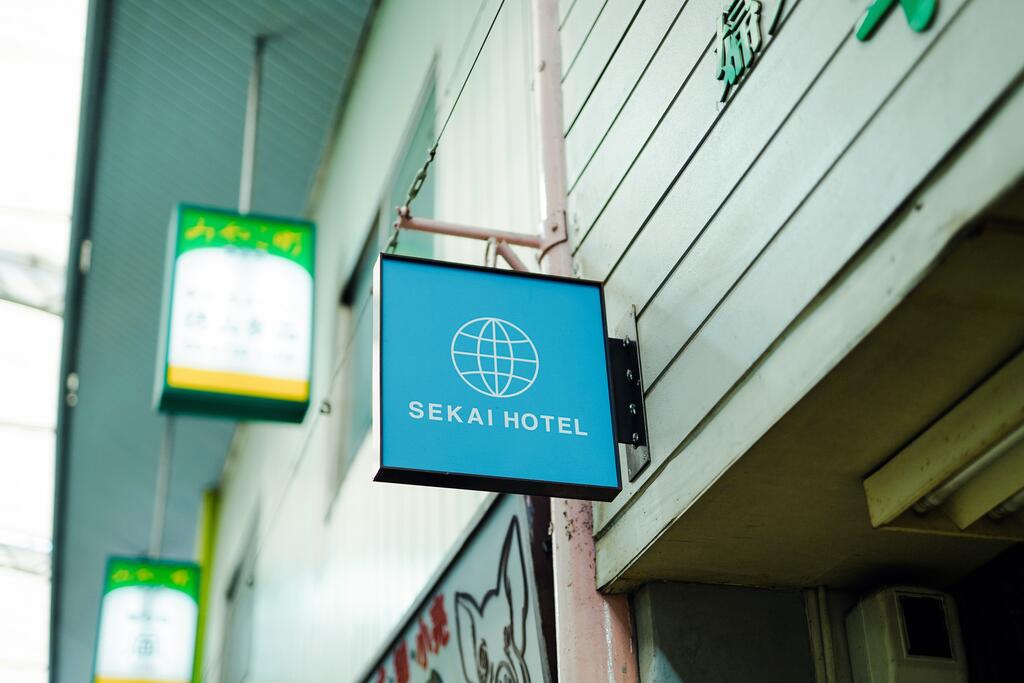
SEKAI HOTEL has taken existing spaces within the district and repurposed them as guest accommodation. That fragmented structure is essential to the experience. There is no need to recreate a retro Osaka shopping street as an interior-design concept because the real thing is outside the door. Walk between the different parts of the hotel and you pass the businesses that have shaped the neighbourhood for generations. Greengrocers. Butchers. Small cafés. Takoyaki counters. Croquette shops. Local bars. Everyday businesses become part of the journey rather than scenery viewed from behind hotel glass.
Ordinary Osaka Is the Luxury
There is an important distinction here. SEKAI HOTEL is not selling access to some hidden monument or spectacular attraction. It is making a case for the value of ordinary local life. Have breakfast where neighbourhood residents eat. Buy something from a shopkeeper who has been behind the same counter for decades. Visit the local public bath. Order takoyaki. Walk through the covered shopping arcade. The things that might seem completely unremarkable to someone living in Fuse become precisely what makes the experience memorable for a visitor. Hospitality becomes participation rather than observation.
Rooms That Know Their Role
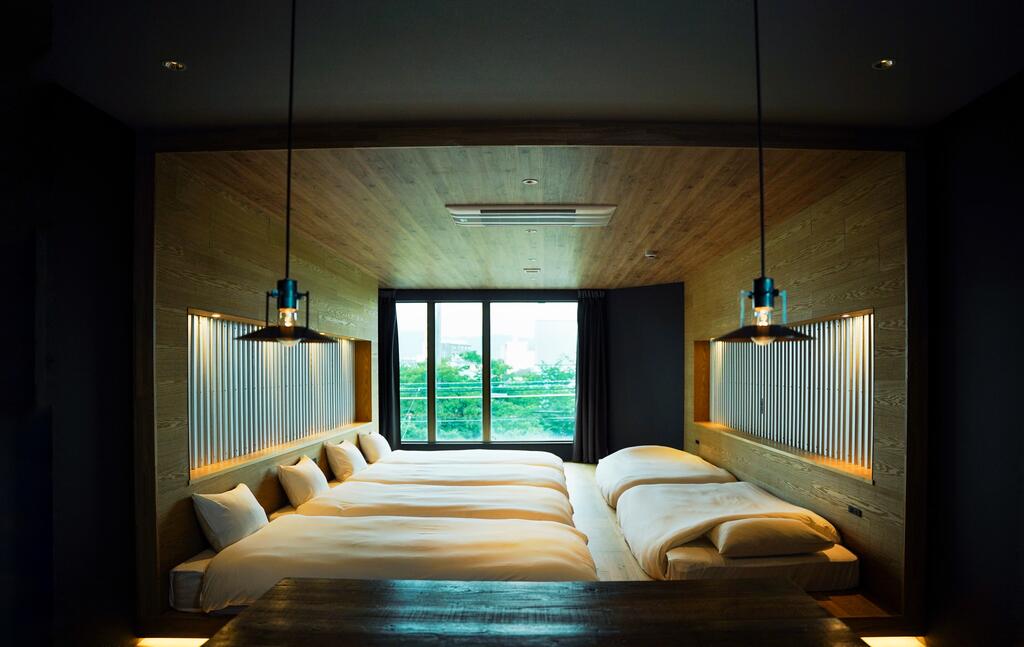
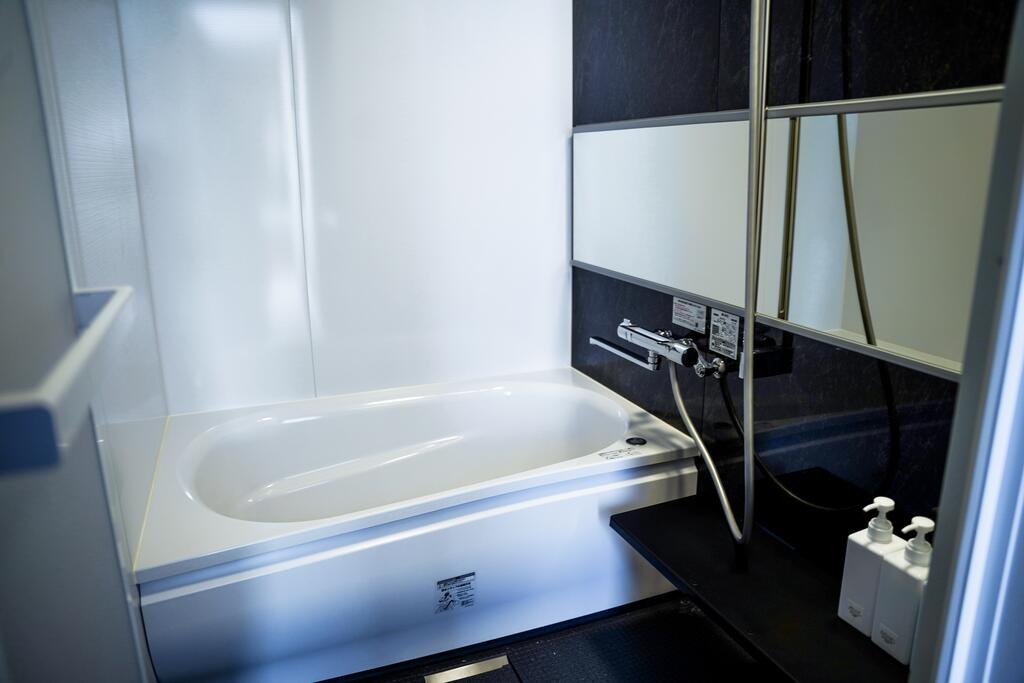
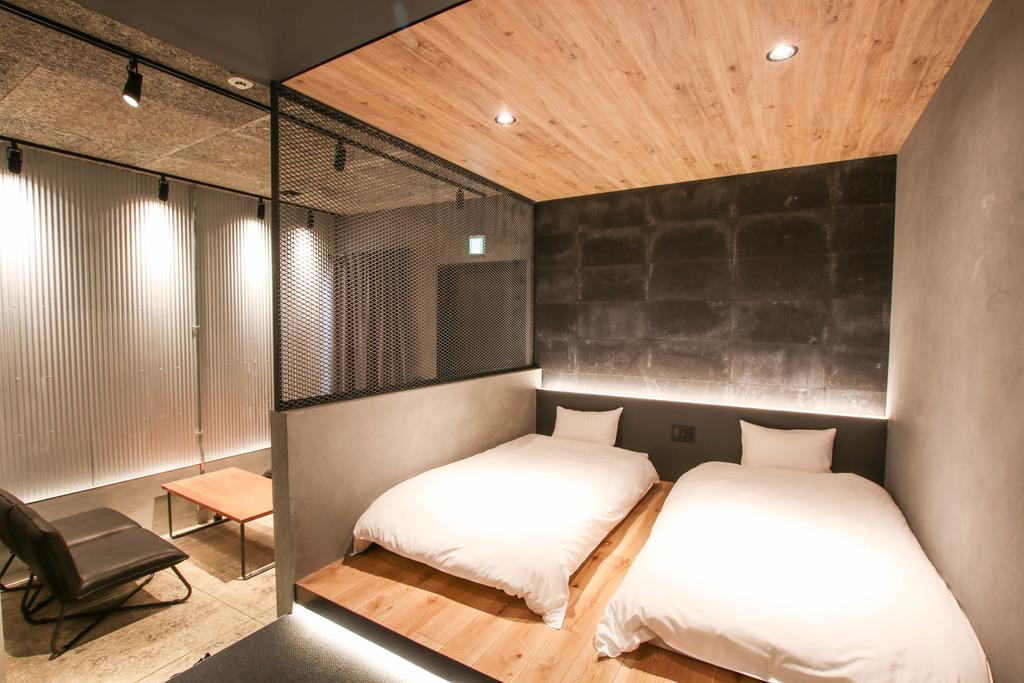
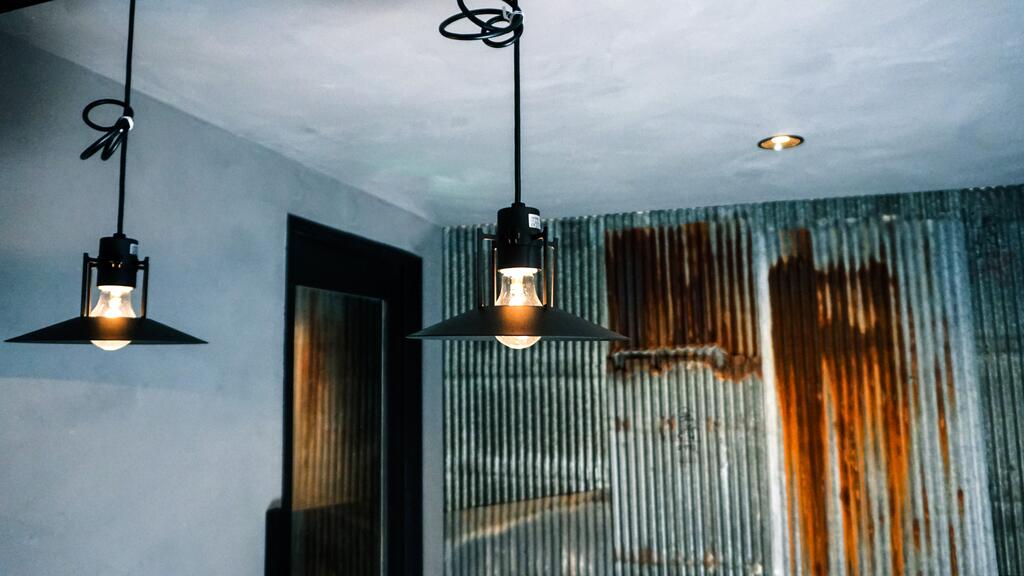
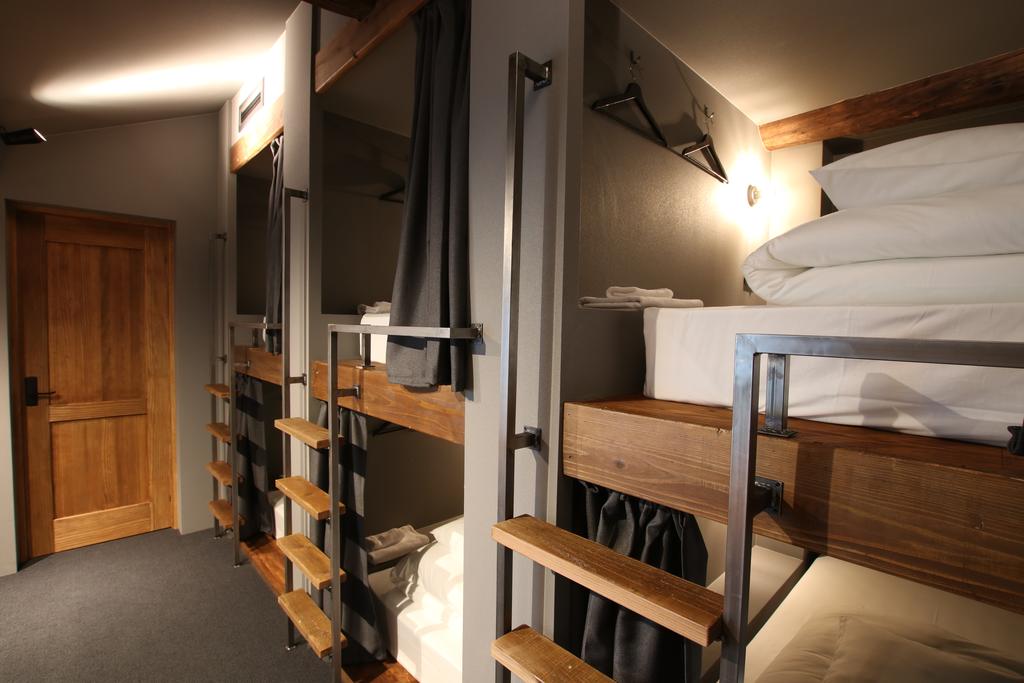
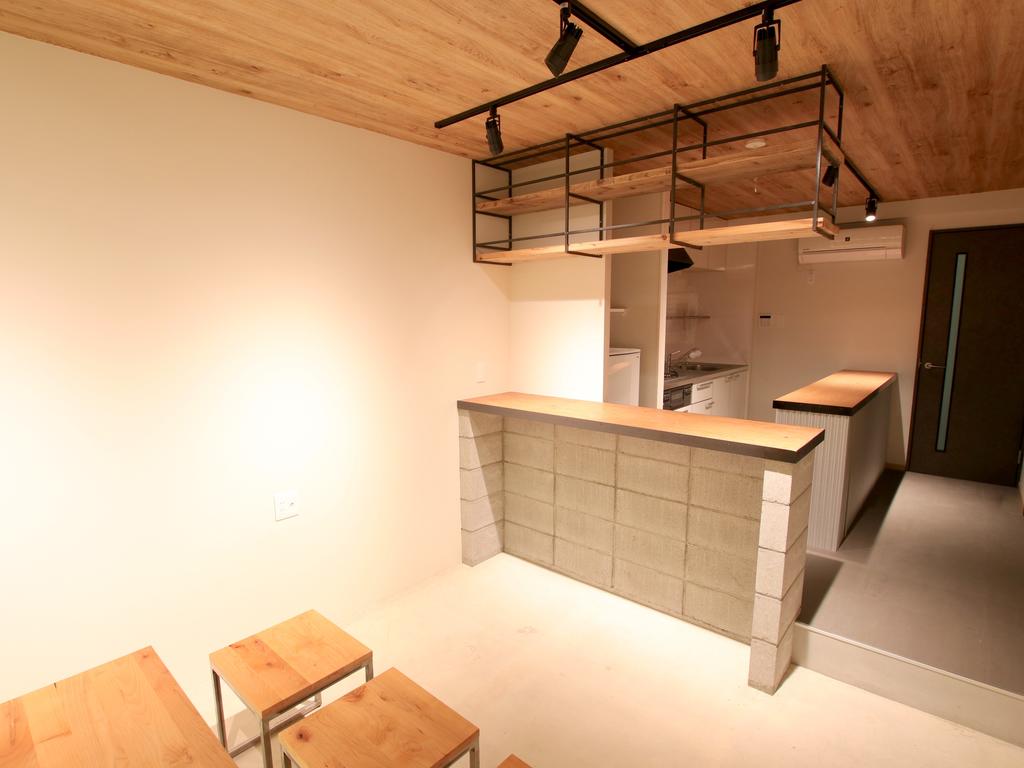
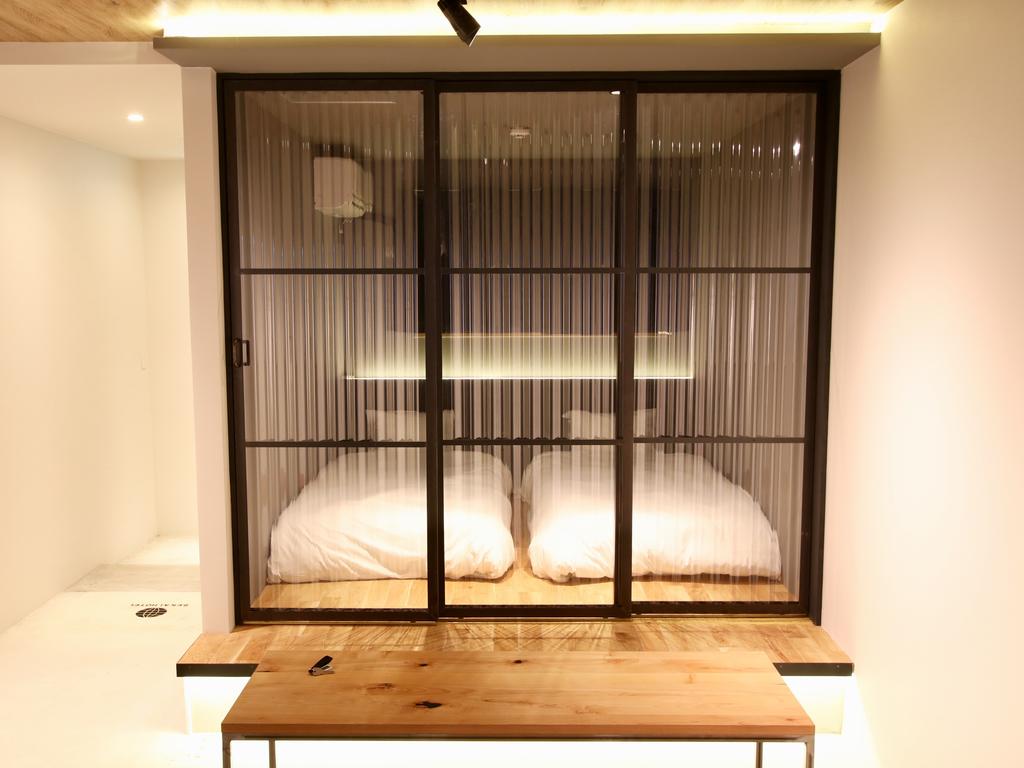
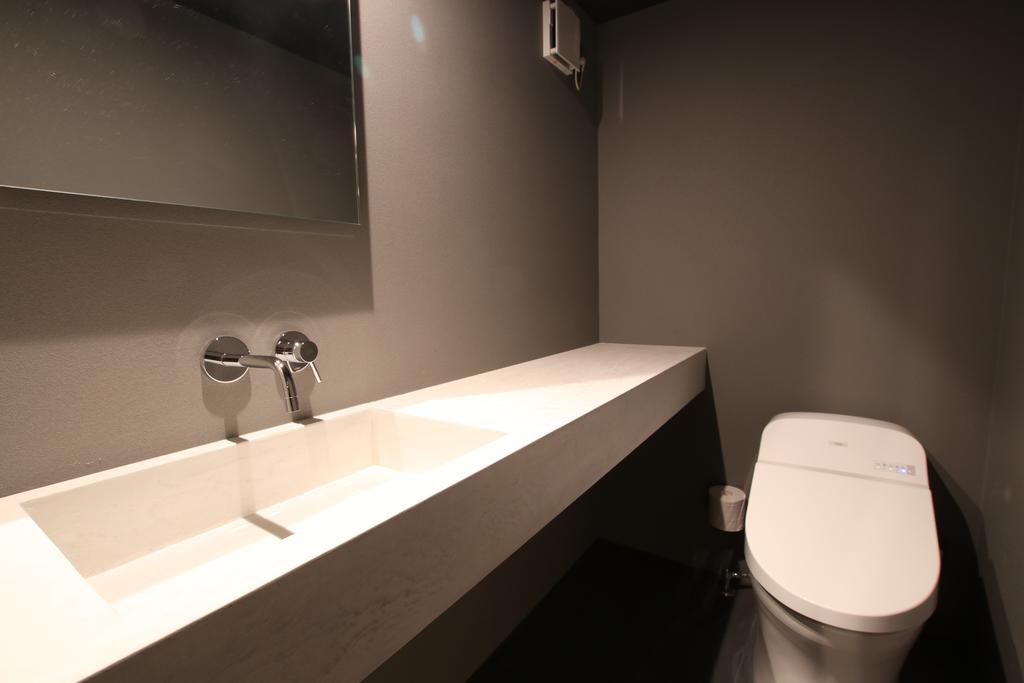
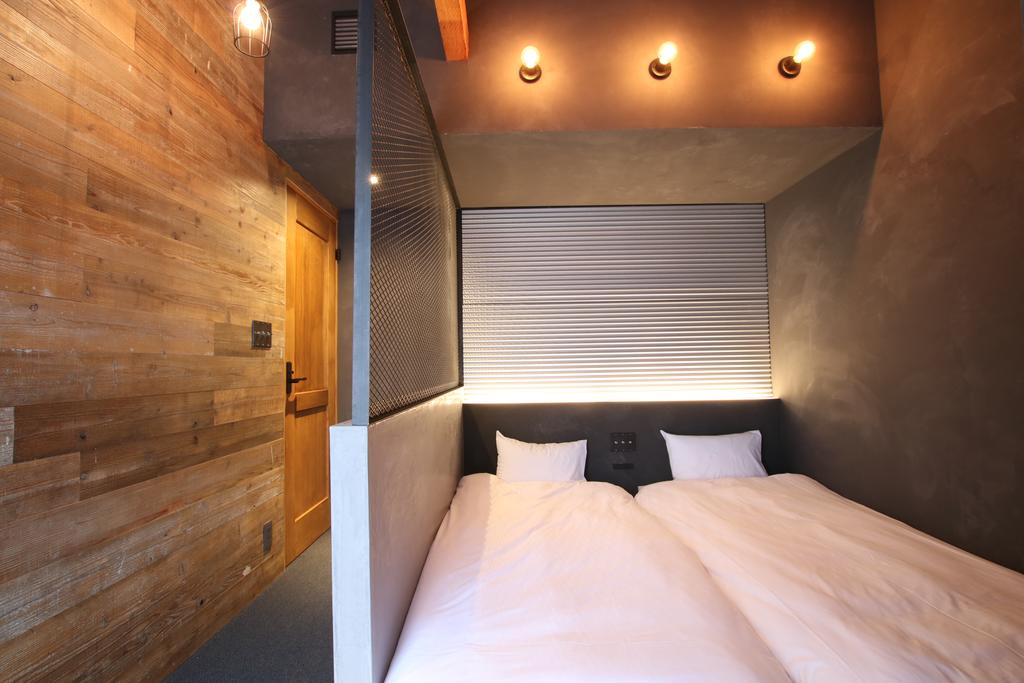
The guestrooms themselves are deliberately straightforward. Existing buildings have been adapted with contemporary interventions rather than transformed into highly polished design objects. Clean lines, restrained colours and simple materials create comfortable spaces without competing with the neighbourhood outside. There is something refreshingly confident about that. The room does not have to contain the destination. It only has to give you a good reason to step back outside.
Community as Amenity
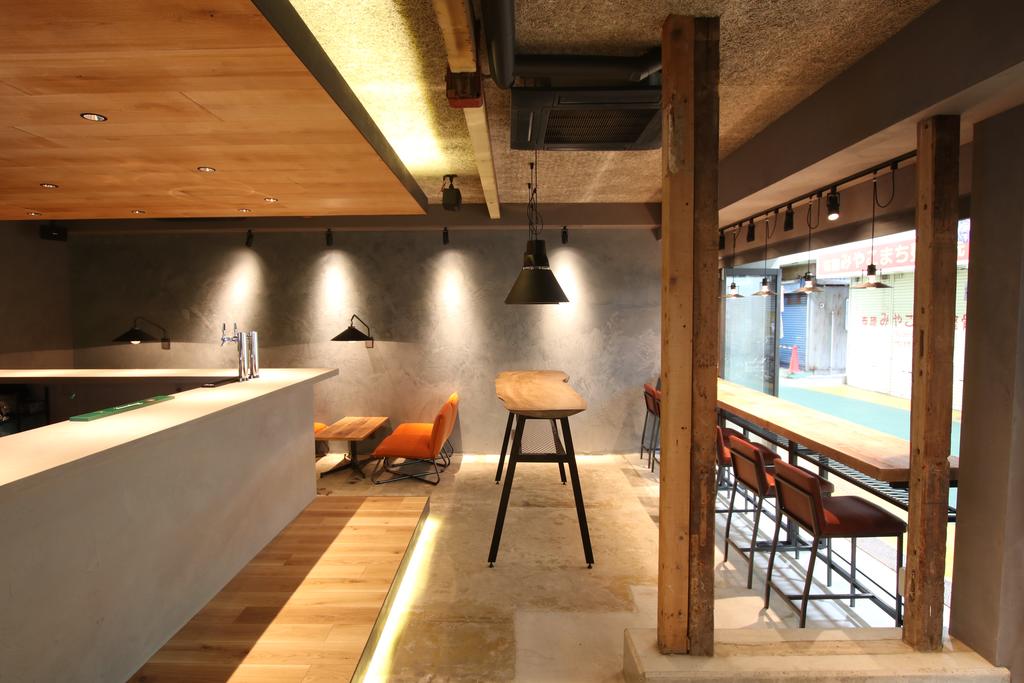
That changes the traditional hotel equation. A hotel normally controls its amenities. Its restaurant. Its bar. Its breakfast room. Its spa. Its shops. SEKAI HOTEL deliberately gives some of that role to independent businesses around it. The local café can become the breakfast room. The sentō becomes the bathhouse. The neighbourhood restaurant becomes the dining room. The shopping arcade becomes the lobby. And the people who already live and work there become part of the social experience — without being turned into hotel employees or staged entertainment.
Tourism Money That Stays Local
There is also an economic idea behind the model. When virtually everything happens inside a conventional hotel, much of a traveller’s spending stays within that business. SEKAI HOTEL sends guests outward. A coffee bought locally matters. So does breakfast. Dinner. A bath. A snack. A small purchase from a neighbourhood shop. Individually these transactions are tiny. Collectively they offer another way of thinking about tourism — particularly in districts that rarely receive the economic benefits generated by visitors elsewhere in Osaka.
Beyond Dotonbori
For international travellers, Osaka is often reduced to a familiar collection of images. Dotonbori. Neon. Glico. Street food. Shinsaibashi. Fuse offers something less spectacular and arguably more revealing. This is Osaka as a lived city rather than a tourism product. Its covered arcades, independent businesses and everyday street culture show the social infrastructure behind the city’s famous appetite for food, conversation and informality. SEKAI HOTEL gives travellers permission to explore that Osaka.
A Hotel That Needs Its Neighbours
Perhaps the cleverest thing about SEKAI HOTEL Fuse is that removing it from Fuse would destroy the concept. It cannot simply be copied into another building and retain the same identity. The businesses matter. The streets matter. The people matter. The accumulated history of the neighbourhood matters. SEKAI HOTEL Fuse doesn’t use its neighbourhood as a backdrop. The neighbourhood is the hospitality — and the hotel simply opens the door.