Sextantio Le Grotte della Civita – Matera, Italy
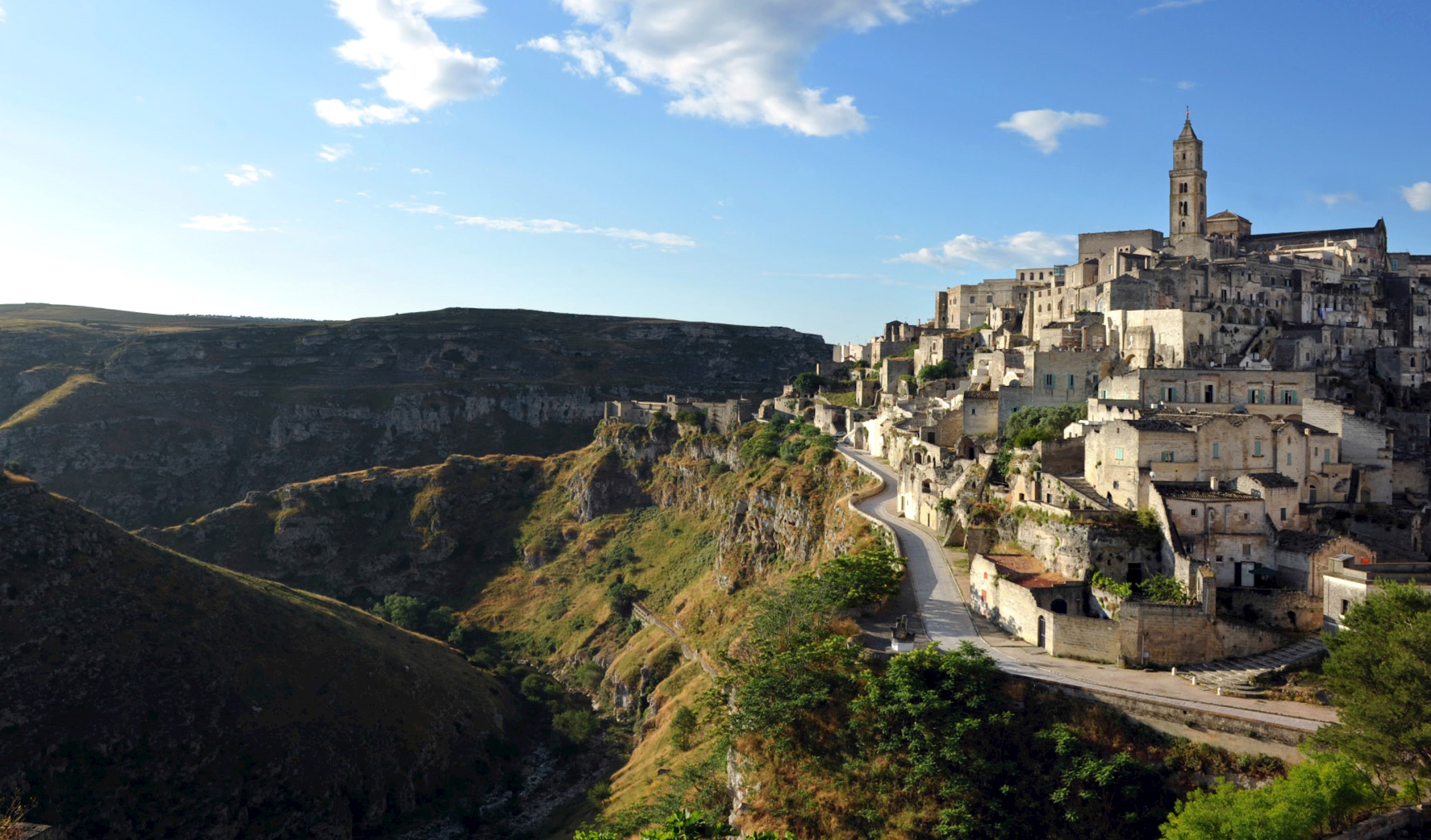
Ancient cave dwellings above the Gravina canyon, restored with almost archaeological restraint into one of Italy’s most extraordinary hotels.
Why DNA Hotels Loves It
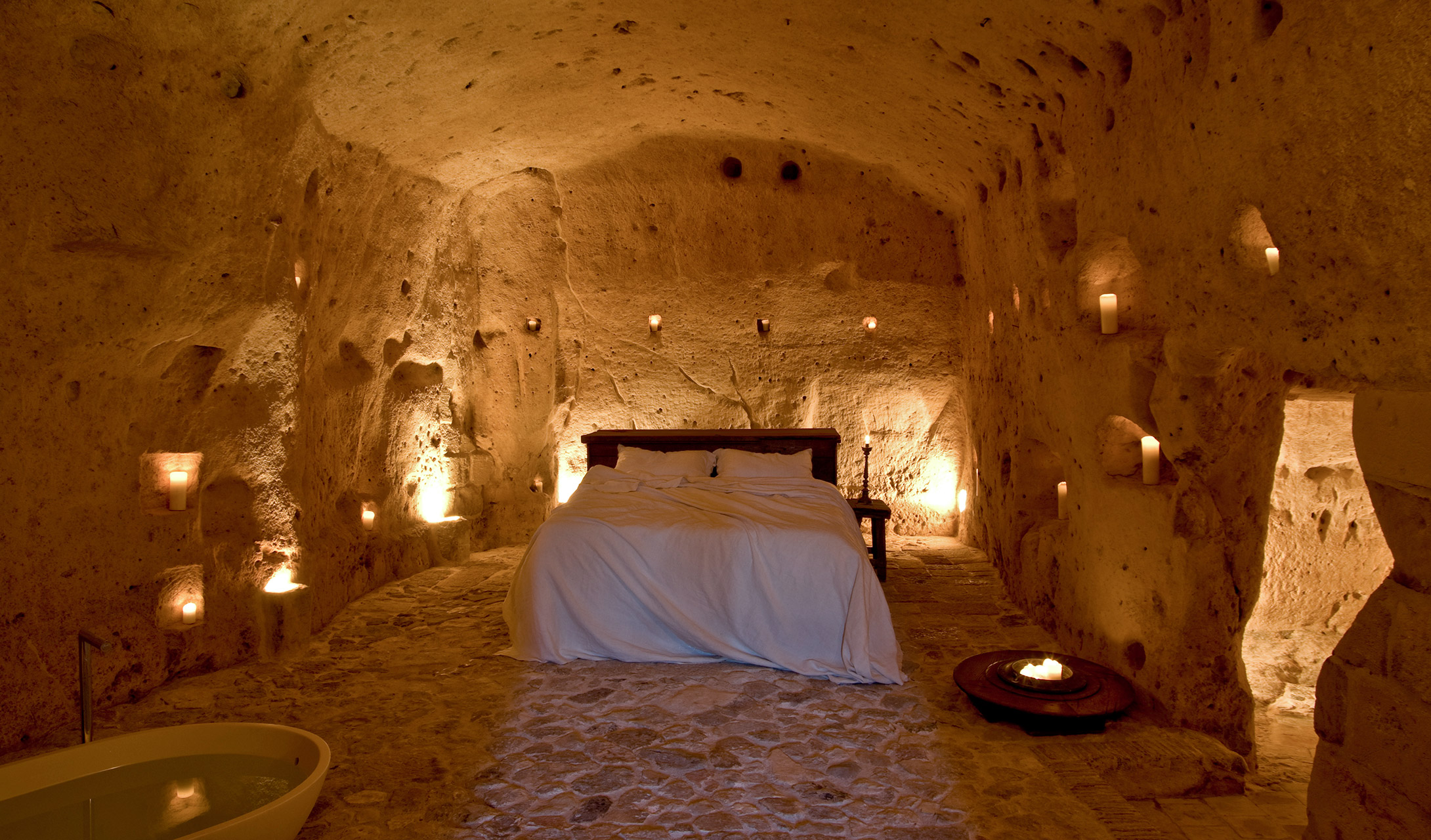
● 18 rooms and suites carved into Matera’s ancient Sassi, preserving the irregular spaces, weathered tufa and traces of centuries of human occupation.
● Owner Daniele Kihlgren’s philosophy of radical authenticity strips hospitality back to candles, handmade linens, salvaged objects and beautifully chosen contemporary interventions.
● A 13th-century rock-hewn church forms the atmospheric heart of the hotel, while terraces look directly across the Gravina canyon towards the wild Murgia plateau.
Sleeping Inside Matera
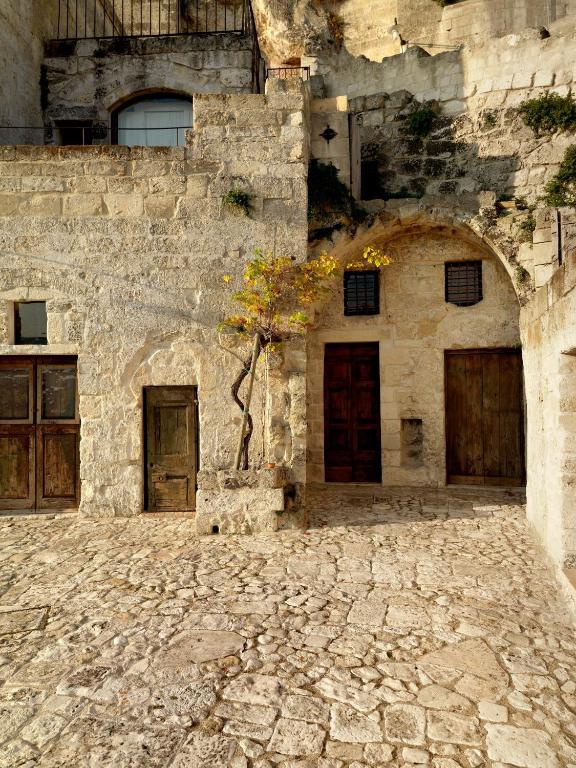
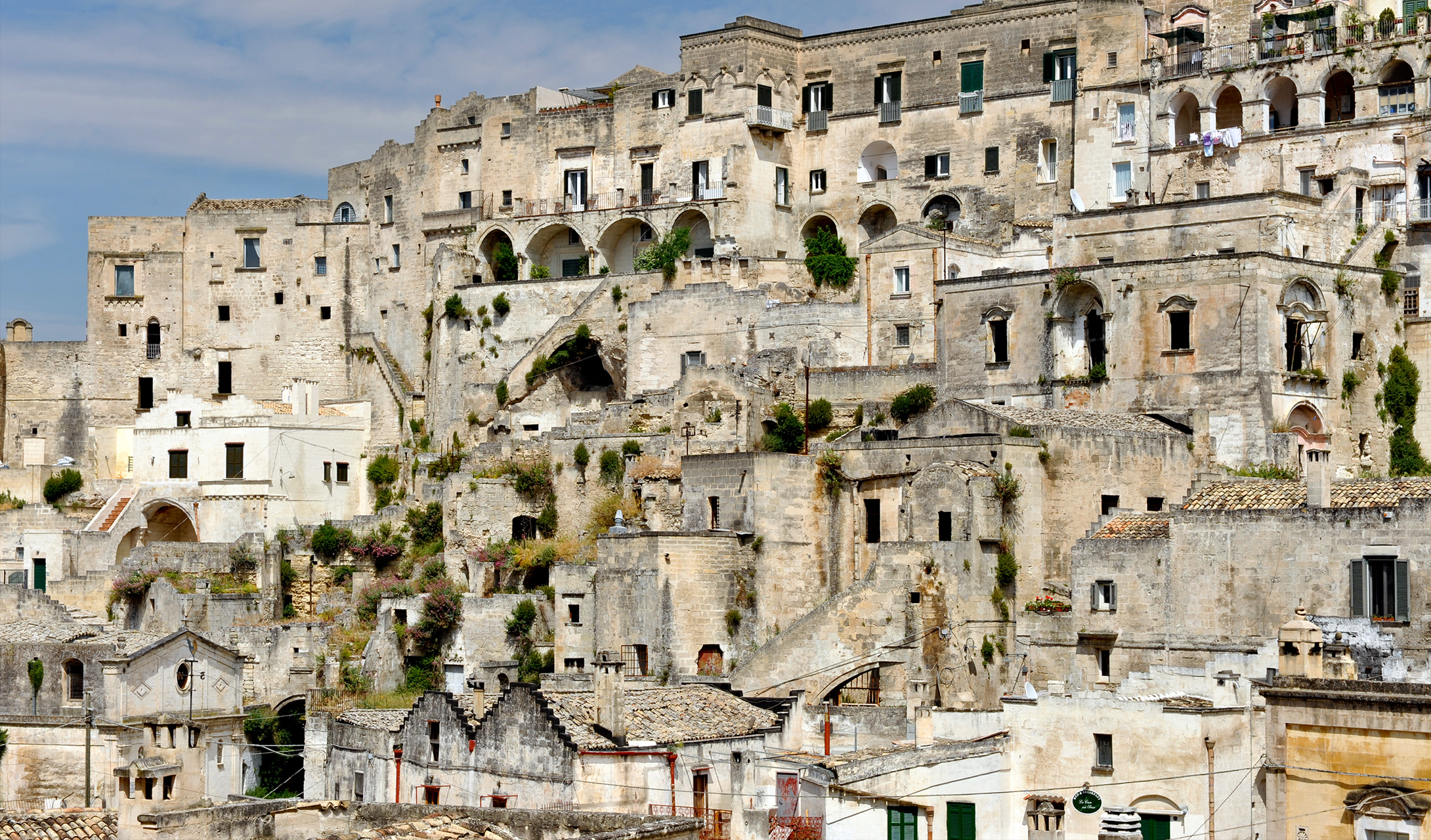
There are hotels that occupy historic buildings. Sextantio Le Grotte della Civita goes much further. Here, the history is the room. The hotel inhabits a cluster of former cave dwellings within Matera’s UNESCO-listed Sassi, where homes, churches, workshops and animal shelters were carved directly into the golden tufa. Some of these spaces have origins stretching back centuries, within a settlement whose human history reaches far deeper still. Rather than turning those caves into conventional luxury suites, owner Daniele Kihlgren set out to preserve their elemental character. The result is less like checking into a hotel than temporarily becoming part of Matera itself.
Restoration by Subtraction
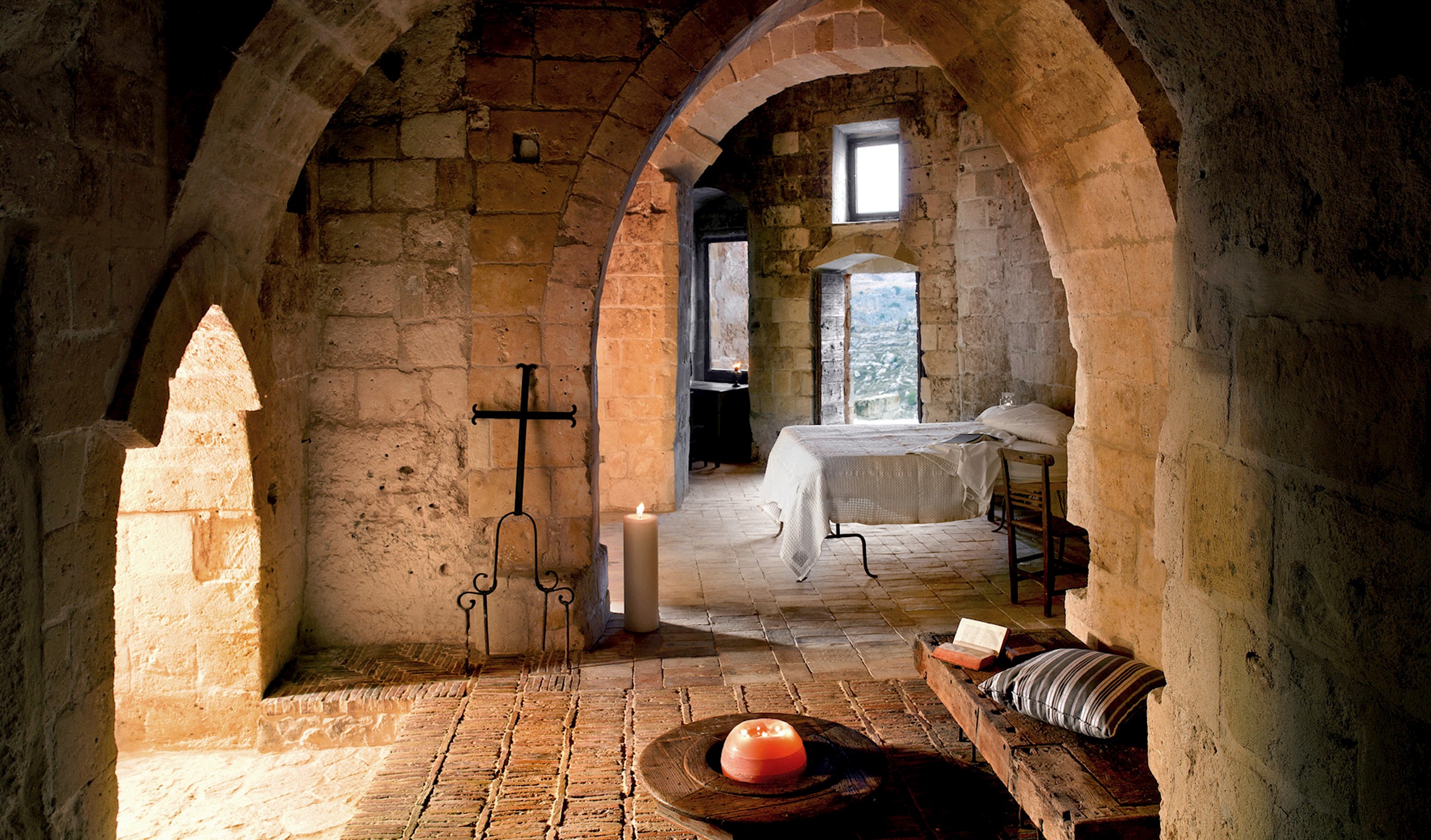
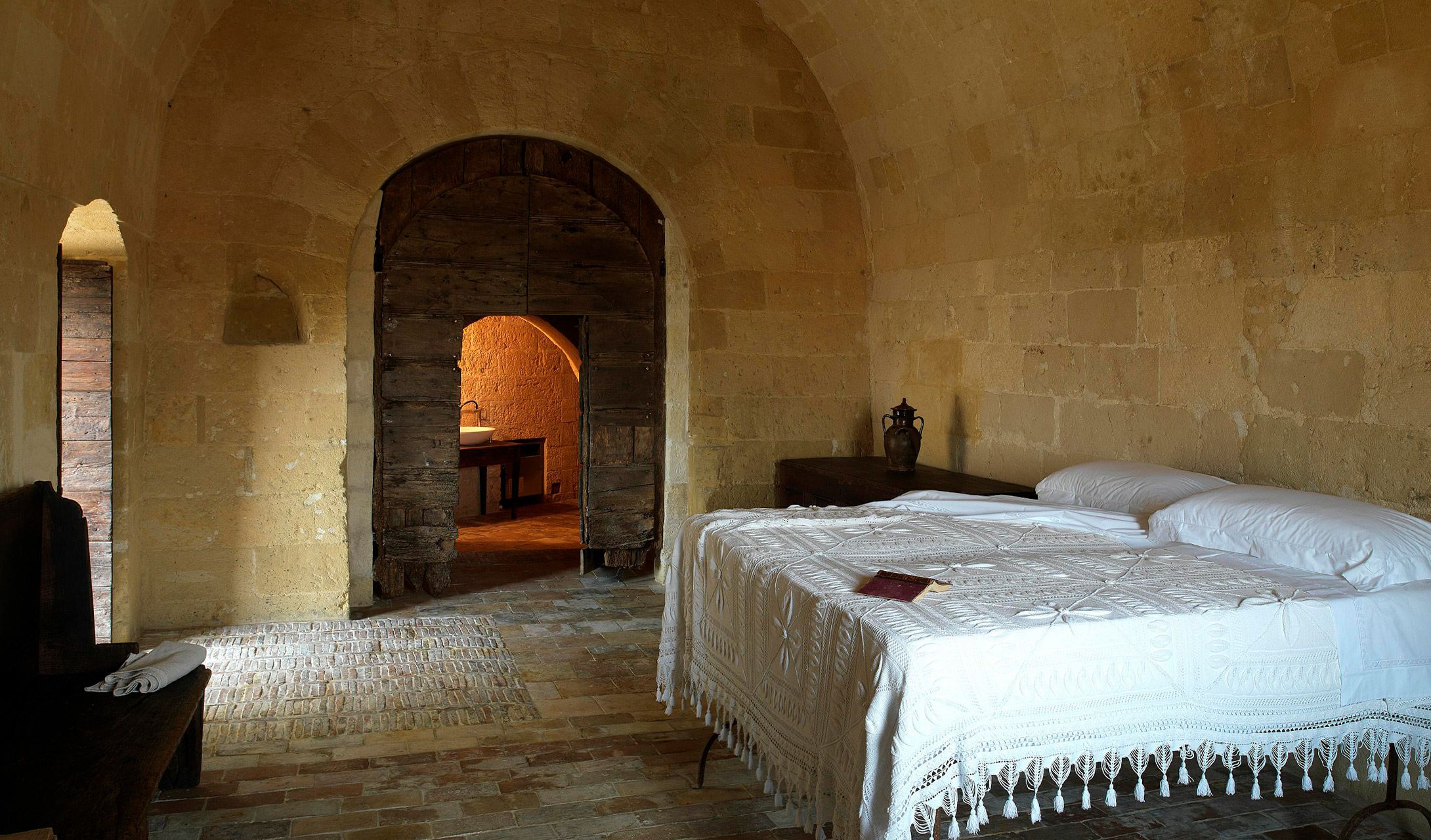
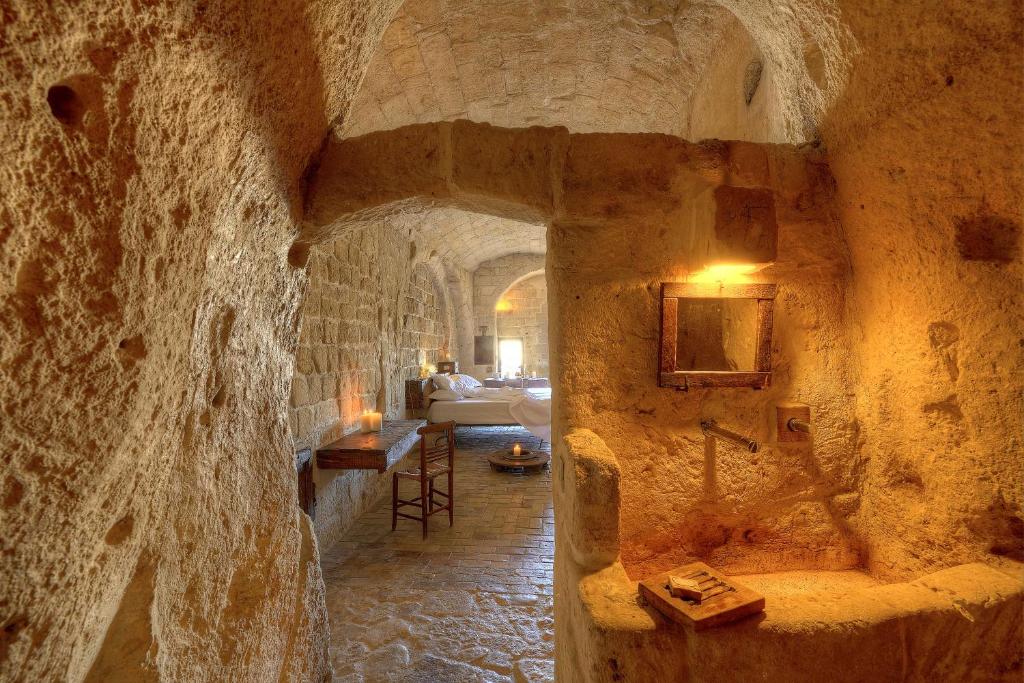
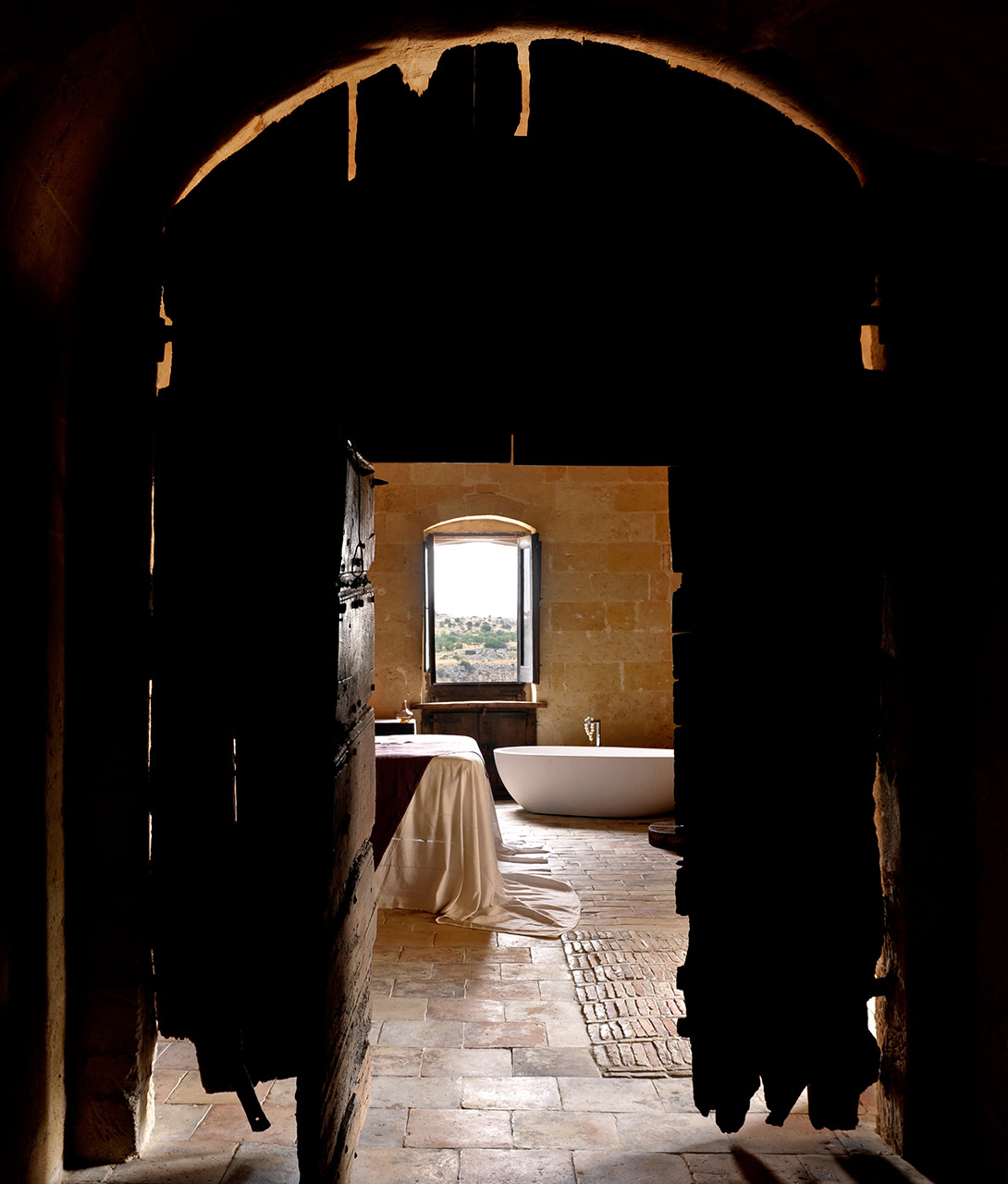
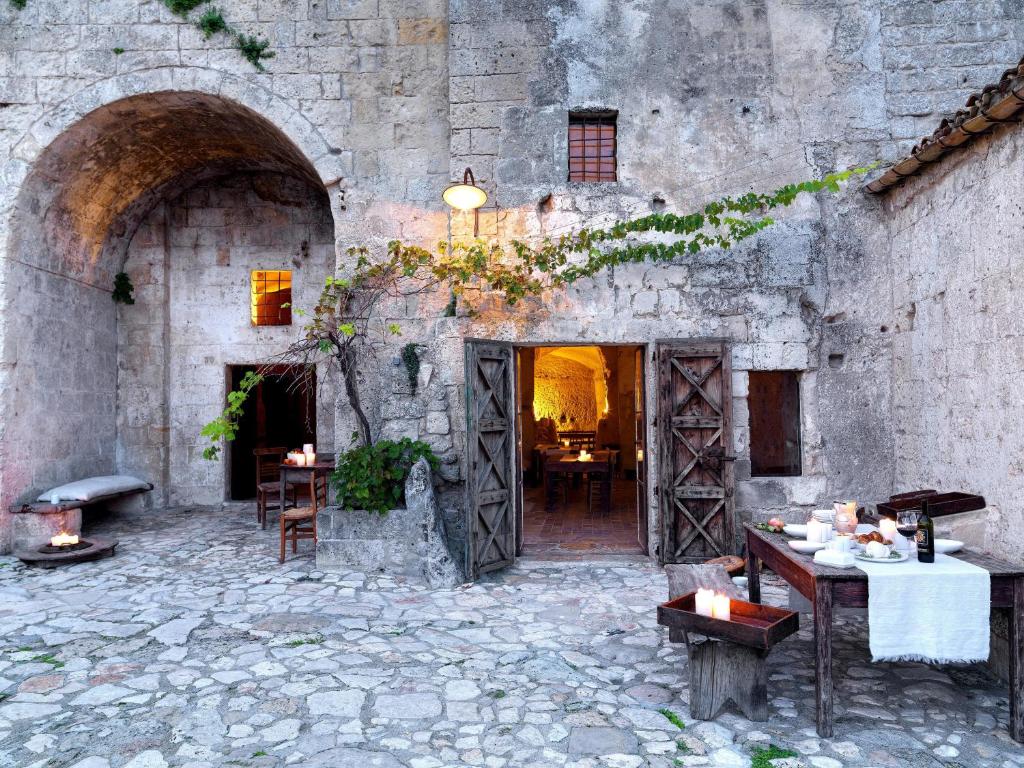
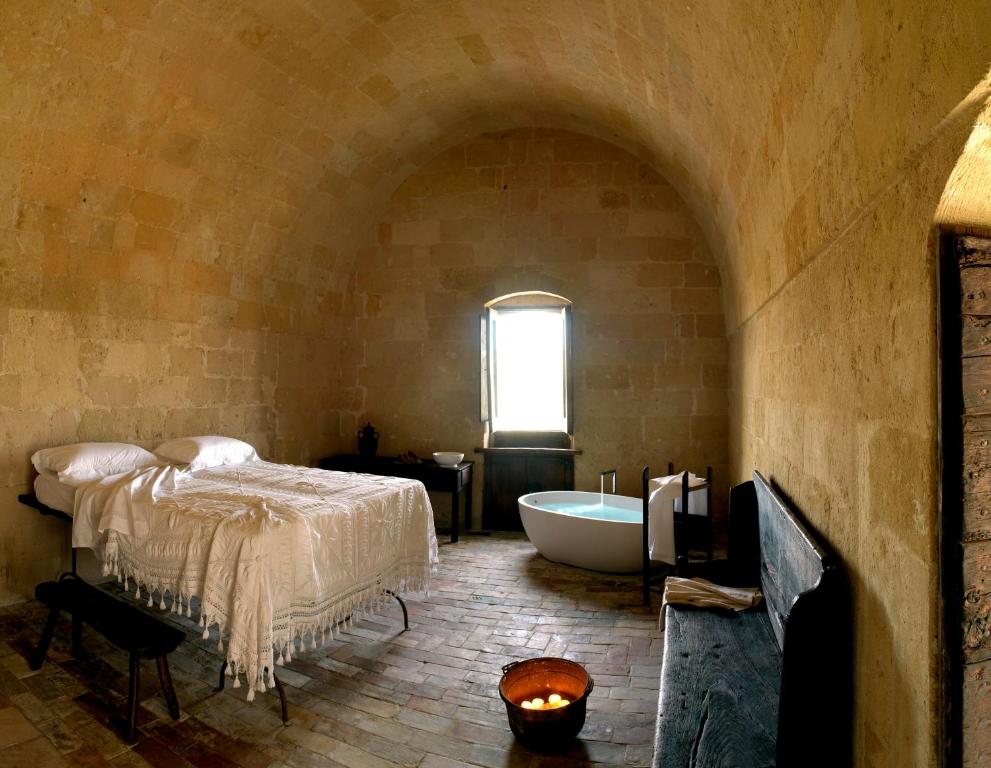
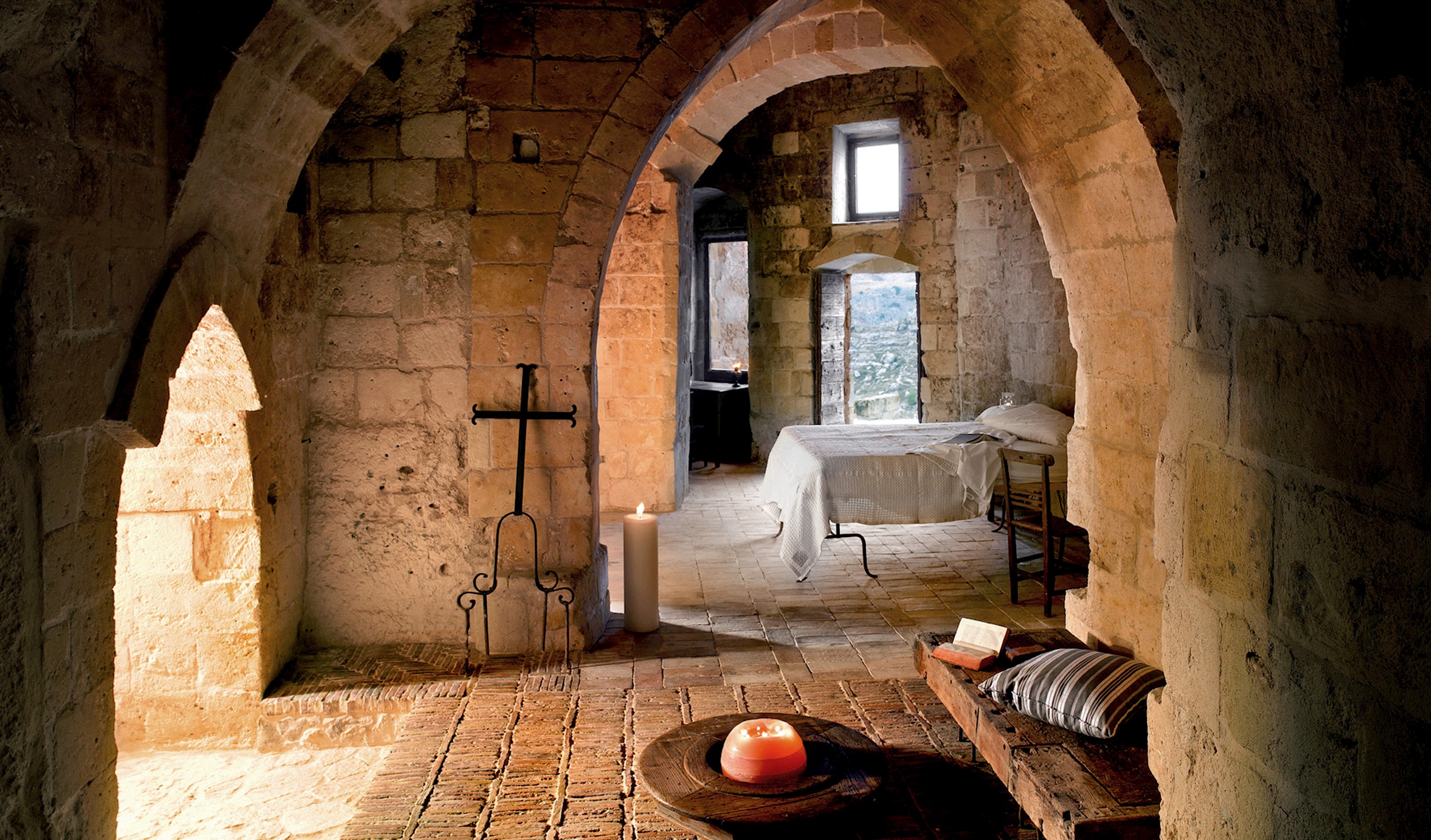
Sextantio’s approach is deliberately uncompromising. There are no televisions. No minibars. No decorative clutter trying to make ancient caves look like contemporary hotel rooms. Instead, the eroded walls and irregular arches remain exposed. Rustic tables, benches, cupboards and old agricultural objects provide much of the furniture. Natural linens are woven on traditional looms. Candles and lanterns cast shadows across surfaces that were never intended to be perfectly smooth. Restoration relied on traditional materials, techniques and tools, protecting not simply the appearance of the caves but something of their original atmosphere. Luxury has been inserted only where it matters. A sculptural white bathtub might sit within an almost prehistoric-looking bathing cave. Beautiful modern fittings appear against rough stone. Heating, plumbing and contemporary comfort are present without becoming the visual story.
18 Caves, No Two Alike
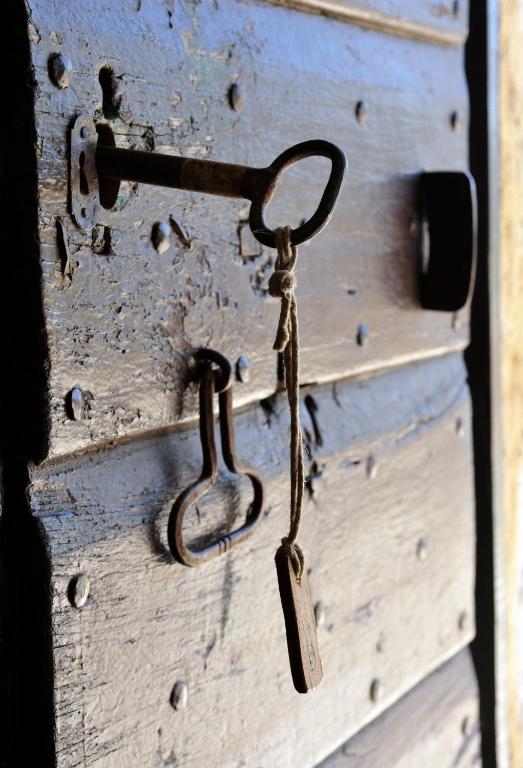
The hotel’s 18 rooms and suites follow the spaces that already existed rather than forcing them into standard hotel layouts. Some are intimate, almost womb-like chambers entered through heavy wooden doors. Others unfold as vast networks of interconnected caves, with bathrooms disappearing into niches and alcoves. Golden tufa surrounds everything. Old stone troughs become basins. Farm ladders become towel rails. Fireplaces warm some of the larger caves during winter, while the thick rock naturally keeps interiors cool through the heat of summer. Natural light can be scarce — often entering through little more than the doorway — but that darkness is part of the experience. This isn’t a hotel trying to overcome the cave. It wants you to feel it.
The Church at Its Heart
Perhaps the most beautiful space isn’t a bedroom at all. A 13th-century rupestrian church has been preserved as the hotel’s communal heart, its rough stone interior illuminated by candles and used for breakfast, gatherings and private dinners. In the morning, tables fill with breads, focaccia, cakes and pastries made in-house, alongside local cheeses, cured meats, fruit and other Basilicatan produce. Later, the same ancient room can become an extraordinarily intimate setting for dinner. Few breakfast rooms come with nearly a millennium of history.
Matera Beyond the Door
Step outside and the hotel becomes almost indistinguishable from the Sassi surrounding it. Stone staircases twist between cave houses, medieval buildings and rock-cut churches. Across the ravine lies the stark limestone landscape of the Murgia Materana, while terraces along the hotel provide front-row seats to one of southern Italy’s most extraordinary urban landscapes. Matera was once associated with extreme poverty and displacement; today its Sassi are protected as a UNESCO World Heritage Site. Sextantio doesn’t erase that difficult history in order to sell a romantic version of cave living. Its power comes precisely from treating those spaces with respect.
Why It Works
Sextantio Le Grotte della Civita challenges the usual definition of luxury. There is almost nothing conventionally luxurious about rough walls, sparse furniture and rooms illuminated by candlelight. Yet very few hotels offer something this difficult to manufacture: authenticity that comes from leaving things alone. The expensive part isn’t what has been added. It’s the discipline shown in deciding what not to add. Sextantio doesn’t recreate ancient Matera. It allows you to sleep inside what remains of it.