Shinta Mani Mustang – Jomsom, Nepal
Bill Bensley brings bold design, Tibetan culture and Himalayan adventure together at the edge of the sky
Why DNA Hotels Loves It
● Bill Bensley turns the drama of Mustang into the starting point for the design, using Tibetan references, local craft and richly layered interiors rather than importing a generic idea of mountain luxury.
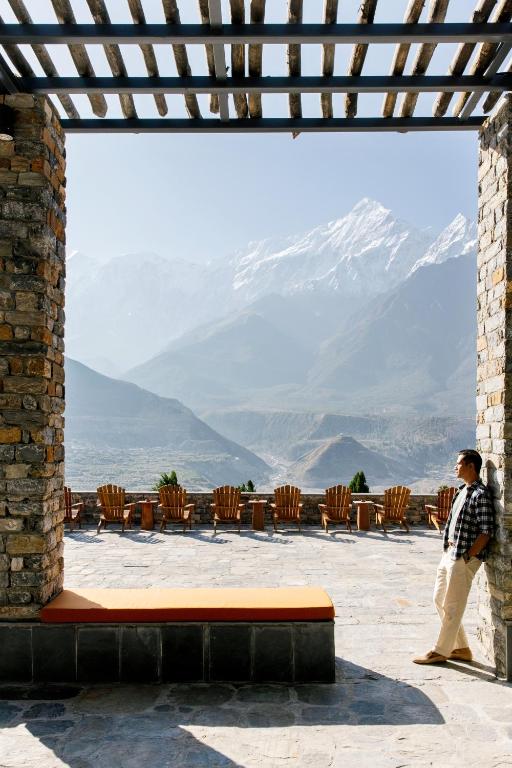
● With just 29 suites overlooking the Nilgiri Himal, the lodge combines an extraordinary sense of remoteness with deeply curated journeys into one of Nepal’s most culturally distinctive regions.
● Shinta Mani Mustang makes the destination inseparable from the stay: monasteries, ancient villages, high-altitude landscapes, local food and Tibetan Buddhist traditions are as important as the hotel itself.
At the Edge of the Himalayas
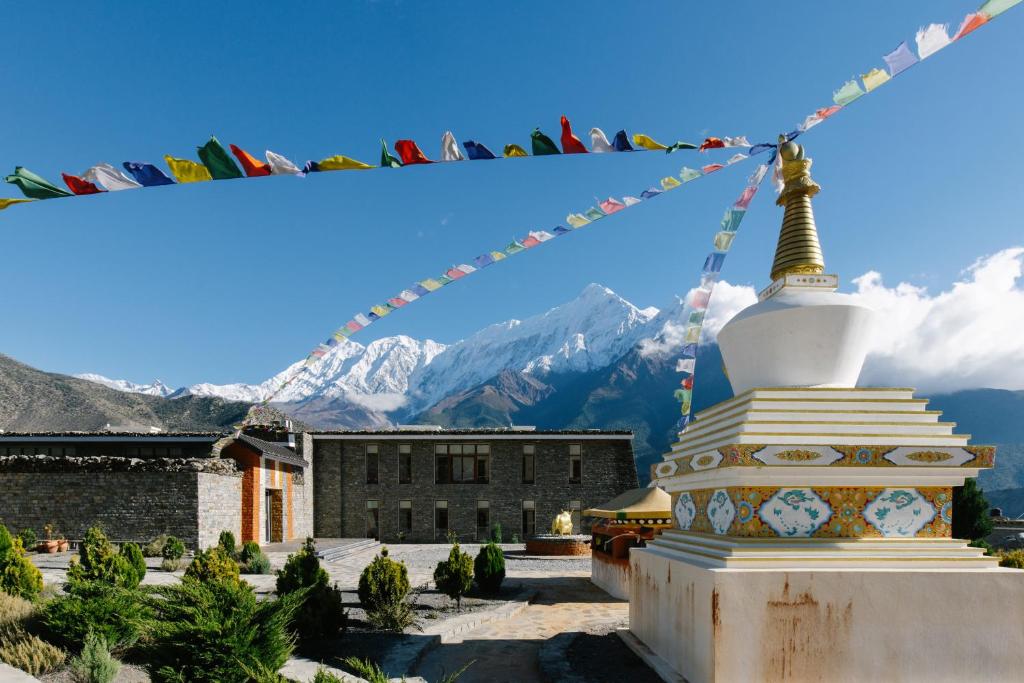
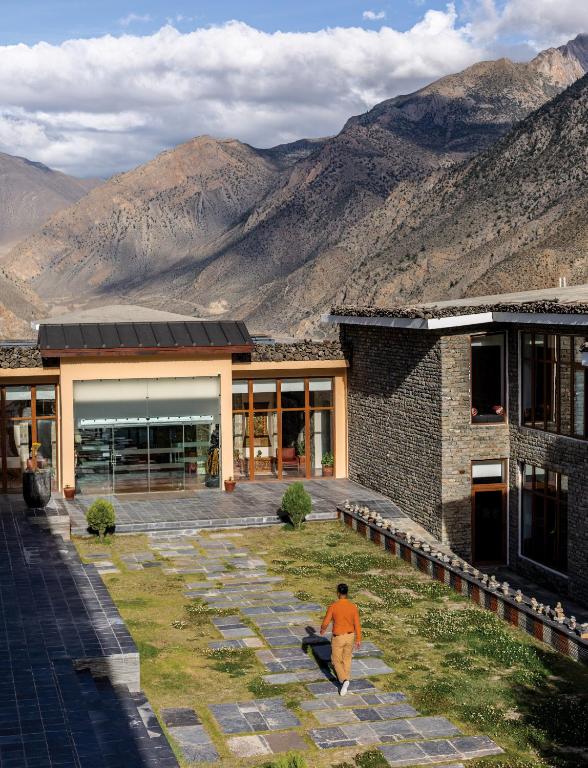
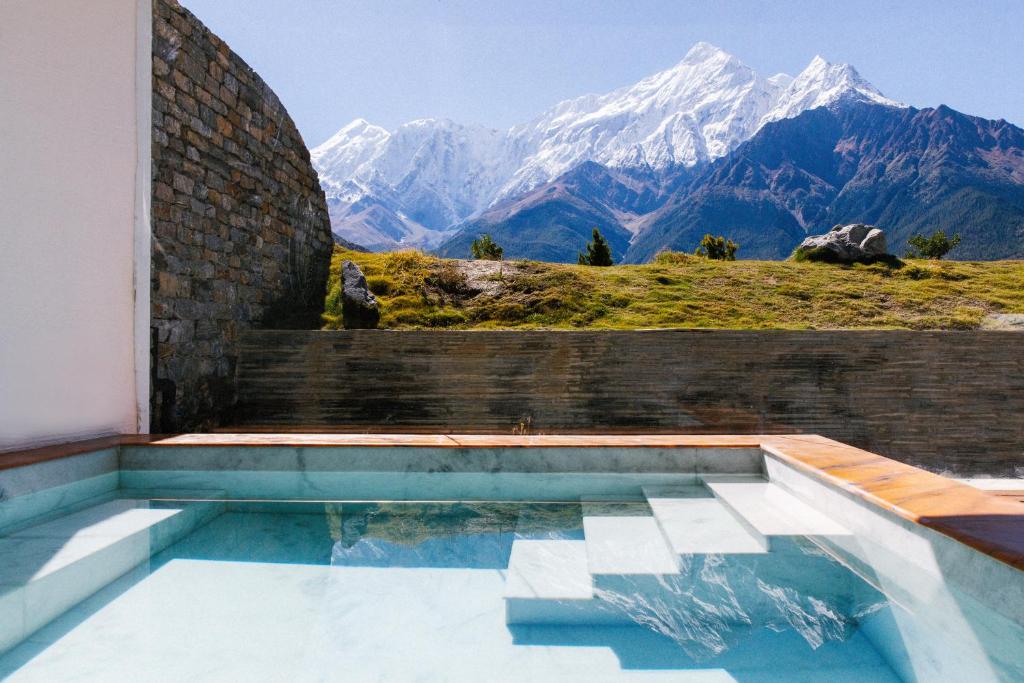
There are remote hotels. And then there is Shinta Mani Mustang. Set high above the town of Jomsom in Nepal’s Lower Mustang region, the lodge occupies a stark landscape of wind-carved valleys, barren mountains and snow-covered Himalayan peaks. This was once part of the ancient salt trading route between Tibet and India. For centuries, caravans crossed these valleys carrying salt, grain and wool through a landscape where Tibetan Buddhist culture remains deeply embedded in everyday life. The journey here is part of the experience. And that is precisely the point.
Bill Bensley Goes to Mustang
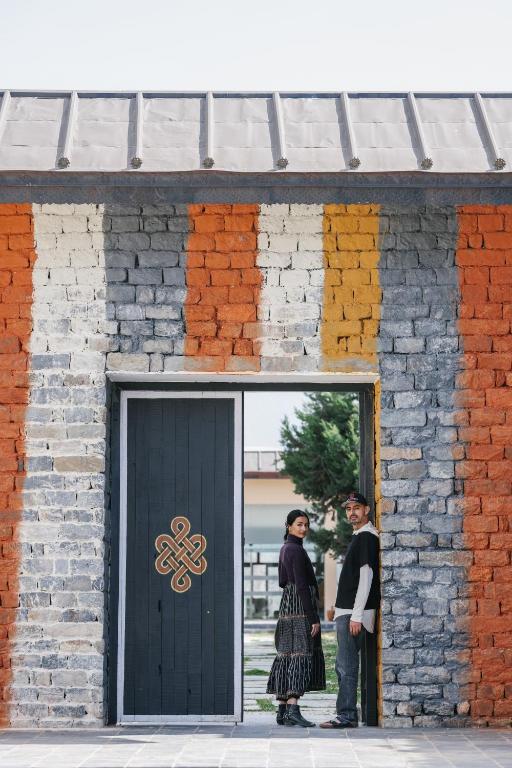
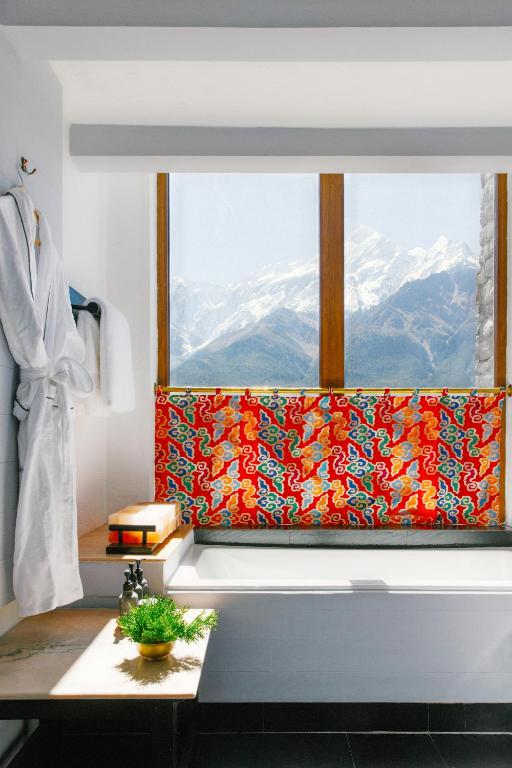
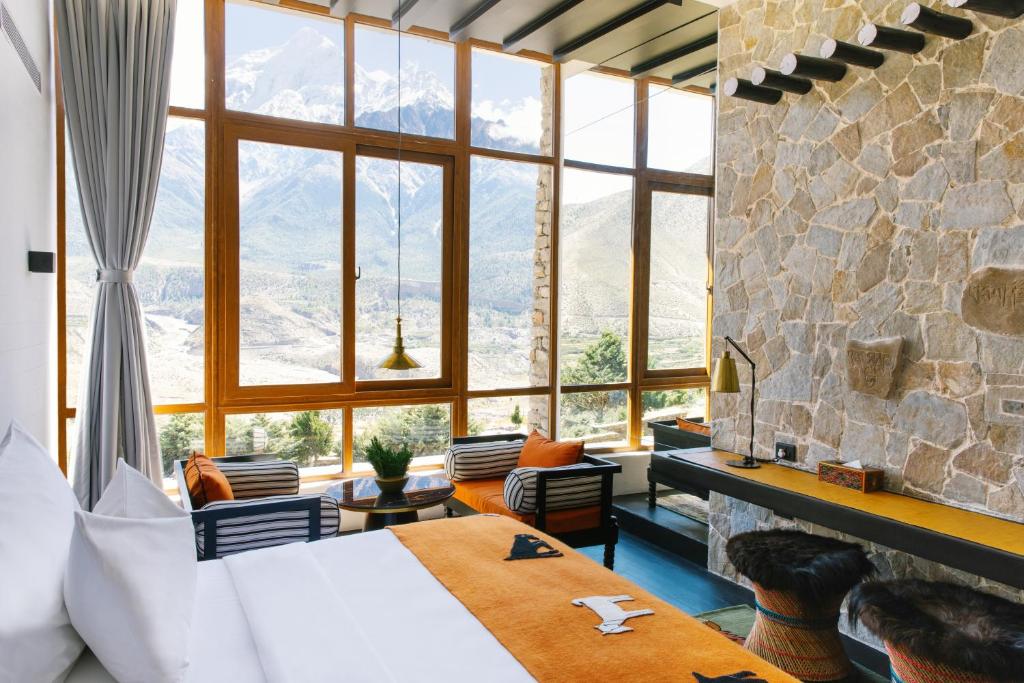
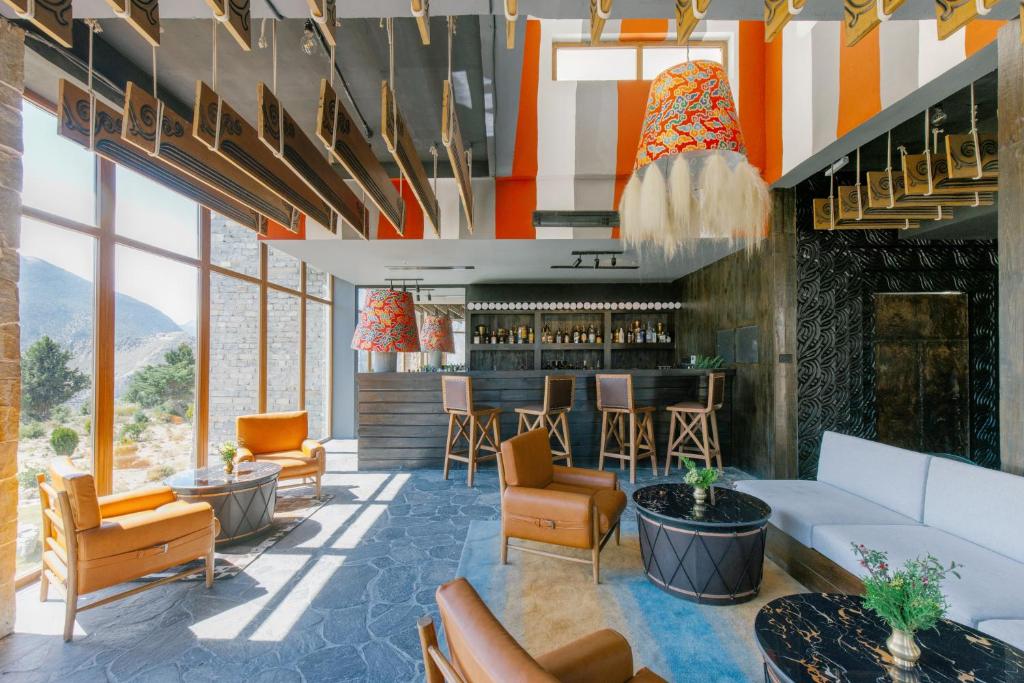
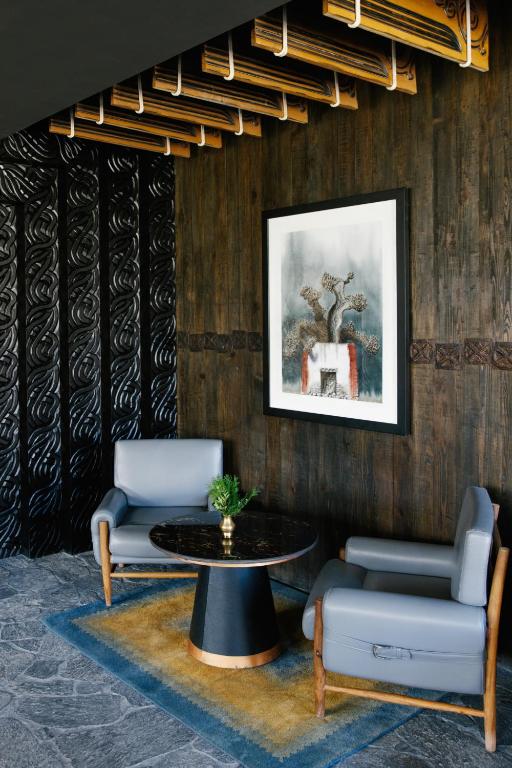
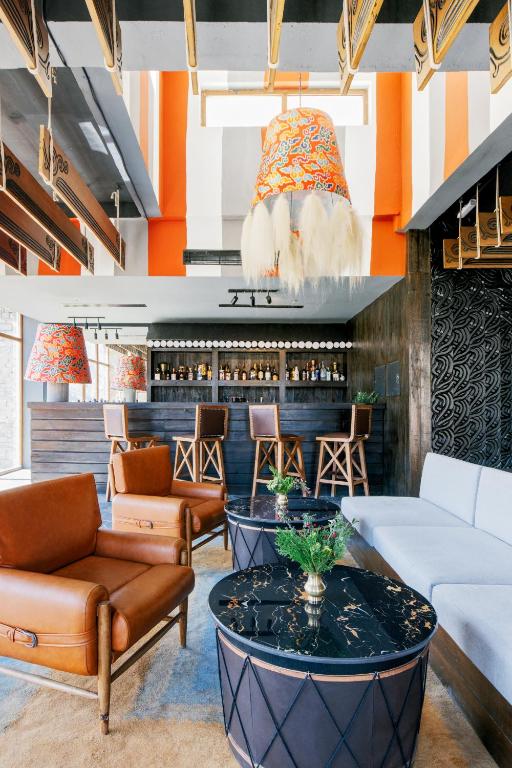
Designer Bill Bensley is famous for creating hotels with strong narratives. Here, however, the landscape already provides a story more powerful than anything a designer could invent. So rather than compete with Mustang, Bensley draws from it. Stone. Dark timber. Weathered textures. Tibetan motifs. Handcrafted furniture. Bold woven fabrics. Objects that reference the region’s trading history and Buddhist culture. The result is unmistakably Bensley — theatrical, detailed and occasionally eccentric — but grounded in a much older visual language.
The View Is the Architecture
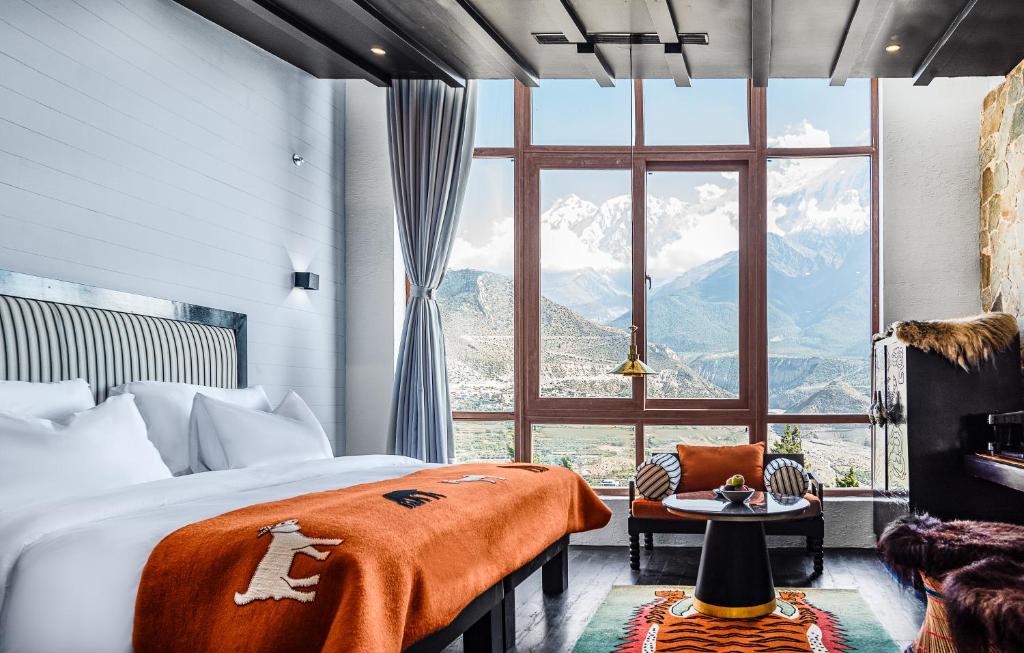
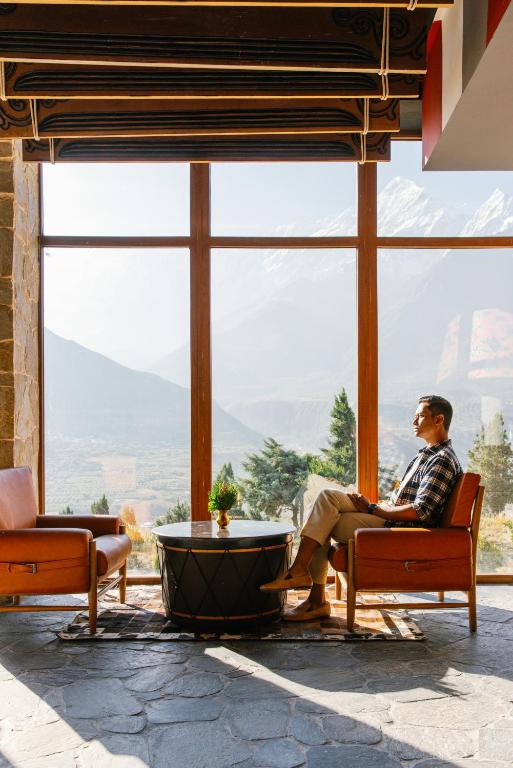
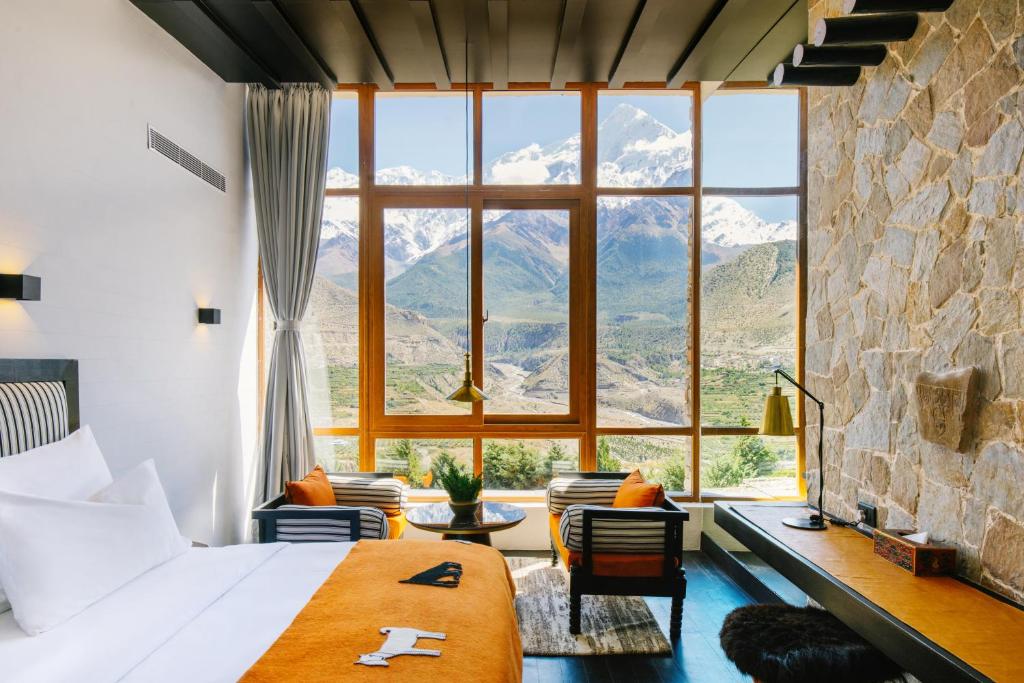
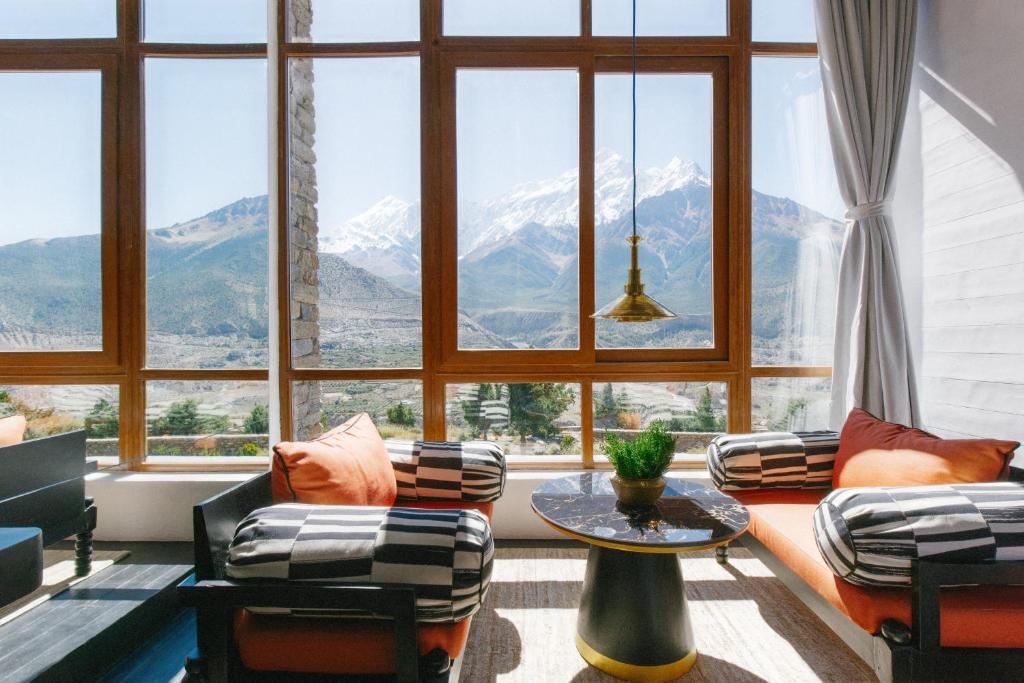
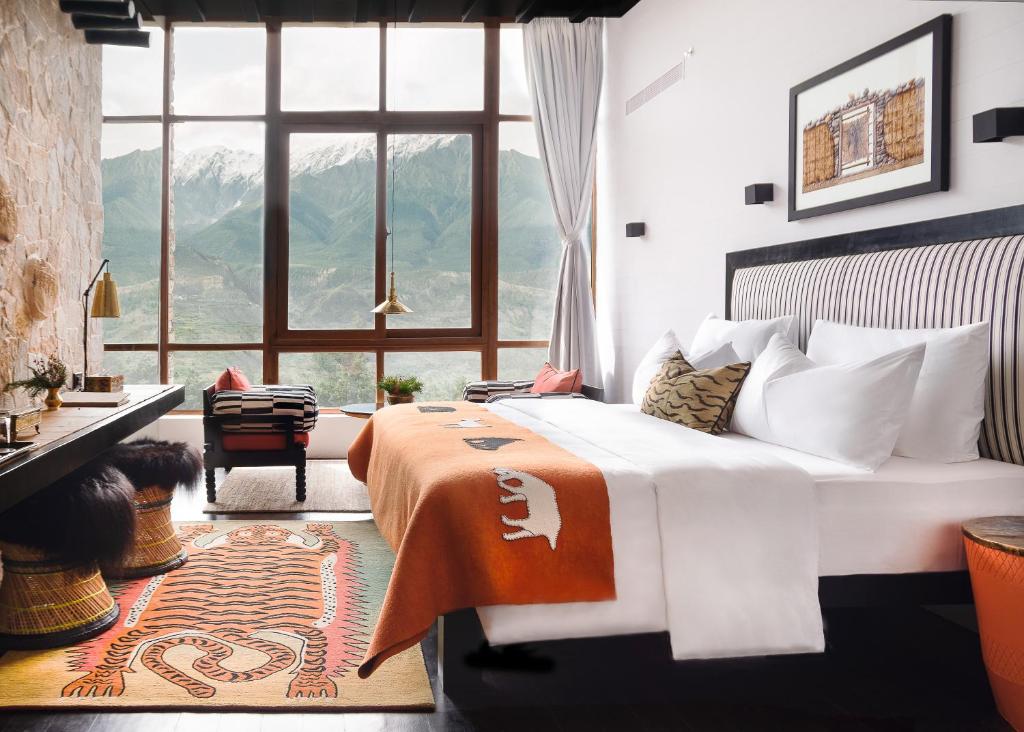
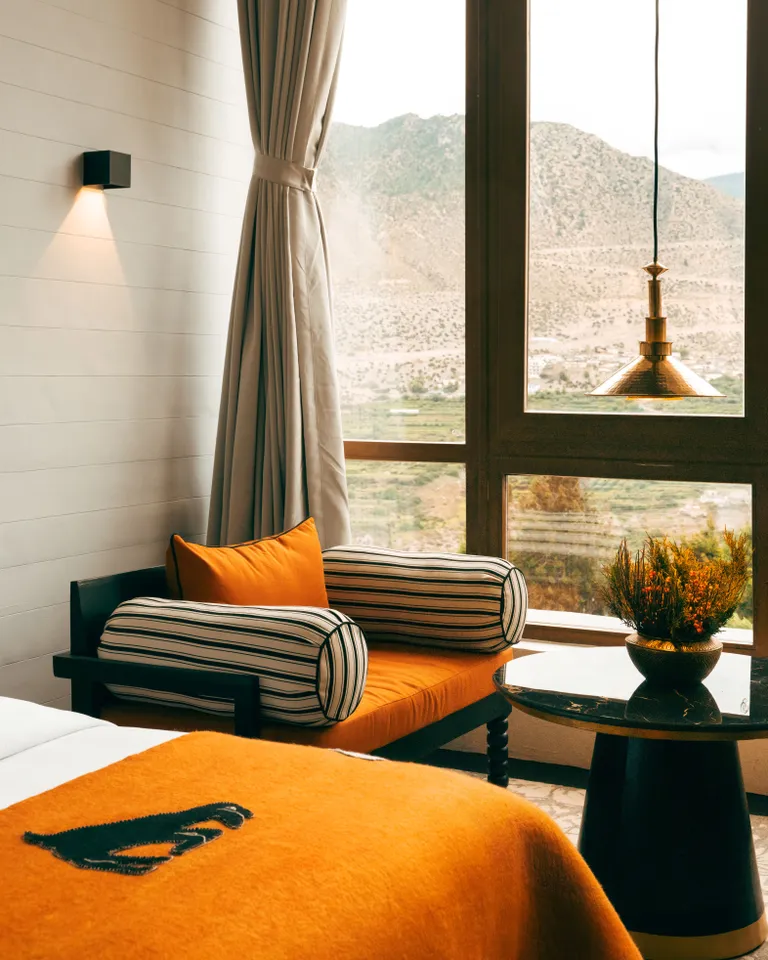
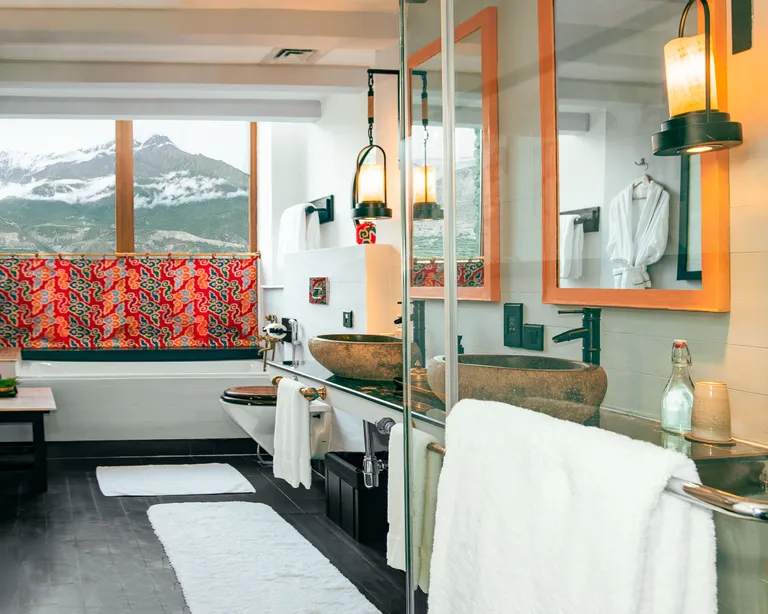
The lodge contains just 29 suites, and each one turns towards the mountains. Large windows frame the Nilgiri range almost like enormous landscape paintings. Inside, the mood changes completely. Against the immense, austere world outside, rooms become warm cocoons filled with timber, tactile fabrics, rugs, handcrafted pieces and flashes of colour. Yak-wool blankets and locally inspired textiles reinforce the connection to Mustang without turning the rooms into historical reproductions. This is contemporary hospitality built around an ancient place. And when the mountains are outside your window, excessive decoration would be beside the point.
A Landscape That Makes You Feel Small
Mustang is one of those places where conventional ideas about scenery become inadequate. The Himalayas rise behind desert-like valleys. Cliffs have been eroded into strange formations. Villages appear almost carved from the earth. Prayer flags provide sudden explosions of colour. Centuries-old monasteries sit against landscapes that seem almost geological rather than inhabited. Shinta Mani uses the lodge as a base from which to understand this world rather than simply observe it.
The Hotel Is Only Half the Experience
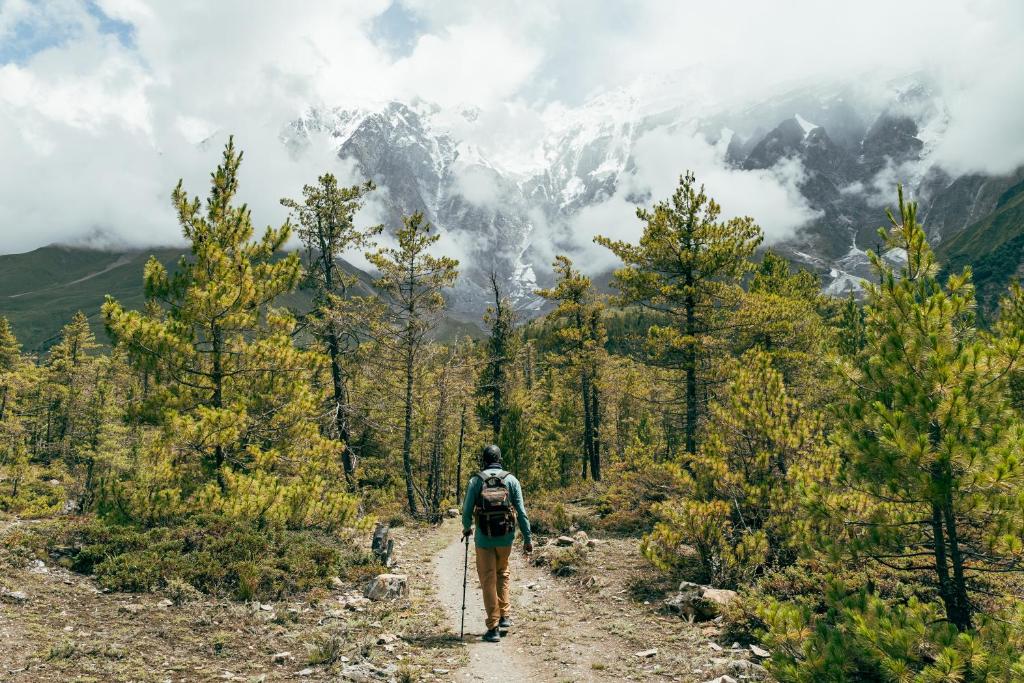
Days are structured around exploring Mustang. Guided hikes lead through villages and valleys. Monasteries reveal the region’s Tibetan Buddhist traditions. There are opportunities to meet local craftspeople and learn about practices that have survived here for generations. Horseback journeys recall the trade routes that once connected the region with Tibet. And excursions can reach some of Mustang’s extraordinary sacred and archaeological landscapes. It is a hotel that makes very little sense if you never leave it. That may be its greatest strength.
Food at Altitude
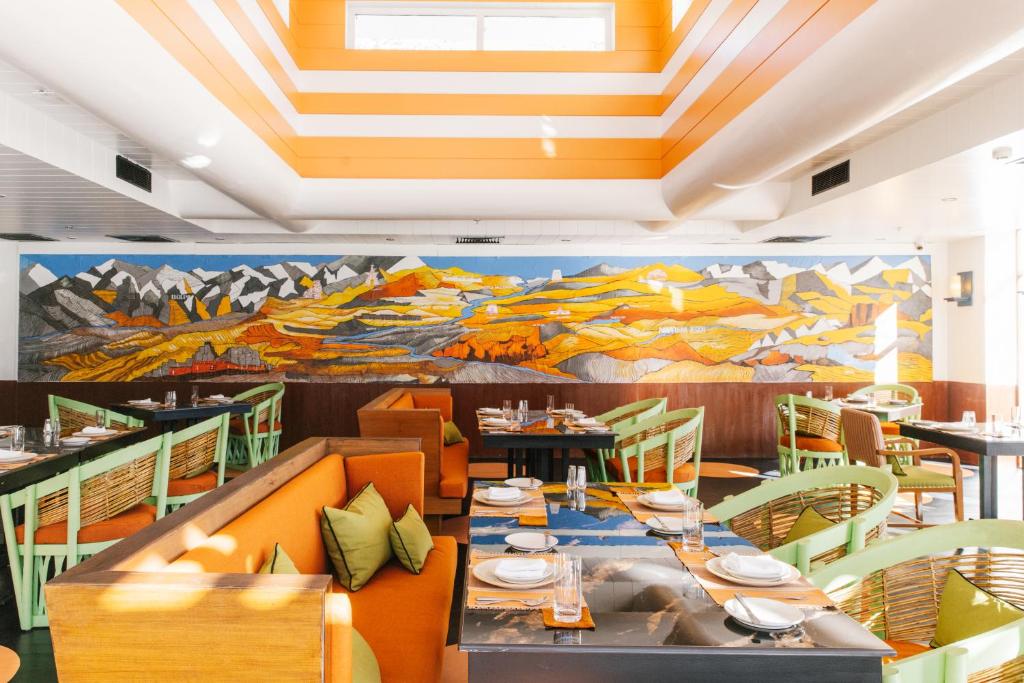
Back at the lodge, food continues the sense of place. Nepalese and Tibetan influences are combined with ingredients sourced as locally and seasonally as the environment allows. After hours outside in Mustang’s dry mountain air, the appeal is elemental. Warm food. A fire. A drink. And those mountains beyond the glass. Luxury becomes less about abundance and more about exactly what you want after a day at altitude.
A Different Kind of Wellness
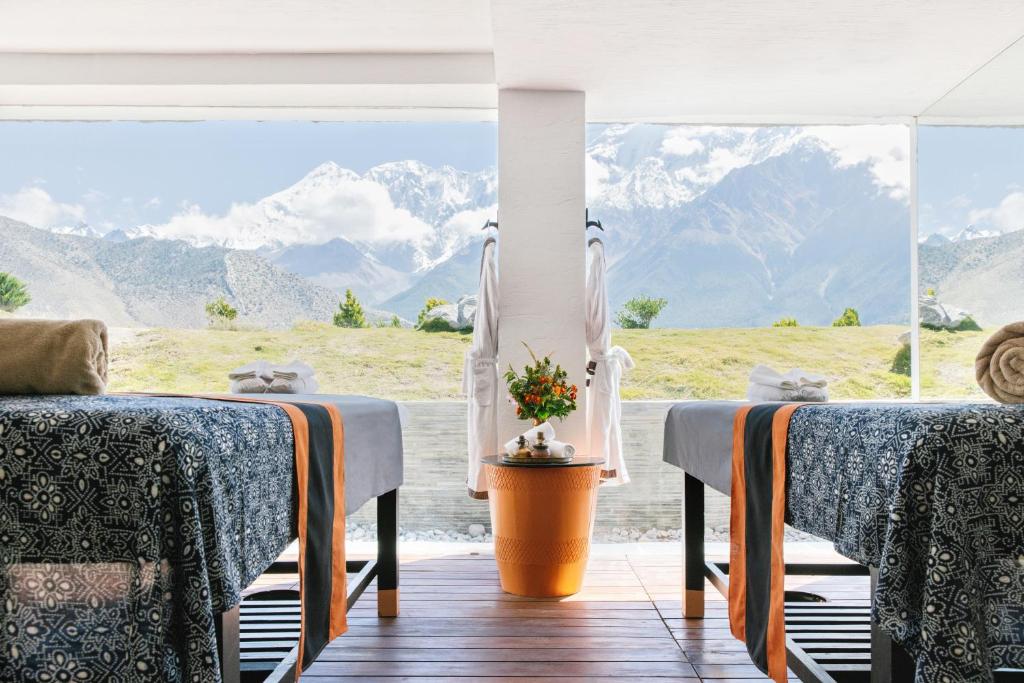
The same applies to the spa. Treatments draw inspiration from Himalayan traditions and local botanicals, but the real wellness experience is difficult to package. Silence. Altitude. Walking. Cold air. Huge skies. A landscape almost entirely free from the visual noise of urban life. Mustang does much of the work itself.
Luxury as Access
Perhaps the most interesting thing about Shinta Mani Mustang is its definition of luxury. The expensive part is obvious: beautiful suites, sophisticated design, carefully prepared food and highly personalised service. But those are not ultimately what make the hotel exceptional. Its real luxury is access. Access to guides who understand the region. To villages and monasteries. To stories and traditions. To landscapes that remain difficult to reach. And to the time and space required to absorb them.
Beyond the Bensley Spectacle
Bill Bensley hotels can sometimes feel like destinations created from an extraordinary imagination. Shinta Mani Mustang reverses that equation. Here, the destination is already extraordinary. The designer’s job is to help you enter it. Shinta Mani Mustang succeeds because the hotel never becomes bigger than Mustang itself. The Himalayas, the culture and the journey remain the protagonists — Bensley simply gives you a remarkable place from which to experience them.