Sir Prague, Czechia
A Neo-Renaissance Landmark Reimagined Through Gothic Drama, Czech Cubism, and Contemporary Design
Why DNA Hotels Loves It
● Linda Boronkay’s interiors translate Prague’s layered architectural history into a richly textured contemporary hotel.
● Vintage Czech furniture, bespoke local craftsmanship, and contemporary Czech art give the 76 rooms and suites a strong sense of place.
● The library, courtyard, and Seven North restaurant turn the hotel into a cultural address rather than simply somewhere to sleep.
A Landmark with a New Life
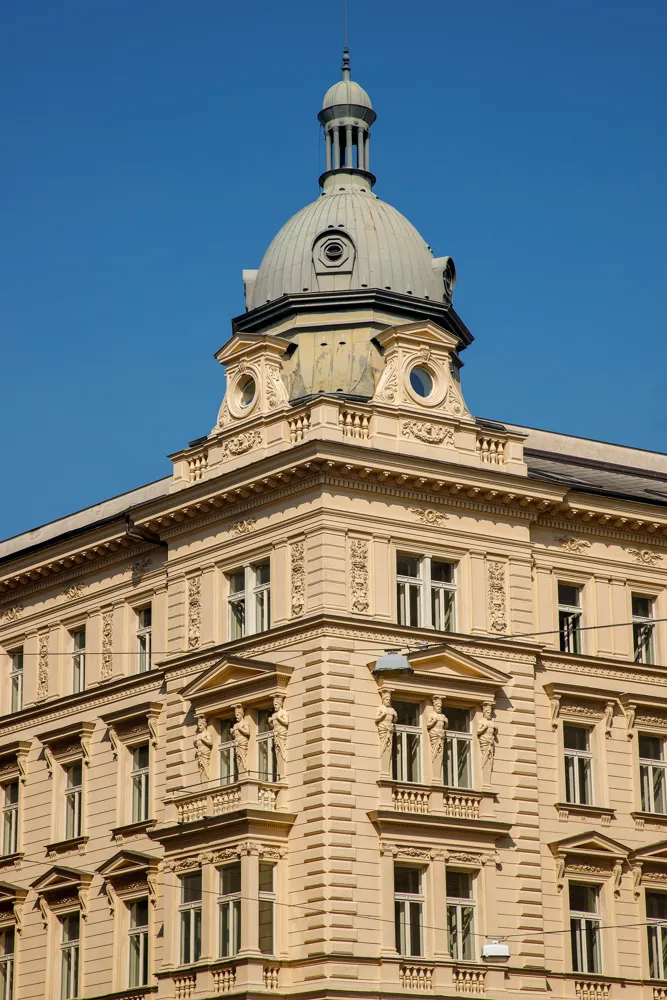
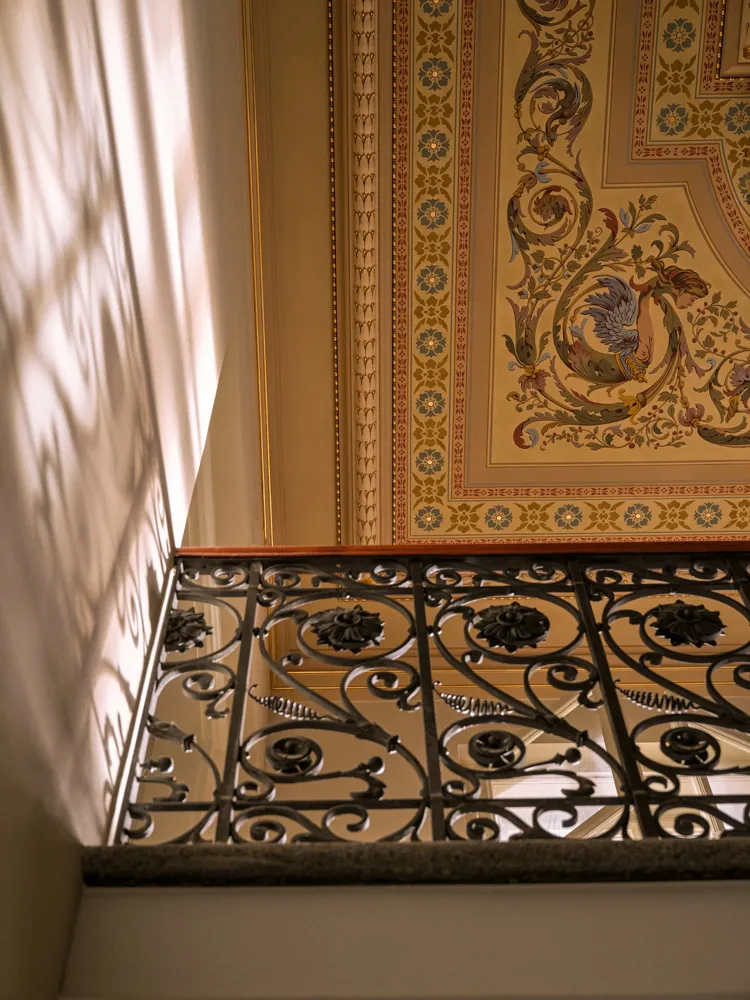
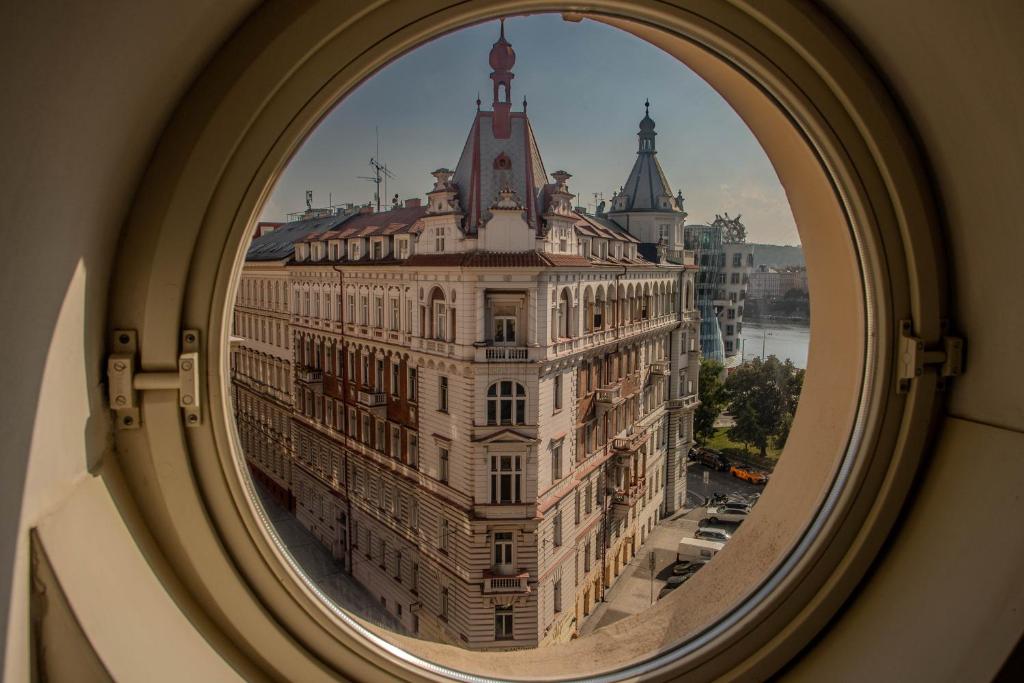
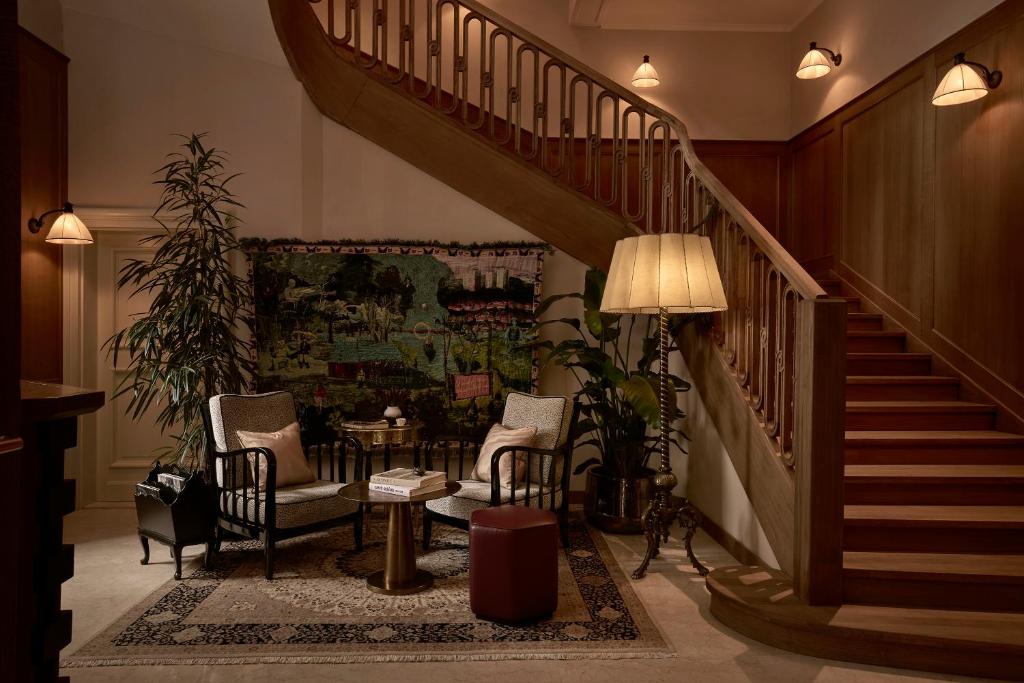
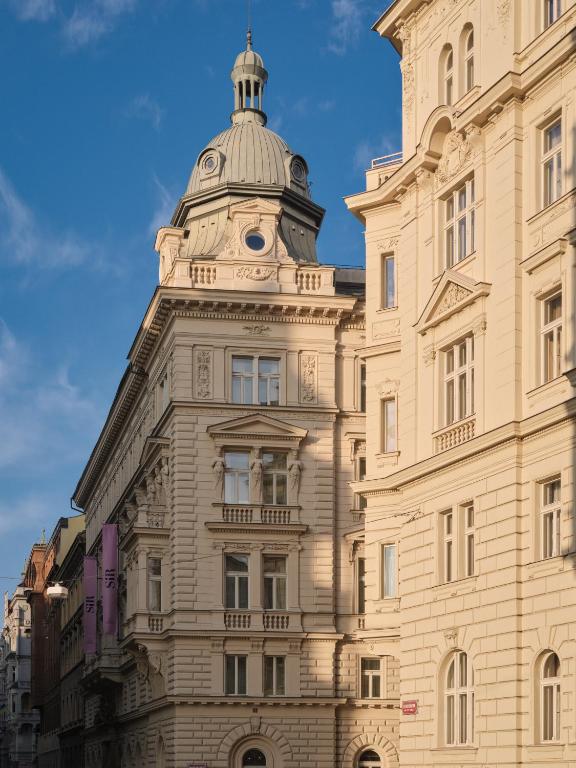
Sir Prague occupies an 1884 neo-Renaissance building close to the Vltava River and Frank Gehry’s Dancing House. Once associated with the city’s institutional past, the structure has been carefully restored to preserve its stonework, ornate ceilings, iron detailing, and grand proportions. Rather than treating the architecture as a static backdrop, the redesign allows its different historical layers to remain visible. The building carries history. The hotel gives it new energy.
Prague Through a Contemporary Lens
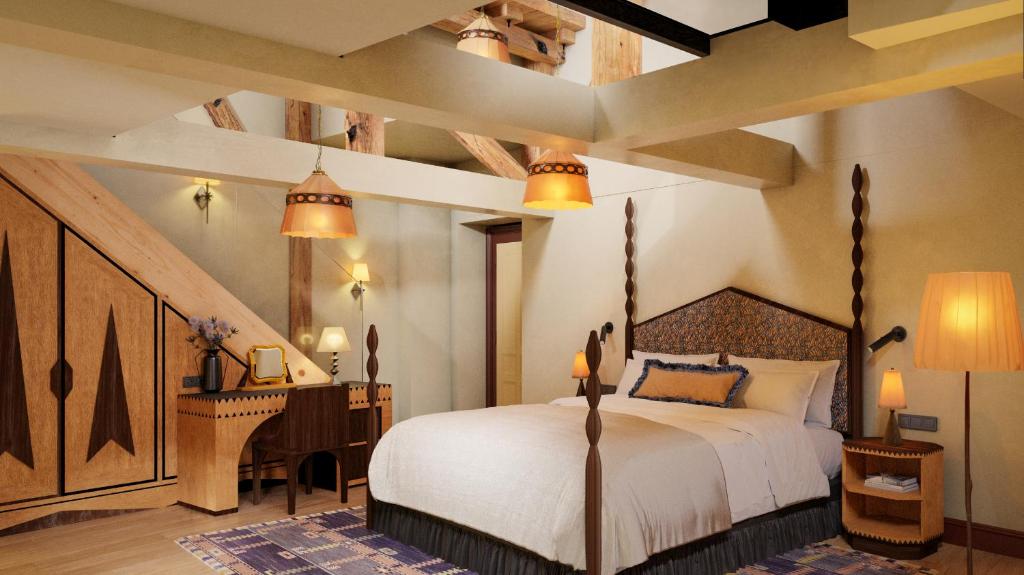
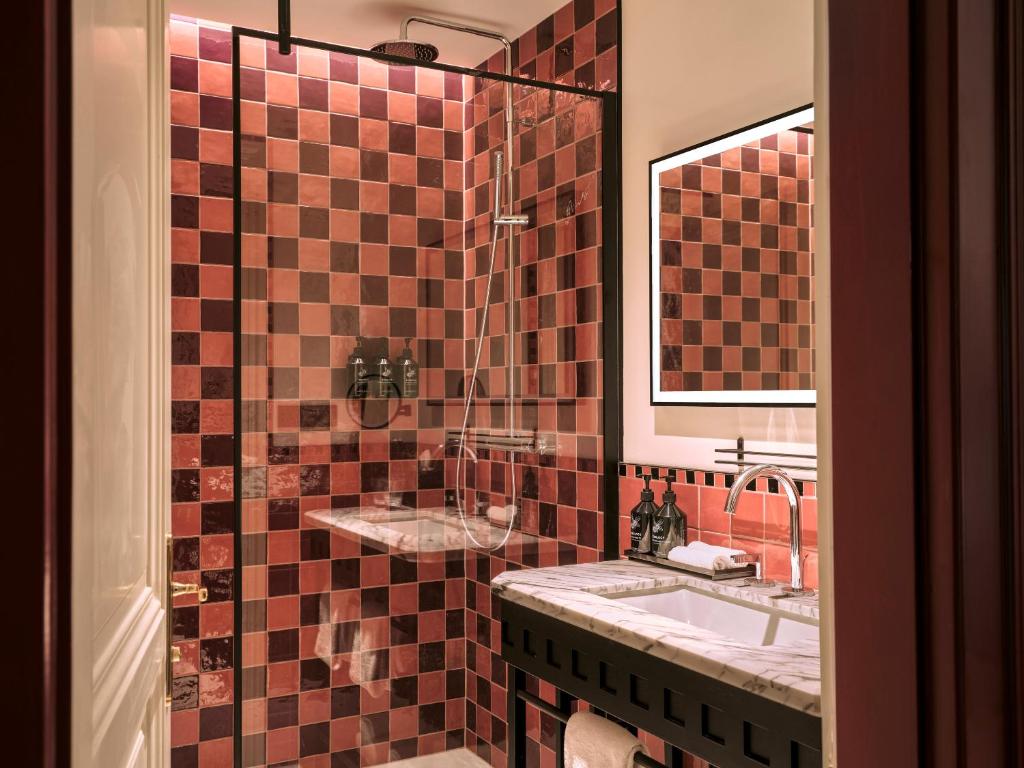
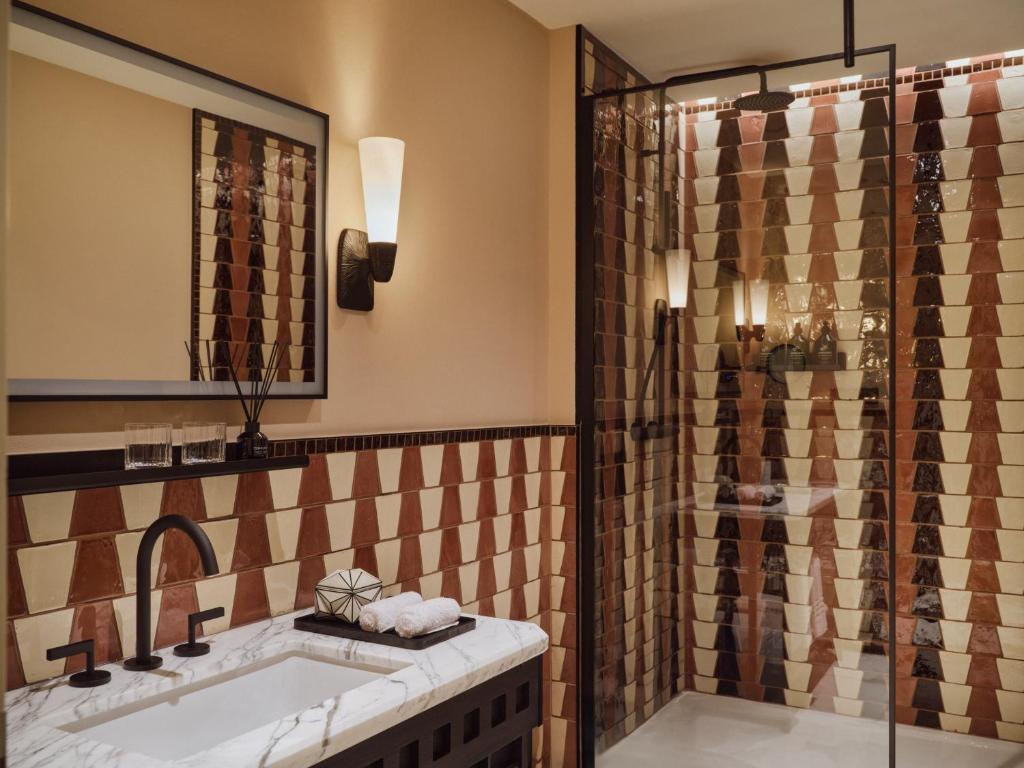
Designer Linda Boronkay drew inspiration from several of the city’s defining visual movements. Gothic drama, Czech Cubist geometry, Art Nouveau elegance, and contemporary forms appear through sculptural lighting, graphic patterns, trelliswork, embroidered textiles, and contrasting materials. The result is eclectic but controlled, with every element contributing to a distinctly Prague narrative. The references feel layered. Never literal.
Rooms Made by Many Hands
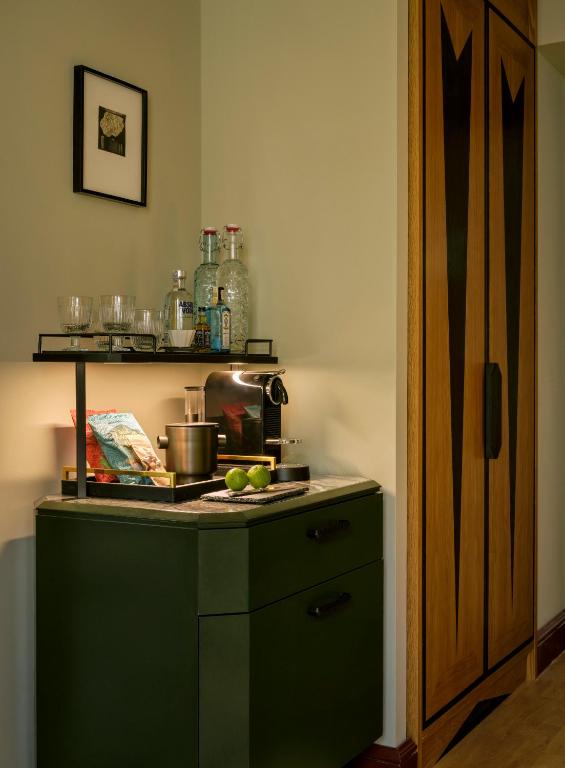
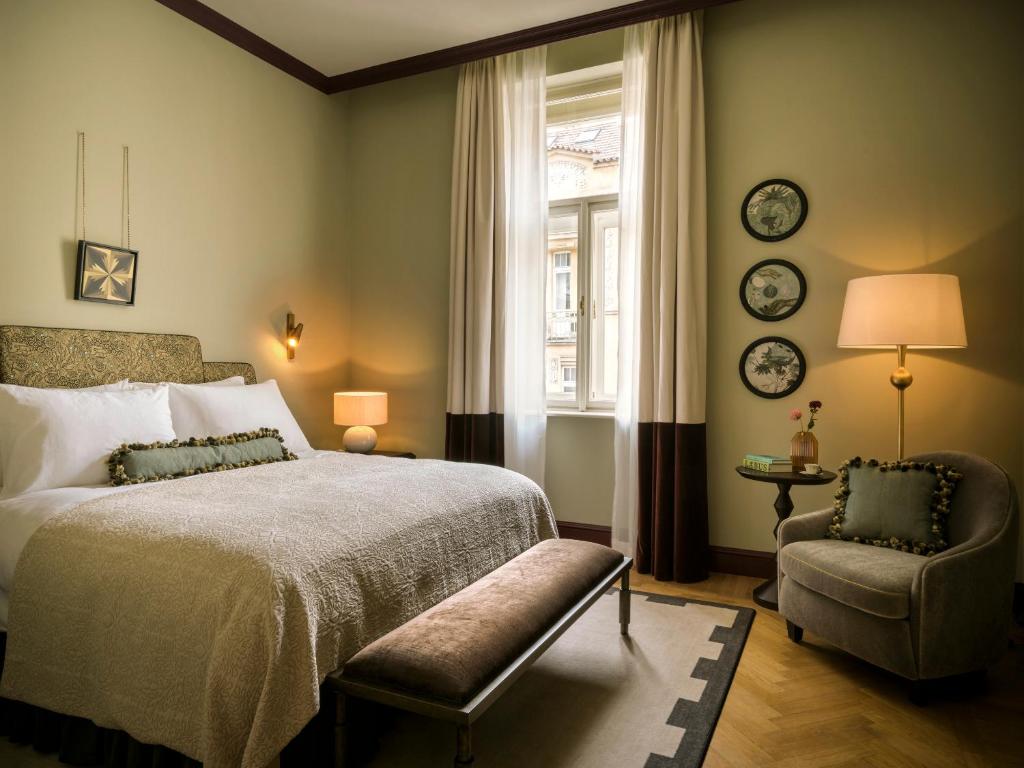
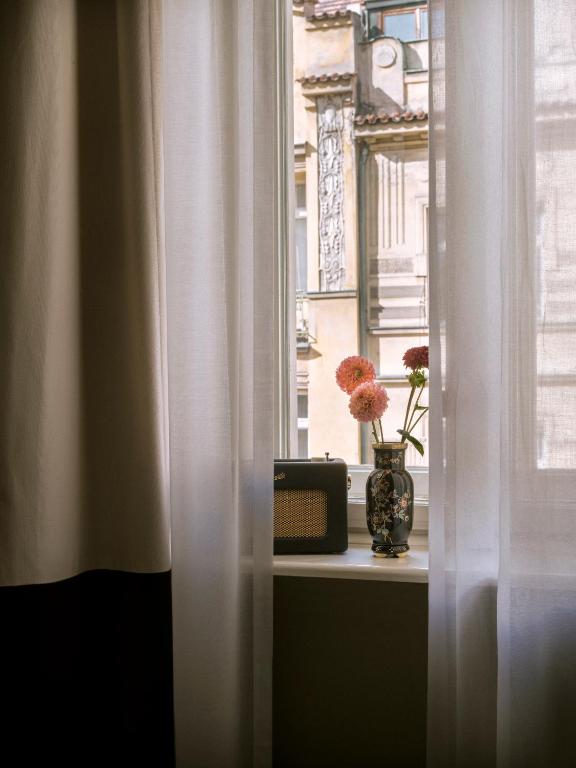
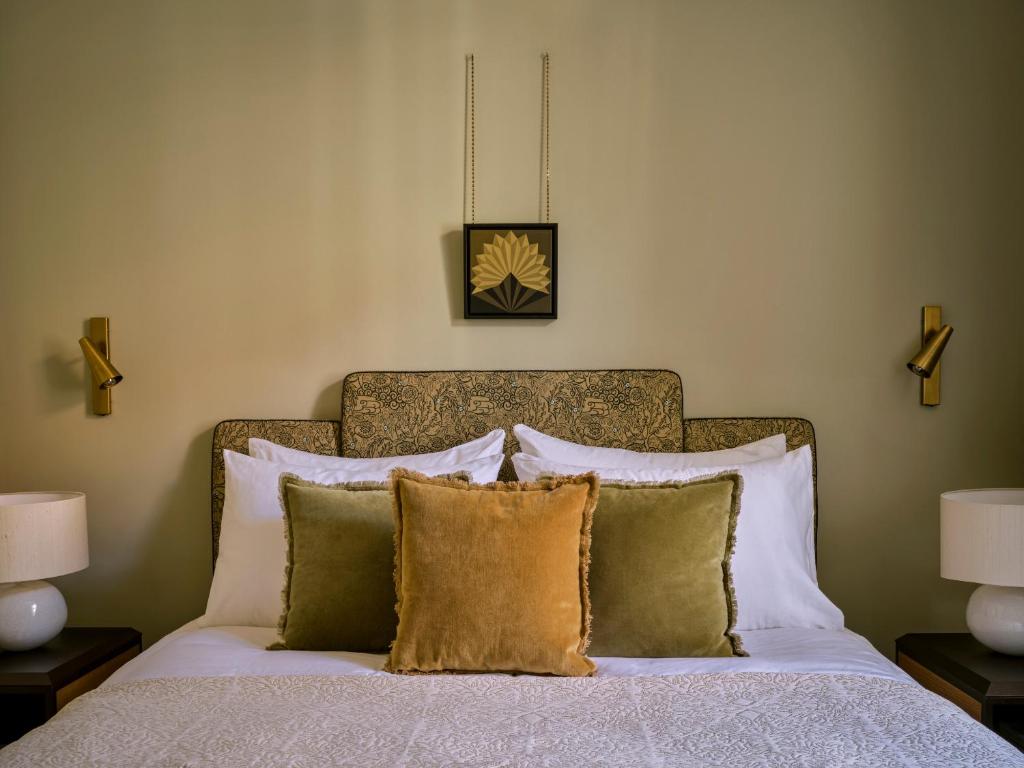
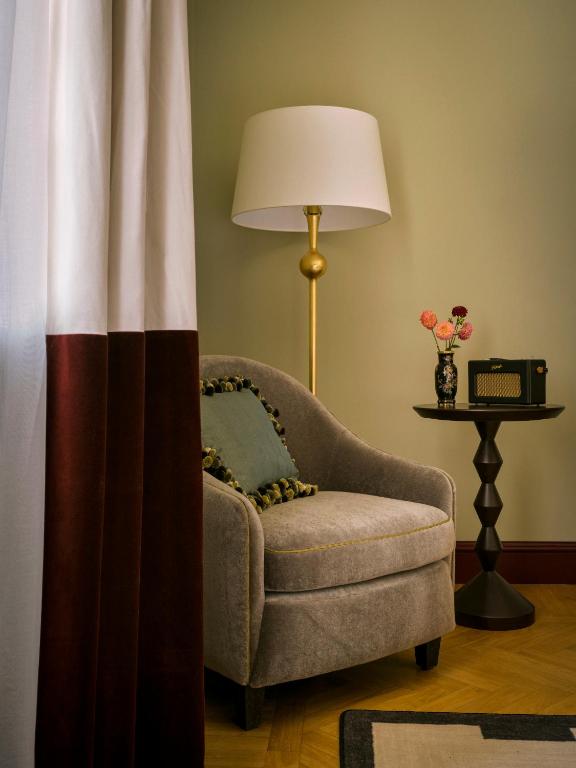
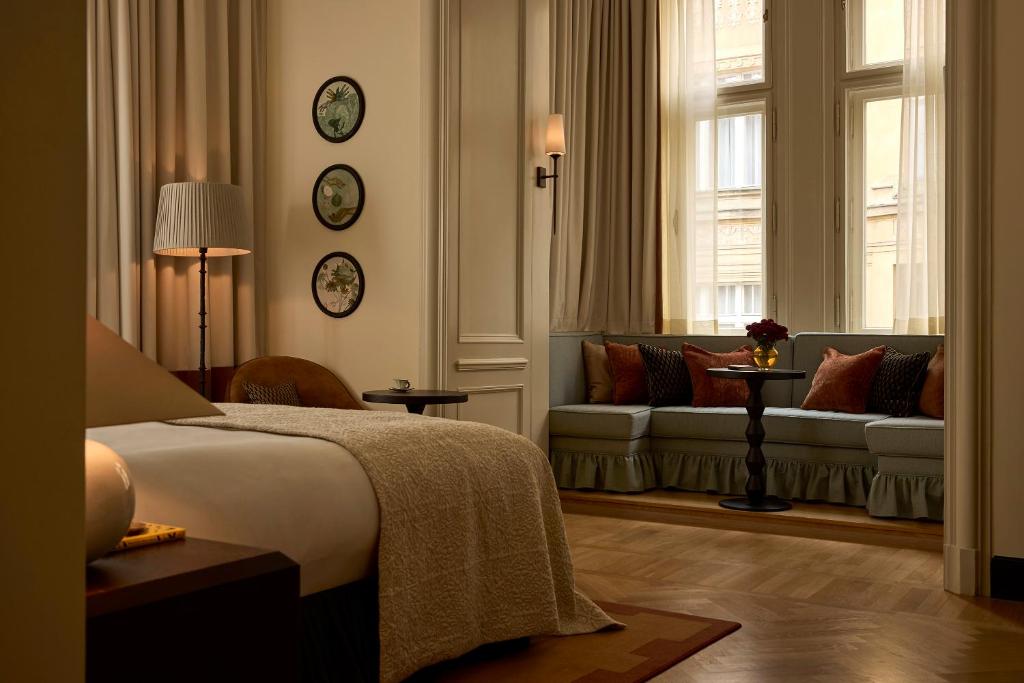
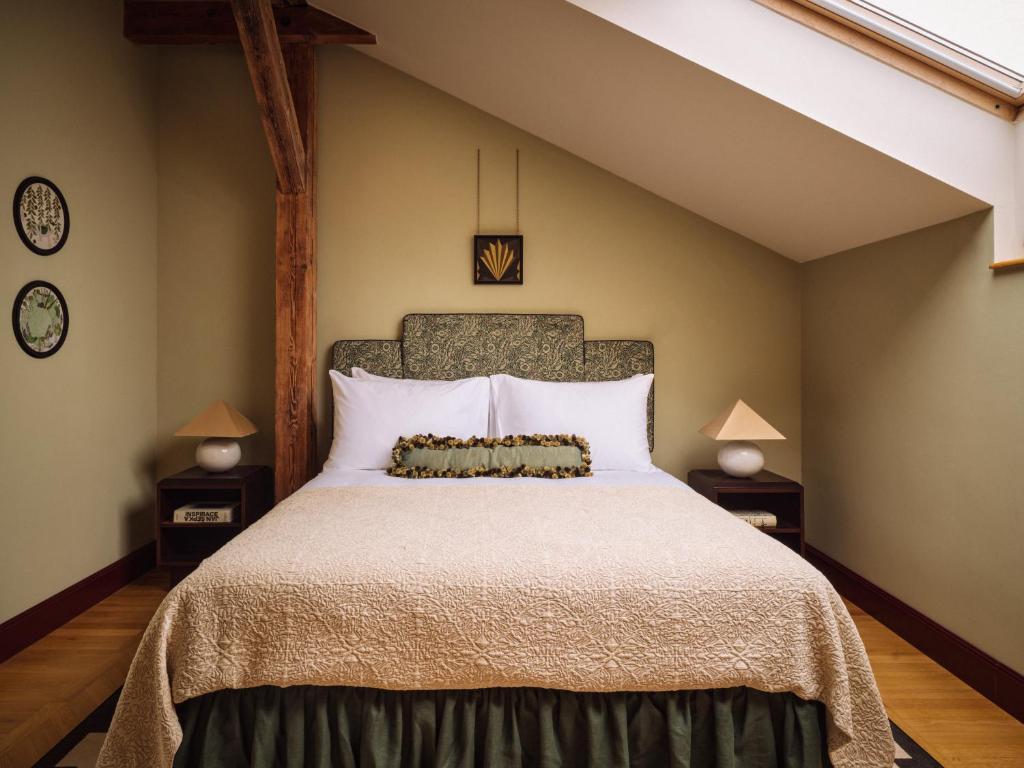
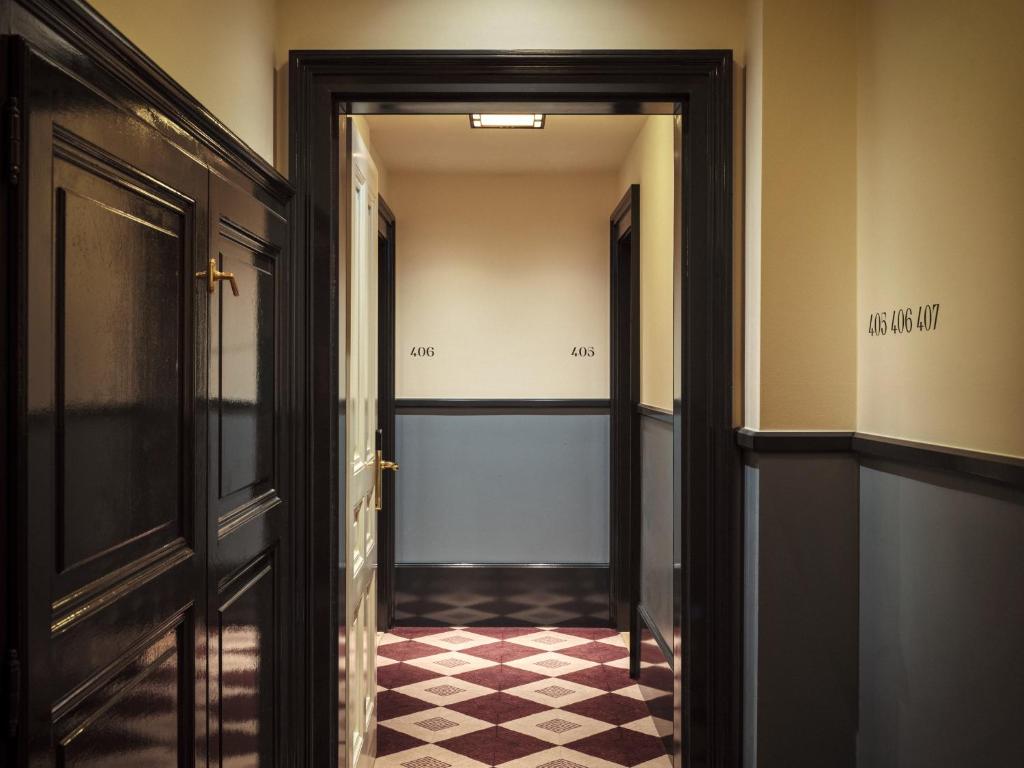
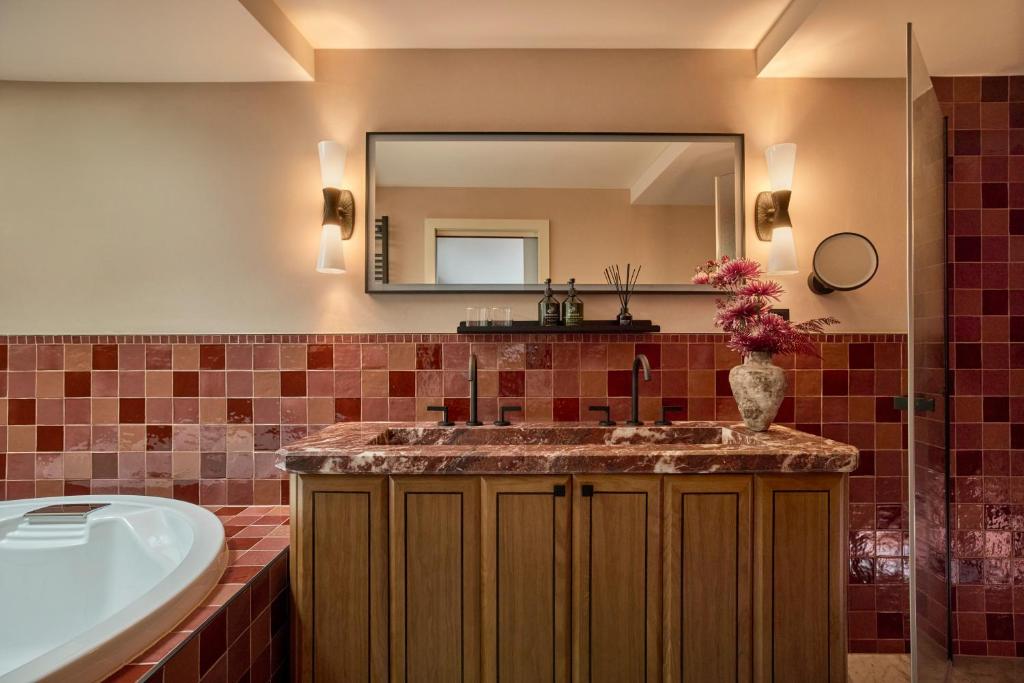
The 76 guestrooms and suites celebrate local craftsmanship. Vintage Czech furnishings sit alongside custom-made pieces by local artisans, hand-embroidered headboards, sculptural lamps, richly patterned fabrics, and whimsical artworks. Original architectural features remain visible, while generous windows and carefully balanced lighting bring softness to the historic structure. Every room feels collected. Nothing feels standardised.
A Hotel as Cultural Space
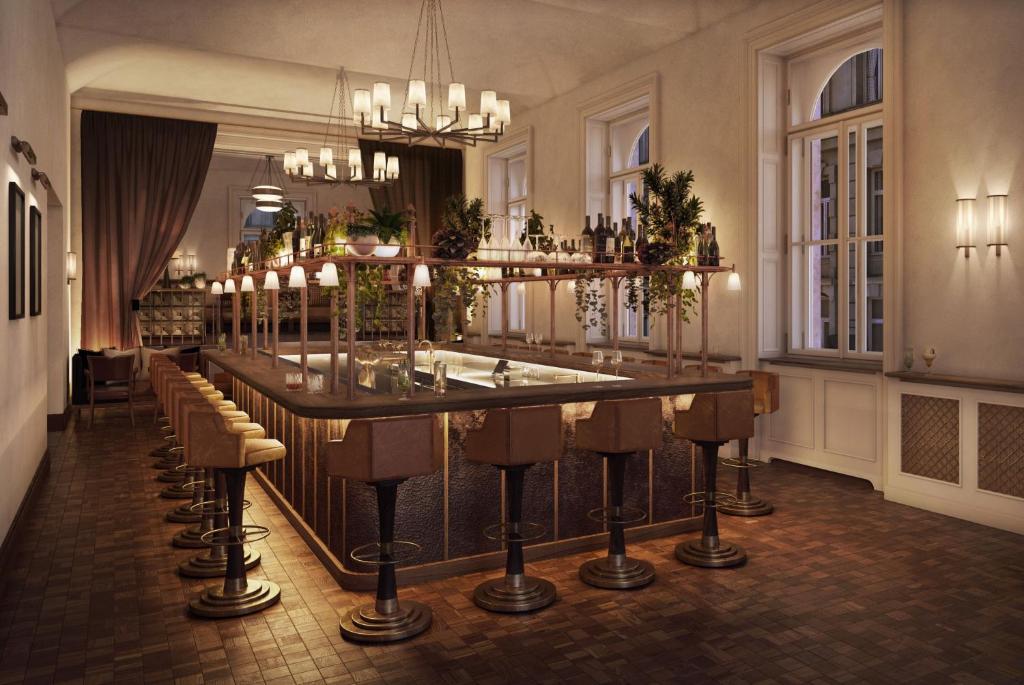
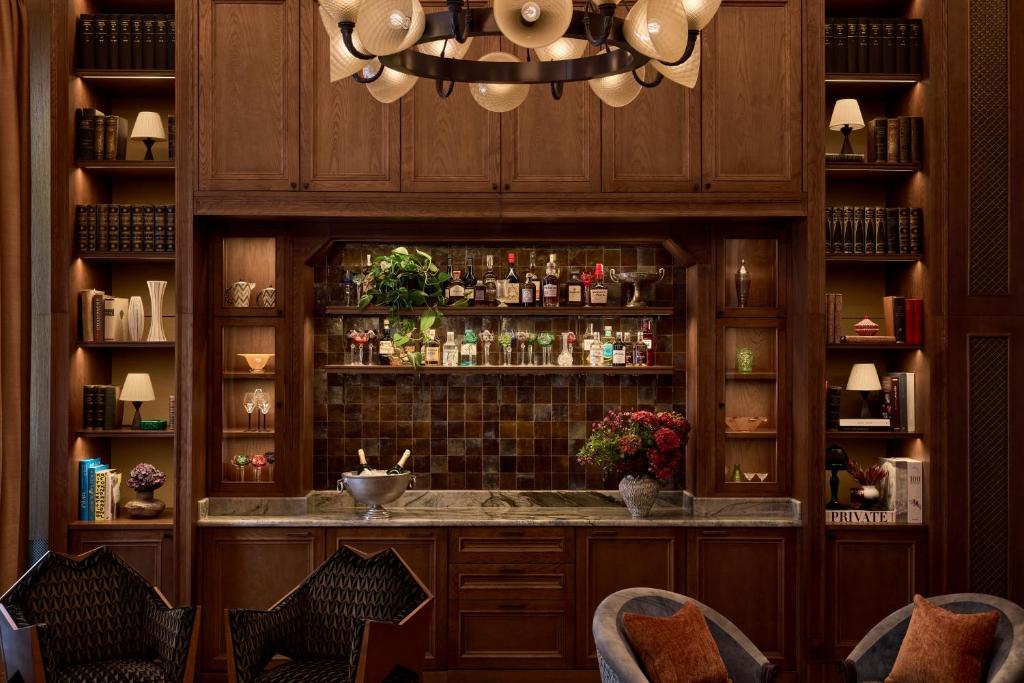
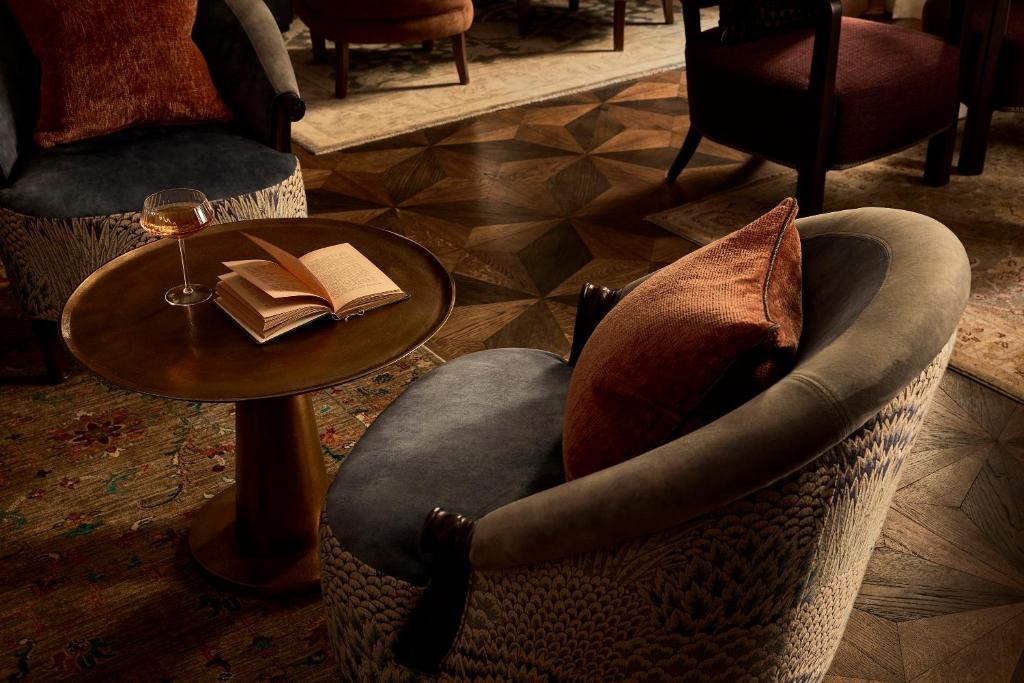
Art plays a central role throughout the public areas. Curated by Karina Kottová, the contemporary Czech collection gives each space a different focus: mythology and history in the library, movement and sound in the bar, architectural interpretations around reception, and food and nature within the restaurant. The multifunctional library provides room for reading, conversation, and quiet reflection. Art does not fill empty walls, it shapes the experience.
Around the Courtyard Table
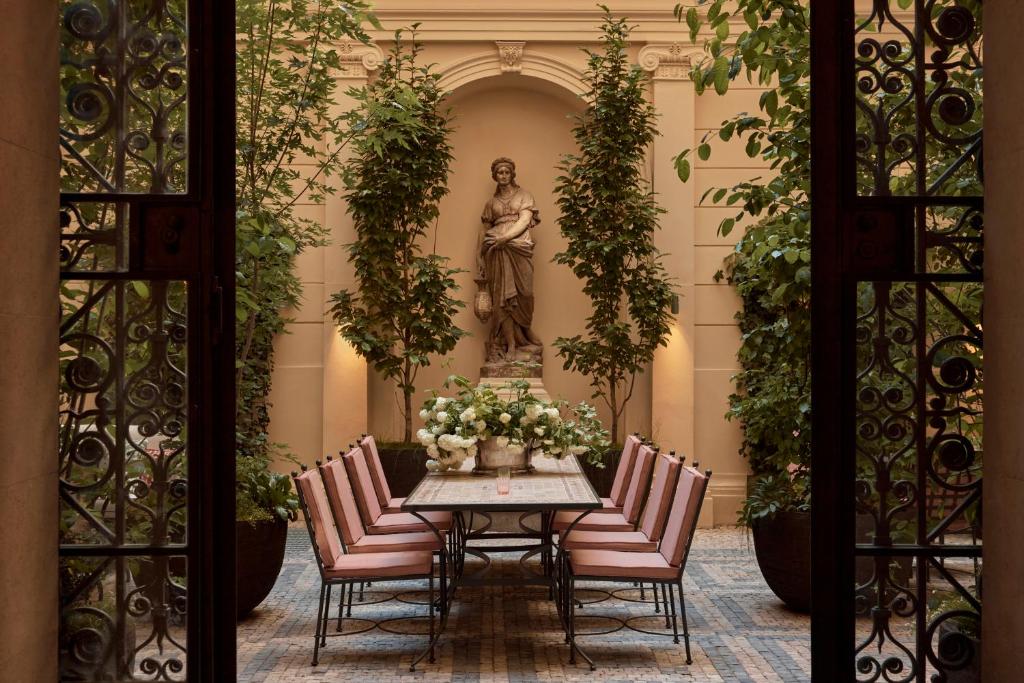
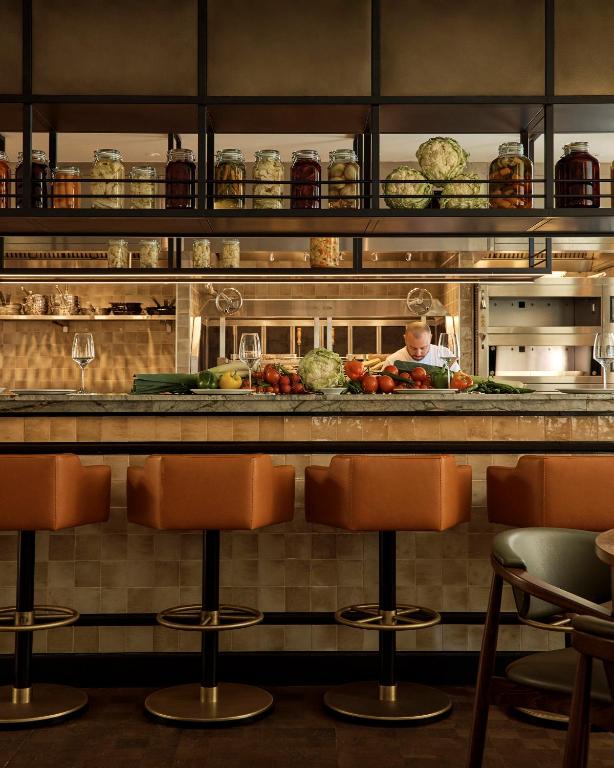
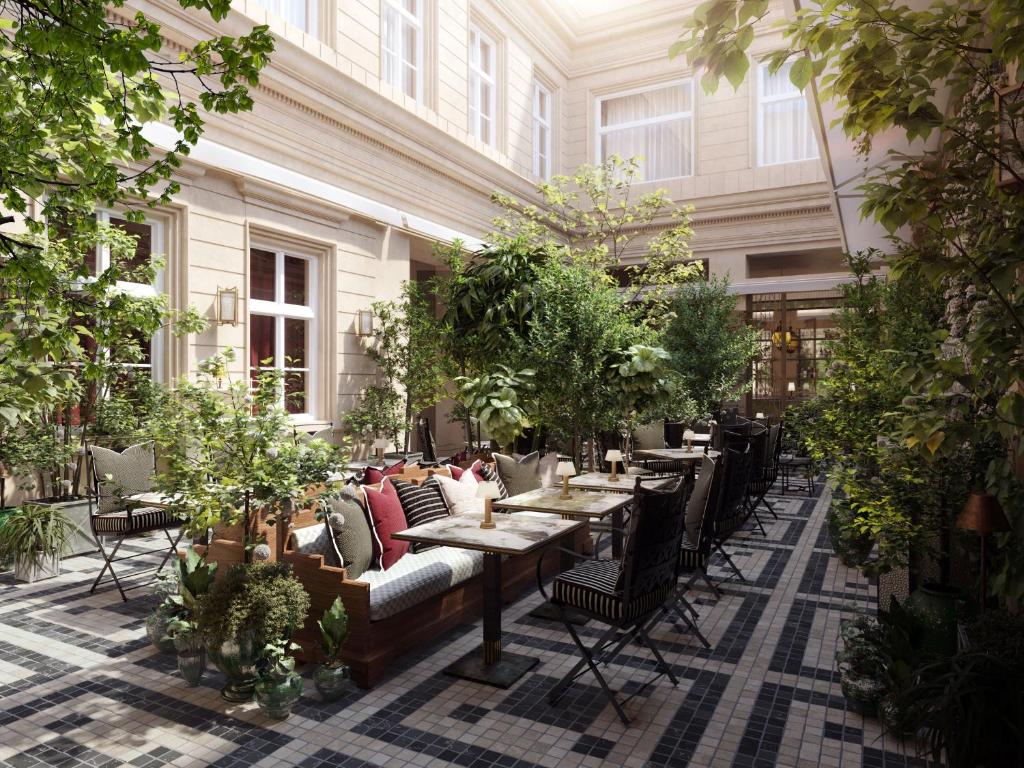
At the heart of the building, the courtyard introduces light, greenery, and a more relaxed rhythm. Seven North, created by chef Eyal Shani, brings its Mediterranean-inspired approach to Prague through generous sharing dishes, seasonal ingredients, and an energetic atmosphere. The restaurant extends into the covered courtyard, allowing the hotel’s architecture, hospitality, and social life to meet in one place. The space invites lingering. The evening unfolds naturally.
Why It Works
Sir Prague succeeds because it captures the city through contrast rather than imitation. Historic architecture, Gothic references, Cubist geometry, local craftsmanship, and contemporary Czech art are brought together with confidence and warmth. The result feels neither nostalgic nor internationalised, but deeply connected to Prague’s artistic identity—a hotel that turns the city’s past into something entirely present.