Hotel Sorrento – Sorrento, Australia
A 19th-century Mornington Peninsula landmark reimagined with limestone, coastal gardens and a distinctly Mediterranean ease
Why DNA Hotels Loves It
● Six Degrees Architecture has expanded and renewed this historic seaside hotel without sacrificing the character that has made it a Sorrento landmark for generations.
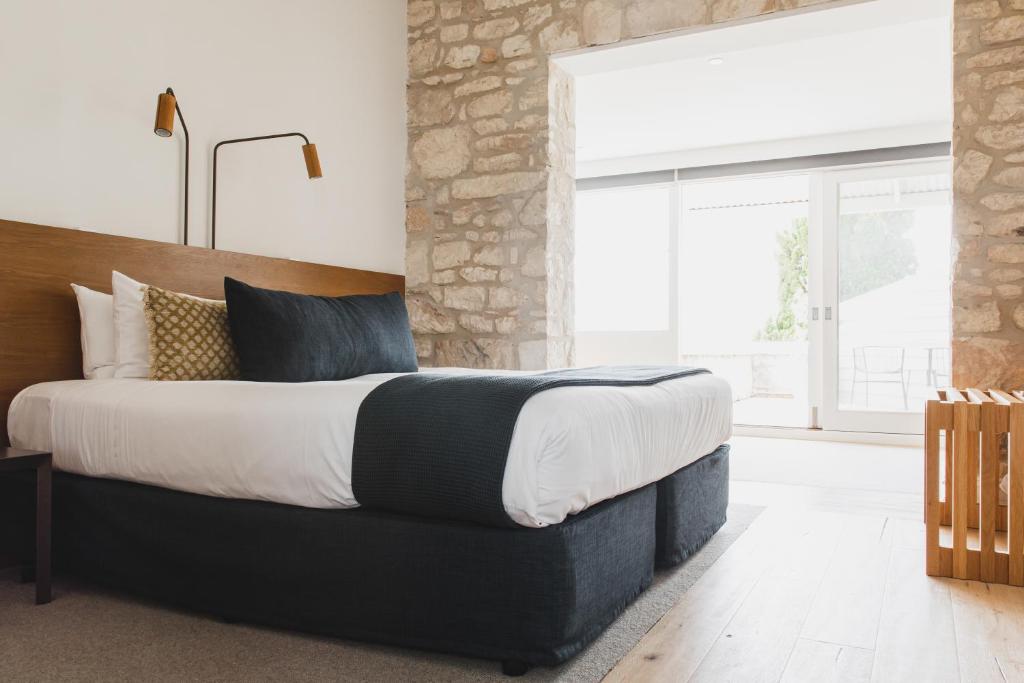
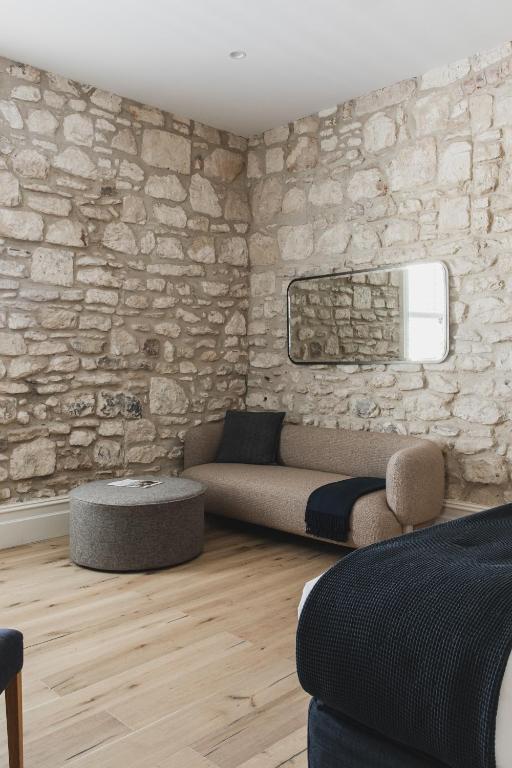
● Limestone, travertine, timber and custom Jardan furniture give the interiors a wonderfully tactile Australian take on Mediterranean coastal living.
● The Pitt family’s long connection to the hotel adds something increasingly rare to an ambitious resort transformation: continuity, personality and genuine local roots.
A Grand Old Lady by the Bay
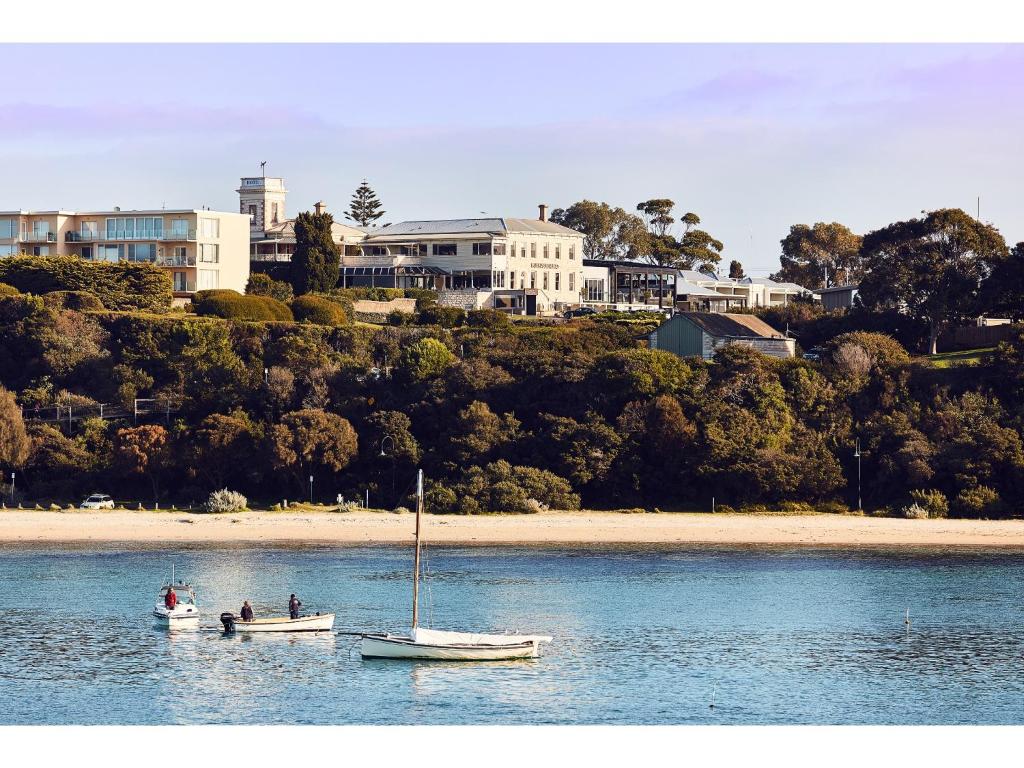
Some hotels belong to their destinations. Hotel Sorrento is one of them. Standing above Port Phillip Bay on Victoria’s Mornington Peninsula, the hotel has been part of Sorrento’s seaside life since the 19th century. Melbourne is only around 90 minutes away, but the rhythm here is very different. Salt air. Tea trees. Long lunches. Beach days. Boats crossing the bay. Hotel Sorrento has watched all of it from its elevated position for well over a century. And now this grande dame has a very contemporary new chapter.
Heritage, Without the Nostalgia
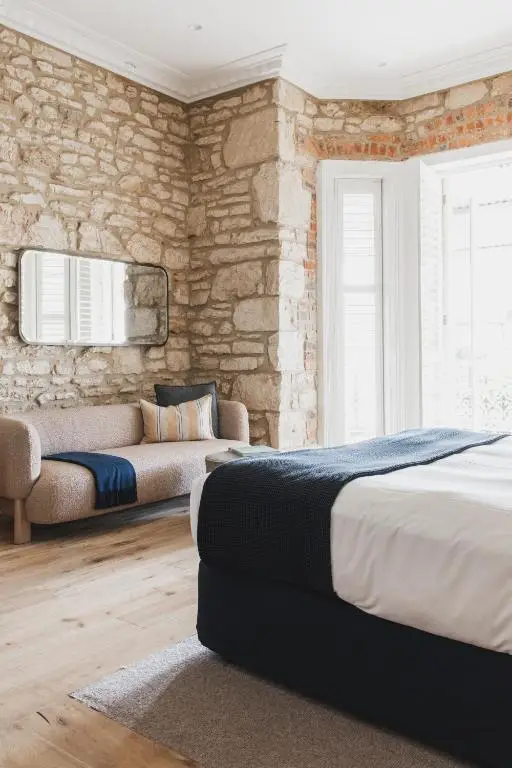
The transformation by Six Degrees Architecture doesn’t attempt to freeze Hotel Sorrento in its past. Instead, old and new are allowed to coexist. The original heritage accommodation has been refreshed, while a contemporary addition introduces 13 new suites with an architectural language deliberately quieter than the historic building. Rather than copying Victorian details, the new spaces look towards the landscape. Stone. Timber. Travertine. Glass. Light. It’s a much better conversation between centuries than architectural imitation could ever be.
The Mediterranean Meets Victoria
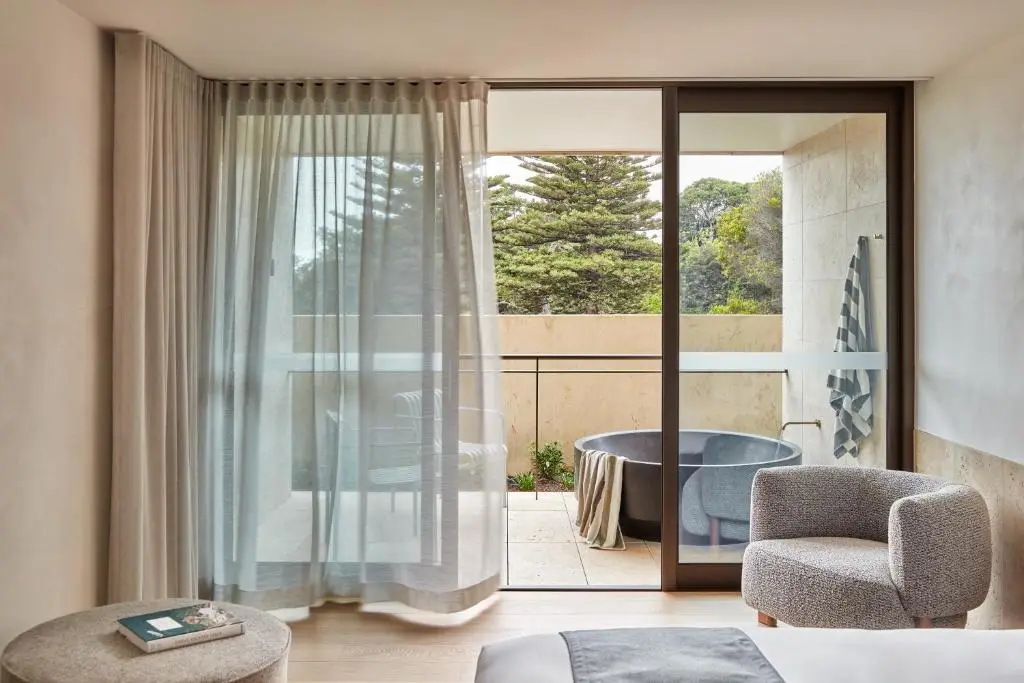
There is an unmistakably Mediterranean quality to the new Hotel Sorrento. But look closer and it remains very Australian. Local stone gives the interiors their weight and texture. Timber adds warmth. Travertine brings the resort mood without becoming flashy. Custom pieces from Australian furniture maker Jardan reinforce that sense of place. Colours are sandy and sun-bleached rather than bright. Curves soften the architecture. And large openings allow the Mornington Peninsula’s extraordinary coastal light to become part of the interior. Less Santorini cosplay. More Sorrento, Victoria.
13 New Ways to Stay
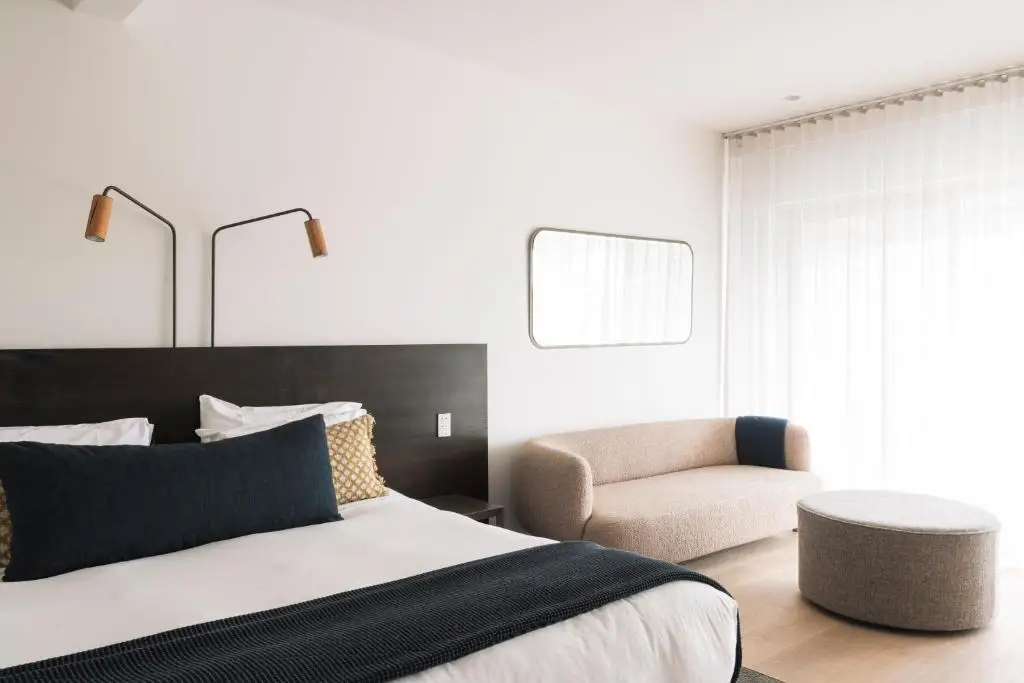
The new suites are particularly successful at capturing that mood. They are generous, light and deliberately uncluttered, using natural materials and tactile surfaces rather than decorative excess to create a sense of luxury. There’s space to sit. Space to unpack. Space simply to do very little. The heritage rooms offer a different experience, retaining a stronger connection with the hotel’s history while adopting the same more refined material language. Together, they make the hotel feel like an evolving collection rather than one enormous renovation project.
A Pool Among the Tea Trees
Outside, landscape designer Jack Merlo takes over. The pool is surrounded by planting that connects the new architecture back to the Mornington Peninsula landscape, with established tea trees providing a distinctly local counterpoint to the Mediterranean mood. Sandy surfaces, natural textures and muted umbrellas keep the palette restrained. Nothing needs to compete with the vegetation, sky and coastal light. It’s the sort of pool where an hour has a habit of becoming an afternoon. Exactly as it should.
Then Disappear into the Spa
The transformation also gives Hotel Sorrento something its 19th-century guests certainly didn’t have. A proper contemporary spa. Cool materials, subdued light and a sense of enclosure deliberately contrast with the openness of the pool and bay outside. The emphasis is less on spa-as-spectacle and more on retreat. Come in from the Australian sun. Disappear for a while. Emerge considerably later.
That View
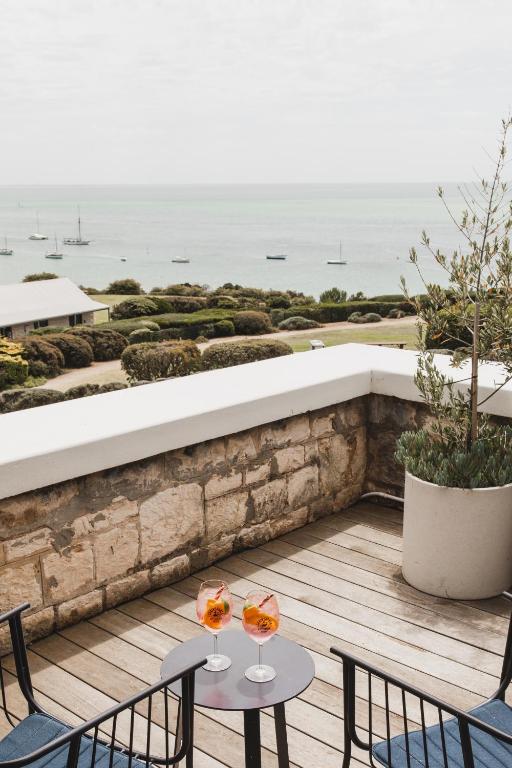
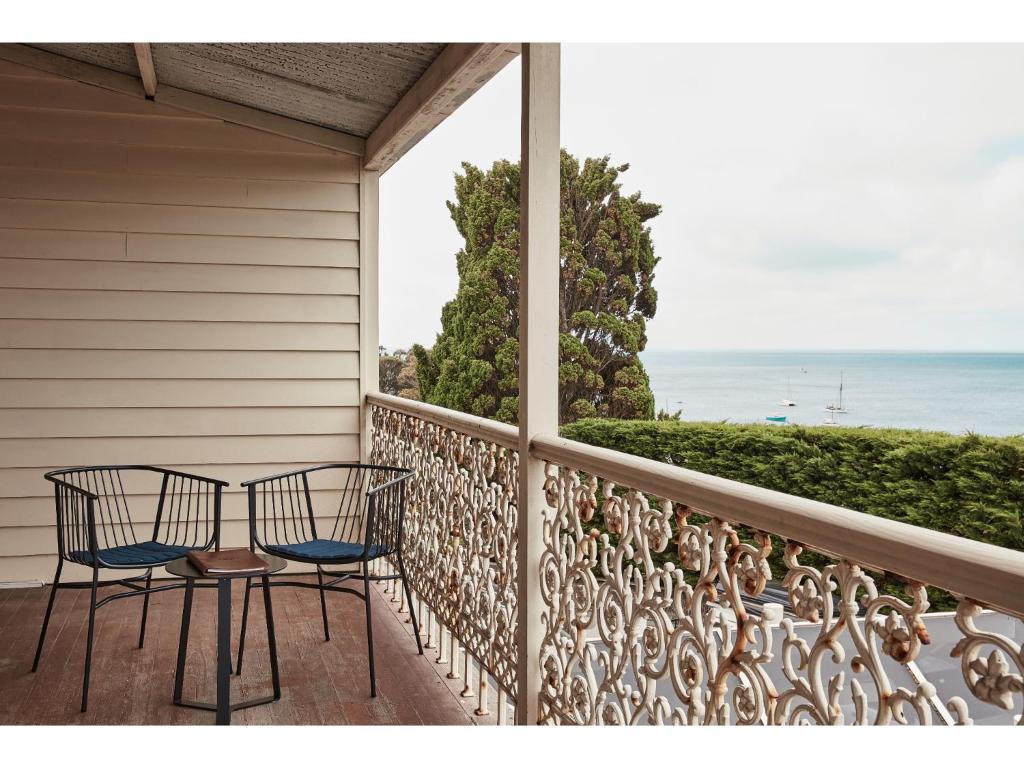
And throughout it all, there is Port Phillip Bay. Hotel Sorrento’s elevated position has always been one of its greatest assets. Morning brings pale blues and coastal haze. Later, the Australian light becomes harder and brighter. Then everything softens again towards sunset. The architecture wisely understands that no interior designer is going to improve on that. So windows frame it. Terraces embrace it. And the hotel lets the horizon do the decorating.
A Hotel Made for Long Lunches
Hotel Sorrento isn’t merely accommodation. It has long been somewhere locals come to eat, drink and gather, and that social role remains fundamental to its personality. That’s important in a resort renovation of this scale. Rather than retreating behind the gates of luxury hospitality, it continues to function as part of Sorrento itself. Come for lunch. Stay for drinks. Watch the light change over the bay. Perhaps order another bottle. There are worse ways to understand the Mornington Peninsula.
The Family Behind It
The continuity comes from the Pitt family, whose long stewardship has allowed Hotel Sorrento to evolve without severing its relationship with the town. That matters. A historic hotel can be beautifully restored and still lose its soul. Here, the ambition has been different: preserve what makes the property familiar while giving it the architecture, rooms, landscaping and resort facilities required for another generation. It’s heritage as something alive rather than something behind glass.
Melbourne’s Seaside Escape, Reconsidered
Sorrento has always been an escape from Melbourne. Hotel Sorrento now gives design-minded travellers a particularly compelling reason to make that journey. There’s history, but little nostalgia. Luxury, without gold taps. Mediterranean references, without pretending you’re anywhere other than Australia. And contemporary architecture that understands the greatest assets were already here: the stone, the trees, the light and that enormous blue horizon. Hotel Sorrento hasn’t reinvented the seaside hotel. It has simply remembered what a very good one should make you want to do. Stay a little longer.
Your hosts: the Pitt family