SOWAKA, Kyoto, Japan
A century-old teahouse transformed into an intimate retreat where Gion’s architecture, gardens, and rituals quietly endure
Why DNA Hotels Loves It
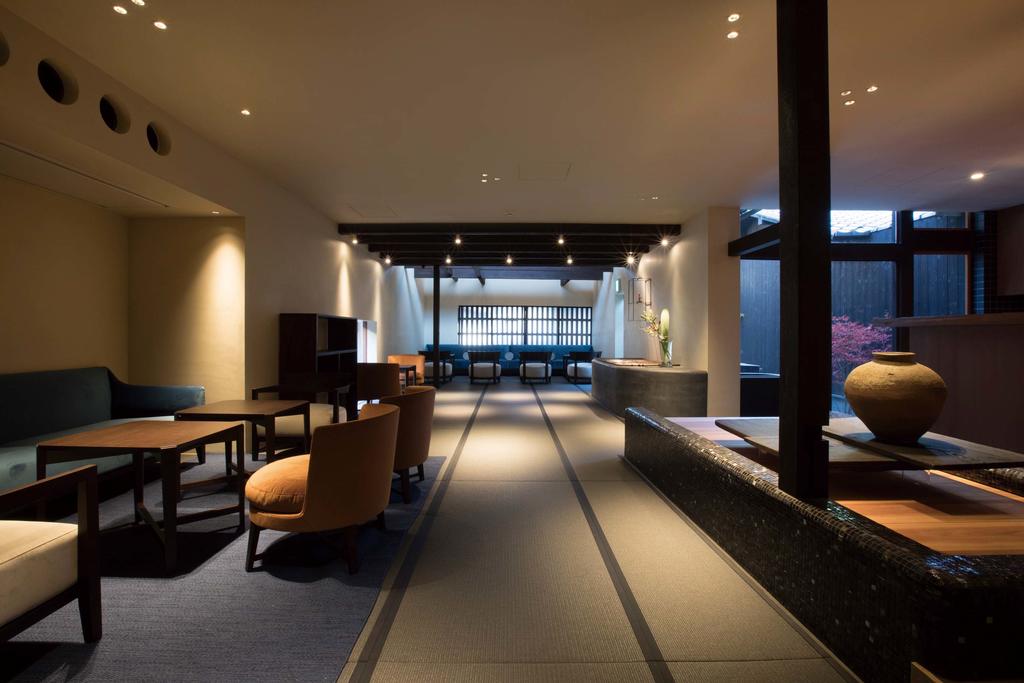
● A beautifully restored former ryotei in Gion, where architect Shigenori Uoya preserves traditional Kyoto architecture without turning it into a historical reproduction.
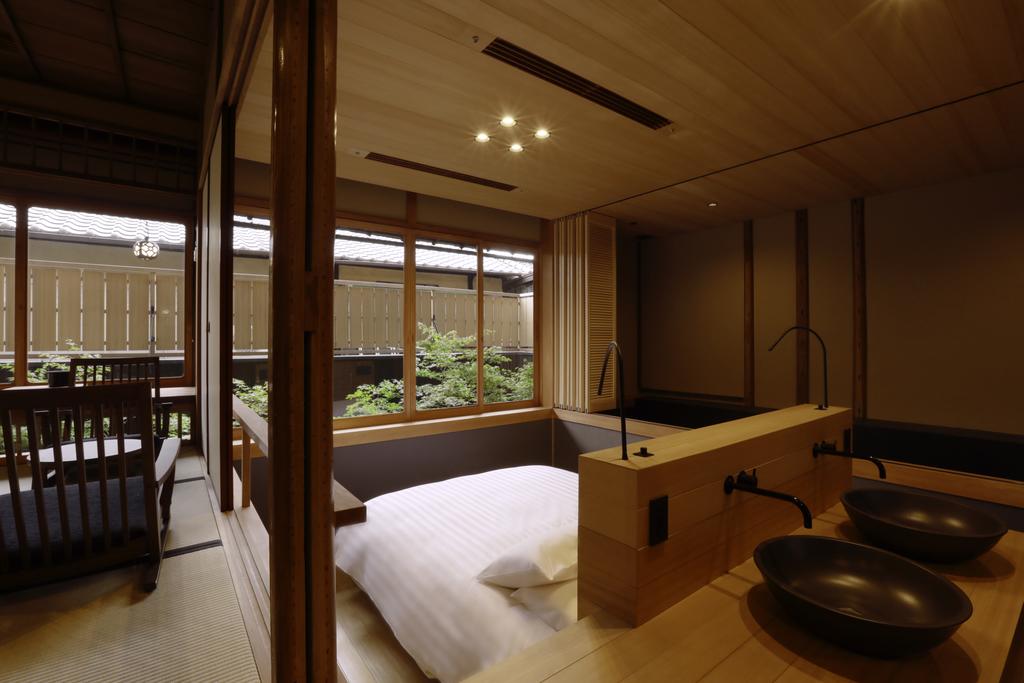
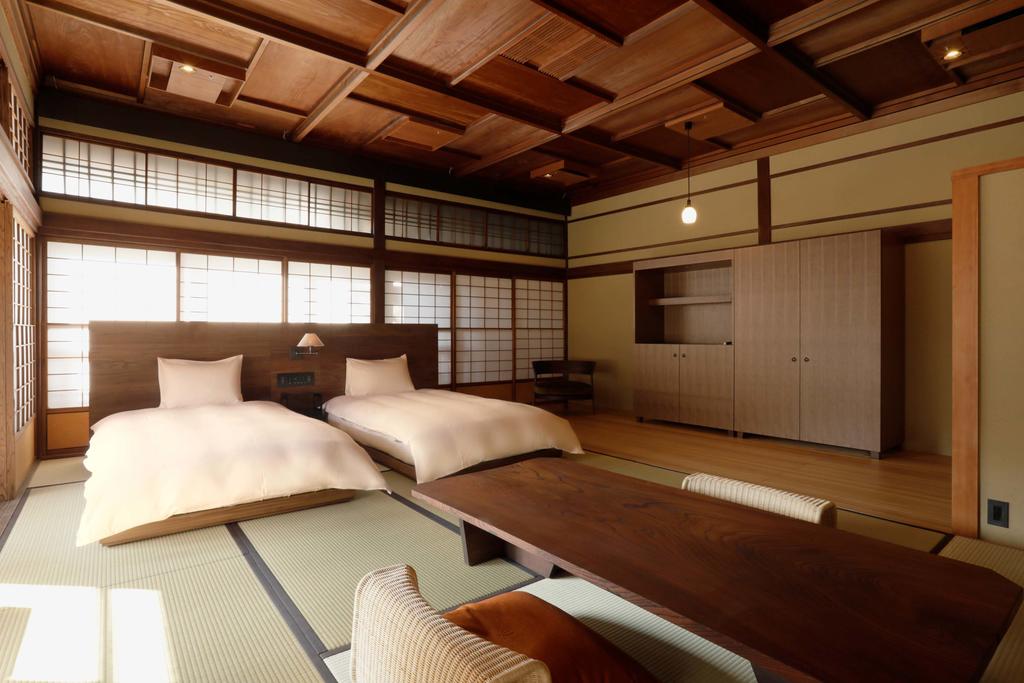
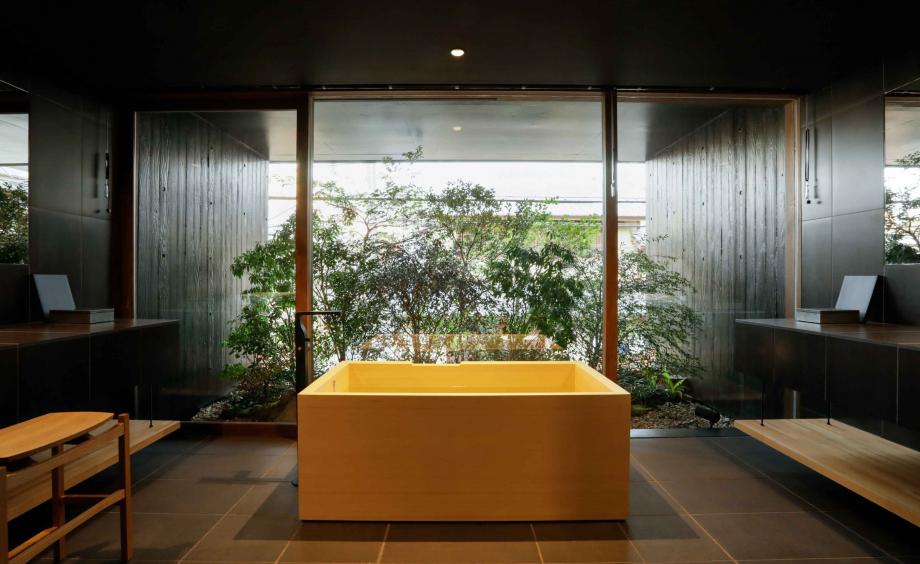
● Just 23 individually designed rooms and suites, combining tatami, timber, washi, deep soaking tubs, and extraordinary framed views of gardens and courtyards.
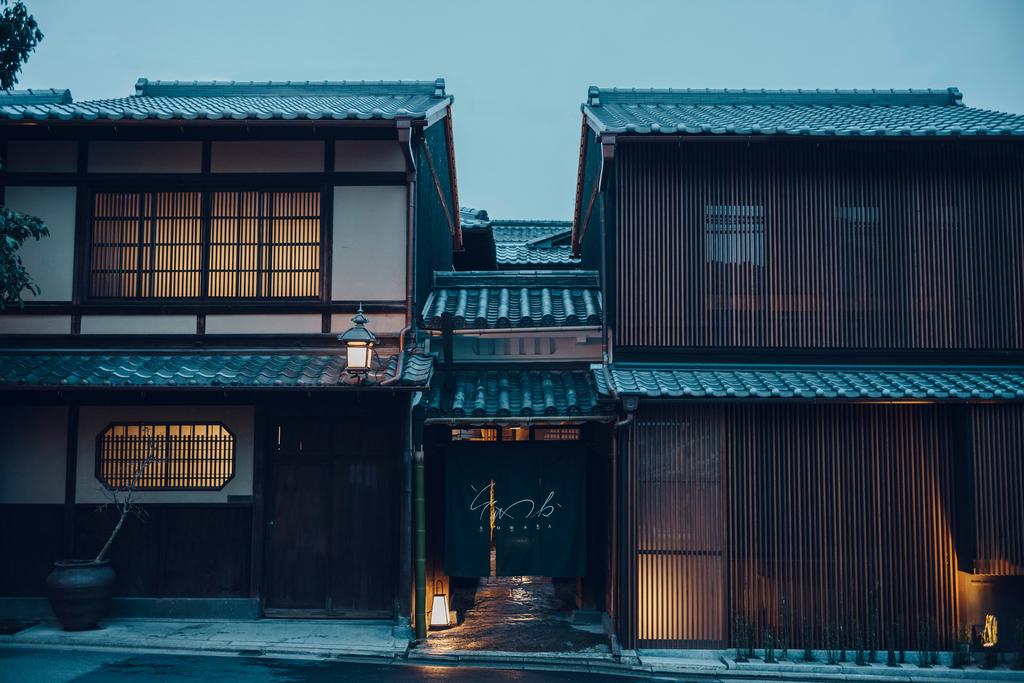
● An exceptional location in historic Higashiyama, moments from Yasaka Shrine and Kennin-ji, yet hidden behind a wooden façade that makes the city seem to disappear.
Behind the Wooden Façade
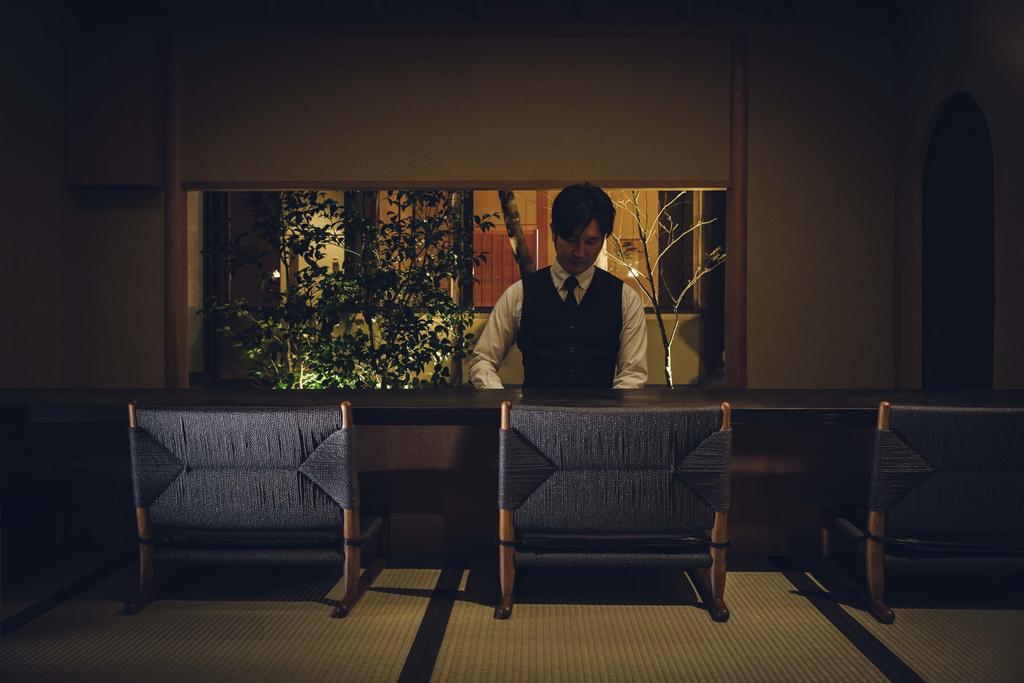
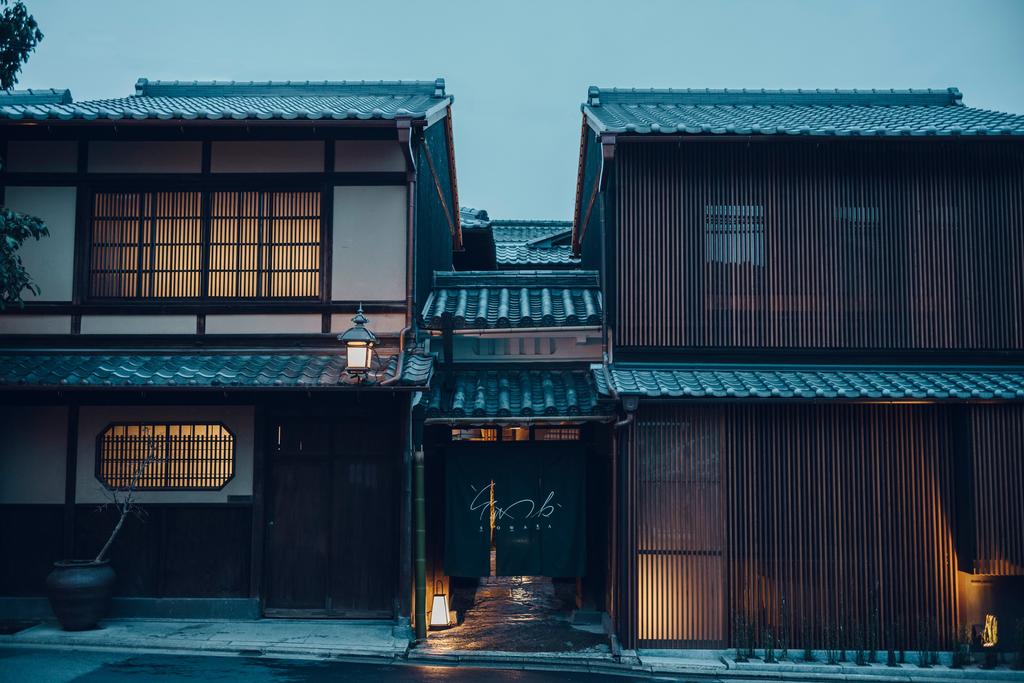
Some hotels introduce themselves with a lobby. SOWAKA begins with a threshold. Hidden behind an understated timber façade in Gion, the hotel occupies a former ryotei—a traditional restaurant and teahouse whose history stretches back more than a century. Step inside and Kyoto immediately becomes quieter. Stone paths replace pavements. Timber corridors lead between gardens and courtyards. Shoji screens soften the daylight. Doors reveal spaces gradually rather than all at once. Even the name sets the tone. Sowaka comes from a Buddhist expression traditionally used at the conclusion of sutras, carrying the sentiment that all may be well. It’s difficult to imagine a more appropriate name.
Restoration as a Conversation
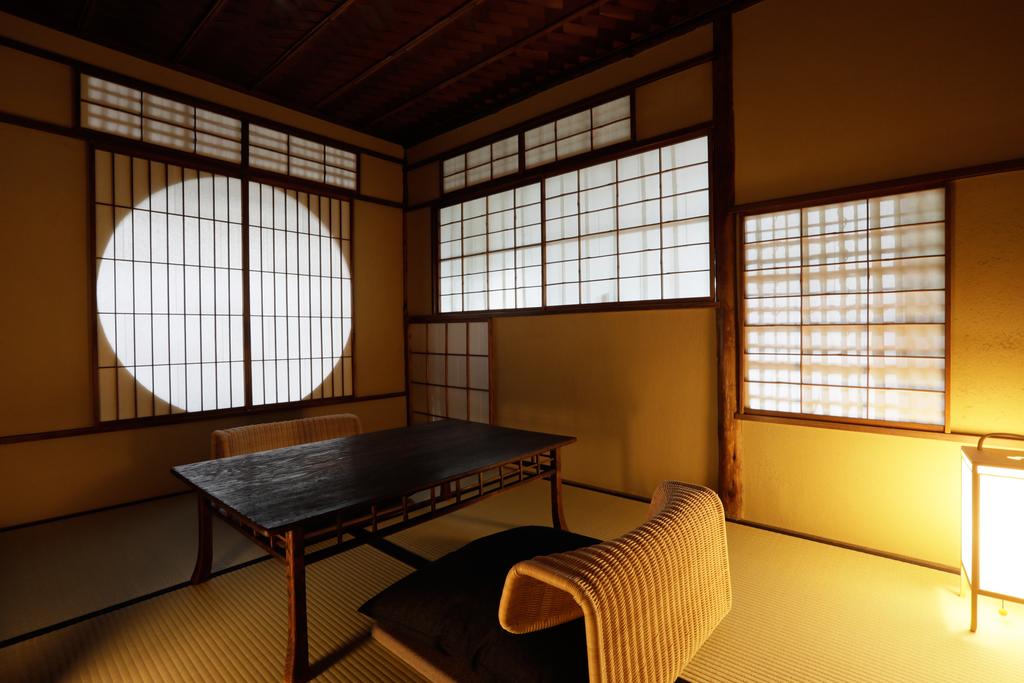
Kyoto architect Shigenori Uoya approached the transformation with remarkable sensitivity. Rather than polishing away the building’s age, the project allows its history to remain visible. Original timber structures, traditional proportions, tiled roofs, screens, and architectural details coexist with contemporary interventions that rarely demand attention for themselves. A newer wing extends the property, but the distinction between preservation and addition feels deliberately subtle. This isn’t heritage frozen behind glass. It’s architecture allowed to continue living.
23 Rooms, No Formula
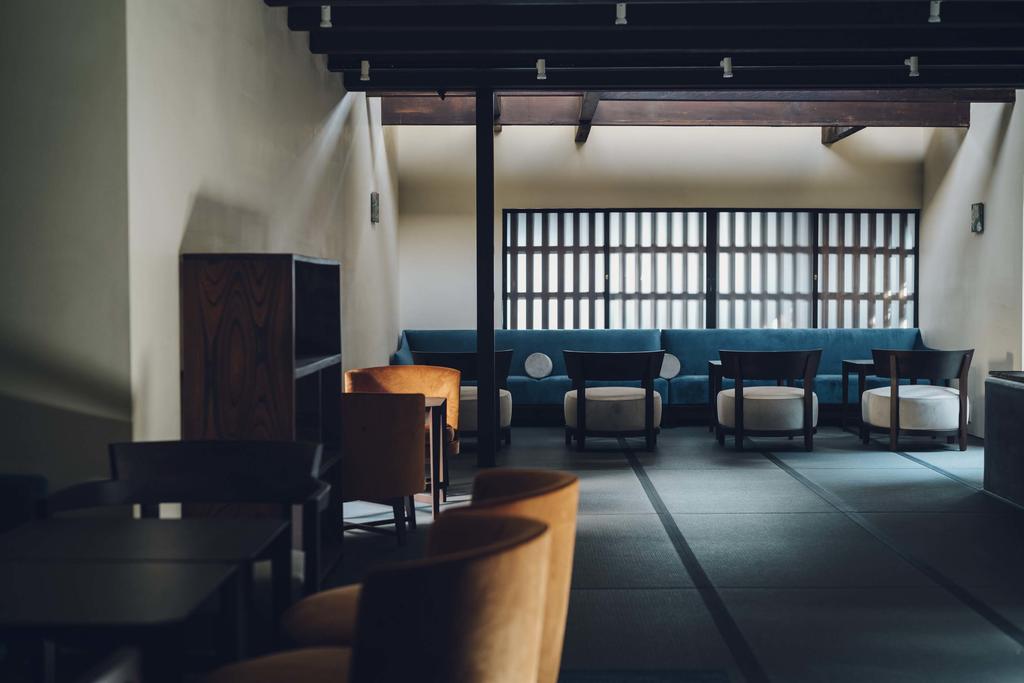
SOWAKA’s 23 rooms and suites resist standardization. Their different proportions and relationships with the original buildings mean each has its own character. Tatami, cedar and cypress, woven grasses, washi paper, stone, linen, and handcrafted timber details create interiors that feel unmistakably Kyoto without resorting to theatrical Japanese styling. Deep soaking tubs turn bathing into ritual. Some rooms open toward private gardens; others frame courtyards, tiled rooftops, trees, or fragments of sky. Particularly beautiful are the distinctive windows that turn these views into compositions of their own. The landscape becomes artwork.
A Garden You Live Around
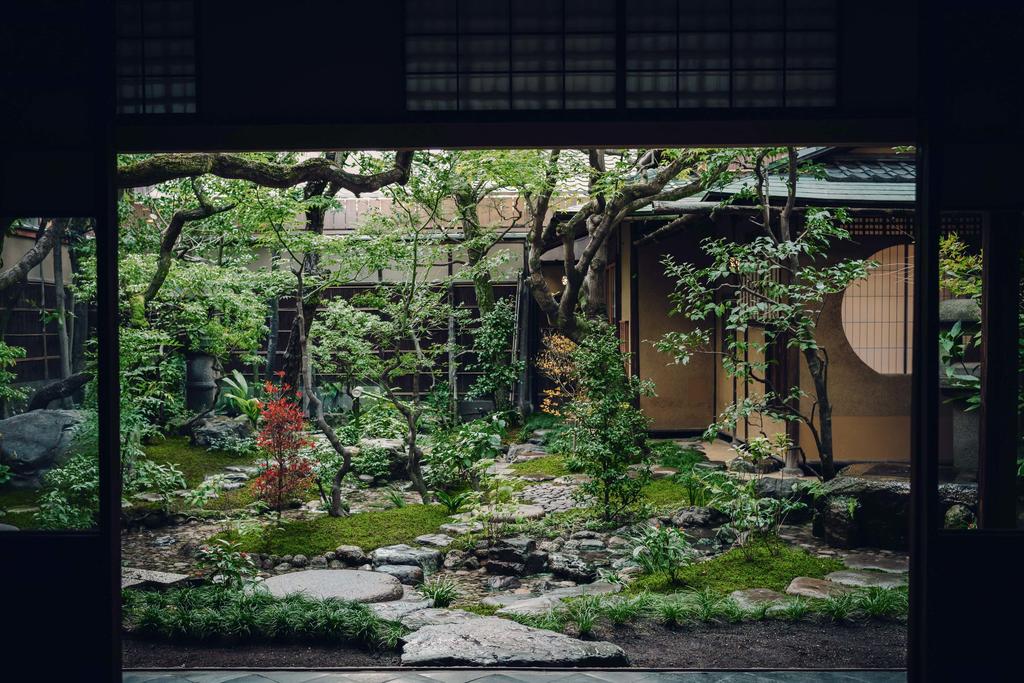
At SOWAKA, the garden isn’t something viewed after breakfast. It structures the experience. Moss, stone, carefully shaped trees, and seasonal planting occupy courtyards around which rooms and pathways are arranged. Architecture continually frames small encounters with nature: a branch beyond a screen, rain falling onto stone, changing autumn leaves, morning light crossing moss. These moments are intentionally small. And that is precisely why they become memorable. The hotel understands a fundamental principle of traditional Kyoto architecture: nature doesn’t need to be spectacular to command attention.
Kyoto on the Plate
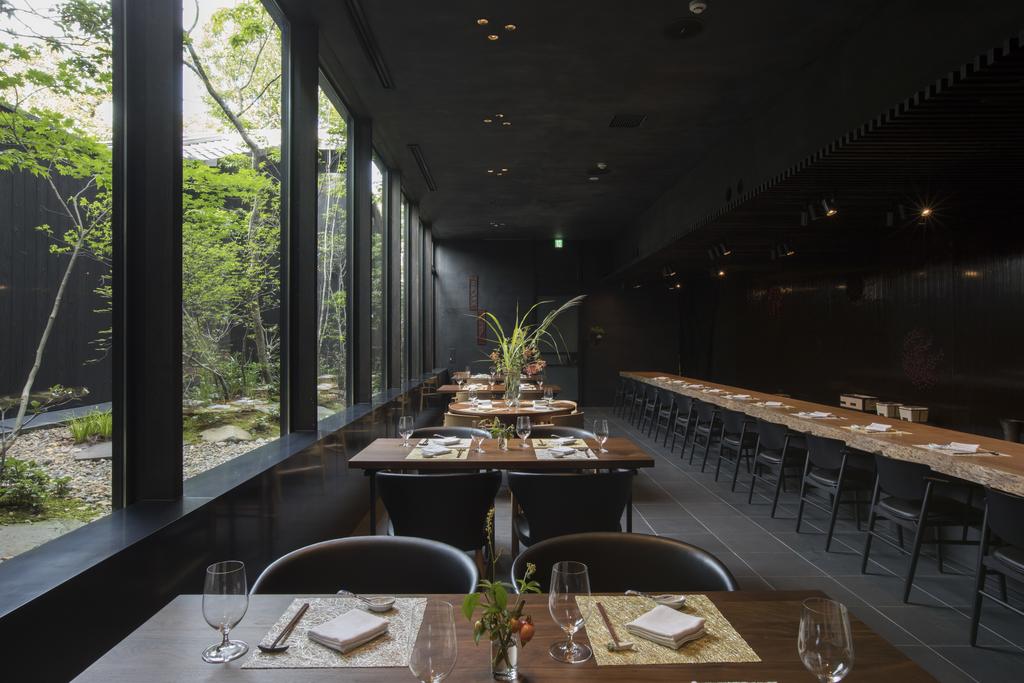
Dining follows the seasons just as closely. Local ingredients and Kyoto’s culinary traditions provide the foundation, interpreted through a more contemporary approach to preparation and presentation. It feels entirely consistent with the architecture. The past provides the vocabulary rather than the rulebook. After dinner, Gion itself becomes part of the experience. Yasaka Shrine, Kennin-ji, Higashiyama, and the lantern-lit streets surrounding the hotel are all close enough to explore on foot before slipping back through SOWAKA’s discreet entrance.
Gion Without the Spectacle
Location could easily have become SOWAKA’s defining feature. Instead, the hotel somehow makes you forget where you are. Despite sitting within one of Kyoto’s most visited historic districts, life inside revolves around birdsong, timber, gardens, filtered light, and the changing seasons. That contrast is extraordinary. Outside lies one of Japan’s most celebrated destinations. Inside, Kyoto becomes personal again.
Why It Works
SOWAKA doesn’t recreate old Kyoto—it allows its architectural language to keep evolving. Shigenori Uoya’s sensitive restoration preserves the intimacy of a century-old Gion teahouse while introducing contemporary comfort almost invisibly. With only 23 rooms, exquisite gardens, deeply tactile materials, and one of Kyoto’s most atmospheric locations, this is luxury through restraint rather than display. SOWAKA doesn’t simply look Japanese. It understands why Kyoto’s spaces have felt beautiful for centuries.