Hotel Spedition – Thun, Switzerland
A former cheese warehouse where 19th-century bones meet bold contemporary design
Why DNA Hotels Loves It
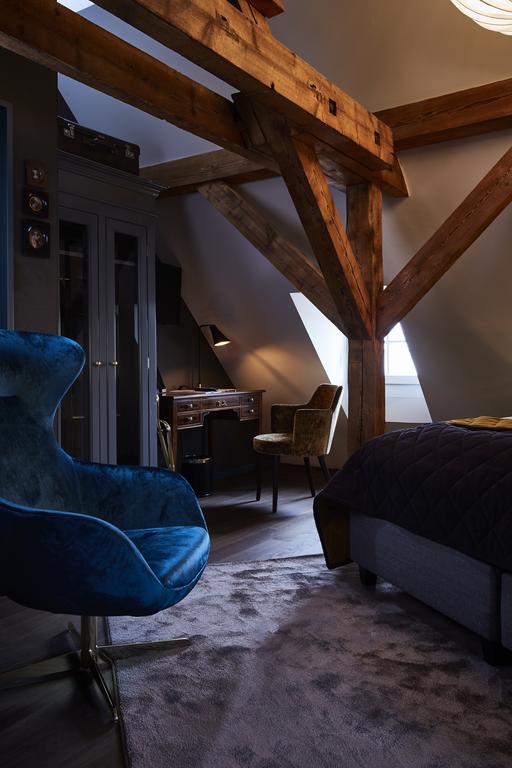
● A remarkable transformation of an 1887 cheese warehouse, preserving monumental oak beams, brick and sandstone while giving the historic building an unexpectedly contemporary personality.
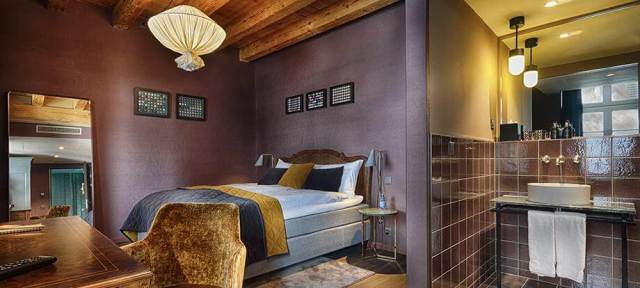
● Swedish studio Stylt Trampoli AB treated the hotel as a piece of storytelling, creating just 15 individually designed rooms filled with colour, vintage objects and playful references to the building’s past.
● The restaurant is as important as the rooms: an open kitchen, antique chopping block, communal tables and a strong local following make Spedition somewhere Thun comes to eat, not simply somewhere visitors come to sleep.
From Cheese Warehouse to Design Hotel
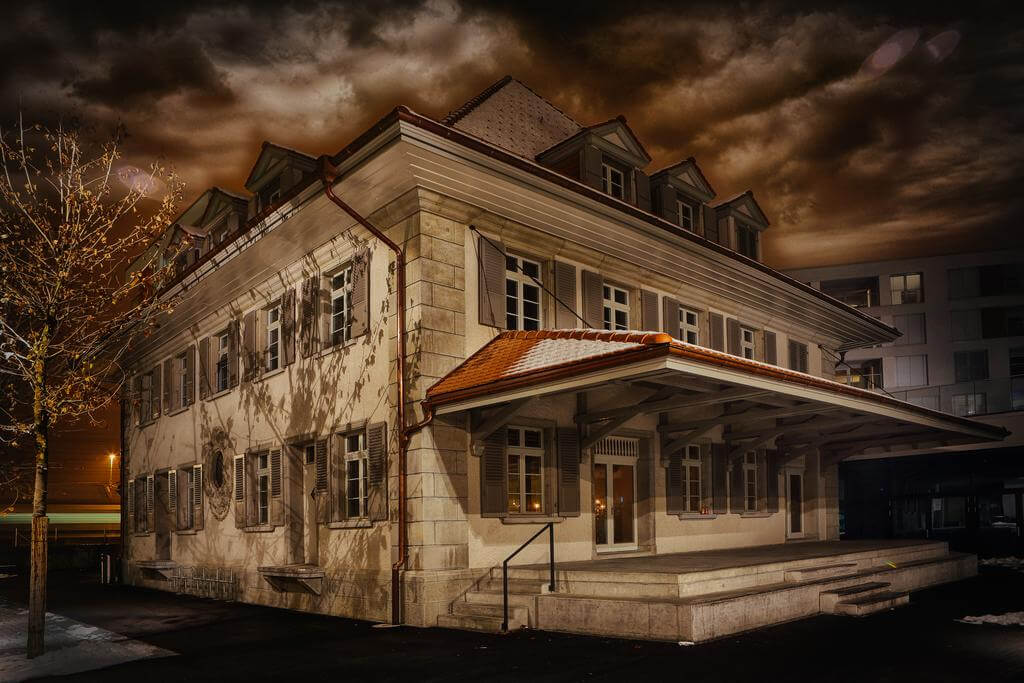
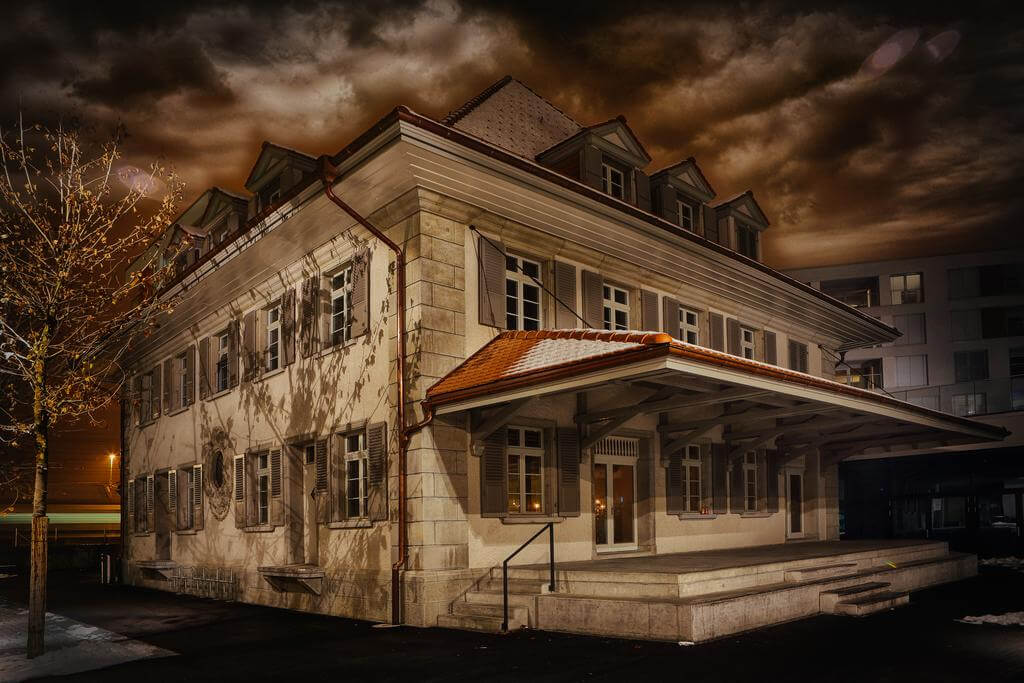
Some conversions polish away so much history that you wonder why they bothered saving the building in the first place. Hotel Spedition does precisely the opposite. Built in 1887 as a cheese warehouse and logistics hub, the imposing patrician-style building still reveals its original structure everywhere: massive oak beams, brick and sandstone, timber floors and the old cellar where wheels of cheese once matured. Rather than treating these elements as picturesque decoration, Swedish design studio Stylt Trampoli AB made them the starting point for an entirely new story. The result won a Prix Versailles award for hotel interiors in 2017—and helped turn an overlooked corner of Thun into a destination in its own right.
Fifteen Rooms, Fifteen Personalities
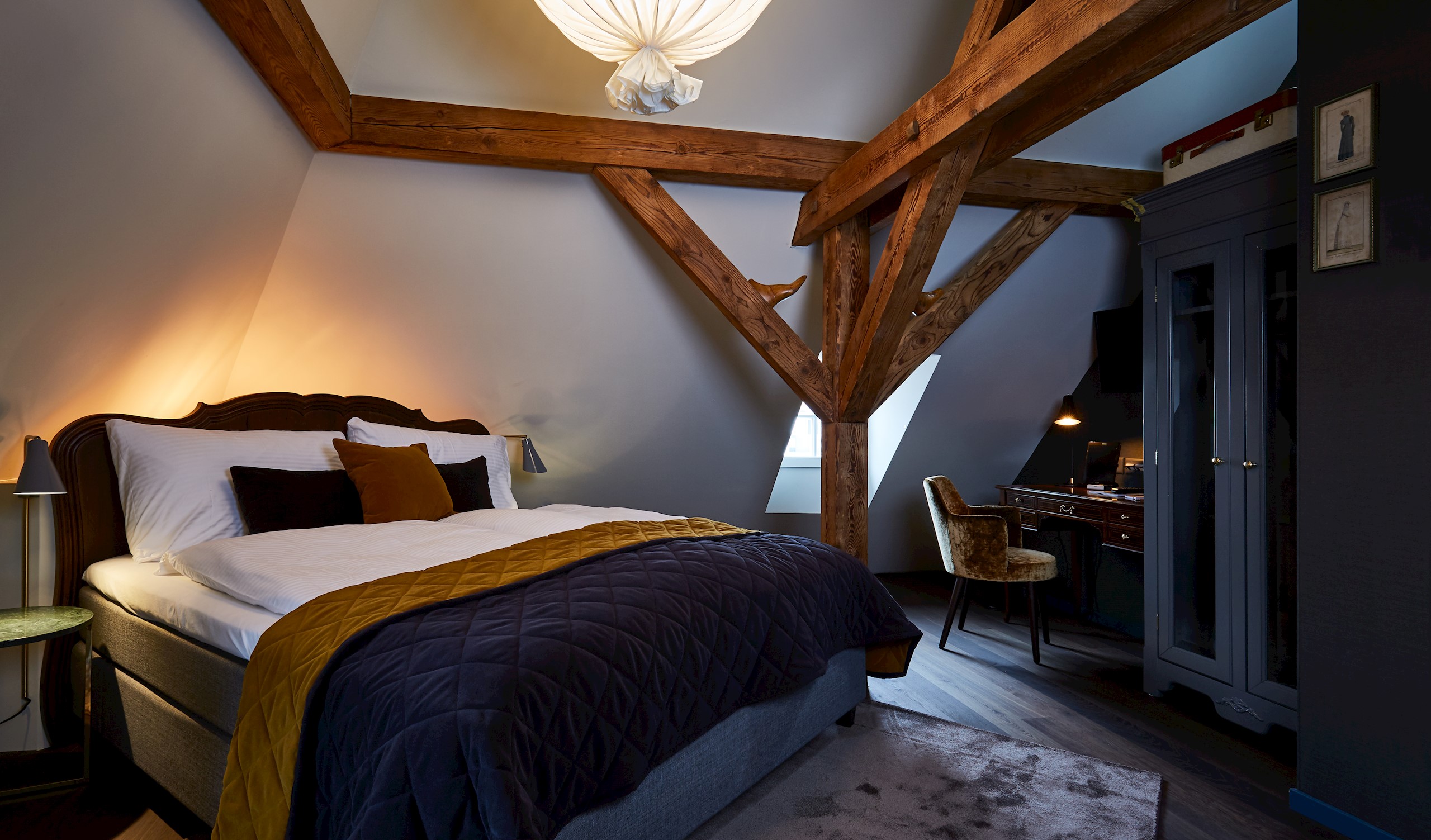
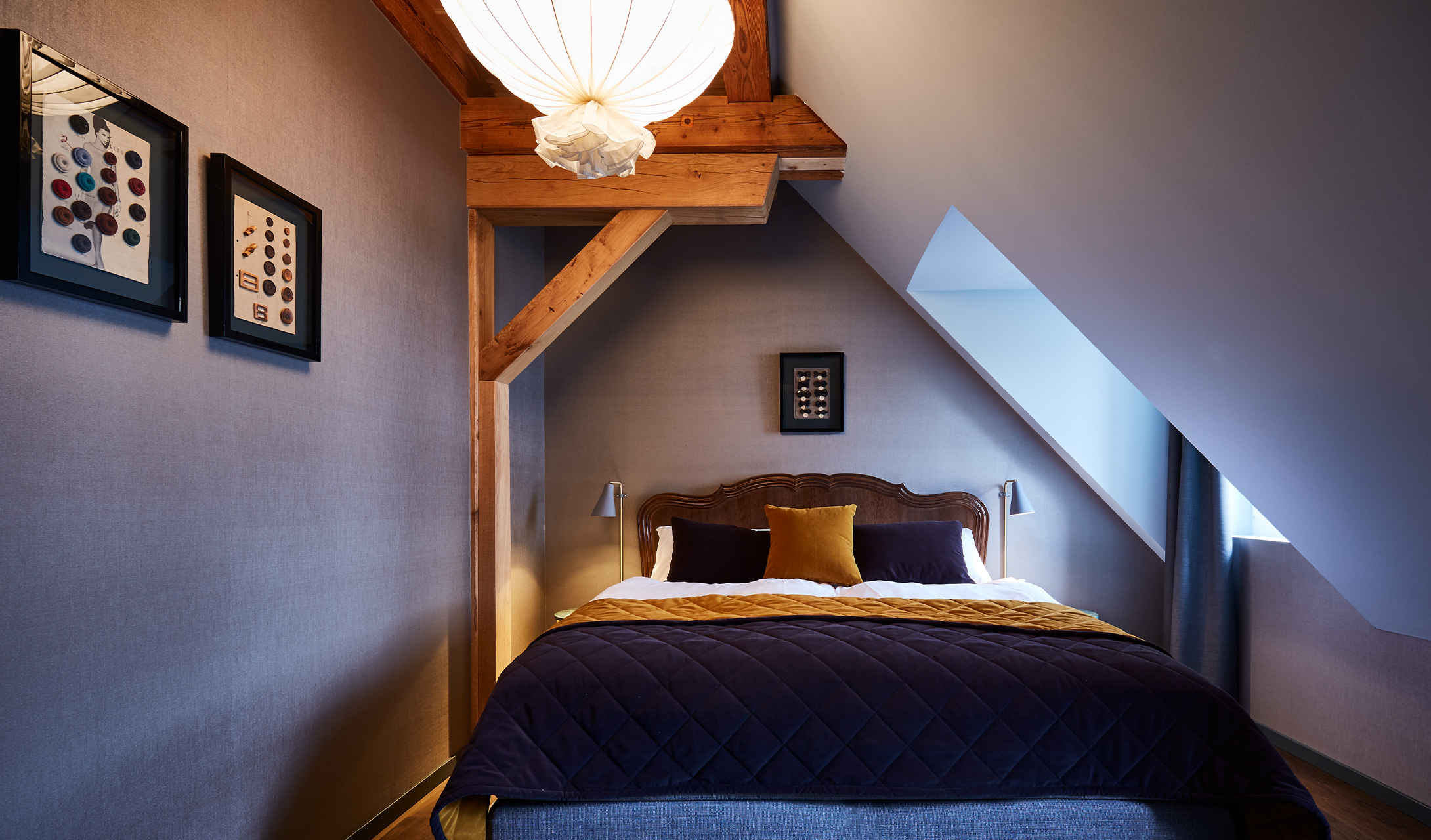
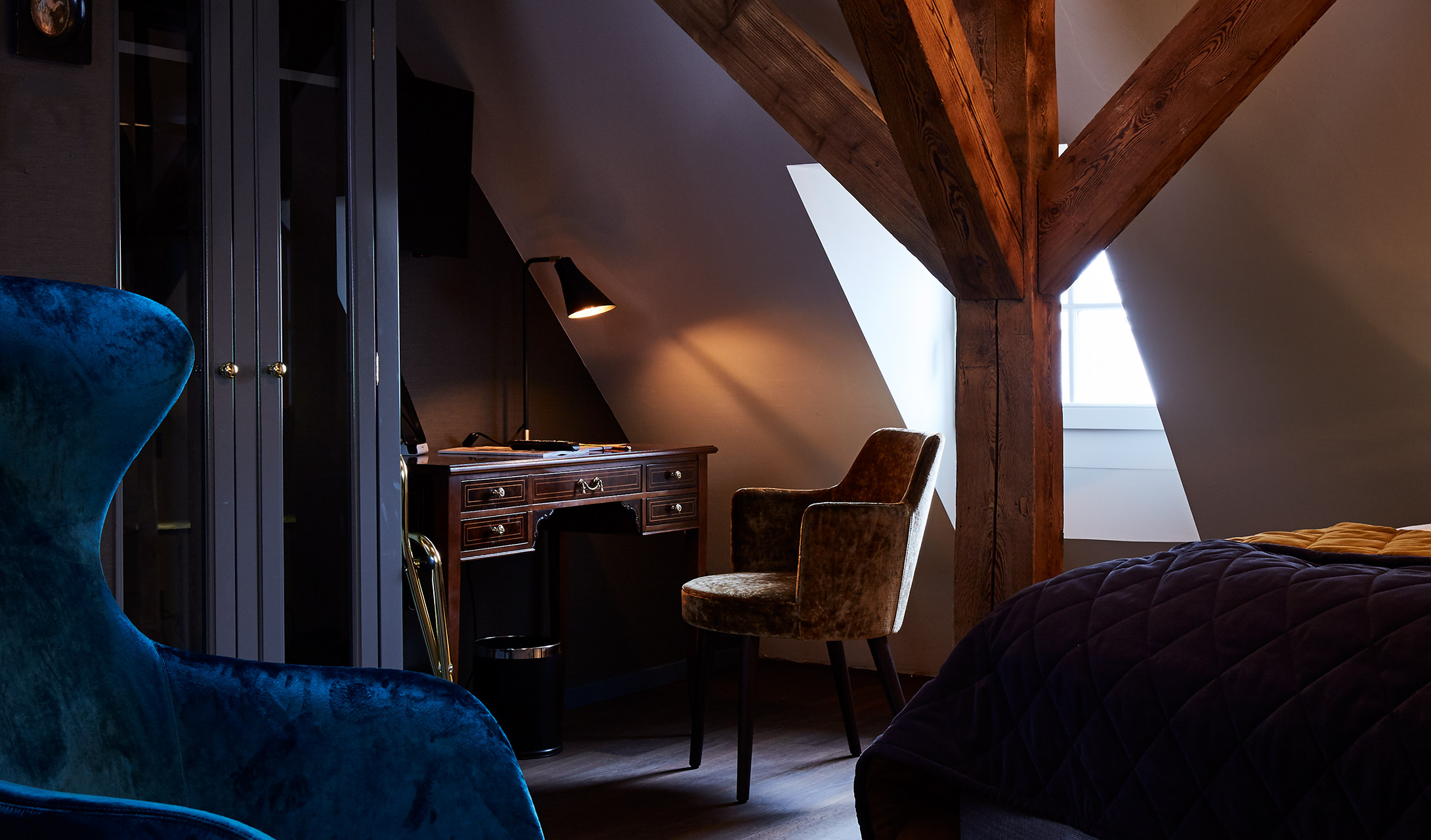
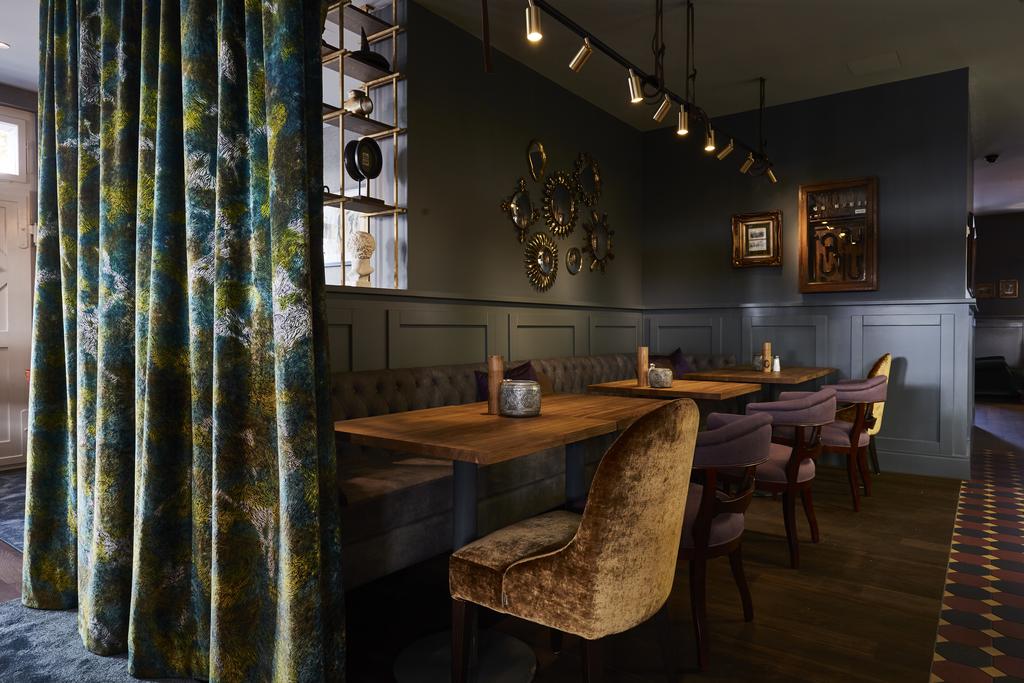
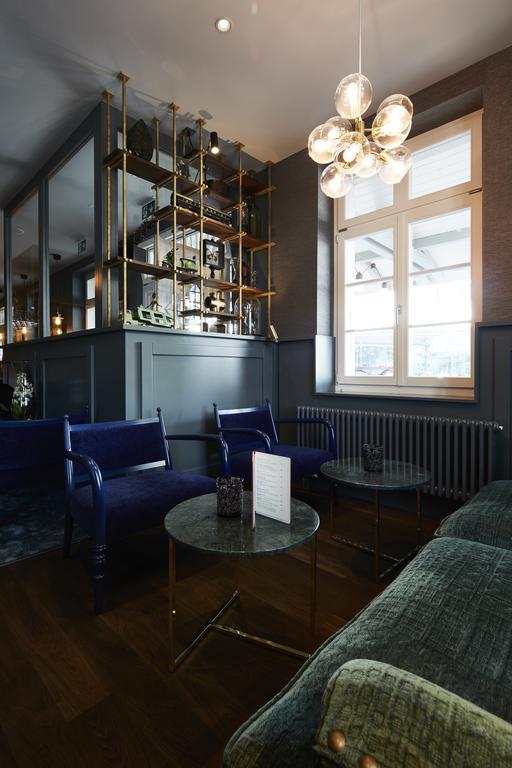
There are just 15 guestrooms, and uniformity clearly wasn’t part of the brief. Each follows its own five-colour concept, combining earthy and sometimes surprisingly rich shades with cotton, linen, timber and the building’s enormous original beams. Jensen beds and contemporary furniture bring comfort, but it is the eccentric detailing that gives the rooms their character. Collections of umbrella handles, antique cobbler’s lasts, old wine labels and model railway cars appear as fragments of imagined lives, inspired by Stylt’s story of former spediteurs abandoning the straight road between A and B to explore something less predictable. Even the small third-floor library joins in, with its hand-picked collection of Parisian books. It feels less like conventional Swiss hospitality and more like staying in the beautifully eccentric loft of someone with very good taste.
A Restaurant That Changed the Address
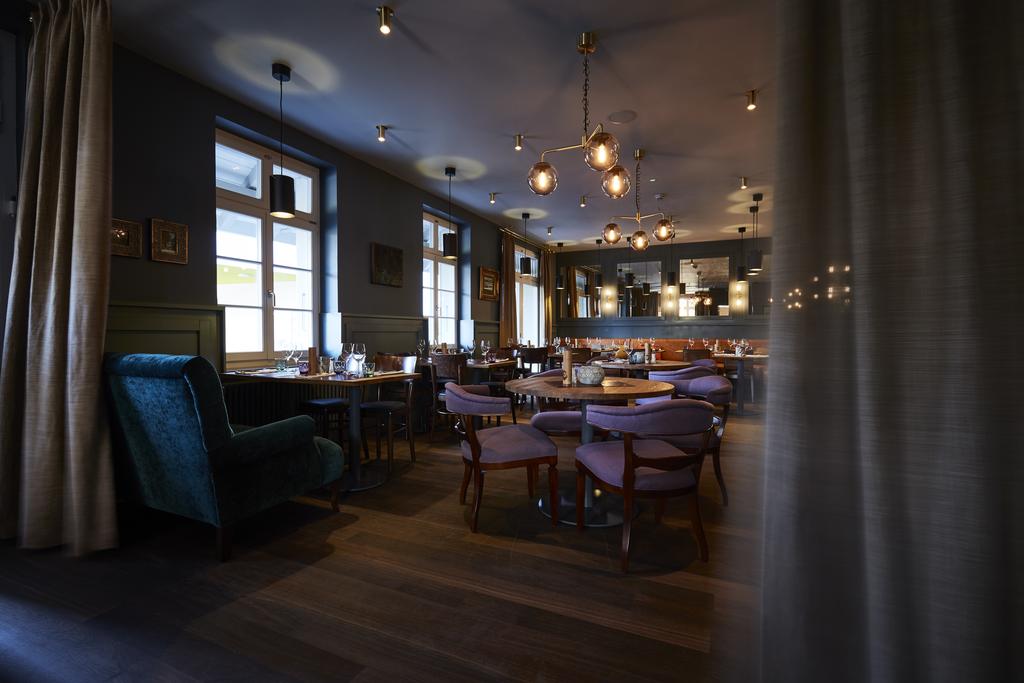
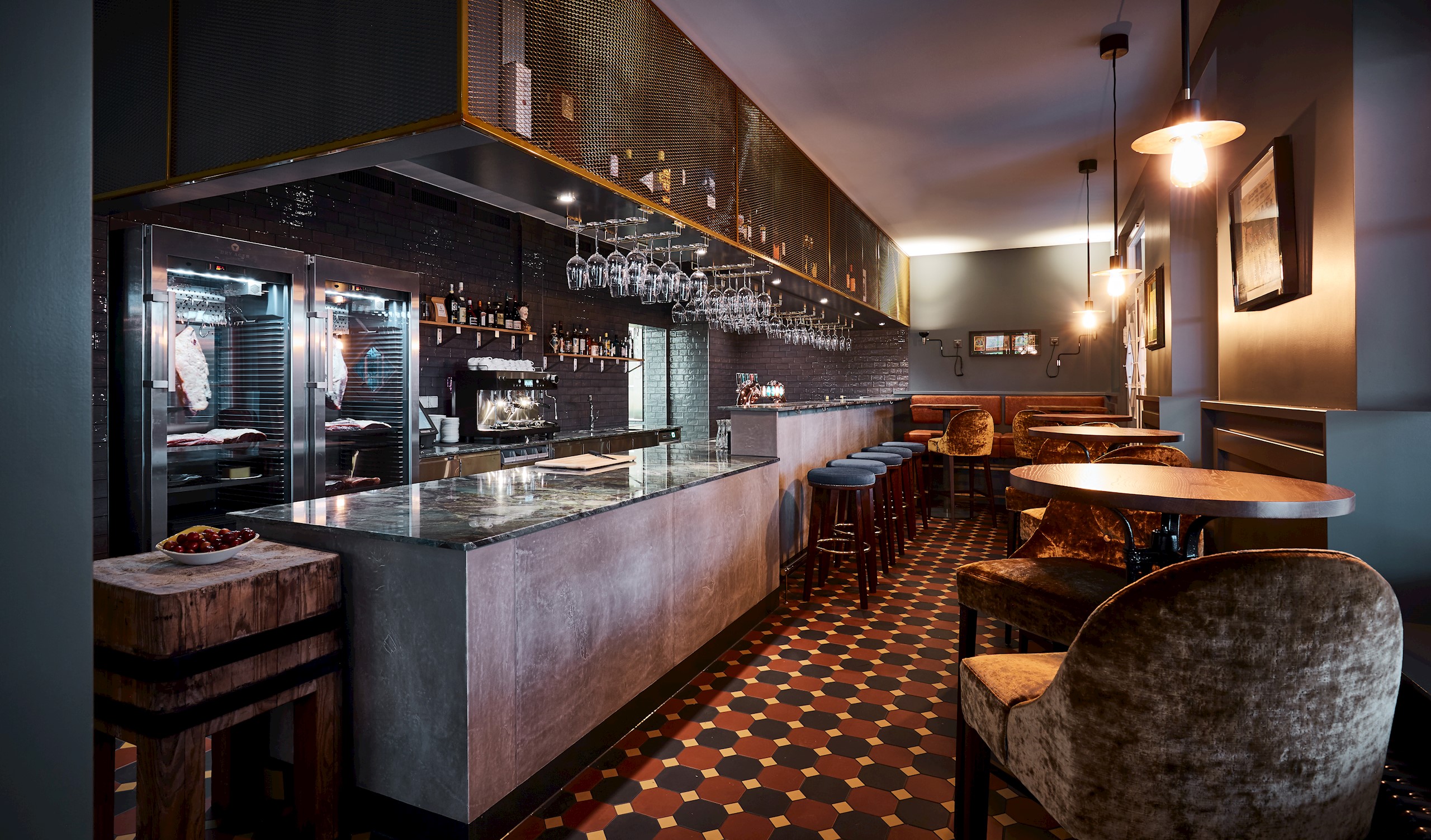
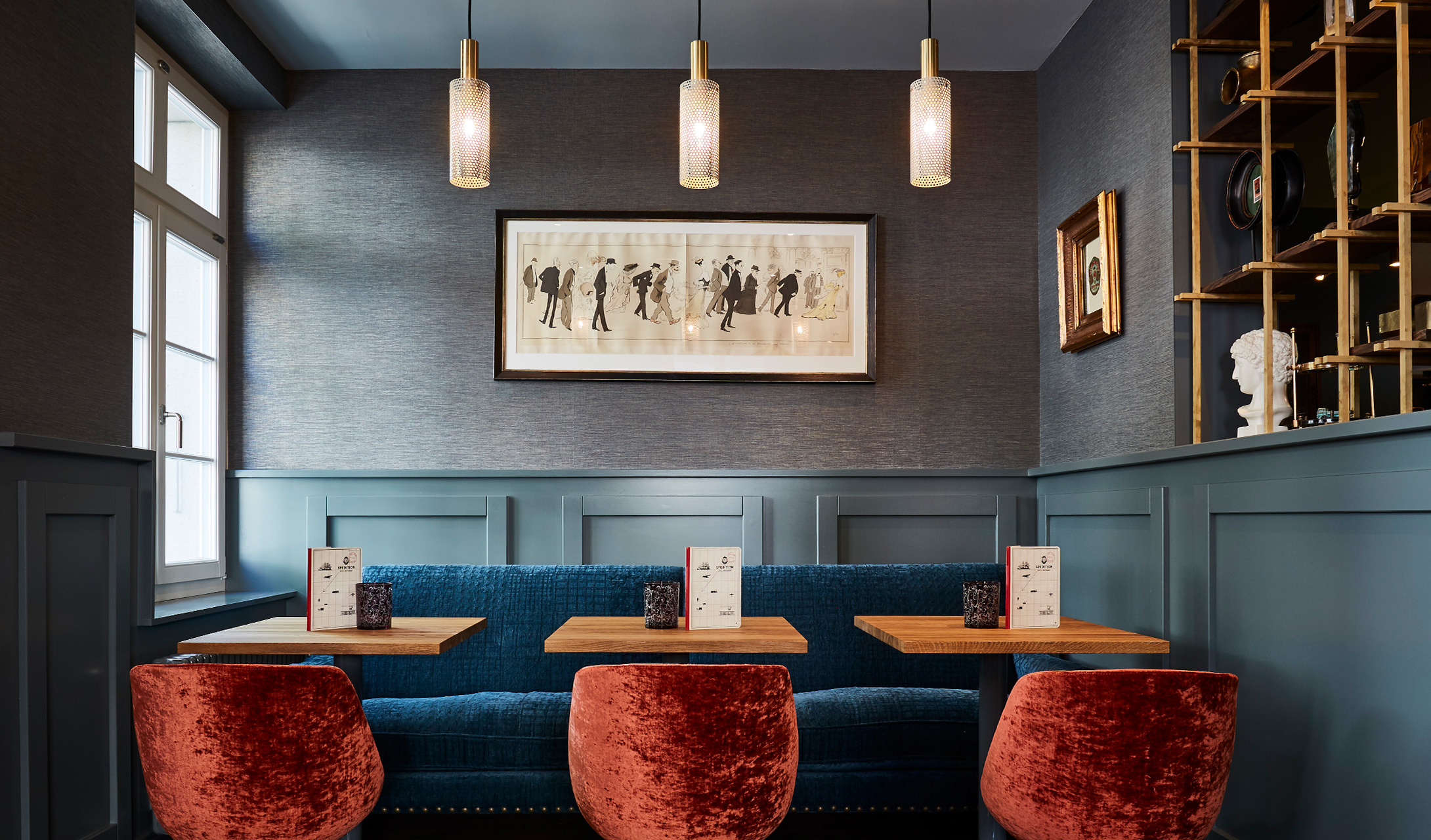
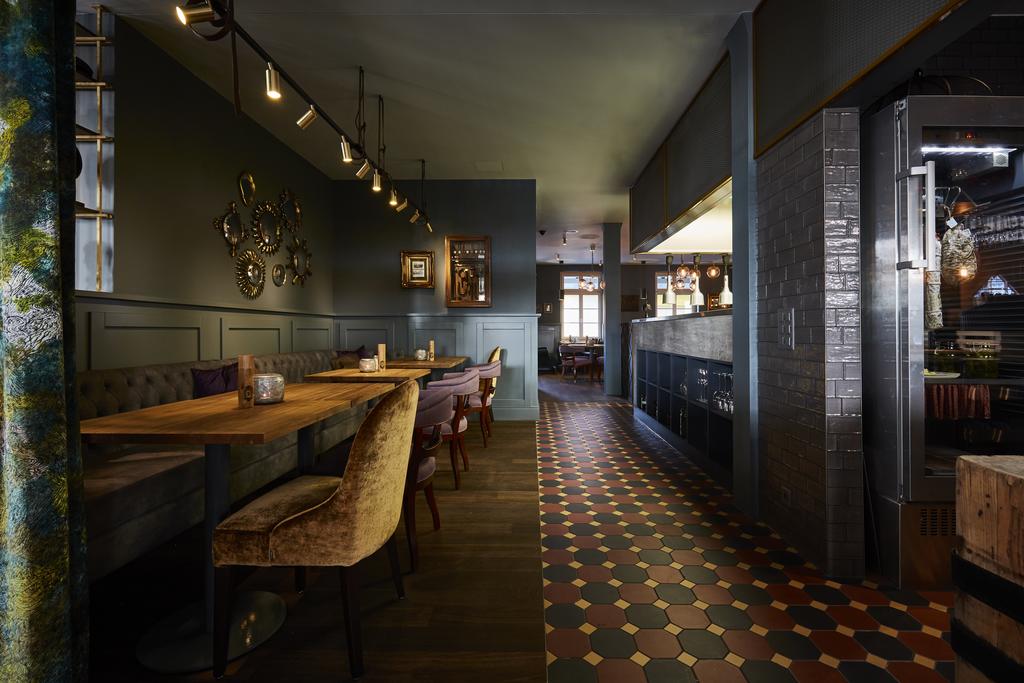
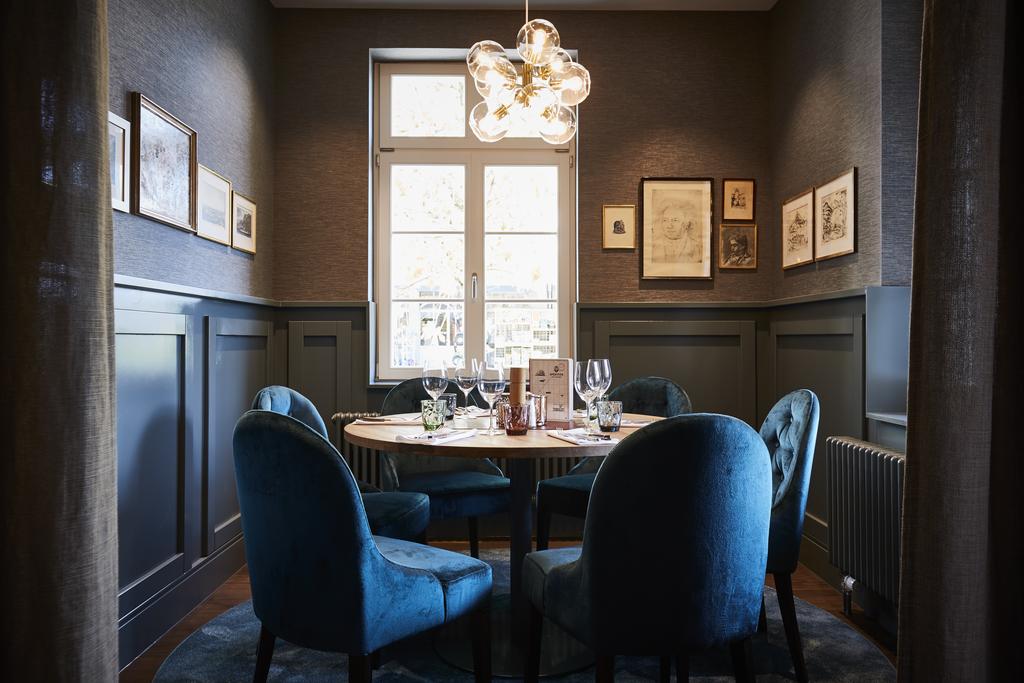
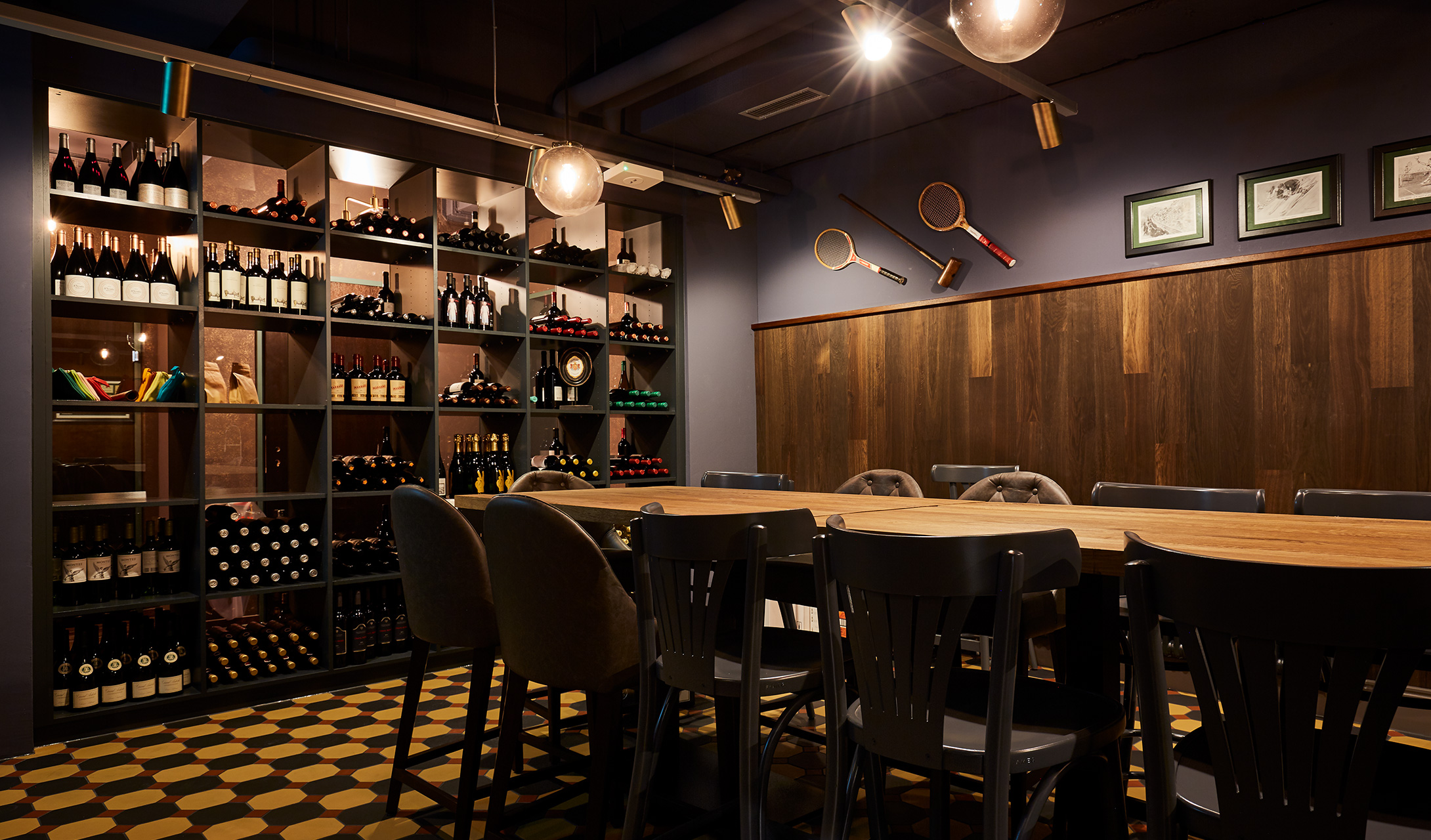
Downstairs, the restaurant is the social engine of Spedition. An open kitchen revolves around a monumental antique chopping block, while a long bar and informal tables create an atmosphere that works equally well for hotel guests and Thun locals. The philosophy is refreshingly uncomplicated: local, simple, good and tasty. Seasonal produce and farm-to-table cooking sit alongside meat matured in-house, with Swiss ingredients interpreted through a broader international lens. The old cheese cellar has found another purpose too. Where cheeses once ripened, a long communal table now invites guests to settle in over bottles of wine—a particularly good example of how Spedition gives old spaces new lives without disguising what they once were.
Thun Deserves More Than a Stopover
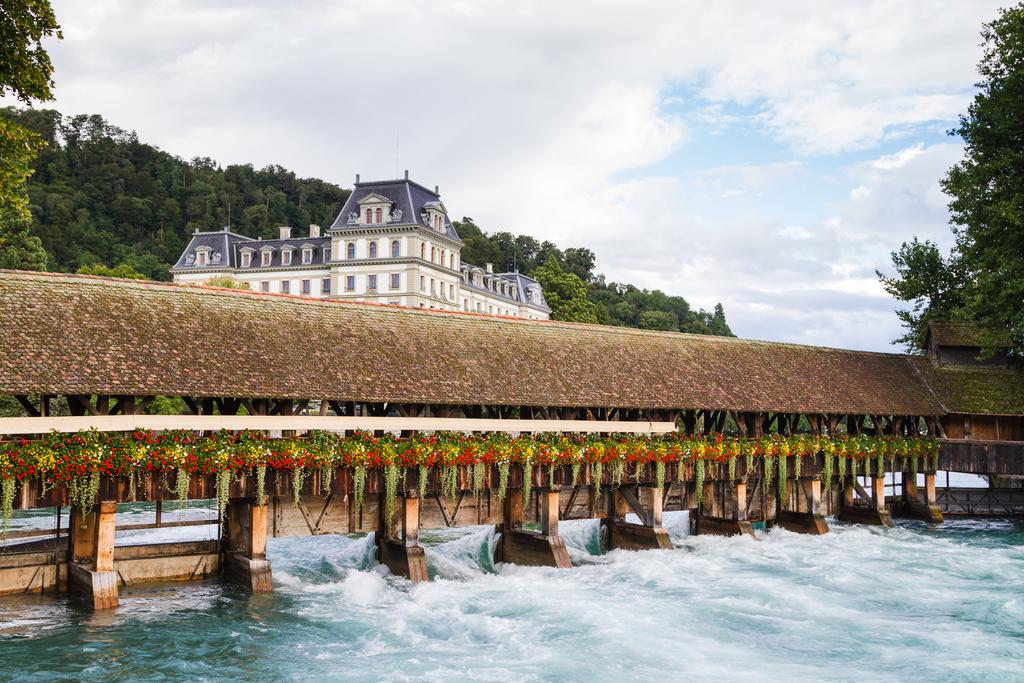
Spedition also makes a persuasive argument for lingering in Thun itself. The historic old town sits between Lake Thun and the mountains of the Bernese Oberland, yet for many travellers it has traditionally been somewhere passed through on the way to more famous Alpine destinations. This little hotel changes the equation. Its restaurant brings locals through the door, its design gives you reasons to look closer, and its relaxed atmosphere encourages precisely what its creators intended: stop rushing, order another glass of wine and forget for a while about getting from A to B. Sometimes the detour is the destination.