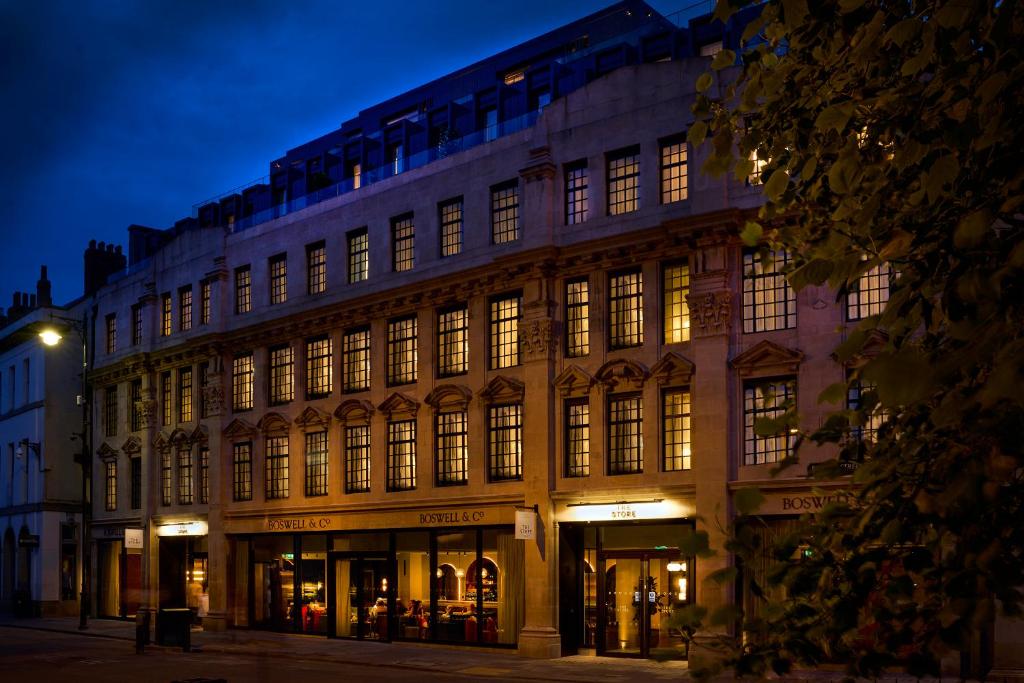
The Store – Oxford, England
Oxford heritage reworked as a contemporary city hotel inside the former Boswells department store.
Why DNA Hotels Loves It
● A much-loved Oxford institution has been transformed rather than erased, turning the former Boswells department store into a 101-room hotel that still carries traces of its retail past.
● The design avoids the predictable collegiate look found elsewhere in the city, using Art Deco references, bespoke patterns, archive material and contemporary detailing to create something sharper and more urban.
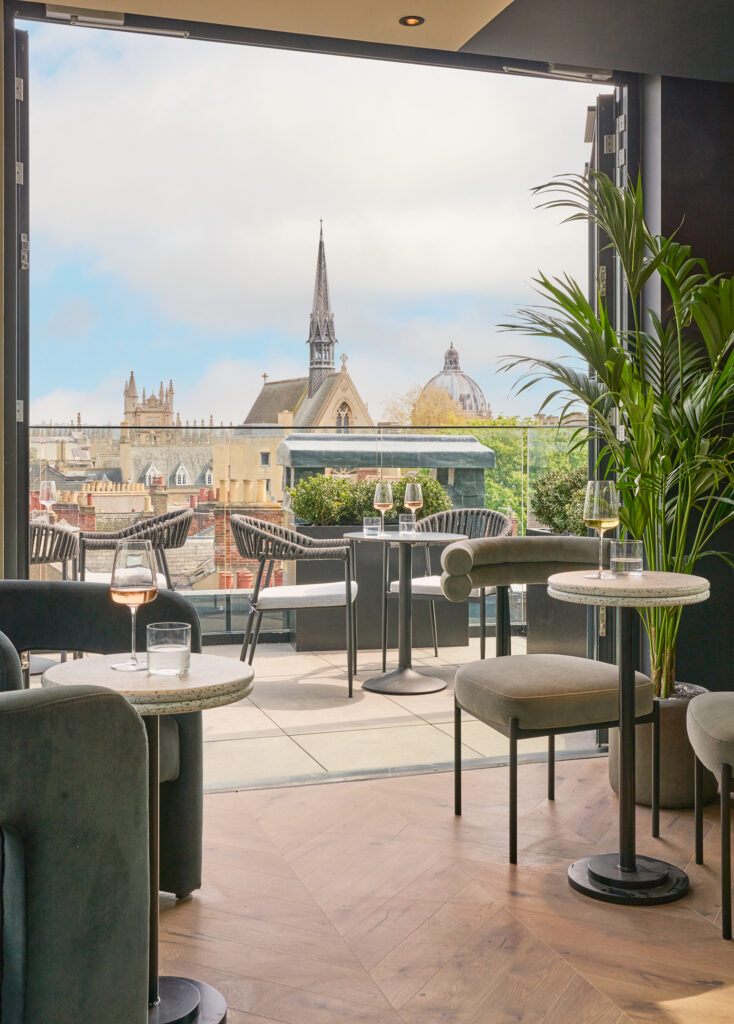
● With Treadwell, a Broad Street bar, an intimate spa and one of Oxford’s rare rooftop terraces, The Store works as much as a city gathering place as it does a hotel.
From Department Store to City Hotel
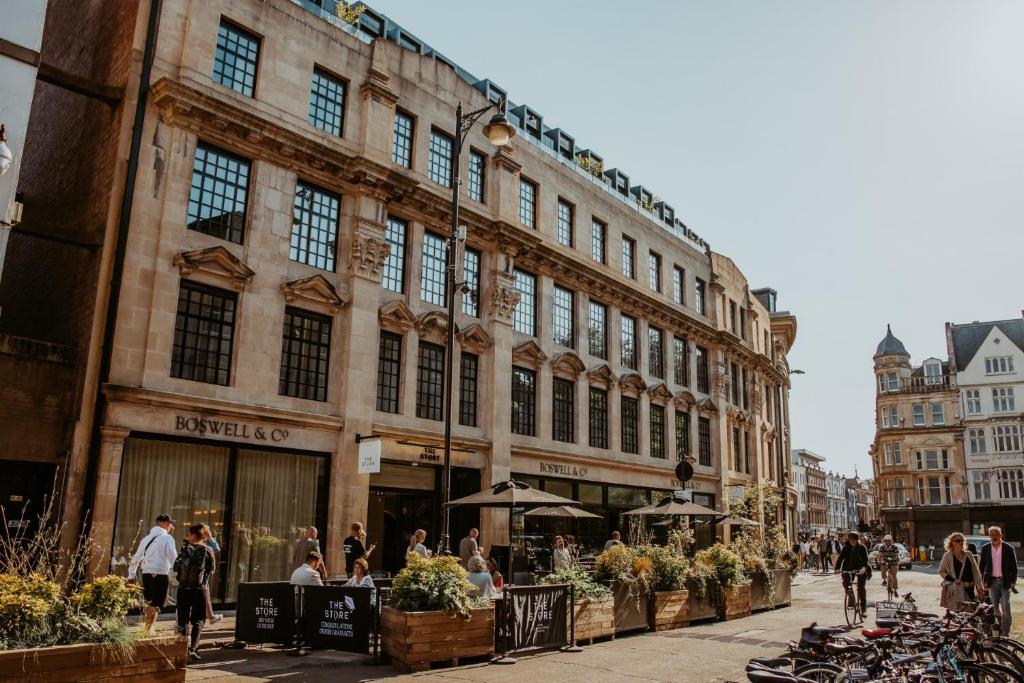
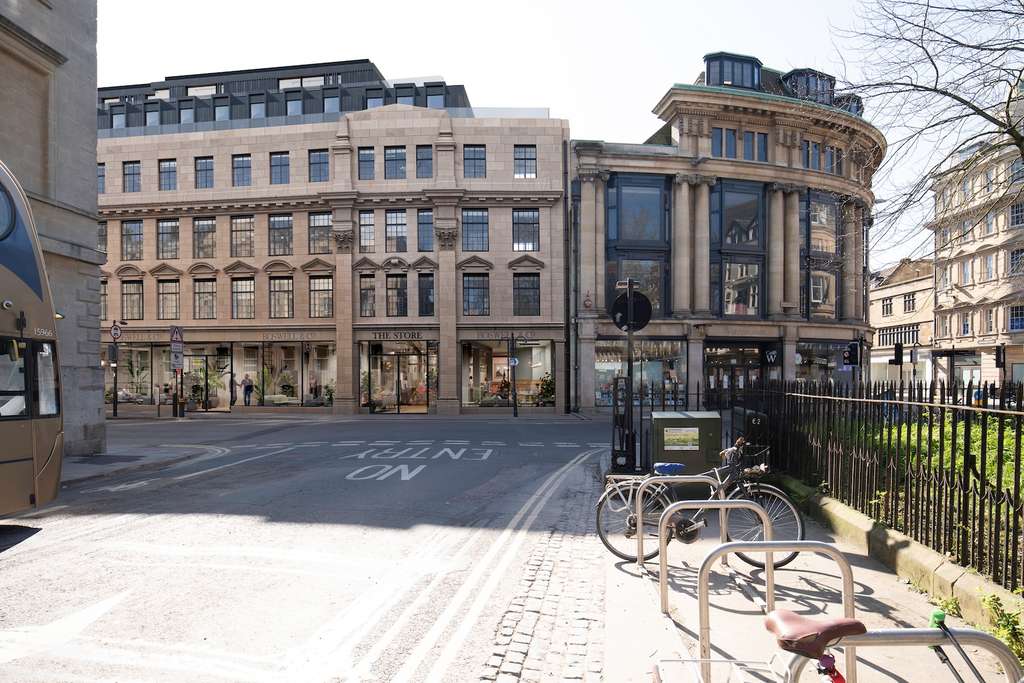
For generations, Boswells was part of everyday Oxford life. Founded in the 18th century and eventually becoming one of the city’s best-known independent department stores, it sold everything from toys and cosmetics to haberdashery and household goods before closing in 2020. Today, The Store occupies that same Broad Street landmark, directly opposite Balliol College and within minutes of the Bodleian Library, Radcliffe Camera and many of Oxford’s most recognisable university buildings. Rather than pretending the building was always destined to become a hotel, the conversion leans into its former life. The idea of discovery that once defined a department store has been reinterpreted spatially: open public areas lead into smaller corners, bars, lounges and quieter retreats, encouraging guests to move through the building almost as they once might have wandered from department to department. The past is present, but never allowed to dominate.
Oxford Without the Collegiate Costume
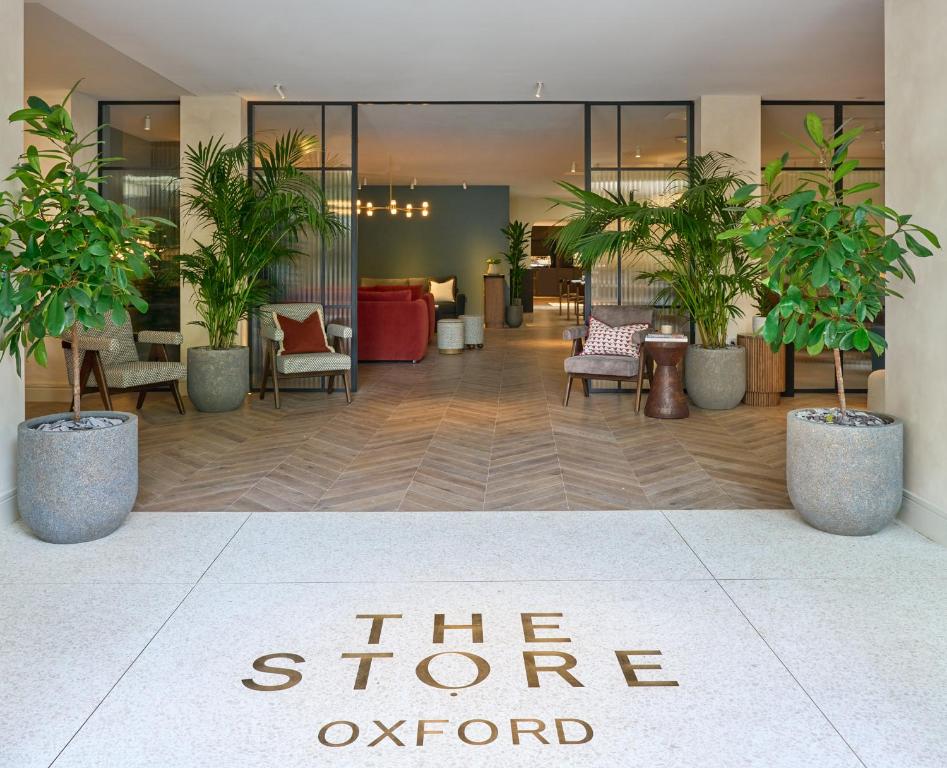
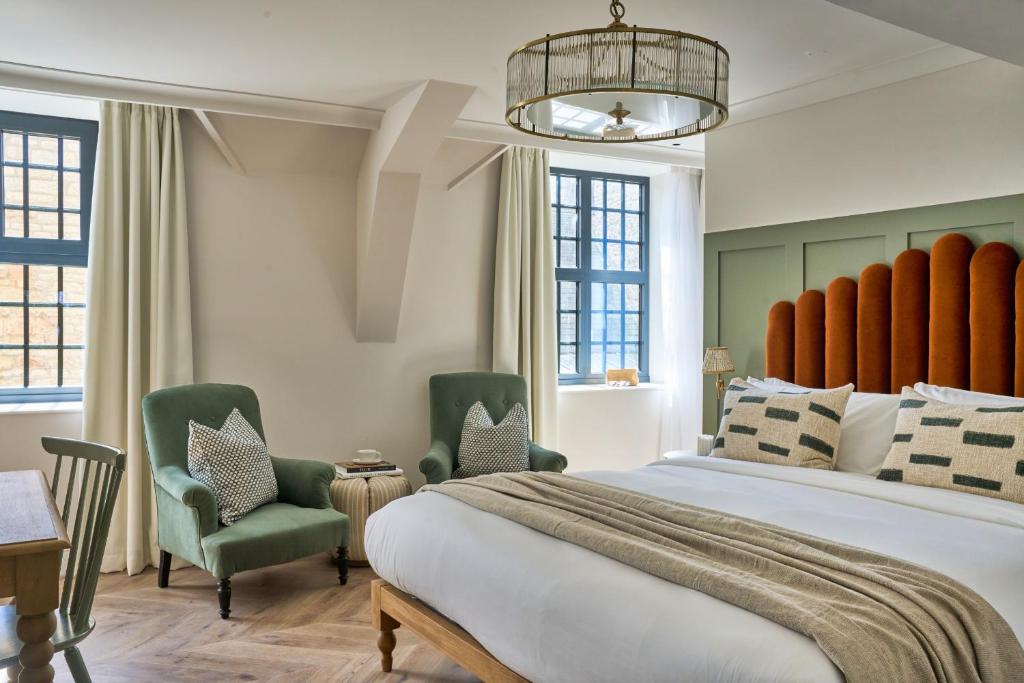
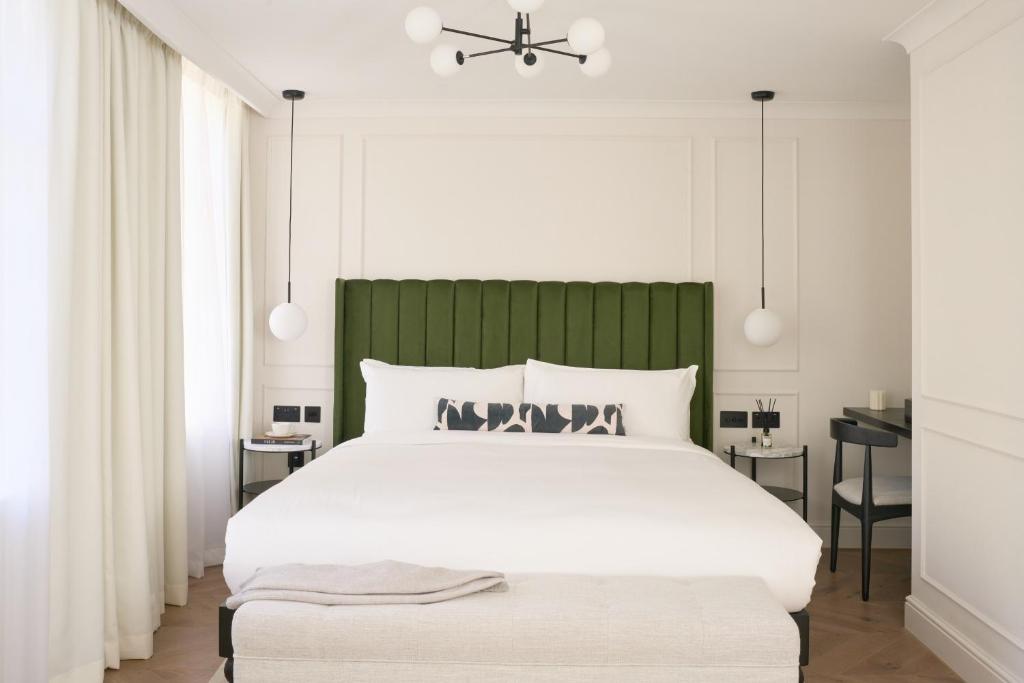
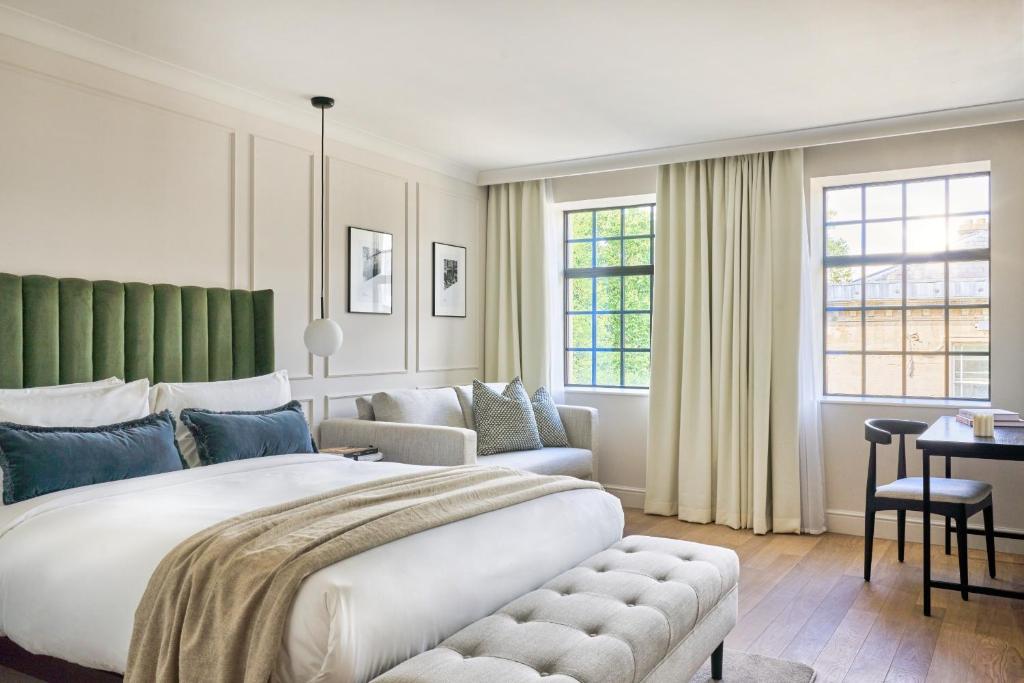
One of the most successful aspects of The Store is what it does not do. There are no faux libraries, exaggerated academic references or attempts to recreate a university common room. Instead, the interiors translate Oxford more abstractly. Patterns reference rooftops and the vertical rhythm of the city’s famous “dreaming spires”. Archive imagery from Boswells appears throughout the hotel. Materials and colours shift between the two interconnected historic buildings that make up the property, reflecting their different architectural identities. The 101 guestrooms are divided across several design typologies. Some are more expressive, with plush velvet headboards, panelled walls and Art Deco-inspired details; others are quieter, using pale tones, soft textures and courtyard views to create a calmer atmosphere. The result feels contemporary without becoming placeless.
Rooms Shaped by the City
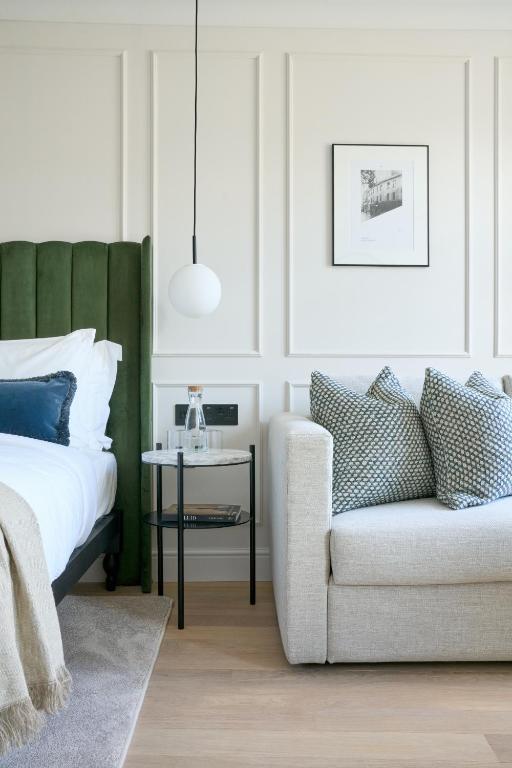
Guestrooms range from compact doubles for short city stays to larger suites with terraces and rooftop views. Across the categories, the design is crisp and restrained: pale walls, timber floors, tailored upholstery and well-judged decorative moments rather than layers of ornament. Bespoke furniture and textiles carry subtle references to Oxford’s architecture, while generous glazing opens certain rooms toward the rooftops and spires beyond. Bathrooms continue the minimal approach with rainfall showers, clean stone finishes and D’Orangerie amenities. Some larger rooms add bathtubs, balconies or private terraces, including suites designed to make the most of the building’s upper levels and views across the city centre. This is not a hotel relying on theatrical room design. The strength lies in proportion, calm and location.
The Bar as a City Living Room
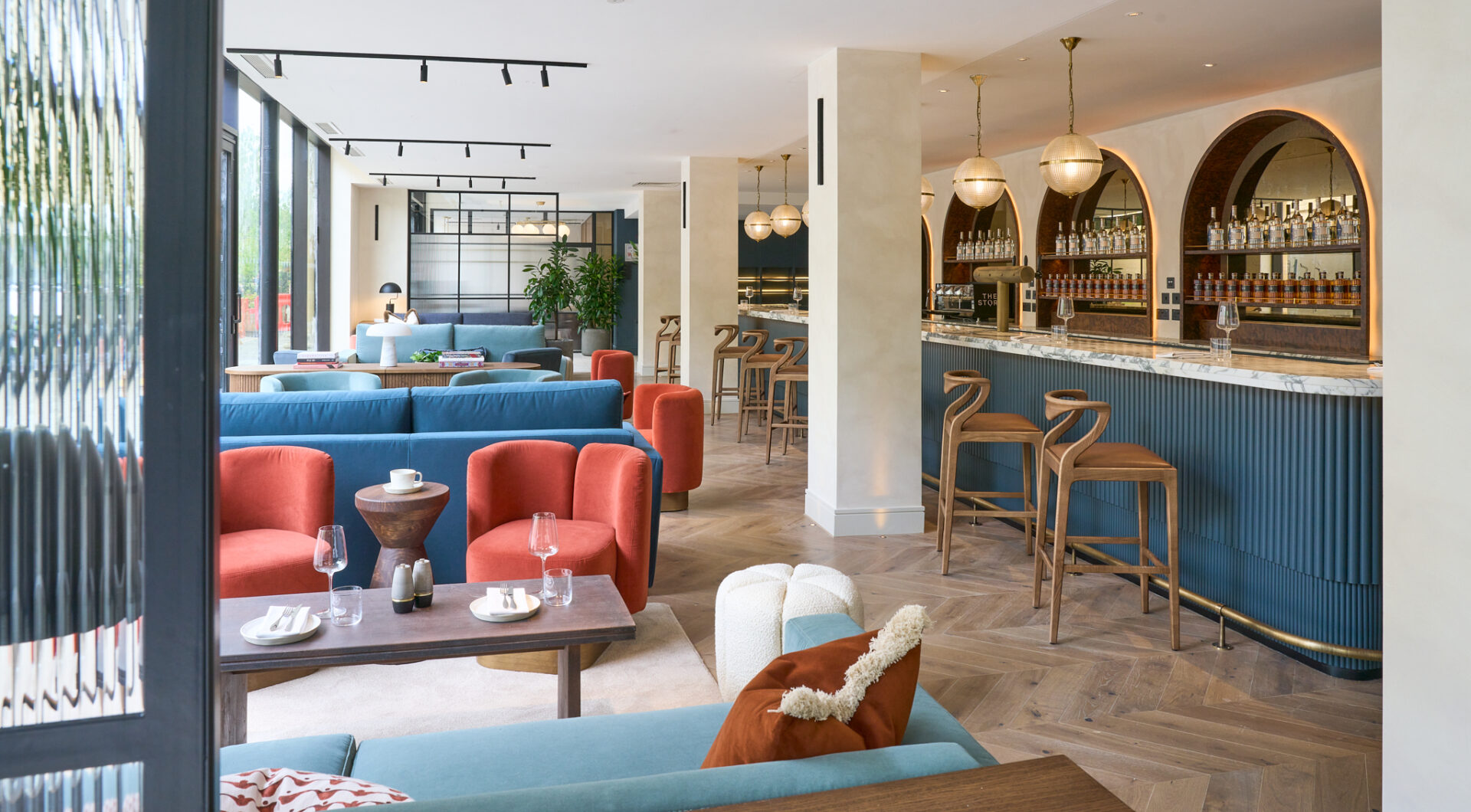
At street level, The Bar at The Store keeps the hotel connected to Broad Street rather than sealing itself away from Oxford. Floor-to-ceiling windows look onto the movement outside, while the interior shifts throughout the day from coffee and informal meetings to cocktails and late-evening drinks. A fireside snug adds intimacy, while the long marble bar gives the space a stronger metropolitan character than the traditional lounges found in many Oxford hotels. That matters here. The Store is positioned not simply as accommodation for visitors, but as somewhere locals might actually choose to meet. The social rhythm changes again upstairs.
Oxford from Above
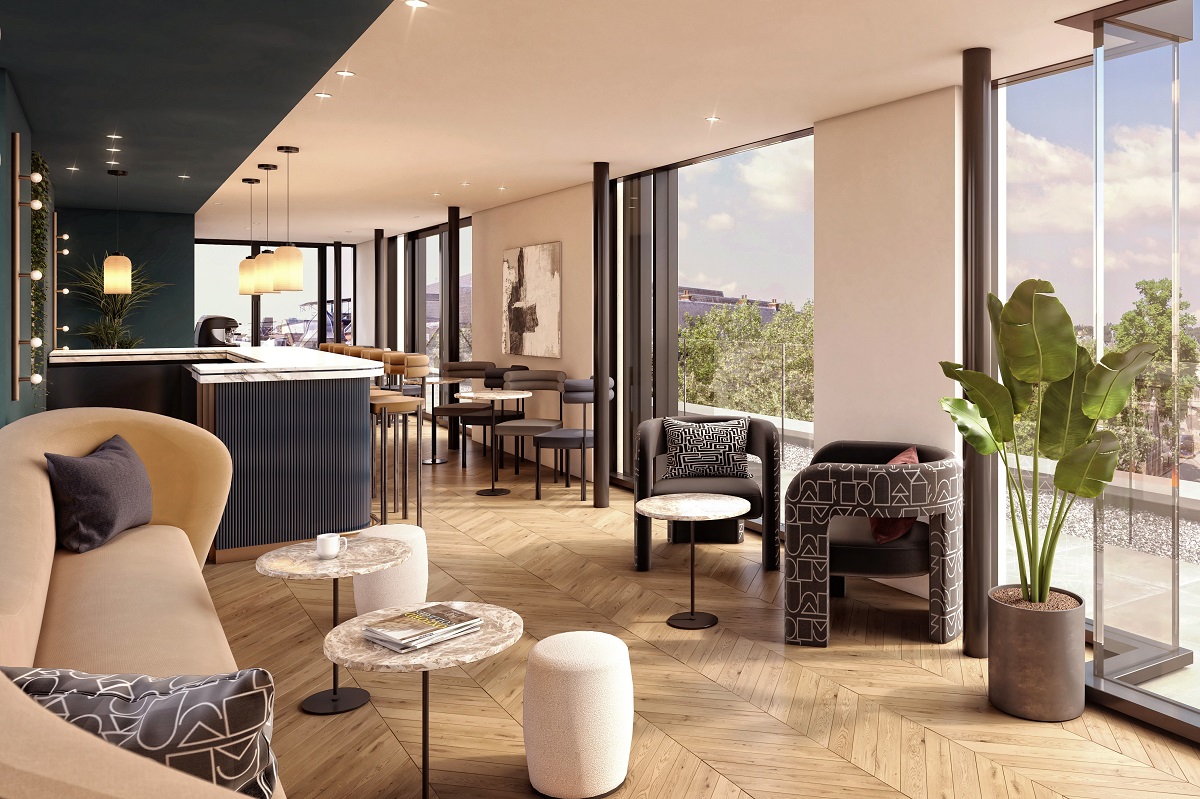
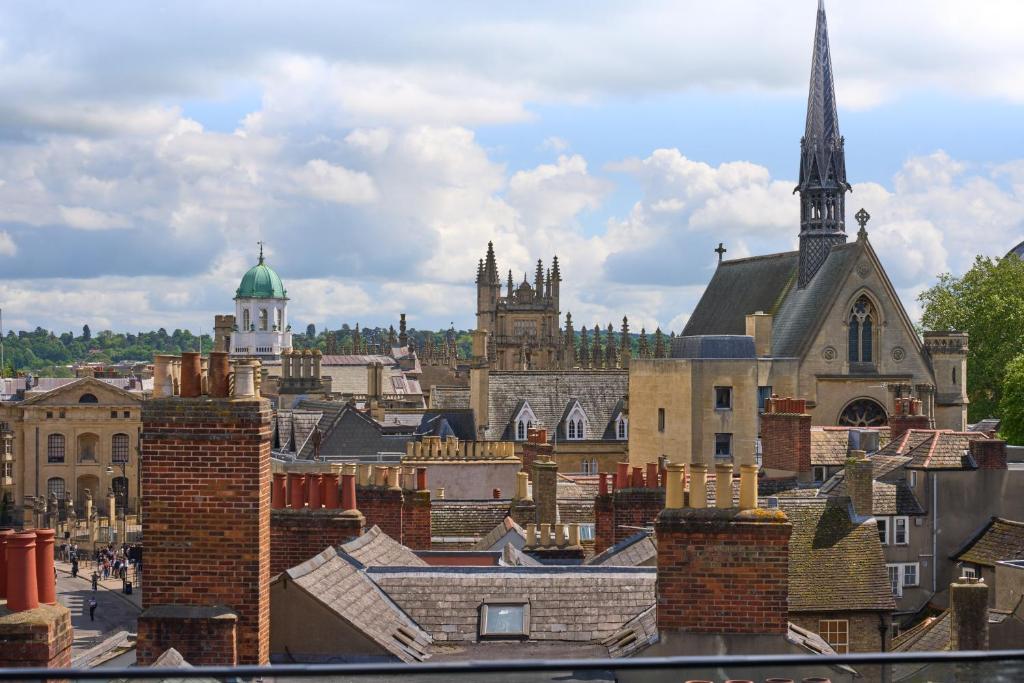
The Roof at The Store is one of the hotel’s strongest assets. Oxford is famously a city experienced from street level, with colleges and walls often concealing their interiors. Here, the perspective reverses. From the rooftop terrace, the skyline opens up in every direction, revealing church towers, domes, university roofs and spires as a single urban composition. The bar is deliberately straightforward in concept, built around recognisable classic cocktails with variations on each, alongside wine, champagne and seasonal food pop-ups. It is less about spectacle than vantage point—and in Oxford, that alone makes it unusual.
Treadwell and a New Use for an Old Department
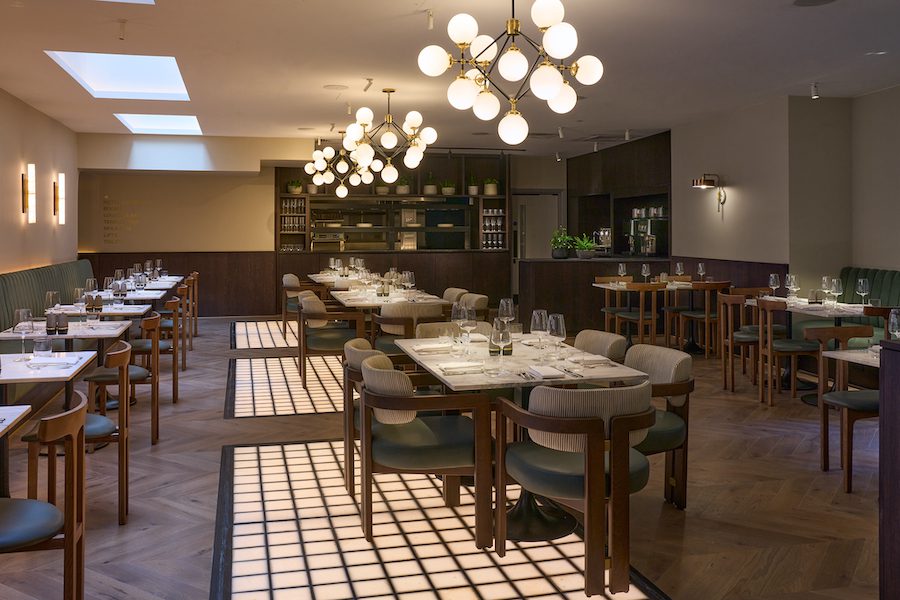
Treadwell occupies part of what was once Boswells’ pharmacy, giving the restaurant one of those historical details that feels genuinely connected to the building rather than added for storytelling purposes. The menu is contemporary British in structure but deliberately open to broader influences, combining familiar ingredients with more international flavours. The dining room itself is warm and understated, with timber, soft upholstery and green tones creating an atmosphere that feels polished without becoming formal. Like the rest of the hotel, Treadwell avoids nostalgia. The former store is acknowledged, then allowed to move on.
A Spa Below the City
Beneath the bustle of central Oxford, The Spa at The Store creates a completely different mood. The subterranean setting works in its favour. Textured walls, low lighting and warm materials produce an enclosed, cocoon-like environment with treatment rooms, sauna, steam facilities and a holistic studio used for yoga, sound baths and other wellness sessions. Treatments use British skincare brand Oskia and follow the same philosophy as the hotel overall: contemporary, quietly luxurious and without unnecessary ceremony. After crowded colleges and busy pavements, retreating underground feels almost architectural in itself.
Oxford, Reframed
The Store arrives in a city where the weight of history can easily overpower contemporary hospitality. Its achievement lies in understanding that respecting Oxford does not require reproducing it. Instead of competing with centuries of Gothic stone and collegiate ritual, the hotel offers contrast: cleaner lines, lighter interiors, modern social spaces and a rooftop perspective rarely available elsewhere in the city. Boswells supplied Oxford with things for generations. Its next life is less literal, but the sense of exchange remains: people arrive, meet, eat, drink, stay, and move back into the city. The Store does not try to become another historic Oxford institution. It turns an existing one into something new.