Superbude St. Pauli – Hamburg, Germany
The rebellious second Superbude channels the music, street culture and anything-goes spirit of Hamburg’s Schanze.
Why DNA Hotels Loves It
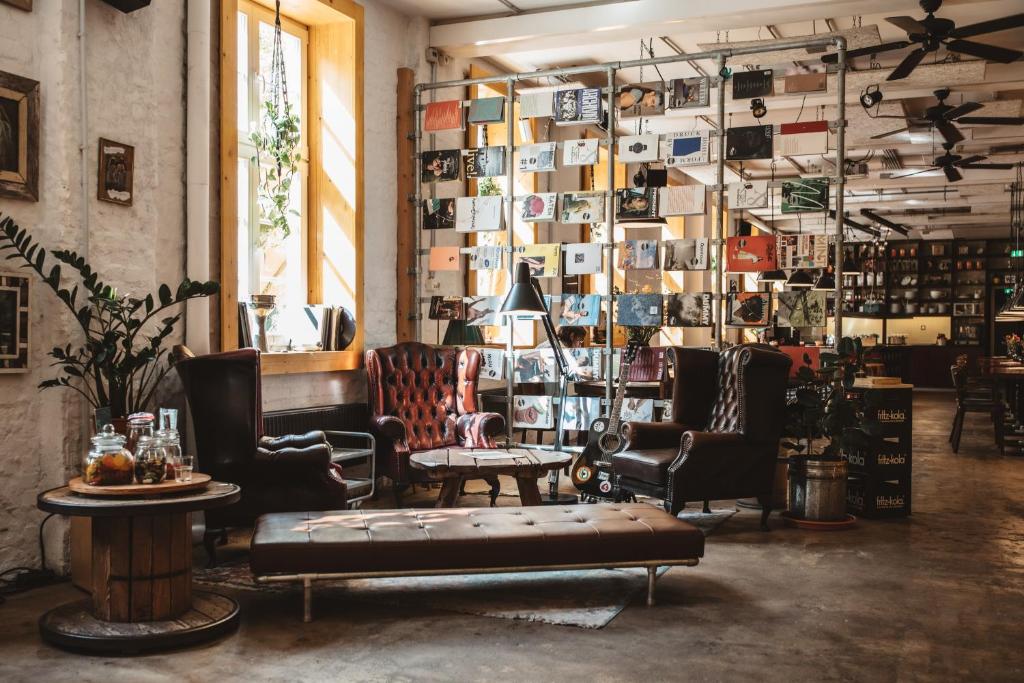
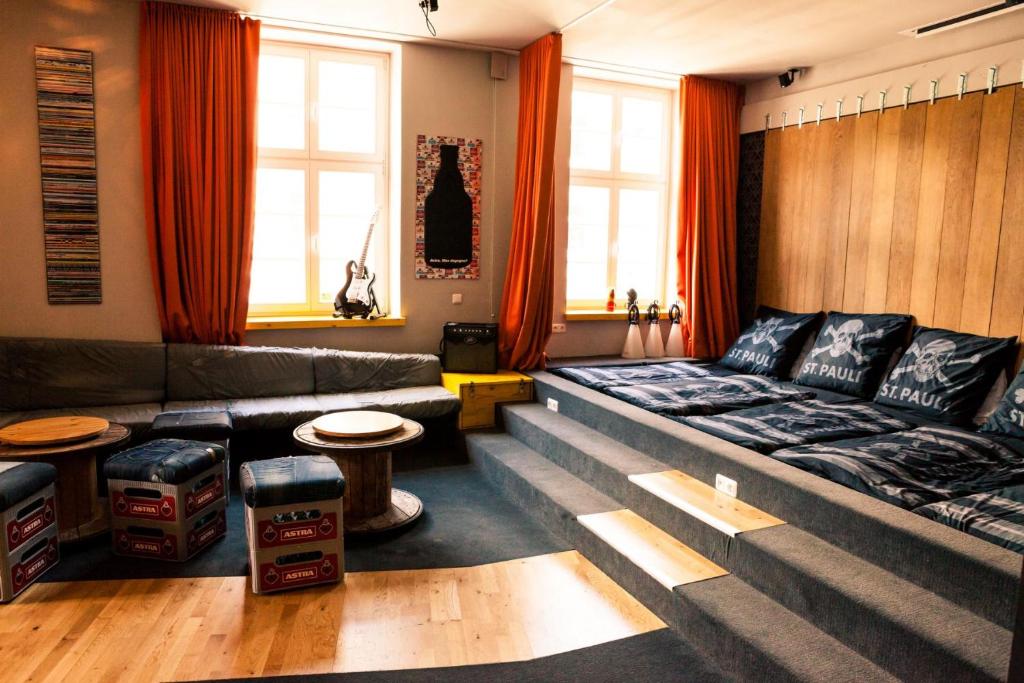
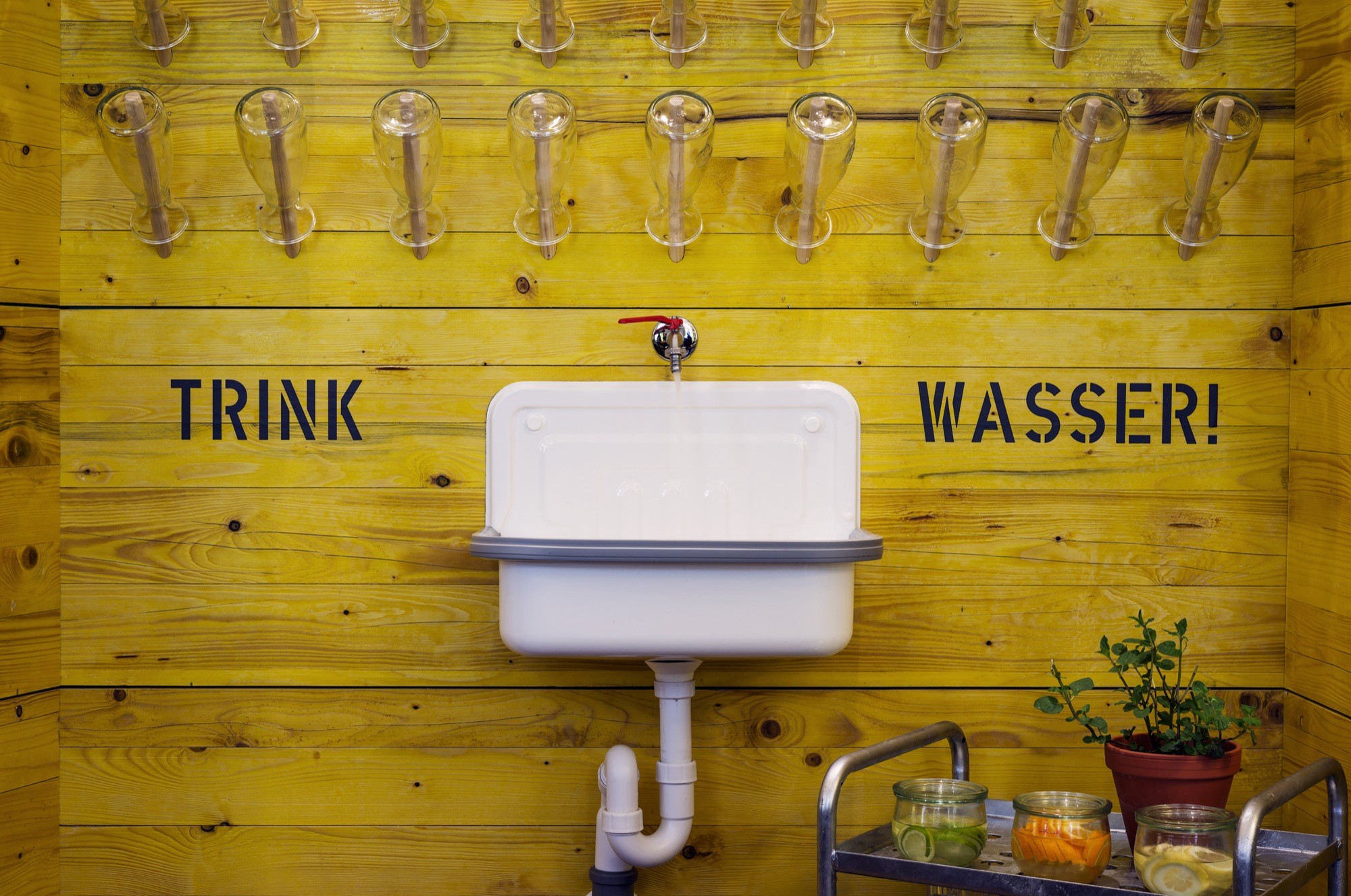
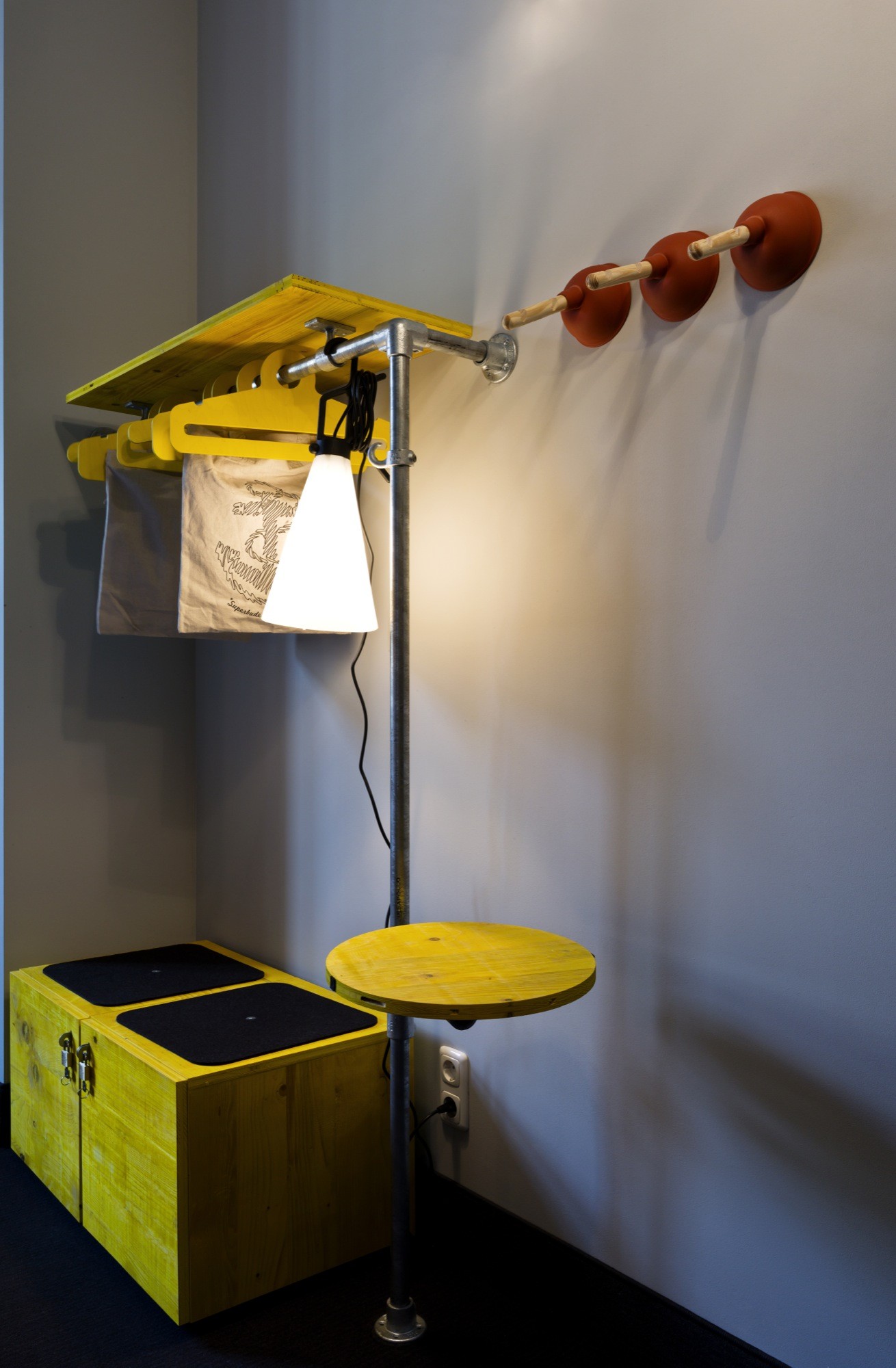
● Dreimeta takes the original Superbude formula and turns up the volume with 50 metres of yellow concrete, bottle crates, ropes, recycled materials and words covering the walls.
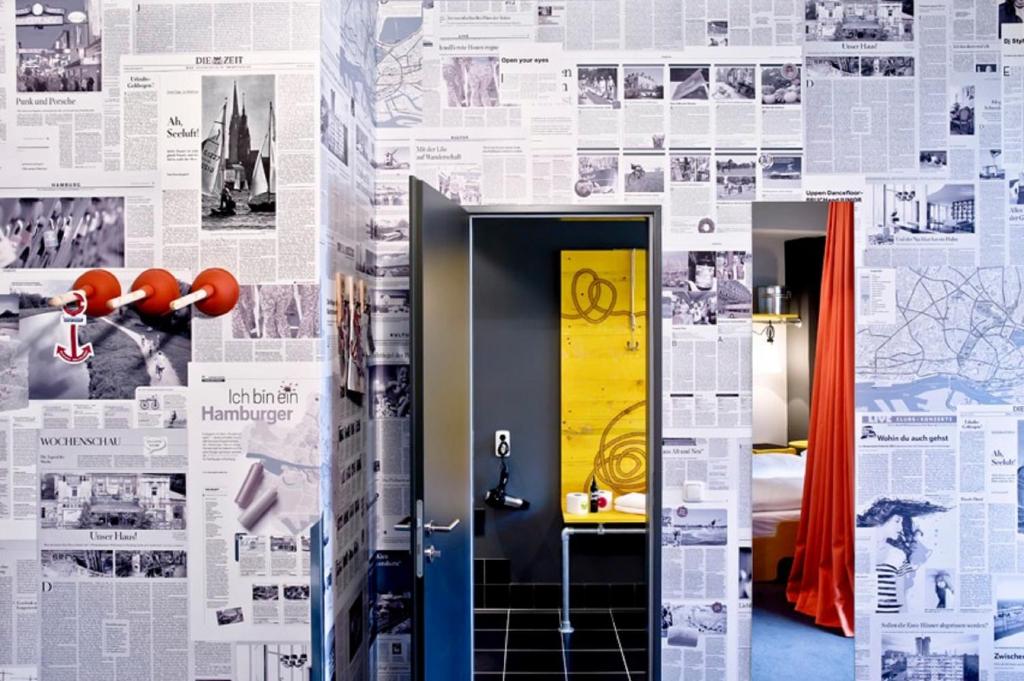
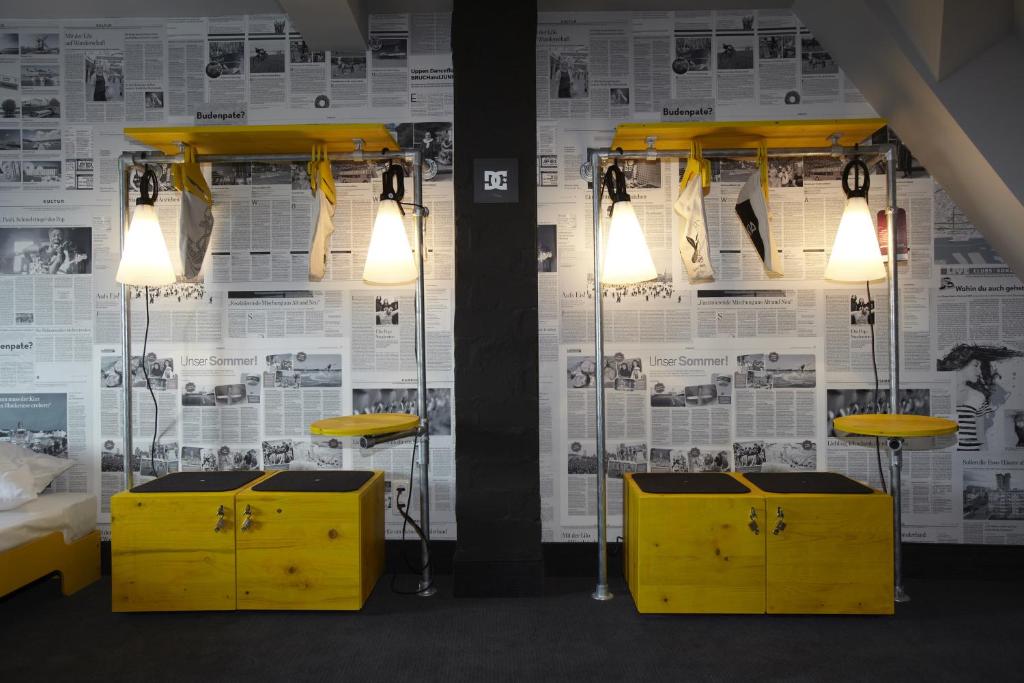
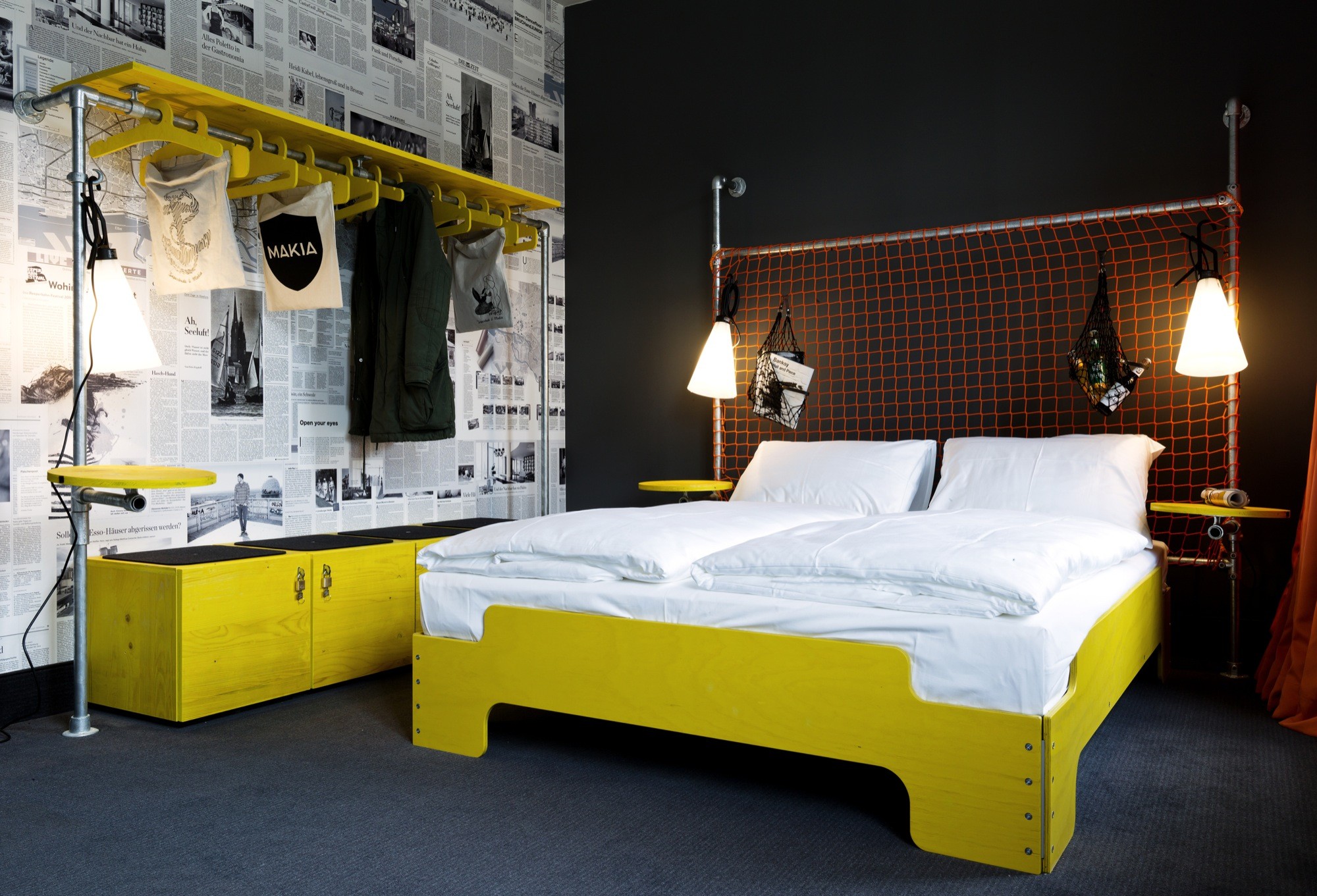
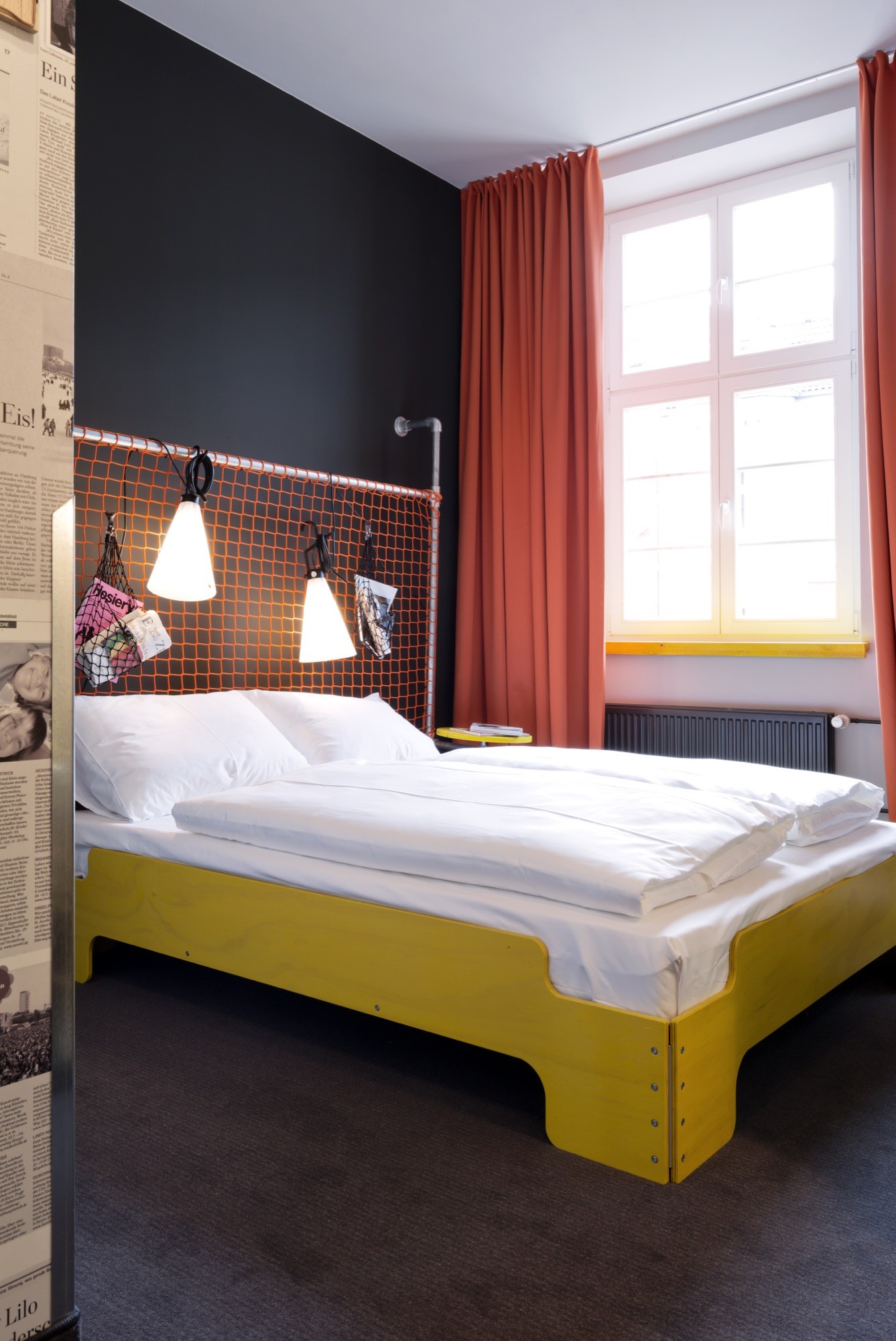
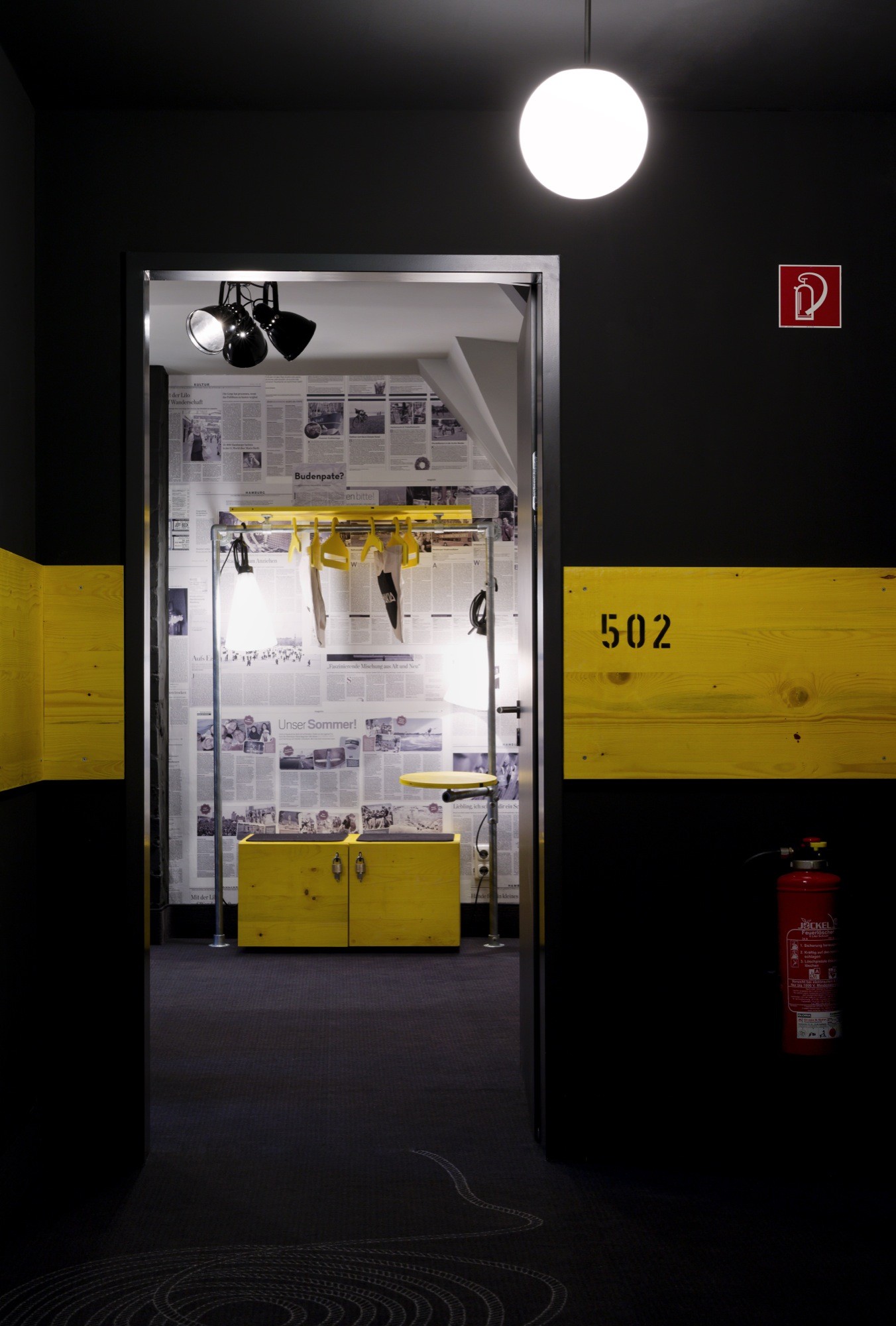
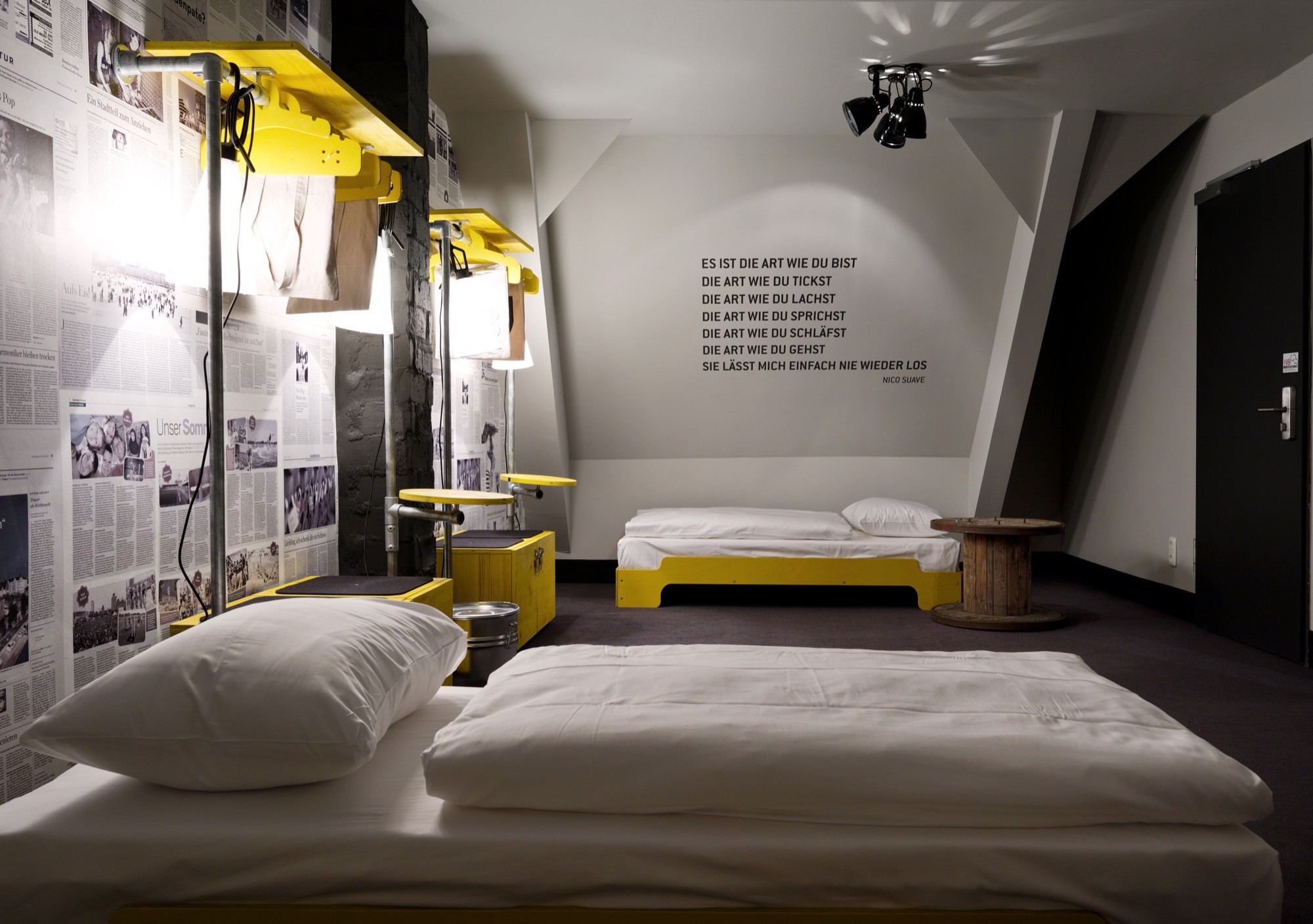
● The 89 flexible rooms are part hotel, part hostel and deliberately unconventional, with texts commissioned from bloggers, journalists and writers becoming oversized bedtime reading.
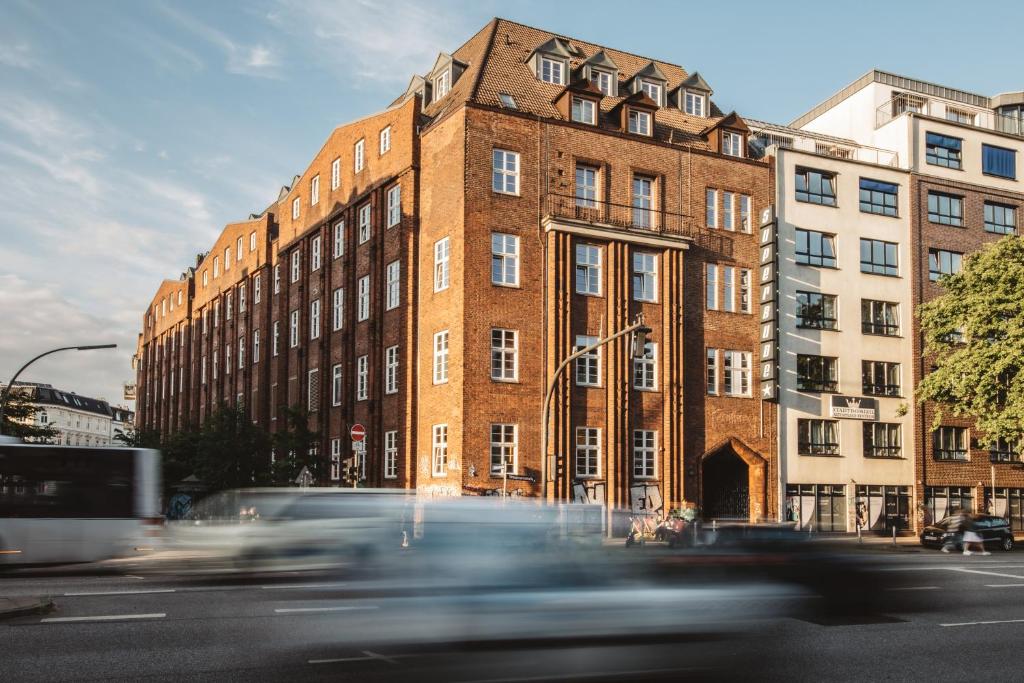
● Its location between Schanzenviertel and St. Pauli makes the neighbourhood part of the experience — record shops, bars, clubs, independent stores and Hamburg nightlife begin almost outside the door.
Superbude Gets a Rocking Sister
The first Superbude proved that clever design didn’t require an extravagant budget. For number two, Dreimeta decided not to simply repeat the trick. Instead, they imagined Superbude St. Pauli as the original hotel’s long-lost, slightly wilder sister — sent travelling around the world before finally returning to Hamburg carrying a suitcase full of music, ideas and visual souvenirs. It’s a suitably eccentric starting point for a hotel in the Schanze, where St. Pauli’s rebellious spirit meets one of Hamburg’s most creative neighbourhoods. If Superbude St. Georg is the friendly living room, this one is where somebody has moved the furniture aside and turned the music up.
Fifty Metres of Yellow
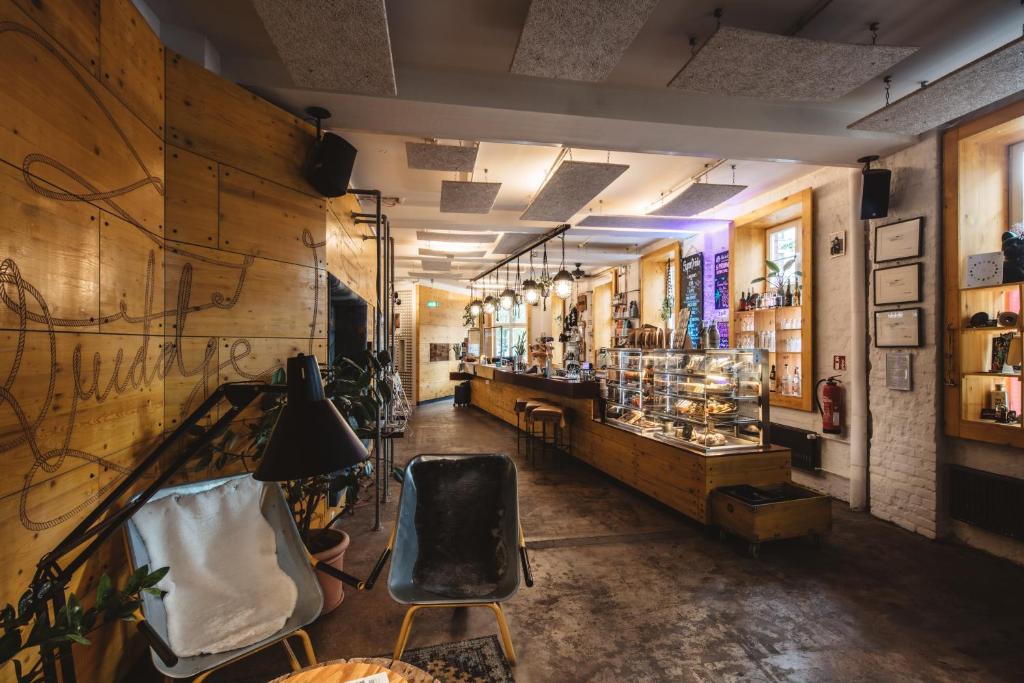
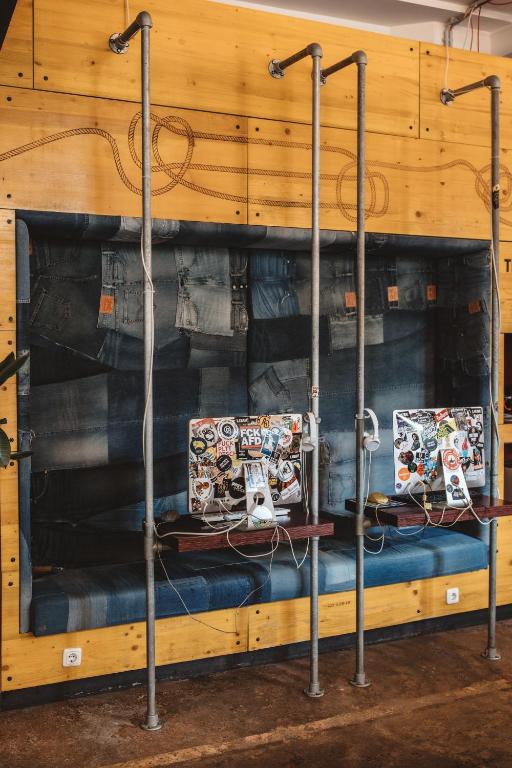
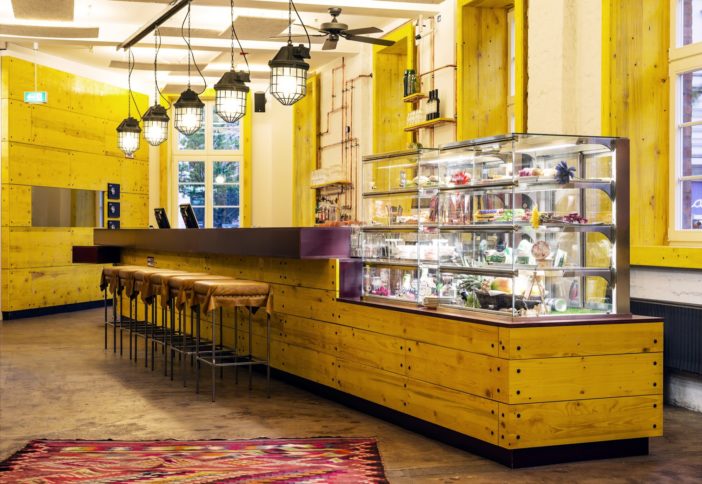
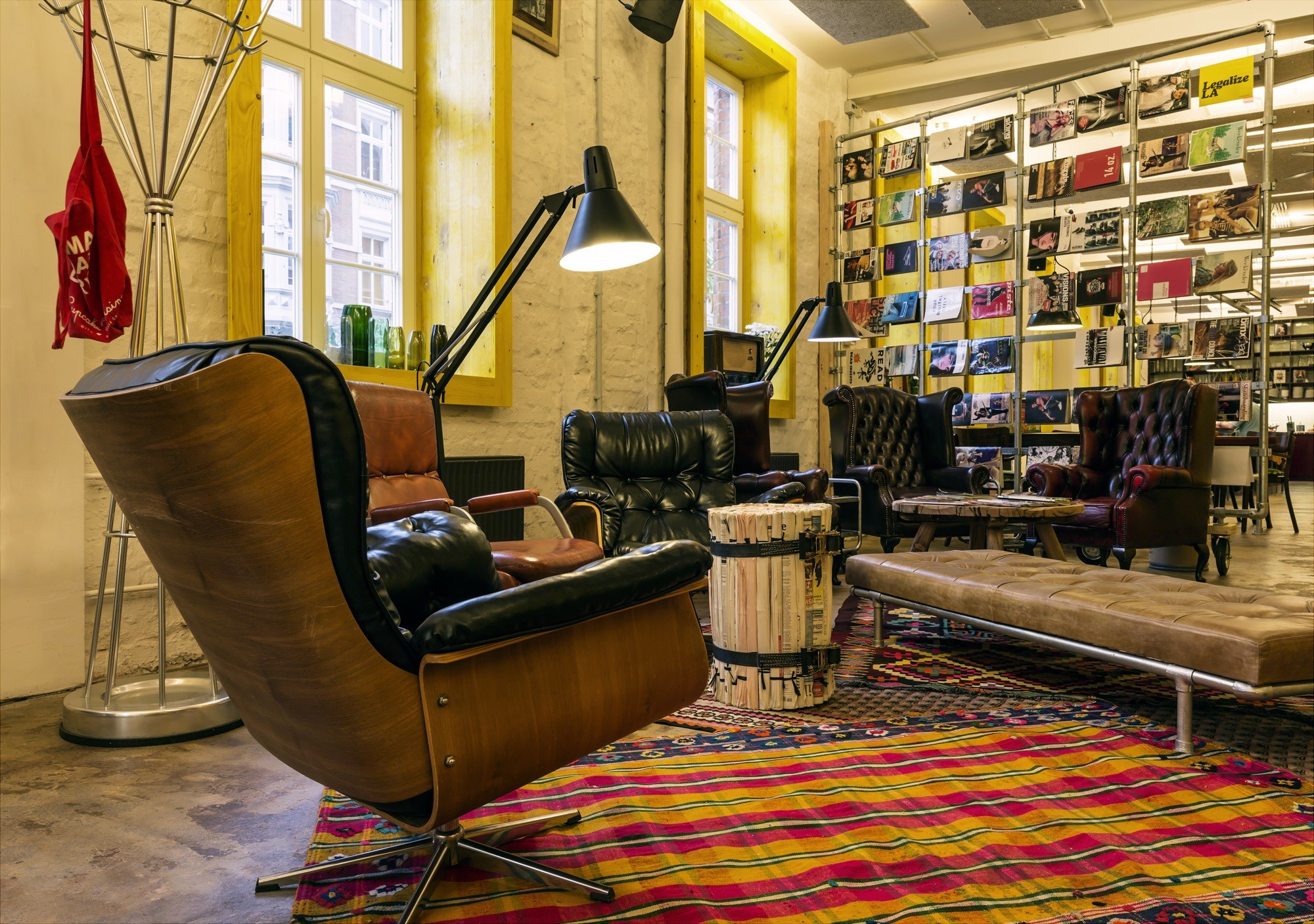
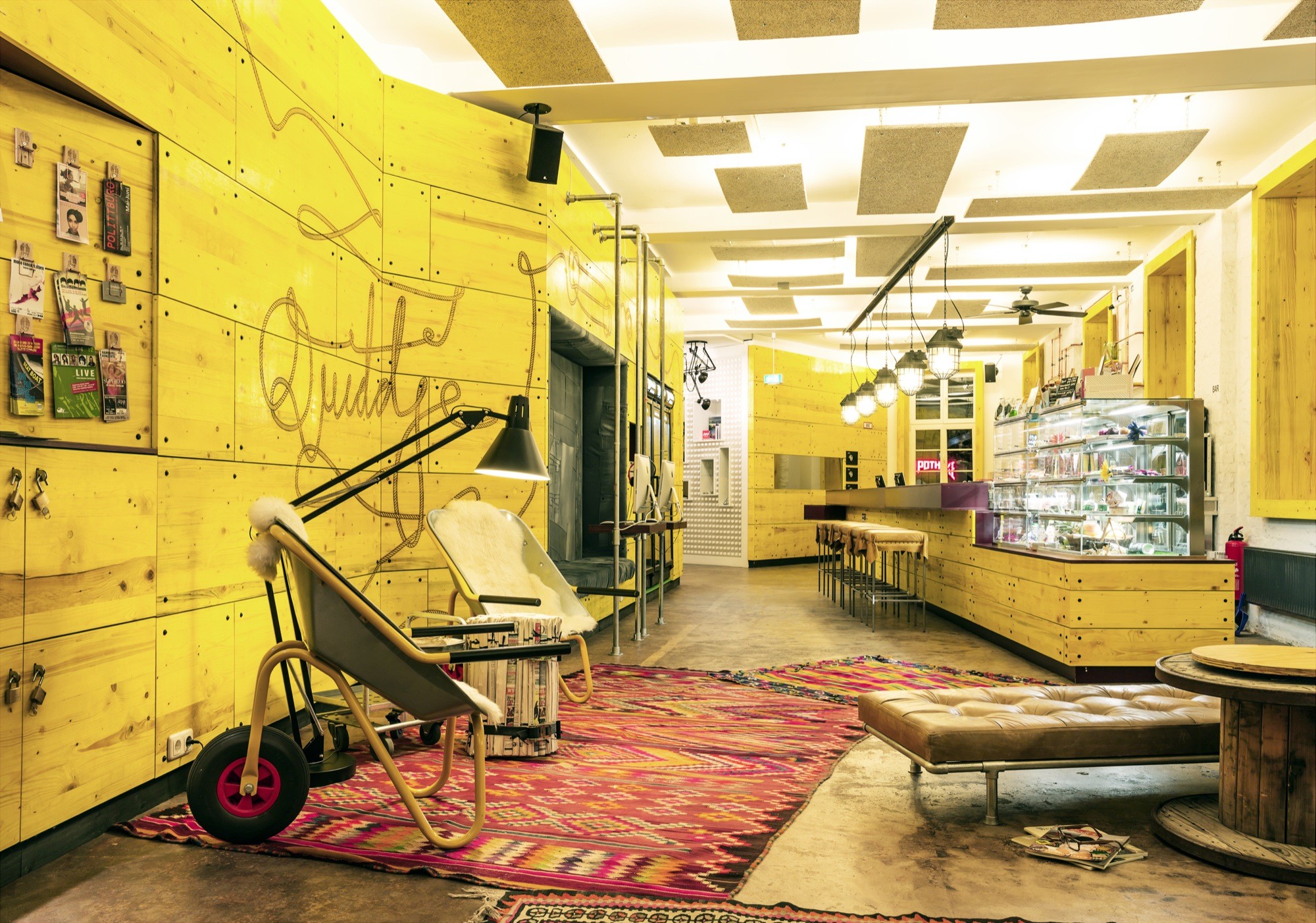
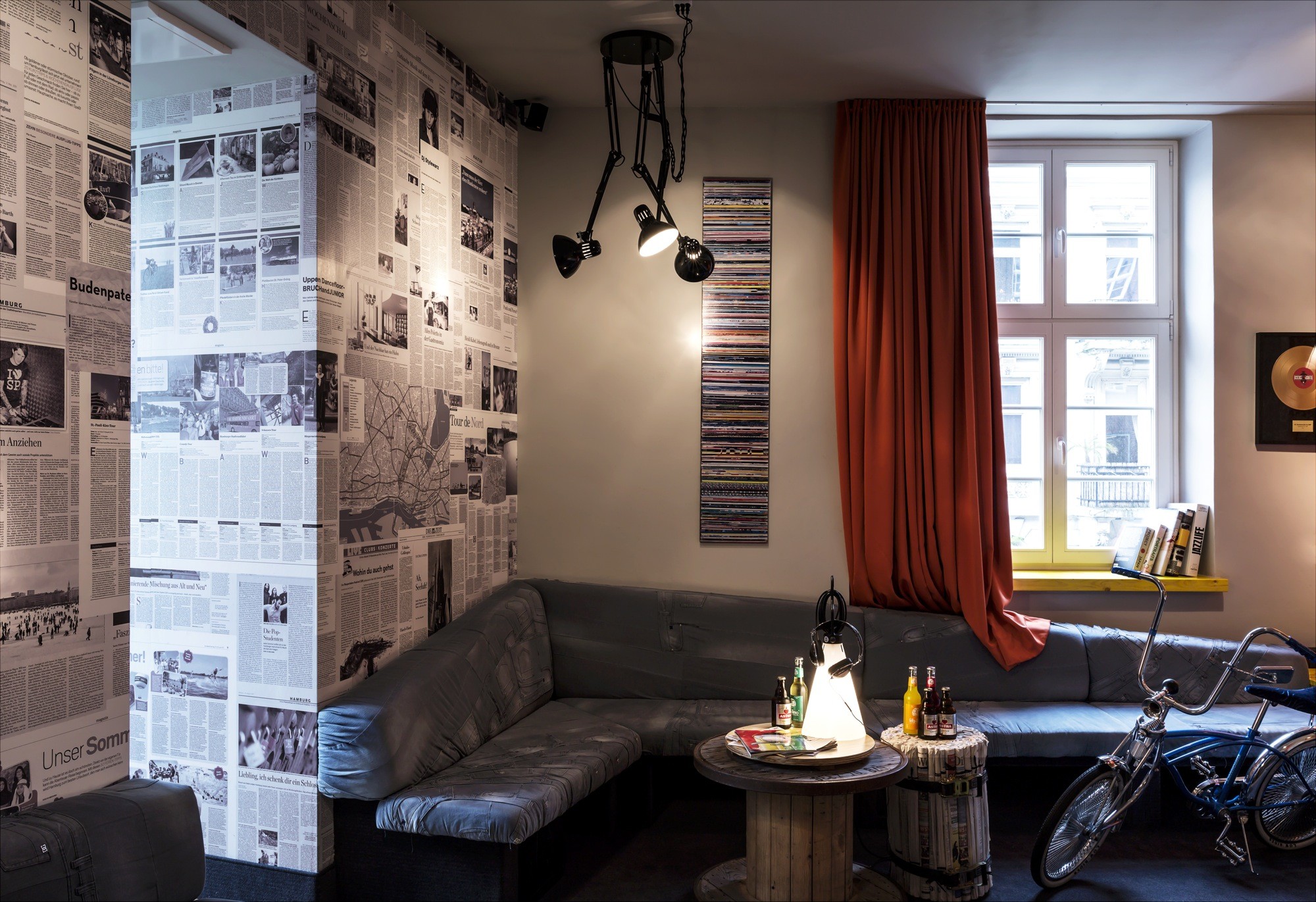
The defining architectural gesture is impossible to miss. A 50-metre-long yellow concrete structure runs through reception, lounge and Kitchen Club, connecting the hotel’s public spaces into one continuous social landscape. It contains seating, shelving, storage, internet stations and all manner of unexpected details. There’s no conventional luxury-hotel choreography here. Reception doesn’t need to look like reception. Shelves can become walls. Everyday materials can become furniture. And water containers originally designed to be reused as construction material in crisis regions are repurposed here to create shelving for merchandise, local information and recommendations. It’s resourceful rather than expensive. Exactly as Superbude should be.
Follow the Rope
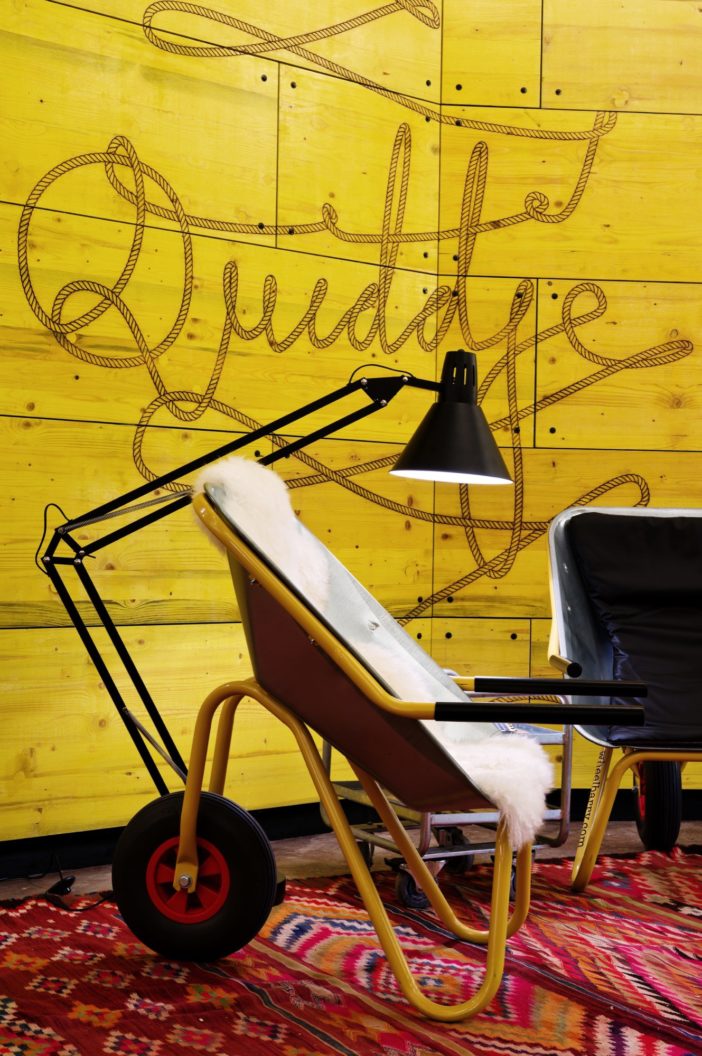
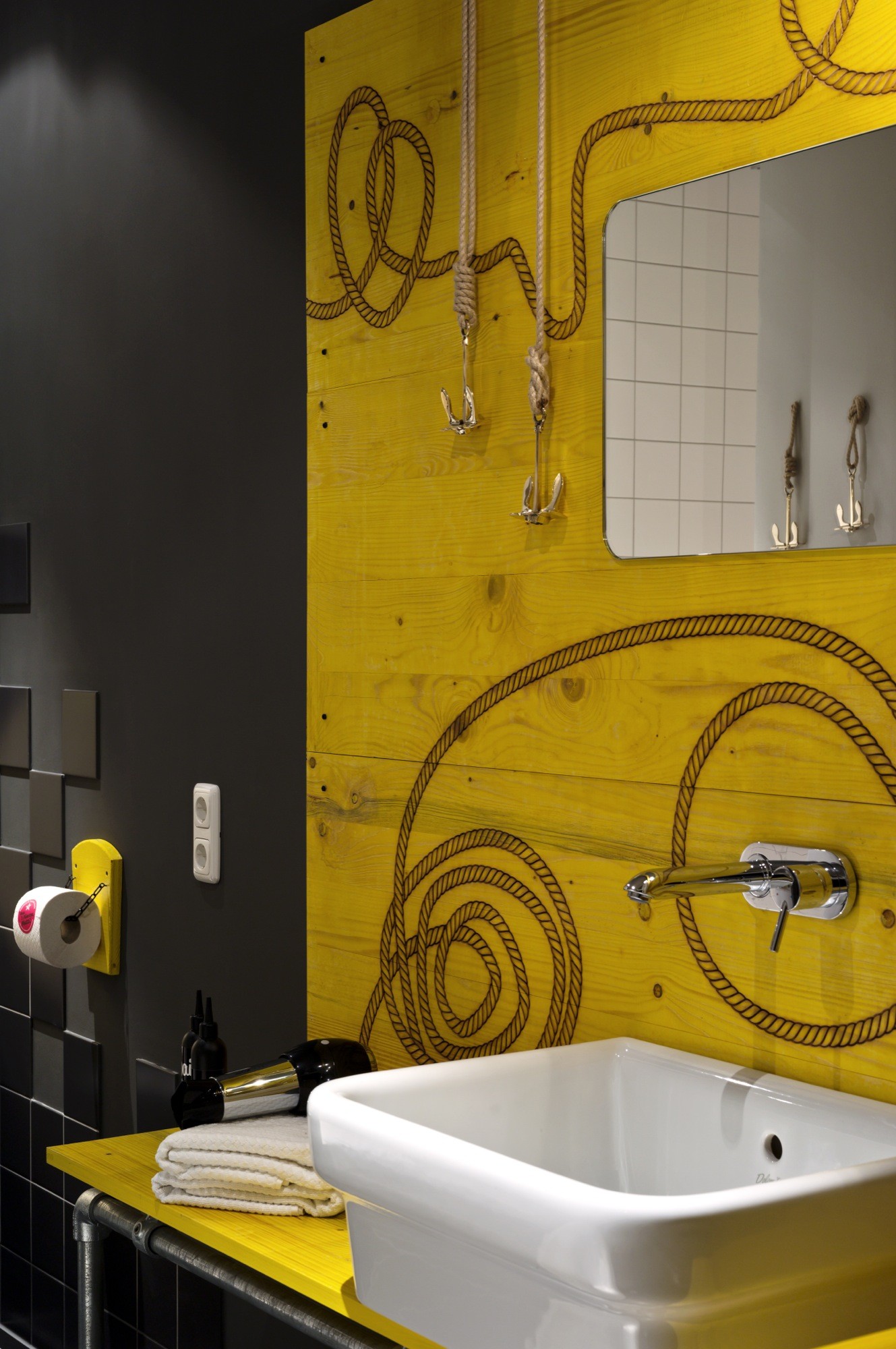
Dreimeta jokes that there is no common thread running through the interior. Instead, there’s a rope. Literally. Thick nautical rope snakes through floors, walls and ceilings, linking spaces while referencing Hamburg’s maritime identity. In the lounge it even spells out “Quiddje” — affectionate Hamburg slang for someone who isn’t from Hamburg. It’s typical Superbude humour. The design constantly references the city, but without falling back on anchors, model ships and other predictable maritime decoration. This is Hamburg translated through found objects, language and attitude.
Bedtime Reading on the Walls
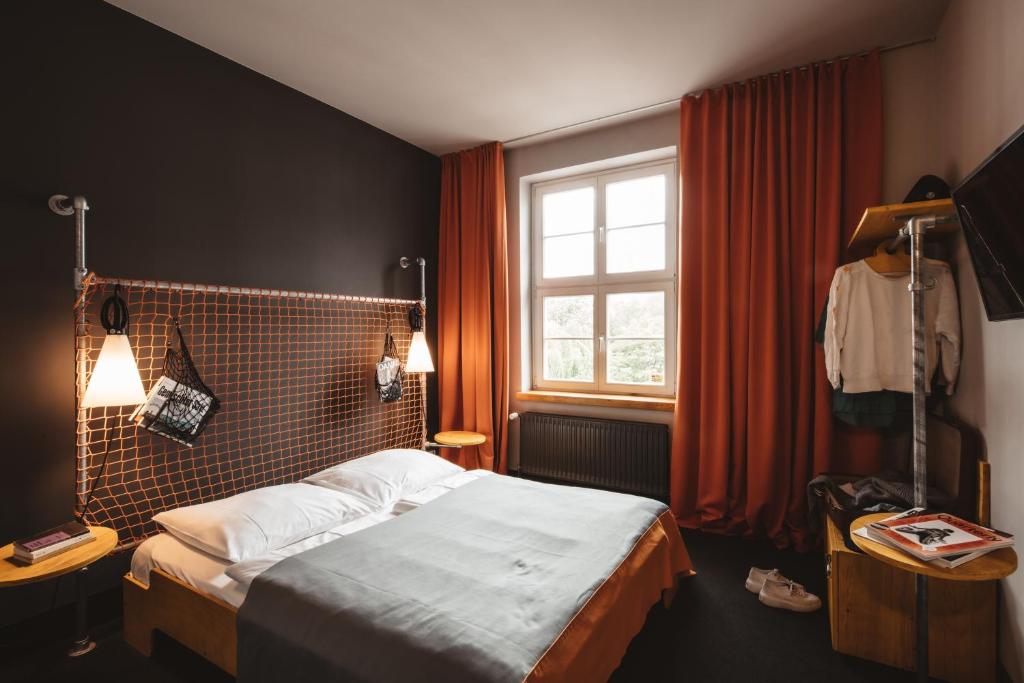
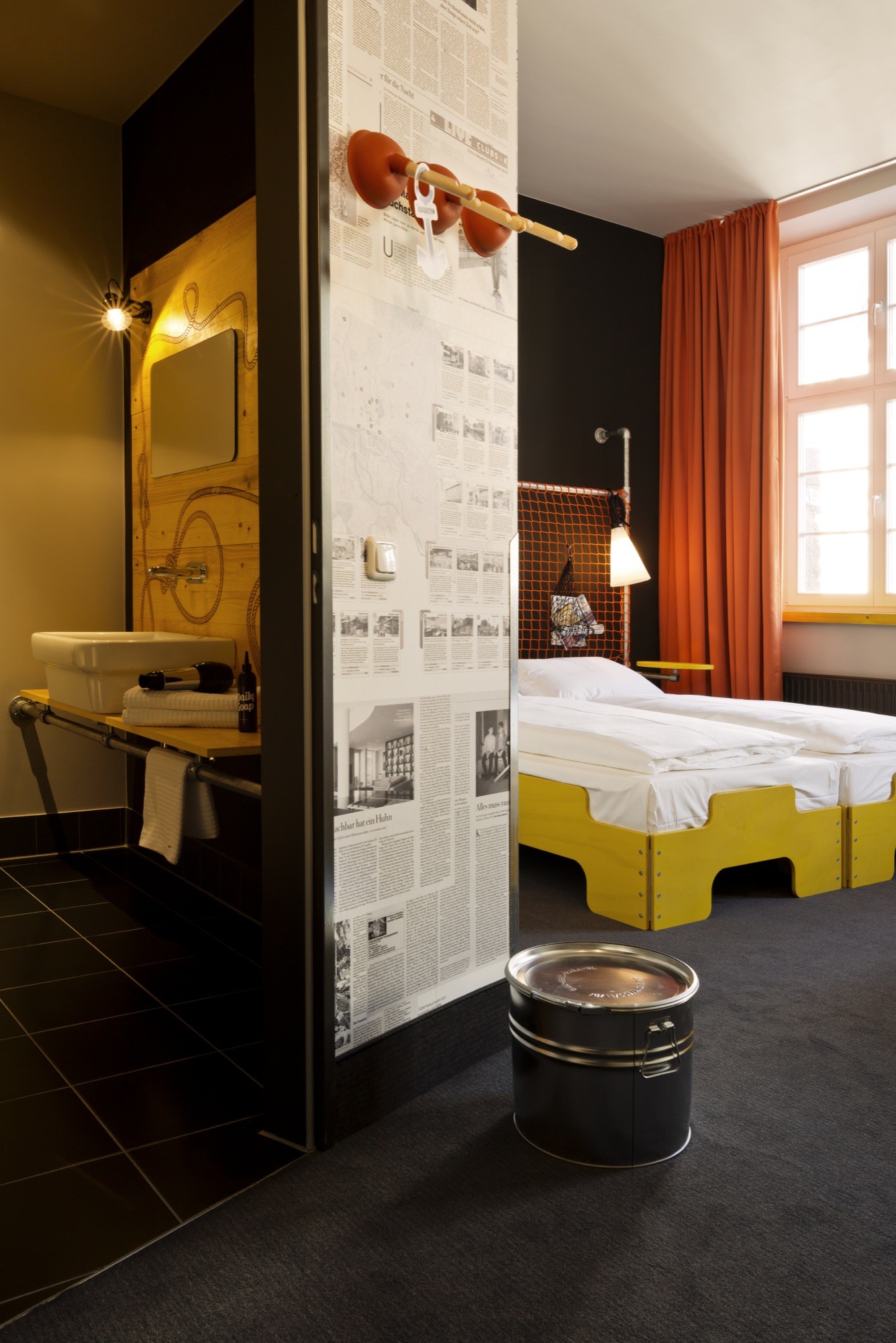
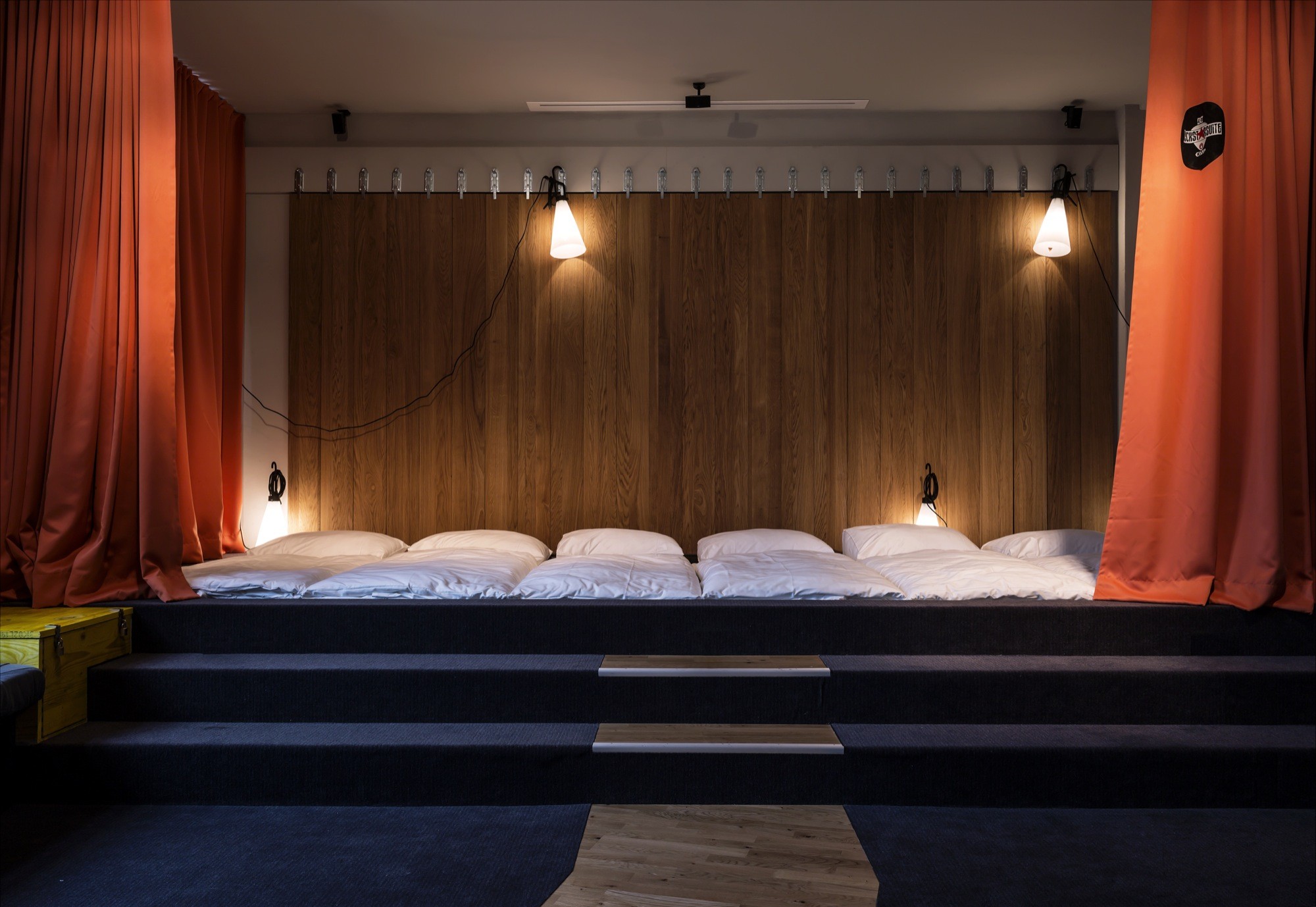
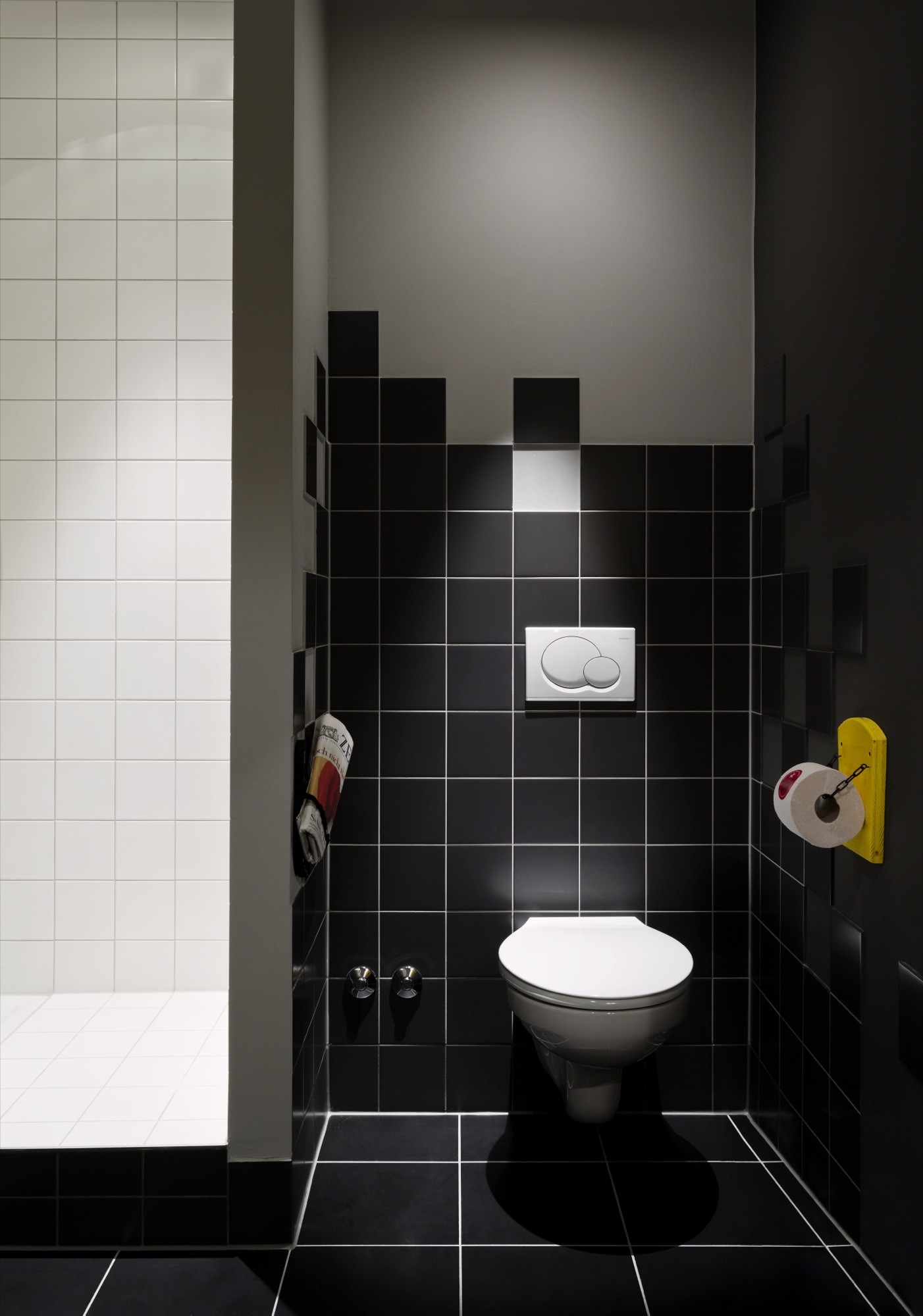
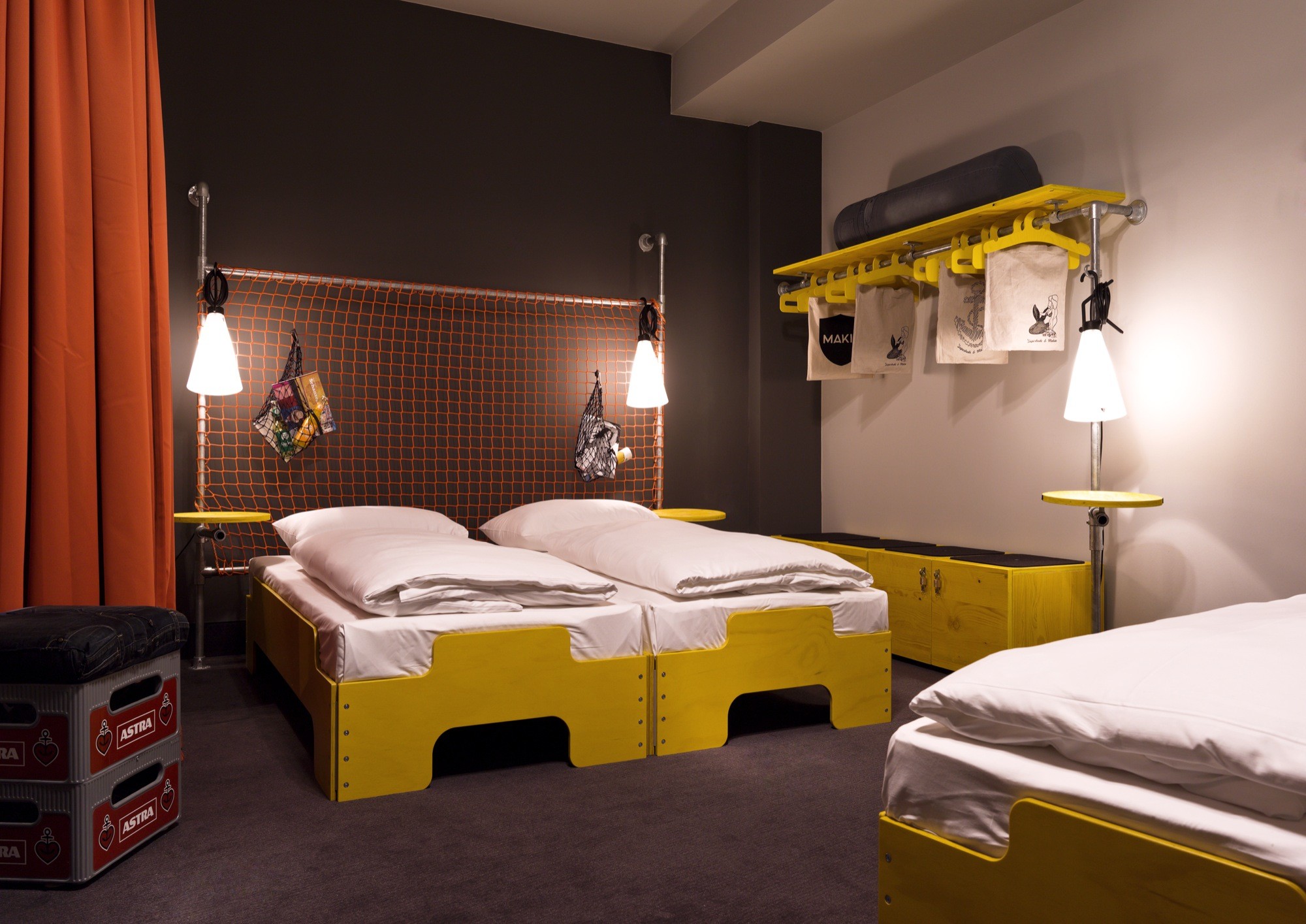
The 89 rooms — or Buden — continue the experiment. Rather than filling them with generic decorative wallpaper, Superbude commissioned bloggers, authors and journalists from different countries to contribute texts and stories. Their words became part of the rooms themselves. Walls become pages. Hotel rooms become reading material. Bright yellows, blacks and whites, graphic surfaces and deliberately informal furniture continue the visual language, while flexible beds can be stacked, pulled out or tucked away depending on who’s staying. That allows Superbude to accommodate everything from solo travellers and couples to groups, with capacity for roughly 280 guests. And crucially, the hybrid concept doesn’t mean sacrificing privacy: rooms have their own bathrooms.
The Kitchen Club
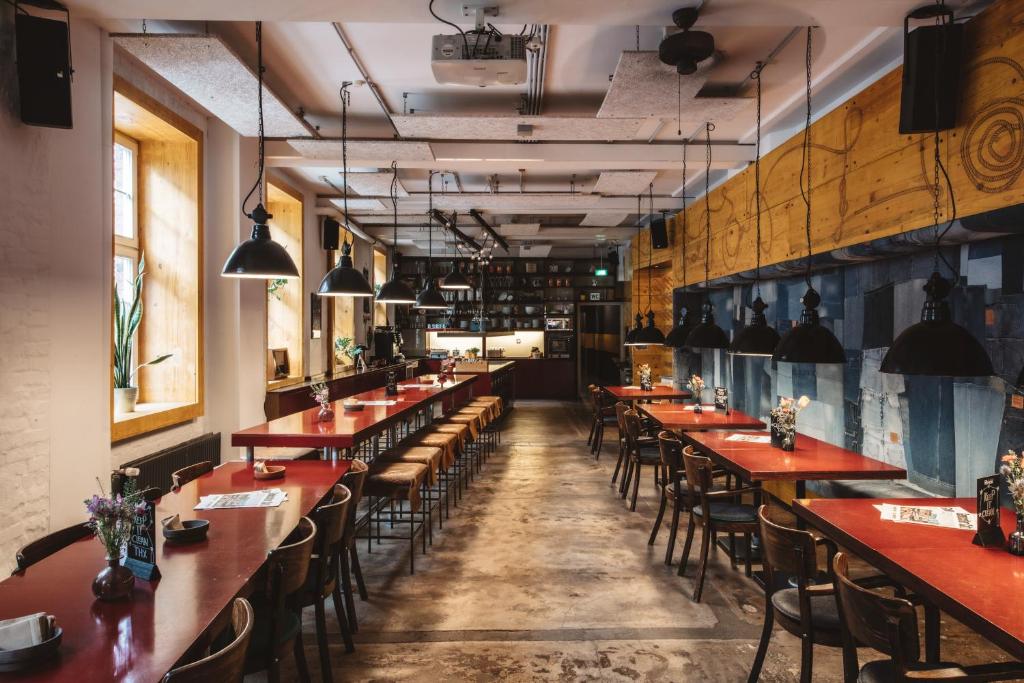
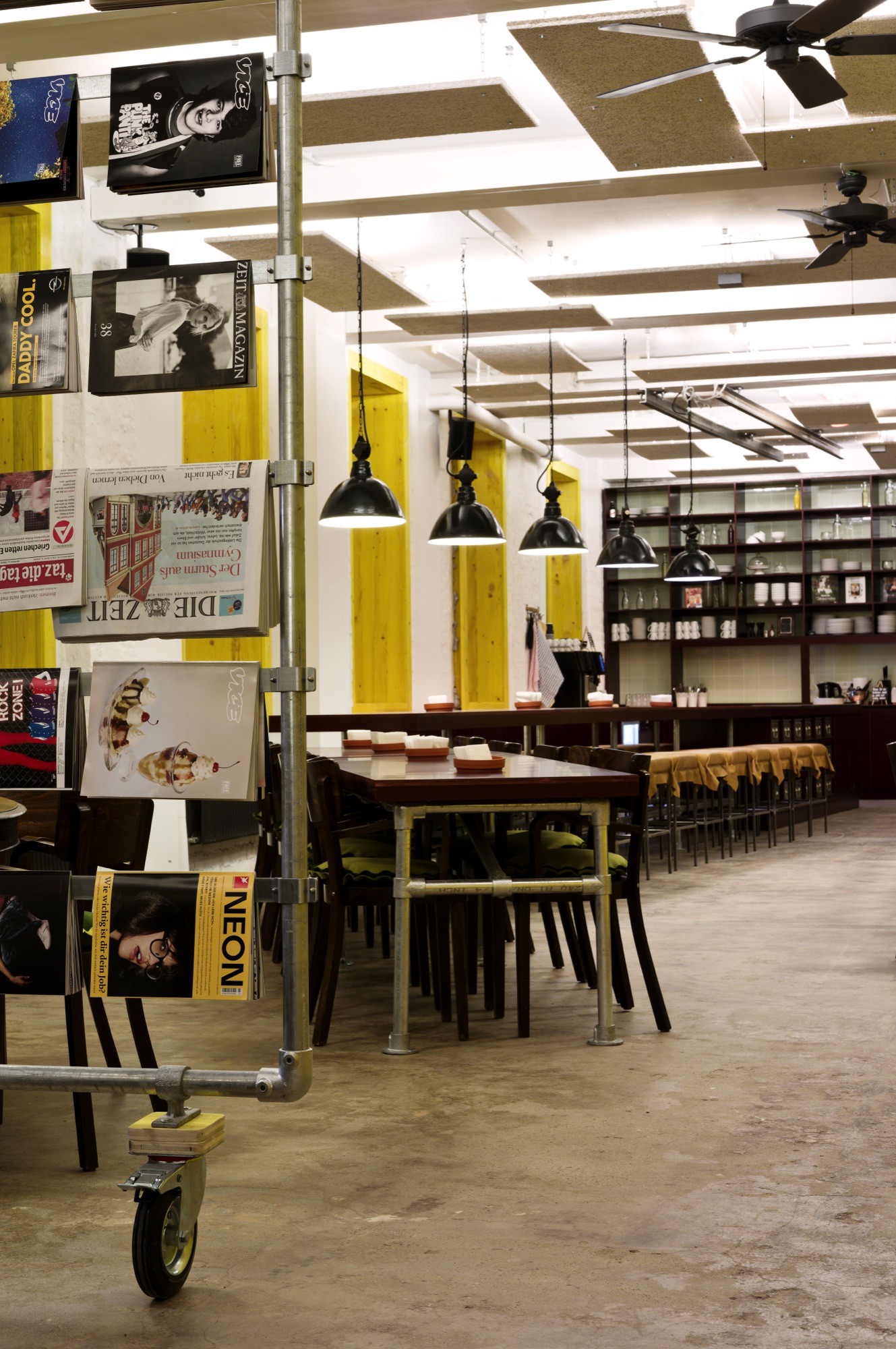
Once again, the Kitchen Club is the social engine. Breakfast happens here, but defining it as a breakfast room misses the point. It’s kitchen, dining room, lounge and meeting place rolled into one. The long communal layout encourages precisely the kind of accidental interaction conventional hotels often try to manufacture with elaborate “social concepts”. Superbude doesn’t need to. Its affordability brings different people through the door. Its flexible rooms mix different kinds of travellers. And its public spaces simply give them somewhere enjoyable to meet. Community becomes a consequence of the design rather than a marketing claim.
Sleeping in the Schanze
Then there’s the neighbourhood. The Schanzenviertel, brushing up against St. Pauli, provides almost everything Superbude needs outside its doors: bars, independent shops, street art, music, cafés and a long tradition of counterculture. The Reeperbahn and Hamburg’s nightlife are close enough when you want them, but Superbude feels more connected to the everyday creative life of the Schanze than to St. Pauli’s tourist spectacle. That makes the hotel particularly successful as a base. You don’t simply visit the neighbourhood. You join it for a few days.
Why It Works
Superbude St. Pauli shows how a hotel brand can repeat an idea without repeating a design. The DNA remains unmistakable — Dreimeta’s upcycling, flexible rooms, communal Kitchen Club, humour and democratic approach to design — but the personality belongs to its neighbourhood. It’s louder than St. Georg, more graphic and more irreverent. And underneath all the visual mischief is a surprisingly intelligent hospitality concept: spend money where guests actually benefit, reuse what others overlook and create spaces people aren’t afraid to inhabit. Superbude St. Pauli isn’t polished, precious or particularly interested in behaving like a proper hotel. That’s precisely the point. It’s Hamburg with the volume turned up — colourful, sociable, resourceful and just rebellious enough to make staying somewhere affordable feel like the more interesting choice.